
The American automotive industry has a rich history of collaboration, shared engineering, and platform utilization. While competition has always been fierce among US car manufacturers, there have been important moments when rival brands opted to use the same engine, creating an unusual sense of overlap in an otherwise competitive market.
Engine sharing was often driven by the need to reduce costs, improve efficiency, or respond to regulations without sacrificing performance. By utilizing a common powerplant, manufacturers could allocate more resources to styling, technology, and marketing while ensuring that the mechanical foundation was reliable and proven.
The engines themselves were sometimes modified slightly to suit each brand’s identity, including changes to tuning, intake systems, or even cosmetic elements like covers. However, at their core, these engines remained fundamentally identical, highlighting the practicality of shared engineering.
Over time, these shared engines became an interesting aspect of US car culture, leading to situations where two or more vehicles, seemingly distinct, could deliver nearly the same driving experience under the hood. For enthusiasts and collectors, spotting these connections adds a layer of appreciation for the ingenuity of automotive engineering.
While some drivers may have been unaware that their favorite brand’s performance was shared with another, industry insiders often celebrated these partnerships as a way to maintain competitiveness without unnecessary duplication of effort. This phenomenon has left a lasting mark on American automotive history and continues to be referenced in discussions about collaboration versus rivalry among domestic car brands.
The following examples illustrate ten occasions when US car brands, despite their separate identities and marketing narratives, relied on the same engines, demonstrating that shared mechanical innovation sometimes trumped the need for absolute exclusivity.
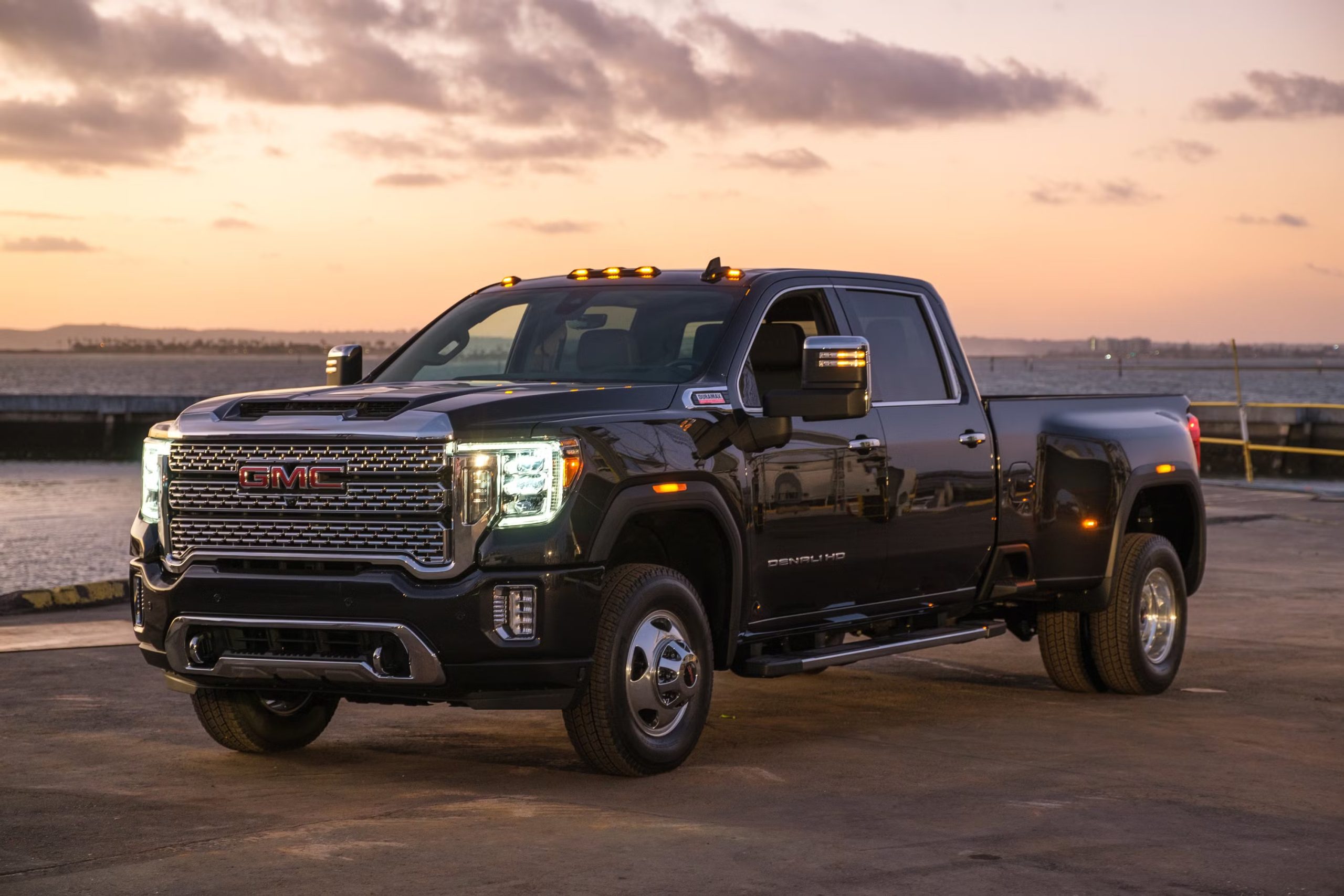
1. Chevrolet and GMC – Small Block V8
Chevrolet and GMC have long been sibling brands under General Motors, but their engine sharing goes far beyond branding. The small block V8, first introduced in the 1950s, became a staple across both brands’ trucks and performance cars. This engine was renowned for its durability, versatility, and ease of modification.
GM used the small block as a foundation for decades, offering it in various displacements and configurations. While Chevrolet often emphasized sportiness and performance, GMC applied the same engine to heavier-duty trucks with minimal changes.
The shared architecture allowed GM to reduce manufacturing complexity and cost, while both brands enjoyed a proven, reliable power source. Owners of either brand could often swap engines between vehicles with little difficulty. Over time, this engine became a symbol of GM’s engineering philosophy: practical, reliable, and adaptable.
Car enthusiasts frequently compare the subtle differences in tuning or accessories. Despite these minor variations, the underlying engine remained identical in design and function. This collaboration also enabled aftermarket support, creating a huge ecosystem of parts compatible with multiple vehicles.
The small block V8’s legacy continues today as an icon of American automotive engineering. Its influence is still felt in classic car communities and modern performance builds. Even decades after its introduction, the engine’s shared use between Chevrolet and GMC stands as a testament to efficiency in manufacturing.
It also demonstrates how two brands can maintain unique identities while relying on the same mechanical heart. The impact on resale, repair, and performance upgrades made it one of the most famous examples of engine sharing in the US. From muscle cars to heavy-duty trucks, the small block V8 shaped the performance expectations of multiple brands simultaneously.
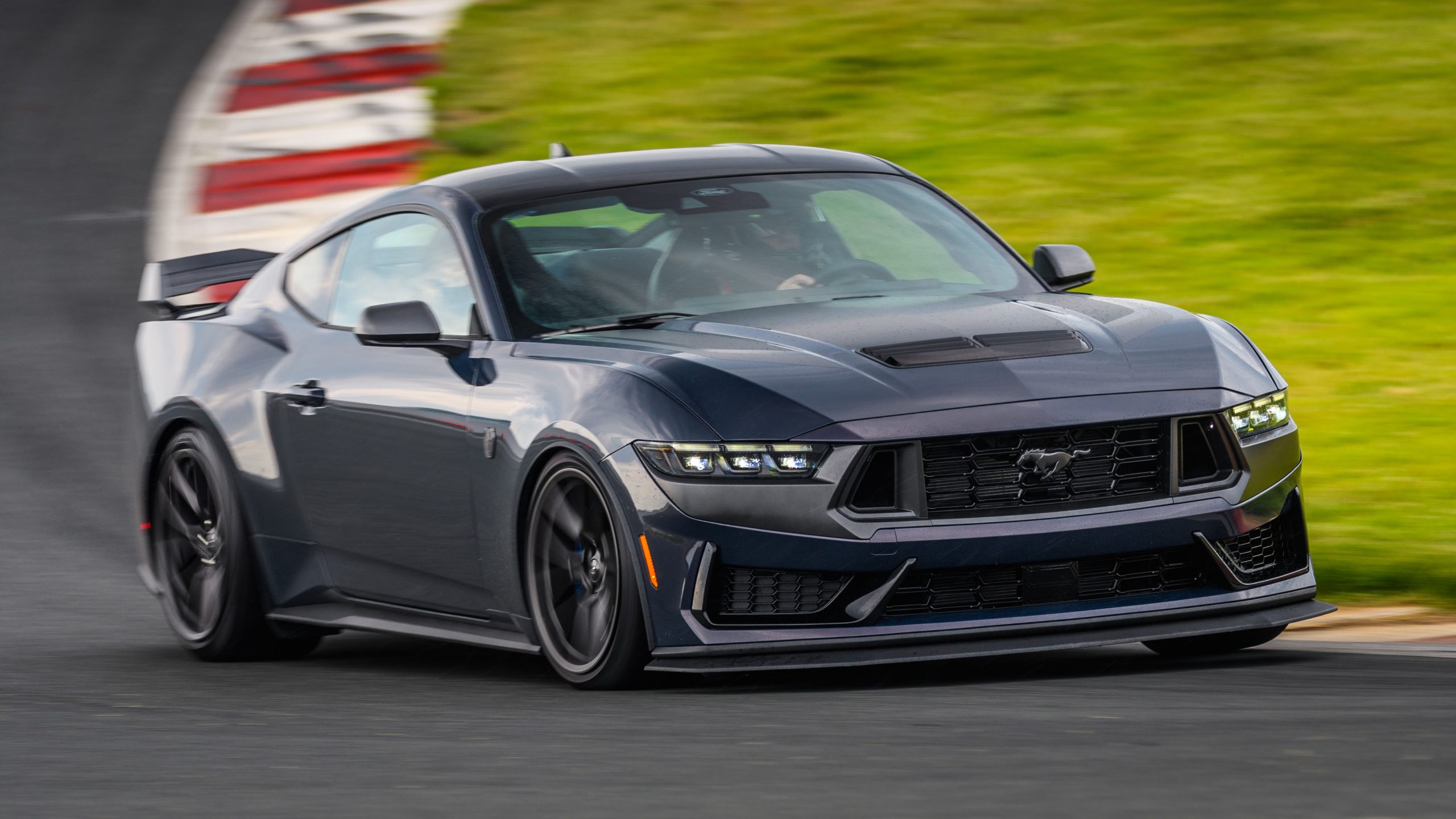
2. Ford and Lincoln – Modular V8 Engines
Ford’s relationship with Lincoln created a situation where modular V8 engines powered vehicles across both lines. Introduced in the 1990s, these engines were designed to be flexible, fitting everything from luxury sedans to trucks. Lincoln used these engines in its sedans and SUVs, focusing on smoothness and quiet operation.
Ford, meanwhile, emphasized performance and towing capability. Despite the marketing differences, the mechanical core of the engines remained the same. This allowed both brands to streamline engineering and parts production efficiently. Modifications included changes to intake manifolds, engine tuning, and exhaust configurations.
These differences created unique driving experiences while retaining the same foundation. The engines were also designed to meet evolving emissions standards, allowing both brands to comply without extensive redesign. Over the years, this modular approach made it easier for mechanics to service vehicles across both lines.
Enthusiasts appreciated the interchangeability of parts, fostering a strong aftermarket community. The shared engine also encouraged innovation in areas such as electronic fuel management. Lincoln benefitted from Ford’s mass-production expertise while maintaining its premium feel.
This combination helped both brands remain competitive in their respective segments. The modular V8s became known for reliability and adaptability. Even today, certain models share the same block despite being marketed as entirely separate vehicles. It is a prime example of cost-effective engineering while maintaining brand distinction.
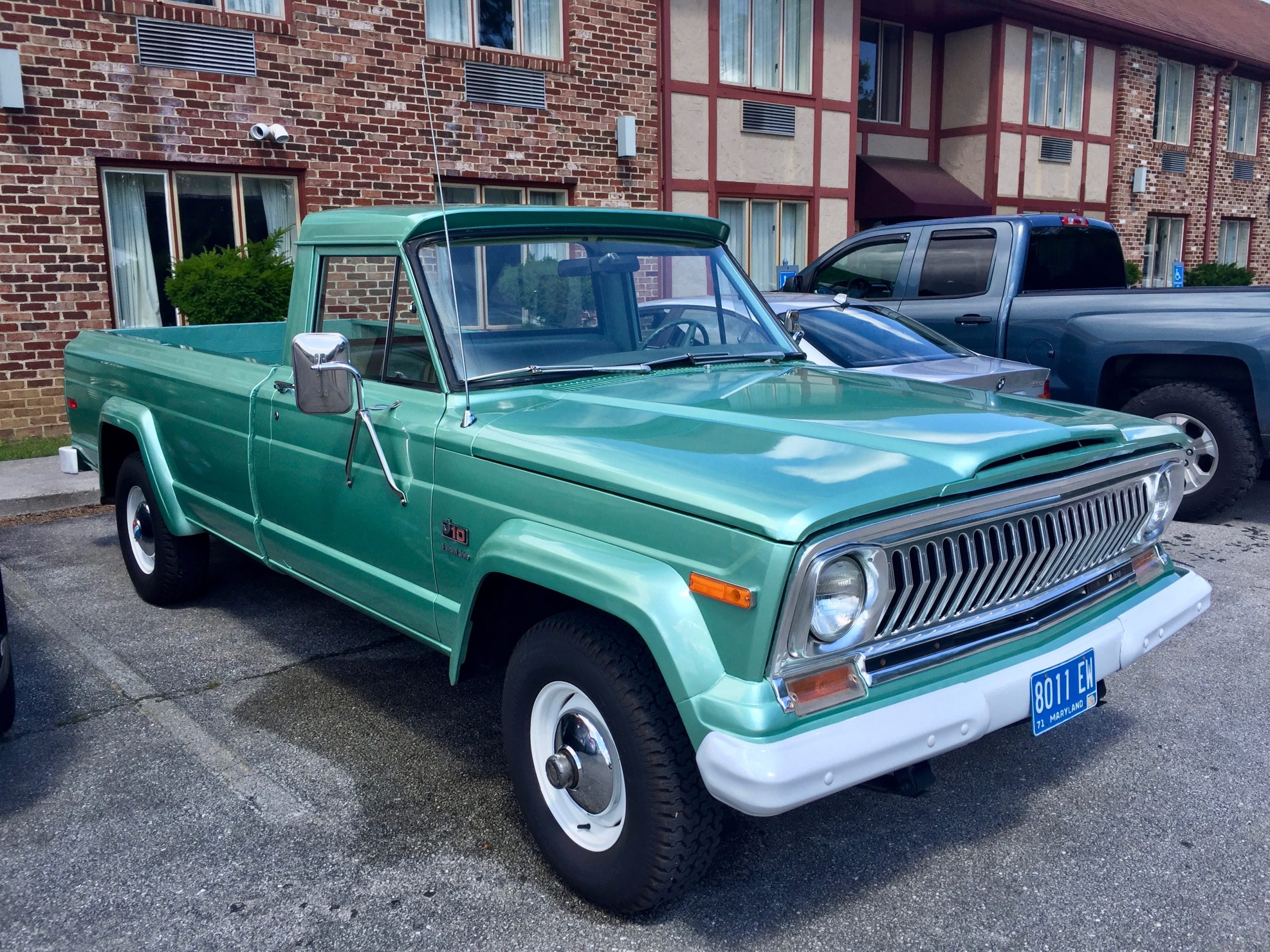
3. Dodge and Jeep – HEMI V8
The iconic HEMI V8 engine has powered both Dodge and Jeep vehicles for decades. Initially known for high-performance muscle cars, the HEMI found a second life in Jeep trucks and SUVs. Jeep utilized the engine in larger vehicles, emphasizing torque and off-road capability.
Dodge, on the other hand, highlighted horsepower and acceleration in its performance lineup. Despite these applications, the engine’s architecture remained identical. Chrysler’s decision to share the HEMI engine minimized development costs while maximizing brand appeal.
The HEMI name became a marketing tool across both brands, known for power and reliability. Modifications were primarily cosmetic or related to tuning for specific vehicle uses. The shared use strengthened Chrysler’s portfolio, allowing it to compete in multiple segments efficiently.
Automotive enthusiasts quickly recognized the performance potential across brands. The HEMI V8’s compatibility between Dodge and Jeep also supported aftermarket upgrades. Swaps and performance enhancements became more accessible to owners.
Its dual branding added mystique to the engine’s reputation. The engine’s design emphasized durability, with robust components able to handle heavy loads. HEMI-powered vehicles across both brands often shared maintenance practices. This shared engine exemplifies how a single powerplant can define the identity of multiple American car brands.
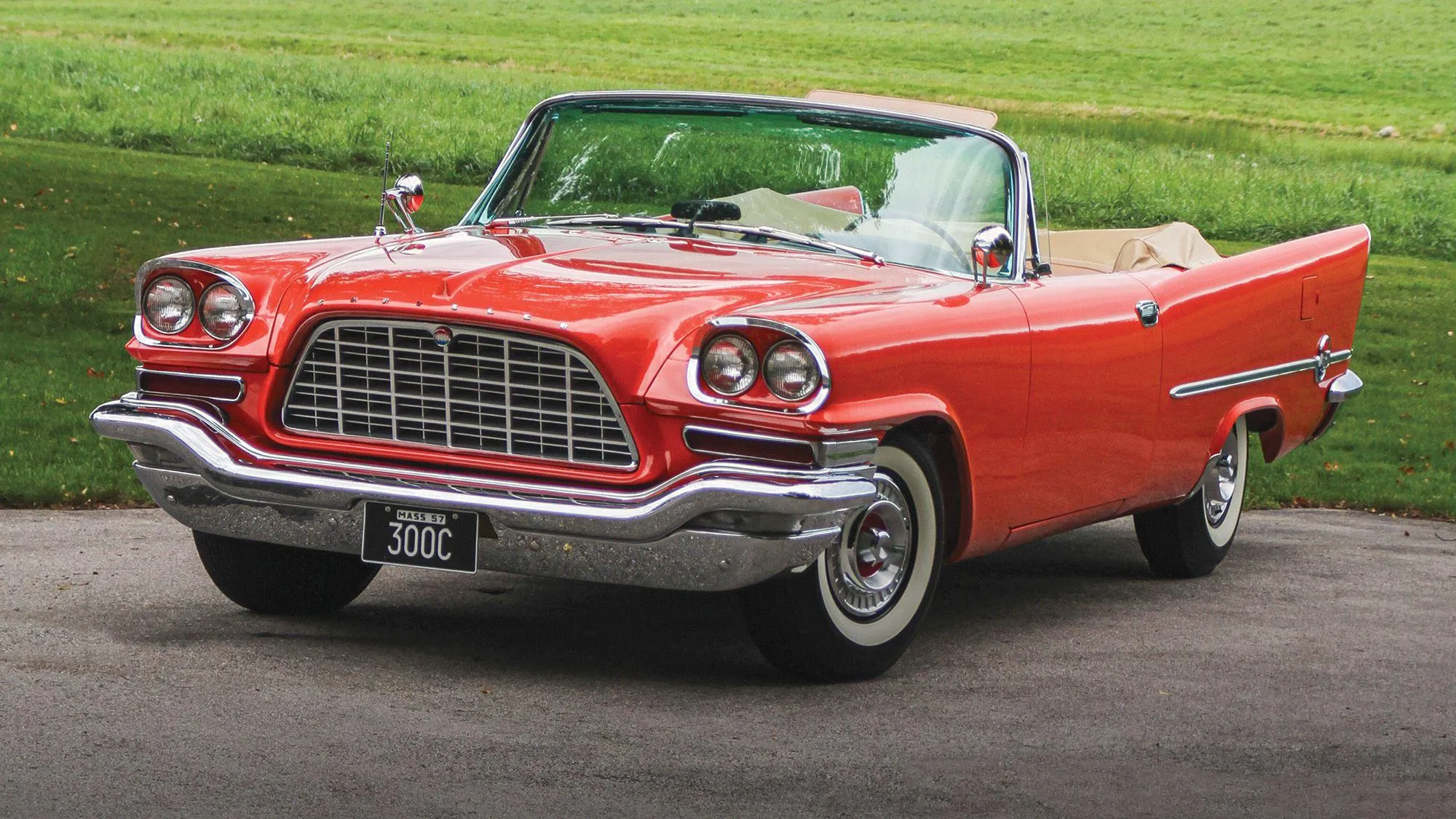
4. Chrysler and Plymouth – 2.2L Turbo Inline-4
During the 1980s and early 1990s, Chrysler and Plymouth shared the 2.2L turbocharged inline-4 engine across multiple models. This compact engine provided a balance between fuel efficiency and performance. Chrysler applied the engine to larger sedans and minivans, while Plymouth used it in smaller, sportier cars.
Despite differences in applications, the mechanical design remained consistent. Turbocharging added excitement to compact models, enhancing power output without increasing displacement. The shared engine allowed the company to respond to stricter fuel economy regulations.
Parts compatibility reduced inventory requirements for dealerships. It also facilitated maintenance, as mechanics could service multiple models using the same knowledge and components. The 2.2L turbo became known for its reliability and tuning potential.
Performance enthusiasts often upgraded this engine for higher horsepower. Its lightweight design helped improve vehicle handling. Chrysler and Plymouth effectively used this engine to reach distinct audiences without duplicating engineering efforts.
Marketing emphasized different characteristics, refinement for Chrysler, sportiness for Plymouth. The engine’s versatility became a hallmark of efficient US automotive engineering. Its influence persisted into later turbocharged engine designs. Shared innovation allowed both brands to maintain competitive offerings during challenging economic periods.
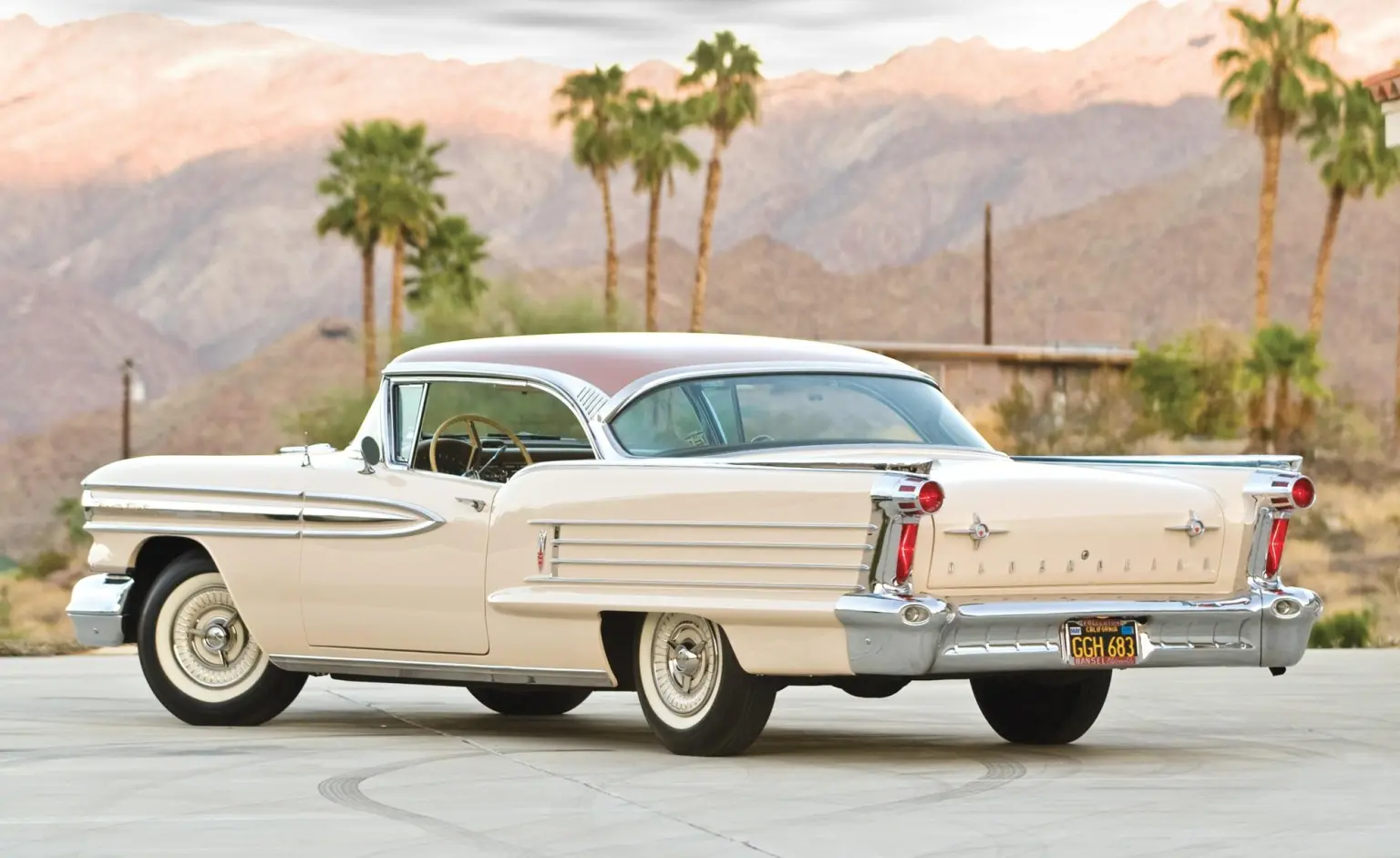
5. Buick and Oldsmobile – 3.8L V6
Buick and Oldsmobile often shared the 3.8L V6 engine, also known as the 3800 series. This engine was renowned for smooth operation and durability, powering sedans, coupes, and minivans. Buick highlighted refinement and quiet performance, while Oldsmobile marketed the engine’s reliability and everyday usability.
Despite these branding differences, the engine itself remained mechanically identical. Over time, small updates improved efficiency and reduced emissions. GM used the engine across multiple platforms to lower development costs. Its proven design made it a favorite among mechanics and enthusiasts alike.
The 3800 series V6 became synonymous with longevity, often exceeding 200,000 miles without major issues. Buick and Oldsmobile vehicles shared compatible parts, making maintenance more convenient. Turbocharged variants introduced later enhanced performance while retaining the same block.
The shared engine allowed GM to cater to both luxury and mainstream markets effectively. This collaboration demonstrated the practical benefits of platform and engine sharing. Vehicles across both brands maintained unique identities while leveraging common engineering strengths. The 3.8L V6 remains one of the most celebrated examples of a shared US engine legacy.
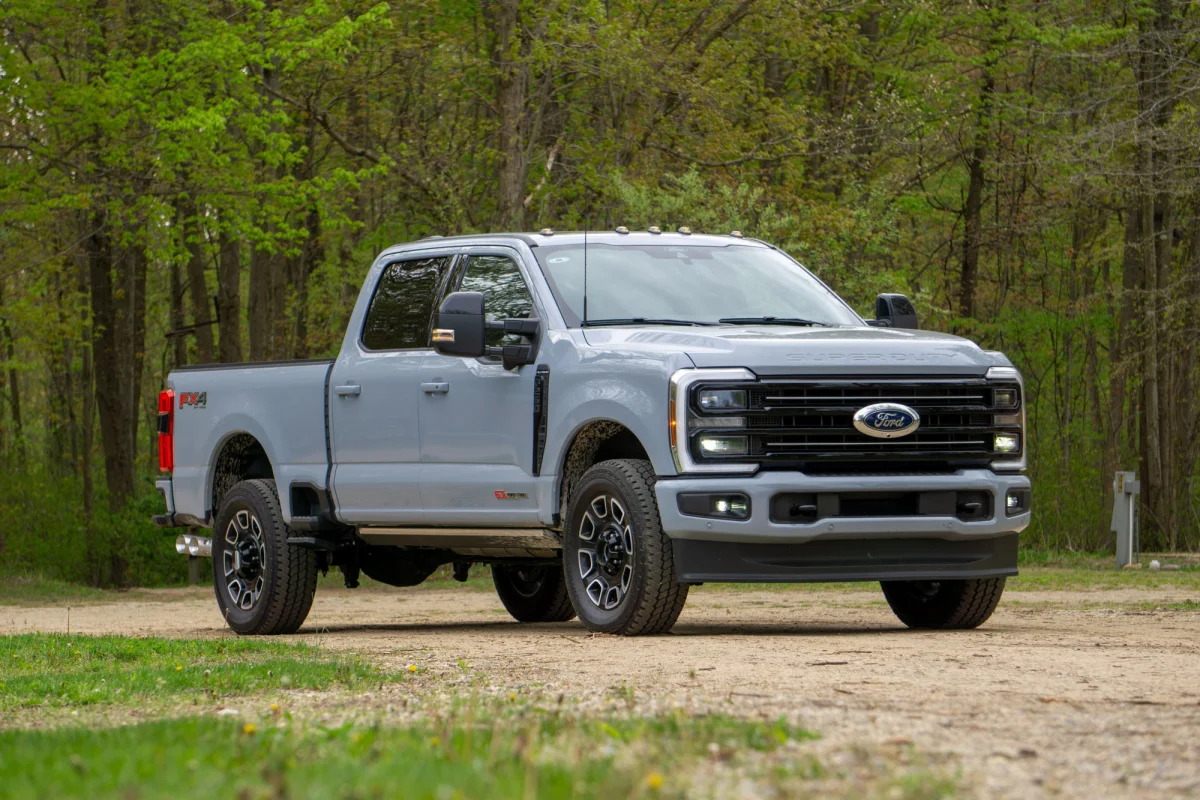
6. Ford and Mercury – 5.0L “Coyote” V8
Ford and Mercury have a history of sharing performance-oriented engines, with the 5.0L “Coyote” V8 being a prime example. Introduced in the early 2010s, the engine combined modern technology with traditional American V8 power. Both brands used it in performance sedans, coupes, and sports trucks, with minimal differences in mechanical layout.
While Ford focused on raw horsepower and track-ready tuning, Mercury applied a slightly softer calibration for smooth daily driving. The engine’s aluminum block reduced weight, enhancing handling and fuel efficiency, while dual overhead camshafts and variable valve timing optimized performance across RPM ranges.
Both brands leveraged the same internal components, making parts swaps feasible and servicing easier. Despite Mercury’s eventual phase-out, vehicles featuring this shared engine remain highly sought after among collectors and enthusiasts. The engine’s adaptability allowed it to fit multiple transmissions and drivetrain setups without altering core mechanics.
This shared engineering demonstrates how Ford maximized resources while maintaining brand identity. Performance upgrades, such as aftermarket superchargers or exhaust modifications, worked seamlessly across both brands, thanks to identical designs. The 5.0L “Coyote” V8 also showcased how modern electronics could be integrated with a traditional V8 layout.
It balanced reliability, power, and refinement, serving as a benchmark for modern American engines. Ford and Mercury’s collaboration highlights the efficiency and versatility of sharing a high-performance platform while catering to distinct market expectations.
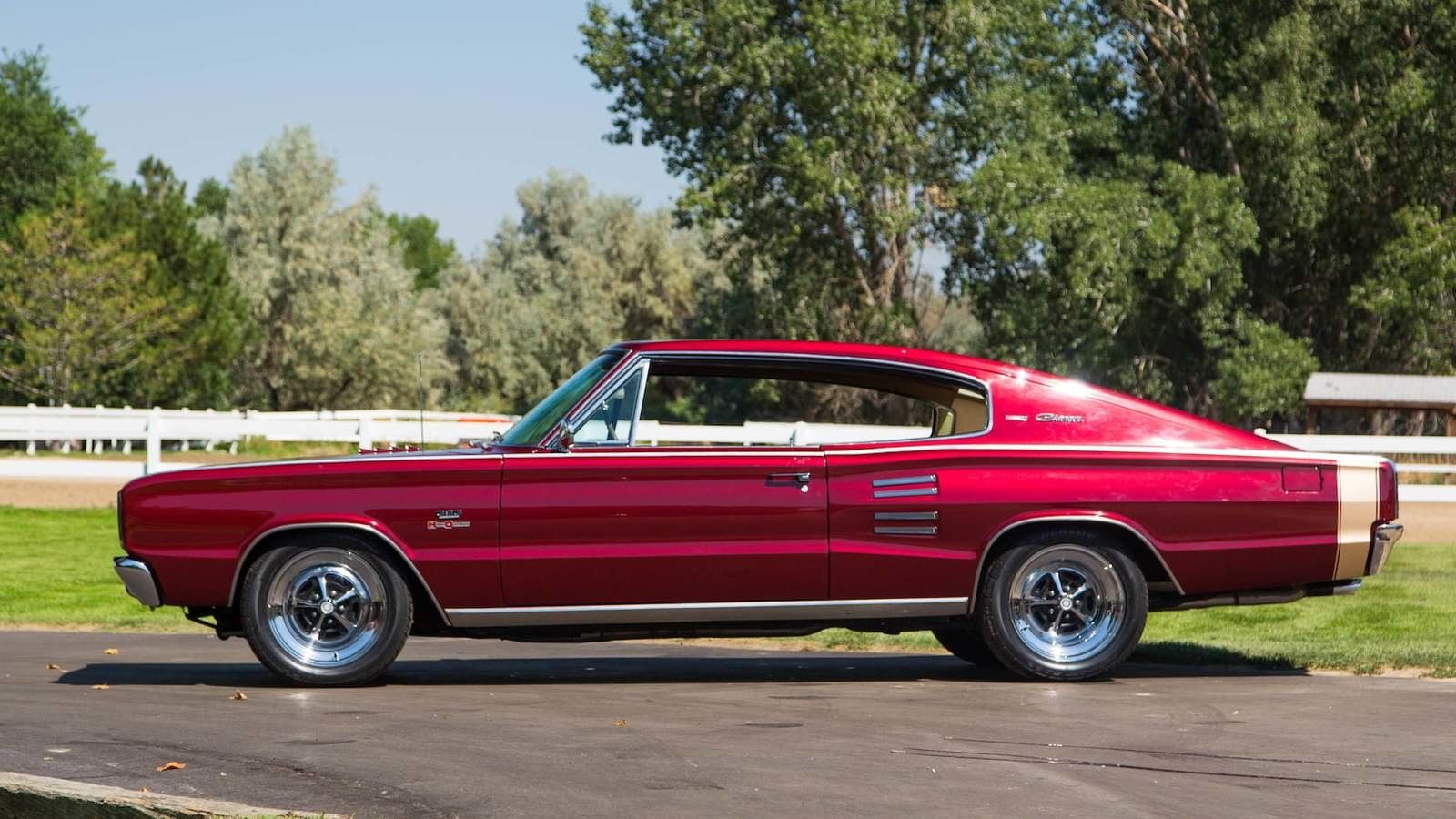
7. Dodge and Chrysler – 3.6L Pentastar V6
The 3.6L Pentastar V6 engine has become a workhorse for both Dodge and Chrysler vehicles, powering sedans, SUVs, and minivans. Introduced in the early 2010s, it replaced a series of older V6 engines and quickly became a versatile powerplant. The engine features an aluminum block, variable valve timing, and a smooth torque curve, making it ideal for multiple vehicle types.
Dodge often emphasized sportiness, giving the engine a more aggressive tune, while Chrysler used it for refined, everyday comfort. Despite these branding differences, the internal components, displacement, and core architecture remained identical. Chrysler and Dodge both benefited from lower production costs and streamlined supply chains.
The shared engine also simplified emissions compliance, as one block could meet standards across multiple platforms. Mechanics appreciated the interchangeability of parts and familiarity of design. Owners could often upgrade or replace components across both brands with minimal modifications.
The engine’s success contributed to strong sales in mid-sized and full-sized vehicles. It also demonstrated the modern trend of downsizing without sacrificing power, as its efficiency rivaled larger older engines. The Pentastar V6 became a symbol of versatility, reliability, and cross-brand engineering excellence in the US automotive industry.
8. Chevrolet and Pontiac – LS V8 Series
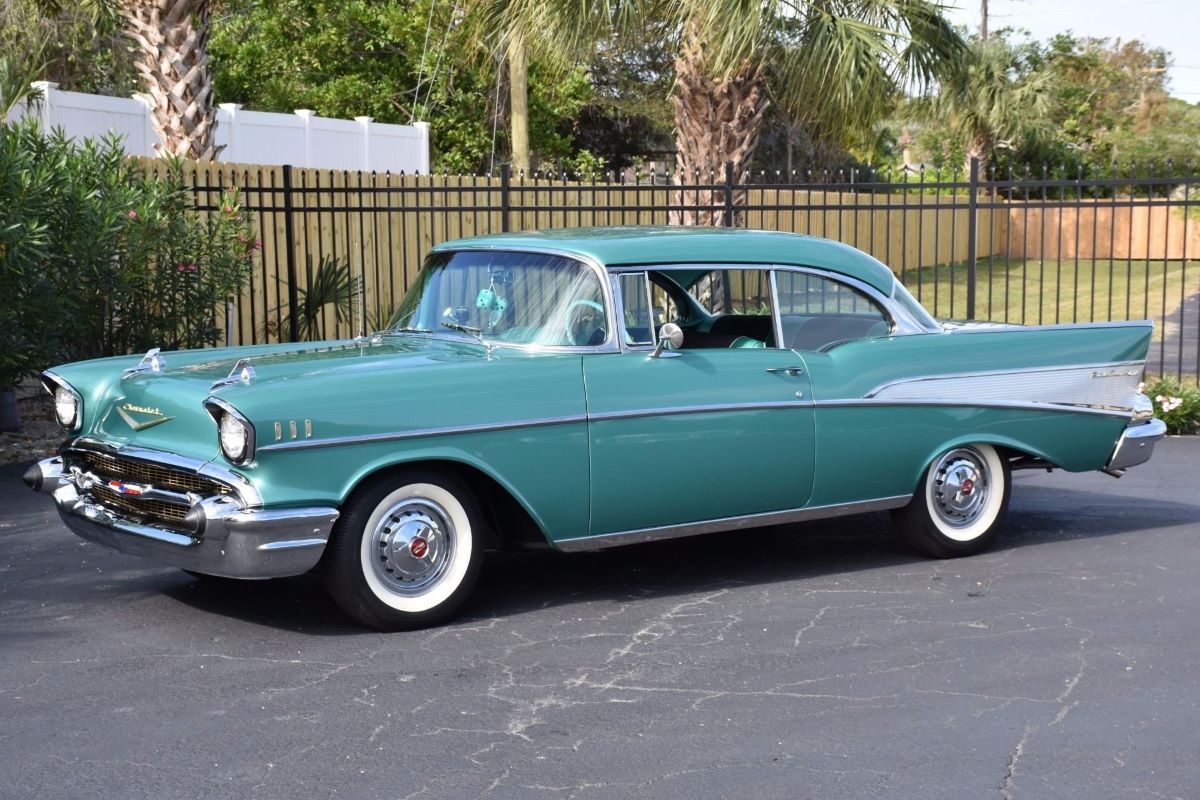
Chevrolet and Pontiac shared the legendary LS V8 series, powering everything from sports cars to trucks. The LS engine family became famous for its combination of compact size, lightweight design, and immense tuning potential. Chevrolet used it in the Corvette, Camaro, and trucks, while Pontiac employed it in the GTO and Firebird models.
Despite different vehicle applications, the engines shared identical blocks, heads, and internal architecture. Tuning and accessory variations created unique driving characteristics for each brand, but mechanically they remained the same. The LS series emphasized modern technology while retaining traditional pushrod V8 simplicity.
Its modularity allowed it to fit a variety of transmissions, drivetrains, and vehicle layouts. Enthusiasts embraced the LS engine for its performance upgrades, often transplanting it into different vehicles. Chevrolet and Pontiac shared manufacturing lines, streamlining production and reducing costs.
Even with Pontiac’s discontinuation, the LS engines live on in aftermarket builds and racing applications. The engine’s durability and power output contributed to the enduring reputation of both brands. Its influence extends beyond American cars, as LS swaps have become common in custom builds worldwide. The LS V8 series exemplifies a shared engine platform enhancing multiple brands while fostering an enthusiast culture.
9. Buick and Chevrolet – 5.3L and 6.0L V8
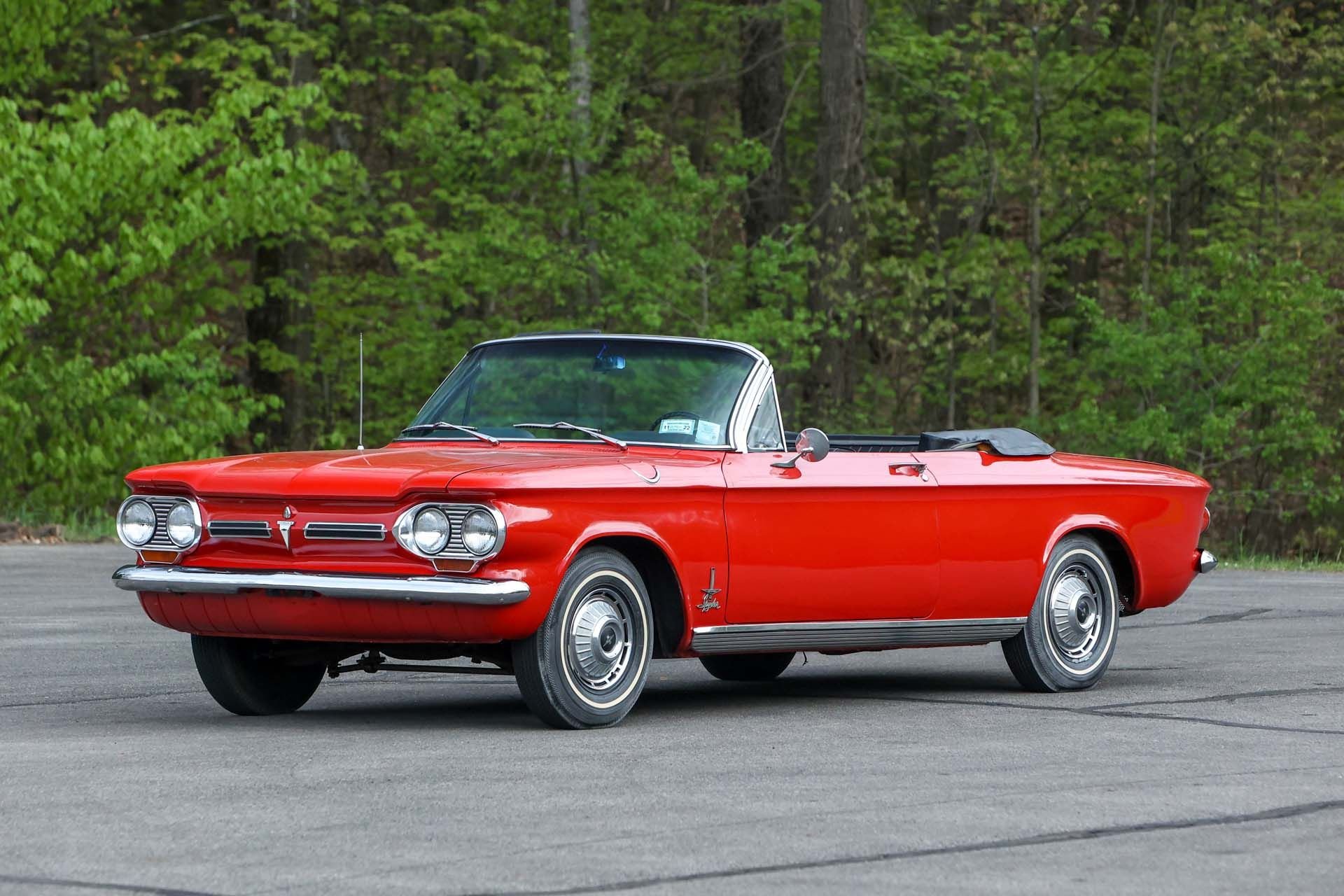
Buick and Chevrolet shared the 5.3L and 6.0L V8 engines extensively in trucks, SUVs, and full-size sedans. These engines were part of GM’s LS-based family, providing reliable power with a balance of performance and efficiency. Buick prioritized smoothness, quiet operation, and refinement for luxury-oriented customers.
Chevrolet focused on raw horsepower, towing capability, and sportier applications. Both brands used identical engine blocks, heads, and internal components, differing mainly in tuning and peripheral accessories. This strategy allowed GM to serve multiple market segments without additional development costs.
The engines featured aluminum or cast-iron blocks depending on application, with modern electronic fuel injection enhancing efficiency. Compatibility across brands made aftermarket support extensive and simplified repairs. The shared engines also enabled GM to standardize service procedures and reduce production complexity.
Buick and Chevrolet owners benefited from a wealth of performance upgrades and spare parts availability. The longevity of these engines made them a cornerstone for long-lasting American vehicles. Their adaptability also meant they could handle light performance modifications or heavy-duty applications with ease.
Shared engine use reinforced GM’s philosophy of combining reliability, efficiency, and brand differentiation. These V8 engines remain iconic examples of cross-brand engineering success in US automotive history.
10. Dodge and Ram – 5.7L HEMI V8
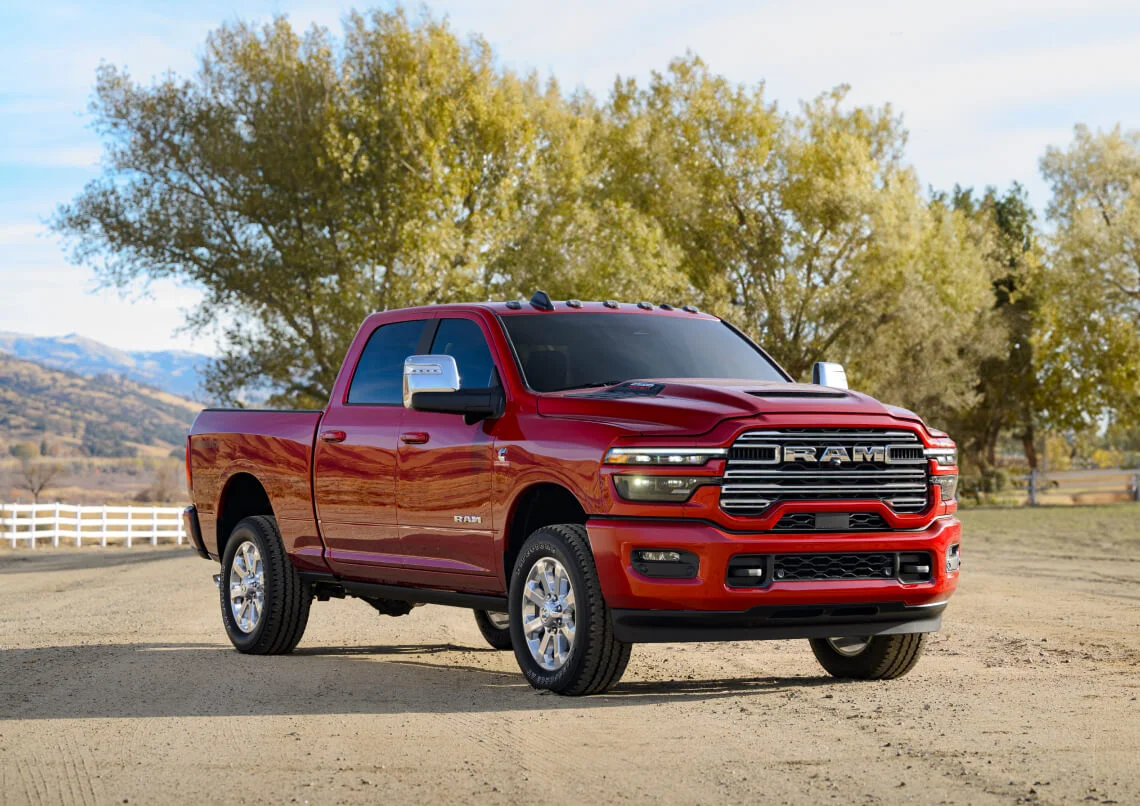
The 5.7L HEMI V8 engine became a shared powerhouse for Dodge cars and Ram trucks, balancing performance and utility. Initially developed for Dodge performance vehicles, the engine was adapted for Ram pickups to provide towing power and reliability.
Despite different applications, the internal design, displacement, and cylinder heads were the same. Modifications were limited to intake manifolds, exhaust tuning, and electronic calibration. Dodge highlighted speed and acceleration, while Ram emphasized torque and low-end grunt for hauling and off-road use.
The engine featured hemispherical combustion chambers, enhancing airflow and power output. Its modular design allowed it to integrate seamlessly into multiple vehicle platforms. Both brands benefited from manufacturing efficiencies and a consistent supply chain.
Enthusiasts frequently swapped these engines between vehicles for performance or restoration projects. The 5.7L HEMI also symbolized modern American V8 engineering, blending technology with classic muscle-car appeal. Its success across brands reinforced the practicality of engine sharing without diluting brand identity.
The engine’s performance, reliability, and aftermarket support made it one of the most celebrated shared engines in US automotive history. It demonstrates how a single powerplant can meet diverse demands while becoming a defining feature for two separate brands.
