
The grille of a car is more than just a functional component that allows air to reach the engine. It has long served as a defining element of a vehicle’s identity, signaling both style and character to anyone who sees it on the road. In American automotive history, the grille has become a symbol of design innovation, craftsmanship, and brand recognition.
From the early days of chrome-laden designs to the sleek, modern interpretations seen today, the American car grille represents a unique blend of art and engineering. Car enthusiasts often judge a vehicle by its front fascia, noting the intricate patterns, shapes, and emblem placements that make each model instantly recognizable.
Some grilles evoke a sense of power, commanding attention with bold lines and aggressive styling, while others exude elegance and sophistication through subtle curves and refined detailing. Across decades, manufacturers have used grilles to convey their brand’s philosophy, whether it was the luxury of Cadillac, the ruggedness of Ford trucks, or the rebellious energy of Chevrolet muscle cars.
These designs often reflect the broader cultural and technological shifts of their time, from the chrome-heavy styling of the 1950s to the aerodynamic and minimalist trends of the 21st century. A truly iconic grille not only defines a vehicle but also leaves a lasting impression that transcends generations.
The appeal of these grilles lies in their ability to balance form and function, combining airflow efficiency with visual drama. Certain designs have become so emblematic that they are instantly associated with their respective brands, creating a sense of familiarity and prestige.
In this article, we will look at ten American car grilles that have stood the test of time, gaining legendary status among collectors, enthusiasts, and casual admirers alike. Each grille on this list represents a moment in design history where creativity, engineering, and identity converged to produce something unforgettable.
From the luxurious elegance of Cadillac’s vertical slats to the bold, assertive front of classic muscle cars, these grilles reveal the ingenuity and stylistic ambitions of American carmakers. They also highlight the way design choices can influence public perception, making a car not just a mode of transportation but a statement of taste, culture, and personal expression.
The following examples showcase how a simple pattern of metal or plastic can become a defining feature, offering both aesthetic pleasure and practical function. The legacy of these grilles is evident not only in their lasting popularity but also in their influence on contemporary automotive design.
Through the lens of these ten examples, one can trace the evolution of American automotive styling and understand why certain designs endure in the collective memory of car enthusiasts around the world. By examining the forms, materials, and concepts behind these grilles, we gain insight into the artistry and vision that define the best of American car design.
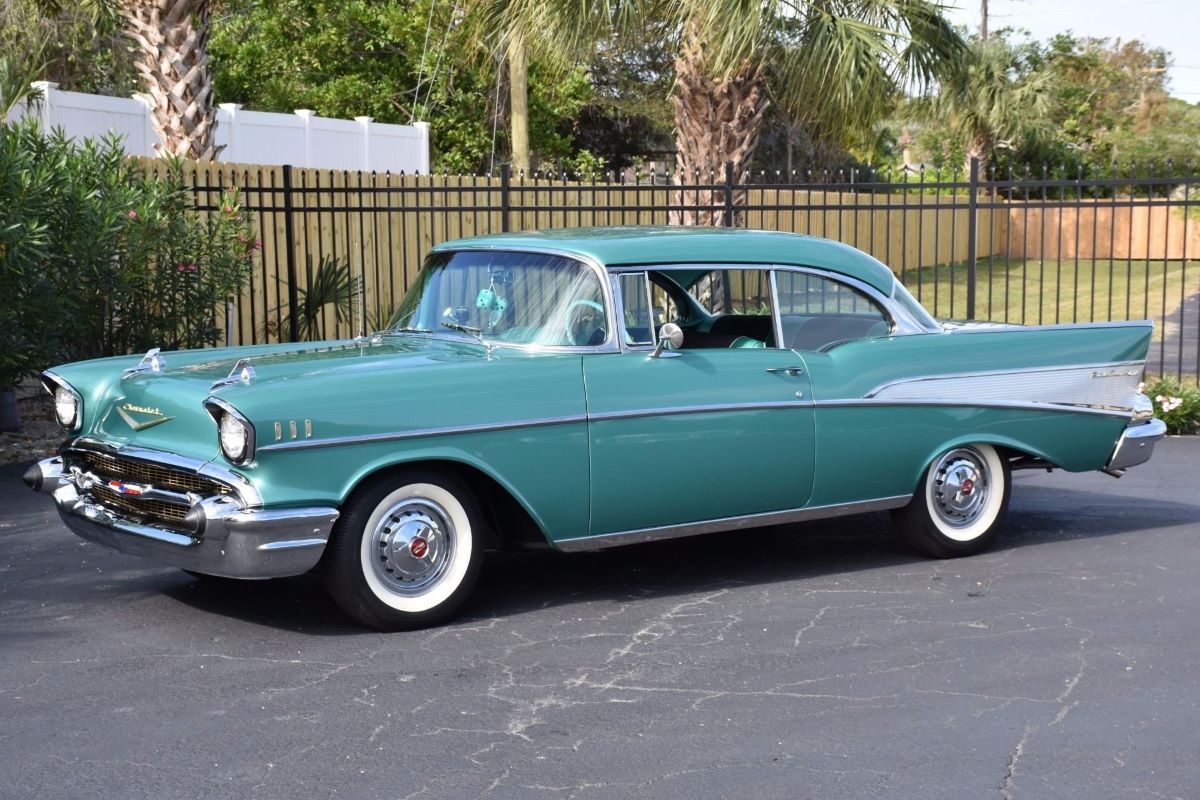
1. 1957 Chevrolet Bel Air
The 1957 Chevrolet Bel Air grille is one of the most recognizable front ends in automotive history. Its broad, chrome-laden surface emphasized both width and elegance, creating a sense of presence on the road. The design included a central horizontal bar that perfectly framed the Chevrolet emblem, combining symmetry with boldness.
Flanking this central bar were smaller chrome accents that added texture and depth to the design. This grille not only defined the Bel Air’s character but also became a cultural symbol of 1950s American optimism.
Chevrolet used intricate details in the grille to communicate luxury without compromising performance. The chrome accents reflected sunlight beautifully, enhancing the vehicle’s visual appeal from multiple angles.
Unlike more minimalist designs, this grille celebrated ornamentation, which was a hallmark of mid-century American cars. The size of the grille also complemented the vehicle’s wide stance, projecting confidence and style. Collectors today regard it as an emblem of the classic American car era, admired for both craftsmanship and nostalgic value.
Functionally, the grille of the Bel Air allowed efficient airflow to the engine while maintaining aesthetic appeal. Engineers carefully balanced open areas for cooling with decorative chrome elements, ensuring that form and function coexisted seamlessly.
Its horizontal emphasis created a visual width that made the car appear larger and more commanding. The integration of the Chevrolet logo into the center bar reinforced brand identity in a subtle but effective manner. This design principle influenced other Chevrolet models for years to come, solidifying a recognizable corporate style.
The 1957 Bel Air grille also reflects the influence of jet-age design trends prevalent at the time. Automotive designers borrowed cues from aviation and rocket motifs, translating them into chrome fins and sleek horizontal lines.
These details made the vehicle appear modern and forward-thinking, aligning with cultural fascination for speed and progress. The grille’s reflective surfaces enhanced this effect, making it a standout feature under sunlight or street lighting. Enthusiasts consider it a high point in Chevrolet styling history, blending artistry with engineering excellence.
Its legacy persists in both restoration projects and modern automotive design retrospectives. Reproductions of the grille are in high demand, demonstrating its enduring aesthetic appeal. The 1957 Bel Air grille serves as a reminder that even a functional component can become a cultural icon.
Its influence can be traced to later Chevrolet models and remains a reference point for designers aiming to merge nostalgia with contemporary innovation. As such, it occupies a permanent place in the pantheon of classic American automotive design.
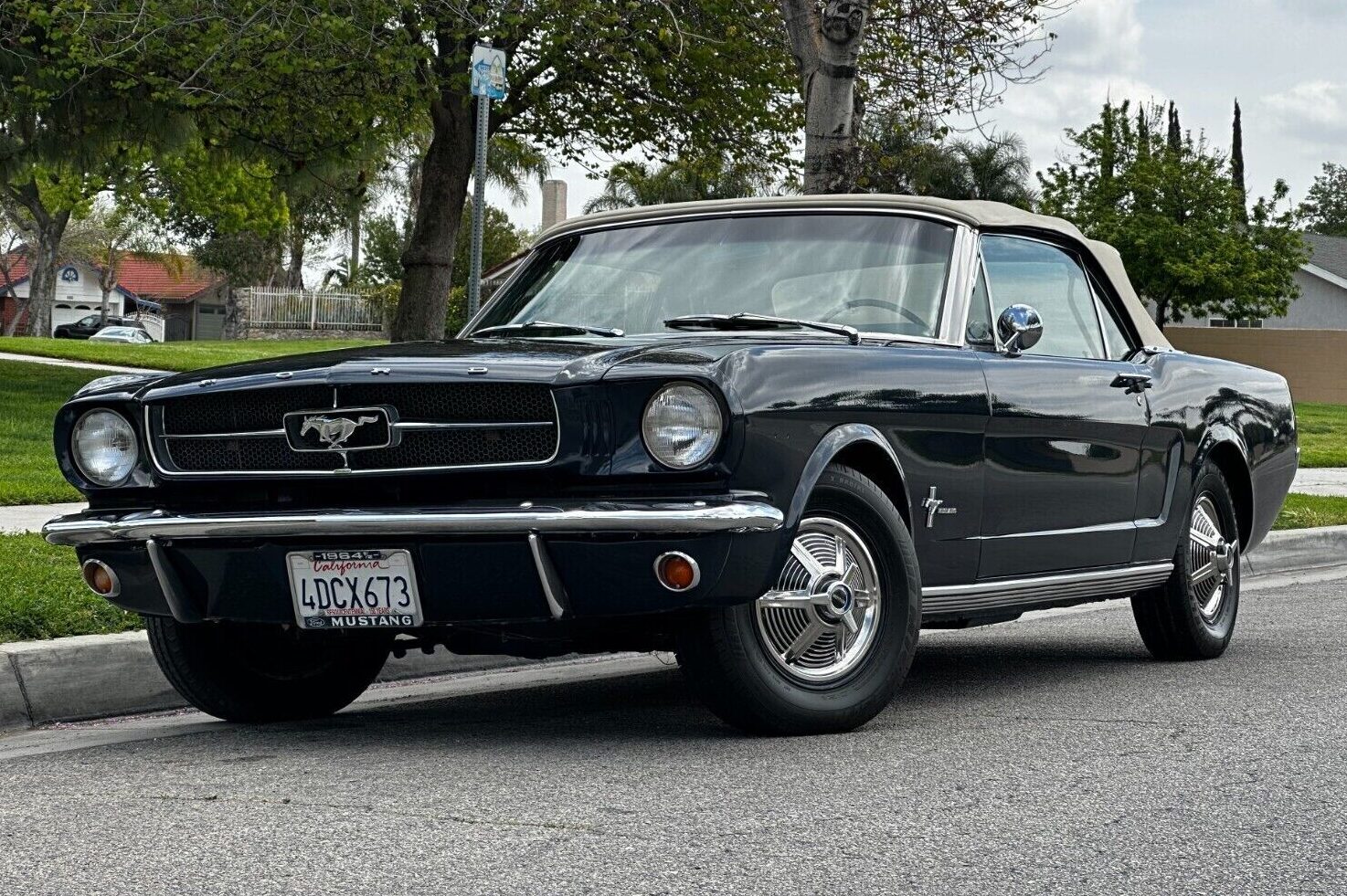
2. 1964 Ford Mustang
The debut of the 1964 Ford Mustang introduced a grille that immediately became synonymous with the pony car segment. Its simple yet striking design featured a horizontal bar with a centered running horse emblem, creating a dynamic sense of motion.
The surrounding pattern of rectangular openings added depth and texture while maintaining a clean, uncluttered appearance. This grille effectively communicated both performance and style, setting the tone for the Mustang’s identity. Its iconic shape became a defining feature for the brand, recognized worldwide.
Ford carefully balanced design and engineering to ensure the grille remained functional without sacrificing aesthetics. The horizontal bar emphasized width and stability, while the integrated horse logo reinforced the car’s sporty character.
Subtle chrome detailing enhanced visual appeal without overwhelming the design. The use of geometric patterns allowed airflow to reach the engine efficiently, reflecting a thoughtful approach to both form and function. As a result, the grille became as celebrated as the car itself.
Beyond its technical attributes, the 1964 Mustang grille was a marketing triumph. Its recognizable appearance helped establish a new segment in the American automotive market. Designers focused on creating a visual identity that would appeal to young buyers seeking style, speed, and individuality.
The grille served as the perfect canvas to convey this message, marrying elegance with aggression in a way that resonated across generations. Its influence shaped the styling of all subsequent Mustangs.
The grille’s design also captured the optimism and excitement of mid-1960s American culture. Its bold emblem and clean lines projected confidence, aligning with broader trends in fashion, architecture, and industrial design.
This combination of cultural relevance and technical success contributed to its iconic status. Enthusiasts and collectors continue to admire the 1964 Mustang grille for its ability to convey character and purpose through a simple front fascia.
Restoration projects often highlight the grille as a central element of authenticity. Maintaining the precise shape, chrome finish, and emblem placement is crucial for preserving the vehicle’s value and historical accuracy. Its enduring popularity demonstrates how a well-designed grille can define an entire brand identity. The 1964 Mustang grille remains a benchmark for American sports car design, inspiring countless variations and modern interpretations over the decades.
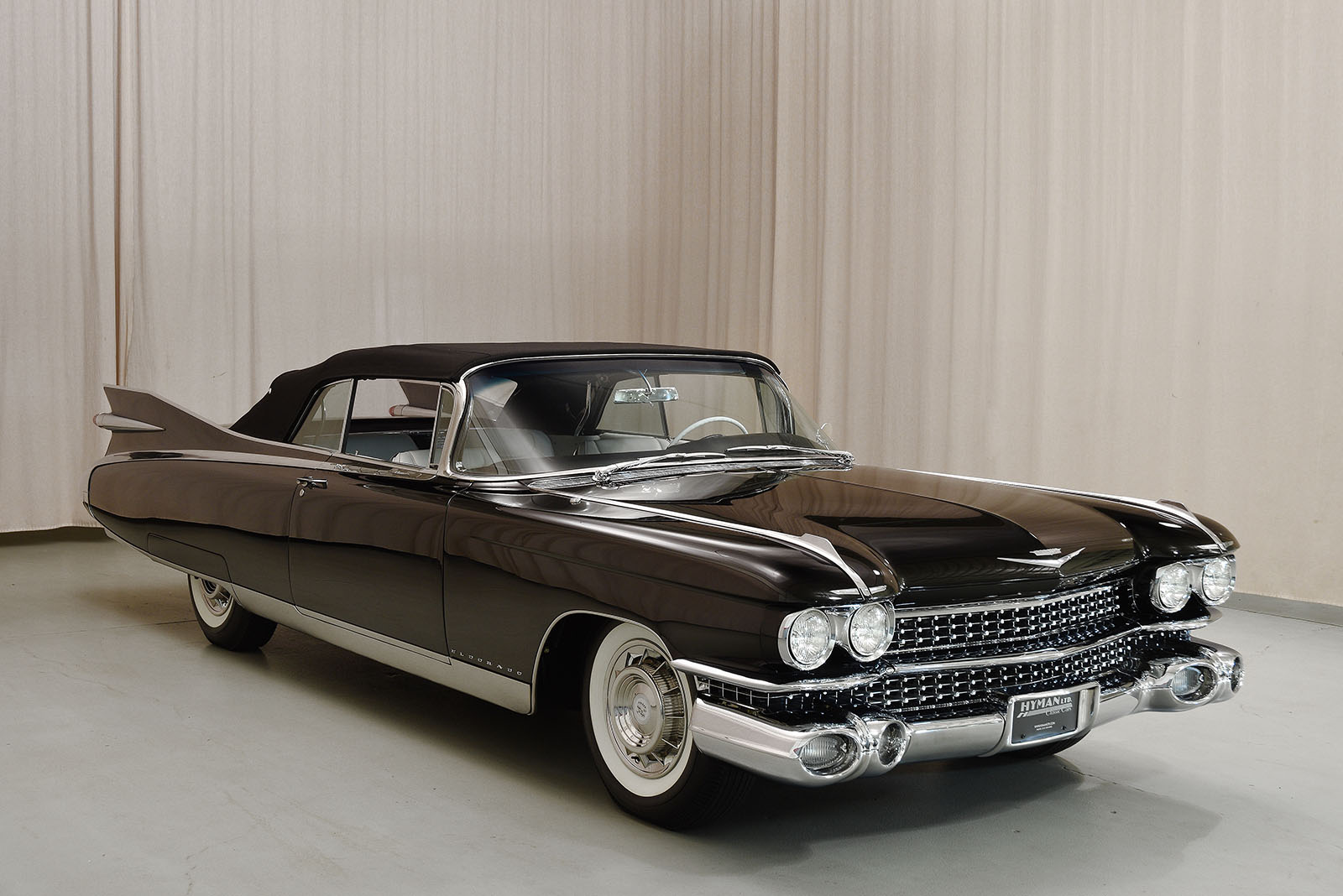
3. 1959 Cadillac Eldorado
The 1959 Cadillac Eldorado grille epitomized luxury and excess, reflecting the flamboyant styling of late-1950s American cars. Wide, chrome-heavy surfaces were adorned with fine mesh patterns and intricate detailing, emphasizing sophistication. The grille’s horizontal expanse accentuated the vehicle’s length, while vertical accents added elegance and structure. Cadillac leveraged the grille as a statement piece, signaling prestige and craftsmanship in every detail.
Designers focused on symmetry and proportion, creating a grille that harmonized with the Eldorado’s sweeping fins and elongated hood. The intricate mesh pattern required precise manufacturing techniques, highlighting the brand’s commitment to quality.
Its bold use of chrome reflected light dramatically, enhancing the vehicle’s visual impact on the road. This approach made the Eldorado instantly recognizable, even from a distance, solidifying its status as a luxury icon.
Beyond aesthetics, the grille served practical purposes by directing airflow efficiently to the engine compartment. Designers integrated functional openings without compromising elegance, proving that beauty and engineering could coexist. The grille’s design language became a hallmark of Cadillac styling, influencing models for years. Its balance of opulence and utility demonstrated the brand’s dedication to both performance and refinement.
Cultural trends of the era also influenced the Eldorado grille, reflecting postwar optimism and a fascination with futuristic design. The combination of chrome, mesh, and sharp lines echoed contemporary architecture and industrial design trends.
This sense of modernity helped position Cadillac as a forward-looking luxury brand. Collectors often cite the 1959 Eldorado grille as one of the most extravagant and memorable examples of automotive design in American history.
Its legacy continues in modern Cadillac design, where elegance and brand identity remain central themes. Restorers pay meticulous attention to the grille when preserving vintage Eldorados, ensuring that the original character remains intact. The grille’s iconic status endures because it exemplifies a moment when American automotive design embraced boldness and artistry without restraint. Its influence on subsequent generations of luxury vehicles is unmistakable.
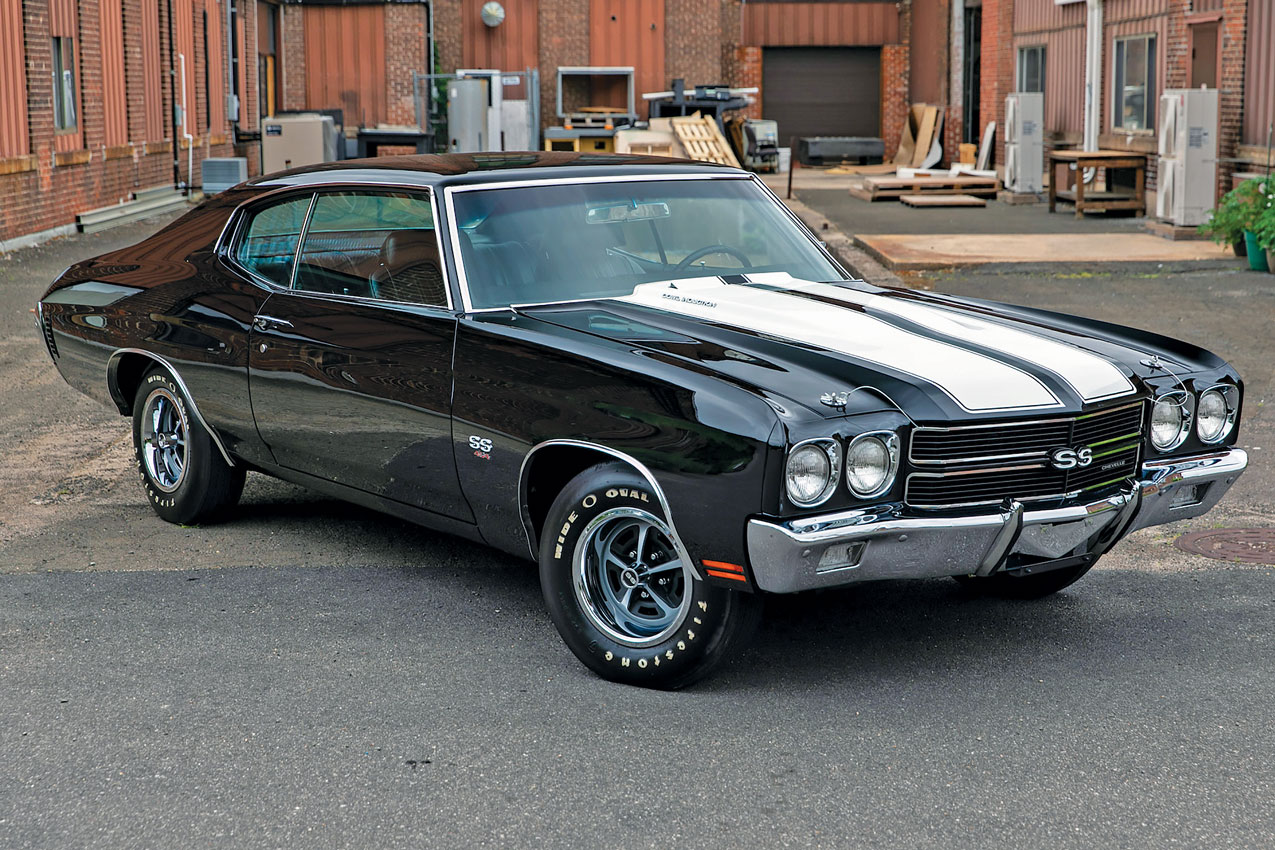
4. 1970 Chevrolet Chevelle SS
The 1970 Chevrolet Chevelle SS grille is widely celebrated for its muscular and aggressive styling, perfectly reflecting the era of American muscle cars. Its blacked-out design with subtle chrome trim created a menacing front end that communicated raw power.
Horizontal bars framed the dual headlights, giving the car a wide and commanding appearance. The grille also featured integrated openings to optimize airflow, blending functional engineering with bold aesthetics seamlessly.
Chevrolet’s designers emphasized symmetry and proportion, ensuring the grille complemented the Chevelle’s long hood and wide stance. The horizontal emphasis reinforced the vehicle’s stability while conveying speed even when stationary. Chrome accents highlighted key features without distracting from the dark, powerful theme. The result was a design that could dominate both streets and car shows, capturing the essence of muscle car culture.
Collectors appreciate the 1970 Chevelle SS grille for its ability to balance aggression and elegance. Unlike other muscle cars that favored purely functional or purely decorative grilles, Chevrolet’s approach merged both aspects.
The blacked-out design provided a modern, understated threat, while the chrome outlines maintained classic appeal. This careful balance helped the Chevelle SS maintain timeless visual relevance among enthusiasts and automotive historians alike.
The Chevelle SS grille also represents cultural shifts in 1970s America, where power, performance, and personal expression were celebrated. Its design echoed broader trends in fashion, media, and entertainment that favored boldness and confidence. By capturing these cultural values, the grille became more than a functional component; it served as a symbol of identity for a generation seeking thrill and individuality through their cars.
Restorations of the 1970 Chevelle SS often highlight the grille as the centerpiece of authenticity. Maintaining the precise angles, blacked-out finish, and chrome trim is essential to preserving the car’s original character. The grille’s enduring popularity has inspired numerous modern reinterpretations, reflecting its influence on subsequent Chevrolet performance models. Its design continues to symbolize the perfect marriage of style, function, and American muscle.
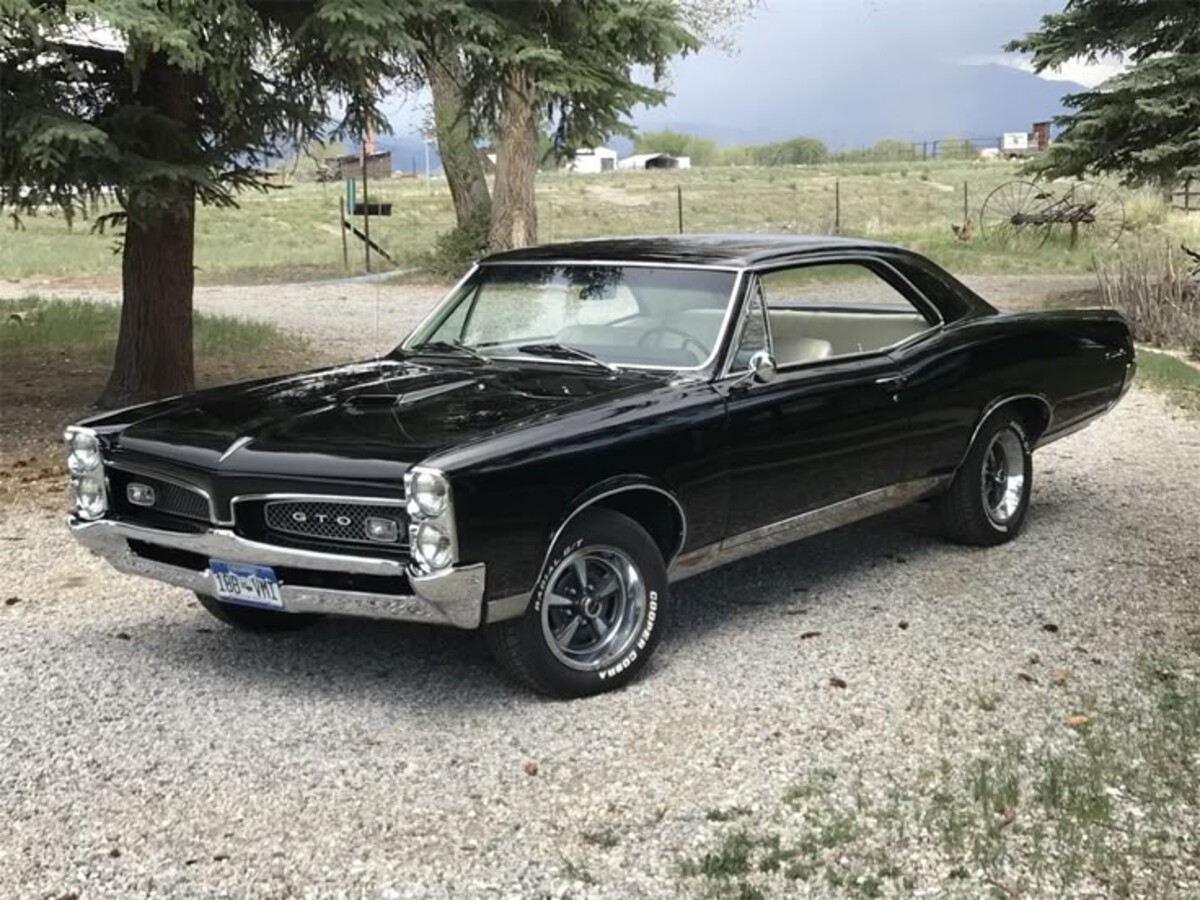
5. 1967 Pontiac GTO
The 1967 Pontiac GTO grille exemplifies a design that communicates confidence and refinement simultaneously. Its split grille layout, divided by a central bar carrying the Pontiac emblem, offered a distinctive identity that separated it from competitors.
The surrounding mesh pattern created texture while facilitating airflow to the engine, demonstrating thoughtful engineering. Vertical accents on the edges added depth, giving the front end a sculptural quality that elevated the car’s presence.
Pontiac designers emphasized proportion and integration, ensuring the grille aligned with the vehicle’s long, wide hood and pronounced fender curves.
The dual grille approach created symmetry while emphasizing the car’s width, making it appear grounded and powerful. Chrome detailing added visual highlights without overwhelming the aggressive yet elegant design. This balance helped the GTO become a trendsetter among early muscle cars, admired for its harmonious styling and functionality.
The 1967 GTO grille also reflects the cultural fascination with performance and style in mid-1960s America. Consumers sought vehicles that projected both power and sophistication, and Pontiac delivered with a front end that exuded authority.
The grille’s bold yet precise layout mirrored broader industrial design trends of the era, including architecture and product design, emphasizing clarity and balance. Enthusiasts continue to celebrate its aesthetic and technical precision.
Functionally, the grille served as an effective cooling system component while remaining visually captivating. The mesh allowed sufficient airflow to the high-performance engine, and the central bar reinforced brand recognition at first glance.
By combining utility with iconic styling, Pontiac created a grille that was more than a decorative element; it became an integral part of the vehicle’s identity. Its design has inspired many subsequent models, proving its lasting impact.
Collectors consider the GTO grille a hallmark of classic American automotive design, representing an era when style and performance were inseparable. Restoring a 1967 model often focuses on the grille’s finish and emblem placement, preserving the vehicle’s historical accuracy. Its iconic status remains relevant in both car shows and automotive media, reflecting the enduring power of thoughtful design and visual identity.
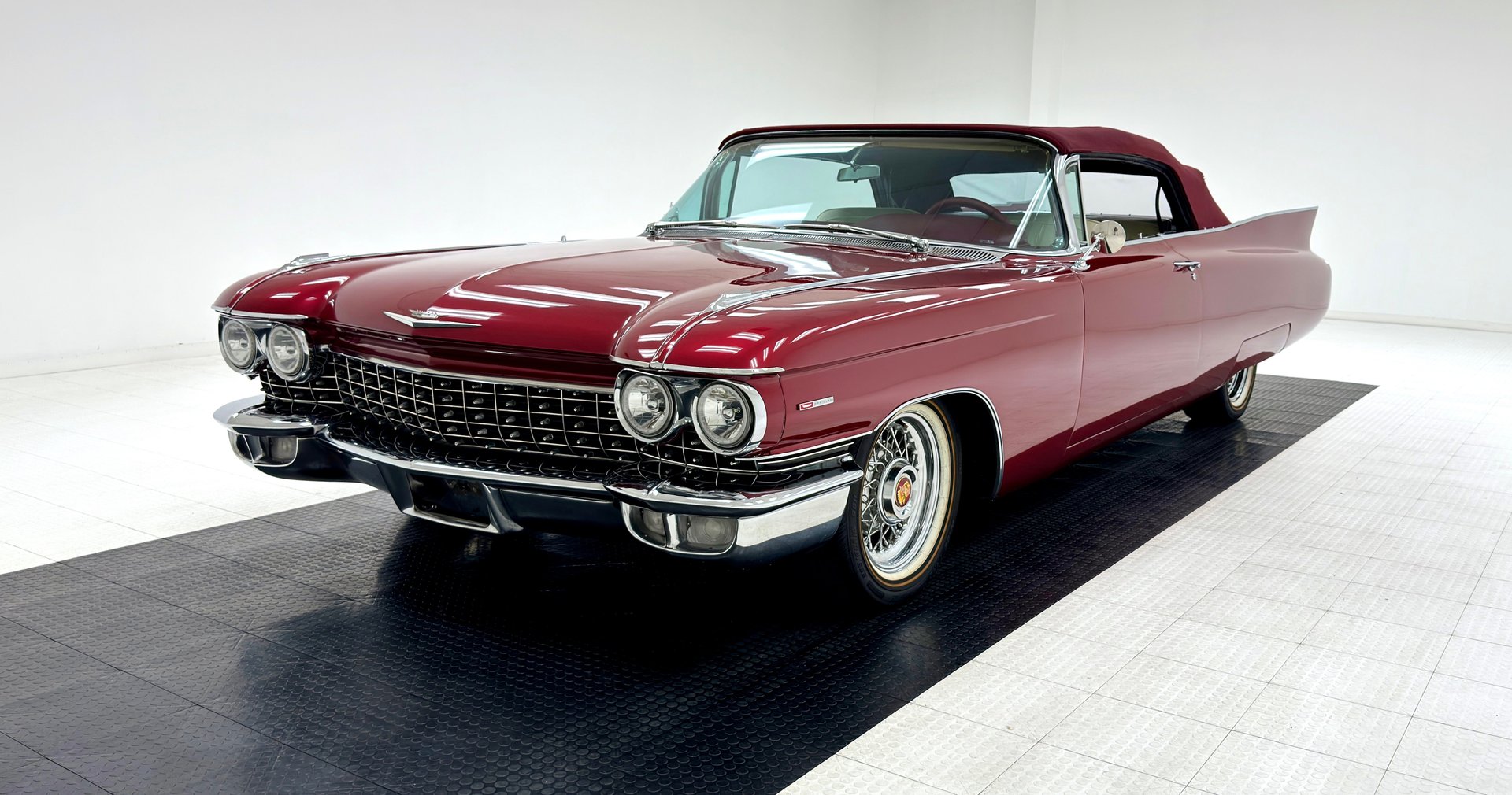
6. 1950 Cadillac Series 62
The 1950 Cadillac Series 62 grille exemplifies postwar American luxury with elegance and sophistication. Its broad, vertically slatted chrome design conveyed refinement while emphasizing the vehicle’s imposing width.
The central Cadillac emblem provided a focal point, balancing the grille’s elaborate detailing. Surrounding textures added depth, ensuring the front end remained visually interesting from multiple angles while maintaining a cohesive look.
Cadillac engineers focused on harmonizing functionality and style, integrating openings for cooling without compromising the grille’s decorative appeal. The vertical slats created a sense of height and grandeur, complementing the vehicle’s tall hood and long body lines. Chrome highlights enhanced light reflection, making the grille visually striking in sunlight or under streetlights. This careful design elevated the Series 62 above its peers in both aesthetics and brand identity.
The grille also reflected broader cultural trends of 1950s America, where luxury and progress were intertwined. Its ornate styling represented optimism, wealth, and technological advancement, signaling Cadillac’s position as a leader in automotive luxury.
Consumers associated the grille’s intricate design with status, elegance, and modernity. The attention to detail ensured that it became a recognizable symbol of postwar American prosperity.
Functionally, the grille was highly efficient, allowing airflow to the engine while retaining an ornate appearance. Designers integrated practical features without diminishing visual impact, demonstrating a mastery of balance between engineering and artistry.
The vertical emphasis helped create a commanding presence on the road, giving the Series 62 an instantly recognizable face. Enthusiasts value this grille for its technical refinement and timeless beauty.
Its legacy continues in modern Cadillac models, which often reference similar vertical slat motifs to evoke heritage and prestige. Restorers and collectors prioritize the grille’s authenticity, ensuring chrome and emblem details are preserved. The 1950 Series 62 grille remains an enduring icon of American automotive luxury, demonstrating how functional design can also achieve timeless artistic appeal.
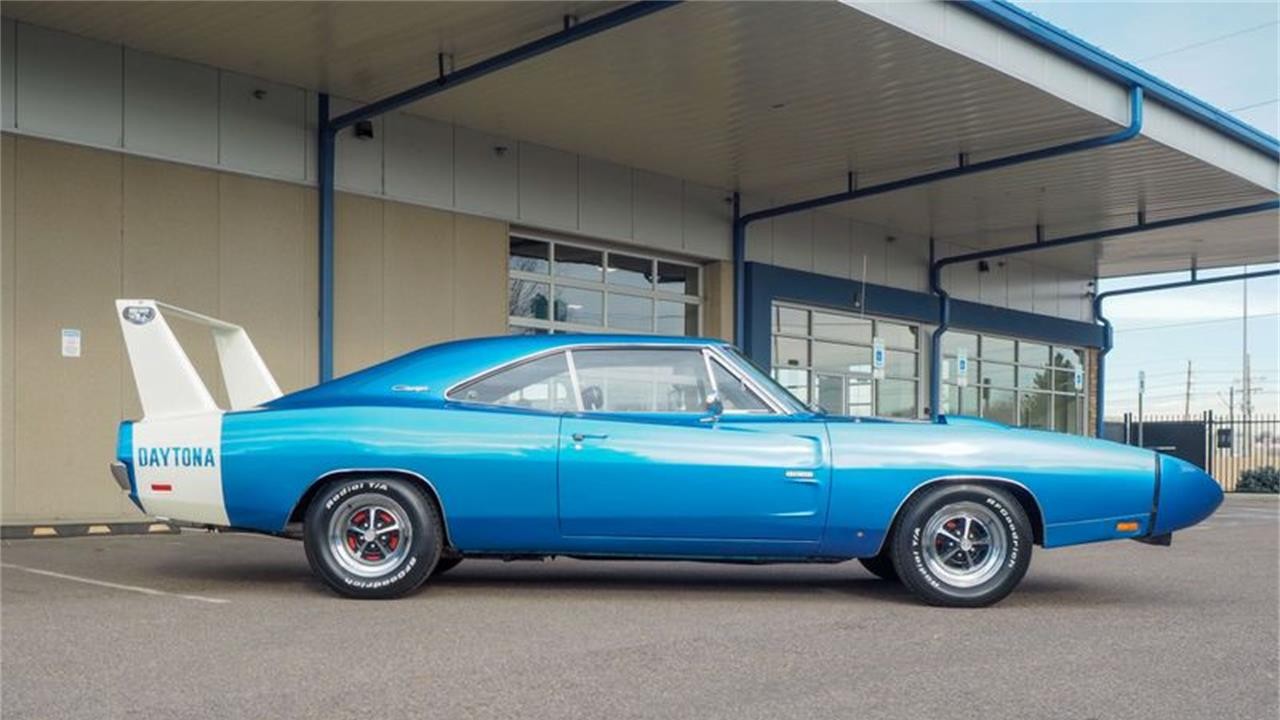
7. 1969 Dodge Charger
The 1969 Dodge Charger grille is renowned for its bold, full-width design that conveys aggression and strength. It featured a blacked-out background with twin headlights seamlessly integrated into the grille, creating a menacing and unified front face.
The subtle chrome trim around the edges added just enough contrast to highlight its sculpted form. This design balanced muscular aesthetics with functional airflow openings, ensuring performance without compromising the visual impact.
Dodge designers emphasized symmetry and proportion, allowing the grille to complement the Charger’s long hood and wide stance. Horizontal lines reinforced the car’s aggressive posture, while the integrated headlight design created a continuous, streamlined look. The blacked-out approach emphasized depth and intensity, producing a sense of power even when the car was parked. These elements contributed to the grille’s reputation as a symbol of muscle car dominance.
Cultural trends in late-1960s America also influenced the Charger’s design, reflecting a growing appetite for bold, assertive vehicles that made a statement.
The grille embodied confidence, rebellion, and high performance, qualities that resonated with younger consumers seeking identity through their cars. Its aggressive styling aligned with broader media representations of speed, freedom, and strength, reinforcing its cultural significance.
Functionally, the grille allowed optimal airflow to the engine, maintaining the balance between performance and aesthetics. The blacked-out finish minimized glare and distraction, while the integrated headlights reduced visual clutter. This thoughtful combination of practicality and aggressive design ensured that the Charger’s front fascia remained both purposeful and iconic. The grille became a defining feature that distinguished the Dodge Charger in a highly competitive market.
Collectors today consider the 1969 Dodge Charger grille an essential element of authenticity and heritage. Restoration efforts focus on preserving the blacked-out finish, chrome highlights, and correct headlight alignment. Its enduring appeal demonstrates how a well-conceived grille can enhance a vehicle’s character, transforming a simple functional component into a symbol of American automotive muscle and cultural identity.
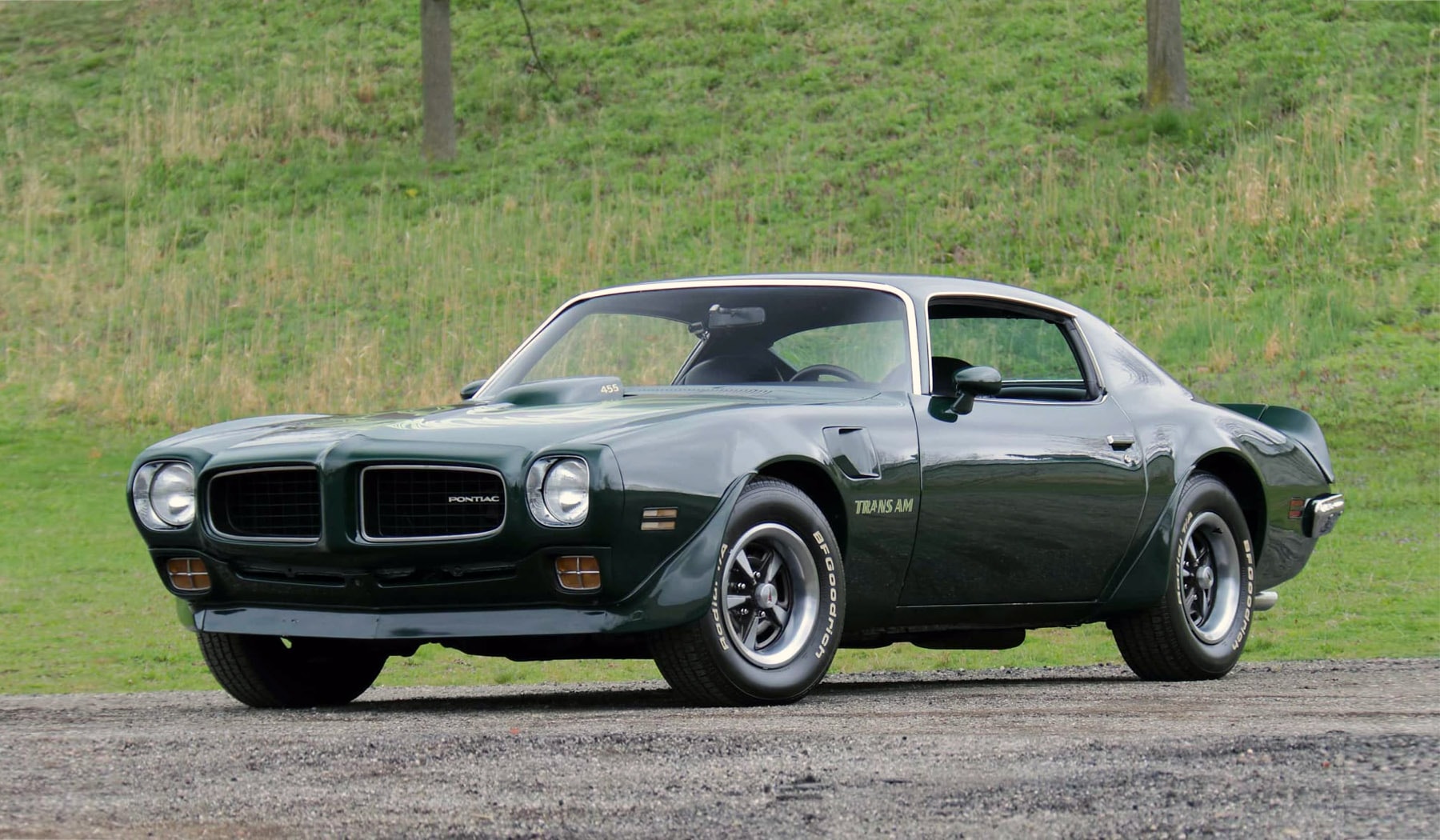
8. 1973 Pontiac Firebird Trans Am
The 1973 Pontiac Firebird Trans Am grille is celebrated for its unique split design and aggressive styling cues. Featuring a divided grille with a central Pontiac emblem, it created a distinctive front-end identity that immediately conveyed performance intent.
The surrounding honeycomb mesh pattern added texture and visual depth, while subtle chrome highlights accentuated its angular form. This grille exemplified the careful balance between aerodynamics, cooling efficiency, and bold styling.
Designers focused on creating a strong visual presence, ensuring the grille harmonized with the vehicle’s swooping hood lines and muscular fenders. The split design emphasized width while producing a sense of forward motion even at rest. Chrome accents on the edges highlighted key contours without overwhelming the aggressive theme. These design choices made the Firebird Trans Am instantly recognizable, cementing its place as a performance and style icon.
The grille reflected early-1970s cultural fascination with power, individuality, and sporty aesthetics. The Trans Am was marketed as a car for enthusiasts who valued both performance and visual drama. Its front-end design projected confidence and excitement, aligning with contemporary trends in music, fashion, and media that celebrated bold, assertive lifestyles. This cultural resonance contributed to its lasting popularity.
Functionally, the grille facilitated optimal airflow to the high-performance engine while maintaining a cohesive and striking design. Engineers integrated the openings thoughtfully, ensuring mechanical efficiency did not compromise the vehicle’s visual identity. The split arrangement also helped reduce aerodynamic drag, a forward-thinking feature for the time. This combination of style and utility reinforced Pontiac’s reputation for performance-oriented design excellence.
Collectors and automotive historians often regard the 1973 Firebird Trans Am grille as a benchmark for American performance styling. Its influence extended to subsequent Firebird models, demonstrating how a strong visual identity can define an entire vehicle line.
Restoring the grille today involves careful attention to mesh detail, emblem placement, and chrome trim, preserving the iconic character that made the Trans Am legendary.
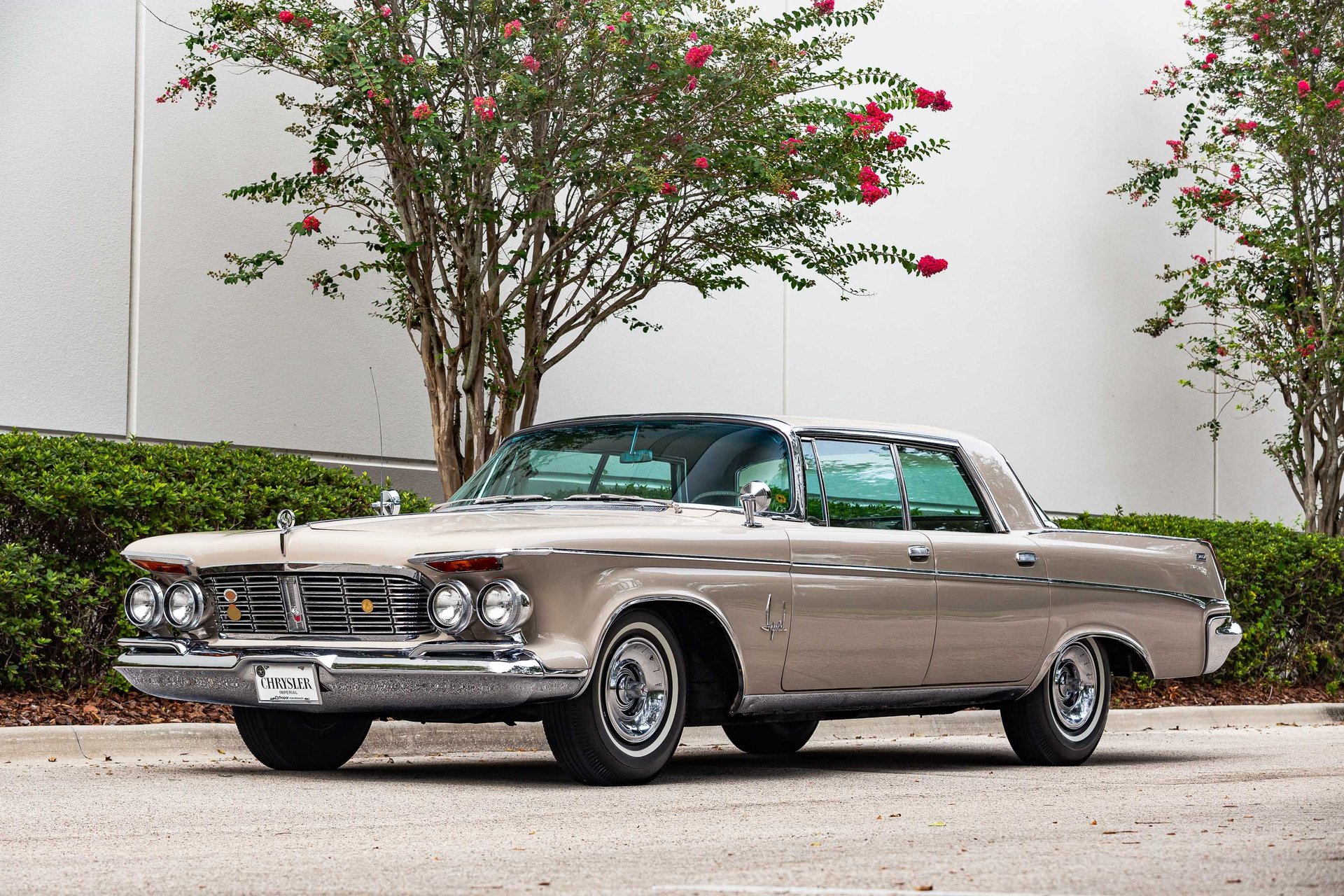
9. 1963 Chrysler Imperial
The 1963 Chrysler Imperial grille represents a sophisticated approach to luxury with an understated yet commanding design. Its broad, horizontally slatted surface stretched across the front fascia, emphasizing the vehicle’s width and elegance.
The grille featured a refined central Chrysler emblem, while the surrounding polished metal reflected light in a way that enhanced the car’s premium aura. This design balanced grandeur with subtlety, highlighting the brand’s focus on refined luxury.
Designers carefully considered proportions to ensure the grille aligned with the Imperial’s long, stately hood and expansive body. The horizontal emphasis reinforced a low, grounded stance, while polished metal accents added depth without appearing ostentatious.
The grille’s minimalist approach distinguished it from the highly ornamented designs of competitors, signaling modern luxury and restraint. This sophistication made the Imperial a symbol of elegance and prestige.
The design also captured cultural trends of the early 1960s, when American consumers increasingly valued understated sophistication in luxury products. The grille projected confidence and refinement rather than overt flashiness, appealing to buyers seeking status and taste. Its clean lines and polished finishes reflected broader design movements in architecture and consumer goods, emphasizing simplicity and elegance.
Functionally, the grille allowed sufficient airflow to the engine while maintaining a unified, elegant front-end aesthetic. The horizontal slats directed air efficiently while complementing the car’s streamlined form. Designers balanced mechanical needs with visual appeal, ensuring the grille enhanced both performance and brand identity. Its enduring design remains a template for understated American automotive luxury.
Collectors prize the 1963 Chrysler Imperial grille for its combination of elegance, engineering, and historical significance. Maintaining proper slat alignment, polished finishes, and emblem accuracy is essential in restoration projects. Its timeless design demonstrates that luxury need not rely on excessive ornamentation, proving the lasting power of subtlety, proportion, and attention to detail in American automotive styling.
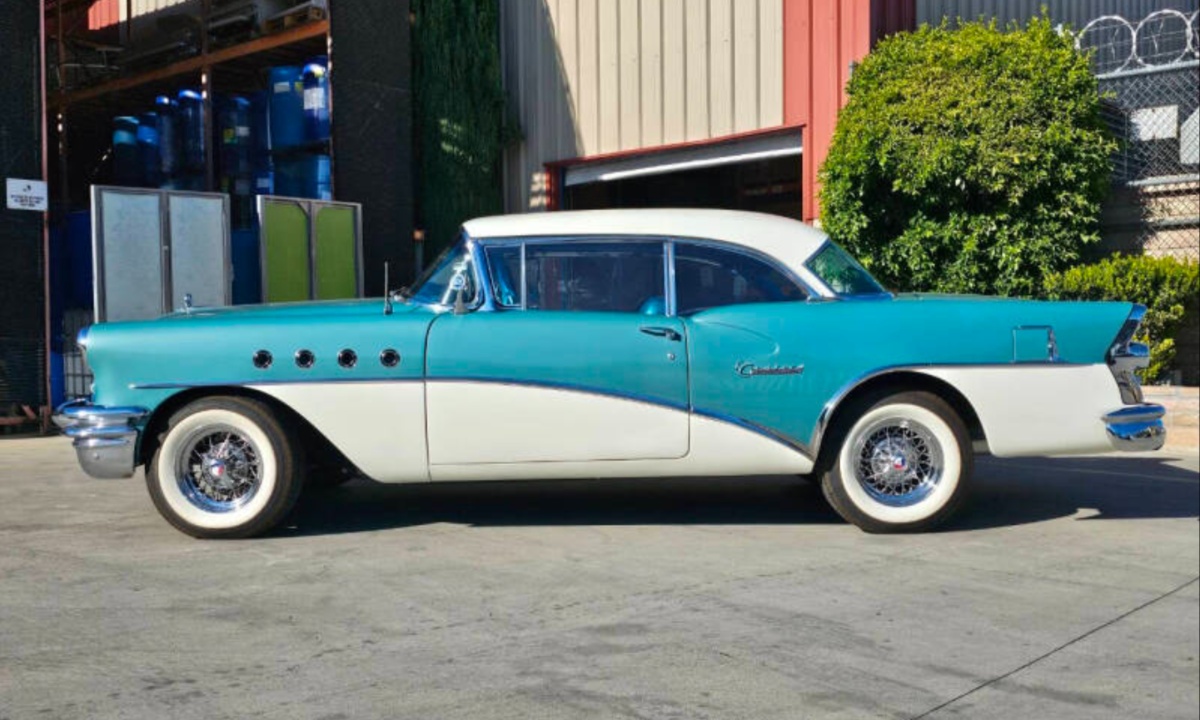
10. 1955 Buick Century
The 1955 Buick Century grille epitomized mid-century American automotive optimism and style. Featuring a wide, chrome-dominated front with vertical bars and a prominent central emblem, it projected confidence and modernity. The intricate mesh behind the chrome bars added texture, while subtle side accents emphasized symmetry and proportion. Buick designers crafted a grille that combined elegance with an assertive presence, making the Century instantly recognizable.
The grille’s proportions were designed to complement the vehicle’s long hood and flowing fenders, reinforcing a sense of balance and poise.
Vertical elements suggested height and sophistication, while horizontal spacing maintained a grounded appearance. Chrome highlights caught sunlight dynamically, enhancing visual interest without overwhelming the design. This careful attention to detail made the Century a standout in both style and craftsmanship.
Cultural influences of the 1950s, including optimism, prosperity, and fascination with progress, shaped the grille’s design. The Century’s front fascia communicated modernity and success, reflecting broader American aspirations during the postwar era. Its intricate yet harmonious composition resonated with buyers seeking style, status, and reliability. The grille became a defining feature of Buick’s brand identity, emphasizing luxury and refinement.
Functionally, the grille allowed efficient airflow while maintaining a sophisticated appearance. Engineers ensured that decorative chrome elements did not compromise cooling efficiency or structural integrity. This combination of aesthetic appeal and practical function exemplified Buick’s design philosophy, where beauty and engineering worked in concert. Its balance of elegance and performance made it a template for subsequent models.
Collectors regard the 1955 Buick Century grille as a symbol of mid-century American automotive design excellence. Preservation involves maintaining chrome shine, emblem placement, and mesh integrity. Its timeless appeal demonstrates how careful design can turn a simple front-end component into an enduring icon, reflecting a period when American carmakers combined artistry, innovation, and cultural resonance in their vehicles.
