
Direct injection engines are one of the most impressive technological advancements in modern automotive history. They deliver fuel directly into the combustion chamber at extremely high pressure. This process creates a more precise and efficient burn, giving you better power and fuel economy at the same time.
But here is the dirty little secret that most car manufacturers won’t tell you upfront. Direct injection engines come with a unique set of vulnerabilities that traditional port-injection engines never had to deal with. Carbon buildup on intake valves, fuel dilution in engine oil, and injector degradation are all real problems that can silently chip away at your engine’s health.
The good news is that you do not need to spend thousands of dollars at the dealership to fight back against these issues. With the right habits, the right products, and a little knowledge, you can dramatically extend the life of your direct injection engine. Most of these solutions cost just a few dollars or require nothing more than a simple change in your driving behavior.
In this guide, we are breaking down eight practical, proven strategies that any car owner can follow. Whether you drive a turbocharged four-cylinder or a high-performance V6, these tips apply directly to you. Let us get started.
1. Use a High-Quality Full Synthetic Engine Oil, And Change It on Time
The single most powerful thing you can do for your direct injection engine is to use a premium full synthetic oil and change it on a disciplined schedule. This is not just generic car advice. For direct injection engines specifically, oil quality is absolutely critical to long-term survival.
Direct injection engines run at higher cylinder pressures than traditional engines. They also tend to run hotter inside the combustion chamber, and the high-pressure fuel pump operates under extreme mechanical stress. All of this means the oil in your engine is working much harder than it would in an older design.
One of the most underappreciated problems in direct injection engines is a phenomenon called fuel dilution. During cold starts, small amounts of unburned gasoline can wash down into the crankcase and contaminate the engine oil.
This happens because direct injection engines spray fuel directly into the cylinder, and some of that fuel can slip past the piston rings before it fully combusts. Over time, this diluted oil loses its viscosity and lubricating properties. The result is increased wear on bearings, camshafts, and other critical engine components.
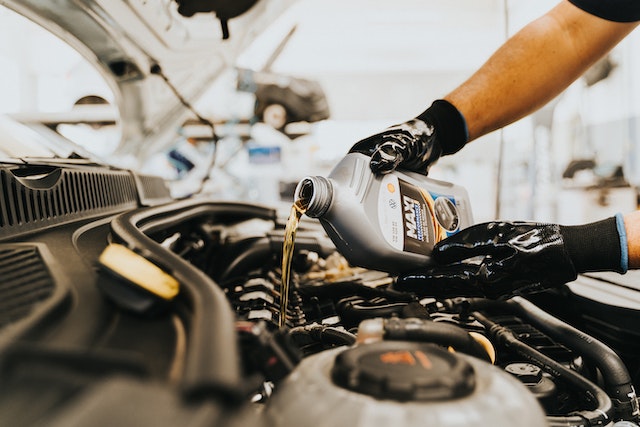
Full synthetic oils are specifically engineered to resist this kind of thermal and chemical breakdown. They maintain their protective viscosity under high heat and high pressure far better than conventional or even synthetic-blend oils. They also contain more robust additive packages designed to suspend contaminants and resist oxidation.
When it comes to change intervals, do not blindly follow the manufacturer’s 10,000-mile recommendation if your car sees hard use. Cold climates, frequent short trips, towing, and spirited driving all accelerate oil degradation.
Many experienced mechanics recommend changing the oil every 5,000 to 7,500 miles in direct injection engines that see mixed driving conditions. This is especially true if your engine is turbocharged, since turbochargers run at extremely high temperatures and rely entirely on clean oil for lubrication.
The cost difference between cheap conventional oil and premium full synthetic is often just ten to fifteen dollars per oil change. That small investment could easily save you thousands in engine repairs down the road. Think of every oil change as cheap insurance against catastrophic internal wear.
Do not forget the oil filter either. Use a high-quality OEM or premium aftermarket filter. A cheap filter can bypass contaminants directly into your oil circuit, defeating the entire purpose of using premium oil.
2. Let the Engine Warm Up Properly Before Hard Driving
Modern drivers are always in a hurry, and many have been told that new cars do not need to warm up at all. While it is true that you do not need to sit and idle for five minutes like people did with older carbureted engines, driving a direct injection engine hard before it reaches operating temperature is a serious mistake.
Here is what actually happens inside your engine during those first few minutes of operation. The oil has not yet circulated fully through all the narrow passages and galleries in the cylinder head. Metal components like pistons, cylinder walls, and valve seats have not yet expanded to their designed operating clearances. And the fuel trims and combustion calibration are still in an open-loop mode, meaning the engine management system has not yet fully optimized the fuel delivery for current conditions.
In direct injection engines, this cold-start period is particularly critical because of how the high-pressure fuel system works. Fuel is being injected at pressures of up to 2,000 PSI or more directly into the combustion chamber. If the engine is pushed hard before the oil is fully warmed up and circulating properly, the wear rates on injector tips, cylinder walls, and piston rings can be significantly higher than normal.
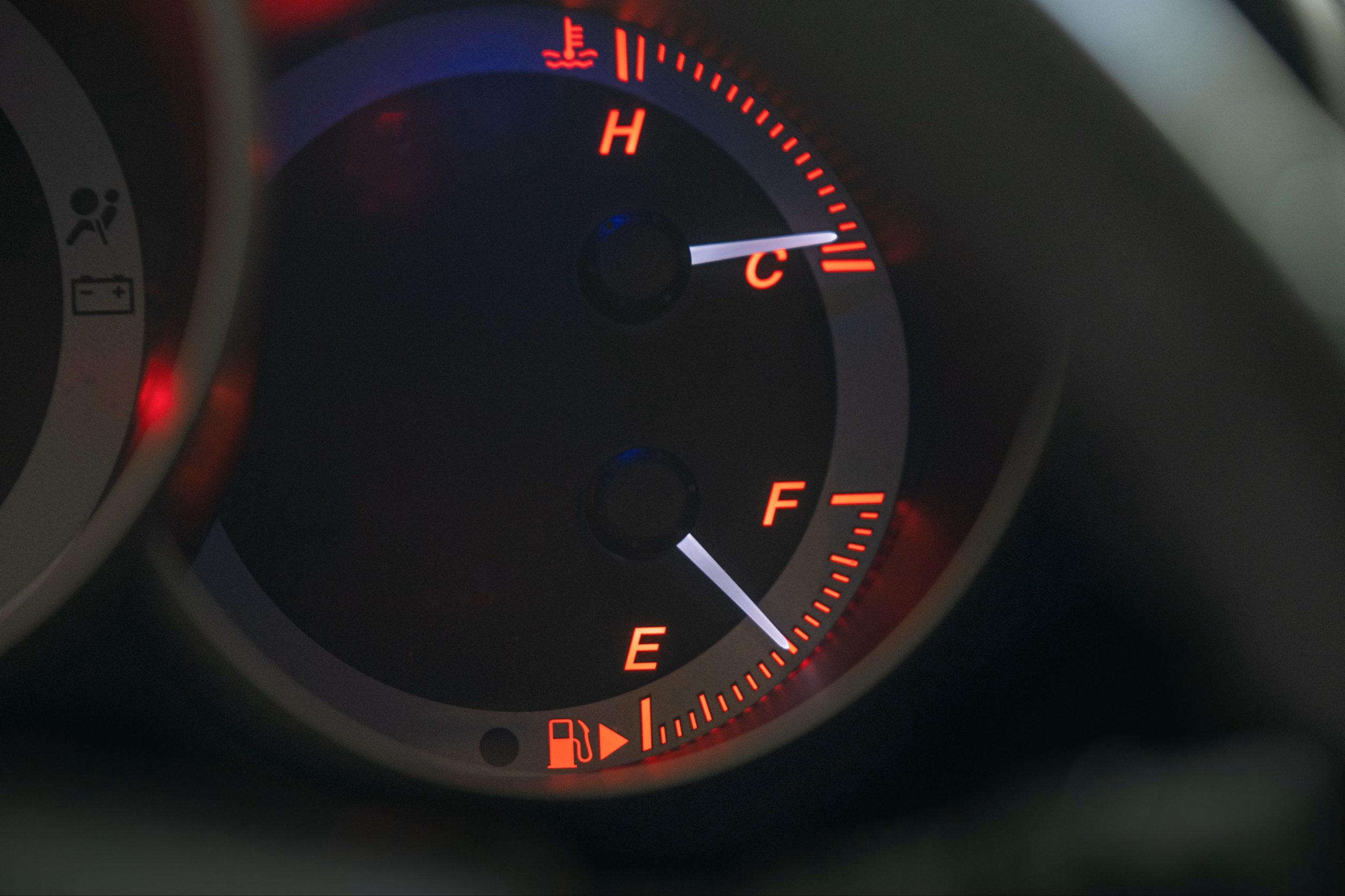
The practical advice here is simple and costs you absolutely nothing. When you start your direct injection engine, drive gently for the first three to five minutes. Keep engine RPMs below 3,000 RPM. Avoid wide-open throttle, hard acceleration, or highway speeds until you see the coolant temperature gauge reach its normal operating range.
This is especially important in cold weather. When ambient temperatures drop below freezing, oil thickens significantly and takes longer to reach full viscosity even with a full synthetic. In sub-zero conditions, give your engine an extra minute or two of gentle driving before putting it under any real load.
This tip costs nothing. It requires no products, no tools, and no special skills. It is purely a habit change. But consistently warming up your direct injection engine properly could add tens of thousands of miles to its lifespan by reducing cumulative wear during those vulnerable cold-start moments.
3. Run an Intake Valve Cleaning Treatment Every 15,000 to 20,000 Miles
This is arguably the most unique and important tip specific to direct injection engines. It addresses the number one long-term weakness of the technology, carbon buildup on the intake valves.
In a traditional port-injection engine, fuel is sprayed into the intake manifold before it enters the cylinder. This means the detergent additives in your gasoline constantly wash over the backs of the intake valves, keeping them clean. In a direct injection engine, fuel bypasses the intake valves entirely. The valves are only exposed to air, crankcase vapors, and exhaust gases recirculating through the PCV system.
Over time, those oily vapors bake onto the backs of the intake valves and form thick, hard carbon deposits. This is not a hypothetical problem. Many direct injection vehicles start showing significant intake valve carbon buildup between 40,000 and 80,000 miles. Severe buildup can restrict airflow into the cylinders, causing rough idle, hesitation on acceleration, loss of power, and even misfires.
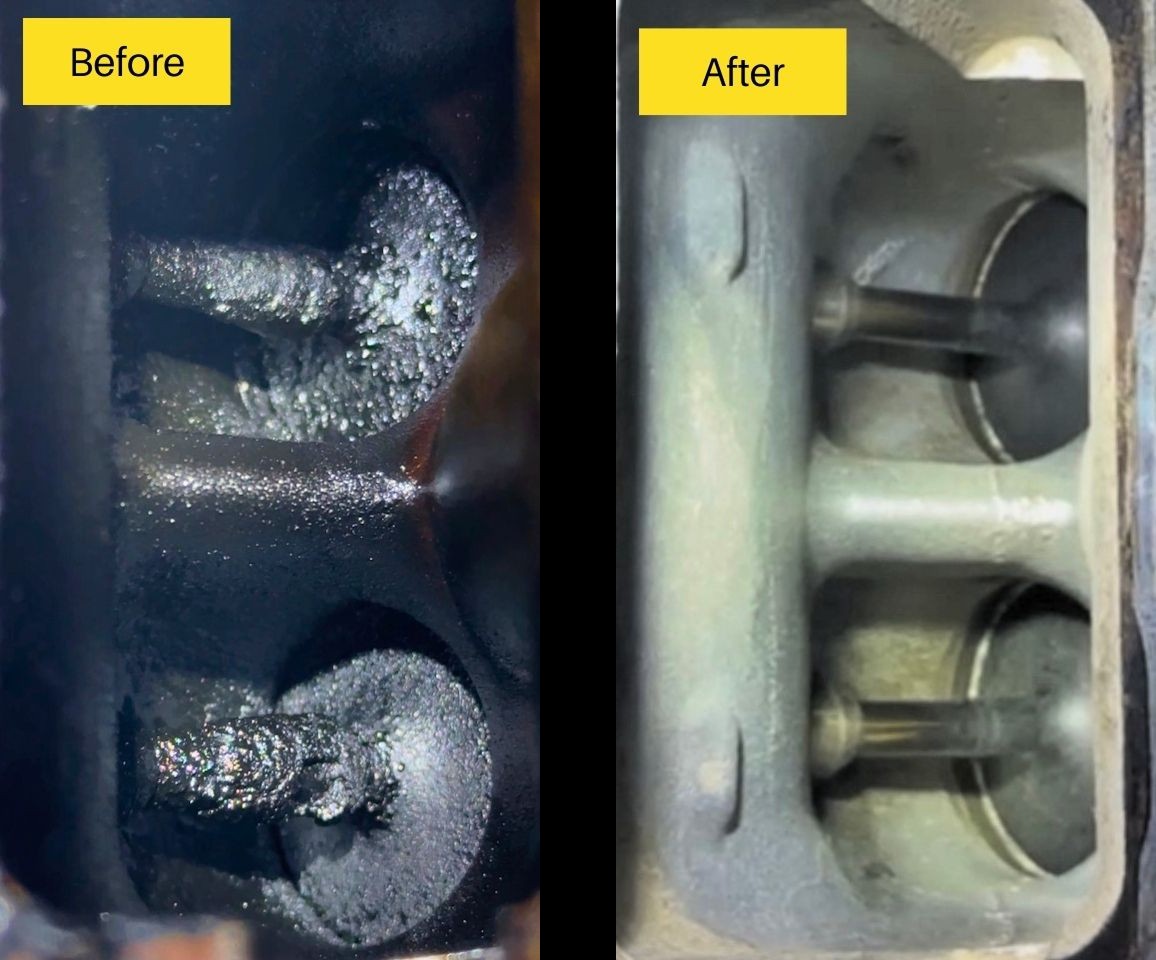
The most affordable and accessible solution is to use an aerosol intake valve cleaner or combustion chamber cleaner product periodically. These products are sprayed into the intake tract either through the throttle body or an intake vacuum port while the engine is running at a slightly raised idle. The cleaning agents travel through the intake manifold and contact the backs of the intake valves, chemically softening and breaking down carbon deposits.
Products specifically designed for this purpose typically cost between ten and twenty-five dollars per treatment. When used every 15,000 to 20,000 miles, they can dramatically slow the rate of carbon accumulation and keep your intake valves flowing cleanly for much longer.
There are also fuel additive approaches where a specialized cleaner is added to your gas tank. While these do not directly clean intake valves in direct injection engines, they can help clean the injector tips and combustion chamber surfaces, which is still worthwhile maintenance.
For severe buildup that has already occurred, a professional walnut blasting service where crushed walnut shells are blasted through the intake ports with the intake manifold removed is the gold standard. But consistent use of aerosol cleaners from early on can help you avoid ever needing that more expensive service.
4. Keep Your PCV System Clean and Functioning Properly
Many car owners have never even heard of the PCV valve, let alone thought about maintaining it. But in direct injection engines, the Positive Crankcase Ventilation system plays a disproportionately large role in your engine’s long-term health. Keeping it clean is one of the cheapest and most impactful things you can do.
The PCV system exists to manage blowby gases exhaust gases and combustion products that inevitably seep past the piston rings into the crankcase during normal engine operation. Without the PCV system, these gases would build up pressure and push oil past seals and gaskets. Instead, the PCV system routes these gases back into the intake manifold to be re-burned by the engine.
Here is the problem for direct injection engines. Those blowby gases contain a significant amount of oil mist and vapor. When they travel through the intake manifold and past the intake valves on their way to the combustion chamber, they deposit an oily film on everything they touch including the backs of those intake valves where carbon buildup is already a concern.
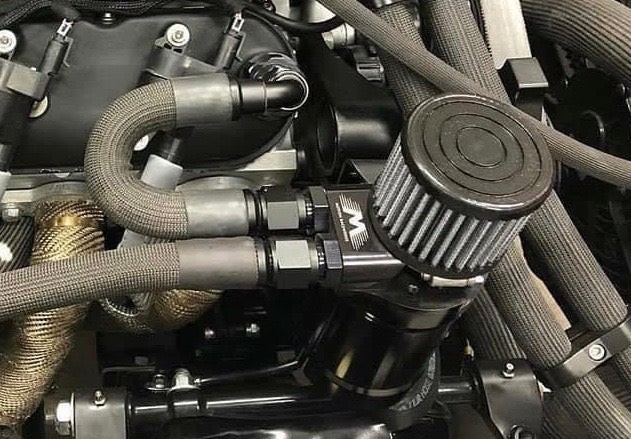
A properly functioning PCV system manages this vapor flow and usually includes an oil separator that catches the heavier oil droplets before they reach the intake tract.
When the PCV valve sticks or becomes clogged, the system can no longer properly regulate crankcase pressure. This leads to accelerated oil contamination of the intake tract, faster carbon buildup on intake valves, and increased crankcase pressure that can push oil past seals. The result is oil consumption issues, increased carbon deposits, and potentially damaged seals that lead to oil leaks.
A PCV valve itself typically costs anywhere from five to fifteen dollars and can usually be replaced at home with basic tools in under thirty minutes. Inspect it every 30,000 miles or so. Shake the old valve it should rattle freely. If it sticks or does not rattle, replace it immediately.
Some direct injection engines also feature a catch can that can be added to the PCV circuit. An oil catch can intercepts blowby vapors before they reach the intake manifold, trapping the oil droplets in a small reservoir that you periodically drain. This is one of the most effective ways to significantly reduce intake valve carbon buildup and protect your engine long-term for an initial investment of under fifty dollars.
Also Read: 10 Best Used Cars Under 10000 Dollars That Parents Can Actually Trust
5. Avoid Frequent Short Trips Whenever Possible
This sounds like lifestyle advice rather than mechanical maintenance, but your driving habits have a profound effect on the health of your direct injection engine. Frequent short trips especially in cold weather are genuinely one of the most destructive patterns for this type of engine.
Here is the science behind it. Every time you start a cold direct injection engine, it goes through a brief but stressful startup phase. The oil is thick, not fully circulated, and not yet at operating temperature.
The combustion is slightly richer than normal as the engine management system compensates for cold metal surfaces. This rich cold-start combustion is where much of the fuel dilution problem originates, as small amounts of gasoline seep past the piston rings before fully combusting.
On a short trip say, a one-mile drive to the grocery store your engine never reaches full operating temperature. The oil never fully heats up enough to burn off the small amount of fuel that diluted it during the cold start. Moisture and combustion byproducts that naturally accumulate in the oil during startup also never get driven off. Over time, with repeated short trips, the oil becomes increasingly contaminated with fuel, water, and acids.

In a direct injection engine running contaminated oil, the wear rates on precision components like high-pressure fuel pump lobes, injector tips, and camshaft bearing surfaces are significantly higher than they should be. You are essentially running your engine in a perpetually stressed state.
The practical solution is to consolidate short trips whenever you can. If you need to run multiple errands, do them all in one outing rather than making separate trips. If your commute is very short, consider occasionally taking a slightly longer route to allow the engine to fully reach operating temperature.
When short trips are unavoidable, compensate by shortening your oil change intervals. If you mainly drive short distances in cold weather, change your oil every 3,000 to 4,000 miles regardless of what the oil life monitor says.
The monitor calculates oil life based on temperature, time, and mileage but it cannot directly measure fuel dilution levels in the oil. Under heavy short-trip usage, the oil can be far more degraded than the monitor suggests.
6. Use Top Tier Gasoline Consistently
Not all gasoline is created equal, and in a direct injection engine, the quality of the fuel you use has a direct impact on how quickly carbon deposits form inside the combustion chamber and on critical components like injector tips.
In the United States and many other countries, the EPA sets minimum standards for detergent additives in gasoline. The problem is that those minimum standards are relatively low. Independent testing has repeatedly shown that gasoline meeting only the minimum standard can lead to measurably greater deposit formation compared to fuels with higher detergent packages.
Top Tier gasoline is a voluntary certification standard developed by a consortium of major automakers including Toyota, General Motors, BMW, and others that requires participating stations to use significantly higher concentrations of detergent additives than the legal minimum.
Engines running consistently on Top Tier fuel have been shown in independent studies to have significantly less intake system and combustion chamber deposit buildup compared to engines running on non-certified fuel.

For a direct injection engine that is already prone to carbon buildup by design, running Top Tier fuel is an easy and affordable way to slow that process down. The price difference between Top Tier and non-certified gasoline is typically just one to three cents per gallon at the pump. Over the life of a tank, that adds up to less than one dollar of difference.
Top Tier stations are widely available in the United States and include most major brands. A list of certified retailers is publicly available and easy to find. If you are not already using Top Tier fuel, switching is one of the easiest changes you can make with potentially significant long-term benefits for your direct injection engine.
Beyond the detergent question, make sure you are always using the octane rating recommended in your owner’s manual. Direct injection engines especially turbocharged ones are often calibrated to run on premium fuel.
Running regular-grade gasoline in an engine that requires or recommends premium can cause knock-related combustion stress, potentially damaging piston rings and cylinder walls over time. The few dollars you save per tank are not worth the long-term mechanical cost.
7. Monitor and Maintain Your Cooling System Diligently
Direct injection engines run at high cylinder pressures and often high thermal loads, particularly the turbocharged variants that have become so common. An overheating event even a mild one can cause damage to head gaskets, warp cylinder heads, and accelerate wear on piston rings and cylinder walls in ways that permanently compromise the engine’s performance and longevity.
Yet most car owners treat the cooling system as an afterthought, filling the reservoir when the low coolant light comes on and hoping for the best. In a direct injection engine, this is a risky strategy.
Coolant is not just water with some color added to it. It contains corrosion inhibitors, scale prevention additives, and thermal properties that allow it to both absorb and release heat efficiently.
Over time, these additives deplete. Old, degraded coolant becomes acidic and can actually corrode cooling system components from the inside eating away at aluminum cylinder heads, water pump impellers, and radiator cores. It can also form deposits inside the narrow cooling passages of a direct injection engine’s cylinder head, reducing heat transfer efficiency and creating hot spots.
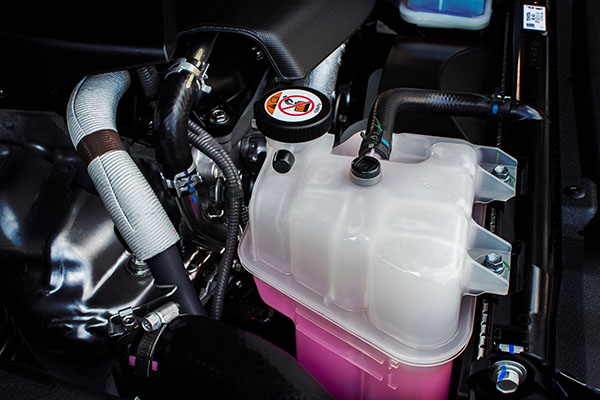
Most manufacturers recommend flushing and replacing coolant every three to five years regardless of mileage. This service typically costs between twenty-five and one hundred dollars if you do it yourself or have it done at an independent shop. It is far cheaper than dealing with the consequences of a compromised cooling system.
Beyond the fluid itself, check your coolant hoses periodically for cracking, swelling, or softness. Inspect the radiator cap for a good seal a cap that cannot hold pressure will cause the cooling system to boil at a lower temperature, dramatically increasing the risk of overheating.
Check the coolant reservoir level regularly and top it up only with the correct type of coolant specified for your vehicle. Mixing incompatible coolant types can cause gel formation and blockages in the cooling system.
For turbocharged direct injection engines specifically, the turbocharger adds an additional heat load to the cooling system. After a hard drive, avoid turning the engine off immediately.
Let it idle for one to two minutes to allow the oil and coolant to continue circulating through the turbocharger and carry away residual heat. This simple habit prevents heat soak from baking oil inside the turbo bearings, which is a leading cause of premature turbocharger failure.
8. Change Your Fuel Filter and Air Filter on Schedule
The last tip is deceptively simple but critically important for the long-term health of your direct injection engine’s most expensive component — the high-pressure fuel injection system.
Direct injection fuel systems operate at astonishing pressures. Where a conventional port-injection system might operate at 40 to 60 PSI, a direct injection system can operate at pressures of 1,500 to 2,900 PSI or even higher in some modern engines.
The precision-machined components inside a direct injection injector including tiny nozzle holes that are often smaller than a human hair are extraordinarily sensitive to fuel contamination. Even microscopic particles or traces of water can cause injector tip wear, clogging, or corrosion that leads to uneven spray patterns, poor combustion, and eventually injector failure.
A quality fuel filter is your engine’s primary defense against these contaminants. Many modern direct injection vehicles have the fuel filter integrated inside the fuel tank as part of the fuel pump module, with manufacturers sometimes claiming it is a “lifetime” filter. In practice, this designation simply means they expect most people to trade the car in before it fails.
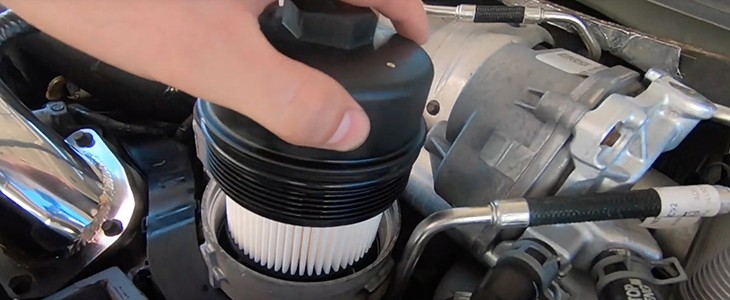
If your vehicle’s fuel filter is externally accessible, replace it according to the manufacturer’s schedule typically every 20,000 to 30,000 miles. The cost of a fuel filter ranges from ten to thirty dollars for most vehicles.
The air filter is equally important. In a direct injection engine, the mass airflow sensor precisely measures the amount of air entering the intake tract. This data is used to calculate the exact amount of fuel the injectors need to deliver for the correct air-to-fuel ratio.
A clogged or dirty air filter restricts airflow, reducing power and efficiency. More critically, a failing or dirty air filter can allow abrasive particles to bypass into the intake tract, where they can cause wear on throttle body surfaces, intake valve stems, and in severe cases, cylinder walls and piston rings.
Air filters are among the cheapest serviceable components on your car, typically costing between ten and twenty dollars. Inspect yours every 15,000 miles and replace it every 20,000 to 30,000 miles depending on your environment. Dusty or rural driving conditions may require more frequent replacement. It takes about five minutes to change an air filter yourself, requires no tools in most cases, and could be the most cost-effective protection you give your engine all year.
Together, clean fuel and clean air are the foundation of a healthy direct injection engine. Never underestimate how much damage contamination can do to a system engineered to work in tolerances measured in microns.
Also Read: 10 Best Infotainment Systems That Support Full Wireless Integration
