
Vehicles today are more than just machines for transportation; they are expressions of technology, performance, and style. Among the many components that make a vehicle functional and safe, tires play a critical role. Tires provide the necessary grip, stability, and comfort, and their quality can directly affect the performance of the car.
While many tires for standard vehicles are affordable, high-performance or luxury vehicles often use specialized tires that come with a hefty price tag. For some cars, each tire can cost $400 or more, making replacements a serious consideration for owners.
The cost is not always proportional to size alone; it can reflect advanced rubber compounds, reinforced sidewalls, specific tread patterns, and brand reputation. These tires are usually engineered to handle higher speeds, heavier loads, or extreme driving conditions, and they often include proprietary technology that enhances safety and handling.
Drivers who invest in these tires expect superior performance, better braking, and extended durability, which justify the higher price compared to conventional options. Tire replacement costs can also influence the total cost of ownership, as frequent replacements for performance-driven vehicles can become a financial factor over time.
Certain vehicles, especially sports cars and luxury sedans, require tires that meet exact specifications, and using generic alternatives can compromise performance or void warranties. These vehicles often feature low-profile tires, run-flat capabilities, and ultra-high-performance ratings, all of which add to the cost.
Understanding which vehicles fall into this category helps potential buyers or current owners prepare for maintenance expenses. The cost of a $400 tire is a reflection of the balance between technology, design, and engineering tailored for the driving experience these vehicles offer. From high-speed handling to precise cornering, these tires ensure that the vehicle performs as intended by the manufacturer.
Vehicle owners who drive in varied conditions also benefit from the advanced compounds and tread designs, which can improve grip on wet roads, reduce hydroplaning, and provide enhanced traction on dry surfaces. Performance tires are often seasonal or specific to conditions, meaning drivers may need to replace them more frequently than standard all-season tires.
For collectors or enthusiasts of high-end vehicles, maintaining the original tire specifications preserves both the driving experience and resale value. The choice to invest in $400 tires is not just about the immediate cost, but about maintaining the quality, performance, and safety of vehicles designed for higher standards.
This article highlights ten vehicles where tire replacement costs can reach $400 per tire, illustrating how tire technology and vehicle engineering intersect in modern automotive design.
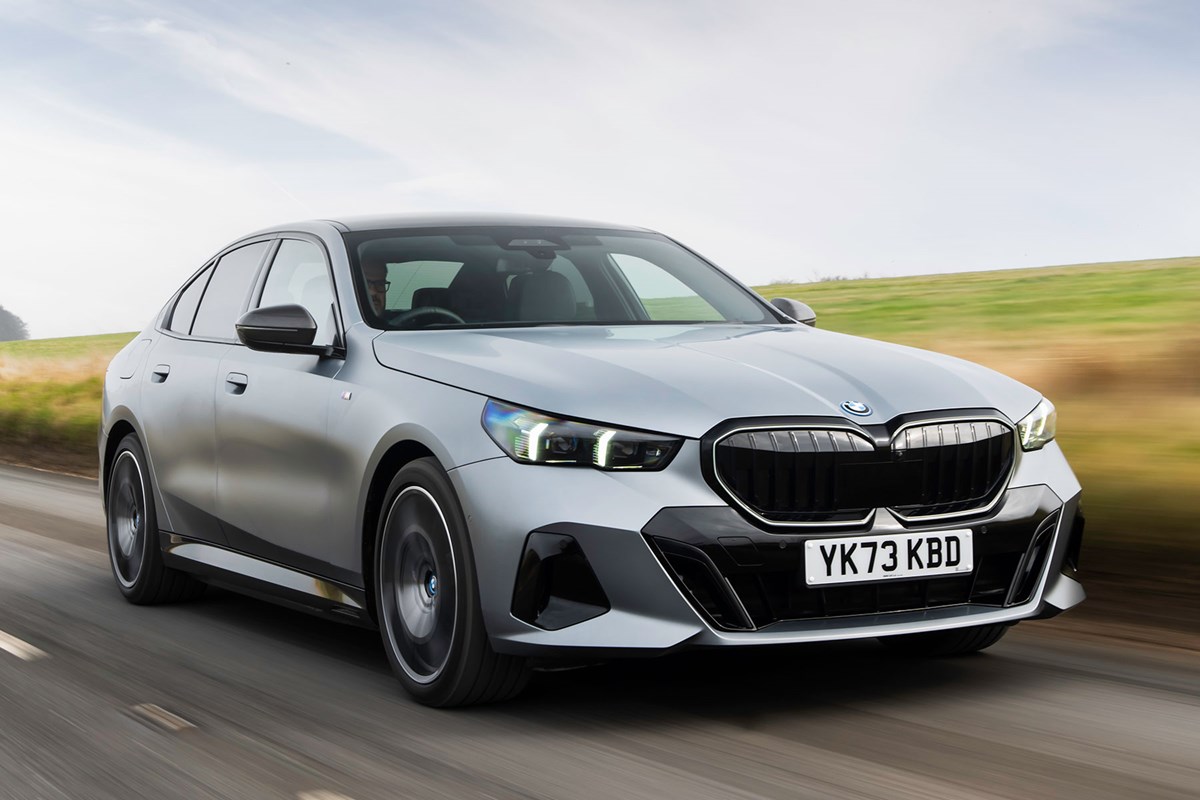
1. BMW 5 Series
The BMW 5 Series has long been recognized as a benchmark in luxury sedans. Combining performance with comfort, it attracts drivers who value precise handling and smooth rides. To maintain these standards, BMW equips its 5 Series with high-quality, brand-specific tires. These tires are designed to provide optimal grip during cornering, ensure stability at high speeds, and reduce road noise significantly.
Each tire on the BMW 5 Series can cost around $400 due to its advanced compound and reinforced sidewalls. The low-profile design enhances the sporty appearance and handling, but it also contributes to the higher replacement price.
BMW owners often prefer original equipment manufacturer tires to maintain warranty coverage and vehicle performance. These tires also feature wear-resistant compounds that balance performance with longevity, which justifies the cost for many buyers.
The replacement process for BMW tires is straightforward but requires attention to alignment and balance. Technicians often recommend checking the suspension components during replacement to ensure even tire wear. Using cheaper alternatives can compromise braking efficiency and cornering response. Owners typically schedule replacements based on tread wear indicators and driving habits, especially for those who enjoy spirited driving on highways or twisty roads.
BMW 5 Series tires are engineered to handle dynamic driving conditions. Advanced tread patterns provide excellent traction in wet and dry conditions, reducing the risk of hydroplaning. Additionally, the tires are optimized for noise reduction, which contributes to the quiet cabin environment. For owners, this combination of safety, performance, and comfort is worth the premium price.
Luxury sedans like the BMW 5 Series also face challenges with tire longevity. Aggressive driving, potholes, and winter conditions can accelerate wear. Regular inspections and timely replacements ensure that the vehicle maintains its original performance characteristics. Consequently, the $400 investment per tire is part of maintaining the standard expected of a luxury vehicle.
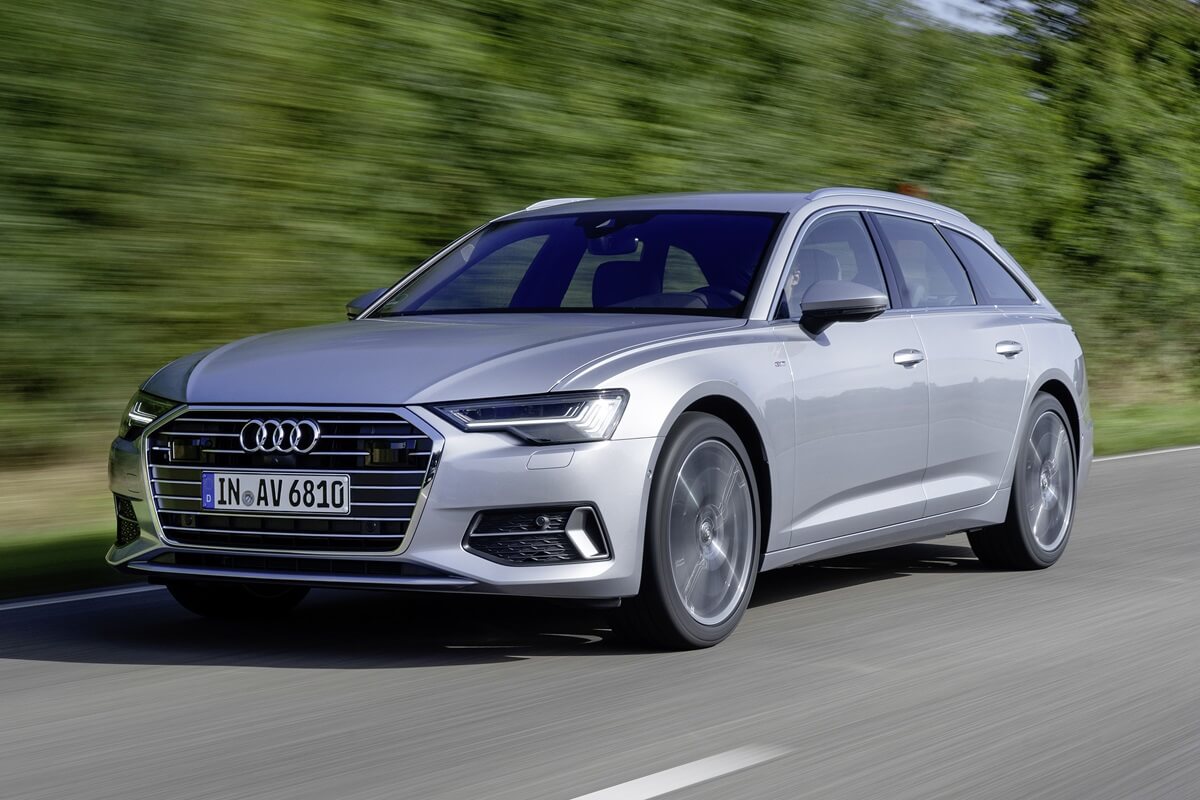
2. Audi A6
The Audi A6 is another luxury sedan known for technology integration and dynamic handling. The car often comes with all-season or performance tires that support Quattro all-wheel-drive systems. These tires are precision-engineered to distribute power evenly, enhancing stability and cornering performance. Audi emphasizes the balance between comfort and performance, which is reflected in tire selection.
Tires for the A6 can reach $400 each due to specific design requirements. Ultra-high-performance ratings and reinforced sidewalls allow the vehicle to handle high speeds while maintaining comfort.
Many A6 owners prefer to replace tires with the same brand and model used originally, preserving both performance and the smooth driving experience. The price reflects advanced compounds that offer better heat resistance and enhanced traction under varied road conditions.
Replacement requires proper mounting and balancing to prevent uneven wear. Audi-certified service centers often recommend alignment checks to maintain handling characteristics. Substituting with non-certified tires can lead to reduced performance and premature wear. Tires also feature specialized tread designs to optimize wet and dry braking. This combination makes the $400 cost per tire an investment in safety and longevity.
Performance and comfort are key factors for the Audi A6. The tires are engineered to minimize rolling resistance while providing responsive steering. Noise reduction features are integrated into the tread patterns, contributing to the quiet cabin typical of Audi vehicles. For drivers who prioritize a smooth yet controlled ride, these tires enhance the driving experience.
Long-term maintenance of the Audi A6 requires attention to tire condition. Factors such as tire rotation, alignment, and proper inflation directly influence lifespan. Despite the high cost, many owners see value in preserving original tire specifications. The $400 per tire price ensures that the Audi A6 continues to meet the manufacturer’s performance standards throughout its lifespan.
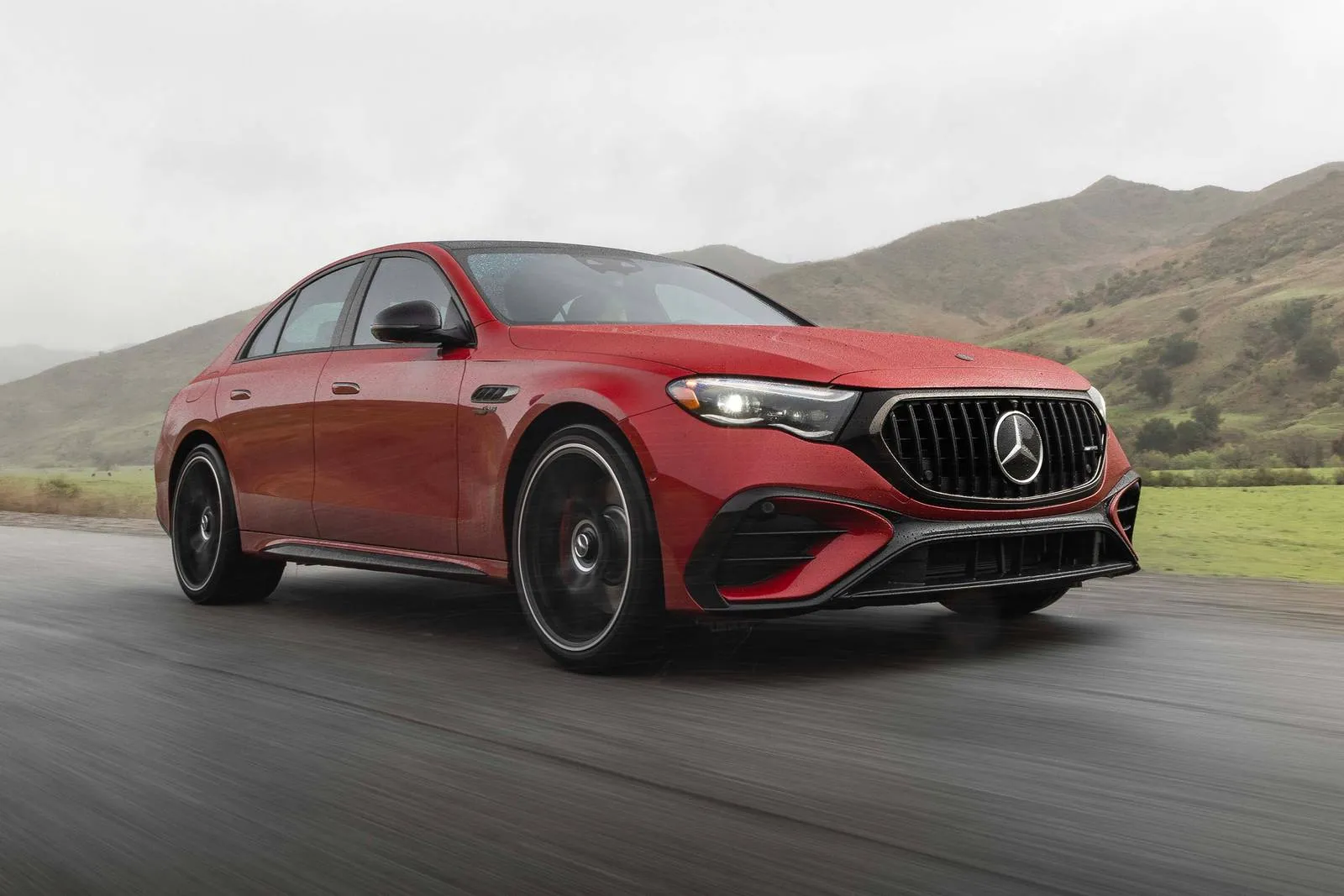
3. Mercedes-Benz E-Class
The Mercedes-Benz E-Class has a reputation for blending luxury with precision engineering. It features advanced suspension systems and electronic stability programs that demand high-quality tires. The tires must support both smooth urban driving and responsive highway performance. Original equipment tires are designed with specific compounds to match the vehicle’s suspension dynamics.
Each tire on the E-Class can cost $400 or more because of these performance demands. They are often low-profile, high-performance tires designed for precise handling and enhanced braking. Mercedes-Benz emphasizes tire quality to ensure that all safety systems, such as traction control and ABS, work as intended. Choosing OEM tires ensures compatibility with the vehicle’s sensors and calibration.
Replacing these tires involves careful handling to maintain alignment and balance. The process typically includes inspection of suspension components, as even minor wear can affect tire longevity. Premium tires also feature tread patterns optimized for wet and dry conditions, providing consistent performance throughout the year. The price reflects the combination of technology, safety, and durability required by the vehicle.
Mercedes tires offer both comfort and performance. The compounds are engineered to reduce road noise and improve ride quality while maintaining responsiveness. Drivers benefit from enhanced braking and cornering stability, particularly at higher speeds or during emergency maneuvers. The investment in these tires reflects the vehicle’s engineering focus on safety and driving pleasure.
Maintaining E-Class tires involves regular monitoring of tread depth and rotation. Road conditions, driving habits, and seasonal changes influence replacement frequency. Despite the high cost, these tires are essential for preserving the E-Class’s performance and luxury characteristics. The $400 price per tire ensures consistent, reliable performance for the owner.
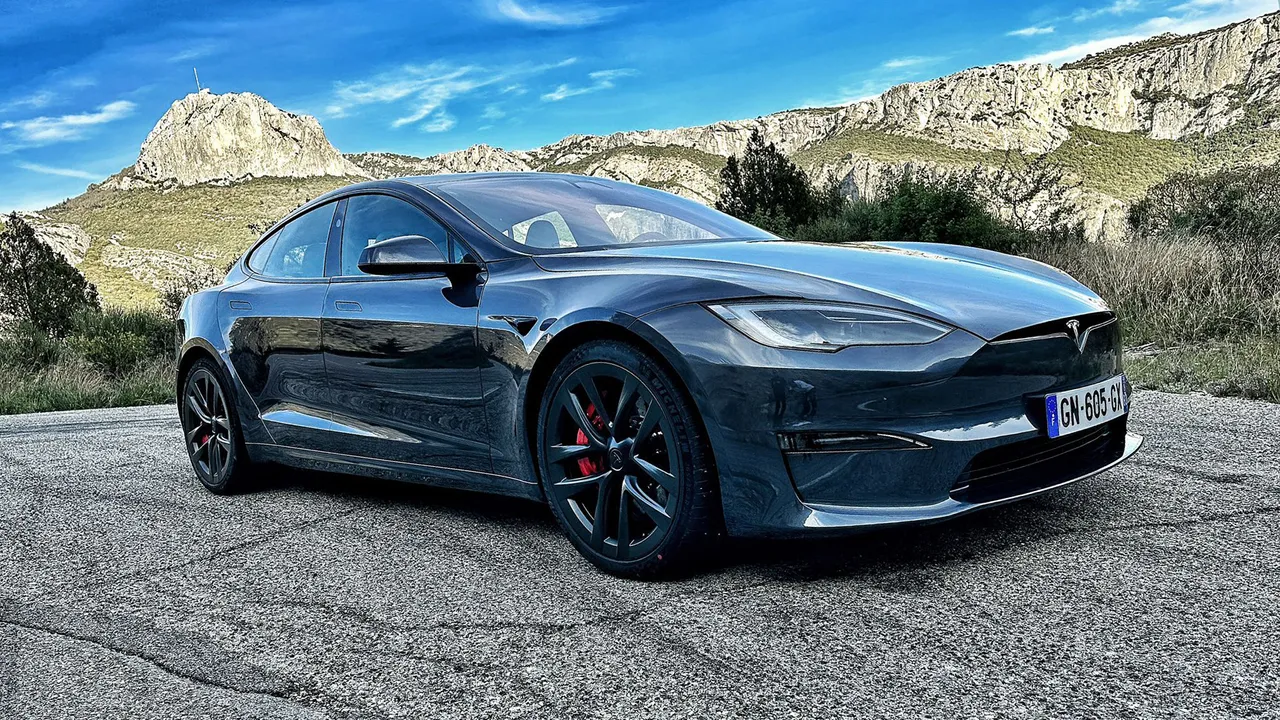
4. Tesla Model S
The Tesla Model S represents a shift in automotive engineering toward electric performance. Its instant torque and high speeds demand tires that can handle both acceleration and regenerative braking forces. The Model S uses specialized tires that balance efficiency, grip, and durability. These tires are critical to maintaining both range and handling characteristics.
Replacement tires for the Model S often cost $400 each due to their design and materials. High-speed ratings, reinforced sidewalls, and low rolling resistance compounds contribute to the cost. Tesla owners prefer tires that maintain range efficiency while providing reliable traction in wet or dry conditions. OEM tires are engineered to handle the unique weight distribution of electric vehicles, particularly the heavy battery pack.
The replacement process involves precise mounting and calibration. Tesla recommends monitoring tire pressure regularly, as deviations can affect both range and safety systems. High-performance tires for the Model S are also optimized for reduced road noise, complementing the quiet cabin typical of electric vehicles. Maintaining the correct tire type is important for preserving warranty coverage and performance.
Tire performance on the Model S is designed for both comfort and control. Tread patterns are optimized for wet braking, cornering stability, and noise reduction. Owners who frequently drive at higher speeds or on varied terrain notice significant benefits from these premium tires. The $400 investment per tire ensures that the vehicle continues to deliver its intended driving experience.
Long-term care of Model S tires includes rotation and alignment checks. Due to the vehicle’s weight and torque, tires can wear faster if not properly maintained. Despite the price, premium tires are essential to the safety, efficiency, and performance expected from an electric performance vehicle.
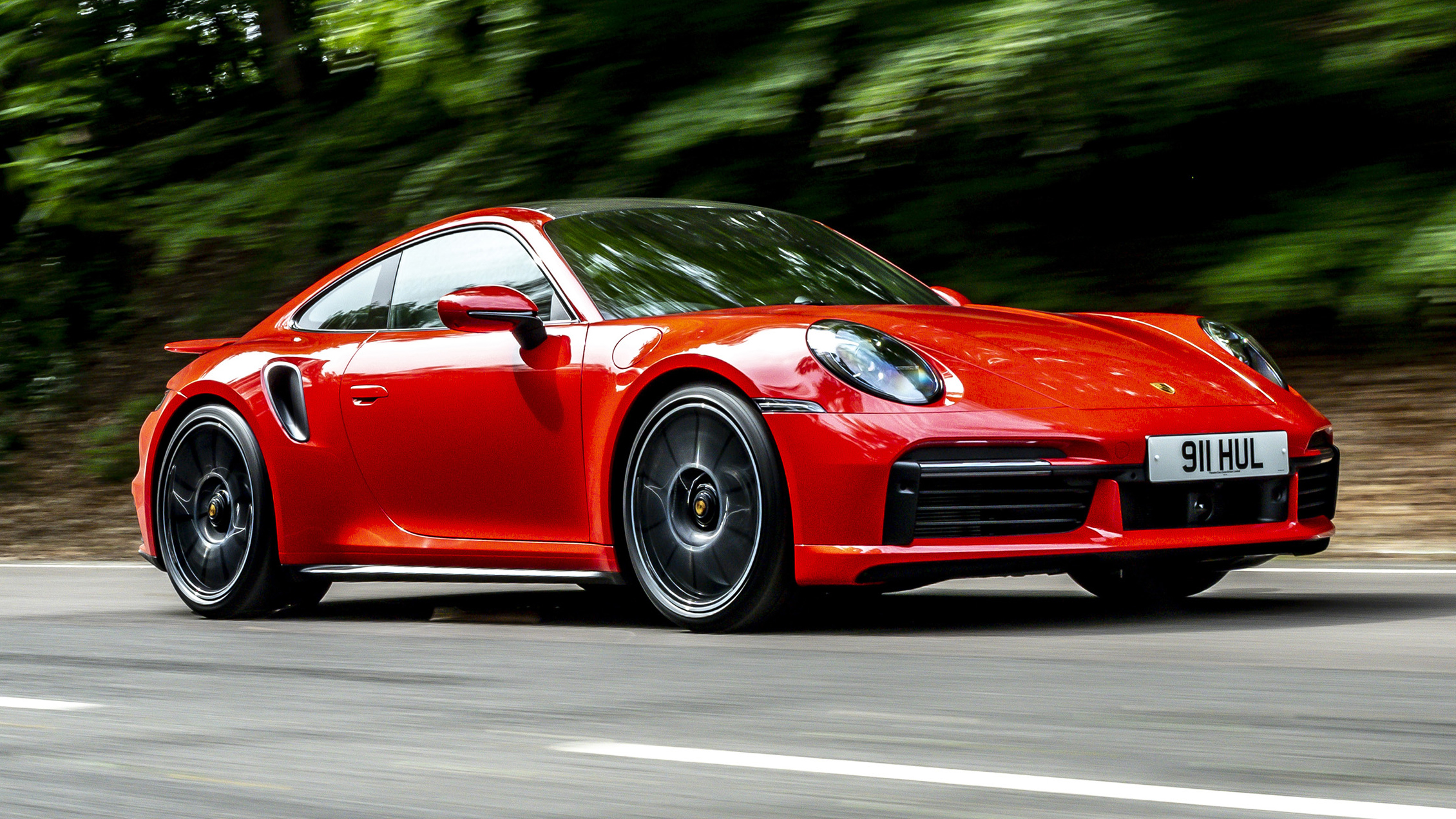
5. Porsche 911
The Porsche 911 is a high-performance sports car that prioritizes speed, agility, and precision. Its tires are a crucial component in translating engine power to the road effectively. Porsche tires are specifically engineered for performance driving, with compounds designed to maintain grip during rapid acceleration and high-speed cornering. Precision in design ensures the vehicle can handle both street and track conditions safely.
Each tire on a Porsche 911 can cost $400 or more because of the performance requirements. Low-profile tires, reinforced sidewalls, and specialized tread patterns are standard. These tires are designed for high-speed stability and responsive steering. Porsche recommends using OEM tires to maintain vehicle handling characteristics and safety features.
Replacement requires proper alignment, balancing, and calibration of performance systems. Tires are often monitored for wear due to aggressive driving habits or track use. The compounds are heat-resistant, allowing them to maintain performance under high-stress conditions. Using substandard alternatives can compromise safety and driving dynamics.
The tires on the 911 provide both grip and comfort, balancing performance with usability on regular roads. They contribute to braking efficiency, precise cornering, and vehicle responsiveness. Drivers investing in these tires gain confidence in both everyday and spirited driving scenarios.
Maintaining Porsche tires includes regular rotation, monitoring pressure, and timely replacement. High-speed driving and road conditions influence lifespan, making premium tires necessary to retain original performance. The $400 per tire cost reflects the engineering and technology needed to match the vehicle’s capabilities.
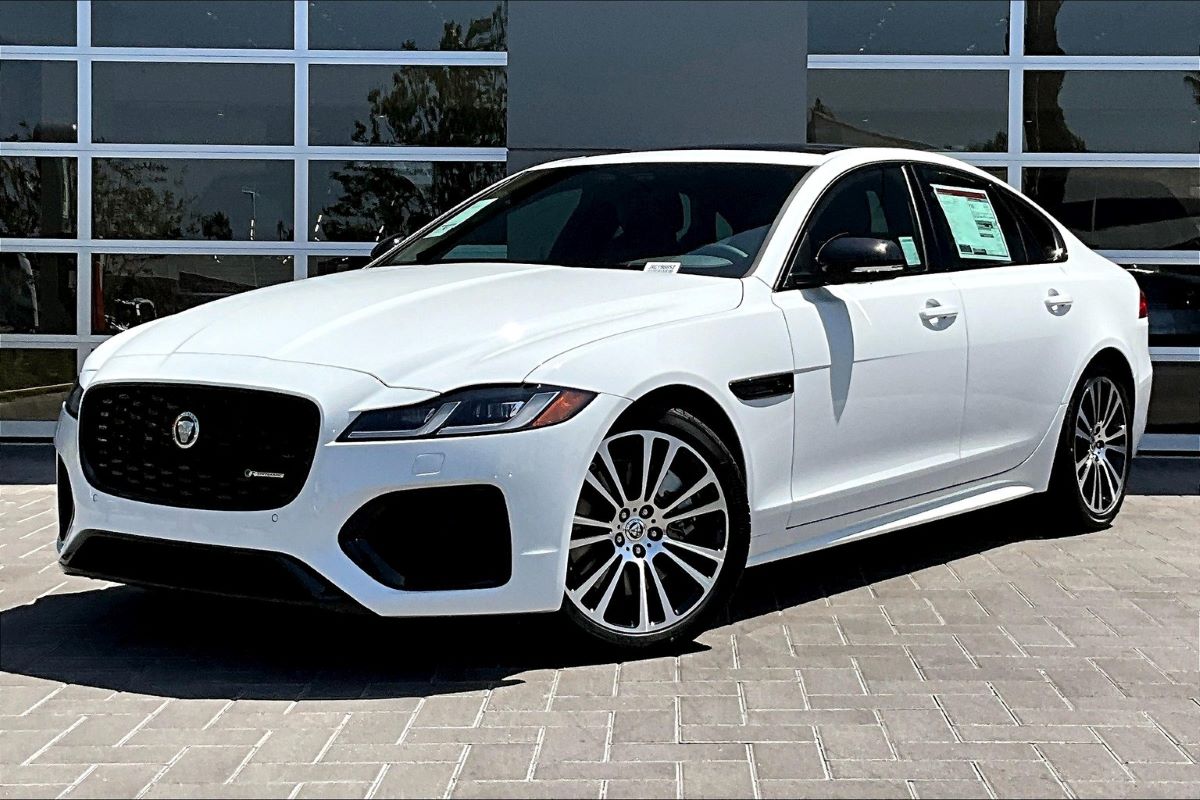
6. Jaguar XF
The Jaguar XF is a mid-size luxury sedan that combines refined elegance with sporty handling. The tires on this vehicle are carefully chosen to support both performance and comfort, ensuring that the XF handles smoothly in urban traffic and on open highways alike.
Jaguar places an emphasis on responsive handling, and the tires contribute significantly to delivering a controlled driving experience. Each tire is engineered to provide the precise grip needed for cornering stability and braking efficiency, which is critical for maintaining the vehicle’s dynamic character.
Jaguar XF tires often cost around $400 each due to their specialized compounds and advanced tread design. These tires are low-profile to support sharper steering response and to enhance the vehicle’s sporty aesthetics.
Many XF owners prefer the original manufacturer tires to preserve handling integrity, as non-certified alternatives may compromise performance or void warranty coverage. The cost also reflects the tires’ ability to withstand variable weather conditions, maintaining traction in wet, dry, or mild winter conditions.
Replacing tires on the XF requires careful alignment and balancing to ensure even wear and optimal performance. Jaguar recommends routine inspections to identify any potential suspension or wheel issues that could reduce tire lifespan. Proper installation preserves the vehicle’s handling characteristics and ensures that electronic stability systems function correctly. Premium tires also reduce road noise, which complements the quiet and luxurious cabin environment.
Performance and comfort are equally emphasized in Jaguar XF tires. Tread patterns are engineered to provide both braking efficiency and a smooth ride.
The reinforced sidewalls offer stability during aggressive driving maneuvers, while the tire compounds are designed for long-term durability. These features justify the high replacement cost and ensure a driving experience that matches the vehicle’s design intent.
Long-term maintenance involves tire rotation, regular pressure checks, and alignment verification. Because the XF is a performance-oriented luxury sedan, aggressive driving or uneven roads can accelerate wear, making premium tires a necessity. While $400 per tire is a significant investment, it ensures that the Jaguar XF continues to deliver the precise handling, comfort, and safety expected from a high-end vehicle.
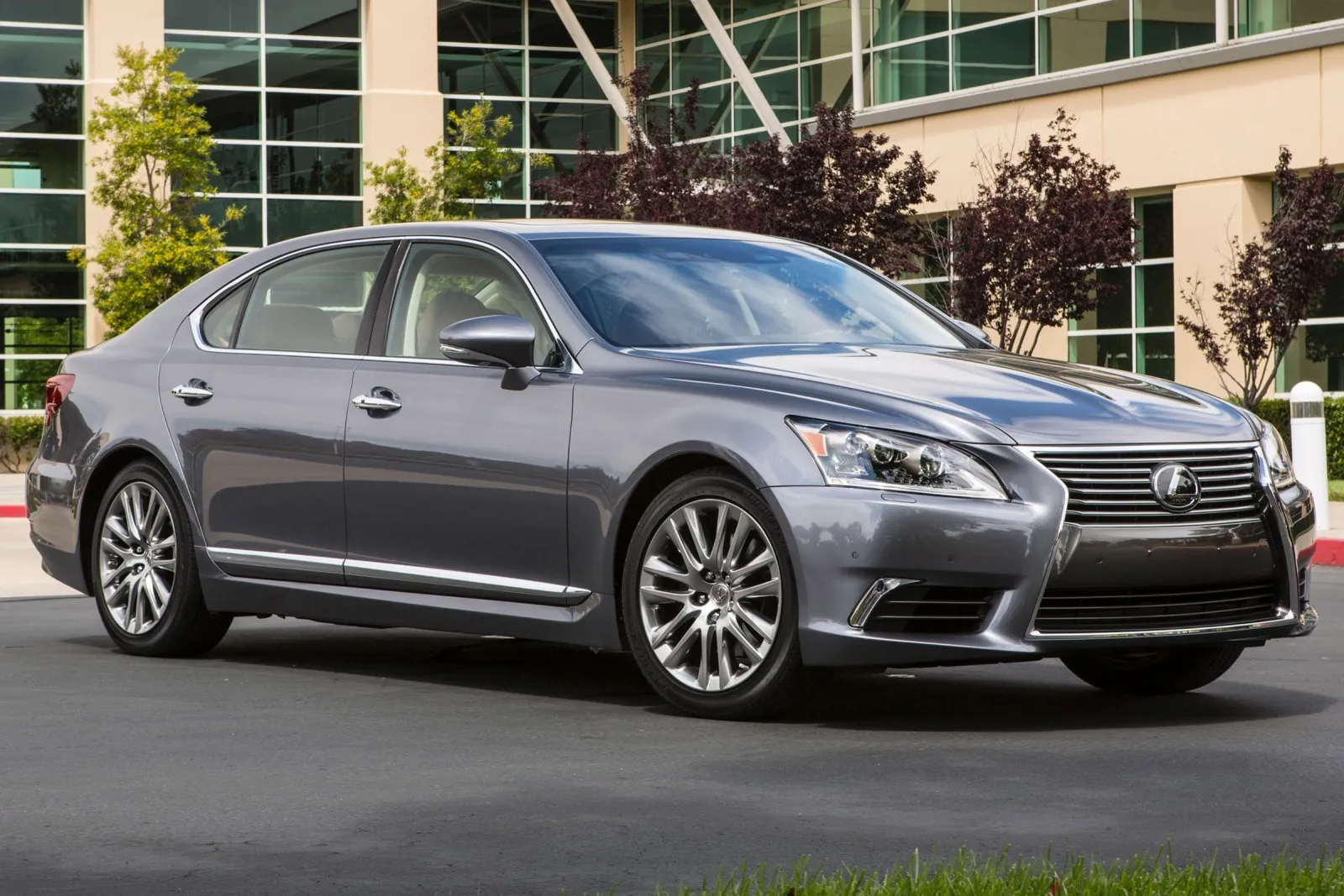
7. Lexus LS
The Lexus LS represents the pinnacle of Japanese luxury sedans, emphasizing quiet operation, comfort, and refined driving dynamics. Its tires are engineered to complement these qualities, providing a smooth, controlled ride while supporting the vehicle’s weight and performance capabilities.
Every aspect of the tire, from tread compound to sidewall strength, is designed to integrate with the LS’s advanced suspension systems, ensuring stability and consistent handling.
Tires for the Lexus LS can reach $400 each because of their high-quality materials and construction. These tires are often designed with a focus on low noise, vibration, and harshness reduction, contributing to the ultra-quiet cabin.
Advanced compounds provide superior grip in both wet and dry conditions, supporting emergency braking and precise steering control. Many owners opt for original equipment manufacturer tires to maintain the full driving experience and warranty coverage, as aftermarket options may not meet the same specifications.
Replacing tires on an LS requires careful handling and proper installation techniques. Lexus recommends professional mounting and balancing to maintain vehicle performance and ensure even tire wear. Alignment checks are also essential to preserve handling precision and prevent premature wear.
These high-end tires are built to optimize braking distances and provide confident traction, even at higher speeds, reinforcing the vehicle’s luxury and safety characteristics.
Lexus LS tires combine performance and comfort in a way that enhances the sedan’s driving experience. Tread patterns are designed to minimize noise and maximize grip, while reinforced sidewalls provide stability during lane changes and turns. The investment in premium tires allows drivers to enjoy the quiet, smooth ride the LS is known for, without sacrificing safety or responsiveness.
Long-term care of LS tires involves periodic rotation, regular pressure monitoring, and inspection for uneven wear. Given the weight and size of the LS, these high-quality tires are essential for maintaining optimal performance and ride quality. Spending $400 per tire ensures that the vehicle continues to meet Lexus’s standards for comfort, safety, and driving refinement over time.
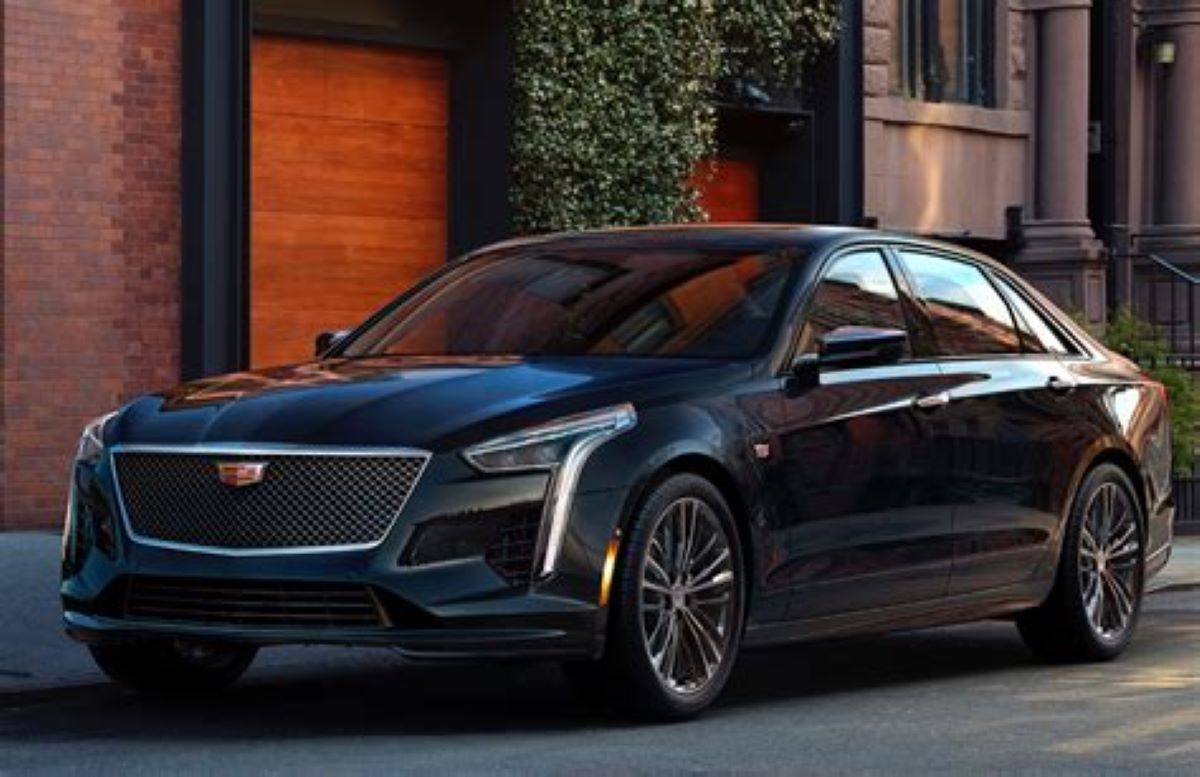
8. Cadillac CT6
The Cadillac CT6 is a full-size luxury sedan that blends technology with a commanding road presence. Its tires play a vital role in delivering a smooth, stable ride while supporting responsive handling.
The CT6 often comes with premium, performance-oriented tires engineered for both comfort and high-speed stability. These tires are specifically chosen to complement Cadillac’s sophisticated suspension system and ensure maximum control under varied driving conditions.
Each tire on a CT6 can cost $400 due to specialized rubber compounds, low-profile designs, and noise-reducing tread patterns. Cadillac emphasizes safety, handling, and comfort, and the tires are a critical part of this balance. Premium tires are also designed to withstand high temperatures and maintain traction under acceleration, braking, and cornering forces. Many owners prefer OEM tires to maintain the vehicle’s performance calibration and warranty coverage.
Replacement involves precise installation, balancing, and alignment to prevent uneven wear and preserve handling characteristics. Cadillac recommends professional services for tire changes to ensure safety systems function properly. Tires are engineered for all-season performance while minimizing road noise, contributing to the CT6’s luxurious driving experience. These features justify the higher cost compared to standard tires and ensure consistent reliability.
Performance and comfort are equally prioritized in CT6 tires. Tread patterns provide excellent grip, reinforced sidewalls enhance stability, and compounds are designed for durability under heavy vehicle weight. The combination of these factors ensures confident handling in city streets and highways alike, justifying the $400 per tire investment for many owners.
Maintaining CT6 tires includes regular rotations, pressure monitoring, and alignment checks. Road conditions, driving style, and vehicle load affect tire longevity. High-quality tires are essential for preserving the vehicle’s performance and ride comfort. Investing in premium tires helps owners retain the safety, responsiveness, and luxury driving experience that the Cadillac CT6 is designed to deliver.
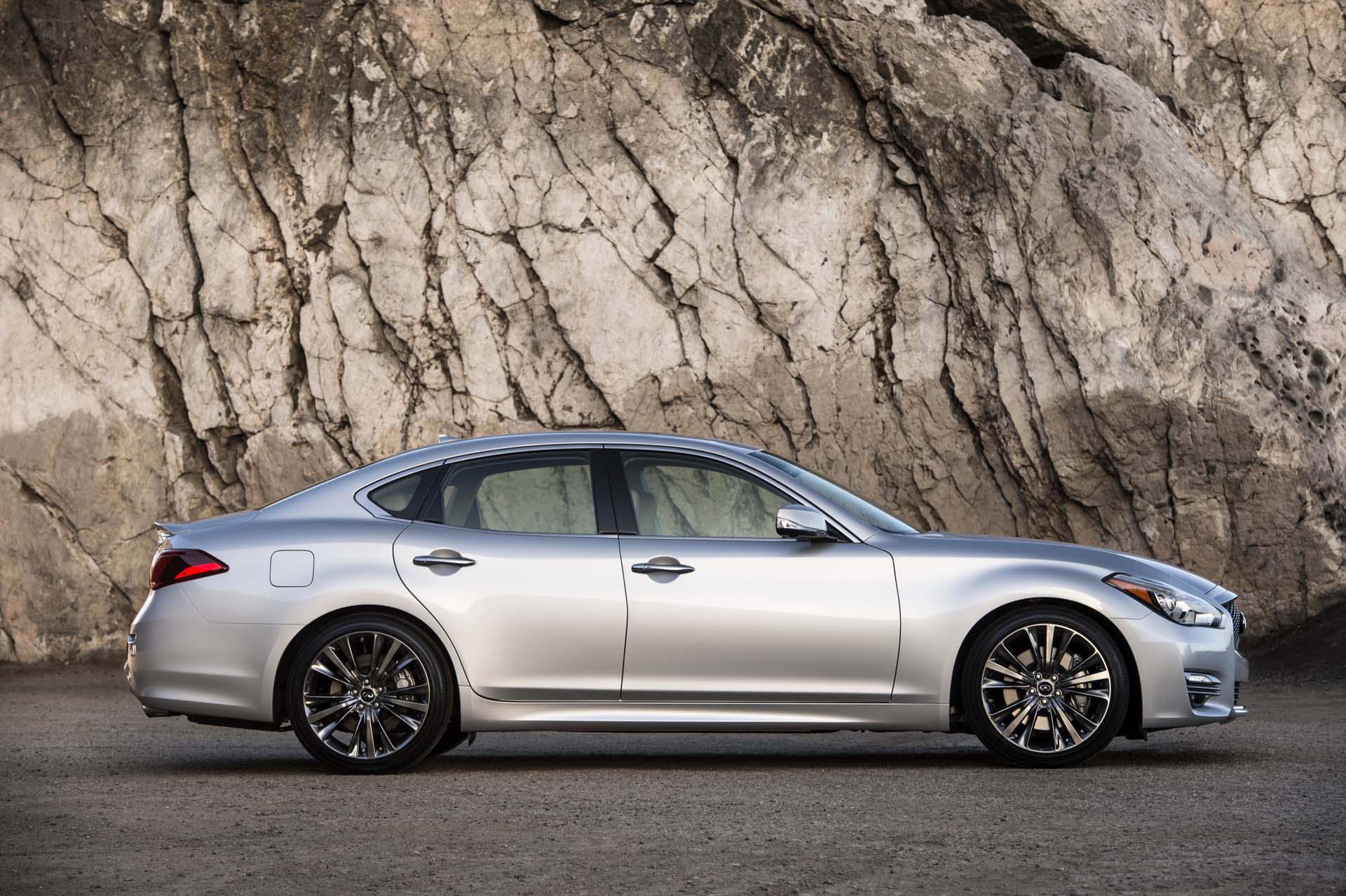
9. Infiniti Q70
The Infiniti Q70 is a midsize luxury sedan that emphasizes performance, comfort, and advanced technology. Its tires are engineered to balance high-speed stability with ride comfort.
The vehicle’s suspension and steering systems are tuned for responsiveness, and premium tires are required to fully utilize these capabilities. Proper tire selection enhances cornering, braking, and vehicle control.
Tires for the Q70 can cost $400 each because of their high-performance compounds and precision design. Low-profile tires improve handling, while tread patterns and sidewall construction reduce road noise and improve ride quality. Many owners choose OEM tires to ensure compatibility with the vehicle’s advanced systems, including electronic stability control and traction management. The cost reflects durability, performance, and the assurance that the vehicle performs as designed.
Replacement requires proper balancing, alignment, and inspection to maintain performance. Infiniti recommends professional installation for best results, as improper installation can lead to uneven wear and reduced handling precision. Tires are designed to provide consistent grip and braking performance in wet and dry conditions, ensuring driver confidence at all times. These features support the high-end driving experience expected from the Q70.
Performance and comfort are equally emphasized for Q70 tires. Advanced compounds maintain traction while low rolling resistance supports efficiency. Reinforced sidewalls and precise tread designs allow for stable handling, while noise reduction technologies contribute to a quieter cabin. This combination ensures that the luxury and performance of the vehicle are preserved.
Ongoing maintenance includes regular rotation, monitoring tread depth, and checking pressure. Aggressive driving, heavy loads, and road irregularities can accelerate wear, making high-quality tires a necessity. The $400 per tire cost ensures that the Infiniti Q70 continues to deliver the performance, comfort, and safety standards intended by the manufacturer.
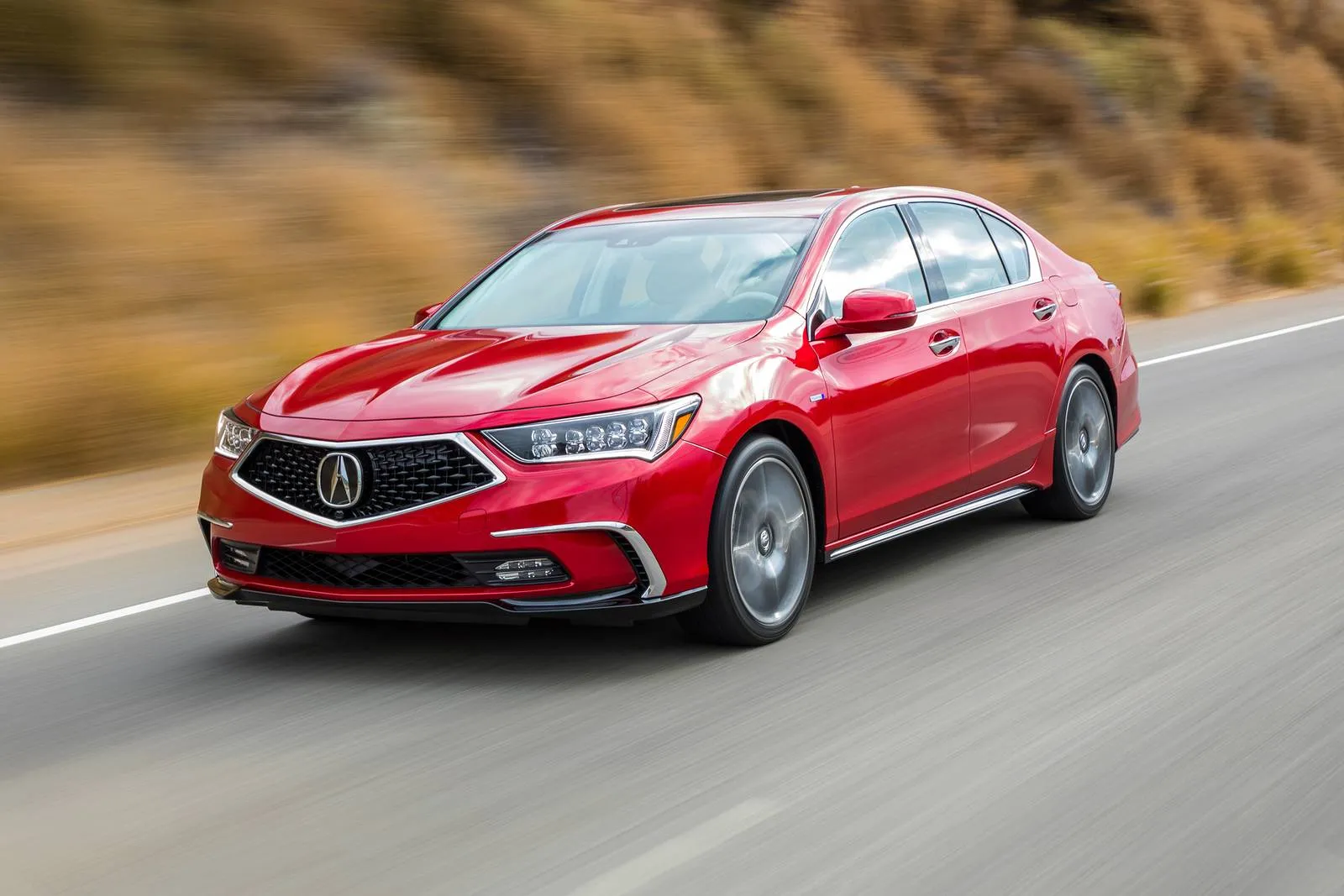
10. Acura RLX
The Acura RLX is a full-size luxury sedan that emphasizes technology, comfort, and performance. Its tires are designed to support a smooth, stable ride while ensuring responsive handling. The RLX features advanced suspension systems and stability technologies that depend on premium tire performance. These tires provide the foundation for braking efficiency, cornering precision, and driving confidence.
Each tire can cost $400 due to the advanced design, low-profile structure, and high-quality materials used. They are engineered to provide grip in multiple conditions, support quiet operation, and withstand stress during rapid acceleration or braking. Many Acura owners opt for original equipment tires to maintain vehicle calibration and warranty protection. The price reflects the balance of safety, performance, and comfort inherent in a luxury vehicle.
Replacing tires requires careful alignment, balancing, and inspection to ensure optimal performance. Acura recommends professional installation to preserve vehicle handling and avoid premature wear. Tires are designed for all-season performance, providing traction in wet and dry conditions while reducing road noise. These features make the investment worthwhile for long-term performance and reliability.
Acura RLX tires combine stability and comfort with responsive handling. Reinforced sidewalls, advanced tread compounds, and noise-reducing designs enhance ride quality. Premium tires ensure the sedan performs as intended during everyday driving and under more demanding conditions. Owners investing in these tires maintain the vehicle’s performance and luxury experience.
Routine maintenance includes tire rotations, pressure monitoring, and periodic alignment checks. Road conditions, driving habits, and seasonal changes influence tire longevity. Spending $400 per tire guarantees that the Acura RLX continues to provide safety, comfort, and precise handling, preserving the intended driving experience over time.
