
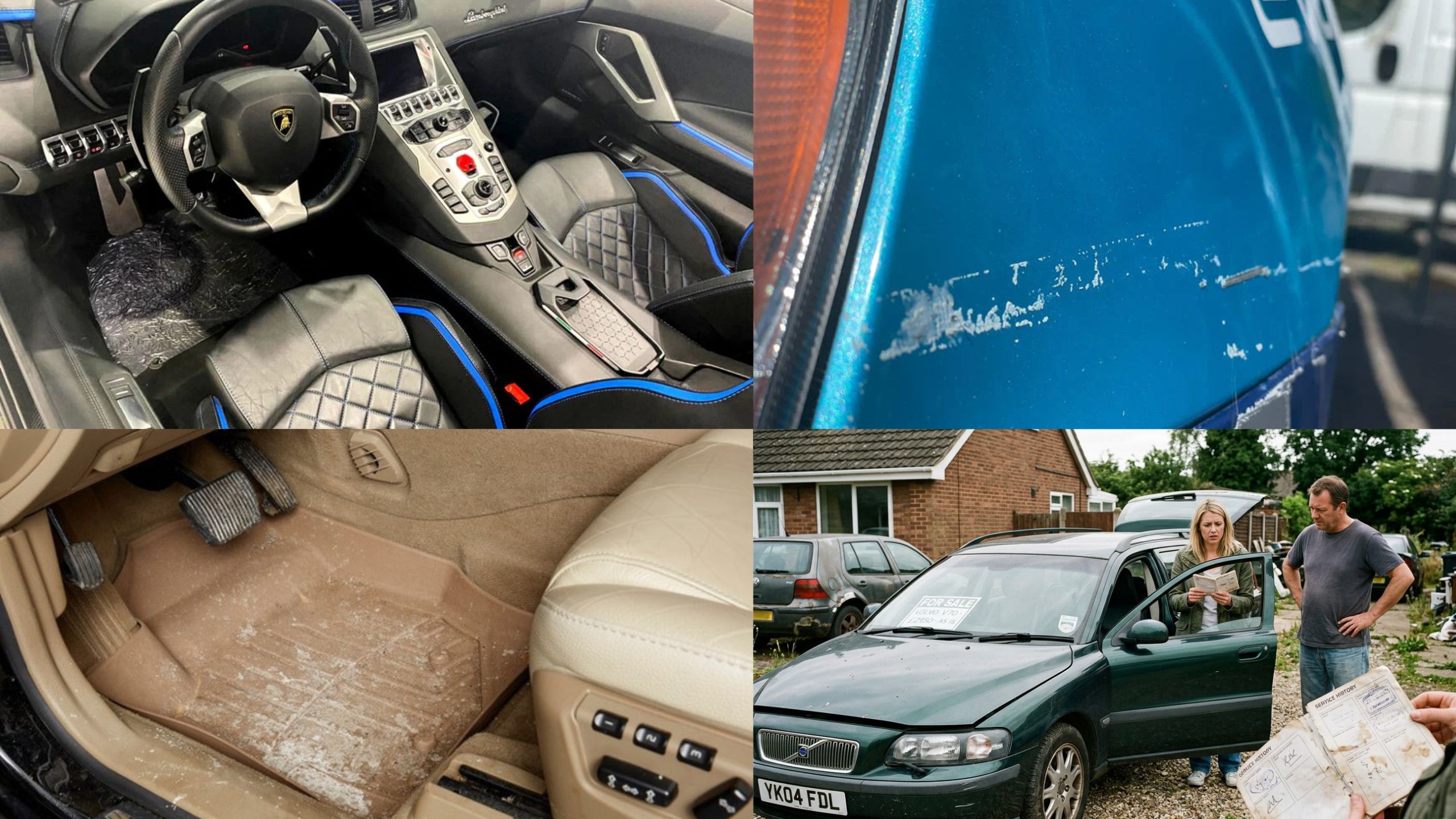
Buying a used car is one of the biggest financial decisions most people make. You walk into a dealership with hope, excitement, and a budget in mind. But not every car on that lot has the clean history you assume it does. Some of those shiny vehicles were once rental cars driven hard by hundreds of strangers.
Rental cars live a tough life on the road. They get pushed to their limits, rarely maintained on time, and returned with little care by drivers who simply do not own them. Dealerships are not always upfront about this history. They clean the car, detail it beautifully, and present it as a great deal at an attractive price.
The exterior looks fine and the interior smells fresh. But underneath that polished surface could be a car with excessive wear, deferred maintenance, and a troubled past. Knowing the signs of a former rental car can save you thousands of dollars. It protects you from overpaying for a vehicle with hidden problems that will surface later.
This guide breaks down eight clear signs that a dealership may be trying to sell you a former rental car. Stay informed, stay sharp, and never let a good-looking paint job fool you into making a costly mistake.
1. The Price Seems Too Good to Be True
When a used car is priced significantly below market value, most buyers feel a rush of excitement. They assume they have found a hidden gem sitting quietly on the lot just waiting for them.
But smart buyers know that in the car business, every deal has a reason behind it. A price that looks too attractive almost always signals something the seller does not want you to ask about.
Former rental cars are often sold at lower prices because dealers know their history affects perceived value. They use the low price as bait to pull buyers in before they start asking the right questions.
Rental fleet vehicles depreciate faster than privately owned cars. Insurance companies and rental agencies track this, and dealers acquire these cars cheaply at auctions before marking them up slightly for retail sale.
The profit margin still works in the dealer’s favor even at a “discounted” price. You think you are saving money, but you may actually be buying someone else’s problem at a premium.

Always research the fair market value of any used car before visiting a dealership. Use trusted pricing tools to compare what similar vehicles with similar mileage are actually selling for in your area.
If the price is five hundred to two thousand dollars below average without a clear explanation, raise your guard immediately. Ask the dealer directly why the price is lower and watch how they respond to that question.
A confident, honest dealer will give you a straightforward answer without hesitation. A dealer trying to hide something will deflect, change the subject, or suddenly start talking about the car’s features instead of answering your question directly.
Do not let excitement cloud your judgment when a price looks too good. The sweetest-looking deals in a car lot often come with the bitterest surprises hiding underneath the hood.
2. The Vehicle History Report Shows a Fleet or Rental Company as Previous Owner
One of the most direct ways to identify a former rental car is by pulling a detailed vehicle history report. Services that track vehicle ownership records will clearly list who previously owned the car.
If the report shows a company name instead of a personal name, that is your first major red flag. Fleet companies, rental agencies, and corporate accounts are listed differently from individual private owners.
Names like major national car rental brands appear frequently in these reports. Even if the name is slightly different or abbreviated, a corporate previous owner should immediately prompt more questions from you.
Some dealers try to downplay this information when you bring it up. They may say the car was “lightly used” by a corporate client or that fleet vehicles are “well maintained,” which is not always the truth.
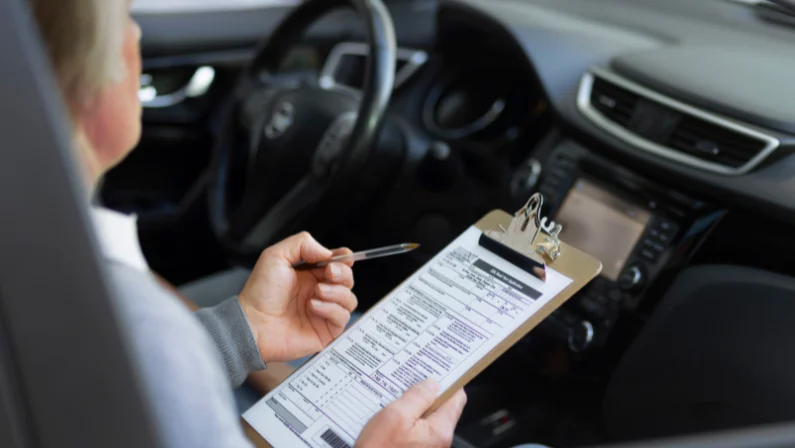
Rental companies do follow basic maintenance schedules, but that does not account for driver behavior. Hundreds of different people drove that car, and not a single one of them treated it like their own vehicle.
The wear and tear from multiple drivers adds up in ways that basic oil changes cannot fix. Suspension components, brakes, clutches, and interiors all suffer from inconsistent and often aggressive use by rotating rental customers.
A vehicle history report also shows how many times the car was registered. Multiple registrations in a short time period is another sign the car moved through a fleet system before landing on the dealer’s lot.
Always pay for a full vehicle history report before making any buying decision. It is a small cost that can save you from a very expensive and regrettable mistake down the road.
3. Unusually High Mileage for the Car’s Age
Mileage tells a story that no salesman can fully erase or explain away. A car that is two or three years old but already has sixty, seventy, or eighty thousand miles on it has lived a very busy life.
The average privately owned vehicle accumulates around twelve to fifteen thousand miles per year. When you see numbers far above that average, the car was clearly driven far more intensively than normal.
Rental cars are driven constantly because they generate income only when they are moving. They sit in lots between rentals but hit the road hard the moment a new customer picks them up.
A car with forty thousand miles in just eighteen months is a massive warning sign. That level of usage means the engine, transmission, and other mechanical components have experienced serious stress in a short time.

Dealers sometimes try to justify high mileage by saying the car was “highway driven” for better wear patterns. While highway miles are generally easier on a car, rental highway miles still involve aggressive driving by strangers with no personal stake in vehicle care.
High mileage also means you are closer to expensive maintenance milestones right after purchase. Timing belts, major fluid flushes, brake replacements, and tire changes may all be due sooner than you expect.
Calculate the true cost of ownership before falling in love with the sticker price. A cheaper car that needs three thousand dollars in immediate maintenance is not actually cheaper than a slightly pricier well-maintained vehicle.
Always ask for full service records when mileage seems high. If the dealer cannot produce documented maintenance history, walk away without hesitation because that silence speaks louder than any sales pitch ever could.
4. Interior Wear That Does Not Match the Car’s Age
The interior of a car tells the real story of how it was lived in and treated. Seats, steering wheels, door panels, and floor mats all show wear patterns that match how many people used the vehicle.
A three-year-old car should not have a steering wheel that feels worn smooth from overuse. It should not have seat bolsters that are visibly cracked, faded, or sagging from excessive entry and exit pressure.
Rental car interiors suffer because dozens or hundreds of different users treat them carelessly. Food spills, rough handling, slamming doors, and dragging luggage across seats all leave visible damage behind.
Look carefully at the driver’s seat bolster on the outer left edge. This area wears out fastest from repeated entry and exit, and heavy wear here on a supposedly young car is a very telling sign.
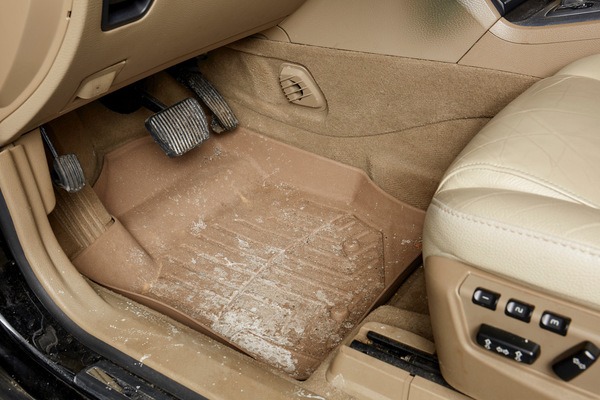
Check the floor mats and carpet underneath them. Rental companies often replace floor mats before selling a vehicle, but the carpet underneath frequently shows staining, wear patterns, and even mold from spilled liquids.
Examine the door handles and armrests closely for scratches and worn finish. These high-contact areas degrade quickly when many different hands touch and grip them repeatedly over a short time period.
Look at the rear seats as carefully as you look at the front. Rental cars carry passengers frequently, so rear seat wear is often just as heavy or even heavier than front seat deterioration.
Sniff the interior carefully when you first open the door. A strong perfume or air freshener smell may be masking odors from food, pets, or moisture that accumulated during the car’s rental life.
Also Read: 5 Best CPO Car Programs for First-Time Buyers Who Want Reliability
5. Lack of a Detailed Service History
A responsibly owned private vehicle almost always comes with some form of service documentation. Oil change stickers, receipts, dealer stamps in the owner’s manual, or digital service records tell you the car was cared for.
When a dealer cannot produce any service history for a used car, that silence is deeply concerning. A car with no paper trail has a past that someone does not want you to investigate too closely.
Rental companies do perform maintenance, but their records are internal and not always passed along when the car is sold at auction. Once the car leaves the rental fleet, its maintenance history often disappears entirely.
Dealers who buy former rental cars at auction receive minimal documentation. They clean the car, do basic checks, and put it on the lot without the comprehensive service history a private seller would have.
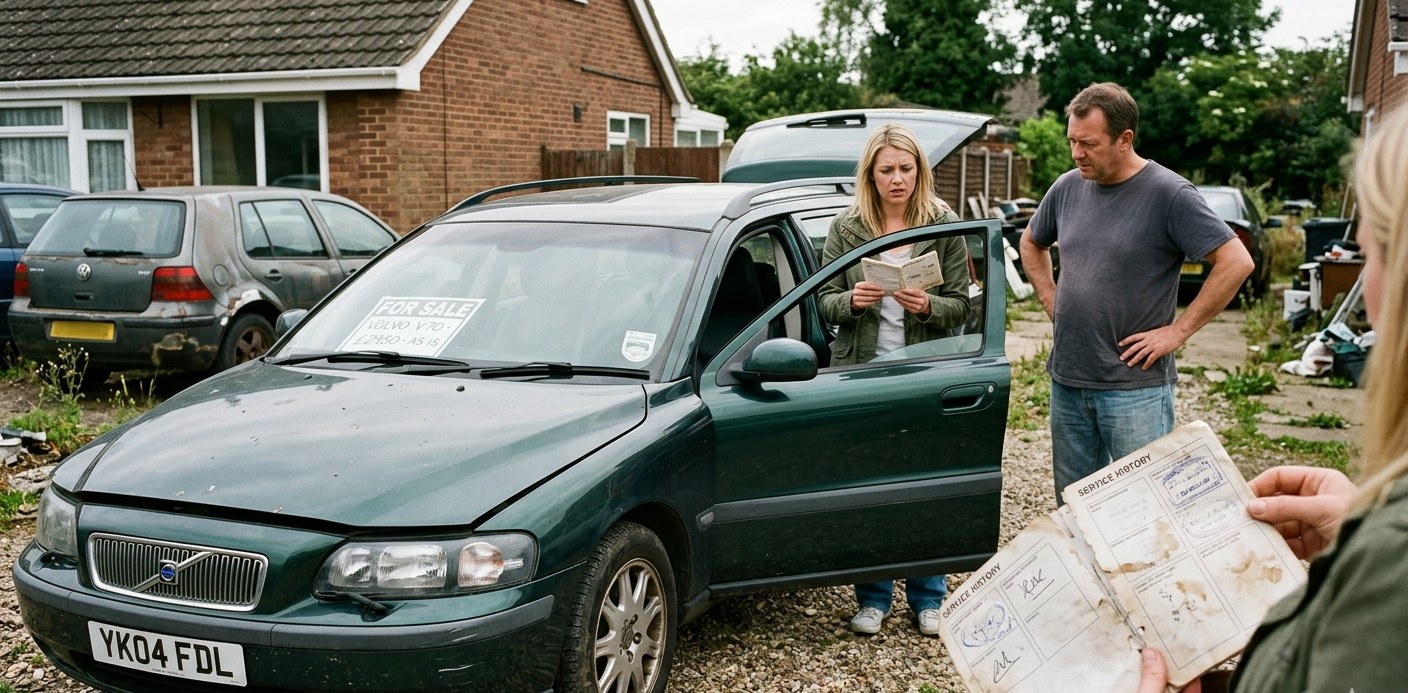
Ask specifically for oil change records, tire rotation logs, and any repair invoices. If the dealer looks confused or dismissive when you ask, that reaction tells you everything you need to know.
A missing service history also means you cannot verify whether critical maintenance was ever performed. Timing belt replacements, coolant flushes, transmission services, and brake jobs may have been skipped entirely without anyone recording it.
Never accept a verbal assurance that “the car was well maintained” without written proof to back it up. Words cost nothing in a car dealership, but documentation is something the seller either has or does not have.
Ask the dealer to contact the previous owner or fleet company to request records. If they are unwilling or unable to do that simple task, it confirms that the car’s history is not something they want verified.
6. Generic or Missing Personal Touches
Private car owners personalize their vehicles over time in small but meaningful ways. They add phone holders, keep owner’s manuals in the glove box, leave garage door openers clipped to visors, or store emergency kits in the trunk.
A former rental car will feel almost clinically impersonal inside. There will be no forgotten receipts in the door pocket, no adjusted mirrors for a specific driver, and no signs that one consistent person ever called this car their own.
Rental companies strip every personal item from returned vehicles as a standard procedure. They vacuum, clean, and reset everything to a neutral state before the next customer picks it up.
This sterile, showroom-neutral feeling persists even after the car is sold to a dealer. The interior will look generic, the seats will be in default positions, and nothing about the car will feel like it belongs to someone.
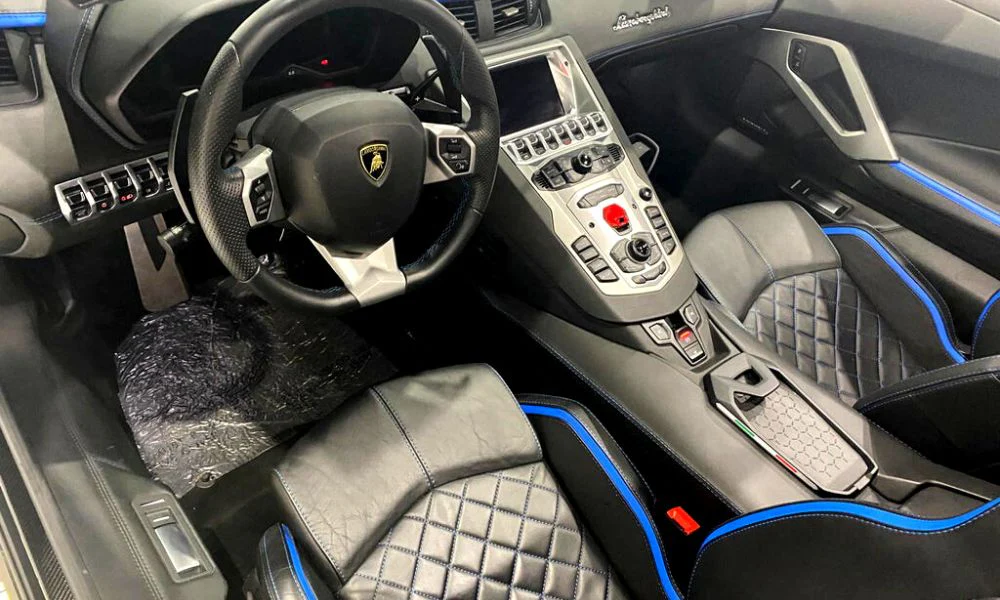
Check the glove box carefully for an owner’s manual. Many private owners keep the original manual, warranty documents, and maintenance booklet inside, but rental companies often remove or lose these materials.
A missing owner’s manual is not a dealbreaker on its own, but combined with other signs, it adds to the pattern. You can order replacement manuals, but the absence suggests the car moved through an impersonal system.
Look at the preset radio stations in the car. A privately owned vehicle almost always has personalized presets, but a former rental or fleet vehicle will often have factory defaults or randomly scattered station settings.
These small details seem minor individually. But together they paint a very clear picture of a car that was never truly owned by one careful, invested, and personally attached human being.
7. Decal Residue or Unusual Paint Patches on the Body
Rental car companies brand their vehicles in various ways. They apply stickers, decals, license plate frames, and sometimes even painted markings that identify the car as part of their fleet.
When these cars are sold, dealers or auction houses remove the branding. But removing stickers and decals always leaves traces that a careful inspection will reveal to an observant buyer.
Look along the rear bumper, trunk lid, and rear windshield for sticky residue or faint outlines. These areas are where rental companies typically place their logos, barcodes, and return instructions for customers.
Run your fingers across the paint surface in areas where stickers might have been removed. You will often feel a slightly tacky or uneven texture that differs from the surrounding paint, even after cleaning attempts.
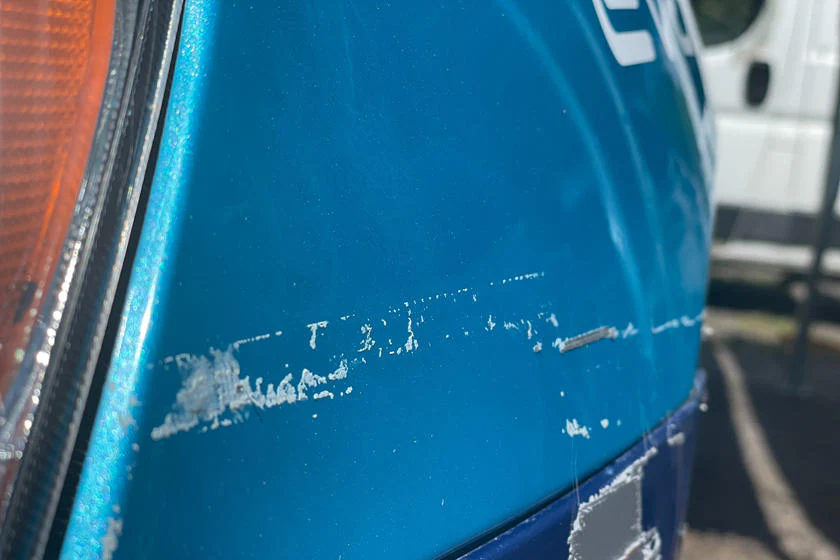
Check the license plate area very carefully, front and back. Rental companies use custom plate frames or attach tracking and identification tags that leave marks on the bumper when removed.
Look for small paint touch-ups or color mismatches in odd locations. Dealers sometimes repaint small sections to cover screw holes, adhesive damage, or scratches caused by the removal of rental fleet identification hardware.
Inspect the roof of the vehicle if possible. Some rental companies attach rooftop signage or GPS antenna mounts that leave holes or paint irregularities that are difficult to completely hide after removal.
Bring a small flashlight and shine it at a low angle across body panels. This technique reveals surface irregularities, uneven paint texture, and adhesive ghost marks that are completely invisible in normal showroom lighting conditions.
8. The Dealer Is Evasive or Dismissive When You Ask Direct Questions
The way a dealer responds to your questions tells you more than the answers themselves ever could. An honest seller welcomes scrutiny because they know the car has nothing to hide from a careful buyer.
A dealer who gets uncomfortable when you ask about ownership history is showing you something important. Their discomfort is a confession that the information you are asking for is not going to help them make the sale.
Ask the question directly and clearly: “Was this car ever part of a rental fleet or corporate fleet program?” Watch the dealer’s face and body language before they even begin to form an answer for you.
Evasive dealers will pivot quickly to talking about the car’s features, the great price, or the dealership’s warranty program. They redirect your attention because a direct, honest answer would kill the deal immediately.

Some dealers will outright lie and say the car had one private owner. This is why verifying everything independently through vehicle history reports and third-party inspections is absolutely non-negotiable for any serious buyer.
Ask to see the car’s title and auction documentation if the dealer bought it wholesale. A former rental car’s title will often list the rental or leasing company as the previous titled owner before the dealership.
Request a pre-purchase inspection by an independent mechanic of your choice before signing anything. A dealer who refuses this reasonable request is protecting something they do not want a qualified professional to find.
Trust your instincts when something feels off in a sales conversation. Your gut reaction to evasiveness and deflection is a powerful tool that has saved many buyers from very expensive and deeply regrettable mistakes.
Also Read: 8 Off Lease Luxury Sedans That Are Absolute Bargains in 2026
