
Modern vehicles are designed with speed, comfort, and efficiency in mind, but one aspect often overlooked by drivers is the durability of windshields. While manufacturers advertise strong glass and safety features, real-world experiences sometimes reveal a different story.
Small rocks or debris on highways can cause significant damage, leaving drivers frustrated with costly repairs or complete replacements.
This issue has become increasingly relevant as car designs shift toward lighter materials and expansive glass surfaces, which, while aesthetically pleasing, may compromise structural resilience.
Windshields serve multiple purposes beyond visibility. They provide structural support during accidents, protect passengers from external elements, and work with airbags to cushion impacts.
However, a windshield that is too thin or made from materials that prioritize weight reduction over toughness can fail under common conditions.
Many modern cars, particularly those with panoramic or curved windshields, are more vulnerable to chips, cracks, and shattering. Even minor damage can spread quickly, making driving hazardous and increasing the risk of accidents.
The fragility of windshields is not limited to any one brand or price range. Expensive luxury vehicles, economy models, and electric cars all face this challenge.
While manufacturers implement safety standards and glass treatments, there are differences in how well windshields hold up against high-speed impacts.
Factors such as vehicle speed, windshield angle, and the type of glass can influence the likelihood of damage. Drivers must weigh the trade-off between design innovation and practical durability when choosing a vehicle.
Highway driving poses particular risks for windshields. Rocks kicked up by trucks, sudden debris, or even strong winds can cause chips that grow into cracks within days. Repairing a windshield is not always straightforward, as replacement costs can be high, and insurance coverage may vary.
In some cases, vehicle owners must wait days for appointments, leaving their car vulnerable to further damage. This vulnerability has prompted discussions among auto enthusiasts, insurance providers, and safety advocates about the need for stronger glass standards.
This article reviews ten modern cars that are reported to have windshields more prone to highway damage. While these vehicles offer innovative designs, performance, or luxury, they appear to compromise on the robustness of glass.
Understanding these vulnerabilities helps drivers make informed decisions and take precautions, such as installing protective films or avoiding high-debris routes. By highlighting the cars that require extra care, this article provides guidance for those who want to enjoy modern features without facing frequent windshield issues.
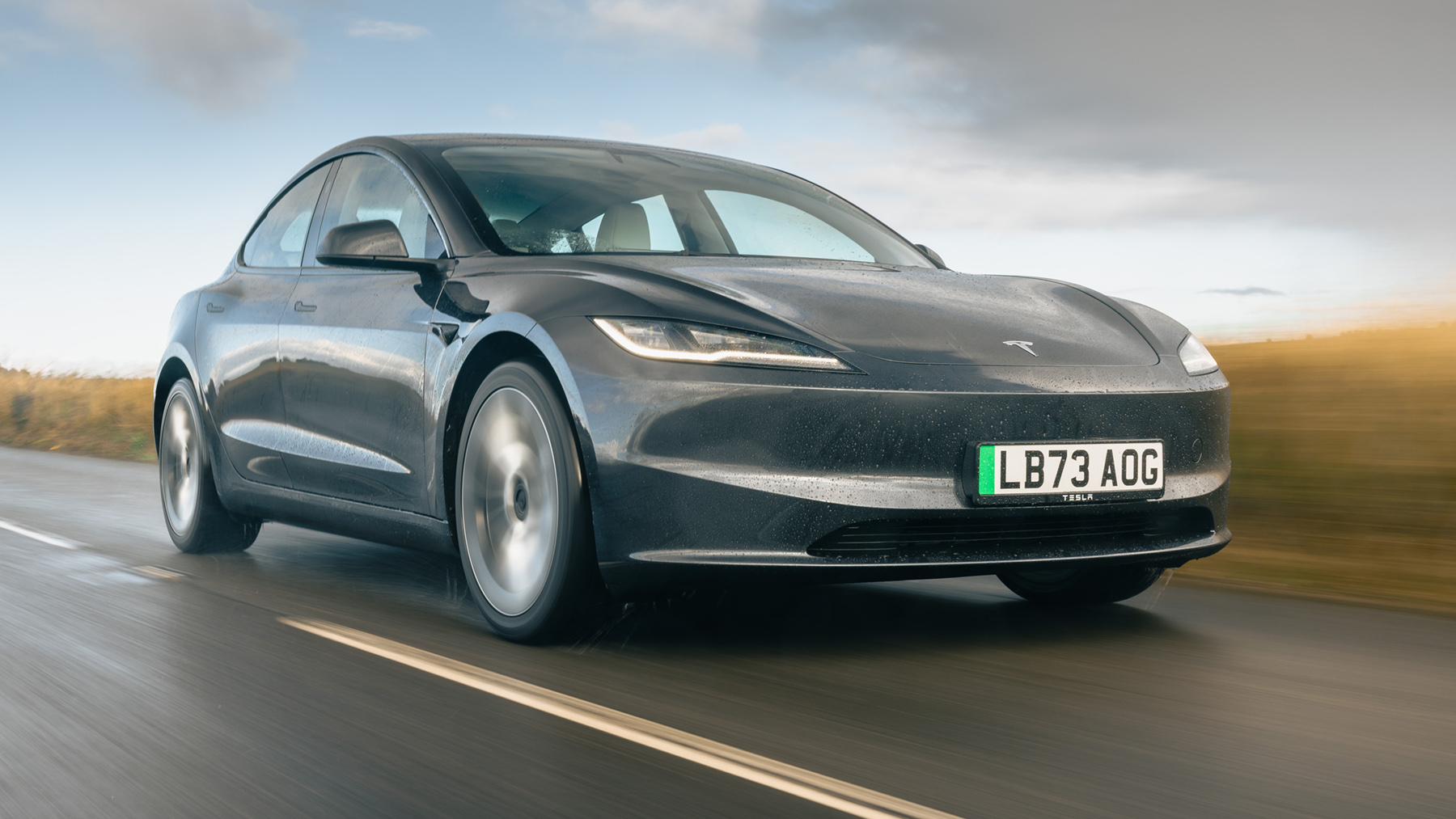
Tesla Model 3
The Tesla Model 3 has revolutionized the electric car market with its range and technology. Its sleek design includes a large, curved windshield that provides panoramic visibility.
However, the thin glass used to reduce weight makes it more susceptible to chips from highway debris. Owners have reported small rocks causing cracks that spread rapidly under normal driving conditions.
Tesla advertises safety and strong glass, yet the Model 3’s windshield is not immune to damage. The curvature of the glass can cause stress points where impacts are more likely to initiate cracks.
Highways with loose gravel or construction areas pose a particular threat. Even minor contact can result in a repair or full replacement that may take days to schedule.
Another factor contributing to fragility is the windshield’s integration with the car’s structural support. While it provides stability for the roof, the thinness of the material means it cannot absorb as much impact.
Tesla owners sometimes face challenges with insurance coverage for glass repairs. The cost of replacement can be high due to the specialized glass and installation requirements.
Some drivers have tried protective films or coatings to reduce the risk of damage. While these solutions can help, they are not foolproof against large debris or sustained impacts.
Tesla has made incremental improvements to windshield strength, but the Model 3 remains sensitive compared with some traditional sedans. Drivers are advised to take extra care when driving on highways with heavy traffic or loose gravel.
Despite these concerns, the Model 3 continues to be popular for its performance and eco-friendly design. The windshield fragility issue is more of a maintenance consideration than a safety failure.
Understanding the vulnerability allows owners to take precautions and plan for potential repairs, ensuring that the vehicle’s advantages are not overshadowed by recurring glass issues.
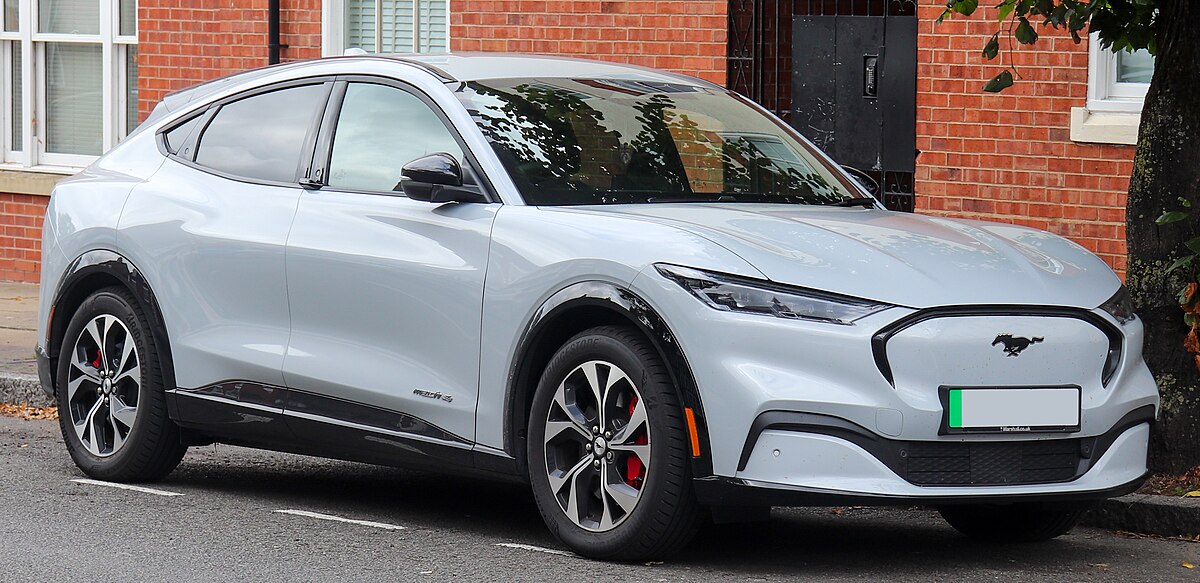
Ford Mustang Mach-E
The Ford Mustang Mach-E offers a combination of electric performance and iconic styling. Its expansive glass roof and steep windshield angle make the vehicle visually appealing.
However, these design choices contribute to increased susceptibility to highway rock damage. Chips and cracks have been reported even on well-maintained roads.
The lightweight materials used in the Mach-E focus on efficiency and performance. While the glass is laminated for safety, it is not as thick as traditional sedans. This means small rocks hitting the windshield at high speed can create immediate cracks. Owners who drive frequently on highways may face repeated repairs.
Insurance claims related to windshield damage have become common among Mach-E drivers. The combination of a wide glass surface and aggressive aerodynamics increases the chances of debris impact.
Even minor damage can affect visibility and compromise structural integrity. Replacing the windshield is often expensive due to the electric vehicle’s specialized glass design.
Protective treatments and coatings may offer some resistance but are limited in effectiveness against high-speed debris.
Drivers must remain vigilant, particularly when following trucks or driving in areas with loose pavement. The Mach-E’s aesthetic and technological appeal does not fully mitigate the need for careful driving.
Despite its windshield issues, the Mach-E maintains popularity for its performance, range, and design. Owners who understand the risk are better equipped to prevent damage through cautious driving and maintenance. The windshield fragility becomes an important factor in long-term ownership planning.
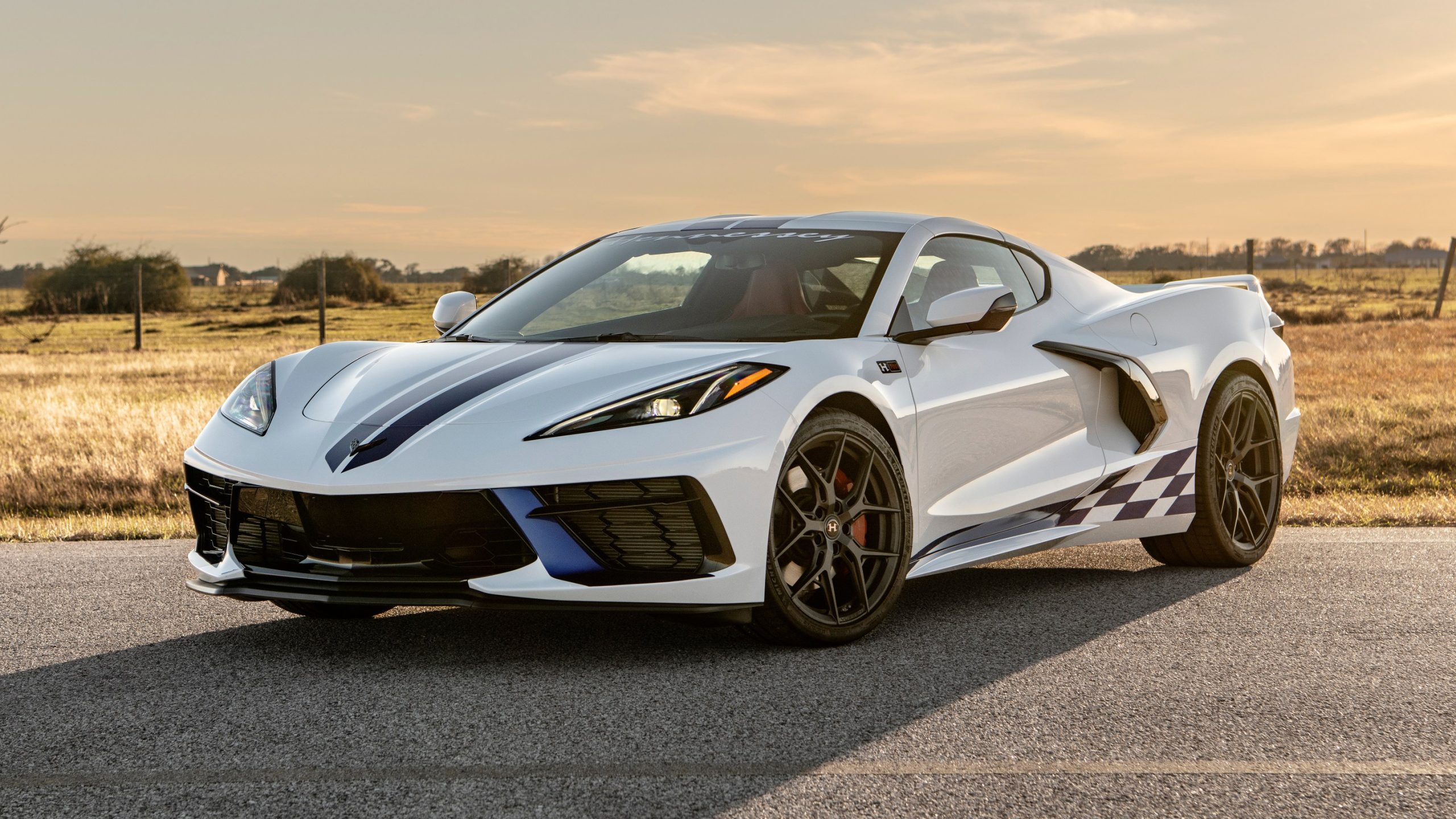
Chevrolet Corvette C8
The Chevrolet Corvette C8 introduced a mid-engine design that dramatically changed the car’s profile. Its low, sloping windshield enhances aerodynamics but contributes to vulnerability on highways. Drivers have noted that even small rocks can cause chips that develop into large cracks.
The windshield’s thin glass is designed for weight reduction, supporting the car’s performance capabilities. While safe in crashes, the material struggles with repeated debris impact.
Corvette owners often encounter the need for repairs sooner than expected. High-speed driving amplifies the problem, making even minor gravel hazards significant.
Insurance costs for windshield damage are rising among Corvette owners. Replacement requires precision installation and specific glass materials, adding to the financial impact.
Minor cracks that are ignored may expand under temperature changes or vibrations from highway driving. This can lead to safety concerns and visibility issues.
Some owners opt for protective films or temporary shields, but these are not fully effective. The low profile of the windshield may also direct debris from other vehicles more directly onto the glass. Awareness of these risks is essential for drivers who want to maintain their vehicle’s performance and appearance.
Despite its vulnerabilities, the Corvette C8 remains a symbol of American sports car engineering. Understanding the limitations of the windshield allows owners to adopt protective strategies. Being proactive with care can prevent repeated damage while still enjoying the car’s high-performance capabilities.
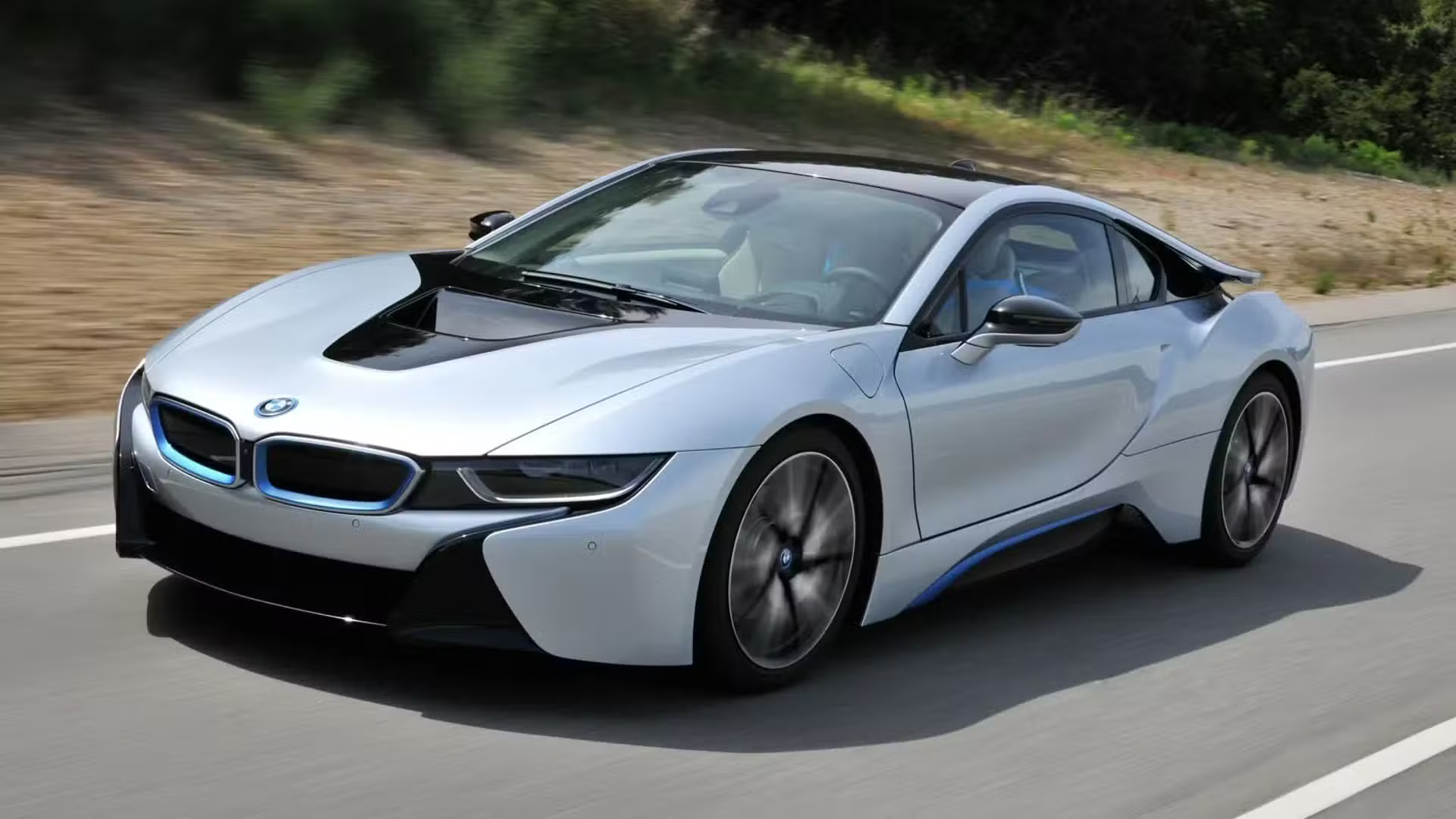
BMW i8
The BMW i8 combines futuristic design with hybrid performance. Its sharply angled windshield and wide glass area enhance visibility but create stress points. These points are more prone to chips and cracks when rocks hit at highway speeds. Drivers have reported that even small debris can result in significant damage.
BMW engineered the i8 with safety and lightness in mind, but the windshield remains relatively thin. Laminated glass provides protection, yet it is not as resistant to repeated impact. Frequent highway driving can accelerate the occurrence of cracks, leaving owners with expensive repair needs.
The hybrid design also influences the windshield’s fragility. Lower weight and low roofline prioritize performance over durability.
Chips and fractures often appear in areas exposed to aerodynamics or turbulence. Owners must monitor minor damage, as it can quickly expand with temperature changes or vibrations.
Protective coatings can reduce damage, but they do not prevent all chips. Highways with loose gravel or construction areas are particularly hazardous.
Drivers who understand the risks can adopt careful driving habits to minimize incidents. Regular maintenance and prompt repair of chips prevent the problem from worsening.
Despite these concerns, the BMW i8 continues to attract enthusiasts for its design and hybrid efficiency. The windshield fragility is a practical consideration rather than a deterrent. With awareness and care, owners can maintain both the vehicle’s safety and its futuristic appeal.
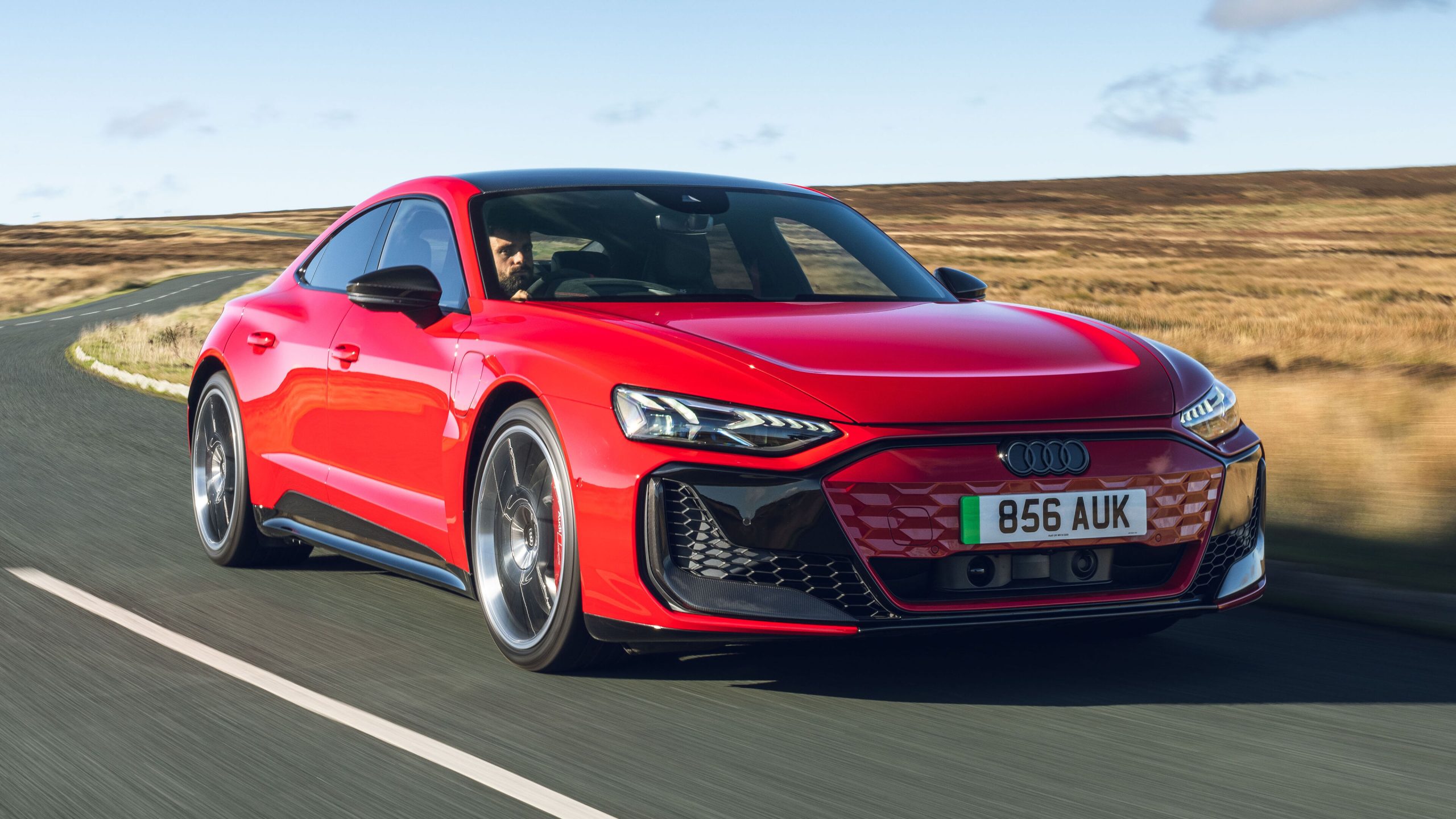
Audi e-tron GT
The Audi e-tron GT blends electric power with luxury sedan features. Its curved windshield enhances aerodynamics and driver visibility. However, the expansive glass surface is more prone to highway debris damage than traditional sedans. Even minor rocks can produce cracks or chips.
The glass used in the e-tron GT is lightweight for energy efficiency but less resistant to impact. Laminated layers help with safety but do not fully prevent fractures. Drivers report that gravel and highway debris often result in chips, which may spread over time. Immediate attention is necessary to avoid further issues.
Insurance claims for windshield repair are increasingly common among e-tron GT owners. Replacement requires specialized glass, which can be costly. The vehicle’s low stance and design amplify the effects of rocks kicked up by other cars. Chips may compromise visibility and safety if not addressed promptly.
Protective films and coatings provide partial resistance but are not a complete solution. Careful driving, particularly on busy highways, reduces the likelihood of damage. Awareness of potential windshield vulnerability is crucial for owners who want to protect their investment.
Despite the risk, the Audi e-tron GT continues to be admired for style and performance. Drivers who plan for windshield care can enjoy the vehicle’s advantages while minimizing maintenance concerns. Understanding fragility ensures safe and long-lasting ownership.
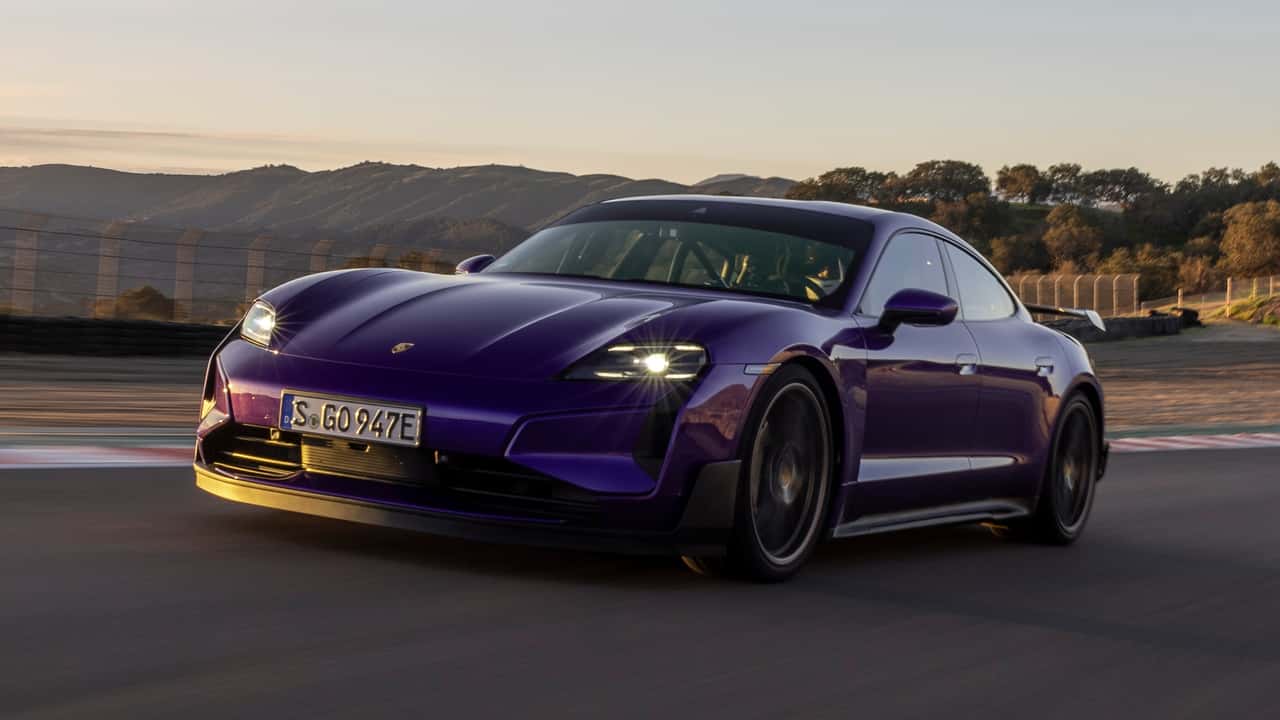
Porsche Taycan
The Porsche Taycan represents Porsche’s commitment to high-performance electric vehicles. Its large, slightly curved windshield complements the car’s low, aerodynamic profile. While the design is visually striking, it leaves the glass exposed to rocks and debris at highway speeds.
Even small stones can produce chips that may develop into larger cracks if not addressed quickly. Drivers often find that these imperfections appear after just a short trip on gravel or construction-heavy roads.
The windshield’s thin construction contributes to both the car’s lightness and its vulnerability. Porsche engineers prioritized performance and efficiency, which required minimizing weight, including in the windshield assembly.
Laminated safety glass protects occupants in crashes, but it is less capable of withstanding repeated debris impacts. Many Taycan owners have discovered that high-speed driving significantly increases the risk of windshield damage.
Windshield repair costs for the Taycan are frequently high due to the specialized glass required. Replacement can be expensive and time-consuming, as the curved and precise fit of the windshield demands professional installation.
Chips or small cracks ignored for even a few days may expand, making immediate attention essential to prevent further damage and maintain safety.
Protective films and coatings offer some mitigation, though they are not completely effective against all types of debris.
Drivers must also consider the car’s aerodynamics, which can funnel rocks upward toward the windshield. Those who frequently travel highways with construction zones or loose gravel are especially vulnerable to windshield issues.
Despite these challenges, the Porsche Taycan maintains a reputation for exceptional performance and advanced electric technology.
Understanding the windshield’s weaknesses helps drivers take preventive measures. Being proactive ensures that the vehicle’s cutting-edge features are not compromised by repeated or preventable glass damage.
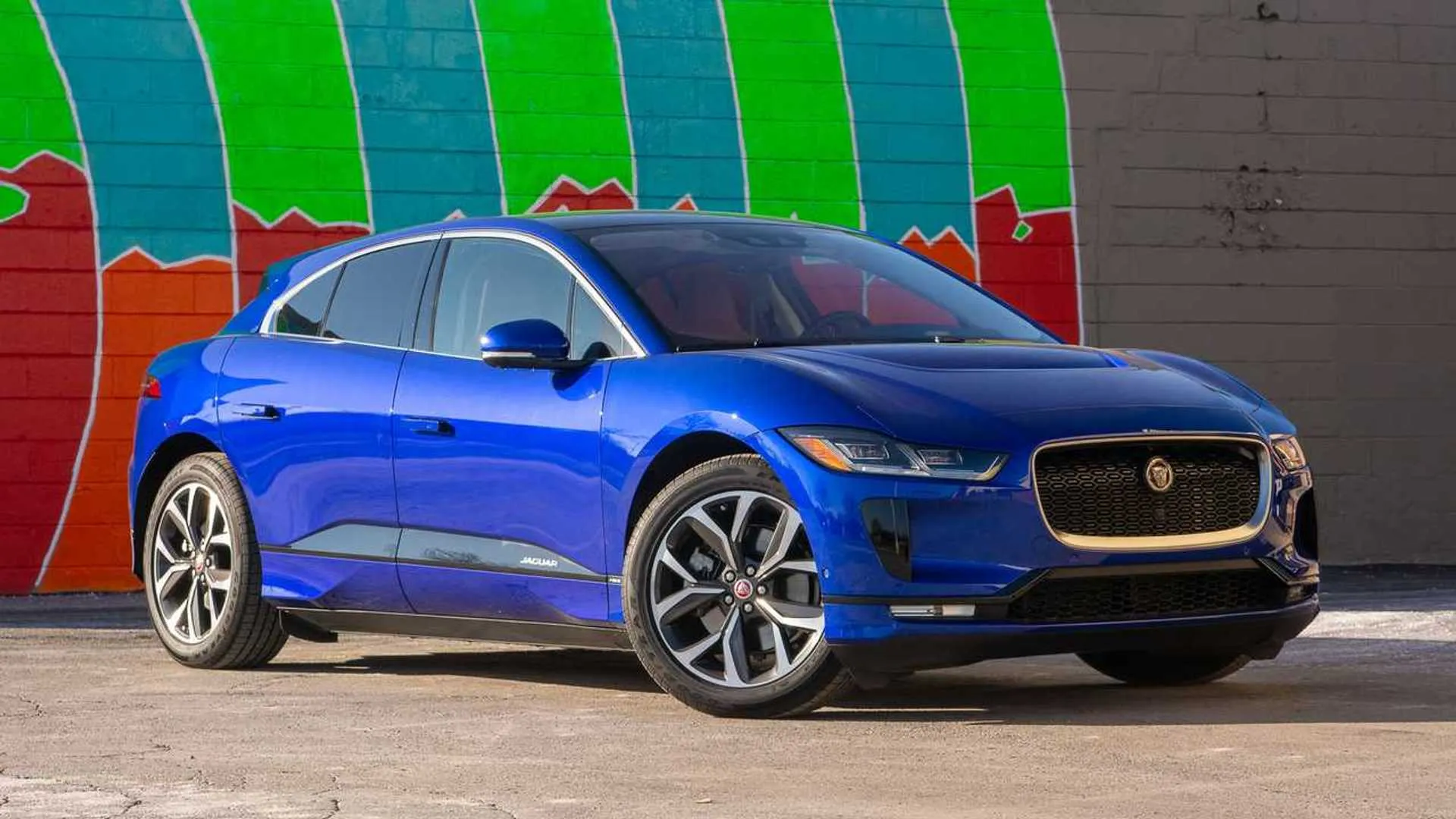
Jaguar I-Pace
The Jaguar I-Pace is a luxury electric SUV with sleek lines and a panoramic windshield. Its design emphasizes visibility and modern aesthetics, but the thin, wide glass makes it prone to highway damage.
Owners have reported rocks causing chips and cracks even during moderate-speed travel. The windshield’s angle and expansive surface increase the likelihood of impact.
Weight reduction in the I-Pace contributes to the windshield’s fragility. Jaguar engineers prioritized a balance between safety, performance, and efficiency.
Laminated glass offers protection during accidents but provides limited resistance to repeated stone impacts. Drivers often find themselves needing frequent repairs in areas with heavy traffic and road debris.
Insurance claims for windshield replacement have become increasingly common among I-Pace owners. The specialized glass and installation process make repairs costly and time-intensive.
Even minor cracks can spread quickly if exposed to temperature fluctuations, vibrations, or high-speed travel. Ignoring small damage can lead to larger, more expensive problems.
Protective coatings or films can reduce the severity of damage but do not completely prevent chips or cracks. Awareness of road conditions and careful driving are essential for minimizing risks. Those who live in areas with high highway debris must plan for regular inspections and prompt repairs.
Despite these issues, the Jaguar I-Pace remains popular for its luxury appeal and electric range. Understanding the windshield’s vulnerabilities allows owners to enjoy the vehicle safely. Precautions, combined with careful driving, help preserve the car’s appearance and functionality over time.
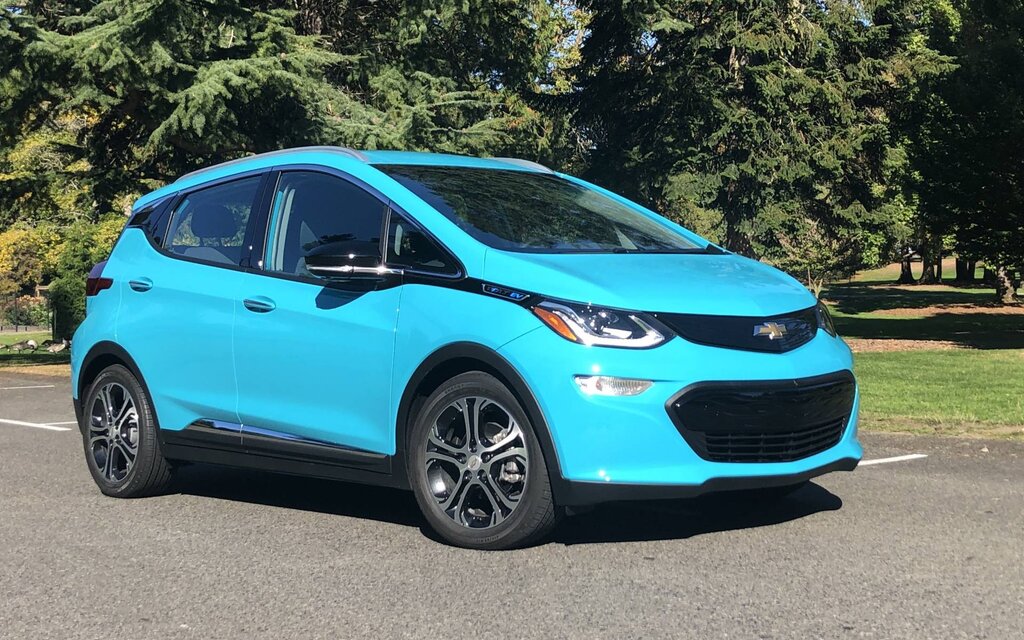
Chevrolet Bolt EV
The Chevrolet Bolt EV is a compact electric car designed for efficiency and urban driving. Its windshield is larger and more curved than previous models, which increases the surface exposed to debris.
Drivers frequently report chips from rocks on highways, even at moderate speeds. Smaller chips often grow into visible cracks over time.
Chevrolet aimed for lightweight construction, which inadvertently affects windshield durability. Laminated glass is standard for safety, but it is thinner than older designs.
The windshield’s vulnerability becomes apparent on roads with loose gravel or when following trucks. Minor impacts can escalate, requiring repair or replacement sooner than expected.
Repairing or replacing the Bolt EV windshield can be costly despite its compact size. The glass is specifically manufactured for the vehicle, and installation requires precision to maintain safety and aesthetics.
Insurance may cover part of the cost, but deductibles and wait times can still create a financial burden.
Some drivers install protective films or coatings to reduce damage, though these solutions are not foolproof.
Highway conditions, such as construction debris and heavy truck traffic, remain major risk factors. Awareness of these potential hazards helps drivers adjust their habits, including following distance and speed management.
Despite these concerns, the Bolt EV remains a practical and popular electric vehicle choice. Understanding its windshield vulnerabilities allows owners to take preventive measures. By combining vigilance with careful maintenance, drivers can avoid repeated damage while enjoying efficiency and modern features.
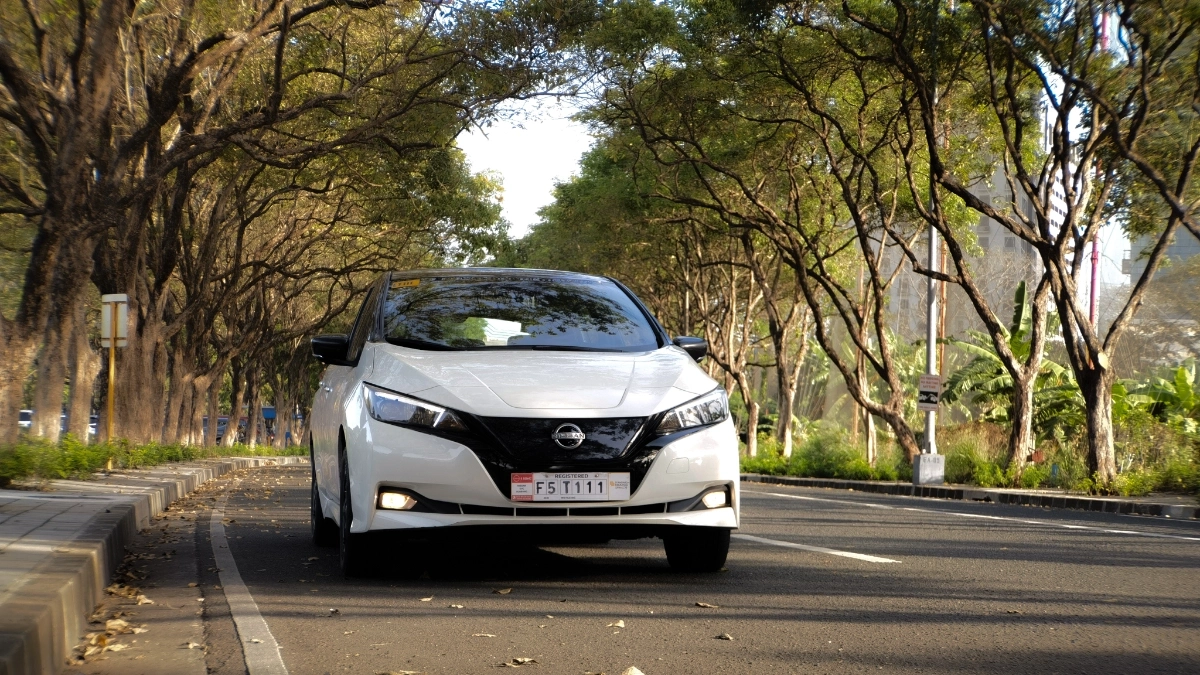
Nissan Leaf
The Nissan Leaf has long been a leading electric vehicle in the economy segment. Its front windshield is large and gently curved, designed to maximize visibility.
However, this also exposes it to frequent damage from highway debris. Even small rocks can cause chips that may grow if not repaired promptly, affecting both safety and appearance.
Weight reduction in the Leaf is a contributing factor. While laminated glass is used for safety, it is thinner to support the vehicle’s efficiency and battery range.
Drivers traveling on highways with loose gravel or construction zones notice that windshield damage occurs more frequently than expected. Preventive measures become essential for long-term durability.
Insurance claims for the Leaf often include windshield repair or replacement. The cost is influenced by glass availability and installation complexity.
Small cracks can expand due to vibrations or temperature changes, highlighting the importance of immediate attention. Neglecting minor damage can result in more serious and expensive repairs.
Protective films may help reduce damage but cannot eliminate the risk entirely. Drivers who frequently use highways should adopt safe driving strategies to avoid rocks kicked up by other vehicles. Awareness and preventive care are key to managing windshield fragility over the life of the vehicle.
Despite the risk of damage, the Nissan Leaf continues to be a widely chosen electric vehicle. Its efficiency, affordability, and reliability appeal to drivers. By understanding the windshield’s limitations, owners can implement protective measures that maintain safety and reduce long-term maintenance costs.
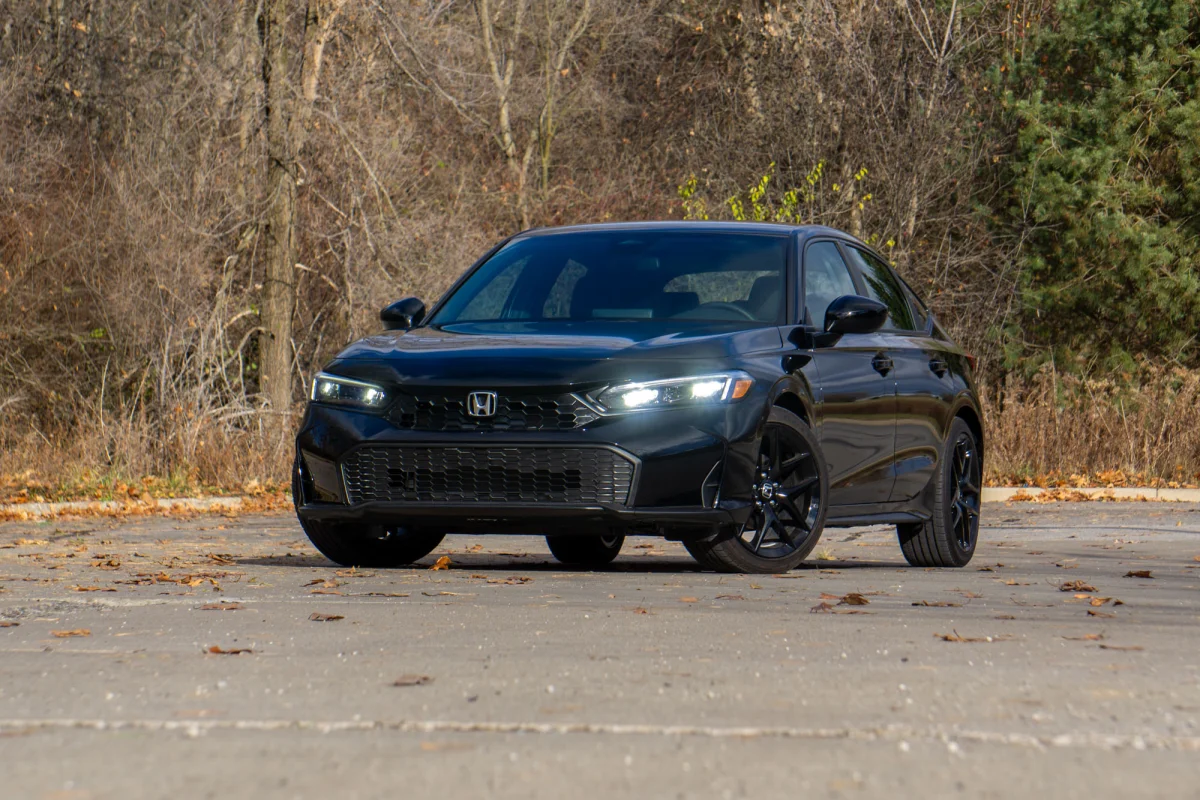
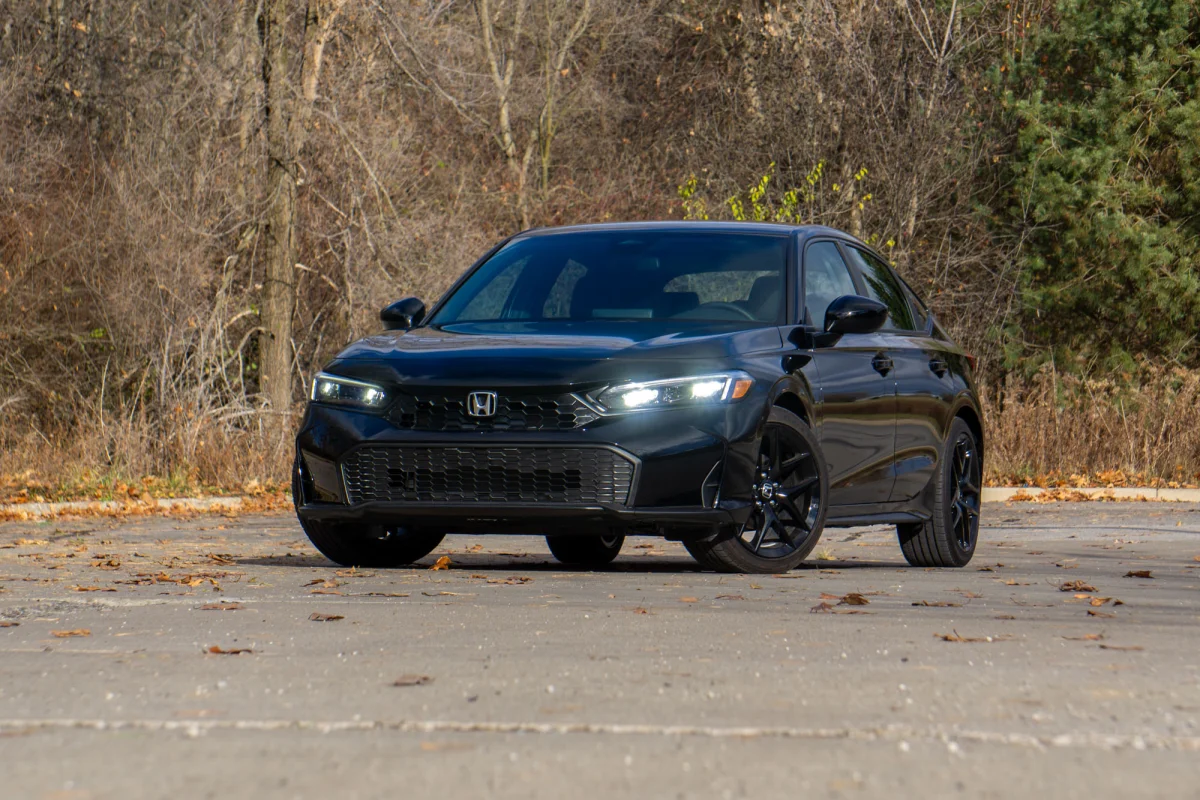
Honda Civic
The Honda Civic has remained a popular compact car with modern updates focused on style and efficiency. Newer models feature larger, more sloped windshields that enhance aerodynamics but increase vulnerability.
Highway debris can cause chips and cracks, particularly when traveling at high speeds. Drivers often notice damage even in routine commuting conditions.
The thin laminated glass is designed to balance safety with weight reduction. While it offers protection during collisions, it is more susceptible to minor impacts.
Gravel, small rocks, and other road debris frequently cause chips that may expand over time, requiring professional repair. Drivers must be attentive to early signs of damage.
Insurance coverage can help with repairs, but the process can be expensive and time-consuming. Replacements require precise installation to maintain vehicle safety and prevent leaks. Ignoring small cracks can lead to more severe issues, including compromised visibility and higher long-term costs.
Protective coatings or films can help reduce damage severity but do not eliminate the risk entirely. Highway drivers should adopt preventive driving strategies, such as keeping distance from large vehicles that may kick up debris. Routine inspection and maintenance of the windshield are essential for safety and longevity.
Despite the windshield challenges, the Honda Civic continues to attract buyers for its reliability, fuel efficiency, and affordability. Understanding the vehicle’s vulnerabilities allows owners to take preventive measures. This knowledge ensures that practical daily use and safety are maintained over the life of the car.
