
Automobile engines are often judged by how long they can last before requiring major repairs or replacement. While some engines struggle to reach 200,000 miles without significant issues, a select group has proven their durability well past 400,000 miles.
These engines are not just mechanical assemblies but examples of thoughtful engineering, precision manufacturing, and careful maintenance. Drivers who treat their vehicles to regular oil changes, scheduled tune-ups, and proper cooling system care often find these engines continuing to perform reliably decades after their initial release.
The longevity of an engine depends on several factors beyond just design. High-quality materials, well-balanced components, and robust manufacturing tolerances all contribute to long-term durability. Engines that consistently cross the 400,000-mile mark often feature iron blocks, forged internals, and dependable fuel and lubrication systems.
In addition to mechanical design, the type of driving a vehicle sees can influence wear and tear. Highway miles, for instance, are generally less stressful on engines than repeated short trips with frequent starts and stops.
Routine maintenance is critical to achieving extreme mileage. Regular oil changes using high-quality oil help prevent internal corrosion and wear. Proper timing belt or chain replacement, coolant changes, and inspection of hoses and seals ensure that the engine runs smoothly without overheating or losing efficiency.
Many engines that have reached 400,000 miles were also treated with care in terms of fuel quality and driving habits, avoiding excessive high-RPM usage or heavy towing without adequate preparation.
Another factor is simplicity of design. Engines with fewer electronic components, less complex turbocharging, or straightforward fuel injection systems often survive longer. Complex systems may offer higher performance initially but can be more prone to failures as parts age.
Mechanical reliability paired with ease of maintenance allows owners to keep the engine functioning even after hundreds of thousands of miles.
This article highlights ten engines that have earned reputations for long-term reliability. Each entry focuses on the design elements, maintenance considerations, and real-world examples that show why these engines can surpass the 400,000-mile milestone.
While no engine is invincible, these twelve demonstrate how engineering, combined with routine service, can create machines that defy typical expectations for longevity. Drivers seeking a vehicle that will last often consider these engines as benchmarks of endurance and dependability.
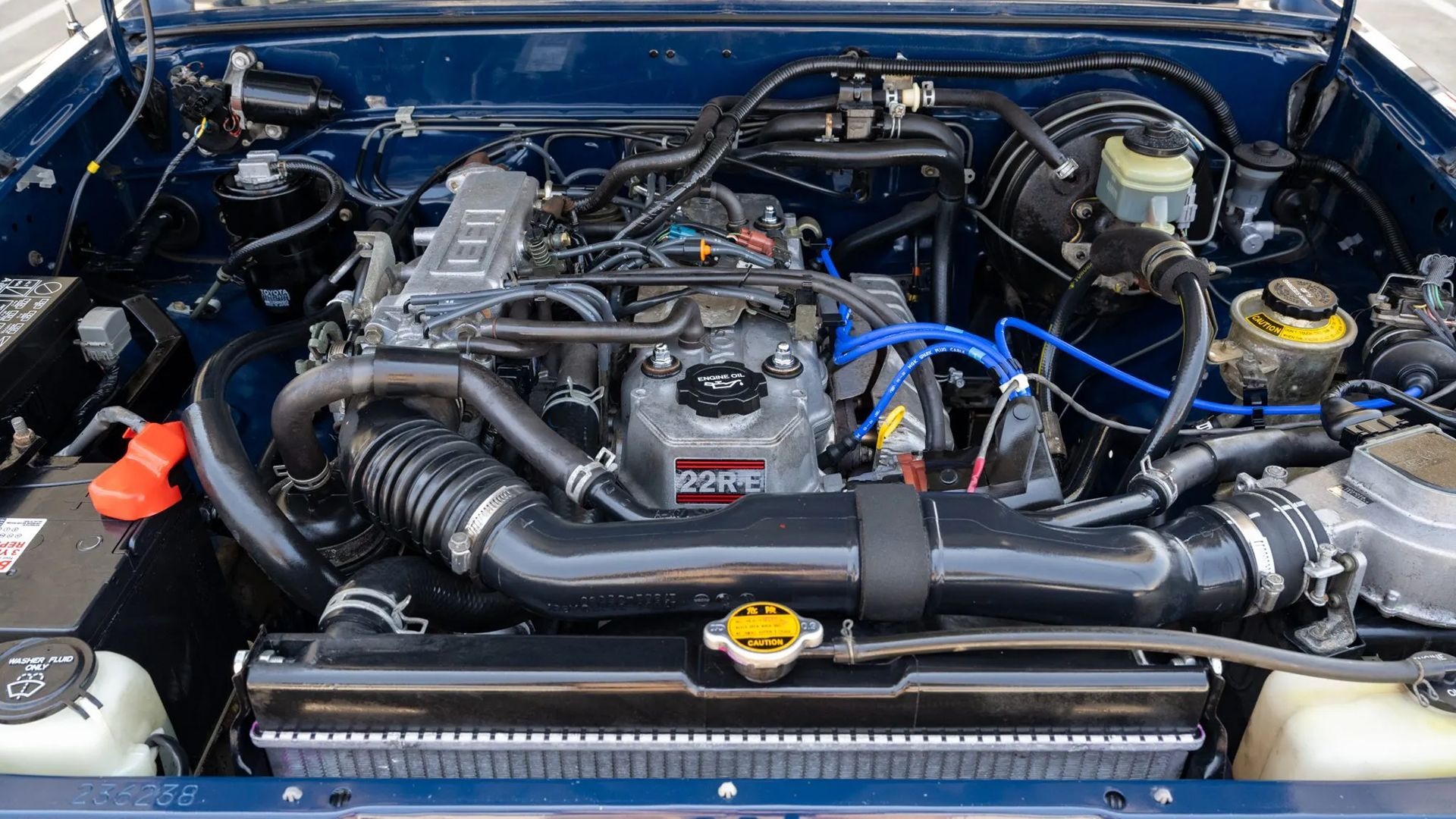
1. Toyota 22RE
The Toyota 22RE engine is a 2.4-liter four-cylinder that became known for its rugged reliability. Produced primarily in the 1980s and 1990s, it powers both compact trucks and small SUVs. Its simplicity and robust construction allow it to handle high mileage with minimal issues. Many owners have reported surpassing 400,000 miles with regular oil changes and proper care.
This engine features an iron block and aluminum head combination, which contributes to heat resistance and structural integrity. Timing is controlled by a belt, which requires periodic replacement but is easy to service. The carbureted and later fuel-injected versions are known for smooth operation. With basic maintenance, valve adjustments, and attention to cooling systems, the 22RE can remain reliable for decades.
Another strength is its naturally aspirated design. Without forced induction, the engine avoids additional stress on internal components. Low compression ratios reduce strain during long highway drives. The engine responds well to consistent use, meaning drivers who maintain steady speeds often experience fewer mechanical failures.
Many enthusiasts appreciate the 22RE for its parts availability. Replacement components are still widely produced, making repairs straightforward. The engine tolerates moderate modifications, including mild performance upgrades, without compromising longevity. Owners frequently report engines exceeding half a million miles with minor repairs.
The 22RE is also praised for its adaptability to various vehicles. It powers models like the Toyota Pickup and 4Runner, which themselves are known for durability. The combination of strong construction, simple design, and easy maintenance explains why the 22RE remains a favorite among those seeking a long-lasting engine.
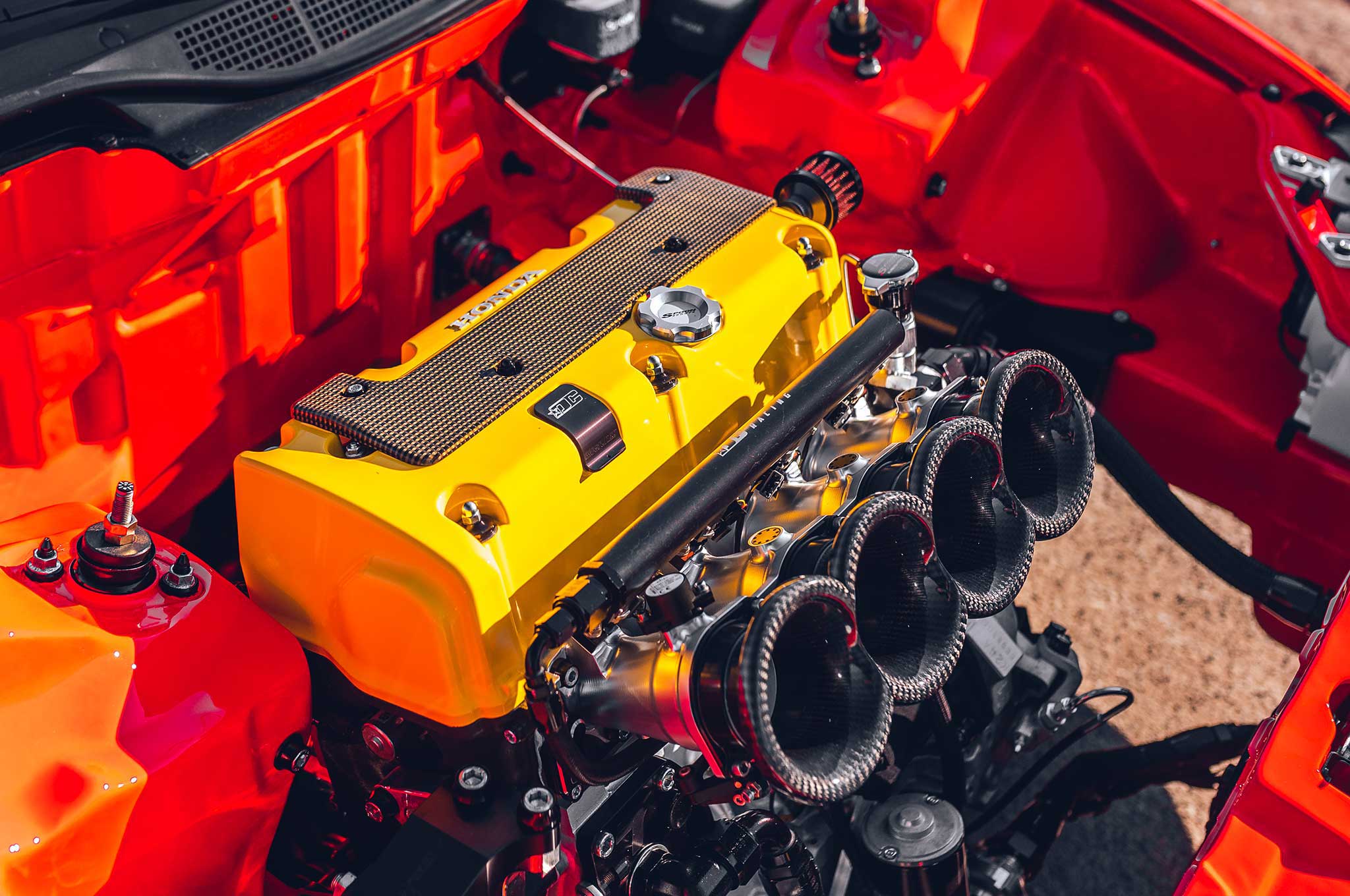
2. Honda K Series
The Honda K Series includes a range of four-cylinder engines produced from the early 2000s. Known for efficiency and reliability, these engines are found in models such as the Civic, Accord, and CR-V. With proper care, many K Series engines exceed 400,000 miles, especially those that are naturally aspirated.
The engine uses aluminum blocks and heads, which reduce weight but still offer durability. High-quality materials, precision machining, and Honda’s engineering standards contribute to long-term performance. Key maintenance practices include regular oil changes, timing chain inspections, and valve adjustments. Following these steps allows the K Series to remain functional well past typical mileage expectations.
Fuel injection and VTEC technology improve efficiency without creating excessive internal stress. Unlike high-performance engines designed for maximum power, the K Series balances reliability and performance. This makes it ideal for daily driving over long periods. The engine’s smooth operation reduces wear on bearings and pistons, contributing to its lifespan.
Many owners praise the availability of OEM parts, which supports longevity. Engine rebuilds or replacements are simpler due to standardized components. This accessibility allows owners to maintain their engines in peak condition without expensive custom work. Routine attention to cooling and lubrication systems further enhances reliability.
The K Series demonstrates that modern engineering can combine lightweight design with high durability. While requiring more precise maintenance than some older engines, it consistently proves that longevity is achievable. With careful service and responsible driving habits, the K Series continues to reach milestones well beyond 400,000 miles.
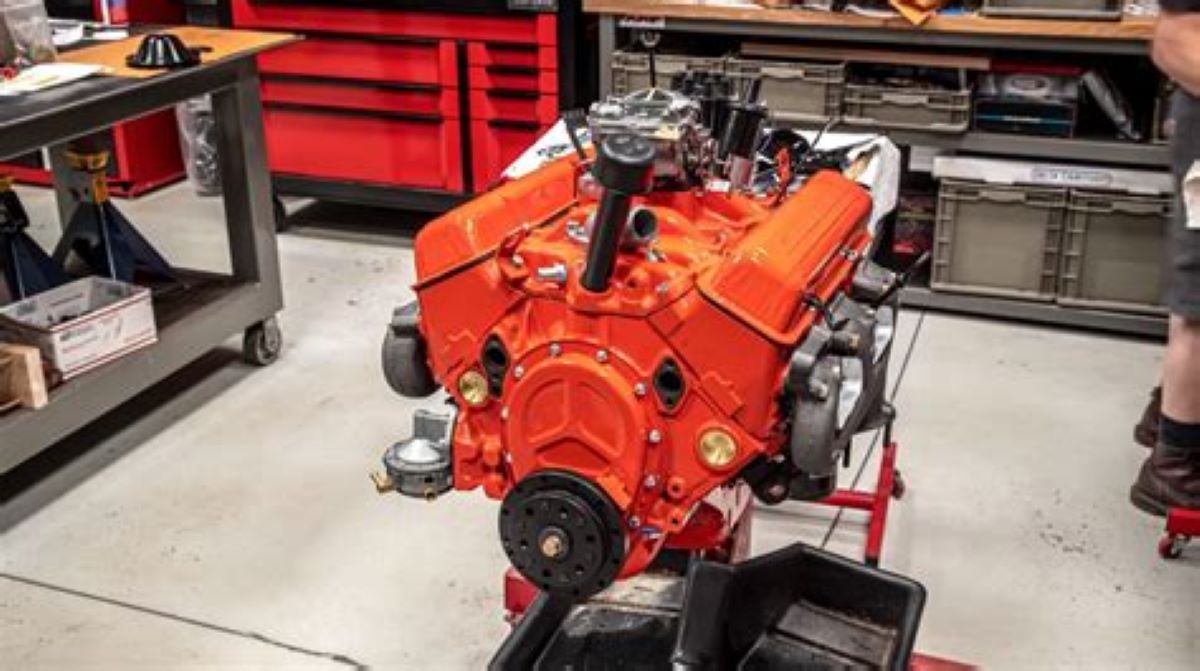
3. Chevrolet Small-Block V8
Chevrolet’s small-block V8 engines have earned a reputation for longevity in trucks, SUVs, and sports cars. Produced in various forms for decades, they are recognized for durability, simplicity, and widespread parts availability. Many small-block engines have logged 400,000 miles or more with routine maintenance.
The V8 features a strong iron block and forged steel crankshaft, allowing it to handle high stress. The design has been refined over time, but core components remain consistent. Periodic oil changes, valve adjustments, and timing chain maintenance are critical to maximizing lifespan. Cooling and lubrication are also emphasized to prevent overheating.
Naturally aspirated small-block engines reduce strain on internal components. Low-revving use and consistent highway driving help preserve mechanical integrity. Many older models have shown remarkable resilience even under moderate towing or heavy loads. The engine’s simplicity contributes to fewer failures and easier repairs over time.
Owners value the engine’s widespread support network. Replacement parts and aftermarket components are readily available. Many enthusiasts perform minor rebuilds or upgrades while still maintaining factory-level durability. The ease of maintenance ensures the engine can last far longer than most modern engines without extensive intervention.
The Chevrolet small-block V8 exemplifies the principles of durability. Robust construction, simple design, and accessible maintenance make it a reliable choice. Drivers who maintain oil, cooling systems, and timing components often experience decades of dependable performance, sometimes exceeding 400,000 miles without major issues.
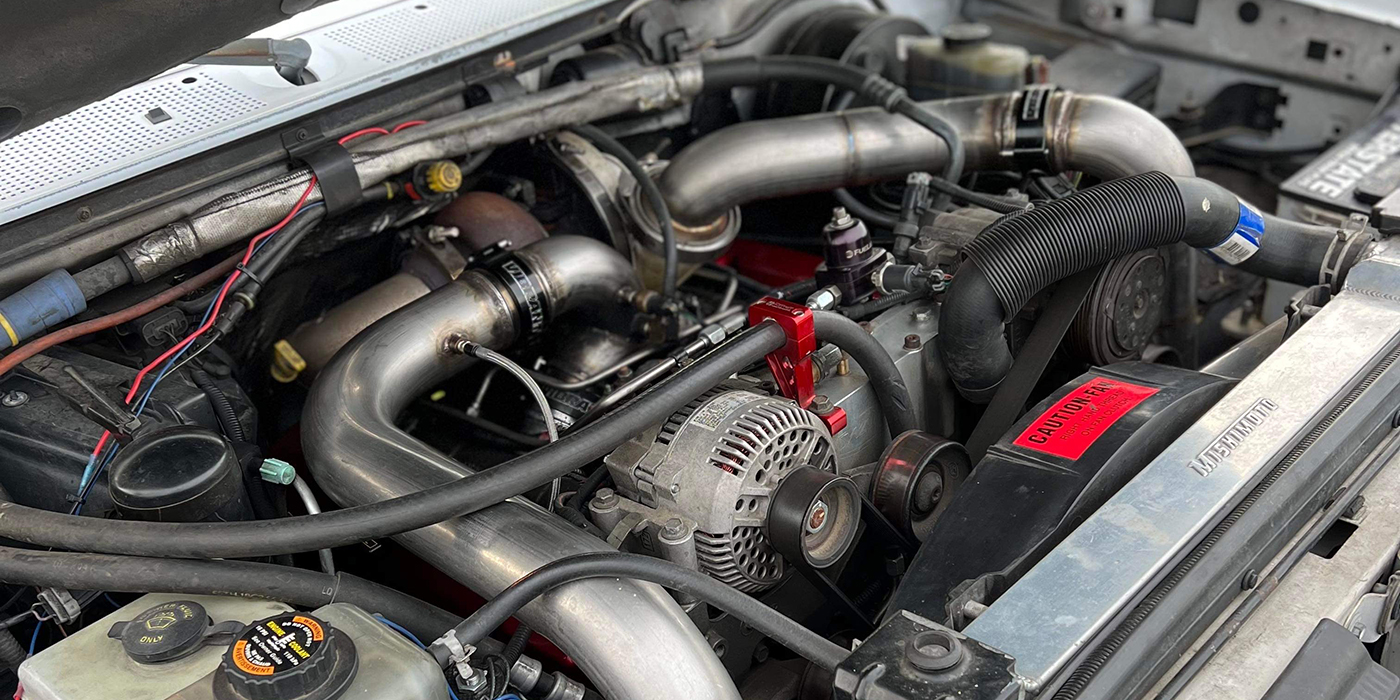
4. Ford 7.3L Power Stroke Diesel
The 7.3L Power Stroke diesel engine is legendary among truck enthusiasts. Produced primarily in the late 1990s and early 2000s, it powers Ford Super Duty trucks with durability that exceeds most gasoline engines. Many examples have reached 400,000 miles while remaining fully operational.
Its iron block and forged internals are designed to handle heavy towing and extended highway use. Diesel operation, with lower RPM and higher torque, reduces stress compared with gasoline engines. The fuel system and turbocharger are robust when maintained, allowing the engine to perform reliably for hundreds of thousands of miles.
Regular maintenance is essential for long-term success. Oil changes with high-quality diesel oil, fuel filter replacements, and injector inspections ensure continued performance. The engine’s cooling system must be monitored to prevent overheating, particularly during heavy loads. Proper service intervals significantly extend the engine’s life.
The Power Stroke diesel’s reputation also comes from its simplicity relative to modern diesel engines. Earlier versions avoid complex emission controls and electronic systems that can fail over time. Fewer electronic components mean fewer opportunities for costly failures, making it easier for owners to maintain longevity.
This engine remains popular among truck owners seeking dependable performance. Many Power Stroke engines continue to operate reliably even beyond 400,000 miles. The combination of strong construction, predictable maintenance requirements, and diesel efficiency has cemented its legacy as one of Ford’s most durable engines.
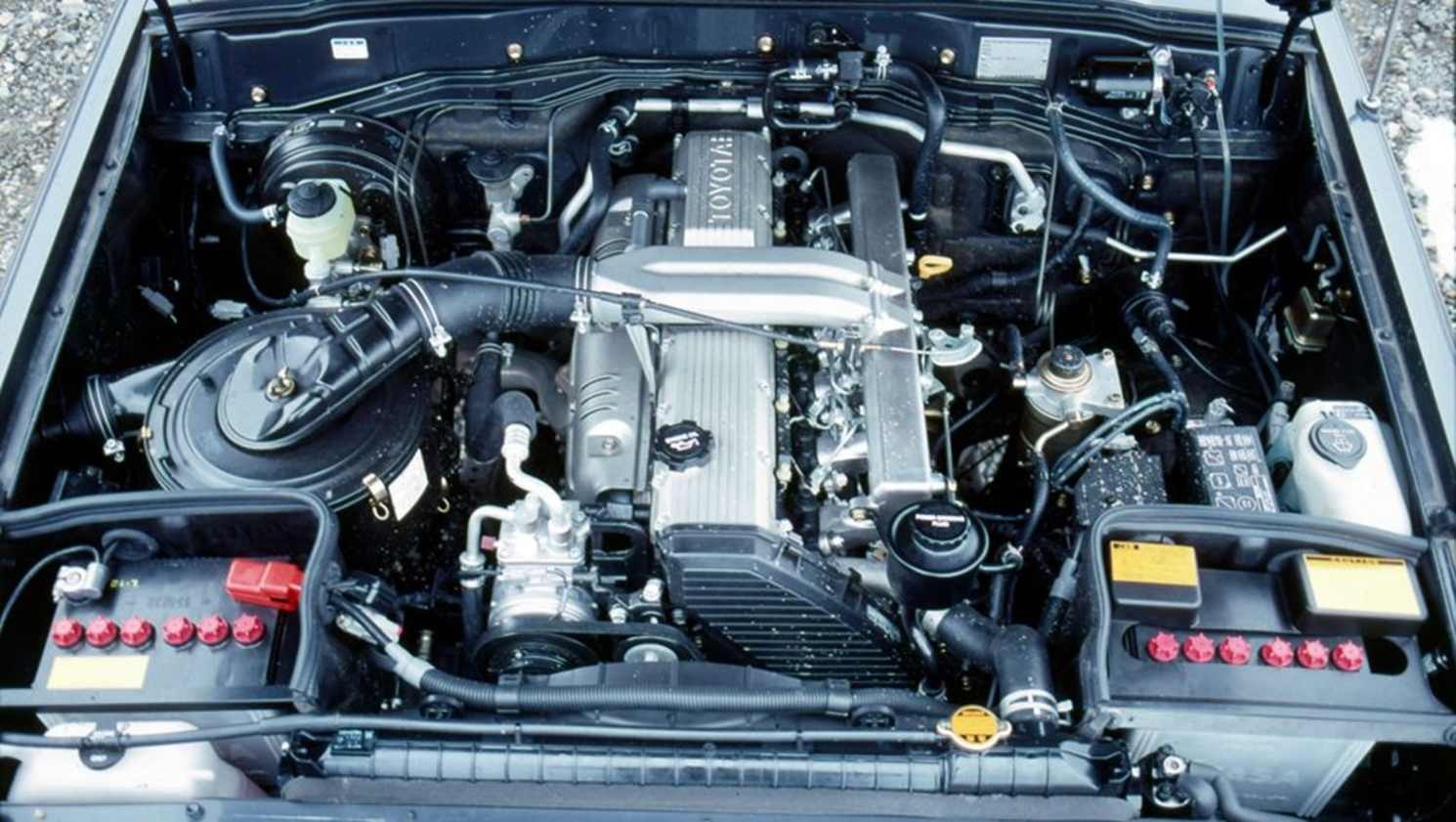
5. Toyota 1HZ Diesel
The Toyota 1HZ is a 4.2-liter inline-six diesel engine, widely praised for its endurance and simplicity. Found in Land Cruiser models, this naturally aspirated engine is built to withstand high-mileage use. Its iron block and robust head design make it resistant to warping and wear over time, contributing to extreme longevity. Many examples regularly cross 400,000 miles with only routine service, making it a favorite among overland enthusiasts and commercial users.
Fuel injection in the 1HZ is mechanical, which reduces electronic complexity and enhances reliability. Unlike modern common-rail diesel engines, the 1HZ avoids sensitive electronics that can fail as mileage increases. Owners find that as long as filters, oil, and coolant are changed on schedule, the engine performs consistently under heavy loads, desert heat, or long highway drives. This simplicity has earned it a reputation as nearly indestructible.
Routine service is key to preserving its life. Diesel engines can accumulate soot and carbon deposits, so regular inspections of injectors, glow plugs, and exhaust systems help maintain performance. Oil and coolant changes are critical, especially because diesels operate under higher compression. Many owners treat the engine gently during the break-in period, which pays dividends decades later in terms of mileage and reliability.
The 1HZ also handles modifications well, though most owners prefer stock configurations to maximize life. Its strong bottom end allows for occasional high-torque applications, while the naturally aspirated design prevents excessive cylinder pressures. Real-world examples often show these engines reaching half a million miles or more when maintenance is consistent and driving is reasonable.
Part availability and community support further reinforce its longevity. Replacement parts remain accessible in many regions, and the engine is straightforward to rebuild when needed. Coupled with Toyota’s reliability in Land Cruisers, the 1HZ continues to represent a benchmark for diesel durability. Its combination of simplicity, rugged construction, and predictable maintenance makes it a model for those seeking engines that can endure decades of service.
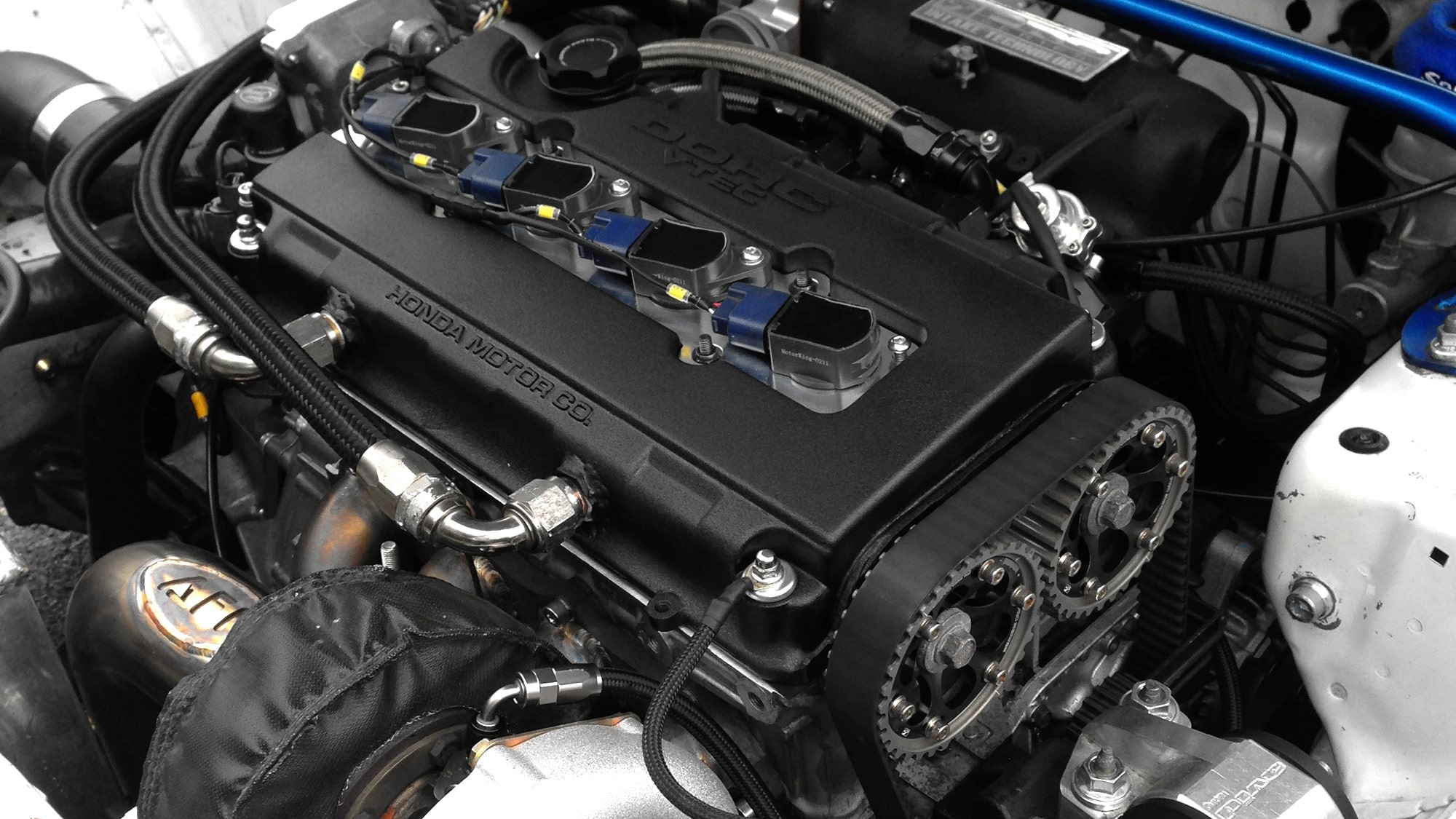
6. Honda B Series
The Honda B Series engines are four-cylinder powerplants that combine performance with remarkable reliability. Produced in the late 1980s through the early 2000s, these engines powered models such as the Civic Si and Integra. Despite their reputation for sporty performance, many naturally aspirated B Series engines exceed 400,000 miles with careful maintenance, showing that longevity is possible even in high-revving designs.
Aluminum construction and precision machining allow these engines to operate efficiently while minimizing wear. VTEC technology engages at higher RPMs, but as long as oil is changed regularly and the timing chain is inspected, these engines show minimal internal wear. Their ability to sustain high RPM without catastrophic failure is a testament to Honda’s engineering.
Routine maintenance is the foundation of their durability. Valve adjustments, oil changes, and coolant checks are essential, as well as keeping the fuel system clean. Many enthusiasts also recommend using high-quality engine oil and maintaining the air intake and exhaust system. These small steps prevent premature wear and help engines reach extreme mileages.
B Series engines also have strong aftermarket support, allowing owners to replace worn components easily. Pistons, rings, and timing components are widely available, making rebuilds straightforward if needed. Despite their sporty reputation, these engines can serve as reliable daily drivers for decades.
Real-world examples illustrate their endurance. Owners report vehicles with original B Series engines running smoothly past 400,000 miles with only minor repairs. The combination of thoughtful engineering, regular maintenance, and strong components ensures that these engines are capable of long-term reliability, even under spirited driving conditions.
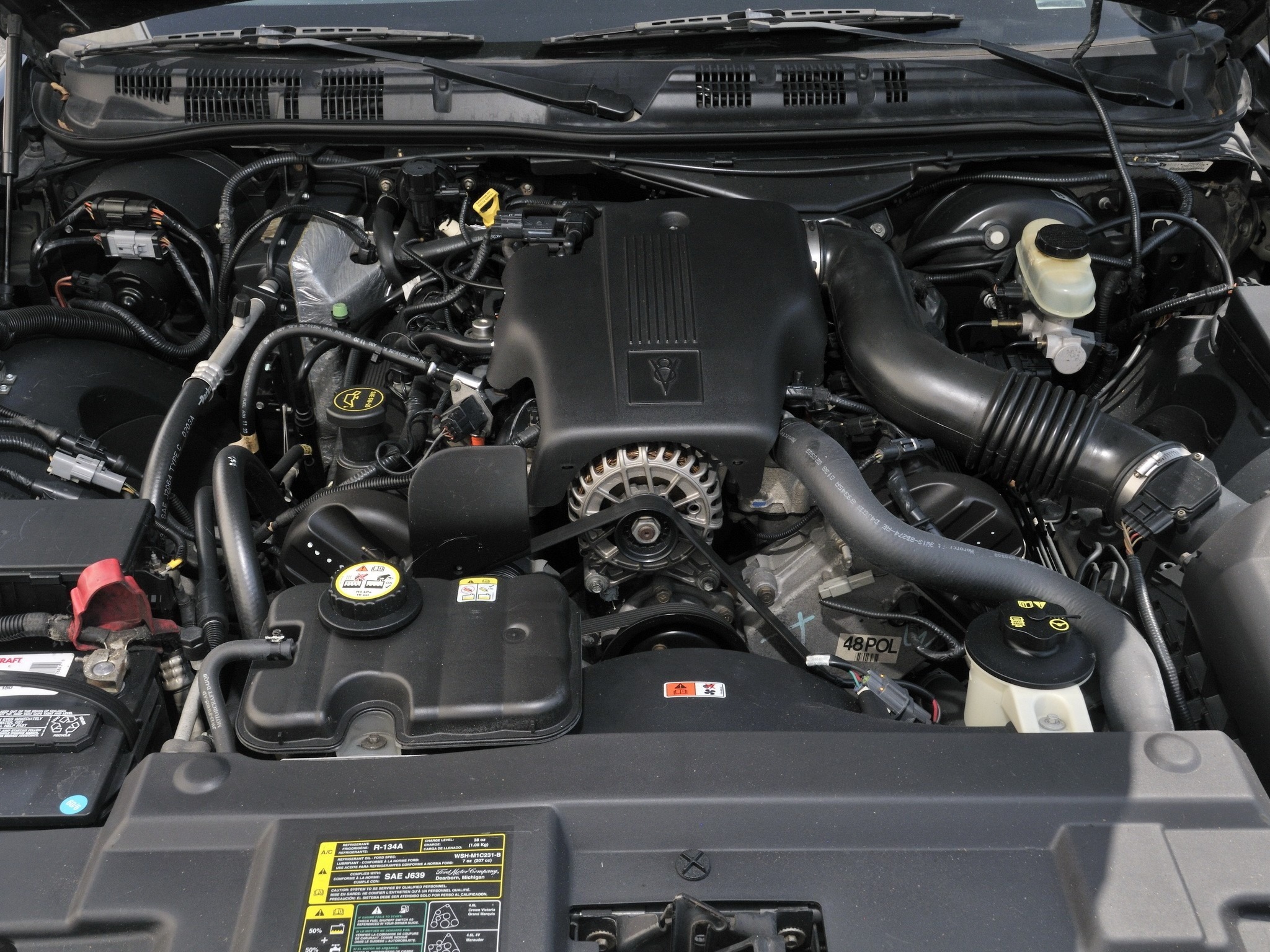
7. Ford 4.6L Modular V8
The Ford 4.6L Modular V8 engine debuted in the 1990s and quickly earned a reputation for durability. Found in a range of vehicles from F-150 trucks to Lincoln luxury sedans, the engine’s combination of aluminum heads and iron block offers a balance of performance and longevity. Many owners have crossed 400,000 miles with routine maintenance and proper driving habits.
The 4.6L features an overhead camshaft design, which improves efficiency and reduces wear on valvetrain components. Timing chain durability is key, as proper chain tension prevents internal damage. Regular oil changes and attention to coolant systems are necessary to maintain engine health over extended periods. This combination of design and serviceability supports long-term performance.
Its naturally aspirated configuration in most models reduces internal stress, and low-rev, consistent driving preserves bearings and piston rings. The engine is tolerant of highway mileage and moderate towing, which contributes to its longevity. Owners often find that these engines perform reliably for decades, even in trucks exposed to heavy loads.
Parts availability and modular design make the 4.6L relatively easy to maintain. Components are standardized across multiple vehicle platforms, and rebuilds are straightforward. Many engines are still on the road with their original heads, block, and crankshaft intact, proving the durability of the design.
The 4.6L Modular V8 demonstrates that even modern engines with overhead camshafts can exceed traditional mileage expectations. Proper maintenance, careful driving, and attention to oil and coolant systems allow this engine to reach and surpass 400,000 miles, making it a solid choice for long-lasting performance in a variety of vehicles.

8. Nissan L-Series Inline-Six
The Nissan L-Series inline-six engines, particularly the L24, L26, and L28 variants, were produced from the late 1960s through the early 1980s. Known for their robust iron blocks and simple mechanical design, these engines became legendary for longevity.
Many L-Series engines have surpassed 400,000 miles due to straightforward engineering and attention to maintenance. They were used in a variety of vehicles, including the Datsun 240Z, pickups, and sedans, where their reliability contributed to Nissan’s reputation for durable engineering.
One key strength of the L-Series is its cast-iron block, which resists warping and wear over long periods. The aluminum head reduces weight while retaining structural integrity. The engine uses a carburetor or early fuel injection, both of which are easy to service.
Timing chains, rather than belts, help maintain consistent valve operation for decades without frequent replacement. This simplicity is a major factor in its ability to reach extreme mileage.
Routine maintenance is essential for the L-Series to reach its potential. Regular oil changes, cooling system inspections, and valve adjustments prevent premature wear. These engines also respond well to careful driving habits, avoiding repeated high-RPM use or extended idling, which can strain components over time. Owners who adhere to basic maintenance schedules often report engines exceeding 400,000 miles with minimal major repairs.
Another advantage is parts availability and re-buildability. The L-Series engines have strong aftermarket support, making replacement parts easy to source even today. Pistons, bearings, and timing components are widely available, allowing owners to rebuild engines when necessary without difficulty. This accessibility ensures that even high-mileage engines can be restored to reliable operation.
Real-world examples show that L-Series engines are capable of extraordinary endurance. Vehicles with original engines regularly survive decades of daily use, demonstrating the value of simple, well-built mechanical design. Combined with careful service and reasonable driving habits, these engines remain a benchmark for long-lasting automotive engineering.
9. Mercedes-Benz OM617 Diesel
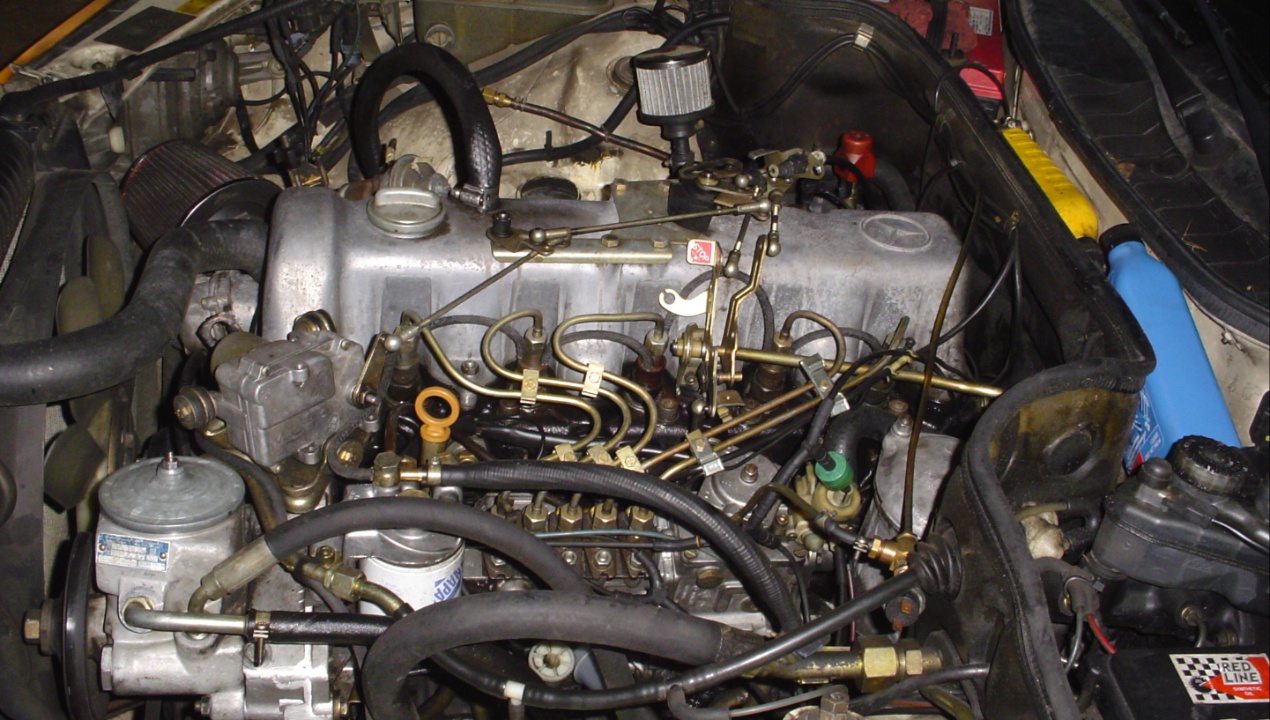
The Mercedes-Benz OM617 is a 3.0-liter inline-five diesel engine produced from the mid-1970s to the early 1990s. It is renowned for its reliability and ability to reach extreme mileage, often exceeding 500,000 miles with routine service. Found in models like the W123 300D, this engine is celebrated for durability under both city and highway conditions, as well as heavy-duty applications such as taxis and long-distance transport.
Its iron block and cast-iron head provide exceptional strength, allowing the engine to tolerate high compression levels without deformation. Fuel delivery is mechanical, reducing the risk of electronic failure common in modern engines.
Turbocharging was not common in these early versions, which minimized stress and prolonged component life. Owners often note the OM617’s ability to run smoothly with minimal oil consumption even after hundreds of thousands of miles.
Regular maintenance is critical to longevity. Oil changes, fuel filter replacement, and injector cleaning keep the engine operating efficiently. Valve adjustments and cooling system inspections are necessary to prevent wear and overheating. Many OM617 engines continue to operate flawlessly when owners adhere to these routines, highlighting the importance of preventive care over reactive repairs.
The engine also benefits from simplicity in design. With fewer sensors and electronics than modern diesel engines, failures are less frequent. Replacement parts are still available due to the engine’s iconic status, and rebuilds are straightforward. Many enthusiasts prefer to maintain the engine stock to maximize lifespan, avoiding modifications that could introduce additional stress.
Real-world examples demonstrate the OM617’s legendary reputation. Numerous vehicles still run on their original engines after 400,000 or more miles, sometimes surpassing half a million. The combination of iron construction, mechanical fuel delivery, and careful service has earned this engine an enduring place among the most reliable diesels ever produced.
10. Subaru EJ22
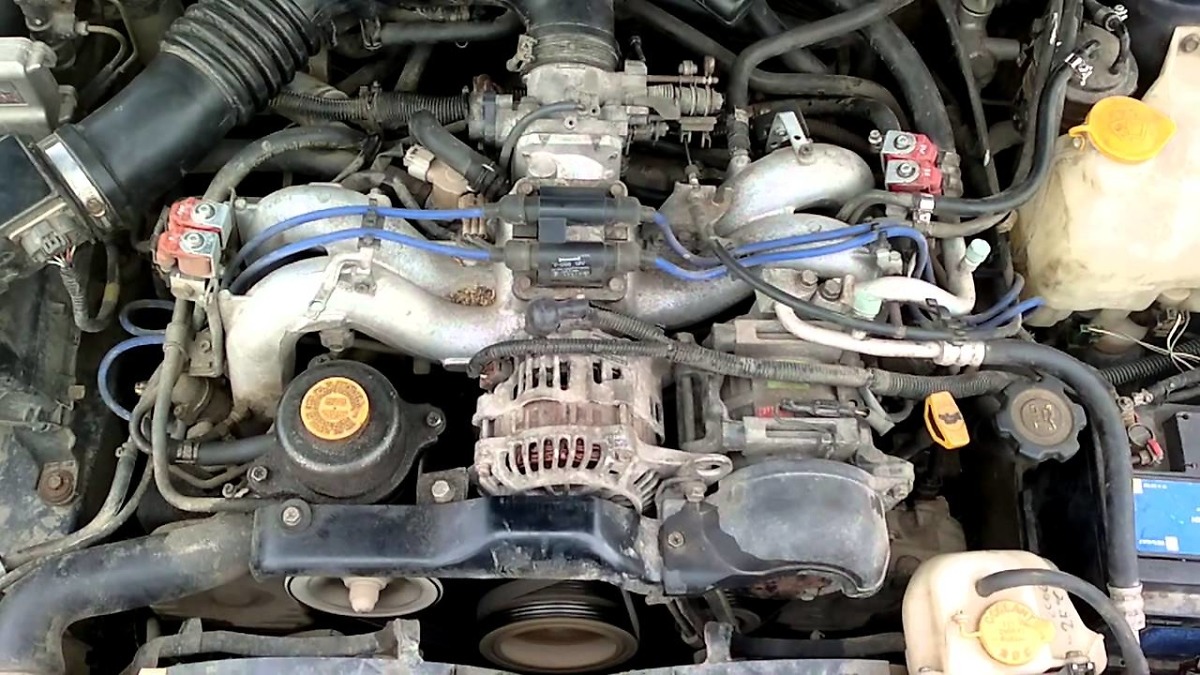
The Subaru EJ22 is a 2.2-liter flat-four engine produced from the late 1980s into the early 2000s. Found in models such as the Legacy and Impreza, it gained recognition for reliability and the ability to achieve high mileage. Its horizontally opposed design contributes to a low center of gravity, while the iron block and aluminum heads offer durability and resistance to heat-related stress over long periods.
The naturally aspirated EJ22 avoids excessive internal stress common in turbocharged models, which helps preserve the engine over hundreds of thousands of miles. Regular oil changes, timing belt replacement, and cooling system maintenance are essential to prevent premature wear. Owners who maintain these intervals often report vehicles with original engines exceeding 400,000 miles.
Valve adjustments and careful attention to the head gaskets are critical. While early EJ22 engines were known to experience minor head gasket issues, proper preventive maintenance minimizes problems. Subaru’s engineering emphasizes smooth operation and balanced wear across components, which contributes to the engine’s longevity when service schedules are followed consistently.
Parts availability and community support are advantages for the EJ22. Replacement belts, gaskets, and bearings remain widely available, and many engines can be rebuilt without specialty tools. This accessibility ensures that high-mileage engines can be kept operational, allowing owners to enjoy decades of reliable service.
Real-world examples of the EJ22 reaching 400,000 miles or more are numerous. Vehicles with proper maintenance continue to operate with little loss of performance, proving that Subaru’s engineering and emphasis on balanced components resulted in an engine capable of extreme longevity.
