

Buying a used car from a dealership is often based on trust. Buyers assume that vehicles displayed in clean showrooms or well organized lots have been properly inspected and honestly represented. Unfortunately, this is not always the case.
One category that frequently enters the used market quietly is former rental vehicles that have been refurbished and presented without clear emphasis on their previous commercial use.
Rental vehicles are not necessarily bad purchases. Many are maintained on strict service schedules because rental companies cannot afford breakdowns. Oil changes, tire rotations, and basic servicing are often done on time.
The concern is not maintenance but usage patterns. These vehicles are driven by many different drivers, often aggressively, and rarely with mechanical sympathy.
Most renters do not think about engine warm up, careful braking, or avoiding potholes. Sudden acceleration, hard cornering, and careless parking are common realities. Over time, this type of driving can create hidden wear that does not immediately appear during a short test drive.
Dealerships sometimes recondition these vehicles through deep cleaning, paint correction, minor repairs, and software resets. After this process, the vehicle may look almost identical to a privately owned car. Without knowing what signs to check, buyers may end up paying a price that does not reflect the vehicle’s true past.
The purpose of this guide is not to suggest that all rental cars should be avoided. The real goal is to help you recognize situations where a dealership may not be fully transparent. When you understand these warning signs, you can ask direct questions, verify documentation, and negotiate from a position of knowledge.
Recognizing these patterns can save money, prevent future repair surprises, and help you make a more informed purchase decision.
Also Read: 10 Best Used Cars for Owners Who Want to Minimize Mechanic Visits
1. The Vehicle History Report Shows Fleet or Commercial Registration Patterns
One of the clearest indicators of a former rental vehicle comes from carefully studying the ownership history rather than just checking whether accidents are reported. Many buyers only look for damage records but ignore ownership type classifications, which can reveal just as much about how a vehicle was used.
Fleet registrations often appear under corporate names rather than individuals. These names may not always explicitly say rental company, but they may appear as leasing groups, mobility services, or transportation corporations.
A quick pattern to notice is when the first owner is a company and the ownership period is relatively short before the vehicle moves to auction.
Another detail buyers often overlook is the registration location pattern. Rental vehicles frequently move between states or regions depending on seasonal demand.
Because of this, you may notice registration transfers across different locations within a short time. Private owners rarely relocate a vehicle multiple times within a brief ownership window.
Documentation timing can also tell a story. Rental companies typically sell vehicles after reaching certain mileage or age targets.
This often happens between one and three years of service. If you see a vehicle with this exact timing followed by auction listing and then dealership purchase, it may indicate fleet retirement rather than a normal trade in.
It is also important to observe how the salesperson discusses the history. If explanations sound vague or overly simplified, that is worth noting. A transparent seller usually has no issue explaining whether a vehicle was previously part of a rental operation.
Avoiding the topic or redirecting the conversation toward features instead of history can be a subtle warning.
Smart buyers request the full history report and read every ownership entry carefully instead of relying on summaries. Even when rental use is disclosed, the key question becomes whether the price reflects that reality.
A dealership that is honest about the background usually prices accordingly. Hesitation or avoidance combined with standard market pricing can indicate an attempt to minimize the importance of prior fleet usage.

The most important takeaway is simple. Ownership type matters just as much as accident history when evaluating a used vehicle.
2. Excessive Cosmetic Reconditioning That Feels Too Perfect for the Mileage
Another sign that a car may have been a rental is when it appears cosmetically fresher than its mileage would suggest. While detailing is standard practice, some vehicles show a level of cosmetic correction that seems unusually extensive compared to their age and odometer reading.
This does not mean a clean vehicle is suspicious. The concern appears when multiple cosmetic elements look newly refreshed at the same time.
Freshly repainted bumper corners, unusually new looking tires on a moderately driven car, recently replaced floor mats, and heavily conditioned interior plastics may indicate preparation designed to reset first impressions.
Rental vehicles often accumulate small cosmetic damage rather than major visible defects. These include door edge chips, minor curb rash, trunk scratches from luggage, and repeated interior scuffing.
When these small issues are corrected all at once, the car can appear much newer visually while still carrying the mechanical wear of heavy usage.
Another subtle sign can come from mismatched aging. For example, a steering wheel that looks slightly worn combined with brand new pedals or unusually fresh seat covers can indicate selective replacement.
Dealerships sometimes replace the most visibly worn components while leaving less obvious wear untouched.
Smell can also be a clue. Strong interior fragrances or heavy deodorizing treatments sometimes indicate attempts to remove evidence of frequent different occupants. Rental vehicles experience hundreds of different drivers and passengers, which can lead to odor removal treatments before resale.
Observing the preparation level compared to how the car is marketed can also help. If the dealership strongly emphasizes how thoroughly the vehicle was reconditioned but provides limited discussion about its prior usage, it may be worth asking more questions. Preparation is good, but transparency is better.

A good practice is to compare multiple similar vehicles on the same lot. If one vehicle shows noticeably more cosmetic restoration than others of similar age, it may have required more preparation before sale. That does not automatically make it a bad purchase, but it should encourage deeper questions.
Buyers should remember that appearance can be reset much faster than mechanical wear. A shiny finish does not always reflect an easy past life.
3. Unusual Wear in High Contact Areas That Do Not Match the Odometer Reading
Mileage tells only part of a vehicle’s story. A much more revealing method is examining the areas drivers touch the most. Former rental vehicles often show a specific type of wear pattern because of the number of different people using them rather than how far they were driven.
Start with the driver’s door panel. Repeated entry and exit by drivers of different heights and habits can leave small scratches near the handle area, window switches, and armrest edges. These marks often appear as light but widespread usage instead of one heavily worn spot.
Another area worth close attention is the start button or ignition surround. When hundreds of drivers use a vehicle, fingernail marks and micro scratches often develop around these points. These are details many buyers overlook because they focus on paint and seats instead of interaction zones.
Seat adjustment controls also tell a story. Rental drivers constantly adjust seating positions, mirrors, and steering columns. Over time this leads to slight loosening of adjustment switches or faint polishing of plastic buttons from constant use. Privately owned vehicles usually show more consistent positioning and less adjustment wear.
You may also notice subtle differences in how surfaces have aged. For example, the steering wheel may show smoothness on multiple grip points instead of one dominant hand position. This happens because different drivers hold the wheel differently. Private owners usually create one predictable wear pattern.
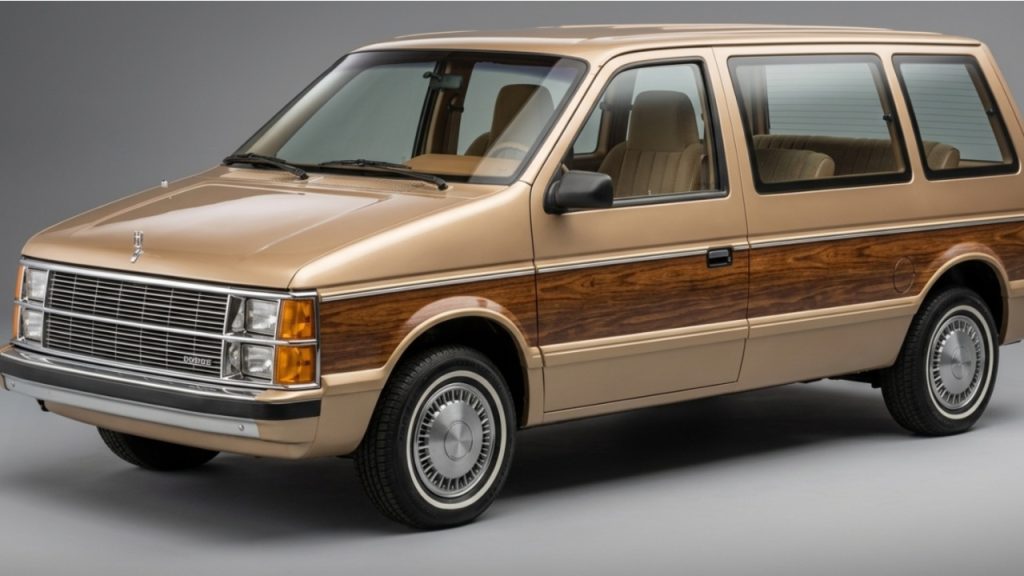
Even the trunk area can provide hints. Rental vehicles frequently carry luggage, which creates small repeated scratches near the loading edge. These may be touched up but often remain visible under certain lighting angles.
None of these signs alone confirm rental history. The real clue comes from how many of these small indicators appear together. When several high contact areas show moderate but widespread use that feels inconsistent with the displayed mileage, it suggests heavy multi driver usage rather than single owner driving.
Careful buyers take a slow walk around the car and interact with everything. Press buttons, adjust controls, open compartments. Vehicles often reveal their real story through touch rather than appearance.
4. Dealership Avoids Direct Answers About Previous Ownership Use
Sometimes the biggest clue is not found in the car but in the conversation. How a dealership answers questions about prior ownership can reveal more than any inspection checklist.
A straightforward seller usually has no issue explaining whether a vehicle came from auction, trade in, lease return, or fleet disposal. When answers become indirect, overly general, or redirected toward warranties and inspections instead of history, it may indicate selective disclosure.
Watch for language patterns. Statements like “it was company owned” or “it was part of a corporate program” may technically be true while avoiding the word rental. This kind of wording is not necessarily dishonest, but it can be incomplete.
Another behavior to notice is when the conversation quickly shifts toward monthly payments instead of vehicle background. Redirecting focus toward affordability rather than history sometimes suggests the seller prefers you to focus on financing instead of origin.
Some dealerships rely on the assumption that most buyers will not ask follow up questions. Simply asking who the previous owner was, how long they kept the vehicle, and how the dealership acquired it can change the tone of the conversation. Transparent sellers usually answer clearly without hesitation.
Body language also matters. Confident answers usually come quickly and directly. Hesitation, checking with others, or changing the subject may indicate the salesperson is unsure how much information to provide.

Another small but telling detail is whether documentation is shown willingly. A dealership with nothing to hide usually provides reports without resistance. If you feel like you must repeatedly request basic history details, that resistance itself becomes information.
Buyers sometimes forget they control the transaction. Walking away is always an option. A dealership that senses an informed buyer often becomes more transparent because they know uncertainty will cost them the sale.
The strongest protection is simple persistence. Calm, direct questions often reveal whether a dealership values long term reputation or quick turnover. The way answers are given can be just as important as the answers themselves.
5. Multiple Identical Vehicles With Similar Specifications on the Same Lot
One situation that many buyers overlook happens before they even examine a specific vehicle. It starts with observing the dealership inventory itself.
When several vehicles of the same model, similar colors, nearly identical trims, and close mileage ranges appear together, this can sometimes indicate a bulk purchase from a fleet liquidation sale.
Dealerships normally obtain used cars from trade ins, lease returns, and auctions. Trade ins usually create variety. Different colors, option packages, and mileage differences appear naturally because private owners buy cars with personal preferences. Fleet acquisitions often look different. They tend to arrive in groups that look almost cloned.
This pattern becomes easier to recognize when you slow down and compare details instead of focusing on just one car. Look at build dates, tire brands, interior materials, and even small equipment differences.
Fleet vehicles often share very similar configurations because rental companies order them in batches with practical options instead of luxury upgrades.
Another interesting clue comes from color choices. Rental fleets usually choose neutral shades because they appeal to the widest range of customers and are easier to resell. Seeing multiple neutral colored vehicles with similar interiors can be a subtle indicator of fleet origin.
The story becomes clearer when you ask how the dealership obtained them. Sometimes the answer will be very general, such as saying they came from “a recent auction opportunity.” This is not unusual by itself. What matters is whether the dealership explains why several nearly identical vehicles arrived together.
There is also a financial reason this happens. Bulk purchases allow dealerships to negotiate better pricing. That is not negative by itself. The concern only appears if the fleet background is not clearly acknowledged while pricing remains similar to privately owned examples.
Another useful observation involves preparation timing. When multiple similar vehicles appear freshly detailed at the same time, it may indicate they arrived together and went through reconditioning as a batch. You may even notice identical window stickers or inspection dates.

A thoughtful buyer treats this as a research opportunity rather than a warning sign alone. Comparing several nearly identical vehicles side by side can actually reveal which ones show more wear or better preparation. Sometimes the differences become obvious only when seen together.
The key lesson is simple awareness. Inventory patterns sometimes tell a story that individual vehicle listings do not. Buyers who look at the bigger picture often spot these connections quickly.
6. Maintenance Records Show Frequent Basic Service but Lack Long Term Ownership Care Patterns
Maintenance records can be reassuring at first glance. Seeing regular oil changes and inspections often gives buyers confidence. However, the type of maintenance history can sometimes indicate whether a vehicle lived a fleet life rather than a privately cared for one.
Fleet vehicles usually receive consistent basic servicing because downtime costs money. Oil changes, filters, and tire checks are done on schedule. What may be missing are the kinds of maintenance choices private owners often make when they plan to keep a vehicle long term.
Private owners sometimes invest in preventative work before problems appear. This may include early brake replacement, upgraded tires, transmission fluid service before required intervals, or replacing small noises before they grow. Fleet operators usually focus on keeping vehicles operational rather than perfect.
The difference shows in the pattern rather than the presence of maintenance. Records may look regular but minimal. You might see repeated basic services but few signs of discretionary care. It can feel more like operational upkeep than ownership pride.
Another interesting detail comes from where service was performed. Fleet vehicles often show servicing at multiple locations because they move between regions. Private owners usually stick with one dealership or local mechanic. A scattered service map may suggest rotating usage.

Even the timing between services can reveal something. Rental vehicles may show very consistent intervals based on mileage targets. Privately owned cars sometimes show irregular timing because personal usage varies more than commercial scheduling.
Documentation language can also differ. Fleet records sometimes reference internal tracking numbers or service codes rather than personal customer notes. These small administrative details can reveal the type of ownership without directly stating it.
None of this automatically makes a vehicle undesirable. In fact, some buyers prefer fleet vehicles because they know basic maintenance was not skipped. The important factor is whether the selling price reflects the usage reality and whether the dealership clearly explains the background.
A careful buyer reads maintenance history like a timeline instead of a checklist. Patterns matter more than individual entries. Understanding the difference between operational servicing and personal care can help you better understand how a vehicle truly lived its earlier life.
7. The Price Feels Attractive but the Negotiation Flexibility Feels Unusually Limited
Price psychology plays a major role in how reconditioned rental vehicles are sold. One interesting pattern that experienced buyers sometimes notice is when a vehicle appears competitively priced but the dealership shows very little willingness to negotiate compared to other used vehicles.
At first this may seem normal. Some dealerships operate on fixed pricing models. However, the difference becomes noticeable when compared against how they negotiate on other vehicles in their own inventory.
If flexibility exists elsewhere but suddenly becomes rigid on a specific unit, it may indicate tighter profit margins due to how the vehicle was acquired.
Fleet vehicles are often purchased in bulk at calculated prices. Because of this, dealerships sometimes already know their exact expected return.
This can create situations where the asking price already includes their intended margin with little room for adjustment. Instead of lowering price, they may offer small add ons such as free servicing or accessories.
Another pattern worth noticing is how quickly the price is justified rather than discussed. Instead of negotiating, the conversation may shift toward how much reconditioning was done, how many checks were completed, or how clean the vehicle appears. This strategy attempts to anchor value in preparation rather than history.
The negotiation tone can also be revealing. Some buyers report that discussions move quickly toward urgency statements such as interest from other buyers or limited availability.
While this is a common sales technique, it sometimes appears more frequently with fleet sourced vehicles because dealerships expect faster turnover.
You may also notice that price comparisons presented by the seller focus only on similar model years and features without discussing ownership type. Comparing a former rental vehicle to privately owned examples without acknowledging the difference can create a misleading sense of value.
Another interesting detail is how add on products are positioned. Instead of lowering the price, the dealership may emphasize extended warranties or protection packages. This can be used to maintain the headline price while still making the deal feel improved.
Careful buyers approach this situation by shifting the discussion back to facts. Asking how the price compares specifically to similar vehicles with similar ownership backgrounds can sometimes change the conversation. When asked directly, some sellers become more transparent about acquisition sources.

Confidence in negotiation often comes from preparation. Buyers who research typical resale patterns of fleet vehicles often discover they are usually priced slightly below comparable privately owned cars. If that gap is missing, it becomes reasonable to question the valuation logic.
The most important mindset is patience. Attractive presentation combined with firm pricing should encourage more questions, not faster decisions. Walking away remains one of the strongest negotiation tools available to any buyer.
Understanding pricing behavior is not about assuming bad intent. It is about recognizing sales strategy. When you understand how pricing structure connects to acquisition source, you become much harder to pressure into a rushed decision.
Buying a used vehicle from a dealership often creates a sense of security because buyers assume professional inspection and preparation reduce risks. However, some vehicles on dealer lots may have previously served as rental cars and gone through cosmetic and mechanical reconditioning before resale.
The issue is not that rental cars are automatically bad purchases, but that buyers should know what they are buying and whether the price reflects the vehicle’s real background.
One of the strongest warning signs comes from the vehicle history report. If ownership records show corporate, fleet, or commercial registrations instead of individual owners, this may indicate prior rental use.
Short ownership cycles followed by auction sales also fit common fleet disposal timelines. Understanding ownership type is just as important as checking accident history.
Another sign comes from excessive cosmetic preparation. A vehicle that looks unusually fresh compared to its mileage may have undergone heavy detailing to improve first impressions.
Fresh interior materials, strong deodorizing treatments, and selective replacement of worn parts can sometimes indicate preparation meant to make a heavily used vehicle appear less used. Appearance improvements are normal, but buyers should always compare cosmetic condition with actual usage history.
Physical wear patterns also reveal important clues. Rental vehicles often show moderate wear across multiple contact points rather than heavy wear in one area. This happens because many different drivers use the vehicle.
Buttons, seat controls, door panels, and trunk edges sometimes show this type of distributed wear. Careful inspection of these small details can provide insight beyond what the odometer shows.
Dealer communication style can also be revealing. When direct questions about ownership history receive vague or indirect answers, buyers should become more attentive.
Honest dealerships usually have no problem explaining where a vehicle came from. Avoiding clear explanations or redirecting discussions toward payments instead of history may suggest incomplete disclosure.
Inventory patterns can also provide hints. Seeing multiple nearly identical vehicles with similar specifications on the same lot may suggest a bulk purchase from a fleet sale.
Fleet vehicles often share similar colors, options, and production timing because they were originally ordered in batches. Observing these patterns can help buyers ask better questions about vehicle sourcing.
Maintenance records may also show differences between fleet and private ownership. Rental vehicles usually show consistent basic servicing because companies must keep them operational.
However, they may lack the preventative or discretionary maintenance often performed by private owners planning long term use. Recognizing this difference helps buyers better understand how the vehicle was treated.
Pricing behavior can be another clue. Some former rental vehicles may be priced attractively but come with limited negotiation flexibility because dealerships already calculated margins during bulk purchases. When price comparisons ignore ownership history and focus only on features and model year, buyers should take a closer look.
The most important lesson is that no single sign proves a vehicle is a former rental. The real insight comes from recognizing several signs together. Buyers who carefully review history, inspect wear patterns, observe dealer behavior, and compare pricing structures are much more likely to make informed decisions.
Awareness, patience, and careful questioning remain the best tools for avoiding surprises and making confident used car purchases.
Also Read: 10 Family Vehicles With Stain Proof Interiors for Young Children
