
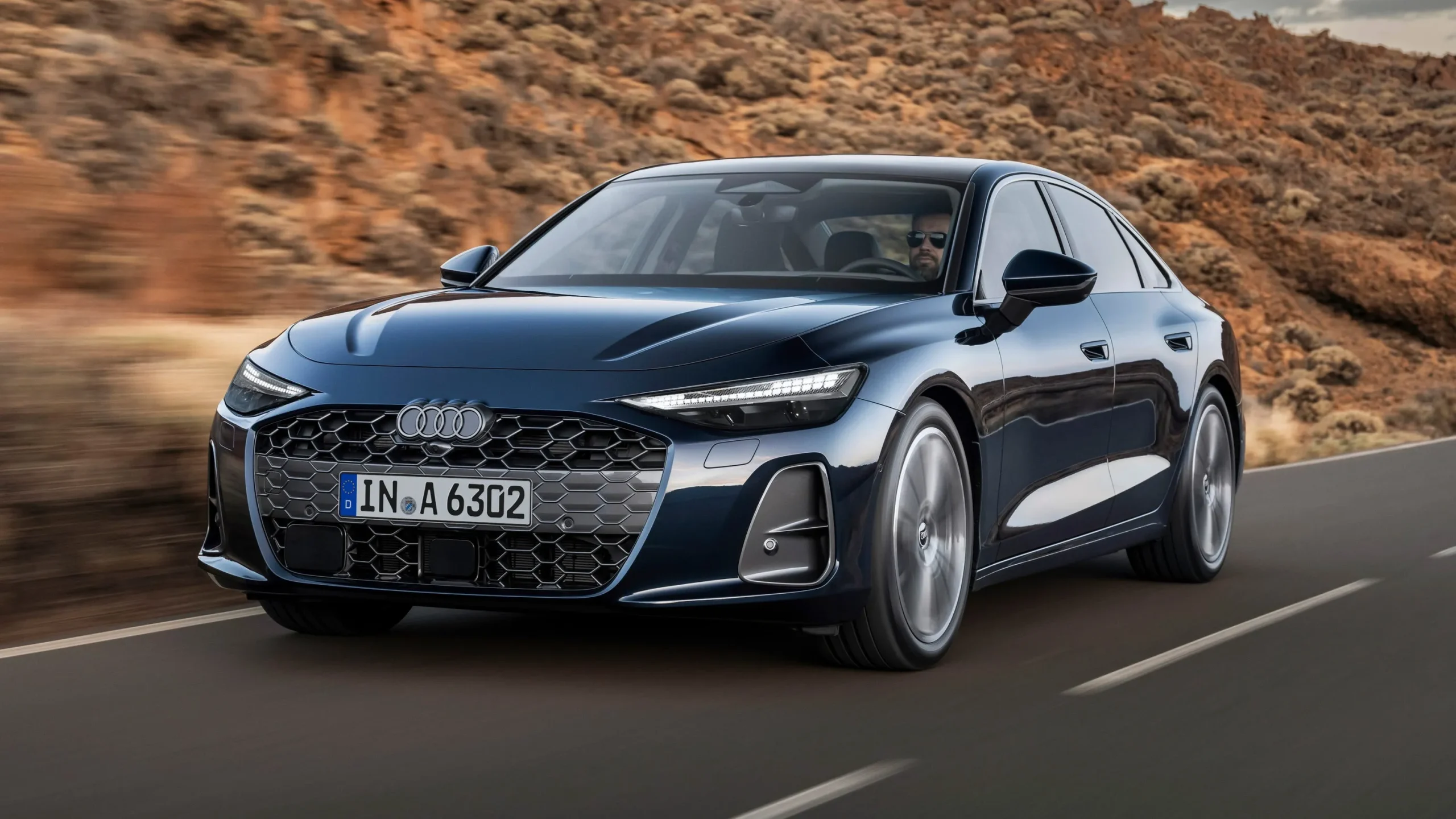
Brake rotors are a critical component of a vehicle’s braking system, providing the surface against which brake pads clamp to slow or stop the vehicle. When rotors warp, they cause vibrations, noise, and reduced braking performance, which can affect both safety and comfort.
Rotor warping can occur due to a variety of factors, including poor-quality materials, excessive heat, improper installation, or aggressive driving habits.
For certain vehicles, these problems seem to appear unusually early, sometimes around 20,000 miles.
While this is well below the expected lifespan of most brake rotors, it is not uncommon for drivers to report issues in this range. Early rotor warping can lead to repeated replacements, increased maintenance costs, and the risk of uneven brake wear.
Car manufacturers design braking systems to withstand typical driving conditions, but even high-quality vehicles can have models or production years that experience these problems. Automotive enthusiasts and everyday drivers alike need to understand which vehicles are more prone to early rotor issues.
Additionally, drivers should recognize the signs of rotor warping, which include a pulsing brake pedal, squealing noises, or vibrations during braking.
Proper maintenance, correct torque specifications during installation, and regular inspections can help mitigate these problems. However, some vehicles seem more susceptible due to their brake rotor design, thickness, material composition, or even wheel size.
The issue of early rotor warping can also vary by climate, driving style, and the type of brake pads used. Vehicle owners who notice early signs of rotor warping should seek professional inspection promptly, as failing to address warped rotors can reduce braking efficiency and compromise safety.
Many automotive forums, recall notices, and service bulletins highlight that certain models experience these challenges repeatedly, suggesting that manufacturer design choices can contribute to early wear. Understanding which vehicles are more prone to this issue can help buyers make informed decisions when purchasing new or used cars.
Additionally, awareness of common braking system problems can lead to better preventative maintenance, saving time and money over the long term. This article focuses on ten vehicles known to have reports of brake rotors warping around 20,000 miles.
By analyzing common characteristics, trends, and potential causes, drivers can better understand the problem and make educated choices about maintenance and replacement. Each vehicle highlighted in this article has recurring complaints about rotor warping, providing a useful guide for drivers who want to avoid unexpected brake issues.
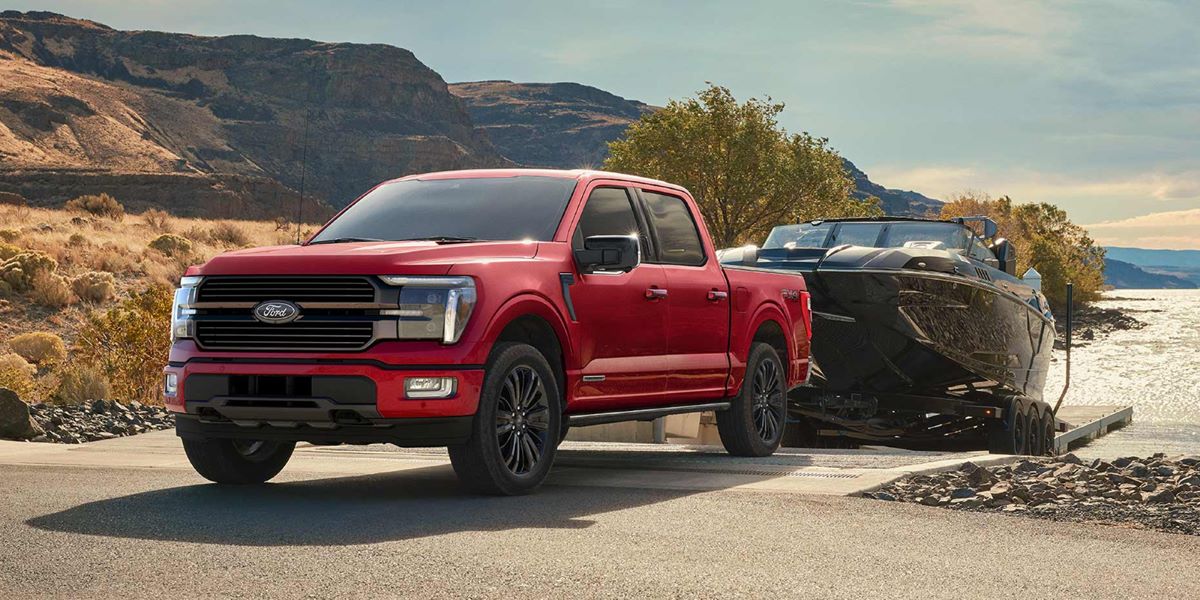
1. Ford F-150
The Ford F-150 is one of the most popular pickup trucks in the United States. Despite its reputation for durability, certain model years have reported issues with brake rotors warping prematurely. Drivers frequently note vibration in the brake pedal around the 20,000-mile mark.
This problem is often attributed to high towing demands and heavy payloads, which generate additional heat on the rotors. The combination of aluminum rotors and aggressive driving can accelerate wear, causing early warping.
Owners report that replacing rotors with upgraded, thicker options reduces the problem. Some F-150s equipped with larger wheel packages experience higher stress on the braking system.
Repeated hard braking in city traffic or steep grades can also contribute to early warping. Regular inspections and using high-quality brake pads can extend rotor life. Even with these precautions, certain 2015–2018 models continue to show rotor issues consistently.
Service bulletins from Ford have addressed brake rotor vibration in multiple trims. Dealers often recommend machining or replacing warped rotors to restore smooth braking. Many F-150 owners turn to aftermarket performance rotors to minimize vibration.
Awareness of proper torque specifications and rotor bedding procedures can prevent early issues. Despite its popularity, the F-150 demonstrates that even robust trucks are not immune to braking system challenges.
The material and thickness of the rotors play a significant role in durability. Factory-installed rotors may not always match the thermal demands of heavy-duty use.
Drivers who frequently tow or carry heavy loads should consider rotors rated for higher heat resistance. Over time, repeated heating and cooling cycles lead to metal fatigue and uneven rotor surfaces. Observing signs such as pedal pulsation can help drivers address the issue before it worsens.
Proper maintenance and mindful driving reduce the likelihood of early rotor warping. Regularly checking rotor thickness and brake pad condition ensures safe braking performance.
For F-150 owners, staying proactive can prevent the frustration of multiple rotor replacements within a short period. Choosing the correct replacement parts and following manufacturer guidelines is crucial.
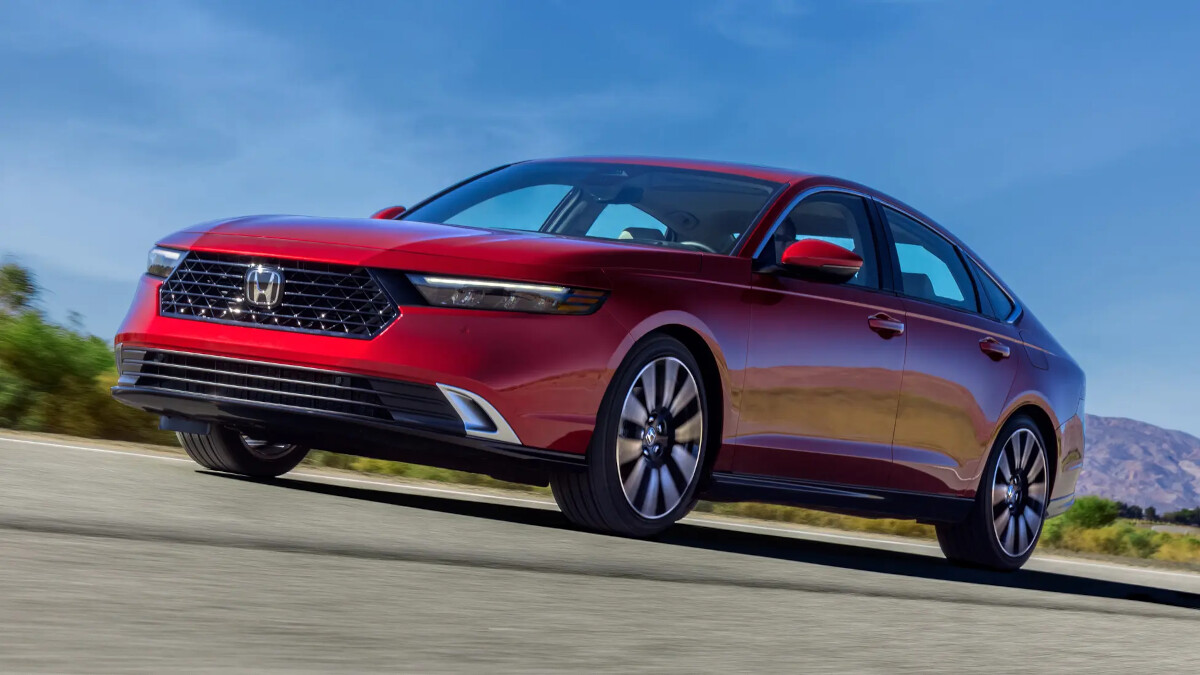
2. Honda Accord
The Honda Accord is widely praised for reliability and smooth handling. However, certain model years, especially those from 2013 to 2017, report brake rotor warping after approximately 20,000 miles.
Drivers often notice a vibration through the brake pedal or steering wheel during hard braking. The issue is linked to rotor design, which may not dissipate heat efficiently under repeated braking. High-temperature braking cycles can cause the rotors to expand unevenly, resulting in a warped surface.
Owners have also noted that using premium brake pads sometimes worsens the problem, as harder compounds increase friction and heat. Accord models with larger wheels or sport trims are more susceptible due to increased rotational forces.
Rotors made from standard iron alloys can deform more quickly when subjected to frequent braking. Some drivers report the need for rotor replacement far earlier than expected for a car in this class.
Honda service centers recommend machining warped rotors or complete replacement. Choosing aftermarket rotors with better heat dissipation can extend longevity.
Proper bedding techniques, which allow rotors and pads to mate evenly, also help reduce warping risks. Accord drivers who ignore early warning signs may experience worsening pedal vibration and uneven braking response.
Environmental factors also contribute to rotor warping. Areas with hilly terrain or stop-and-go traffic put extra stress on brake components.
Drivers who maintain consistent braking pressure rather than repeated aggressive stops tend to see fewer issues. Even so, some 2016–2017 Accord models remain prone to early rotor deformation.
Preventative maintenance is essential for Accord owners. Regular inspections, timely replacement of brake pads, and monitoring rotor condition can prevent early warping.
Being aware of manufacturer-specific rotor designs helps owners make informed choices about replacements. Ensuring correct installation torque and following proper maintenance schedules maximizes braking system performance.
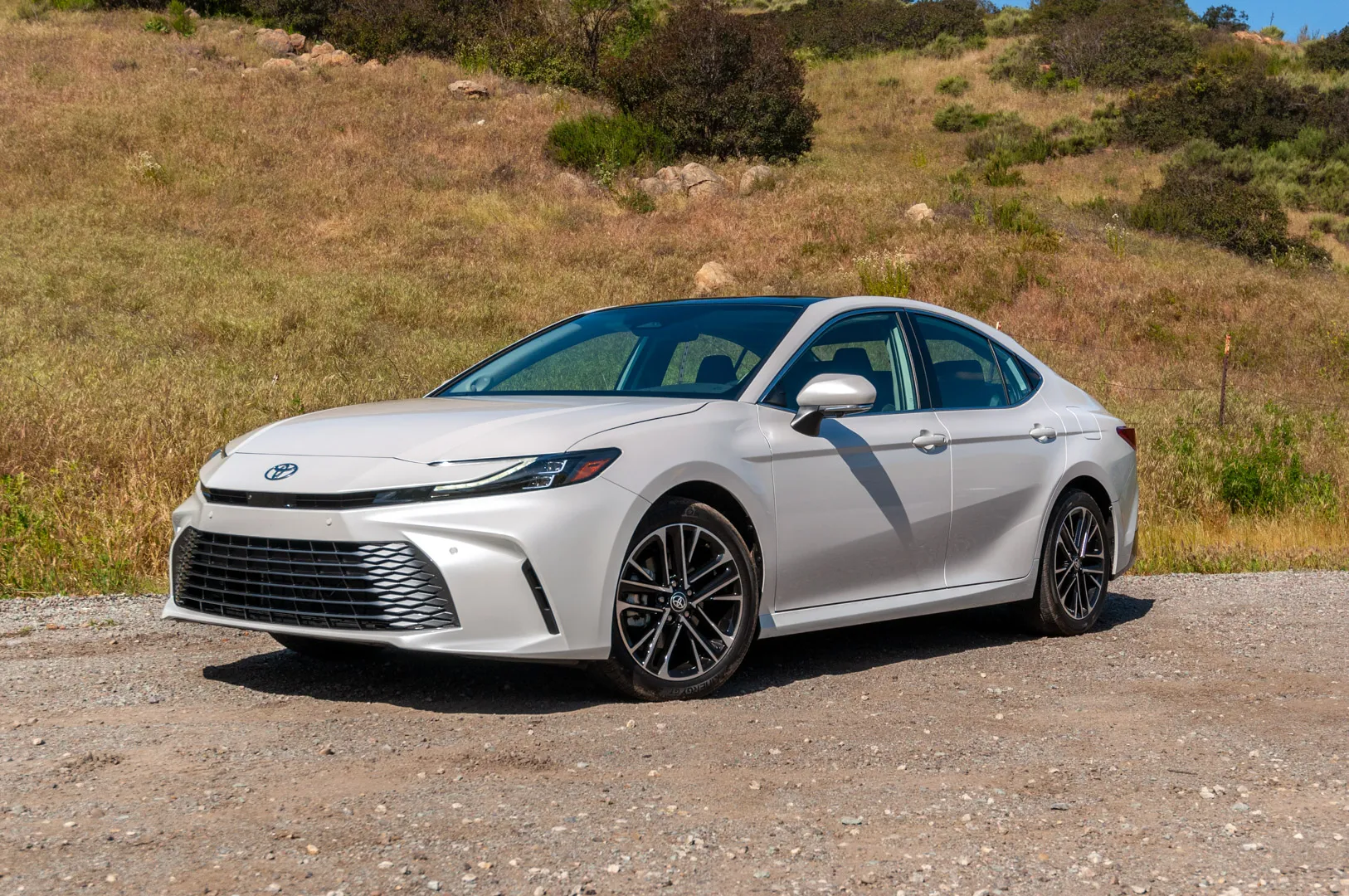
3. Toyota Camry
The Toyota Camry is a top-selling midsize sedan with a reputation for reliability. Despite this, several 2014–2018 models show reports of brake rotors warping near 20,000 miles.
Many drivers experience a pulsing sensation in the brake pedal during normal stops. The issue is often linked to rotor thickness and heat management limitations. Smaller or thinner rotors may not handle repeated high-speed braking well, leading to uneven wear and vibration.
Camry owners note that using premium or performance brake pads can increase heat buildup. Front-wheel-drive models tend to show symptoms sooner because the front brakes handle more stopping power.
Rotors subjected to frequent city driving with repeated braking are more likely to warp. Even moderate driving in hot climates accelerates thermal expansion, contributing to early warping.
Toyota dealerships may recommend rotor resurfacing or replacement to resolve vibrations. Many drivers choose aftermarket rotors with improved venting and material composition.
Bedding new rotors properly ensures even contact with brake pads, reducing uneven wear. Paying attention to early signs such as pedal pulsation or noise can prevent more serious damage.
Rotor material selection is a significant factor. Cast iron rotors are standard, but they can deform under heat cycles more easily than higher-grade alternatives.
Drivers carrying passengers or cargo often place extra strain on the braking system. Toyota Camry owners should monitor brake system performance closely, especially if they notice changes in stopping behavior.
Routine maintenance and using OEM-recommended brake components reduce rotor warping risks. Keeping rotors clean and free of rust or debris also helps prevent uneven wear.
Camry drivers should replace brake pads in pairs to maintain balanced braking. Understanding rotor characteristics and monitoring for vibration ensures consistent and safe braking.
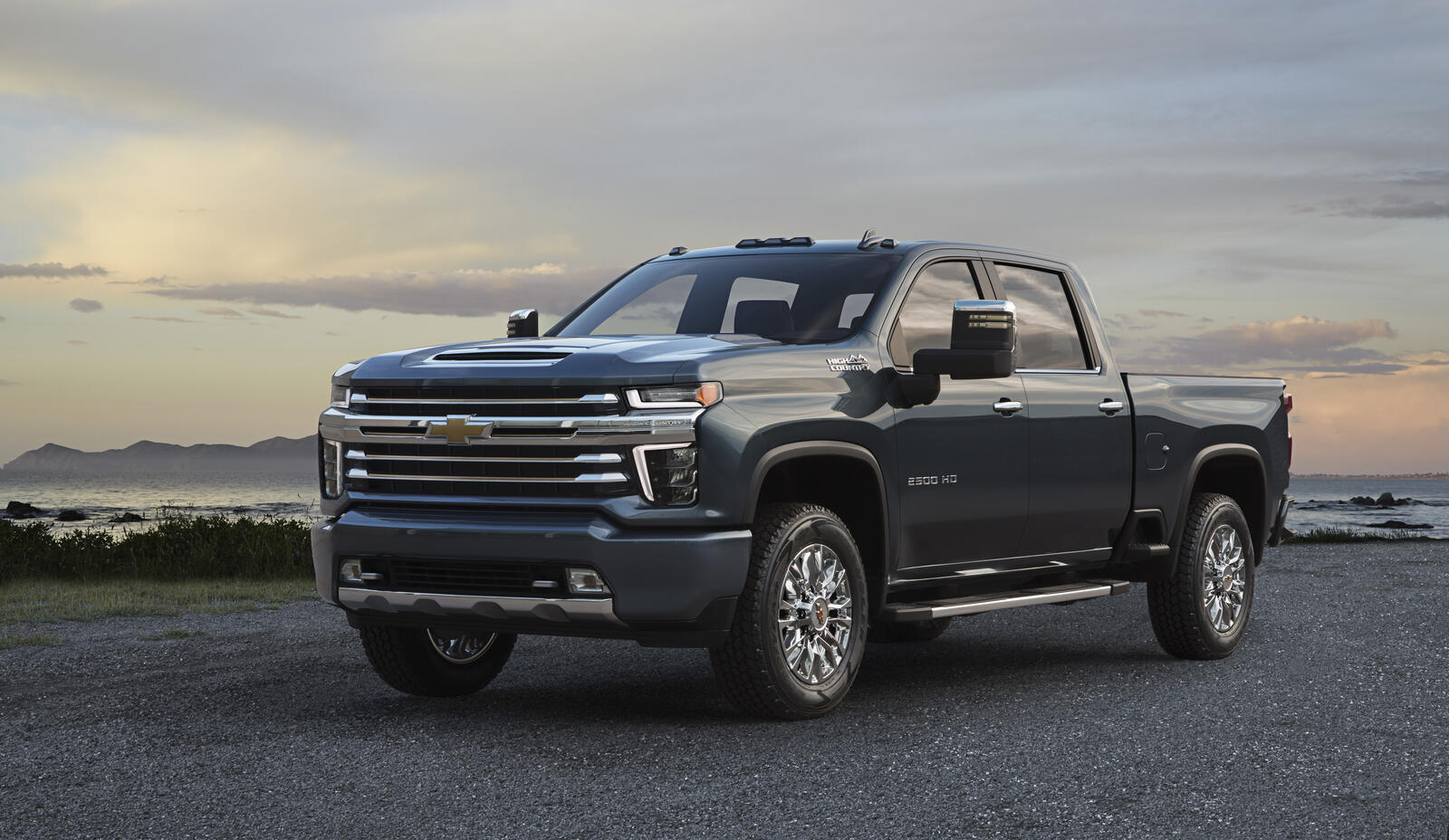
4. Chevrolet Silverado
The Chevrolet Silverado is a full-size pickup known for strength and towing capability. Certain model years, particularly 2015–2019, have reported warped brake rotors around 20,000 miles.
Drivers describe a pulsing sensation when braking at highway speeds. Heavy-duty use, such as towing trailers or hauling loads, puts additional heat stress on the rotors. Thinner factory-installed rotors may not handle repeated thermal cycles efficiently, resulting in early warping.
Owners have noted that aggressive braking or frequent stop-and-go traffic worsens the problem. Silverado models with larger wheels and off-road packages may experience increased stress on brake components.
Replacement with high-performance or vented rotors often improves durability. Rotors installed without proper torque specifications or bedding can also warp sooner.
Chevrolet service bulletins address rotor vibration in several Silverado trims. Machining or replacement is usually required to restore smooth braking.
Aftermarket options with improved heat dissipation are commonly recommended. Drivers should monitor pedal feel and noise to detect problems early. Ignoring early signs can lead to more severe braking issues.
Environmental and usage factors contribute to rotor stress. Drivers in mountainous areas or hot climates face more thermal expansion cycles.
Heavy towing or cargo loads increase braking system demands. Silverado owners can reduce rotor warping by choosing high-quality brake components and monitoring wear patterns regularly.
Proper maintenance, regular inspection, and timely replacement of brake pads are crucial for preventing rotor warping. Using OEM or high-quality aftermarket rotors ensures better heat management.
Following recommended driving practices and avoiding excessive hard stops further extends rotor life. Silverado drivers benefit from awareness and proactive care of brake components.
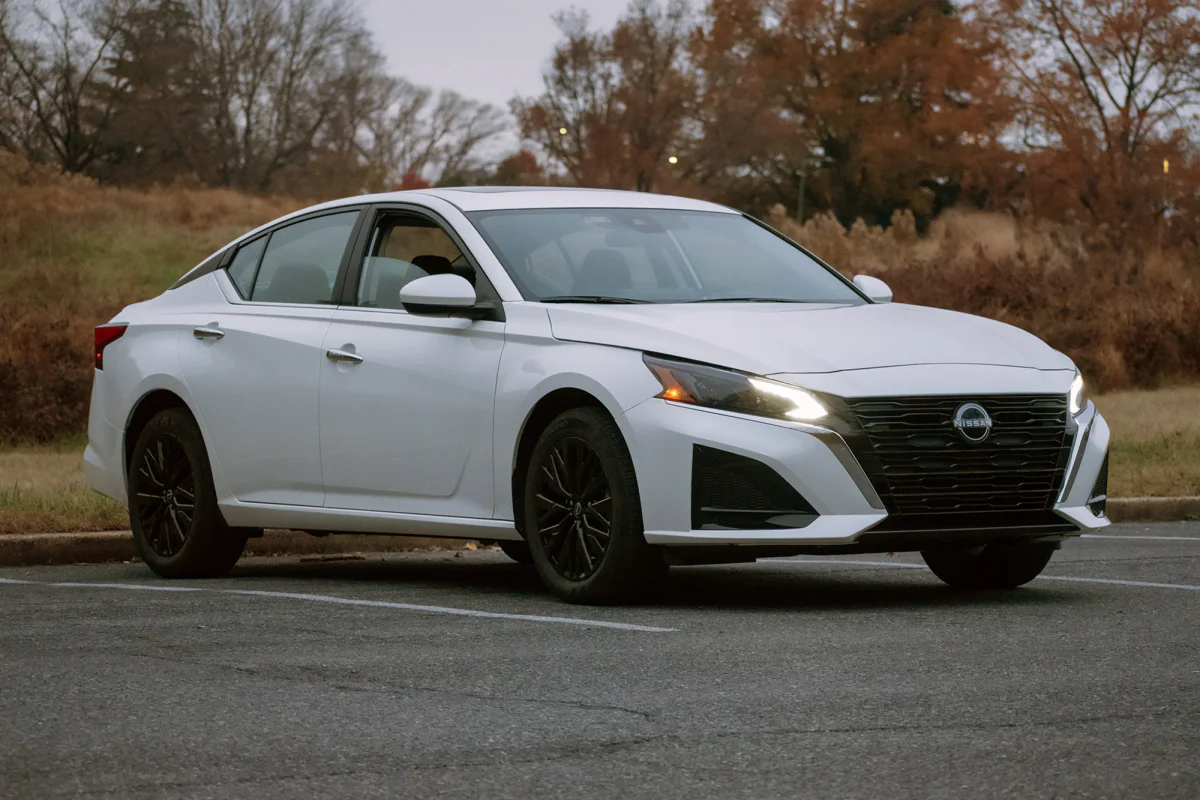
5. Nissan Altima
The Nissan Altima is a popular midsize sedan praised for comfort and fuel efficiency. Despite these qualities, several 2013–2018 models report brake rotor warping at approximately 20,000 miles.
Drivers commonly feel vibration through the steering wheel or brake pedal during braking. Rotor warping is linked to rotor thickness and heat dissipation, which may not adequately handle frequent braking.
Altima owners have observed that using high-friction brake pads increases heat and the likelihood of early warping. Front-wheel-drive models, which carry most braking load at the front, show problems sooner than all-wheel-drive variants.
Frequent urban driving or hilly terrain places additional thermal stress on rotors. Even routine driving in hot climates accelerates thermal expansion, contributing to uneven surfaces.
Nissan service centers recommend resurfacing or replacing warped rotors. Many drivers choose aftermarket vented or slotted rotors for improved cooling.
Proper rotor bedding helps establish even contact with brake pads. Detecting early signs such as pedal pulsation, squealing, or vibration is essential to prevent worsening problems.
Material composition and rotor design play major roles in durability. Cast iron rotors are standard but may deform under high thermal load.
Drivers carrying passengers or cargo frequently add stress to the braking system. Altima owners should check rotor thickness and replace worn components in pairs to maintain balanced braking.
Preventative maintenance and correct installation reduce the risk of rotor warping. Using OEM-recommended or high-quality rotors ensures better thermal performance.
Monitoring pedal feel, brake noise, and rotor condition keeps the braking system in safe working order. Nissan Altima drivers benefit from careful attention to early warning signs and proper maintenance practices.
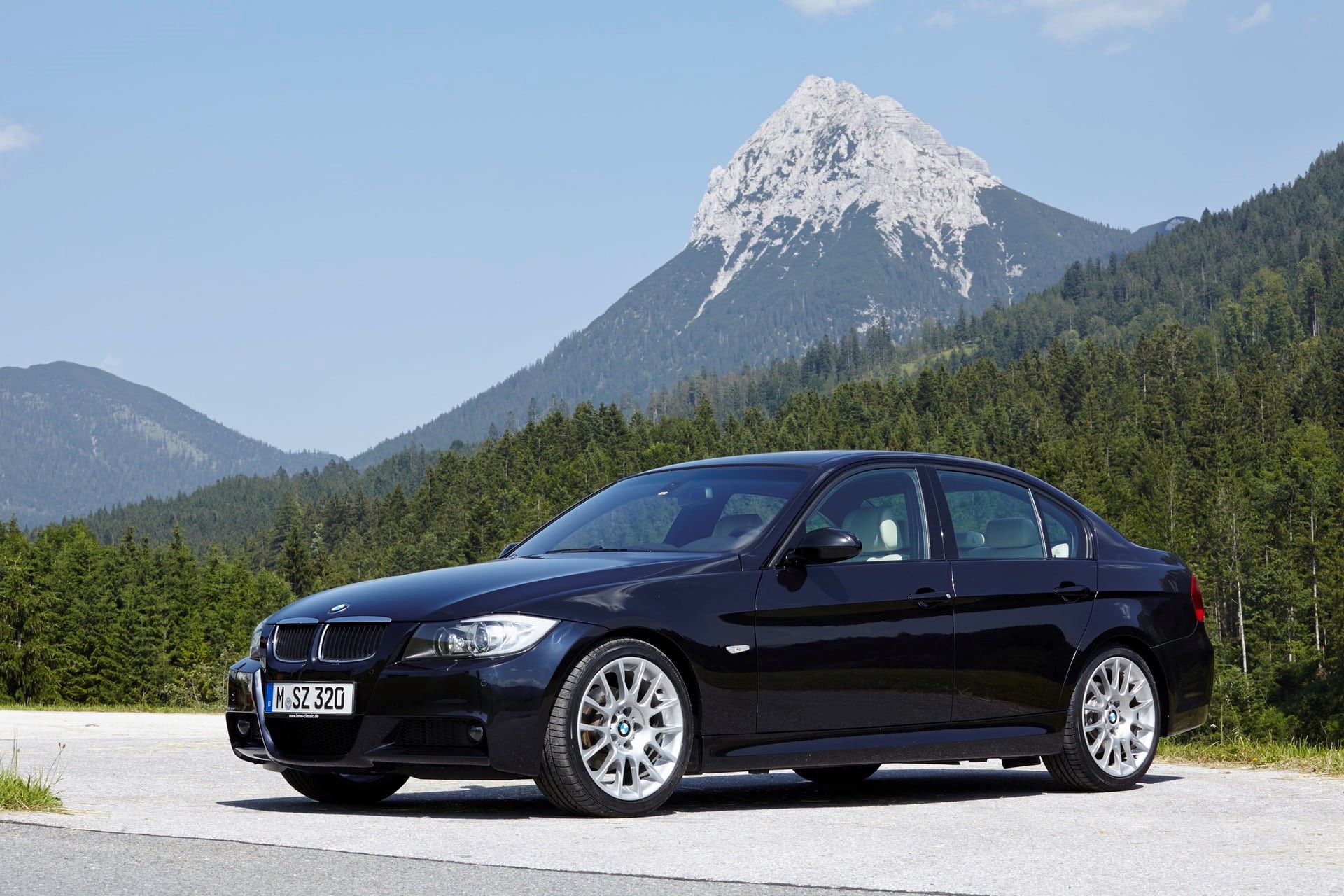
6. BMW 3 Series
The BMW 3 Series is renowned for its sporty performance and precision handling. Despite its premium engineering, certain 2012–2017 models have recurring reports of brake rotor warping around 20,000 miles. Drivers often notice a rhythmic vibration in the brake pedal or steering wheel during deceleration.
The issue frequently stems from the combination of high-performance brake pads and rotors that may not evenly dissipate heat. BMW rotors are often thinner in sport trims to reduce unsprung weight, but this can make them more susceptible to warping under repeated high-stress braking.
Owners report that driving in urban environments with frequent stops accelerates rotor heat cycles. Long downhill descents without intermittent braking can create hot spots in the rotor, leading to uneven expansion.
Some 3 Series drivers have observed that rotors warp more quickly when paired with high-friction or performance-oriented pads.
The alloy used in factory rotors, while excellent for light use, can sometimes deform faster under aggressive conditions. Additionally, improper bedding procedures during installation can exacerbate the problem, creating uneven contact surfaces between pads and rotors.
BMW service centers often recommend either resurfacing warped rotors or complete replacement to eliminate vibration.
Aftermarket rotors with slotted or vented designs are popular among enthusiasts to better manage heat. Maintaining proper torque on rotor bolts and regularly inspecting rotor thickness can prevent early warping.
Drivers should monitor braking behavior closely, especially after heavy use or spirited driving sessions. Consistent attention to brake system performance helps extend rotor life and maintains the high standards expected from the 3 Series.
Environmental factors also contribute to rotor warping in this model. Hot climates, stop-and-go traffic, and mountainous terrain accelerate thermal stress.
Drivers who regularly carry additional weight, such as passengers or cargo, can also stress the braking system beyond the standard design parameters. Even for a luxury vehicle with precise engineering, repeated thermal cycling without proper maintenance leads to premature wear.
Preventative maintenance is critical for BMW 3 Series owners. Regular rotor inspections, using high-quality replacement rotors, and adhering to manufacturer recommendations reduce the likelihood of early warping.
Paying attention to subtle pedal pulsations or noise during braking ensures timely intervention. With proper care, 3 Series owners can maintain the vehicle’s reputation for smooth, reliable, and responsive braking performance, avoiding the frustration and cost of repeated rotor replacement.
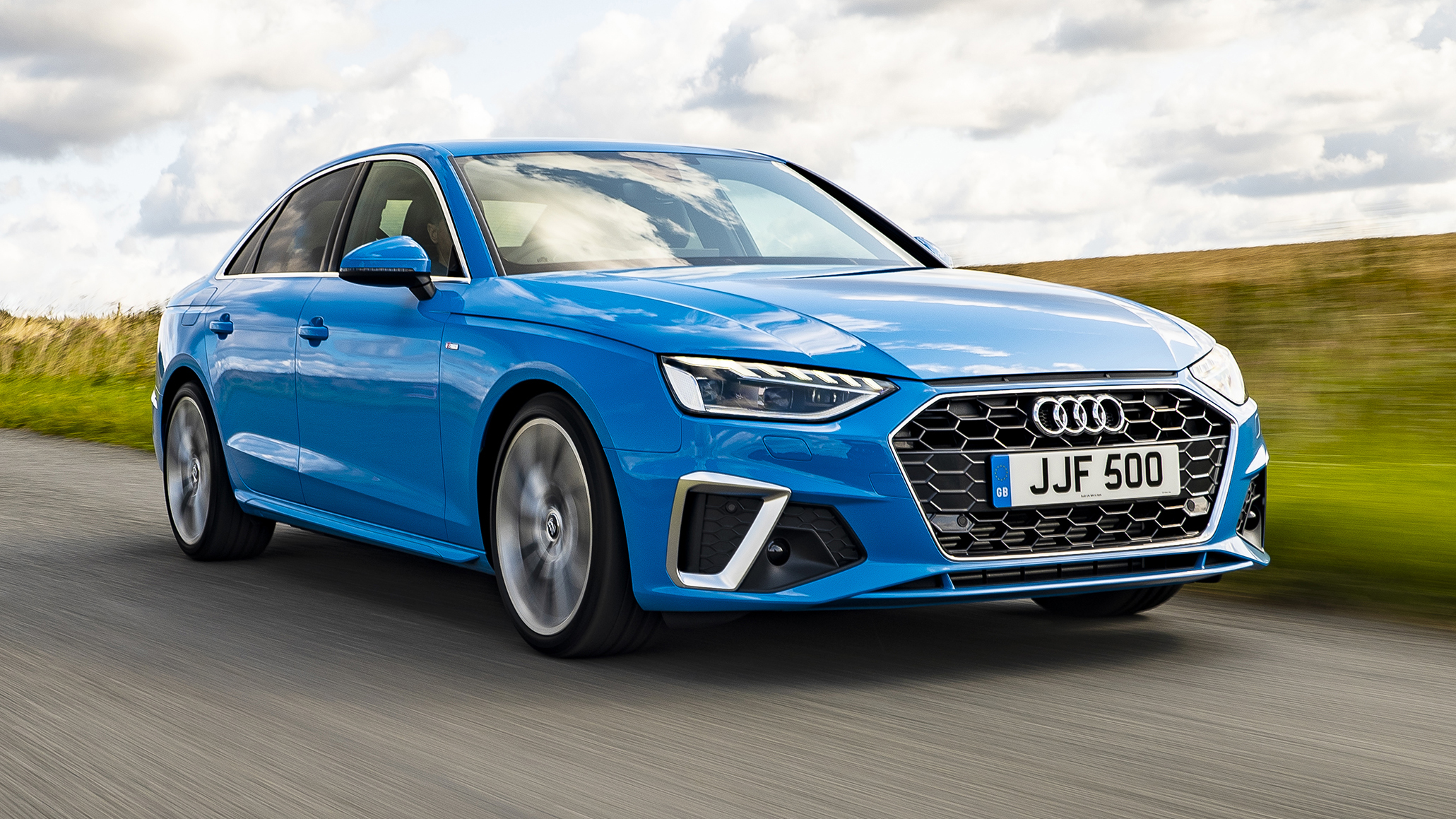
7. Audi A4
The Audi A4 offers premium styling and performance but has reports of brake rotors warping around 20,000 miles in 2013–2018 models. Drivers often feel a pulsing sensation in the brake pedal during normal stops.
This early wear is linked to rotor design, material composition, and the increased braking demands of heavier alloy wheels on sport trims. The rotors can develop uneven surfaces under repeated heating and cooling cycles, reducing braking efficiency and creating vibration.
Owners note that using harder or higher-performance brake pads increases heat buildup, which can accelerate rotor warping. Front-wheel-drive A4s tend to experience this issue more quickly, as the front brakes handle most stopping power.
Even moderate urban driving contributes to early deformation, particularly in stop-and-go traffic conditions. Repeated high-speed braking during highway driving can also stress the rotors, particularly in models with smaller rotor diameter in base trims.
Audi service guidelines suggest resurfacing or replacing warped rotors to restore smooth braking. Aftermarket slotted or vented rotors are popular upgrades, as they improve heat dissipation and reduce the likelihood of uneven wear.
Proper bedding procedures, which allow rotors and pads to mate evenly, are essential in extending rotor life. Ignoring early signs like pedal vibration can lead to progressively worse braking performance.
Environmental factors and usage patterns further impact rotor longevity. Drivers in mountainous areas, hot climates, or those frequently carrying heavy loads place additional stress on brake components.
OEM rotors, while designed for standard driving, may not withstand repeated thermal cycles without deforming. Audi A4 owners should regularly inspect rotors for signs of warping and replace them when necessary to maintain optimal braking performance.
Routine maintenance is crucial to prevent early rotor issues. Checking rotor thickness, using high-quality pads, and following recommended torque specifications during installation significantly reduce the risk of warping.
Drivers should also monitor for unusual noise or vibration and address problems promptly. By combining proper care with awareness of rotor characteristics, Audi A4 owners can enjoy the performance and safety expected from this premium sedan.
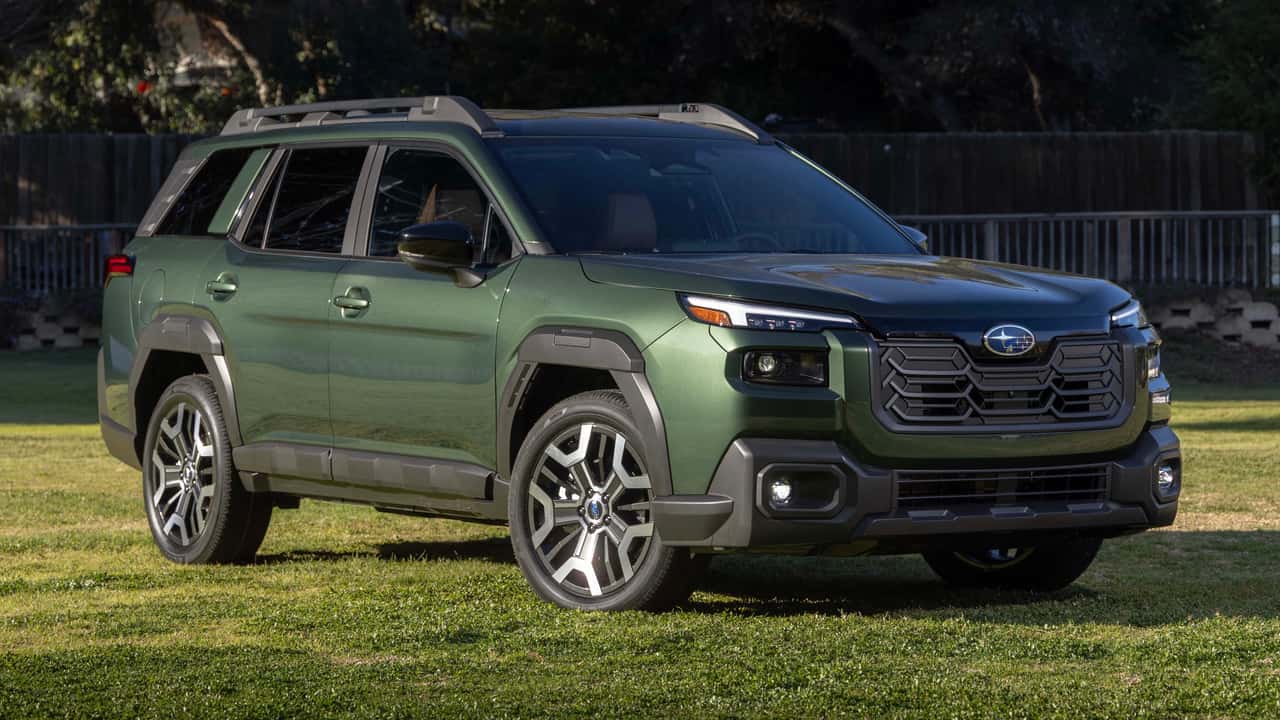
8. Subaru Outback
The Subaru Outback is popular for its all-wheel-drive capability and versatility, yet certain 2014–2019 models have reports of brake rotors warping around 20,000 miles. Drivers frequently feel vibration in the brake pedal during moderate braking.
This issue is often related to rotor material and design, which may not evenly dissipate heat during frequent stops or heavy-duty usage. Alloy wheel sizes and sport trims increase rotor stress and heat buildup.
Owners have observed that using performance-oriented brake pads can worsen the problem. Front rotors, which handle most braking load, often warp faster than rear rotors.
Stop-and-go city traffic, hilly terrain, and towing exacerbate heat cycles on the braking system. Even moderate driving in hot climates can accelerate thermal expansion and create uneven rotor surfaces. Ignoring early signs of warping can lead to more severe vibration, reduced braking efficiency, and uneven pad wear.
Subaru service recommendations include resurfacing or replacing warped rotors. Aftermarket vented or slotted rotors are common upgrades to improve heat dissipation.
Proper bedding procedures and torque specifications are crucial in preventing early warping. Owners who monitor pedal feel, noise, and stopping performance can detect problems early and avoid expensive repeat replacements. Regular inspections are critical in maintaining the Outback’s reliability and safety.
Material composition and design characteristics significantly impact rotor longevity. Standard cast iron rotors, although suitable for average driving, may deform under repeated high-stress conditions.
Drivers frequently carrying cargo or passengers place extra stress on the braking system. Paying attention to rotor thickness and pad condition is essential to maintain even braking performance and prevent vibrations.
Preventative maintenance is essential for Subaru Outback owners. Using high-quality replacement rotors and following OEM recommendations can significantly reduce warping risks.
Regular inspection, proper bedding, and monitoring for pedal pulsation ensure the braking system remains safe and efficient. Proactive care allows drivers to maintain consistent performance, reduce maintenance costs, and extend the lifespan of both rotors and brake pads.
9. Dodge Ram 1500
The Dodge Ram 1500 is a heavy-duty pickup truck, and certain 2015–2018 models report brake rotor warping around 20,000 miles. Drivers notice pulsations in the brake pedal and vibrations during braking.
Rotor warping often occurs due to high towing loads, aggressive driving, or repeated heavy braking. Factory-installed rotors may not always dissipate heat efficiently under such demanding conditions, leading to uneven surfaces and premature wear.
Owners have observed that rotors warp faster with premium brake pads or larger wheel packages. Vehicles driven in stop-and-go urban environments or on hilly terrain are more prone to early warping.
Towing trailers, hauling cargo, or carrying passengers increases braking demands, which accelerates thermal stress. Replacing factory rotors with thicker, vented options often mitigates the issue.
Dodge service centers recommend rotor resurfacing or replacement when warping occurs. Aftermarket rotors with better heat dissipation properties are commonly used to reduce vibrations.
Proper bedding procedures ensure even contact between pads and rotors, extending rotor life. Early recognition of pedal pulsation or braking noise is important to avoid further damage and maintain braking efficiency.
Environmental conditions also contribute to rotor stress. Hot climates, mountainous driving, and frequent heavy loads increase the risk of warping.
Drivers should monitor rotor thickness and replace components in pairs to ensure even braking performance. Routine inspection is vital for maintaining safety and preventing costly repeated replacements.
Preventative maintenance reduces the likelihood of early rotor warping. Using high-quality OEM or aftermarket rotors, proper installation torque, and timely replacement of brake pads ensures optimal braking performance.
Paying attention to early warning signs allows Ram 1500 owners to address issues before they become severe, maintaining safety and comfort.
10. Jeep Grand Cherokee
The Jeep Grand Cherokee is a versatile SUV, but 2014–2018 models have recurring reports of brake rotors warping around 20,000 miles. Drivers frequently notice a pulsing brake pedal or vibration while stopping.
Rotor warping is linked to heavy braking, uneven heat distribution, and rotor design limitations. Larger wheels and sport trims often exacerbate the problem by placing extra stress on the braking system.
Owners report that high-friction pads or performance upgrades increase rotor heat and accelerate warping. Front rotors, handling most braking force, are particularly affected.
Frequent urban driving, towing, or off-road use generates repeated heat cycles that cause uneven expansion. Ignoring the early signs of warping can lead to uneven pad wear, vibration, and reduced braking efficiency.
Jeep service guidelines recommend resurfacing or replacing warped rotors. Aftermarket vented or slotted rotors help improve heat dissipation and reduce warping.
Proper bedding ensures even pad contact, reducing the risk of early deformation. Monitoring for pedal vibration, noise, or changes in braking response is essential to maintain safety and prevent costly repeat repairs.
Environmental conditions also impact rotor durability. Hot climates, mountainous terrain, and heavy loads place additional stress on brake components.
Standard factory rotors may not always handle these conditions without warping. Regular inspection of rotor thickness, pad condition, and proper installation torque helps prevent early issues.
Preventative maintenance is crucial for Jeep Grand Cherokee owners. High-quality replacement rotors, adherence to manufacturer recommendations, and timely brake pad replacement minimize the risk of warping.
Awareness of early warning signs allows drivers to maintain consistent braking performance, extending the life of the braking system and ensuring safety under all driving conditions.
