
Choosing the right fuel for your vehicle is more important than many drivers realize, as it directly impacts engine performance, longevity, and cost of ownership. While many modern cars are designed to run efficiently on standard fuel, others require premium fuel to function as intended.
The difference between these two fuel types lies mainly in their octane rating, which measures the fuel’s resistance to knocking during combustion.
Engines that are engineered with higher compression ratios or forced induction systems often demand premium fuel to prevent damage and maintain performance. On the other hand, engines built with efficiency and cost savings in mind are usually optimized for standard fuel, making them more economical for everyday use.
Understanding which engines can handle standard fuel versus those that require premium is essential for making informed decisions when buying or maintaining a vehicle. Using the wrong type of fuel can lead to reduced efficiency, engine knocking, or even long term mechanical issues.
At the same time, unnecessarily using premium fuel in an engine designed for standard fuel does not provide significant benefits and only increases running costs. Automakers design engines with specific fuel requirements, and these recommendations should be followed to ensure optimal performance and reliability.
This article highlights five engines known for their ability to run effectively on standard fuel and five engines that typically require premium fuel. Each section will break down the characteristics of these engines, why they fall into their respective categories, and what that means for drivers.
By understanding these distinctions, you can better manage fuel expenses, maintain your vehicle properly, and choose a car that aligns with your driving habits and budget. Whether you prioritize performance or practicality, knowing how fuel type interacts with engine design is a key part of responsible vehicle ownership.
Engines That Can Handle Standard Fuel
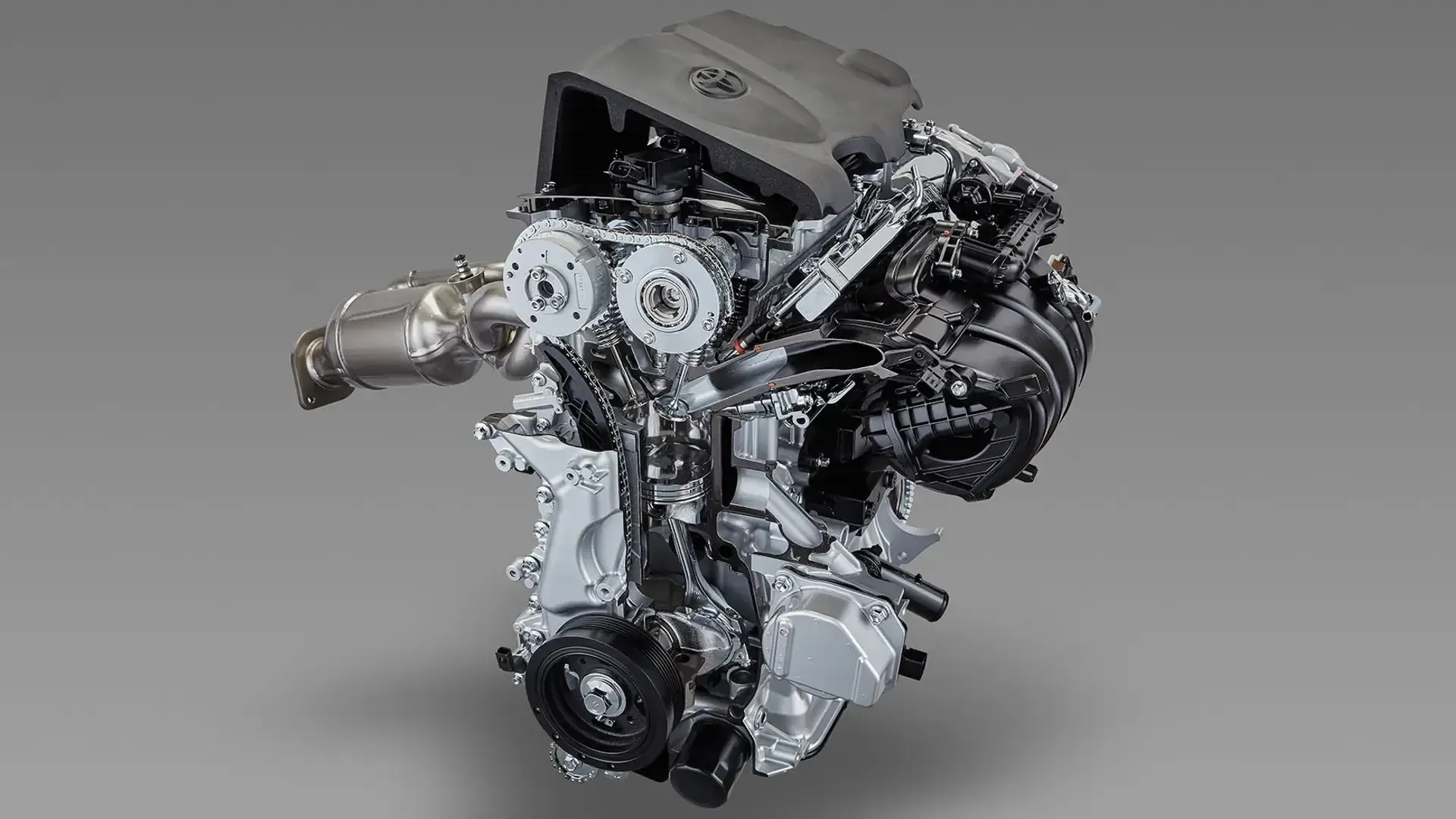
1. Toyota 2.5L Dynamic Force Engine
The Toyota 2.5L Dynamic Force engine is widely recognized for its efficiency and reliability, making it a popular choice in mid-size sedans and crossovers. Its design allows it to operate effectively on standard fuel without compromising performance.
One key factor is its optimized combustion chamber and precise fuel injection system. These technologies reduce the likelihood of engine knock while maximizing energy extraction from regular gasoline.
Thermal efficiency is another strong point of this engine. By improving combustion efficiency, the engine generates more power per unit of fuel, reducing fuel consumption and emissions.
For daily commuting, this engine provides smooth and responsive performance, even under moderate loads. Standard fuel use ensures operating costs remain low without sacrificing reliability.
The Toyota 2.5L Dynamic Force engine also demonstrates long-term durability. Drivers can rely on years of service with minimal issues, making it a practical choice for both families and individuals.
Its design balances performance, efficiency, and maintenance costs. Choosing standard fuel supports the engine’s optimal operation while keeping costs predictable and manageable.
Advanced features such as variable valve timing further enhance fuel efficiency. These systems adapt to driving conditions, ensuring the engine performs well with regular gasoline.
Finally, the engine provides a comfortable driving experience. It delivers smooth acceleration, minimal noise, and steady power, all without needing expensive premium fuel.
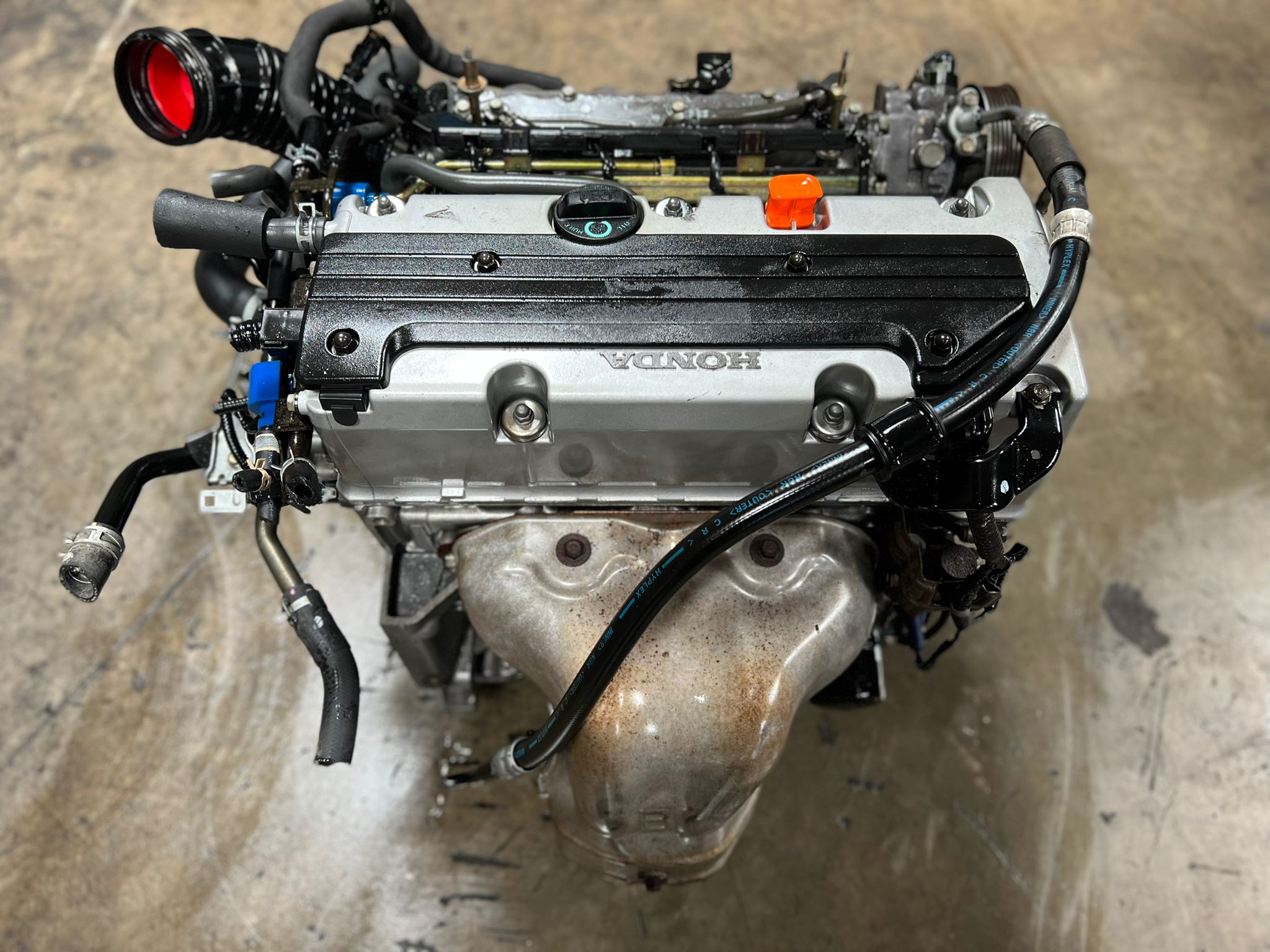
2. Honda 2.4L Inline 4 Engine
The Honda 2.4L inline 4 engine has been a core component in models like the Accord and CR-V. It is designed to run efficiently on standard fuel while maintaining solid performance.
Its moderate compression ratio and precise timing prevent knocking, allowing the engine to operate safely and reliably on regular gasoline.
Fuel efficiency is a key benefit of this engine. Its design reduces unnecessary fuel consumption while still providing adequate power for daily driving and highway cruising.
Maintenance is also simplified, as the engine does not require premium fuel. This reduces long-term operating costs and contributes to Honda’s reputation for reliability.
The engine’s smooth performance makes it ideal for commuting, family trips, and long-distance driving. Drivers can rely on consistent responsiveness and predictable handling.
Honda’s engineering ensures that the engine remains durable even with frequent city driving. Components are built to tolerate regular use without requiring specialized fuel.
Variable valve timing and optimized fuel injection enhance efficiency and lower emissions. This allows the engine to meet modern environmental standards while using standard gasoline.
The Honda 2.4L engine balances performance, economy, and reliability. Standard fuel meets the engine’s requirements, keeping ownership costs manageable for the long term.
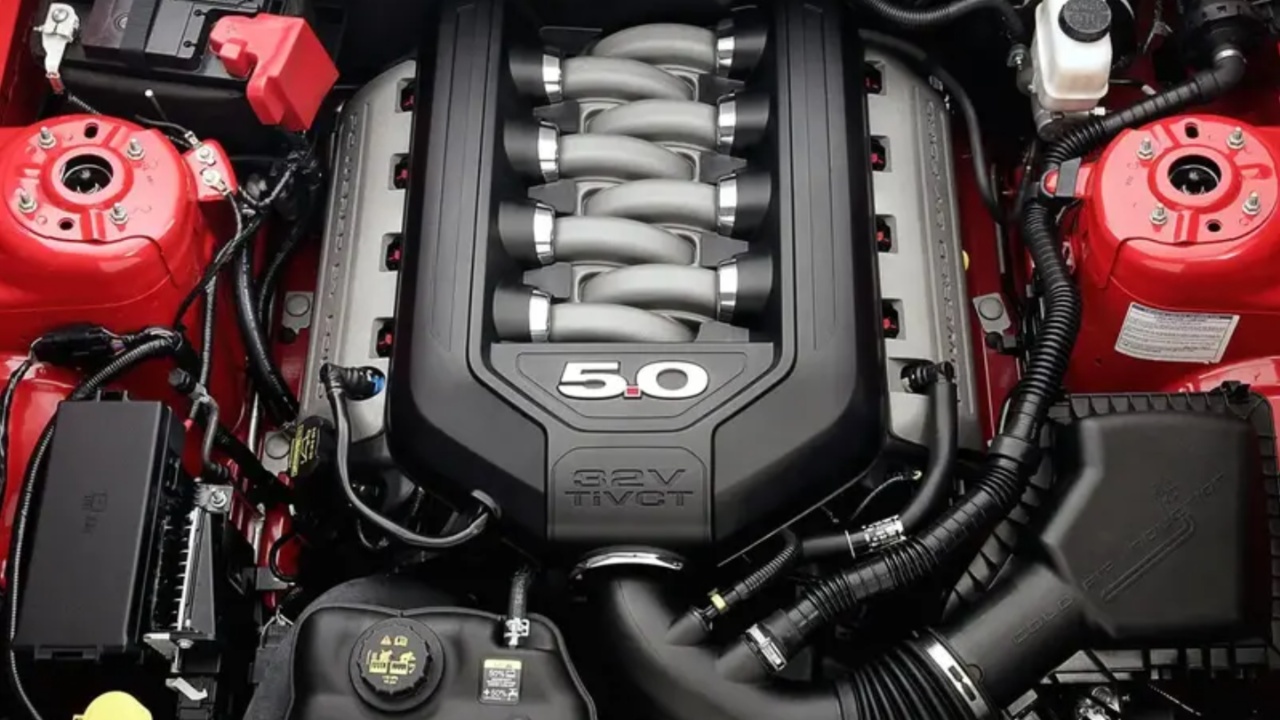
3. Ford 5.0L Coyote V8
The Ford 5.0L Coyote V8 is a high-performance engine found in vehicles like the Mustang and F-150. Despite its powerful output, it can run effectively on standard fuel.
Advanced engine management systems adjust ignition timing and fuel delivery based on the fuel used, preventing engine knock and maintaining performance.
The engine’s strong power output allows for confident acceleration and towing capabilities without relying on premium gasoline. This versatility appeals to a wide range of drivers.
Fuel efficiency is impressive for a V8 engine. Direct injection and variable cam timing contribute to balanced power delivery while keeping fuel costs reasonable on standard gasoline.
Durability is another advantage. The engine is built to withstand heavy use, making it suitable for daily driving, towing, or recreational activities.
Its design supports smooth performance across various driving conditions. Standard fuel use ensures consistent operation without affecting reliability.
The Coyote V8 also benefits from technological features like dual independent variable cam timing. These systems optimize combustion, allowing regular fuel to meet performance requirements.
This engine demonstrates that high performance and practicality can coexist, offering drivers an exciting experience without needing premium gasoline.
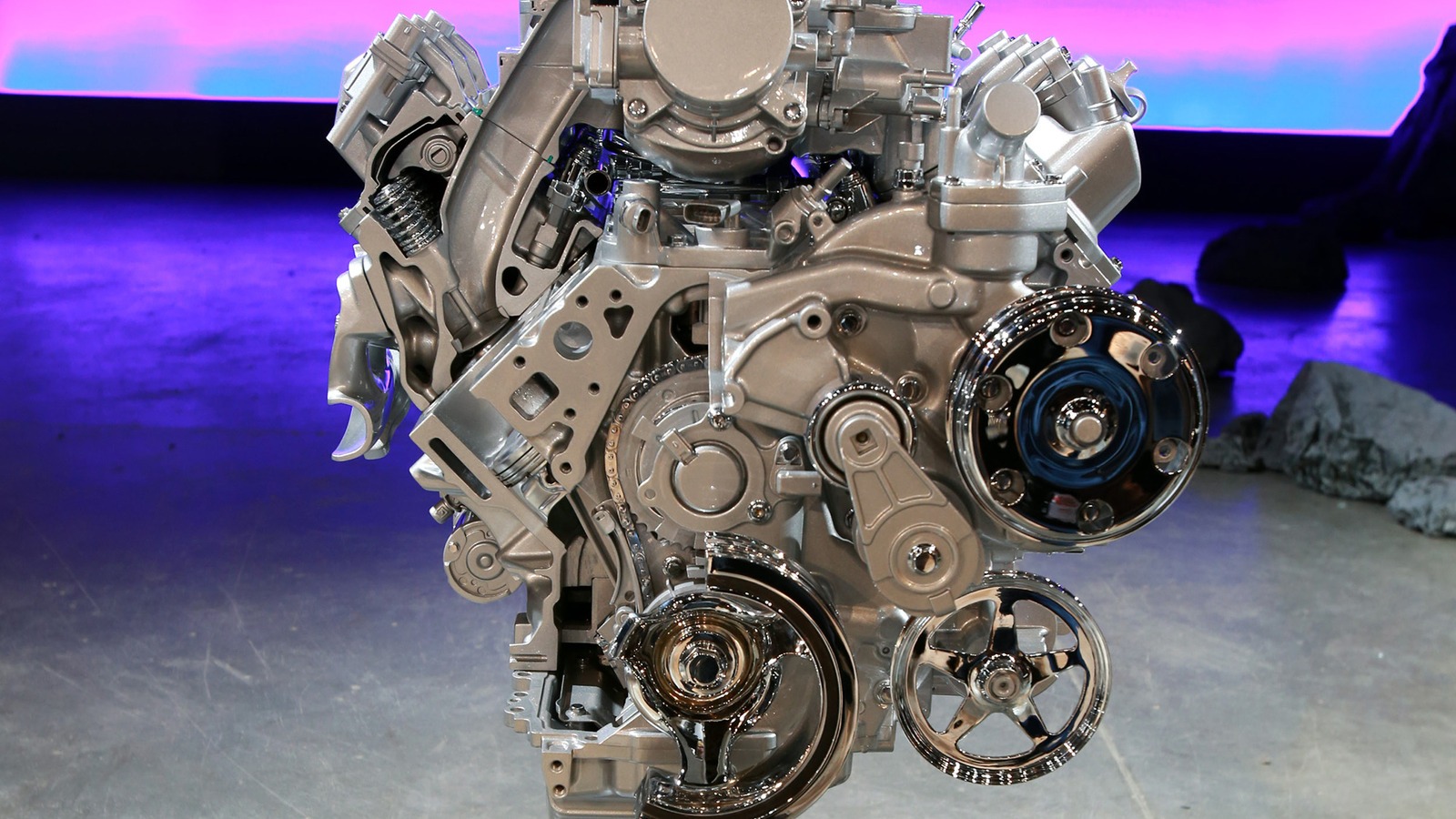
4. Chevrolet 5.3L EcoTec3 V8
The Chevrolet 5.3L EcoTec3 V8 is widely used in trucks and SUVs for its combination of power, efficiency, and durability. It is designed to run on standard fuel for practicality.
Direct injection, variable valve timing, and Active Fuel Management ensure efficient combustion and power delivery. These technologies allow the engine to operate effectively on regular gasoline.
Truck owners benefit from the ability to tow and haul without worrying about high fuel costs. Standard fuel keeps operating expenses manageable even under heavy loads.
Reliability is a strong point. The engine can withstand long hours of operation, which is critical for work trucks and utility vehicles.
The 5.3L EcoTec3 V8 also provides smooth acceleration and consistent performance across diverse conditions. Standard fuel maintains efficiency while meeting power demands.
Technologies like cylinder deactivation help improve fuel economy by shutting down unnecessary cylinders during light loads, making the engine more efficient on regular gasoline.
Durability, power, and efficiency combine to make this engine practical for long-term ownership. It provides confidence and reliability for drivers who need both capability and cost-effectiveness.
This engine exemplifies how modern engineering can produce powerful, versatile engines that remain compatible with standard fuel without sacrificing performance.
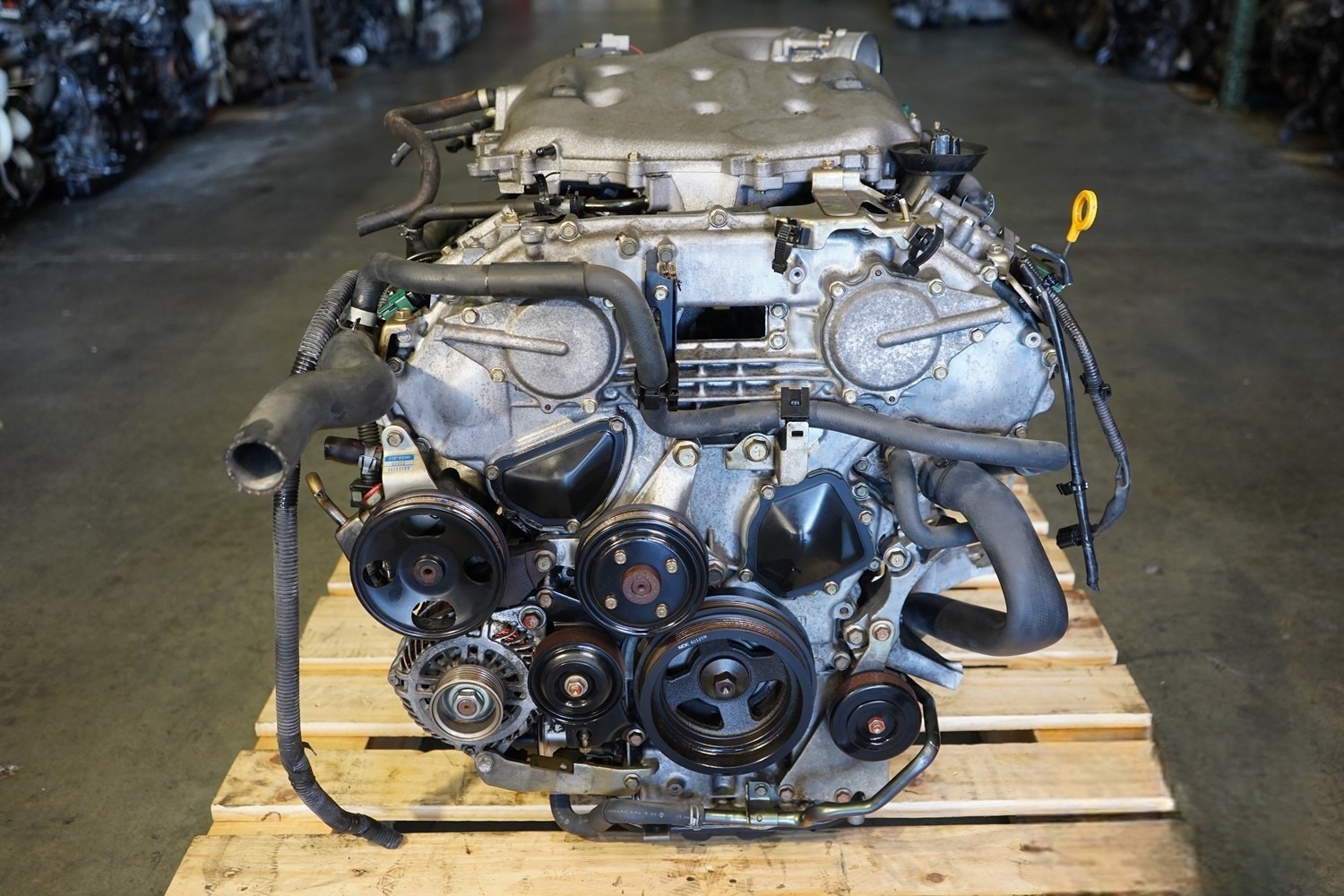
5. Nissan 3.5L V6 Engine
The Nissan 3.5L V6 engine is commonly found in sedans, SUVs, and crossovers. It balances power, efficiency, and reliability while running on standard fuel.
Its design features moderate compression and optimized fuel delivery to ensure smooth operation and minimal risk of knocking with regular gasoline.
Fuel efficiency remains strong for its class. The engine provides solid acceleration and performance while keeping fuel costs reasonable.
Maintenance is simplified due to the compatibility with standard fuel. Drivers experience reduced expenses over time without sacrificing durability or power.
The 3.5L V6 is built to handle long-term wear, making it a reliable option for daily commuting, family travel, and light towing.
Advanced systems such as variable valve timing and direct injection improve both performance and fuel economy, ensuring optimal operation on regular gasoline.
The engine’s smooth power delivery supports a comfortable driving experience. It accelerates efficiently and maintains responsiveness without premium fuel.
The Nissan 3.5L V6 demonstrates how well-engineered engines can deliver versatility, power, and reliability while remaining compatible with standard fuel, making it a practical choice for many drivers.
Engines That Require Premium Fuel
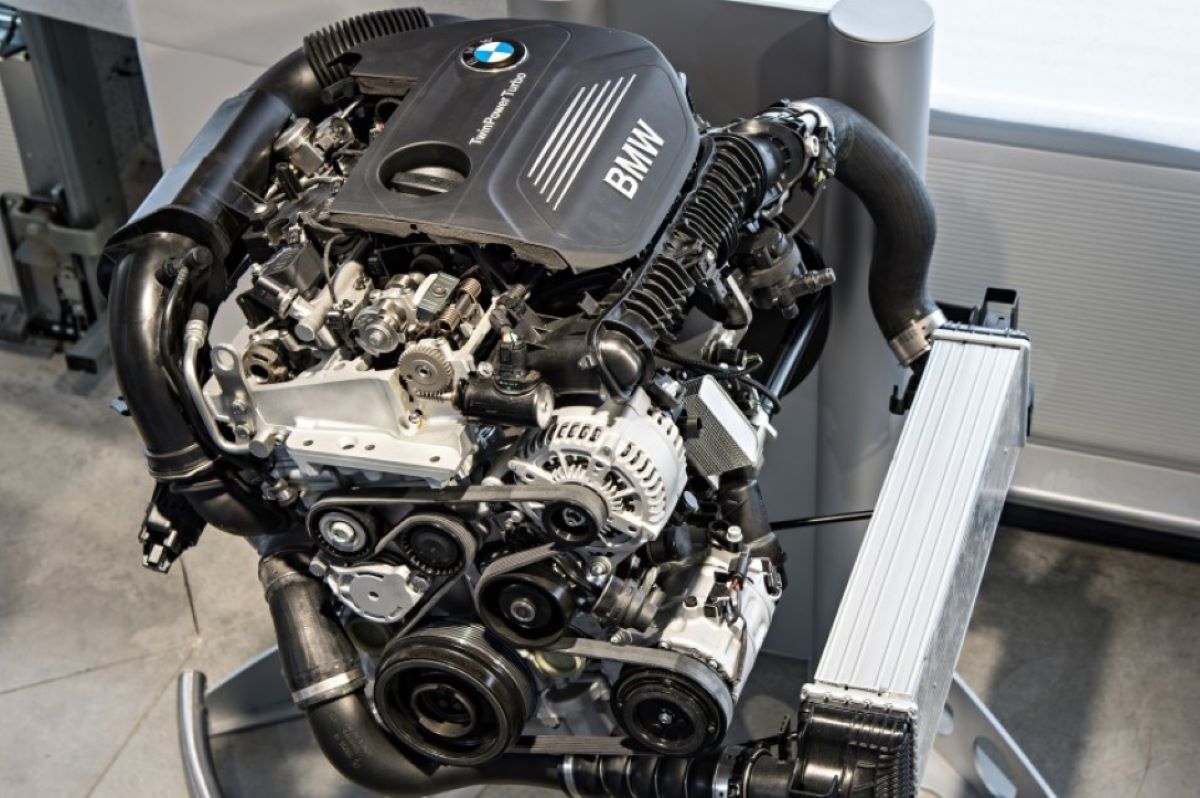
1. BMW 3.0L Turbocharged Inline 6
The BMW 3.0L turbocharged inline 6 engine is engineered for high performance and smooth driving dynamics. It requires premium fuel to operate at peak efficiency and avoid engine knocking.
Turbocharging increases cylinder pressure significantly, which makes the engine sensitive to lower octane fuel. Premium gasoline ensures stable combustion under these conditions, protecting internal components.
Modern BMW engines also feature variable valve timing and direct injection, which further optimize performance when using premium fuel. These technologies allow precise timing adjustments that rely on higher octane fuel.
Drivers notice improved throttle response and acceleration when using premium gasoline. The engine’s advanced electronics adjust ignition timing to take full advantage of high octane fuel.
Long term maintenance is also influenced by fuel quality. Using premium fuel consistently helps prevent carbon buildup and reduces stress on the turbocharger, extending the engine’s lifespan.
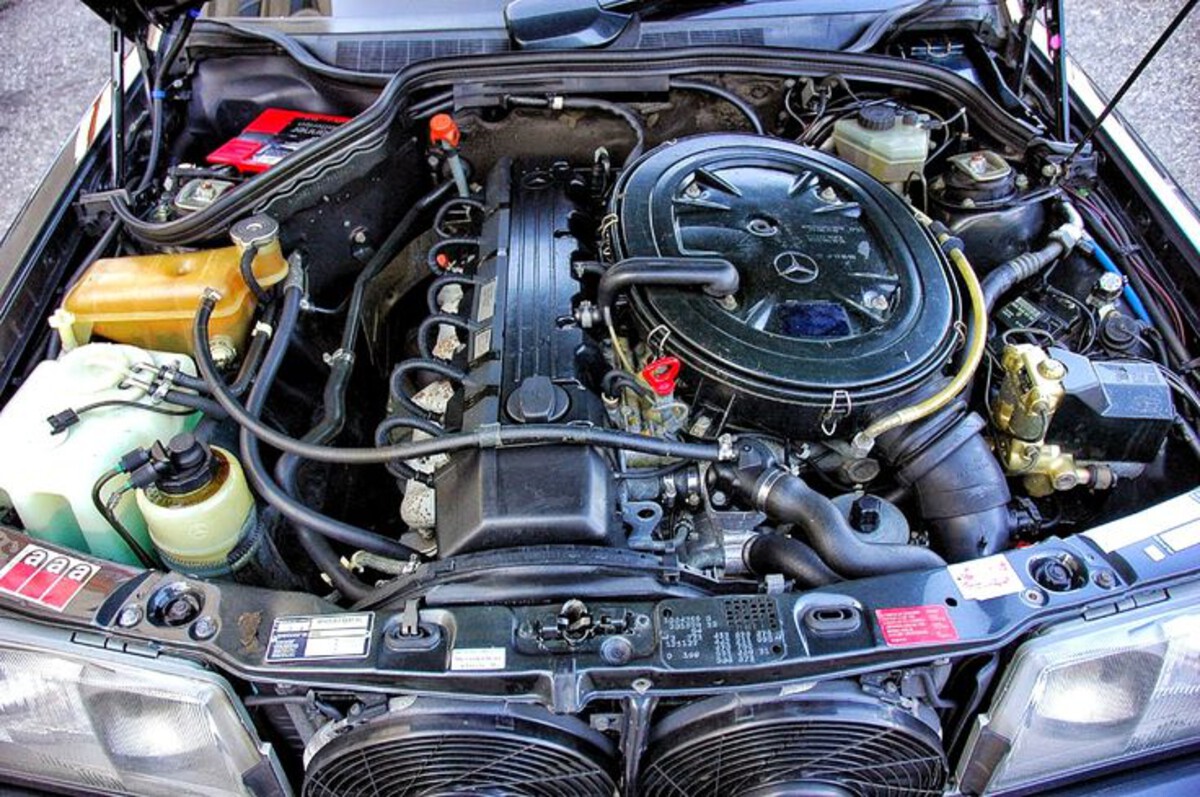
2. Mercedes Benz 2.0L Turbo Engine
The Mercedes Benz 2.0L turbocharged engine combines compact size with strong power output, making it a popular choice in luxury sedans and coupes. Premium fuel is essential for maintaining its intended performance.
The engine operates at higher compression ratios compared to naturally aspirated counterparts. Higher octane fuel prevents premature detonation and knocking under these conditions.
Mercedes engineers integrate advanced fuel injection systems that deliver fuel at high pressure. These systems are optimized for premium fuel to ensure complete combustion and maximum efficiency.
Owners benefit from both smooth acceleration and precise engine response. The use of premium fuel ensures that the turbocharger operates efficiently and delivers consistent power across the rev range.
Long term engine health is also protected with premium fuel. It reduces stress on pistons, valves, and other internal components, which is critical for engines designed for sustained high performance.
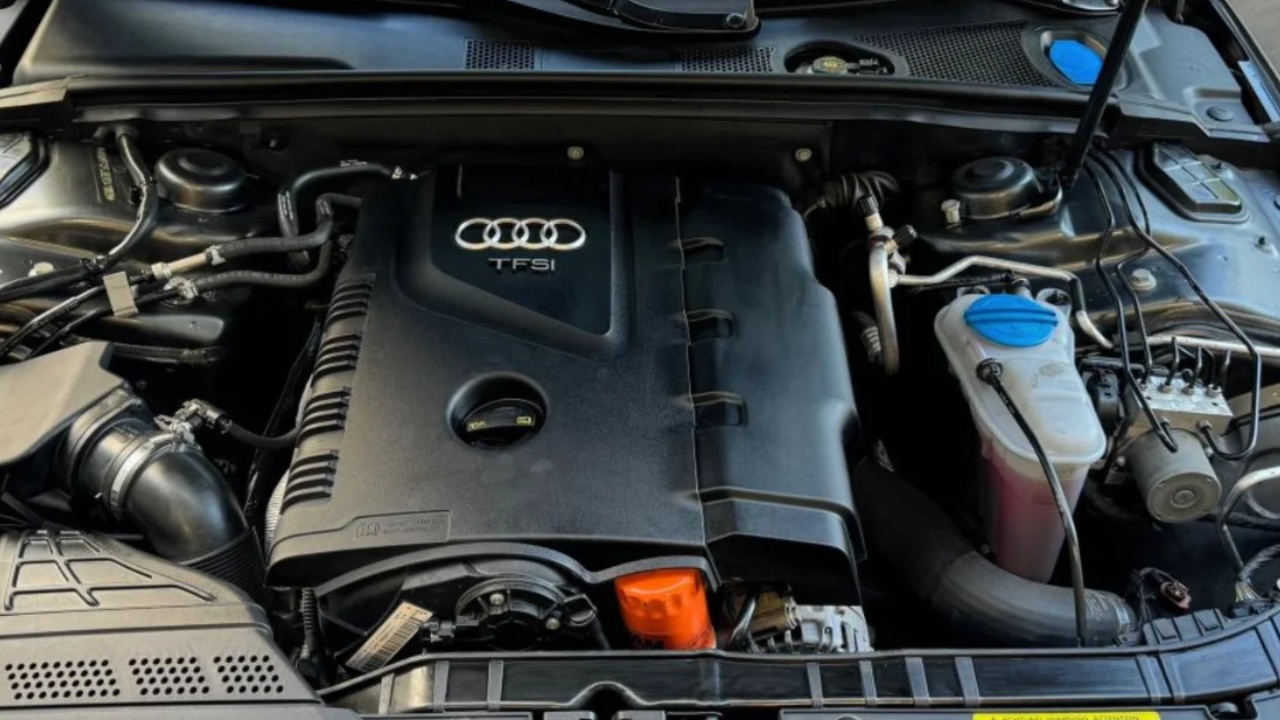
3. Audi 2.0L TFSI Engine
The Audi 2.0L TFSI engine is widely recognized for combining turbocharged performance with efficiency. It requires premium fuel to maintain optimal combustion and avoid engine knock.
Direct fuel injection allows precise control over the air-fuel mixture. This precision works best with higher octane fuel, which stabilizes combustion and improve engine performance.
Turbocharging further increases cylinder pressure, which makes standard fuel less suitable. Premium gasoline ensures the engine can safely achieve its peak power output without reducing efficiency.
Drivers experience smoother power delivery and improved acceleration when using premium fuel. The engine’s software is tuned to maximize output when higher octane fuel is detected.
Regular use of premium fuel also helps prevent internal wear over time. It minimizes the risk of knocking, which can damage pistons, cylinder walls, and valves in high performance engines.
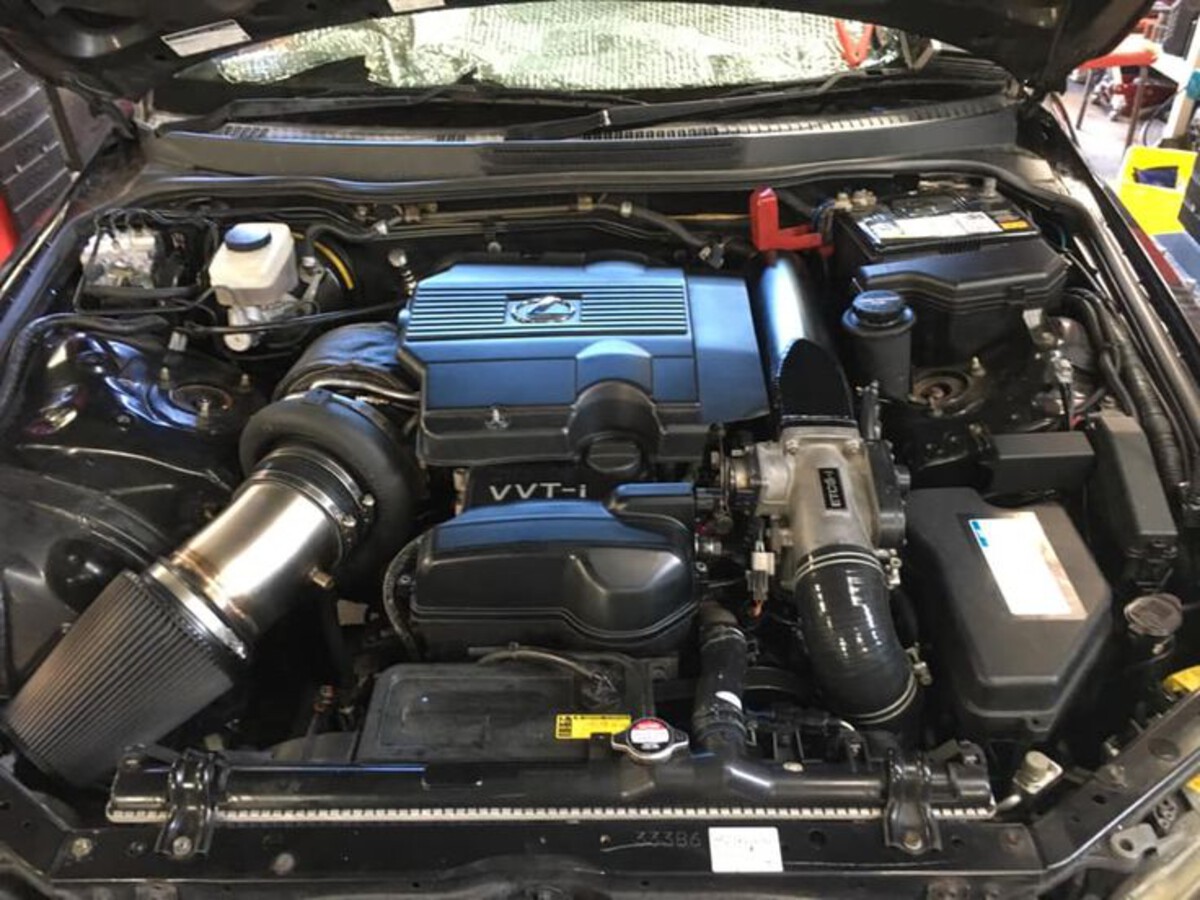
4. Lexus 3.5L V6 High Compression Engine
The Lexus 3.5L V6 engine, especially in F Sport and higher performance models, has a high compression ratio designed for efficiency and strong performance. Premium fuel is required to maintain this balance.
High compression allows for more power per combustion cycle, but it increases the risk of detonation if lower octane fuel is used. Premium fuel reduces this risk and protects engine components.
Advanced fuel injection and variable valve timing systems are tuned for higher octane gasoline. This ensures precise combustion, smooth operation, and better fuel economy under demanding driving conditions.
Drivers notice sharper throttle response and stronger acceleration with premium fuel. The engine management system adjusts ignition timing dynamically to maximize efficiency with the correct fuel.
Long term engine health is enhanced when premium fuel is consistently used. It minimizes carbon buildup and reduces the likelihood of premature wear on internal components, keeping the engine reliable for many years.
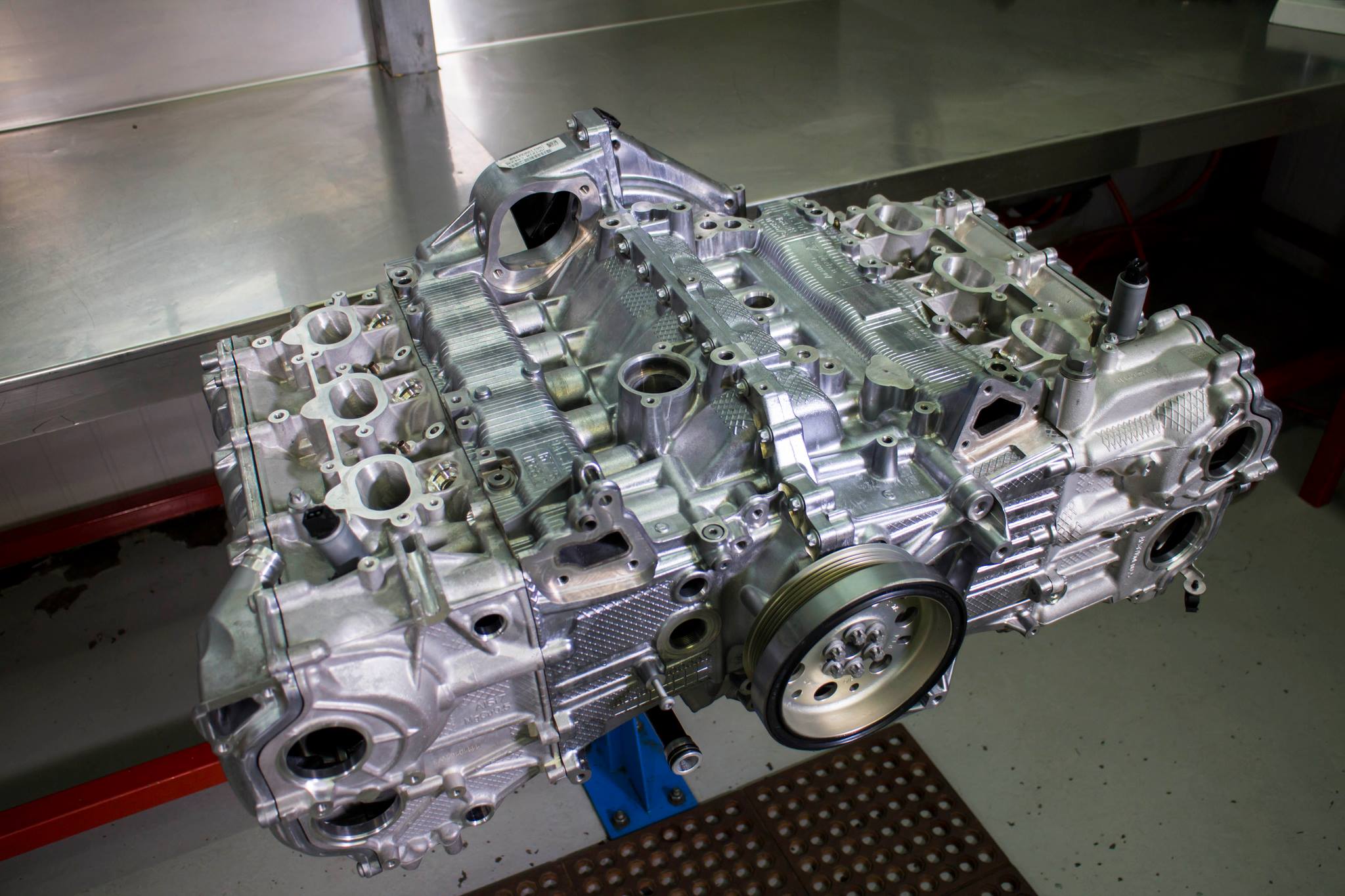
5. Porsche Flat 6 Engine
The Porsche flat 6 engine, featured in vehicles like the 911, is a performance oriented engine that relies heavily on premium fuel. Its flat layout and high compression design make it sensitive to fuel quality.
High octane gasoline prevents engine knock during aggressive acceleration and high RPM operation. Standard fuel could reduce performance and potentially cause damage over time.
The engine’s advanced cooling and injection systems are designed around the use of premium fuel. This allows consistent performance even under track conditions or extended spirited driving.
Drivers notice immediate improvements in responsiveness, acceleration, and engine smoothness when using premium gasoline. The engine management system adjusts precisely to leverage the higher octane.
Using premium fuel also preserves the longevity of pistons, valves, and turbochargers in turbocharged variants. Long term reliability depends on maintaining optimal combustion, which premium fuel ensures.
