
Used diesel trucks continue to be popular choices for drivers who want strong pulling power, long engine life, and reliability over long distances. For many buyers, choosing a used diesel truck seems like a smart financial decision because they are built for heavy workloads and are known to last much longer than many gasoline trucks.
However, certain diesel models have reputations for frequent repairs, high maintenance costs, and components that fail earlier than expected.
When you add repeated visits to repair shops, the cost advantage of buying used can disappear quickly. This article focuses on those diesel trucks that many owners find to be constant money pits once the initial purchase is behind them.
Understanding which diesel trucks have issues can save you from huge expenses down the road. Some models have design flaws that repeatedly show up in repairs, while others suffer from very expensive components like turbochargers and fuel injection systems that wear prematurely.
Frequent breakdowns lower resale value and raise the total cost of ownership. It is essential for potential buyers to balance the lower purchase price of a used diesel truck with the likelihood of future costs. A truck that seems like a bargain today can become a severe financial strain in just a few months.
This article will list ten used diesel truck models that have developed poor reputations in the used market because of costly diesel system issues and other repeated problems.
Each section highlights the specific problems that contribute to high maintenance costs and frequent repairs. The goal is to help buyers make informed decisions before committing to one of these trucks. Knowing the risks ahead of time can make the difference between a reliable work vehicle and one that drains your savings over time.
These trucks may still be on the road and may work fine for some owners, but they have higher than average repair bills and parts costs that make them less than ideal for budget‑conscious buyers. The diesel components in some vehicles are complex, expensive to fix, and sometimes difficult to locate parts for.
When these systems fail, the labor required to repair them adds even more to the total bill. By reading through common issues with each model, you can decide whether the lower upfront price is worth the potential money pit that could follow.
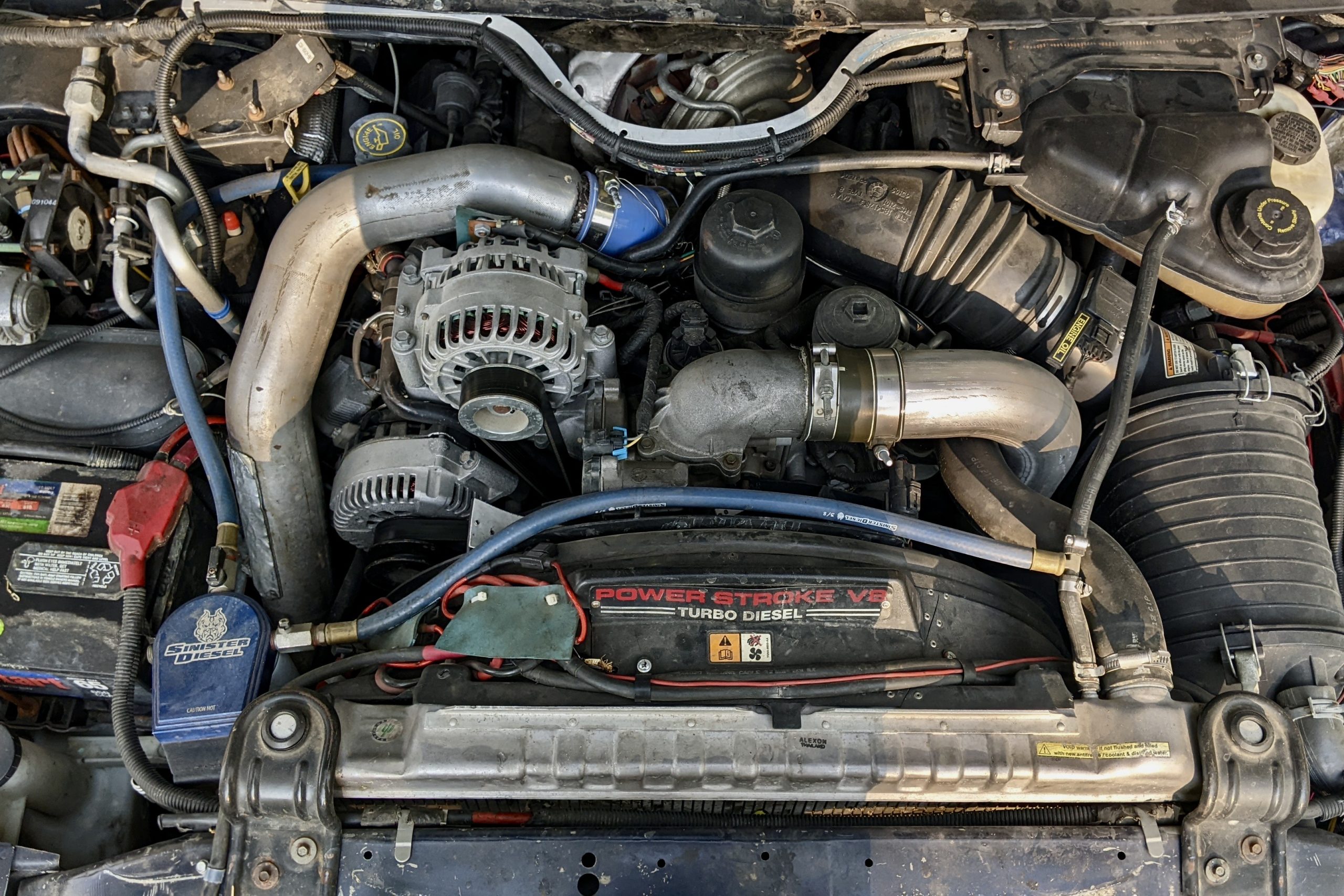
1. Ford Power Stroke 6.0L
The 6.0L diesel from Ford gained popularity for its power and towing ability, but reputation took a hit because of recurring engine problems. Owners reported frequent head gasket failures which required extensive teardown to repair.
The EGR cooler and turbocharger were other weak points, often failing prematurely and costing thousands in repairs. Diesel owners should expect to replace several major components over the life of this truck if they choose to buy used.
Fuel system issues also plague this model, especially problems with the high pressure oil system that feeds the injectors. A failing injector can cause rough idle, loss of power, and black smoke from the exhaust.
Replacement injectors are expensive and installation is labor intensive, increasing the repair cost significantly. Because these trucks often see heavy use, mileage tends to be high and components wear faster than on lighter duty trucks. Frequent repairs quickly add up, making this model less desirable for buyers on a tight budget.
Another concern is the electronics that control the diesel system, which were less advanced at the time of production and prone to faults. Sensors related to emissions and fuel management can fail, triggering warning lights and causing the truck to go into limp mode.
This can make even short trips stressful if the truck suddenly loses power. Diagnostic work to determine the exact issue can be costly and time consuming, further digging into your wallet. Many owners report several trips to the dealership before getting a definitive fix.
Rust and cooling system problems also contribute to high ownership costs for this generation of Ford diesel trucks. Cooling system failures can cause overheating, leading to warped heads or blown gaskets. Once that happens, you are looking at major repairs that easily exceed what you would pay for a newer model.
Replacement radiators and intercoolers add to the bill, and labor costs remain high because cooling components are intertwined with other engine parts. Buyers should factor in these potential repairs when assessing the true cost of ownership.
Finally, resale value of these used trucks tends to be lower than comparable models because of their reputation. That might seem like a benefit if you are buying, but depreciation combined with high maintenance costs means you might not get much back when you decide to sell. For many buyers, the savings on purchase price evaporate quickly once repair invoices start piling up.
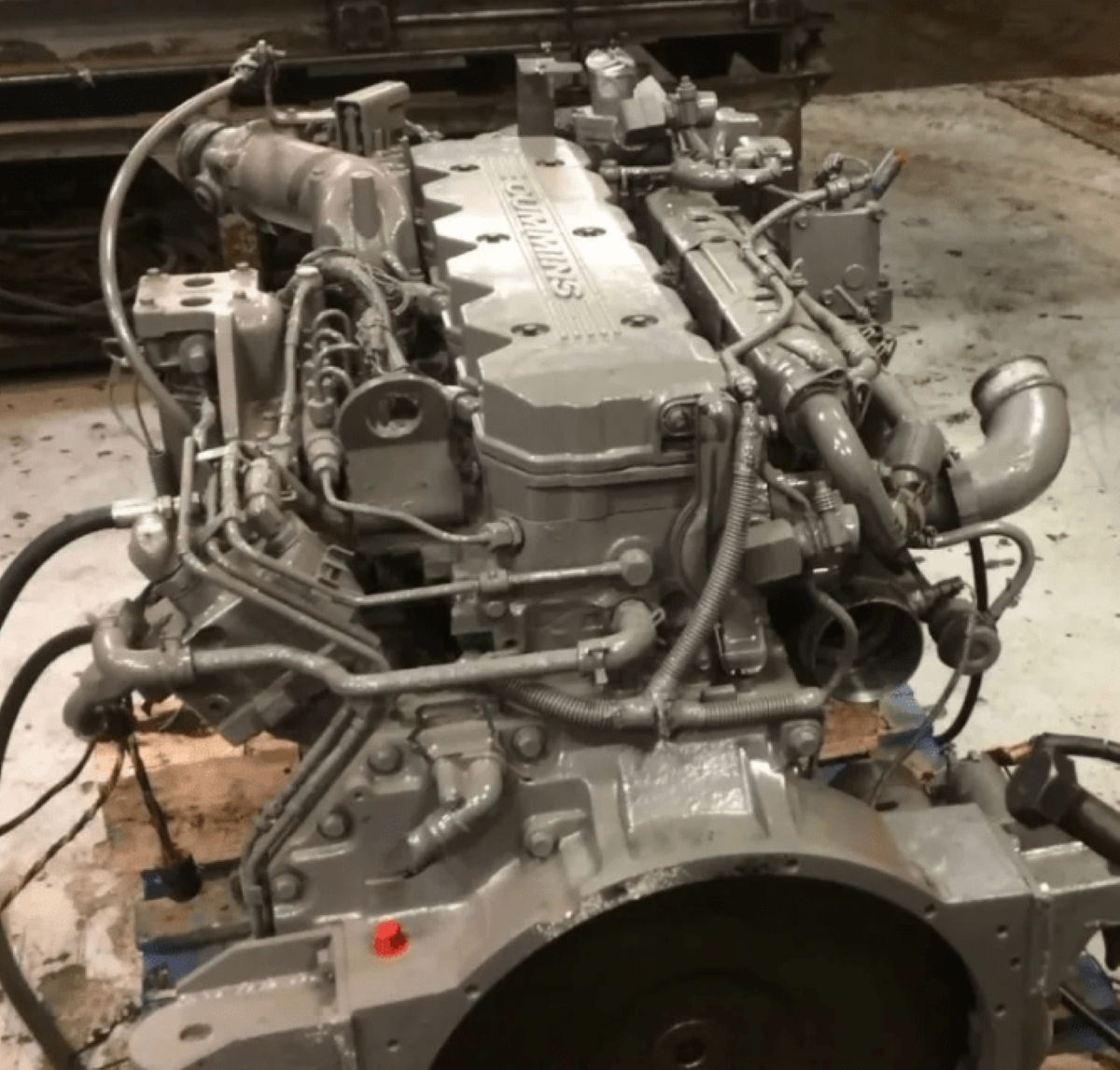
2. Dodge Cummins 5.9L
The 5.9L Cummins engine is legendary for durability, but specific model years developed problems that made ownership expensive. From 2003 to 2007, Dodge trucks with this engine suffered from weak cylinder heads that were prone to cracking under heavy use.
A cracked head means removing the engine or major sections of it, a very costly and labor‑intensive repair process. Many owners have reported replacing heads more than once in high mileage trucks.
Fuel injector issues also show up frequently in these years, leading to rough performance and reduced fuel economy. Because diesel injectors operate under high pressure, they tend to wear and fail, especially in older used trucks.
Replacement costs for genuine Cummins injectors remain high and shops often charge a premium to handle the sensitive diesel fuel system. These trucks also used older electronic controls that can trigger false error codes and require expensive diagnostic time.
Other problems include turbocharger wear due to soot buildup and exhaust heat cycling. The turbocharger on these models was not as robust as later designs, and once it fails, you face paying for a new turbo plus rebuild labor. The cost of installing a new turbo can rival the value of the truck itself in some cases. Additionally, the EGR and emission control systems can clog, reducing performance and leading to higher maintenance bills if not addressed early.
Transmission concerns also plague some Dodge diesel models of this era, with clutches wearing prematurely in manual transmissions and automatic units often overheating under load.
Transmission repairs can quickly escalate in cost, since internal parts and labor are both expensive. When combined with frequent engine system repairs, the truck becomes a financial drain rather than an asset on the job site.
Finally, parts availability for older Cummins engines is sometimes limited in certain regions, causing delays in repairs and higher orders from specialty suppliers. This scarcity drives up prices for even routine components compared to more common truck parts.
Buyers considering these used trucks should factor in these higher ownership costs to determine whether the initial purchase price is worth the long‑term expense.
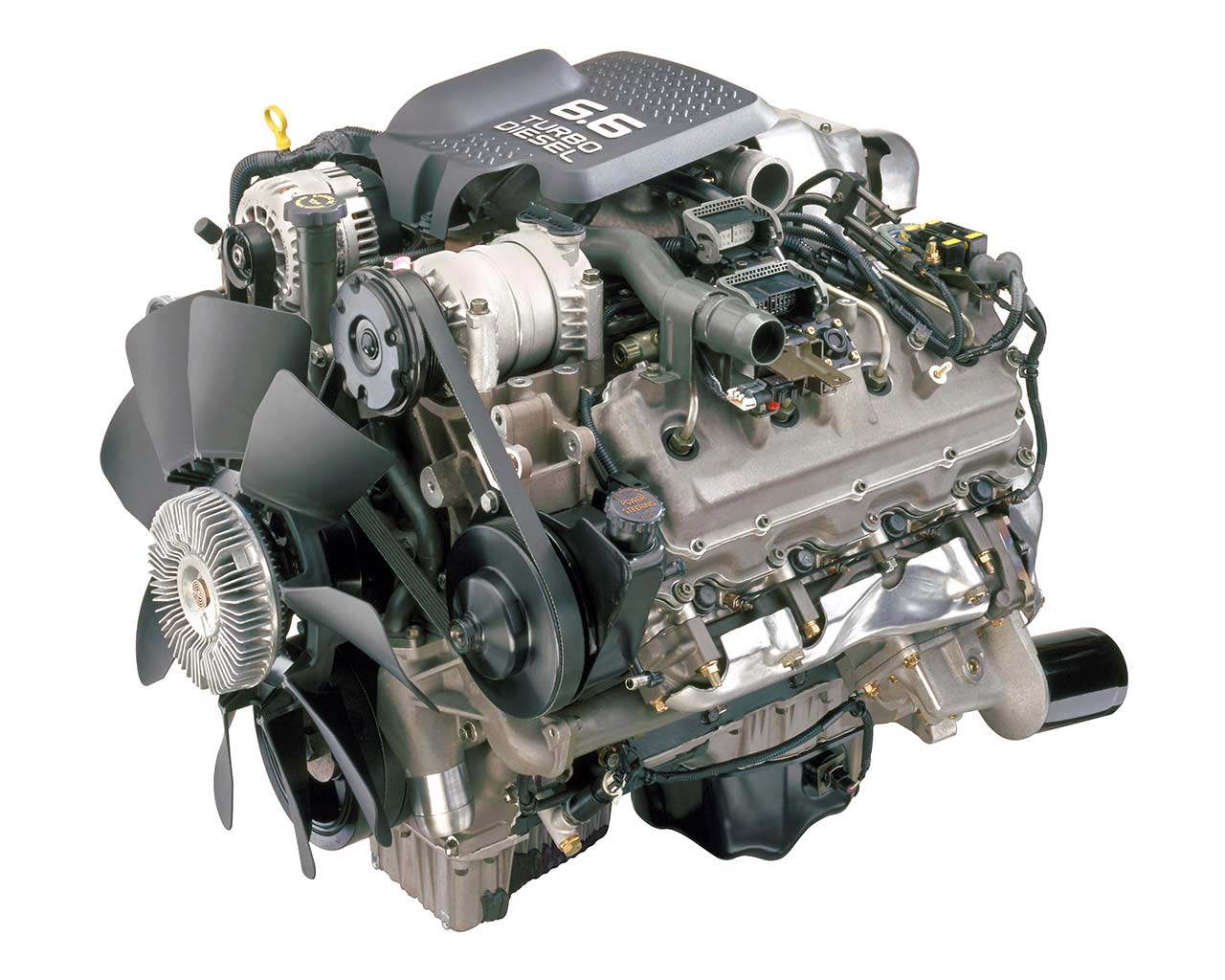
3. Chevrolet Duramax LB7
Chevrolet’s Duramax diesel LB7 gained praise for strong torque, but early production models had common turbo and injector problems. The LB7 injector design was prone to leaks and failure, often requiring complete replacement sets rather than individual units.
Replacing all injectors can cost thousands of dollars, and diagnosing the exact failed unit is not always straightforward. This makes the LB7 a less attractive option for budget‑conscious used buyers.
Turbocharger issues were also widespread, with failures caused by soot buildup from the EGR system that starved the turbo bearings of lubrication. A failing turbo produces excessive smoke and loss of power, requiring rebuilds or replacement units. Turbo rebuilds themselves are expensive, and availability varies by region, which forces owners to order parts from specialized suppliers. Labor costs remain high because the turbo sits deep within the engine bay, increasing hours billed on repairs.
Another issue with these trucks is the Allison transmission paired to the Duramax. Although the Allison is a solid design, heavy towing and poor cooling can cause rapid wear.
Transmission failures are notorious for being expensive, especially when torque converter or clutch pack replacements are required. Keeping the transmission cool with aftermarket parts can help, but this adds to the purchase cost before you even factor maintenance in.
Electrical problems frequently accompany the LB7 platform, with sensors related to the diesel system reporting false data and causing the engine to go into reduced‑power mode.
Repair shops sometimes struggle to find the root cause of these faults, which leads to repeated diagnostic bills. Erratic sensor readings can also trigger emissions faults, requiring further parts replacement and time in the shop. These cascading costs make ownership of the LB7 more expensive than many buyers expect.
Finally, resale value of early Duramax trucks tends to reflect their repair history, with prices lower than competitors with better reliability records. As a result, owners may feel stuck between selling at a loss or investing more money into repairs to keep the truck running. This cycle of cost over time is why the LB7 earns a reputation as a used diesel truck that eats into savings rather than preserving it.
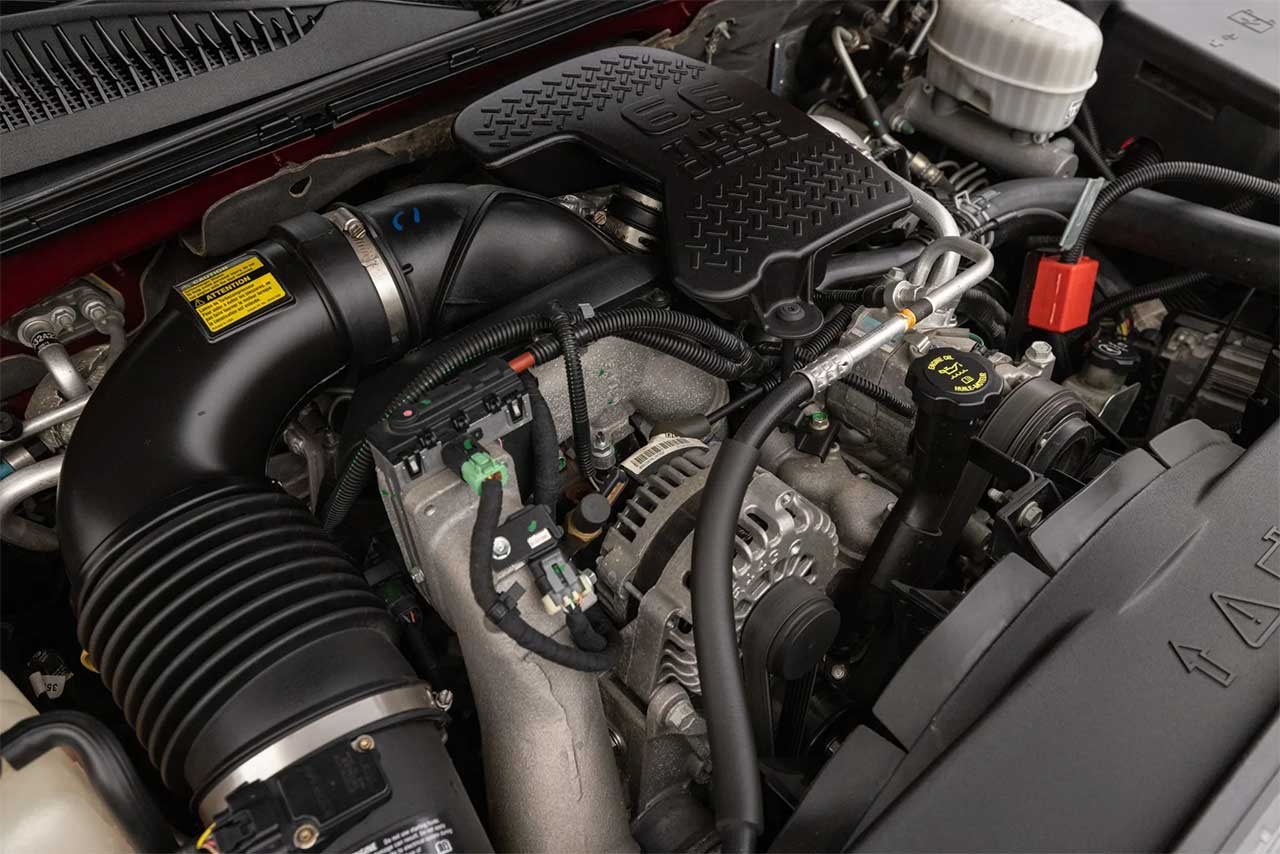
4. GMC Duramax LBZ
The LBZ Duramax is generally considered better than its predecessor, but it still exhibits problems that create high maintenance costs for used buyers. While improved turbochargers reduced some issues, the emission control systems added complexity and potential points of failure.
Diesel particulate filters, designed to trap soot, often clog early if towing heavy loads frequently. Removing or replacing these filters adds to the total cost of ownership that used buyers must plan for.
Fuel injector failures remain a concern even with the LBZ upgrade, though somewhat less frequent than the LB7. When they do fail, injectors can cause rough starting, poor fuel economy, and engine misfires.
Diesel injectors are precision pieces of equipment and often need specialized service tools to replace correctly. Because of this, labor costs alone can be significant on top of expensive parts.
Cooling system issues also contribute to high ownership costs on LBZ trucks, especially with heavy duty use. Radiators and intercoolers can fail from years of exposure to high operating temperatures.
When cooling components fail, they can lead to head gasket leaks and warped engine components that are expensive to repair or replace. Maintenance to prevent these failures is itself costly and often overlooked by buyers focused on the purchase price.
Transmission cooling and fluid leaks are another source of trouble on these models, particularly for owners who tow regularly. The Allison transmission requires consistent fluid changes and proper cooling to last, yet many used trucks on the market have been driven hard without adequate care.
Repairing leaks and replacing worn transmission parts quickly adds up on invoices. Even a simple fluid flush becomes a larger bill if the torque converter or valve body shows wear.
Finally, electrical gremlins related to the emission system can plague LBZ trucks, with sensors and control modules failing intermittently. Diagnostic work to isolate these faults can be lengthy and expensive, and replacements sometimes need to be ordered from dealerships at a premium price.
Taken together, these repeated chargeable repairs make ownership of this Duramax variant more expensive than potential buyers expect when they see the initial asking price.
5. Ford Power Stroke 7.3L
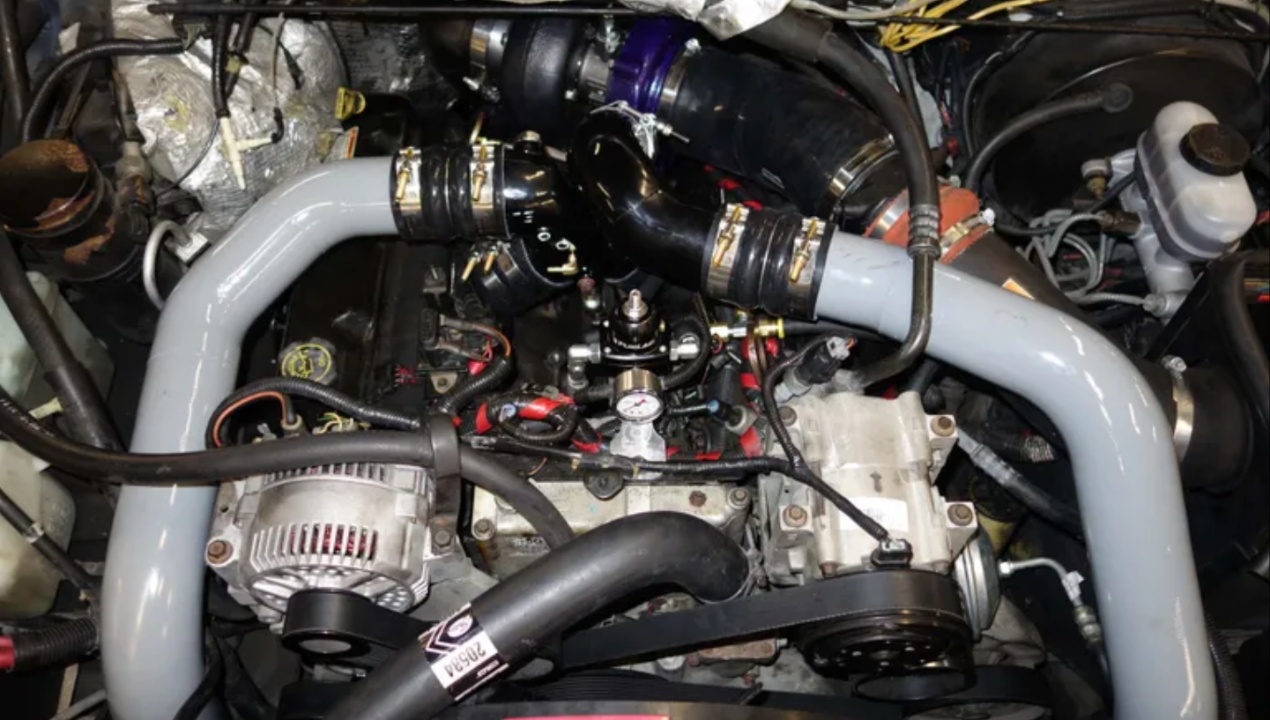
The 7.3L Power Stroke began with a reputation for rugged reliability, but the earliest years incurred issues that raised ownership costs.
Problems with intake manifold design led to coolant leaks between cylinders, requiring partial engine disassembly for repairs.
Repairing these leaks involves removing the intake and accessing internal engine parts, a labor‑heavy process that drives up costs significantly. Early model years saw this issue more often than later revisions, leaving owners with unexpected bills.
Glow plug system failures were also common on these trucks, especially in cold climates, making starting difficult during winter months.
Diesel glow plugs wear out over time and can fail in clusters, leaving the engine hard to start and increasing wear on the starter and batteries. Replacing the full set of glow plugs and related control modules can be surprisingly expensive due to their location and the number of units involved per engine.
Other trouble spots include the fuel delivery system, where the lift pump and filter housing sometimes fail prematurely. Because diesel engines rely heavily on consistent delivery of high‑pressure fuel to the injectors, any disruption can cause hesitation, rough idle, and poor performance. Repairing or replacing these components adds to the long list of potential costs associated with the truck. Parts are not always readily available at local shops, driving buyers to order them at higher prices.
Turbocharger wear also appears on high mileage 7.3L trucks, particularly for owners who tow frequently or push the truck hard. A worn turbo loses efficiency and produces excessive exhaust smoke, requiring a rebuild or replacement that can cost thousands.
Soot buildup in the turbo system also causes bearing wear and increased maintenance needs over time. Add in periodic oil changes and cooling system checks, and maintenance becomes more expensive than some buyers anticipate.
Lastly, electrical connectors in the engine bay and wiring harnesses can deteriorate with age, causing intermittent faults and sensors to misreport data. Locating and repairing these gremlins is time‑consuming and often involves replacing entire harness sections. Shops will charge for extensive diagnostic time on these issues, further adding to your total ownership cost.
6. Dodge Cummins 6.7L
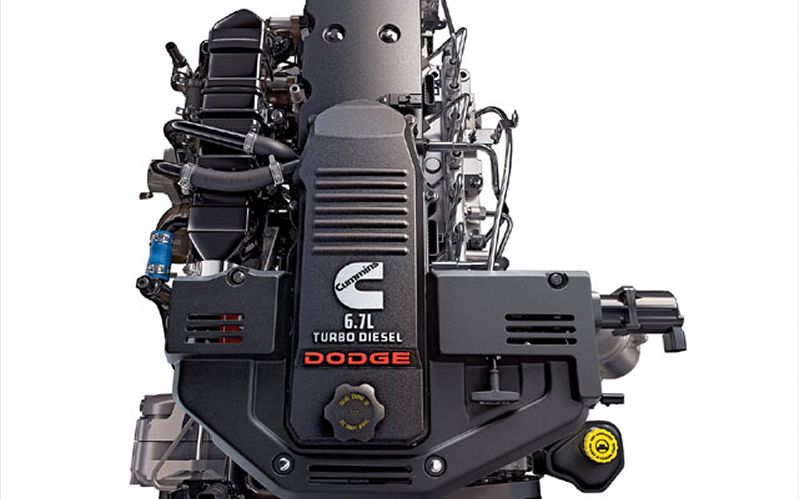
The 6.7L Cummins diesel introduced modern emission controls, but added complexity and expense in maintenance. One frequent issue is failure of the diesel particulate filter or regen system, which forces trucks to go through constant cleaning cycles.
When this system fails, it can cause loss of power and warning lights that require diagnostic work and costly replacements. Owners often find themselves paying more for emission system repairs than for basic engine care.
Another problem is the variable geometry turbocharger that wears prematurely on many used trucks. This type of turbo uses moving vanes to control airflow, and soot buildup causes sticking and failure over time. Turbocharger replacements are costly because new units are expensive and the labor involved is extensive. While aftermarket turbos are cheaper, they sometimes deliver lower performance or shorter lifespan.
Fuel system pumps and injectors also show premature wear, especially on trucks that have been used for heavy towing. The precision nature of these parts means that when they fail, you are looking at high bills for new components and professional installation. Older units often require complete sets to be replaced rather than individual pieces, multiplying the expense. This repeated cost of high‑end parts makes the truck a poor value over the long term.
Transmission cooling issues also contribute to high ownership costs, particularly on trucks rated for heavy duty work. Overheating leads to worn clutch packs or damaged torque converters, requiring partial rebuilding of the automatic transmission.
These repairs are expensive and often require weeks of downtime, impacting productivity if you rely on the truck for work. Even fluid exchange and cooling system upgrades add to the expenses before major failure occurs.
Electrical system complexity also increases repair costs, with multiple sensors controlling emission and fuel systems that can fail without obvious cause. Electronic control modules sometimes need reprogramming or replacement when sensors send faulty data.
Dealership prices for these parts and labor are high, and independent shops charge significant diagnostic time to trace these faults. Taken together, these issues make the 6.7L Cummins an expensive choice on the used market.
7. GMC Duramax LLY
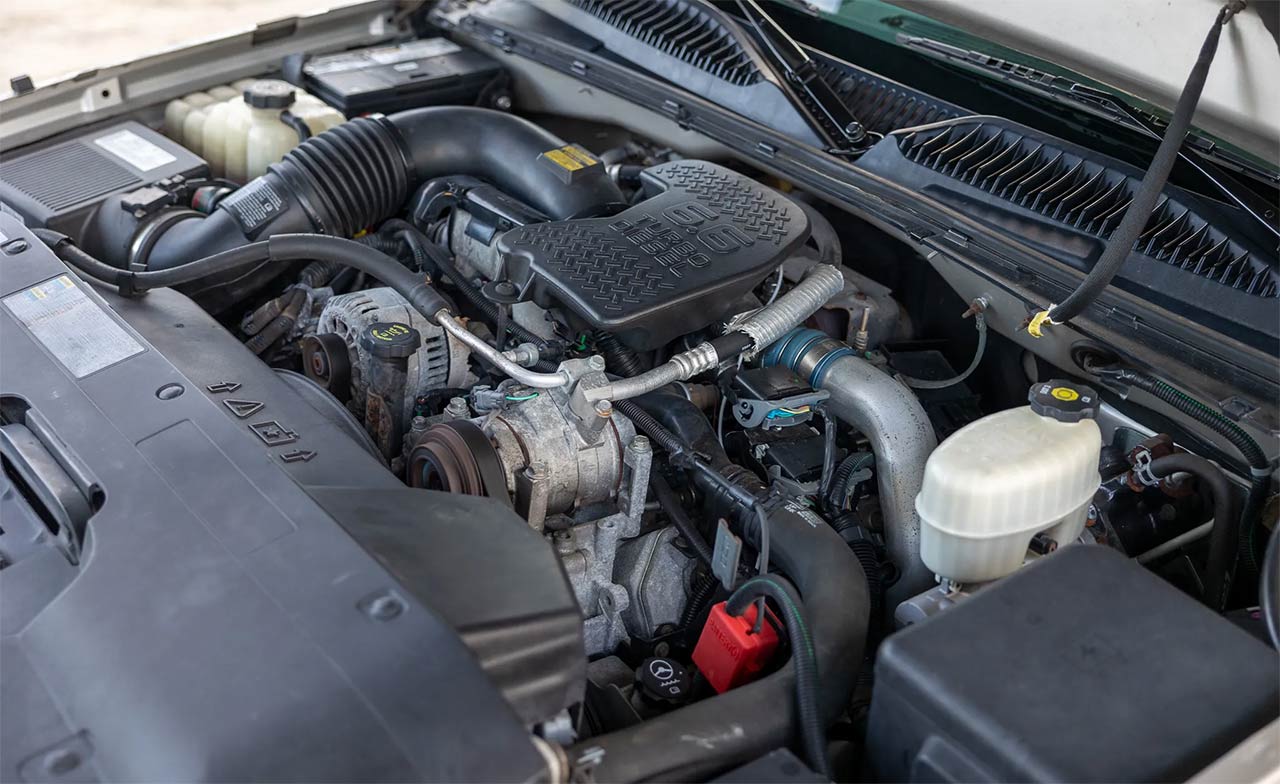
The LLY Duramax was an interim diesel that inherited many issues from earlier designs and added new challenges of its own. Chief among these was a turbocharger prone to overspeed damage leading to catastrophic failure. When the turbo fails, broken turbine blades can damage the intake and compressor housing, requiring expensive rebuilds or complete replacements. Many owners found themselves with high bills after only moderate use.
This model also struggled with early emission systems that caused clogging in the exhaust aftertreatment components. Diesel particulate filters filled quickly on trucks used for frequent short trips, resulting in reduced performance and repeated trips to service centers. Clearing or replacing these filters adds a substantial cost over time. Fuel system issues also appeared, with injectors wearing faster than expected.
Another costly problem with the LLY is cooling system weaknesses that cause radiator leaks and overheating under heavy loads. Overheating leads to warped heads, blown head gaskets, and other failures that require deep engine repairs. Radiator replacements themselves are costly because of parts and labor needed to remove and reinstall them. Once the cooling system begins to fail, additional components follow suit if left unchecked.
Transmission overheating also shows up on many of these used trucks, as the factory cooler often could not handle repeated heavy towing. Repairs to the transmission cooler lines and heat exchangers are necessary, and continued overheating requires more serious work inside the transmission itself. Labor costs for transmission repairs add quickly, making this truck more expensive than many buyers expect when purchasing used.
Lastly, electrical and sensor failures related to the emission and fuel systems lead to diagnostic bills that stack up fast. Because modern diesels rely so heavily on sensor data to operate efficiently, a bad sensor can trigger reduced‑power mode or erratic performance. Shops must spend time identifying the exact sensor or wiring issue before repairs can begin, adding to the total cost of ownership.

8. Ford Power Stroke 6.4L
The 6.4L Power Stroke added advanced emission systems to meet stricter standards, but introduced problems that became costly on used trucks. One major issue was the DPF and regen system clogging frequently, especially on trucks driven short distances or used primarily for city work.
When regen fails, soot builds in the turbo and exhaust, leading to loss of power and possible engine derate. Replacing these expensive components can run into the thousands.
Another costly problem involves the high pressure fuel pump, which often fails and can send metal particles through the fuel system. Once contaminated, injectors and lines suffer accelerated wear, requiring extensive fuel system overhaul. Diesel fuel system work is always expensive due to precision machining and specialized parts. Many owners found themselves replacing pumps and injectors more than once on high mile trucks.
Turbocharger failures also show up regularly with the 6.4L. The turbo design struggled with heat and soot buildup that damaged bearings and reduced boost pressure. Turbo replacements are costly, as the turbocharger is expensive and labor hours required to install it are high. Add to that the potential for intercooler and associated piping wear, and the repair bill adds up quickly.
Cooling system issues also appear, with radiators and hoses breaking down due to age and repeated heat cycles. Overheating can lead to blown head gaskets and warped heads, pulling the truck out of service for major repairs. Replacement cooling parts and the labor to install them add to a long list of potential expenses for owners. Preventive maintenance helps, but even that has costs that eat into the value of owning this truck.
Finally, electronic sensors and modules that control the emission systems frequently fail, leading to limp mode or error lights that require shop time to diagnose and fix. These electronic faults often do not trigger obvious symptoms initially, leading to multiple visits before the root cause is found. Diagnostic fees alone can be significant, pushing total ownership cost beyond what many buyers anticipated.
9. Dodge Cummins 5.0L
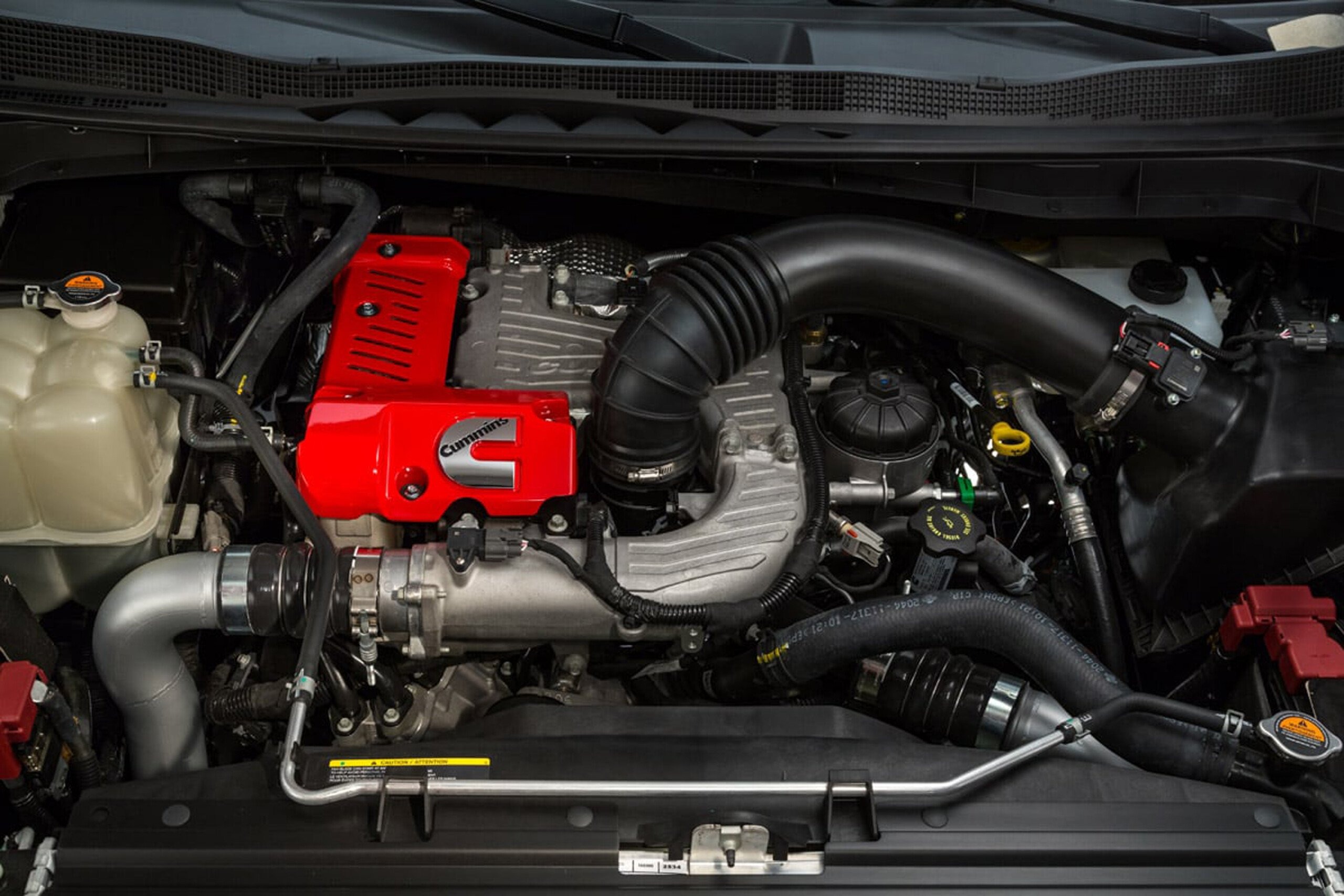
The 5.0L Cummins diesel in Dodge trucks was a smaller engine that appealed to drivers who wanted fuel economy, but it developed weak points over time that led to frequent repairs.
One main issue was crankshaft thrust bearing wear, which could lead to end‑play in the crankshaft and eventual catastrophic failure. Replacing a crankshaft or main bearings involves tearing down much of the engine, leading to expensive overhaul costs.
Fuel pump reliability was also a concern with the 5.0L, with early pumps failing and causing poor running or stalling. Diesel lift pumps and primary pumps must maintain consistent pressure, and failures result in drivability issues that require professional diagnosis. Diesel fuel pumps are costly parts and often require complete unit replacements rather than repairs. Labor for pump replacement is also significant, adding to maintenance bills.
Another problem common to this engine was head gasket and coolant leaks, especially under heavy use. Unlike later Cummins engines, the 5.0L had less robust cooling design, leading to overheating issues that warped heads or caused gasket failure. Repairing these issues is costly because head gasket replacement involves major engine disassembly. Parts and labor together make this repair one of the most expensive for used trucks.
Turbocharger wear also showed up early in the life of this engine model, as the turbo design was less advanced and prone to failure under heavy loads. When the turbo fails, you may face extensive repairs including compressor housing damage and exhaust leaks. Replacement turbos and labor costs further increase total ownership expenses for used trucks of this vintage. Add on regular maintenance items that wear out, and costs accumulate quickly.
Lastly, electrical problems and sensor failures related to the early diesel electronic controls increase diagnostic time and repair cost. These older systems were less robust and more prone to wiring corrosion and connector failures. Shops often spend many hours tracing faults, billing at their standard hourly rates, further elevating total ownership costs for buyers of these used trucks.
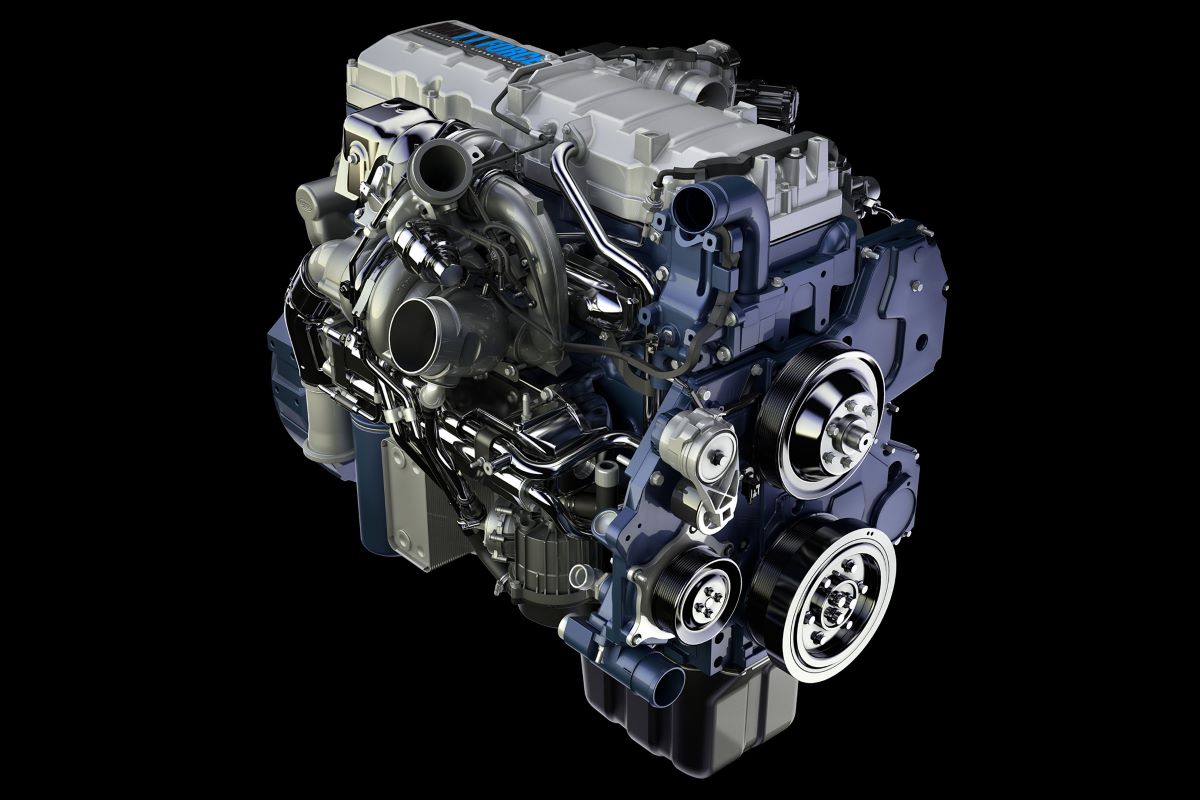
10. International/Navistar DT466 Diesel Trucks
International/Navistar DT466 diesel engines power many medium duty trucks, but used buyers often find them expensive to maintain. One frequent issue is the EGR cooler failing, which leads to coolant entering the intake and causing white smoke at the exhaust.
Replacing the EGR cooler is expensive because the engine must be partially disassembled, and parts are pricey compared to light duty truck components. These failures are common as trucks age and see repeated heavy use.
Valve cover leaks and turbocharger failures also show up on the DT466, with the turbo often wearing prematurely due to soot and heat cycling. A failing turbo reduces performance and fuel economy, requiring rebuild or replacement. These parts are expensive for medium duty applications, often costing more than similar truck turbochargers. The labor involved is substantial as well, driving up total cost.
Fuel system components such as injectors and high pressure pumps wear faster on heavy trucks that see daily use. Diesel injectors in medium duty engines are higher capacity and more costly than light duty parts. Because they see heavy workloads, failures are more frequent and very expensive to fix. Replacing injectors on a DT466 can cost several thousands of dollars in parts alone.
Cooling system concerns also plague these trucks, with radiators and intercoolers suffering from blockage and leaks over time. Coolant leaks cause overheating, which quickly leads to warped cylinder heads or head gasket failure.
Repairing these internal failures often involves pulling the engine or significant disassembly, increasing labor costs. Buyers should factor this into their cost calculations before purchasing a used truck with this engine.
Finally, electrical and sensor issues related to emission controls add to repair bills. Diagnostic work can take many hours because of the complexity of medium duty diesel electronics. Faulty sensors and control modules often cause trucks to enter reduced power mode, leading to towing and repair costs. Frequent trips to repair facilities add up, making ownership more expensive than buyers might expect based solely on the purchase price.
