
The market for classic and collectible cars is shifting as new generations of enthusiasts seek vehicles that combine performance, design, and cultural significance. Among these, modern classics hold a peculiar appeal because they represent the bridge between old school mechanical purity and contemporary engineering advances.
Cars from the 1980s through the early 2000s are increasingly being recognized not just for their performance on the road but for their potential to become significant investments. Collectors and enthusiasts who pay attention to trends are looking ahead toward 2030 when many of these automobiles could be far more valuable than they are today.
Modern classic cars are appealing for many reasons. They often reflect a period in automotive history marked by rapid technological innovation, unique design philosophies, and sometimes restricted production numbers.
As manufacturers experimented with turbochargers, all wheel drive systems, early electronic aids, and other technologies, certain models emerged with distinctive capabilities that still thrill drivers today. Enthusiasts appreciate the raw connection these cars offer when compared to many current vehicles that emphasize comfort and automation over driver engagement. This connection is a big part of why value for the right models can appreciate steadily over time.
Another factor influencing the rise in value of modern classics is nostalgia. Many buyers today grew up reading about or dreaming of cars they could not afford when they were younger. Now with more disposable income and a deep appreciation for automotive history, these enthusiasts are actively seeking cars from their youth or from eras they admire.
This demand has already influenced prices for some models, and that trend is expected to continue as the pool of well preserved examples shrinks. Well documented cars with complete service histories and original equipment are especially prized.
Global automotive culture also plays a part in the increasing value. Shows, auctions, and online communities give collectors around the world access to cars they might never have seen otherwise. As access grows, so too does competition for standout examples. Rare colors, manual transmissions, and limited editions all command particular interest.
The modern classic market differs from the vintage market in that many buyers expect performance, reliability, and comfort while still respecting history. This combination makes certain cars uniquely positioned for value growth by 2030.
In this article, we will explore ten modern classics expected to rise in value as we approach 2030. Each of these cars has characteristics that make it desirable, including performance credentials, cultural impact, limited production runs, or a combination of these elements.
The list spans different classes and origins in order to give a broad perspective on vehicles that are likely to be cherished by collectors and drivers alike in the years to come. If you are considering adding a modern classic to your collection, the following cars provide strong examples of what to look for in a future investment.
Porsche 911 Carrera and Carrera S
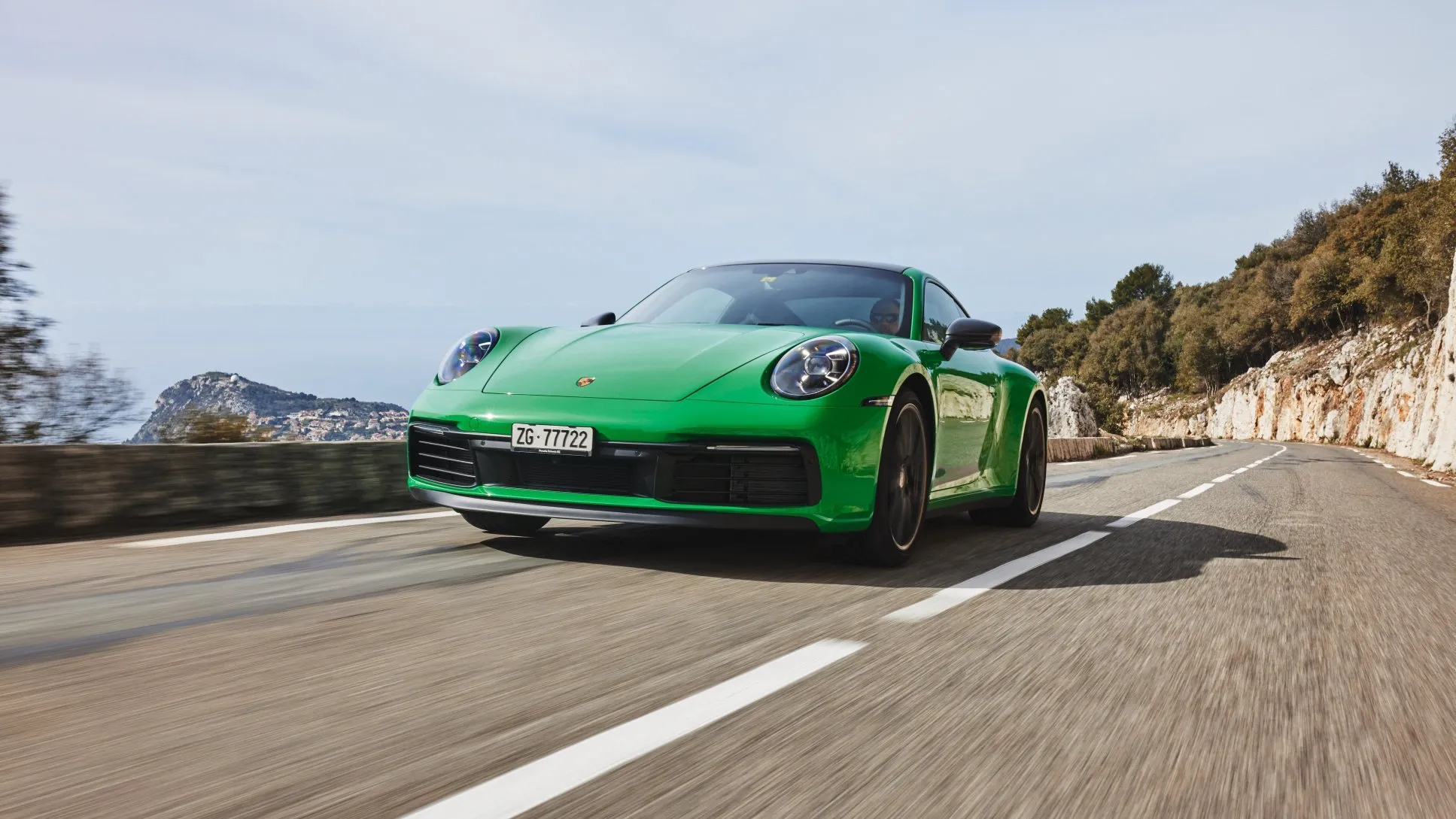
The Porsche 911 997 generation holds a special place in the hearts of enthusiasts because it represents a period when Porsche refined its engineering and design. Produced from the mid 2000s to the late 2000s, the 997 combined classic 911 styling cues with modern performance. These cars offered improved handling, more power, and better reliability compared with some earlier models.
Collectors are increasingly drawn to the 997 for its analog feel and mechanical purity. The steering, throttle response, and engagement are aspects that drivers today still appreciate. Although these cars offered modern conveniences like stability control and advanced braking systems, the connection between driver and machine remained central. This balance is one reason values are expected to climb.
Another important factor is the range of variants available. From the base Carrera to the more powerful Carrera S, and including rarer options like the Sport Classic and GT3 models, there is a variety of appeal based on performance and exclusivity. The manual transmission is especially sought after by purists, and cars equipped with this option often command higher prices.
The 997 generation also benefited from improved build quality compared with some earlier 911s. Issues that affected previous models were largely resolved, which means that well maintained examples have aged gracefully. Enthusiasts appreciate a car they can drive regularly without the anxiety that can accompany older classics. This reliability adds to the investment potential.
As interest in modern classics grows, the 997 is often cited as a benchmark for how a performance car can mature into a collectible. Its combination of heritage, engineering, and driver focused characteristics makes it attractive to a wide range of buyers. As supply of well preserved examples declines, demand is expected to push values upward by 2030.
BMW M3
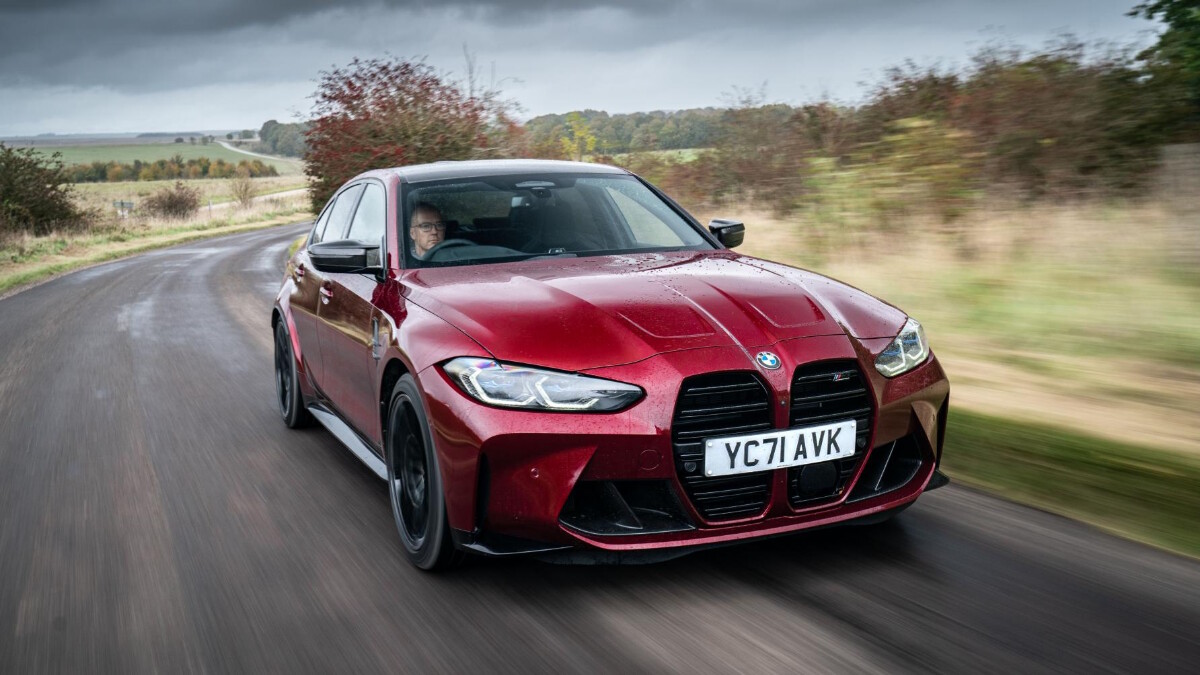
The BMW M3 E46 is widely regarded as one of the greatest sports sedans and coupes of its era. Produced in the early 2000s, the E46 M3 featured a high revving straight six engine renowned for its character and sound. Enthusiasts often praise the chassis balance, pedal feel, and manual transmission as defining aspects of the driving experience.
This generation of M3 helped cement BMW’s reputation for making driver centric cars. It arrived before many electronic aids became standard, which means drivers had to engage with the car rather than rely on computers. That raw engagement is a trait highly valued by collectors today, and it contributes to the car’s potential as a modern classic.
Limited production variants such as the M3 CSL add to the appeal. These models offered reduced weight, more power, and exclusive features that make them rare and desirable. Examples with factory options and documented histories are particularly prized. The scarcity of top condition E46 M3s only increases interest among collectors.
Maintenance and condition are critical for holding value. Cars that have been cared for with records, minimal modifications, and competent service histories are more likely to appreciate. Enthusiasts who enjoy working on their vehicles themselves also find the E46 M3 rewarding because parts are accessible and the mechanical layout is intuitive.
The E46 M3 has already seen significant appreciation in recent years, but many experts believe there is still room for growth, especially for exceptional examples. With its strong enthusiast following and status in automotive history, this BMW is expected to continue attracting attention as part of a modern classic collection.
Nissan Skyline GT‑R
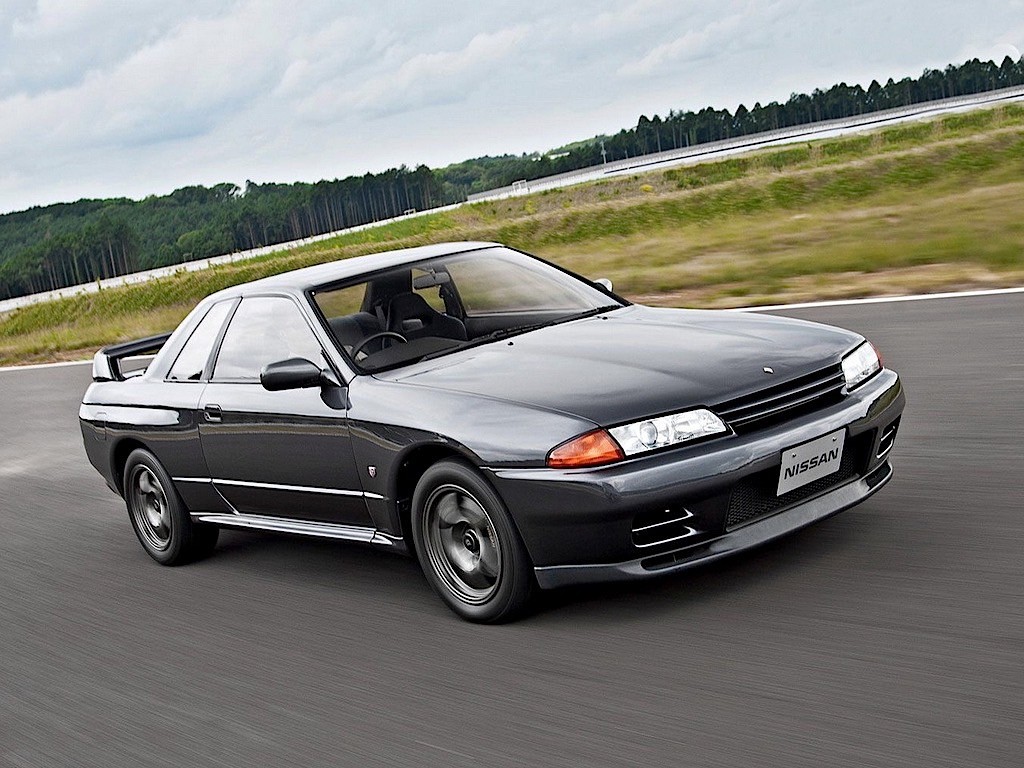
The Nissan Skyline GT‑R, especially the R32 and R34 generations, occupies an iconic place in performance car culture. These vehicles were engineered with advanced all wheel drive systems and powerful turbocharged engines that allowed them to dominate racing circuits in their heyday. Enthusiasts today respect their engineering sophistication and performance potential.
The R32 GT‑R gained fame in touring car racing and established a reputation for speed and handling. Its success on track translated into a strong fan base worldwide. The R34 model built on this legacy with updated styling, refined aerodynamics, and even more potent performance. Both generations have become symbols of Japanese performance engineering.
Because of import restrictions in several markets, including the United States until recently, many of these cars were rare outside Japan. This rarity adds to their desirability and has fueled rising demand where they are legal to own. Enthusiasts who remember these cars from media and motorsport exposure now seek them as prized collectibles.
Maintenance considerations for turbocharged engines and specialized all wheel drive systems mean that condition and history are key to value. Cars that have been well cared for, with service records and original components, stand out in the market. Modifications can affect collectibility, so buyers often look for cars that preserve the original driving experience.
With their strong cultural resonance, impressive capabilities, and relative scarcity, the R32 and R34 Skyline GT‑Rs are among the modern classics expected to appreciate significantly by 2030. Their influence on automotive culture ensures lasting interest among collectors and driving enthusiasts alike.
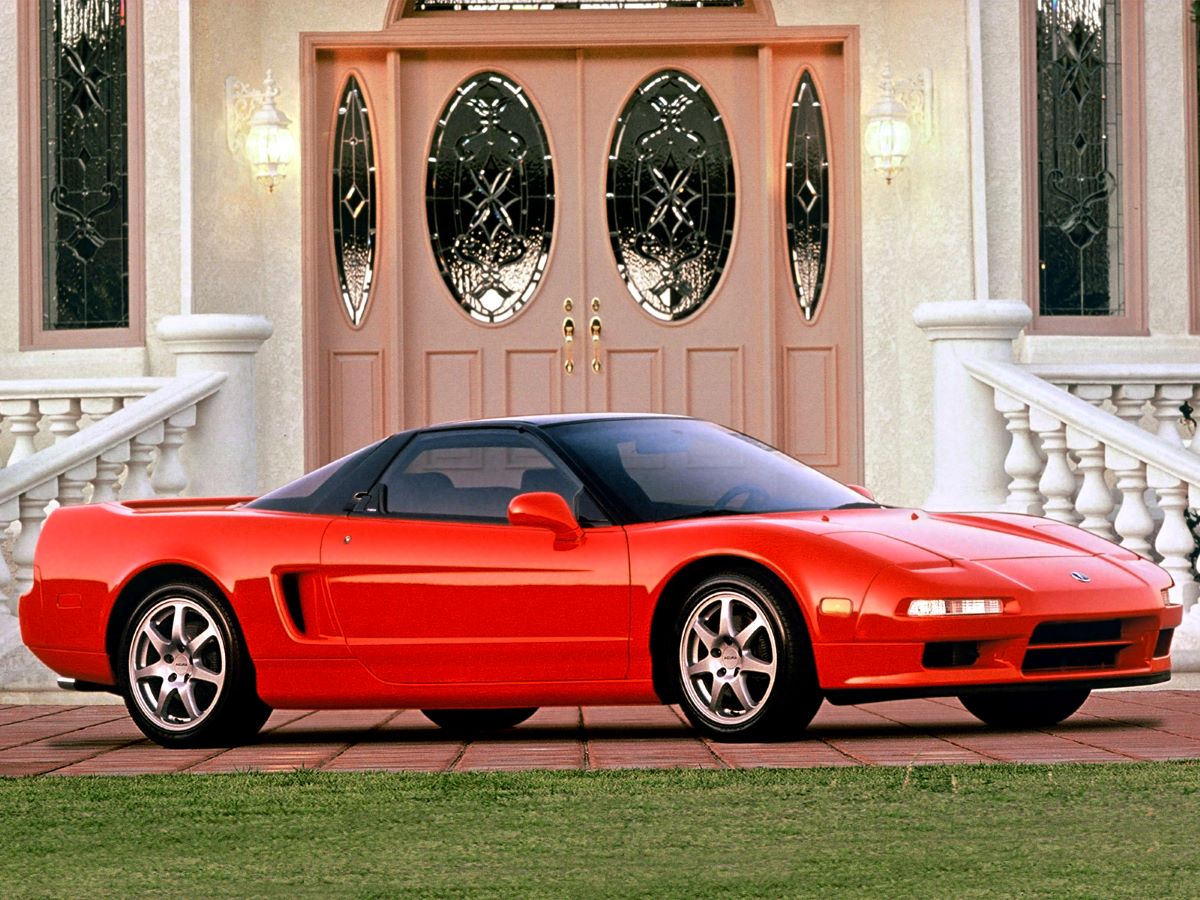
Acura NSX
The first generation Acura NSX represented a radical departure from the supercars of its time by combining high performance with everyday usability. Introduced in the early 1990s and produced into the mid 2000s, the NSX featured an all aluminum body, mid engine layout, and a rev happy V6. These engineering choices contributed to a car that was agile, reliable, and remarkably balanced.
Engineers including the legendary driver Ayrton Senna were involved in the NSX’s development, refining its handling and response. This focus on performance without sacrificing reliability set the NSX apart from many European supercars of the era, which could be temperamental. As a result, the NSX gained a reputation for being a supercar that could be driven regularly.
The significance of the NSX in automotive history cannot be overstated. It challenged established norms and influenced later designs from other manufacturers. Its impact on subsequent sports cars makes it a model of interest for collectors. Examples that retain their original condition and features are particularly sought after.
Condition and scarcity again play critical roles for value. Many NSXs have been modified or heavily driven, which can detract from their investment potential. Cars with low mileage, known ownership histories, and preserved interiors and exteriors are those most likely to see appreciation.
As interest in Japanese performance cars continues to grow worldwide, the first generation NSX stands out as one of the most compelling modern classics. Its blend of performance, innovation, and reliability makes it likely to continue gaining value through 2030.
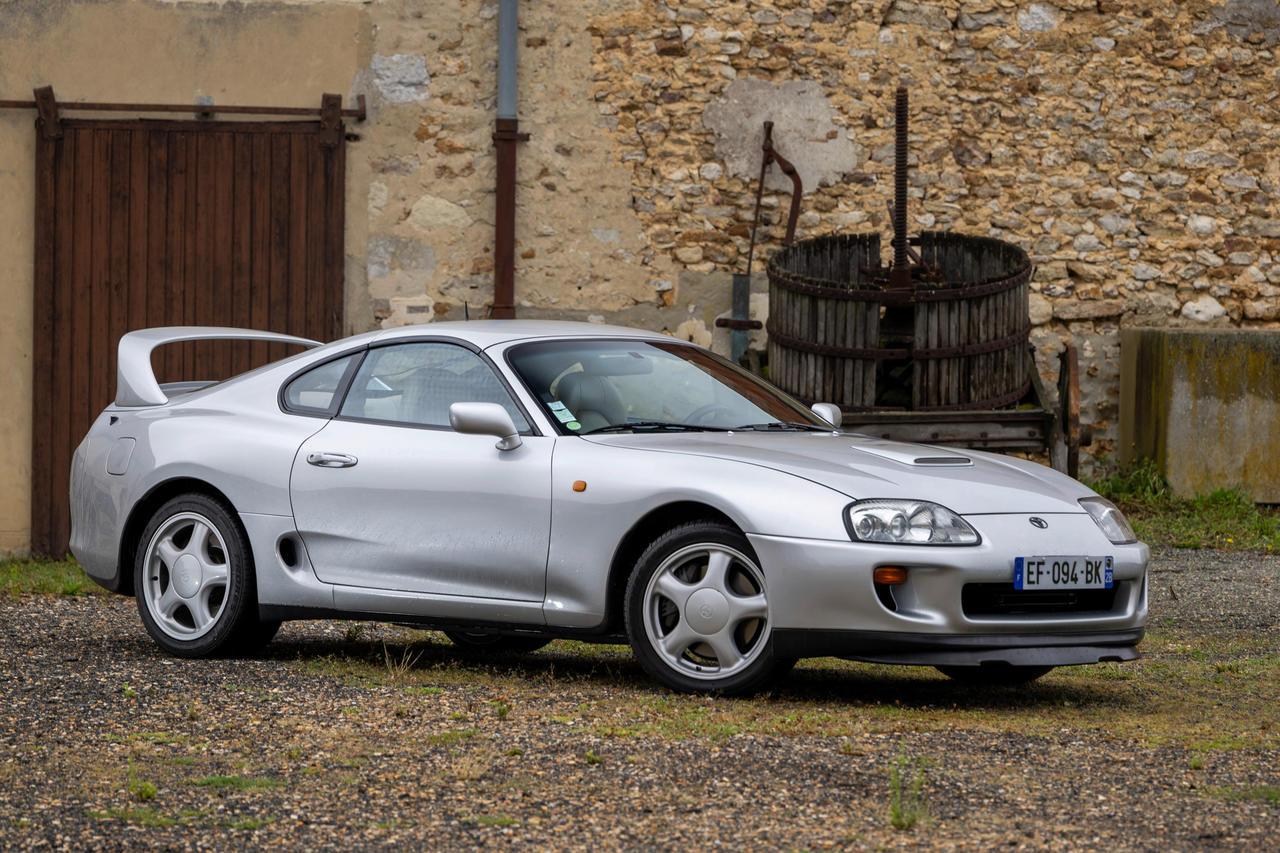
Toyota Supra
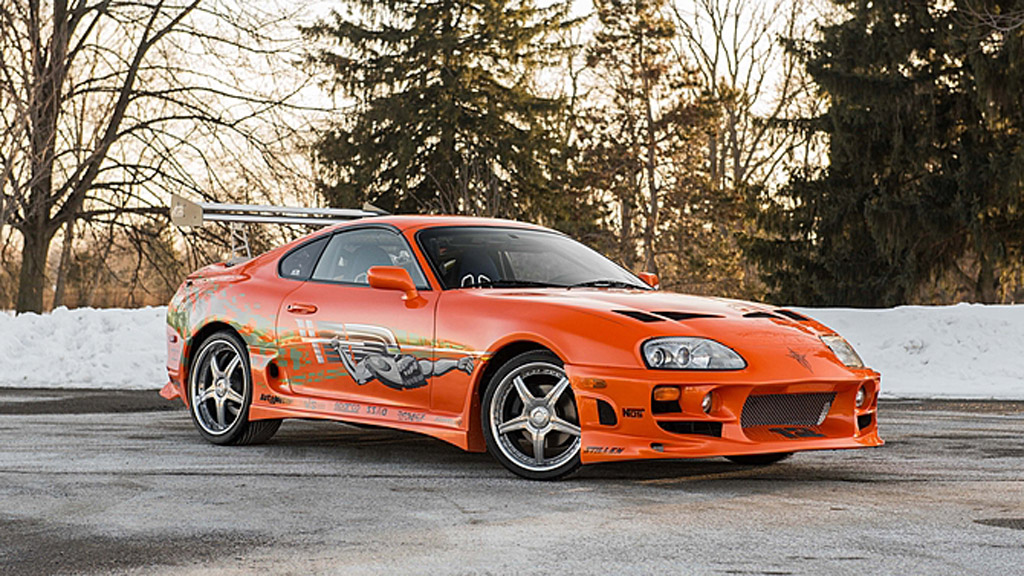
The Toyota Supra MK4 has become one of the most recognizable sports cars of its era thanks to its powerful engine and appearances in popular media. Produced in the 1990s, the Supra featured a turbocharged inline six engine capable of impressive power output. Its tuning potential made it a favorite among performance enthusiasts around the globe.
Part of the Supra’s appeal comes from the combination of its mechanical robustness and adaptability. Owners found that the engine and drivetrain could handle significant upgrades without sacrificing daily drivability. This characteristic endeared it to both professional tuners and amateur modifiers alike.
The cultural impact of the MK4 Supra has been amplified by its presence in films, games, and motorsports. Many enthusiasts first encountered this car through media exposure, and that has translated into sustained demand. Original condition examples are becoming scarce as more have been modified over the years.
For collectors looking toward 2030, condition is a major consideration. Cars that retain original engines, transmissions, and interior appointments are more likely to be valued highly. Mileage, service history, and evidence of careful ownership further boost desirability.
The Supra’s blend of performance potential, cultural resonance, and engineering strength positions it as one of the modern classics with the highest likelihood of value appreciation. As example quality continues to diminish due to wear and modification, preserved specimens will become even more prized.
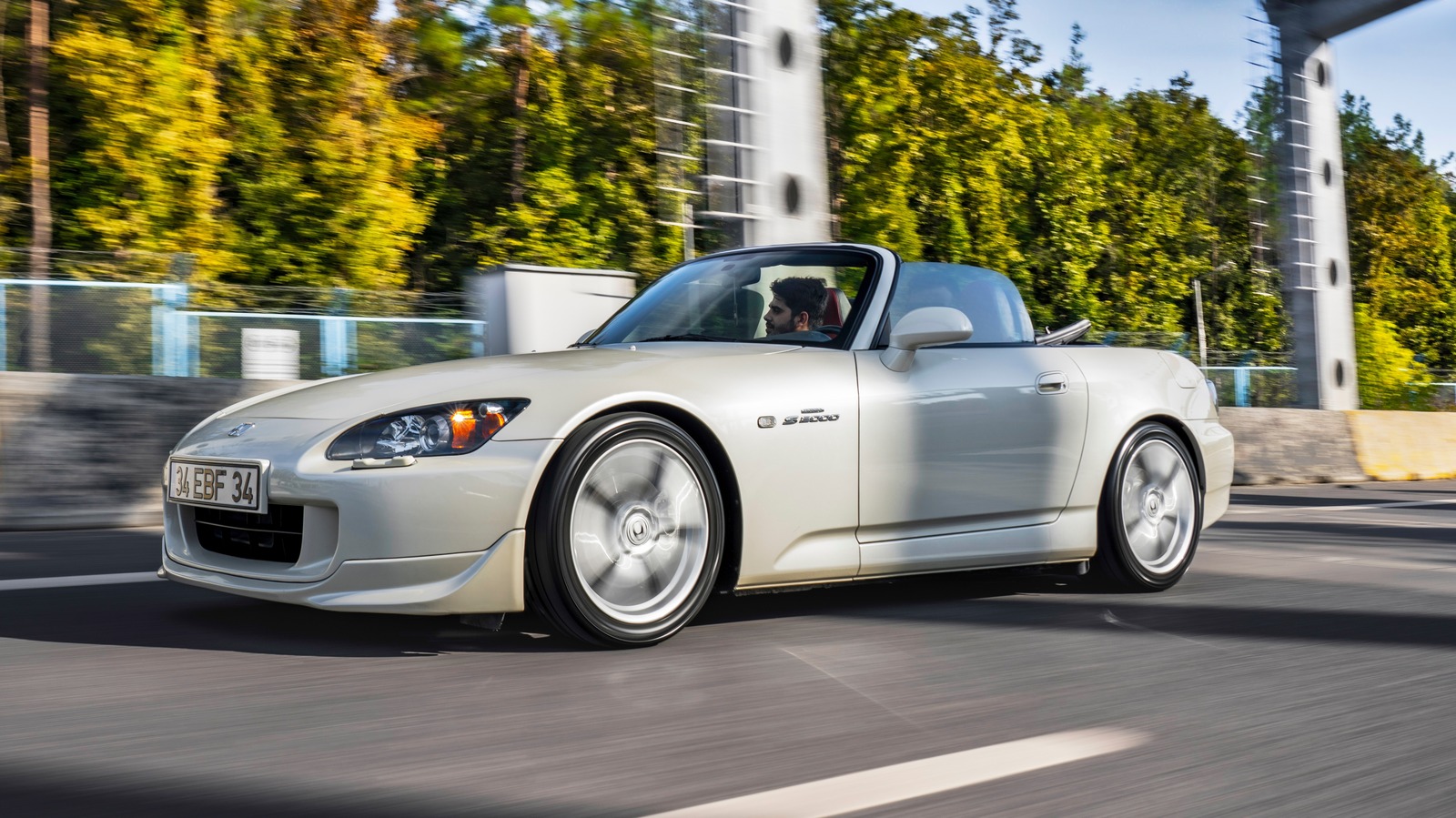
Honda S2000
The Honda S2000 is celebrated for its high revving engine, balanced chassis, and pure driving experience. Introduced in the late 1990s and produced into the late 2000s, the S2000 featured a two liter engine that could rev beyond 9000 rpm. This was an unusual characteristic for a production roadster and contributed to its enthusiastic following.
The S2000’s lightweight design and precise handling made it a favorite among driving purists. Unlike many contemporary sports cars that relied heavily on electronic aids, the S2000 emphasized mechanical feedback and driver control. This focus appeals strongly to collectors who value the connection between car and driver.
Limited production numbers compared with more mainstream models also contribute to the S2000’s collectibility. As average mileage rises and well preserved examples become rarer, the market for low mileage cars in original condition is tightening. Enthusiasts often seek cars with documented histories and minimal modifications.
Maintenance and preservation are essential for investment potential. Cars that have been driven hard without proper care may not appreciate as much as those that were maintained meticulously. Service records, original parts, and attention to cosmetic condition all play roles in value growth.
The S2000 stands out as a modern classic that captures the essence of pure sports car dynamics. Its engineering excellence, driver focused design, and increasing scarcity make it a strong candidate for value appreciation by 2030.
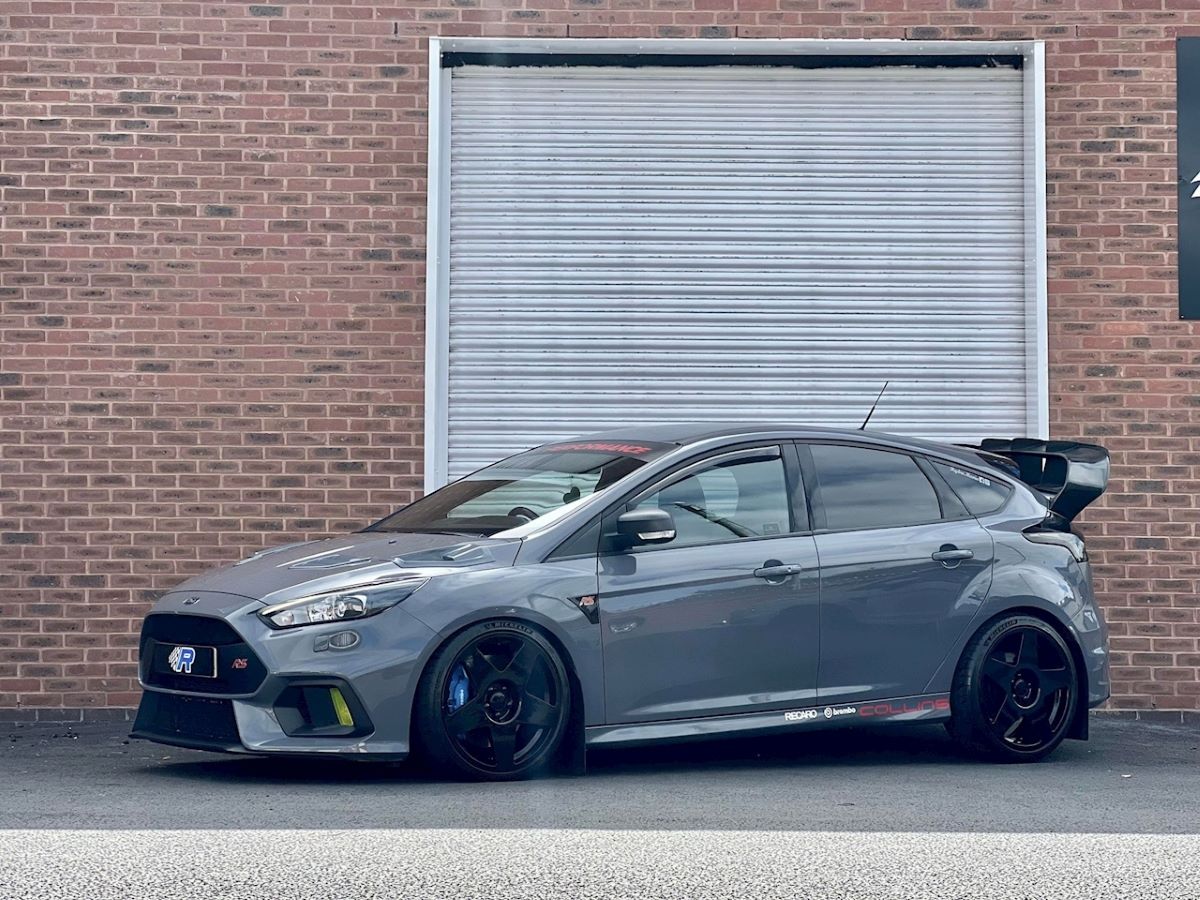
Ford Focus RS
The first generation Ford Focus RS brought rally inspired performance to a practical hatchback platform. Produced in the mid 2000s, it featured a turbocharged engine, all wheel drive system, and performance oriented suspension. These attributes gave it impressive handling and power delivery for a car of its size.
Enthusiasts appreciated the Focus RS for offering track capable performance in a package that could still serve as a daily driver. Its combination of practicality and excitement was rare at the time of its release. This dual character increased its popularity among a wide range of drivers and collectors.
Limited production numbers outside of Europe and the relative scarcity of well preserved examples add to its appeal. Cars that have been maintained, kept stock, and accompanied by service documentation are among the most sought after. Modification trends in the aftermarket can make pristine examples more valuable.
The Focus RS also played a role in revitalizing interest in performance hatchbacks. Its success influenced other manufacturers to develop similar models, creating a legacy that collectors respect. For those interested in future value, the early RS represents a significant chapter in performance car history.
As the market for modern performance cars matures, the original Focus RS is positioned as one of the models likely to appreciate. Its distinctive character, performance credentials, and limited supply all contribute to its potential as a modern classic.
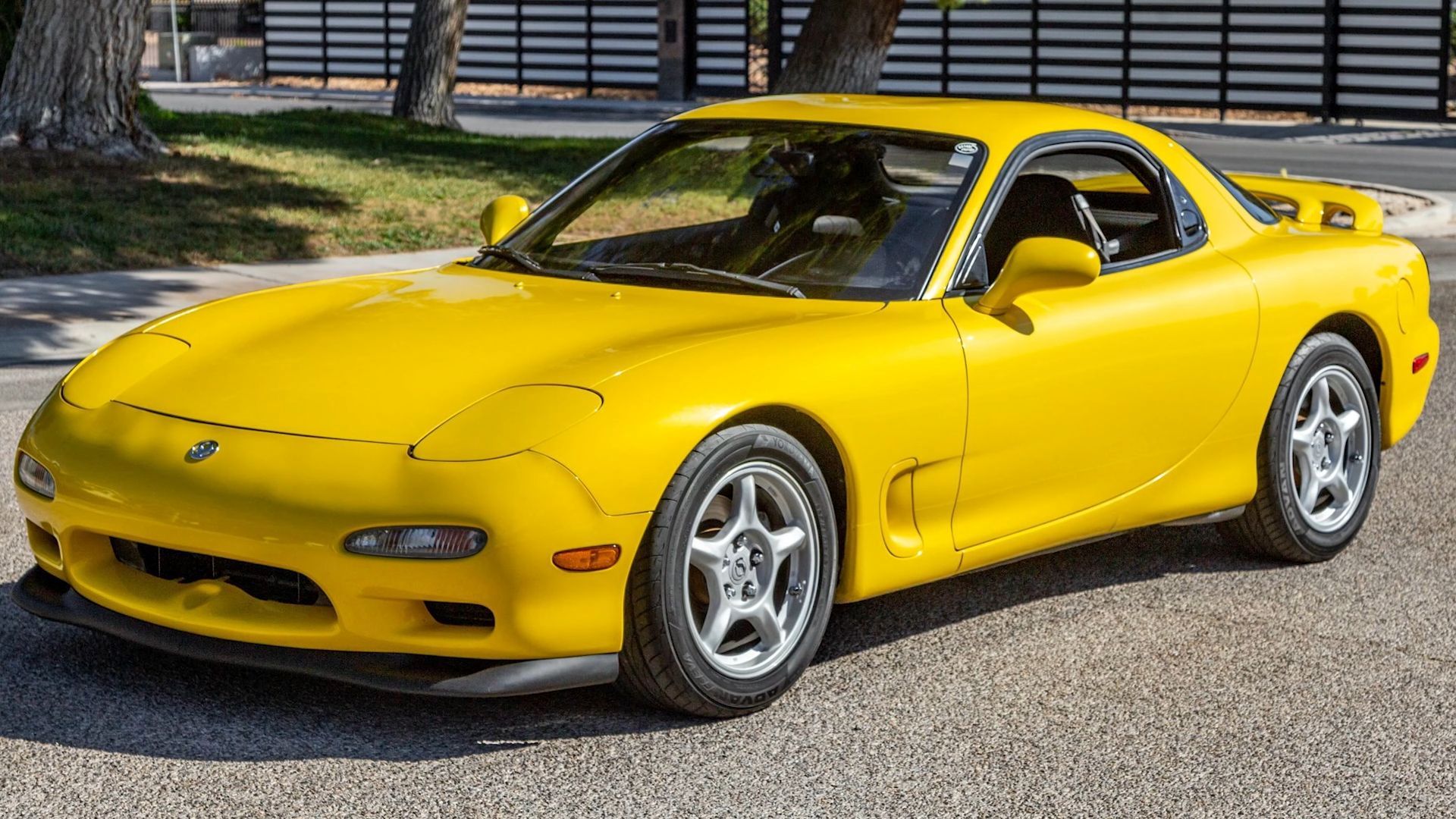
Mazda RX‑7 FD
The Mazda RX‑7 FD is widely admired for its rotary engine and sleek styling. Produced in the 1990s, the FD generation combined lightweight construction with a responsive powertrain that delivered a unique driving experience. The smooth power delivery and handling balance made it a favorite among enthusiasts who appreciated engineering ingenuity.
Rotary engines are known for their distinctive sound and compact design, but they also require particular maintenance to remain reliable. Well cared for RX‑7s with documented service histories and attention to engine condition are those most likely to hold or increase value over time. As good examples become rarer, demand may push prices upward.
The FD RX‑7 was successful in motorsports and became a symbol of Japanese performance engineering. Its appearance in media and tuning culture further solidified its reputation. These cultural influences continue to draw interest from new generations of collectors and drivers who admire its character.
As with other modern classics, condition is crucial. Cars with original body panels, interiors, and mechanical components are valued over heavily modified or neglected examples. Enthusiasts often look for vehicles with evidence of consistent care and preservation.
The Mazda RX‑7 FD represents a unique chapter in automotive history. Its combination of rotary performance, design flair, and enthusiast appeal make it a strong candidate for increased value by 2030 as the supply of well kept examples diminishes.
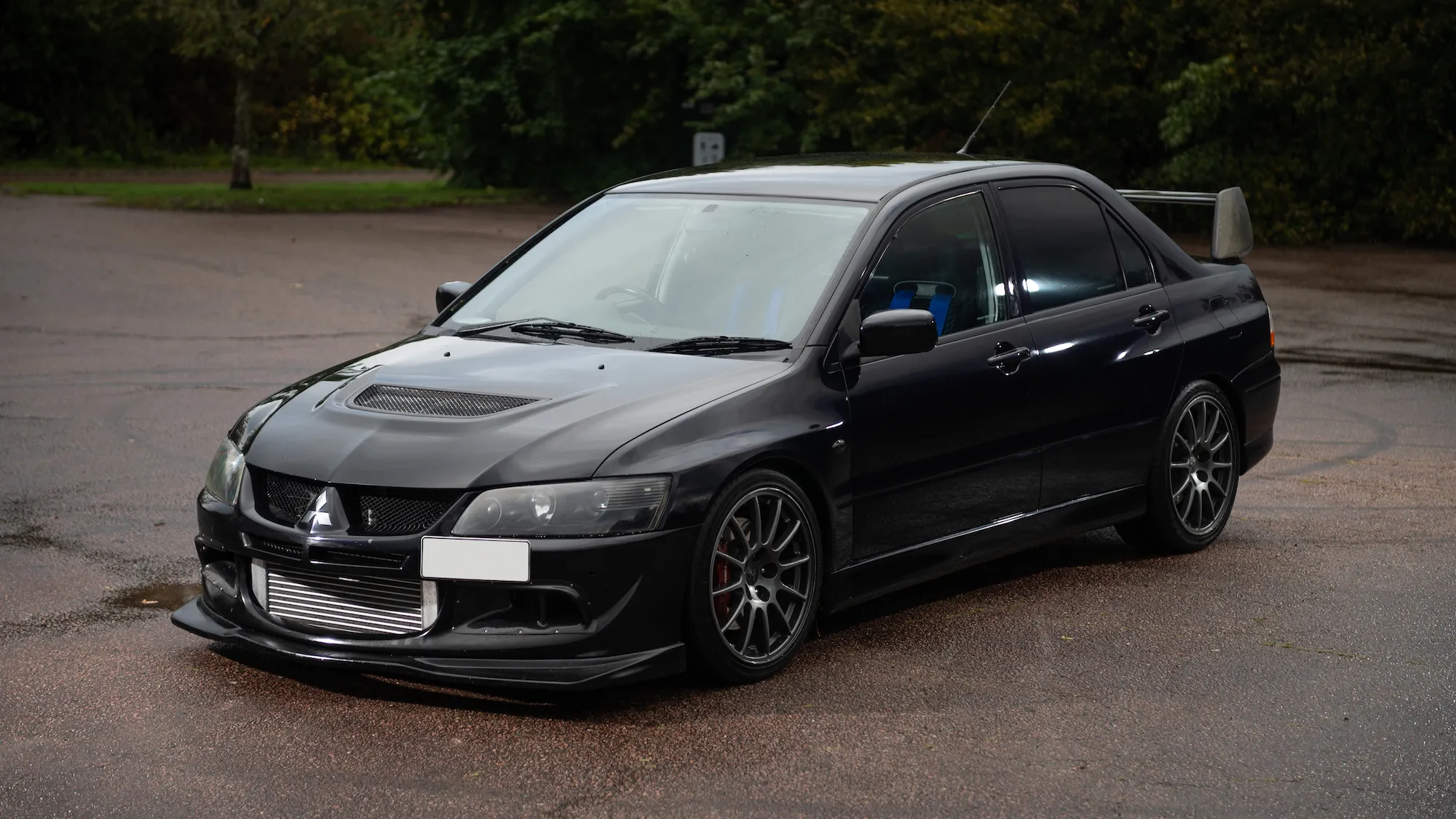
Mitsubishi Lancer Evolution VIII
The Mitsubishi Lancer Evolution VIII and IX generations brought high performance all wheel drive dynamics to a sedan platform. Produced in the early 2000s, these cars featured turbocharged engines and advanced all wheel drive systems that gave them exceptional handling and acceleration. Rally inspired technology made them favorites among driving enthusiasts.
Collectors and drivers appreciate the Evo for its performance potential and engineering focus. The chassis balance, responsive engine, and all wheel drive grip create a driving experience that remains thrilling today. Limited production compared with more mainstream models adds to their collectibility.
As with other performance cars, well preserved examples with documented histories are those most likely to appreciate in value. Modifications can detract from collectibility, especially if they alter the car’s original character. Enthusiasts often seek cars with stock engines, transmissions, and suspension setups.
The cultural impact of the Lancer Evolution series, especially in motorsports and tuning communities, has elevated its status among modern classics. Many enthusiasts regard these cars as benchmarks in performance sedans of their era. That esteem contributes to sustained interest in quality examples.
Between the demand from collectors and the relative scarcity of unmodified examples, the Evolution VIII and IX have strong potential for value growth by 2030. Their place in performance history and continued enthusiasm among drivers support this outlook.
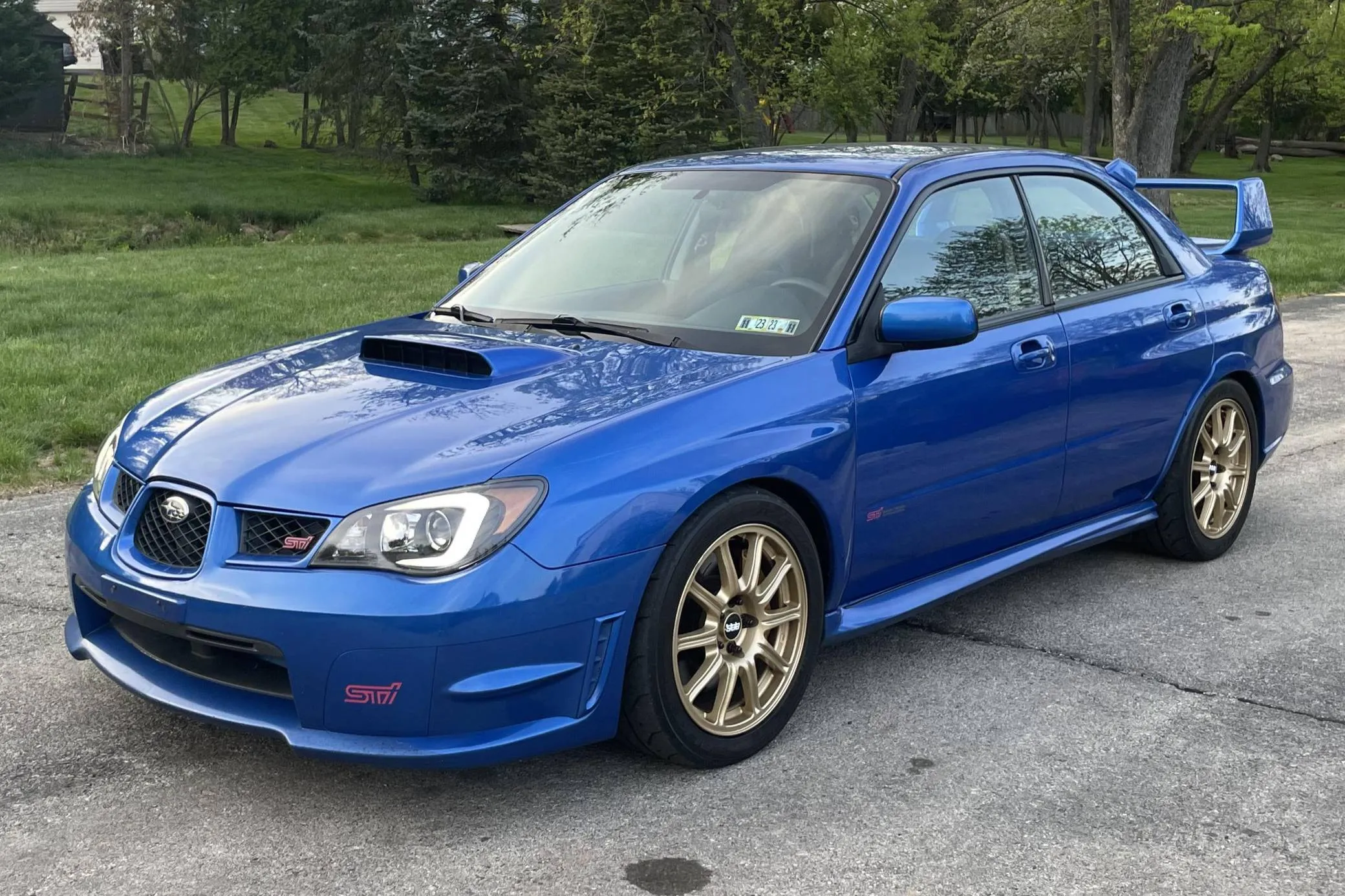
Subaru Impreza WRX STI (GD)
The Subaru Impreza WRX STI GD generation is another rally bred performance sedan that has captured the imagination of automotive fans worldwide. Produced in the early to mid 2000s, it featured a turbocharged engine and symmetrical all wheel drive system that delivered formidable performance on both road and track. This combination made it a legend among enthusiasts.
The GD STI’s distinctive boxer engine and performance tuned chassis set it apart from competitors. Its rally heritage lent credibility to its capabilities, and many drivers experienced these cars in competitive environments or through media before ever driving one. The connection between motorsport success and road car performance contributes to its desirability.
As time passes, the number of well preserved original examples continues to shrink. Enthusiasts seeking low mileage cars with complete service histories are willing to pay premiums. Modifications, common in this segment, can reduce collectibility when they depart from factory specifications.
Collectors also value special editions and rare trims within the GD generation. Cars with unique color schemes, limited production, or dealer installed options attract particular attention. These variants often command higher prices due to their scarcity and appeal among fans.
With its rally inspired performance, cultural resonance, and declining supply of quality examples, the Subaru Impreza WRX STI GD is considered a strong contender for continued value appreciation by 2030. Enthusiasts and collectors both recognize its place in automotive history.
