
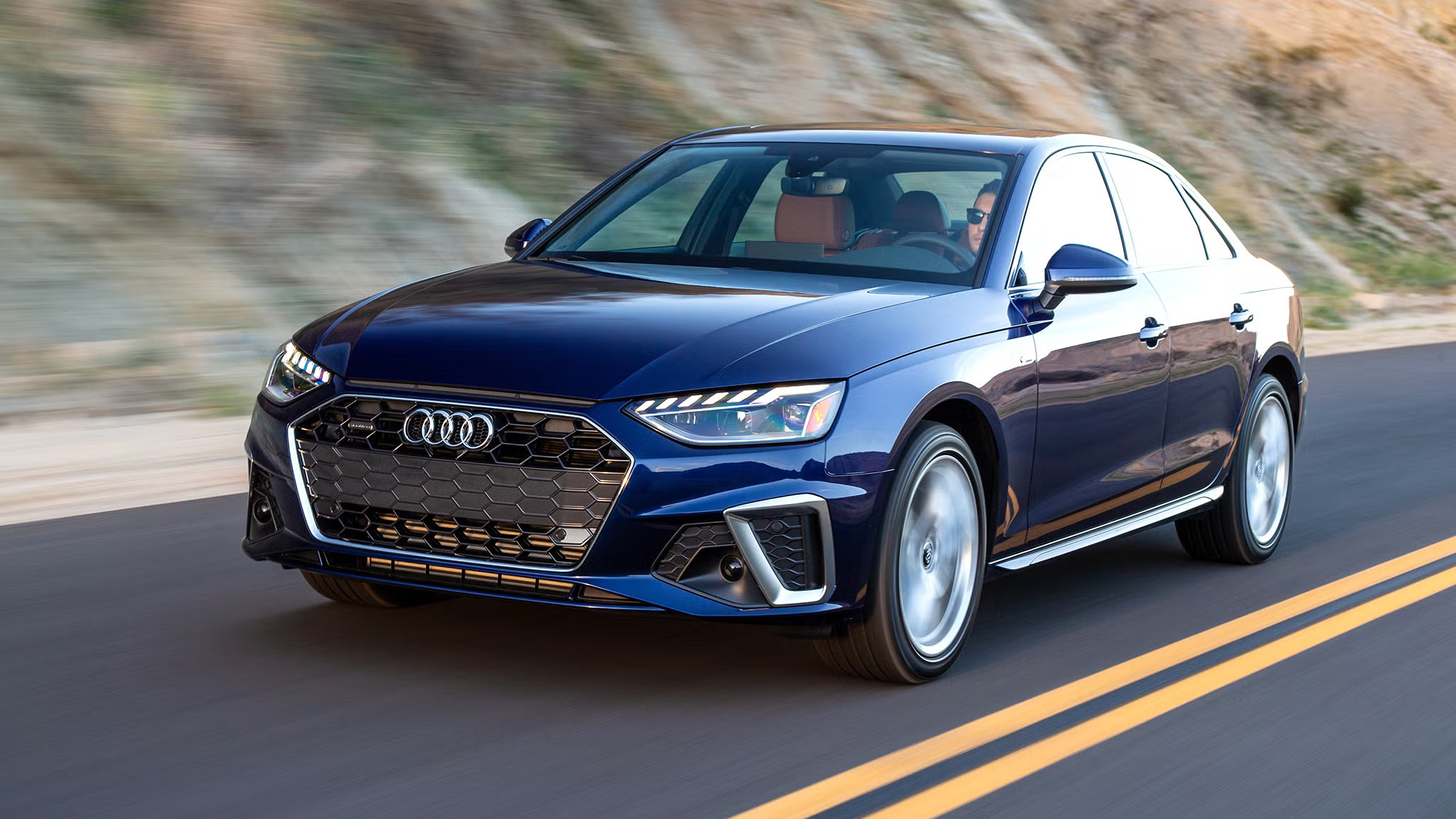
In recent years, car manufacturers have increasingly reconsidered how they equip vehicles for tire emergencies. Traditionally, almost every car came with a full-size or compact spare tire, providing drivers the confidence to replace a flat tire immediately and continue their journey without delay.
However, in the pursuit of weight reduction, fuel efficiency, and increased trunk space, many modern cars now come with tire repair kits instead of a physical spare. This shift reflects broader trends in automotive design and environmental consciousness, but it also raises practical questions for drivers.
Having a spare tire allows for immediate replacement in a wide range of scenarios, while a repair kit usually only provides temporary fixes for small punctures. As vehicles become more technologically advanced, manufacturers are weighing the balance between convenience, safety, and cost.
Some drivers may not realize that repair kits are generally limited to punctures in the tread area and are often ineffective for sidewall damage or large holes. On the other hand, carrying a spare, whether full-size or compact, ensures that a driver can address more serious tire issues without waiting for roadside assistance.
Understanding which cars still offer spare tires versus those that rely on repair kits is important for both safety and peace of mind. For consumers, the choice between these two approaches involves evaluating driving habits, common road conditions, and the availability of professional assistance.
In cities with frequent tire shops, a repair kit might suffice, but in rural or remote areas, the lack of a spare can lead to long delays or unsafe situations. Furthermore, the presence of a spare tire may affect resale value, as buyers may prefer vehicles that can handle unexpected tire failures independently.
By examining specific models and their approaches to tire management, drivers can make informed decisions and prepare for potential emergencies. This article provides a comparative overview of five modern cars that continue to include spare tires and five that now provide only repair kits.
Each list reflects the design philosophy, safety considerations, and practical implications of these choices, giving readers a clear understanding of how tire support varies across current automotive offerings. The discussion also highlights key points about maintenance, convenience, and the trade-offs manufacturers make between performance, weight, and safety.
This knowledge allows drivers to assess what type of tire emergency solution aligns with their lifestyle and driving needs, while staying informed about current industry trends and safety recommendations.
5 Modern Cars That Include Spare Tires
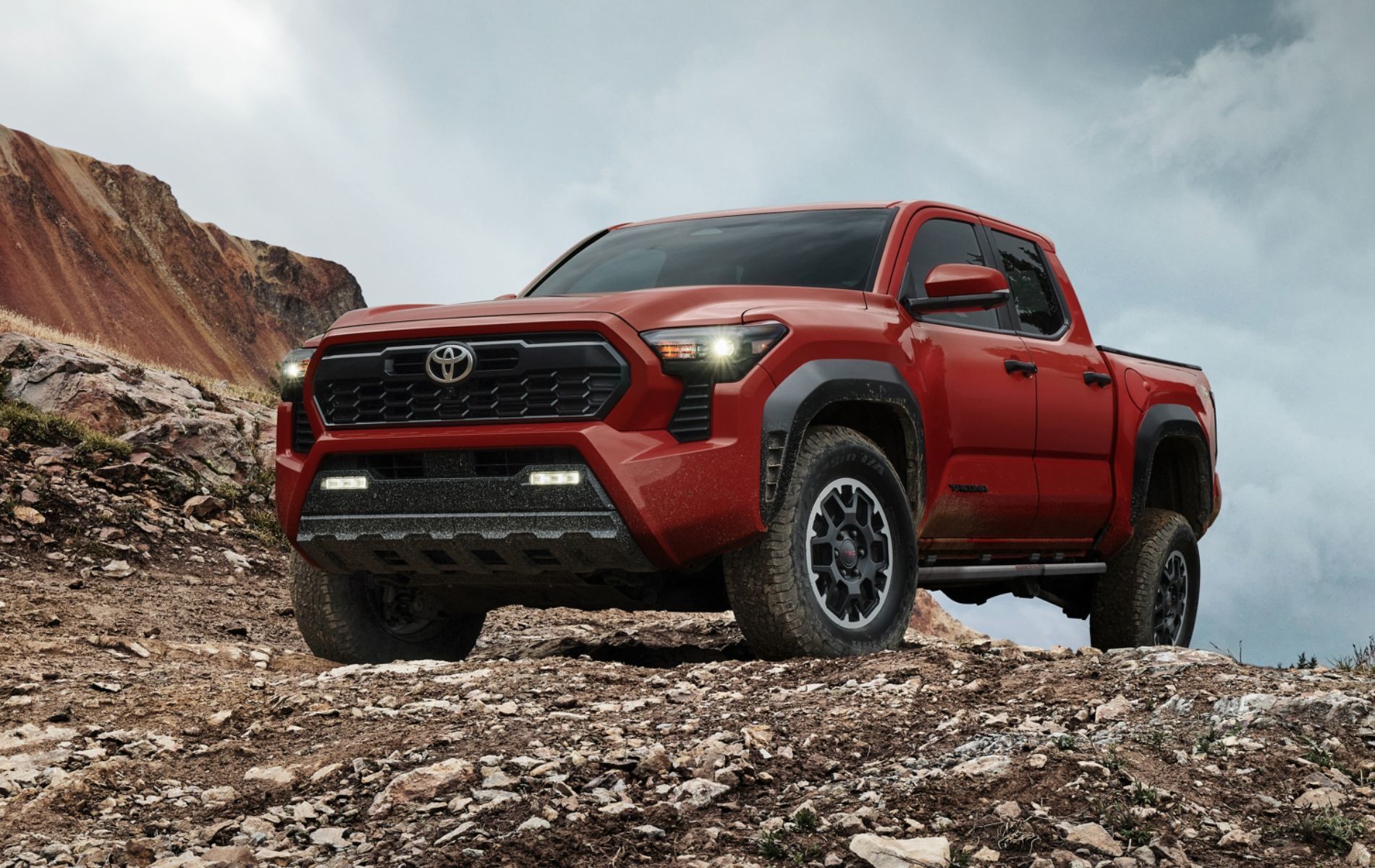
1. Toyota Tacoma
The Toyota Tacoma has maintained a reputation as a durable and reliable pickup truck, offering a full-size spare tire even in its modern trims. This ensures that drivers encountering rough terrain or long trips into rural areas are never stranded due to a flat.
The inclusion of a spare tire complements the truck’s off-road capabilities, giving it added resilience. Compact spare tires are standard on lower trims, while higher trims often include full-size spares for maximum utility. Drivers can also expect the spare to be stored under the truck bed, reducing the impact on cargo space.
The spare tire system in the Tacoma is designed for practical use during emergencies, making tire changes manageable without professional assistance. Jacking points are well-marked and accessible, reflecting Toyota’s focus on usability. This feature is particularly appreciated by drivers who often travel in areas without immediate access to tire repair services.
For adventure enthusiasts, the spare tire serves as a critical backup when venturing off-road. It also supports towing and heavy load scenarios where reliability is essential. The spare tire adds peace of mind, especially in regions prone to punctures from rocks or debris.
Toyota Tacoma drivers benefit from the durability of the spare tire, which matches the specifications of the vehicle’s standard tires. This eliminates compatibility issues that can occur with temporary solutions or patch kits. The spare is designed for extended use if needed, rather than being a short-term fix.
For truck owners, this capability is crucial when transporting heavy equipment or driving long distances without service stations. The inclusion of a spare also aligns with the vehicle’s reputation for ruggedness and practicality. It ensures that the truck can meet both everyday and extreme conditions reliably.
Maintenance of the spare tire in the Tacoma is straightforward, with regular checks recommended to maintain proper pressure. Owners are advised to inspect the tire periodically for wear or damage, as long-term storage can affect performance. Carrying a spare tire may add a small amount of weight, but the trade-off in safety and emergency readiness is considered worthwhile.
The spare also allows drivers to replace a damaged tire immediately, avoiding the risks associated with temporary patches. For many Tacoma owners, the spare tire reinforces the vehicle’s reputation for reliability and durability in diverse conditions.
Finally, the spare tire contributes to resale value by appealing to buyers who value self-sufficiency and safety. It reflects Toyota’s commitment to meeting driver needs across multiple use cases, from city driving to remote off-road excursions. Unlike vehicles with repair kits only, the Tacoma provides a tangible, long-term solution to tire problems.
This approach is consistent with consumer expectations in the pickup segment. For drivers who prioritize preparedness and long-term reliability, the Tacoma’s spare tire system represents a practical and reassuring feature.
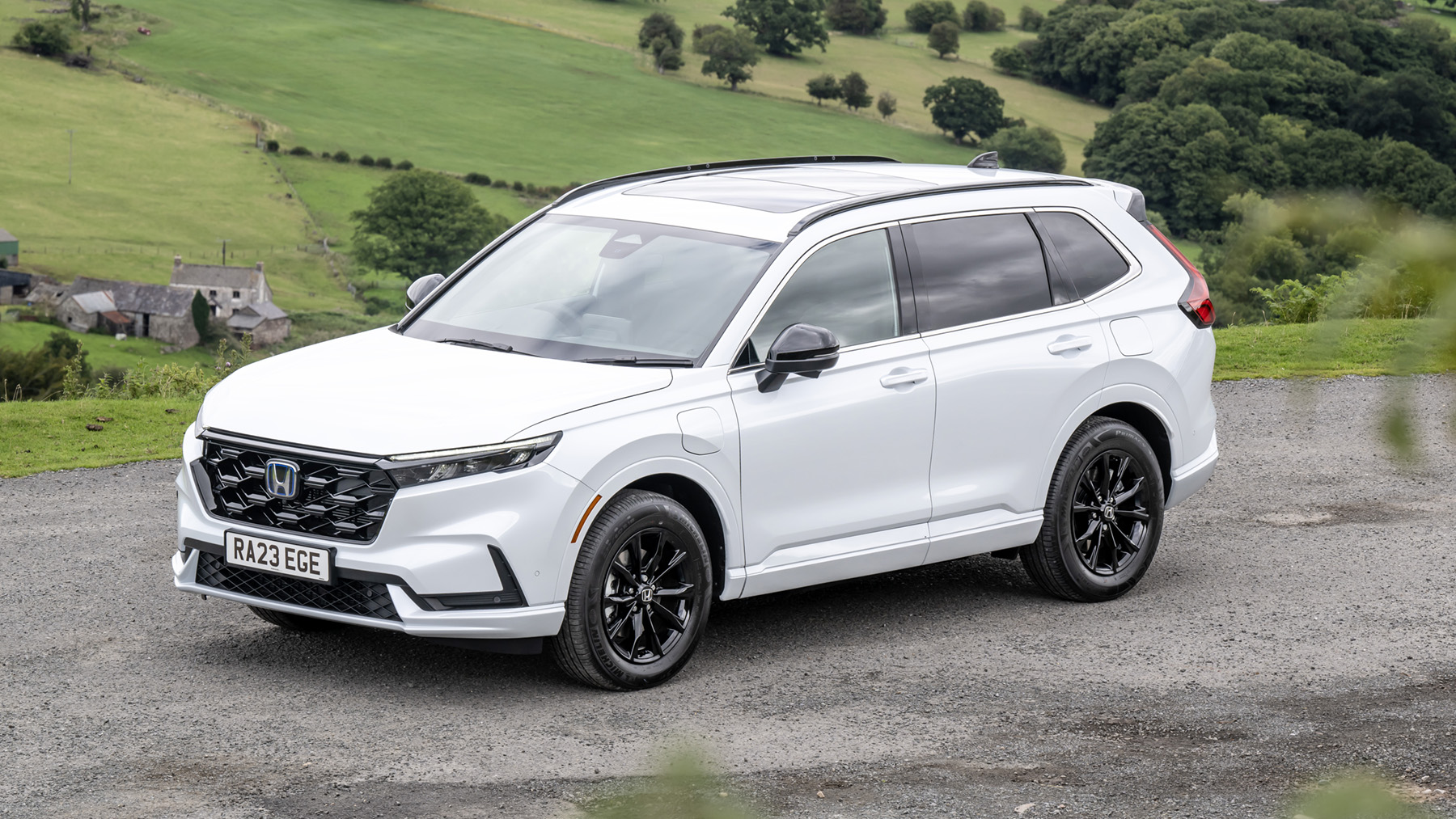
2. Honda CR-V
The Honda CR-V is a popular compact SUV that retains a compact spare tire on most trims, despite growing trends toward repair kits in its segment. This choice allows drivers to address unexpected flats without the immediate need for roadside assistance.
The spare tire is designed to fit efficiently in the trunk area, balancing space utilization with accessibility. It is particularly useful for families and commuters who rely on the vehicle for daily travel. Honda’s decision to include a spare tire reflects the brand’s focus on reliability and user convenience.
CR-V owners can replace a flat tire quickly, thanks to clearly marked jacking points and standard tools provided with the vehicle. This makes the spare tire system accessible even for those without prior tire-changing experience.
While the compact spare is intended for temporary use, it ensures that the vehicle remains drivable until a permanent replacement can be obtained.
The system emphasizes safety by allowing the driver to avoid leaving the vehicle stranded in potentially hazardous conditions. Honda combines this feature with a well-organized cargo area that accommodates the spare without sacrificing storage space.
The durability and reliability of the CR-V spare tire are suitable for typical urban and suburban driving conditions. It provides sufficient support to reach service centers without significant limitations. For longer trips or light off-road conditions, the spare can be relied upon to maintain mobility.
The system reduces dependence on repair kits, which may be ineffective for large punctures or sidewall damage. By offering a spare, Honda ensures that the CR-V meets consumer expectations for a dependable compact SUV capable of handling emergencies safely.
Regular maintenance of the CR-V spare involves checking tire pressure and inspecting for potential degradation over time. Honda provides guidelines to ensure that the spare remains ready for use when needed.
Compact spare tires require careful handling to avoid overuse, but they offer a practical balance between emergency preparedness and efficient use of trunk space. The presence of a spare also supports resale value, as it reassures potential buyers about the vehicle’s readiness for unexpected road issues. Families, commuters, and long-distance travelers often consider this feature a key advantage.
The CR-V’s spare tire represents a thoughtful balance between convenience, safety, and modern design. It complements the SUV’s reputation for reliability while accommodating the constraints of a compact vehicle.
For consumers evaluating tire support options, the CR-V stands out as a model that prioritizes real-world usability. The spare ensures that drivers are not reliant solely on temporary repair kits or immediate professional assistance. This approach reflects a broader commitment to driver confidence and vehicle practicality.
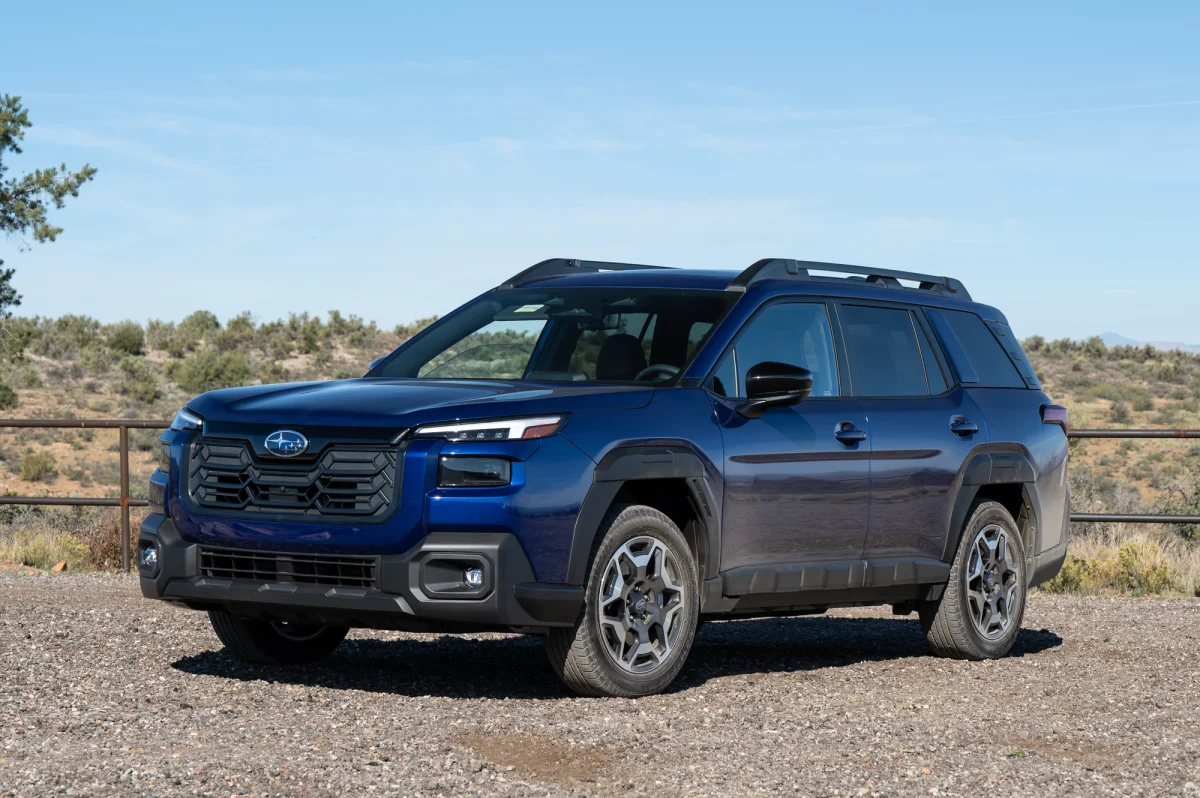
3. Subaru Outback
The Subaru Outback maintains a full-size spare tire on higher trims and a compact spare on base models, reflecting the brand’s focus on adventure-ready vehicles. As a crossover SUV often used for road trips and outdoor activities, the spare tire ensures drivers are prepared for various tire emergencies.
The vehicle’s all-wheel-drive system pairs with the spare to allow continued travel even in remote areas. Subaru’s design emphasizes safety, accessibility, and practicality, making the spare tire a consistent feature across many trims.
The spare tire system in the Outback is engineered for ease of use, with accessible storage and standard tools provided. It allows drivers to address punctures or damage that a repair kit might not fix. This is particularly important for drivers venturing into areas without nearby service centers.
A spare tire also supports the vehicle’s towing and load capabilities, ensuring that performance is not compromised in emergencies. Subaru prioritizes the balance between convenience and preparedness, offering drivers confidence in unexpected situations.
Durability is a key aspect of the Outback spare tire, which is designed to match the vehicle’s specifications. Unlike temporary repair solutions, the spare can be used for extended distances if necessary. This is critical for drivers who travel long routes or navigate unpaved roads.
Subaru’s attention to durability ensures that the spare tire performs reliably under conditions that might challenge other vehicles with only repair kits. It reinforces the Outback’s reputation as a versatile and dependable vehicle for diverse driving environments.
Maintaining the Outback spare tire is simple, with regular checks of pressure and condition recommended. Proper storage ensures that the tire remains effective when needed. While carrying a spare may slightly reduce cargo space, Subaru minimizes this impact with efficient placement.
The spare tire system allows immediate replacement without relying on external assistance, providing safety and convenience. Drivers can confidently navigate areas where punctures are more likely, knowing the vehicle is fully equipped for emergencies.
Subaru’s inclusion of a spare tire enhances the practicality and value of the Outback. Buyers and drivers who prioritize safety, off-road capability, and reliability often view the spare as a key feature.
It differentiates the Outback from many competitors in its class that rely solely on repair kits. By offering a tangible solution to tire problems, Subaru aligns with consumer expectations for adventure-oriented vehicles. The spare tire represents both foresight and a commitment to user safety and convenience.

4. Jeep Wrangler
The Jeep Wrangler has long been associated with off-road capability and rugged performance, and it continues to come equipped with a full-size spare tire. This feature is essential for drivers who frequently travel on unpaved trails or encounter debris that could damage tires.
The spare is mounted on the rear tailgate, providing easy access without compromising cabin space. Jeep’s design philosophy emphasizes preparedness and reliability in remote or challenging environments.
Wrangler owners can quickly replace a damaged tire thanks to the vehicle’s robust jack and suspension-friendly jacking points. The spare allows drivers to maintain mobility even in locations far from repair shops.
Unlike repair kits, which may fail on sidewall damage or large punctures, the full-size spare guarantees a durable and long-lasting solution. This approach aligns with the Jeep brand’s promise of adventure-ready vehicles. Drivers can confidently take on longer journeys without concern for tire limitations.
The spare tire matches the Wrangler’s off-road tires, ensuring consistent performance and handling. It can withstand the same rough terrain and heavy loads as the primary tires, which is critical for off-road excursions. Jeep’s attention to compatibility eliminates concerns about temporary or compact spares failing under strain. For enthusiasts who frequently modify their vehicles with larger tires or lift kits, the spare remains a reliable and essential component.
Maintaining the Wrangler’s spare tire involves periodic pressure checks and inspection for wear or damage. Exposure to the elements is minimal due to its rear-mounted position, but it still requires care to remain functional.
The spare allows immediate replacement, reducing downtime in challenging situations. For drivers relying on the vehicle for weekend trips, off-road adventures, or work-related travel, this feature ensures safety and convenience without compromise.
Finally, the inclusion of a spare tire strengthens the resale value of the Jeep Wrangler. Potential buyers appreciate the self-sufficiency and emergency preparedness it provides. Compared with vehicles that rely solely on repair kits, the Wrangler demonstrates a commitment to practical, real-world usability.
The spare is not just an accessory; it is an integral part of the vehicle’s design philosophy. Jeep owners benefit from peace of mind knowing that tire emergencies can be handled independently.
5. Ford F-150
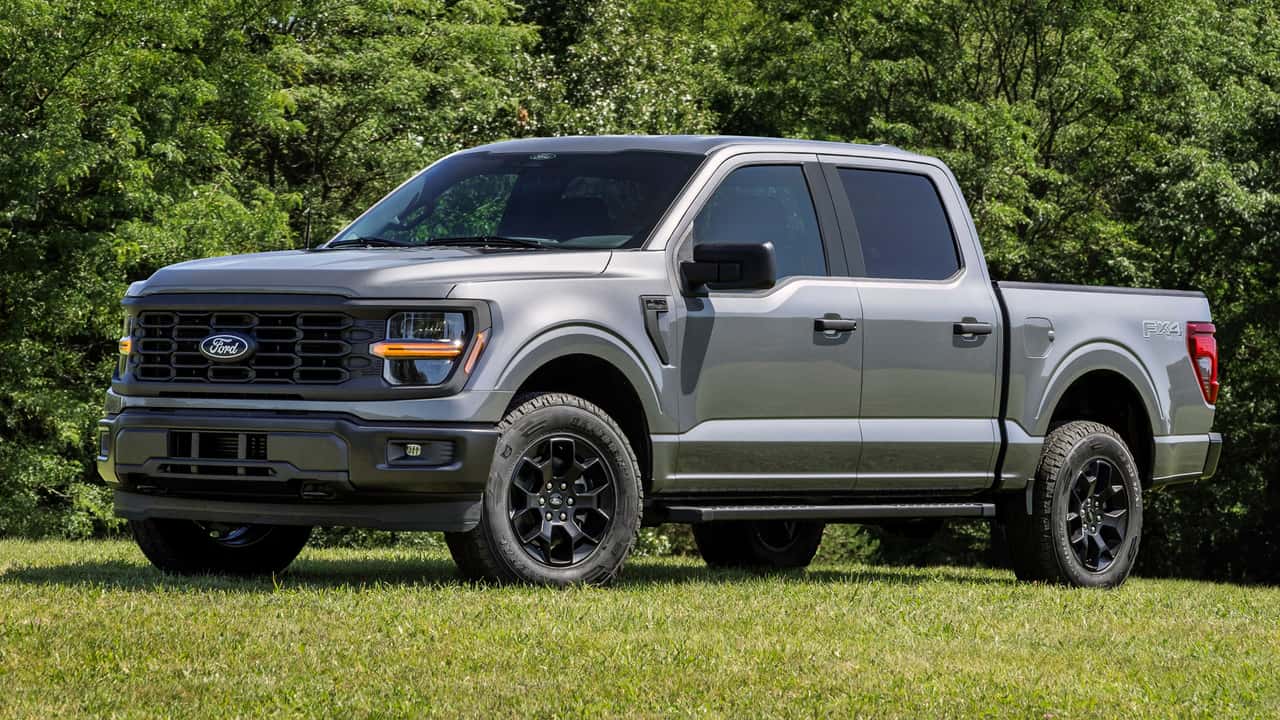
The Ford F-150 is one of the best-selling pickup trucks in the United States and continues to include a spare tire in most trims. The spare is typically a full-size tire, reflecting the truck’s heavy-duty design and emphasis on reliability.
F-150 drivers often face long drives, off-road routes, or work sites where immediate access to tire repair services may be limited. Having a spare tire ensures that downtime is minimized and that the vehicle can continue operating safely.
Replacing a tire on the F-150 is straightforward thanks to clearly marked jacking points and the inclusion of necessary tools. The spare tire system allows drivers to respond to punctures or blowouts without waiting for roadside assistance.
This is particularly valuable for drivers transporting heavy equipment or towing trailers, where temporary repair kits may not provide sufficient durability. Ford’s focus on practical utility is evident in this feature.
The spare tire matches the truck’s primary tires, ensuring consistent handling, traction, and safety. Whether driving on highways, rural roads, or off-road paths, the spare maintains vehicle performance standards.
This is especially important for heavy-duty applications, where mismatched temporary solutions could compromise stability. Ford designs the spare for both short-term emergencies and longer-term usability.
Maintenance for the F-150 spare involves periodic inspections and pressure checks, which are critical to ensuring readiness. While carrying a full-size spare adds some weight to the vehicle, the trade-off is considered necessary for safety and reliability.
The ability to immediately replace a flat tire reduces risks associated with being stranded, particularly in less populated areas. Drivers benefit from the convenience and confidence of having a reliable backup solution.
Including a spare tire adds value to the F-150 by emphasizing utility and preparedness. Buyers often consider this feature when evaluating trucks for work, travel, or off-road performance.
Compared with models that rely on repair kits, the F-150 offers tangible assurance that tire emergencies can be resolved independently. This approach aligns with the truck’s design philosophy of durability, versatility, and driver confidence.
5 Modern Cars That Only Come With Repair Kits

1. Tesla Model 3
The Tesla Model 3 has become a popular electric vehicle and now typically comes with a tire repair kit instead of a spare tire. The decision reflects efforts to reduce vehicle weight and maximize interior and trunk space for passenger comfort.
Repair kits are compact, easy to store, and can temporarily seal small punctures in the tire tread area. Tesla emphasizes the use of roadside assistance or mobile service options for more serious tire problems.
While the repair kit can address minor punctures, it is not suitable for sidewall damage or large holes. Drivers relying on these kits must be cautious about the kit’s limitations and understand that it is a temporary solution.
Tesla provides clear instructions and safety guidelines to ensure the kit is used effectively. For urban commuters, the kit may suffice, but long-distance or remote travel may pose challenges.
The Model 3’s repair kit includes a sealant and compressor, allowing the driver to temporarily restore tire pressure. This solution is designed to get the car to the nearest service center rather than serve as a permanent fix.
Electric vehicles often have low rolling resistance tires, which may complicate the use of conventional spare tires. Tesla balances convenience and space efficiency with the inherent limitations of a repair kit.
Maintaining the repair kit involves checking the sealant and ensuring the compressor is functional. Unlike spare tires, which can sit unused for years, repair kits may degrade or expire, requiring attention.
Drivers should periodically inspect the kit to confirm readiness. Tesla owners are encouraged to familiarize themselves with the kit’s operation to minimize stress in emergencies.
The absence of a spare tire can affect resale considerations for buyers who prioritize self-sufficiency. However, the trade-off is reduced vehicle weight, slightly improved range, and additional storage space.
For Tesla drivers who primarily operate in urban or suburban areas with access to service facilities, repair kits provide a practical, though temporary, solution for tire issues.

2. BMW 3 Series
Modern BMW 3 Series sedans increasingly offer a tire repair kit instead of a spare tire. The choice is influenced by goals to reduce vehicle weight, improve fuel efficiency, and maintain a sleek trunk design.
Repair kits can temporarily seal minor punctures in the tread area but cannot address severe tire damage. BMW emphasizes careful driving after using the kit and reaching a professional repair facility promptly.
The kit typically includes a sealant canister and air compressor, allowing the driver to restore tire pressure for short distances. It is designed for convenience in urban or highway settings but is not a replacement for a full-size spare.
The vehicle’s limited trunk space in modern designs also motivates the use of compact kits. BMW prioritizes style, efficiency, and safety while accepting the limitations of temporary solutions.
Drivers should be aware that repair kits do not work on sidewall damage or large punctures, and attempting to drive extensively on a sealed tire may reduce safety.
BMW provides detailed instructions and guidelines for safe use. For daily commuting and occasional trips, the kit may be sufficient, but longer journeys into remote areas require additional planning.
Maintenance of the kit involves inspecting sealant levels and ensuring the compressor functions properly. Unlike spare tires, the components of a repair kit may expire or become ineffective if neglected.
BMW owners are encouraged to review the kit’s instructions periodically and confirm readiness before long trips. The repair kit is compact and lightweight, contributing to fuel efficiency and ease of storage.
The use of a repair kit over a spare tire aligns with BMW’s focus on performance, efficiency, and modern aesthetics.
While it may not provide the same self-sufficiency as a spare, it reflects consumer expectations for compact, stylish, and efficient vehicles. Drivers must balance the convenience and weight savings with awareness of the kit’s limitations.
3. Audi A4
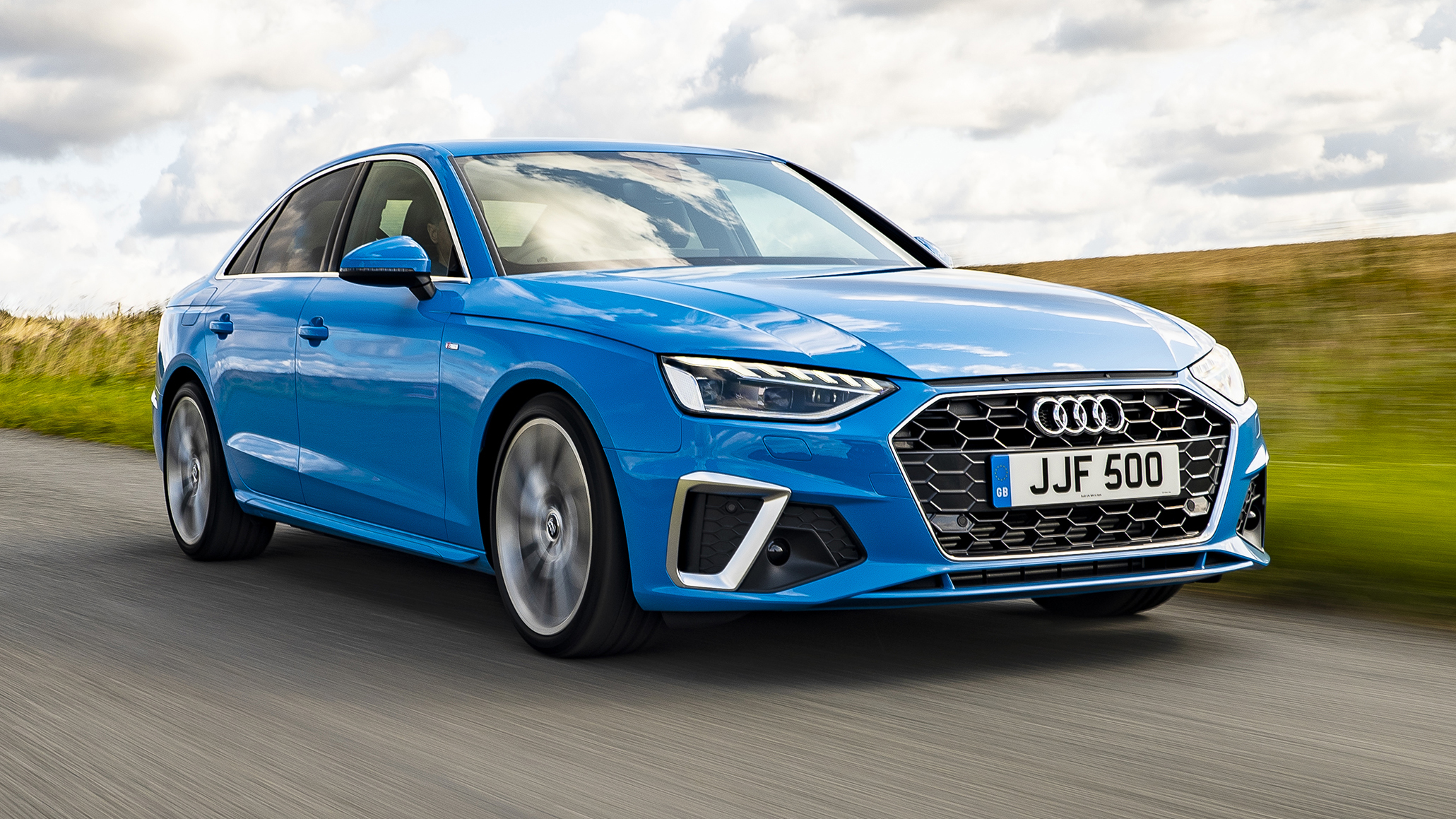
The Audi A4, a compact luxury sedan, now typically comes with a tire repair kit instead of a spare tire across most trims. This reflects Audi’s focus on lightweight design, improved fuel efficiency, and maintaining a sleek trunk profile.
The repair kit can temporarily seal minor punctures in the tread area but cannot fix sidewall damage or larger holes. For most urban or highway driving scenarios, this temporary solution allows drivers to reach a service center safely.
The kit includes a small air compressor and sealant, which can restore limited tire pressure and enable short-distance travel. Audi provides clear instructions on safe use, ensuring drivers understand the kit’s purpose and limitations. For occasional punctures, the repair kit is a convenient alternative to a bulky spare tire. It is particularly suitable for city drivers with easy access to repair facilities.
Audi emphasizes caution when using the repair kit, advising drivers to avoid high speeds or long distances after sealing a tire.
This ensures safety and prevents further damage to the tire or wheel. While the kit cannot replace a full-size spare, it aligns with the A4’s compact and modern design. The vehicle balances efficiency, style, and emergency preparedness within the limits of a temporary solution.
Maintaining the Audi A4 repair kit involves periodic checks to ensure the sealant is viable and the compressor is operational. Unlike spare tires, which can remain unused for years, repair kits require careful monitoring.
Drivers should confirm the kit is in good condition before long trips or areas with limited service options. The compact design of the kit preserves trunk space and contributes to weight reduction.
Using a repair kit instead of a spare tire is consistent with Audi’s approach to luxury, efficiency, and sleek design. While it offers convenience, drivers must recognize its limitations.
Buyers seeking self-sufficiency in tire emergencies may need to consider aftermarket spares or portable solutions. Nevertheless, for urban driving and controlled environments, the repair kit provides an adequate compromise between utility and design.

4. Mercedes-Benz C-Class
The Mercedes-Benz C-Class sedan typically comes equipped with a tire repair kit rather than a full-size spare. This choice aligns with the brand’s goal to optimize interior space, reduce weight, and maintain a refined trunk layout. The repair kit allows drivers to address minor punctures but is not suitable for sidewall or significant tire damage. Mercedes-Benz provides clear guidance to ensure safe use of the kit and to minimize risk while traveling.
The kit generally contains a sealant and an air compressor, allowing temporary repair for minor punctures. It is designed to restore limited mobility and help the driver reach a professional service center. This approach reduces the need for additional trunk space and complements the vehicle’s luxury-focused interior design. For most urban drivers, the kit offers a compact and lightweight solution.
Mercedes-Benz emphasizes careful use of the repair kit, warning drivers to avoid extended driving or high speeds after application. The kit is a short-term solution intended to facilitate safe travel to a service center. Unlike vehicles with full-size spares, the C-Class does not provide independent tire replacement for larger emergencies. This reflects the brand’s balance of efficiency, safety, and style.
Maintenance of the repair kit involves checking the sealant and ensuring the air compressor functions correctly. The kit’s components can expire or lose effectiveness if not inspected periodically. While the compact kit saves space, drivers must be aware that it does not replace a true spare tire. Mercedes-Benz encourages users to be mindful of its limitations, especially in remote locations or on long trips.
The absence of a spare tire is offset by the C-Class’s combination of design, performance, and convenience. While the kit provides temporary mobility, drivers must plan for permanent repairs at service centers.
This reflects a growing trend among luxury vehicles prioritizing efficiency, weight reduction, and trunk space. The repair kit is practical for most city or highway scenarios but requires awareness of its limitations.

5. Hyundai Ioniq 5
The Hyundai Ioniq 5, an all-electric crossover, comes with a tire repair kit instead of a spare tire in most trims. The decision is influenced by the need to reduce weight, preserve interior space, and maximize battery efficiency. The repair kit can temporarily seal small punctures in the tire tread, allowing drivers to reach a service center safely. Sidewall damage or large punctures cannot be addressed with this kit.
The kit typically contains a sealant bottle and air compressor, enabling short-term mobility after minor tire issues. Hyundai provides instructions and safety precautions to ensure proper use. For urban or suburban driving, the kit is usually sufficient, but longer trips or remote routes may require additional planning. The approach reflects the brand’s focus on efficiency and modern design rather than traditional redundancy.
Drivers must exercise caution after using the kit, as it is a temporary solution intended to facilitate safe travel rather than permanent repair. The Ioniq 5’s electric powertrain and low rolling resistance tires make traditional spares less practical. The repair kit is lightweight and compact, minimizing its impact on cargo space while still providing basic emergency functionality.
Maintenance of the Ioniq 5 repair kit involves checking sealant levels and ensuring the compressor operates correctly. Unlike spare tires, which can remain unused for long periods, repair kits can degrade over time. Regular inspection ensures the kit is ready when needed. For many EV drivers, this compromise between weight, efficiency, and emergency preparedness is acceptable.
The Hyundai Ioniq 5’s reliance on a repair kit reflects broader trends in electric vehicle design. While it sacrifices self-sufficiency compared with a full-size spare, it improves efficiency and interior usability.
Drivers in urban settings benefit from a compact, practical solution for minor tire emergencies. Awareness of the kit’s limitations is key for safe operation and planning for longer trips or remote driving.
