
The automotive industry is entering a period of significant global change as international trade dynamics increasingly influence vehicle production and distribution. With the announcement of the 2026 Chinese component tariffs, several car brands face potential shifts in pricing, supply chain operations, and market strategies.
These tariffs specifically target Chinese-owned automotive companies exporting vehicles and parts to the United States and other international markets.
This creates both challenges and opportunities for manufacturers who rely heavily on Chinese manufacturing for essential components. Companies may need to reconsider sourcing strategies, reevaluate assembly locations, or adjust pricing to remain competitive while maintaining profit margins.
Chinese automotive brands have rapidly expanded their global presence, offering competitive electric and hybrid vehicles that are gaining traction in North America, Europe, and Asia. Brands such as BYD and NIO have become leaders in electric vehicle production, providing alternatives to traditional American and European offerings.
However, with new tariffs taking effect, the cost of exporting these vehicles to markets like the U.S. is expected to rise, which could impact sales volumes and consumer adoption.
The tariffs also highlight the strategic importance of diversifying supply chains and investing in local production facilities to avoid punitive fees. For international car buyers, these changes may influence purchasing decisions, as higher prices or limited availability could redirect demand toward other brands or locally produced vehicles.
The United States automotive market, one of the largest globally, relies heavily on imported components to meet demand for both conventional and electric vehicles. Chinese-owned brands have benefitted from advanced battery technology, cost-effective manufacturing, and large-scale production capabilities.
Yet, the new tariffs create a direct financial impact, making Chinese-made vehicles less price-competitive in key markets.
This may slow the growth of Chinese electric vehicles in the U.S. and encourage domestic investment in local production plants. Consumers and investors are watching these developments closely, as the policy shift could reshape the competition over the next several years.
In addition to the economic effects, the 2026 tariffs signal a shift in geopolitical relations and trade policy, emphasizing national production priorities and technological independence. Automotive manufacturers must navigate these regulatory carefully, balancing international growth ambitions with compliance obligations.
Companies already operating production facilities in multiple regions may have a strategic advantage, while those heavily reliant on Chinese exports face uncertainty. Adapting to this new environment requires careful planning in logistics, sourcing, and market positioning, as well as ongoing monitoring of trade developments and policy announcements.
The upcoming tariffs mark a turning point for both Chinese-owned automotive brands and U.S. manufacturers. They provide a clear incentive for global car companies to reevaluate supply chains and strengthen domestic production capabilities.
Consumers may encounter higher prices for certain imports, while U.S.-based brands may see increased opportunities to capture market share. The next several years will be critical for companies looking to sustain growth in the face of changing trade policies, evolving market demands, and competitive pressures from both domestic and international players.
Understanding the brands affected by these tariffs, along with those that remain domestically sourced, will help industry participants and consumers make informed decisions.
5 Chinese-Owned Car Brands Affected by 2026 Tariffs
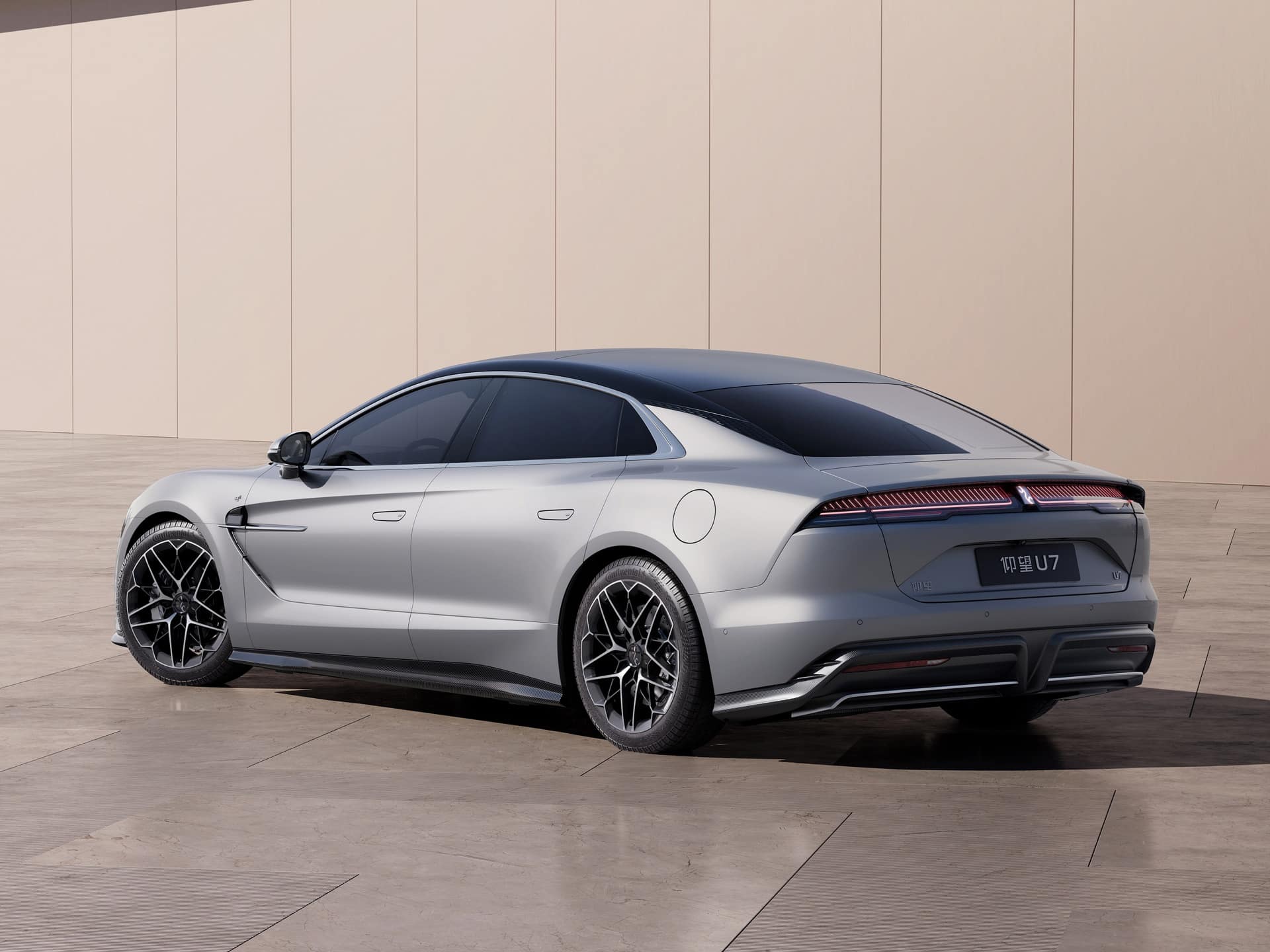
BYD
BYD, one of the largest electric vehicle manufacturers globally, has rapidly expanded its market presence outside China. The company is known for its affordable electric vehicles and advanced battery technology.
With the 2026 tariffs, the cost of exporting BYD vehicles to the United States will rise significantly. This could impact the company’s competitive edge in pricing and market adoption.
BYD has invested heavily in research and development to improve battery efficiency and vehicle range. These innovations have made the brand a serious competitor to American and European manufacturers.
However, reliance on Chinese-based production facilities makes BYD vulnerable to the tariffs. The higher import costs may slow consumer adoption in key markets.
To mitigate these impacts, BYD may consider building assembly plants closer to target markets. Expanding local production would reduce exposure to tariffs and help maintain price competitiveness. The company’s long-term strategy already includes global expansion, making such adjustments feasible.
Consumer perception may also be affected, as higher prices resulting from tariffs could change the perceived value of BYD vehicles. The brand’s appeal as an affordable electric vehicle option may diminish if costs rise significantly. Market analysts anticipate that BYD will need to respond quickly to maintain momentum.
Despite these challenges, BYD continues to lead in battery innovation and production scale. Its ability to adapt to trade restrictions will be crucial for sustaining international growth. The company’s position in emerging EV markets remains strong, even as tariffs create obstacles in established markets.
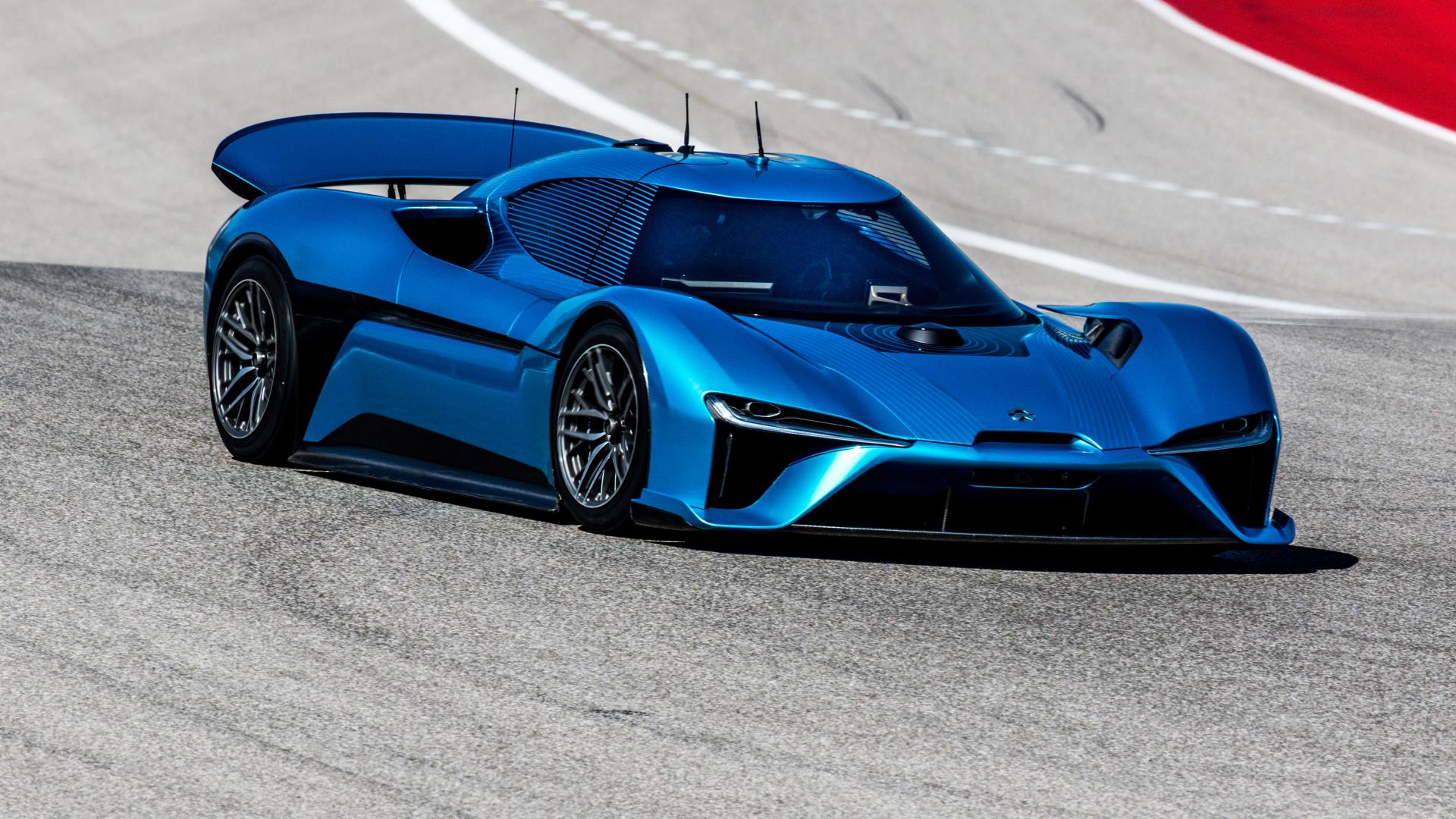
NIO
NIO has positioned itself as a premium electric vehicle manufacturer with a focus on technology and performance. The 2026 Chinese component tariffs pose a risk to its U.S. sales due to increased import costs.
Tariffs on critical components such as batteries, electronics, and assembled vehicles may reduce the brand’s profitability abroad.
NIO’s vehicles are highly sought after for their performance features, autonomous driving capabilities, and innovative battery-swapping technology. These features differentiate the brand from competitors, but rising costs could reduce accessibility for some consumers. The tariff challenge highlights the importance of strategic supply chain management.
The company is exploring international assembly options to bypass tariff-related price increases. Establishing local production facilities could mitigate the financial impact and maintain competitive pricing. NIO’s experience with global partnerships may help accelerate this transition.
Consumer sentiment may be influenced by the perception of higher costs. NIO’s reputation for premium quality may help cushion the impact, but price-sensitive buyers may shift to alternative brands. The company must balance innovation with affordability in response to tariffs.
Long-term, NIO aims to expand its presence beyond China while maintaining technological leadership. The 2026 tariffs present short-term challenges but may also drive investment in localized production and innovation strategies. The brand’s adaptability will determine its success in new markets.
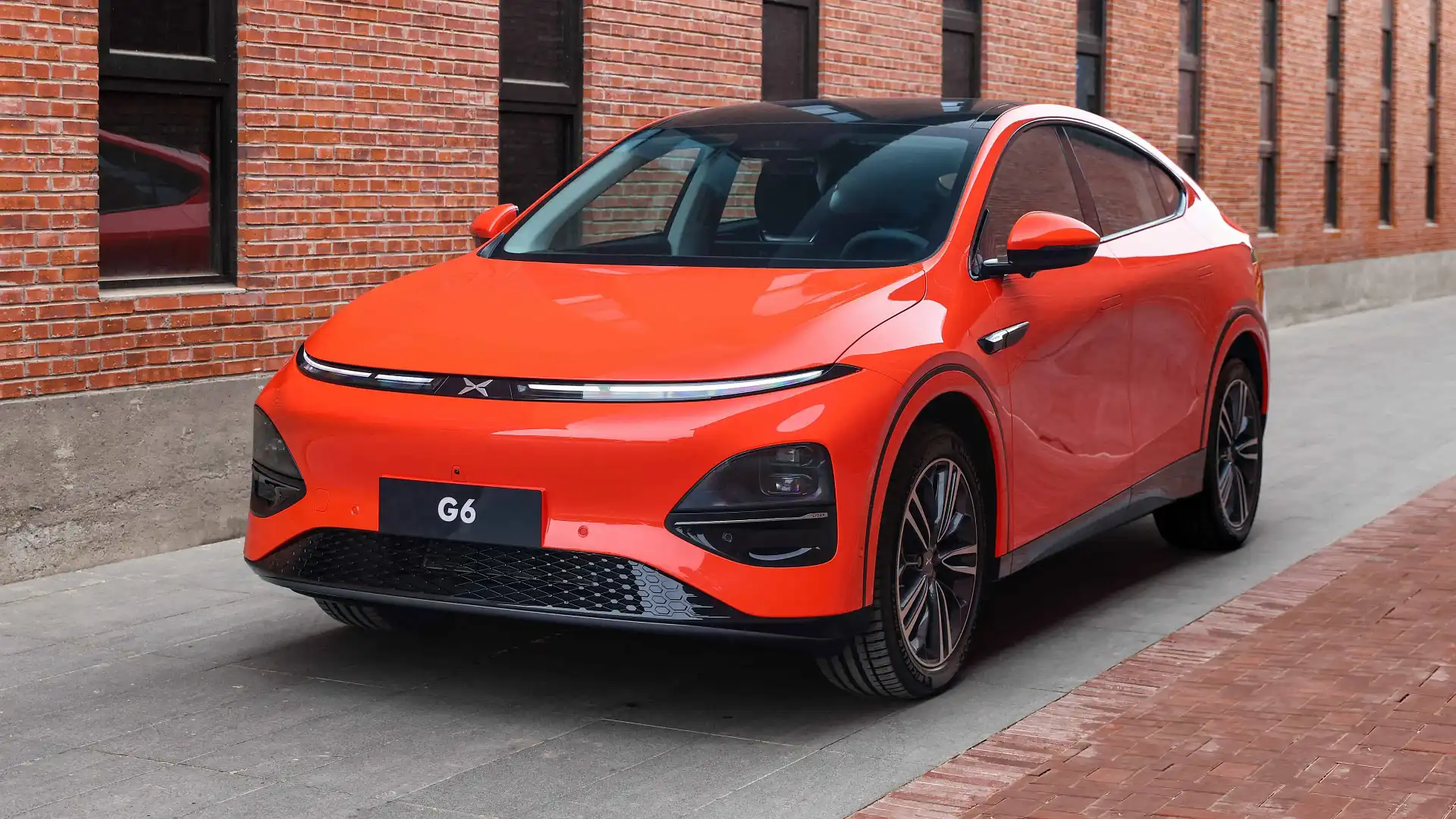
XPeng
XPeng focuses on producing smart electric vehicles equipped with advanced autonomous driving technology. The company has gained attention for its innovative features and competitive pricing in the Chinese market. The 2026 tariffs will affect XPeng’s exports, increasing costs for U.S. consumers and potentially slowing adoption.
Battery packs and electronic components, often sourced from China, form a significant portion of XPeng’s production costs. Tariffs on these items may force the company to reconsider supply chain strategies. Cost increases could reduce XPeng’s competitiveness compared to locally produced EVs.
To address these challenges, XPeng may invest in regional manufacturing or partnerships with U.S. companies. Establishing assembly lines outside China can help circumvent tariffs and reduce logistical complexities. The company’s experience with international collaboration may facilitate this process.
Market response will depend on XPeng’s ability to maintain affordable pricing while offering cutting-edge features. Consumer interest in smart EVs remains strong, but tariffs could slow growth in the U.S. The company must carefully balance price and technology to sustain demand.
XPeng’s long-term success depends on strategic planning and investment in global production capabilities. While tariffs present immediate obstacles, the company’s innovative approach positions it for continued international relevance. Proactive measures may turn challenges into opportunities.
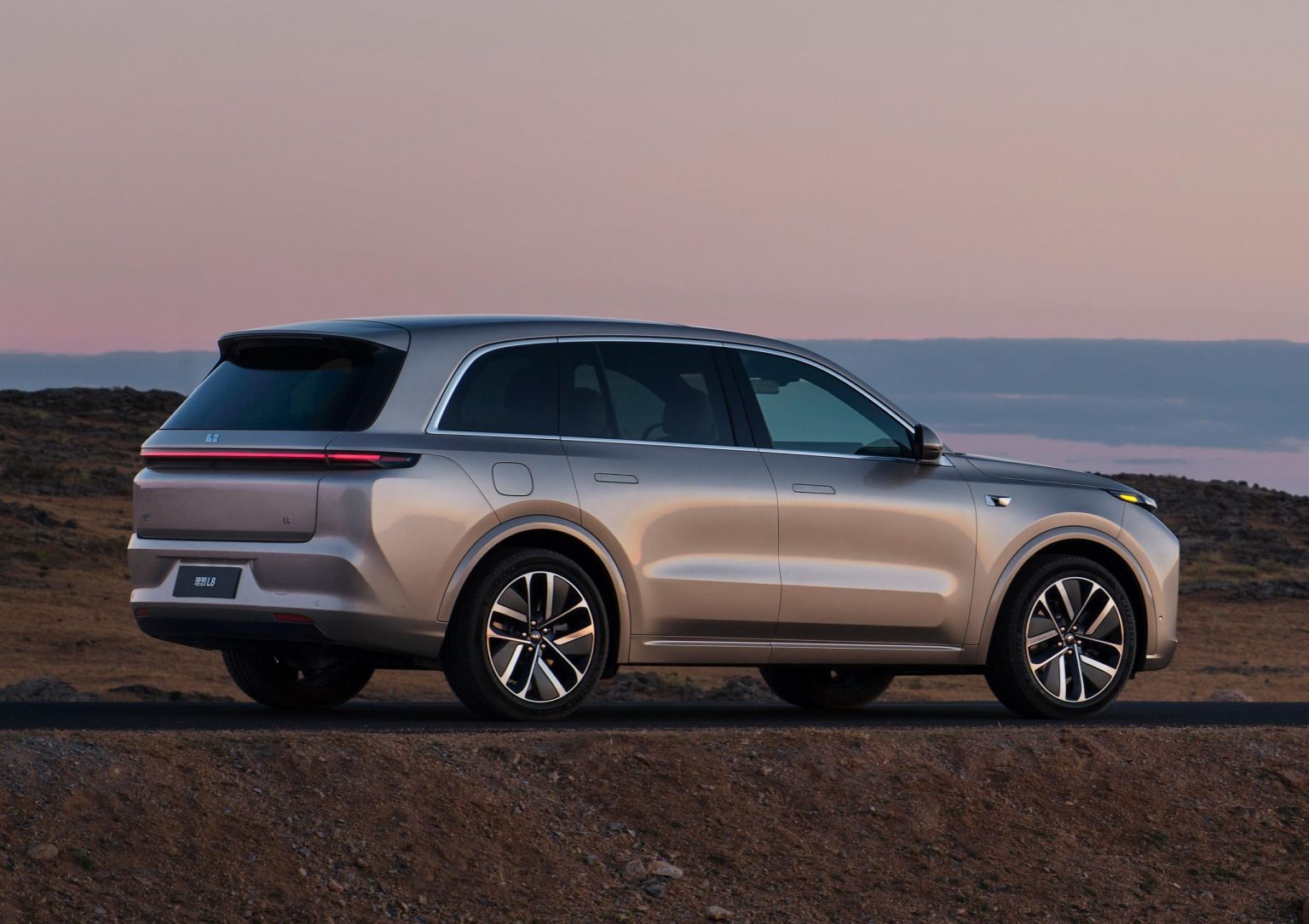
Li Auto
Li Auto specializes in electric and extended-range hybrid vehicles, focusing on family-oriented designs. The brand has rapidly expanded in China and aims to increase its international footprint. Tariffs on Chinese automotive exports to the U.S. may affect Li Auto’s ability to compete in cost-sensitive segments.
The company relies on Chinese manufacturing for key components, including batteries and electronics. Tariffs on these items could increase prices for U.S. consumers and reduce demand. Li Auto may need to adapt sourcing strategies to remain competitive.
Building international assembly plants could help Li Auto bypass tariffs and improve market responsiveness. Such investments require careful planning, including regulatory compliance and local partnerships. The company’s growth strategy already includes exploring global opportunities.
Consumer perception of Li Auto vehicles may be influenced by cost adjustments. Maintaining quality and affordability will be critical to sustaining demand. Tariffs present both a challenge and an incentive for the brand to strengthen international operations.
Li Auto’s long-term expansion depends on balancing innovation with market accessibility. The 2026 tariffs highlight the importance of global production flexibility. Effective adaptation could secure the company’s competitive position abroad.
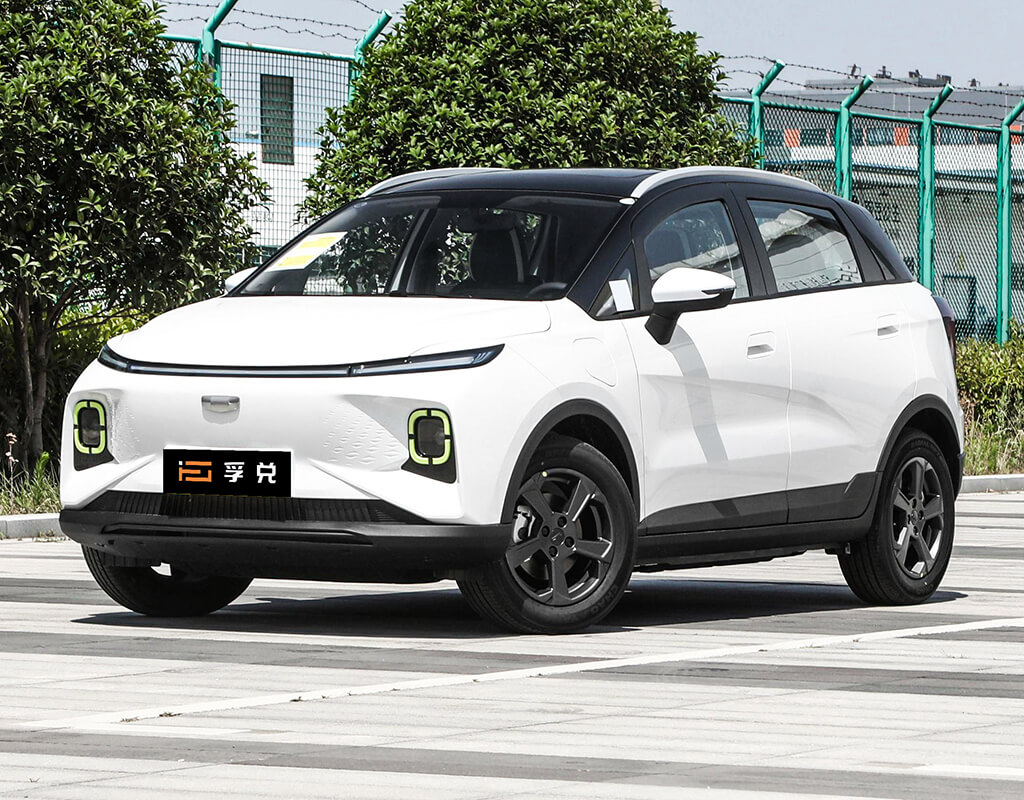
Geely
Geely, one of China’s oldest automotive brands, produces a wide range of vehicles, including electric and hybrid models. The brand has established partnerships with international companies, but tariffs on Chinese exports to the U.S. could affect pricing and market access. These tariffs may impact profitability for vehicles relying on Chinese components.
Geely benefits from economies of scale in China, but tariff-induced cost increases may reduce competitive advantage abroad. Imported vehicles may become less attractive to price-conscious U.S. consumers. Strategic planning is needed to offset financial impacts.
The company is considering regional manufacturing facilities to reduce dependency on Chinese exports. Establishing production in target markets can help maintain price competitiveness and ensure regulatory compliance. Global partnerships may accelerate implementation.
Consumer demand may shift depending on price adjustments and availability. Geely’s reputation for quality and innovation can help maintain brand loyalty, but the company must respond effectively to changing market conditions. Tariff management will be key to long-term success.
Geely’s international growth strategy depends on flexibility in production and supply chain management. The 2026 tariffs emphasize the importance of localizing manufacturing to maintain global competitiveness. Adaptation and strategic investment will determine future market position.
5 Car Brands Manufactured in the US
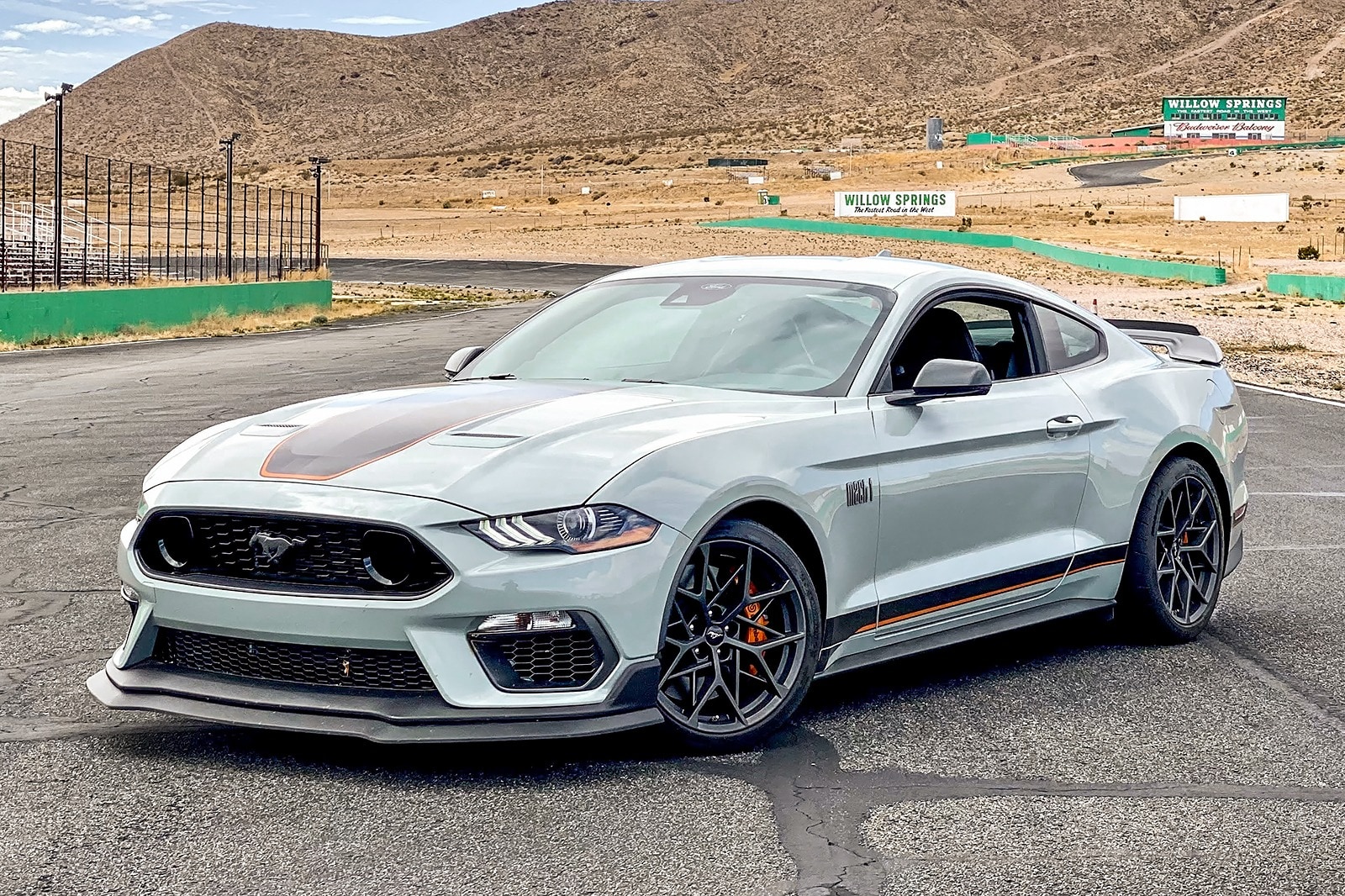
Ford
Ford has a strong domestic manufacturing presence, producing vehicles across multiple U.S. plants. Key models, including the F-Series trucks and Mustang, are assembled entirely within the country. Domestic production reduces exposure to international tariffs, giving Ford a cost advantage in the U.S. market.
Investing in local facilities allows Ford to control supply chains, labor quality, and production timelines. This approach also supports regional economies and provides resilience against trade disruptions. Consumers benefit from more predictable pricing and availability.
The company has expanded electric vehicle production at U.S. plants, including the Mustang Mach-E and F-150 Lightning. Domestic sourcing of components strengthens Ford’s position in the EV segment. Localized production minimizes risk from foreign tariffs and global supply chain delays.
Ford’s strategy includes continuous modernization of manufacturing processes. Incorporating automation and advanced production techniques enhances efficiency and maintains competitiveness. Domestic assembly ensures the company meets regulatory standards and consumer expectations.
Long-term, Ford’s commitment to U.S. manufacturing allows flexibility in responding to market shifts. Local production shields the brand from international trade fluctuations and strengthens its ability to innovate. This approach contributes to sustained market leadership.

General Motors
General Motors manufactures a wide range of vehicles across U.S. plants, including Chevrolet, Cadillac, and GMC models. Domestic production ensures control over costs, quality, and delivery schedules. GM benefits from reduced exposure to tariffs on foreign components.
The company has heavily invested in EV production within the U.S., including the Chevrolet Bolt and upcoming electric models. Local manufacturing aligns with federal incentives and strengthens market positioning. This approach enhances competitiveness in both traditional and electric vehicle segments.
GM’s vertical integration strategy allows the company to source key components domestically. Batteries, electronics, and other critical parts are increasingly produced in U.S. facilities. This reduces reliance on foreign suppliers and mitigates trade risks.
Domestic manufacturing supports innovation through research and development collaborations. GM leverages U.S.-based expertise to advance autonomous driving and EV technologies. Local production accelerates implementation of new models and features.
Long-term, GM’s focus on U.S. assembly enables strategic flexibility in responding to market changes. Domestic production protects the company from international tariff disruptions and maintains competitiveness across multiple vehicle segments.
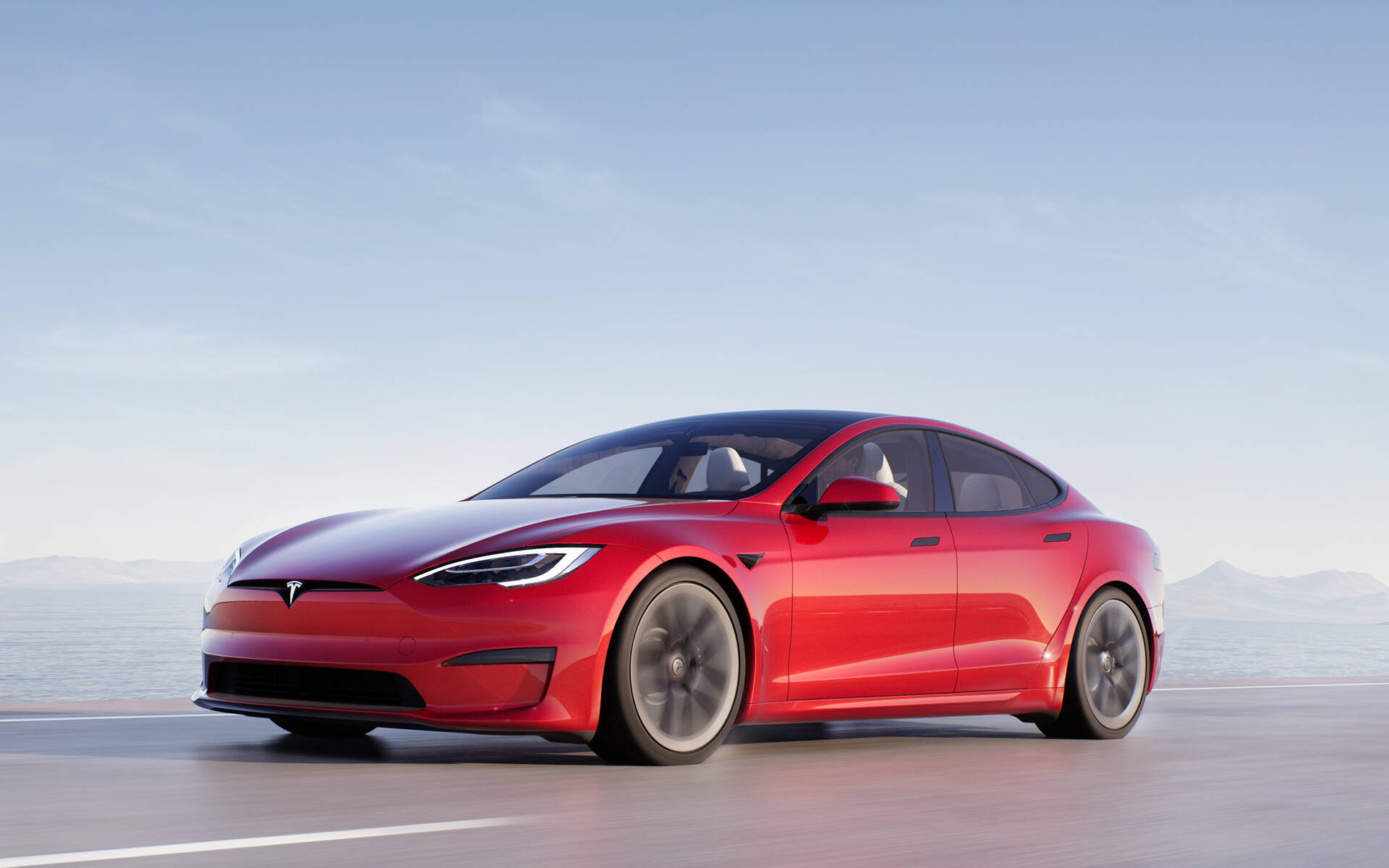
Tesla
Tesla manufactures its vehicles in multiple U.S. facilities, including the Fremont Factory and the Gigafactory in Nevada. This domestic production ensures the company avoids tariffs on Chinese components for vehicles sold in the U.S. Tesla benefits from a localized supply chain, reducing transportation costs and risks.
The company produces key components, such as batteries, motors, and electronics, at U.S. plants. Vertical integration allows Tesla to maintain control over quality and cost efficiency. Domestic manufacturing supports rapid scaling to meet growing demand.
Tesla has focused on EV production while maintaining high technological standards. Manufacturing in the U.S. allows the company to meet regulatory requirements and deliver vehicles more efficiently. Tariff-free domestic sourcing strengthens pricing competitiveness.
Local production also enables Tesla to respond quickly to market trends. Model updates, new vehicle launches, and feature integration can be implemented efficiently. This agility provides a significant competitive advantage.
Long-term, Tesla’s U.S. production strategy ensures resilience against international trade uncertainties. The company can maintain growth, innovate rapidly, and offer competitive pricing while minimizing exposure to tariffs and import restrictions.
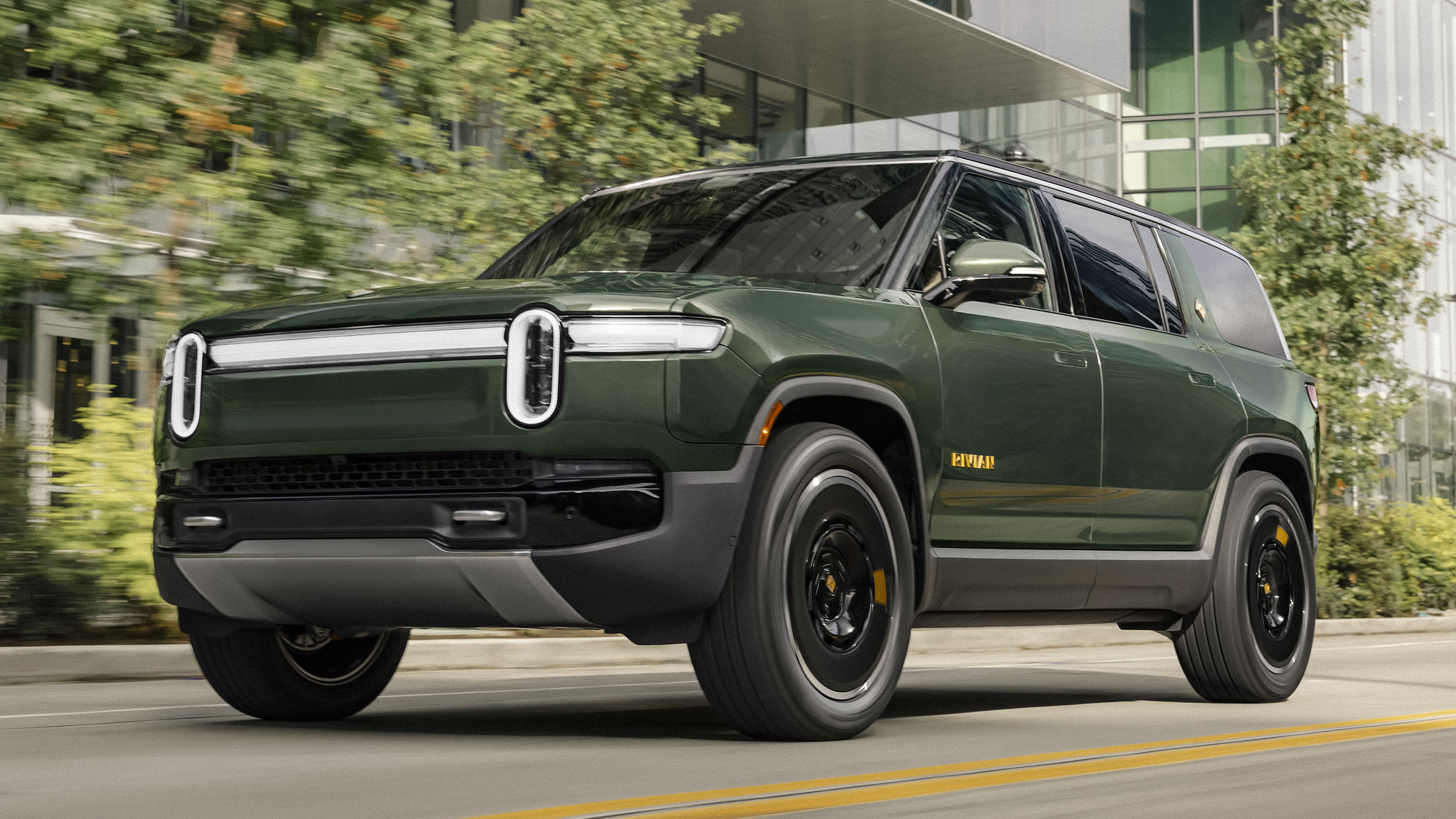
Rivian
Rivian, an electric vehicle startup, produces its trucks and SUVs in U.S.-based facilities. Domestic manufacturing allows the company to avoid tariffs on imported components. This strategy also ensures better control over production quality and timelines.
The company focuses on electric pickup trucks and SUVs designed for adventure and utility. Producing these vehicles locally helps Rivian maintain price stability and meet delivery commitments. Domestic assembly strengthens its competitive position.
Rivian has invested in battery production and vehicle assembly at U.S. plants. Vertical integration minimizes dependence on foreign suppliers and reduces exposure to global supply chain disruptions. Consumers benefit from locally produced vehicles.
U.S. manufacturing supports Rivian’s long-term growth strategy, enabling rapid innovation and market responsiveness. Tariff-free production helps the company focus resources on technology and vehicle performance rather than cost adjustments.
Local production also positions Rivian to take advantage of federal and state incentives. This supports investment in advanced EV technologies and ensures a competitive edge in emerging markets. The domestic manufacturing base is key to Rivian’s sustainability.
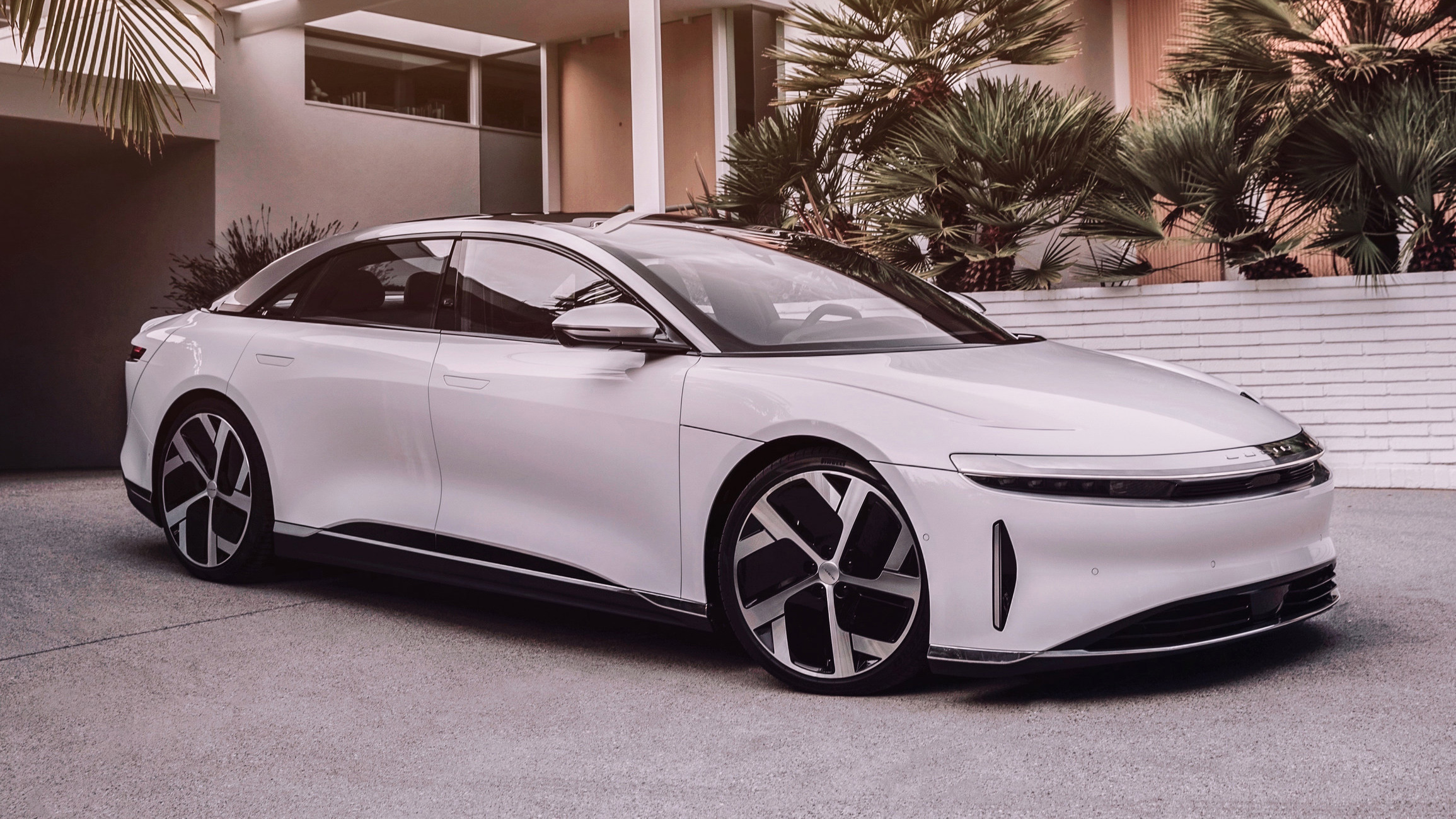
Lucid Motors
Lucid Motors manufactures its luxury electric vehicles at a U.S. plant in Arizona. Domestic production allows the company to control quality, manage costs, and avoid tariffs on imported components. Lucid’s vehicles, including the Lucid Air, are fully assembled in the United States.
Producing vehicles locally supports innovation, including high-performance batteries and advanced driver-assistance systems. Vertical integration strengthens efficiency and reduces reliance on foreign suppliers. U.S. production enables better market responsiveness.
Lucid’s domestic manufacturing allows it to scale production and maintain delivery schedules. Avoiding tariffs enhances price competitiveness in the luxury EV segment. Consumers benefit from reliable availability and consistent quality.
The company continues to invest in advanced manufacturing techniques to improve efficiency. Automation and optimized production workflows ensure that vehicles meet stringent performance and safety standards. Local assembly provides strategic advantages.
Long-term, Lucid’s U.S.-based manufacturing strategy ensures resilience against trade disruptions. The company can focus on innovation and growth while offering competitive products without tariff-related cost pressures.
