
Modern cars have evolved rapidly over the past decade, embracing sleek digital interfaces, minimalistic interiors, and advanced automation. While these changes appeal to younger, tech-savvy buyers, they have quietly removed or reduced several features that older drivers genuinely appreciate.
For seniors, driving is less about flashy innovation and more about clarity, comfort, and confidence. What manufacturers consider “modern upgrades” often come at the cost of simplicity and usability.
Many older drivers grew up with vehicles that prioritized tactile feedback, straightforward controls, and excellent visibility. These elements made driving intuitive and predictable.
Today, however, large touchscreens have replaced physical buttons, visibility is compromised by design trends, and basic functions are hidden behind menus.
While these decisions may streamline production and appeal aesthetically, they can make driving more stressful for seniors who prefer familiar, easy-to-use systems.
Another critical aspect is physical comfort. Aging bodies require better seat support, easier ingress and egress, and less strain while operating controls. Unfortunately, some of these practical considerations are being overlooked in favor of sporty styling or cost-cutting.
Even safety features, though more advanced than ever, sometimes rely too heavily on digital alerts rather than clear, direct feedback that seniors find easier to trust.
There is also an emotional dimension to this shift. Many seniors value the sense of independence that driving provides. When cars become harder to use or understand, that independence feels threatened.
A feature as simple as a large knob or a clear analog gauge can make a significant difference in maintaining confidence behind the wheel.
This article highlights eight features that seniors have long appreciated but are gradually disappearing from modern vehicles. Each section will also include two cars that still preserve these qualities, offering a reassuring blend of tradition and modern reliability.
These vehicles stand out not because they are flashy, but because they respect the needs of drivers who prioritize clarity, ease, and comfort over complexity.
Also Read: 8 Luxury Features That Cost a Fortune to Fix Once the Warranty Expires
1. Physical Buttons and Knobs Instead of Touchscreens
There was a time when adjusting the volume or climate control required nothing more than reaching out and turning a knob. That simplicity is fading fast.
Modern vehicles are increasingly replacing physical controls with touchscreens, forcing drivers to look away from the road just to perform basic tasks. For seniors, this shift is more than an inconvenience. It can feel like a barrier to safe and comfortable driving.
Physical buttons provide tactile feedback. You can feel them without looking, build muscle memory, and operate them instinctively. Touchscreens, on the other hand, demand visual attention and precision.
Even a slight mis-tap can lead to frustration, especially when navigating through multiple menus. Seniors often prefer certainty over complexity, and physical controls deliver exactly that.
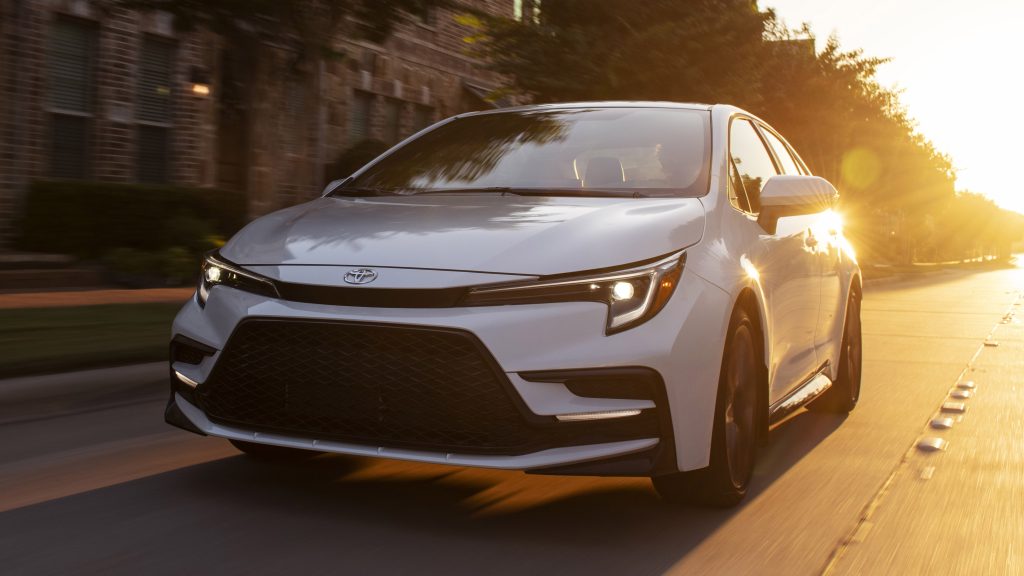
Take the Toyota Corolla as an example. While it does include a modern infotainment system, it wisely retains traditional knobs for volume and tuning, along with clearly labeled climate buttons. The layout feels intentional and familiar, making it easy for older drivers to adapt without confusion.
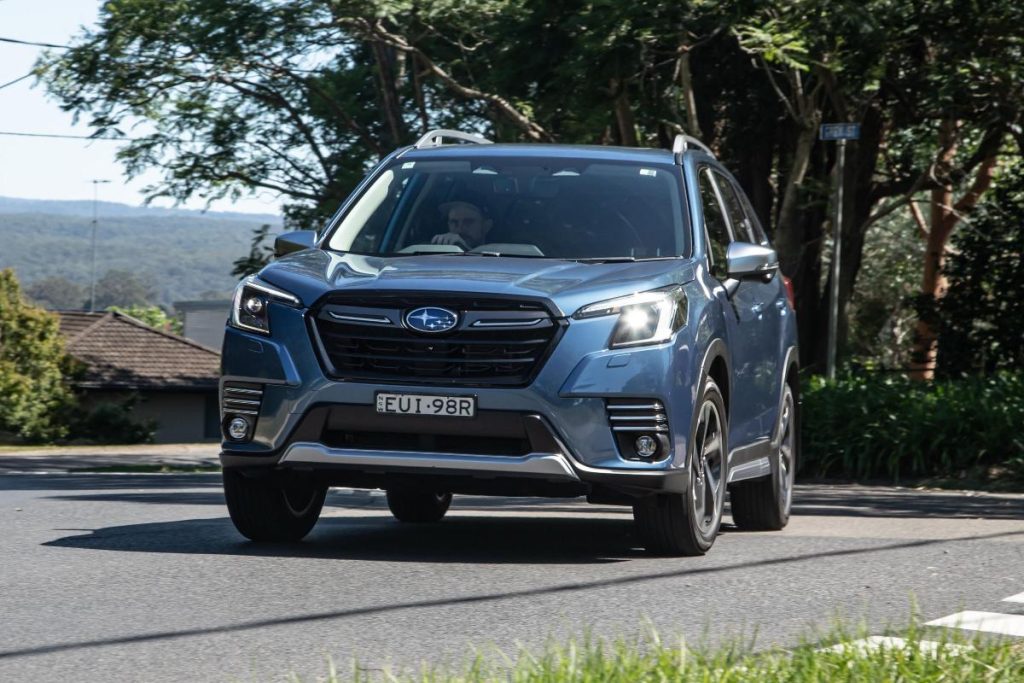
Then there is the Subaru Forester, which strikes a balance between technology and usability. Instead of burying everything in a screen, Subaru keeps essential controls accessible through buttons and dials. The climate system, in particular, remains refreshingly straightforward, avoiding unnecessary layers of digital interaction.
Another advantage of physical controls is reliability. Buttons and knobs tend to function consistently regardless of software glitches or screen responsiveness. Seniors often value dependability over novelty, and this is one area where older design principles still outperform newer trends.
Interestingly, the push toward touchscreens is often driven by cost efficiency for manufacturers rather than user preference.
A single screen can replace multiple components, but it doesn’t necessarily improve the driving experience. For seniors, the trade-off is clear: convenience and safety are sacrificed for a cleaner dashboard look.
Cars like the Corolla and Forester prove that it is still possible to integrate modern features without abandoning usability. They remind us that innovation does not always mean replacing what works. Sometimes, it means preserving it in a smarter way.
2. Large, Clear Analog Gauges
Digital instrument clusters are becoming the norm, offering customizable displays and futuristic graphics.
While they may look impressive, they often lack the immediate clarity that analog gauges provide. Seniors, in particular, benefit from simple, easy-to-read speedometers and tachometers that deliver information at a glance.
Analog gauges have a timeless advantage. The position of a needle communicates speed or engine activity instantly, without requiring interpretation. Digital displays, especially those packed with information, can feel cluttered or distracting. For older drivers, quick comprehension is far more important than visual flair.
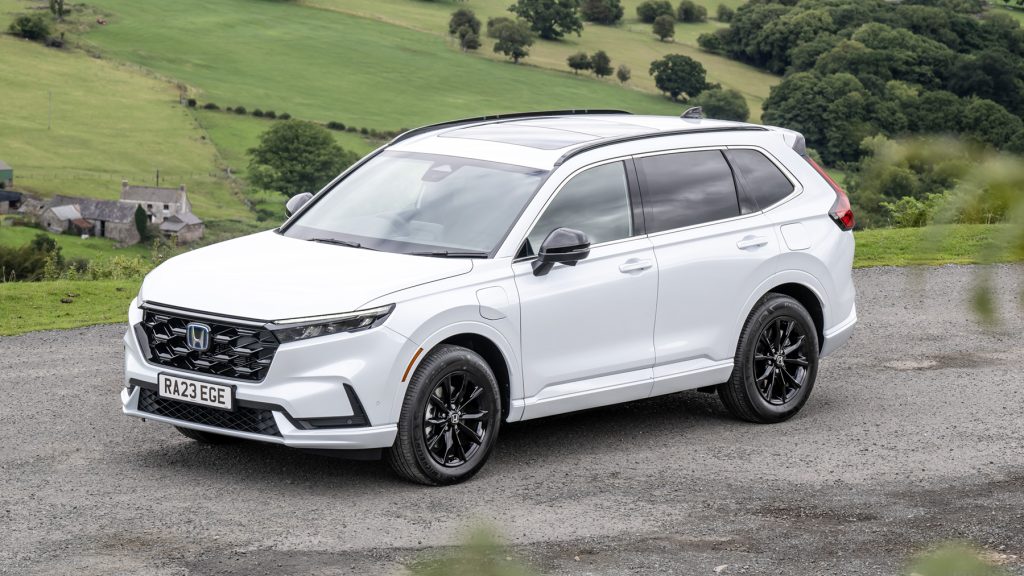
The Honda CR-V is a strong example of how to maintain clarity in a modern vehicle. Even in newer models, it avoids overcomplicating the instrument cluster. The layout is clean, with clear markings and a logical arrangement that does not overwhelm the driver. It respects the idea that essential information should always be easy to find.
Another standout is the Mazda CX-5. Mazda has taken a conservative approach by blending analog-style gauges with subtle digital enhancements. The result is a display that feels modern but remains highly readable. The emphasis is on legibility rather than customization, which many seniors appreciate.
Visibility is a key factor here. As eyesight changes with age, high-contrast markings and simple layouts become crucial. Analog gauges naturally offer this advantage, whereas digital screens sometimes rely on smaller fonts or complex graphics that can be harder to interpret quickly.
There is also the matter of distraction. Digital clusters often encourage drivers to cycle through menus or adjust settings, pulling attention away from the road.
Analog gauges eliminate that temptation by presenting only what is necessary. This straightforward approach aligns well with the preferences of older drivers who value focus and predictability.
While digital displays are unlikely to disappear, cars like the CR-V and CX-5 demonstrate that clarity does not have to be sacrificed.
They show that thoughtful design can bridge the gap between traditional usability and modern expectations, ensuring that drivers of all ages feel comfortable and confident behind the wheel.
3. Wide Windows and Excellent All Around Visibility
Modern car design has shifted toward thicker pillars, higher beltlines, and smaller windows. While these changes improve crash safety and structural rigidity, they often reduce outward visibility. For seniors, this trade-off can make driving feel more stressful, especially in busy traffic or tight parking situations.
Good visibility is not just about convenience. It directly affects confidence. Older drivers rely heavily on clear sightlines to judge distances, spot pedestrians, and react quickly to changing conditions.
When windows are smaller and pillars are larger, blind spots increase, forcing drivers to depend more on cameras and sensors. While helpful, these technologies cannot fully replace natural visibility.
The Subaru Outback stands out in this regard. It retains relatively large windows and a sensible cabin design that prioritizes outward vision.
The upright seating position further enhances the driver’s ability to see the road clearly, making long drives less tiring and more reassuring. Subaru’s design philosophy here feels practical rather than purely stylistic.
In a different approach, the Kia Soul offers a boxy shape that naturally improves visibility. Its tall roof and large glass areas create an airy cabin, allowing drivers to easily scan their surroundings. The Soul’s design may not follow conventional trends, but it delivers exactly what many seniors value most: a clear, unobstructed view of the road.
Another benefit of good visibility is reduced reliance on technology. Backup cameras and blind-spot monitoring systems are useful, but they should complement, not replace, natural sightlines. Seniors often prefer to trust their own eyes rather than depend entirely on electronic aids that may lag or malfunction.
Fatigue is another factor that often goes unnoticed. Straining to see through small windows or around thick pillars can make even short trips exhausting. Vehicles with generous visibility reduce this strain, allowing drivers to remain relaxed and focused.
The Outback and Soul demonstrate that thoughtful design can still prioritize driver awareness. They prove that visibility should never be sacrificed purely for styling trends, especially when it plays such a crucial role in safety and comfort.
4. Comfortable Seats with Easy Entry and Exit
As vehicles become sportier in appearance, seat designs have followed suit. Lower seating positions, firmer bolsters, and tighter cabins may appeal to younger drivers, but they can be challenging for seniors. Ease of entry and exit is one of the most important yet overlooked aspects of a car’s design for older individuals.
Getting in and out of a vehicle should not feel like a physical task. Seniors often prefer seats that are positioned at a natural height, allowing them to slide in rather than climb down or pull themselves up. Wide door openings and supportive seat cushions also make a significant difference in daily usability.
The Honda CR-V excels in this area with its thoughtfully designed cabin. The seat height is ideal for easy access, and the doors open wide enough to allow a smooth entry.
Once inside, the seats provide balanced support without being overly firm, making long drives more comfortable. The overall experience feels accommodating rather than restrictive.
On the other hand, the Toyota RAV4 offers a slightly different advantage. Its seating position is upright and commanding, giving drivers a clear view of the road while also making it easier to get in and out. The cushioning is designed to provide support without excessive contouring, which can sometimes make movement difficult for older occupants.
Comfort goes beyond just entry and exit. Seat design also affects posture and fatigue. Seniors often benefit from seats that provide proper lumbar support and reduce pressure points during extended drives. Overly sporty seats, while visually appealing, can become uncomfortable over time.
Another important detail is adjustability. Simple, intuitive seat controls allow drivers to find their ideal position without confusion. Complicated electronic adjustments can be frustrating, especially when they are not clearly labeled or require navigating through menus.
The CR-V and RAV4 show that comfort does not have to be sacrificed for style. They highlight the importance of designing vehicles that accommodate a wide range of physical needs, ensuring that driving remains a pleasant and accessible experience for seniors.
5. Simple, Intuitive Climate Control Systems
Climate control used to be one of the easiest functions to operate in a car. A few knobs, clearly marked buttons, and immediate response made adjusting temperature almost effortless.
Today, many manufacturers have shifted these controls into touchscreens or layered digital menus, complicating something that should remain simple. For seniors, this change can turn a basic adjustment into an unnecessary distraction.
The main issue with touchscreen-based climate systems is the lack of immediacy. Adjusting fan speed or temperature often requires multiple taps, and sometimes even navigating through submenus.
This forces drivers to take their eyes off the road for longer periods, which can be uncomfortable and unsafe. Seniors, who often value straightforward interactions, find this especially frustrating.
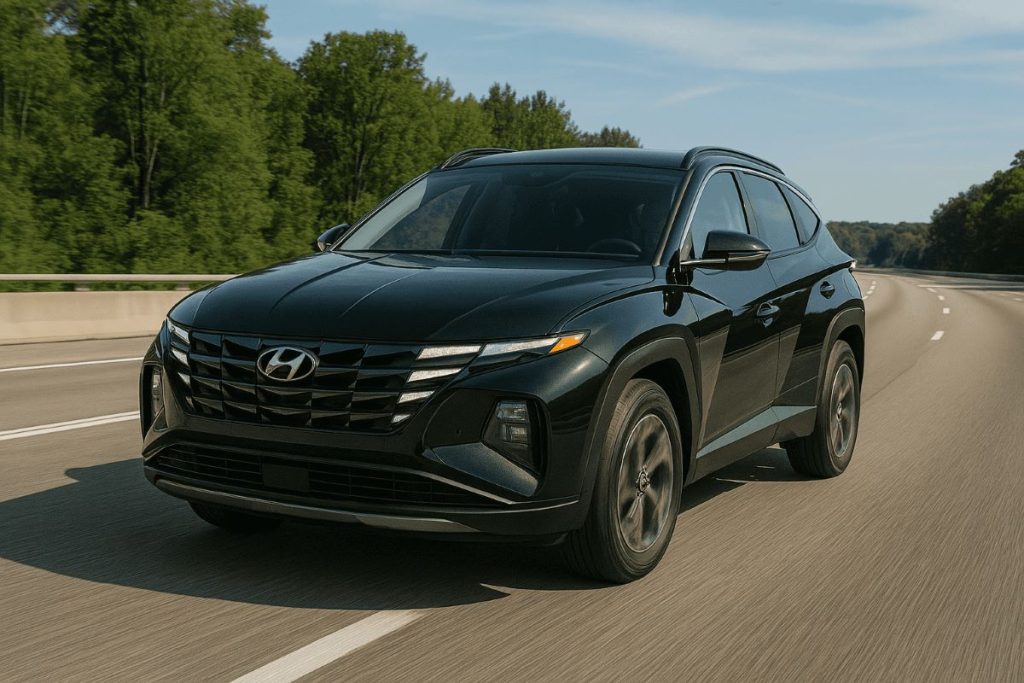
The Hyundai Tucson offers a balanced solution. While it incorporates modern technology, it still keeps essential climate controls accessible and clearly laid out.
The buttons are logically arranged, and the system responds quickly, allowing drivers to make adjustments without hesitation. It feels like a system designed with usability in mind rather than just aesthetics.
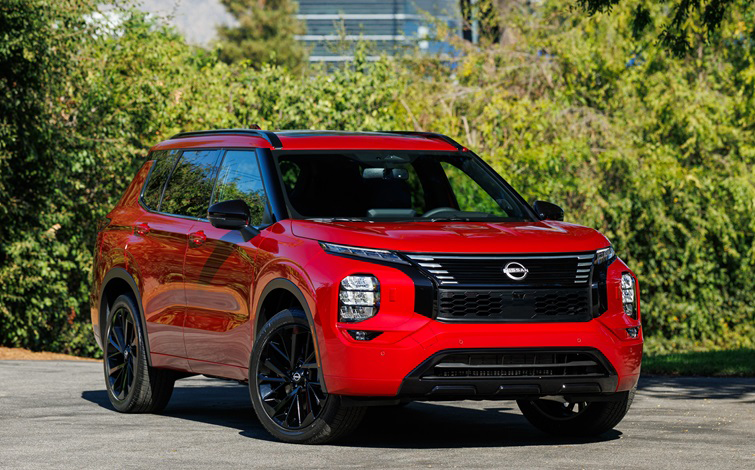
In contrast, the Nissan Rogue takes a more traditional approach that resonates well with older drivers. It retains physical knobs for temperature and fan speed, along with clearly labeled buttons for other functions.
This setup allows for quick, instinctive operation. Even someone unfamiliar with the vehicle can understand how to use it within seconds, which is exactly what seniors often prefer.
Another overlooked benefit of simple climate controls is consistency. Physical systems behave the same way every time, without lag or unexpected changes.
Digital systems, however, can sometimes be slow to respond or require updates that alter their behavior. For seniors, predictability is key, and traditional controls provide that reassurance.
There is also the matter of accessibility. Larger buttons and knobs are easier to operate, especially for individuals with reduced dexterity or sensitivity in their hands.
Touchscreens, with their flat surfaces and lack of tactile feedback, can make precise inputs more difficult. This can lead to repeated attempts and added frustration during what should be a quick adjustment.
The Tucson and Rogue demonstrate that modern vehicles can still respect the importance of simplicity.
They show that user-friendly design does not have to be sacrificed in the pursuit of minimalism. Instead, it can coexist with technology in a way that enhances the driving experience rather than complicating it.
6. Traditional Gear Shifters Instead of Electronic Selectors
One of the more subtle yet significant changes in modern vehicles is the disappearance of traditional gear shifters. Many cars now feature electronic selectors, push buttons, or rotary dials instead of the familiar gear lever.
While these designs may look sleek and futuristic, they can be confusing for seniors who are accustomed to a clear, mechanical interface.
A traditional gear shifter provides immediate understanding. The positions are visible, the movement is physical, and the feedback is unmistakable.
You know when the car is in drive, reverse, or park without needing to double-check a screen. This clarity is especially important for older drivers who value certainty in every action.
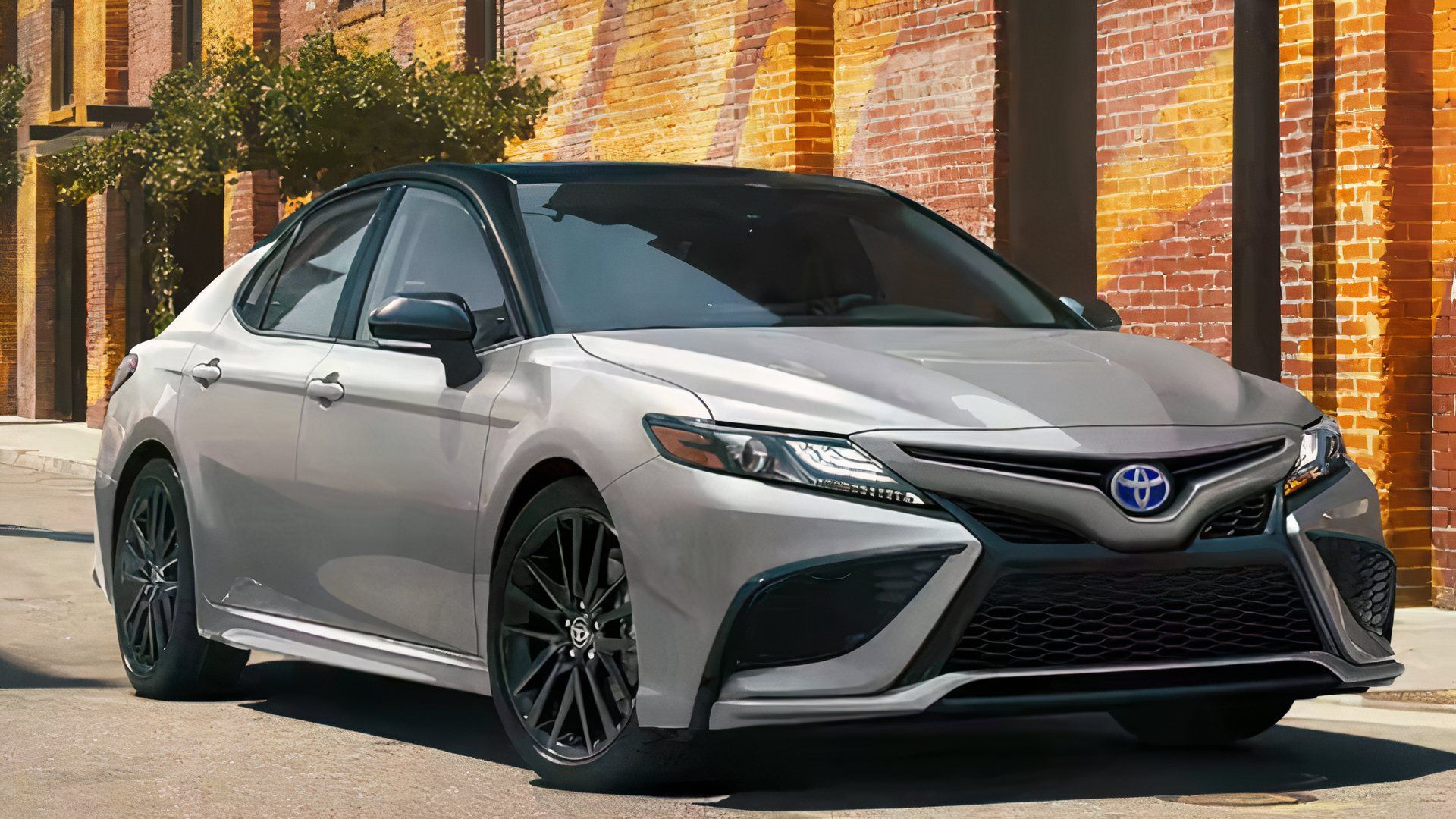
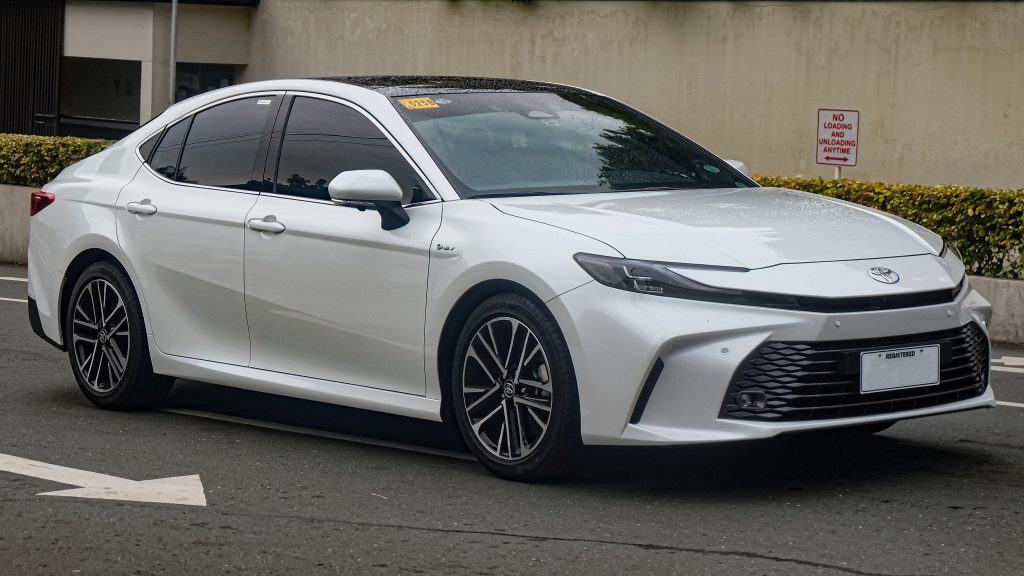
The Toyota Camry continues to offer a conventional gear lever that feels reassuringly familiar. Its operation is straightforward, with clearly defined positions and smooth transitions between gears. The design does not try to reinvent the process, which makes it ideal for seniors who prefer consistency over novelty.
Meanwhile, the Subaru Legacy also retains a traditional shifter, reinforcing its focus on practicality. The layout is intuitive, and the physical movement of the lever provides a sense of control that electronic alternatives often lack.
This tactile feedback can be particularly comforting for drivers who want to feel connected to the vehicle’s operation.
Electronic selectors, while space-saving, often introduce ambiguity. Buttons or dials may not clearly indicate the current gear, requiring drivers to rely on dashboard indicators.
In situations where quick decisions are needed, this extra step can create hesitation. Seniors, who may already be cautious drivers, benefit from systems that minimize uncertainty.
Another concern is habit. Driving is a deeply ingrained activity, and many seniors have decades of experience using traditional gear shifters. Changing this fundamental interaction can feel unnecessary and even disorienting. While adaptation is possible, it is not always comfortable or desirable.
There is also a reliability aspect to consider. Mechanical systems are generally straightforward and easier to understand if something goes wrong. Electronic systems, on the other hand, depend on sensors and software, which can introduce new points of failure. For seniors who prioritize dependability, this difference matters.
The Camry and Legacy highlight the enduring value of traditional design. They prove that not every aspect of a car needs to be reinvented to feel modern. Sometimes, maintaining a familiar and reliable system is the best way to ensure confidence and ease of use for drivers who appreciate simplicity.
7. Straightforward Infotainment Systems Without Overcomplication
Infotainment systems have become the centerpiece of modern car interiors, often boasting large displays, voice controls, and app integrations.
While these features sound impressive on paper, they can become overwhelming in practice. Seniors, in particular, tend to prefer systems that are easy to understand and quick to operate rather than packed with endless options.
One of the biggest frustrations with modern infotainment is the learning curve. Menus are often layered, icons can be unclear, and important functions may be buried under multiple screens.
For someone who simply wants to tune the radio or make a call, this complexity can feel unnecessary. Seniors value clarity and directness, especially when driving requires their full attention.
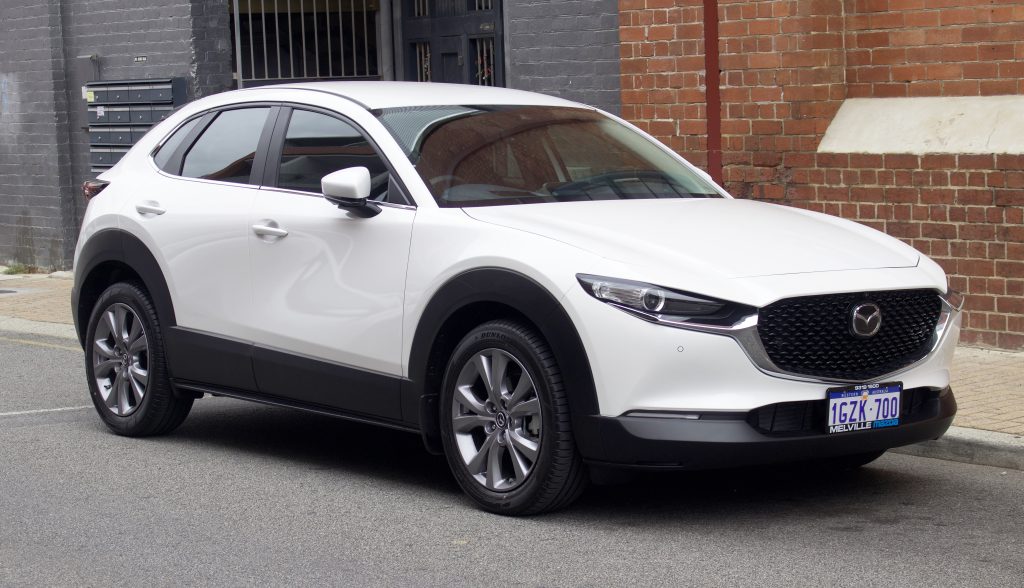
The Mazda CX-30 approaches infotainment differently by focusing on simplicity and control. Instead of relying entirely on touch input, it uses a rotary dial that allows drivers to navigate menus without reaching forward or taking their eyes off the road for too long.
The interface itself is clean and avoids clutter, making it easier to understand even for first-time users.
In contrast, the Honda Accord maintains a more familiar layout with a combination of touchscreen functionality and physical shortcuts.
The menus are logically organized, and essential features are easy to access without excessive scrolling. This balance helps reduce confusion and allows drivers to interact with the system confidently.
Another key issue is distraction. Overly complex infotainment systems demand more attention than necessary, which can be tiring during longer drives. Seniors often prefer to keep things simple, using only a few core features.
A system that supports this approach, rather than forcing constant interaction, creates a more relaxed driving experience.
Voice controls are often presented as a solution, but they are not always reliable or intuitive. Misinterpretations and delays can lead to frustration, especially for users who are not accustomed to speaking commands. For many seniors, physical inputs and clear menus remain the preferred method of interaction.
Consistency also plays an important role. Systems that behave predictably and maintain the same layout across updates are easier to learn and remember. Sudden changes or overly dynamic interfaces can disrupt familiarity, making the system feel new and confusing again.
The CX-30 and Accord show that infotainment does not have to be complicated to be effective. By prioritizing usability and thoughtful design, they offer a more accessible experience that aligns with what many seniors actually want from their vehicles.
8. Smooth Ride Quality Instead of Sporty, Stiff Suspensions
In recent years, many vehicles have adopted sportier suspension setups to enhance handling and driving dynamics. While this trend appeals to enthusiasts, it often comes at the expense of ride comfort. For seniors, a smooth and composed ride is far more important than sharp cornering or aggressive responsiveness.
A stiff suspension can make everyday driving uncomfortable, especially on uneven roads. Bumps and vibrations are felt more directly, which can lead to fatigue over time. Seniors, who may already experience joint or back discomfort, benefit significantly from vehicles that absorb road imperfections effectively.
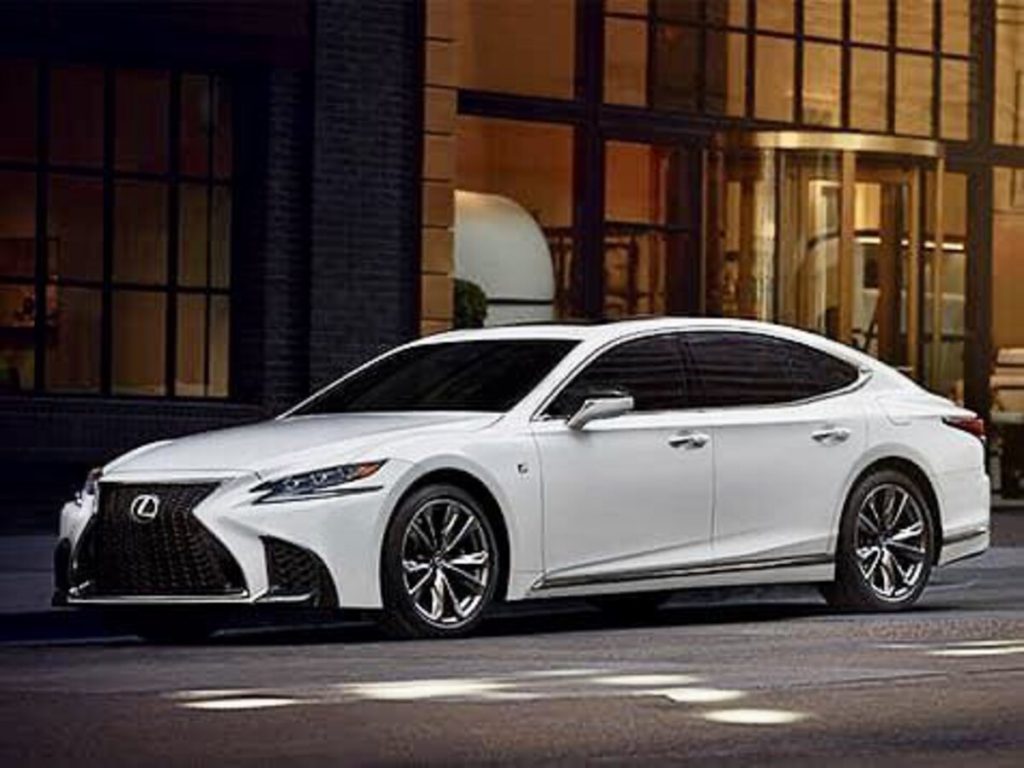
The Lexus ES is a prime example of a car that prioritizes comfort above all else. Its suspension is tuned to deliver a stable ride, isolating passengers from road irregularities.
The cabin remains calm and composed even on rough surfaces, making it an excellent choice for long journeys or daily commuting. The focus here is clearly on relaxation rather than performance.
On the other hand, the Buick Enclave offers a different kind of comfort through its larger size and well-balanced suspension.
It glides over imperfections with ease, providing a sense of stability that many seniors find reassuring. The ride quality feels controlled yet forgiving, ensuring that passengers remain comfortable regardless of road conditions.
Another important aspect is noise reduction. Softer suspensions often contribute to a quieter cabin by minimizing vibrations and road noise. This creates a more pleasant environment, allowing drivers to focus without being overwhelmed by constant disturbances.
There is also the psychological element of comfort. A smooth ride encourages confidence, especially for seniors who may prefer a more relaxed driving style. When a car feels predictable and composed, it reduces stress and makes every trip more enjoyable.
Sporty suspensions, while exciting for some, can feel harsh and unforgiving in daily use. The constant feedback from the road may be engaging for enthusiasts, but it is often unnecessary for drivers who prioritize comfort and ease. Seniors typically value stability and softness, which align better with traditional suspension tuning.
The Lexus ES and Buick Enclave demonstrate that comfort-focused design still has a place in modern vehicles.
They prove that a car does not need to sacrifice ride quality in order to feel refined or capable. For seniors, this approach ensures that driving remains a pleasant and stress-free experience, even as automotive trends continue to evolve.
Modern vehicles have undoubtedly become more advanced, but in the process, they have drifted away from some of the qualities that made driving simple and reassuring for seniors.
Features like physical buttons, analog gauges, wide visibility, and traditional gear shifters were not just design choices. They were practical solutions that made everyday driving easier, safer, and more intuitive.
As manufacturers chase minimalism and digital integration, many of these senior-friendly elements are quietly disappearing. Touchscreens replace knobs, sporty designs compromise comfort, and complex systems take the place of straightforward controls.
While these changes may appeal to a younger audience, they often overlook the needs of older drivers who value clarity, predictability, and ease of use.
The good news is that not all vehicles follow this trend completely. Some cars still manage to balance modern technology with traditional usability, proving that innovation does not have to come at the cost of comfort. These vehicles show that thoughtful design can serve a wider range of drivers, including those who prefer simplicity over complexity.
For seniors, the ideal car is not the most high-tech or visually striking. It is the one that feels natural to operate, comfortable to sit in, and easy to trust on every journey. Small details such as a well-placed button or a smooth ride can make a significant difference in maintaining confidence and independence behind the wheel.
Ultimately, the shift in automotive design highlights an important lesson. Progress should enhance usability, not replace it.
As the industry continues to evolve, there is still a strong case for preserving the features that make driving accessible and enjoyable for everyone, especially those who rely on simplicity the most.
Also Read: 8 Tips for Driving Safely Around Large Semi Trucks on the Interstate
