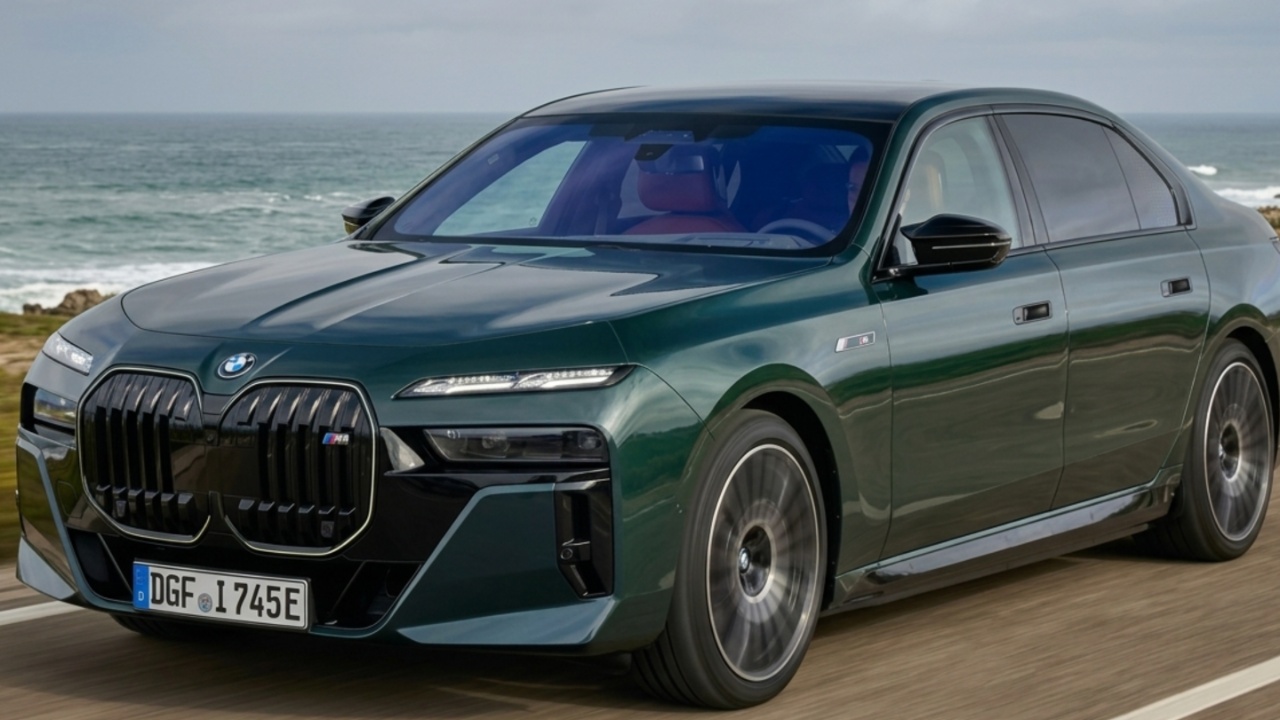
Luxury vehicles are often defined by cutting-edge engineering, advanced technology, and exceptional performance. However, many of their most impressive features come with a hidden downside once the manufacturer’s warranty expires. Systems designed for comfort, speed, safety, and innovation often rely on highly specialized components that are complex, fragile, and expensive to repair or replace.
From adaptive air suspension and turbocharged engines to digital dashboards and carbon-ceramic brakes, these technologies deliver a premium driving experience but demand equally premium maintenance costs. Even minor failures can escalate into multi-thousand-dollar repairs due to proprietary parts, software integration, and limited repair options.
As vehicles become more technologically advanced, the gap between everyday maintenance and luxury ownership costs continues to grow. This article explores eight luxury features that showcase this trade-off between innovation and long-term affordability, highlighting why owning a high-end vehicle beyond its warranty period can quickly become a significant financial responsibility.
1. Adaptive Air Suspension Systems
Adaptive air suspension systems are a defining feature of high-end luxury vehicles, delivering a smooth, “cloud-like” ride and automatic load leveling. Instead of traditional steel springs, they rely on rubber air bags, compressors, and electronic sensors to maintain ride height and comfort. While highly effective, these systems are also complex and prone to expensive failures over time.
One major reason for their high repair costs is system complexity. Multiple interconnected components, such as rubber air struts, compressors, valve blocks, and sensors, must work in perfect coordination. When one part fails, it often triggers a chain reaction. For example, a leaking air bag forces the compressor to run continuously, eventually causing it to overheat and fail as well.
The cost of parts and labor further adds to the expense. Individual components like air struts can exceed $1,200 each, and manufacturers often recommend replacing them in pairs to maintain balance, effectively doubling costs. Repairs also require specialized tools and calibration, which many independent shops cannot handle, pushing owners toward more expensive dealerships. As a result, a single repair can range from $2,500 to $4,000 or more.
Wear and tear are inevitable due to the rubber construction of key components. Exposure to heat, cold, moisture, and road debris leads to gradual degradation, with most systems lasting around 80,000 to 100,000 miles (8–10 years). Over time, leaks become unavoidable.
There is also a risk of total system failure. A significant air leak can cause the vehicle to sag or become undrivable, sometimes requiring towing. Because of these factors, full system overhauls can exceed $5,000. Consequently, many owners of aging luxury vehicles opt to replace air suspension systems with simpler, more reliable steel coil spring conversions.
2. Advanced Driver Assistance Systems (ADAS)
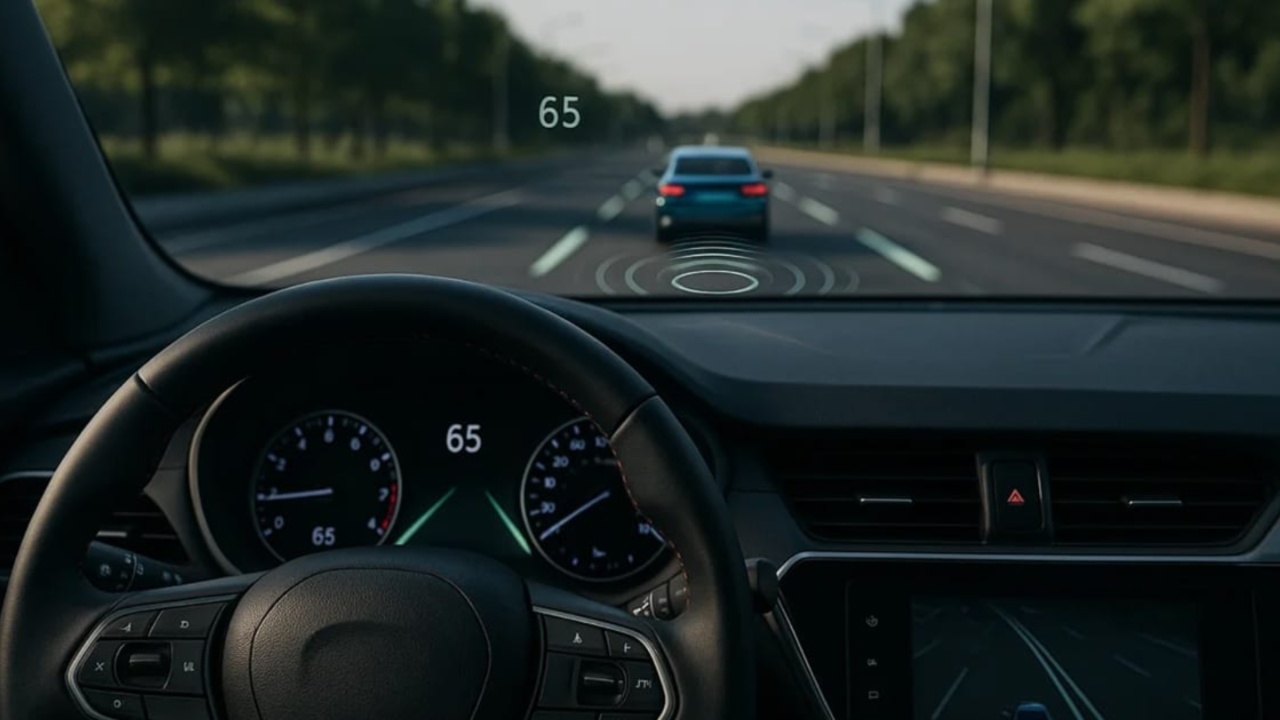
Advanced Driver Assistance Systems, or ADAS, are a defining feature of modern luxury vehicles. They create a protective “safety bubble” using radar, LiDAR, and high-resolution cameras to support functions such as automatic emergency braking, lane-keeping assistance, and 360-degree monitoring. While these technologies enhance safety and convenience, they also lead to significantly higher repair costs once the warranty period ends.
One major reason for these costs is the vulnerability of ADAS components. Sensors and cameras are typically placed in exposed areas like bumpers, side mirrors, and windshields. Even a minor parking incident can misalign or damage these parts without leaving visible exterior damage.
For example, a side mirror with an integrated camera system can cost up to 70 percent more than a standard mirror. In the same way, a cracked windshield that houses cameras requires both replacement and precise recalibration, which greatly increases the expense.
Calibration is another important cost factor. After any repair involving ADAS components, the system must be carefully recalibrated to ensure proper operation. This process requires specialized tools, proprietary software, and trained technicians.
It is also time-consuming, often adding several hours to a standard repair. Even routine procedures such as wheel alignment or bumper removal may require recalibration, with costs commonly reaching about $1,000 per session.
ADAS also increases repair expenses after accidents. Studies show that vehicles equipped with these systems can be nearly 40 percent more expensive to fix. Even minor collisions may result in bills exceeding $1,500 due to sensor-related damage.
Limited repair options further drive up costs. Many independent repair shops lack the equipment and expertise needed for ADAS servicing, which forces owners to rely on dealerships with higher labor rates. This combination of fragile components, technical complexity, and specialized servicing makes ADAS one of the most expensive vehicle features to maintain.
3. High-Performance Turbocharged Engines
High-performance turbocharged engines are a hallmark of modern luxury vehicles, delivering impressive power and efficiency from smaller engine sizes. Brands such as BMW and Audi often use advanced twin-turbo setups placed deep within the engine bay. While this design boosts performance, it also creates extreme heat and pressure, making these engines expensive to repair once the warranty expires.
One key factor behind the high cost is the harsh operating environment. Turbochargers can spin at speeds of up to 300,000 RPM while enduring intense heat. Over time, this leads to wear on internal components and accelerates the breakdown of oil, increasing the risk of failure. Heat also damages surrounding parts such as plastic cooling lines, gaskets, and turbo seals, which eventually require replacement.
Turbocharger failure itself is costly. Replacing a single unit can cost thousands of dollars for the part alone, especially in newer systems with advanced technology. In severe cases, a catastrophic failure can send metal fragments through the engine, intercooler, and intake system. This type of damage can turn a relatively contained repair into a full engine replacement costing over $10,000.
Maintenance is another important consideration. These engines require frequent oil changes using high-quality synthetic oil to prevent issues such as oil coking, where oil solidifies and damages internal components. Neglecting maintenance significantly increases the likelihood of expensive repairs.
Labor costs further drive up expenses due to tight engine packaging. Many luxury vehicles place turbochargers in hard-to-reach areas, often requiring mechanics to remove major components or even drop the engine to access them. This process can involve more than 30 hours of specialized labor.
Additional failures can occur in related components such as electronic wastegates and boost hoses, which are also exposed to constant heat and pressure. Together, these factors make turbocharged engines powerful but costly to maintain over time.
4. Carbon-Ceramic Brake Systems
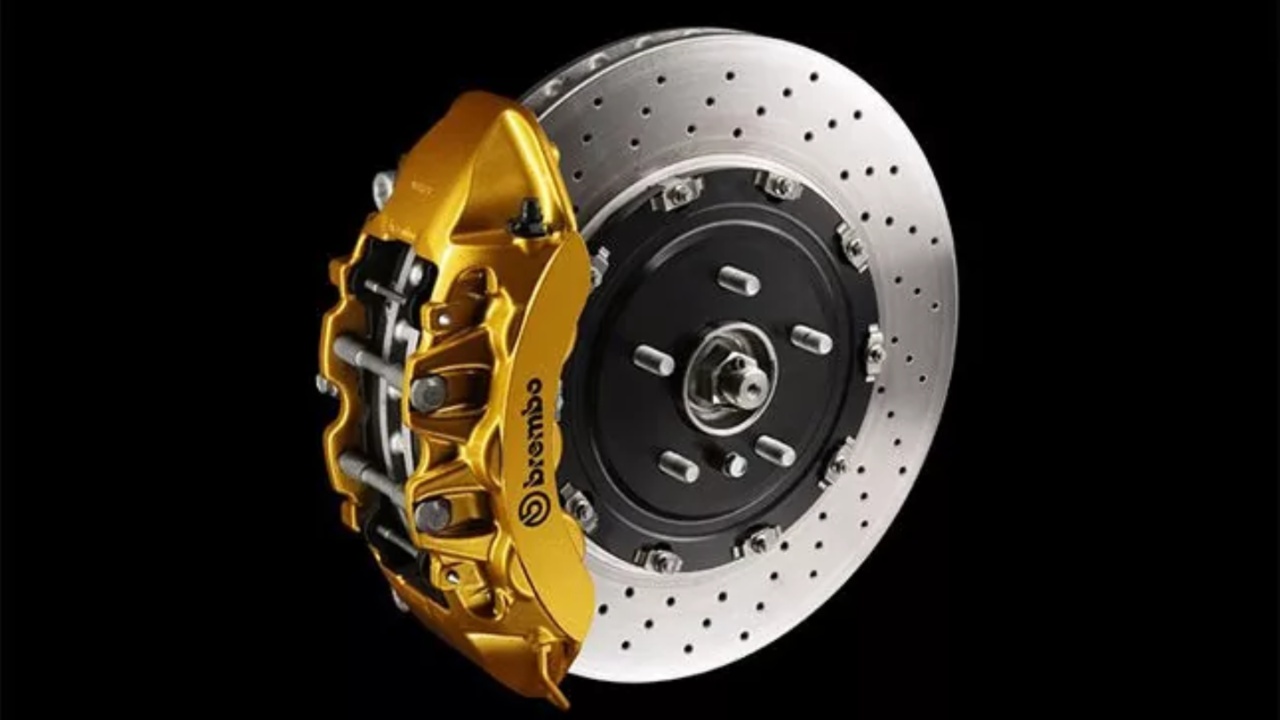
Carbon-ceramic brake systems are a premium feature found in high-end performance vehicles such as Porsche and Ferrari models. They deliver exceptional stopping power, reduced weight, and consistent performance with no brake fade, even under intense driving conditions. While designed to last the lifetime of the vehicle under normal use, they become extremely expensive to repair or replace once the warranty expires.
A major reason for the high cost lies in their complex manufacturing process and materials. Unlike traditional steel rotors that can be produced quickly, carbon-ceramic rotors require weeks of production. They are made by combining carbon fiber and silicon-based materials under extreme heat and pressure.
This process, along with the need for specialized tools such as diamond-tipped equipment, significantly increases production costs. In addition, these components are produced in low volumes, which prevents cost reduction through mass manufacturing.
Replacement costs are another major concern. A single carbon-ceramic rotor can cost between $3,000 and $5,000, and a full set of rotors and pads can easily exceed $15,000 or even reach $20,000 or more.
Unlike steel brakes, which can often be resurfaced, carbon-ceramic rotors usually must be fully replaced once they show wear or damage. They also require specialized brake pads, and using incorrect materials can lead to further damage.
Despite their durability, these systems are vulnerable to certain types of damage. The rotors are strong under heat but relatively brittle, making them susceptible to chips or cracks from road debris or improper handling. Even minor damage often requires complete replacement.
Repair options are limited due to the specialized nature of the system. Few repair shops have the expertise or equipment to service them, and most parts must be sourced directly from manufacturers. Although refurbishment services exist, they still require time and expertise.
Despite these drawbacks, carbon-ceramic brakes remain highly valued for their performance, longevity, and weight savings.
5. Sophisticated Infotainment and Digital Dash Systems
Modern luxury vehicles increasingly rely on advanced infotainment systems and fully digital dashboards, transforming traditional interiors into high-tech, screen-driven environments.
Large displays, such as expansive OLED panels, now control everything from navigation and climate settings to driver assistance features. While these systems offer convenience and a futuristic experience, they are among the most expensive components to repair once the warranty expires.
One major reason for high repair costs is the need for complete system replacement rather than individual component repair. Even minor issues such as dead pixels, backlight failure, or unresponsive touch inputs often require replacing the entire infotainment unit or digital instrument cluster. This is because manufacturers design these systems as sealed, integrated modules. As a result, what might seem like a small defect can lead to repair bills ranging from $3,000 to $6,000 or more, with some high-end displays costing significantly higher.
Another key factor is the proprietary nature of these systems. Unlike older aftermarket radios, modern infotainment units are deeply integrated into the vehicle’s electronic architecture.
Many are VIN-locked, meaning they must be programmed specifically for the car in which they are installed. This prevents the use of cheaper secondhand parts and often forces owners to rely on dealerships for replacement and coding, increasing both parts and labor costs.
Over time, physical degradation also becomes an issue. Many touchscreens use gel-based layers that can deteriorate due to heat and environmental exposure. This can lead to problems like screen bubbling or “ghost touching,” where the display registers false inputs. Fixing this typically requires replacing the entire screen assembly.
Finally, these systems are tightly connected to core vehicle functions. A failure in the main unit can disable essential features such as the speedometer, reversing camera, or air conditioning. This high level of integration, combined with electronic complexity, makes infotainment and digital dash systems costly and difficult to maintain.
Also read: 10 Cars Featuring the Most Aggressive Stock Factory Engine Exhaust Notes
6. Dual-Clutch Transmissions (DCT)
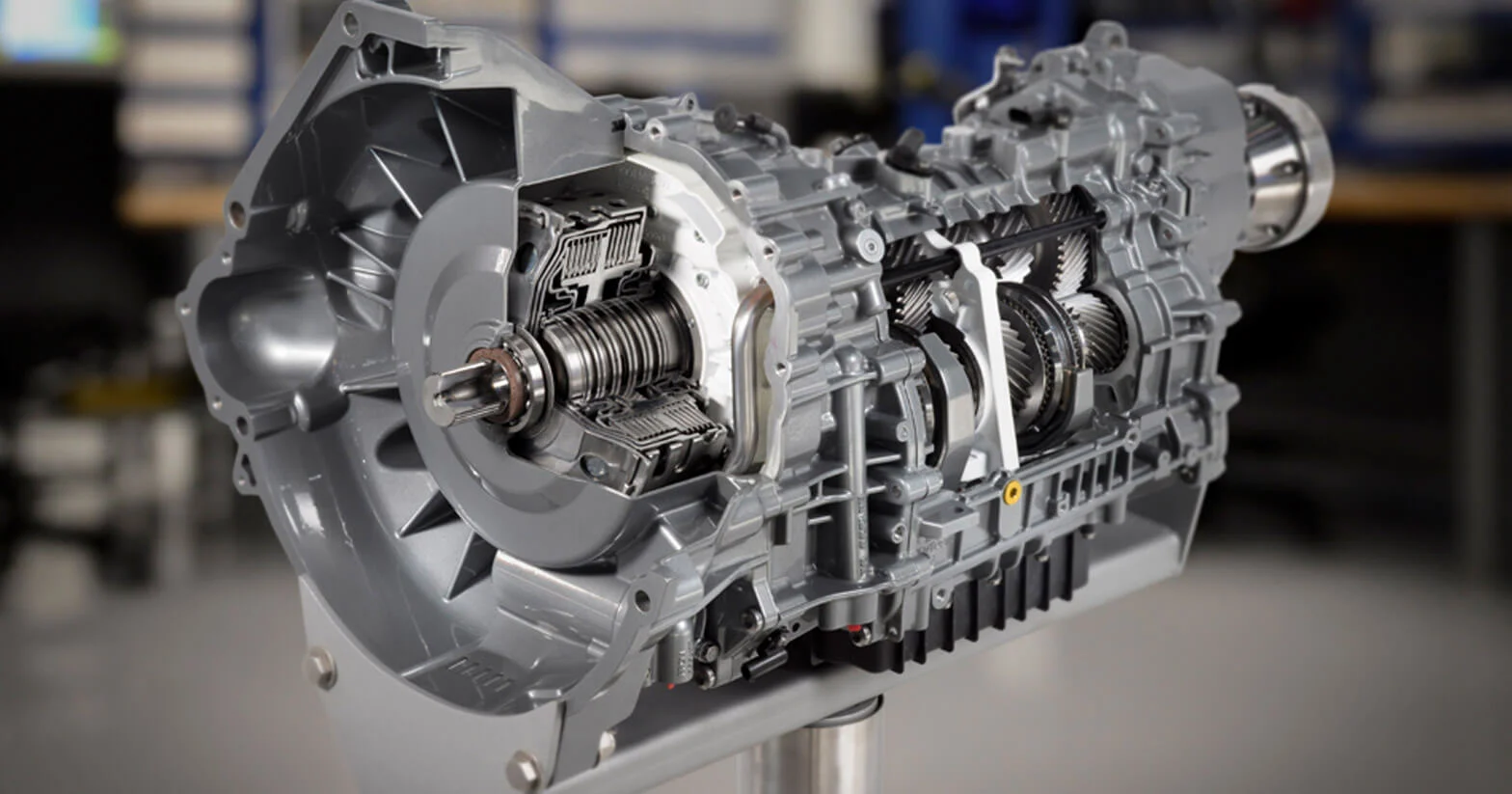
Dual-clutch transmissions, commonly found in high-performance luxury vehicles, deliver extremely fast and smooth gear changes. Systems such as Porsche’s PDK and Audi’s S-Tronic combine the efficiency of a manual transmission with the convenience of an automatic. While they enhance driving performance and responsiveness, they are also among the most expensive components to repair once the warranty expires.
A key reason for the high cost is their complexity. A DCT essentially contains two separate manual gearboxes within a single unit, each with its own clutch. This design allows for rapid gear shifts but also doubles the number of potential failure points. Repairs require specialized tools, diagnostic software, and highly trained technicians, which significantly increases labor costs. In many cases, dealerships avoid repairing individual components and instead replace the entire transmission.
Several components within a DCT are prone to wear and failure. Clutch packs, similar to those in manual cars, degrade over time and can cost thousands to replace. The mechatronics unit, which acts as the control center for electronic and hydraulic operations, is another common failure point.
If it malfunctions, repair costs can be extremely high. Additional parts such as dual-mass flywheels and internal sensors further add to the system’s complexity and expense.
Maintenance is also more demanding compared to traditional transmissions. Many DCTs require specialized transmission fluid and strict service intervals to function properly. Skipping maintenance can lead to overheating, rough shifting, or premature failure. Software updates are sometimes needed to ensure smooth operation and prevent issues.
When problems occur, repair costs can quickly escalate. Minor component replacements may cost several thousand dollars, while full transmission replacements can range from $12,000 to $20,000. Despite these costs, DCTs remain highly valued for their performance, offering a driving experience that is both engaging and efficient.
7. Active Aerodynamics and Exterior Technology
Active aerodynamics and exterior technologies in luxury vehicles include features such as active grille shutters, deployable spoilers, adaptive headlights, and soft-close doors. These systems are designed to improve performance, fuel efficiency, and aesthetics by adjusting the vehicle’s shape and airflow in real time.
While they enhance driving dynamics and visual appeal, they become costly to repair once the warranty expires due to their complexity and exposure to harsh conditions.
A major reason for high repair costs is the intricate integration of mechanical, electronic, and software components. These systems rely on sensors, actuators, electric motors, and sometimes hydraulic mechanisms, all controlled by the vehicle’s central computer.
Because they are tightly integrated, even a small failure often requires replacing the entire assembly rather than repairing individual parts. In addition, manufacturers use proprietary components that must be sourced directly from dealerships, eliminating cheaper aftermarket alternatives.
Labor costs also contribute significantly to expenses. Many active aero components are hidden deep within bumpers, body panels, or roof assemblies. Repairing or replacing them requires extensive disassembly, which increases labor time and cost. These systems also demand specialized diagnostic tools and trained technicians, making independent repair shops less viable options.
Environmental exposure further increases failure rates. Components located at the front or underside of the vehicle are constantly exposed to road debris, water, salt, and temperature changes. This leads to cracked housings, seized motors, and malfunctioning sensors. When failures occur, they often trigger warning messages and can even affect vehicle performance.
Software complexity adds another layer of cost. Since these systems are digitally controlled, replacements require recalibration and software updates to ensure proper function. Without correct programming, features like adaptive headlights or active spoilers may not operate correctly.
Common repairs, such as active headlights or spoiler systems, can cost thousands of dollars per component. Ultimately, these technologies deliver impressive performance and efficiency when new, but become expensive liabilities as vehicles age beyond warranty coverage.
8. Custom Performance Tire Setups
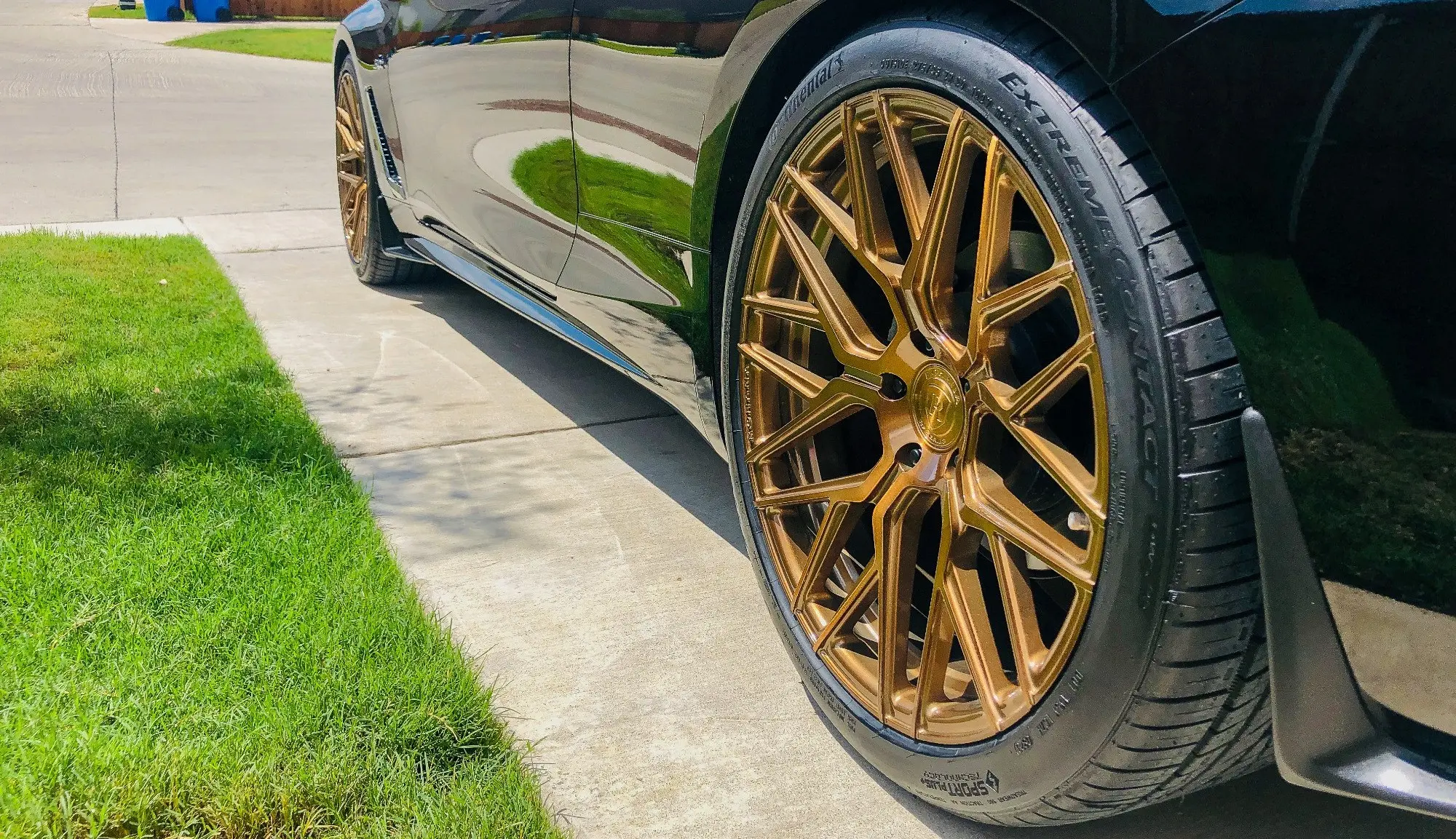
Custom performance tire setups are a key feature in luxury and high-performance vehicles, designed to maximize grip, handling, and speed. However, they also become a major ongoing expense once the warranty period ends. Unlike standard tires, these specialized setups are engineered with softer compounds, unique sizing, and advanced technologies that significantly reduce their lifespan while increasing replacement costs.
One of the main cost drivers is rapid tire wear. Performance tires are built for maximum traction, which means they use softer rubber that wears out much faster than conventional tires. Many of these tires last only 15,000 to 20,000 miles, requiring frequent replacement. In addition, they often do not come with mileage warranties, meaning owners must cover replacement costs entirely out of pocket.
Staggered wheel configurations further increase expenses. Many luxury vehicles use wider rear tires than front ones to improve stability and performance. This prevents tire rotation, which normally helps extend tire life, leading to faster and uneven wear. As a result, all four tires often need to be replaced at the same time.
Specialized technologies such as run-flat designs and low-profile construction also contribute to high costs. These tires improve safety and handling but are more expensive to manufacture, mount, and balance. They also require specialized equipment, and improper handling can damage expensive wheels.
Another issue is sensitivity to alignment. High-performance suspensions are finely tuned, meaning even small impacts from potholes or road conditions can cause misalignment. This leads to uneven tire wear and premature replacement.
Finally, once the manufacturer’s warranty expires, owners are fully responsible for damage caused by road hazards such as potholes and debris, which are common causes of tire failure.
Custom performance tire setups combine premium engineering with short lifespans and limited flexibility, making them one of the most frequent and costly maintenance requirements for luxury vehicle owners.
The evolution of luxury vehicles has brought remarkable advancements in performance, safety, and comfort, but it has also introduced a new level of long-term financial risk for owners.
Features like adaptive suspensions, dual-clutch transmissions, ADAS systems, and active aerodynamics represent the pinnacle of automotive innovation, yet they depend on intricate systems that are costly to maintain once factory coverage ends.
What begins as a seamless and high-tech driving experience can quickly turn into expensive repair obligations driven by specialized labor, proprietary components, and limited repair flexibility. As seen across all eight features, even minor failures can lead to major expenses, often requiring full system replacements rather than simple fixes.
While these technologies enhance driving pleasure and capability, they also highlight a crucial reality of modern luxury ownership: sophistication comes at a price. These features define the appeal of high-end vehicles, but they also underscore the importance of understanding the long-term costs that follow when the warranty no longer protects the owner.
Also read: 12 Cars That Fundamentally Changed How American Families Travel Locally