Drivers dealing with chronic back pain and leg discomfort face challenges that go far beyond simple convenience. Every drive, whether it is a short commute or a longer journey, can quickly become exhausting if the vehicle does not provide proper support.
The wrong seating position, limited legroom, or poorly designed ergonomics can turn even a comfortable-looking car into a daily source of strain. Over time, this not only affects comfort but can also worsen existing physical conditions.
Modern vehicles vary widely in how they address these concerns. Some prioritize sporty seating positions that may look appealing but place pressure on the lower back and hips. Others are designed with long-distance comfort in mind, offering upright seating, adjustable lumbar support, and easy entry that reduces strain on joints.
For drivers with specific physical needs, these differences are not minor details, they are essential factors that determine whether a vehicle is suitable for everyday use.
Seat height plays a critical role, as stepping into a vehicle should not require excessive bending or climbing. Cushion design also matters, since proper thigh support can reduce pressure on the legs during extended drives.
In addition, suspension tuning, cabin space, and driving position all contribute to how the body feels after time behind the wheel.
This article focuses on twelve vehicles that stand out for their ability to provide consistent support and comfort for drivers with back and leg issues. Each one offers a unique combination of features that help reduce fatigue, improve posture, and make daily driving more manageable.
Also Read: 12 Used Luxury Bargains That Share Major Parts With Reliable Budget Brands
1. Volvo XC90
The Volvo XC90 approaches comfort from a perspective that prioritizes long-term physical well-being rather than short-term softness. Its seats are widely regarded as some of the most supportive in the automotive world, and that reputation is especially meaningful for drivers dealing with chronic back pain.
Instead of relying on overly cushioned surfaces that can lead to poor posture, the XC90 uses firm yet adaptive padding that keeps the spine properly aligned.
This reduces the tendency to slouch, which is one of the most common causes of discomfort during extended driving. The seat design encourages a natural seating position, allowing the lower back to remain supported without constant adjustment.
One of the standout aspects is the range of seat adjustments available. Drivers can fine-tune lumbar support, seat base extension, and backrest angle to match their specific needs.
This level of customization is not just a luxury feature, it directly impacts how pressure is distributed across the body. Proper thigh support, for example, helps reduce strain on the hips and improves circulation in the legs.
The driving position also contributes to comfort. The XC90 offers a slightly elevated seating height, making entry and exit easier without requiring excessive bending. This is particularly beneficial for individuals who experience stiffness in their lower back or knees.
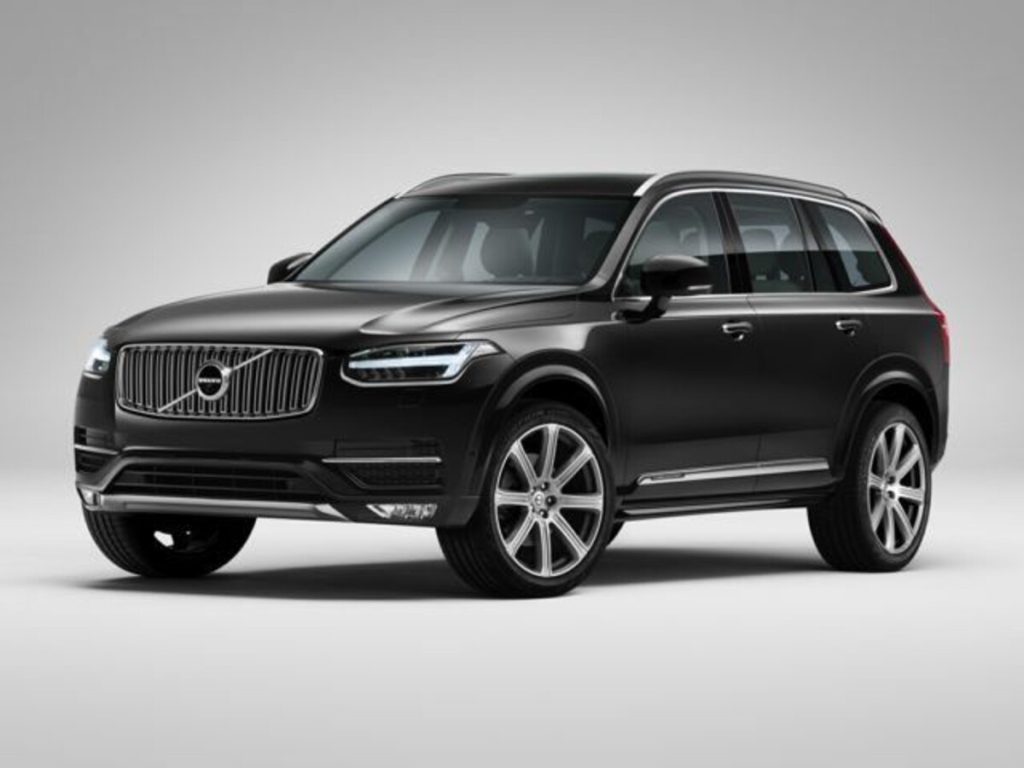
In addition, the suspension is tuned to absorb road imperfections effectively. Instead of transmitting harsh impacts into the cabin, it smooths out uneven surfaces, reducing the cumulative stress placed on the spine. Over time, this makes a noticeable difference in overall fatigue levels.
Everything about the XC90 feels intentional. It is not just about adding features, but about creating an environment where the body remains supported throughout the drive. For those dealing with ongoing discomfort, this thoughtful approach can significantly improve daily driving experiences.
2. Subaru Outback
The Subaru Outback takes a different approach, focusing on accessibility and consistency rather than luxury-level adjustments. What makes it particularly effective for drivers with back and leg concerns is how naturally it fits into everyday use.
The seating position is one of its strongest advantages. It strikes a balance between a traditional sedan and a taller SUV, allowing drivers to slide in rather than climb up or drop down. This reduces strain on the lower back and knees, making entry and exit far less taxing, especially when repeated multiple times a day.
Inside, the seats are shaped to provide even support across the body. The cushioning is neither too soft nor overly firm, which helps maintain comfort over longer distances. This balanced approach prevents pressure points from developing, particularly in the lower back and upper thighs.
Legroom is another area where the Outback performs well. The layout allows for a more relaxed seating position, giving drivers enough space to stretch slightly without compromising control. This is important for maintaining circulation and reducing stiffness during extended periods behind the wheel.
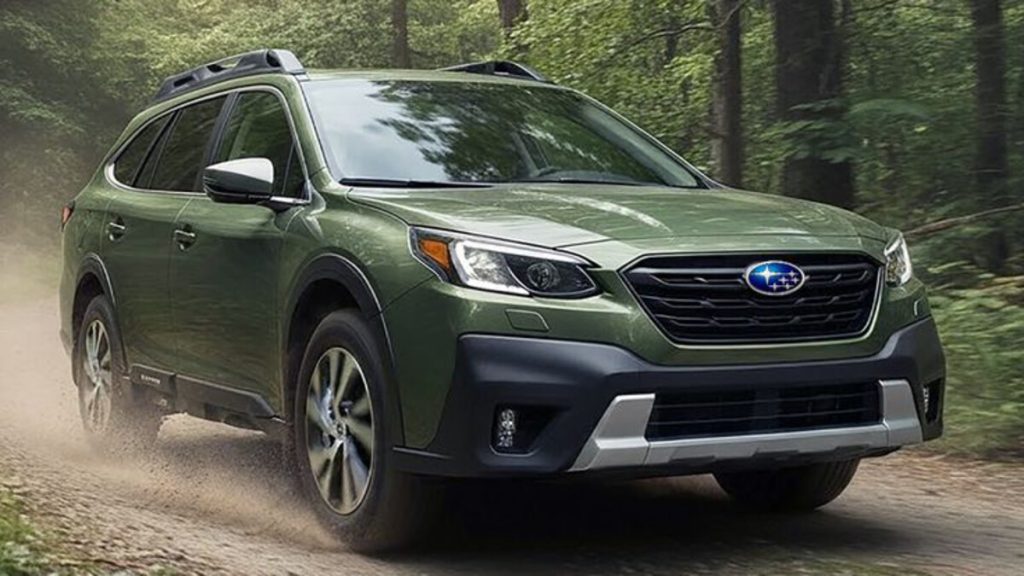
The ride quality also plays a significant role. Subaru has tuned the suspension to handle rough surfaces smoothly, which helps minimize the constant small impacts that can aggravate back pain. Whether driving on uneven roads or highways, the cabin remains relatively stable and composed.
Visibility further enhances comfort by reducing the need for awkward body movements. Large windows and a clear driving position allow drivers to maintain awareness without constantly shifting their posture.
The Outback may not appear as specialized as some luxury options, but its strength lies in how well it integrates comfort into daily driving. It delivers a consistent, supportive experience that makes it a practical and reliable choice for those managing ongoing physical discomfort.
3. Mercedes-Benz GLE
The Mercedes-Benz GLE delivers comfort in a way that feels deeply refined, but more importantly, medically considerate. For drivers with chronic back pain, the seat design goes beyond standard cushioning and enters a space where ergonomics are clearly prioritized.
The seats are engineered to support the natural curvature of the spine. Instead of forcing the body into a fixed posture, they adapt through multiple adjustment points. Lumbar support is highly precise, allowing subtle changes that can make a significant difference over time.
This level of fine tuning helps distribute weight evenly, reducing pressure on sensitive areas such as the lower back and hips.
One of the most beneficial aspects is the seat base adjustability. Drivers can extend the cushion to better support the thighs, which reduces strain on the legs during long drives. Without proper thigh support, pressure tends to build behind the knees, leading to discomfort and reduced circulation. The GLE addresses this effectively.
The suspension system adds another layer of relief. It is designed to isolate the cabin from harsh road inputs, which means fewer vibrations reach the driver’s body.
This is particularly important for individuals whose pain is aggravated by constant movement or jolts. The vehicle feels composed even on uneven surfaces, helping maintain a stable seating position.

Entry and exit are also handled with care. The ride height allows for a natural stepping motion rather than a deep bend or climb. This reduces stress on both the back and knees, especially during frequent stops.
What sets the GLE apart is how all these elements work together. It is not just about individual features, but about creating a driving environment where discomfort is minimized from multiple angles. For drivers who spend significant time on the road, this holistic approach can make a meaningful difference in daily comfort.
4. Toyota Highlander
The Toyota Highlander approaches comfort with practicality at its core. It may not emphasize advanced seat technology in the same way as luxury vehicles, but it excels in delivering a naturally comfortable and accessible driving experience that suits a wide range of users.
The seating position is one of its key strengths. It offers an upright posture that helps keep the spine aligned without requiring constant adjustment. This is especially beneficial for drivers who prefer a straightforward setup rather than relying on multiple controls to find a comfortable position.
Seat cushioning is designed to provide consistent support across the entire surface. Instead of focusing on softness, the Highlander maintains a balanced firmness that prevents the body from sinking in too deeply. This helps maintain proper posture over longer drives and reduces the likelihood of developing pressure points.
Another important factor is the ease of entry. The vehicle’s height allows drivers to step in with minimal effort, avoiding the strain associated with climbing into taller SUVs or lowering into sedans. For individuals dealing with joint stiffness or back pain, this simple advantage becomes very noticeable over time.
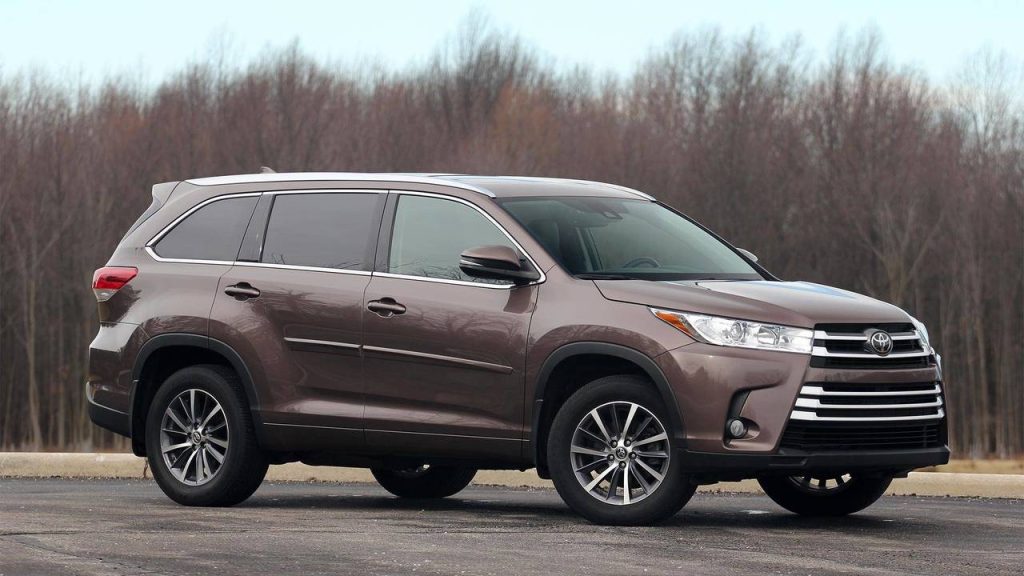
The interior layout also contributes to comfort. Controls are positioned within easy reach, reducing the need for stretching or twisting. This allows drivers to maintain a stable posture while adjusting settings, which helps prevent unnecessary strain.
Ride quality is tuned toward smoothness, absorbing most road imperfections before they reach the cabin. This reduces the constant micro-movements that can aggravate back discomfort, especially on longer journeys.
The Highlander proves that comfort does not always require complexity. By focusing on natural ergonomics and ease of use, it provides a dependable solution for drivers who need consistent support without overcomplicating the experience.
5. Honda CR-V
Not every solution for back and leg discomfort comes from a luxury badge. The Honda CR-V stands out by delivering everyday comfort in a way that feels natural rather than engineered around complexity.
Start with how you enter the vehicle. The door opens wide, the seat height feels perfectly judged, and there is no awkward drop or climb involved. That single motion of getting in and out becomes effortless, which matters more than most people realize when it is repeated multiple times a day.
Once seated, the CR-V provides a posture that feels upright without being rigid. The seat base is long enough to support the thighs properly, which helps reduce tension in the legs.
Many vehicles overlook this, leading to subtle discomfort that builds gradually. Here, the support feels evenly distributed, allowing the body to settle into a stable position.
Instead of overwhelming the driver with too many adjustments, the CR-V focuses on getting the fundamentals right. The lumbar area is shaped in a way that naturally supports the lower back, reducing the need for constant corrections. This is particularly helpful for drivers who prefer consistency over continuous tweaking.
The cabin layout also plays a role. Everything feels within reach, so there is no need to stretch or twist unnecessarily. This keeps the spine aligned and reduces strain during longer drives.
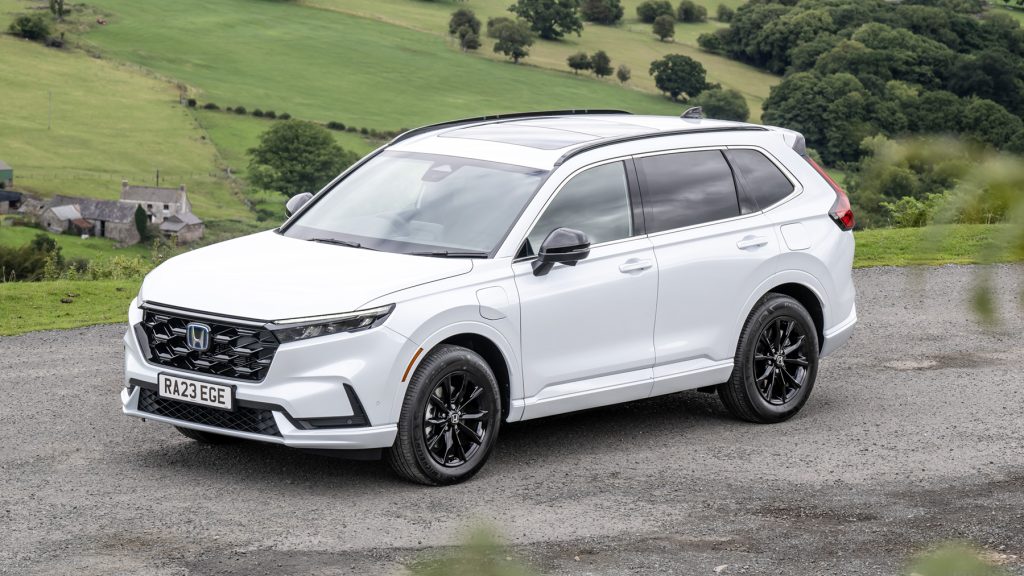
Then there is the suspension. It absorbs imperfections without feeling overly soft, which means fewer jolts are transmitted into the seat. Over time, this contributes to reduced fatigue, especially on uneven roads.
The CR-V succeeds by making comfort feel effortless. It does not rely on standout features to impress, but instead delivers a well-balanced experience that quietly supports the body throughout the drive.
6. BMW X5
The BMW X5 approaches driver comfort with precision. Everything feels adjustable, controlled, and tailored to individual needs, which is exactly what makes it suitable for those dealing with chronic discomfort.
The seating system is highly customizable. You can adjust the lumbar support in multiple directions, fine-tune the seat depth, and set the backrest angle with remarkable accuracy. This allows drivers to create a seating position that matches their body rather than adapting themselves to the seat.
A notable feature is the extendable thigh support. For drivers with leg pain or circulation issues, this becomes a major advantage. Proper support under the thighs reduces pressure behind the knees and helps maintain better blood flow during longer journeys.
The seat itself is designed to hold the body in place without creating pressure points. It provides structure rather than softness, which helps keep the spine aligned. This reduces the tendency to shift positions frequently, a common sign of discomfort.

Beyond the seat, the driving position contributes to the overall experience. The X5 offers a commanding view of the road, which reduces the need for forward leaning or neck strain. Visibility is clear and natural, allowing the driver to remain relaxed.
The suspension system deserves attention as well. It adapts to road conditions, smoothing out irregularities before they reach the cabin. This minimizes the constant small impacts that can aggravate back pain over time.
What makes the X5 particularly effective is how all these adjustments come together. It gives drivers control over their comfort, allowing them to create an environment that works specifically for their physical needs rather than relying on a one size fits all approach.
7. Kia Telluride
Some vehicles impress immediately, while others reveal their strengths over time. The Kia Telluride belongs to the second category, where comfort becomes more noticeable the longer you spend behind the wheel.
The first thing that stands out is how naturally the seat supports your body without demanding constant adjustment. The cushioning is shaped to follow the contours of the back, providing a stable base that keeps the spine in a neutral position. Instead of forcing you to search for the right setting, it feels correct from the start.
Another advantage is the width and structure of the seat base. It allows for a relaxed leg position, reducing tension in the hips and thighs. For drivers dealing with leg discomfort, this extra space helps prevent stiffness from building during longer drives.
The Telluride also excels in maintaining a calm cabin environment. Road imperfections are absorbed effectively, which reduces the small but continuous impacts that often worsen back pain. The suspension tuning strikes a balance where the vehicle feels composed without transmitting unnecessary harshness.
Entry and exit feel effortless as well. The height is just right, allowing a smooth step in rather than a climb or a drop. This becomes particularly important for those who experience discomfort when bending repeatedly.
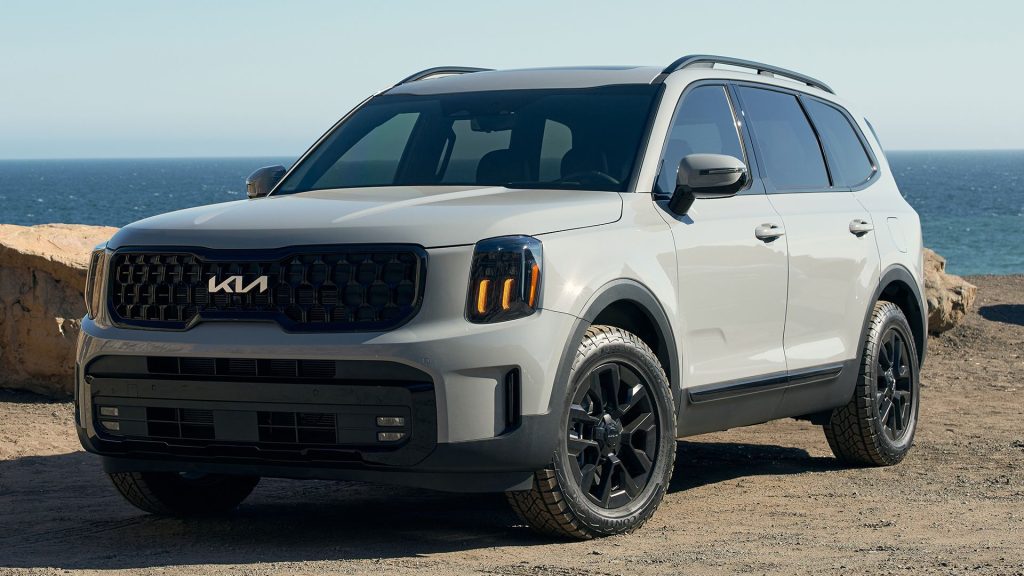
Inside the cabin, the layout supports a relaxed posture. Controls are positioned logically, so the driver can operate them without leaning forward or twisting. This helps maintain a consistent seating position, which is key to reducing strain.
The Telluride proves that comfort is not just about features, but about how well everything works together. It creates a driving experience where the body remains supported without constant effort.
8. Lexus RX
The Lexus RX focuses on comfort in a way that feels smooth, controlled, and predictable. For drivers managing back and leg issues, this consistency is often more valuable than aggressive support or overly firm seating.
The seats are designed to cushion without allowing the body to sink excessively. This balance helps maintain proper posture while still providing a soft contact surface. The lower back receives steady support, reducing the need for frequent adjustments during longer journeys.
What sets the RX apart is how it minimizes external disturbances. The suspension system filters out road imperfections with remarkable efficiency, creating a ride that feels almost isolated from rough surfaces. This significantly reduces the vibrations that can aggravate spinal discomfort over time.
The driving position is relaxed and upright, allowing the spine to remain aligned naturally. There is no need to lean forward or adjust constantly to find a comfortable angle. This helps reduce fatigue, especially during extended periods behind the wheel.
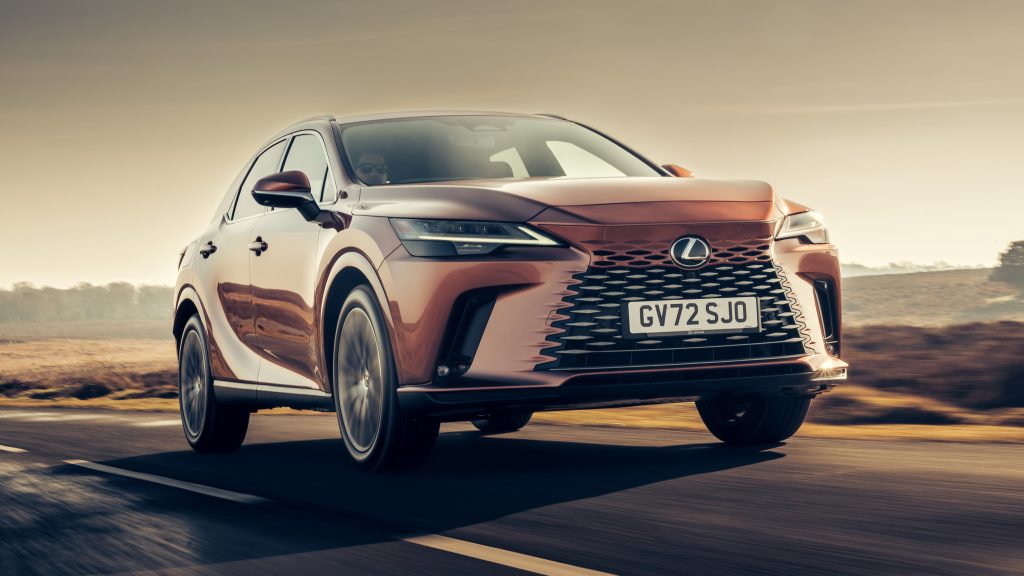
Leg comfort is also well addressed. The seat base provides adequate support, and the spacing allows for a natural resting position. This reduces pressure on the knees and improves circulation, which is essential for avoiding stiffness.
Another subtle but important factor is how quiet the cabin remains. Reduced noise levels contribute to a more relaxed driving experience, allowing the body to stay at ease rather than reacting to constant external stimuli.
The RX delivers comfort through refinement rather than complexity. It creates an environment where the driver can focus on the road without being distracted by discomfort, making it an excellent choice for those who value a მშვიდ, supportive driving experience.
9. Hyundai Santa Fe
The Hyundai Santa Fe approaches comfort in a way that feels practical, supportive, and easy to live with on a daily basis. It does not rely on overly complex systems, yet it manages to deliver a seating experience that works well for drivers dealing with back and leg discomfort.
The seat design focuses on maintaining a balanced posture. The cushioning is firm enough to keep the spine aligned, but not so rigid that it becomes uncomfortable over time.
This middle ground is important because excessive softness can lead to slouching, while too much firmness can create pressure points. The Santa Fe manages to avoid both extremes.
One aspect that stands out is how evenly the seat distributes weight. Instead of concentrating pressure in specific areas, it supports the back, hips, and thighs in a consistent manner. This reduces fatigue during longer drives and helps prevent the gradual buildup of discomfort.
Entry and exit are straightforward, thanks to a well-judged ride height. Drivers can step in without straining their knees or bending excessively, which is particularly helpful for those dealing with stiffness. Over time, this ease of access becomes one of the most appreciated features.
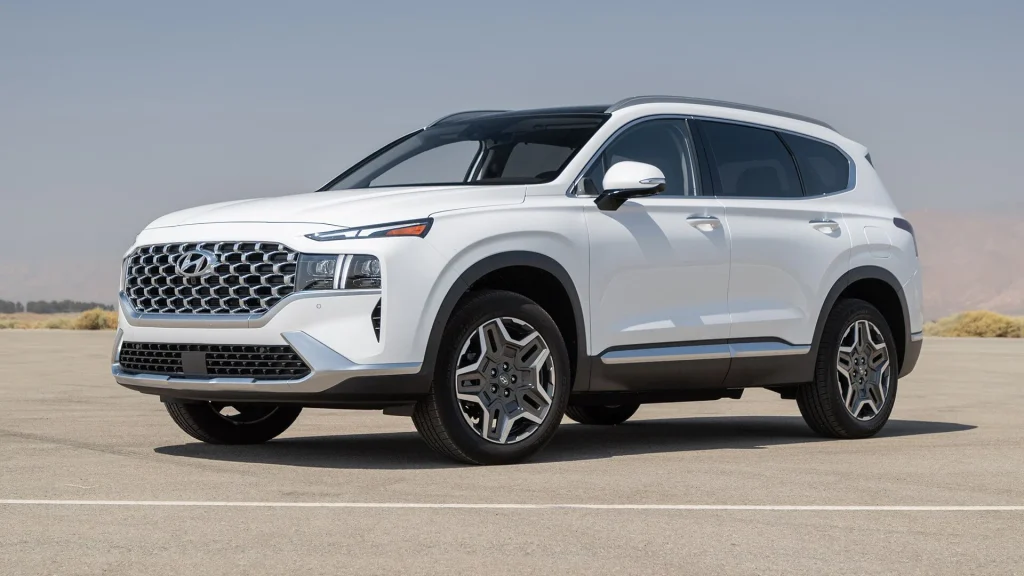
The suspension tuning adds to the overall comfort. It absorbs most road imperfections effectively, limiting the amount of vibration that reaches the cabin. This is crucial for maintaining a stable seating position and reducing strain on the lower back.
Inside, the layout supports a natural driving posture. Controls are within easy reach, and visibility is clear, which means the driver does not need to adjust their position frequently. This consistency helps keep the body relaxed throughout the journey.
The Santa Fe proves that thoughtful design and balanced engineering can deliver meaningful comfort without relying on luxury-level complexity.
10. Audi Q7
The Audi Q7 offers a more technical approach to comfort, where precision and refinement work together to support the driver’s body over long distances. It is a vehicle that focuses on reducing strain through careful engineering rather than relying solely on soft materials.
The seats are highly adjustable, allowing drivers to fine-tune their position with accuracy. Lumbar support can be tailored to match the natural curve of the spine, which helps maintain proper alignment. This reduces the likelihood of lower back fatigue, especially during extended drives.
A key strength lies in the seat structure itself. It provides firm support that keeps the body stable, preventing unnecessary movement. This stability is important because constant shifting can lead to increased strain over time. The Q7 keeps the driver positioned correctly without feeling restrictive.
Leg comfort is also addressed through thoughtful seat proportions. The cushion length supports the thighs effectively, which helps reduce pressure behind the knees. This improves circulation and minimizes the risk of stiffness during longer journeys.
The suspension system plays a major role in overall comfort. It is designed to smooth out road imperfections, creating a ride that feels controlled and composed. Instead of sharp impacts, the vehicle absorbs irregularities in a way that protects the driver from constant jolts.
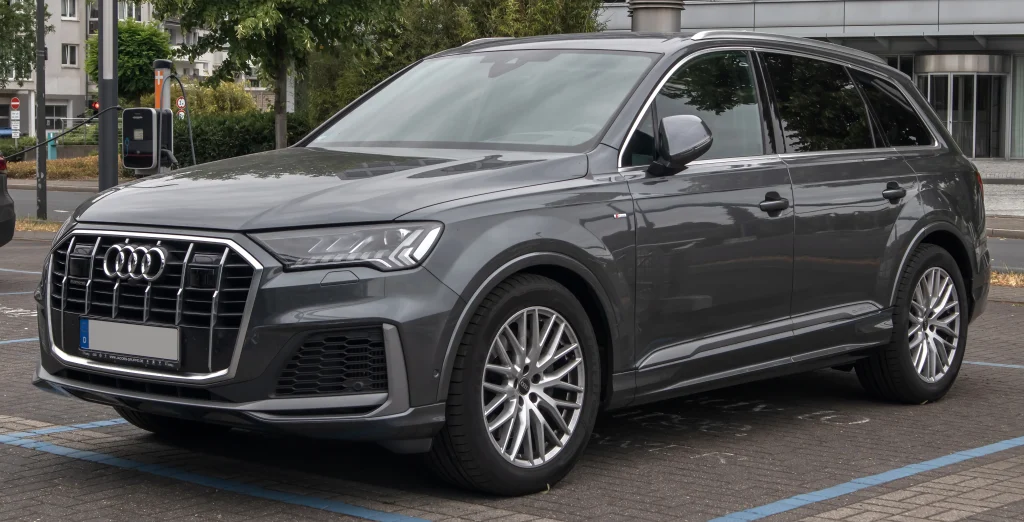
Another important factor is the driving environment. The Q7 offers excellent visibility and a well-organized cabin, allowing the driver to maintain a relaxed posture. There is no need for awkward movements or constant adjustments.
The Q7 stands out by delivering comfort through precision. Every element, from seating to ride quality, is designed to reduce strain and support the body in a consistent and controlled manner.
11. Toyota Camry
The Toyota Camry may seem like a conventional choice at first, but its strength lies in how naturally it supports the body during everyday driving. It does not rely on complex adjustments or premium features, yet it consistently delivers a comfortable experience that suits drivers dealing with back and leg discomfort.
The seating position is lower than an SUV, but it is designed in a way that avoids excessive strain. The door opening and seat height allow for a controlled entry and exit, where the movement feels smooth rather than abrupt. For drivers who prefer a sedan, this balance becomes an important factor.
Inside, the seat design focuses on maintaining a neutral posture. The backrest supports the spine evenly, while the cushioning prevents pressure from building in specific areas. This helps reduce fatigue during longer drives, especially when combined with the car’s stable ride quality.
Legroom is another area where the Camry performs well. The driving position allows the legs to extend naturally, reducing tension in the knees and thighs. This contributes to better circulation and helps prevent stiffness from developing over time.
The suspension system is tuned for comfort, absorbing most road imperfections before they reach the cabin. This reduces the small but continuous impacts that can aggravate back pain. The result is a smoother, more controlled driving experience.
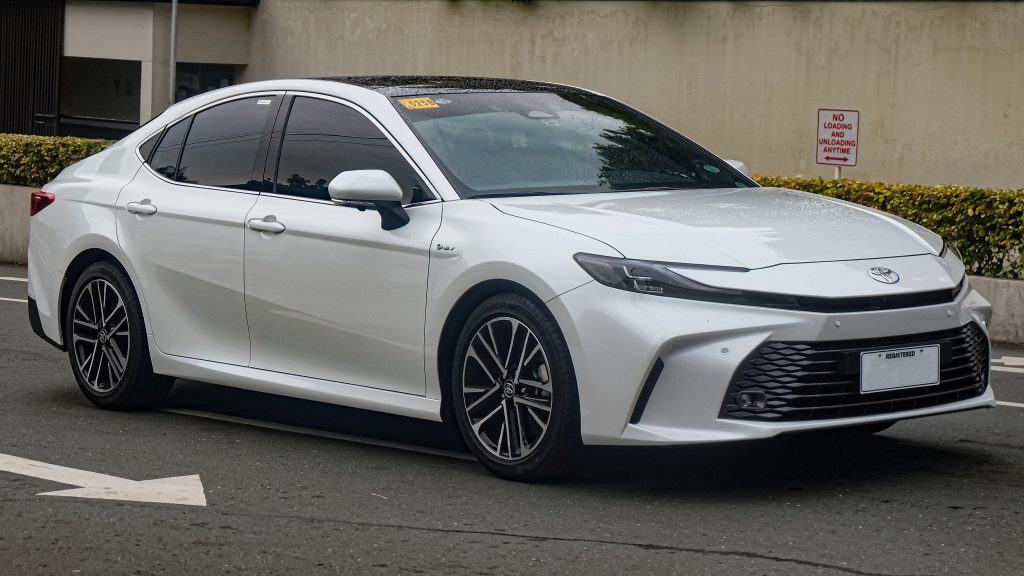
The simplicity of the interior layout also plays a role. Controls are easy to access, and the driving position feels intuitive, allowing the driver to remain relaxed without constant adjustments.
The Camry proves that a well-designed sedan can still meet the needs of drivers seeking comfort and support, offering a dependable and familiar solution without unnecessary complexity.
12. Chrysler Pacifica
The Chrysler Pacifica takes a completely different approach by focusing on space and ease of movement, making it one of the most accommodating vehicles for drivers with chronic back pain and leg support needs.
The first advantage is the seating height and accessibility. Getting into the Pacifica requires minimal effort, as the floor is low and the door openings are wide. This reduces strain on the back and knees, especially during repeated entry and exit throughout the day.
Once inside, the seating position feels open and relaxed. The seats provide a broad base of support, allowing the body to settle comfortably without feeling confined. This is particularly helpful for drivers who need to adjust their posture slightly during longer trips.
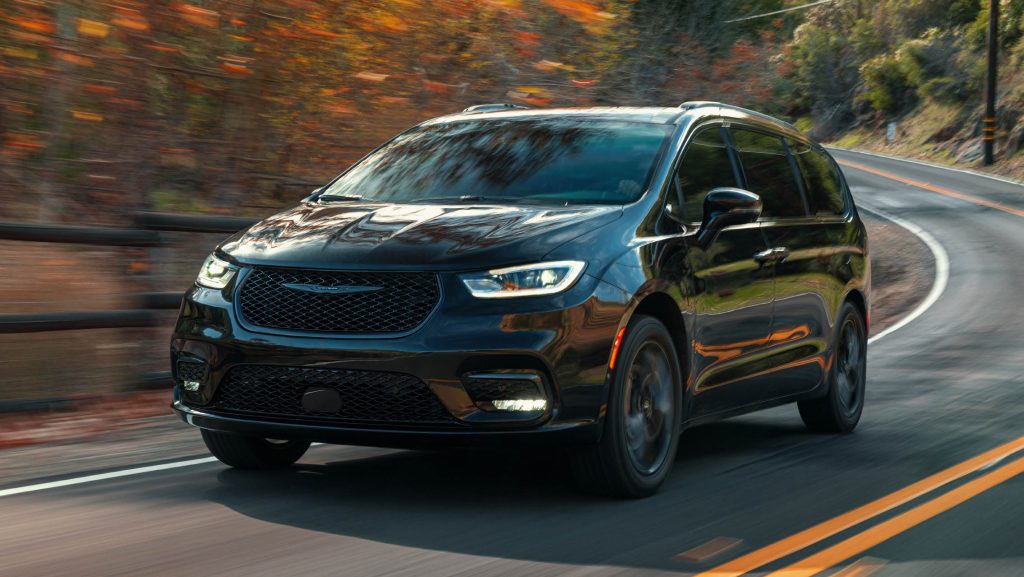
Legroom is generous, giving drivers the ability to position their legs in a way that reduces pressure and improves circulation. The extra space allows for subtle movement, which can help prevent stiffness from building over time.
Another key benefit is the overall cabin design. The open layout reduces the sense of restriction, allowing drivers to move more freely compared to tighter interiors. This flexibility can make a noticeable difference for those dealing with ongoing discomfort.
The ride quality further enhances comfort. The suspension is tuned to absorb road imperfections smoothly, minimizing vibrations that can aggravate back pain. Even on uneven surfaces, the cabin remains relatively stable.
What truly sets the Pacifica apart is how it combines space, accessibility, and comfort into one cohesive package. It does not just support the driver while seated, but also makes every interaction with the vehicle easier, from getting in to settling into a comfortable position.
Also Read: 12 Best Compact SUVs for Drivers Who Prefer Minimal Interior Blind Spots