Luxury cars are often associated with high purchase prices and expensive maintenance, but that is not always the full picture. Many premium vehicles quietly share major components with more affordable, mass-market models, creating opportunities for buyers who know where to look.
This approach, often called parts sharing or platform sharing, allows automakers to reduce production costs while improving reliability through proven engineering.
For used car buyers, this creates a unique advantage. You can enjoy upscale interiors, advanced technology, and strong performance without facing the steep ownership costs typically linked to luxury brands. Vehicles like the Porsche 911 (996), Lexus ES, and Audi A3 benefit from components developed for high-volume models, making parts easier to source and repairs more manageable.
This list highlights 12 used luxury bargains that combine premium appeal with dependable, widely available engineering. Each one offers a practical way to experience high-end driving without overspending on maintenance or repairs.
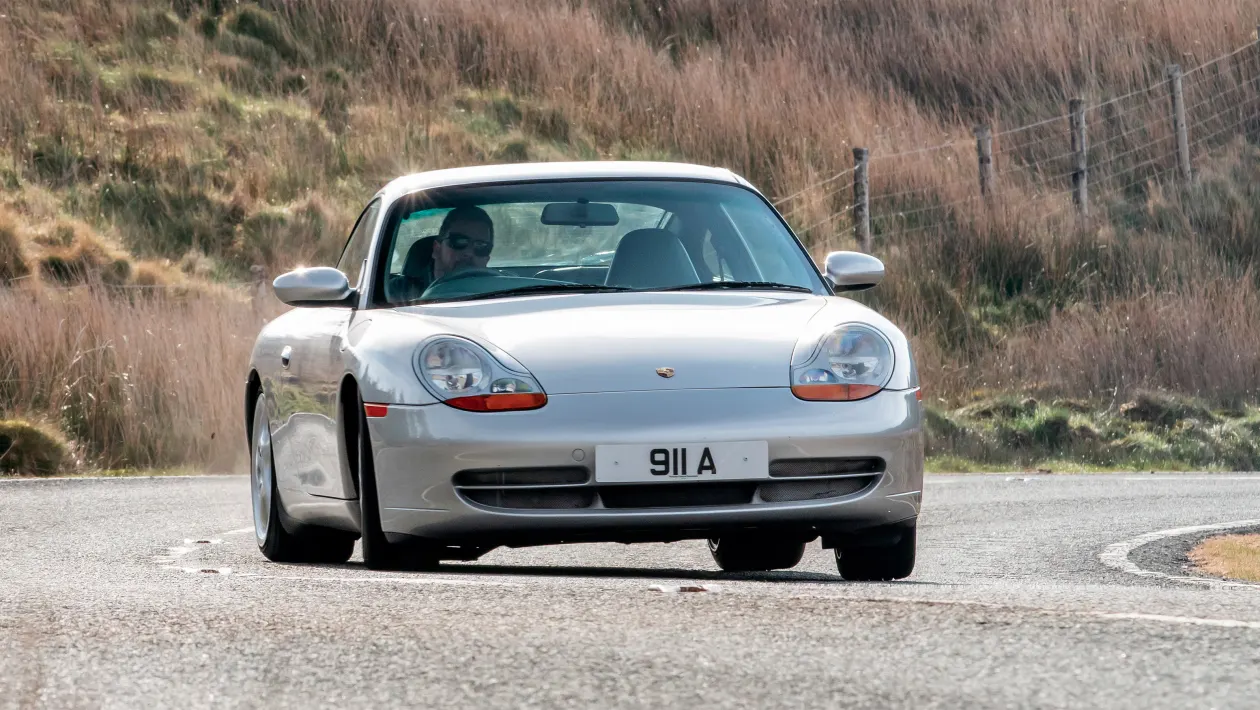
1. Porsche 911 (996): Accessible Ownership Through Shared Engineering
The Porsche 911 (996 generation) is widely recognized as one of the most attainable ways to experience a true Porsche sports car. A key factor behind this is its extensive parts sharing with the Porsche Boxster (986), introduced during the 1990s to reduce production costs and streamline manufacturing.
Around 40 percent of components are shared between the two models, including the front suspension, headlights, interior features, and structural elements. This strategy not only helped stabilize Porsche financially at the time but also continues to benefit owners today.
Because both the 996 and Boxster were produced in large volumes, replacement parts are easy to find and more affordable compared to many high-performance vehicles. Interchangeable components make maintenance less complicated and reduce repair expenses, which is a major advantage for used buyers seeking a balance between performance and practicality.
The 996’s reputation has been shaped by a few well-known concerns. The most notable is the Intermediate Shaft (IMS) bearing issue present in some early engines. While it can be a serious problem, it is widely understood and can be resolved with upgraded aftermarket solutions. The car’s styling also drew mixed opinions, especially the headlights, which resembled those of the Boxster and differed from earlier 911 designs.
Despite these criticisms, the 996 remains a durable and capable sports car. Its body is well-protected against corrosion, and most mechanical systems are robust when properly maintained. High production numbers also ensure a broad selection in the used market.
The Porsche 911 (996) delivers iconic performance, everyday usability, and relatively manageable ownership costs, making it an appealing choice for enthusiasts entering the Porsche lineup.
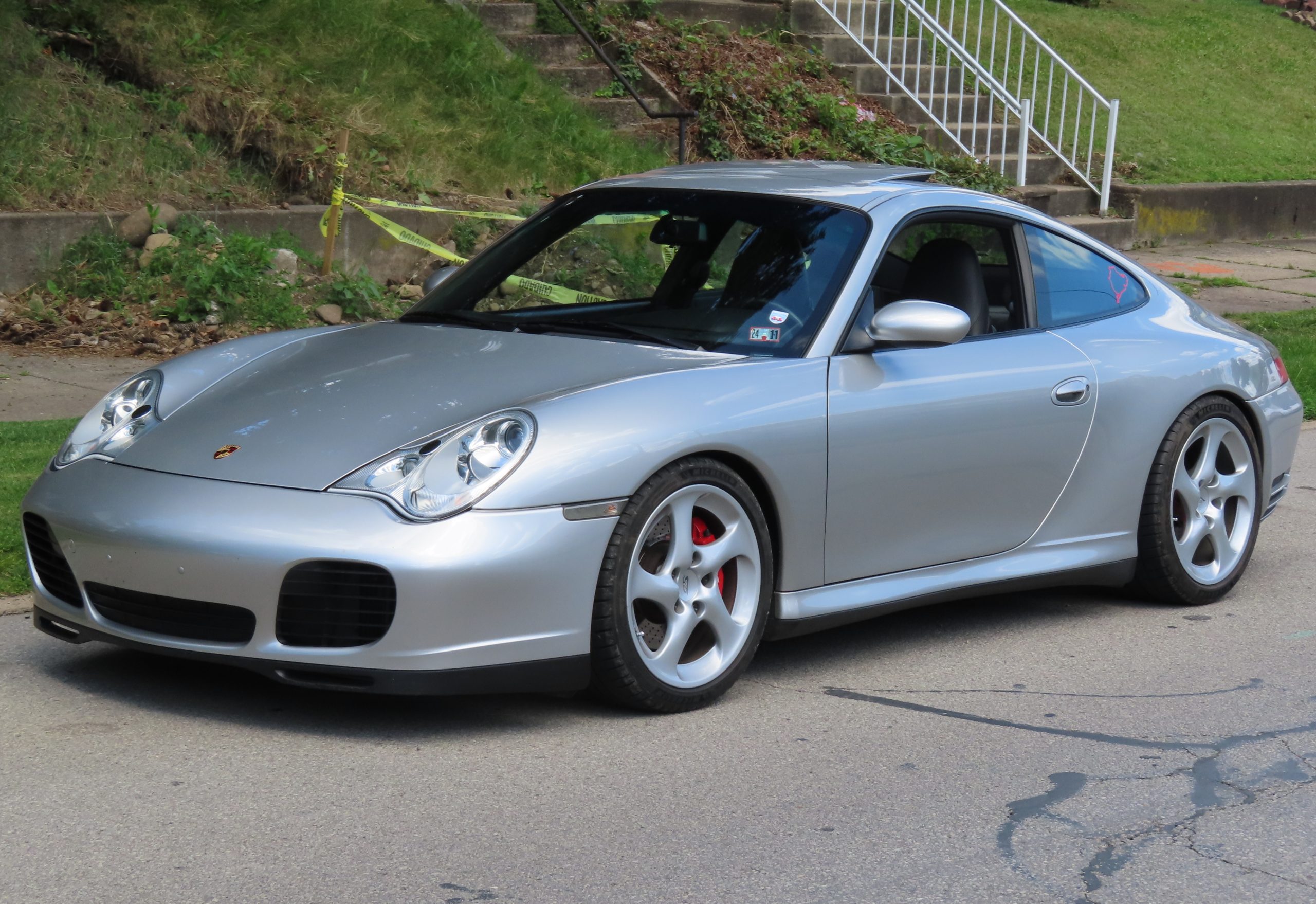
2. Lexus ES: Luxury Comfort with Toyota Reliability
The Lexus ES is widely recognized as one of the best stress-free luxury sedans in the used car market because it blends premium comfort with Toyota’s proven long-term reliability. While it carries the upscale design, quiet cabin, and refined features expected from Lexus, it is fundamentally built on the same engineering foundation as the Toyota Camry and Toyota Avalon.
This shared platform means the Lexus ES benefits from Toyota’s durable mechanical systems, including its well-known 3.5L V6 engine and efficient hybrid powertrains. These engines are designed for longevity and often reach very high mileage with proper maintenance. The use of Toyota’s engineering also ensures that major components such as transmissions, suspension parts, and electronics are robust and time-tested.
A major advantage of the Lexus ES is its lower maintenance cost compared to many luxury vehicles. Since it shares many parts with Toyota models, repairs and replacements are widely available and significantly more affordable than European luxury alternatives. This helps owners avoid the high “luxury brand premium” typically associated with servicing high-end sedans.
The vehicle also uses simpler, naturally aspirated engines rather than complex turbocharged systems found in many modern luxury cars. This reduces the risk of costly mechanical failures and keeps long-term ownership more predictable and affordable.
Despite its practicality, the Lexus ES still delivers a premium driving experience. It features a quiet and comfortable ride, high-quality interior materials, and advanced technology options such as upgraded infotainment systems and premium audio. This combination allows drivers to enjoy luxury-level refinement without excessive maintenance expenses.
Because of its reliability and strong build quality, the Lexus ES also holds its value well over time. Depreciation is slower compared to many luxury competitors, making it an appealing choice for used car buyers who want both comfort and financial efficiency in long-term ownership.
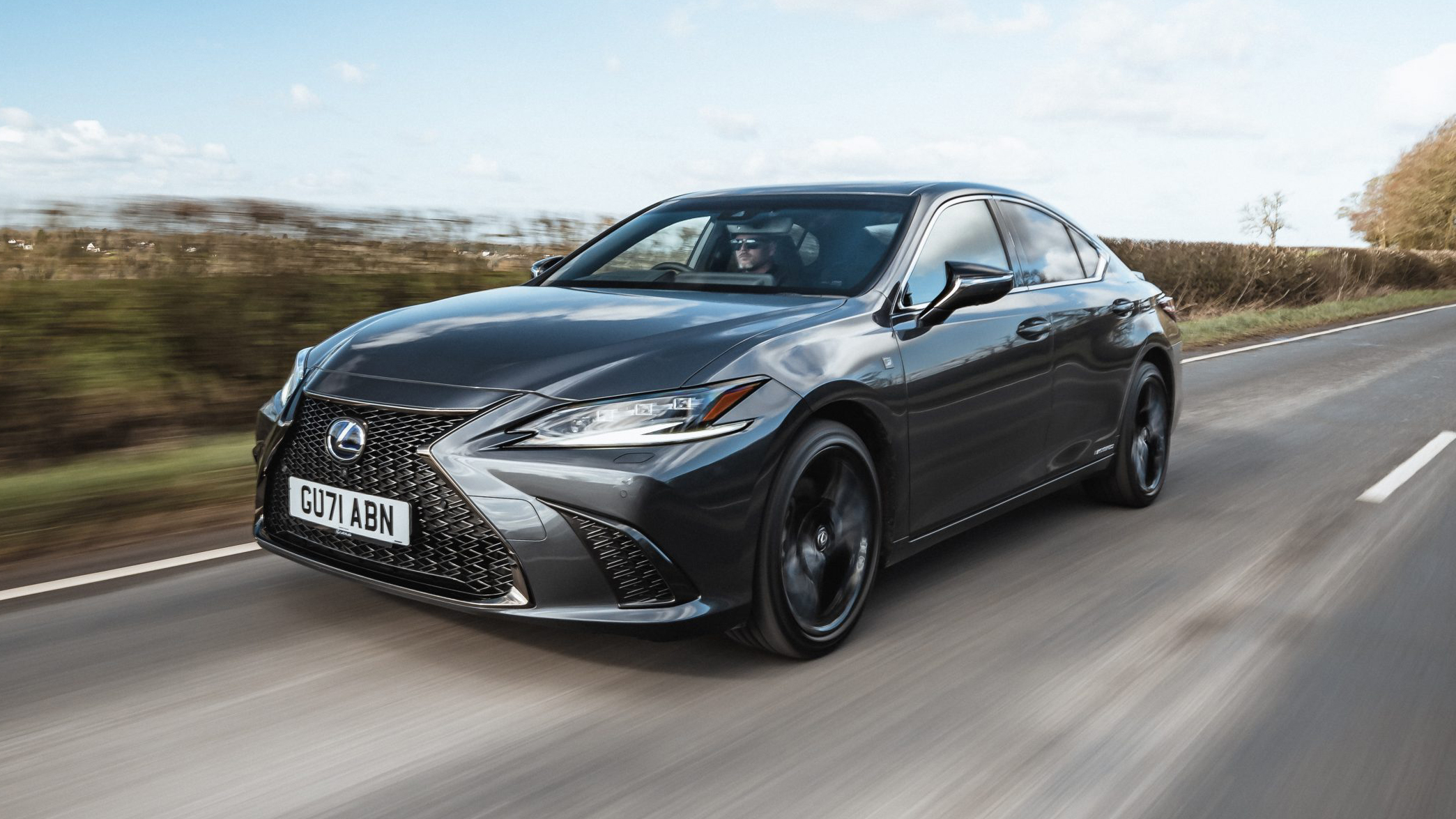
3. Acura Integra: Premium Feel Built on Honda Reliability
The Acura Integra is widely regarded as a smart entry-level luxury choice because it blends sporty refinement with the proven dependability of the Honda Civic. It shares its core platform, chassis architecture, and 1.5L turbocharged engine with the Honda Civic lineup, including high-trim and performance-focused variants like the Civic Si. This shared engineering foundation allows Integra to deliver a balance of efficiency, performance, and long-term reliability.
One of its biggest advantages is mechanical simplicity and affordability. Since many components, such as engine parts, sensors, and suspension systems, are interchangeable with the Honda Civic, repairs and maintenance remain relatively inexpensive. Parts are widely available at Honda dealerships, which helps reduce downtime and keeps service costs predictable compared to many European luxury competitors.
The Acura Integra also offers a more refined driving experience than its Honda counterpart. It features improved sound insulation, upgraded interior materials, and enhanced ride comfort, making it feel more premium without straying far from its reliable roots. Drivers can also enjoy sporty performance tuning and an available 6-speed manual transmission, adding to its engaging driving character.
Despite its luxury positioning, the Integra remains in the affordable ownership category because it avoids complex, high-cost engineering often found in higher-end luxury brands. Its turbocharged 1.5L engine is efficient and widely used, contributing to strong fuel economy and dependable long-term operation.
Acura’s reputation for reliability, supported by Honda’s engineering standards, further strengthens the Integra’s appeal as a used vehicle. It delivers a combination of practicality, sportiness, and premium comfort while maintaining low running costs.
As a result, the Acura Integra stands out as a well-rounded option for buyers seeking a luxury badge, enjoyable driving dynamics, and the financial ease of a mainstream compact car platform.
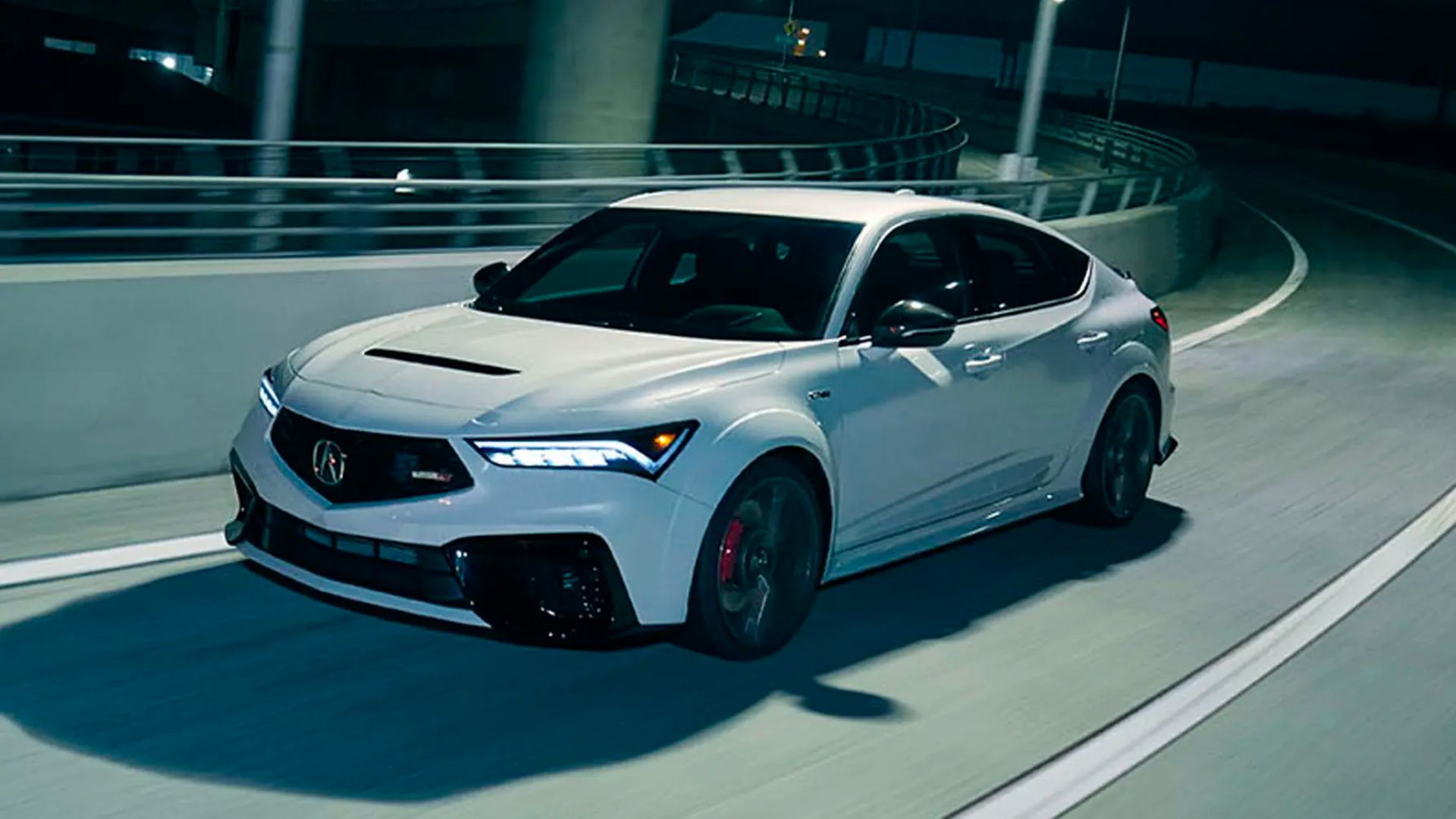
4. Audi A3: Premium German Luxury Built on Volkswagen Engineering
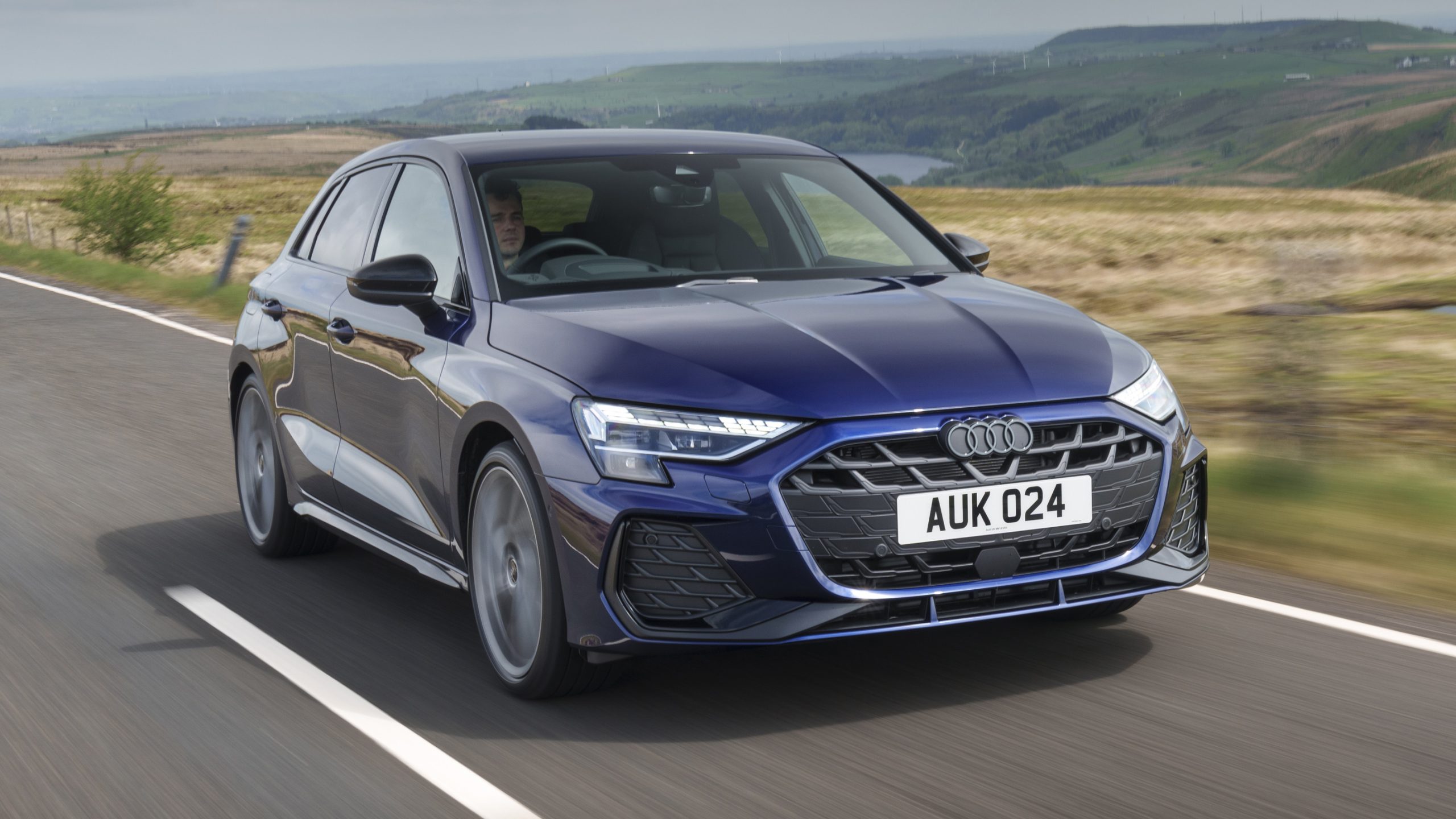
The Audi A3 is often seen as one of the most accessible entry points into German luxury because it combines Audi’s premium design and branding with the proven mechanical foundation of the Volkswagen Group. Built on the MQB platform, the A3 shares key components such as turbocharged four-cylinder engines and DSG automatic transmissions with mass-market models like the Volkswagen Golf and Jetta.
This shared engineering approach significantly reduces ownership costs compared to many other luxury vehicles. Since many mechanical parts are identical across Volkswagen Group models, items like water pumps, alternators, suspension components, and other common repairs can often be sourced from Volkswagen parts catalogs at lower prices. This makes maintenance and repairs more affordable and widely accessible.
Despite its shared mechanical foundation, the Audi A3 delivers a distinctly premium experience. It features higher-quality interior materials, advanced infotainment systems, and a more refined cabin design than its Volkswagen counterparts. This allows drivers to enjoy a luxury feel without the high service costs typically associated with European premium brands.
Another advantage of the A3 is its strong value in the used car market. Like many luxury vehicles, it experiences faster depreciation compared to economy cars, making it more affordable for buyers looking to enter the luxury segment. At the same time, its shared components with high-volume Volkswagen models help keep long-term maintenance costs manageable.
Certain model years, particularly within the 2013–2022 range, are known for reliable performance and balanced engineering. The availability of parts through Volkswagen’s global supply network further enhances its practicality as a used vehicle.
The Audi A3 ultimately stands out as a well-balanced option that delivers luxury styling, modern technology, and engaging driving dynamics while maintaining relatively low ownership costs thanks to its Volkswagen-derived mechanical platform.
5. Lexus UX: Compact Luxury Built on Toyota Hybrid Reliability
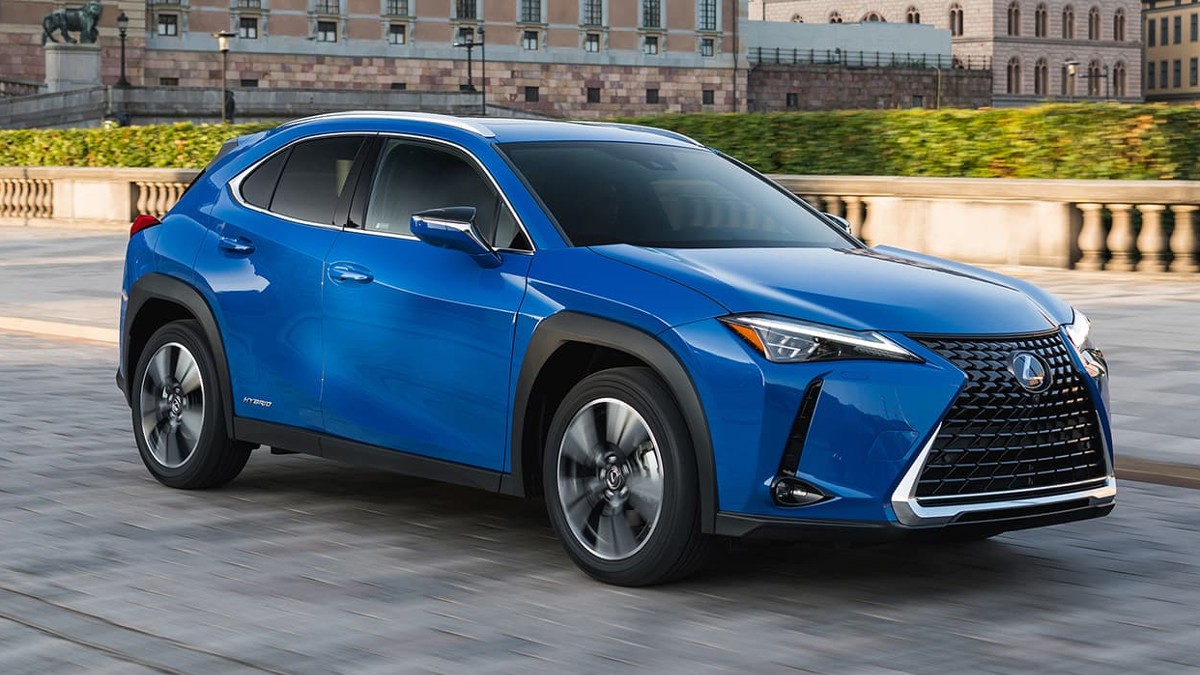
The Lexus UX is a subcompact luxury crossover that introduces buyers to the premium segment while relying heavily on Toyota’s proven engineering. Built on the TNGA-C platform shared with the Toyota Corolla and C-HR, it uses many of the same structural components and hybrid systems found in mainstream Toyota vehicles. This shared foundation gives the UX strong reliability, excellent fuel efficiency, and low long-term ownership costs.
Its hybrid powertrain is closely related to Toyota’s widely used systems, including those in the Prius and Corolla Hybrid. Backed by Toyota’s long experience in hybrid technology, the UX benefits from durable battery systems and efficient electric motors designed for long service life and minimal maintenance. This makes it particularly well-suited for urban driving, where fuel savings and dependability are important advantages.
Even with its Toyota-based mechanical design, the Lexus UX offers a more premium experience. It features higher-quality interior materials, improved sound insulation, refined suspension tuning, and advanced safety systems. Lexus also adds more sophisticated styling details and a more comfortable cabin environment compared to its Toyota counterparts.
Ownership costs remain relatively low due to shared components with high-volume Toyota models. Replacement parts are widely available and generally less expensive than those for European luxury SUVs. This contributes to strong reliability ratings, with few major mechanical issues reported and most problems being minor electronic or infotainment-related concerns.
Like many luxury vehicles, the UX experiences quicker depreciation in its early years, which benefits used buyers by lowering the purchase price while still providing premium features and hybrid efficiency. At the same time, its Toyota-based engineering helps ensure long-term durability and predictable maintenance costs.
The Lexus UX combines compact luxury styling, advanced safety technology, and Toyota-backed reliability, making it a practical choice for buyers seeking a small premium SUV with efficient performance and manageable ownership expenses.
6. Bentley Continental GT: Luxury Grand Tourer with Volkswagen Engineering Roots
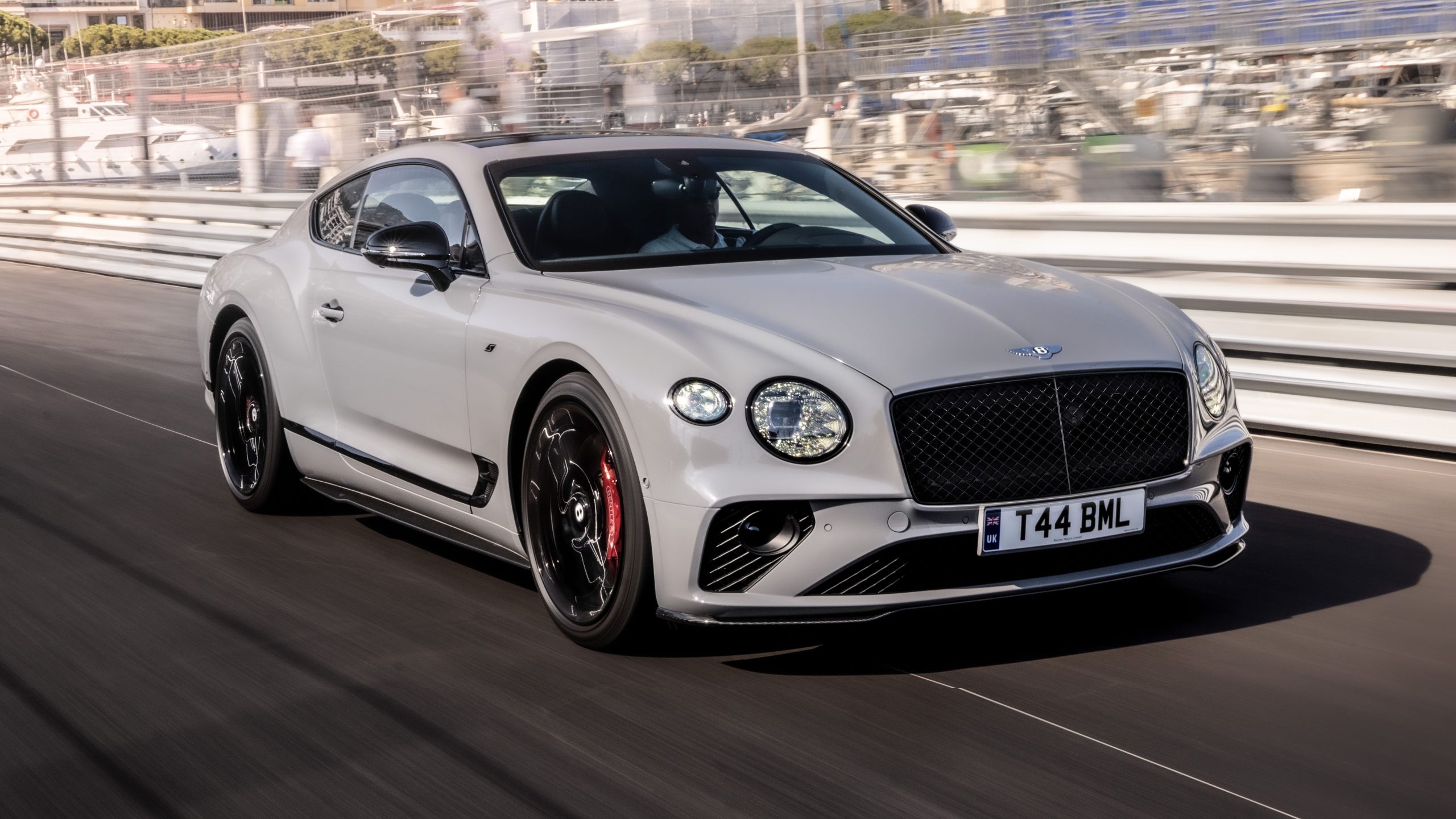
The Bentley Continental GT is often viewed as a fully bespoke ultra-luxury grand tourer, but the first-generation model (2003–2011) has strong underlying engineering connections to Volkswagen Group vehicles such as the Volkswagen Phaeton and Touareg.
While its exterior design, interior craftsmanship, and luxury materials are entirely premium and highly expensive, many of its core mechanical systems share components with Volkswagen platforms.
Built on the D1 platform, the Continental GT shares structural engineering with the VW Phaeton, a vehicle known for being heavily over-engineered for durability and stability. The Continental GT also uses a 6.0-liter W12 engine created by combining two Volkswagen VR6 engines, delivering powerful performance while benefiting from Volkswagen’s engineering expertise.
In addition to the engine and platform, several critical systems, such as suspension components, sensors, electronics, and some switchgear, are derived from Volkswagen Group parts. This means that although the car carries a Bentley badge, certain mechanical elements can sometimes be sourced using Volkswagen part references, offering potential savings on repairs compared to fully bespoke exotic vehicles.
Despite these shared components, ownership costs remain extremely high. Many parts are still integrated into complex luxury systems, and repairs such as air suspension failures or electronic issues can be very expensive due to the labor and specialist expertise required. Fuel consumption is also high, especially with the W12 engine, contributing to ongoing running costs.
Over time, depreciation makes the Continental GT more accessible on the used market, but maintenance costs remain a significant consideration for buyers. Later versions introduced a 4.0-liter V8 engine used across Volkswagen Group performance models, offering improved efficiency while maintaining strong performance.
The Bentley Continental GT ultimately combines high-end luxury craftsmanship with hidden Volkswagen engineering support, creating a grand touring experience that blends exotic performance with underlying mechanical familiarity from mass-market platforms.
Also read: 10 Cars With Intuitive Physical Controls That Reduce Modern Driver Distraction
7. Acura TLX: Premium Performance Built on Honda Reliability
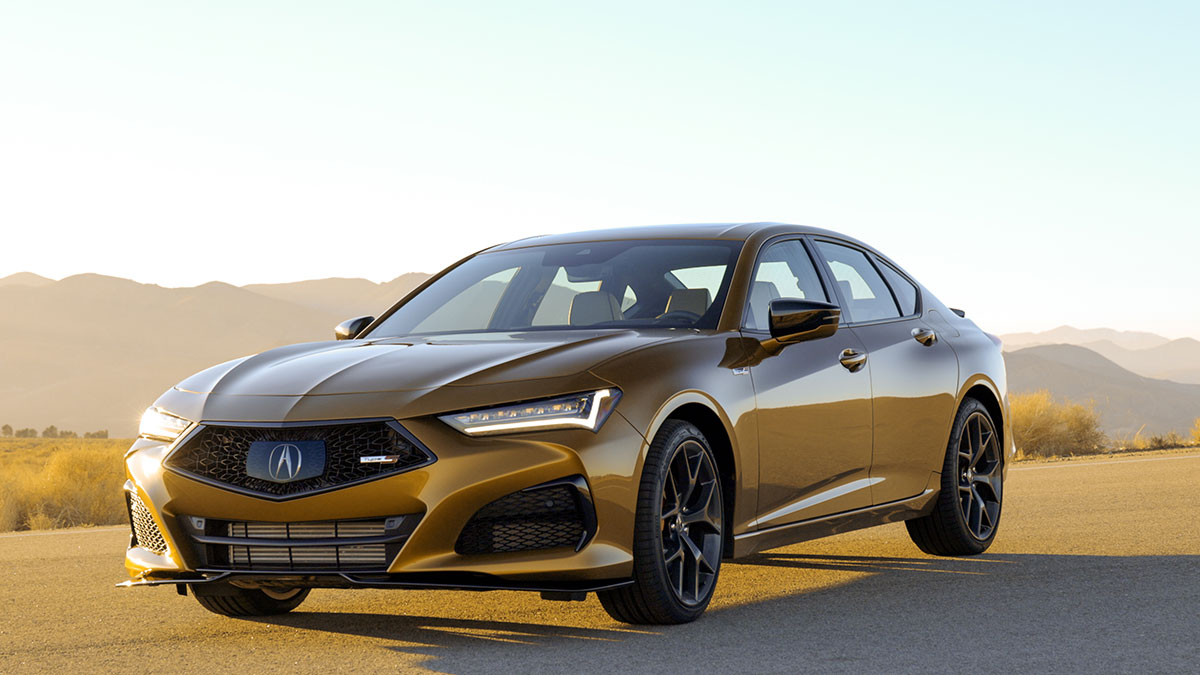
The Acura TLX is widely regarded as a strong used luxury option because it blends upscale features with the proven reliability of Honda engineering. As part of Honda’s luxury division, Acura designs the TLX using many of the same core platforms and powertrains found in the Honda Accord, making it both durable and cost-effective to maintain compared to many European luxury sedans.
Depending on the model, the TLX uses well-established Honda engines such as the 2.4L i-VTEC or the 3.5L V6. These engines are known for long-term reliability and have been refined over decades of use in Honda vehicles. Even with its more premium positioning, the TLX retains mechanical simplicity in its key systems, helping reduce maintenance and repair costs.
One of its standout features is the Super Handling All-Wheel Drive (SH-AWD) system, which enhances performance and driving dynamics without compromising reliability. While the TLX offers a more refined and sporty driving experience than the Accord, many of its essential components remain closely related to Honda’s mainstream sedans, ensuring parts availability and affordability.
The TLX also provides a more premium cabin experience, including upgraded seating, improved sound insulation, and advanced infotainment features. These enhancements allow drivers to enjoy luxury-level comfort without the high ownership costs often associated with European brands.
Another advantage is its strong long-term value. Japanese luxury vehicles like the TLX tend to hold up well over time, with many examples remaining reliable even at high mileage. In some cases, used models may still benefit from Acura’s factory warranty coverage, adding further peace of mind.
The Acura TLX offers a balance of performance, comfort, and reliability, making it an appealing choice for buyers seeking a luxury sedan experience with Honda-backed durability and lower long-term ownership costs.
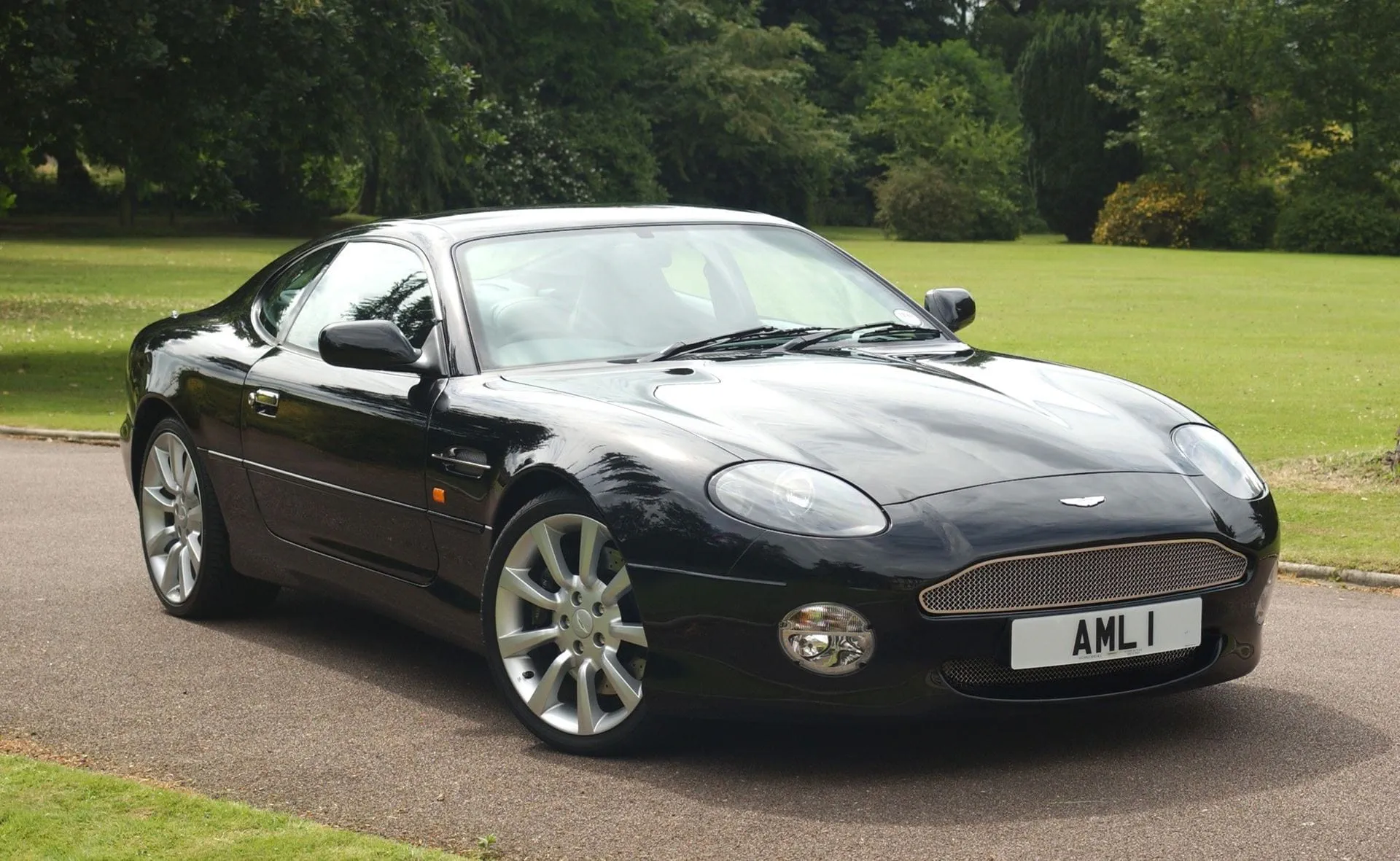
8. Aston Martin DB7: Exotic Style with Surprisingly Affordable Parts Sharing
The Aston Martin DB7 stands out as a unique entry into the world of exotic cars because of its extensive parts sharing during Ford’s ownership of the brand in the 1990s. While it delivers the timeless design and prestige expected from Aston Martin, many of its components come from more affordable manufacturers like Ford, Mazda, and Jaguar, making it more accessible to maintain than most luxury sports cars.
A key advantage of the DB7 lies in its “parts-bin” engineering. Various components, including tail lights from the Mazda 323, interior switches from Ford models, and mirrors from other European cars, were used to reduce production costs. For modern owners, this translates into significant savings, as replacement parts can often be sourced under non-Aston brand names at much lower prices.
Under the hood, the DB7 features a supercharged 3.2-liter inline-six engine derived from the Jaguar AJ6, known for its solid performance and relative reliability. This shared engineering foundation helps reduce concerns about major powertrain issues compared to more complex exotic engines.
The DB7 was produced from 1994 to 2004 in higher numbers than earlier Aston Martin models, which helps keep used market prices relatively attainable. Its elegant design, penned by Ian Callum, adds to its appeal as a classic grand tourer with enduring style.
However, ownership is not without challenges. While many mechanical and electrical components are affordable due to shared sourcing, the car still includes bespoke bodywork and aging electronics that can lead to higher repair costs. Specialized labor and certain unique parts may still carry premium pricing.
The Aston Martin DB7 offers a rare combination of exotic branding, classic design, and hidden cost-saving advantages through shared components, making it an appealing option for buyers seeking a more attainable entry into high-end automotive ownership.
9. Infiniti Q50: Performance Luxury with Nissan’s Proven Engineering
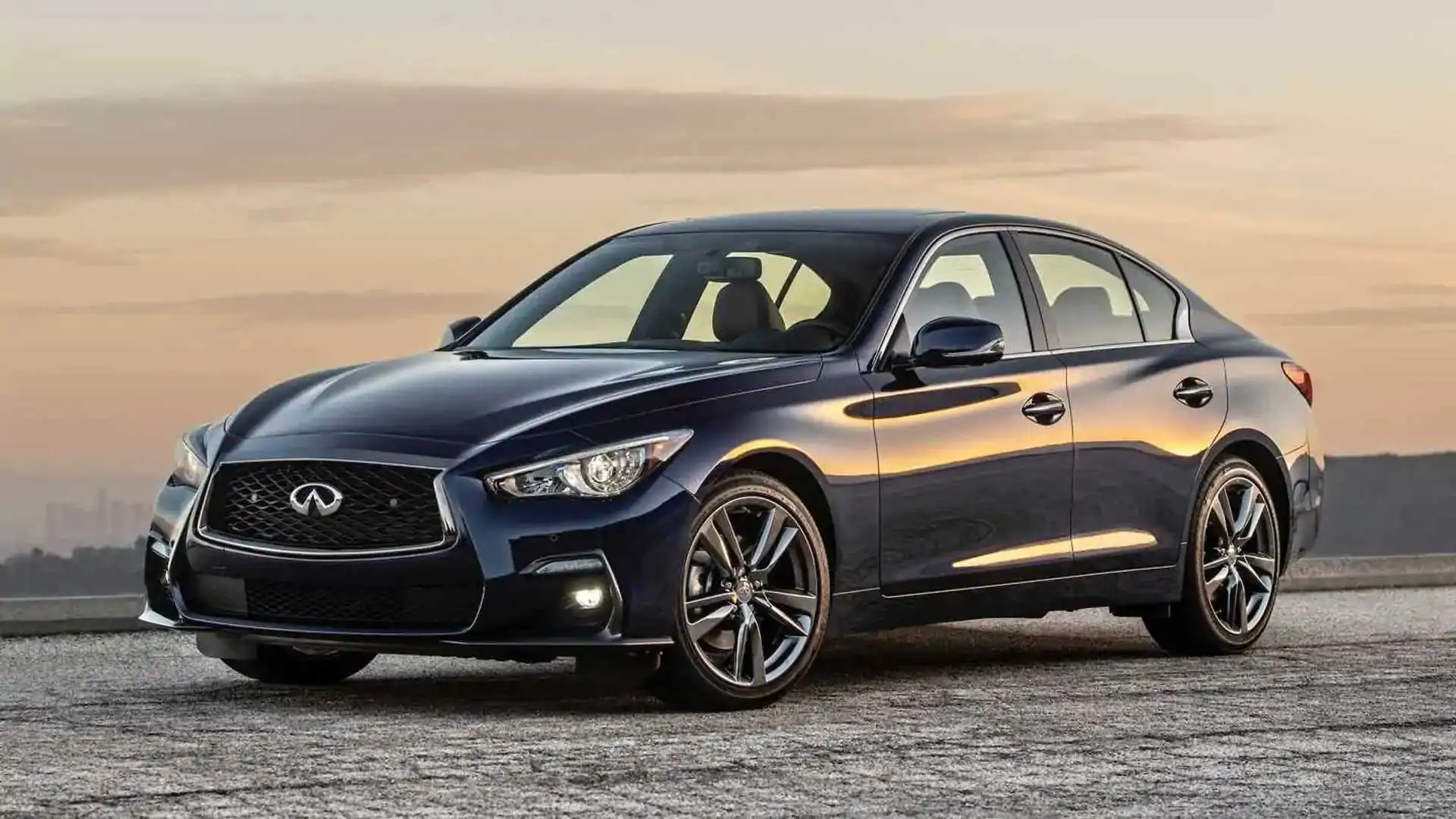
The Infiniti Q50 is a compelling used luxury sedan that combines sporty performance with the reliability and affordability of Nissan engineering. As Infiniti is the luxury division of Nissan, the Q50 shares many underlying components with models like the Nissan Altima and the Japanese-market Skyline. This shared foundation helps reduce maintenance costs while ensuring parts are widely available.
One of the Q50’s biggest strengths is its use of Nissan’s well-known VQ and VR engine families. These engines have been produced in large numbers and are recognized for their durability and strong performance. In particular, the available 3.0-liter twin-turbo V6 delivers over 300 horsepower, giving the Q50 genuine sports sedan credentials without the high upkeep costs typically associated with European rivals.
Beyond the engine, several mechanical components, such as suspension parts, wheel bearings, and electrical systems, are shared with more common Nissan vehicles. This makes repairs more affordable and accessible, as many mechanics are already familiar with these systems, and replacement parts are easy to source.
The Q50 also stands out for its driving dynamics. Unlike many mainstream Nissan sedans that use front-wheel drive, the Q50 features a rear-wheel-drive or all-wheel-drive platform, along with a more advanced suspension setup. This provides a more engaging and refined driving experience while maintaining everyday practicality.
Another major advantage is depreciation. The Q50 tends to lose value relatively quickly, allowing used buyers to purchase a well-equipped luxury sedan at a significantly lower price. Despite this, it maintains a solid reliability record, with a lower likelihood of major repairs compared to many vehicles in its class.
The Infiniti Q50 delivers a balanced mix of performance, comfort, and cost efficiency, making it an attractive option for those seeking luxury with dependable, mass-market mechanical roots.
10. Volkswagen Touareg: Hidden Luxury with Porsche-Level Engineering
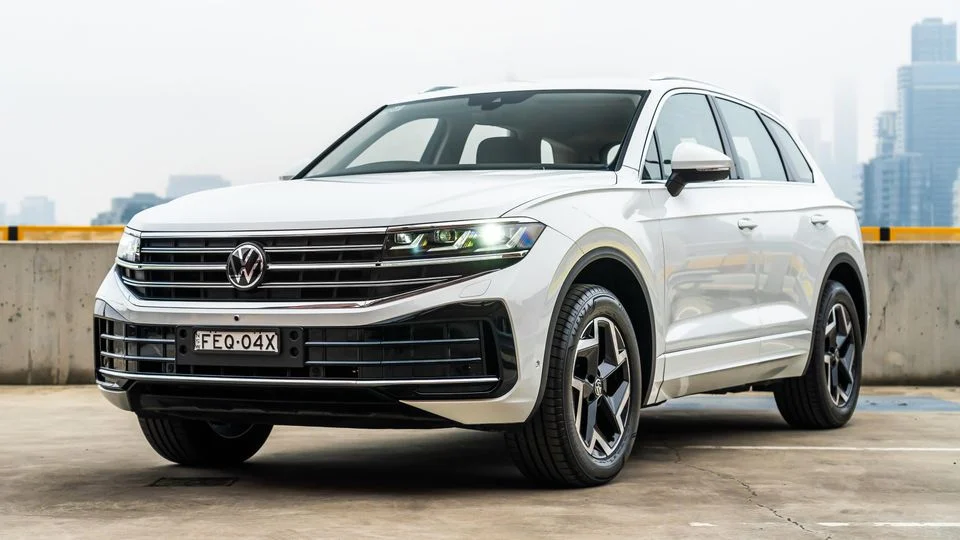
The Volkswagen Touareg stands out as a unique value proposition in the used SUV market because it shares its core engineering with far more expensive models like the Audi Q7 and Porsche Cayenne.
Built on the same PL71/PL72 platform, these vehicles share key components, including chassis design, drivetrains, suspension systems, and various electronic elements. Despite this, the Touareg carries a Volkswagen badge, which significantly lowers its purchase price and insurance costs compared to its luxury-branded counterparts.
This shared DNA allows the Touareg to deliver a driving experience and capability level close to premium SUVs engineered by Audi and Porsche. It is known for its strong towing capacity, solid build quality, and refined ride, making it suitable both as a luxury cruiser and a capable utility vehicle. Many of its engines, including V6, diesel, and even V8 options in some markets, are also shared across the Volkswagen Group lineup.
One of the biggest advantages of the Touareg is depreciation. While Audi and Porsche models tend to retain higher resale values due to brand prestige, the Touareg depreciates more quickly. This creates an opportunity for used buyers to access high-end engineering at a fraction of the original cost.
In terms of ownership, the Touareg benefits from Volkswagen’s broader parts network, which can make sourcing components easier than for some luxury brands. However, it is still important to note that maintenance costs may be higher than those of typical Volkswagen models due to its complex systems and premium-level engineering.
Compared to its siblings, the Porsche Cayenne leans toward performance and sportiness, while the Audi Q7 focuses on luxury and practicality. The Touareg strikes a balance between the two, offering both comfort and capability at a more accessible price point.
The Volkswagen Touareg delivers premium engineering and versatility, making it a smart choice for buyers seeking luxury SUV performance without the premium brand cost.
11. Mercedes-Benz A-Class: Entry-Level Luxury with Cost-Efficient Engine Sharing
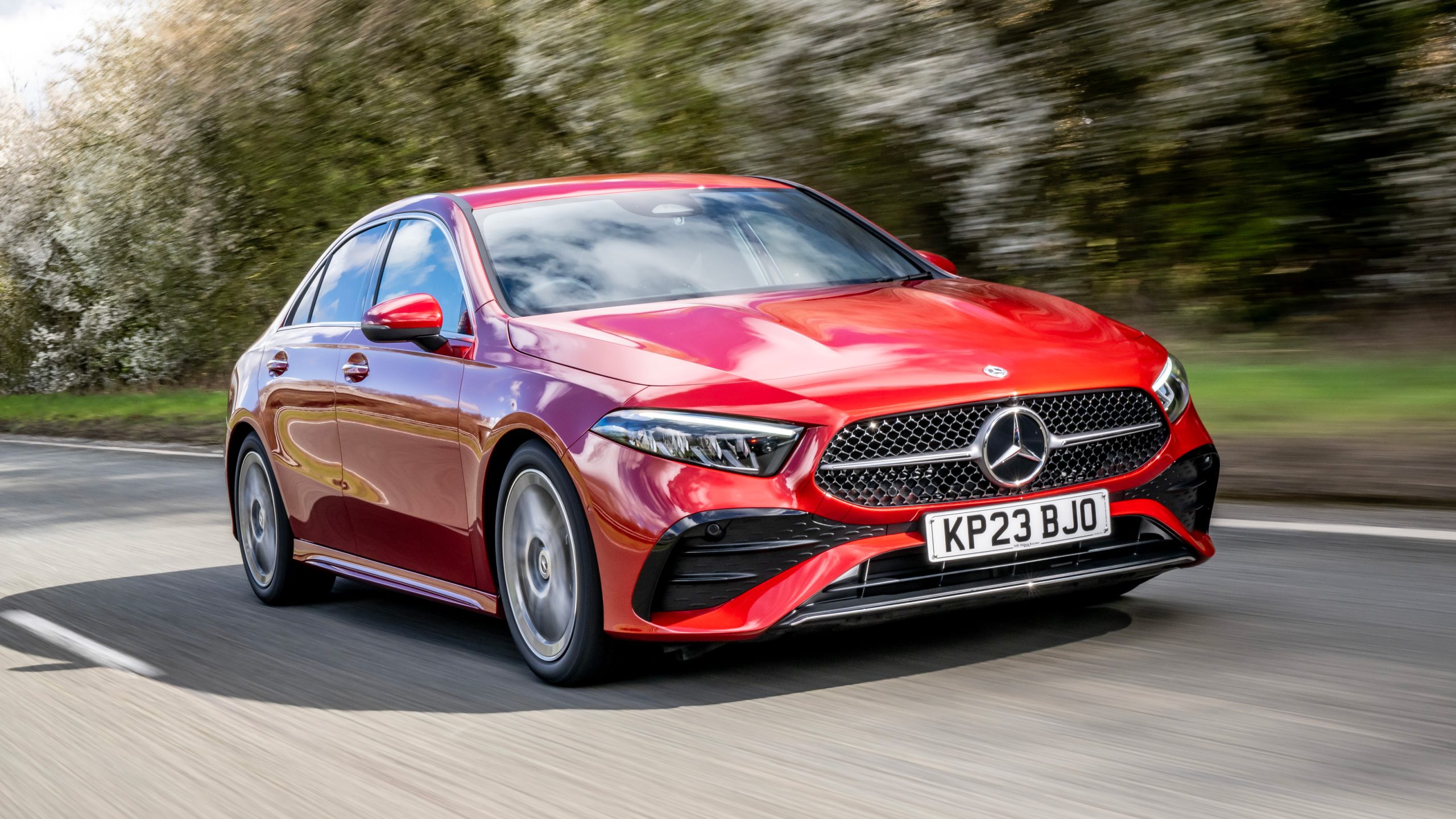
The Mercedes-Benz A-Class offers an accessible entry point into luxury car ownership by combining premium design and advanced technology with cost-efficient engineering.
Many modern A-Class models, particularly the W177 generation, use a 1.3-liter gasoline engine developed through a partnership between Mercedes-Benz and the Renault-Nissan-Mitsubishi Alliance. This same engine is found in high-volume vehicles like the Renault Captur and Nissan Qashqai, which significantly impacts ownership costs in a positive way.
This shared powertrain is designed for mass production, meaning it has been tested extensively for durability, efficiency, and everyday usability. For used buyers, this translates to improved reliability and easier maintenance compared to traditional Mercedes-exclusive engines. Replacement parts such as filters, belts, and sensors are often more affordable and widely available, helping reduce the typical “luxury brand” service premium.
Despite its shared mechanical roots, the A-Class still delivers the features expected from a Mercedes-Benz. It includes a high-quality interior, modern infotainment systems, advanced safety technologies, and refined ride comfort. These elements create a premium driving experience while keeping underlying maintenance relatively manageable.
Another advantage is depreciation. Like many entry-level luxury vehicles, the A-Class tends to lose value quickly in its early years. This allows buyers in the used market to acquire a well-equipped, modern luxury car at a much lower price than its original cost.
While some enthusiasts may prefer traditional Mercedes engineering, the collaboration with Renault and Nissan brings practical benefits. It ensures that the A-Class remains efficient, easier to service, and more affordable to own over time.
The Mercedes-Benz A-Class successfully blends luxury styling and technology with widely used, cost-effective mechanical components, making it a smart option for buyers seeking a modern premium vehicle without the high maintenance expenses typically associated with the brand.
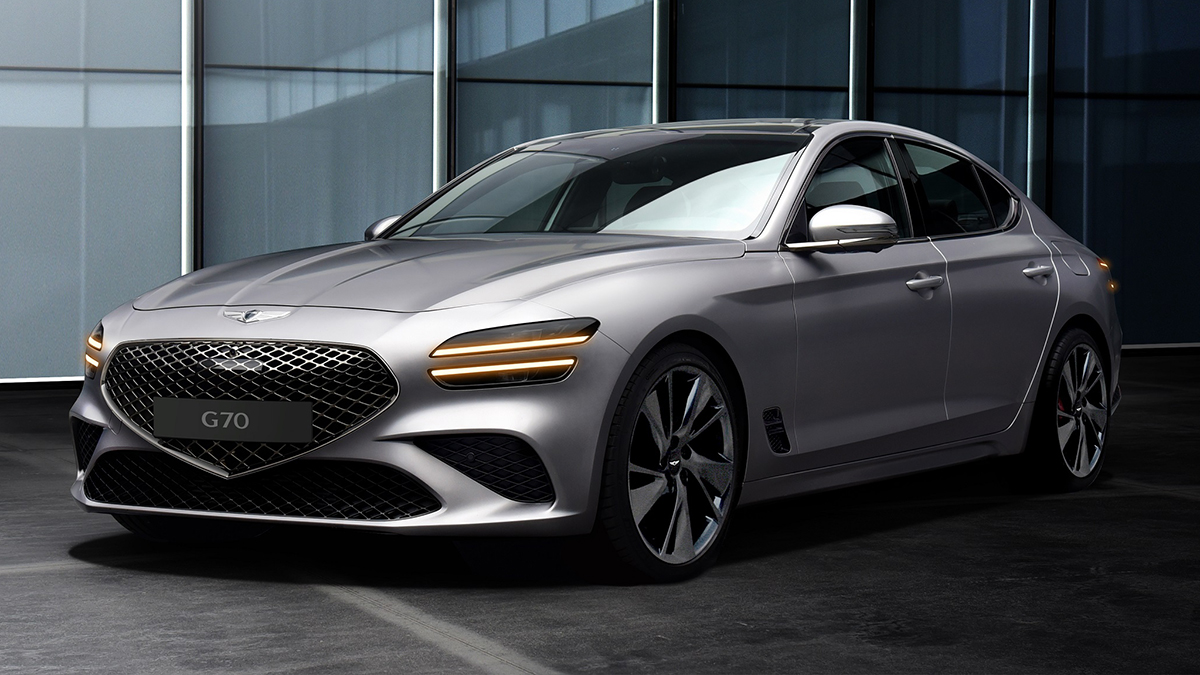
12. Genesis G70: Luxury Performance Backed by Hyundai Engineering
The Genesis G70 has emerged as a strong contender in the compact luxury sedan segment by combining premium design, impressive performance, and the reliability of Hyundai Motor Group engineering.
As the luxury division of Hyundai, Genesis builds the G70 using shared platforms and components found in models like the Kia Stinger and Hyundai sedans such as the Elantra and Sonata. This shared foundation helps keep maintenance costs more manageable while ensuring solid long-term durability.
Under the hood, the G70 offers powerful engine options, including a 3.3-liter twin-turbo V6 that delivers performance comparable to established European rivals. Despite its high output, the engine benefits from Hyundai’s large-scale production and engineering expertise, contributing to dependable performance and easier servicing.
Many mechanical and electronic components, such as sensors and infotainment systems, are also derived from mainstream Hyundai models, making parts more accessible and affordable.
Inside, the G70 delivers a true luxury experience with high-quality materials, advanced technology, and comfort-focused features. Even base models often include premium amenities like leather upholstery, heated and ventilated seats, and comprehensive driver-assistance systems, which are typically optional in competing brands.
One of the biggest advantages for used buyers is depreciation. As a newer luxury brand, Genesis vehicles tend to lose value faster than competitors from Germany, allowing buyers to purchase a relatively new, well-equipped G70 at a significantly reduced price. This creates a strong value proposition for those seeking luxury without overspending.
While some early models experienced minor issues such as infotainment glitches or small interior concerns, the core mechanical components remain reliable. Additionally, many used units may still be covered by Hyundai’s generous warranty, offering added peace of mind.
The Genesis G70 delivers a compelling mix of performance, luxury, and affordability, making it an excellent choice for buyers who want premium features supported by dependable, mass-market engineering.
Choosing a used luxury car does not have to mean accepting high running costs or unpredictable reliability. The models featured here show how shared engineering can significantly reduce the financial challenges of owning a premium vehicle. By borrowing proven components from reliable budget brands, these cars strike a balance between performance, comfort, and long-term value.
From the accessible performance of the Porsche 911 (996) to the dependable refinement of the Lexus ES and the modern appeal of the Genesis G70, each vehicle demonstrates how thoughtful engineering can benefit the end user. Parts availability, lower servicing costs, and tested mechanical systems all contribute to a more practical ownership experience.
For buyers willing to look beyond brand perception, these vehicles offer a compelling alternative to traditional luxury options. They deliver much of the same comfort, technology, and driving satisfaction, but with fewer financial surprises along the way.
Also read: 12 Cars That Prove Practical Doesn’t Mean Boring