
Dealership labor rates in the United States have climbed steadily over the past decade, but the increase has not been evenly distributed.
While mainstream brands have seen moderate rises tied to inflation and technician shortages, luxury and performance-focused manufacturers now dominate the upper tier of service pricing. In many major metropolitan areas, dealership labor rates for premium brands routinely exceed $250 per hour, with some surpassing $300.
This gap is not arbitrary. It reflects deeper structural differences in engineering complexity, technician training requirements, proprietary diagnostic systems, and the operational costs of maintaining high-end dealership facilities.
The following analysis examines ten brands that consistently rank among the most expensive for dealership labor, along with the underlying reasons their service costs remain high.
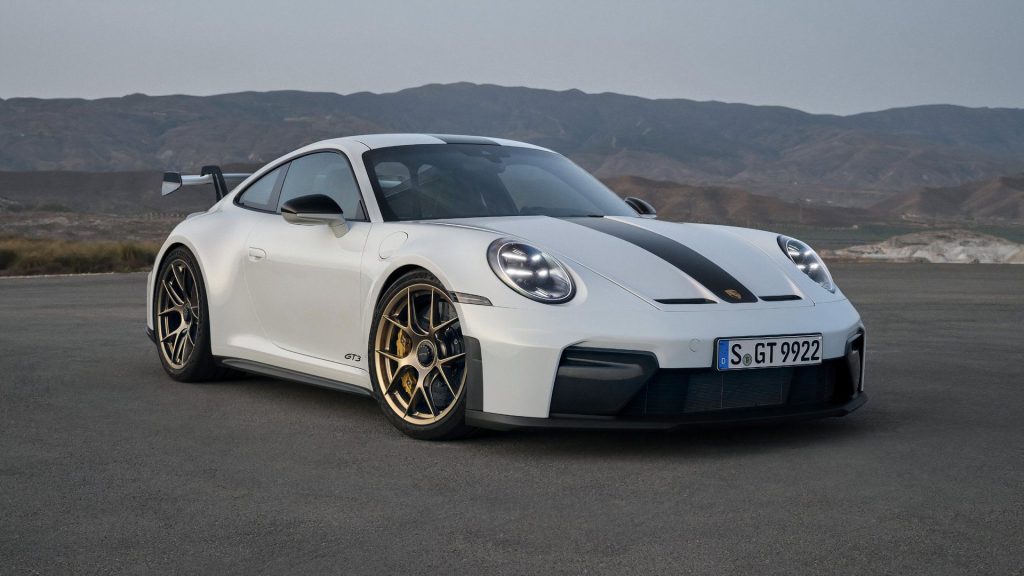
Porsche
Porsche consistently ranks among the most expensive brands when it comes to dealership labor rates in the United States, and that pricing structure reflects both its engineering complexity and its positioning as a high-performance luxury marque.
Unlike mainstream manufacturers, Porsche vehicles are built with a strong emphasis on precision, advanced materials, and tightly integrated systems, all of which require specialized expertise to service correctly.
One of the primary drivers behind Porsche’s high labor costs is the level of technical training required for its technicians. Certified Porsche mechanics undergo extensive brand-specific education to work on everything from rear-engine sports cars like the 911 to hybrid and fully electric models such as the Taycan.
These vehicles often feature intricate layouts, including tightly packed engine bays and proprietary diagnostic systems, which make even routine maintenance more time-intensive than on conventional vehicles.
Additionally, Porsche dealerships invest heavily in specialized tools and equipment designed specifically for the brand. From advanced diagnostic computers to precision alignment systems, this infrastructure contributes to higher overhead costs that are ultimately reflected in hourly labor rates.
Another factor is the performance-oriented nature of Porsche vehicles. High-output engines, sophisticated suspension systems, and performance braking components require careful handling and calibration.
Tasks such as brake servicing, engine tuning, or transmission work are not only labor-intensive but must also meet strict factory standards to preserve vehicle performance and safety. This level of care adds to the time required for service jobs, further increasing costs.
Warranty and service expectations also play a role. Porsche owners typically expect dealership-level service quality, including the use of genuine parts and adherence to factory procedures. Dealerships maintain these standards through highly controlled service environments, which adds to operational expenses but ensures consistency and reliability.
While independent shops can sometimes offer lower labor rates, many Porsche owners prefer authorized dealerships due to their access to proprietary tools, software updates, and factory-trained technicians.
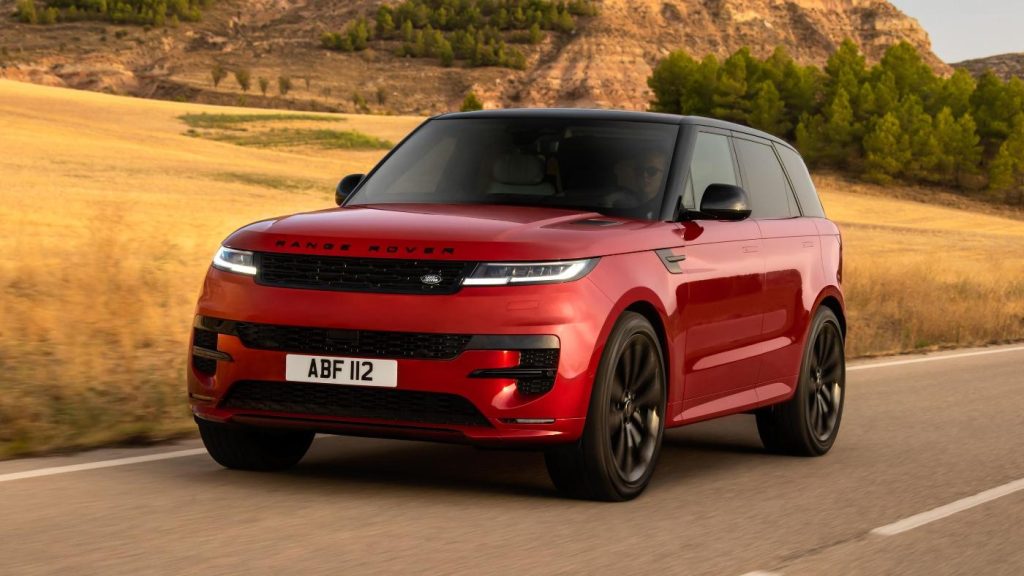
Land Rover
Land Rover stands out as one of the brands with the highest dealership labor rates in the United States, a position shaped by its combination of luxury engineering, off-road capability, and increasingly complex vehicle technology.
As a premium SUV manufacturer, Land Rover vehicles are designed with sophisticated systems that demand specialized expertise, and that requirement directly influences the cost of servicing them at authorized dealerships.
A major factor behind Land Rover’s elevated labor rates is the technical complexity of its vehicles. Models such as the Range Rover, Defender, and Discovery incorporate advanced four-wheel-drive systems, adaptive air suspension, and terrain response technologies that are far more intricate than those found in standard SUVs.
Diagnosing and repairing these systems often requires brand-specific diagnostic tools and highly trained technicians, increasing both service time and labor costs.
Technician training is another key contributor. Land Rover-certified mechanics must complete extensive training programs to understand the brand’s proprietary systems, including electronic architectures and drivetrain configurations.
This level of specialization ensures repairs are performed correctly, but it also raises the cost of labor compared to more conventional automotive brands. In many U.S. markets, Land Rover dealership labor rates frequently exceed $180 to $220 per hour, placing it among the most expensive brands to maintain.
Dealership infrastructure further drives up costs. Authorized Land Rover service centers invest heavily in specialized equipment, software, and workshop standards required to support the brand’s vehicles.
From advanced diagnostic platforms to calibration tools for driver assistance systems, these investments contribute to higher overhead, which is ultimately reflected in hourly labor pricing.
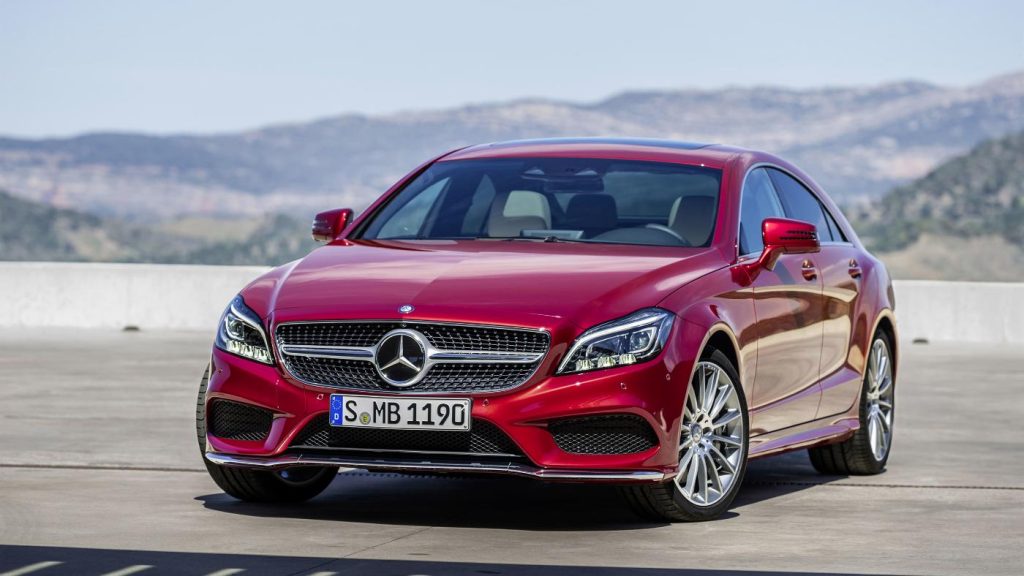
Mercedes-Benz
Mercedes-Benz consistently ranks among the brands with the highest dealership labor rates in the United States, reflecting its status as a global leader in luxury, innovation, and advanced automotive engineering.
Known for producing vehicles that blend performance with cutting-edge technology, Mercedes-Benz models require a level of service expertise that directly contributes to labor costs at authorized dealerships.
A central factor behind these high rates is the technological sophistication embedded across the lineup. From flagship sedans like the S-Class to performance-oriented AMG models and electric EQ vehicles, Mercedes-Benz integrates complex electronic systems, advanced driver assistance features, and highly refined powertrains.
Diagnosing and repairing these systems often involves proprietary diagnostic software and specialized procedures that extend service time and require highly trained technicians.
Technician certification is particularly demanding within the Mercedes-Benz network. Dealership mechanics must complete extensive factory training programs to stay current with evolving technologies such as mild-hybrid systems, plug-in hybrid drivetrains, and fully electric architectures.
This continuous training ensures precision and reliability in servicing but also increases labor costs, which are typically passed on to customers. In many U.S. regions, Mercedes-Benz dealership labor rates commonly range from $180 to over $220 per hour.
Dealership infrastructure also plays a significant role. Authorized Mercedes-Benz service centers are equipped with advanced diagnostic tools, calibration systems for safety technologies, and specialized equipment designed specifically for the brand’s vehicles.
Maintaining this infrastructure involves substantial investment, contributing to higher operational costs and, consequently, higher hourly labor rates.
The brand’s emphasis on performance and refinement further adds to service complexity. Components such as adaptive suspension systems, turbocharged engines, and electronically controlled transmissions require precise handling and calibration.
Even routine maintenance procedures can involve additional steps compared to non-luxury vehicles, increasing the time required for service jobs.
Customer expectations reinforce this premium service model. Mercedes-Benz owners typically prioritize dealership servicing to ensure the use of genuine parts, software updates, and adherence to factory standards. While independent repair shops may offer lower labor rates, they often lack access to the same level of proprietary tools and technical resources.
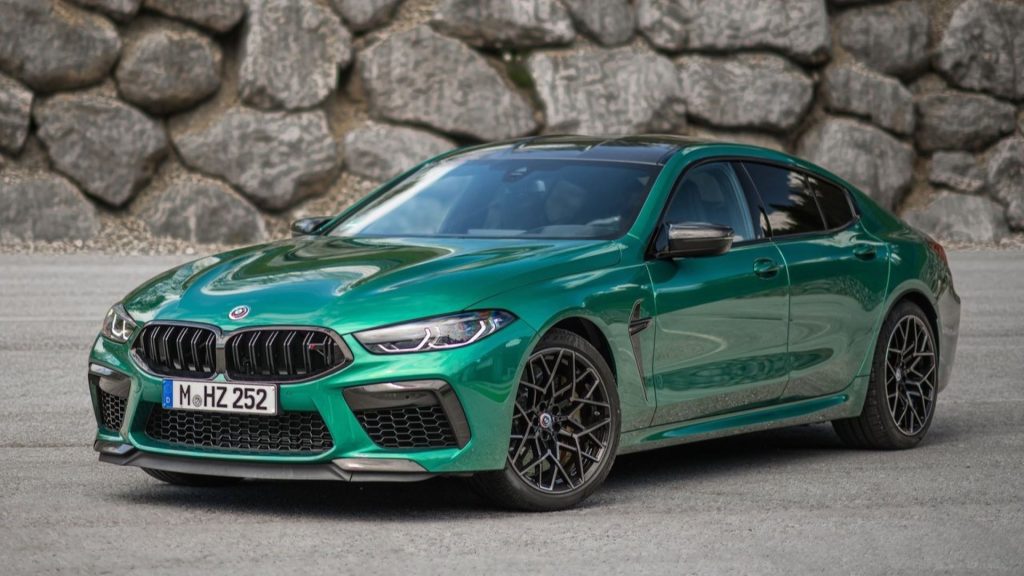
BMW
BMW ranks among the brands with the highest dealership labor rates in the United States, a reflection of its engineering philosophy, performance focus, and extensive use of advanced technology across its lineup.
As a manufacturer known for blending driving dynamics with luxury, BMW produces vehicles that require specialized knowledge and equipment to service properly, which directly impacts labor pricing at authorized dealerships.
A key factor behind BMW’s labor rates is the complexity of its modern vehicles. From turbocharged inline engines to sophisticated xDrive all-wheel-drive systems and adaptive suspension setups, BMW integrates performance-oriented hardware with advanced electronics.
In newer models, this complexity is further increased by mild-hybrid systems, plug-in hybrid variants, and fully electric vehicles under the i sub-brand. Diagnosing and repairing these systems requires proprietary diagnostic tools and detailed technical procedures, often making service work more time-intensive than on mainstream vehicles.
Technician expertise is another major contributor. BMW-certified technicians undergo rigorous and ongoing factory training to stay current with evolving vehicle architectures and software systems.
This includes everything from engine management systems to driver assistance technologies and infotainment platforms. The level of specialization ensures precision in repairs but also raises the cost of labor, with dealership hourly rates in many U.S. markets typically ranging from $170 to over $210.
Dealership infrastructure adds further cost pressure. Authorized BMW service centers are equipped with brand-specific diagnostic systems, programming tools, and calibration equipment necessary to maintain vehicle performance and safety standards.
These facilities must also handle frequent software updates and electronic calibrations, which are increasingly central to modern BMW ownership. The investment required to maintain this environment is reflected in higher labor charges.
Audi
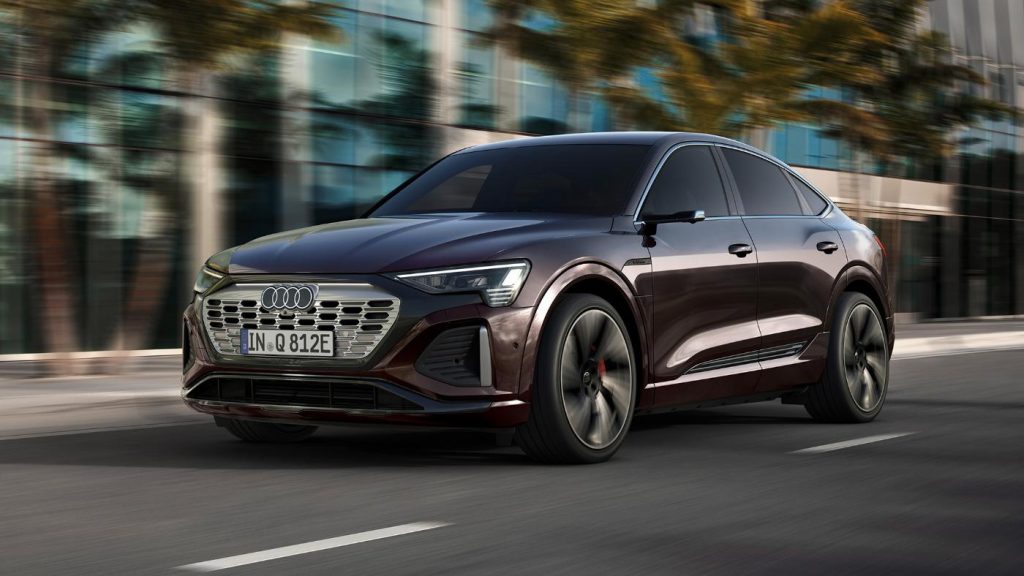
Audi consistently ranks among the brands with the highest dealership labor rates in the United States, a position driven by its emphasis on advanced technology, precision engineering, and premium build quality.
As part of the Volkswagen Group’s luxury portfolio, Audi vehicles integrate sophisticated mechanical systems with cutting-edge electronics, making them more complex to service than typical mainstream cars.
One of the main contributors to Audi’s high labor rates is the complexity of its engineering. The brand’s signature quattro all-wheel-drive system, turbocharged and supercharged engines, and dual-clutch transmissions require specialized diagnostic procedures and technical expertise.
In newer models, this complexity is further amplified by mild-hybrid systems, plug-in hybrid variants, and fully electric vehicles under the e-tron lineup. These systems demand precise calibration and brand-specific tools, increasing the time required for maintenance and repairs.
Technician training plays a critical role as well. Audi-certified technicians undergo extensive factory training to work with proprietary software, electronic architectures, and evolving drivetrain technologies.
This level of specialization ensures accurate diagnostics and high-quality repairs, but it also contributes to labor costs. In many U.S. markets, Audi dealership labor rates typically range from $170 to over $210 per hour, placing the brand firmly in the upper tier.
Dealership infrastructure further adds to the cost structure. Authorized Audi service centers invest heavily in advanced diagnostic equipment, software programming tools, and calibration systems for driver assistance technologies.
Audi’s focus on refinement and performance also increases service complexity. Features such as adaptive air suspension, advanced infotainment systems, and electronically controlled drivetrains require careful handling and recalibration after repairs. Even routine services can involve additional labor compared to non-luxury vehicles due to tighter packaging and integrated system design.
Customer expectations reinforce these high labor rates. Audi owners often prefer dealership servicing to ensure the use of genuine parts, access to software updates, and adherence to factory procedures. While independent repair shops may offer lower hourly rates, they may lack the specialized tools and technical data required to fully support modern Audi vehicles.
As a result, Audi remains one of the most expensive brands for dealership labor in the U.S., with its pricing reflecting the complexity, innovation, and premium service standards that define the brand.
Lexus
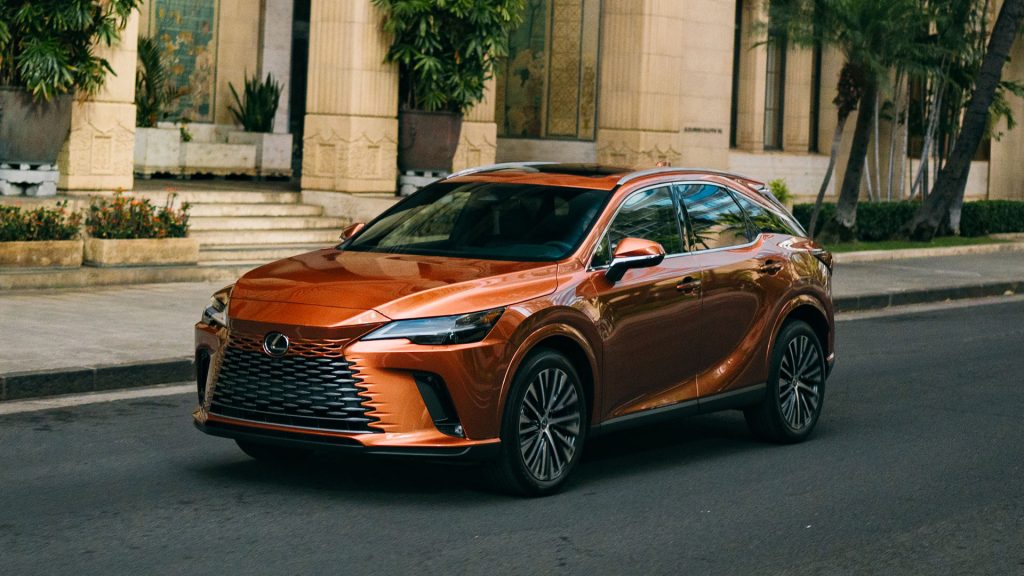
Lexus ranks among the brands with the highest dealership labor rates in the United States, though its position is somewhat distinct compared to European luxury competitors.
While Lexus vehicles are widely recognized for their reliability and lower long-term ownership costs, dealership service pricing still reflects the brand’s premium status, advanced technology, and high customer service standards.
A key factor influencing Lexus labor rates is the level of refinement and engineering precision across its lineup. Models such as the LS, RX, and GX incorporate sophisticated hybrid systems, electronically controlled suspensions, and advanced driver assistance technologies.
Even though these systems are generally more reliability-focused than performance-driven European counterparts, they still require specialized diagnostic tools and trained technicians to service correctly.
Technician training within the Lexus network is extensive. Certified Lexus technicians are trained to handle hybrid powertrains, complex electronic architectures, and brand-specific diagnostic software.
Hybrid systems, in particular, add an extra layer of complexity, requiring careful handling of high-voltage components and specialized safety procedures. This expertise contributes to higher labor rates, which in many U.S. markets typically range from $150 to over $200 per hour.
Dealership experience is another major component of Lexus pricing. The brand places a strong emphasis on customer satisfaction, often providing high-end service environments, streamlined maintenance processes, and additional amenities for owners.
Maintaining this level of service requires significant operational investment, which is reflected in labor costs even if the vehicles themselves may require fewer repairs over time.
Compared to German luxury brands, Lexus vehicles are often easier to service due to more accessible component layouts and a stronger focus on long-term durability. However, modern Lexus models still feature tightly integrated electronics and advanced infotainment systems that require software updates and calibration, adding to service time and complexity.
Customer behavior also plays a role. Lexus owners frequently prefer authorized dealerships for maintenance to preserve resale value and ensure proper handling of hybrid and electronic systems. While independent repair shops can offer lower labor rates, they may not always have access to the same level of hybrid-specific expertise or proprietary tools.
As a result, Lexus maintains relatively high dealership labor rates in the U.S., but these costs are often balanced by the brand’s reputation for reliability and fewer unexpected repairs, making ownership more predictable despite premium service pricing.
Tesla
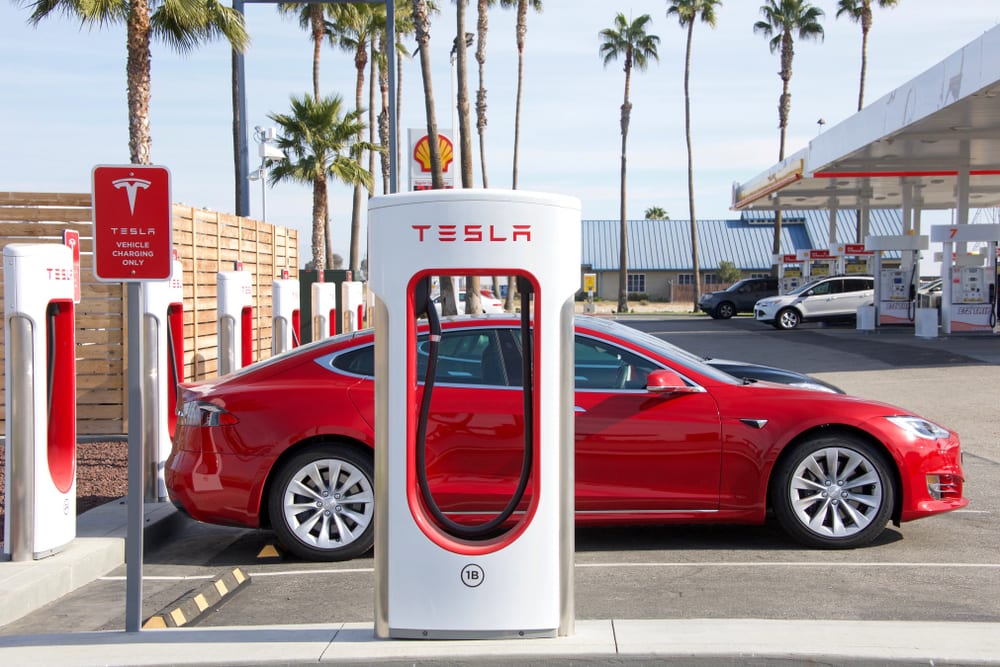
Tesla occupies a unique position among brands with the highest service labor rates in the United States, largely due to its vertically integrated service model and the specialized nature of electric vehicle maintenance.
Unlike traditional automakers that rely on franchised dealerships, Tesla operates its own service centers, which gives the company greater control over pricing, procedures, and technician training.
One of the primary reasons Tesla commands high labor rates is the technical complexity of its electric powertrains and software-driven architecture.
Tesla vehicles rely heavily on integrated electronics, battery management systems, and proprietary software, making diagnostics and repairs fundamentally different from internal combustion vehicles. Even though EVs generally have fewer moving parts, issues involving high-voltage batteries, drive units, or onboard computers require specialized expertise and strict safety protocols.
Technician training is highly specific within Tesla’s ecosystem. Service personnel must be trained to handle high-voltage systems, advanced driver assistance features like Autopilot, and frequent over-the-air software updates that can affect vehicle behavior.
This level of specialization limits the availability of qualified technicians outside Tesla’s network, reinforcing the company’s ability to maintain premium labor rates, which in many regions can exceed $200 per hour.
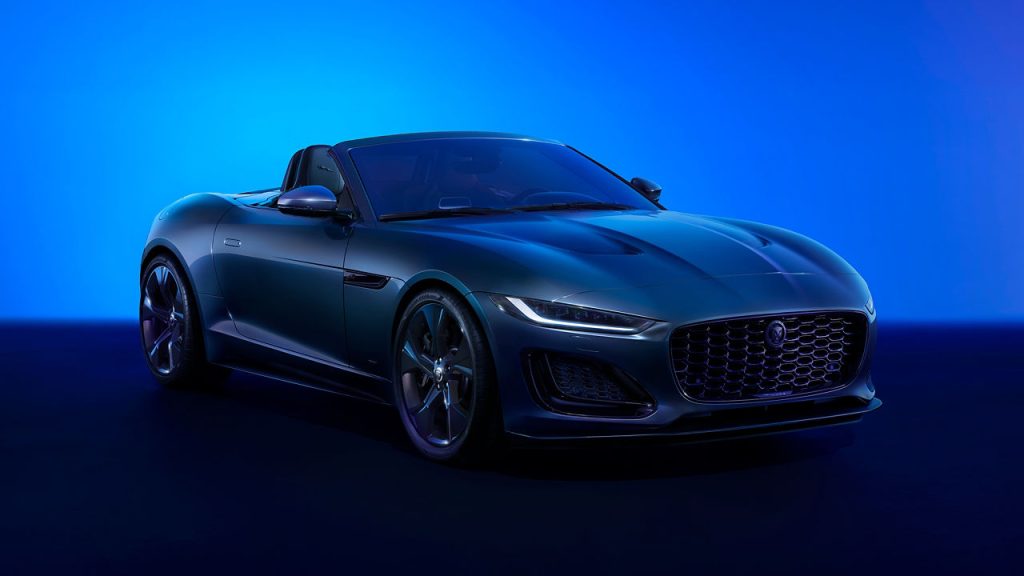
Jaguar
Jaguar ranks among the brands with the highest dealership labor rates in the United States, a position shaped by its blend of luxury craftsmanship, performance engineering, and increasingly complex vehicle technology.
As part of the Jaguar Land Rover group, Jaguar vehicles share many advanced systems with Land Rover models, which contributes to service costs at authorized dealerships.
A primary driver of Jaguar’s high labor rates is the technical sophistication of its vehicles. Models such as the F-PACE, XF, and F-TYPE incorporate turbocharged and supercharged engines, lightweight aluminum-intensive architectures, and advanced electronic systems.
In newer models, this complexity extends to electrification, including mild-hybrid systems and fully electric platforms like the I-PACE. These technologies require specialized diagnostic tools and detailed repair procedures, increasing the time and expertise needed for servicing.
Technician training is a significant factor. Jaguar-certified technicians must complete extensive factory programs to understand the brand’s proprietary systems, including drivetrain configurations, electronic control units, and driver assistance features.
This level of specialization ensures accurate diagnostics and repairs but also contributes to higher labor costs, with dealership rates in many U.S. markets commonly ranging from $170 to over $210 per hour.
Volvo
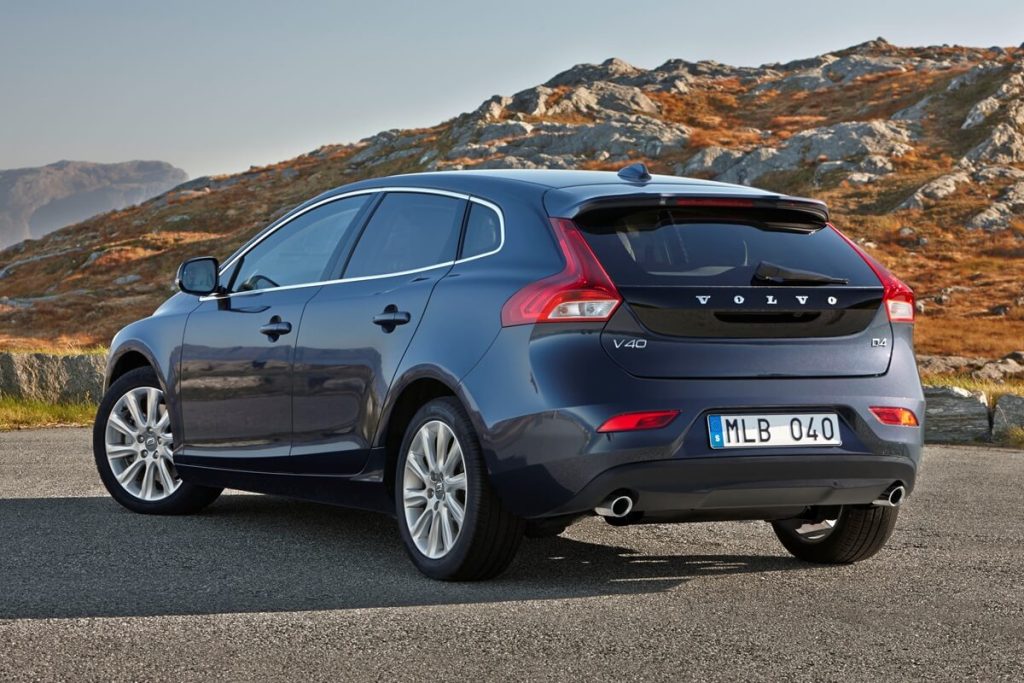
Volvo ranks among the brands with relatively high dealership labor rates in the United States, driven by its focus on safety innovation, advanced technology, and premium engineering.
While often positioned as a more understated luxury brand compared to German rivals, Volvo’s modern vehicles are highly sophisticated, requiring specialized expertise and equipment that contribute to elevated service costs at authorized dealerships.
A key factor behind Volvo’s labor rates is the complexity of its vehicle architecture. Recent models are built on scalable platforms that integrate turbocharged and supercharged engines, plug-in hybrid systems, and fully electric drivetrains under the Recharge lineup. These powertrains combine mechanical and electrical systems in ways that require precise diagnostics and careful servicing, often increasing the time needed for repairs.
Volvo’s reputation for safety also adds to service complexity. The brand equips its vehicles with a wide array of advanced driver assistance systems, including collision avoidance, lane-keeping support, and semi-autonomous driving features.
Maintaining and calibrating these systems requires specialized tools and controlled workshop conditions, particularly after repairs involving sensors, cameras, or structural components.
Acura
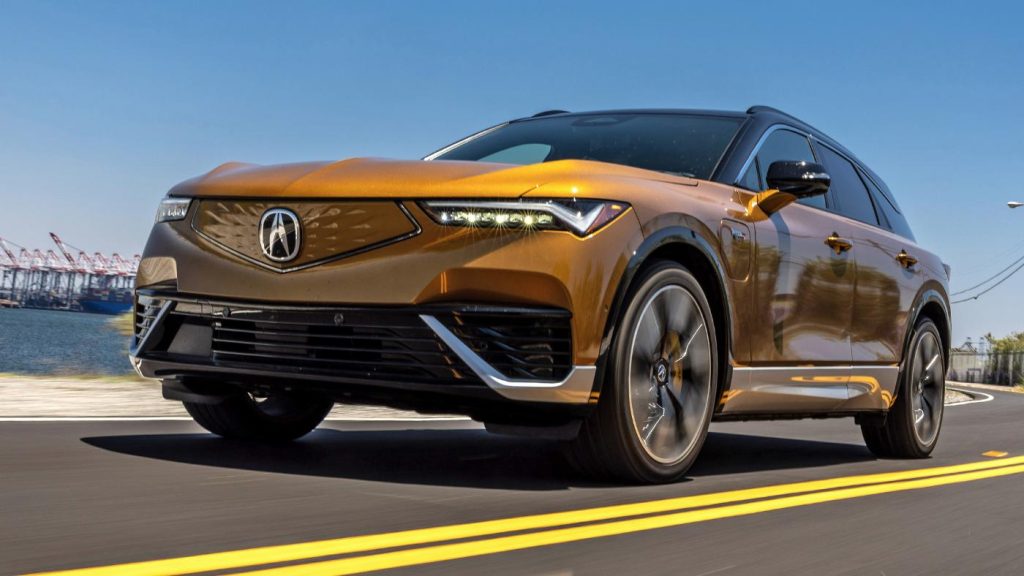
Acura sits in the upper tier of dealership labor rates in the United States, though its pricing structure is somewhat more moderate compared to European luxury brands.
As Honda’s premium division, Acura blends performance, advanced technology, and reliability, but its vehicles still require specialized service procedures and trained technicians that contribute to higher-than-average labor costs at authorized dealerships.
A major factor behind Acura’s labor rates is the increasing complexity of its modern lineup. Vehicles such as the MDX, RDX, and TLX incorporate turbocharged engines, advanced all-wheel-drive systems like Super Handling All-Wheel Drive (SH-AWD), and sophisticated electronic architectures.
These systems require precise diagnostics and brand-specific tools, particularly when dealing with drivetrain calibration or electronic control modules.
Acura has also expanded its use of advanced driver assistance and infotainment technologies, which adds another layer of service complexity. Features such as adaptive cruise control, lane-keeping assist, and integrated digital interfaces require calibration and software updates during certain repairs.
Technician training plays a key role in maintaining Acura’s service standards. Certified Acura technicians undergo factory training to work with proprietary diagnostic systems, electronic platforms, and performance-oriented components.
While Acura shares some engineering principles with Honda, its luxury models often include additional layers of technology and refinement that demand more specialized knowledge. This training contributes to labor rates that typically range from $140 to over $190 per hour in many U.S. markets.
Dealership infrastructure further affects pricing. Acura service centers invest in advanced diagnostic tools, calibration equipment, and updated software systems to support modern vehicles. Maintaining these facilities requires ongoing investment, which is reflected in labor costs even if the vehicles themselves are generally more straightforward to service than some European competitors.
The gap between mainstream and luxury dealership labor rates is substantial and continues to widen. While the national average hovers around $140 per hour, the brands listed above routinely charge 50 to 150 percent more.
For consumers, this has important implications. The purchase price of a vehicle is only one component of ownership cost. Service and maintenance expenses, particularly labor, can significantly impact long-term affordability.
Buyers considering luxury or performance vehicles should factor in these elevated labor rates when evaluating total cost of ownership. In many cases, the difference in service pricing can rival or exceed differences in fuel or insurance costs over time.
Ultimately, high dealership labor rates are not merely a reflection of brand prestige. They are the result of complex engineering, specialized expertise, and the operational realities of maintaining a premium automotive ecosystem.
