You bought a new car battery expecting it to last at least five years. That’s what most people still believe. But now, in 2026, many drivers are seeing something different. Their battery dies in just three years, sometimes even sooner.
Frustrating? Yes. Unexpected? Also yes.
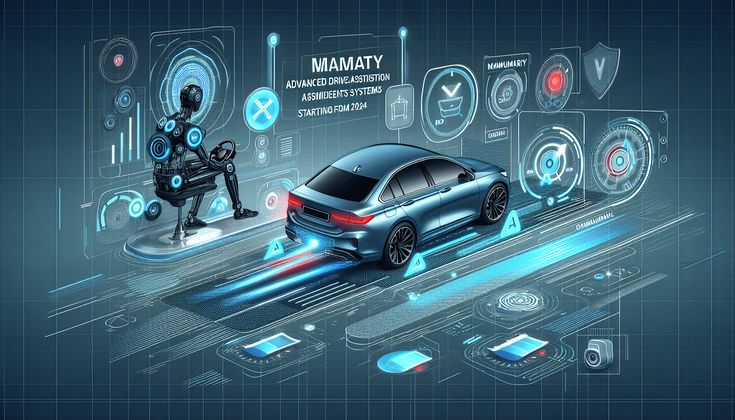
But here’s the thing, modern cars are not the same as they were a decade ago. Today’s vehicles are packed with electronics, smart systems, sensors, and always-on features. All of that puts a constant load on your battery, even when the engine is off. So while batteries have improved in some ways, the demand placed on them has increased even faster.
Another problem is how people use their cars now. Short drives, traffic-heavy routes, frequent stops, and idle time are more common than ever. These habits slowly drain battery life without you even noticing. Add in extreme weather, poor maintenance, and low-quality replacements, and suddenly that “five-year battery” barely makes it to year three.
This doesn’t mean manufacturers are doing something wrong. It means the environment and usage patterns have changed.
If your battery is dying early, it’s not just bad luck. There are clear reasons behind it, and most of them are preventable once you understand what’s going on.
Let’s break down the real causes so you can avoid getting stuck with a dead battery when you least expect it.
12 Reasons Why Your New Car Battery Only Lasts Three Years in 2026
If your car battery is dying sooner than expected, you’re not alone. Many drivers in 2026 are facing the same issue, and it’s not just because of poor battery quality. The real reasons are more complex and often tied to how modern vehicles are designed and used.
Today’s cars rely heavily on electronic systems that constantly draw power, even when the engine is off. This steady energy drain slowly reduces battery strength over time. At the same time, common driving habits like short trips and frequent stops prevent the battery from fully recharging, which leads to gradual wear.
Environmental factors also play a major role. Heat speeds up internal damage, while cold temperatures reduce performance. Add in things like leaving lights on, using accessories without starting the engine, or not maintaining the battery properly, and the lifespan drops even further.
Another overlooked factor is how batteries are manufactured today. Many are built to meet cost and efficiency demands rather than long-term durability. That means even a brand-new battery may not last as long as older ones did.
The truth is, most early battery failures are caused by a mix of small issues rather than one major problem. The good news is that once you understand these reasons, you can take simple steps to extend battery life and avoid unexpected breakdowns.
ALSO READ: 10 Best Front Wheel Drive Cars With Sports Car Handling
1. Modern Cars Have More Electronics Than Ever
Cars in 2026 are basically computers on wheels. Touchscreens, digital dashboards, GPS systems, parking sensors, cameras, wireless charging, and smart assistants all of these rely on the battery.
Even when your car is turned off, some systems continue running in the background. Security systems, keyless entry, and onboard memory features keep drawing small amounts of power. This constant drain is known as a “parasitic load,” and over time, it weakens the battery.
In older cars, once you turned off the ignition, the battery got a break. That’s no longer the case. Now, your battery is always working, even when the vehicle is parked overnight.
This continuous usage reduces the battery’s ability to hold a charge. So instead of lasting five years, it wears out faster, often around the three-year mark.
The more tech your car has, the harder your battery works. And that extra workload shortens its life.
2. Frequent Short Trips Kill Battery Health
Short trips are one of the biggest hidden reasons behind early battery failure.
When you start your car, the battery sends a burst of energy to crank the engine. After that, the alternator recharges the battery while you drive. But here’s the problem: short trips don’t give the alternator enough time to fully recharge it.
If you’re only driving for 5–10 minutes at a time, your battery keeps losing charge without getting properly replenished. Do this daily, and the battery slowly weakens.
Over time, this creates a condition called “chronic undercharging.” The battery never reaches full capacity, which leads to reduced lifespan and eventual failure.
City driving, school runs, and quick errands are common now. And they’re quietly damaging your battery every day.
Longer drives once in a while can help balance things out, but most drivers don’t do that consistently.
So even if your battery is new, your driving habits might be ageing it faster than you think.
3. Extreme Weather Conditions Take a Toll
Weather plays a huge role in battery life, and both heat and cold can cause damage.
Hot climates are especially harsh on batteries. High temperatures speed up chemical reactions inside the battery, which can lead to faster degradation. In simple terms, heat “ages” your battery quicker.
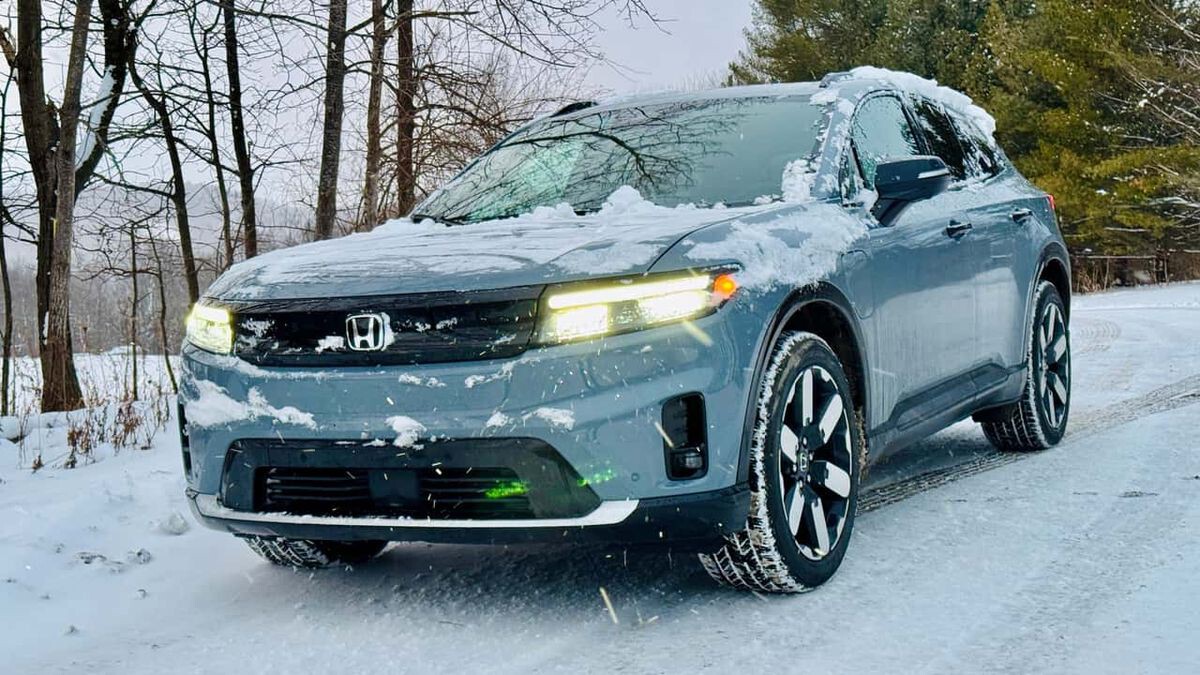
On the other hand, cold weather makes it harder for the battery to deliver power. When temperatures drop, the battery’s efficiency decreases, and it struggles to start the engine.
Now think about regions where temperatures swing between very hot and very cold throughout the year. That constant stress puts extra pressure on the battery, shortening its lifespan.
Parking your car under direct sunlight, leaving it exposed during extreme heat, or not protecting it in winter can all make things worse.
In 2026, with rising temperatures in many areas, this problem is becoming more common. And unfortunately, it directly impacts how long your battery lasts.
4. Leaving Lights and Accessories On
This one sounds obvious, but it still happens more often than people admit.
Leaving your headlights, interior lights, or infotainment system on while the engine is off drains the battery quickly. Even something small, like a dome light left on overnight, can significantly reduce battery charge.
Modern cars do have warning systems, but they’re not foolproof. Some accessories stay active longer than expected, especially in newer vehicles with advanced features.
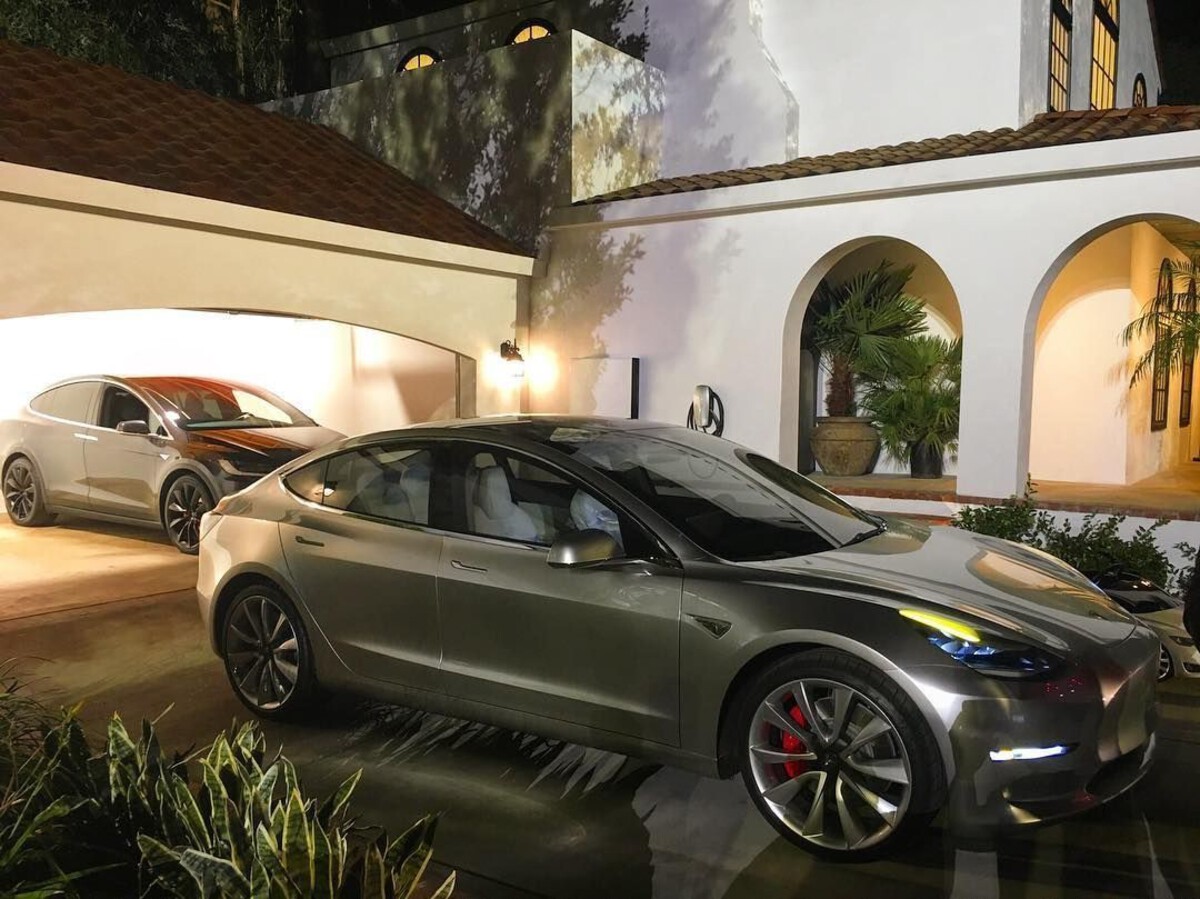
Charging phones, using USB ports, or running the AC system while the engine is off also adds to the drain.
If this happens occasionally, the battery can recover. But repeated drain cycles weaken it over time. Each deep discharge reduces the battery’s ability to hold a full charge.
Eventually, the damage becomes permanent. And that’s when your “new” battery starts acting like an old one.
Building simple habits like double-checking lights and avoiding accessory use without the engine running can make a big difference.
5. Poor Battery Quality or Low-Cost Replacements
Not all car batteries are built the same. Many drivers go for cheaper options, thinking they’re saving money, but that decision often backfires within a few years.
Low-cost batteries usually use lower-grade materials and simpler internal designs. They may work fine at first, but they struggle to handle long-term stress, especially in modern cars that demand consistent power. Over time, they lose their ability to hold a charge much faster than premium options.
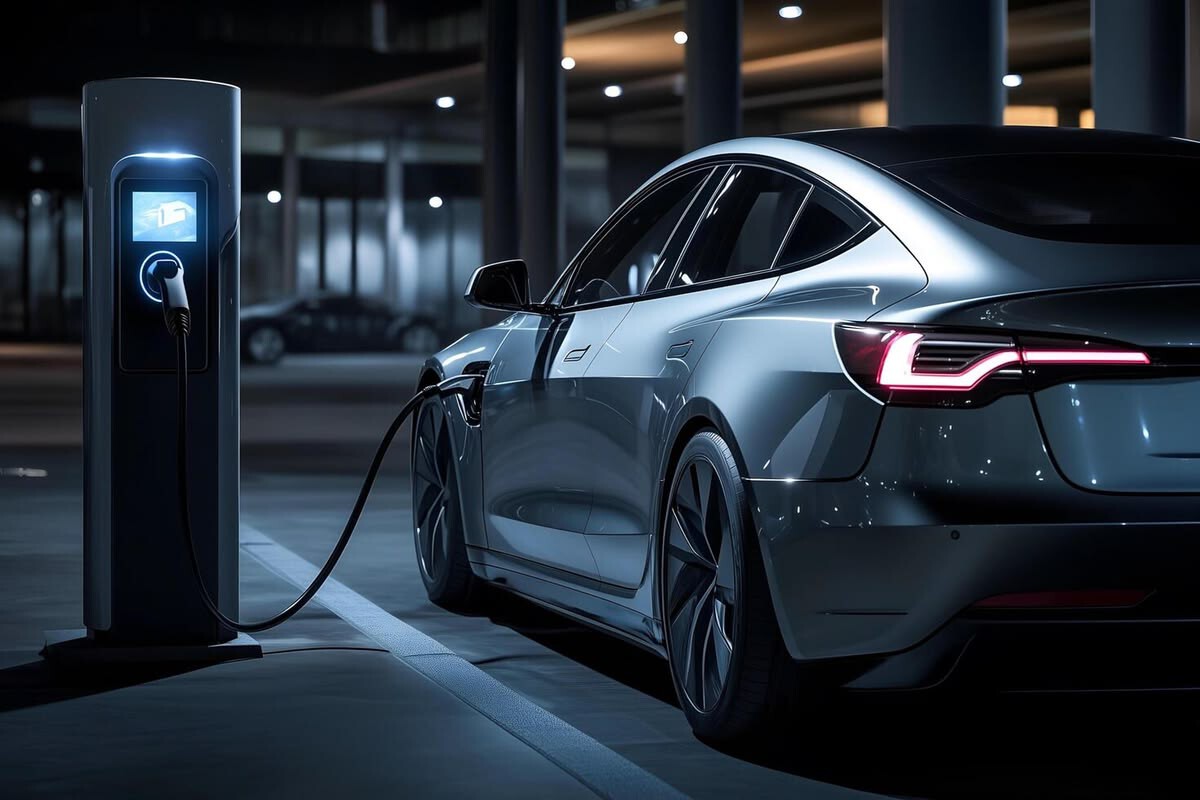
Another issue is that some batteries sit on shelves for months before being sold. Even if it’s labelled “new,” it may have already lost some of its strength due to self-discharge. If you install a battery that isn’t fully fresh, its lifespan starts shorter from day one.
In 2026, with more electronics and higher power demand, battery quality matters more than ever. A weak battery simply can’t keep up.
Spending a little more on a reliable, well-built battery can actually save you money in the long run. Otherwise, you may find yourself replacing it again much sooner than expected.
ALSO READ: 8 Modern Muscle Cars That Are Surprisingly Comfortable for Daily Commuting
6. Faulty Charging System (Alternator Issues)
Your battery doesn’t work alone. It depends on the alternator to stay charged while the engine is running. If the alternator isn’t doing its job properly, the battery suffers.
A weak or failing alternator may not fully recharge the battery. This leads to undercharging, which slowly reduces battery capacity. On the other hand, an overcharging alternator can push too much voltage into the battery, causing overheating and internal damage.
Both situations shorten battery life significantly.
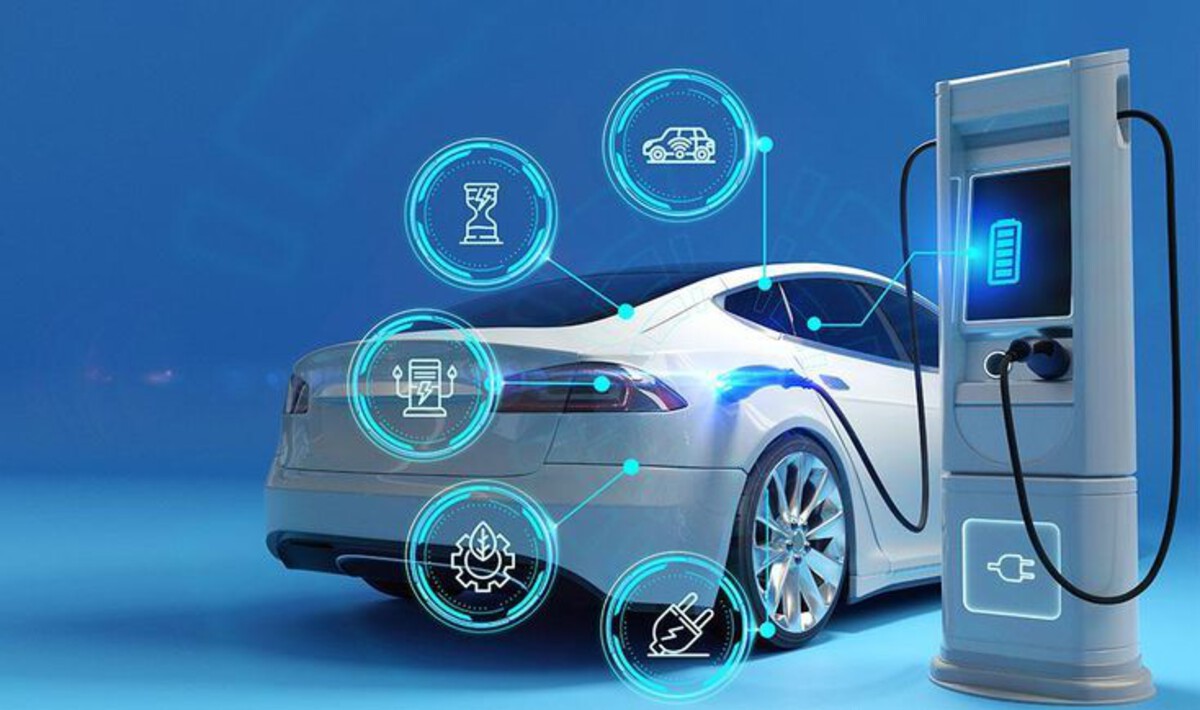
The tricky part is that alternator problems aren’t always obvious. Your car may still start and run normally, but the battery is quietly deteriorating in the background.
Warning signs can include dim lights, electrical glitches, or a battery warning light on the dashboard. Ignoring these signs allows the damage to continue.
If your battery keeps dying early, it’s worth checking the charging system instead of just replacing the battery again. Otherwise, you’re treating the symptom, not the cause.
7. Corroded or Loose Battery Connections
This is one of the simplest issues, yet it causes a surprising number of battery problems.
Over time, battery terminals can develop corrosion, a white or bluish powdery substance that builds up around the connectors. This corrosion interferes with the flow of electricity, making it harder for the battery to deliver power.
Loose connections create a similar problem. If the terminals aren’t tightly secured, the electrical connection becomes unstable. This can lead to inconsistent performance, difficulty starting the car, and added strain on the battery.
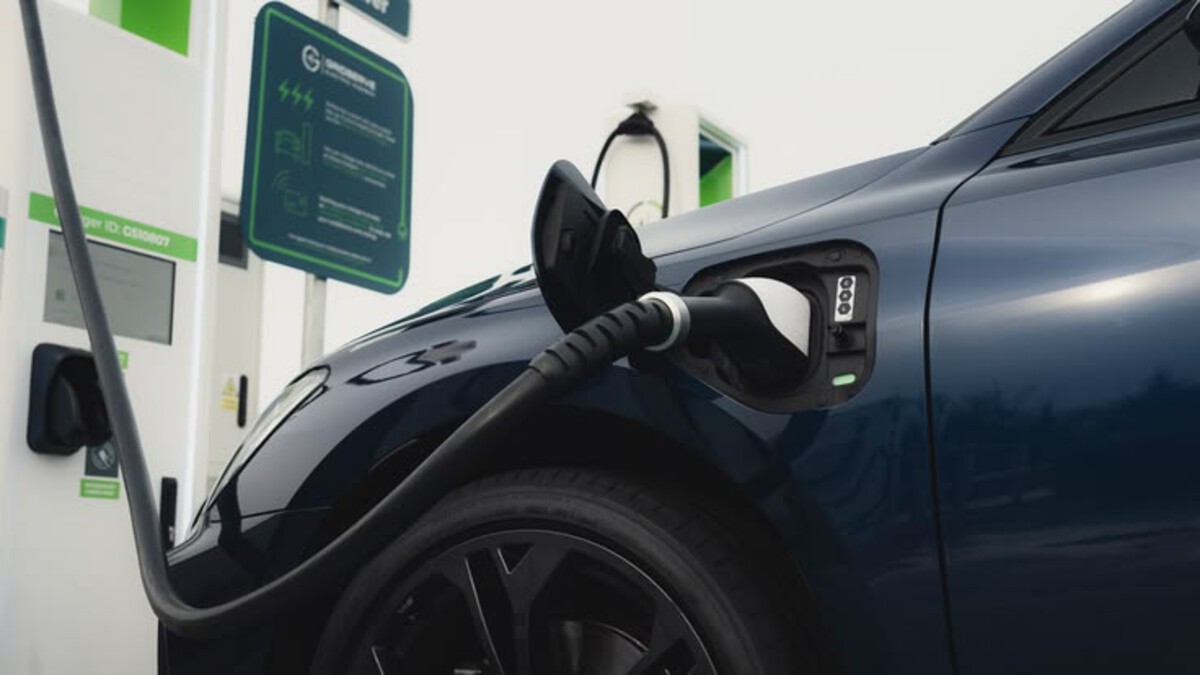
When the battery has to work harder to push power through poor connections, it wears out faster. It’s like forcing water through a blocked pipe; the system struggles and eventually breaks down.
The good news? This is easy to fix. Regularly checking and cleaning your battery terminals can prevent unnecessary damage. Tightening loose connections also helps maintain a steady flow of power.
Ignoring small maintenance tasks like this can quietly shorten your battery’s lifespan.
8. Parasitic Drain from Hidden Electrical Loads
Even when your car is turned off, certain components continue to use power. This is normal to some extent, but excessive drain can become a serious problem.
Modern vehicles have multiple systems running in the background, such as security alarms, keyless entry systems, onboard computers, and more. If any of these systems malfunction or stay active longer than they should, they create a parasitic drain.
This drain slowly pulls power from the battery while the car is parked. If the vehicle sits unused for long periods, the battery may lose a significant amount of charge.
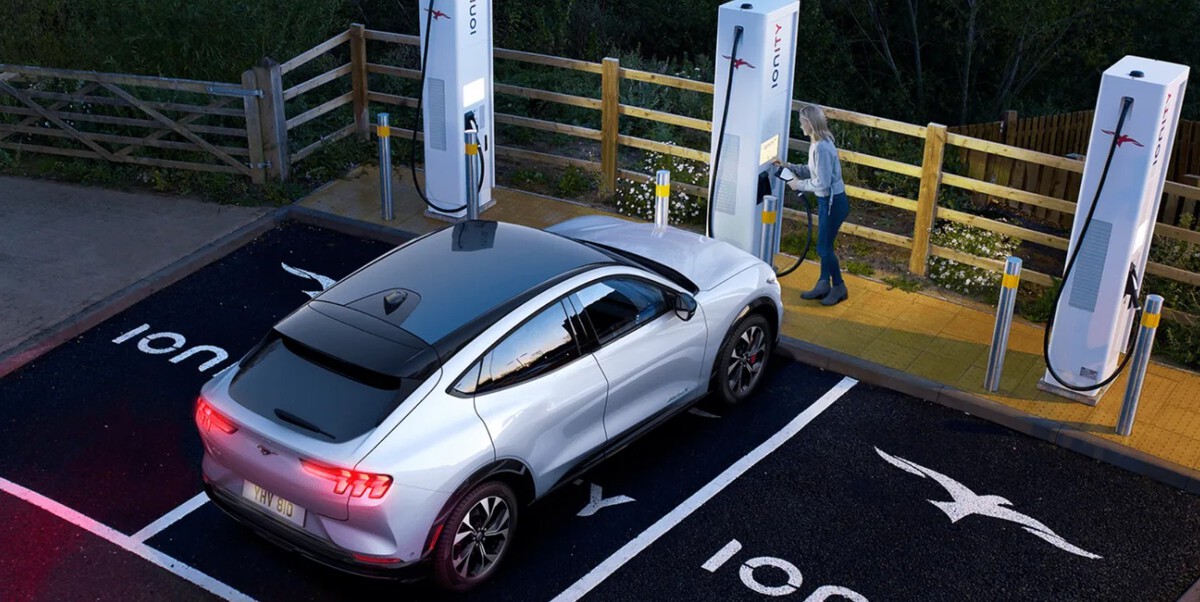
The real issue arises when this happens repeatedly. The battery never gets a chance to fully recover, leading to gradual weakening and eventual failure.
Parasitic drain is tricky because it’s not always visible. You may not notice anything wrong until the battery suddenly dies.
If your battery keeps going flat overnight or after a few days of inactivity, this could be the reason. Diagnosing it may require professional testing, but fixing it early can prevent long-term damage.
9. Infrequent Driving or Long Periods of Inactivity
Letting your car sit unused for long periods can damage your battery more than you might expect.
When a vehicle isn’t driven regularly, the battery slowly loses charge over time. Even when the car is off, systems like the clock, security features, and onboard computers continue to draw small amounts of power. Without the alternator running to recharge it, the battery gradually drains.
If this goes on for days or weeks, the battery can drop to a critically low level. When that happens repeatedly, it causes permanent damage to its internal structure.
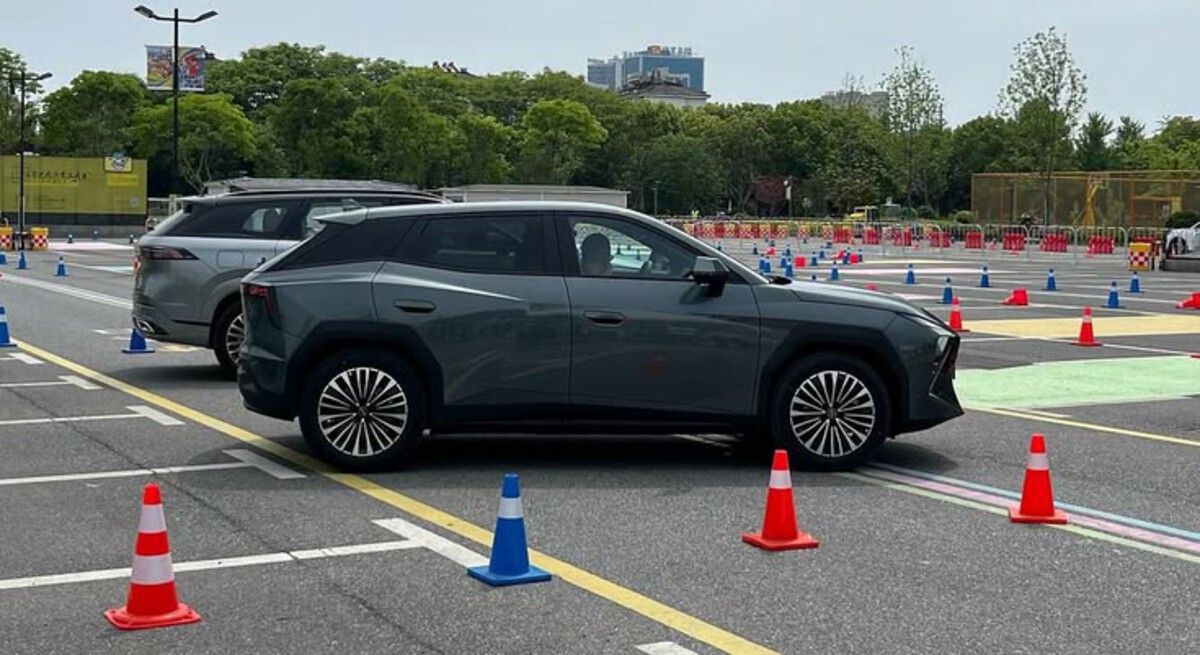
This is especially common for people who work from home, travel often, or use their car only occasionally. The battery simply doesn’t get enough charging cycles to stay healthy.
In 2026, with more vehicles sitting idle for longer durations, this issue has become more noticeable.
Starting your car once in a while isn’t enough either. It needs to be driven for a decent amount of time so the alternator can properly recharge the battery.
If inactivity is unavoidable, using a battery maintainer can help keep it in good condition.
10. Stop-Start Technology Increases Battery Load
Modern vehicles often come with automatic start-stop systems designed to save fuel. While this feature is efficient, it puts extra stress on the battery.
Every time your car stops at traffic lights or in heavy traffic, the engine shuts off and then restarts when you move again. This repeated starting process requires power, and it happens far more often than in older vehicles.
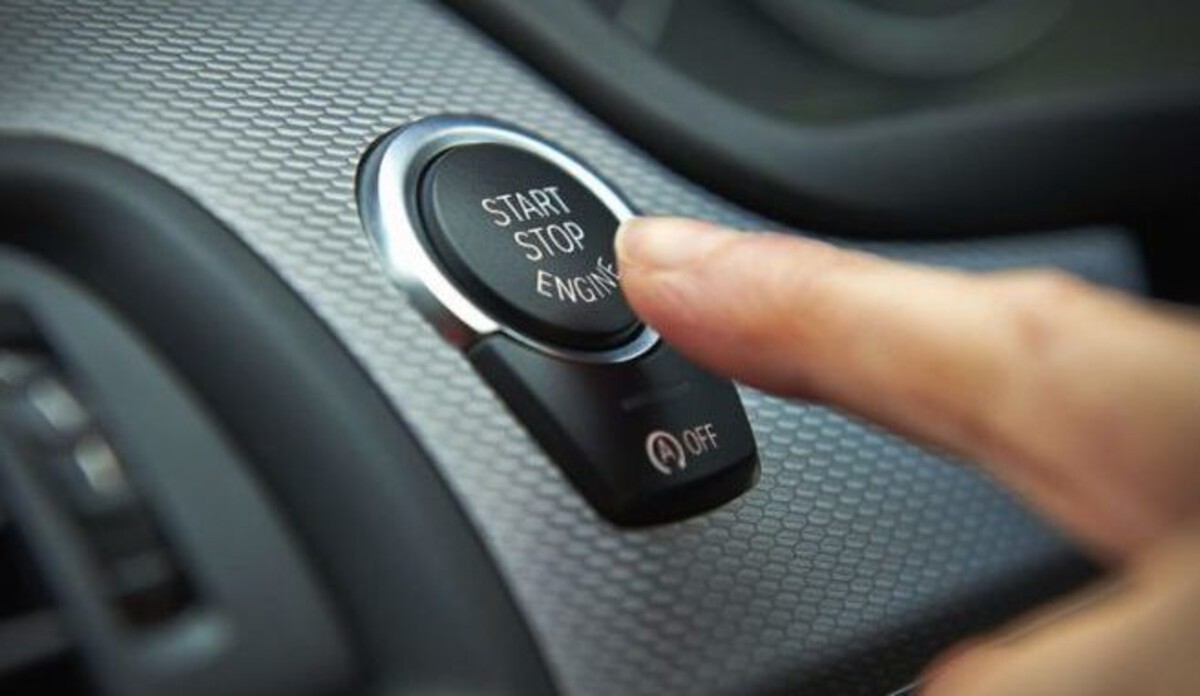
That constant cycling drains the battery faster and increases wear on its internal components. Even though these systems are designed to work with advanced batteries, the added load still reduces how long the system lasts over time.
In heavy traffic conditions, where stop-start cycles happen frequently, the impact becomes even more noticeable.
If the battery isn’t strong enough or begins to weaken, the system may stop working properly or place even more strain on it.
While this technology is helpful for fuel savings, it’s one more reason why batteries in modern cars don’t last as long as they used to.
11. Improper Battery Maintenance
Many drivers install a battery and then forget about it completely. That approach doesn’t work anymore.
Car batteries require basic maintenance to stay in good condition. Ignoring small issues like dirt buildup, low charge levels, or loose fittings can lead to bigger problems over time.
For example, a dirty battery surface can cause minor electrical leakage, slowly draining power. Not checking voltage levels can allow the battery to operate below optimal capacity without you realising it.
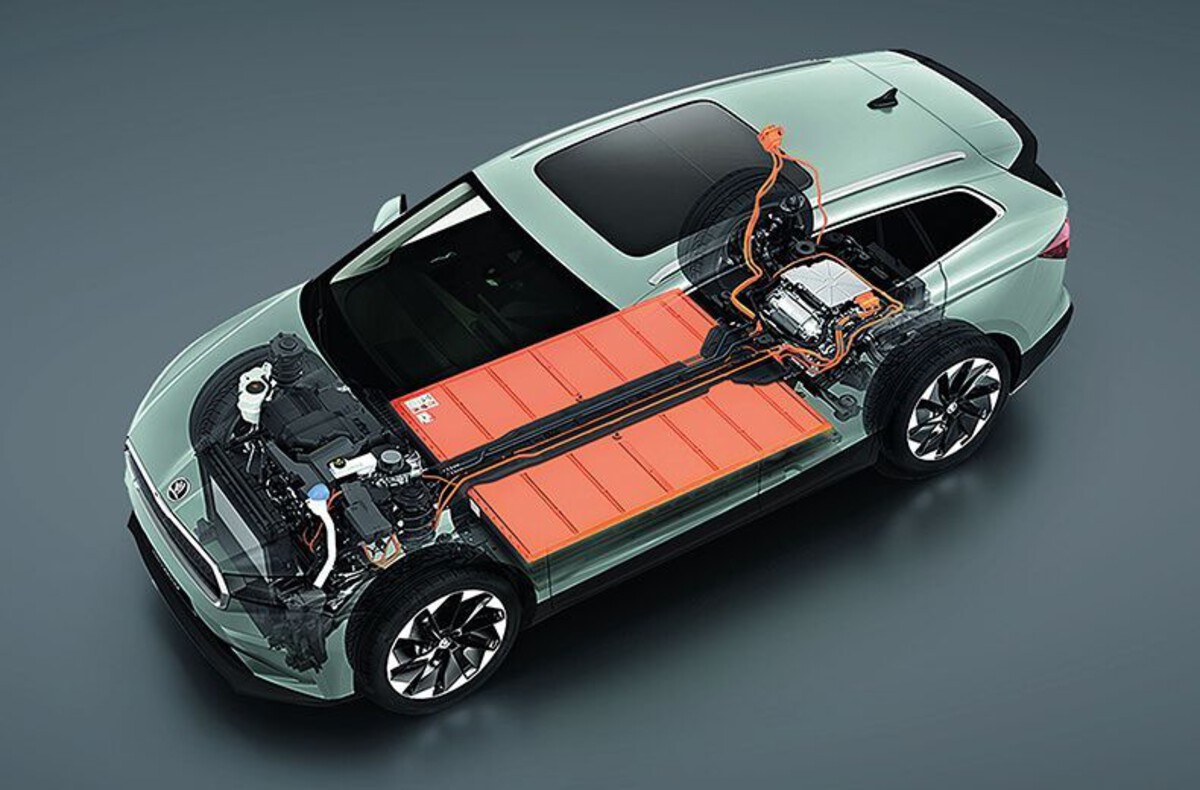
Even simple things like skipping routine inspections or not testing the battery during service visits can shorten its lifespan.
In older cars, you could get away with minimal attention. But in 2026, with more complex electrical systems, batteries need a bit more care.
Regular checks don’t take much time, but they can prevent early failure. Most people only think about the battery when it stops working, but by then, the damage is already done.
12. Increased Power Demand from Aftermarket Accessories
Adding extra features to your car might make it more comfortable or stylish, but it can also strain your battery.
Aftermarket accessories like high-powered sound systems, additional lighting, dash cams, GPS units, and phone chargers all draw power. When multiple devices are running at once, the battery has to work harder to keep up.
If these accessories are used frequently, especially when the engine is off, they can significantly reduce battery life.
In some cases, the vehicle’s electrical system isn’t designed to handle the added load. This creates an imbalance, forcing the battery to compensate.
Over time, this constant extra demand weakens the battery and reduces its ability to hold a charge.
Many drivers don’t connect these upgrades with battery problems, but the link is clear.
If you’re planning to install accessories, it’s important to consider how they’ll affect your battery. Otherwise, you may end up replacing it much sooner than expected.
A car battery lasting only three years might feel like a defect, but in most cases, it’s the result of everyday conditions and habits adding up over time.
Modern vehicles demand more power than ever before. From advanced electronics to fuel-saving technologies, your battery is constantly working even when you’re not driving. Add short trips, extreme weather, and occasional neglect, and it’s easy to see why batteries wear out faster in 2026.
The important thing to understand is that early battery failure is rarely caused by a single issue. It’s usually a combination of factors, some obvious, others easy to overlook. That’s why simply replacing the battery without addressing the root causes often leads to the same problem again.
The good news is that you have control over many of these factors.
Driving your car for longer distances occasionally, keeping the battery clean, checking connections, avoiding unnecessary accessory use, and paying attention to warning signs can all extend battery life. Choosing a high-quality battery and ensuring your charging system is working properly also makes a big difference.
You don’t need to be a mechanic to keep your battery healthy. Small, consistent actions can easily add an extra year or two to its lifespan.
At the end of the day, your battery reflects how your car is used and maintained. Treat it right, and it will last longer. Ignore it, and it will fail sooner, simple as that.