
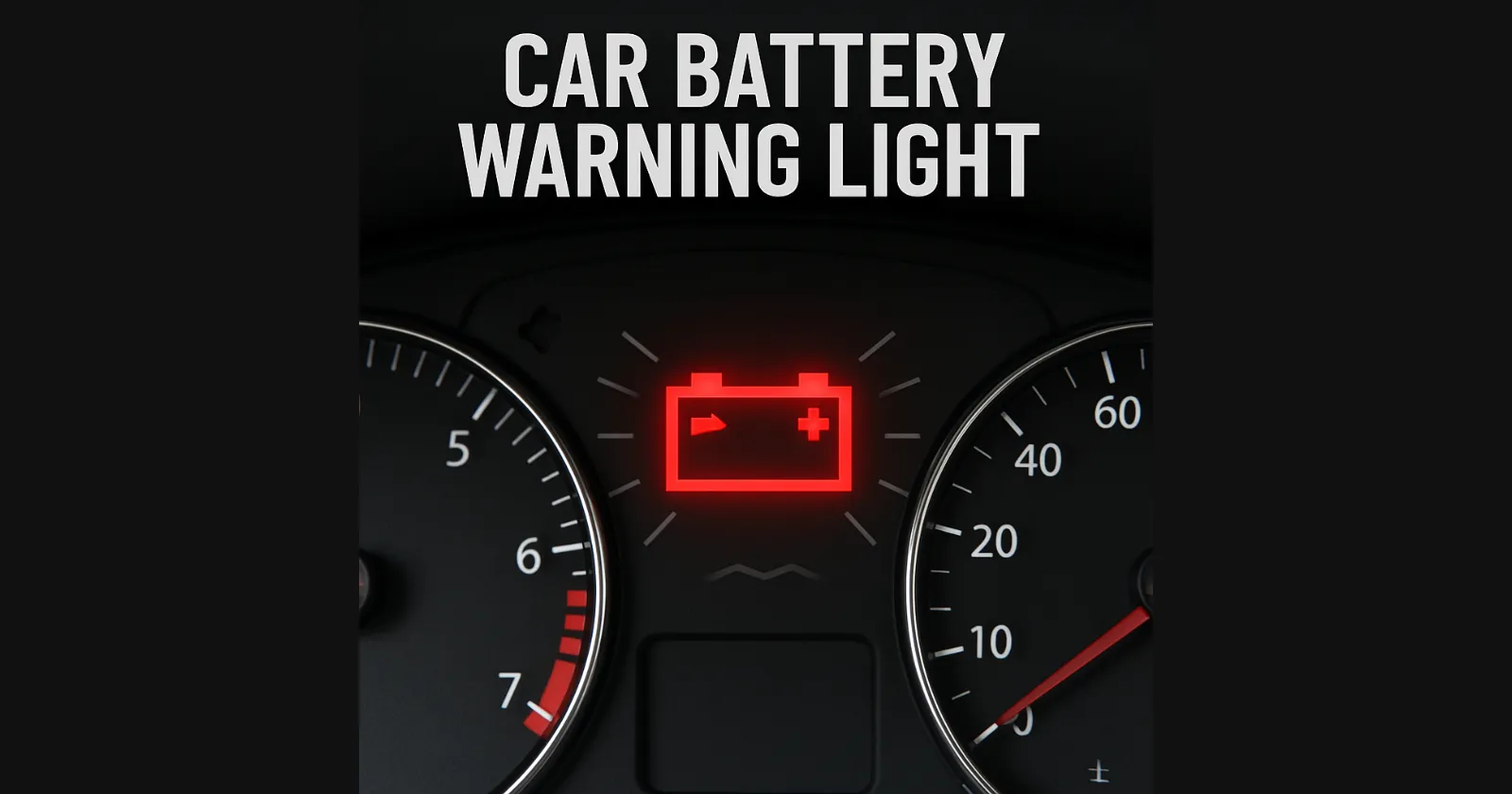
Car batteries rarely fail without leaving subtle clues behind. Long before a dashboard light shows up or the engine refuses to start, small changes begin to appear in daily driving.
These early signs often feel easy to dismiss because the vehicle still runs and nothing looks broken at a glance. That false sense of normal operation leads many drivers to keep pushing forward until the battery finally gives up at the worst possible moment.
Modern vehicles rely on a steady electrical supply for far more than starting the engine. Power steering assistance, safety sensors, infotainment systems, climate controls, and engine management all depend on consistent voltage.
When a battery begins to weaken, those systems react in ways that seem unrelated at first. The car might still start today, yet struggle tomorrow, creating unpredictable behavior that confuses even experienced drivers.
Another challenge lies in the delayed response of warning systems. Battery warning lights are designed to alert drivers only when voltage drops beyond a certain threshold. By the time that happens, the battery has often been operating below ideal strength for weeks or months. Early detection allows time for testing, replacement planning, and avoiding roadside breakdowns.
This guide breaks down ten clear indicators that suggest battery failure is approaching, even when the dashboard remains silent. Each indicator highlights a different behavior pattern and driving scenario, helping drivers recognize problems early.
Real vehicle examples are included to show how these warning signs appear across different brands and segments. Paying attention to these details can save time, reduce repair costs, and prevent unnecessary stress during daily driving.

1. Slower Engine Cranking During Startup
Morning startup behavior offers one of the clearest early clues of battery decline. Instead of the engine firing immediately, the starter motor may turn more slowly, producing a labored sound that feels slightly delayed. This change often appears gradually, making it easy to ignore for several days. Drivers tend to blame colder weather or fuel quality while the battery continues losing capacity.
Consider the 2021 Toyota Camry XLE 2.5L. Under healthy conditions, the engine starts with a smooth, confident rotation. When the battery weakens, startup still happens, though the cranking speed drops just enough to feel different.
That slower movement indicates the battery cannot deliver the same current it once did. Electrical resistance inside the battery increases with age, limiting how quickly energy reaches the starter.
Cold temperatures amplify this issue, but the behavior can appear even in warm conditions once the battery reaches a certain stage of wear. After sitting overnight, internal chemical reactions slow down, reducing available power. The starter draws heavy current during ignition, exposing weakness faster than other systems.
Repeated slow cranking places additional strain on the starter motor and ignition components. After a long time, this can lead to premature wear beyond the battery itself. Drivers who notice this pattern early can test the battery before further damage develops.
Listening carefully during startup provides valuable insight. A healthy battery produces quick, decisive engagement. Any hesitation, dragging sound, or extended crank time deserves attention, even if the vehicle eventually starts. That momentary delay serves as an early warning that replacement planning should begin soon rather than waiting for a complete failure.

2. Interior Electronics Acting Unstable
Electrical accessories often reveal battery trouble long before the engine refuses to start. Flickering dashboard lights, sluggish power windows, and delayed screen responses point toward an inconsistent voltage supply. These symptoms appear randomly at first, then grow more frequent as battery health declines.
Take the 2020 Honda Accord Touring 2.0T as an example. The vehicle relies heavily on electronic systems for climate control, driver assistance features, and infotainment functions. When the battery weakens, voltage fluctuations begin affecting these systems. The infotainment screen may restart unexpectedly, while seat memory settings behave inconsistently.
Such behavior happens because electronic modules require a steady voltage to operate correctly. A weakening battery struggles to maintain that stability, especially when multiple accessories operate simultaneously. Turning on headlights, climate control, and audio systems increases demand, exposing the battery’s limited capacity.
These electrical irregularities often appear while driving rather than during startup. Drivers might notice dashboard lights dim briefly at stoplights or steering assistance feeling heavier during slow maneuvers. None of these symptoms triggers immediate warnings, yet they reflect declining electrical reserves.
Ignoring these signals leads to growing frustration and potential misdiagnosis. Some drivers replace switches or sensors without addressing the battery, only to see the problems return.
Testing the battery early saves money and prevents unnecessary repairs. Interior electronics serve as sensitive indicators because they react quickly to voltage drops. Any pattern of flickering, delayed response, or inconsistent operation should prompt a battery inspection before the situation worsens.
Also Read: 8 Reasons Why Plug-In Hybrids Are the Best Solution for US Suburbs

3. Headlights Appearing Dim or Uneven
Headlight performance changes often go unnoticed until visibility becomes an issue. A battery losing strength delivers reduced power to lighting circuits, causing headlights to appear dimmer or inconsistent in brightness. This issue can develop gradually, making it difficult to pinpoint the cause.
In a vehicle like the 2019 Nissan Altima Platinum 2.5L, headlights typically produce steady illumination regardless of driving conditions. When the battery weakens, lights may appear dimmer at idle and brighten slightly when engine speed increases. That fluctuation signals voltage instability rather than a bulb problem.
Night driving makes this issue more noticeable. Street signs reflect less light, and the road ahead appears poorly lit. Drivers sometimes assume aging bulbs are responsible, yet replacing them fails to restore brightness because the real issue lies with power delivery.
Daytime running lights and interior illumination may also show subtle changes. Instrument panels may look duller, while brake lights appear weaker to following traffic.
These changes affect safety without triggering warnings. Headlight behavior during engine startup also matters. Lights that dim sharply while starting the engine reveal heavy strain on the battery. A healthy battery supports both cranking and lighting without dramatic drops.
Monitoring lighting performance offers a simple way to assess battery condition. Any pattern of dimming, uneven brightness, or delayed illumination suggests testing the battery sooner rather than later.

4. Frequent Need for Jump Starts
Needing a jump start even once serves as a clear indicator of battery trouble that deserves attention. When jump starts become recurring, the warning becomes impossible to dismiss. Each external boost hides the real fault for a brief period while allowing battery condition to weaken further beneath the surface. This pattern places drivers at constant risk of sudden starting failure without notice.
The 2018 Chevrolet Malibu Premier 2.0T provides a practical illustration of this situation. After remaining parked for a limited duration, the vehicle may refuse to start, yet respond immediately once jumper cables are attached. That response confirms that stored electrical capacity is insufficient, rather than any fault within the starter motor or fuel delivery components.
A battery that depends on repeated jump starts can no longer retain a charge effectively. Internal plates deteriorate with age and heat exposure, reducing the ability to store energy after charging. Although the alternator restores power while the engine runs, the battery loses that energy quickly once the ignition is turned off, leaving little reserve for the next start.
Continuous reliance on jump-starting places added pressure on the charging system. The alternator is forced to work harder than designed in order to restore depleted reserves. Prolonged strain increases the likelihood of charging system failure, leading to repairs that cost far more than timely battery replacement would have required.
Driving habits also contribute to the problem. Short-distance trips prevent a weak battery from reaching full charge. Each drive ends before sufficient recovery occurs, deepening discharge levels and accelerating internal wear. Over several weeks, this pattern reduces reliability and increases the frequency of no-start situations.
Weather conditions add another layer of risk. Cold mornings demand higher starting power, while heat accelerates internal degradation. A battery already struggling will fail faster under these conditions, making repeated jump starts more frequent and less dependable.
Once jump starts become routine rather than occasional emergencies, decisive action becomes necessary. Continued use introduces uncertainty, delays schedules, and exposes the driver to avoidable inconvenience. Replacing the battery restores dependable starting performance, protects the charging system, and removes the constant reliance on external assistance.
Practical experience from vehicle technicians supports early replacement once this pattern appears. Testing may still show voltage within an acceptable range, yet real-world performance tells a different story. Batteries fail gradually, not suddenly, and repeated jump starts represent the late stage of that decline. Waiting for complete failure removes any element of planning and increases exposure to delays in unsafe locations.
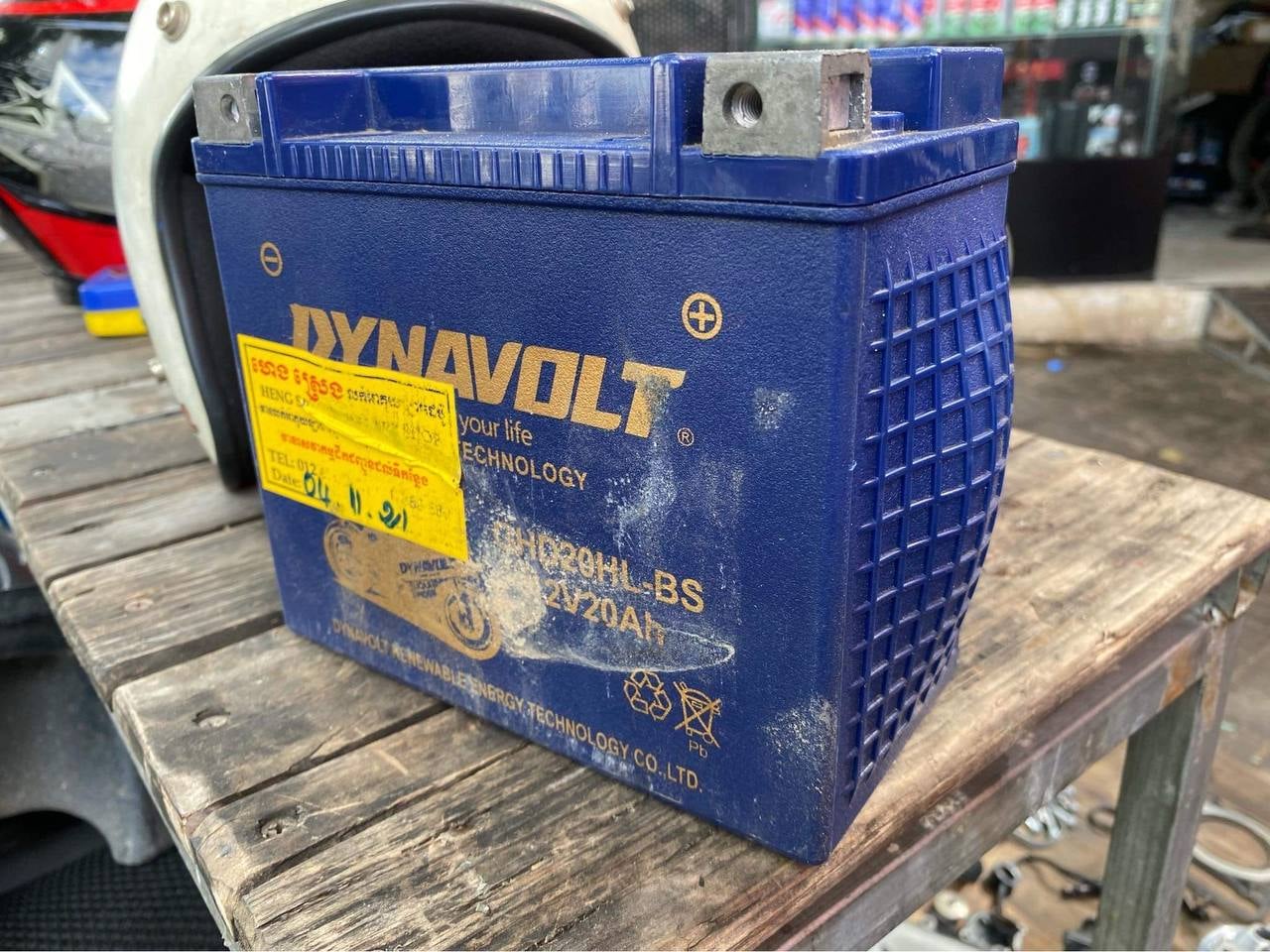
5. Battery Case Swelling or Visible Damage
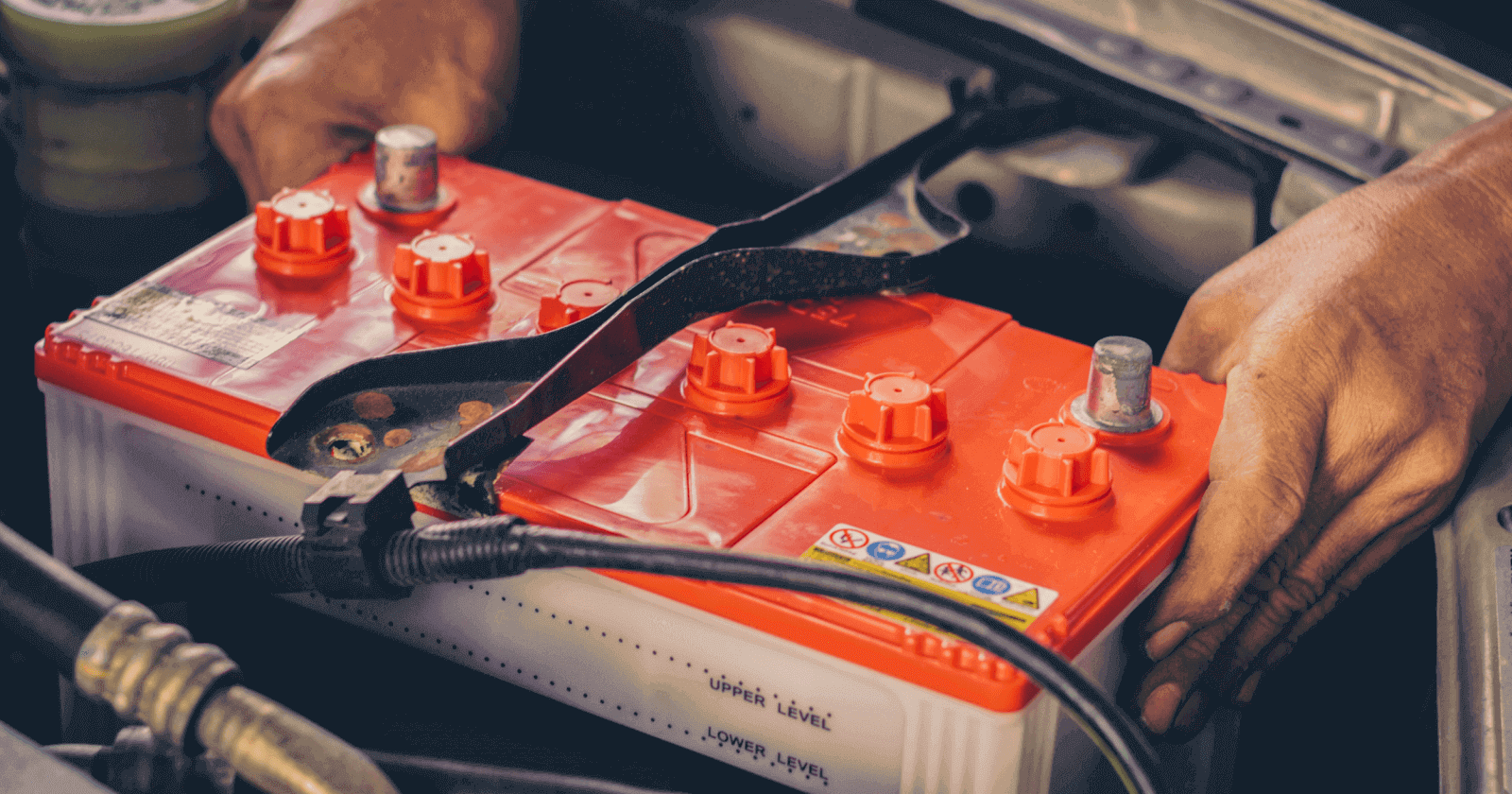
Physical inspection provides information that electronic testing may not reveal. A battery approaching failure often displays visible changes such as swelling, cracks, or heavy residue around terminals. These conditions point to internal damage that affects performance and raises safety concerns during daily vehicle use.
Consider the battery fitted in a 2017 Subaru Outback 2.5i Limited. Under proper operating conditions, the battery casing remains flat, firm, and free from distortion. Prolonged exposure to engine heat, charging irregularities, or chemical breakdown inside the unit can cause the casing to expand outward.
Swelling reflects gas accumulation, usually linked to age or prolonged overcharging, and indicates that the internal structure has weakened. Terminal residue presents another warning sign. White or bluish powder forming around connection points increases electrical resistance.
Even when the battery retains some charge, restricted current flow interferes with starting performance. Drivers may experience slow cranking or complete starting failure despite recent charging or extended driving. Cracks in the casing present a serious hazard.
Escaping electrolyte corrodes nearby components and damages paintwork and wiring. Contact with leaked fluid also creates safety risks during inspection or maintenance. Any visible leakage means the battery is no longer suitable for service and should not remain installed.
Loose or damaged terminals also deserve attention. Poor connections interrupt consistent power delivery and may mimic battery failure symptoms. Tightening terminals may offer temporary relief, yet when combined with physical damage, replacement remains the proper solution.
Routine visual checks reduce the likelihood of unexpected problems. Opening the bonnet periodically and observing the battery surface requires minimal effort. Early detection of swelling, residue, or casing damage allows corrective action before starting reliability deteriorates.
Environmental conditions influence battery condition as well. High temperatures accelerate chemical reactions inside the unit, shortening service life. Repeated exposure without inspection allows damage to progress unnoticed until failure occurs at an inconvenient moment.
Once visible damage appears, continued use becomes unsafe. No amount of charging or cleaning can reverse internal deterioration. Testing equipment may confirm reduced capacity, yet the visual evidence already points to the same outcome. Replacing the battery restores safe operation, protects surrounding components, and removes uncertainty from daily driving.
Professional guidance supports prompt replacement once these signs appear. Modern vehicles rely on a steady electrical supply for engine control, braking support, lighting, and cabin systems. A damaged battery disrupts voltage stability and may trigger warning indicators or irregular behaviour.
Acting early prevents roadside stoppages and protects confidence during daily use. Responsible disposal of the old unit limits environmental harm and meets service standards.

6. Engine Start Requires Multiple Attempts
Repeated ignition attempts before the engine catches represent a clear warning that battery health is declining. This behavior often begins subtly. The engine may start on the second try instead of the first, then gradually require several attempts before running. Drivers sometimes assume fuel delivery or sensor faults are responsible, yet weak battery output frequently sits at the center of the issue.
A useful illustration comes from the 2022 Hyundai Sonata Limited 1.6T. Under normal conditions, this vehicle starts instantly with minimal effort. When battery capacity drops, voltage supplied to the starter motor and ignition system becomes inconsistent. The starter may engage, pause, then engage again, forcing the driver to cycle the ignition repeatedly. Each attempt drains remaining charge, worsening the situation.
Electronic fuel injection systems rely on stable voltage during startup. If voltage dips below acceptable limits, injectors may not deliver fuel accurately, and ignition coils may fail to generate a strong spark. The engine cranks, yet combustion fails to stabilize. After several attempts, residual heat or slight voltage recovery allows ignition, creating the illusion of an intermittent problem.
This behavior tends to appear after the vehicle sits for several hours. Short stops may not reveal the issue, which leads drivers to believe the problem has resolved. In reality, the battery continues losing reserve capacity. Cold mornings exaggerate the effect, though the condition appears even in mild weather once deterioration progresses.
Repeated starting attempts also accelerate wear on the starter motor and ignition switch. Electrical systems experience stress from repeated current surges. What begins as a battery issue gradually spreads into more expensive component failures if ignored.
Observation plays a major role in early detection. When starting behavior changes from reliable to unpredictable, attention becomes necessary. Battery testing provides clarity and prevents misdirected repairs. Addressing the battery at this stage restores consistent startup behavior and protects surrounding systems from unnecessary strain.

7. Unusual Clicking Sounds Without Engine Turnover
Clicking sounds during ignition attempts often confuse drivers. The sound suggests electrical activity, yet the engine fails to rotate. This condition indicates that the battery can deliver limited power but lacks sufficient current to drive the starter motor fully.
Consider the 2021 Mazda CX-5 Grand Touring Reserve 2.5T. During battery decline, turning the ignition may produce rapid clicking from the engine bay or dashboard area. These clicks come from the starter relay engaging and disengaging as voltage drops instantly under load. Each click represents a failed attempt to transfer power to the starter motor.
This symptom differs from slow cranking. Instead of sluggish rotation, the engine remains stationary. Accessories may still function, headlights may illuminate, and interior electronics appear normal. That partial functionality often misleads drivers into dismissing the battery as the source.
As internal battery resistance increases, voltage collapses when high current demand appears. The relay activates, senses insufficient voltage, disengages, then repeats the cycle. The process creates a rhythmic clicking sound that stops once the ignition key is released.
Temperature affects this condition strongly. Batteries nearing failure perform worse during cooler periods. A vehicle that starts normally during the afternoon may refuse to turn over at night, producing only clicking sounds. This unpredictability increases the chance of being stranded.
Jump starting usually resolves the issue temporarily, reinforcing the diagnosis. Once external power supplements the battery, the starter receives adequate current and the engine turns normally. That response confirms battery weakness rather than starter motor failure.
Prompt replacement prevents further inconvenience. Continued clicking episodes strain electrical relays and wiring connections. Recognizing this symptom early avoids unnecessary towing and preserves confidence in vehicle reliability.
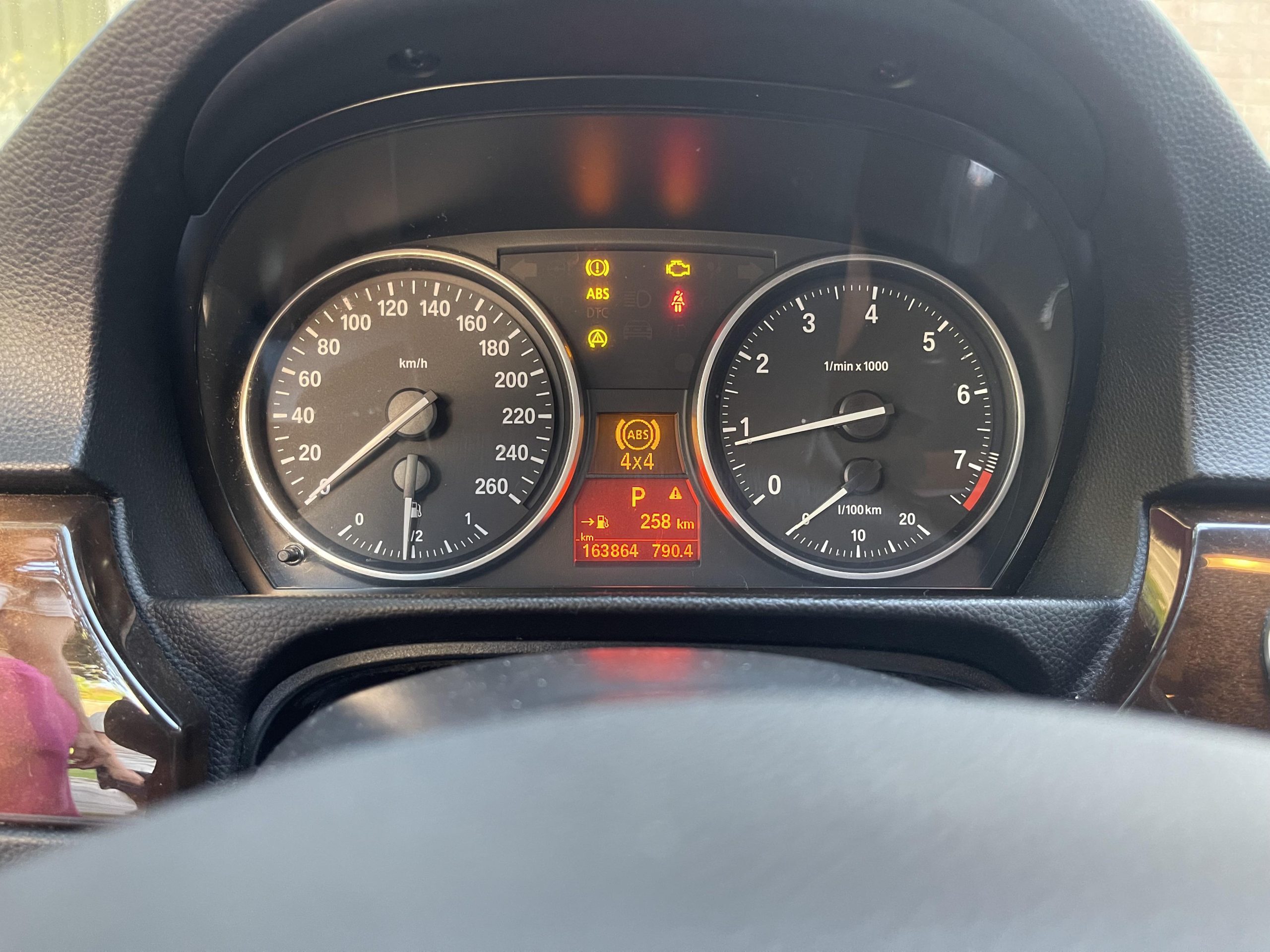
8. Dashboard Warning Lights Appearing Randomly
Electrical warning lights that appear and disappear without a clear cause often point toward an unstable voltage supply. Battery decline affects sensor readings and control modules, leading to false alerts that vanish once voltage recovers slightly. The 2020 Volkswagen Passat SE 2.0T provides a clear case.
Drivers may notice warning icons for traction control, steering assistance, or collision systems flashing briefly before disappearing. No stored fault codes remain after restarting the vehicle, creating confusion during diagnostics. Modern vehicles contain numerous control modules communicating constantly.
Each module expects a steady voltage range to function correctly. When battery output fluctuates, modules misinterpret data, triggering temporary warnings. Once voltage stabilizes, systems reset automatically. These alerts often appear during low-speed driving or idling when the alternator output remains minimal.
Activating multiple accessories increases demand, causing voltage dips that confuse electronic systems. Restarting the engine temporarily resolves the issue, masking the real cause. Drivers sometimes pursue sensor replacement or software updates without success. The underlying issue persists until the battery receives attention. Diagnostic scans may reveal a low-voltage history, yet this information gets overlooked.
Ignoring these warning lights introduces risk. While some alerts result from voltage irregularities, others may hide genuine issues that require attention. Addressing battery health first restores electrical stability and ensures accurate system monitoring. Routine battery testing clarifies the situation quickly.
Replacing a weak battery eliminates false alerts and restores predictable dashboard behavior. Reliable voltage supply allows onboard systems to operate as designed without interruption.
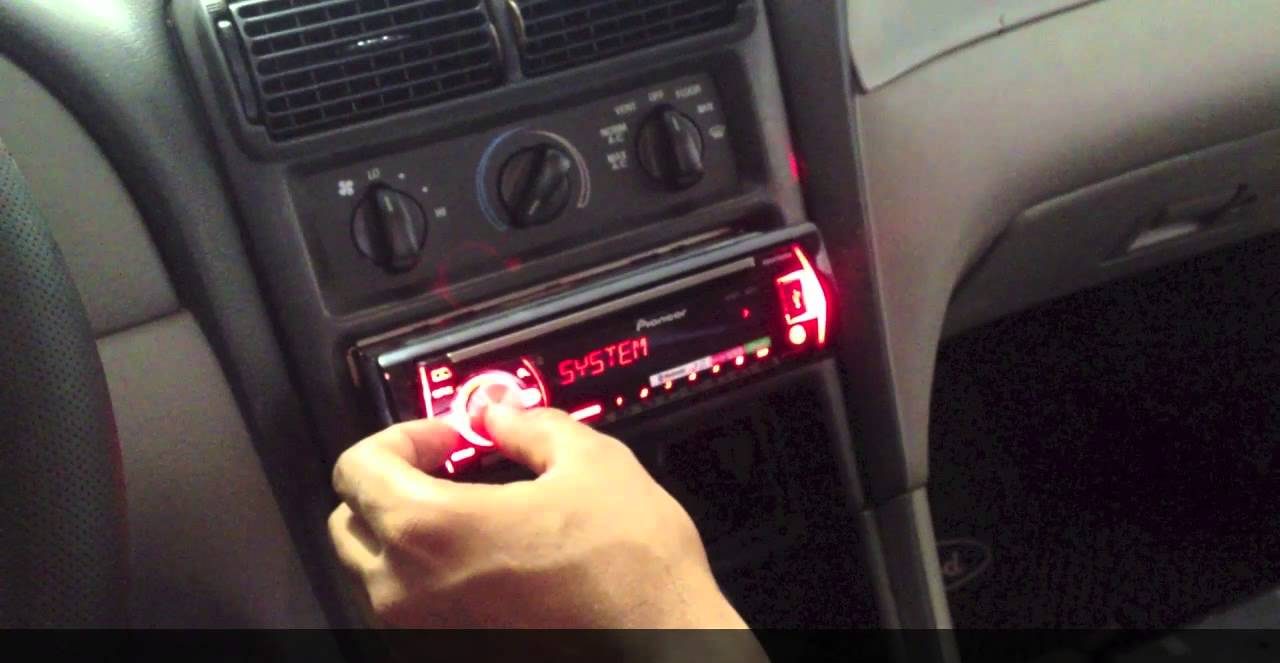
9. Radio and Clock Settings Resetting
Loss of stored settings represents a subtle yet telling sign of battery weakness. When voltage drops below a critical level, memory circuits inside electronic modules reset. Drivers may notice the radio presets disappear or the clock resets unexpectedly. A fitting example appears in the 2019 Kia Sorento SX V6.
After starting the vehicle, the driver may realize the clock shows an incorrect time and radio stations require reprogramming. These resets indicate that the battery could not maintain standby power while the vehicle sat unused. Modern vehicles rely on constant low-level power to preserve memory functions. Even when parked, modules draw minimal current to retain settings. A healthy battery supplies this without difficulty. As capacity declines, voltage falls during rest periods, triggering memory loss.
This issue often appears after overnight parking. Short daytime stops may not produce the same result. Drivers frequently blame software glitches or infotainment malfunctions, overlooking the battery’s role. Memory loss also affects driver preference settings, including seat position and climate control presets. Repeated reconfiguration becomes frustrating and time-consuming. Each reset signals insufficient reserve capacity.
Testing reveals that the battery voltage drops too low during rest. Charging the battery may restore function briefly, though the issue returns once capacity fades again. Replacement resolves the problem permanently. Paying attention to these small inconveniences prevents larger failures.
Memory resets offer early notice that the battery no longer supports vehicle electronics reliably. Addressing the cause restores normal operation and eliminates repeated annoyance.
Also Read: 8 Reasons Why Payload Rating Is More Critical Than Towing Rating
10. Battery Age Exceeding Normal Service Life
Age alone serves as a reliable indicator of battery condition. Even without visible symptoms, most automotive batteries approach the end of their useful life after several years. Chemical reactions inside the battery degrade gradually, reducing capacity and reliability.
The 2018 Lexus RX 350 AWD offers a practical illustration. When equipped with its original battery, performance may appear acceptable beyond four years of service. Yet internal degradation continues quietly. Starting behavior, electrical stability, and reserve capacity all decline even if symptoms remain mild.
Driving habits influence lifespan. Frequent short trips prevent full charging cycles, accelerating wear. Heat exposure during summer months increases chemical breakdown. Cold weather then exposes weakened capacity, revealing age related decline. Relying on dashboard warnings alone proves risky. Warning lights activate only when voltage falls below critical levels.
By that stage, failure becomes imminent. Proactive replacement based on age prevents roadside breakdowns and emergency repairs. Battery testing provides insight, though results vary depending on recent driving. A battery may test adequately one day and fail the next under different conditions. Age remains the constant factor guiding replacement decisions.
Manufacturers recommend replacement intervals for good reason. Planning ahead allows choice rather than urgency. Selecting a quality replacement ensures dependable operation and protects sensitive electronics. Tracking installation date helps drivers make informed decisions.
Once a battery reaches the later stage of its expected lifespan, replacement becomes a matter of prevention rather than reaction. This approach preserves reliability and avoids sudden loss of electrical power during critical moments.
