
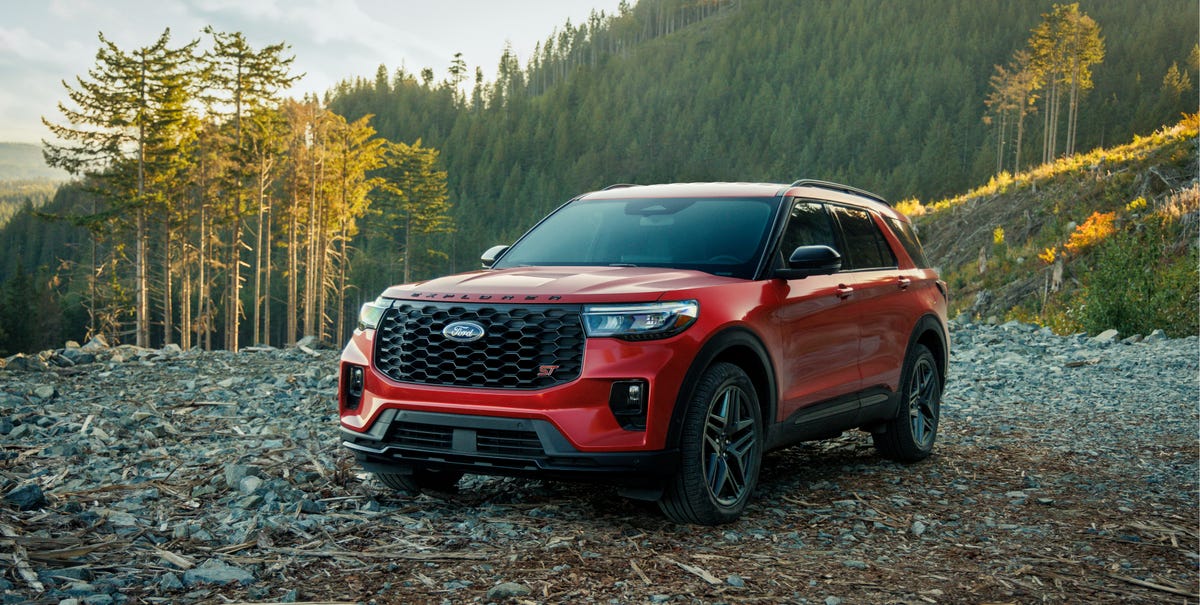
Owning an SUV that can reliably tow a small utility trailer every day requires more than just choosing a powerful vehicle. It involves balancing towing strength, engine durability, transmission cooling, payload limits, braking stability, and long-term reliability.
Many drivers assume that any SUV labeled with a high towing capacity is automatically suitable for daily trailer use, but real-world towing places continuous stress on multiple mechanical systems that go far beyond manufacturer specifications.
Small utility trailers are commonly used for construction tools, motorcycles, farming supplies, or light commercial hauling. While these trailers are not extremely heavy, daily towing demands consistent torque delivery, stable suspension performance, and strong thermal management systems. Without these, even a well-rated SUV may experience faster wear, reduced fuel efficiency, and handling instability.
When selecting an SUV for daily towing, it is important to understand three core factors. First is towing capacity, which defines the maximum weight a vehicle can pull.
Second is payload capacity, which includes passengers, cargo, and tongue weight from the trailer. Third is drivetrain configuration, which influences traction and stability, especially under load. Vehicles with all-wheel drive or four-wheel drive systems typically offer better grip and control when towing on uneven roads or wet surfaces.
Another key consideration is engine type. Turbocharged engines, V6 and V8 powertrains, and modern hybrid systems all provide different towing characteristics. Diesel engines, though less common today, still offer strong low-end torque ideal for constant hauling. Cooling systems and transmission tuning also play a major role in maintaining performance during repeated towing cycles.
Drivers who tow daily should also consider suspension design. Body-on-frame SUVs often perform better under continuous load compared to unibody crossovers, due to their increased rigidity and durability. However, modern crossovers have significantly improved, offering comfortable rides while still maintaining respectable towing capability for small trailers.
Safety technology is equally important. Features such as trailer sway control, integrated trailer brake controllers, blind spot monitoring, and adaptive cruise control make daily towing safer and less stressful. These systems help stabilize the vehicle, especially when driving at highway speeds or in windy conditions.
Finally, long-term maintenance costs should not be overlooked. Frequent towing increases wear on brakes, tires, transmission fluid, and engine components. Choosing an SUV known for reliability can reduce downtime and maintenance expenses over time.
This article presents ten of the best SUVs suitable for owners who tow small utility trailers every day. Each model has been selected based on towing strength, durability, real-world performance, and suitability for continuous towing workloads.
1. Toyota 4Runner
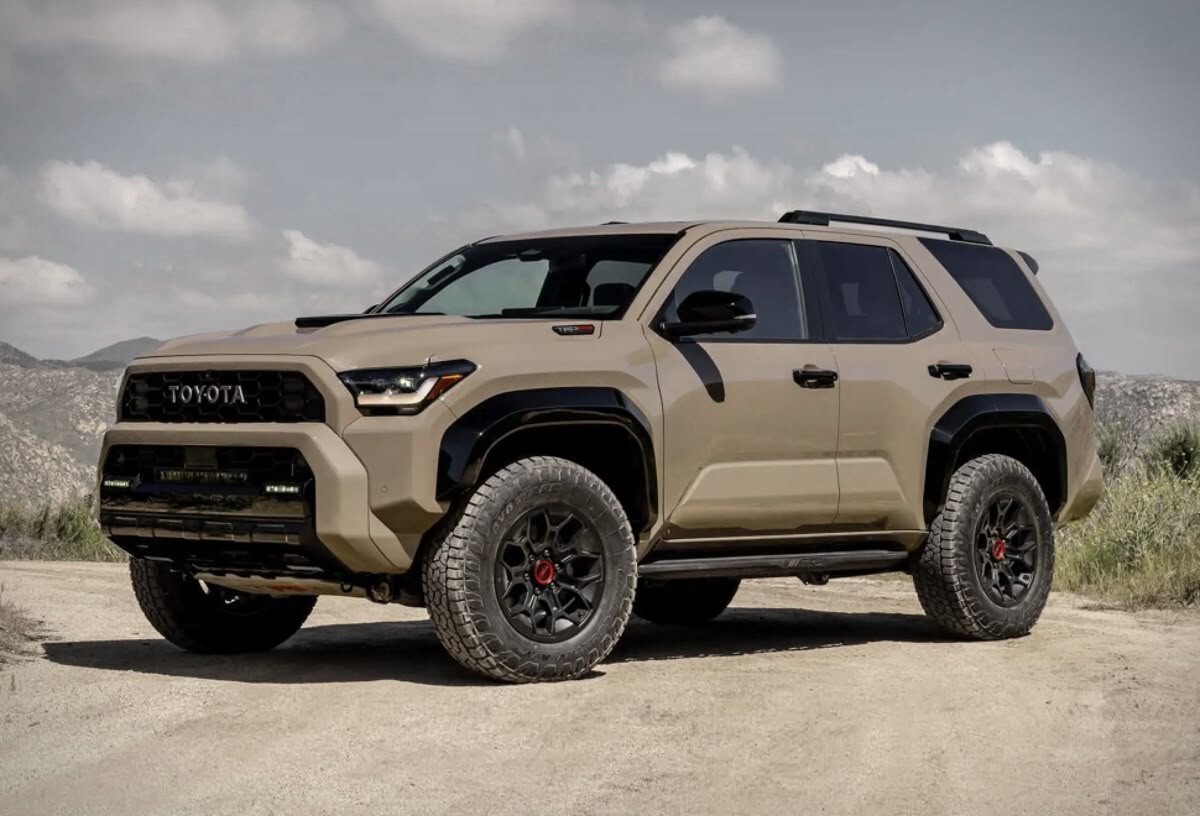
The Toyota 4Runner is one of the most trusted body-on-frame SUVs when it comes to consistent towing performance over long periods. It is built on a rugged platform designed for durability rather than comfort-focused driving dynamics, which makes it especially suitable for owners who tow small utility trailers every day.
Its 4.0L V6 engine is naturally aspirated, meaning it delivers power in a predictable and linear way without relying on turbocharging. This is an advantage for towing because it reduces mechanical stress and provides steady torque output during low-speed hauling situations such as starting on inclines or maneuvering in tight job sites.
The suspension system in the 4Runner is another major strength. It uses a traditional setup designed for off-road conditions, which translates into excellent stability when handling uneven loads.
Another important factor is drivetrain reliability. The 4Runner’s part-time four-wheel-drive system provides strong traction when needed, especially on dirt roads, construction zones, or wet surfaces. This makes it highly dependable for users who operate in mixed environments.
While fuel efficiency is not its strongest point, the trade-off comes in the form of mechanical longevity and reduced maintenance complexity, which is highly valuable for daily towing routines.
In terms of towing stability, the 4Runner benefits from a relatively low-end torque curve that makes trailer movement predictable. Even when fully loaded, the vehicle does not struggle with sudden gear shifts or power drops.
This consistency is critical for drivers who tow every day, as it reduces fatigue and improves safety over long distances. The braking system is also strong enough to handle repeated stops with a loaded trailer, although adding an aftermarket trailer brake controller can further improve control.
The Toyota 4Runner remains one of the most dependable SUVs for users who prioritize long-term durability and consistent towing ability over luxury or fuel efficiency. It is especially well-suited for rural work, construction use, and utility-based hauling where reliability matters more than comfort.
2. Jeep Grand Cherokee
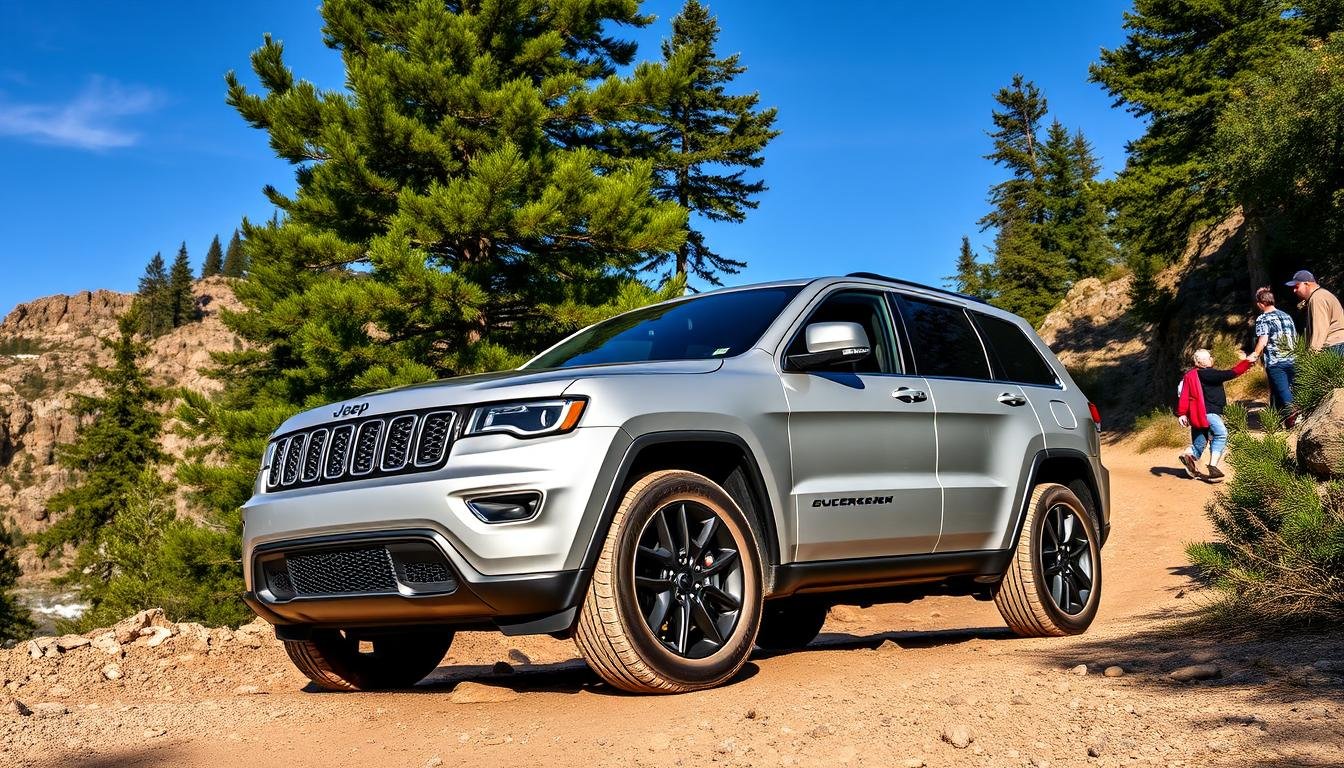
The Jeep Grand Cherokee is designed to offer a blend of comfort, performance, and towing capability, making it a strong choice for users who need an SUV that can handle small utility trailers on a daily basis while still functioning as a refined passenger vehicle.
One of the strongest aspects of the Grand Cherokee is its advanced drivetrain system. It offers multiple four-wheel-drive configurations that adjust torque distribution based on road conditions. This is particularly useful when towing in unpredictable weather or on uneven terrain.
The system improves grip and reduces wheel slip, which is essential when starting from a stop with a loaded trailer or navigating slippery surfaces. The suspension is also carefully tuned to balance comfort and load stability, meaning drivers can tow for long hours without experiencing excessive vibration or harshness.
Another major advantage is its integrated towing technology. Features such as trailer sway control, hill start assist, and optional air suspension contribute to a more stable towing experience.
The air suspension system, in particular, helps level the vehicle when a trailer is attached, improving both handling and braking performance. This level of control is especially useful for daily towing operations where consistency and safety are priorities.
Inside the cabin, the Grand Cherokee offers a more refined driving experience compared to traditional rugged SUVs. High-quality seating, improved sound insulation, and modern infotainment systems make long towing trips more comfortable. This is important for users who spend significant time on the road traveling between job sites or transporting equipment across regions.
While it may not be as mechanically simple as the Toyota 4Runner, the Jeep Grand Cherokee compensates with advanced technology, stronger road comfort, and flexible performance characteristics. It is best suited for users who want a balance between everyday driving comfort and dependable towing capability.
3. Ford Explorer
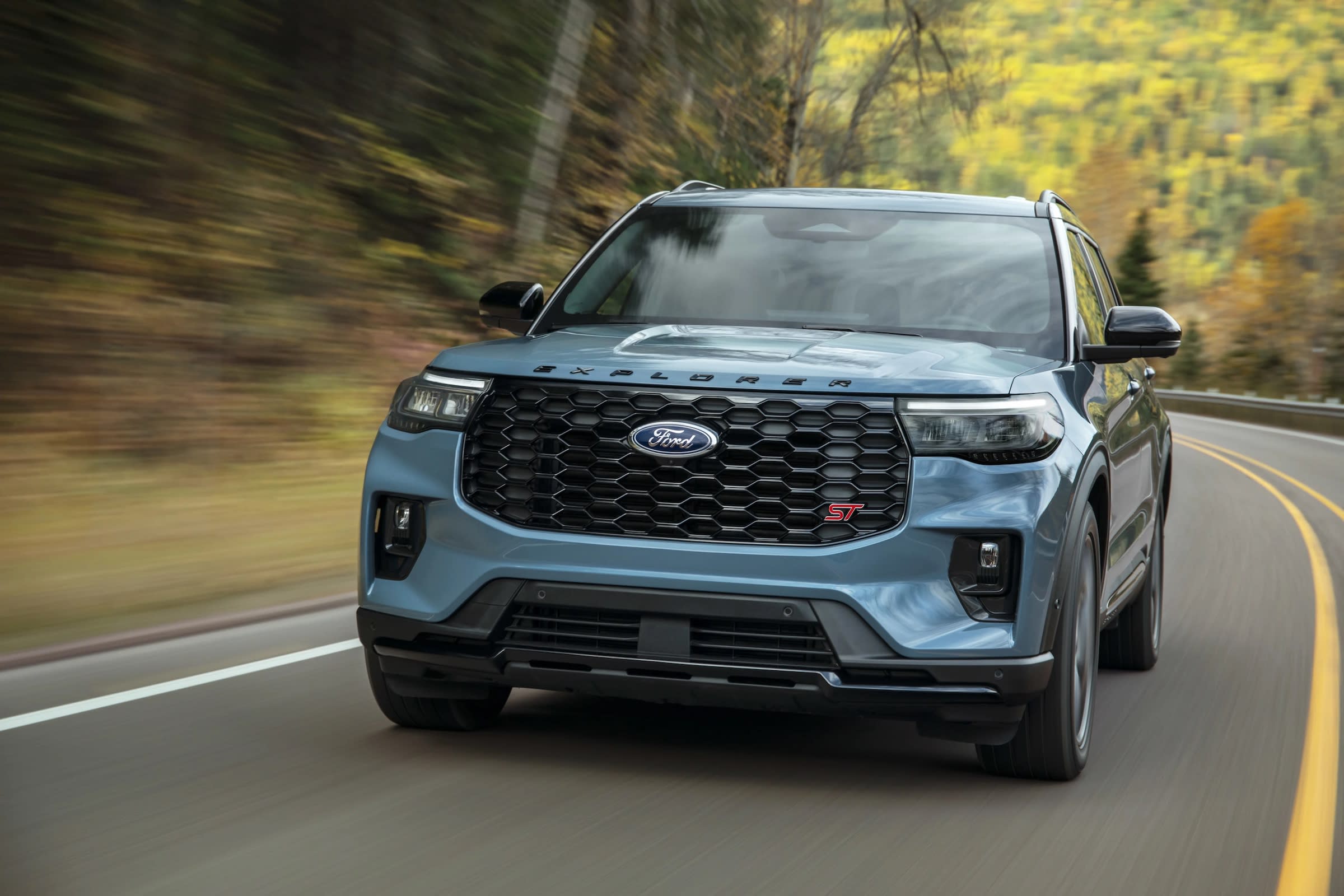
The Ford Explorer is one of the most popular midsize SUVs used for towing small utility trailers in both commercial and personal applications. Its modern platform and turbocharged engine options give it a strong advantage in delivering torque at lower RPMs, which is essential for towing tasks that involve frequent stops, starts, and low-speed maneuvering.
Unlike naturally aspirated engines that build power gradually, the Explorer’s turbocharged systems provide immediate torque response, making it easier to handle loaded trailers in urban environments or job sites with limited space.
One of the key strengths of the Explorer is its advanced transmission system. The 10-speed automatic gearbox is designed to optimize engine efficiency and maintain smooth gear transitions under load.
This reduces strain on the engine and improves fuel efficiency during towing, which is important for users who tow daily. The transmission also helps maintain stable power delivery on highways, reducing the likelihood of gear hunting when climbing hills or maintaining steady speeds with a trailer attached.
The suspension system in the Explorer is engineered for both comfort and load handling. While it is not a body-on-frame SUV, it uses a reinforced unibody structure that provides good rigidity under towing conditions.
This allows it to handle small utility trailers without excessive body roll or instability. The steering system is also responsive, giving drivers better control when reversing or aligning trailers in tight spaces.
Another advantage is its suite of towing assistance technologies. Features like blind spot monitoring with trailer coverage, integrated trailer brake controller options, and stability control systems significantly improve safety during towing. These systems actively help correct sway and maintain directional stability, which is especially useful in windy conditions or highway driving.
Inside the cabin, the Ford Explorer offers ample space for both passengers and equipment. This makes it a practical choice for contractors, field workers, and families who need a dual-purpose vehicle. Its modern infotainment system and driver-assist features also reduce fatigue during long towing routes.
The Ford Explorer is a strong all-rounder that combines modern performance engineering with practical towing capability, making it ideal for daily small trailer operations.
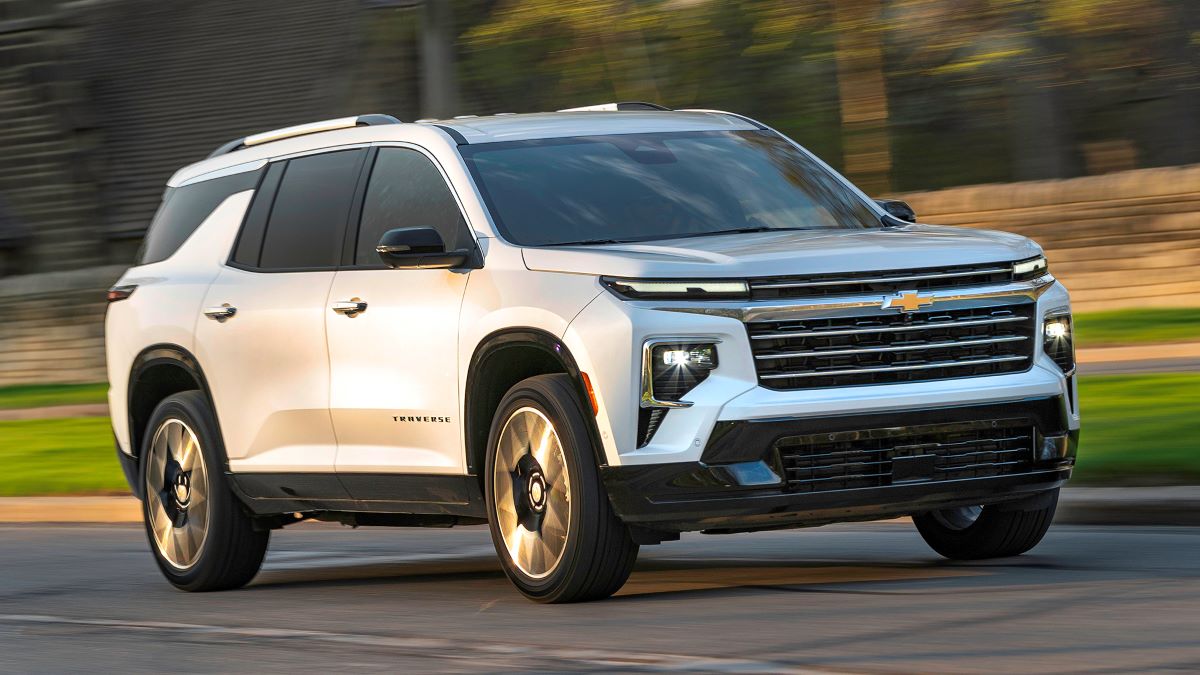
4. Chevrolet Traverse
The Chevrolet Traverse is a midsize SUV that focuses heavily on interior space and comfort while still offering adequate towing capability for small utility trailers.
It is powered by a V6 engine that delivers smooth and consistent power, making it suitable for light commercial use such as transporting equipment, supplies, or small loads between job sites. While it is not designed for heavy-duty towing, it performs reliably within its rated limits when used consistently for lighter trailer applications.
One of the biggest advantages of the Traverse is its interior capacity. Even when towing, it provides one of the largest cargo areas in its class, allowing users to carry additional tools and materials inside the vehicle itself.
This makes it highly practical for tradespeople who need both towing capability and interior storage space. The flat load floor and flexible seating arrangements also make it easier to organize equipment efficiently.
The suspension system in the Traverse is tuned primarily for comfort, which is beneficial for long-distance driving. While this means it is not as rigid as body-on-frame SUVs, it still maintains stability when towing small trailers. The vehicle handles weight distribution reasonably well, especially when the trailer is properly balanced. However, it is best suited for lighter loads rather than continuous heavy hauling.
In terms of driving performance, the V6 engine provides smooth acceleration and predictable power delivery. This is important for maintaining control during towing, especially in stop-and-go traffic conditions. The transmission is tuned to prioritize comfort, which reduces jerky gear shifts and improves driving experience when towing.
Safety and driver assistance features also enhance its towing usability. Stability control systems and rearview camera assistance help improve trailer alignment and reversing accuracy. These features are particularly useful for less experienced drivers who may struggle with trailer positioning.
The Chevrolet Traverse is best suited for users who need occasional or light daily towing combined with strong interior space and comfort-focused driving dynamics.
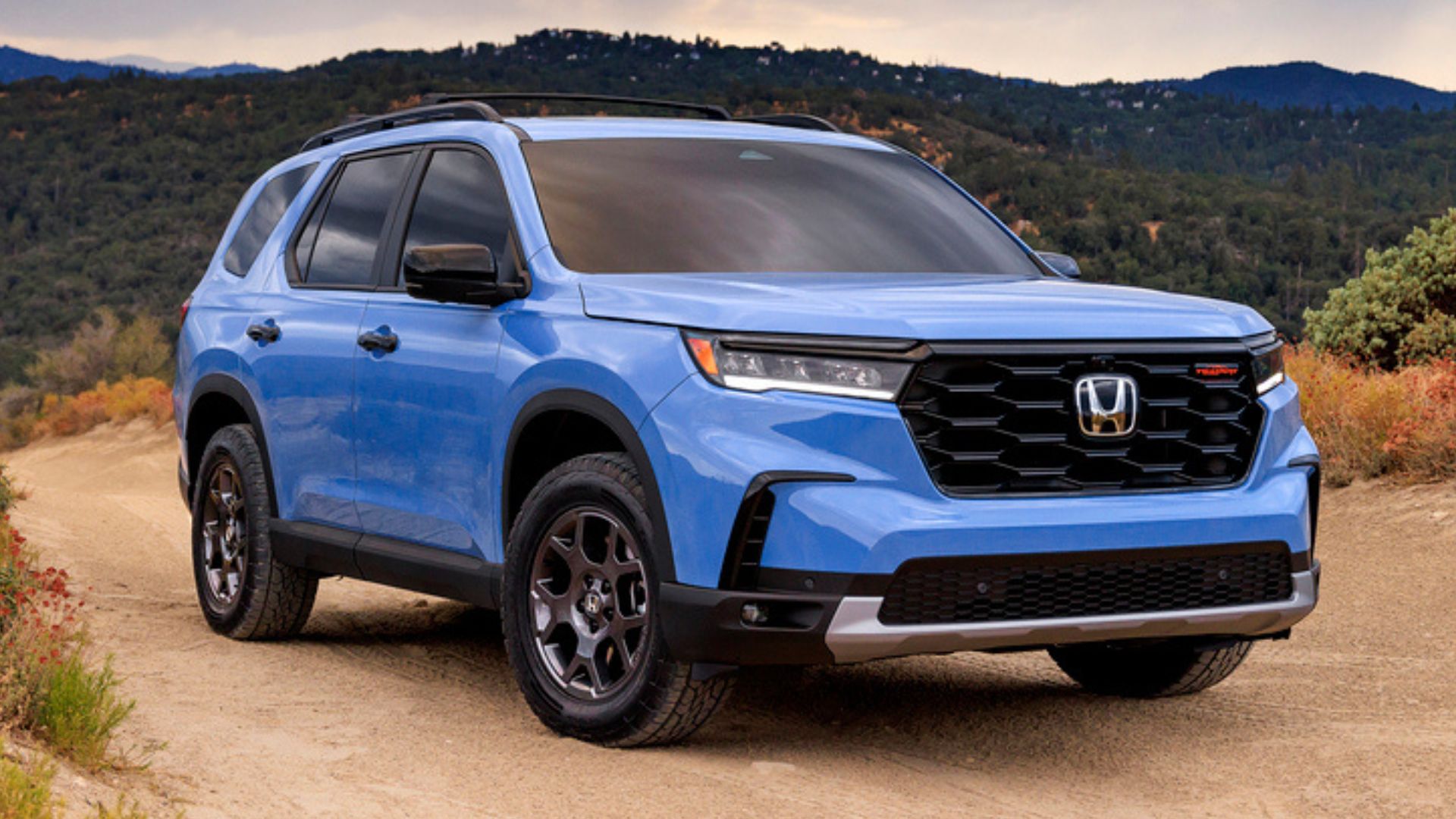
5. Honda Pilot
The Honda Pilot is widely recognized for its long-term reliability and practical engineering, making it a dependable choice for users who tow small utility trailers on a regular basis. It is powered by a naturally aspirated V6 engine that delivers steady and predictable performance, which is ideal for towing because it avoids sudden power surges or lag.
This makes the Pilot especially suitable for drivers who prioritize smooth handling and mechanical consistency over aggressive performance.
One of the strongest aspects of the Pilot is its all-wheel-drive system. It enhances traction on wet, uneven, or loose surfaces, which is important when towing in varied weather conditions or rural environments. The system automatically adjusts torque distribution to maintain stability, making it easier to control the vehicle when pulling a loaded trailer on inclines or slippery roads.
The suspension system in the Pilot is tuned for comfort but reinforced enough to handle moderate towing loads. It provides a stable and controlled ride, reducing bounce and sway when driving over rough surfaces. This is particularly important for daily towing routines where road conditions may vary significantly.
Inside the cabin, the Pilot offers a spacious and comfortable environment. This is beneficial for users who spend long hours driving between locations. The seating design reduces fatigue, while the interior layout provides easy access to controls and storage compartments.
Safety features also play a major role in its towing performance. Systems like lane-keeping assist, adaptive cruise control, and trailer stability support improve driving confidence. These technologies help maintain control during highway towing and reduce the risk of trailer sway during sudden wind gusts or lane changes.
The Honda Pilot is a practical and reliable SUV for users who need consistent towing performance combined with comfort, safety, and long-term dependability.
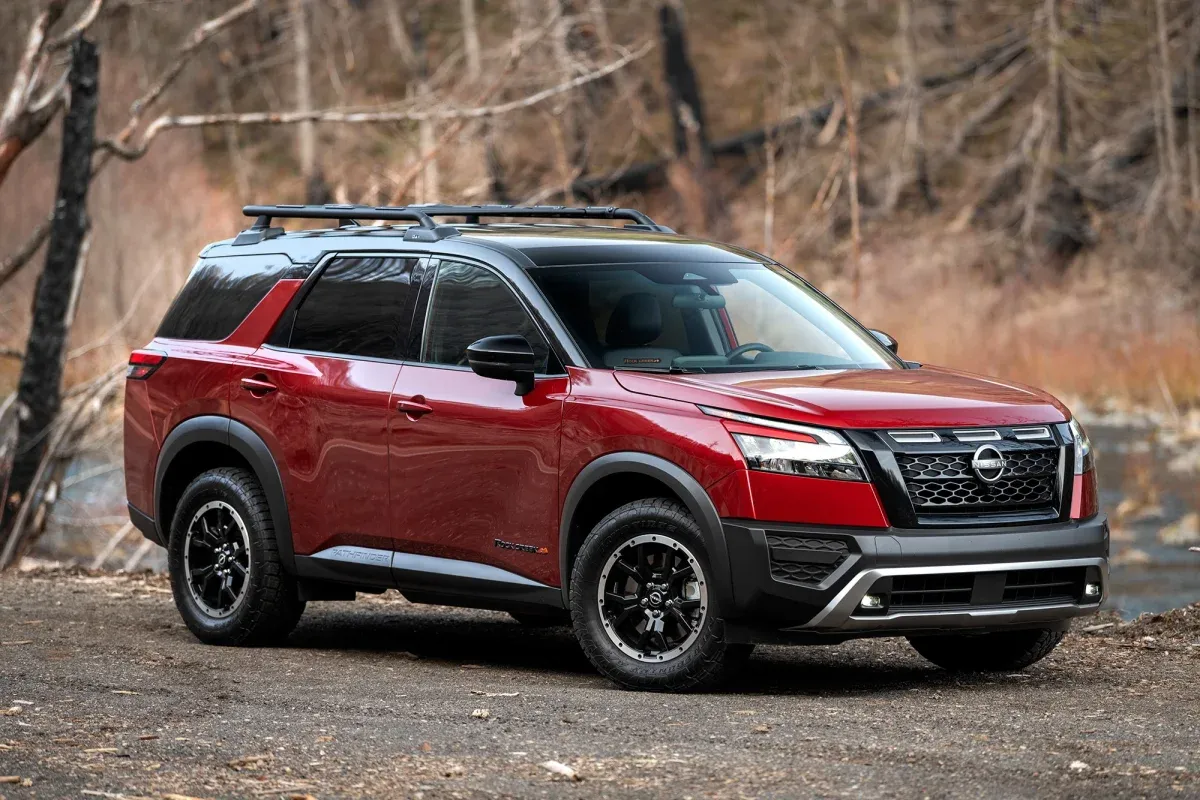
6. Nissan Pathfinder
The Nissan Pathfinder has evolved significantly in recent generations, shifting from a traditional rugged SUV toward a more refined and technologically advanced vehicle while still maintaining solid towing capability for small utility trailers.
It is powered by a modern V6 engine paired with an updated automatic transmission that prioritizes smooth power delivery and improved towing efficiency. This combination makes it particularly suitable for users who tow daily but also want a comfortable and easy-to-drive SUV for non-working hours.
The engine is tuned to provide steady mid-range torque, which is essential for maintaining control when hauling loaded trailers through traffic, inclines, or long highway stretches.
One of the key strengths of the Pathfinder is its refined transmission system. The continuously improved automatic gearbox is designed to minimize shift shock and maintain consistent power flow under load. This reduces wear on drivetrain components and helps improve fuel efficiency during repetitive towing cycles.
For users who tow small utility trailers every day, this smoother transmission behavior translates into reduced fatigue and better long-term reliability of the powertrain. It also helps maintain stability when transitioning between city driving and highway speeds.
The all-wheel-drive system in the Pathfinder adds another layer of towing confidence. It automatically adjusts torque distribution to enhance traction when road conditions change suddenly, such as wet pavement, gravel paths, or uneven construction sites.
This is especially important for trailer towing, where loss of traction during acceleration can create instability. The system helps maintain alignment between the SUV and trailer, reducing sway risk and improving directional control in real-world working conditions.
Comfort is another strong area for the Pathfinder. The suspension is tuned to absorb road imperfections while still supporting moderate towing loads. This makes it a practical option for drivers who spend long hours on the road moving between job sites or transporting equipment.
The interior is also designed with ergonomics in mind, offering supportive seating and intuitive controls that reduce driver fatigue during extended towing sessions.
The Nissan Pathfinder is a strong choice for users who want a modern SUV that combines smooth driving dynamics, reliable towing capability, and everyday comfort. It is especially suited for light commercial use where consistency and ease of operation matter as much as raw towing power.
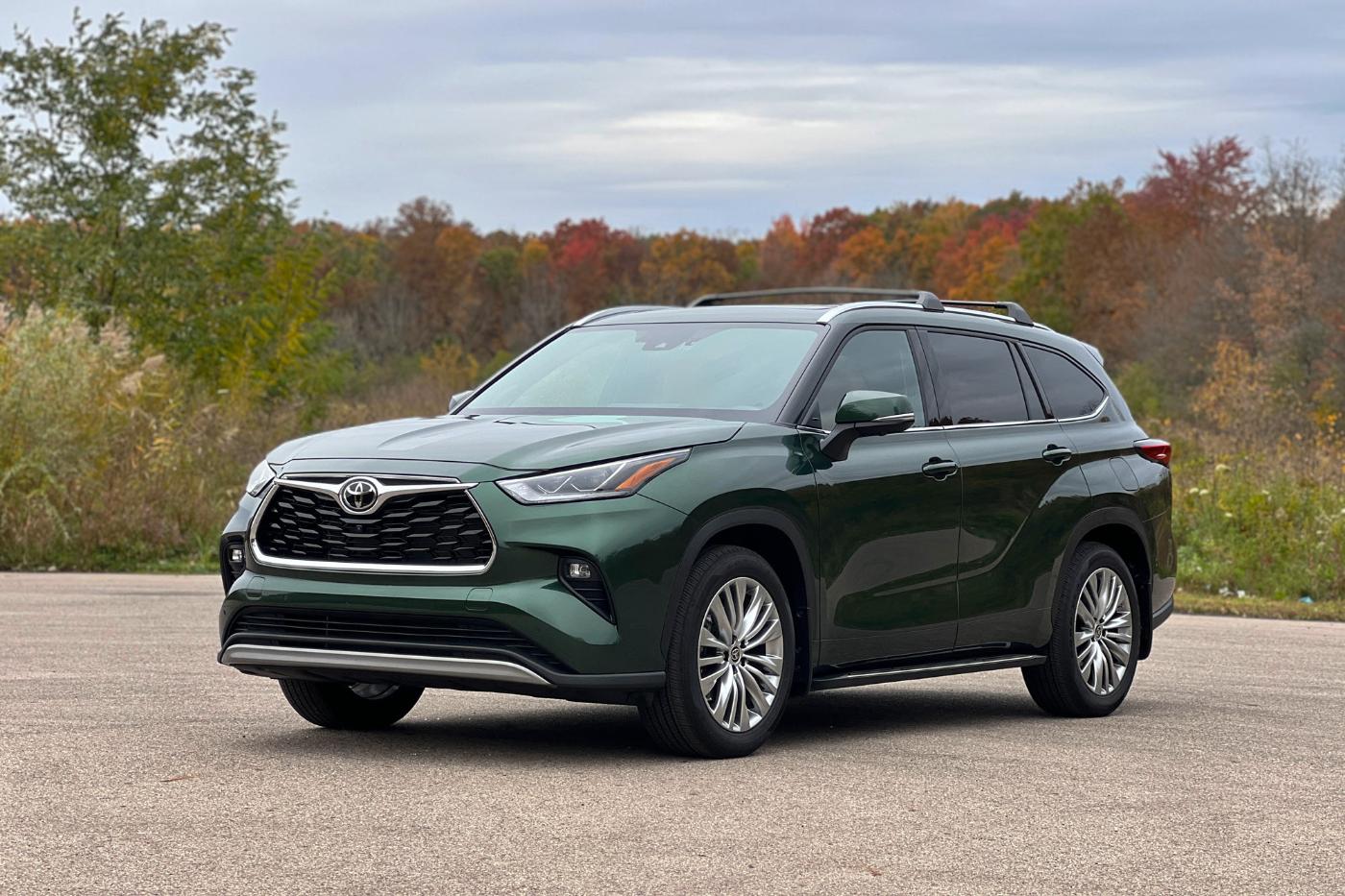
7. Toyota Highlander
The Toyota Highlander is a midsize SUV that emphasizes fuel efficiency, reliability, and practicality while still offering sufficient towing capability for small utility trailers.
One of the most important advantages of the Highlander is its focus on long-term reliability. Toyota’s engineering philosophy prioritizes durability and low maintenance requirements, which makes the Highlander a strong candidate for users who tow regularly but want to minimize repair costs and downtime.
The drivetrain is designed to operate efficiently under varying loads, ensuring that the vehicle remains stable and dependable even when used frequently for towing.
The suspension system in the Highlander is tuned for comfort and stability rather than aggressive load handling. While this means it is not designed for heavy towing, it performs well within its intended limits when handling small utility trailers.
The chassis provides good balance and reduces excessive body movement, helping maintain control during highway driving or when navigating uneven terrain. This makes it suitable for users who prioritize smooth driving experience alongside moderate towing capability.
The available all-wheel-drive system improves traction and handling under load. It automatically distributes power to the wheels that need it most, enhancing stability when starting from a stop with a trailer attached or driving on slippery surfaces. This feature is especially useful for users operating in regions with seasonal weather changes or mixed road conditions.
Inside the cabin, the Highlander offers a refined and spacious environment. It is designed for comfort, with well-cushioned seating and a quiet interior that reduces fatigue during long driving sessions. This makes it a practical choice for users who combine family transportation with light towing duties.
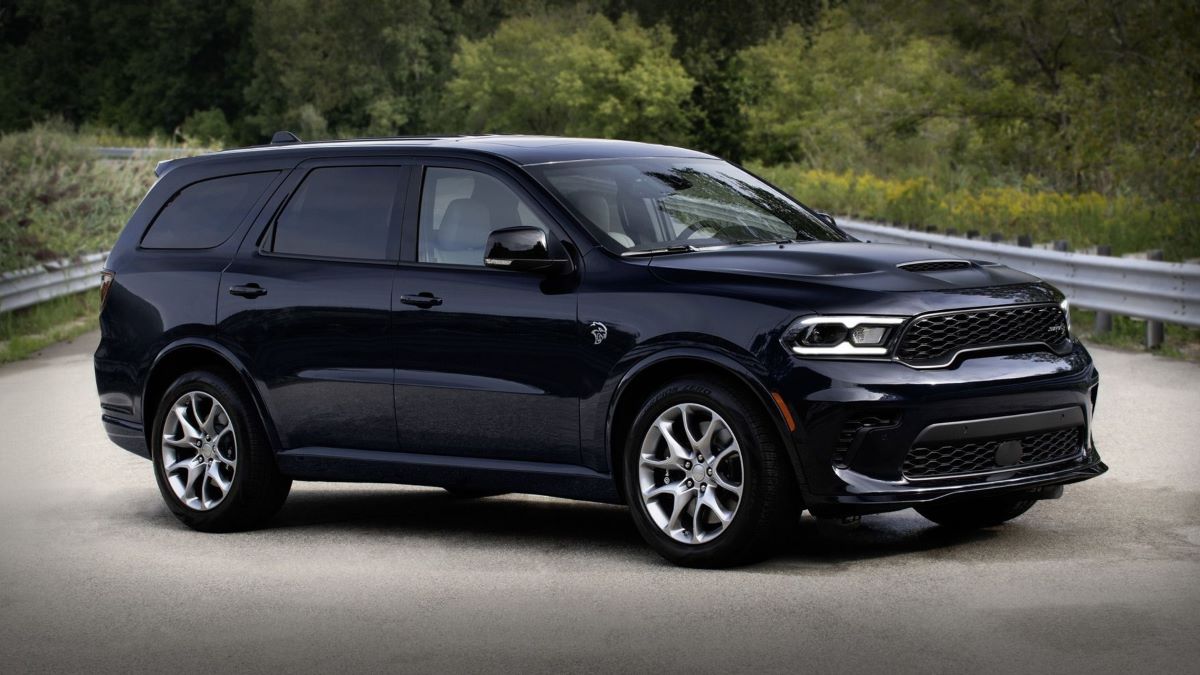
8. Dodge Durango
The Dodge Durango stands out in the midsize SUV segment due to its strong engine options and rear-wheel-based platform, which gives it a significant advantage in towing performance.
It is one of the few SUVs in its class that offers V8 engine configurations, allowing it to deliver high torque output that is particularly useful when towing heavier small utility trailers on a daily basis. This makes it a popular choice among users who need consistent towing strength without stepping up to a full-size SUV.
The Durango’s powertrain is engineered for strong acceleration under load. Its engines are designed to deliver torque at lower RPMs, which helps maintain control when starting from a stop with a loaded trailer.
This low-end torque is especially important in real-world towing conditions, where drivers often encounter inclines, uneven roads, or frequent stop-and-go traffic. The transmission is also tuned to handle high torque levels efficiently, reducing strain during repeated towing cycles.
Another major strength of the Durango is its rear-wheel-drive based architecture. This design improves weight distribution and towing stability, making it more predictable when pulling trailers at highway speeds.
The vehicle feels more planted under load compared to many front-wheel-drive based SUVs, which enhances driver confidence during long-distance towing. This stability is further improved by electronic traction and stability control systems that actively reduce trailer sway.
The suspension system is designed to balance performance and comfort. While it provides a firm ride compared to softer SUVs, this firmness contributes to better load handling and reduced body roll when towing. This makes the Durango particularly suitable for users who prioritize towing performance over ride softness.
Inside, the Durango offers a spacious and well-equipped cabin with modern technology features. This ensures that even long towing trips remain comfortable and manageable. It also includes advanced towing assistance features such as trailer sway control and integrated brake support systems, which improve safety during demanding towing conditions.
The Dodge Durango is ideal for users who regularly tow heavier small utility trailers and need a strong, stable SUV with high torque capacity and excellent highway towing confidence.
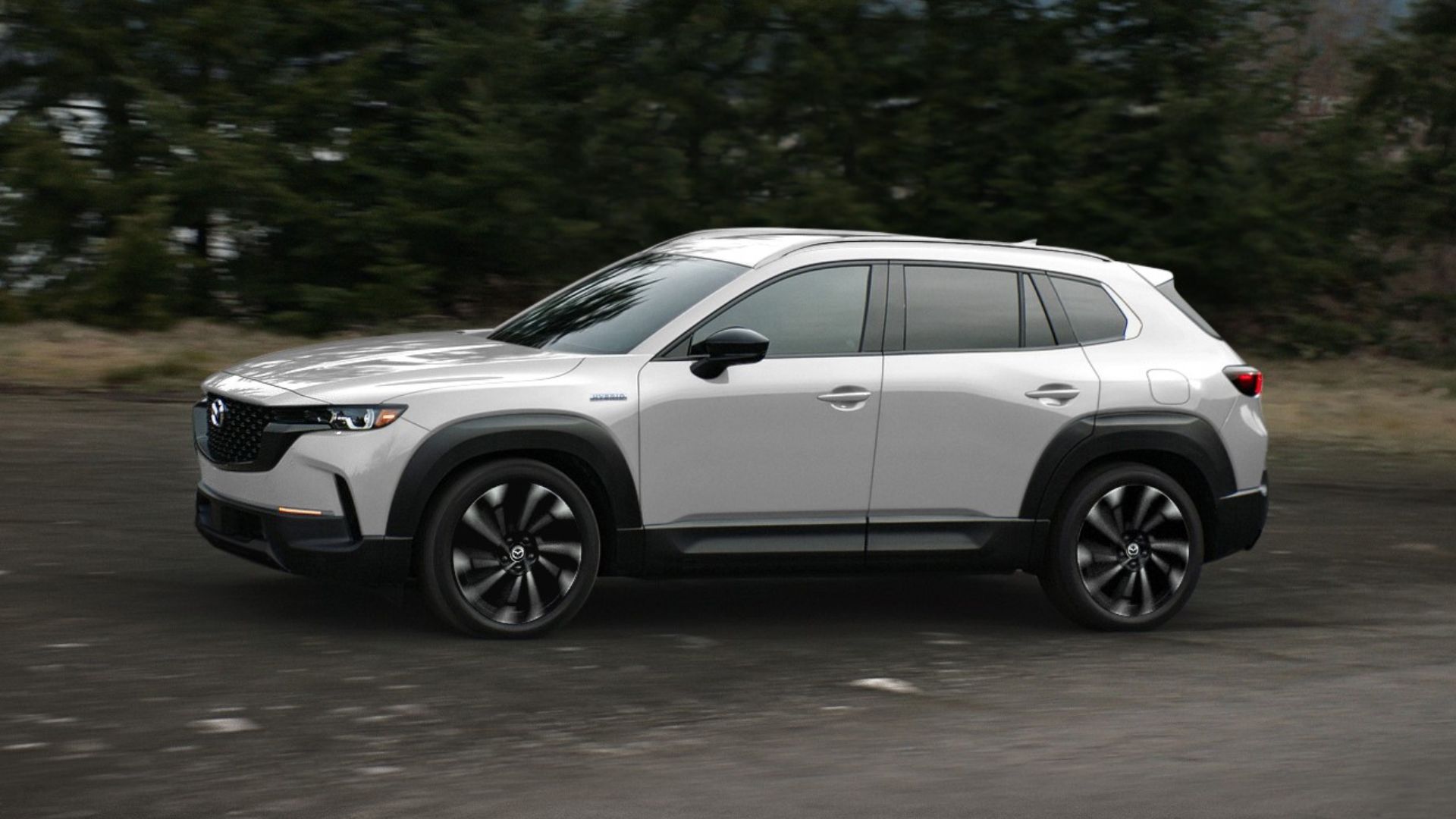
9. Mazda CX-50
The Mazda CX-50 is designed with a focus on driving precision, handling stability, and refined performance, making it a unique option in the compact SUV segment for light towing applications.
While it is not a heavy-duty towing vehicle, it offers enough capability to handle small utility trailers when properly equipped. Its turbocharged engine delivers strong mid-range torque, which is particularly useful for maintaining smooth acceleration under load without excessive strain on the engine.
One of the key strengths of the CX-50 is its handling dynamics. Mazda has engineered the vehicle to prioritize control and responsiveness, which translates into a more stable and predictable towing experience. When pulling a small trailer, the vehicle maintains excellent directional stability, reducing the likelihood of sway or instability during lane changes or highway driving. This makes it appealing for users who value precision handling in addition to basic towing capability.
The transmission system is tuned to work seamlessly with the turbocharged engine, ensuring smooth gear transitions under load. This reduces stress on the drivetrain and enhances fuel efficiency during towing operations. For daily users who tow light loads, this balance between performance and efficiency is a significant advantage.
The suspension system is another highlight, as it is designed to provide both comfort and control. While it absorbs road imperfections effectively, it also maintains enough firmness to support towing stability. This ensures that the vehicle does not feel overly soft or unstable when a trailer is attached, which is important for maintaining confidence during long drives.
Inside the cabin, the CX-50 offers a premium feel with high-quality materials and ergonomic design. This improves driver comfort during extended towing sessions and reduces fatigue over time. It is particularly suitable for users who combine light towing with daily commuting and personal transportation needs.
The Mazda CX-50 is best suited for users who need a compact SUV with controlled towing dynamics, efficient performance, and strong handling stability for light trailer use.
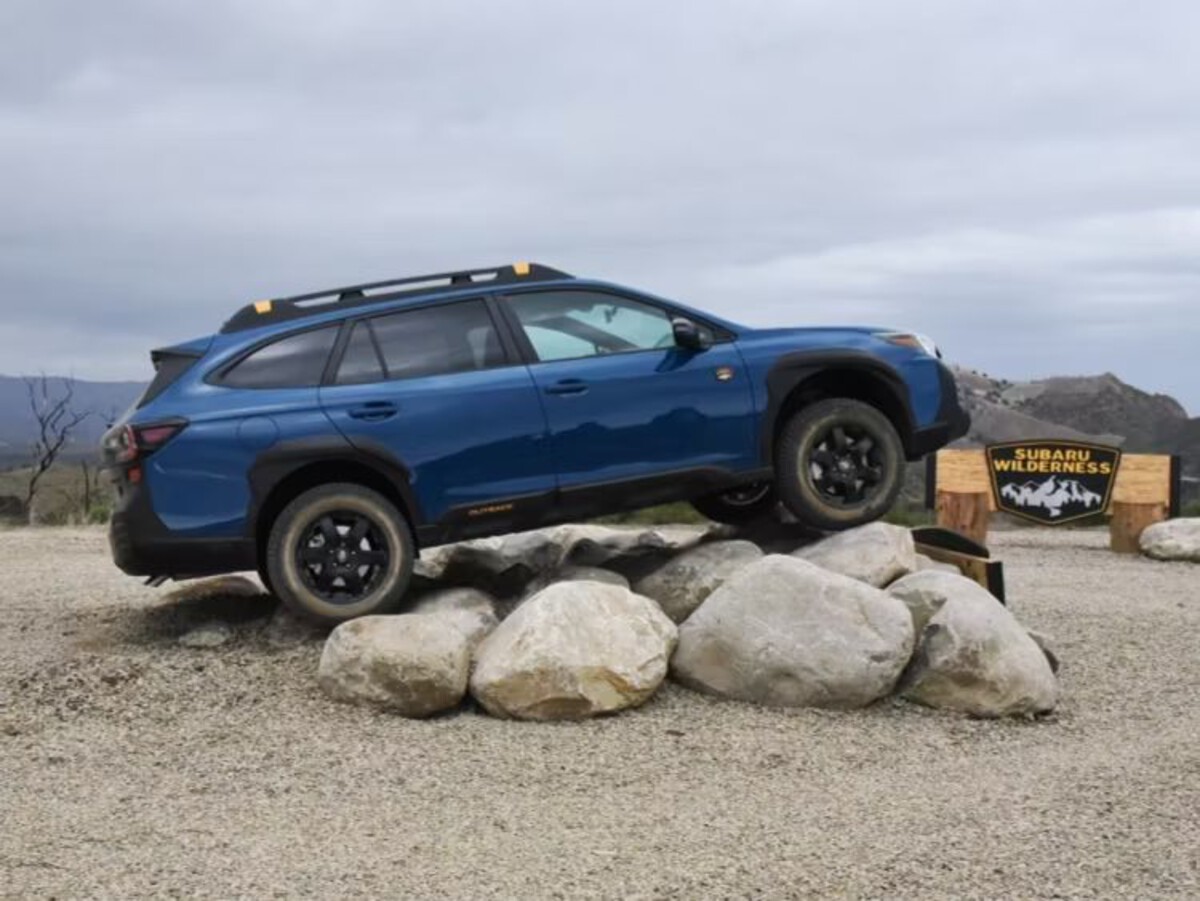
10. Subaru Outback
The Subaru Outback is one of the most practical light-duty towing vehicles available, especially for users who need all-weather capability combined with modest trailer hauling performance.
Although it is technically a wagon-based crossover rather than a traditional SUV, it offers strong utility for small trailer towing due to its standard all-wheel-drive system and balanced chassis design. Its horizontally opposed Boxer engine provides a low center of gravity, which significantly improves stability when towing lightweight utility trailers.
One of the standout features of the Outback is its symmetrical all-wheel-drive system. This system continuously distributes power to all four wheels, providing excellent traction on wet roads, gravel paths, and uneven surfaces.
This is particularly valuable for towing small trailers in rural or outdoor environments where road conditions may be unpredictable. The system helps maintain stability during acceleration and reduces the risk of wheel slip when starting from a stop.
The engine is designed for efficiency and steady performance rather than high output. While this limits its maximum towing capacity compared to larger SUVs, it ensures smooth and controlled power delivery for light-duty towing tasks. This makes it suitable for users who transport small equipment, camping gear trailers, or light utility loads on a regular basis.
The suspension system in the Outback is tuned for comfort and versatility. It provides a smooth ride over rough terrain while still maintaining enough firmness to handle trailer weight without excessive bouncing or instability. This balance makes it ideal for users who frequently switch between city driving and outdoor environments.
Inside the cabin, the Outback offers a practical and spacious layout with durable materials designed for long-term use. The seating is comfortable for long drives, and the interior is designed to support both cargo and passenger needs efficiently.
