
Hybrid vehicles have become one of the most important transitions in modern transportation, sitting between traditional petrol engines and fully electric vehicles. Their appeal is based on fuel efficiency, lower emissions, and reduced running costs.
At the center of this technology is the hybrid battery pack, a high-voltage system that stores and supplies energy to assist the petrol engine. This battery is often the most expensive component in the vehicle and also the most misunderstood.
Most modern hybrid batteries are designed to last a long time, often between 8 to 15 years depending on usage, climate, and maintenance. In many cases, they can exceed 150,000 to 250,000 miles without major issues. The reason behind this durability lies in how they operate.
Unlike electric vehicle batteries that go through full charge cycles, hybrid batteries usually operate in a limited range, often between 40% and 80% charge. This controlled cycling reduces stress and slows down chemical degradation.
Despite this, not all hybrid systems are equally reliable. Some models are known for exceptional longevity, where the battery outlasts the vehicle itself. Others suffer from early degradation due to poor thermal management, aggressive charge cycles, or weaker battery chemistry.
Environmental conditions such as extreme heat or cold also play a major role in battery lifespan. Vehicles operating in hot climates tend to experience faster degradation if cooling systems are not efficient.
Another important factor is manufacturer engineering philosophy. Some automakers prioritize long-term durability and conservative battery usage, while others focus more on performance or cost reduction. This difference leads to wide variations in real-world battery life.
Fleet data, taxi usage reports, and long-term ownership studies consistently show that some hybrid models can operate for decades with minimal battery issues, while others require expensive replacements within a short time.
This article examines both sides of that spectrum. It highlights five hybrid vehicles known for extremely long-lasting, highly durable battery systems that often exceed expectations, sometimes even lasting the lifetime of the car.
It also examines five hybrid models that are known to experience battery degradation or system failures before reaching 10 years of use. The goal is to provide a realistic, balanced understanding of which hybrid systems are dependable and which ones require careful consideration before purchase.
Hybrids With Indestructible Batteries
Toyota Prius
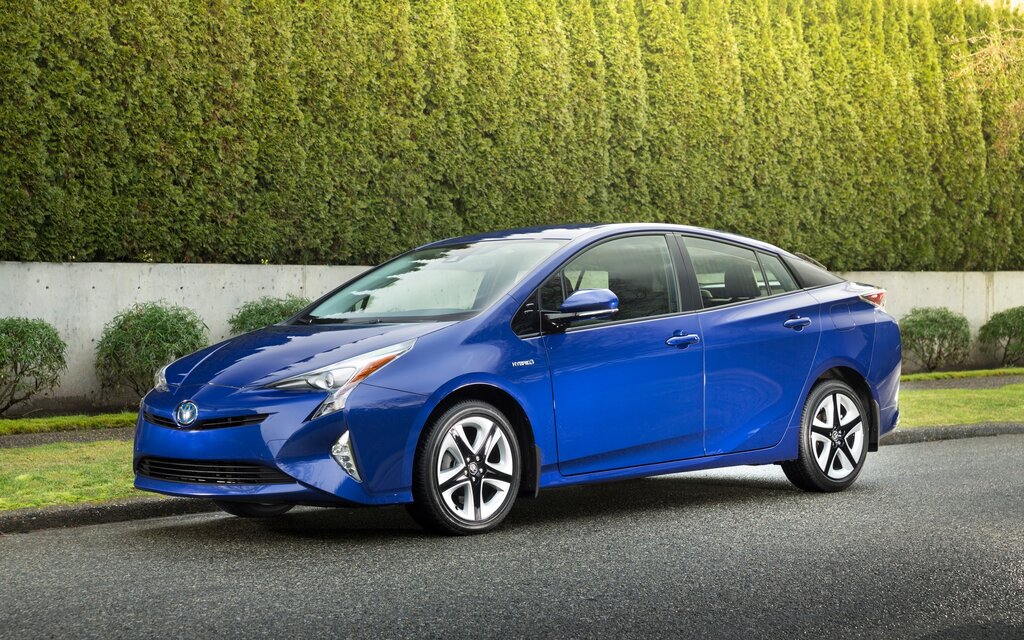
The Toyota Prius is widely regarded as the most dependable hybrid ever produced, especially when it comes to battery longevity. Its success is not accidental but the result of deliberate engineering choices that prioritize durability over aggressive performance.
The hybrid battery in the Prius is managed within a very controlled operating window, meaning it rarely charges to full capacity or discharges too deeply. This conservative cycling dramatically reduces chemical stress inside the battery cells, which is one of the main reasons batteries fail in other vehicles. Because of this design philosophy, the Prius battery often ages very slowly even after years of daily use in demanding conditions.
Real-world data from taxi fleets, ride-sharing drivers, and long-term private owners consistently shows Prius batteries lasting well beyond 200,000 miles, and in many cases even crossing 300,000 miles without needing replacement. In some situations, the battery is still functional while other major components of the car begin to wear out.
This creates a reputation where the hybrid system is no longer the weakest link in the vehicle. Instead, the Prius becomes known for having one of the most balanced long-term ownership profiles in the automotive world, especially in regions where stop-and-go traffic is common.
Another key factor contributing to its battery durability is thermal stability. The Prius uses a relatively simple but effective cooling system that draws air from the cabin and channels it through the battery pack.
While this may seem basic compared to more advanced liquid cooling systems, it is highly effective in maintaining consistent temperatures during normal driving conditions. Temperature stability is extremely important because heat is one of the primary accelerators of battery degradation. By avoiding extreme temperature swings, the Prius ensures that its battery chemistry remains stable over a long period.
The software that manages energy flow in the Prius is also tuned for long-term preservation rather than short-term performance gains. It avoids sudden high loads or deep regenerative braking spikes that could stress the battery cells.
Instead, energy is distributed smoothly between the engine and electric motor, which reduces strain on individual components. This careful balance allows the battery to function more like a supportive system rather than a constantly stressed power source, extending its usable lifespan significantly.
Over time, the Prius has built a global reputation not just as a fuel-efficient car but as a long-term reliability benchmark. Many owners report that even after 10 to 15 years of use, the battery continues to perform within acceptable efficiency ranges.
This consistent real-world performance has made the Prius a reference point for hybrid durability, and it remains one of the strongest examples of a hybrid battery system that can genuinely last the lifetime of the vehicle under normal driving conditions.
Toyota Camry Hybrid
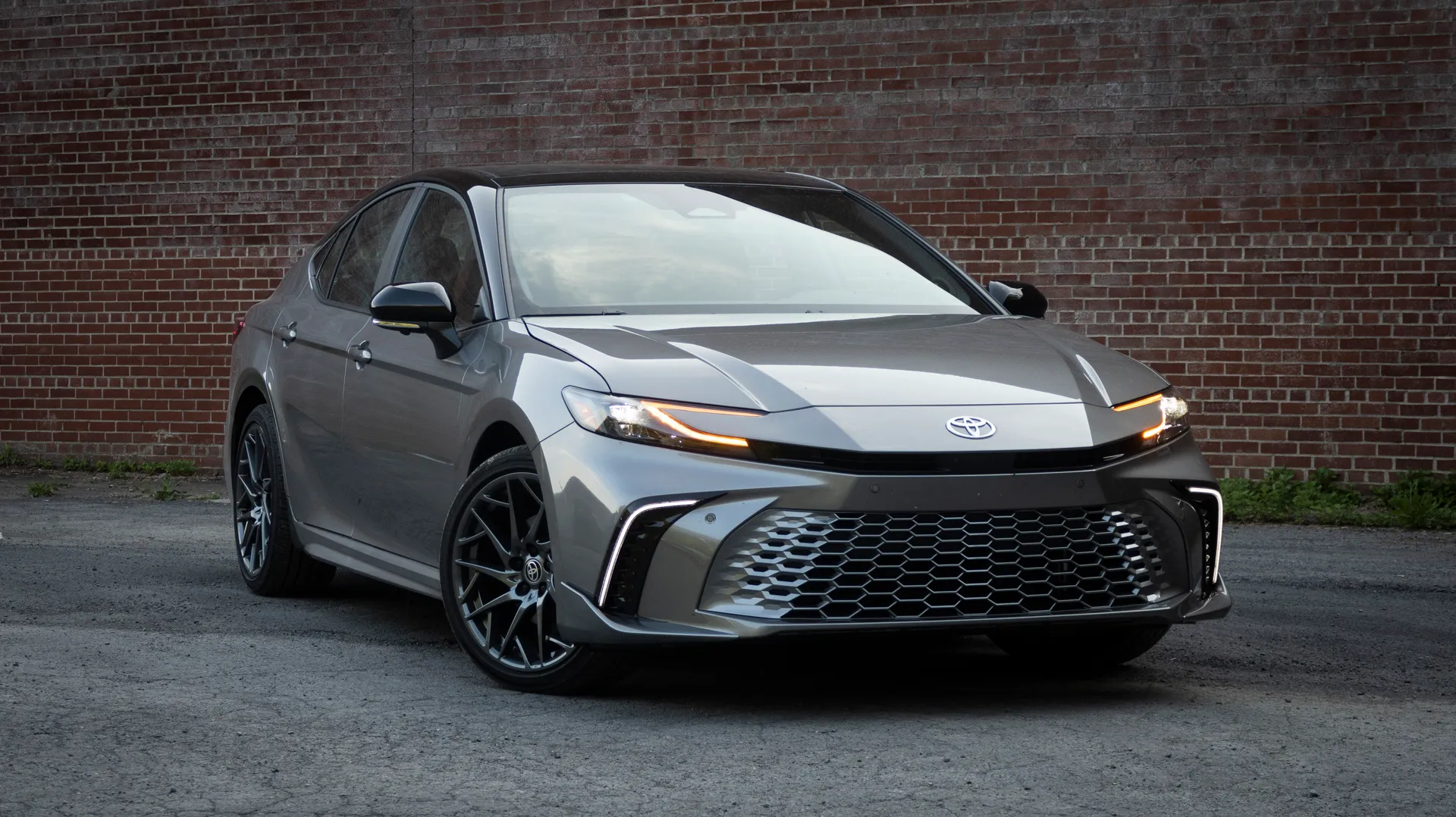
The Toyota Camry Hybrid carries forward the same reliability principles found in the Prius but applies them to a larger and more powerful sedan platform. While the Camry Hybrid offers more interior space and stronger highway performance, its hybrid system is still designed with long-term battery preservation in mind.
The battery is not constantly pushed to deliver maximum output, which helps reduce stress on individual cells. Instead, it functions primarily as a support system for acceleration and efficiency, which keeps its workload relatively moderate compared to performance-oriented hybrids.
In real-world usage, the Camry Hybrid has proven to be extremely durable across different driving environments, including dense city traffic and long highway commutes. Many owners report that the battery maintains strong performance well beyond 150,000 miles, with minimal noticeable drop in fuel efficiency.
Even in high-mileage taxi or ride-share use cases, the battery system tends to remain stable, showing gradual aging rather than sudden failure. This slow degradation pattern is one of the strongest indicators of a well-engineered hybrid battery system.
A major reason for this durability is Toyota’s advanced energy management system. The Camry Hybrid carefully controls how much charge the battery can hold at any given time, ensuring it operates within a safe range.
This prevents extreme charging states that could lead to long-term chemical damage. The system also continuously balances energy distribution between the electric motor and gasoline engine, ensuring that neither component is overworked. This balance is crucial in extending both battery life and drivetrain durability.
Thermal management also plays a significant role in the Camry Hybrid’s long lifespan. The cooling system is designed to handle sustained operation under heavy traffic conditions, where heat buildup can be a major issue.
By keeping the battery within an optimal temperature range, the system reduces the risk of overheating, which is one of the leading causes of premature battery wear in hybrid vehicles. This makes the Camry Hybrid especially reliable in warm climates where thermal stress is a concern.
Over time, the Camry Hybrid has become a preferred choice for drivers who want a practical, fuel-efficient sedan without worrying about expensive battery replacement costs.
Its combination of conservative battery usage, strong thermal control, and proven hybrid architecture makes it one of the most dependable mid-size hybrids available, capable of maintaining battery health for many years under regular driving conditions.
Toyota RAV4 Hybrid
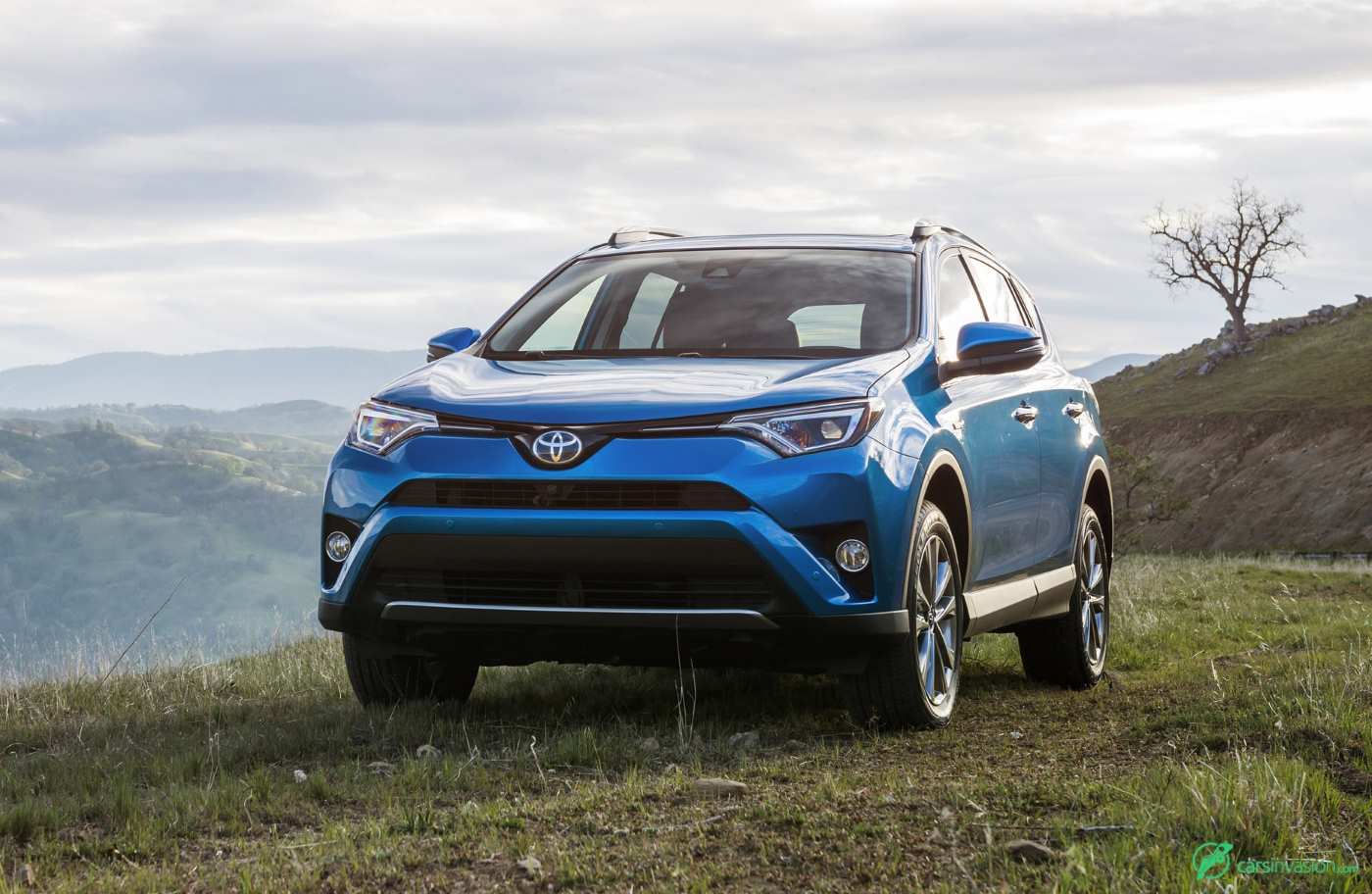
The Toyota RAV4 Hybrid represents one of the most durable hybrid SUV systems currently available, combining Toyota’s proven hybrid technology with a modern SUV platform. One of the key strengths of this vehicle is how evenly it distributes power demand across multiple electric motors and the gasoline engine.
In all-wheel-drive versions, the rear electric motor independently assists traction, reducing the burden on the front motor and battery system. This distribution of workload helps prevent excessive strain on any single component, which contributes directly to long-term battery stability.
Owners of the RAV4 Hybrid frequently report that the vehicle maintains consistent performance even after extended periods of heavy use, including family travel, urban commuting, and highway driving.
In many cases, the battery system continues to operate efficiently beyond 150,000 miles with minimal noticeable degradation. The gradual wear pattern is similar to other Toyota hybrids, where performance declines slowly over time rather than failing suddenly. This predictable behavior is highly valued in long-term ownership situations.
One of the major improvements in the RAV4 Hybrid compared to older hybrid SUVs is its more advanced thermal management system. The battery is better insulated and more effectively cooled, allowing it to operate under a wider range of environmental conditions.
This is particularly important for SUV users who often drive in varied climates, including hot summers and cold winters. By maintaining stable internal temperatures, the battery chemistry remains more stable, which extends lifespan significantly.
The RAV4 Hybrid also benefits from modern lithium-ion battery technology in newer models, which offers improved energy density and better resistance to repeated charging cycles. Unlike older nickel-metal hydride systems, lithium-ion packs can handle higher energy loads more efficiently while maintaining long-term stability when properly managed.
Toyota’s conservative tuning ensures that even this more advanced chemistry is not pushed to its limits, which further enhances durability.
Over the years, the RAV4 Hybrid has established itself as one of the most reliable hybrid SUVs in terms of battery longevity. Its combination of balanced power distribution, improved cooling systems, and conservative battery management allows it to maintain strong performance over long distances. This makes it an ideal choice for drivers who want SUV capability without sacrificing long-term hybrid reliability.
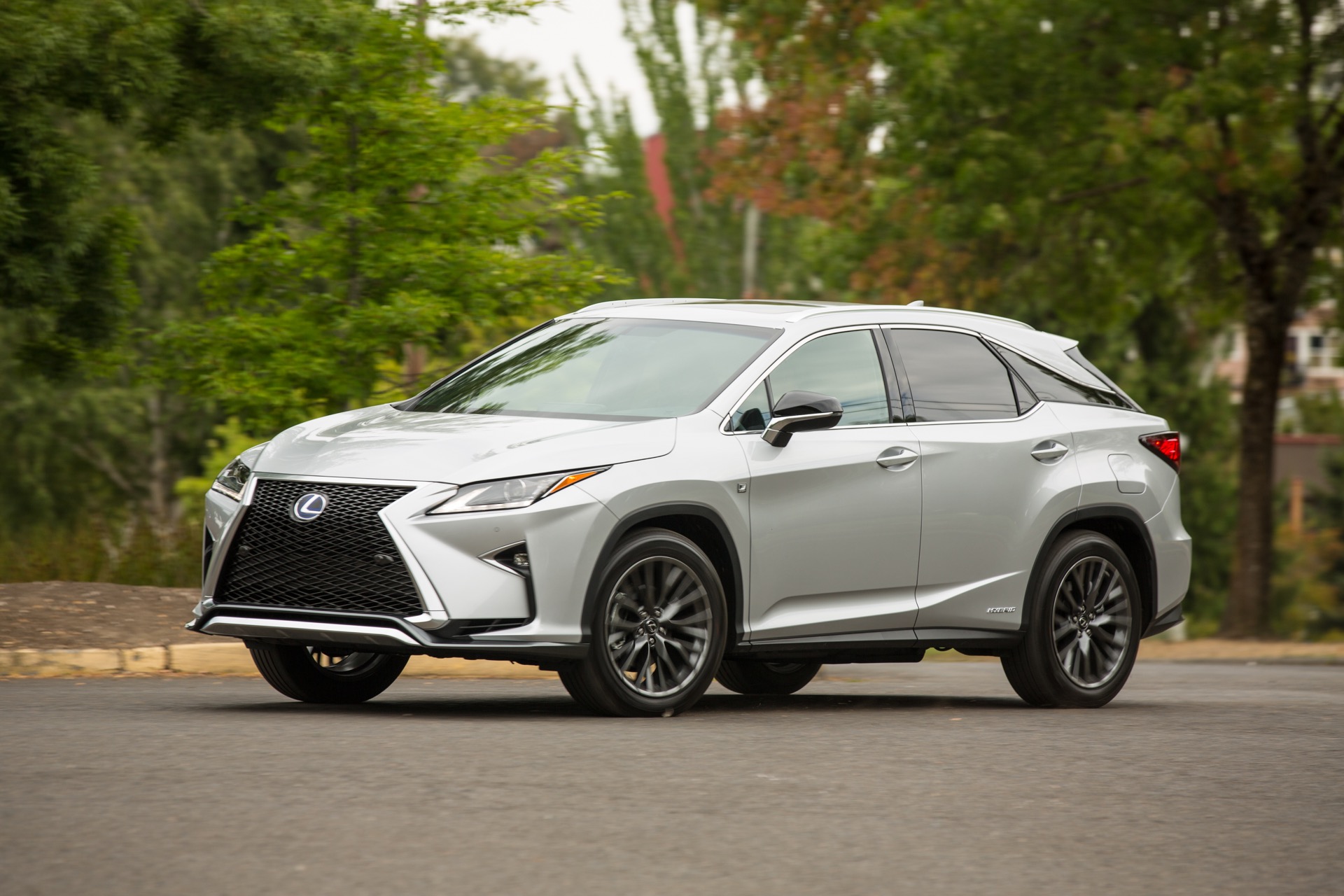
Lexus RX Hybrid
The Lexus RX Hybrid combines luxury refinement with Toyota’s proven hybrid engineering, resulting in a system that prioritizes smooth performance and long-term reliability. Unlike performance-focused hybrids, the RX Hybrid is designed to deliver consistent comfort rather than aggressive acceleration.
This design philosophy naturally reduces stress on the battery system, as it is rarely required to operate under high load conditions. Instead, the battery supports gentle acceleration and assists the engine in maintaining efficiency, which keeps wear levels relatively low.
Long-term ownership data shows that Lexus RX Hybrid models often exceed 200,000 miles with stable battery performance. Even in cases where minor degradation occurs, it tends to happen gradually over time rather than through sudden failure.
This slow aging process allows owners to continue using the vehicle comfortably without immediate concerns about expensive battery replacement. In many cases, the hybrid system remains reliable long after other luxury vehicle components begin to show signs of wear.
A major contributor to this durability is Lexus’s advanced thermal and insulation engineering. The RX Hybrid uses carefully designed cooling channels and insulation materials to maintain a stable operating environment for the battery.
This is especially important in luxury SUVs, which are often used in a variety of driving conditions, from short urban trips to long highway journeys. Maintaining consistent temperature levels ensures that the battery chemistry remains stable, which is essential for long-term reliability.
The hybrid control system in the RX is also tuned for conservative energy usage. It avoids aggressive charging and discharging cycles, instead favoring smooth transitions between electric and gasoline power. This reduces internal stress on the battery cells and allows for more even wear distribution across the entire pack. The result is a system that ages slowly and predictably, which is a key factor in long-term dependability.
Over time, the Lexus RX Hybrid has earned a strong reputation among luxury SUV buyers who prioritize reliability over performance extremes. Its combination of Toyota’s hybrid durability principles and Lexus refinement creates a vehicle that maintains battery health for many years, making it one of the most dependable luxury hybrid SUVs available.
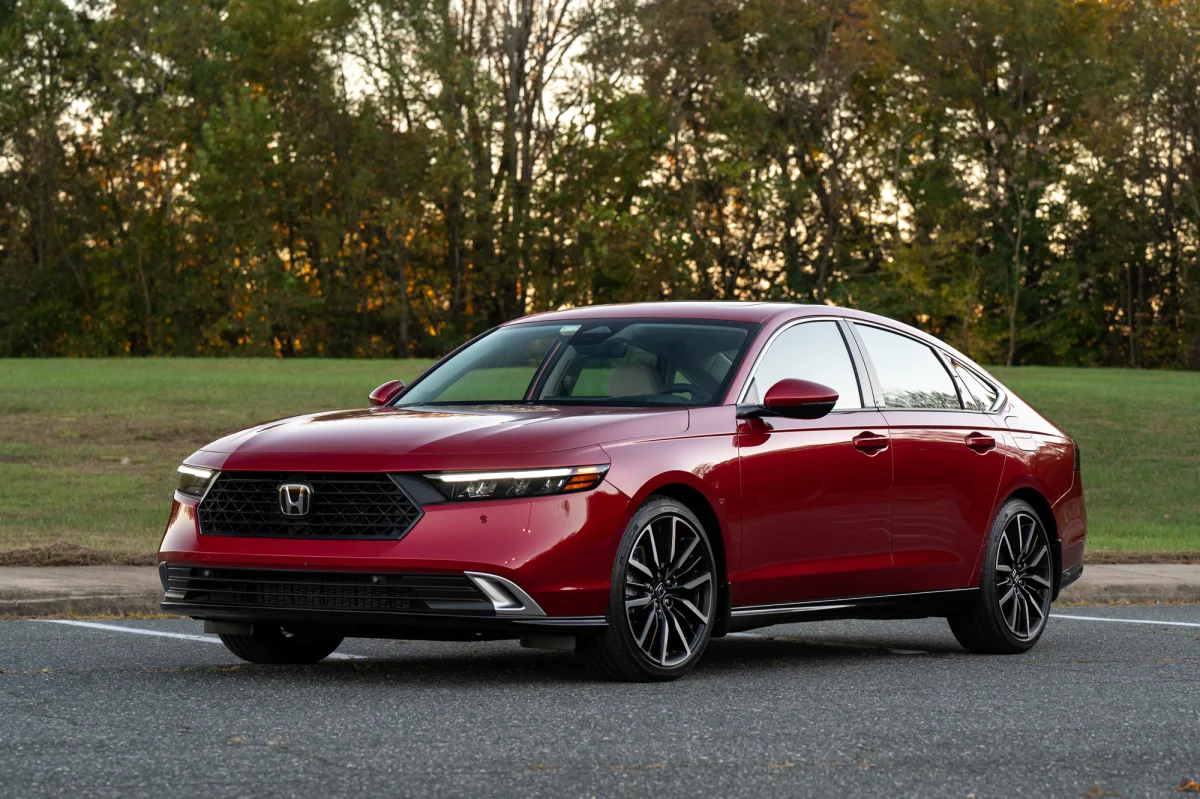
Honda Accord Hybrid
The Honda Accord Hybrid stands out for its unique hybrid architecture, which differs significantly from Toyota’s system but still achieves impressive long-term battery reliability. Instead of relying heavily on the battery to directly drive the wheels in all situations, the Accord Hybrid often uses the gasoline engine as a generator to power the electric motor.
This design reduces direct strain on the battery, as it is not constantly required to handle full propulsion duties under all conditions. This indirect load management plays a major role in extending battery life.
Many Accord Hybrid owners report that the battery remains stable and efficient well beyond 150,000 miles, especially in mixed driving conditions that combine city and highway use. The system is particularly effective in stop-and-go traffic, where regenerative braking helps recharge the battery in a controlled and gradual manner. This reduces deep cycling and helps maintain long-term chemical stability within the battery cells.
Honda’s energy management system is designed with a strong focus on efficiency and gradual cycling rather than aggressive power delivery. This ensures that the battery operates within a relatively narrow range, preventing extreme charging states that could accelerate wear. By maintaining consistent operating conditions, the system reduces long-term stress and improves reliability.
Thermal management in the Accord Hybrid also plays a key role in battery preservation. The system is engineered to prevent overheating during extended use, especially in urban environments where airflow may be limited. By maintaining stable temperatures, the battery is protected from one of the most common causes of early degradation in hybrid systems.
Over time, the Honda Accord Hybrid has proven itself as a strong competitor to Toyota’s hybrid lineup in terms of reliability. Its combination of efficient system design, controlled battery usage, and stable thermal performance makes it one of the most durable non-Toyota hybrid sedans available, capable of maintaining strong battery health for many years of regular use.
Hybrids That Fail Before 10 Years
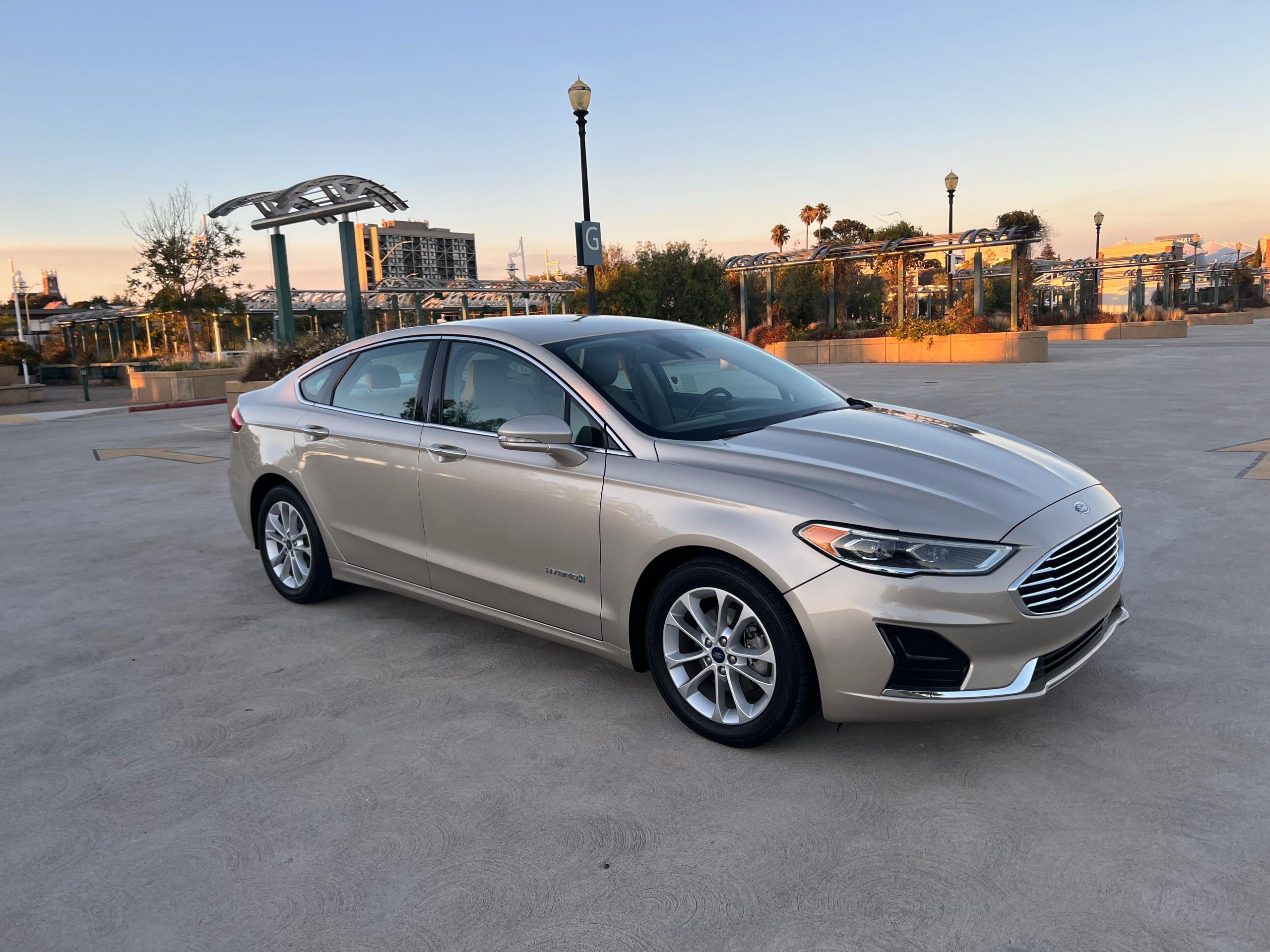
Ford Fusion Hybrid
The Ford Fusion Hybrid, especially early production models, developed a reputation for inconsistent long-term battery reliability compared to leading Japanese hybrids.
While the vehicle performed well in terms of fuel economy and comfort during its early years, long-term ownership data revealed that its battery system was more vulnerable to degradation over time.
One of the main contributing factors was the relatively less advanced thermal management system, which did not regulate battery temperature as effectively as competitors. This made the battery more sensitive to heat buildup, especially in regions with high ambient temperatures or heavy traffic conditions where airflow is limited.
As the vehicle aged, many owners began noticing a gradual decline in hybrid efficiency, typically between the 7 to 10-year mark. This decline often appeared as reduced electric assistance during acceleration and a noticeable drop in fuel economy.
In some cases, the battery warning indicators would appear earlier than expected, signaling reduced capacity or imbalance within the battery pack. These symptoms suggested that the battery cells were aging unevenly, which is a common issue when thermal and charge management systems are not highly optimized.
Another factor contributing to reduced longevity was the complexity of the hybrid system itself. The Fusion Hybrid used a more intricate electronic control system compared to simpler hybrid setups. While this allowed for smooth operation and good performance, it also introduced more potential points of failure.
Over time, even small inefficiencies in energy distribution could accelerate wear on specific battery modules, leading to inconsistent aging across the pack.
Environmental exposure also played a role in reducing battery lifespan. Vehicles driven frequently in hot climates or subjected to heavy stop-and-go traffic experienced faster degradation.
Heat is one of the most damaging factors for lithium-ion and nickel-metal hydride batteries, and without highly efficient cooling, chemical breakdown accelerates more quickly. This made long-term reliability highly dependent on driving conditions.
Although later versions of the Fusion Hybrid improved significantly in design and durability, early models remain an example of how hybrid systems can struggle when battery thermal management and long-term cycling control are not fully optimized. As a result, many early owners experienced battery-related issues earlier than the expected lifespan of modern hybrid vehicles.
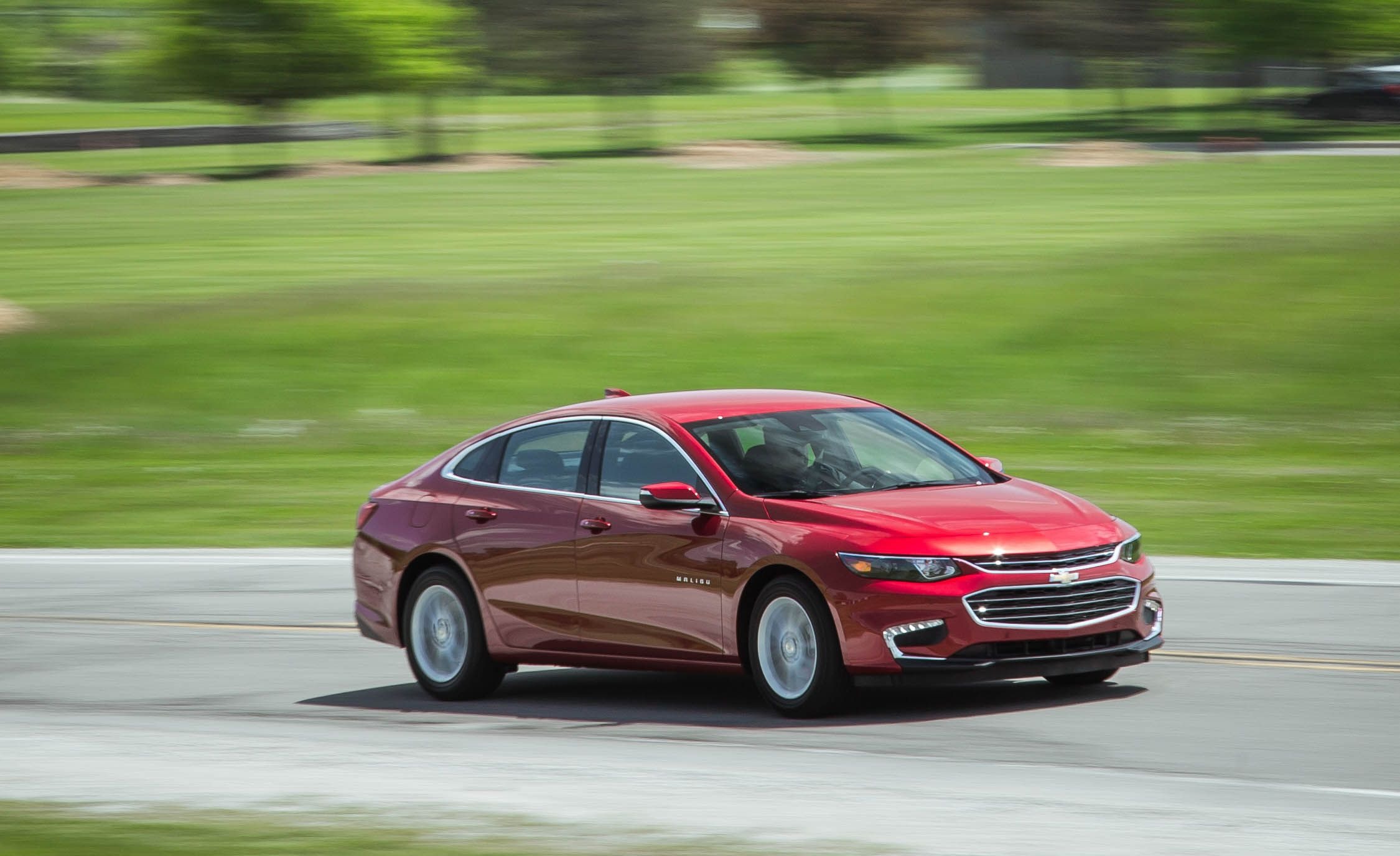
Chevrolet Malibu Hybrid
The Chevrolet Malibu Hybrid was designed with a strong focus on affordability and fuel efficiency rather than long-term hybrid system durability.
While it delivered good mileage and a comfortable driving experience during its early years, its battery system did not consistently match the long-term reliability standards set by more established hybrid manufacturers. Over time, this difference became more apparent as vehicles approached higher mileage and older age brackets.
One of the main issues reported in long-term use was gradual battery degradation appearing before the 10-year mark in many cases. This was particularly noticeable in vehicles used in dense urban environments where frequent stopping and starting placed repeated strain on the battery.
Unlike systems designed for heavy-duty cycling tolerance, the Malibu Hybrid’s battery management system did not always distribute charge and discharge cycles evenly, leading to accelerated wear in certain conditions.
Thermal control limitations also contributed to reduced battery lifespan. The cooling system was not as advanced or as aggressively engineered as those found in competing Japanese hybrids. As a result, the battery pack could experience higher operating temperatures during prolonged use, especially in warm climates.
Over time, elevated temperatures increase internal resistance in battery cells, which reduces efficiency and accelerates capacity loss.
Another contributing factor was the system’s focus on cost efficiency. By prioritizing affordability, some components of the hybrid system were simplified, which reduced manufacturing complexity but also limited long-term robustness.
While this made the vehicle more accessible to a wider range of buyers, it also meant that the hybrid system was not designed with the same level of endurance testing as premium or more established hybrid platforms.
As the vehicle aged, owners often reported reduced electric motor contribution and a heavier reliance on the gasoline engine. This shift not only affected fuel economy but also indicated declining battery health. While not every Malibu Hybrid experienced early failure, the variability in performance over time made it less predictable compared to more durable hybrid systems.
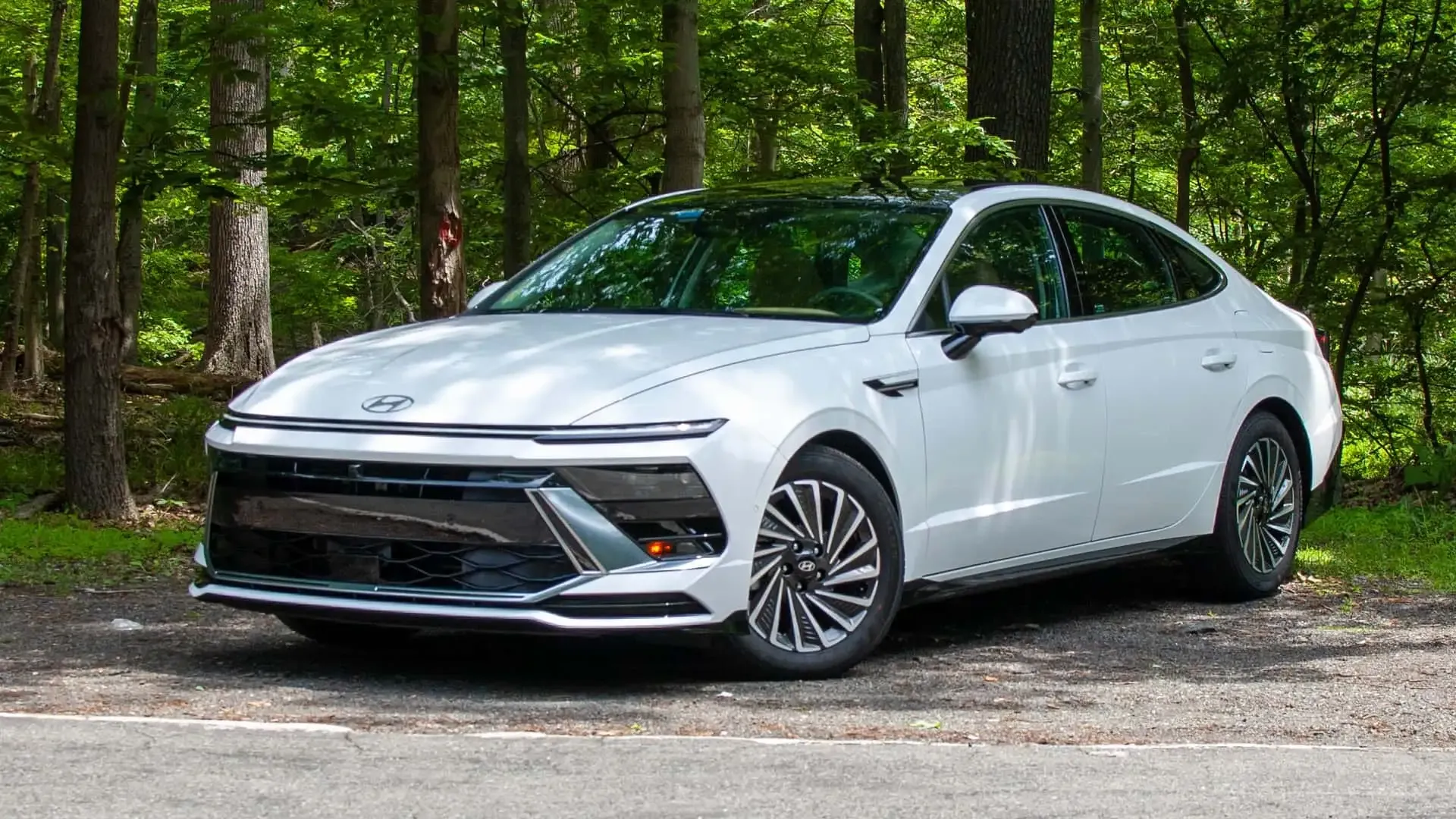
Hyundai Sonata Hybrid
Early Hyundai Sonata Hybrid models represented an important step for the brand into hybrid technology, but they also revealed the challenges of developing long-term battery durability in a relatively new system. While the vehicle offered competitive fuel efficiency and modern features at launch, long-term reliability data showed that its battery system was more prone to degradation compared to established competitors.
One of the most significant issues was thermal sensitivity. In hotter climates, the battery pack tended to degrade faster due to insufficient cooling efficiency. Heat accelerates chemical breakdown within battery cells, and without highly optimized thermal regulation, the degradation process becomes more noticeable over time. This led to cases where performance decline began appearing between 7 and 9 years of ownership, particularly in high-mileage vehicles.
Another factor was early-stage software calibration. The hybrid control system was still evolving in these early models, which meant that energy flow between the engine and battery was not always perfectly optimized.
In some situations, this could lead to uneven charging patterns, where certain battery modules experienced more stress than others. Over time, this imbalance contributed to reduced capacity and efficiency.
Driving patterns also influenced battery longevity significantly. Vehicles used primarily in stop-and-go traffic or exposed to extreme temperatures experienced faster wear. While this is common for all hybrids, the effect was more pronounced in early Sonata Hybrid models due to less advanced energy management systems. As a result, real-world lifespan varied widely depending on usage conditions.
Later versions of the Sonata Hybrid improved significantly in both battery technology and thermal design, addressing many of these early weaknesses. However, early models remain an example of how hybrid systems can struggle when introduced before long-term refinement of battery management strategies.
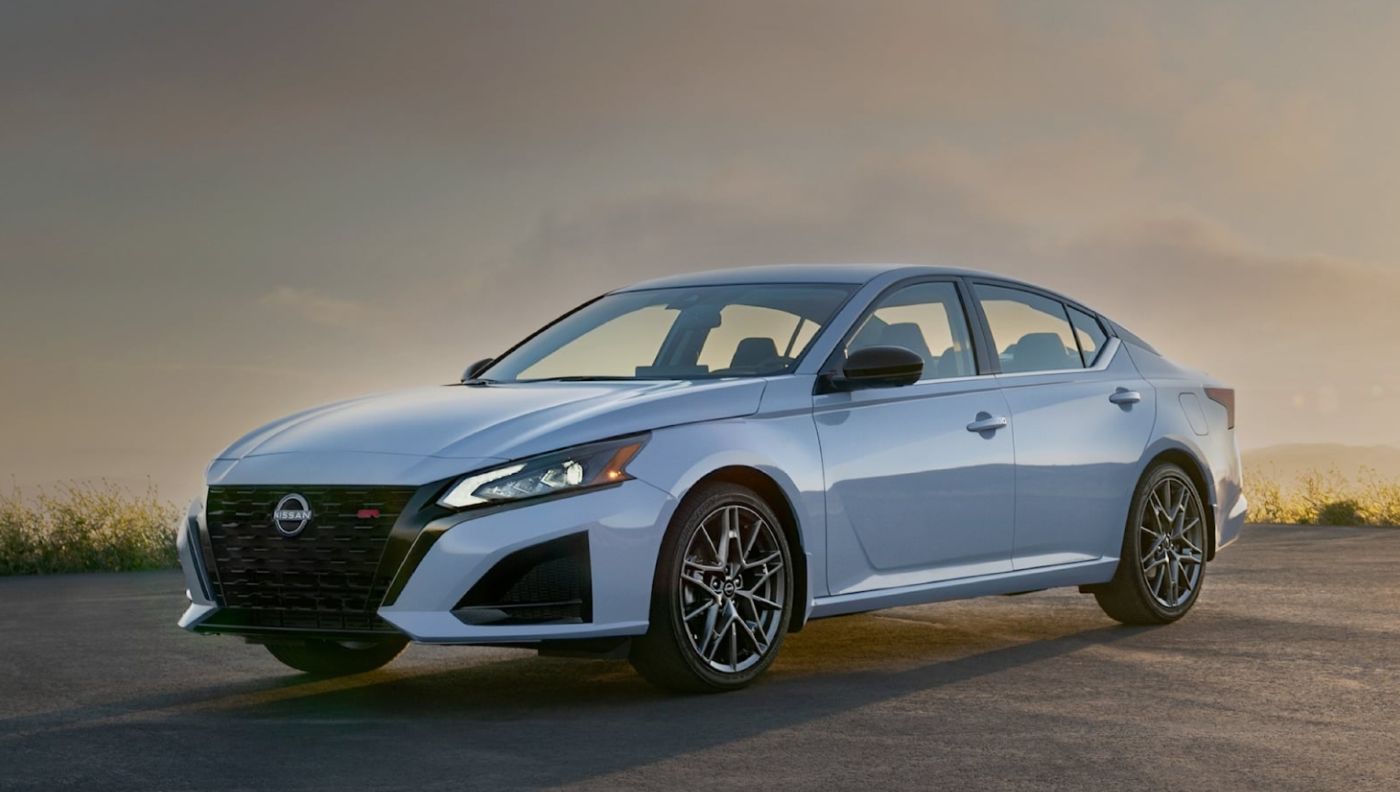
Nissan Altima Hybrid
The Nissan Altima Hybrid is an interesting case because it used licensed hybrid technology derived from Toyota’s system, yet it did not achieve the same level of long-term reliability. While the vehicle performed well initially and offered strong fuel efficiency, its long-term battery durability did not consistently match expectations set by Toyota-based systems.
One of the key issues was limited refinement and production scale. Since the Altima Hybrid was produced in relatively small numbers compared to mainstream hybrid models, there was less long-term development feedback to improve system durability. This meant that certain aspects of battery management and system tuning did not receive the same level of iterative improvement over time.
As vehicles aged, some owners reported reduced hybrid efficiency and occasional warning indicators related to battery performance. These issues typically became more noticeable as the vehicle approached the later stages of its first decade of use. While not every unit experienced major failures, the inconsistency in performance created uncertainty regarding long-term reliability.
Thermal management and battery balancing also played a role in reduced longevity. Although the system was functional, it did not always maintain the same level of precise control over battery charge distribution as Toyota’s own hybrid systems. This could lead to uneven wear across battery modules, reducing pack efficiency over time.
Because of its limited production run and less aggressive long-term optimization, the Nissan Altima Hybrid remains a model that does not consistently achieve the same battery lifespan as leading hybrid vehicles. Its performance in the first several years is strong, but long-term durability tends to be less predictable.
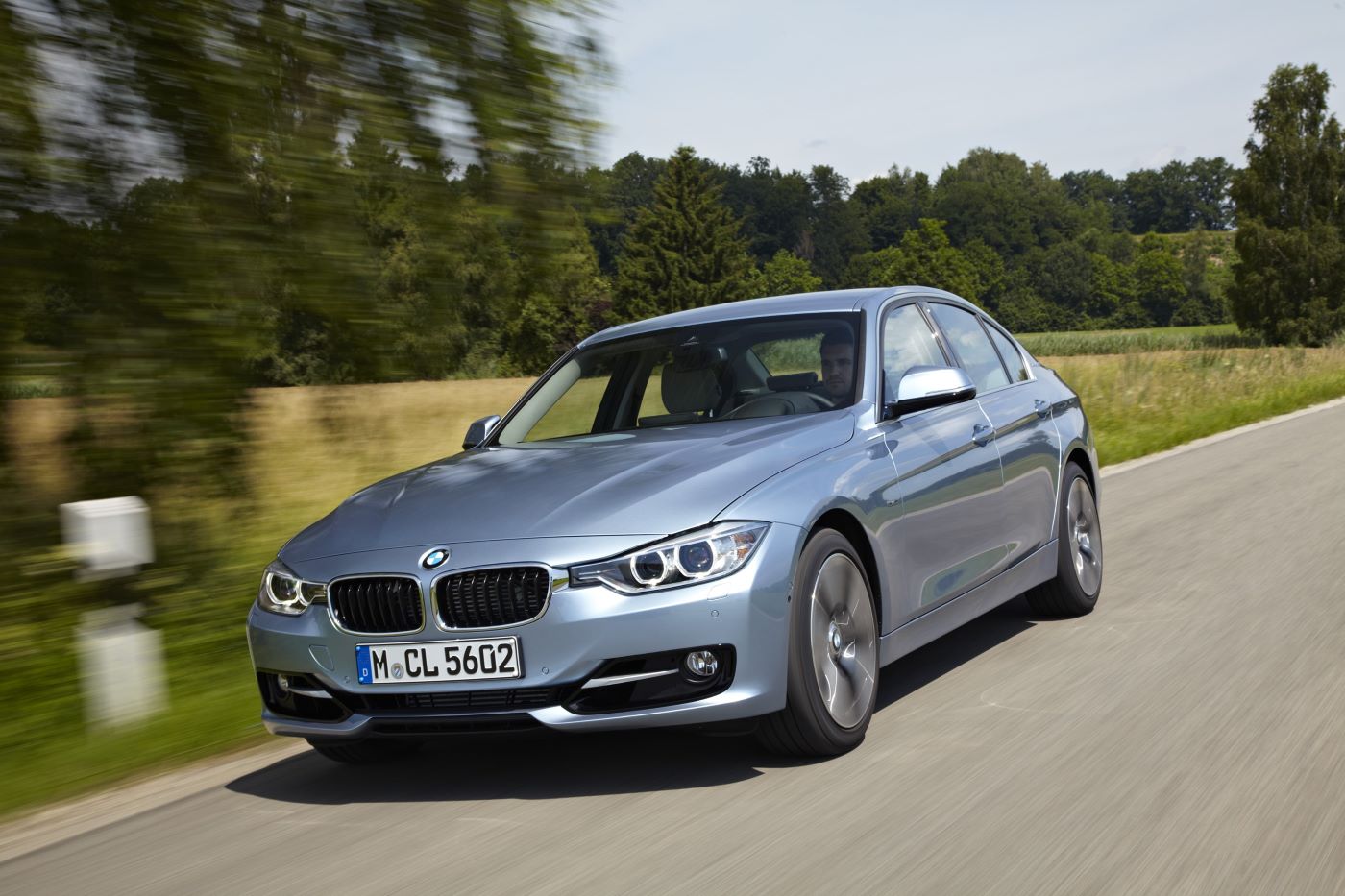
BMW ActiveHybrid 3
The BMW ActiveHybrid 3 was designed with a clear emphasis on performance rather than long-term hybrid battery durability. Unlike economy-focused hybrids that prioritize efficiency and longevity, this model aimed to enhance acceleration and driving dynamics using electric assistance.
While this resulted in a more powerful and responsive driving experience, it also placed significantly higher stress on the hybrid battery system.
One of the primary challenges with this design is the frequent demand for rapid energy discharge. The battery is often required to deliver bursts of power during acceleration, which increases thermal load and accelerates internal wear. High-performance cycling like this is more demanding on battery chemistry compared to the steady, controlled usage patterns seen in efficiency-focused hybrids.
Thermal buildup is another critical issue. Performance-oriented driving generates more heat within the battery system, and while cooling systems are present, they are working under more intense conditions. Over time, repeated exposure to higher operating temperatures can reduce battery capacity and shorten lifespan.
Another factor is the complexity of the system. The ActiveHybrid 3 integrates hybrid components into a performance sedan platform, which adds additional mechanical and electronic stress.
While this enhances driving dynamics, it also introduces more variables that can contribute to long-term wear. As the system ages, maintaining balance between performance output and battery health becomes more difficult.
Owners often reported higher maintenance costs and earlier battery-related concerns compared to standard hybrid vehicles. While the car delivers strong performance in its early years, long-term ownership tends to reflect the trade-off between power and durability.
As a result, the battery system in the ActiveHybrid 3 is not typically designed to match the lifespan expectations of economy-focused hybrid vehicles.
