
Car door handles are one of the most frequently used exterior components on any vehicle. They may look simple, but they play a critical role in daily usability, safety, and user experience. A door handle is exposed to constant physical force, repeated pulling, temperature changes, rain, dust, and sometimes even accidental impacts in tight parking spaces.
Because of this, the quality of door handle design and materials can significantly affect how reliable a vehicle feels over time. Some vehicles are known for mechanical simplicity and rugged construction, which extends to their door handles. Others prioritize modern design, flush aesthetics, or electronic mechanisms that can introduce additional points of failure, especially in extreme weather conditions.
In colder climates, door handles face even greater stress. Ice can form around seams, moisture can seep into mechanical linkages, and plastic components may become brittle when temperatures drop. In some cases, electronic door handles can temporarily stop functioning if sensors freeze or if actuators lose power efficiency in extreme cold.
These problems are not universal, but they are frequently reported in vehicles that rely heavily on hidden or motorized handle systems. On the other hand, vehicles with traditional mechanical handles often perform better in harsh winters because they rely on simpler designs with fewer moving electronic parts.
Durability in door handles is not only about surviving winter conditions. It also includes long-term resistance to wear and tear. High-quality materials like reinforced polymers, metal alloys, and well-sealed mechanical linkages tend to last longer and require less maintenance.
Manufacturers that focus on off-road or commercial durability often engineer door handles to withstand heavy use, repeated stress, and exposure to dust and mud. These vehicles are typically favored in regions where reliability is more important than luxury aesthetics.
This article examines two categories of vehicles. The first category includes models widely recognized for strong and durable door handle designs that tend to perform well under stress and long-term use.
The second category focuses on vehicles that are more commonly reported to experience door handle issues in cold winter conditions, often due to design complexity or electronic mechanisms. While no vehicle is completely immune to wear, these comparisons highlight patterns observed by owners and automotive professionals.
Finally, the article also explains why door handles fail in cold weather and how manufacturers are improving designs to address these challenges. It also includes practical insights into maintenance and usage habits that can help extend the life of door handle systems.
The goal is to provide a clear and balanced understanding of how something as small as a door handle can reflect broader engineering decisions in the automotive industry.
5 Cars Known for Highly Durable Door Handles
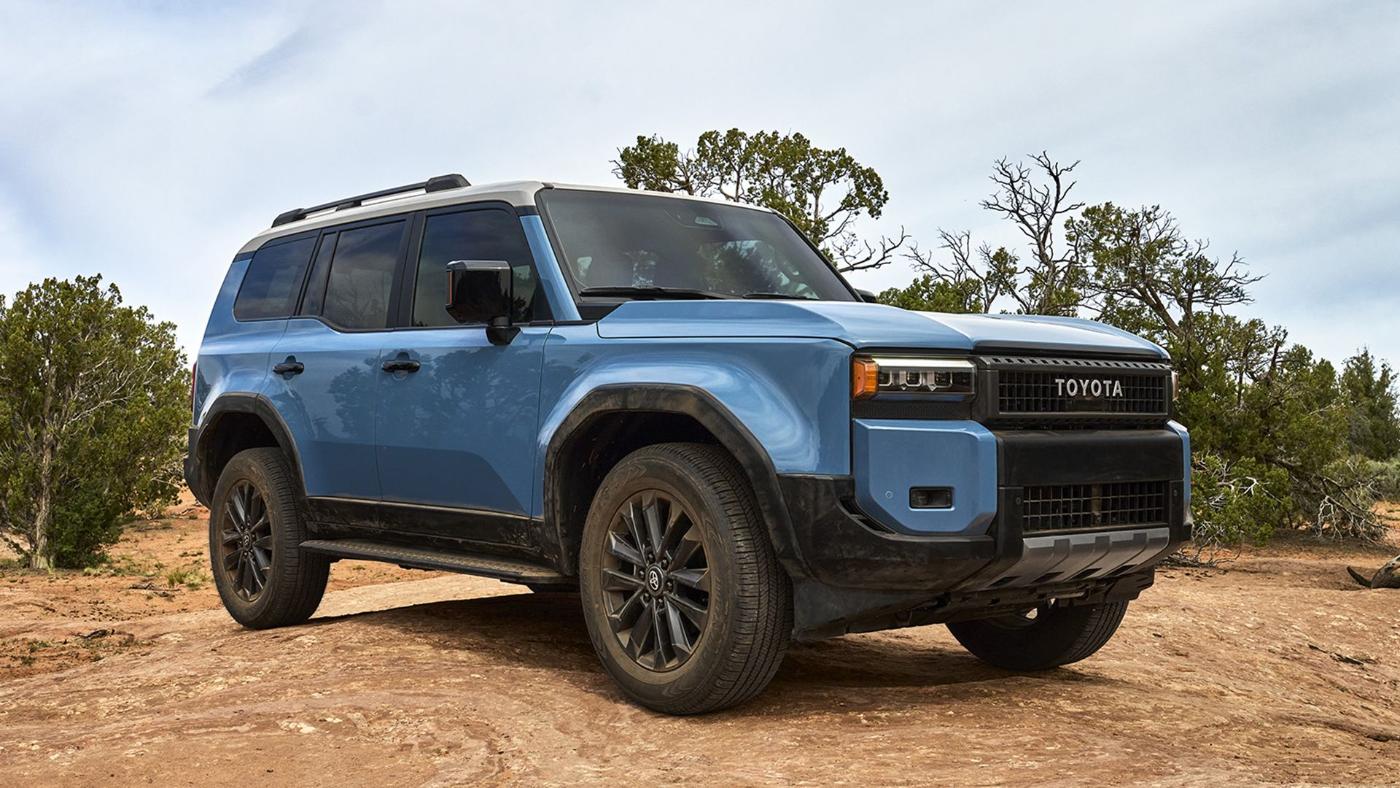
Toyota Land Cruiser
The Toyota Land Cruiser is widely recognized for its rugged engineering and long-term reliability, and its door handles reflect the same philosophy. Built for extreme environments, from deserts to mountainous terrain, the Land Cruiser uses mechanical handle systems designed to function consistently under stress.
The exterior handles are typically reinforced with durable polymers and metal internal linkages that resist bending or cracking. Unlike more complex electronic systems, the Land Cruiser’s design focuses on simplicity, which reduces the likelihood of failure points over time. In cold weather conditions, this mechanical approach helps the handles remain functional even when temperatures drop significantly.
Another strength of the Land Cruiser’s door handles is their resistance to dust and moisture infiltration. Off-road driving often exposes vehicles to mud, sand, and water crossings, and poorly sealed handles can quickly degrade under such conditions.
Toyota engineers prioritize tight sealing and robust internal mechanisms, ensuring that debris does not easily interfere with operation. This makes the handles especially reliable for long-term use in rural and off-road environments.
Owners frequently report that even older Land Cruiser models maintain consistent door handle performance after many years of use. The tactile feedback remains solid, and there is minimal looseness compared to many urban-focused vehicles. This consistency is one reason why the Land Cruiser is often used in government fleets, expedition travel, and remote operations.
In colder climates, the absence of complex electronic components prevents issues like actuator freezing or sensor failure. While ice can still form externally, the mechanical leverage of the handle usually allows it to break through minor freezing without damage. This makes it a dependable choice in harsh winter regions.
The Land Cruiser’s door handles are not just durable components but part of a larger philosophy of mechanical resilience and long-term dependability.
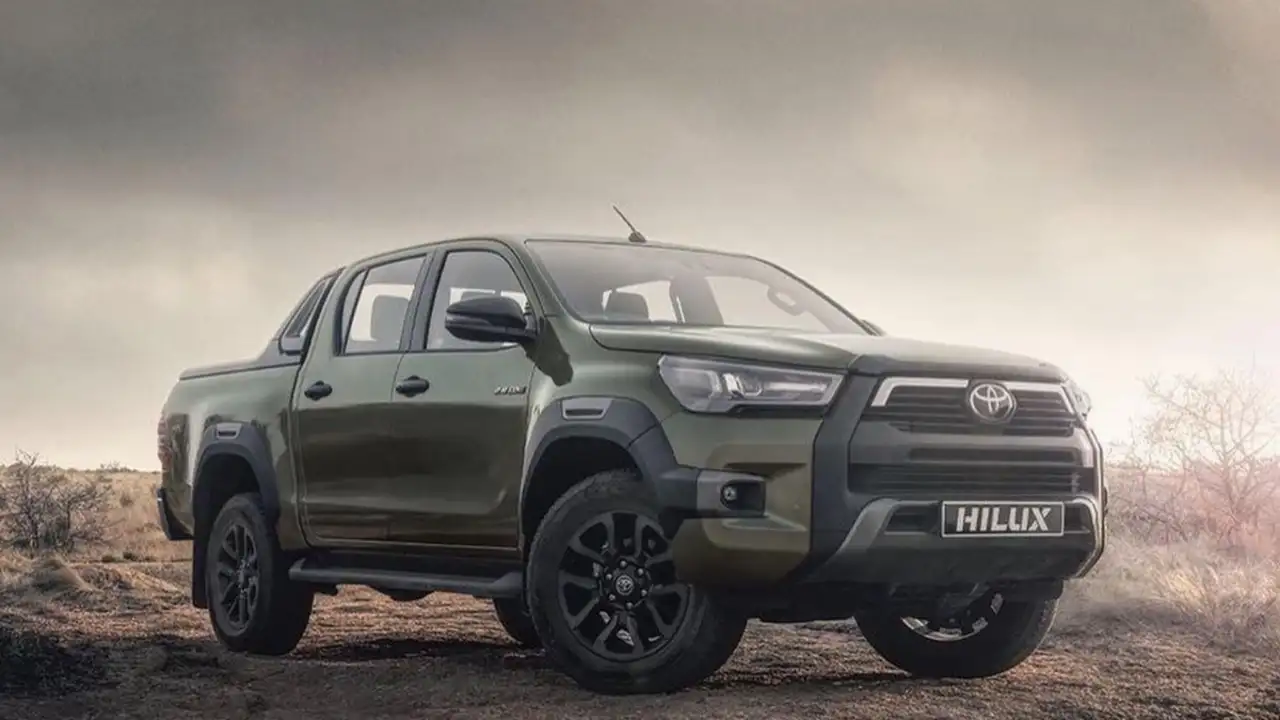
Toyota Hilux
The Toyota Hilux is another vehicle known for extreme durability, especially in commercial and off-road environments. Its door handles are designed with practicality in mind rather than luxury styling.
Built to withstand heavy daily use, the handles use strong plastic composites and reinforced internal rods that reduce the chance of breakage under repeated pulling or rough handling. This makes the Hilux particularly popular among construction workers, farmers, and outdoor professionals who rely on consistent performance.
One key advantage of the Hilux door handle system is its simplicity. There are minimal electronic integrations, which significantly reduces vulnerability in cold weather. When temperatures drop, electronic systems in some vehicles can become sluggish or fail entirely, but the Hilux avoids these issues by relying on straightforward mechanical connections. This allows it to maintain usability even in freezing conditions where other vehicles may struggle.
The exterior handles are also designed to resist impact damage. In work environments, accidental knocks from tools or equipment are common, and fragile handles would quickly fail under such conditions. The Hilux design prioritizes toughness, ensuring that the handle can absorb minor impacts without cracking or losing functionality.
Long-term owners often note that Hilux handles retain their firmness even after years of repeated use. There is little sign of sagging or loosening, which contributes to the vehicle’s reputation for longevity. This durability is especially important for fleet vehicles that operate daily without extended maintenance downtime.
In winter conditions, while ice buildup can still occur, the mechanical strength of the handle allows users to apply steady force without immediate risk of breakage. This reliability contributes to the Hilux’s global reputation as one of the most durable utility vehicles.
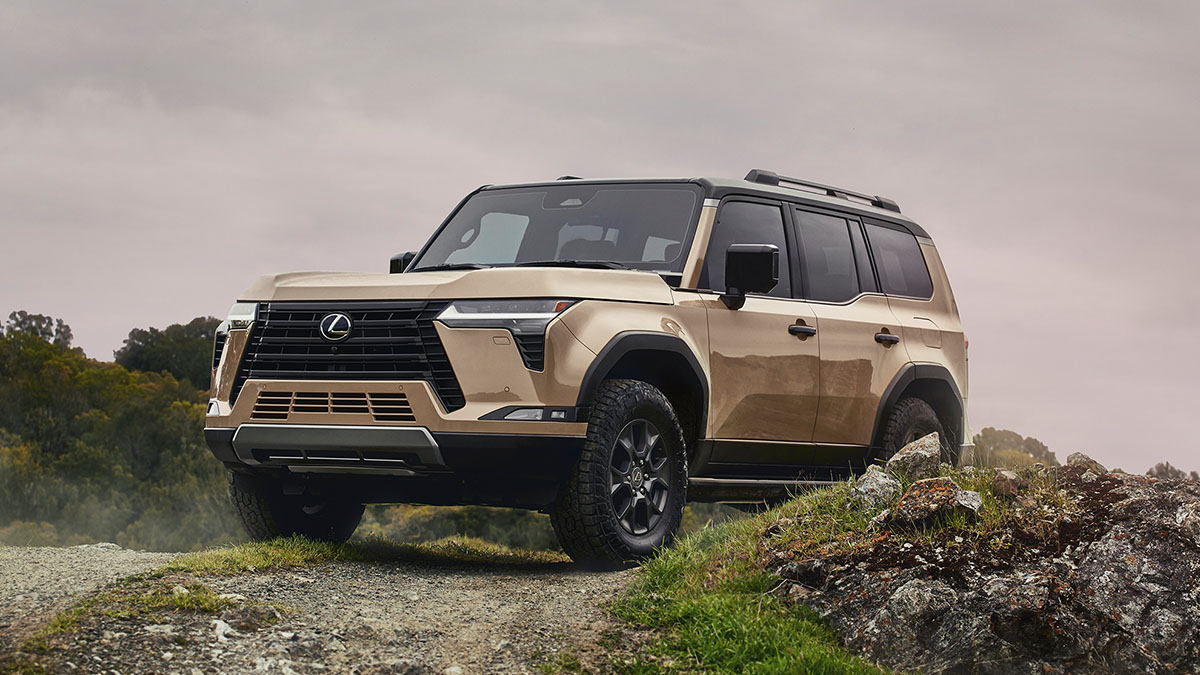
Lexus GX
The Lexus GX combines luxury with off-road capability, and its door handles reflect a balance between refinement and durability. Unlike purely luxury vehicles that prioritize design aesthetics, the GX benefits from Toyota’s rugged engineering heritage.
The handles are solidly built, often using high-quality materials that resist wear and maintain a premium feel over time. Even with frequent use, they tend to remain firm and responsive.
One of the strengths of the GX door handle design is its resistance to environmental stress. Whether exposed to rain, snow, or dust, the sealing around the handle assembly helps prevent internal corrosion or freezing issues. This is particularly important for a luxury SUV that is still intended for light off-road use and varied climates.
The mechanical components inside the handle are engineered for smooth operation without excessive complexity. This reduces the likelihood of failure compared to more electronically dependent systems found in some competitors. Even when the vehicle is used in cold environments, the handles typically maintain consistent performance.
Owners often highlight that the Lexus GX feels more solid than many luxury SUVs when it comes to physical interaction points like door handles. The tactile feedback is strong, and the handles do not feel flimsy or overly lightweight, which contributes to a sense of durability.
In winter conditions, the GX performs reliably due to its balanced engineering approach. While not as extreme as the Land Cruiser in ruggedness, it still offers a dependable system that avoids the common pitfalls of overly complex electronic door mechanisms.
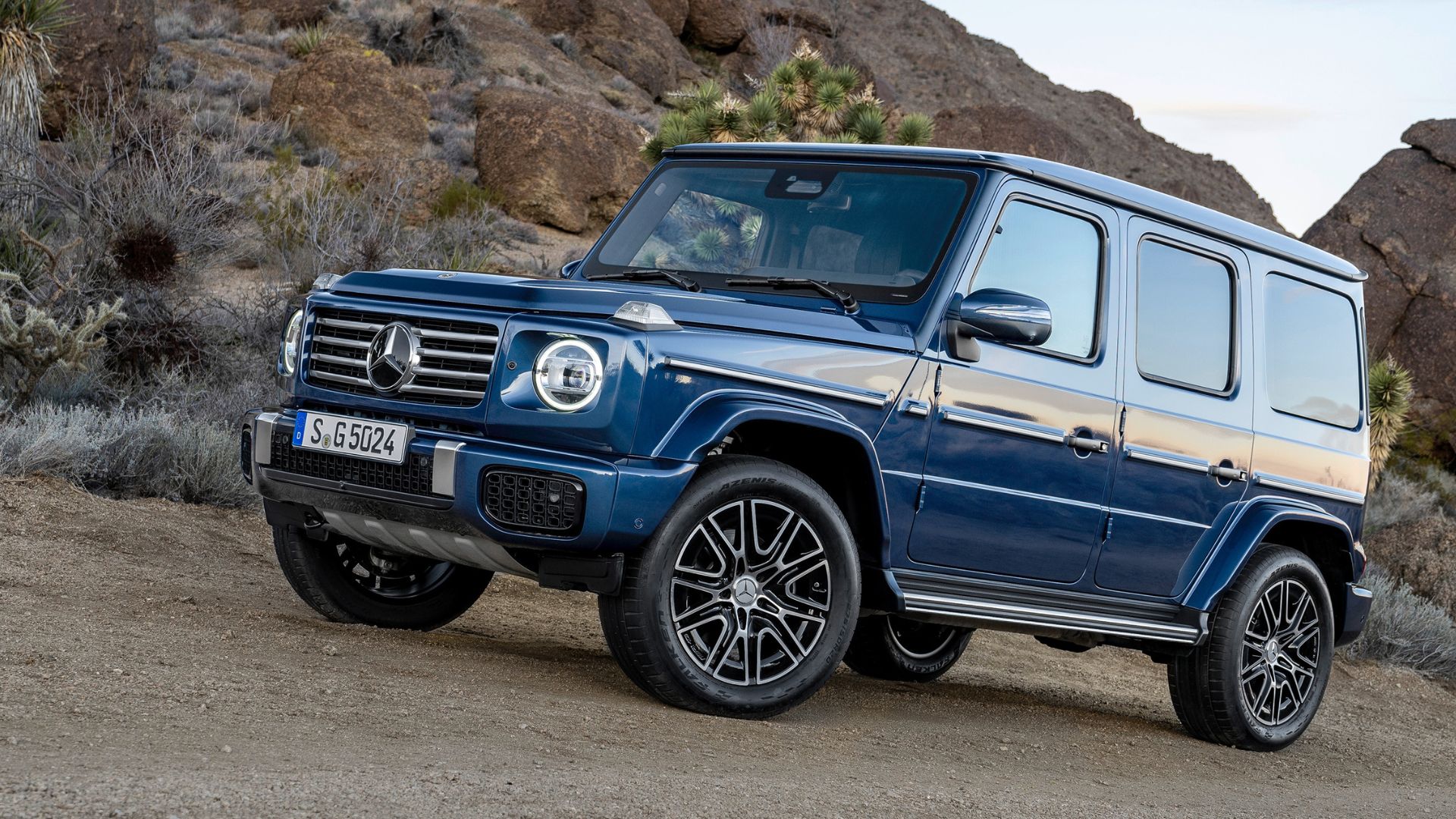
Mercedes G-Class
The Mercedes G-Class is known for its boxy design and military-inspired origins, and its door handles reflect that heritage. Built with durability in mind, the handles are typically robust and mechanically straightforward, designed to withstand demanding environments. Unlike many modern luxury SUVs that rely on hidden or electronic handles, the G-Class maintains a traditional approach that favors reliability.
The exterior handles are constructed to handle repeated heavy use, especially in off-road situations where doors may be opened frequently in rough conditions. The solid mechanical linkage ensures that force is transferred efficiently without relying on fragile electronics. This contributes to long-term durability even under harsh treatment.
Another important factor is the G-Class’s resistance to environmental challenges. Snow, ice, and mud are common in off-road scenarios, and the handle design minimizes points where freezing or clogging can occur. This makes it more reliable in winter compared to vehicles with flush-mounted or motorized handles.
Owners often appreciate the consistent mechanical feel of the G-Class handles. They provide strong feedback and do not suffer from looseness or premature wear when maintained properly. This reinforces the vehicle’s reputation for being a luxury SUV with true off-road capability.
In cold climates, the traditional design again proves beneficial. While ice can still form externally, the mechanical strength of the handle allows it to remain usable with minimal risk of electronic failure or actuator issues.
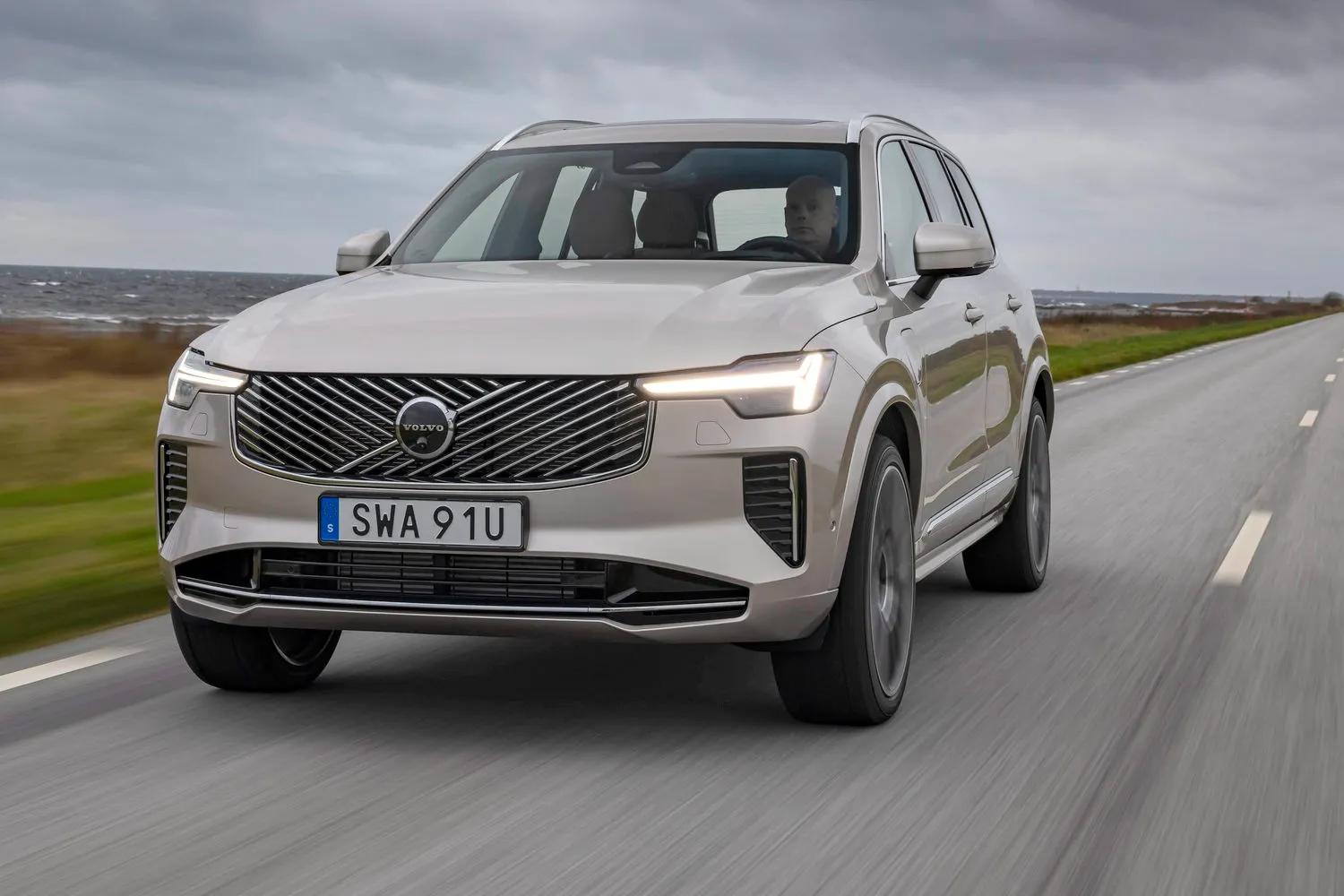
Volvo XC90
The Volvo XC90 is designed with safety and durability in mind, and its door handles reflect a well-engineered balance of modern design and reliability. While more refined than rugged off-road vehicles, the XC90 still prioritizes functional durability. The handles are built with strong materials and carefully designed internal mechanisms that reduce long-term wear.
One of the strengths of the XC90 is its attention to environmental sealing. Volvo engineers focus heavily on cold-weather performance due to the brand’s Scandinavian origin. As a result, the door handles are designed to function in freezing temperatures, with reduced risk of moisture-related freezing issues compared to many competitors.
The XC90 uses a combination of mechanical and assisted systems, but it avoids overly complex exposed mechanisms. This helps maintain reliability while still offering modern convenience features. The balance ensures that even in winter conditions, the handles generally remain dependable.
Owners often report consistent long-term performance with minimal loosening or failure, even in regions with harsh winters. This reliability is one of the reasons the XC90 is popular in northern climates where temperature extremes are common.
The XC90’s door handles may not be as rugged as off-road vehicles, but they are engineered for dependable everyday use in cold environments, making them a strong performer in winter reliability.
5 Cars That Struggle With Door Handles in Winter
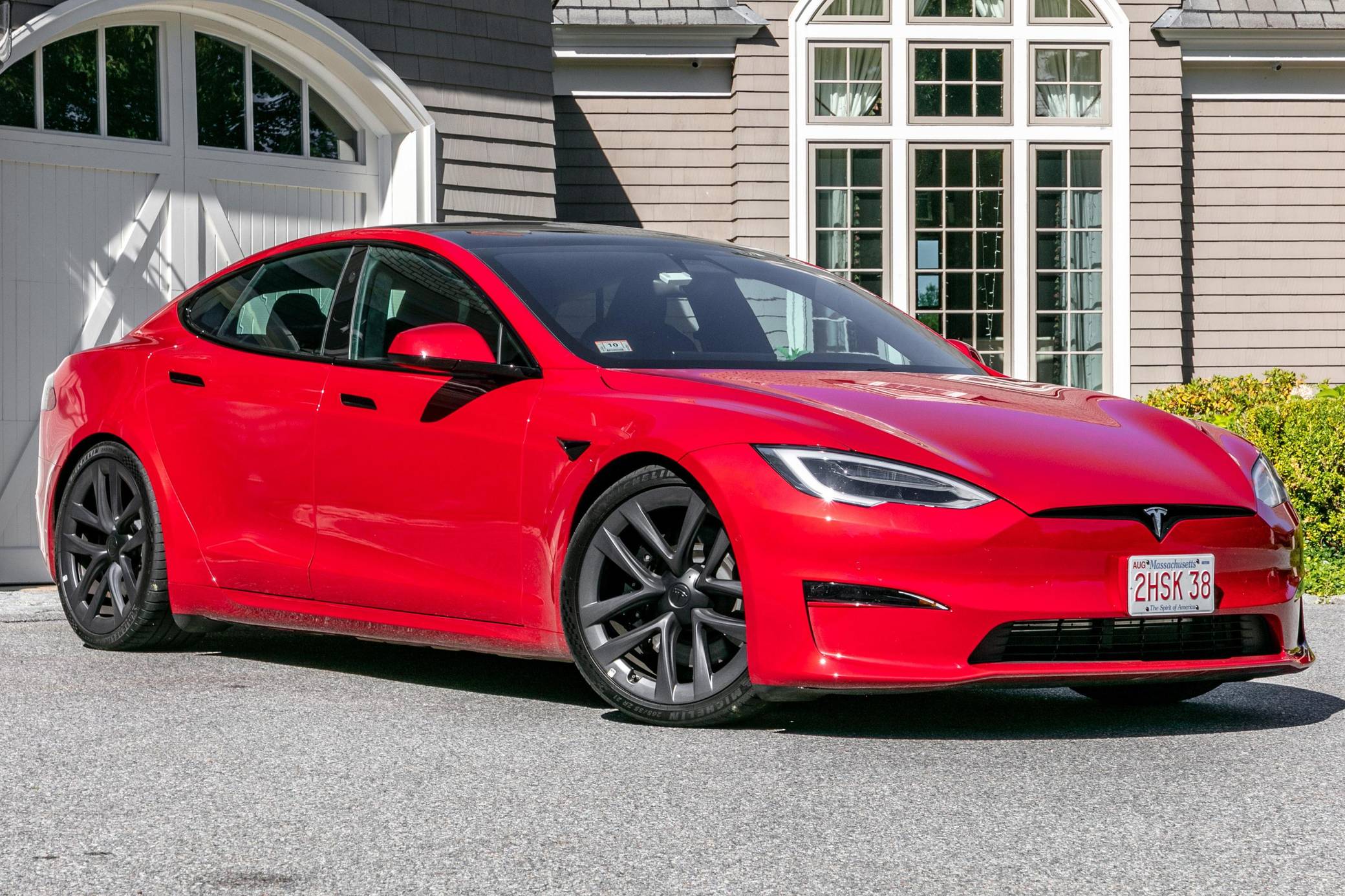
Tesla Model S
The Tesla Model S is known for its flush electronic door handles, which extend outward when needed. While this design improves aerodynamics and aesthetics, it can create challenges in cold winter conditions. When temperatures drop, ice can form around the handle cavity, sometimes preventing the mechanism from deploying properly. This can make it difficult for users to access the vehicle until the ice is cleared.
The system relies on electronic actuators and sensors, which can be sensitive to freezing conditions. In some cases, reduced battery efficiency in extreme cold can also affect response time, making the handles slower to operate. While software updates and design improvements have reduced these issues over time, winter-related complaints still exist among owners in colder regions.
Another challenge is the complexity of the system. Unlike mechanical handles, there are multiple components that must work together, including motors, sensors, and control modules. If any part is affected by ice or moisture, the entire mechanism can be compromised.
Owners in snowy climates often report that preheating the vehicle helps mitigate these issues, but it does not fully eliminate the risk of freezing. Physical access can still require manual intervention in some situations.
While the design is innovative, the Tesla Model S highlights how advanced technology can sometimes introduce seasonal reliability concerns.

Ford Mustang
Some newer Ford Mustang models incorporate more modern handle designs and tighter sealing for aerodynamic efficiency. However, in winter conditions, issues can occasionally arise with freezing around the handle edges, especially when moisture enters and refreezes overnight. This can make the handles stiff or harder to operate until thawed.
The Mustang’s design prioritizes style and performance aesthetics, which can sometimes reduce the size and mechanical simplicity of external components. This means that in extreme cold, even minor ice buildup can have a noticeable impact on usability.
While not as electronically complex as fully flush systems, the combination of tight seals and compact design still creates potential weak points in freezing environments. Owners in colder regions sometimes report stiffness in the handles during early morning starts in winter.
Repeated freezing and thawing cycles can also contribute to gradual wear in seals over time. This may lead to reduced smoothness in operation if not properly maintained.
Despite these concerns, the Mustang remains functional, but it demonstrates how performance-oriented design can sometimes conflict with winter practicality.
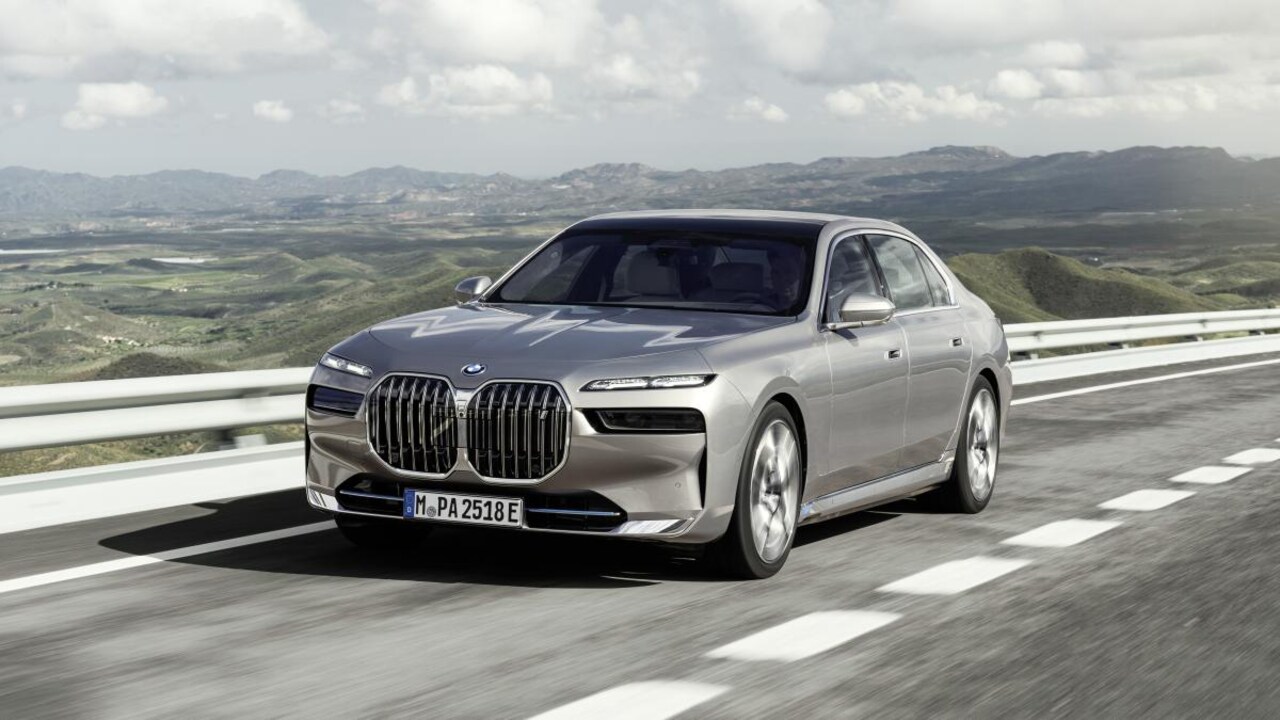
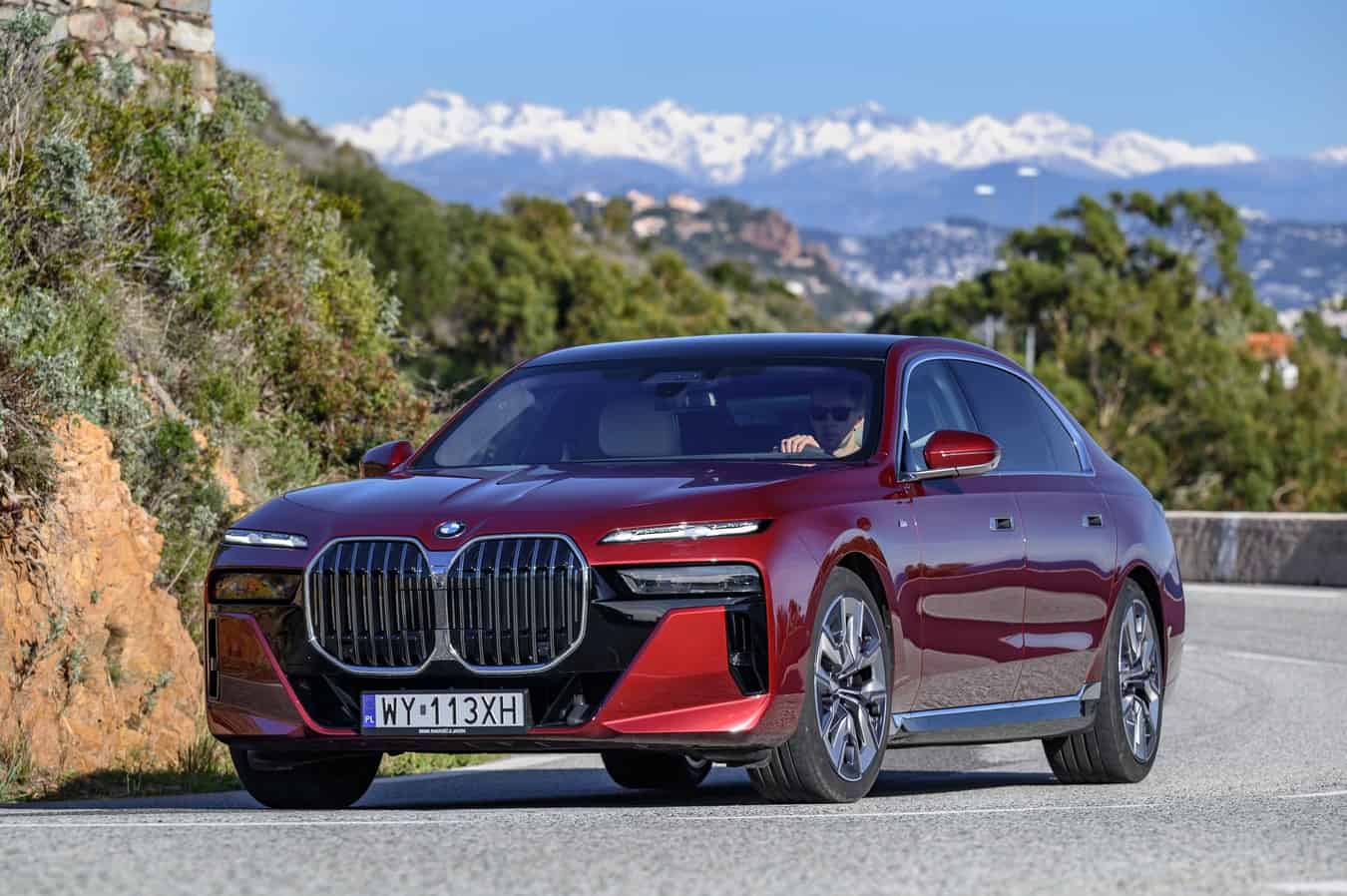
BMW 7 Series
The BMW 7 Series features advanced door handle designs that often include soft-close and electronic assistance systems. While these features enhance luxury and convenience, they can be vulnerable in cold weather conditions. Ice formation around the handle edges can interfere with sensor response and mechanical movement.
The reliance on electronic components means that cold temperatures can occasionally slow down or disrupt normal operation. In rare cases, frozen moisture can prevent the handle from extending smoothly, requiring manual assistance.
Luxury-focused designs often prioritize flush surfaces and integrated styling, which reduces external protrusions but increases susceptibility to ice buildup. This tradeoff becomes more noticeable in harsh winter climates.
Owners in colder regions sometimes report that parking in heated garages significantly improves reliability. Without such conditions, the system may require extra effort during freezing mornings.
The BMW 7 Series highlights how high-end design and technology can sometimes reduce tolerance for extreme weather conditions.
Range Rover Velar
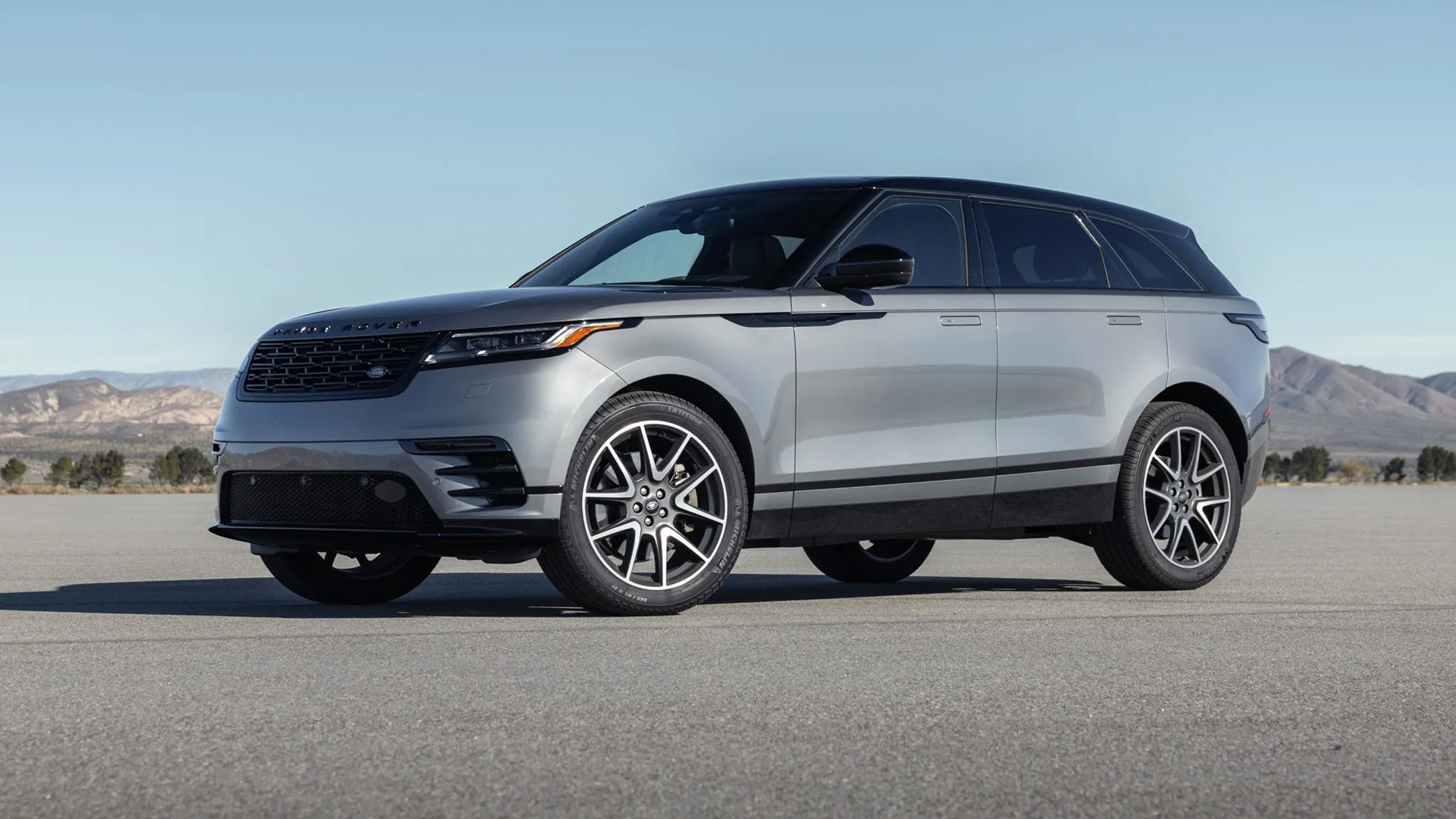
The Range Rover Velar uses modern flush door handles that retract into the body for a clean design. While visually appealing, this system can be sensitive to winter conditions. Ice accumulation around the handle seams can prevent the mechanism from deploying correctly.
The electronic deployment system depends on motors and sensors, which may struggle in freezing temperatures if moisture has entered the mechanism. This can lead to temporary access issues in cold climates.
Owners have reported that snow and ice buildup can require manual clearing before the handles function normally. This adds inconvenience compared to traditional mechanical systems.
The design prioritizes aesthetics and aerodynamics, but these advantages come with tradeoffs in harsh environments. In winter regions, this becomes more noticeable during prolonged exposure to freezing weather.
Despite improvements in newer models, the Velar still represents the challenges of balancing luxury design with cold-weather practicality.
Tesla Model X
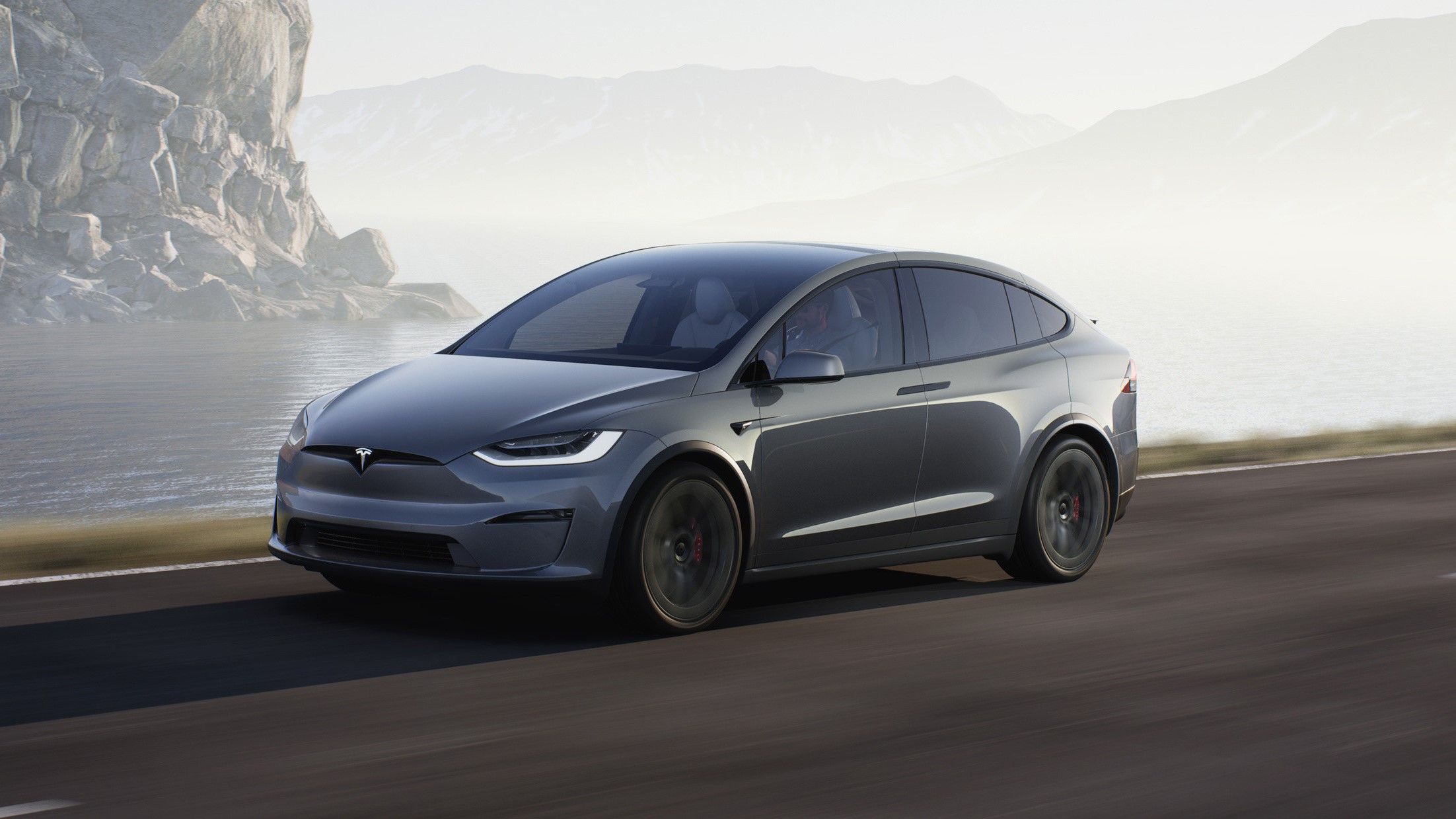
The Tesla Model X also uses electronic flush door handles and even more complex automated door systems, including powered front and rear doors. While innovative, this complexity can create reliability concerns in winter conditions.
Ice buildup around the handle and door edges can interfere with sensors and motorized systems. In some cases, doors may require additional time or effort to open when temperatures are extremely low.
The dependence on electronic systems means that battery performance and software responsiveness play a role in usability during cold weather. This can introduce variability depending on conditions.
Owners in colder regions often use preconditioning features to warm the vehicle before attempting entry, but this is not always sufficient in severe icing conditions.
The Model X demonstrates how advanced automation can introduce seasonal challenges that simpler mechanical systems typically avoid.
