
SUVs have become one of the most popular vehicle choices worldwide due to their blend of comfort, space, and capability. Whether used for family travel, long highway drives, city commuting, or rough rural roads, the suspension system plays a critical role in how these vehicles perform over time. A strong suspension setup ensures stability, comfort, and safety, while a weak one leads to rattles, uneven ride height, and expensive repairs.
Not all SUVs are built with the same engineering philosophy. Some manufacturers focus on long-term durability, using simple but strong suspension layouts, high-quality bushings, and tested mechanical designs. These vehicles often continue to perform well even after crossing 150,000 miles with minimal suspension work beyond basic maintenance.
On the other hand, some SUVs prioritize comfort, luxury features, or cost-cutting, which can introduce complex air suspension systems or lower-grade components that wear out faster than expected.
Suspension systems are constantly under stress. Every pothole, speed bump, heavy load, or rough road surface gradually wears down struts, control arms, ball joints, and bushings.
When these components begin to fail, drivers often hear clunking sounds, feel excessive bouncing, or notice uneven tire wear. In some cases, vehicles may start to sag on one side or lose proper alignment, making them less safe and more expensive to maintain.
This article divides SUVs into two categories based on long-term suspension behavior. The first group highlights models known for durable, “bulletproof” suspension systems that resist wear even under tough conditions. These SUVs are typically engineered with simplicity, strength, and reliability in mind.
The second group focuses on SUVs that tend to develop suspension issues relatively early, often around or before 50,000 miles. These issues may include clunking noises, sagging rear ends, failed bushings, or expensive air suspension breakdowns.
5 SUVs With Bulletproof Suspension
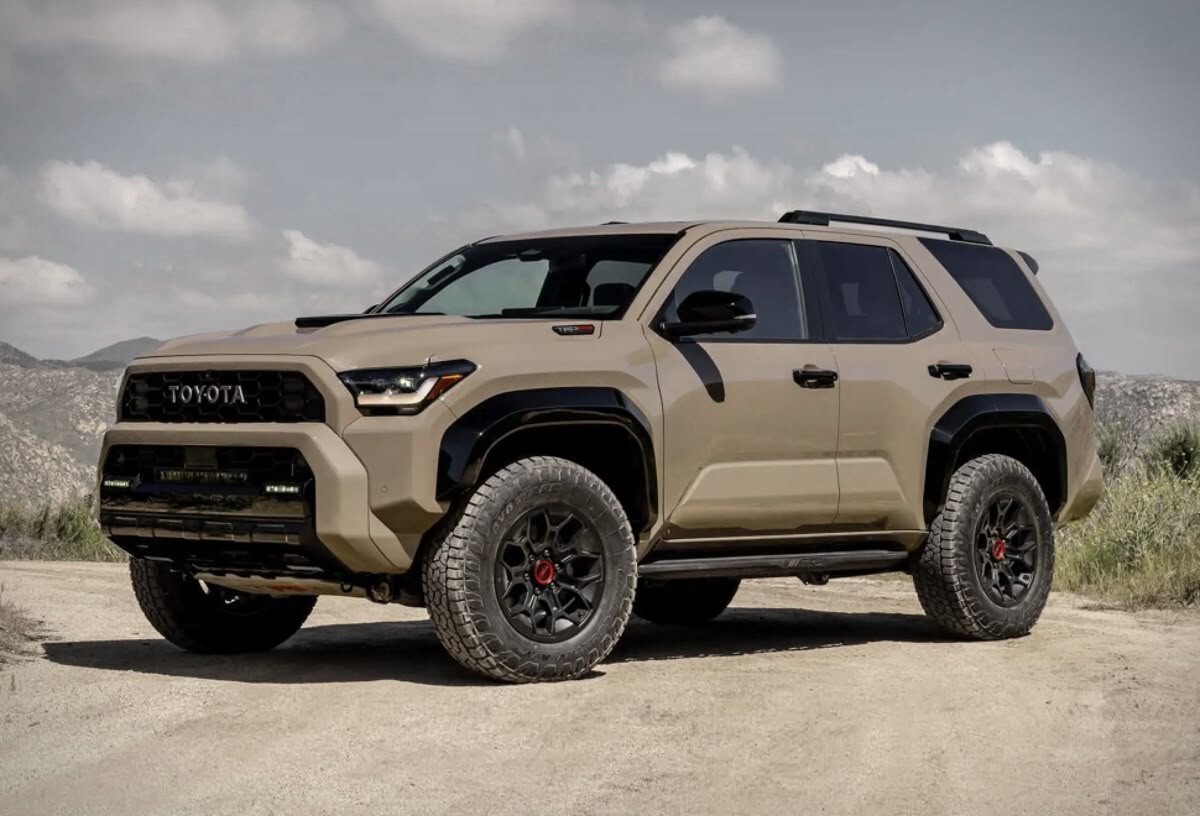
1. Toyota 4Runner
The Toyota 4Runner is widely known for its long-lasting suspension system built for demanding conditions, and much of that reputation comes from its body-on-frame construction. Unlike unibody SUVs that integrate the body and frame into a single structure, the 4Runner uses a separate ladder frame that absorbs stress more effectively.
This design reduces the amount of direct impact transferred to suspension components when driving over potholes, uneven terrain, or rough rural roads. As a result, critical parts like control arms, bushings, and shocks experience less fatigue over time, which directly contributes to long-term durability.
Another important factor is the simplicity of its suspension layout. The 4Runner uses an independent front suspension paired with a solid rear axle, a combination that has been proven over decades in trucks and off-road vehicles. This setup may not deliver the softest ride compared to luxury crossovers, but it excels in strength and reliability.
Fewer moving parts and less reliance on electronic systems mean fewer opportunities for failure, especially as the vehicle ages. Owners benefit from a system that is easier to inspect, repair, and maintain without specialized tools or costly diagnostics.
The quality of materials used in the suspension system also plays a major role in its durability. Toyota engineers design the bushings, mounts, and joints to handle repeated stress cycles without degrading quickly. Even in regions with extreme temperatures or poor road conditions, these components tend to hold up well.
Over time, normal wear items like shocks may need replacement, but the core structure of the suspension remains intact and dependable, which is not always the case with more complex systems.
Off-road capability further highlights the strength of the 4Runner suspension. It is built to endure constant articulation, where wheels move independently over obstacles like rocks and steep inclines. This kind of stress would quickly expose weaknesses in poorly designed systems, yet the 4Runner continues to perform without significant issues.
The suspension geometry allows for consistent tire contact with the ground, which not only improves traction but also prevents uneven stress distribution that could lead to premature wear.
High mileage examples of the 4Runner often demonstrate just how resilient its suspension system is. Many vehicles continue to operate smoothly well beyond 150,000 miles with only routine maintenance.
Owners frequently report minimal clunking noises, stable ride height, and consistent handling even after years of use. This level of reliability makes it one of the most trusted choices for buyers who prioritize long-term ownership and low maintenance concerns.
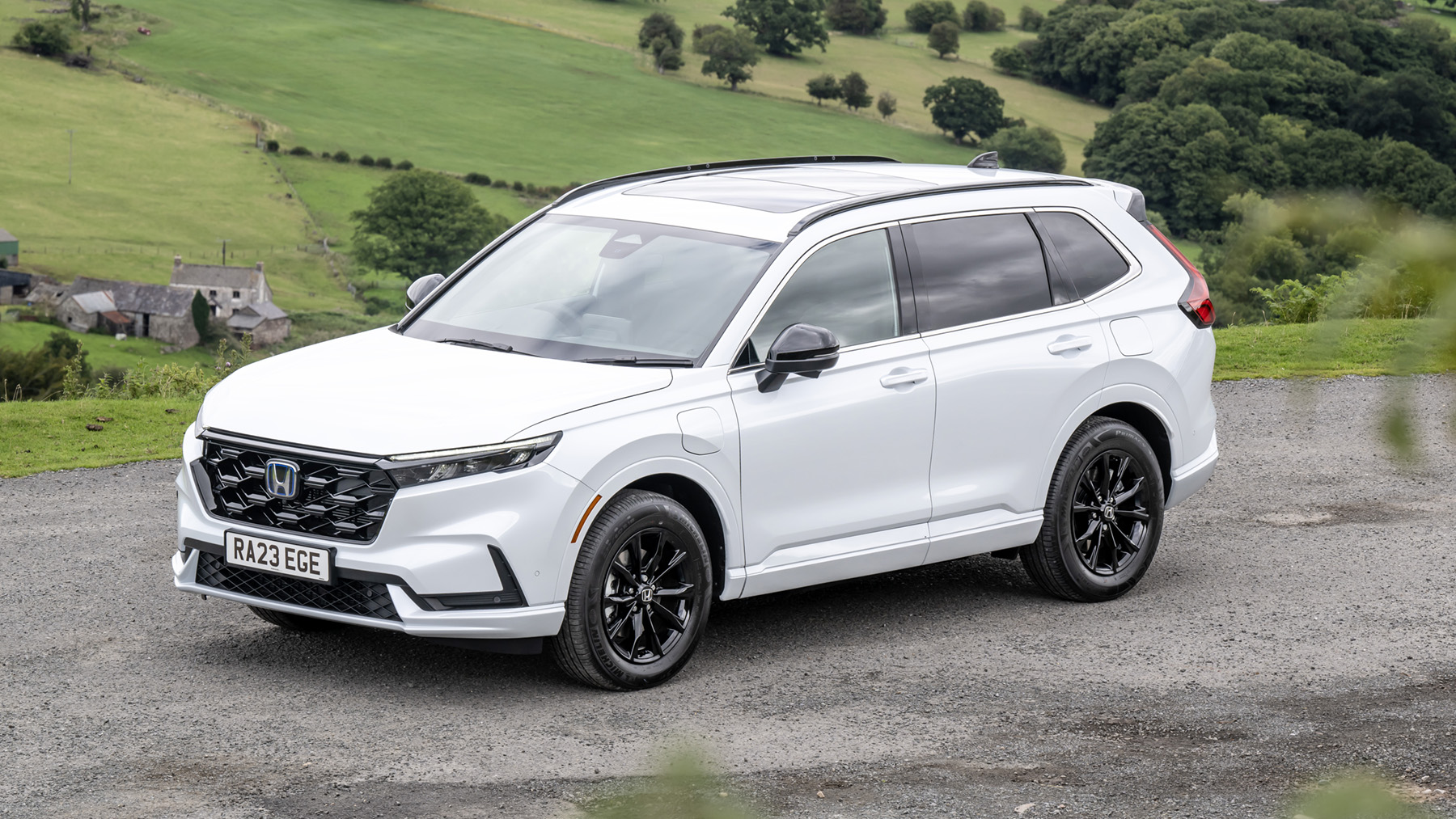
2. Honda CR-V
The Honda CR-V has earned a strong reputation for offering a suspension system that balances comfort with long-term durability, making it one of the most dependable compact SUVs on the road. Its design focuses on everyday usability, which means the suspension is engineered to handle a wide range of driving conditions without excessive wear.
The front MacPherson strut setup combined with a multi-link rear suspension provides a stable and predictable ride, which reduces stress on individual components during normal driving.
One of the key reasons for the CR-V’s suspension longevity is Honda’s focus on simplicity and efficiency. Instead of introducing overly complex or experimental systems, Honda relies on proven designs that have been refined over multiple generations.
This reduces the likelihood of premature failures and keeps maintenance straightforward. With fewer specialized parts and less reliance on advanced electronics, the suspension system remains reliable even as the vehicle ages.
Another advantage is how well the suspension is tuned for real-world conditions. Unlike performance-oriented SUVs that may have stiffer setups, the CR-V is designed to absorb everyday road imperfections such as speed bumps, cracks, and uneven pavement.
This softer and more forgiving tuning reduces the strain on shocks, springs, and bushings, allowing them to last longer. Over time, this results in fewer repairs and a more consistent driving experience.
Maintenance costs for the CR-V suspension system are also relatively low, which adds to its appeal. When parts like struts or bushings eventually wear out, they are widely available and affordable to replace. This accessibility ensures that owners can keep the suspension in good condition without significant financial burden. In addition, the straightforward design allows most repairs to be completed quickly, reducing downtime.
Many long-term owners report that the CR-V maintains its ride quality and handling characteristics well beyond 100,000 miles. Even after years of daily commuting and occasional long-distance travel, the suspension continues to perform without major issues. This consistency makes it a reliable choice for drivers who want a comfortable ride without worrying about frequent suspension-related problems.
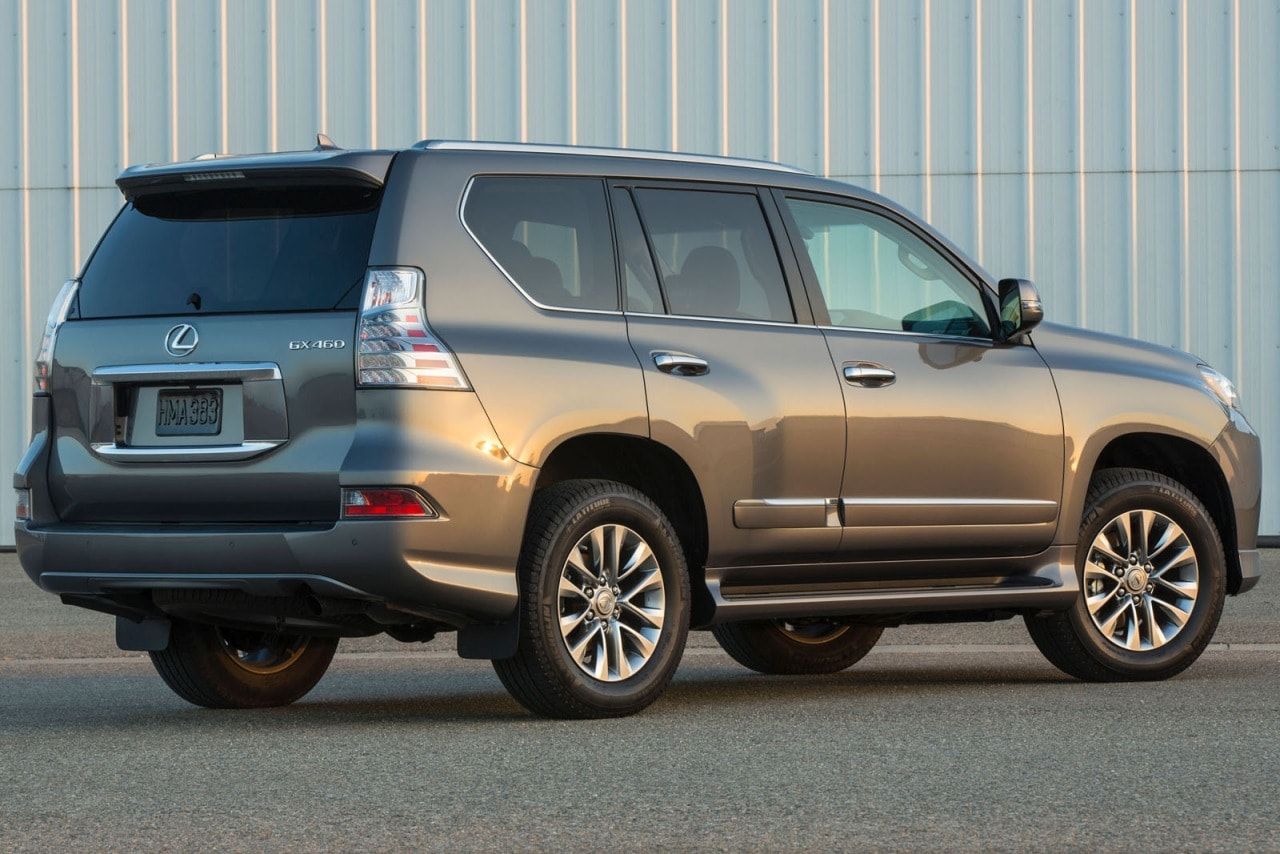
3. Lexus GX 460
The Lexus GX 460 stands out as a luxury SUV that does not compromise on suspension durability, offering a rare combination of comfort and rugged engineering.
Built on a platform shared with the Land Cruiser Prado, it benefits from a design that prioritizes strength and longevity. This foundation allows the suspension system to handle both smooth highway driving and challenging off-road conditions without showing signs of early wear.
The suspension configuration includes an independent front setup and a solid rear axle, which provides excellent stability and load-bearing capability. This design is particularly useful for towing and carrying heavy cargo, as it distributes weight evenly and prevents excessive strain on individual components. The result is a suspension system that remains stable and dependable even under demanding conditions.
Material quality is another area where the GX 460 excels. Lexus uses high-grade components throughout the suspension system, including durable bushings, reinforced control arms, and long-lasting shock absorbers.
These parts are designed to withstand repeated stress without degrading quickly, which significantly extends the lifespan of the entire system. Even after years of use, many GX 460 models show minimal signs of suspension fatigue.
While some versions of the GX 460 include advanced features like adaptive suspension or optional air systems, the standard setup is widely regarded as the most reliable.
It avoids unnecessary complexity and focuses on mechanical strength, which reduces the likelihood of expensive failures. This approach ensures that owners can enjoy a premium driving experience without the maintenance concerns often associated with luxury vehicles.
Over time, the GX 460 continues to demonstrate impressive durability. High mileage vehicles frequently maintain their original ride quality, with minimal noise or instability. This makes it a strong choice for buyers who want a luxury SUV that can handle long-term ownership without sacrificing reliability.
4. Toyota Land Cruiser Prado
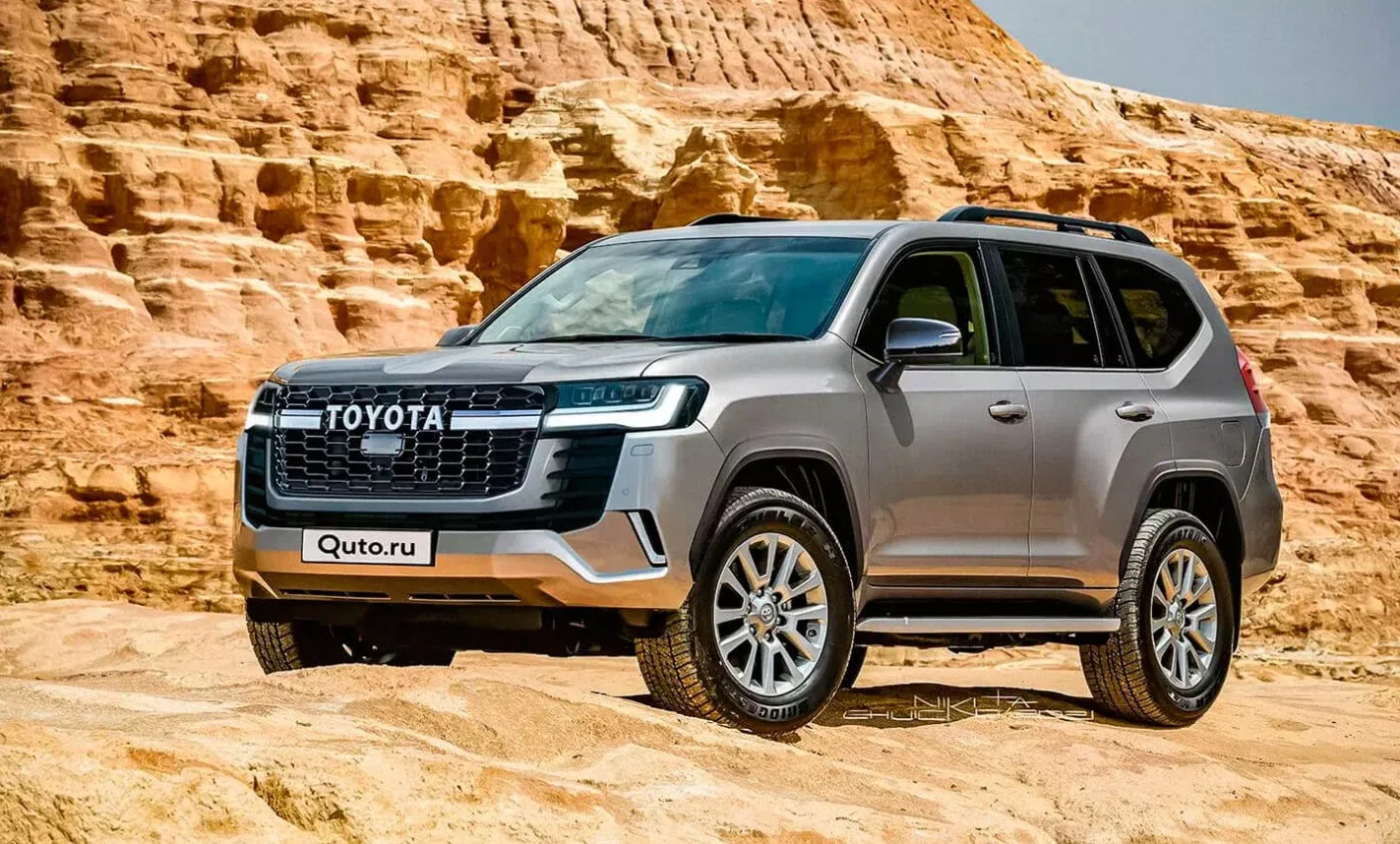
The Toyota Land Cruiser Prado is engineered with durability as a top priority, making its suspension system one of the most reliable in the SUV segment.
Designed for use in some of the harshest environments in the world, the Prado is built to handle everything from desert terrain to rocky mountain roads. This global focus ensures that its suspension components are capable of withstanding extreme stress without failing prematurely.
The suspension setup combines independent front suspension with a solid rear axle, providing a balance between comfort and strength. This configuration allows the vehicle to absorb impacts effectively while maintaining structural integrity over time. The solid rear axle, in particular, is known for its durability and ability to handle heavy loads without bending or weakening.
Another important factor is the robustness of the materials used. Toyota engineers select components that can endure repeated stress cycles, including high-quality bushings and reinforced mounts. These parts are designed to resist wear even under constant use, which is essential for drivers who frequently encounter rough road conditions. As a result, the suspension system remains reliable even after years of demanding use.
The Prado also benefits from a design that prioritizes serviceability. Unlike more complex systems that require specialized tools and diagnostics, its suspension can be maintained and repaired with relative ease. This makes it a practical choice for regions where access to advanced service centers may be limited, further enhancing its long-term reliability.
Owners of high mileage Prado models often report minimal suspension issues, even after extensive off-road use. The system continues to perform consistently, providing a stable and comfortable ride without the clunking or sagging that affects less durable SUVs. This reliability has made it a trusted choice for drivers around the world.
5. Honda Pilot
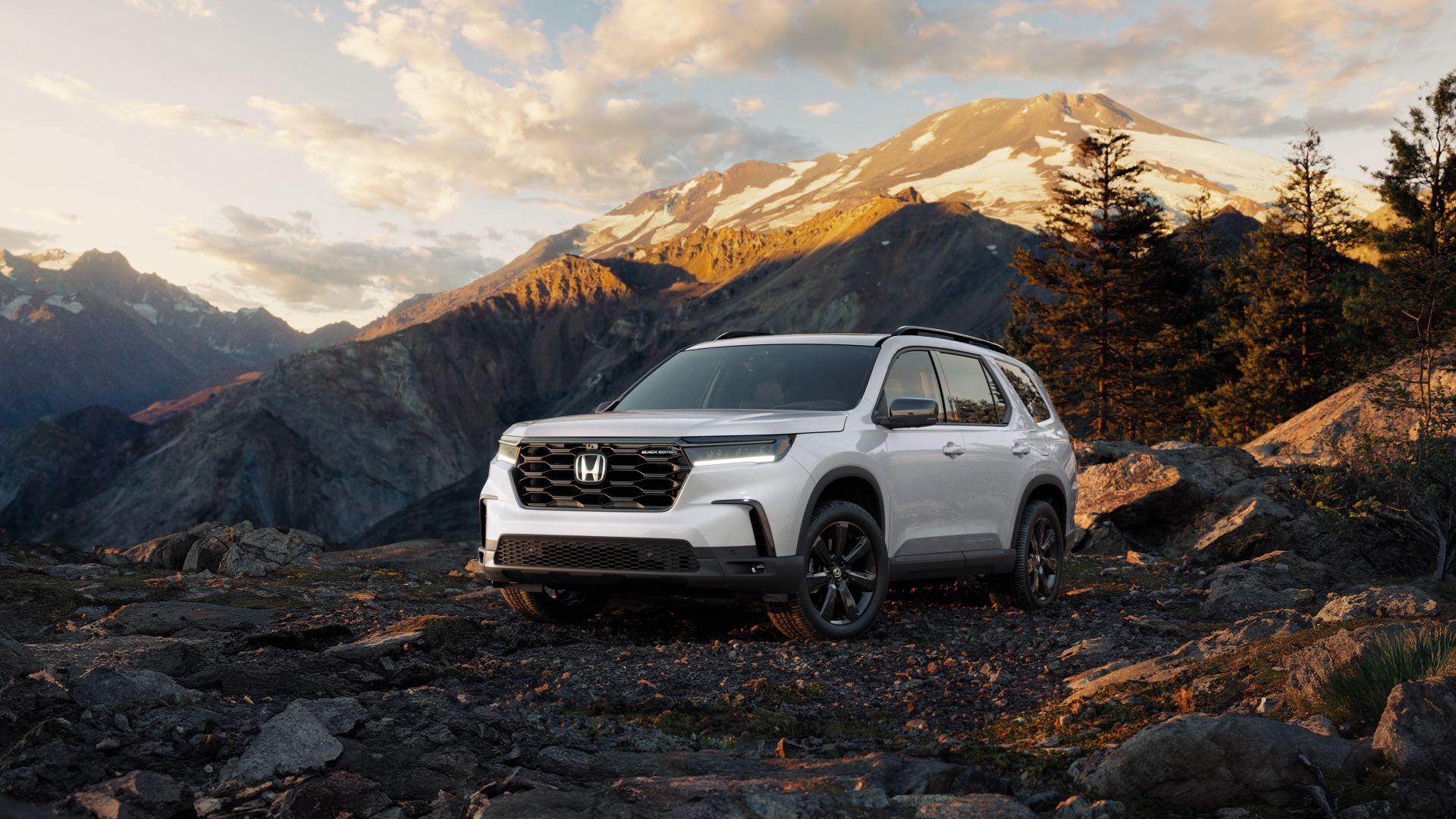
The Honda Pilot is designed as a practical family SUV with a strong emphasis on durability and consistent performance, and its suspension system reflects that focus.
Built to handle daily commuting as well as long road trips with multiple passengers, the Pilot uses a well-balanced suspension setup that prioritizes both comfort and longevity. The front MacPherson strut and rear multi-link configuration provide a stable and controlled ride across a variety of road conditions.
One of the strengths of the Pilot’s suspension is its ability to manage weight effectively. As a three-row SUV, it is often used with a full load of passengers and cargo, which places additional stress on suspension components.
Honda engineers account for this by reinforcing key parts such as control arms and bushings, ensuring that they can handle the extra load without wearing out prematurely.
The tuning of the suspension also contributes to its durability. It is designed to absorb road imperfections smoothly, which reduces the impact forces transmitted to the underlying components. This not only improves ride comfort but also helps extend the lifespan of parts like shocks and springs. Over time, this results in fewer repairs and a more consistent driving experience.
Another advantage is the relatively simple design of the suspension system. By avoiding unnecessary complexity, Honda reduces the number of potential failure points. This makes the system easier to maintain and less prone to unexpected issues, especially as the vehicle ages. When maintenance is required, parts are widely available and reasonably priced.
Long-term ownership reports for the Pilot often highlight its reliable suspension performance. Many vehicles continue to deliver a smooth and stable ride well past 100,000 miles, with only routine maintenance needed. This consistency makes it a dependable choice for families who want an SUV that can handle years of use without developing significant suspension problems.
5 SUVs That Clunk After 50000 Miles
1. Jeep Grand Cherokee
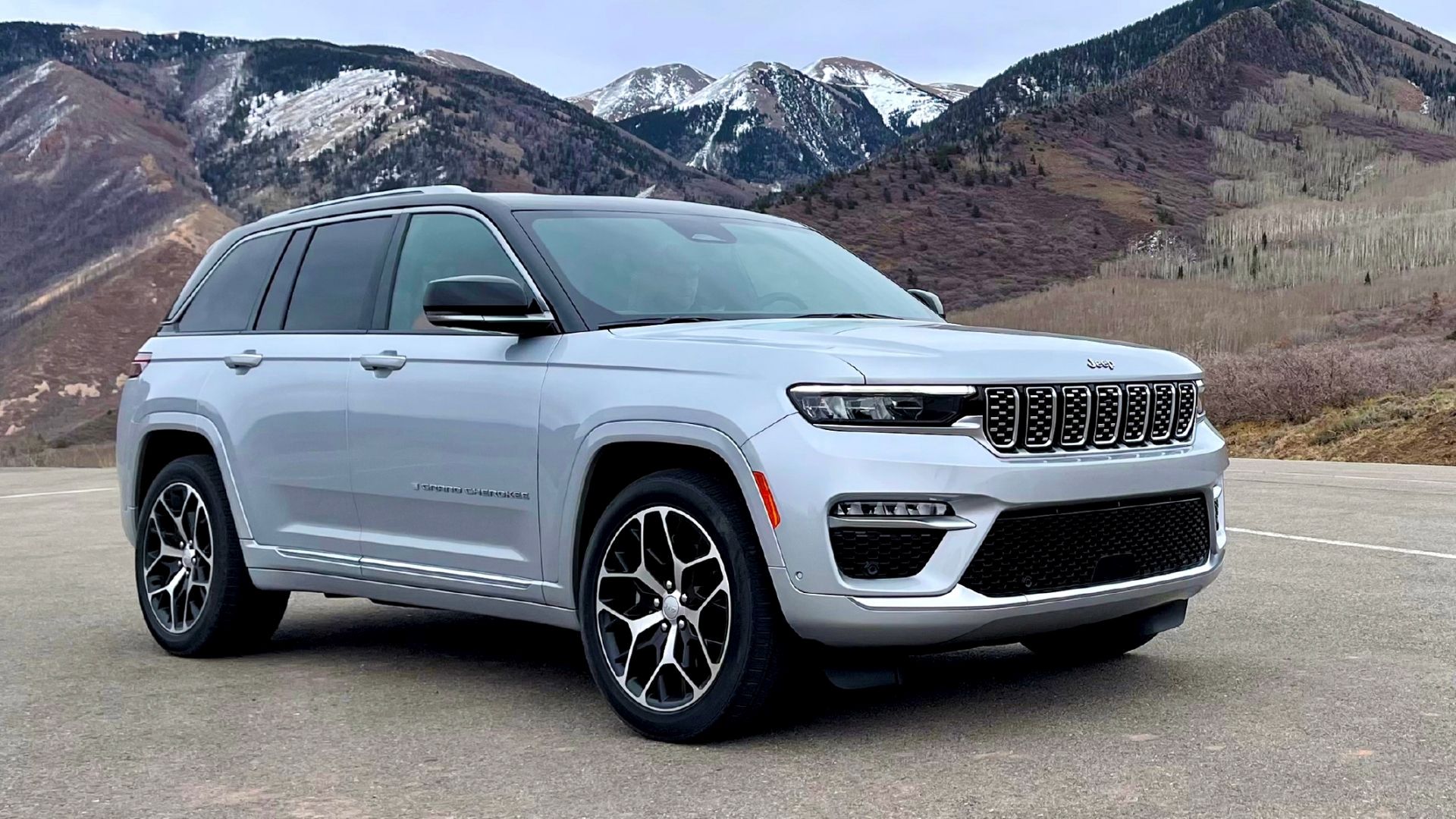
The Jeep Grand Cherokee equipped with the Quadra-Lift air suspension system is often praised for its smooth ride and adjustable height, but this complexity comes at the cost of long-term durability. Unlike traditional coil spring systems, air suspension relies on multiple interconnected components such as air springs, compressors, sensors, and control modules.
Each of these parts introduces a potential failure point, especially as the vehicle ages and is exposed to varying road and weather conditions. Over time, even minor wear in one component can affect the entire system’s performance.
One of the most common issues involves the air springs themselves. These rubber components are constantly inflating and deflating to adjust ride height, which leads to gradual material fatigue. Small cracks or leaks begin to form, often going unnoticed at first. As the leaks worsen, the system struggles to maintain consistent pressure, causing the vehicle to sit unevenly or sag overnight. This uneven load distribution puts additional stress on other suspension components, accelerating wear across the system.
The air compressor is another critical part that tends to wear out prematurely. As leaks develop in the air springs, the compressor is forced to work harder and more frequently to maintain proper pressure levels.
This continuous operation leads to overheating and eventual failure. When the compressor begins to weaken, drivers may notice delayed height adjustments, unusual noises, or a complete inability to maintain ride height, all of which contribute to a degraded driving experience.
Clunking noises are a frequent complaint among owners as the system begins to fail. These sounds often occur when the suspension cannot properly stabilize the vehicle due to inconsistent pressure or worn components.
The noise may be more noticeable when driving over bumps, making turns, or transitioning between different ride heights. In some cases, the clunking is accompanied by a feeling of looseness or instability, which can affect driver confidence.
Repair costs for the Quadra-Lift system can be significant, as multiple components often need to be replaced at once to restore proper function. This has led many owners to convert their vehicles to traditional coil spring setups to avoid recurring issues. While the system offers comfort and versatility when new, its long-term reliability remains a concern for those planning extended ownership.
2. BMW X5
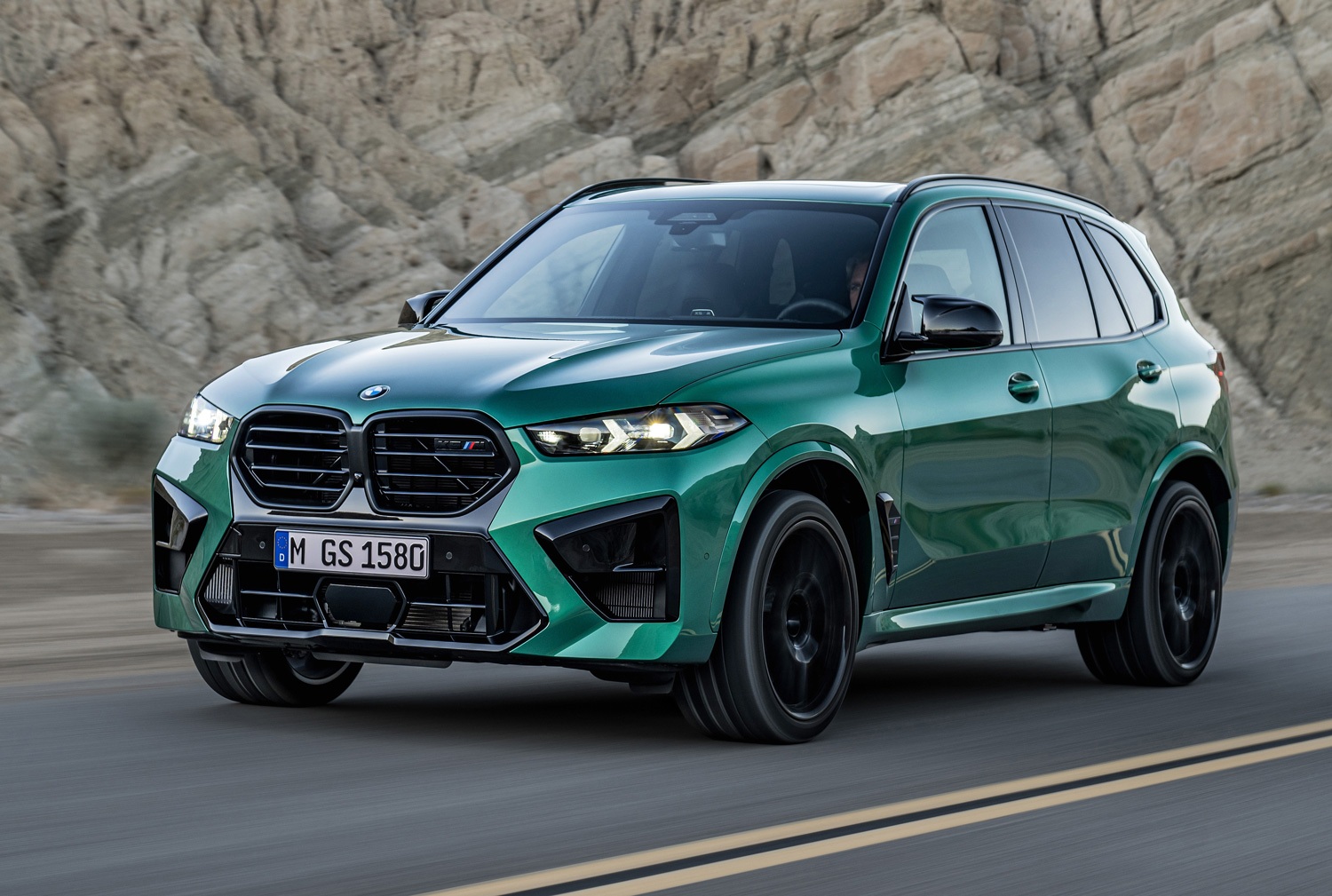
Older models of the BMW X5 that feature rear air suspension are known for developing sagging issues as they accumulate mileage. The system is designed to maintain a level ride height regardless of load, but over time, the air springs begin to lose their ability to hold pressure.
This is often due to wear in the rubber material, which becomes less flexible and more prone to cracking as it ages. Environmental factors such as temperature fluctuations and road debris further accelerate this deterioration.
A common symptom is the rear of the vehicle sitting noticeably lower after being parked for several hours. This occurs because air slowly escapes from the compromised springs, causing the suspension to lose height.
When the vehicle is started, the compressor attempts to restore the correct level, but this repeated cycle places additional strain on the system. Over time, this constant compensation leads to increased wear on both the compressor and the remaining functional components.
The compressor itself becomes a weak point as it works harder to counteract pressure loss. Continuous operation can cause overheating, reduced efficiency, and eventual failure. When the compressor is no longer able to maintain proper pressure, the suspension may remain uneven or fail completely. This not only affects ride quality but also impacts handling and tire wear, as the vehicle’s alignment is disrupted.
Clunking and knocking noises often develop as the suspension loses its structural consistency. These sounds are typically caused by uneven load distribution or worn mounting points that are no longer properly supported.
Drivers may notice these noises during acceleration, braking, or when driving over uneven surfaces. The combination of noise and reduced stability can make the vehicle feel less refined compared to its original condition.
Due to the recurring nature of these issues, many owners choose to replace the air suspension with a conventional coil spring setup. While this eliminates the sagging problem, it also removes some of the ride comfort and adjustability that the system was designed to provide. Despite its premium design, the long-term reliability of this suspension system is often seen as a drawback.
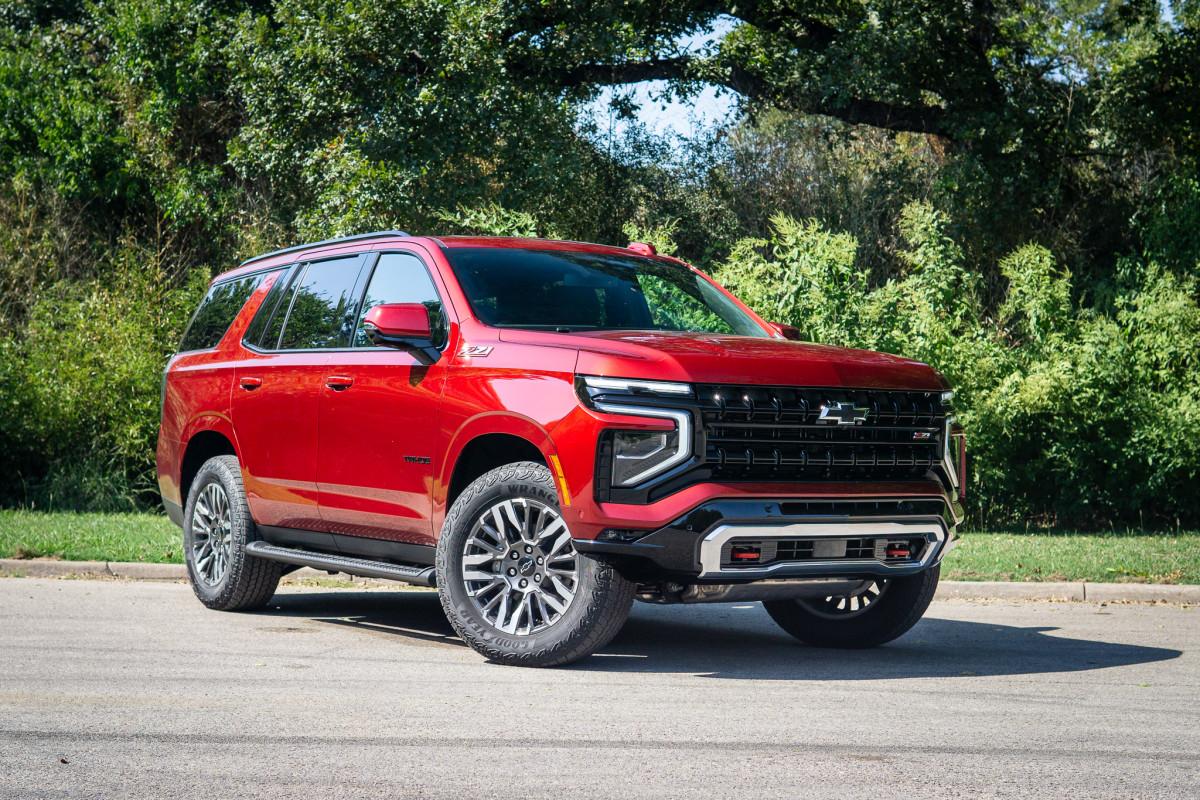
3. Chevrolet Tahoe
The Chevrolet Tahoe, particularly in versions equipped with air ride suspension, is designed to provide a smooth and controlled ride even when carrying heavy loads. However, this capability also places significant stress on the suspension system over time.
The combination of vehicle weight, passenger capacity, and towing demands means that the suspension components are constantly operating under pressure, which can lead to accelerated wear compared to lighter SUVs.
Air shocks and ride height sensors are among the most common components to experience issues. These parts are responsible for maintaining a consistent ride height, but repeated adjustments and exposure to harsh conditions can cause them to degrade.
As the sensors begin to fail or provide inaccurate readings, the system may struggle to maintain proper alignment, leading to uneven ride height and reduced stability.
The added strain from towing and hauling further contributes to suspension fatigue. When the vehicle is frequently loaded to its capacity, the air suspension system must work harder to compensate for the additional weight.
This continuous stress can lead to premature failure of key components, including compressors and air springs. Once these parts begin to wear out, the system’s ability to maintain a smooth ride is significantly reduced.
Drivers often report clunking noises as the suspension components begin to loosen or lose their effectiveness. These sounds are typically more noticeable when driving over bumps or uneven surfaces, where the suspension is unable to absorb impacts as efficiently as it once did. The noise is often accompanied by a feeling of reduced control, particularly when the vehicle is fully loaded.
Repairing the air ride suspension system can be costly, especially if multiple components fail simultaneously. While the Tahoe remains a capable and versatile SUV, its suspension system may require more frequent attention than expected, particularly for owners who regularly use it for heavy-duty tasks.
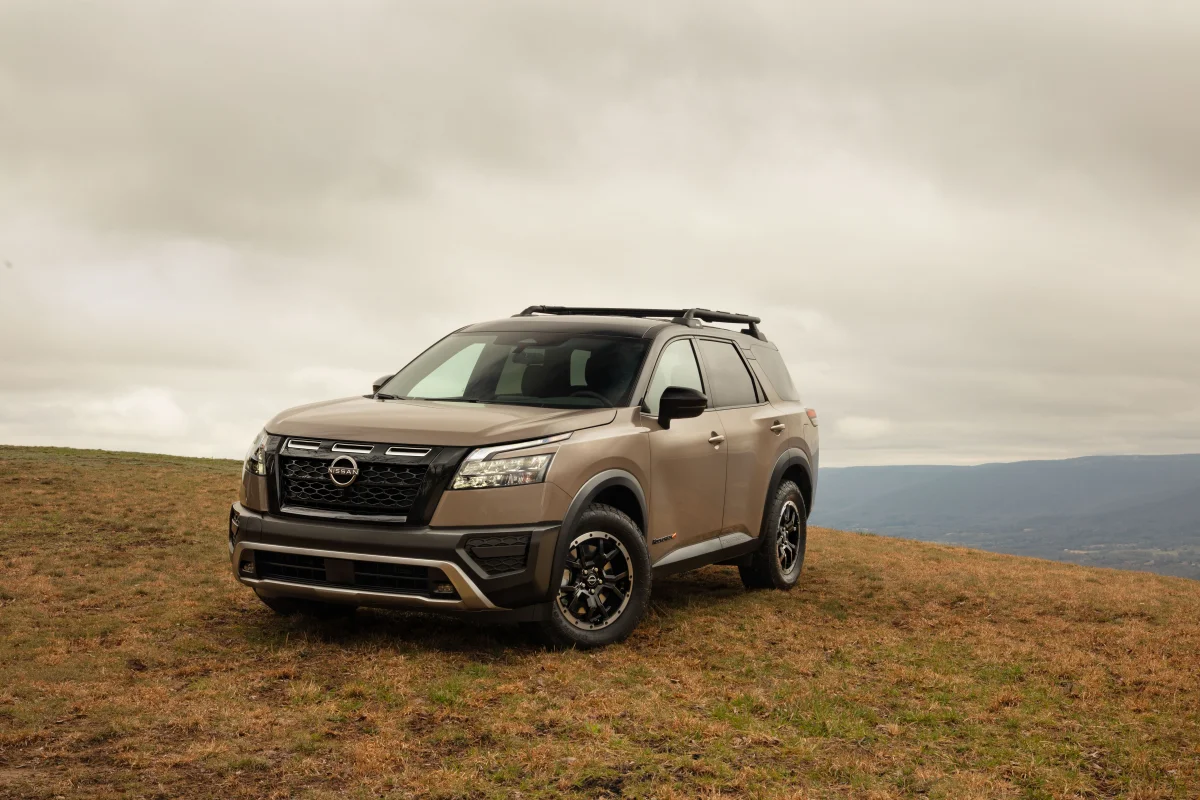
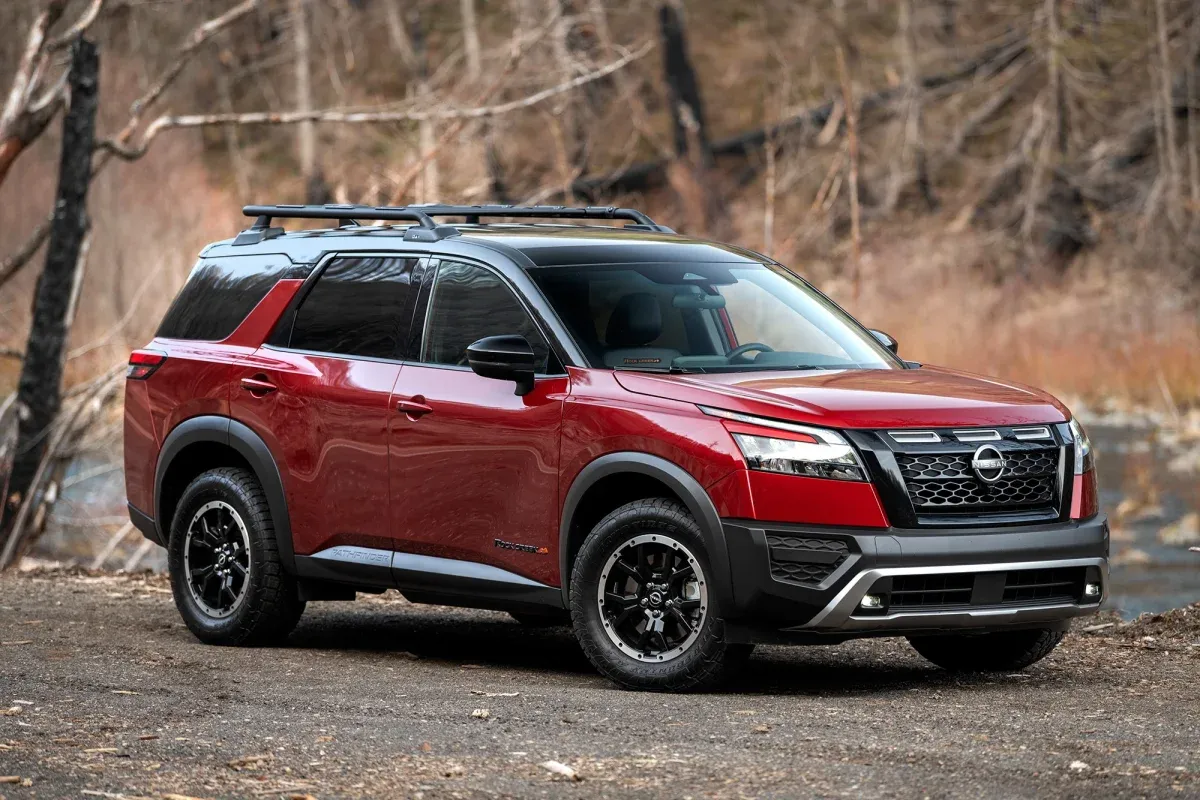
4. Nissan Pathfinder
Older versions of the Nissan Pathfinder have been associated with suspension wear issues that tend to appear earlier than expected, particularly in vehicles that are driven on rough or uneven roads. One of the primary causes is the use of bushings that wear out relatively quickly compared to those in more robust SUVs.
These bushings play a crucial role in absorbing vibrations and maintaining proper alignment, so when they degrade, the entire suspension system is affected.
As the bushings begin to deteriorate, drivers often notice a knocking or clunking sound coming from the rear suspension. This is especially noticeable when driving over speed bumps, potholes, or uneven surfaces. The noise is caused by increased movement between components that are no longer properly cushioned, leading to metal-on-metal contact in some cases. This not only affects ride quality but can also accelerate wear on surrounding parts.
Front suspension components such as control arms and ball joints are also prone to early wear in these models. As these parts loosen over time, they contribute to a less stable driving experience. Steering may feel less precise, and the vehicle may exhibit increased body roll during turns. These issues are often accompanied by uneven tire wear, which can lead to additional maintenance costs if not addressed promptly.
Another factor contributing to these problems is the design of the suspension system, which may not be as robust as those found in more durable SUVs. While it performs adequately under normal conditions, it can struggle to handle repeated stress over time. This makes it more susceptible to wear, particularly in regions with poor road quality or frequent stop-and-go driving.
Owners who keep up with regular inspections and maintenance can mitigate some of these issues, but the underlying design limitations remain. As a result, suspension-related repairs may become more frequent as the vehicle approaches and surpasses the 50000-mile mark, making it less appealing for long-term ownership compared to more durable alternatives.
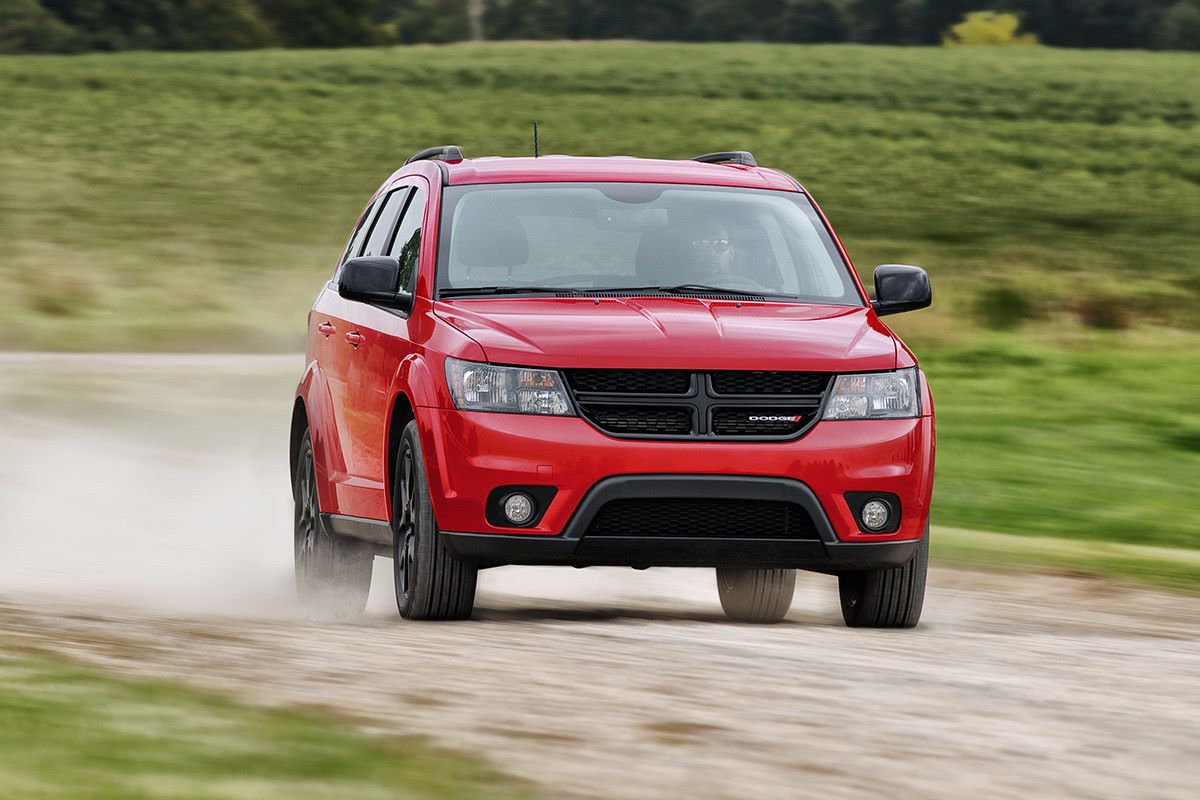
5. Dodge Journey
The Dodge Journey is often recognized as a budget-friendly SUV, but this affordability is reflected in the quality of its suspension components. The system is designed to meet basic performance requirements rather than deliver long-term durability, which can lead to issues appearing earlier than expected.
Materials used in key components such as bushings, control arms, and links are generally less robust, making them more susceptible to wear under normal driving conditions.
One of the most common complaints from owners is the development of clunking noises within the first few years of ownership. These sounds are typically caused by worn bushings or loose suspension components that are no longer able to absorb impacts effectively.
The noise is often most noticeable when driving over bumps, making turns, or transitioning between different road surfaces. As the wear progresses, the frequency and intensity of the noise tend to increase.
The suspension system’s design also contributes to its durability issues. It lacks the reinforcement and high-quality materials found in more reliable SUVs, which means it is less capable of handling repeated stress over time. Even moderate driving conditions can lead to accelerated wear, particularly if the vehicle is frequently driven on rough roads or carries heavy loads.
Another concern is the tendency for suspension problems to occur in clusters. Once one component begins to fail, it can place additional stress on surrounding parts, leading to a chain reaction of wear and damage. This can result in multiple repairs being needed within a short period, increasing maintenance costs and inconvenience for the owner.
While the Dodge Journey remains an accessible option for buyers on a budget, its suspension system is not well-suited for long-term durability. Owners who plan to keep the vehicle beyond 50000 miles may find themselves dealing with recurring suspension issues, making it a less reliable choice compared to competitors with stronger engineering.
