
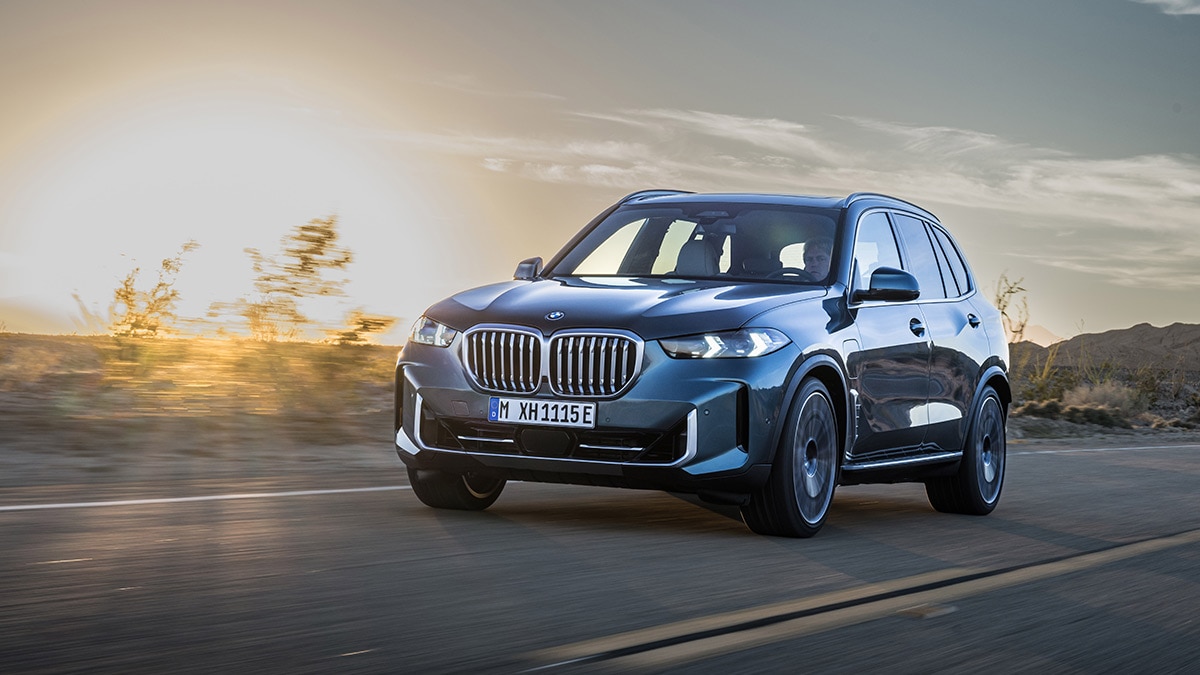
Car ownership is not only about buying a vehicle, but also about the long term experience that follows after the purchase. For most owners, the service center experience plays a major role in shaping how satisfied they feel with a brand.
A car may perform well on the road, but if its service network is not transparent or fair, ownership can quickly become stressful and expensive. On the other hand, brands that maintain clear communication, reasonable pricing, and consistent service standards often earn long term trust from customers.
In many countries, especially in growing automotive markets like India, service experiences can vary widely even within the same brand. Factors such as dealership ownership, technician training, and regional pricing policies can influence how customers are treated.
Some brands have built a strong reputation for transparency and customer friendly practices, where service advisors explain issues clearly, recommend only necessary repairs, and provide predictable billing. These brands often rely on long term loyalty rather than short term profit from each visit.
At the same time, there are brands that receive frequent feedback about higher service costs or repeated recommendations for additional work during routine visits. While some of this can be due to genuine technical requirements or premium parts pricing, many customers perceive it as upselling.
Upselling in the automotive service context usually refers to suggesting extra services, replacements, or packages that go beyond the immediate issue reported by the vehicle owner. This perception can vary depending on individual experiences, dealership policies, and vehicle segment.
It is also important to understand that no brand is universally perfect or universally problematic. Even highly rated companies may have inconsistent service centers, and even premium brands may have locations that provide excellent transparency. Customer reviews, surveys, and ownership forums often reflect trends rather than absolute rules.
Therefore, the information in this article is based on commonly reported ownership experiences and general market reputation patterns rather than isolated incidents.
This article presents five car brands that are often associated with honest and straightforward service practices, followed by five brands that are frequently discussed in relation to upselling concerns. The aim is to help car owners understand common industry perceptions so they can make more informed decisions about long term maintenance and ownership expectations.
5 Car Brands With Honest Service Centers
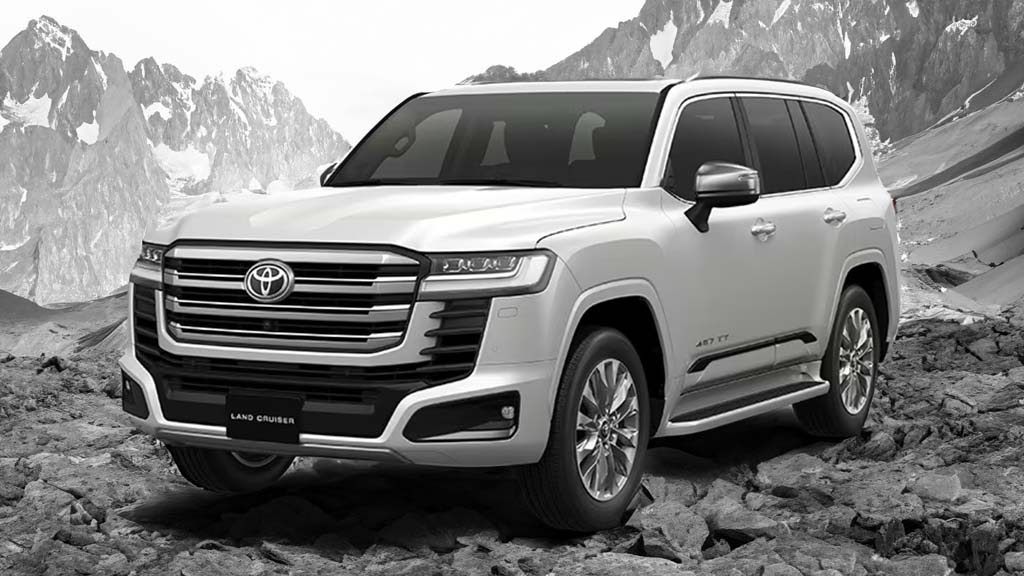
Toyota
Toyota is widely recognized for its reliability and long lasting vehicles, and this reputation extends into its service network in many regions. Owners frequently report that Toyota service centers focus on necessary maintenance rather than unnecessary repairs.
The brand has built a system where preventive maintenance schedules are clearly outlined, which helps customers understand what is required at each stage of ownership. This structured approach reduces confusion and builds trust over time.
Another important factor in Toyota service reputation is transparency in pricing. Many customers note that estimates provided before service tend to match the final bill unless unexpected issues are discovered and communicated clearly. Advisors often explain repair needs in simple terms, which helps owners make informed decisions without feeling pressured. This clarity contributes to a sense of fairness in the service process.
Toyota’s widespread availability of spare parts also plays a role in reducing customer frustration. Because parts are commonly stocked and standardized, repair times are often shorter and more predictable. This reduces the need for repeated visits and lowers maintenance stress for owners. The consistency across different service centers is another reason why many customers feel comfortable with the brand.
In addition, Toyota’s focus on long term ownership rather than short term profit per service visit helps maintain a balanced approach. Service advisors are generally trained to prioritize safety and scheduled maintenance over optional upgrades. While additional recommendations are sometimes made, they are usually explained in detail, allowing customers to decide without pressure.
Toyota’s service reputation is built on consistency, clarity, and predictable maintenance practices, making it one of the most commonly trusted brands for ownership experience.
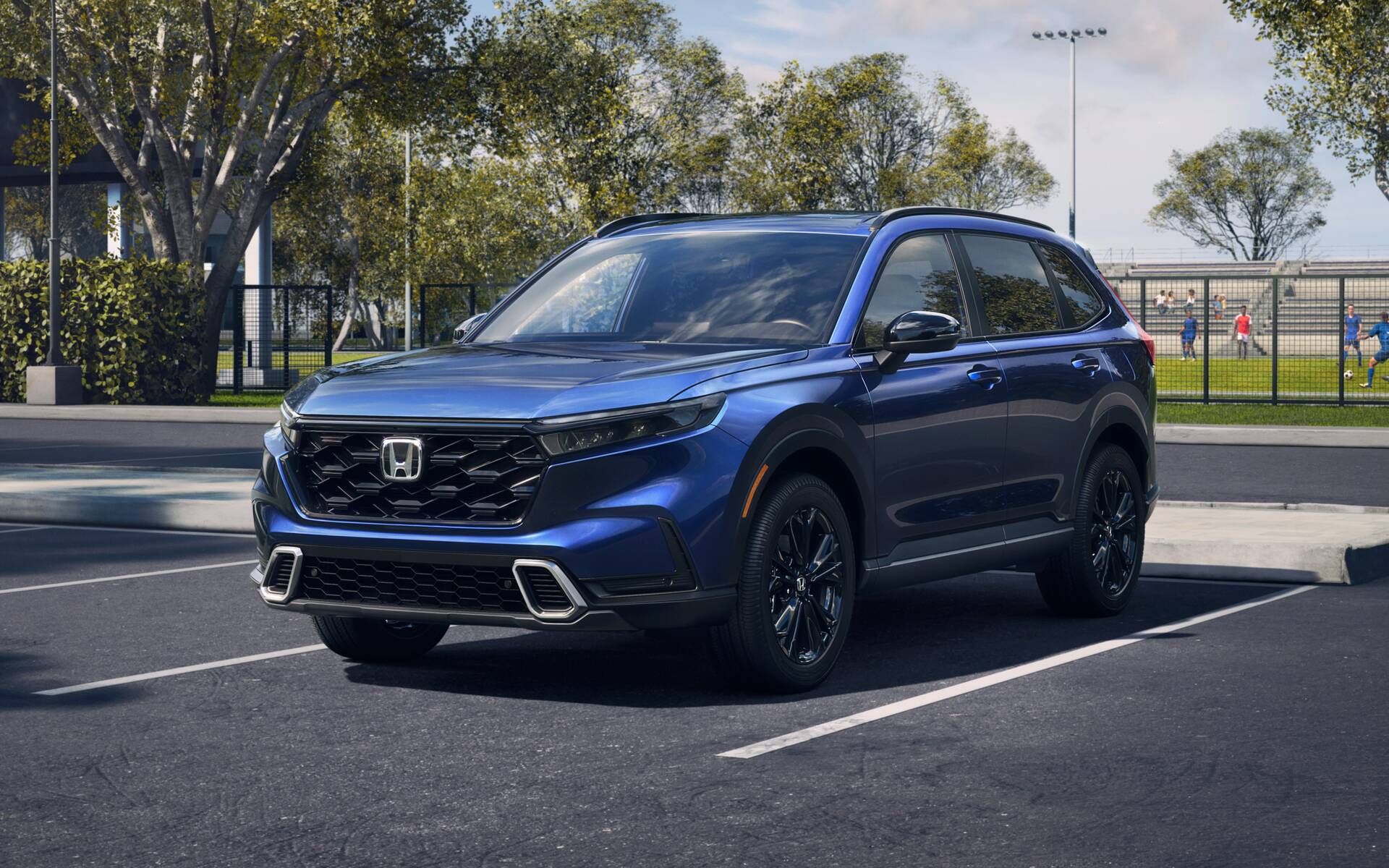
Honda
Honda has earned a strong reputation for smooth customer service experiences in many global markets. Owners often highlight that Honda service centers provide clear explanations of issues and avoid unnecessary complexity in their communication. The service process is generally structured, with an emphasis on scheduled maintenance and manufacturer recommended procedures.
A key strength of Honda service centers is their focus on practical repair recommendations. Many customers report that advisors tend to prioritize functional repairs rather than cosmetic or optional replacements. This approach helps reduce service costs and creates a sense of trust between the customer and the workshop. Transparency in inspection reports also helps owners understand exactly what work is required.
Honda also benefits from a strong engineering philosophy that emphasizes durability and low maintenance requirements. Because many Honda vehicles are designed with long service intervals and reliable components, fewer unexpected repairs are needed. This naturally reduces the opportunity for excessive service recommendations, contributing to a more straightforward ownership experience.
In addition, Honda’s service pricing in many regions is considered moderate compared to premium brands. While costs can vary by model and location, customers often find that routine maintenance remains predictable. This predictability is a major factor in customer satisfaction, especially for long term ownership.
Honda service centers are often associated with balanced recommendations, clear communication, and practical maintenance practices that help maintain customer confidence.

Maruti Suzuki
Maruti Suzuki has one of the largest service networks in India, which plays a major role in its reputation for accessibility and transparency. Because the brand caters to a wide range of customers, including first time car buyers, its service centers are structured to provide simple and understandable processes. This helps reduce confusion for owners who may not be familiar with automotive maintenance.
One of the most commonly appreciated aspects of Maruti Suzuki service is affordability. Routine maintenance and spare parts are generally priced to remain accessible for middle income customers. This pricing structure reduces the perception of unnecessary upselling, as service packages are designed to match common usage needs.
Many customers also report that service advisors at Maruti Suzuki centers provide clear explanations of repairs and do not heavily push additional services unless they are required for safety or compliance. This approach builds trust, especially in smaller cities where customers rely heavily on authorized workshops.
The wide availability of service centers across urban and rural areas also ensures consistency in ownership experience. Even though individual dealership quality can vary, the system is designed to maintain standard procedures and service guidelines. This reduces major differences in customer experience.
In general, Maruti Suzuki is often viewed as a practical and transparent brand for service, particularly for budget friendly and family oriented vehicles.
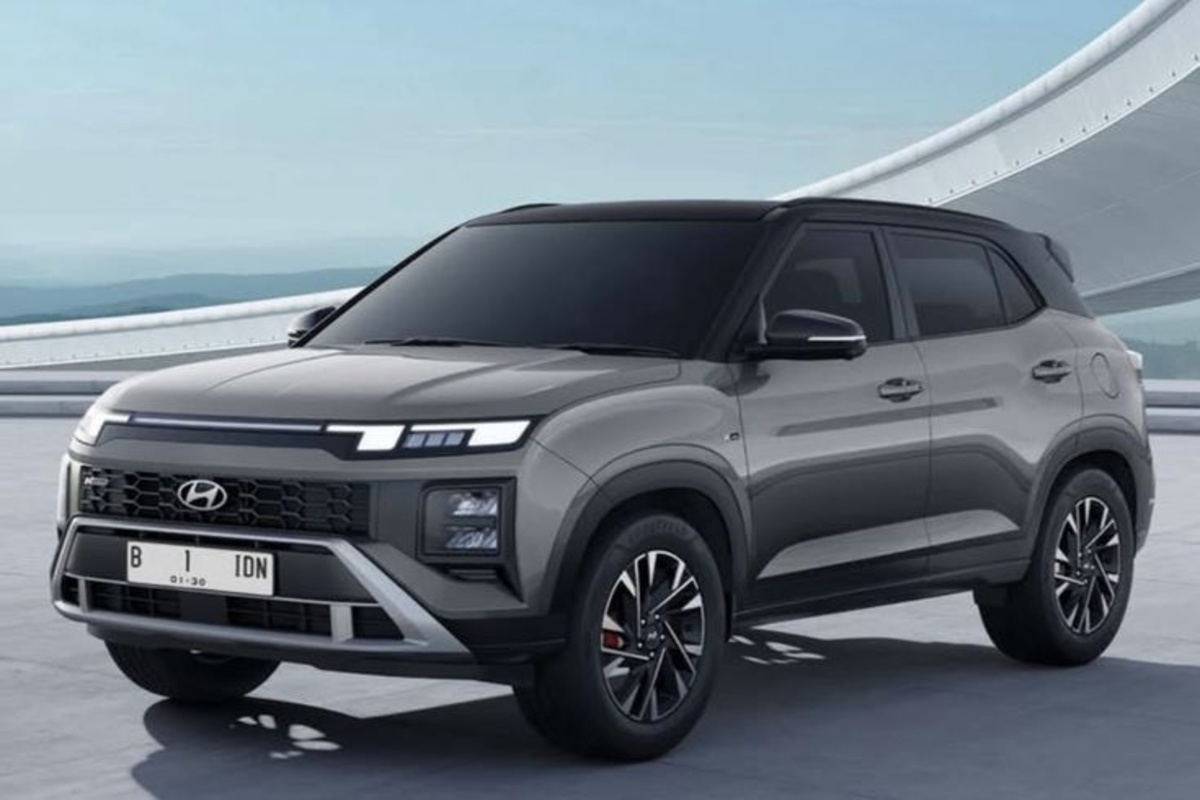
Hyundai
Hyundai has built a strong presence in many global markets with a focus on customer satisfaction and modern service infrastructure. Many owners report that Hyundai service centers provide well organized inspection processes and detailed service reports. This helps customers understand what work is being done and why it is necessary.
A strength of Hyundai service experience is the emphasis on digital and structured service tracking. Customers often receive updates about service progress, which reduces uncertainty during vehicle maintenance. This communication helps improve trust and reduces misunderstandings about billing or repair timelines.
Hyundai also tends to offer competitive service pricing in many segments, especially for non luxury vehicles. While costs can vary depending on model and region, routine maintenance is generally positioned as affordable and predictable. This supports long term ownership satisfaction.
Another positive factor is the availability of trained technicians and standardized service procedures. Hyundai invests heavily in service training, which helps ensure that vehicles are handled consistently across different locations. This reduces variation in customer experience.
Hyundai is often associated with organized service systems, transparent communication, and reasonable maintenance costs.
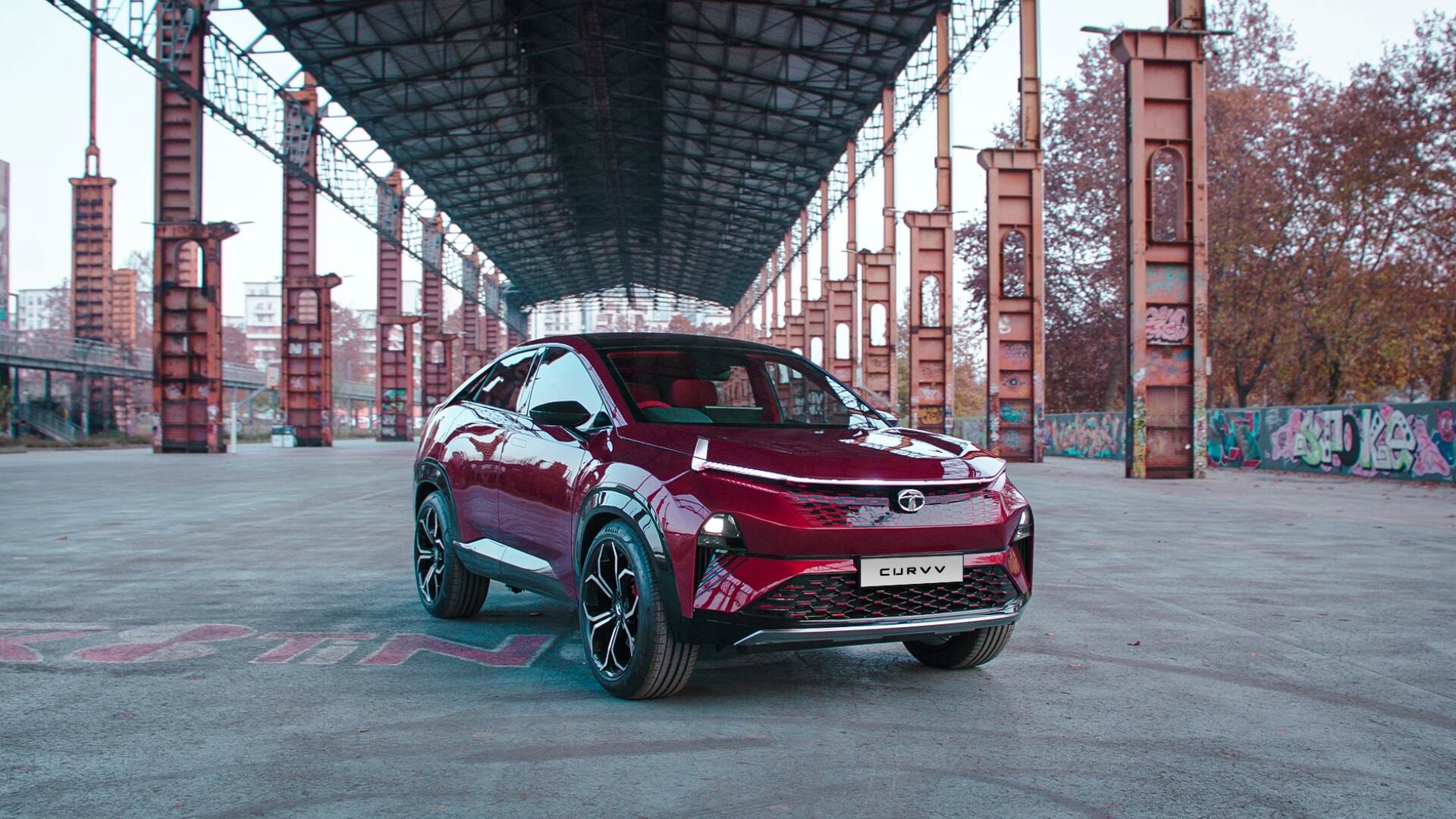
Tata Motors
Tata Motors has significantly improved its service reputation in recent years, especially with its newer generation vehicles. Many owners report that service centers have become more structured and customer focused compared to earlier periods. This improvement is often linked to updated training programs and better quality control systems.
One of the key strengths of Tata service centers is increasing transparency in diagnostics. Customers are often shown detailed reports and explanations before repairs are approved. This helps reduce confusion and ensures that customers are aware of what is necessary versus optional.
Tata vehicles also benefit from improving build quality and safety standards, which reduces frequent repair needs in newer models. This naturally contributes to a smoother service experience and fewer repeated visits for major issues.
In addition, Tata Motors has expanded its service network, making it easier for customers in different regions to access authorized centers. This expansion has helped improve consistency, although experiences can still vary by location.
Tata Motors is increasingly seen as a brand that is moving toward more transparent and customer friendly service practices.
5 Known for Constant Upselling

BMW
BMW is a premium automotive brand known for performance and luxury, but its service costs are often considered high by many owners. A common perception in ownership discussions is that service centers may recommend additional maintenance packages or part replacements during routine visits. While some of these recommendations may be linked to strict maintenance standards, customers sometimes view them as upselling.
BMW vehicles are engineered with advanced systems that require specialized parts and diagnostic tools. This naturally increases service complexity and cost. As a result, even routine maintenance can become expensive compared to non luxury brands. Customers often notice that service advisors present multiple maintenance options during visits.
Another factor contributing to upselling perception is the structured service package system. Many BMW owners are offered bundled service plans, which may include items beyond immediate requirements. While these plans can provide long term benefits, some customers feel pressured to purchase them at the time of service.
It is also important to note that BMW service quality can vary depending on dealership location. Some centers are known for transparent communication, while others may be perceived differently by customers. This inconsistency contributes to mixed reviews.
BMW ownership often comes with premium service expectations and higher costs, which can lead to perceptions of frequent upselling.
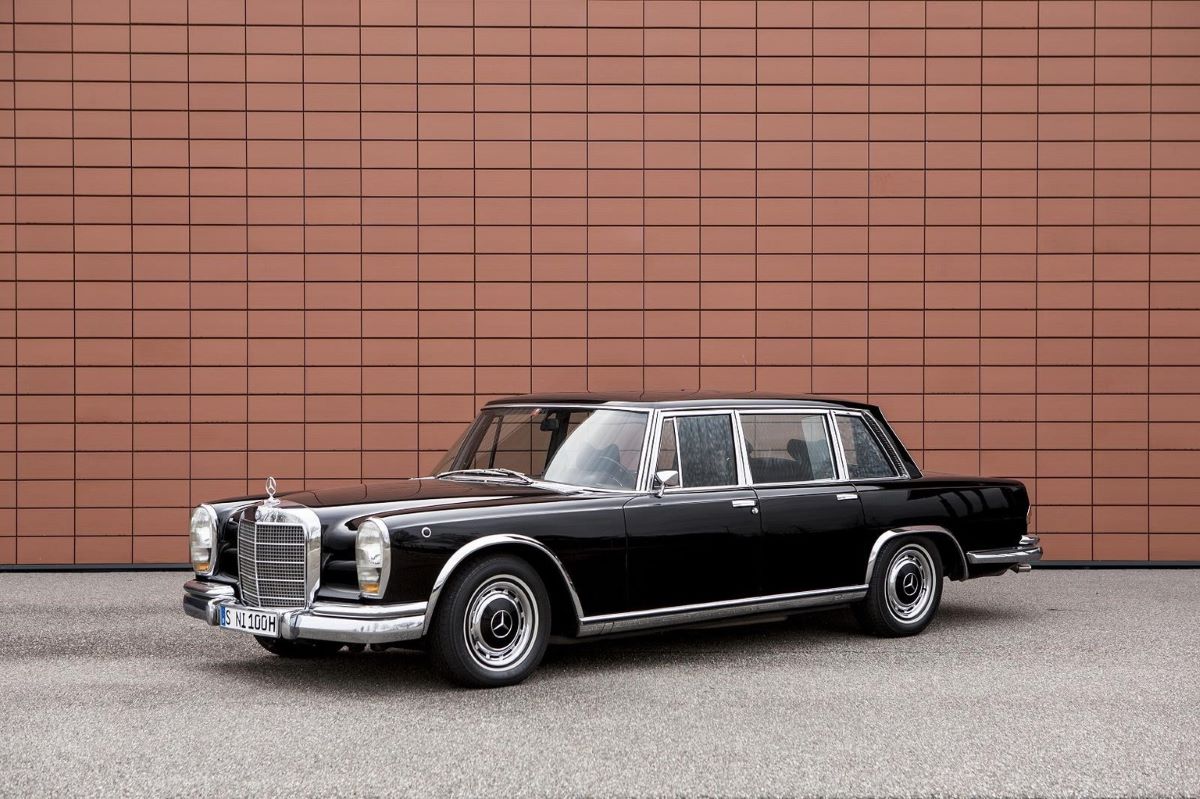
Mercedes-Benz
Mercedes-Benz is another luxury brand where service experiences are closely tied to premium pricing. Many owners appreciate the professionalism of service centers, but there are also frequent discussions about high service bills and additional recommended repairs during visits.
One reason for upselling perception is the brand’s strict maintenance schedules and use of specialized parts. Service advisors often recommend replacements based on time intervals and mileage, which can include multiple items at once. While these recommendations may align with manufacturer guidelines, customers sometimes feel the list is extensive.
Mercedes-Benz service packages are also positioned as premium offerings, which can include extended warranties, maintenance bundles, and software updates. These packages are beneficial for long term ownership but can feel like additional sales pressure during service visits.
Another factor is the complexity of modern Mercedes-Benz vehicles. Advanced electronics and systems often require diagnostic checks that may lead to additional recommended repairs. This can increase the service bill.
In general, Mercedes-Benz service is highly professional but often associated with high costs and bundled service recommendations.
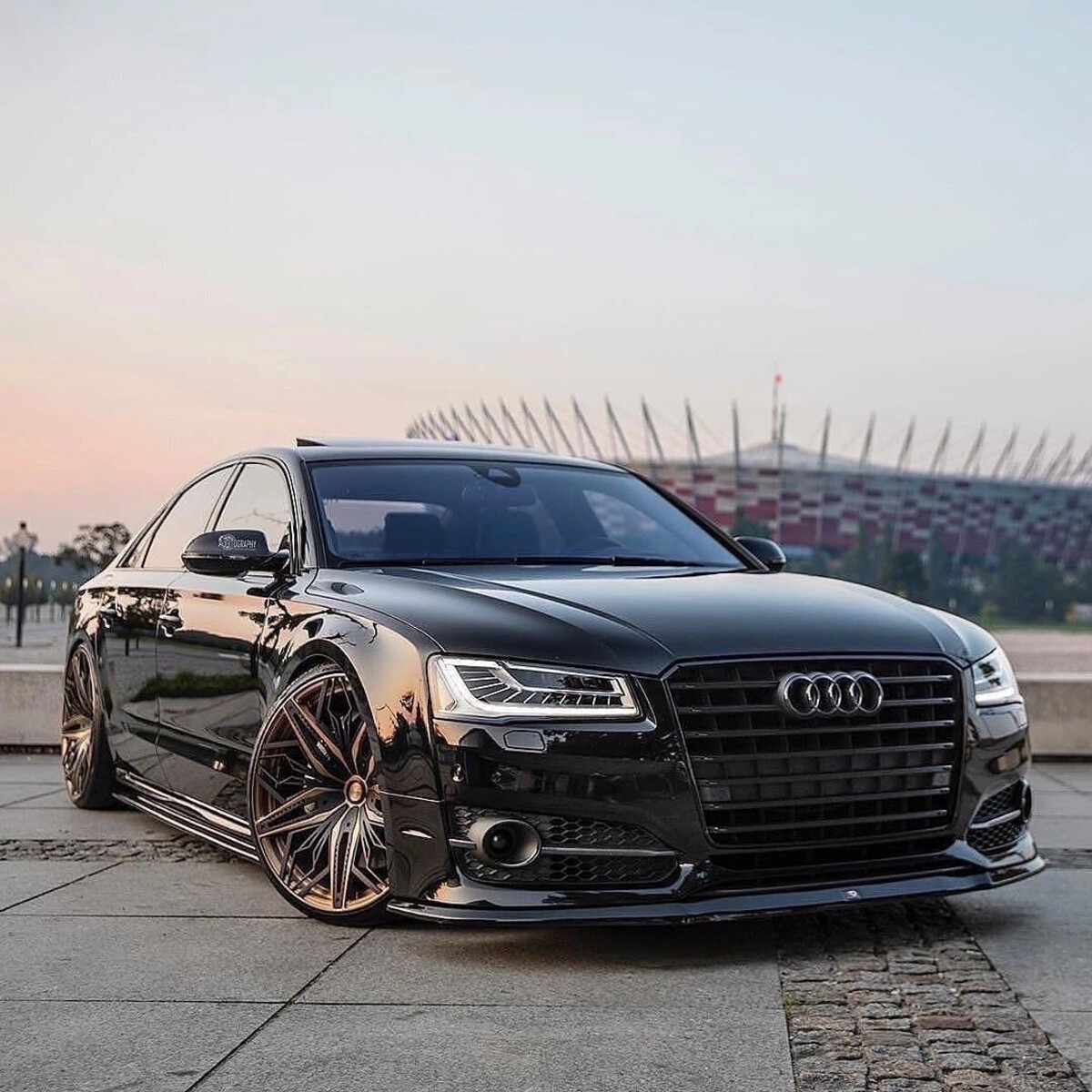
Audi
Audi service centers are known for their structured processes, but customers frequently mention higher maintenance costs compared to non luxury brands. Audi vehicles use advanced engineering and technology, which contributes to more specialized service requirements.
A common perception among owners is that service centers may suggest additional replacements or preventive maintenance items during routine visits. While these recommendations are often based on technical standards, they can be viewed as upselling when costs increase significantly.
Audi also offers service packages and extended warranty plans that are frequently presented during service appointments. These packages can be useful but may add to the cost of ownership, especially when combined with routine maintenance.
Another factor is that Audi parts and labor costs are generally higher due to brand positioning and imported components in many regions. This naturally affects customer perception of value during service visits.
Audi ownership is often associated with premium service pricing and additional maintenance recommendations.

Jeep
Jeep has a strong brand identity focused on rugged performance and off road capability, but its service reputation varies across regions. Many owners report higher maintenance costs and frequent recommendations for additional repairs, especially for suspension and drivetrain components.
One reason for upselling perception is the nature of Jeep vehicles themselves. Because they are designed for rough terrain and heavy use, service centers may recommend more frequent inspections and part replacements. However, customers sometimes feel these recommendations are more frequent than expected.
Jeep service experiences can also vary significantly depending on dealership quality and location. Some centers are praised for transparency, while others receive criticism for higher repair estimates or bundled service suggestions.
In addition, the cost of imported parts in certain markets contributes to higher service bills. This can lead to the impression that additional services are being recommended more often than necessary.
Jeep ownership experience is mixed, with some customers reporting satisfaction and others noting higher service costs and upselling concerns.
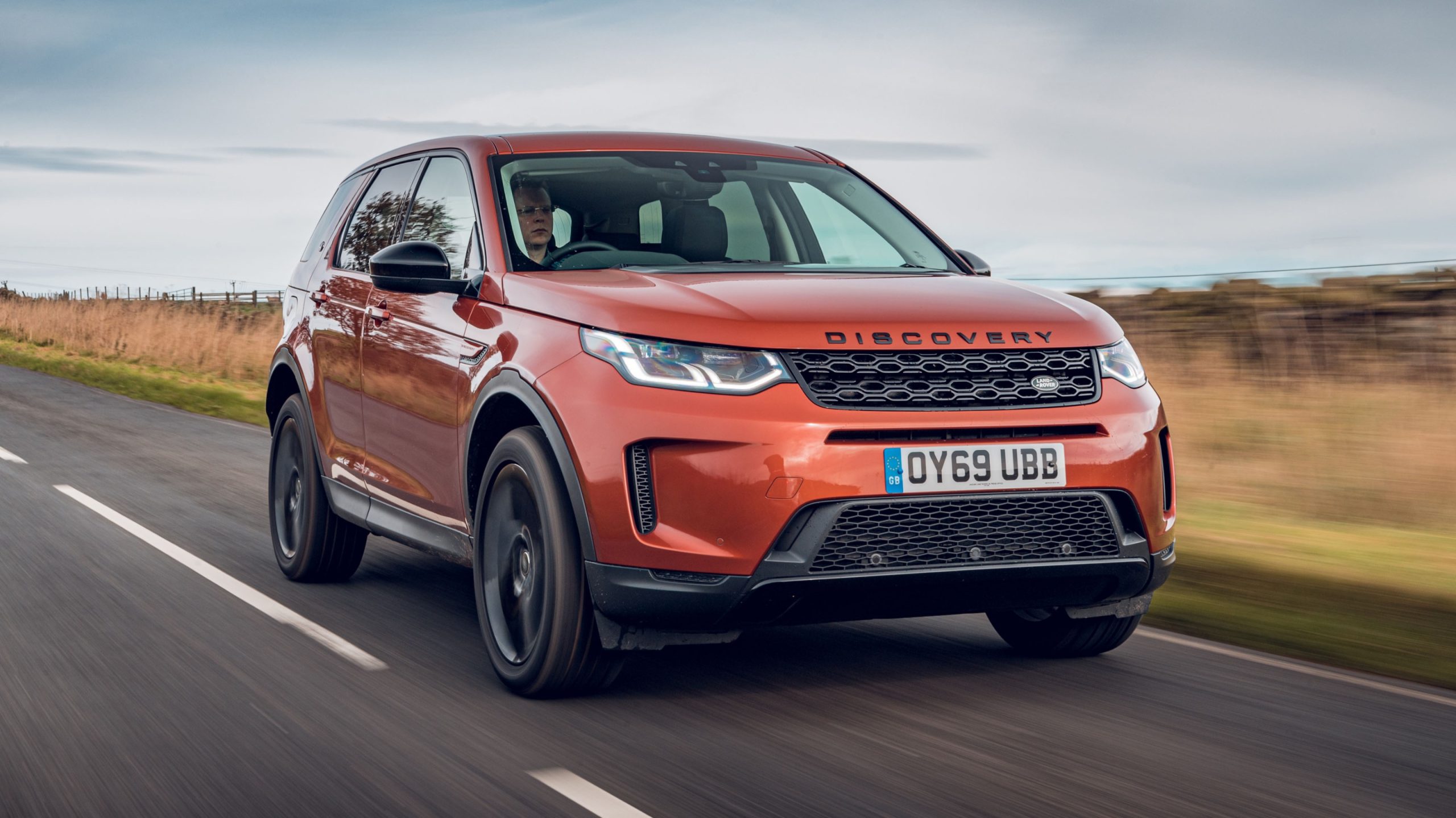
Land Rover
Land Rover is positioned as a luxury off road brand, but it is also frequently mentioned in discussions about high maintenance costs. Service centers often deal with complex systems that require specialized diagnostics and expensive parts.
A common perception among owners is that service visits often result in multiple recommended repairs or preventive maintenance actions. While these may be based on technical requirements, the cumulative cost can be significant.
Land Rover vehicles are built for demanding conditions, which means service schedules can include detailed inspections and component replacements. This complexity can contribute to the feeling of frequent upselling during service appointments.
Another factor is that ownership costs are generally high due to premium positioning. Even routine maintenance can involve substantial expenses compared to mainstream vehicles.
Land Rover service experiences are often associated with high costs and multiple maintenance recommendations, which contributes to its reputation in this category.
