
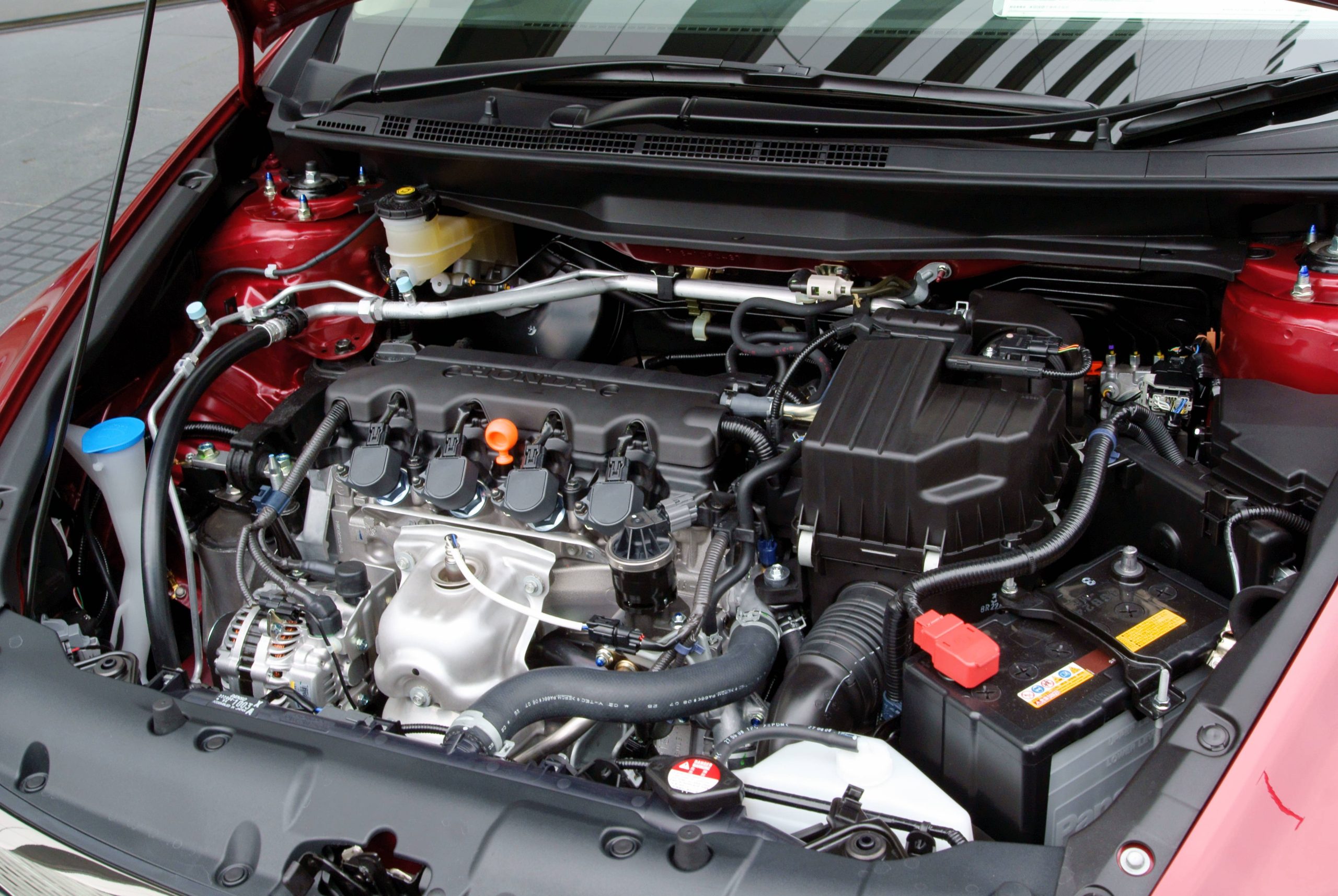
Fuel type plays a major role in how a car engine performs, how efficiently it uses energy, and how long it lasts under regular driving conditions. Many drivers assume that all petrol engines work the same way regardless of fuel grade, but that is not the case. Engine design, compression ratio, turbocharging, ignition timing, and knock control systems all influence whether an engine can safely run on standard fuel or whether it needs premium fuel for optimal performance.
Standard fuel, often referred to as regular petrol, typically has a lower octane rating compared to premium fuel. Lower octane fuel is more prone to premature combustion under high pressure and heat inside the engine cylinder.
This phenomenon is known as knocking or detonation, and it can reduce performance over time if the engine is not designed to manage it. Engines built to run on standard fuel are usually tuned with lower compression ratios and more conservative ignition timing, allowing them to operate smoothly without requiring higher octane fuel.
On the other hand, premium fuel is formulated to resist knocking at higher pressures and temperatures. Engines that require premium fuel are often high-performance units with turbochargers or superchargers, higher compression ratios, or advanced ignition systems that push the limits of combustion efficiency. These engines can technically run on lower-grade fuel in some cases, but doing so may reduce horsepower, fuel economy, and long-term reliability.
Understanding the difference between engines that are compatible with standard fuel and those that require premium fuel is important for both cost savings and vehicle maintenance. Drivers who choose the wrong fuel type may experience reduced performance or even long-term engine stress, while those who match the fuel type correctly can enjoy smoother operation and better efficiency.
This article presents five engines known for handling standard fuel effectively and five engines that are engineered to perform best with premium fuel. Each engine group reflects real-world automotive engineering choices and common manufacturer recommendations.
The goal is to help readers understand how different engine designs respond to fuel quality and why those differences matter in everyday driving. The information is structured to be clear, practical, and SEO-friendly for anyone researching fuel compatibility in modern engines.
5 Engines That Handle Standard Fuel Well
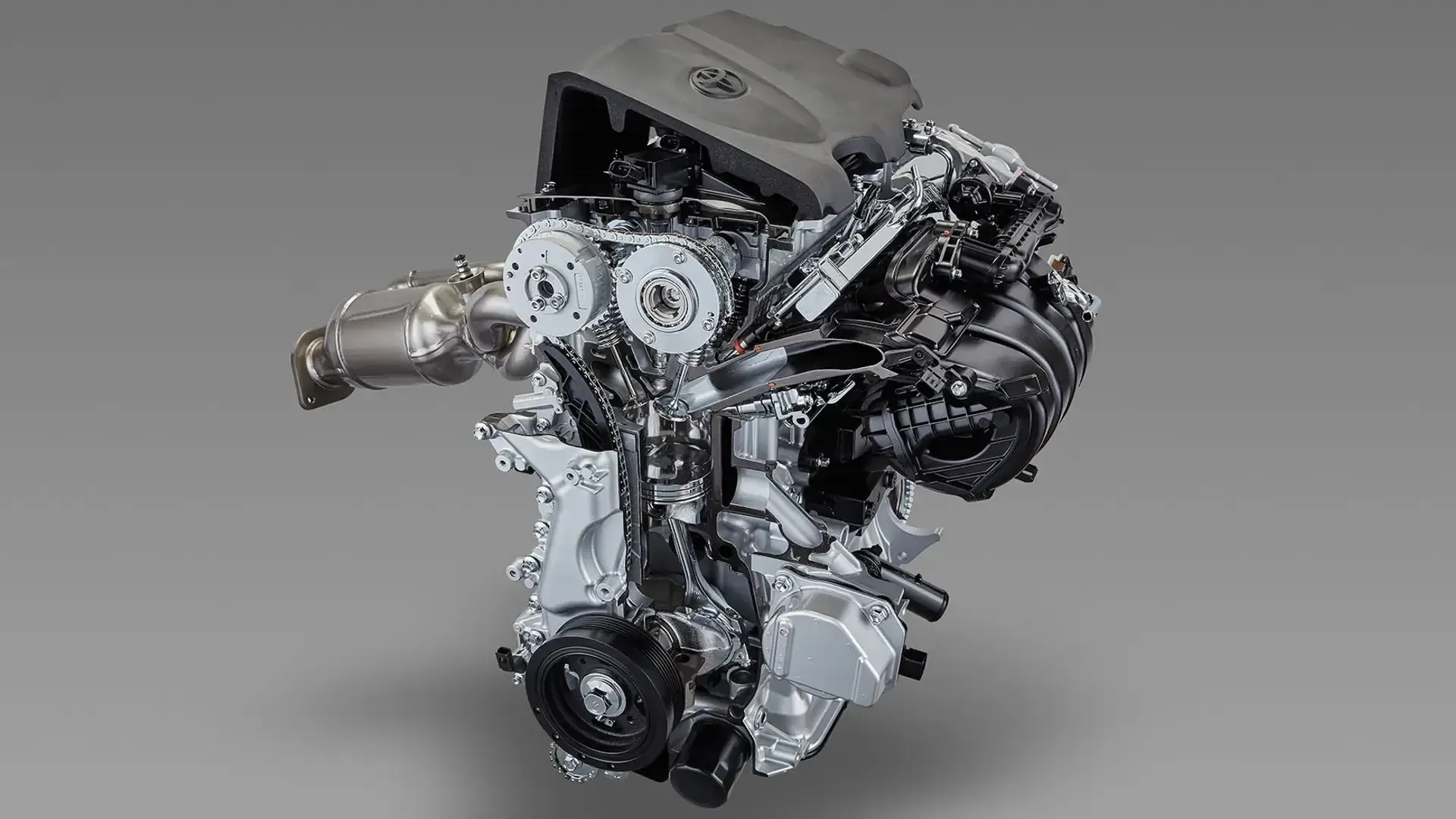
Toyota 2.5L Dynamic Force A25A-FKS Engine
The Toyota 2.5L A25A-FKS engine is widely recognized for its efficiency and ability to run smoothly on standard unleaded fuel without sacrificing reliability. It is part of Toyota’s Dynamic Force engine family, designed with a focus on thermal efficiency and balanced performance rather than extreme power output. One of the key reasons this engine works well with regular fuel is its relatively moderate compression ratio combined with advanced combustion control technology.
This engine uses Toyota’s D-4S dual injection system, which combines direct and port fuel injection. This setup improves fuel atomization and reduces the likelihood of knocking, even when using standard fuel. It allows the engine to maintain stable combustion under different driving conditions, including city traffic and highway cruising.
Another important factor is Toyota’s intelligent variable valve timing system, which adjusts valve operation based on load and speed. This helps reduce engine strain at lower RPM ranges, where lower octane fuel is more commonly challenged. The engine control unit constantly adjusts ignition timing to ensure smooth performance without requiring premium fuel.
In real-world use, this engine is found in vehicles such as the Toyota Camry and RAV4 in many global markets. Drivers benefit from good fuel economy and consistent performance while using regular petrol. This makes it a practical choice for those who prioritize low running costs and long-term dependability.
The A25A-FKS demonstrates how modern engineering can maximize efficiency while remaining compatible with standard fuel, making it a strong example of a balanced everyday engine.
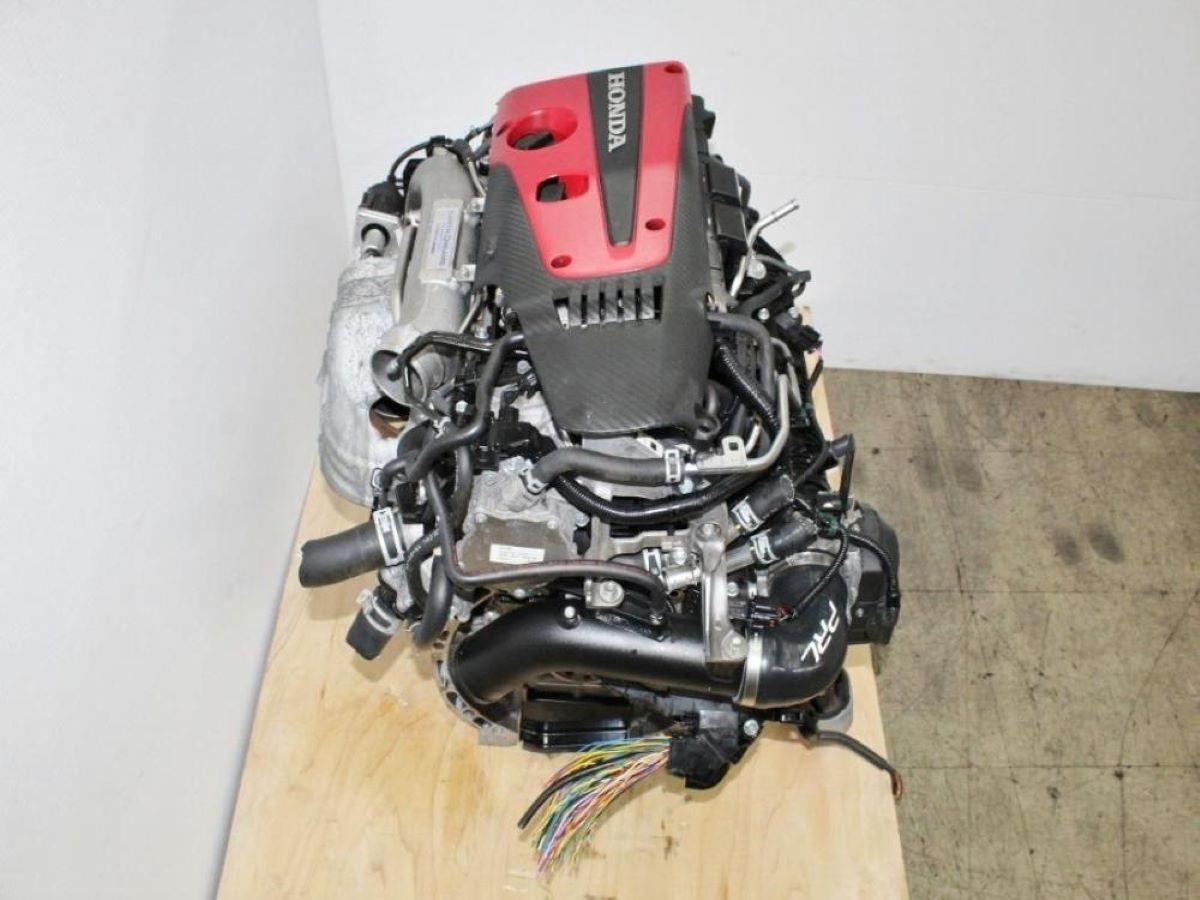
Honda 2.0L i-VTEC Naturally Aspirated Engine
The Honda 2.0L i-VTEC engine is another example of a powertrain designed to operate effectively on standard fuel. Known for its reliability and smooth performance, this engine uses Honda’s variable valve timing system to optimize airflow and combustion across different engine speeds. It is commonly found in compact and mid-size vehicles where efficiency and durability are more important than high performance output.
One of the primary reasons this engine handles standard fuel well is its moderate compression ratio. Unlike turbocharged engines that require high octane fuel to prevent knocking, this naturally aspirated unit is engineered to maintain stable combustion under normal fuel conditions. This makes it less sensitive to variations in fuel quality.
The i-VTEC system plays a major role in improving efficiency by adjusting valve lift and timing depending on engine demand. At low speeds, it prioritizes fuel economy, while at higher speeds it enhances airflow for better performance. This flexibility allows the engine to maintain smooth operation even when using regular petrol.
Drivers appreciate this engine for its long lifespan and low maintenance requirements. It is commonly used in models like the Honda Civic in several markets, where it has built a reputation for consistent reliability over many years. Even under heavy daily use, it maintains steady fuel consumption patterns without requiring premium-grade fuel.
The Honda 2.0L i-VTEC engine shows how naturally aspirated designs can remain efficient, dependable, and fully compatible with standard fuel without compromising everyday usability.
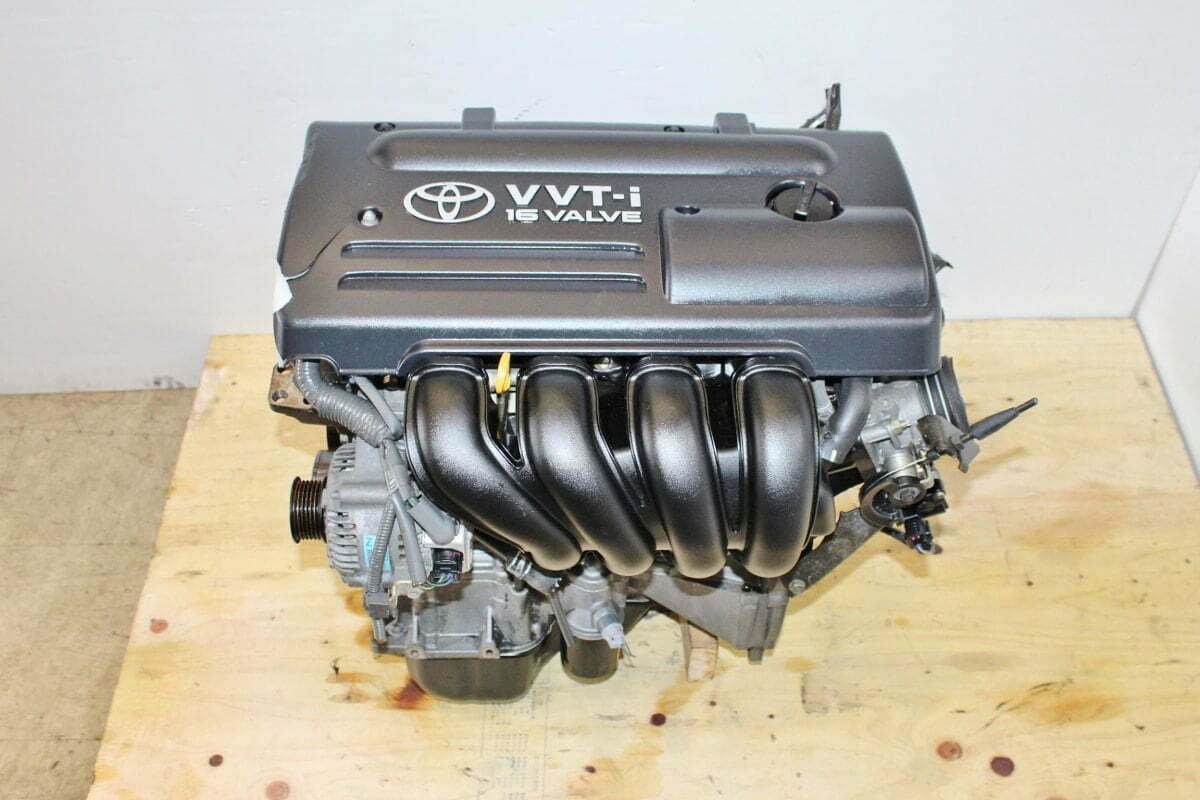
Toyota 1.8L 2ZR-FE Engine
The Toyota 1.8L 2ZR-FE engine is one of the most widely used engines in Toyota’s global lineup and is well known for its ability to run on standard fuel without difficulty. It is a naturally aspirated four-cylinder engine designed with simplicity and efficiency in mind, making it highly cost-effective for everyday drivers.
A key strength of this engine is its relatively low compression ratio compared to performance-oriented engines. This design choice reduces the risk of knocking when using regular petrol, ensuring smooth combustion under typical driving conditions. It is also equipped with Toyota’s VVT-i system, which adjusts valve timing to improve both efficiency and performance.
The engine’s fuel injection system is optimized for consistent fuel delivery, which helps maintain stable air-fuel mixtures even when fuel quality varies. This stability is important in markets where fuel standards may differ slightly, allowing the engine to perform reliably in diverse conditions.
This engine has been used in vehicles such as the Toyota Corolla and Auris, where durability and fuel economy are major selling points. Owners often report low maintenance costs and strong long-term reliability, especially when using standard fuel as recommended by the manufacturer.
The 2ZR-FE stands as a practical example of an engine designed for everyday use, offering a balance of efficiency, dependability, and compatibility with regular petrol.
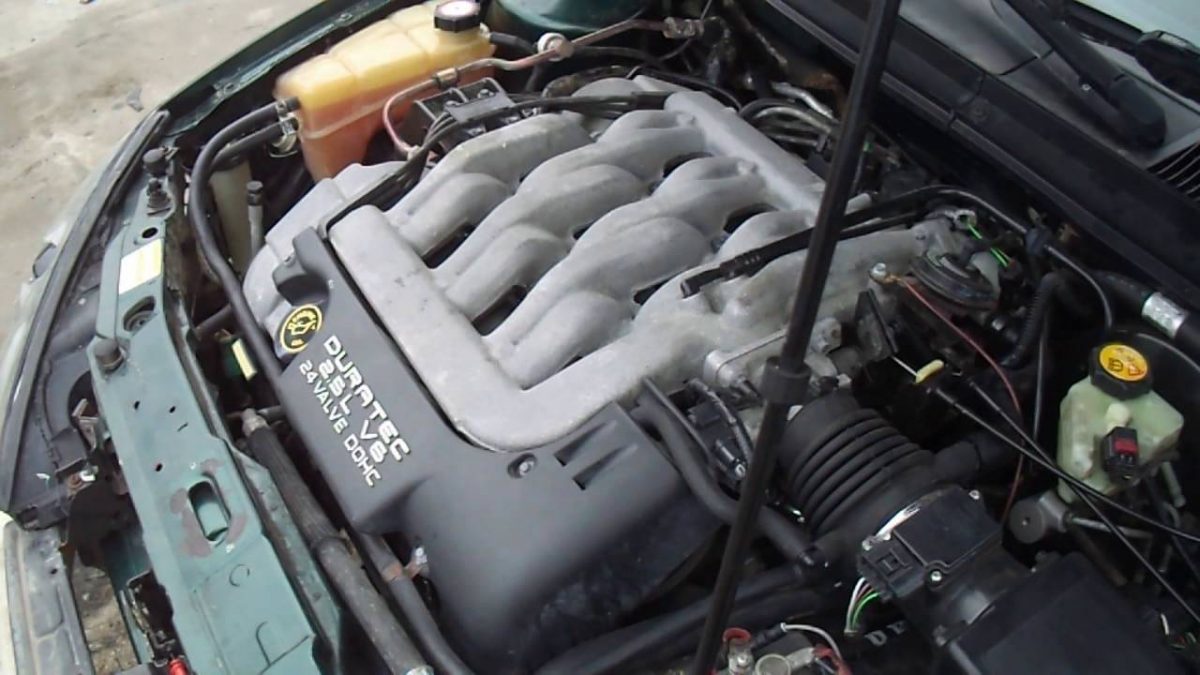
Ford 2.5L Duratec Engine
The Ford 2.5L Duratec engine is a naturally aspirated four-cylinder engine known for its simplicity and durability. It is designed to operate comfortably on standard fuel, making it a popular choice in family cars and mid-size sedans where affordability and reliability matter more than high performance.
One of the reasons this engine works well with regular petrol is its conservative tuning. Ford engineered it with a focus on steady performance rather than aggressive power output, which reduces stress on internal components and minimizes the risk of knocking.
The engine uses a straightforward multi-point fuel injection system that ensures consistent fuel delivery. While it may not have the advanced dual injection systems found in some newer engines, its simplicity contributes to its long-term reliability and ease of maintenance.
It has been widely used in vehicles such as the Ford Fusion in various markets. Drivers appreciate its predictable performance and reasonable fuel consumption, especially in everyday commuting situations. It is also known for its ability to handle long-term use without requiring premium fuel or complex servicing.
The Ford 2.5L Duratec engine demonstrates how traditional engine design can still deliver reliable performance on standard fuel without unnecessary complexity.
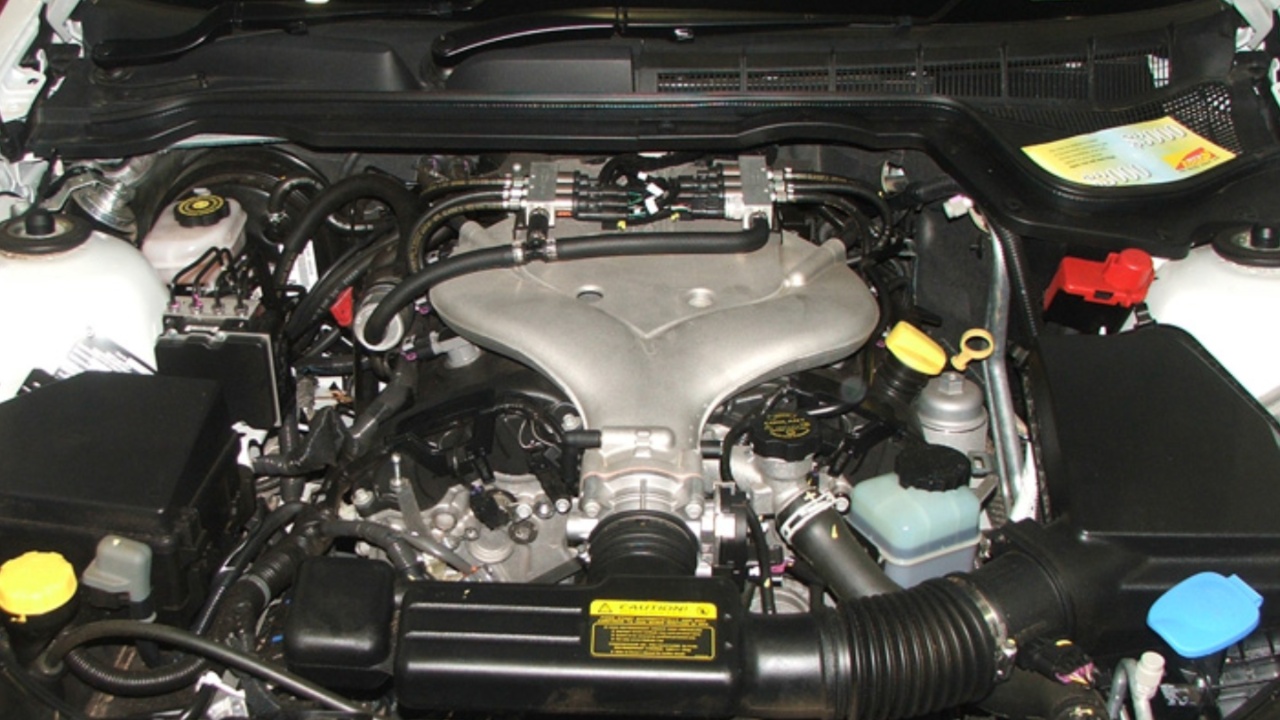
Chevrolet 3.6L V6 LFX Engine
The Chevrolet 3.6L LFX V6 engine is a naturally aspirated engine designed for balanced performance and compatibility with standard fuel. It is used in a variety of General Motors vehicles, offering a combination of smooth power delivery and everyday usability.
This engine features direct injection technology, which improves fuel efficiency and combustion stability. By injecting fuel directly into the combustion chamber, it achieves better control over the air-fuel mixture, reducing the likelihood of knocking even when using regular petrol.
The variable valve timing system further enhances efficiency by adjusting intake and exhaust timing based on engine load. This helps the engine maintain smooth operation across different driving conditions without requiring high octane fuel.
It has been used in vehicles such as the Chevrolet Malibu and Traverse, where it provides sufficient power for daily driving while remaining compatible with standard fuel. Drivers often note its smooth acceleration and consistent performance in both city and highway conditions.
The LFX V6 engine is a strong example of a modern naturally aspirated design that balances performance and fuel compatibility effectively.
5 Engines That Require Premium Fuel
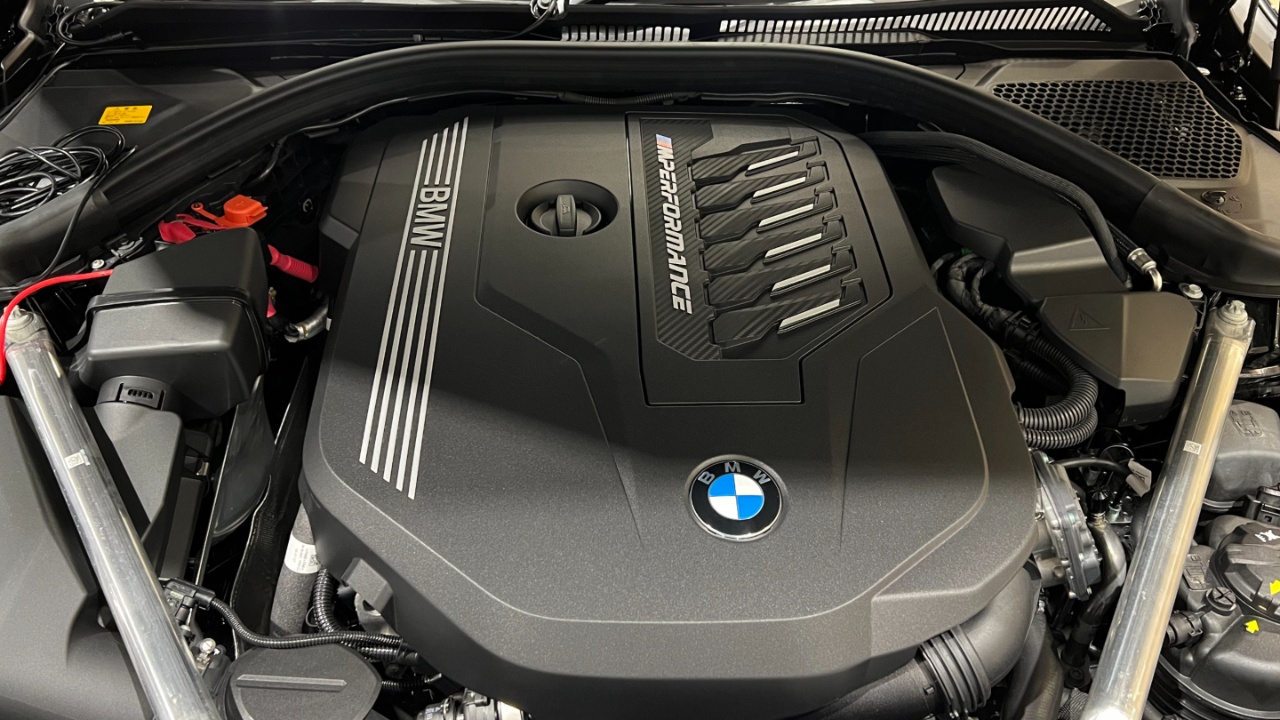
BMW 3.0L B58 Turbocharged Inline Six Engine
The BMW B58 engine is a turbocharged inline six-cylinder engine designed for high performance and efficiency, but it is engineered to operate best with premium fuel. Its high compression ratio and forced induction system create significant cylinder pressures, which require higher octane fuel to prevent knocking and maintain optimal performance.
This engine uses advanced direct injection and precise turbocharging control to deliver strong power output while maintaining efficiency. However, to fully achieve its designed performance levels, premium fuel is recommended by the manufacturer. Using lower octane fuel can result in reduced power output and less responsive acceleration.
The B58 is known for its smooth power delivery and strong torque across a wide RPM range. It is commonly used in BMW models such as the 3 Series, 5 Series, and performance variants of SUVs. Its engineering focuses on blending luxury driving dynamics with sporty performance.
The engine also incorporates sophisticated engine management systems that adjust ignition timing and boost pressure based on fuel quality. While it can adapt to lower-grade fuel in some situations, sustained use of regular petrol may limit its full potential.
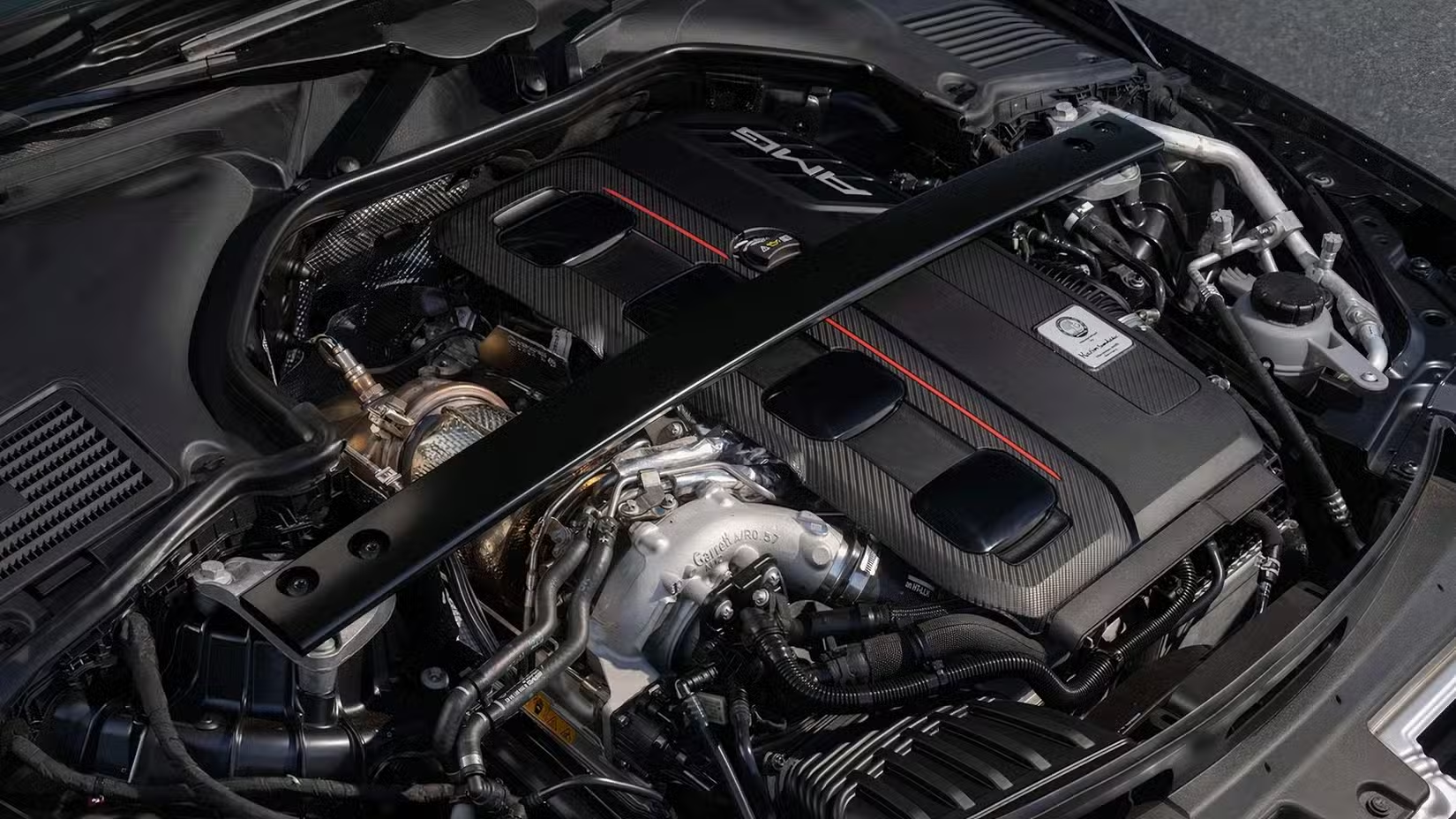
Mercedes Benz 2.0L Turbocharged M264 Engine
The Mercedes Benz M264 2.0L turbocharged engine is built for efficiency and performance, but it is optimized for premium fuel use. Its turbocharging system increases air intake pressure, which raises combustion temperatures and makes high octane fuel important for preventing knocking.
This engine uses direct injection and mild hybrid assistance in some versions, allowing it to balance performance with fuel efficiency. However, premium fuel ensures smoother combustion and better throttle response, especially under heavy acceleration.
It is commonly found in Mercedes C Class and E Class models, where refined performance is a key priority. The engine is tuned to deliver quick acceleration and smooth power delivery, both of which benefit from higher octane fuel.
The engine management system can adjust timing if lower-grade fuel is used, but this often leads to reduced performance and efficiency. For this reason, Mercedes recommends premium fuel for optimal results.
The M264 engine demonstrates how modern turbocharged designs depend on higher octane fuel to achieve their intended performance characteristics.
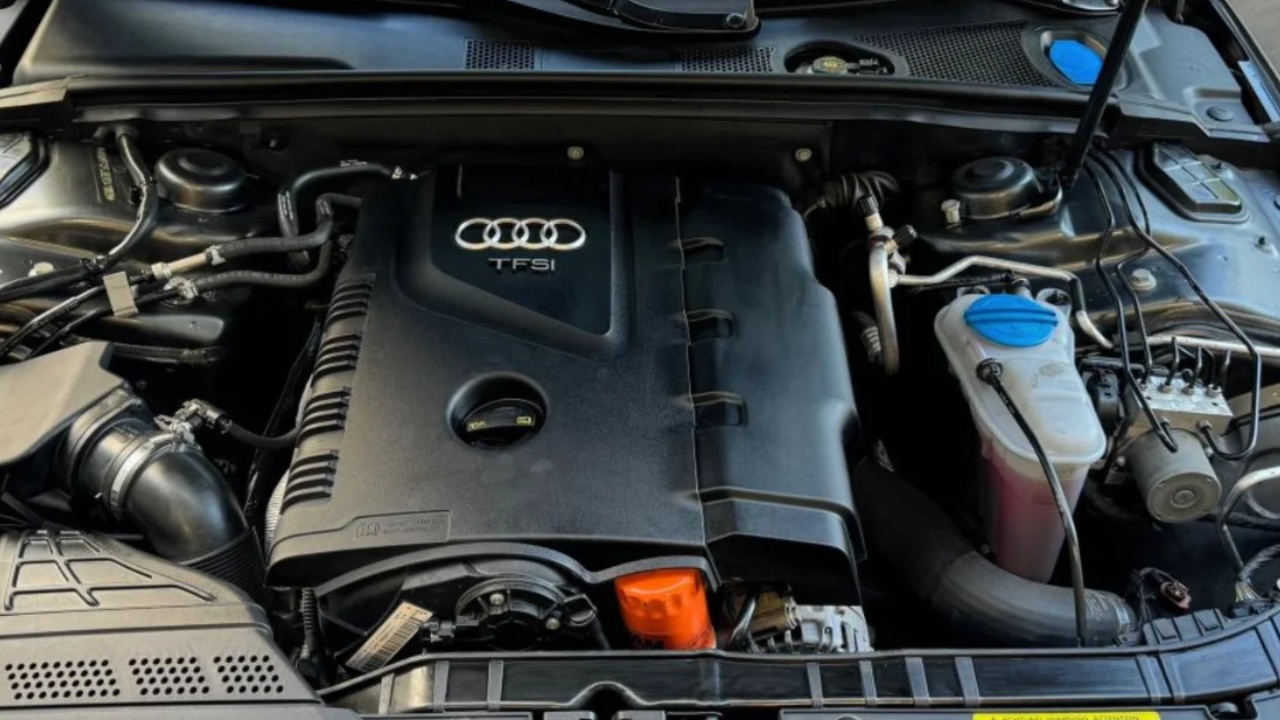
Audi 2.0L TFSI EA888 Engine
The Audi EA888 2.0L TFSI engine is a widely used turbocharged unit found in many Volkswagen Group vehicles. It is designed with high compression and turbo boost pressure, making premium fuel the preferred option for smooth and efficient operation.
This engine uses direct fuel injection and advanced turbocharging technology to deliver strong performance and fuel efficiency. However, because of its performance-oriented tuning, it benefits significantly from higher octane fuel to reduce knocking under load.
The EA888 engine is used in vehicles such as the Audi A4, A5, and various Volkswagen models. It is known for its strong acceleration and responsive driving characteristics, especially when paired with premium fuel.
While the engine can adjust to lower-grade fuel through its knock sensors and timing adjustments, doing so may reduce horsepower and fuel economy. This makes premium fuel the recommended choice for consistent performance.
The EA888 engine is a performance-focused turbocharged unit that relies on premium fuel for optimal operation.
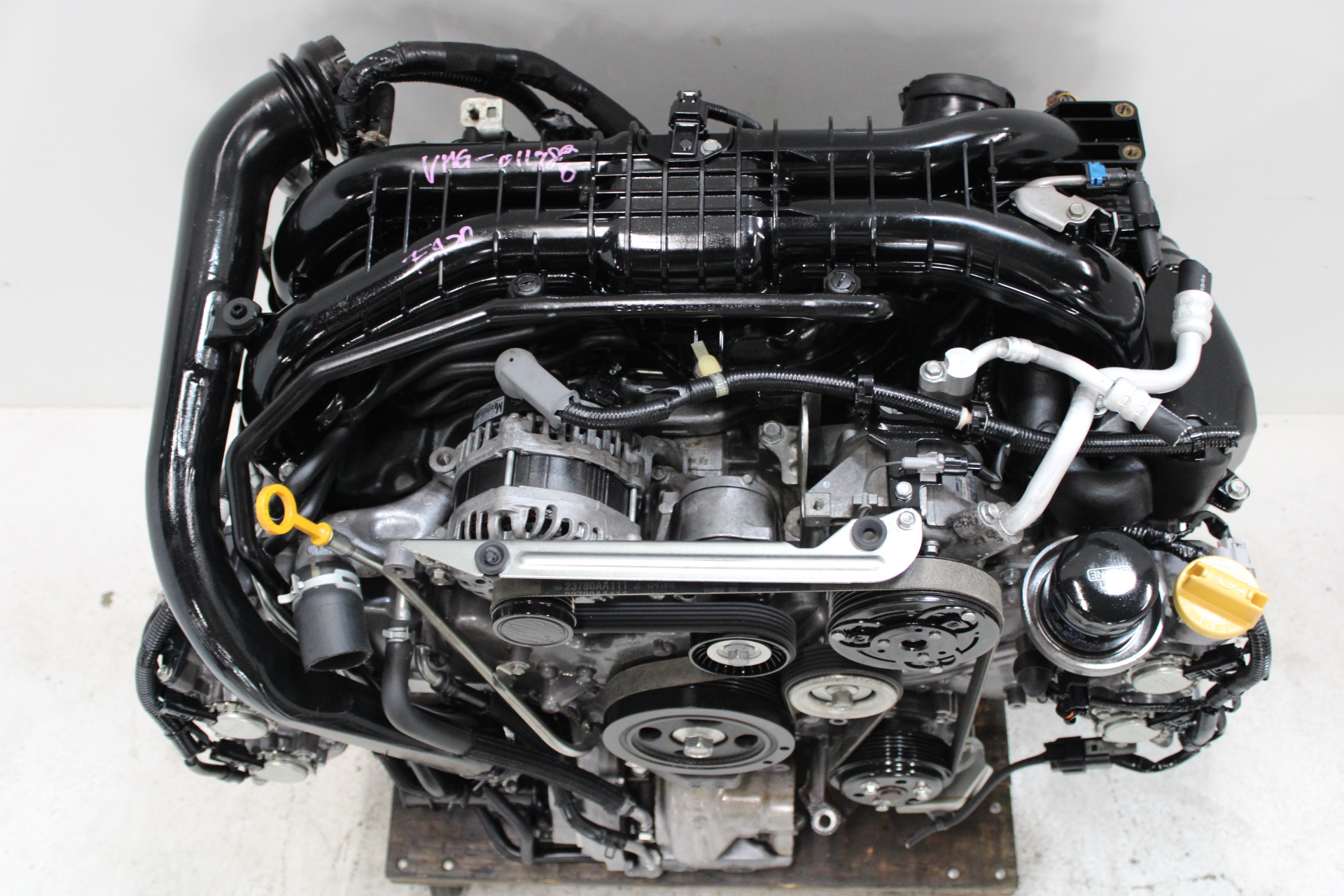
Subaru 2.0L FA20DIT Turbo Boxer Engine
The Subaru FA20DIT engine is a turbocharged boxer engine designed for performance and stability, and it is best suited for premium fuel. Its turbocharging system and high compression design create conditions where higher octane fuel is necessary for optimal combustion.
This engine is known for its unique horizontal layout, which improves balance and handling in Subaru vehicles. It delivers strong torque at low RPM, making it popular in performance-oriented models such as the Subaru WRX.
The direct injection system enhances fuel efficiency and power delivery, but it also increases sensitivity to fuel quality. Premium fuel helps maintain smooth combustion and reduces the risk of knocking under high boost conditions.
While the engine can operate on lower-grade fuel in some situations, it may reduce performance and responsiveness. For this reason, Subaru recommends premium fuel for drivers who want full performance output.
The FA20DIT engine is a performance-focused turbocharged unit that depends on premium fuel for consistent results.
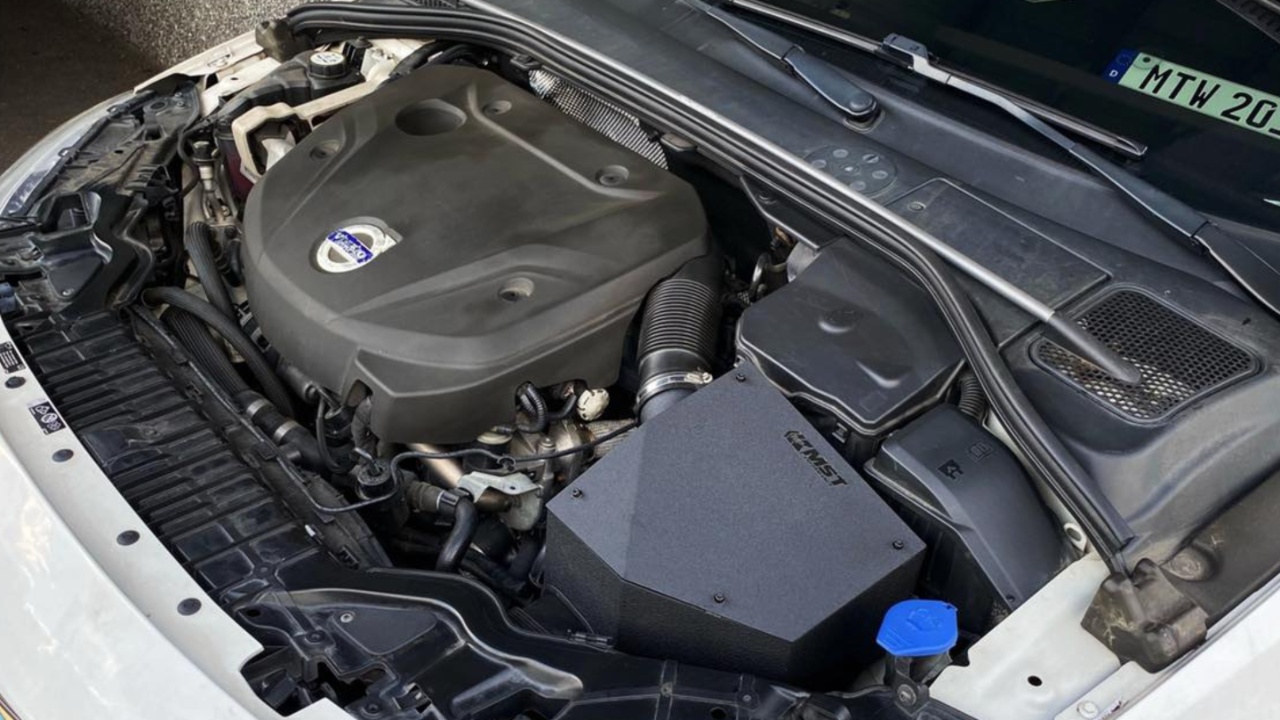
Volvo 2.0L T6 Turbocharged and Supercharged Engine
The Volvo T6 engine is a unique combination of turbocharging and supercharging, designed for strong performance and smooth power delivery. Because of its advanced forced induction system, it is optimized for premium fuel use.
This engine produces high levels of boost pressure at different engine speeds, which increases combustion stress and requires high octane fuel to maintain stability. Premium fuel ensures smoother combustion and reduces the risk of knocking under demanding conditions.
The T6 engine is used in various Volvo models, including SUVs and sedans, where performance and refinement are important. It delivers strong acceleration and consistent power across a wide range of speeds.
The engine management system can adjust to different fuel qualities, but using regular fuel may limit performance and reduce efficiency. Premium fuel allows the engine to operate as intended by the manufacturer.
