
The demand for trucks that can handle continuous towing has grown significantly across construction, agriculture, logistics, and recreational travel industries.
Whether hauling livestock trailers across long rural highways, moving heavy construction equipment between job sites, or pulling large fifth wheel campers through mountainous terrain, towing places sustained stress on a vehicle’s engine, transmission, cooling system, suspension, and braking components.
Not every pickup truck is designed for that level of consistent load. Some models are engineered from the ground up for commercial grade towing, while others are built more for daily driving with occasional light towing duties.
This difference becomes especially noticeable during long uphill climbs, high ambient temperatures, and extended highway towing where heat management becomes just as important as raw torque output.
Modern heavy duty trucks rely heavily on diesel engines, advanced transmission cooling systems, integrated trailer brake controllers, and reinforced drivetrains. These systems work together to maintain stability and prevent mechanical stress from turning into heat related failure.
Trucks designed for constant towing typically feature high displacement torque rich engines, such as turbo diesel inline six or V8 configurations, paired with heavy duty automatic transmissions designed to operate under load for extended periods. They also include large radiators, transmission oil coolers, and in some cases, auxiliary cooling systems for engine oil and differential fluids. These engineering choices allow them to sustain towing performance without rapid heat buildup.
On the other hand, light duty trucks or older mid size pickups may be capable of towing within rated limits but can experience higher thermal stress when operated near maximum capacity for long durations.
Heat buildup in the transmission or engine can lead to reduced performance, protective power reduction modes, or increased wear over time. Factors such as vehicle weight, aerodynamics, turbocharger design, and cooling airflow efficiency all play a role in how well a truck handles continuous load conditions.
This article breaks down five trucks widely recognized for their strong continuous towing capability and five trucks that have been reported in various owner experiences and automotive discussions to show signs of strain under prolonged heavy towing. The goal is to provide a realistic, SEO friendly comparison based on mechanical design principles, industry reputation, and commonly observed performance behavior under stress conditions.
Each vehicle is discussed in detail to help readers understand why certain trucks excel in towing endurance while others are better suited for lighter or occasional hauling tasks.
Trucks Built for Constant Towing
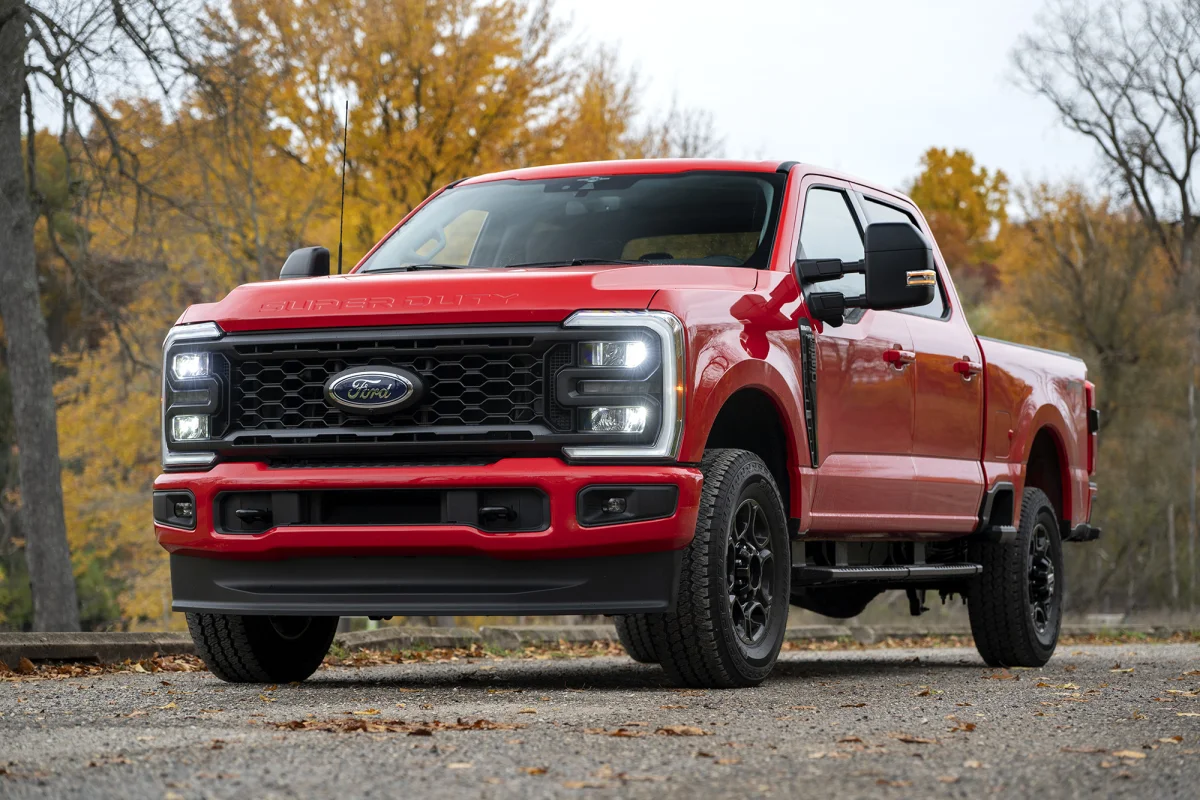
Ford Super Duty F-350 and F-250
The Ford Super Duty lineup, particularly the F-350 and F-250 equipped with the Power Stroke diesel engine, is widely regarded as one of the most capable platforms for constant towing in the heavy duty pickup segment. These trucks are engineered for commercial grade workloads, and their reputation comes from a combination of high torque output, robust chassis construction, and advanced cooling systems designed for prolonged stress.
The 6.7 liter Power Stroke diesel engine delivers strong low end torque, which is essential for moving heavy trailers without excessive engine strain. This torque delivery allows the truck to maintain steady speeds even on steep gradients while towing at high capacity.
A major strength of the Super Duty platform is its transmission system, which is designed to handle sustained load conditions. The heavy duty automatic transmission is paired with advanced thermal management, including transmission oil coolers that help regulate temperature during long distance towing.
This prevents overheating in situations where lighter duty trucks might begin to struggle. The frame construction is another critical factor, as Ford uses a fully boxed high strength steel frame that minimizes flex when carrying heavy tongue weight or fifth wheel setups.
Cooling efficiency plays a major role in its towing endurance. The front grille design and airflow channels are optimized to direct air through a large radiator and intercooler system. This helps maintain stable engine temperatures even in hot climates or slow moving uphill towing scenarios. Combined with engine oil cooling and exhaust gas temperature management systems, the truck maintains consistent performance over long durations.
Inside the cabin, integrated towing technology such as trailer sway control, integrated brake controllers, and real time trailer monitoring reduces driver fatigue and improves safety. These systems allow the driver to maintain better control under load, especially during long highway trips with heavy trailers attached.
The Ford Super Duty F-350 and F-250 stand out as dependable workhorses designed for continuous towing applications, making them a top choice for industries requiring consistent heavy load transport without frequent thermal or mechanical issues.
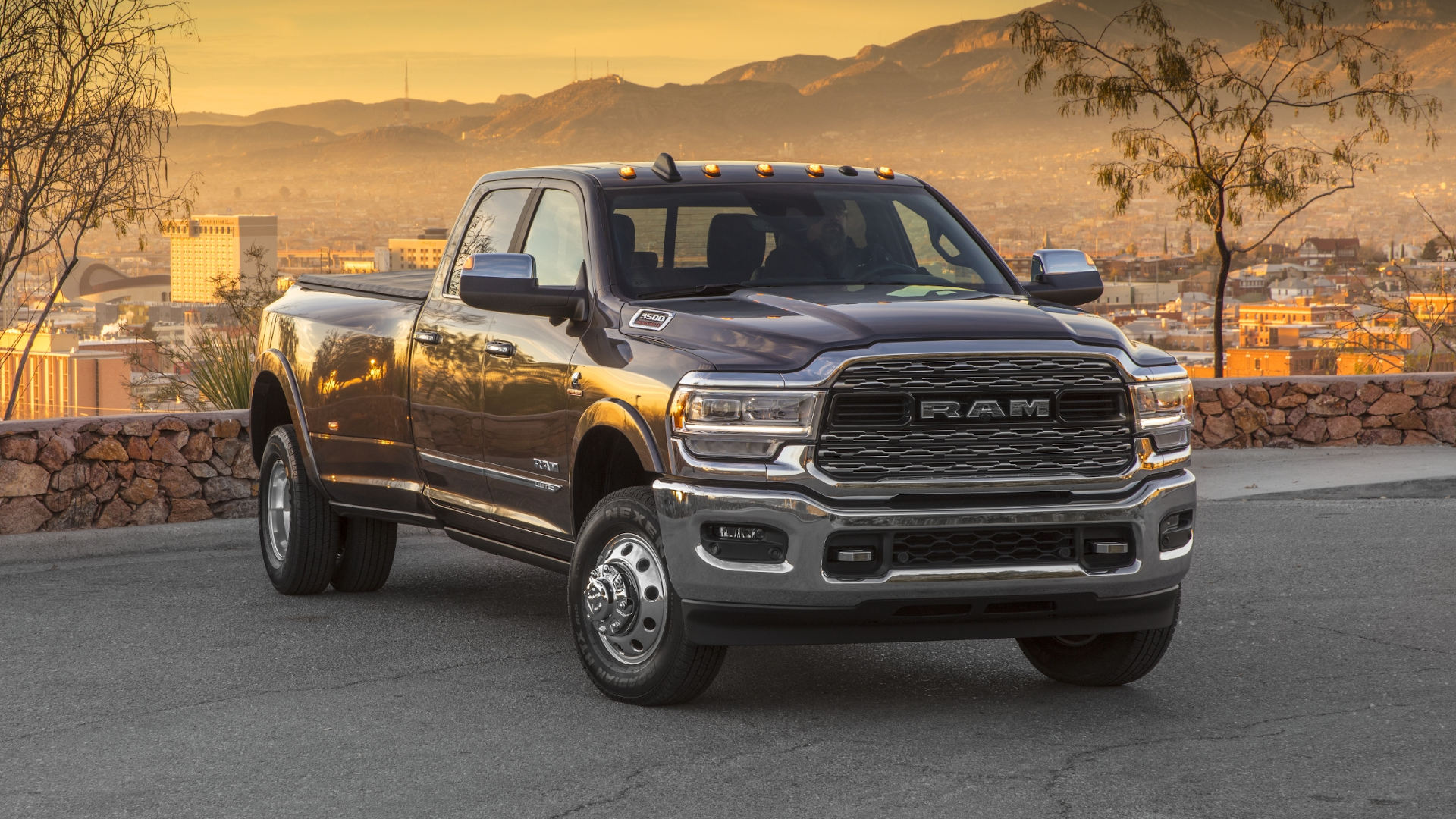
Ram 3500
The Ram 3500 equipped with the Cummins 6.7 liter inline six turbo diesel engine is another leading contender in the heavy duty towing category. Known for its long standing durability in commercial trucking applications, the Cummins engine is specifically engineered for high torque output at low engine speeds. This characteristic makes it ideal for constant towing scenarios where sustained pulling power is more important than high speed performance.
One of the key advantages of the Ram 3500 is its transmission pairing, particularly the heavy duty automatic transmission designed to handle extreme torque loads. This system is reinforced to manage the stress of long distance towing without frequent overheating, provided maintenance schedules are followed.
The transmission cooling system is robust and works in conjunction with engine cooling components to stabilize fluid temperatures during continuous operation.
The Ram 3500 also benefits from a strong rear axle design that is built to handle significant trailer weight. This contributes to stability when towing large fifth wheel trailers or heavy equipment. The suspension system uses heavy duty components that reduce sag under load, improving trailer control and minimizing uneven tire wear.
Cooling performance is another strong point, with a large front air intake system and optimized radiator placement allowing efficient airflow. This is especially important during slow speed towing in hilly terrain where natural airflow is reduced. The intercooler system ensures that intake air temperatures remain controlled, which supports consistent combustion efficiency.
Drivers often choose the Ram 3500 for commercial towing, RV hauling, and agricultural work because of its predictable torque delivery and long term reliability under load. Its design philosophy prioritizes endurance and mechanical strength, making it a dependable option for continuous towing demands.
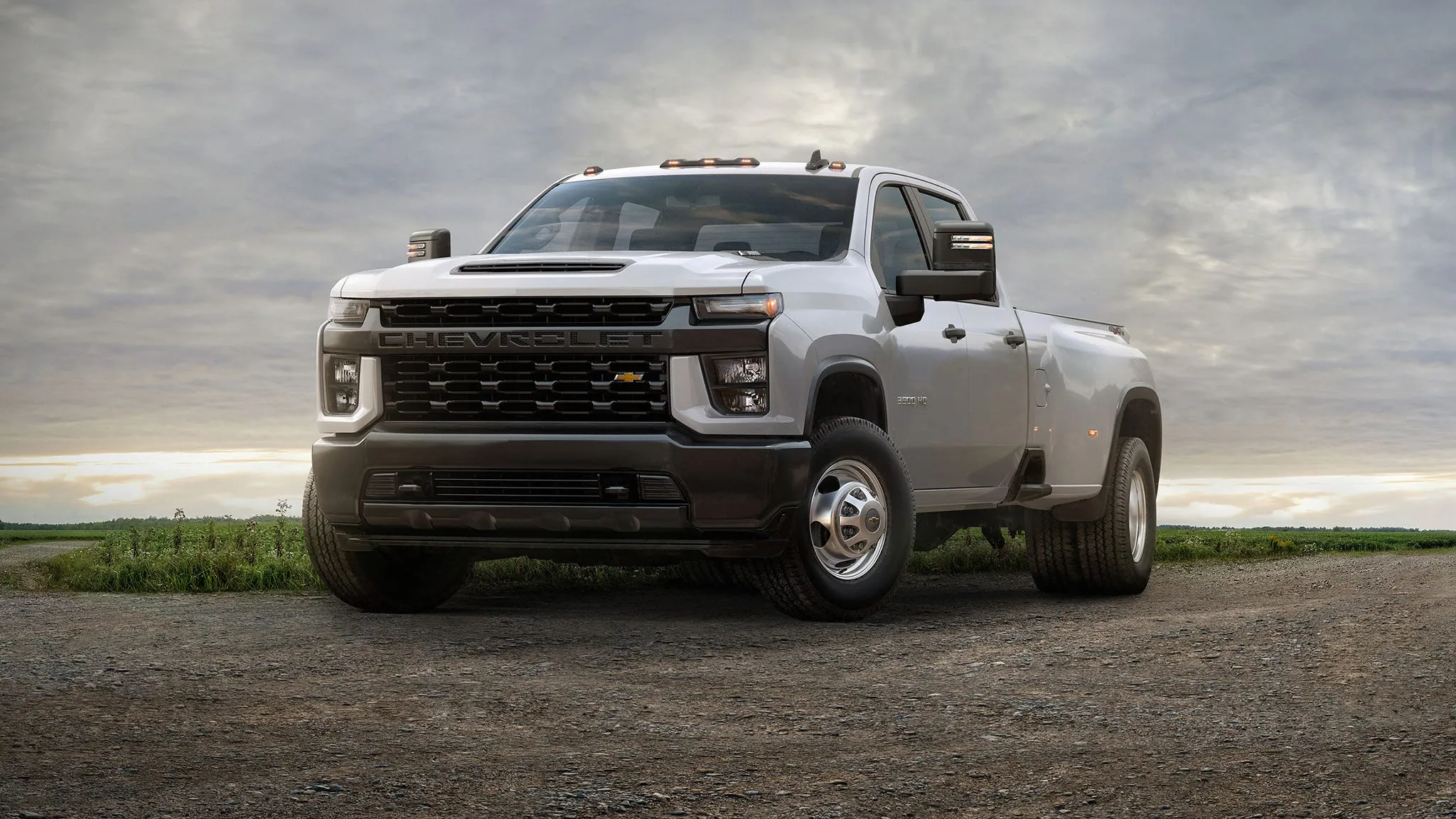
Chevrolet Silverado 3500HD
The Chevrolet Silverado 3500HD equipped with the Duramax 6.6 liter turbo diesel engine is widely recognized for its balanced combination of power, durability, and towing stability. The Duramax engine has built a strong reputation in the heavy duty segment due to its ability to deliver consistent torque output while maintaining thermal stability under long towing sessions.
One of the defining features of this truck is its Allison heavy duty transmission pairing. The Allison transmission is known for its resilience under load and its ability to manage heat effectively during prolonged towing conditions. This makes the Silverado 3500HD a preferred choice for users who frequently tow heavy loads over long distances.
The frame and suspension system are designed with reinforced steel components that provide structural rigidity. This rigidity is essential when towing large trailers, as it reduces chassis flex and improves control. The rear suspension is engineered to distribute weight evenly, which helps maintain tire grip and reduces strain on drivetrain components.
Cooling systems in the Silverado 3500HD are engineered for heavy use. The truck features a large radiator, integrated transmission cooler, and engine oil cooling system that work together to maintain stable operating temperatures. Airflow management through the front grille ensures that cooling remains effective even in demanding environments such as desert highways or steep mountain routes.
This truck is commonly used in industries such as construction, towing services, and long haul RV transport. Its ability to maintain stable performance under constant load conditions makes it one of the most trusted heavy duty pickups in the market.
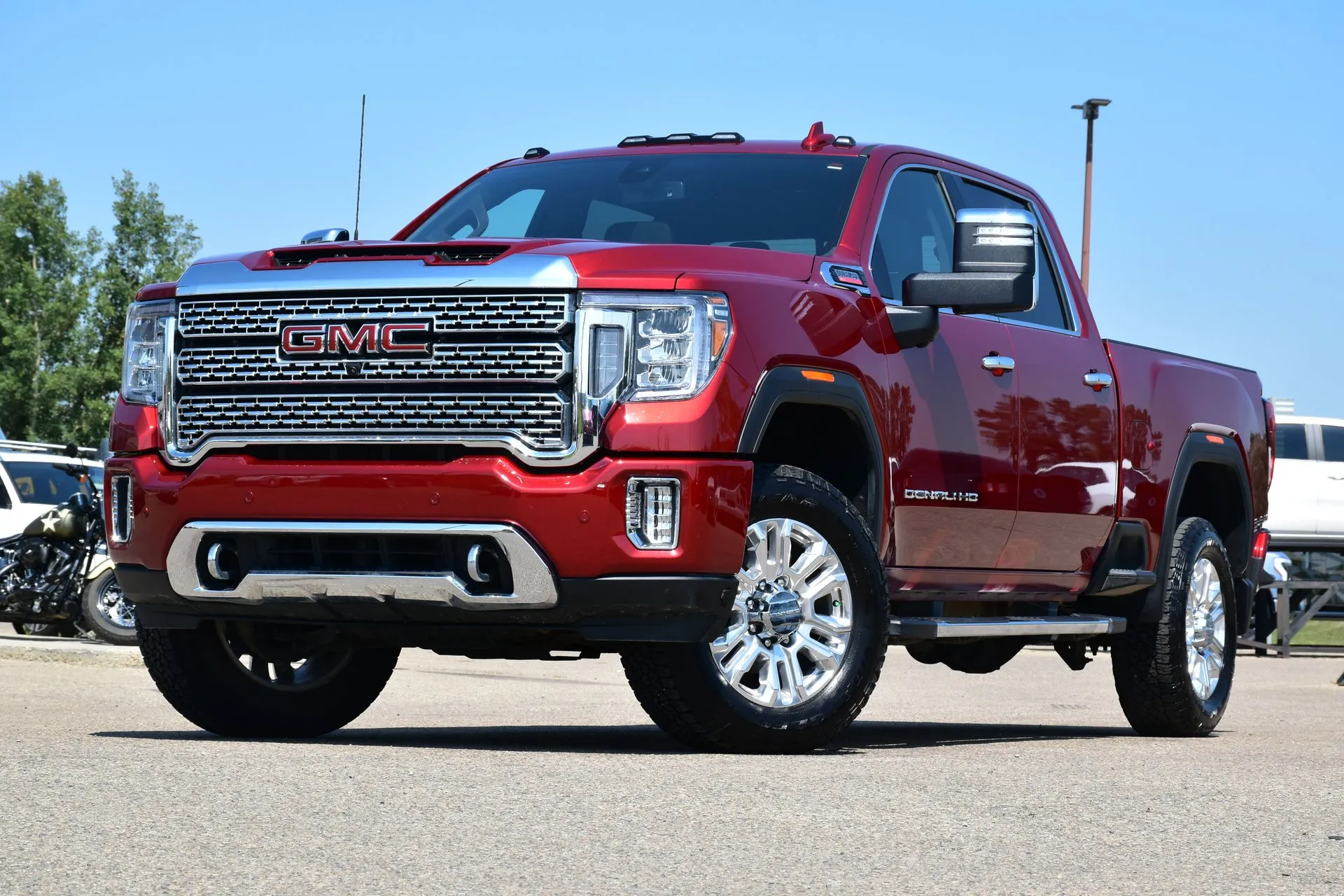
GMC Sierra 3500HD
The GMC Sierra 3500HD shares much of its mechanical foundation with the Chevrolet Silverado 3500HD, including the Duramax engine and Allison transmission combination. However, it is often positioned with a more refined interior and slightly enhanced towing technology features, making it a popular choice for users who want both capability and comfort during long towing operations.
The Duramax engine in this configuration is tuned for consistent torque delivery, which is essential for maintaining control under heavy load conditions. The engine’s design emphasizes durability, with reinforced internal components that allow it to operate efficiently under sustained stress. This makes it suitable for commercial towing and long distance hauling where reliability is a priority.
The transmission system plays a critical role in heat management. The Allison gearbox is engineered to distribute load efficiently, reducing the risk of overheating during extended towing sessions. It also includes adaptive shifting logic that responds to changing terrain and load conditions, improving efficiency and stability.
Cooling systems are highly effective in the Sierra 3500HD, with a multi stage airflow design that directs air through multiple heat exchangers. This ensures that engine temperature, transmission fluid temperature, and intercooler performance remain within safe operating ranges even under demanding conditions.
The Sierra 3500HD is often chosen by operators who require consistent towing performance combined with advanced towing assistance features. These include trailer camera systems, integrated brake control, and stability management systems that enhance safety during long haul towing.
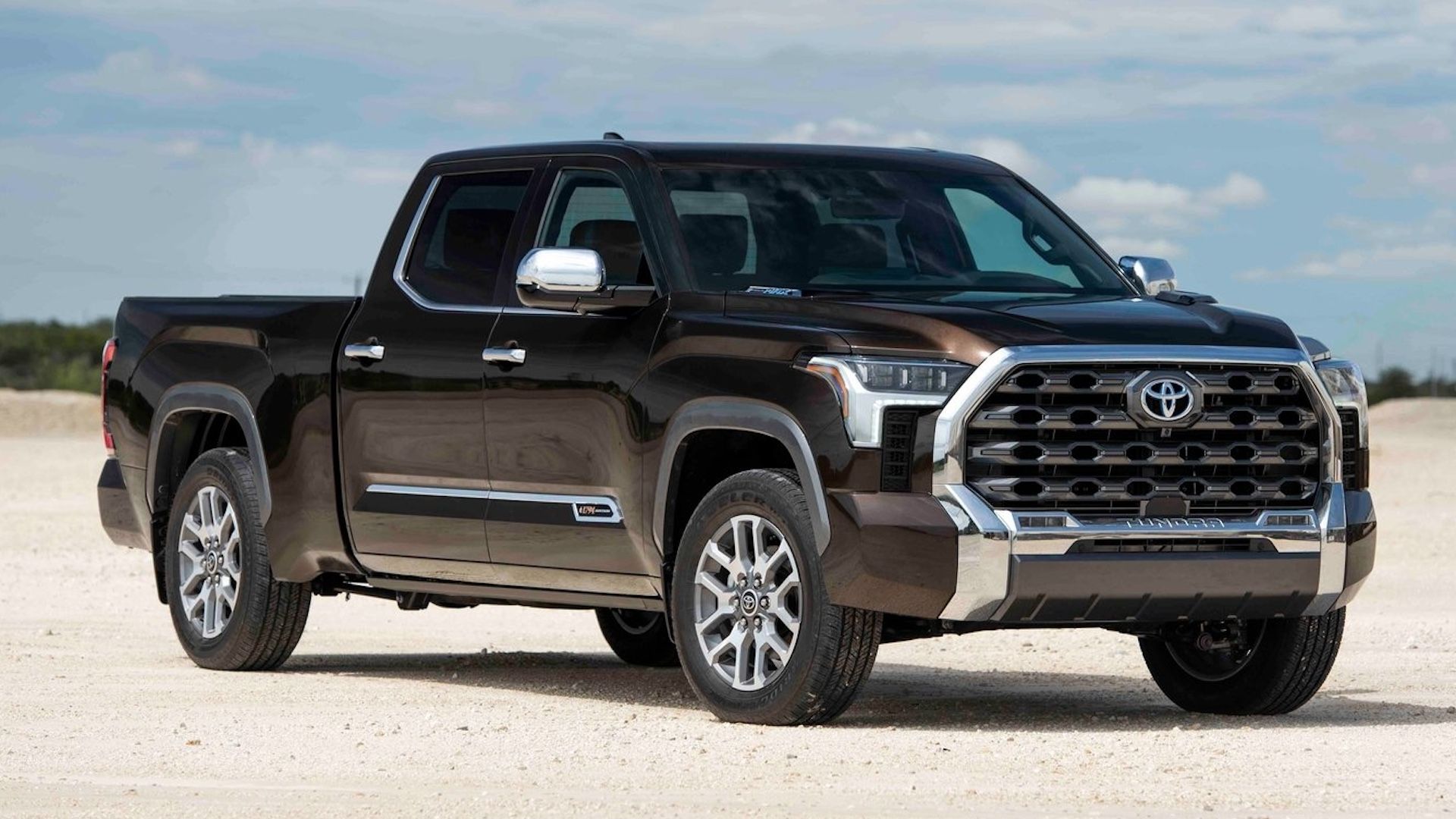
Toyota Tundra
The Toyota Tundra i-FORCE MAX represents a modern approach to towing performance by combining a twin turbo V6 engine with a hybrid electric system. While it is not a traditional heavy duty diesel truck, it has gained attention for its strong torque delivery and improved efficiency under moderate to heavy towing conditions.
The hybrid system provides instant torque assistance at low speeds, which is beneficial when starting heavy loads or climbing inclines. This reduces strain on the combustion engine and improves drivability during towing. The engine and electric motor work together to provide smooth power delivery, which enhances stability when pulling trailers.
Cooling management in the Tundra i-FORCE MAX is designed to support both the gasoline engine and hybrid components. The thermal system regulates battery temperature, engine temperature, and transmission fluid temperature through integrated cooling pathways. This helps maintain consistent performance during moderate towing workloads.
The truck’s frame uses a high strength steel construction that provides durability and resistance to flex under load. This improves trailer stability and reduces stress on suspension components. The suspension system is tuned for a balance between comfort and load handling.
While not in the same heavy duty category as diesel three quarter ton or one ton trucks, the Tundra i-FORCE MAX performs reliably in constant towing situations within its rated capacity, making it suitable for recreational towing and light commercial use.
Trucks Reported to Show Strain Under Sustained Load
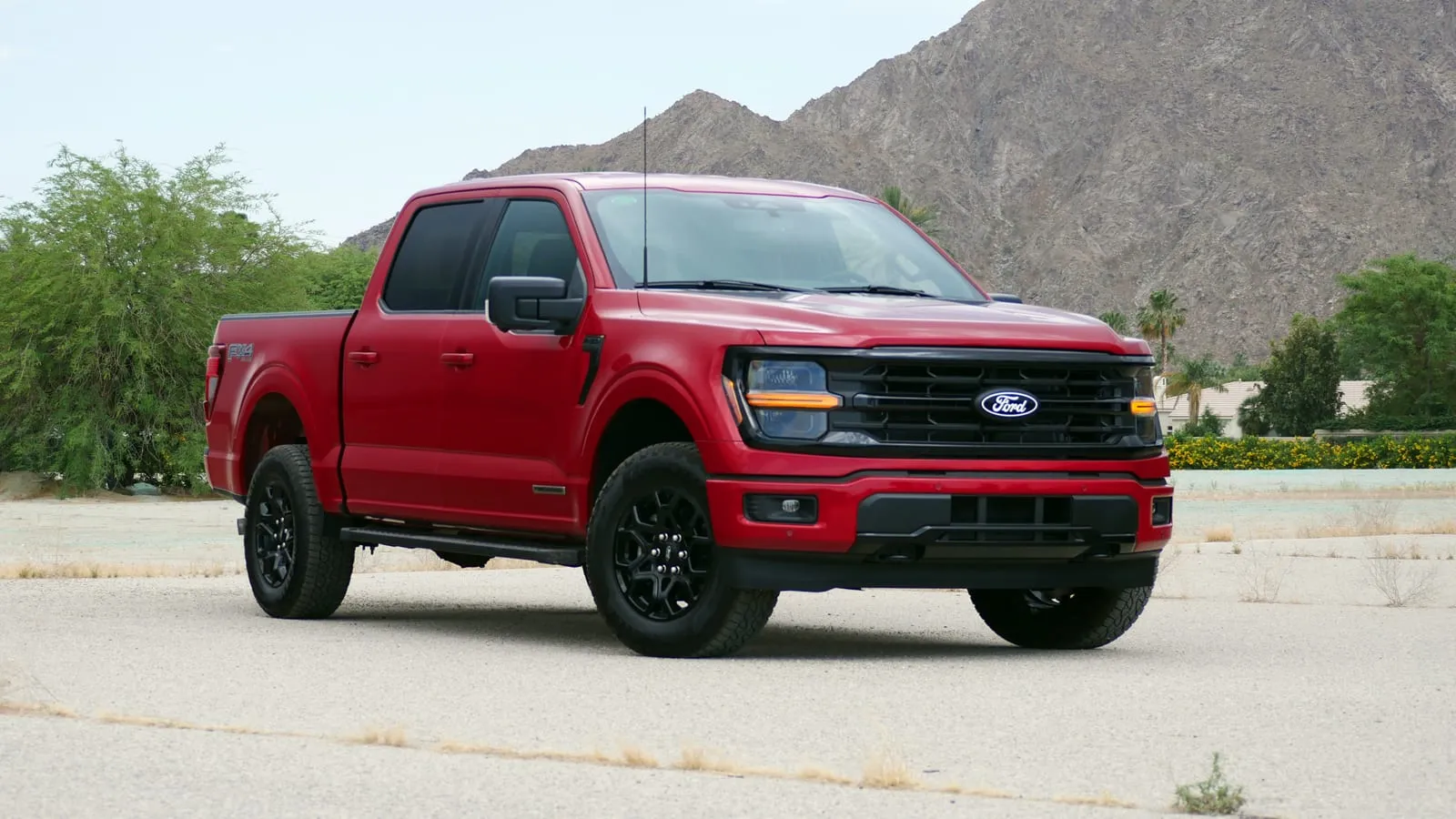
Ford F-150 EcoBoost
The Ford F-150 EcoBoost, particularly earlier generations equipped with smaller displacement turbocharged engines, is capable of impressive towing figures on paper. However, when operated near maximum towing capacity for extended periods, some owners and fleet users have reported increased heat buildup in the transmission and engine cooling system under demanding conditions.
The EcoBoost engine design focuses on delivering high torque through turbocharging, which works well for short bursts of power and moderate towing. However, continuous towing at high load levels can lead to sustained thermal stress, especially in hot climates or mountainous regions where airflow is reduced. Turbocharged engines generate significant heat, and managing that heat over long distances becomes critical.
The transmission in earlier F-150 models was not always optimized for prolonged heavy towing at maximum capacity. While generally reliable under normal use, extended towing sessions can cause fluid temperatures to rise, triggering protective measures that reduce power output to prevent damage.
Cooling system performance varies by configuration, but smaller radiator setups in certain trims may struggle to maintain optimal temperatures during continuous towing. This does not indicate failure, but rather a limitation when compared to heavy duty platforms designed specifically for commercial towing.
Despite these concerns, the F-150 EcoBoost remains a popular choice for light to moderate towing. It performs well within its intended limits, but sustained maximum load operation requires careful monitoring of temperatures and driving conditions.
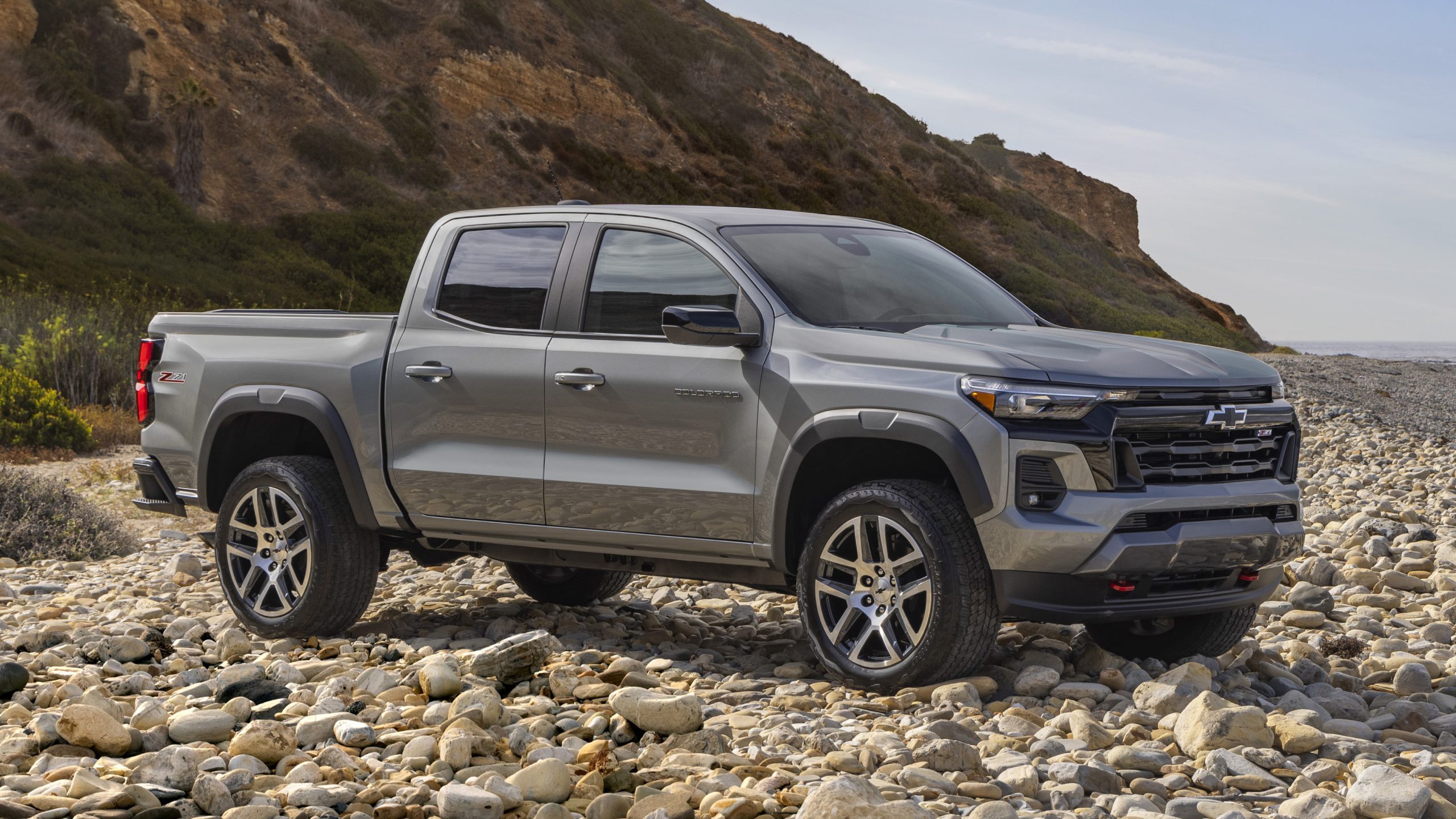
Chevrolet Colorado
The Chevrolet Colorado equipped with the 2.8 liter Duramax diesel engine offers good efficiency and respectable towing capability for a mid size truck. However, under sustained heavy towing close to its upper limits, older model years have shown signs of thermal stress in certain operating environments.
The smaller diesel engine is designed for efficiency rather than continuous high load operation. While torque output is strong for its size, maintaining that output over long periods can increase engine and transmission heat levels. This becomes more noticeable during uphill towing or high temperature conditions.
Cooling systems in earlier Colorado models were designed primarily for balanced daily use with occasional towing. As a result, prolonged towing at maximum capacity may push the system close to its thermal limits, requiring reduced speeds or breaks during long climbs.
Transmission performance is generally stable, but fluid temperature management can become a concern under sustained load. This may result in reduced shifting performance or protective thermal adjustments in extreme conditions.
The Colorado remains a capable mid size truck for many users, but it is best suited for moderate towing rather than continuous heavy hauling over long distances.
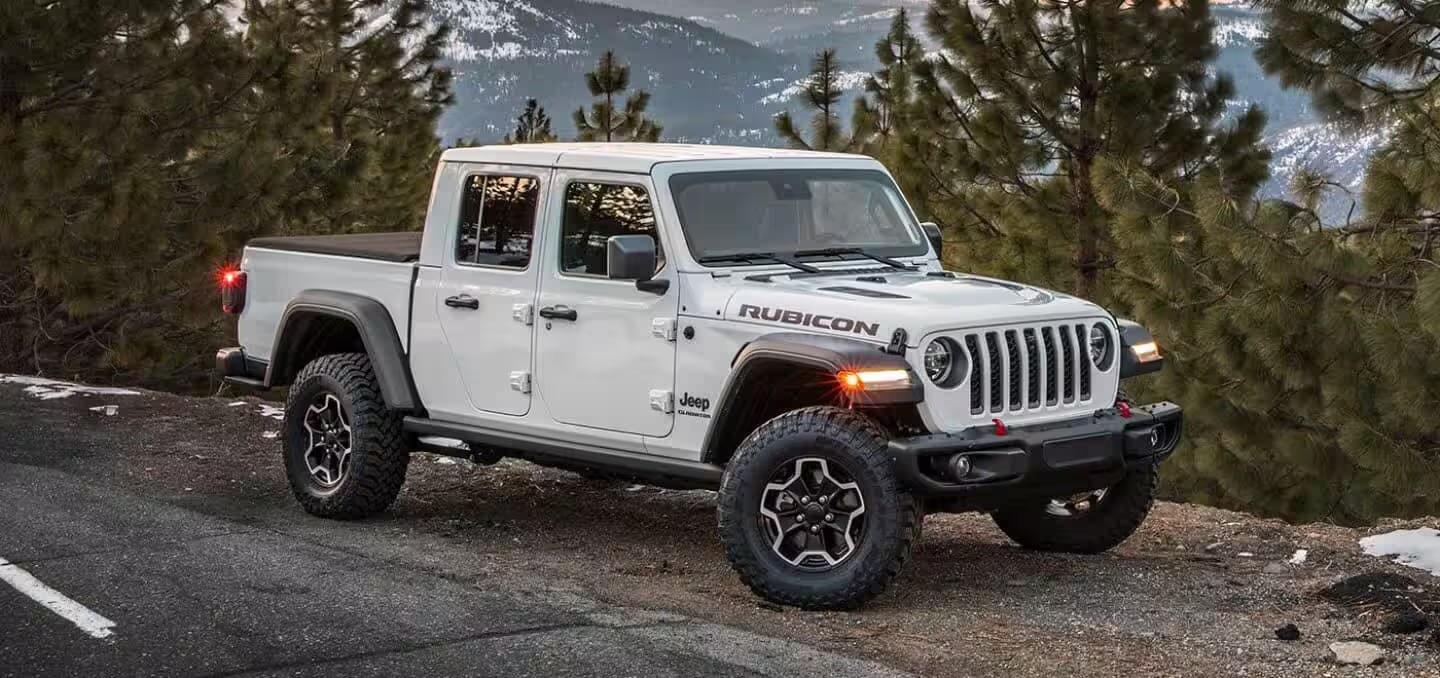
Jeep Gladiator EcoDiesel
The Jeep Gladiator EcoDiesel is designed as a versatile off road capable pickup with respectable towing ability for its class. While it offers good torque from its diesel engine, continuous heavy towing can place stress on its cooling and drivetrain systems when operated near maximum capacity for extended periods.
The engine provides strong low end torque, which is useful for towing trailers at lower speeds. However, the vehicle design prioritizes off road flexibility rather than sustained highway towing efficiency. This can influence thermal management during long towing sessions.
Cooling capacity in the Gladiator is adequate for moderate towing, but sustained high load operation, especially in hot environments, may lead to increased engine and transmission temperatures. Drivers may need to manage speed and load more carefully to maintain stable performance.
The transmission is generally reliable but may experience increased heat buildup during prolonged towing, particularly when climbing grades or driving in stop and go conditions with a trailer attached.
The Gladiator EcoDiesel is best suited for recreational towing and mixed use rather than continuous heavy towing applications, where dedicated heavy duty trucks tend to perform more consistently.
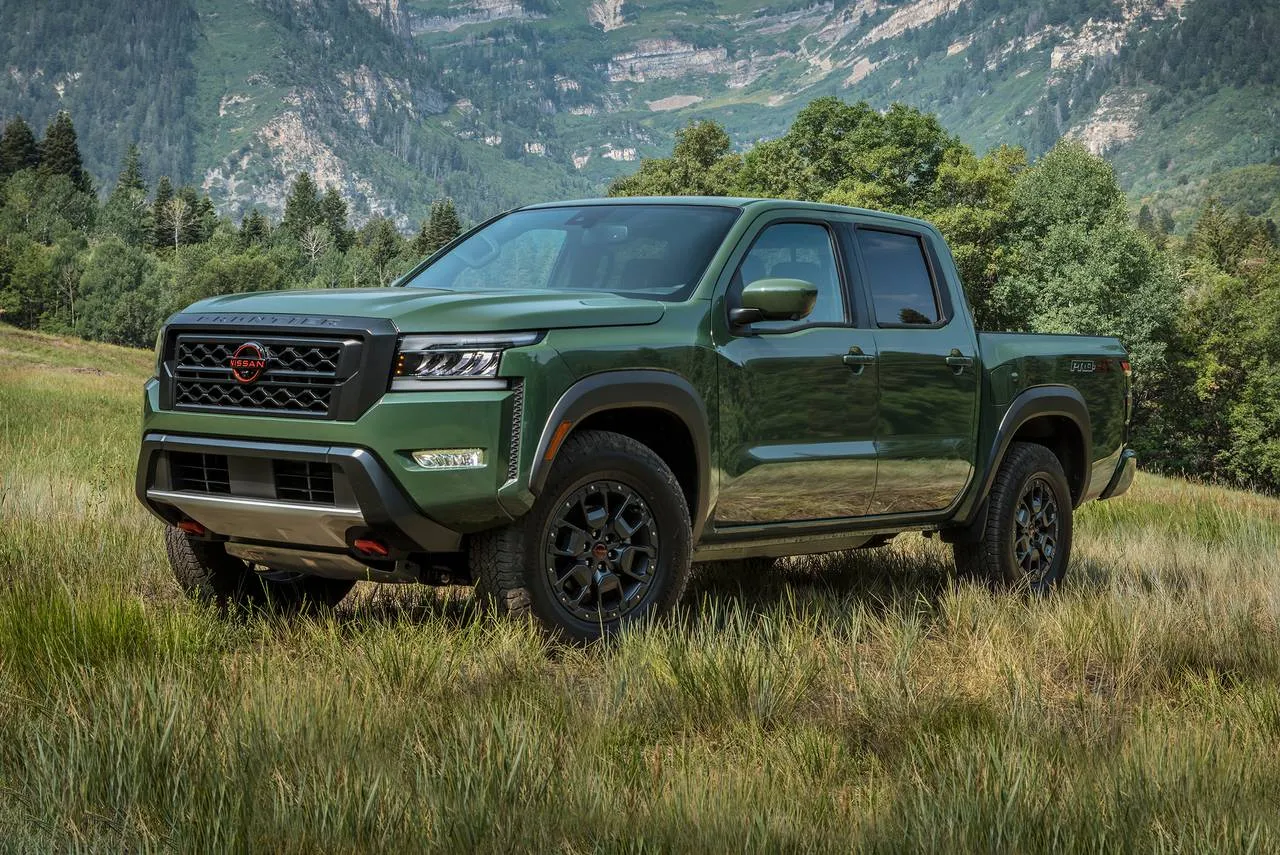
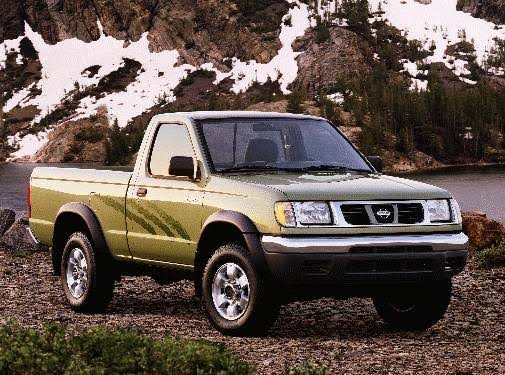
Nissan Frontier
The Nissan Frontier with older V6 engines is known for durability and simplicity, but its towing system is not designed for continuous high capacity hauling. When operated near its maximum towing rating for long periods, it may experience increased strain in cooling and transmission systems.
The engine performs well for moderate loads, but sustained towing on steep gradients or in high temperatures can lead to rising engine heat levels. This is especially noticeable in older models with less advanced thermal management systems.
Transmission systems in older Frontier models are generally reliable but can become heat sensitive under extended towing conditions. This may result in reduced performance or the need for cooling breaks during long hauls.
Cooling systems in these models are adequate for daily driving and light towing, but they are not optimized for continuous heavy load operation. This limits their suitability for demanding towing tasks.
The Frontier remains a dependable compact truck, but it is best suited for occasional towing rather than constant heavy hauling.
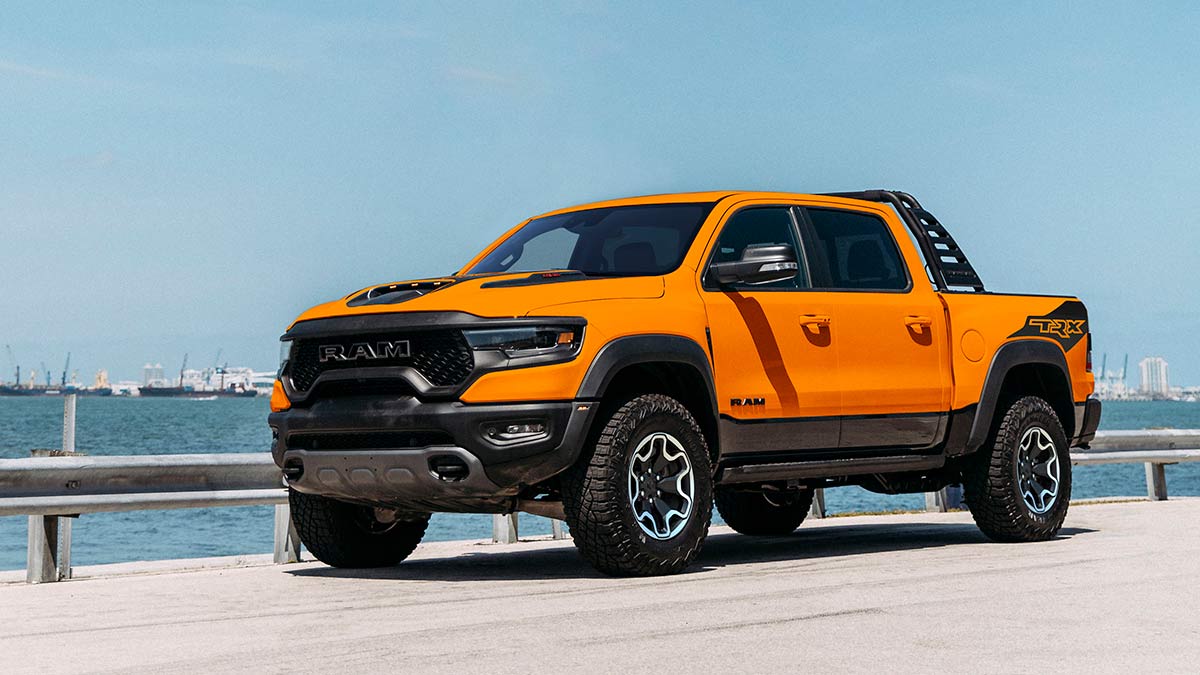
Ram 1500 Pentastar V6
The Ram 1500 equipped with the Pentastar V6 engine is widely used for daily driving and light towing. While it offers smooth performance and decent towing capability for its class, sustained heavy towing can push its thermal systems beyond optimal ranges.
The engine is designed for efficiency and general purpose use rather than continuous high torque operation. When towing near maximum capacity for extended periods, heat buildup can become noticeable, particularly in transmission systems.
Cooling systems in the Ram 1500 are adequate for moderate use, but long distance towing at high loads can challenge temperature stability. This may result in reduced performance or increased fan activity to manage heat.
Transmission systems are generally reliable but may experience higher thermal loads during prolonged towing. This is more apparent when towing in hot climates or mountainous terrain.
The Ram 1500 remains a strong light duty pickup, but for constant heavy towing, heavier duty variants provide more consistent performance and thermal stability.
