Buying a vehicle is one of the biggest financial decisions most people make, and its long-term value depends on more than just price, design, or features.
In 2026, the automotive market is shaped by shifting buyer preferences, rising fuel costs, stricter emission rules, and rapid changes in technology. These factors directly affect how much a vehicle is worth after a few years of use.
Resale value refers to the amount a vehicle retains when it is sold after a period of ownership. Some vehicles lose value slowly and remain in high demand in the used car market, while others experience steep depreciation the moment they leave the showroom. The difference between these two categories can result in thousands of dollars or lakhs of rupees in financial gain or loss for the owner.
Several factors determine resale value in today’s market. Brand reputation plays a major role because trusted manufacturers with proven reliability attract more buyers. Maintenance costs also influence resale value since vehicles with affordable servicing and widely available spare parts remain attractive in the second-hand market.
Fuel efficiency continues to be important, especially in countries where fuel prices fluctuate frequently. In addition, consumer preferences have shifted strongly toward SUVs, which has reduced demand for traditional sedans in many regions. According to market trends in 2026, compact SUVs are now among the strongest performers in terms of long-term value retention compared to other vehicle segments.
On the other side, certain categories of vehicles lose value rapidly due to oversupply, outdated design, or declining demand. Luxury vehicles, early-generation electric vehicles, and unpopular sedans often experience steep depreciation because buyers prefer newer technology, better fuel economy, or more practical body styles.
Vehicles with high maintenance costs or weak brand trust also struggle in the used market, leading to significant financial loss for owners who plan to resell them after a few years.
This article examines both sides of the market in detail. It highlights five vehicles that consistently hold strong resale value in 2026 and explains why they perform well. It also identifies five vehicles that tend to lose value quickly and the reasons behind their rapid depreciation.
The goal is to provide a clear understanding of which vehicles make better long-term financial sense and which ones are likely to lose value faster than expected.
Vehicles With High Resale Value in 2026
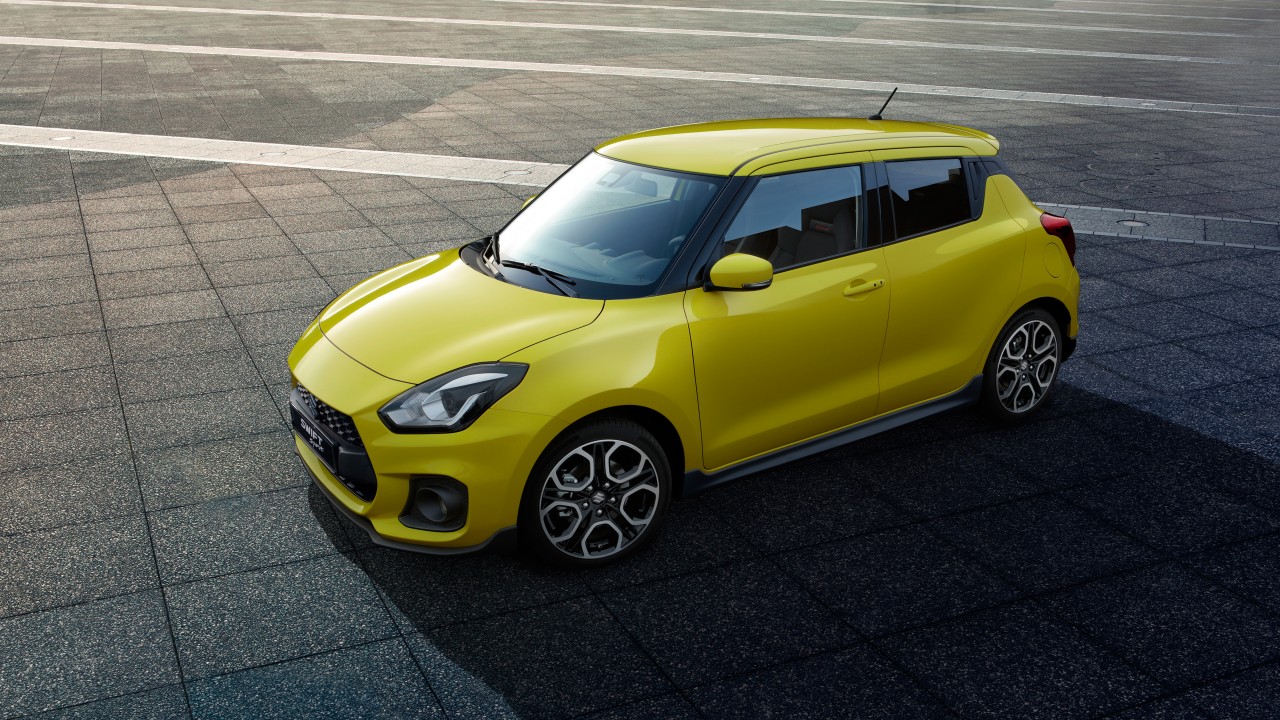
1. Maruti Suzuki Swift
The Maruti Suzuki Swift continues to be one of the strongest performers in the resale market due to its long-established reputation in the hatchback segment. It is widely recognized for its low running costs, dependable engine performance, and easy handling, which makes it suitable for both new drivers and experienced motorists.
Over the years, the Swift has built a strong identity as a practical city car that also performs well on highways, which increases its long-term desirability among used car buyers.
A major reason behind its consistently high resale value is its extremely low maintenance requirement compared to many competing hatchbacks. Spare parts are affordable and easily available across urban and rural service centers, which significantly reduces ownership stress.
This accessibility creates confidence among second-hand buyers, as they know servicing will not become a financial burden. The car’s fuel efficiency also adds to its appeal, especially in markets where daily commuting costs are a major concern.
Another important factor contributing to the Swift’s resale strength is its strong brand trust built by Maruti Suzuki over decades. Buyers in the used car market often prefer models from manufacturers with proven reliability records, and the Swift benefits directly from this perception.
Even older models continue to attract buyers because they are seen as dependable and easy to maintain, which keeps demand steady across different price ranges.
The Swift also maintains strong demand because it fits a wide range of users, from students and working professionals to small families. Its compact size makes it ideal for congested city roads, while its interior space remains practical enough for daily use. This versatility ensures that resale demand remains consistent regardless of model year or trim level.
In 2026, the Swift continues to outperform many competitors in its category because it balances affordability, efficiency, and reliability in a way few hatchbacks can match. Even as compact SUVs gain popularity, the Swift remains a preferred choice for budget-conscious buyers, which keeps its resale value stable and strong over time.
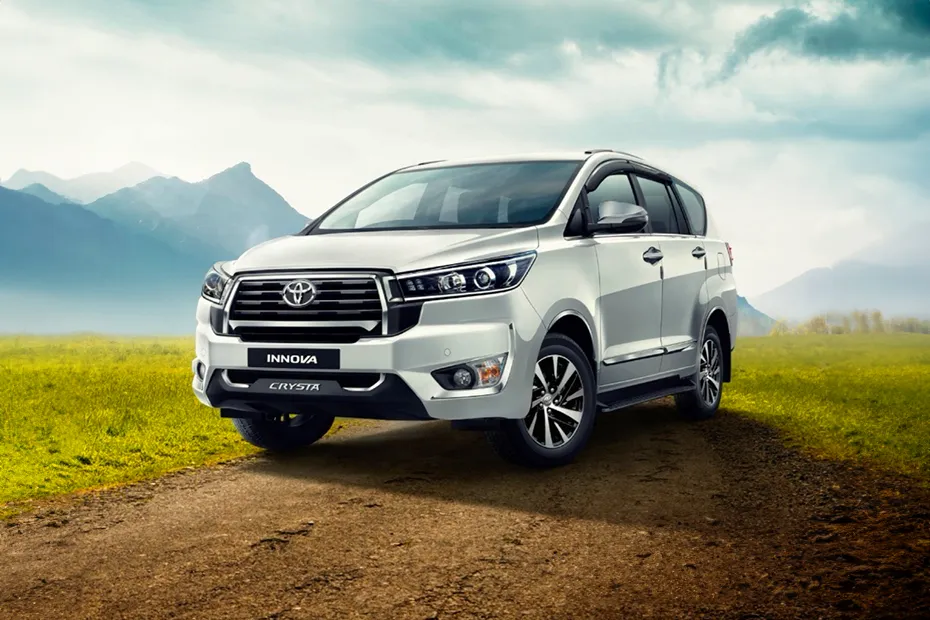
2. Toyota Innova Crysta
The Toyota Innova Crysta stands as one of the most reliable vehicles in the multi-purpose vehicle segment, and its resale value reflects this strong reputation.
It is widely used in both personal and commercial transportation due to its exceptional durability and ability to handle long-distance travel without significant performance issues. This consistent demand across different user groups ensures that even older models retain strong market value.
One of the key reasons for its high resale value is Toyota’s global reputation for engineering reliability and long-lasting performance. The Innova Crysta is designed to withstand heavy usage, which makes it a preferred choice for taxi operators, travel agencies, and large families.
Many vehicles in this segment easily cross high mileage milestones while still maintaining smooth performance, which increases buyer confidence in the used market.
Another major factor is its low breakdown rate compared to competitors in the same category. Owners often report fewer mechanical issues even after years of usage, which reduces long-term ownership risk. This reliability becomes a strong selling point in the resale market, where buyers prioritize vehicles that will not require frequent repairs or unexpected maintenance costs.
The Innova Crysta also benefits from its spacious and comfortable interior design, which makes it suitable for long journeys and group travel. Its seating capacity and ride comfort make it a preferred option for both urban and intercity transportation needs. This versatility increases its demand across different regions, ensuring steady resale pricing regardless of age or mileage.
In 2026, the Innova Crysta continues to maintain one of the highest resale values in its category because it combines durability, comfort, and strong brand trust. Its ability to serve both personal and commercial markets ensures consistent demand, making it one of the most financially stable vehicle choices for long-term ownership.
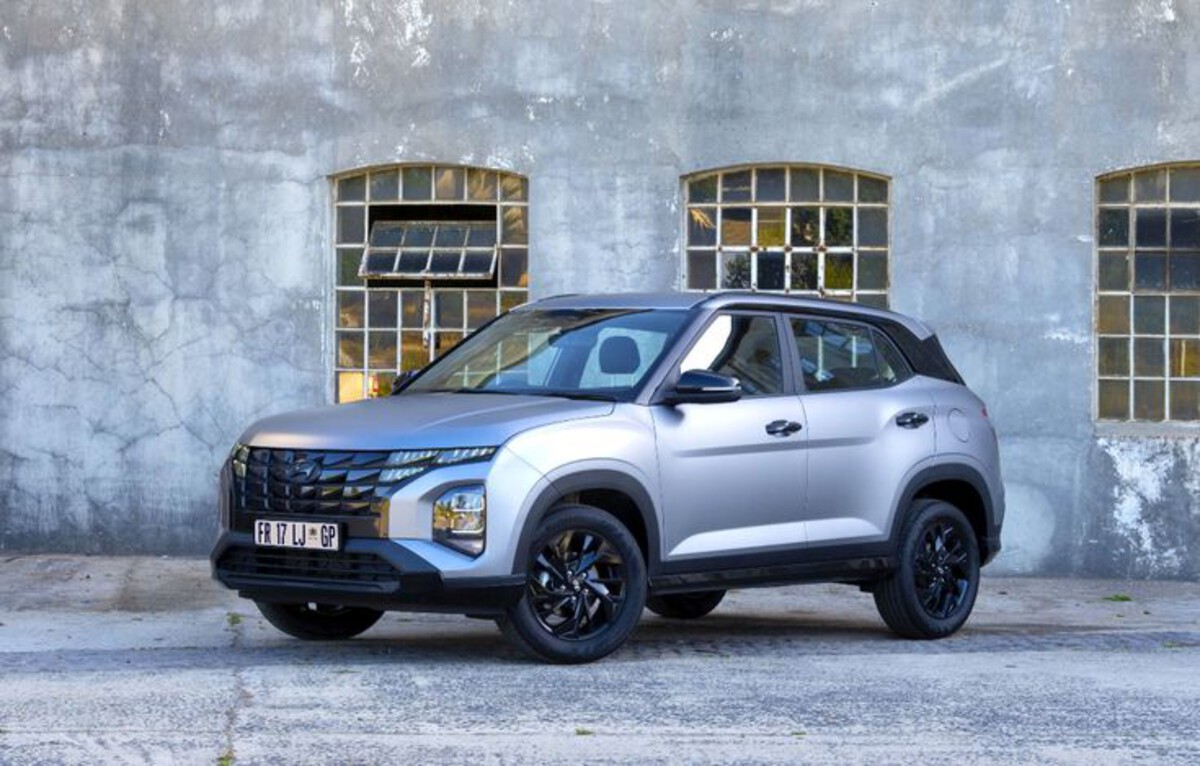
3. Hyundai Creta
The Hyundai Creta remains one of the most in-demand compact SUVs, and its resale value is strongly supported by its popularity in both new and used car markets.
Its modern design, feature-rich cabin, and balanced driving performance make it a preferred choice among urban buyers who want a stylish yet practical vehicle. This strong market presence ensures that used Creta models continue to attract buyers quickly.
A major factor behind its resale strength is the growing preference for compact SUVs across global and regional markets. Buyers increasingly prefer higher driving positions, improved road visibility, and better practicality compared to traditional sedans or hatchbacks. The Creta fits these expectations well, making it a consistent performer in resale value retention.
Another reason for its strong resale performance is Hyundai’s reputation for offering well-equipped vehicles with reliable engineering. The Creta often includes advanced features such as infotainment systems, safety enhancements, and comfort-focused interiors, which remain appealing even in older models. This feature retention helps older vehicles stay competitive in the used market.
The Creta also benefits from strong brand recognition and widespread service availability. Hyundai has an extensive service network that ensures easy maintenance and repair support, which increases buyer confidence in second-hand purchases. Lower ownership risk encourages more buyers to consider used Creta models, keeping demand stable.
In 2026, the Hyundai Creta continues to perform strongly in resale markets because it aligns perfectly with modern consumer expectations. Its combination of comfort, practicality, and strong SUV appeal ensures that depreciation remains slower compared to many competitors in the same price segment.
4. Toyota Fortuner
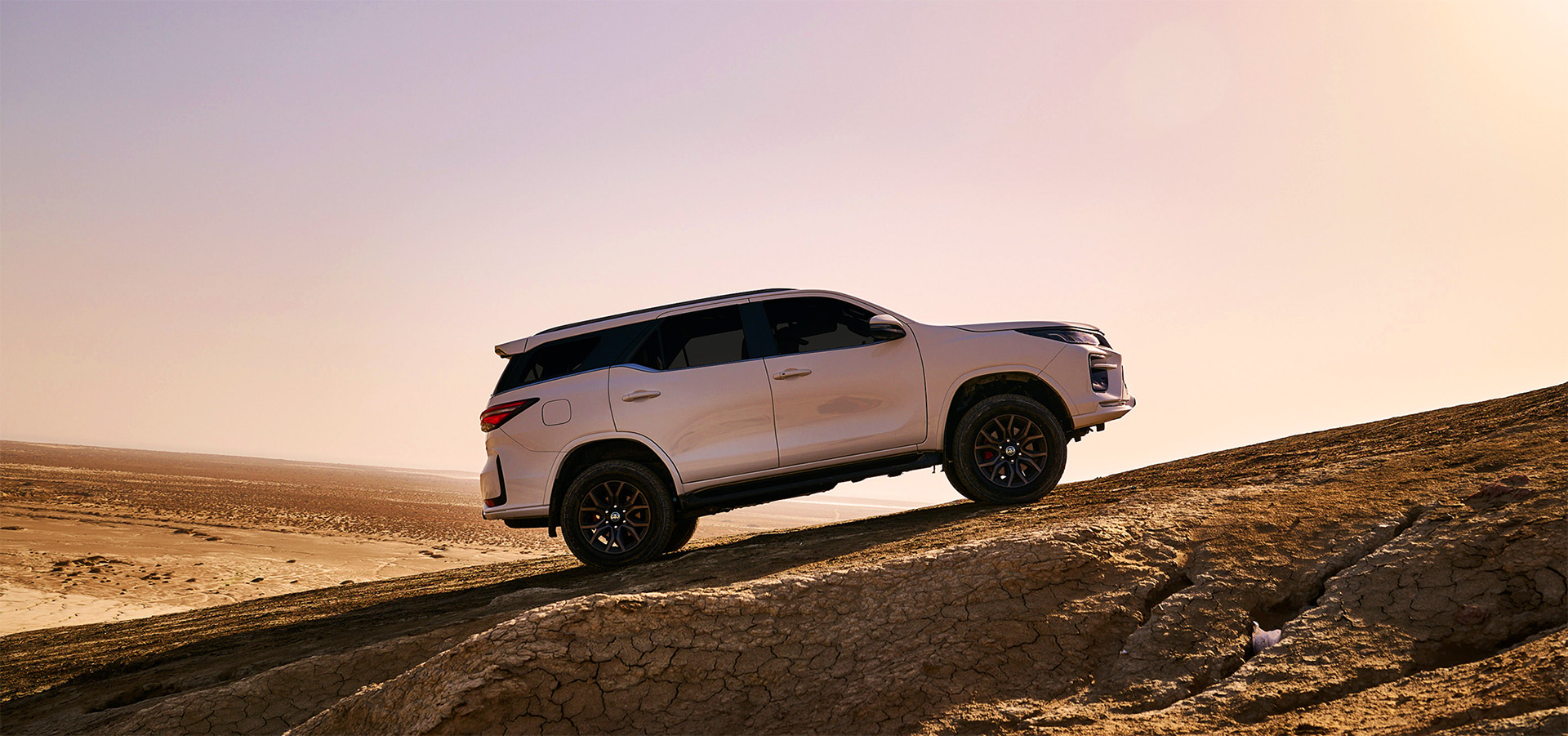
The Toyota Fortuner is widely regarded as one of the most stable vehicles in terms of resale value in the full-size SUV category. Its strong road presence, rugged build quality, and powerful engine performance make it highly desirable among buyers who want a durable and premium SUV. This demand remains strong even for older models, which significantly reduces depreciation.
A key factor behind its resale strength is the limited number of direct competitors in its segment. While several SUVs exist in the market, few offer the same combination of reliability, off-road capability, and premium feel. This exclusivity ensures that demand for used Fortuners remains high, allowing owners to retain a larger portion of the original value.
Another important aspect is its proven durability in challenging road conditions. The Fortuner is often used in rough terrains, long highway routes, and demanding environments, yet it continues to perform reliably. This reputation for toughness increases buyer confidence in the used market, where long-term dependability is highly valued.
The Fortuner also benefits from strong brand trust associated with Toyota’s global reputation for producing long-lasting vehicles. Maintenance costs remain reasonable compared to luxury SUVs, and parts availability is generally good, which makes ownership easier even after several years. This contributes to its strong resale performance.
In 2026, the Fortuner continues to hold exceptional resale value because it combines durability, prestige, and consistent demand. Its ability to maintain desirability across different age groups and usage conditions ensures that it remains one of the safest vehicles for long-term investment.
5. Maruti Suzuki WagonR
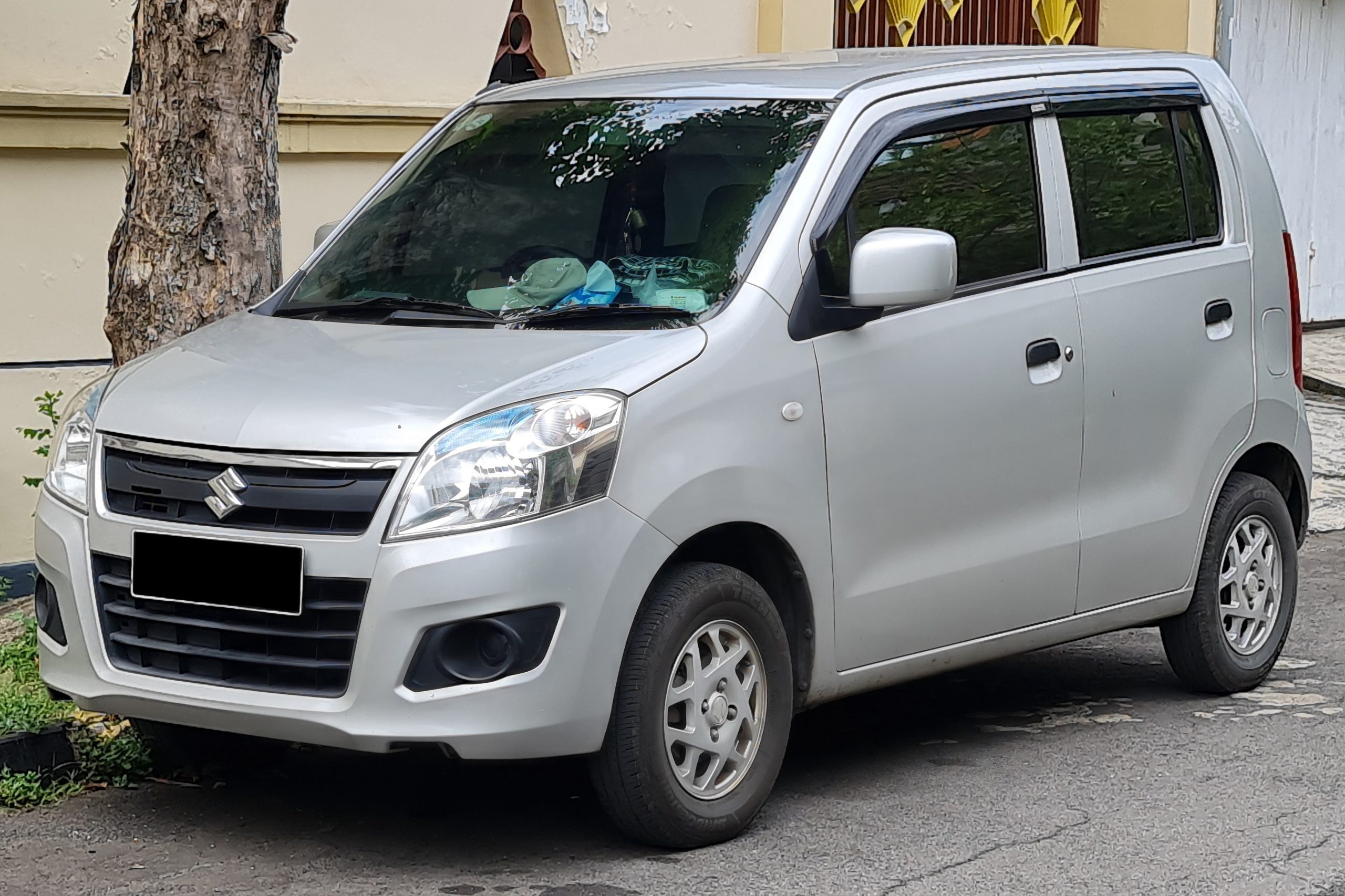
The Maruti Suzuki WagonR continues to perform strongly in the resale market due to its practicality, affordability, and widespread acceptance among budget-conscious buyers. Its tall-boy design provides excellent cabin space within a compact footprint, making it ideal for city driving as well as short-distance travel. This practicality ensures consistent demand in the used car market.
One of the strongest reasons for its resale value is its extremely low maintenance cost. The WagonR is designed with simple engineering that reduces the likelihood of expensive repairs, making it highly attractive to first-time buyers. Spare parts are inexpensive and widely available, which further increases its long-term usability.
Another key factor is its fuel efficiency, which makes it an economical choice for daily commuting. In markets where fuel prices fluctuate frequently, this becomes a major advantage. Buyers in the second-hand market often prioritize running cost over luxury features, and the WagonR fits this requirement well.
The WagonR also benefits from strong trust in Maruti Suzuki’s service network. With service centers available in most regions, owners have easy access to maintenance support. This widespread service availability increases buyer confidence, especially in smaller towns and semi-urban areas where affordability is a priority.
In 2026, the WagonR continues to maintain strong resale value because it offers a combination of practicality, low ownership cost, and reliable performance. Its steady demand among budget-focused buyers ensures that depreciation remains controlled compared to many other vehicles in its category.
Vehicles That Plummet Instantly in Value
1. Nissan Altima
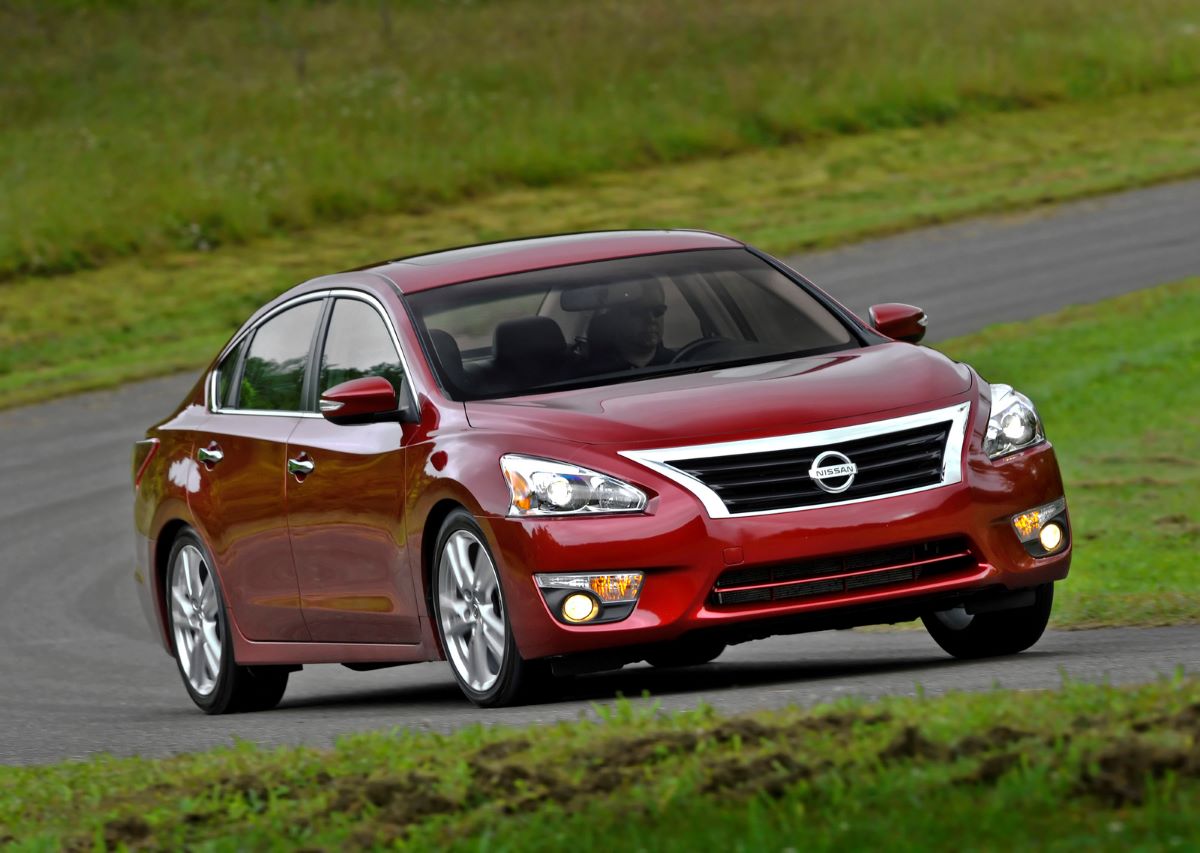
The Nissan Altima represents a broader trend seen in many mid-size and luxury sedans that lose value quickly in 2026 due to shifting consumer demand. One of the biggest reasons for its rapid depreciation is the global move away from sedans toward SUVs and crossovers.
Buyers now prioritize higher ground clearance, better road visibility, and more versatile interiors, which reduces demand for traditional sedan body styles like the Altima. As a result, even well-maintained models struggle to maintain strong resale prices compared to similarly priced SUVs.
Another major factor affecting its resale value is the rising cost of ownership over time. Maintenance expenses for sedans in this category are generally higher than compact cars, and parts can become costly depending on region and availability.
Insurance premiums for mid-size sedans also tend to remain relatively high, which further discourages second-hand buyers who are looking for economical long-term ownership. This creates a smaller buyer pool, which directly pushes resale prices downward.
Technological advancement also plays a role in its depreciation. Newer models are increasingly equipped with hybrid systems, advanced driver assistance features, and improved fuel efficiency.
Older Altima models quickly become less attractive because they lack these updated systems, making them feel outdated in comparison to newer competitors. This gap in technology accelerates value loss within just a few years of ownership.
Market perception is another factor that cannot be ignored. Sedans like the Altima are often seen as less practical in modern urban environments where traffic congestion, road conditions, and fuel costs influence purchasing decisions.
This perception reduces demand further, especially among younger buyers who prefer compact SUVs or electric vehicles. As demand weakens, resale value drops at a much faster rate compared to high-demand vehicle segments.
In 2026, the Nissan Altima continues to experience steep depreciation because it falls into a shrinking category of vehicles that no longer align with current consumer priorities.
Even though it offers comfort and decent performance, its declining demand, higher ownership costs, and outdated appeal in comparison to SUVs make it one of the faster-depreciating vehicles in the used car market.
2. Chevrolet Equinox
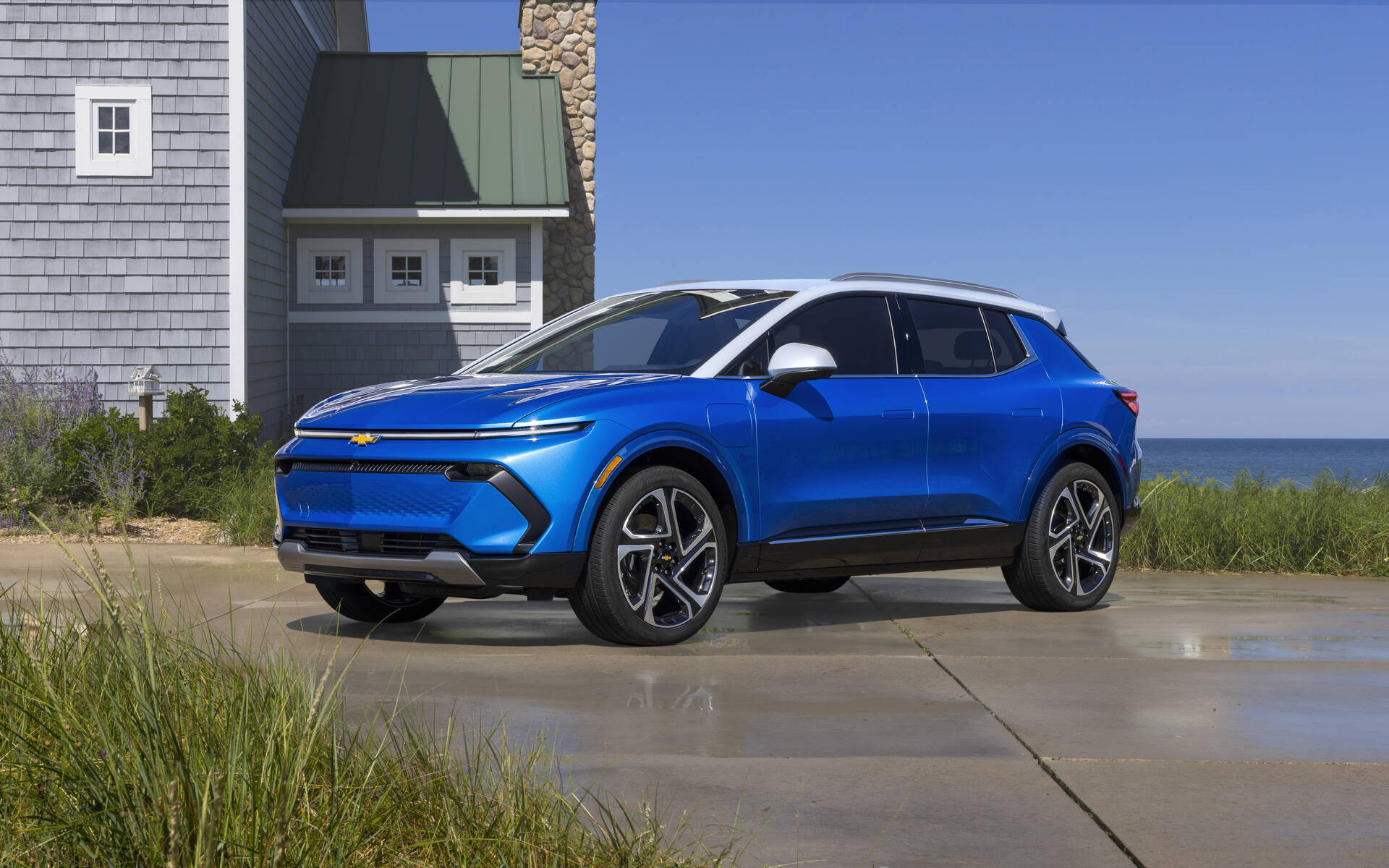
The Chevrolet Equinox faces significant depreciation pressure due to oversupply in the used car market and intense competition in the compact SUV segment. While it is a capable and practical SUV, its resale value is heavily affected by the number of similar vehicles available at lower prices.
Many Equinox units come from fleet usage, rental services, or corporate leasing programs, which increases supply in the second-hand market and pushes prices downward.
Another important factor contributing to its value loss is the rapid evolution of SUV technology. Modern compact SUVs now offer better fuel efficiency, hybrid options, advanced infotainment systems, and improved safety features.
Older Equinox models often lack these upgrades, making them less attractive to buyers who prefer newer technology even at slightly higher prices. This reduces demand for older versions significantly.
Maintenance and long-term reliability perceptions also influence resale performance. While the Equinox performs adequately, it does not have the same strong reputation for long-term durability as some competing Japanese or Korean SUVs.
Buyers in the used market often prioritize vehicles known for exceptional reliability, and this perception gap affects pricing. Even if a specific unit is well-maintained, general market perception can still lower its resale value.
Fuel economy is another factor that impacts depreciation. Compared to newer compact SUVs and hybrid competitors, older Equinox models are less efficient, which increases running costs for owners.
In a market where fuel prices are a major consideration, higher fuel consumption reduces buyer interest and pushes resale prices lower. This becomes more noticeable as vehicles age and efficiency differences become more significant.
In 2026, the Chevrolet Equinox continues to lose value quickly because it operates in a highly competitive segment where constant upgrades and strong competition dominate. Oversupply, moderate brand perception in resale markets, and weaker fuel efficiency compared to newer alternatives combine to create faster depreciation than many rival SUVs.
3. Mitsubishi Mirage
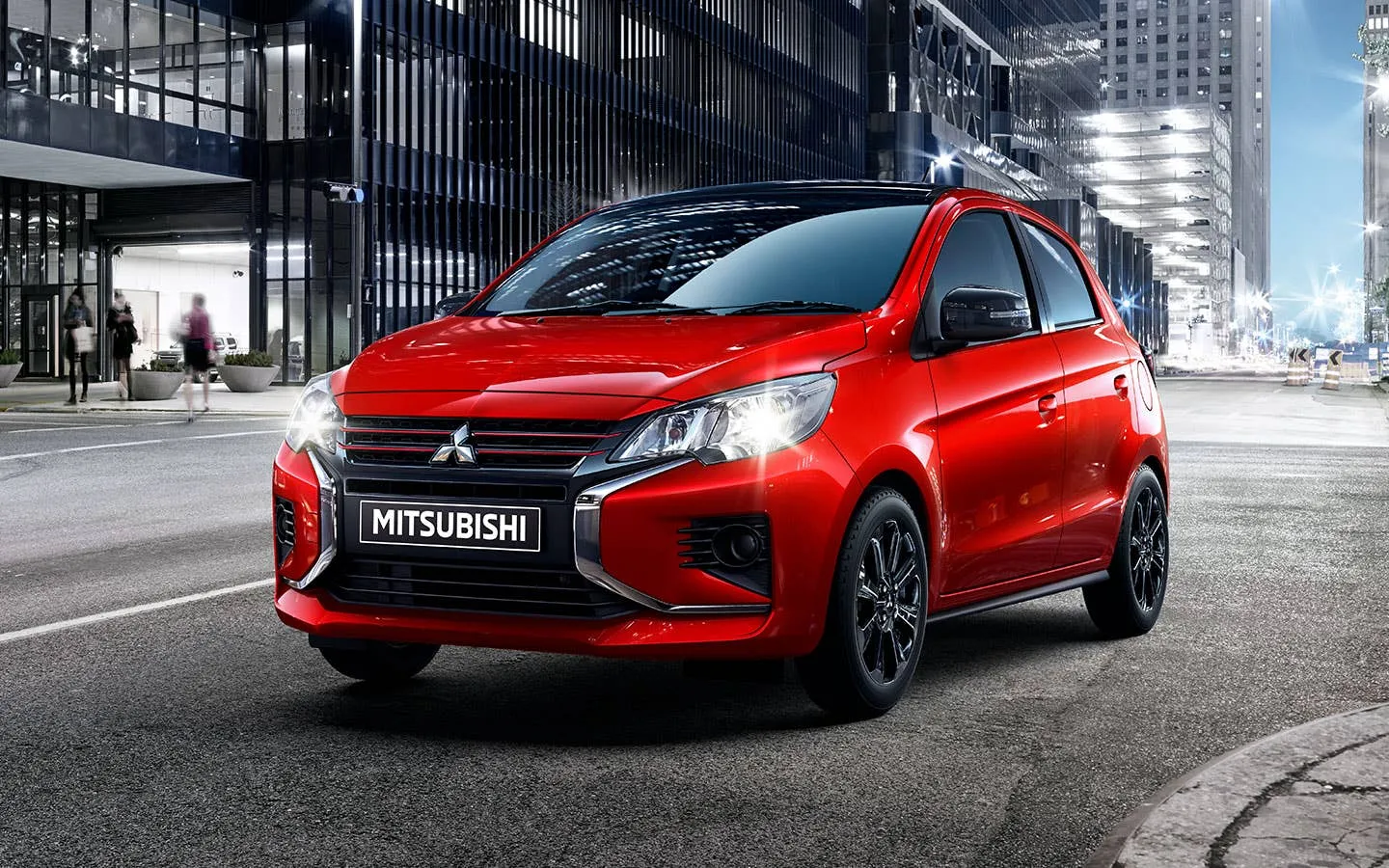
The Mitsubishi Mirage is one of the fastest-depreciating vehicles in the global compact car segment due to its basic design, limited performance capabilities, and shrinking demand.
While it is positioned as an affordable entry-level car, its low resale value reflects the trade-offs made in terms of power, features, and long-term appeal. Buyers often choose it for its initial affordability, but it struggles significantly in the second-hand market.
One of the main reasons for its steep depreciation is its minimal performance output. The Mirage is equipped with a small engine that prioritizes fuel economy over driving power, which makes it less suitable for highway driving or long-distance travel.
As consumer expectations rise toward more powerful and versatile vehicles, this limitation reduces demand in the used market and leads to faster price drops.
Another factor is its basic feature set compared to competitors. Modern buyers expect advanced infotainment systems, improved interior quality, safety features, and better driving comfort.
The Mirage falls behind in many of these areas, especially in older models, which makes it less appealing even when priced lower than competitors. This lack of features reduces resale competitiveness significantly.
Safety perception also affects its resale performance. While it meets basic safety requirements, it does not match the higher safety standards offered by many newer compact cars and SUVs. Buyers increasingly prioritize safety ratings when choosing used vehicles, and this reduces interest in models that are perceived as less advanced in this area.
In 2026, the Mitsubishi Mirage continues to experience rapid depreciation because it occupies a segment that is shrinking in demand. As buyers shift toward compact SUVs and feature-rich hatchbacks, the Mirage loses its market position quickly. Its limited performance, basic interior, and weaker appeal contribute to its low resale retention.
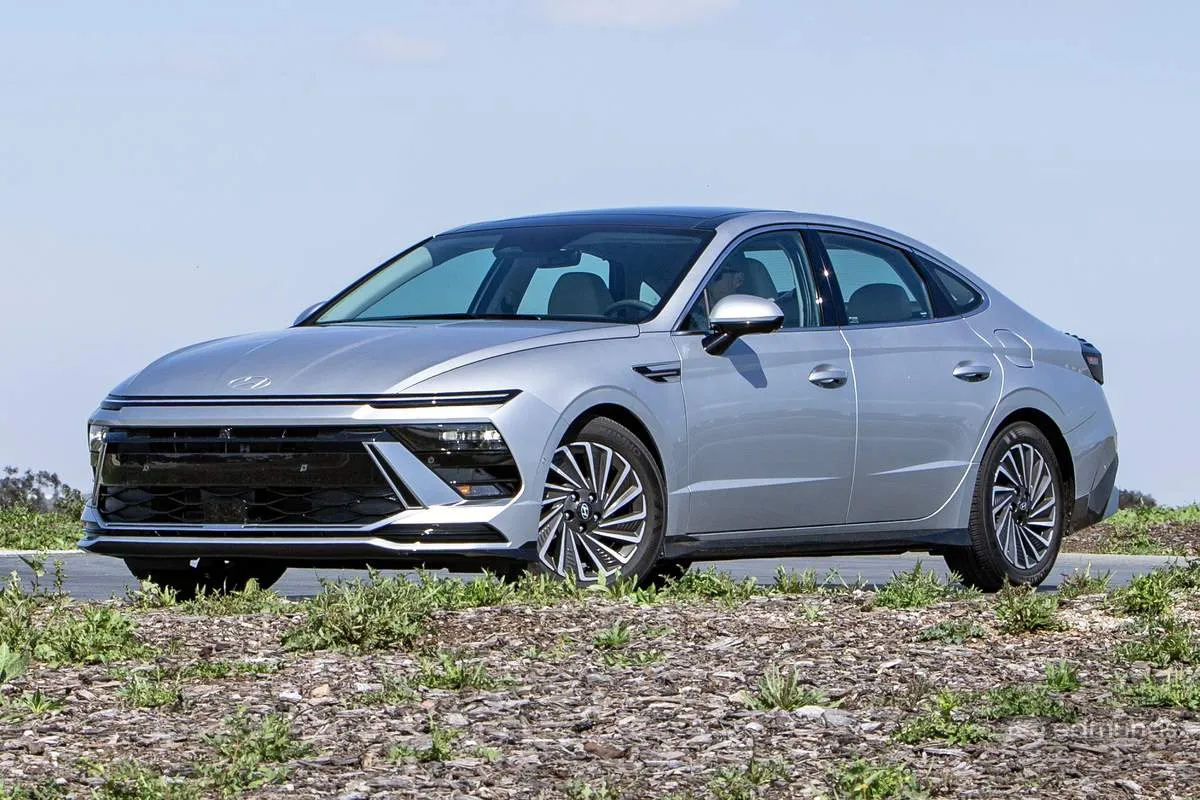
4. Hyundai Sonata
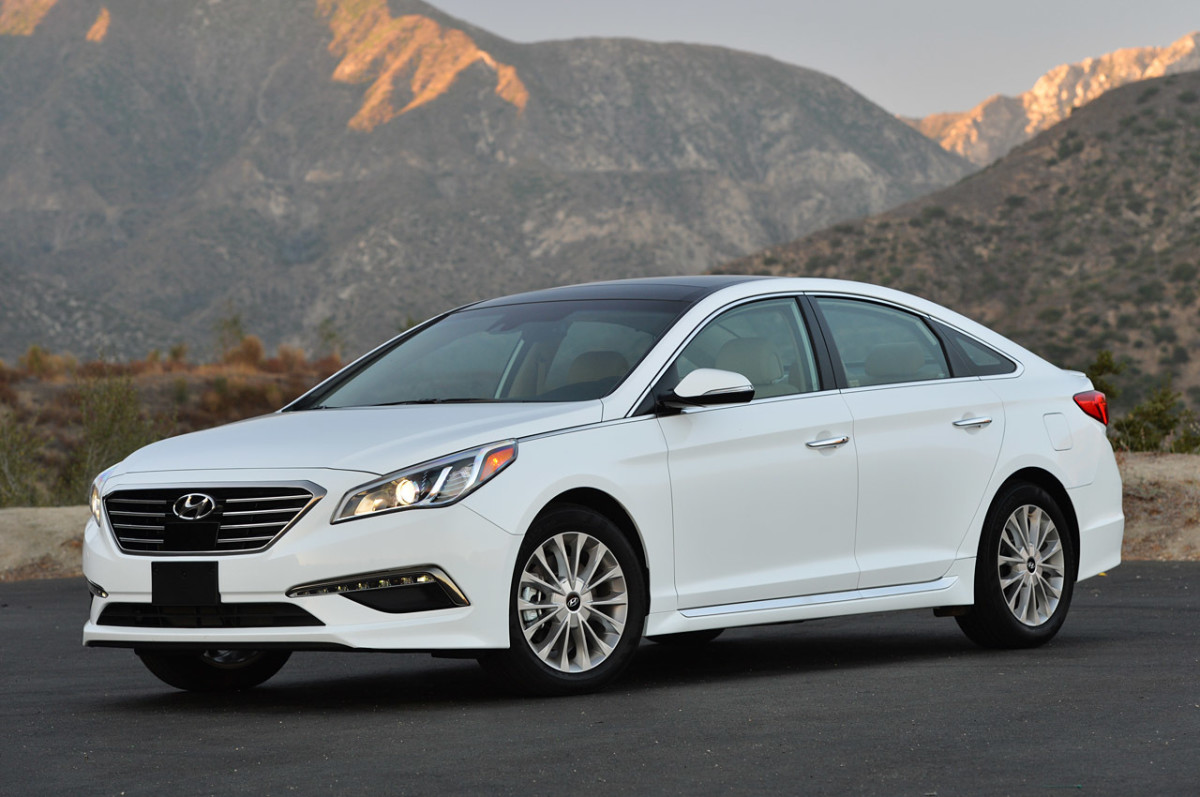
The Hyundai Sonata experiences noticeable depreciation due to the decline in sedan popularity and rapid technological progression in the automotive industry. While it is known for comfort, design, and feature availability, it struggles to maintain strong resale value because consumer preferences have shifted heavily toward SUVs and hybrid vehicles.
One of the main reasons for its value loss is reduced demand for mid-size sedans. Buyers increasingly prefer vehicles that offer more space, versatility, and road presence, which makes SUVs more attractive in nearly every price segment. As a result, sedans like the Sonata face a shrinking buyer base in the used market, which directly lowers resale prices.
Another factor is rapid technological advancement in newer models. Hyundai frequently introduces updated safety systems, hybrid engines, and improved infotainment technology in newer versions of the Sonata. Older models quickly become outdated in comparison, which reduces buyer interest even if the vehicle is in good condition. This technology gap accelerates depreciation over time.
Maintenance and ownership perception also play a role. Although the Sonata is generally reliable, it is often seen as more expensive to maintain compared to smaller vehicles or economy-focused sedans. Higher servicing costs and less efficient fuel consumption compared to hybrid alternatives further reduce its appeal among budget-conscious buyers.
In 2026, the Hyundai Sonata continues to lose value at a faster rate because it sits in a declining segment with strong competition from SUVs and hybrid vehicles. Even though it offers comfort and premium features, market demand does not support strong resale retention, leading to consistent depreciation.
5. Early-Generation Electric SUVs
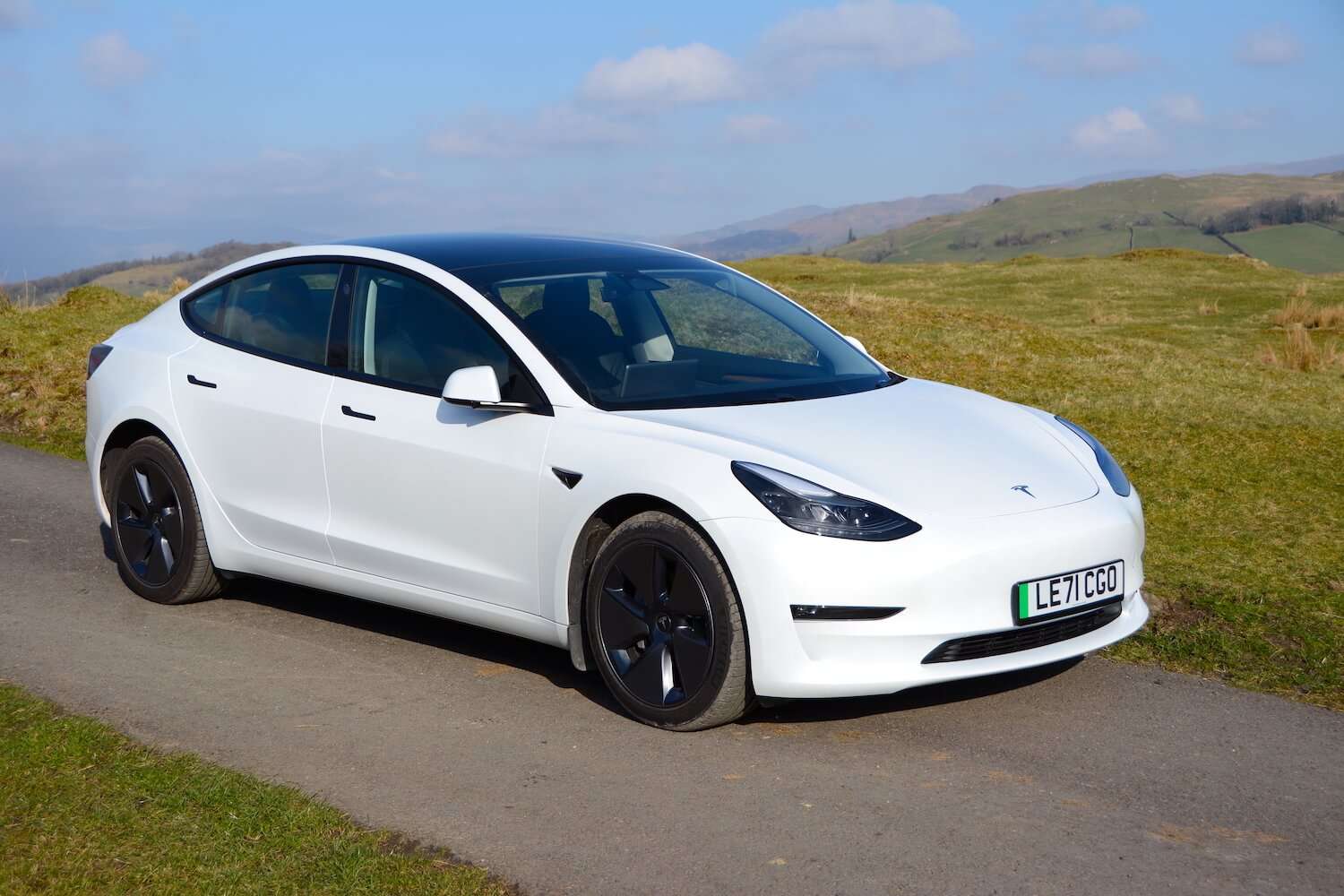
Early-generation electric SUVs face some of the most rapid depreciation in the modern automotive market due to fast-changing battery technology and evolving charging infrastructure.
These vehicles were among the first wave of electric SUVs, and while they played an important role in EV adoption, they now struggle to maintain value as newer models outperform them in nearly every category.
One of the biggest reasons for their depreciation is battery degradation concerns. Over time, electric vehicle batteries lose capacity, which reduces driving range and usability. Buyers in the used market are often cautious about battery replacement costs, which can be expensive. This uncertainty significantly reduces resale value, especially for older EV models.
Another major factor is technological obsolescence. Newer electric SUVs offer faster charging speeds, longer driving range, improved battery chemistry, and more efficient power management systems.
Early-generation models cannot compete with these advancements, making them less desirable even if they are still functional. This rapid innovation cycle creates faster depreciation compared to traditional vehicles.
Charging compatibility also impacts resale value. Older electric SUVs may not support newer fast-charging standards or widespread charging networks efficiently. This limitation reduces convenience for buyers, especially in regions where charging infrastructure is still developing. As a result, demand for older EVs remains limited in the secondary market.
In 2026, early-generation electric SUVs continue to lose value quickly because of rapid innovation in the EV industry. While they remain important in the transition toward electric mobility, their outdated technology, battery concerns, and reduced compatibility with modern systems lead to steep depreciation compared to newer electric models.