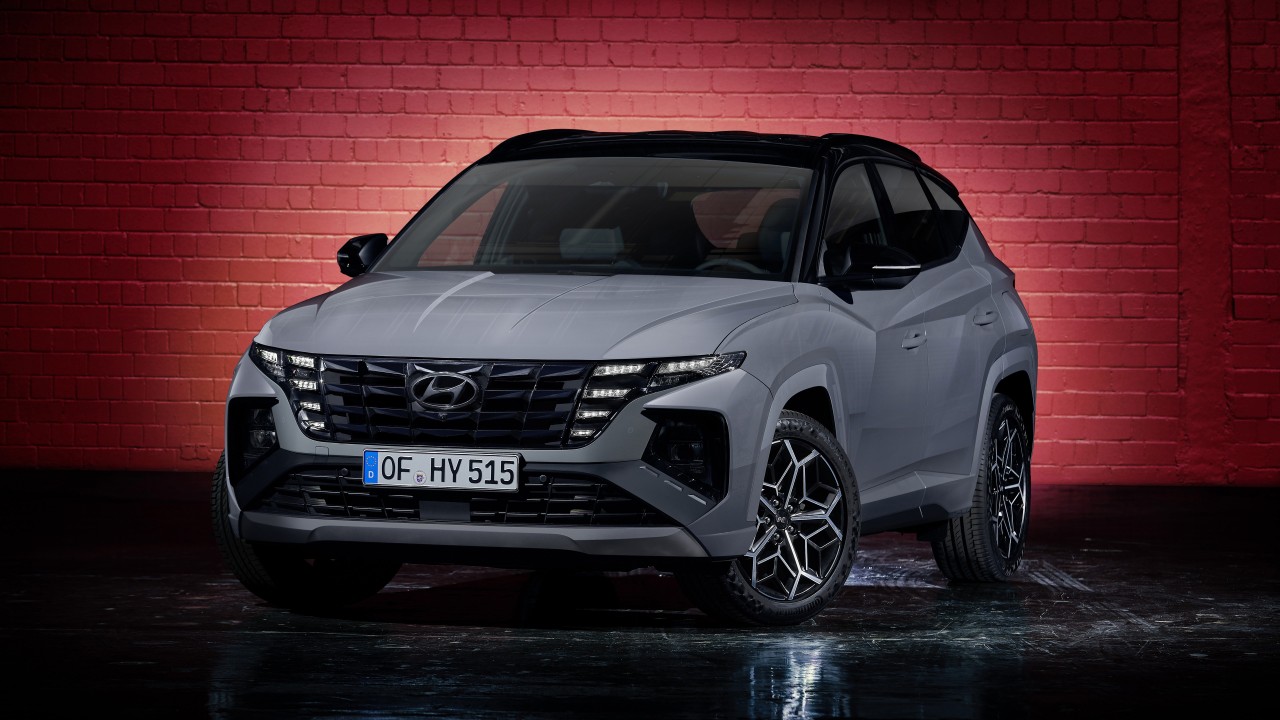
Visibility has become an increasingly overlooked factor in modern SUV design, even though it plays a critical role in driver confidence and safety. Many newer vehicles prioritize styling, structural rigidity, and aerodynamic efficiency, often resulting in thicker pillars and smaller windows.
While these changes may improve crash protection and aesthetics, they can also create significant blind spots that make everyday driving more stressful.
For drivers who value clear sightlines, compact SUVs can offer a better balance. Their smaller dimensions naturally make it easier to judge distances, but the real difference comes down to how each model is engineered. Slimmer A-pillars, well-positioned mirrors, larger glass areas, and thoughtful seating height can dramatically improve visibility from behind the wheel.
Good visibility is not just about convenience. It directly affects reaction time in busy traffic, ease of parking in tight spaces, and confidence when changing lanes. Drivers who frequently navigate crowded urban environments or narrow roads will immediately notice the advantage of a cabin that feels open and easy to see out of.
Another important aspect is how natural the driving position feels. When a vehicle is designed with visibility in mind, the driver does not need to lean forward or adjust constantly to check surroundings. Everything falls within a comfortable field of view, reducing fatigue over longer journeys.
The compact SUVs listed here stand out because they prioritize clear sightlines without compromising practicality. Each one approaches visibility in a slightly different way, offering unique strengths for drivers who want to avoid the frustration of large blind spots and obstructive pillars.
Also Read: 10 Brands With the Most Affordable Replacement Parts in the US Market
1. Subaru Forester
The Subaru Forester has built a strong reputation for offering some of the best outward visibility in its class, and it achieves this through a combination of smart engineering rather than flashy design choices. From the moment you sit inside, the cabin feels open and airy, largely due to its tall windows and relatively thin pillars.
One of the key reasons behind its excellent visibility is the upright greenhouse design. Unlike many compact SUVs that adopt a sloping roofline, the Forester maintains a more squared profile. This allows for larger side windows and a rear glass area that provides a clear view when reversing or checking traffic behind.
The A-pillars are carefully designed to minimize obstruction. They are positioned in a way that reduces the chance of hiding pedestrians or vehicles at intersections. This becomes particularly noticeable in city driving, where quick glances can make a significant difference in awareness.
Another strength lies in the seating position. The driver sits relatively high, but not in a way that feels disconnected from the road. Instead, it creates a commanding view that enhances confidence without sacrificing precision. Combined with a low dashboard, this setup ensures that forward visibility remains unobstructed.
Subaru also complements its physical design with well-placed mirrors. The side mirrors are mounted in a way that reduces blind spots between the A-pillar and the door frame. This small detail helps eliminate one of the most common visibility issues found in modern vehicles.
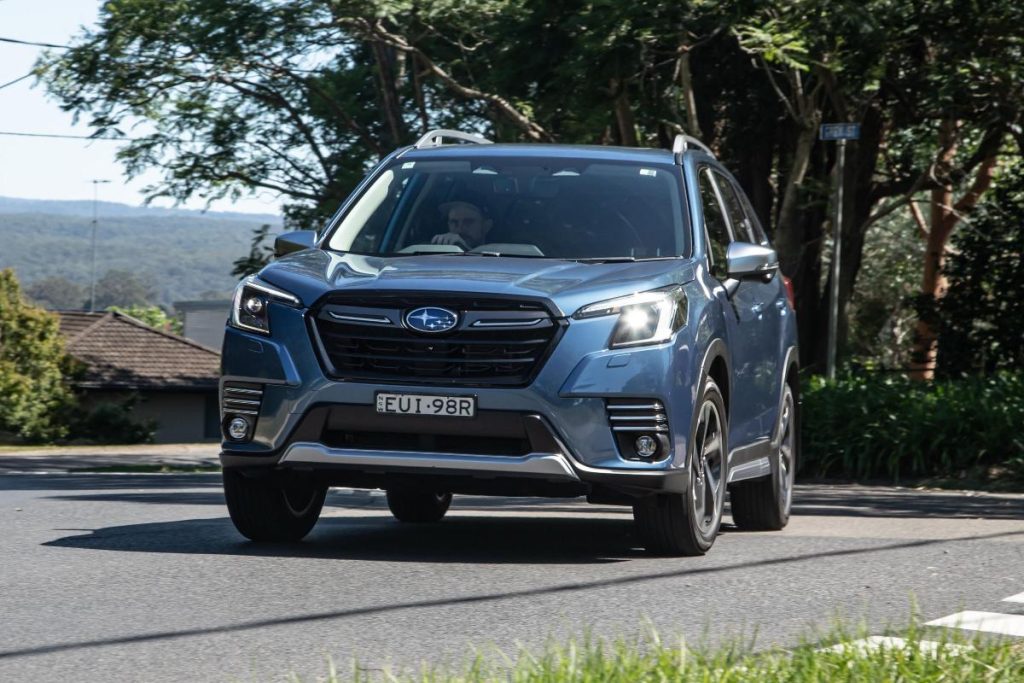
The rear visibility is equally impressive. Large rear windows and minimal tapering at the back make parking and reversing far less stressful. Drivers do not need to rely heavily on cameras or sensors, although those features are available as support.
What makes the Forester particularly appealing is how natural everything feels. There is no need to adjust your posture or double check angles constantly. The vehicle works with you, providing a clear and consistent view in all directions.
For drivers who prioritize visibility above all else, the Forester stands as one of the most well thought out options available.
2. Honda CR-V
The Honda CR-V takes a slightly different approach, focusing on balance and refinement while still delivering strong visibility. It does not rely on extreme design choices but instead integrates smart proportions and careful detailing to create a driver friendly environment.
A defining feature of the CR-V is its clean dashboard layout paired with a low hood line. This combination improves forward visibility, making it easier to judge distances in traffic or when maneuvering in tight spaces. The view ahead feels wide and unobstructed, which is especially helpful during highway driving.
The pillars are engineered to provide structural strength without becoming overly bulky. While they are not the thinnest in the segment, their positioning and angle reduce their impact on the driver’s line of sight. This thoughtful placement ensures that visibility remains consistent during turns and lane changes.
Side windows in the CR-V are generously sized, contributing to a bright and open cabin. The beltline is kept relatively low, which enhances the ability to see surrounding vehicles and road edges. This is particularly useful in urban environments where awareness of nearby objects is crucial.
Another advantage is the mirror design. Honda has positioned the side mirrors to minimize blind spots effectively, creating a smoother transition between what you see directly and what appears in the mirrors. This reduces the need for excessive head movement when checking surroundings.
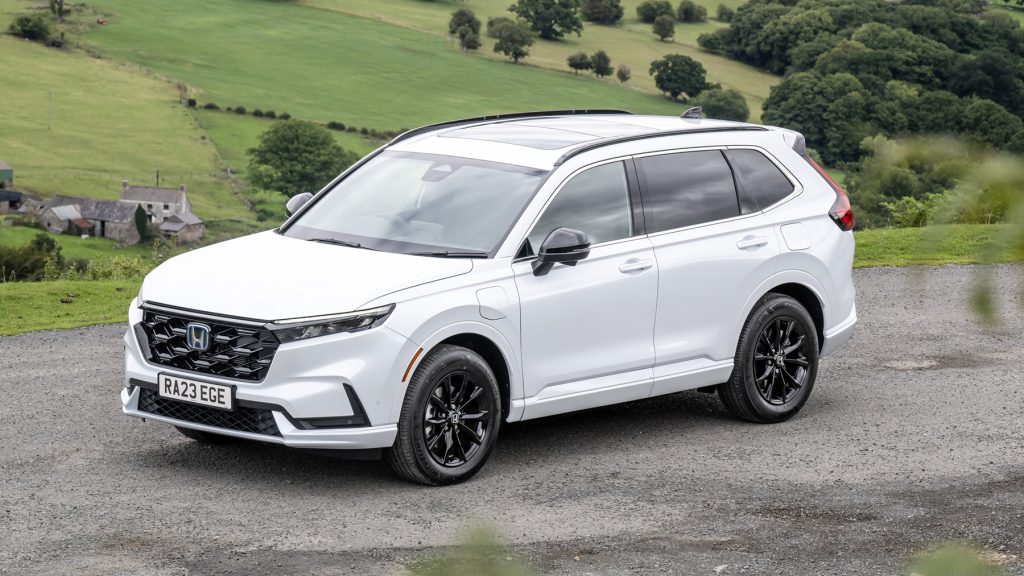
Rear visibility is handled with equal care. The tailgate design avoids excessive tapering, allowing for a broader rear window. Drivers benefit from a clearer view when reversing, making parking less dependent on electronic aids.
The CR-V also feels intuitive from behind the wheel. Controls, seating position, and sightlines all work together to create a cohesive experience. There is a sense of predictability in how the vehicle responds to driver input, which further enhances confidence.
This SUV proves that strong visibility does not require dramatic styling changes. Through careful design and attention to detail, the CR-V delivers a driving experience that feels both comfortable and reassuring.
3. Mazda CX-5
The Mazda CX-5 approaches visibility with a design philosophy that blends style with driver awareness, managing to avoid the claustrophobic feeling found in many modern compact SUVs. While it carries a sleek exterior, Mazda has ensured that the cabin does not sacrifice practicality for appearance.
One of the first things drivers notice is the carefully shaped front pillars. Instead of being overly thick or sharply angled, they are contoured in a way that reduces obstruction at intersections. This makes it easier to spot pedestrians or vehicles when turning, a detail that becomes increasingly valuable in dense traffic conditions.
The driving position plays a major role in how visibility feels. In the CX-5, the seat is positioned to give a clear view over the hood without making the driver feel too elevated. This balanced height allows for accurate judgment of distance while maintaining a strong connection to the road.
Mazda also pays attention to how the side windows are designed. The window line is not excessively high, which helps maintain a clear lateral view. Drivers can easily check adjacent lanes without needing exaggerated head movements, reducing strain during longer drives.
Another notable aspect is how the mirrors are integrated. They are mounted in a way that minimizes overlap with the A-pillars, effectively reducing blind spots in that critical area. This thoughtful placement improves awareness when merging or navigating tight urban streets.
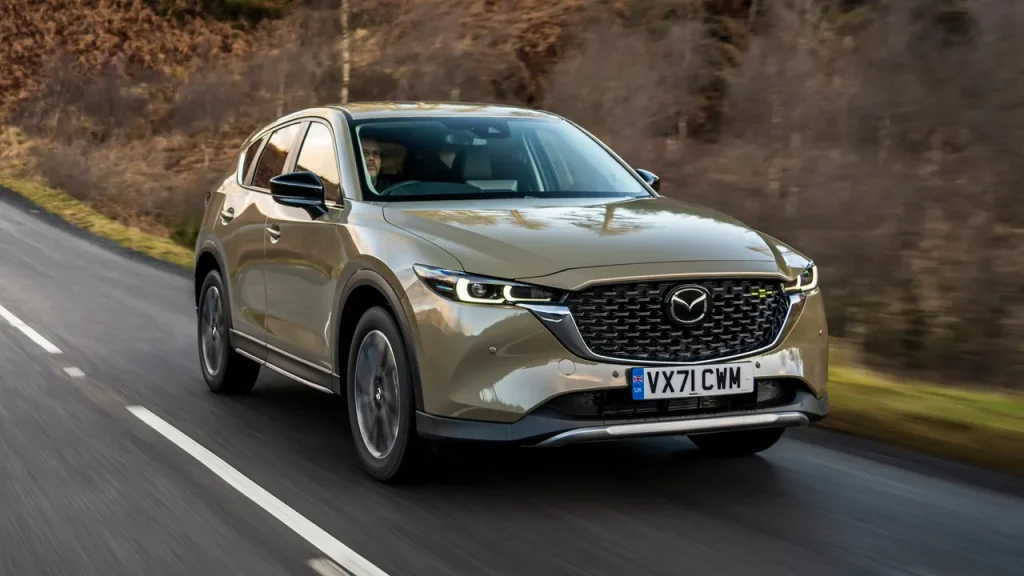
At the rear, the CX-5 maintains a practical design that avoids excessive narrowing. The rear window provides a usable field of view, making reversing and parking more manageable. While many SUVs compromise rear visibility for styling, this one maintains a sensible balance.
Inside the cabin, the layout contributes to the sense of openness. The dashboard is kept relatively low and uncluttered, ensuring that forward visibility remains clear. There is no feeling of being boxed in, which enhances comfort and confidence.
The CX-5 demonstrates that a vehicle can look refined without compromising on driver visibility. It offers a well rounded experience that supports both awareness and driving enjoyment.
4. Toyota RAV4
The Toyota RAV4 takes a practical and somewhat rugged approach to visibility, prioritizing clarity and usability over dramatic styling. Its design reflects a focus on everyday functionality, making it a strong choice for drivers who want dependable sightlines in a variety of conditions.
A key strength of the RAV4 is its upright stance. The windshield is positioned in a way that provides a broad forward view, helping drivers anticipate traffic and road conditions more effectively. This becomes particularly useful on busy roads where quick decisions are required.
The pillars, while sturdy, are shaped to limit their impact on visibility. Toyota has worked to ensure that they do not create large blind spots, especially during turns. The result is a more predictable field of vision that supports safer driving.
Side visibility is enhanced by large windows and a relatively low beltline. This combination creates a sense of openness that is often missing in vehicles with more aggressive styling. Drivers can easily monitor surrounding traffic, which is especially helpful in multi lane situations.
Mirror placement is another area where the RAV4 performs well. The mirrors are positioned to provide a clear extension of the driver’s vision, reducing gaps between direct sight and reflected views. This makes lane changes feel more controlled and less stressful.
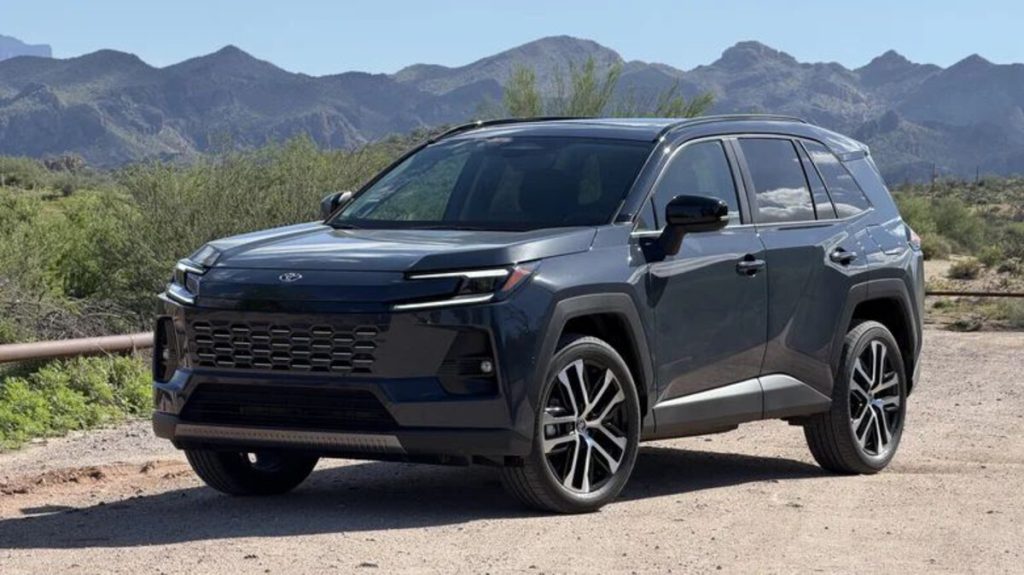
The rear design avoids excessive tapering, maintaining a functional window size that supports good rearward visibility. Parking and reversing feel more straightforward, as drivers can rely on natural sightlines rather than depending entirely on cameras.
Inside, the seating position is slightly elevated, giving drivers a confident view of the road without feeling disconnected. The dashboard is designed to stay out of the way, ensuring that forward visibility remains unobstructed.
The RAV4 delivers a sense of reliability in how it handles visibility. It does not rely on gimmicks or overly complex solutions. Instead, it provides a clear and consistent view that helps drivers stay aware and in control.
5. Nissan Rogue
Step into the Nissan Rogue and the first impression is not about technology or styling, it is about how easy everything is to see. The cabin feels intentionally open, with a design that prioritizes visibility in a way that immediately reduces stress for the driver.
A big part of this comes from how Nissan has shaped the windshield and front pillars. They are angled to maintain structural strength while still leaving enough open space to see through corners clearly. When approaching intersections or roundabouts, there is less guesswork involved, which helps maintain a steady driving rhythm.
The Rogue also benefits from a relatively low dashboard. This creates a wider forward view, allowing drivers to better judge the position of the vehicle in traffic. It may seem like a small detail, but it makes a noticeable difference during everyday commuting.
Side visibility is another area where the Rogue performs well. The windows are tall and extend far enough downward to give a clear view of nearby vehicles and road edges. This is particularly useful in urban settings where awareness of cyclists and pedestrians is important.
Mirror placement has been carefully considered. Instead of being mounted in a way that blocks part of the window, the mirrors are positioned to complement the driver’s natural line of sight. This reduces the blind spot between the pillar and the door, which is a common issue in many SUVs.
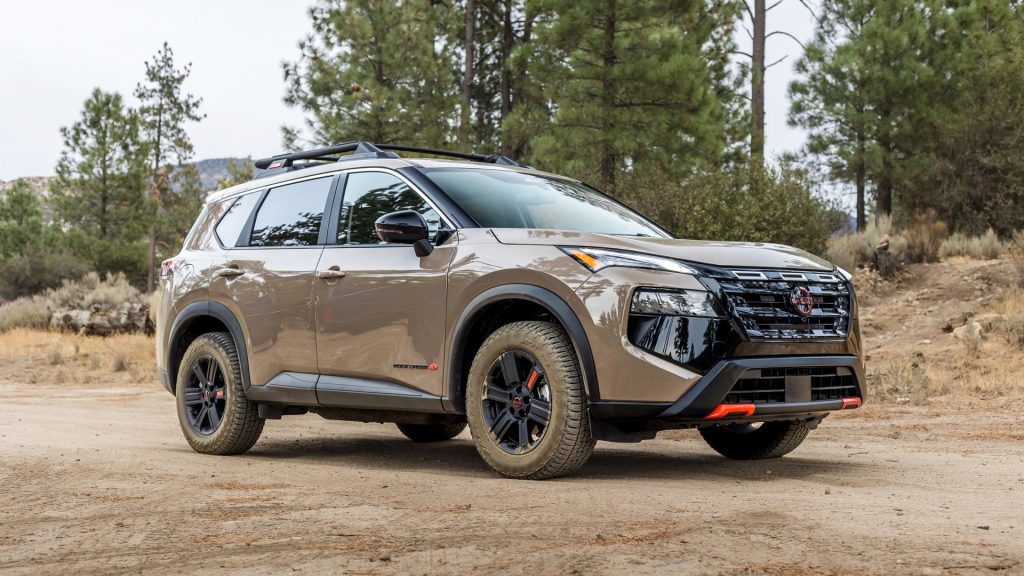
At the back, the Rogue maintains a practical design that avoids excessive narrowing. The rear window offers a usable field of view, making reversing less dependent on electronic aids. Drivers can rely on what they see rather than constantly switching between mirrors and screens.
The seating position ties everything together. It offers a slightly elevated perspective that enhances confidence without making the driver feel disconnected. Combined with the open cabin layout, it creates an environment where visibility feels natural rather than forced.
The Rogue stands out because it quietly does the fundamentals right. It does not rely on dramatic design changes, yet it delivers a driving experience where awareness comes effortlessly.
6. Kia Sportage
The Kia Sportage presents a more modern and bold design, yet it manages to maintain a surprisingly usable level of visibility. While its exterior styling leans toward sharp lines and distinctive shapes, the interior remains focused on making the driver’s job easier.
From the driver’s seat, the forward view is wide and clear. The hood is shaped in a way that makes it easy to judge the front edges of the vehicle, which is helpful when maneuvering in tight spaces. This sense of spatial awareness reduces hesitation, especially in crowded parking areas.
The pillars are designed with careful attention to balance. They provide the necessary strength but avoid becoming overly intrusive. Their positioning helps maintain a consistent line of sight when turning, which contributes to smoother and more confident driving.
One of the standout features of the Sportage is how it handles side visibility. The window design allows for a broad view of adjacent lanes, making it easier to track surrounding traffic. Drivers do not need to rely solely on mirrors, as the direct view remains strong.
Speaking of mirrors, Kia has ensured that they are both large and well positioned. They provide a clear extension of the driver’s vision, reducing the effort required to check blind spots. This becomes particularly useful during highway driving, where quick lane changes are common.
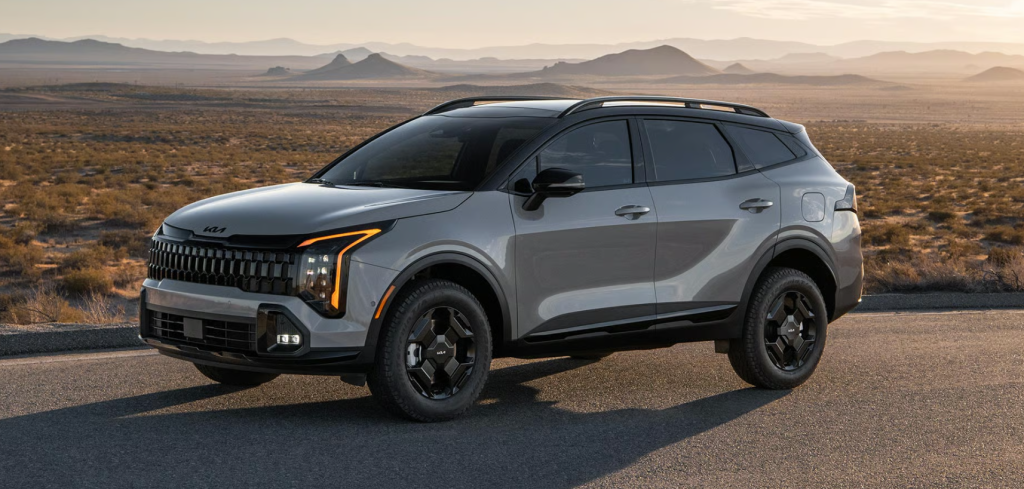
The rear design takes a slightly more stylized approach, yet it still maintains a functional window size. While not as expansive as some rivals, it offers enough visibility to keep reversing manageable without feeling restricted.
Inside, the cabin layout supports visibility through smart ergonomics. The seating position is comfortable and slightly elevated, while the dashboard remains low enough to avoid blocking the forward view. Everything feels aligned with the goal of keeping the driver aware of their surroundings.
The Sportage proves that a modern design does not have to come at the cost of usability. It delivers a driving experience that feels contemporary while still respecting the importance of clear sightlines.
7. Hyundai Tucson
Climb into the Hyundai Tucson and the sense of visibility comes not from one standout feature, but from how multiple small decisions come together. The design feels intentional, as if every angle and surface has been adjusted to reduce visual obstruction without making the cabin feel overly basic.
The windshield area is one of its strongest points. It is wide and slightly more upright than some rivals, which helps expand the forward field of vision. Drivers benefit from a clearer view of traffic flow, especially in busy city conditions where anticipation matters more than reaction.
The A-pillars deserve attention for how they are shaped rather than just how thick they are. Hyundai has angled them in a way that reduces the area they block when looking diagonally. This becomes noticeable when taking turns at intersections, where visibility often suffers in other SUVs.
Rather than focusing only on the front, the Tucson also improves awareness along the sides. The window line is designed to stay relatively low, which gives drivers a better sense of what is happening alongside the vehicle. This is particularly helpful when navigating narrow roads or crowded parking areas.
Mirror placement adds another layer of usability. The mirrors are mounted to provide a clean transition between direct sight and reflected views. Drivers do not feel like they are switching perspectives abruptly, which helps maintain a steady awareness of surrounding traffic.
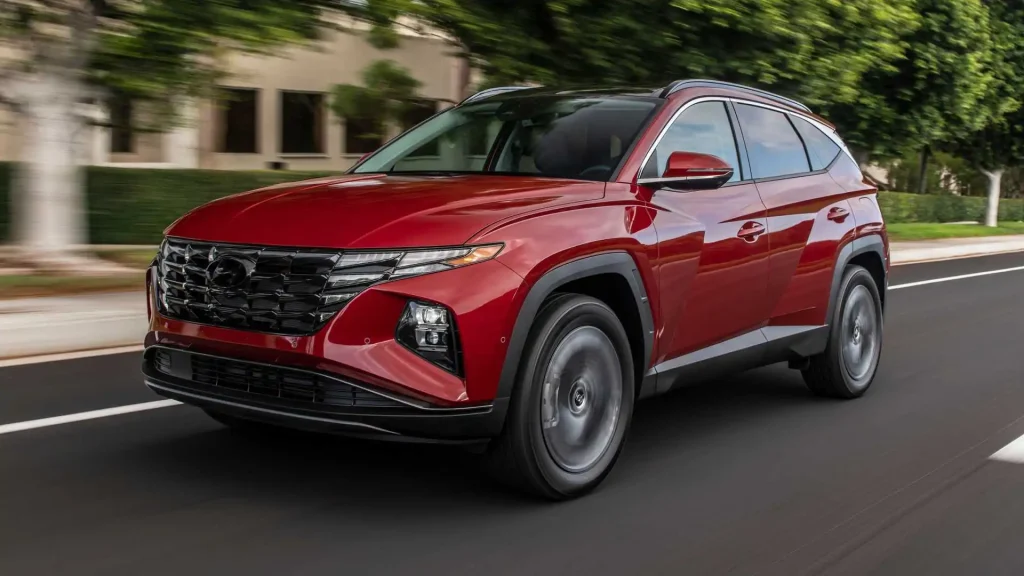
The rear section avoids excessive design compromises. While the styling is modern, the rear window remains large enough to provide a usable view. This balance ensures that reversing does not feel like a guessing exercise.
Inside, the seating position plays a supporting role. It offers just enough height to improve visibility without creating a disconnected driving feel. Combined with a well positioned dashboard, the result is a cabin that feels open and easy to manage.
The Tucson succeeds by refining the details that many vehicles overlook. It creates an environment where visibility feels natural, reducing the effort required to stay aware of everything happening around the car.
8. Ford Escape
The Ford Escape approaches visibility from a perspective rooted in simplicity and practicality. It does not rely on dramatic design elements or unusual shapes. Instead, it focuses on creating a clear and predictable view that drivers can trust in everyday situations.
A defining characteristic of the Escape is its smooth and rounded design. This shape allows for better integration of windows and pillars, reducing harsh angles that can block sightlines. The result is a more continuous field of vision that feels less interrupted.
The front view benefits from a well proportioned hood and windshield combination. Drivers can easily gauge the position of the vehicle, which becomes useful in both city traffic and parking scenarios. There is no need to lean forward or adjust constantly to understand where the car is placed.
The pillars are not the thinnest in the segment, but their design minimizes their impact. They are positioned in a way that avoids creating large blind zones, particularly during turns. This contributes to a more confident driving experience, especially in complex traffic situations.
Side visibility is enhanced by generously sized windows. The design avoids raising the beltline too high, which helps maintain a clear view of nearby vehicles and obstacles. Drivers can rely on direct sight rather than depending entirely on mirrors.
Speaking of mirrors, the Escape uses them effectively to complement the natural field of vision. They are shaped and positioned to cover areas that are not directly visible, reducing the likelihood of hidden spots.
The rear design remains practical, with a window that offers a decent view despite the vehicle’s modern styling. While some SUVs sacrifice this area for aesthetics, the Escape maintains enough visibility to keep reversing manageable.
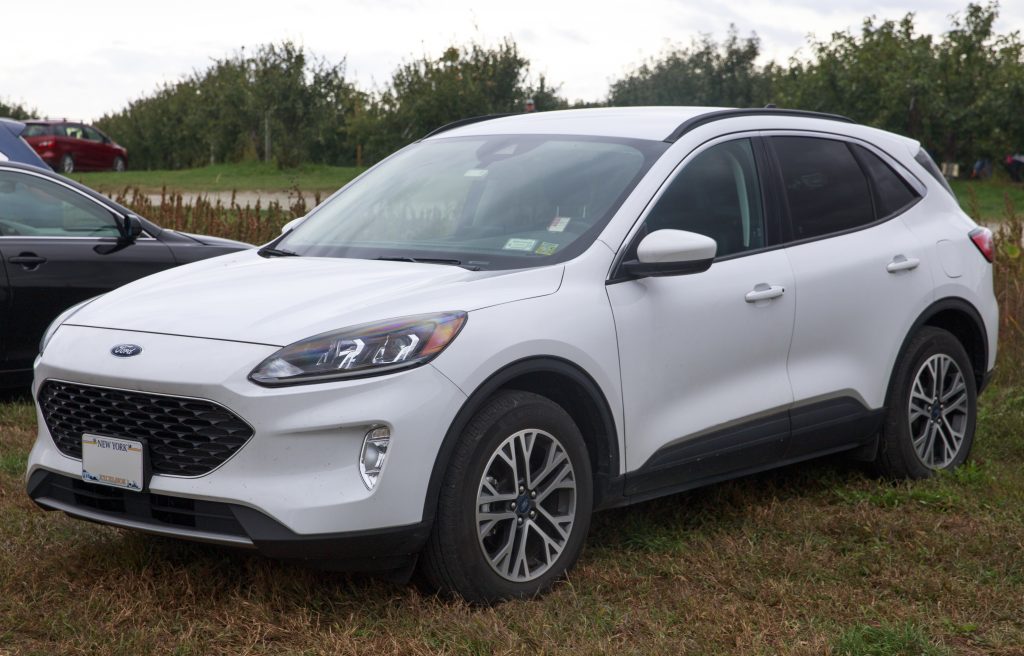
Inside, the layout supports the overall sense of openness. The dashboard stays out of the way, and the seating position feels balanced. Drivers are not forced into an overly high or low stance, which helps maintain a comfortable perspective.
The Escape stands out for its straightforward approach. It delivers a driving experience where visibility is consistent and reliable, making it a strong choice for those who value clarity over complexity.
9. Volkswagen Tiguan
The Volkswagen Tiguan takes a measured and almost architectural approach to visibility. Instead of relying on dramatic shapes or exaggerated glass areas, it focuses on proportion, alignment, and driver orientation. The result is a cabin that feels structured yet easy to see out of.
From the driver’s seat, the first thing that stands out is how straight and composed the dashboard appears. It does not rise aggressively toward the windshield, which helps maintain a clean forward view. This design allows drivers to read the road ahead without visual clutter interfering with their line of sight.
The pillars in the Tiguan are engineered with a sense of balance. They are not unusually thin, but their placement and angle reduce how intrusive they feel. When approaching intersections, the transition between looking forward and scanning sideways feels smooth rather than obstructed.
A different strength of the Tiguan lies in how it manages side visibility during motion. The window design creates a stable visual frame, which helps drivers track surrounding vehicles more naturally. This becomes particularly noticeable on highways, where maintaining awareness of adjacent lanes is essential.
Mirror integration is handled with precision. The mirrors sit in a position that complements the driver’s natural viewpoint, reducing the disconnect between direct vision and reflected images. This makes lane changes feel more predictable, as there is less need for exaggerated head movement.
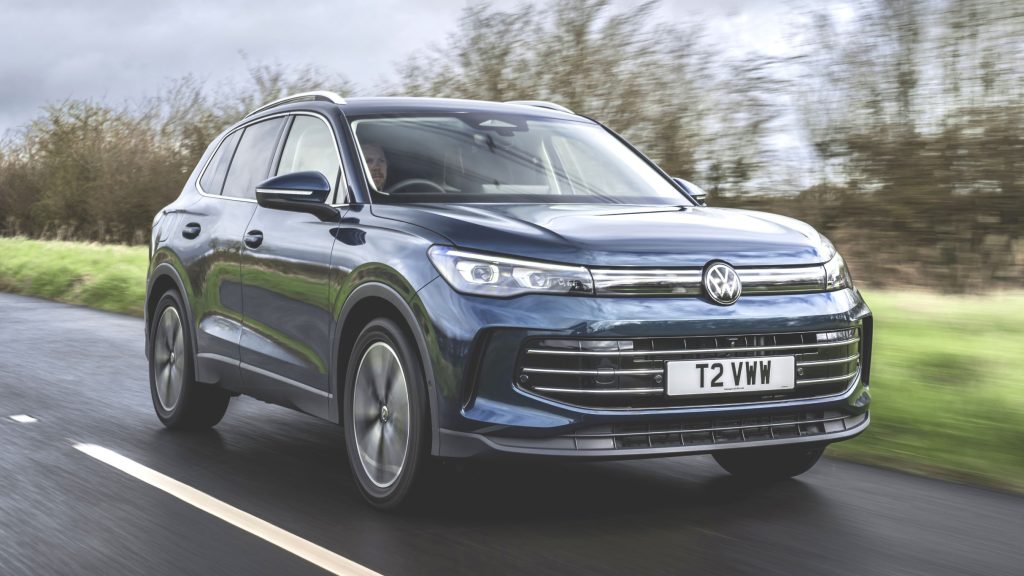
At the rear, the Tiguan maintains a practical approach. The window is shaped to provide a usable field of vision without sacrificing the vehicle’s clean exterior design. Drivers can reverse with a reasonable level of confidence using direct sight, rather than relying entirely on assistance systems.
Inside the cabin, everything feels aligned with the goal of clarity. The seating position is upright and supportive, allowing drivers to maintain a consistent perspective of their surroundings. Combined with a well organized interior layout, this creates an environment where visibility feels steady and dependable.
The Tiguan does not try to impress through extremes. Instead, it delivers a composed and predictable viewing experience, which can be just as valuable for drivers who want to avoid unnecessary blind spots.
10. Chevrolet Equinox
The Chevrolet Equinox approaches visibility with a focus on accessibility and ease of use, making it particularly appealing for drivers who want a straightforward and confidence building experience. It avoids overcomplication and instead delivers a layout that feels immediately familiar.
One of its most noticeable traits is the openness of the cabin. The windshield and side windows work together to create a wide viewing area that reduces the sense of confinement. This openness helps drivers stay aware of their surroundings without needing constant adjustments.
The front pillars are shaped to limit their impact on the driver’s line of sight. While they provide the necessary structural support, they do not dominate the view. This becomes especially useful in urban environments, where visibility at intersections can make a significant difference.
The Equinox also performs well when it comes to lateral awareness. The side windows are designed to offer a clear view of adjacent lanes, making it easier to monitor traffic flow. Drivers can check their surroundings quickly without relying entirely on mirrors or electronic aids.
Mirror placement further supports this clarity. They are positioned to fill in the gaps that direct vision cannot cover, creating a more complete picture of what is happening around the vehicle. This reduces uncertainty during lane changes and merging.
At the rear, the Equinox maintains a practical window size that supports everyday usability. The view is not overly restricted, allowing drivers to reverse with confidence. This is particularly helpful in tight parking situations where precision matters.
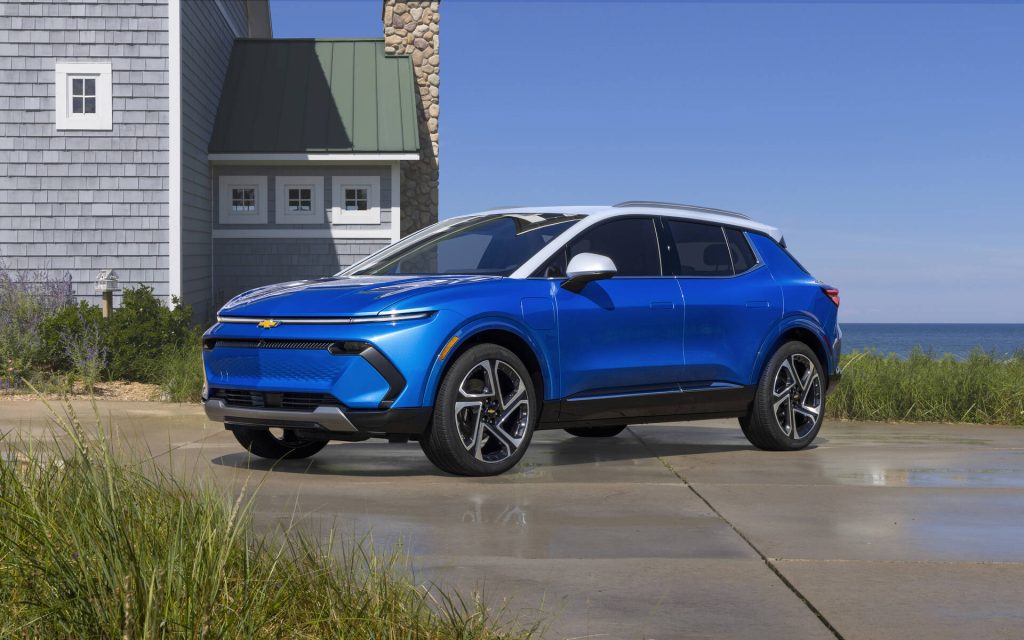
The seating position enhances the overall experience. It provides a slightly elevated perspective that improves visibility while still keeping the driver connected to the road. Combined with a low and unobtrusive dashboard, the forward view remains clear and easy to interpret.
What makes the Equinox stand out is how approachable it feels. There is no learning curve or adjustment period required to get comfortable with its visibility. Everything works in a way that feels natural from the start.
For drivers who want a compact SUV that prioritizes clear sightlines without unnecessary complexity, the Equinox delivers a well balanced and reassuring driving experience.
Also Read: 10 Defensive Driving Habits That Save Lives in Aggressive Highway Traffic