
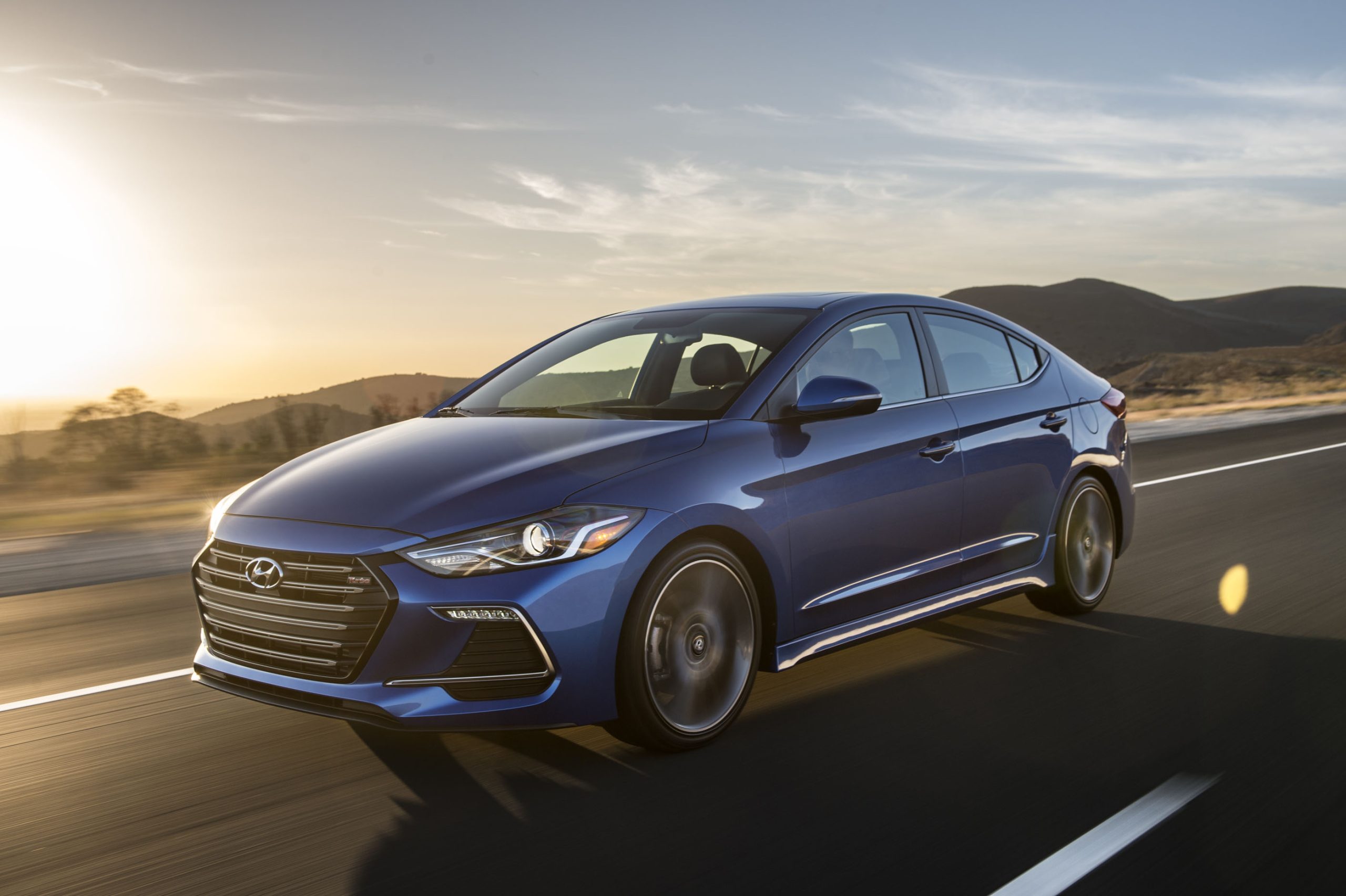
Used compact cars remain one of the most practical choices for buyers who want a balance of fuel efficiency, affordability, and everyday usability.
They are widely available in global and regional used car markets, and they often come with relatively low running costs compared to larger sedans and SUVs. However, one of the most important but often overlooked components in any used compact vehicle is the braking system, especially brake rotor durability and braking performance under repeated use.
Brake rotors play a central role in stopping power. Every time the brake pedal is pressed, brake pads clamp onto the rotors, creating friction that slows the vehicle. Over time, heat buildup, driving habits, road conditions, and maintenance quality can all influence how long rotors last and how smoothly they perform.
In compact cars, which are frequently used in stop and go traffic, brake systems are often under consistent stress. This makes rotor quality and brake system design especially important for long term reliability.
Some compact vehicles are known for stronger braking systems that handle heat more effectively, resist premature wear, and remain stable under repeated braking. These models often feature better engineered brake components, improved cooling, or balanced weight distribution that reduces stress on the rotors.
Buyers looking for dependable braking performance in a used car often prioritize these models because they tend to require fewer brake related repairs and deliver consistent stopping power over time.
On the other hand, there are compact cars that have been reported by some owners and mechanics to experience more frequent brake rotor issues. These concerns are not always due to poor design alone. Factors such as driving in hilly regions, aggressive braking, delayed maintenance, or low quality replacement parts can also contribute.
Still, certain models are more commonly associated with complaints such as brake vibration, uneven rotor wear, or the need for resurfacing earlier than expected. Understanding these patterns helps used car buyers make more informed decisions and anticipate maintenance needs more accurately.
This article compares two groups of compact cars: five used compact models known for strong, durable braking systems and five compact models that have been more frequently associated with brake rotor wear concerns. The goal is to provide practical, experience based insight for buyers, not to label any vehicle as perfect or problematic in all cases.
Each model is influenced by maintenance history, driving conditions, and part quality, so real world results can vary significantly.
5 Used Compacts With Heavy Duty Brakes
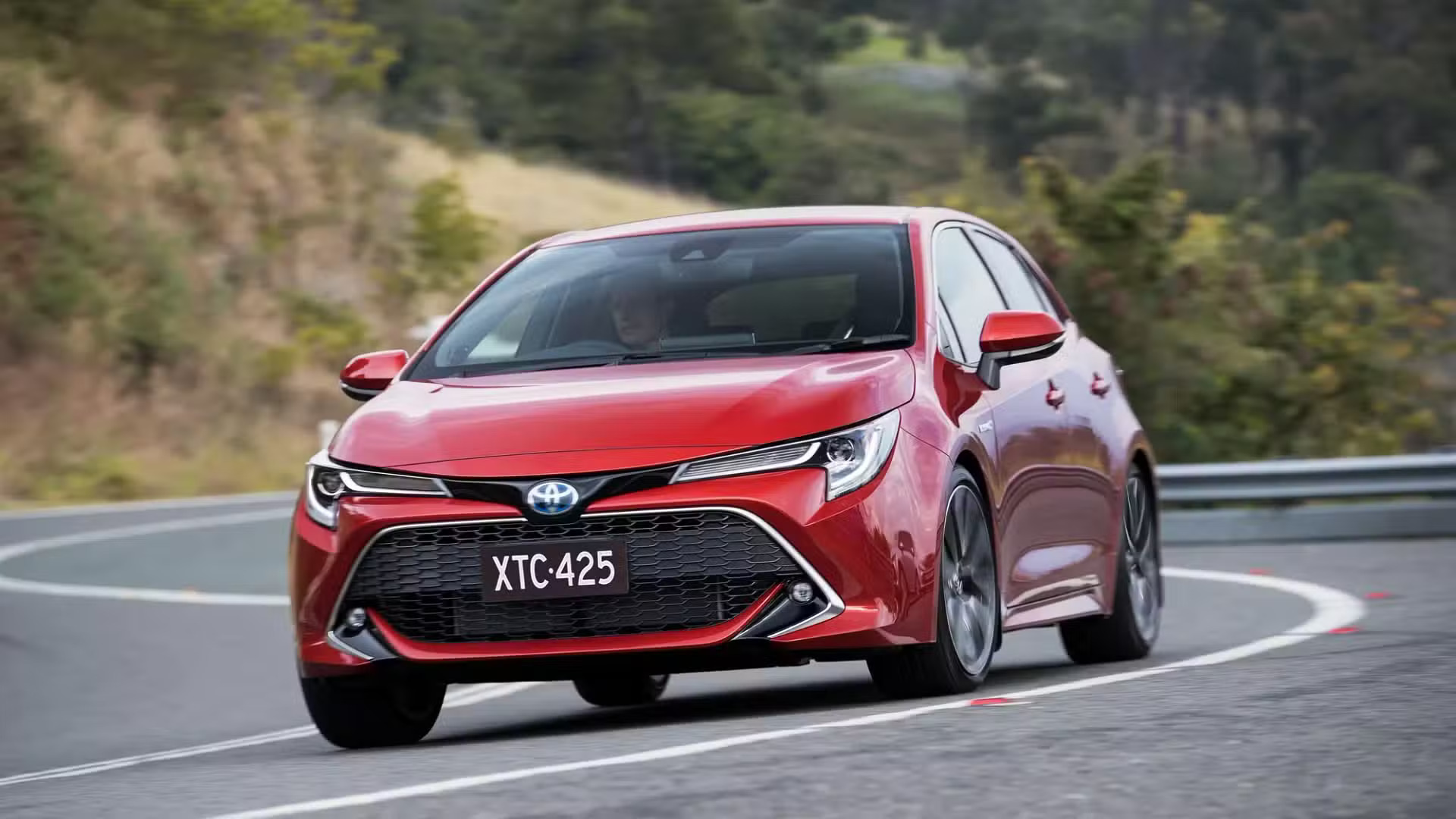
1. Toyota Corolla
The Toyota Corolla is widely regarded as one of the most consistent compact cars when it comes to long term braking reliability. In many used models, the braking system is built with an emphasis on stability and gradual wear rather than aggressive stopping force.
This design approach helps reduce sudden thermal spikes in the brake rotors, which is one of the main causes of warping sensations in compact vehicles used heavily in city traffic. The Corolla’s braking behavior is smooth and predictable, which allows drivers to apply consistent pressure instead of abrupt braking that stresses the rotors.
Another important factor that supports rotor durability in the Corolla is its lightweight yet balanced chassis design. The car does not place excessive load on the front axle during braking, which helps distribute braking force more evenly across the rotors and pads.
This balance reduces the likelihood of uneven pad deposits forming on the rotor surface, a common cause of vibration during braking. Even in higher mileage used examples, the Corolla often maintains a steady brake feel when serviced correctly.
The availability of high quality replacement parts also plays a major role in maintaining strong braking performance. Because the Corolla is one of the most widely produced vehicles globally, brake components are manufactured at a high standard across multiple suppliers.
This gives owners access to reliable OEM grade rotors and pads that match factory specifications closely. When proper parts are used, the braking system tends to remain consistent for long periods without requiring frequent resurfacing.
Driving conditions also influence how well the Corolla’s brakes perform over time. In typical urban use, where braking is frequent but not overly aggressive, the system handles heat effectively. Even in moderately hilly regions, the Corolla’s brake cooling capacity is sufficient for normal driving patterns. This makes it a dependable option for buyers who want a used compact car with minimal brake related maintenance concerns.
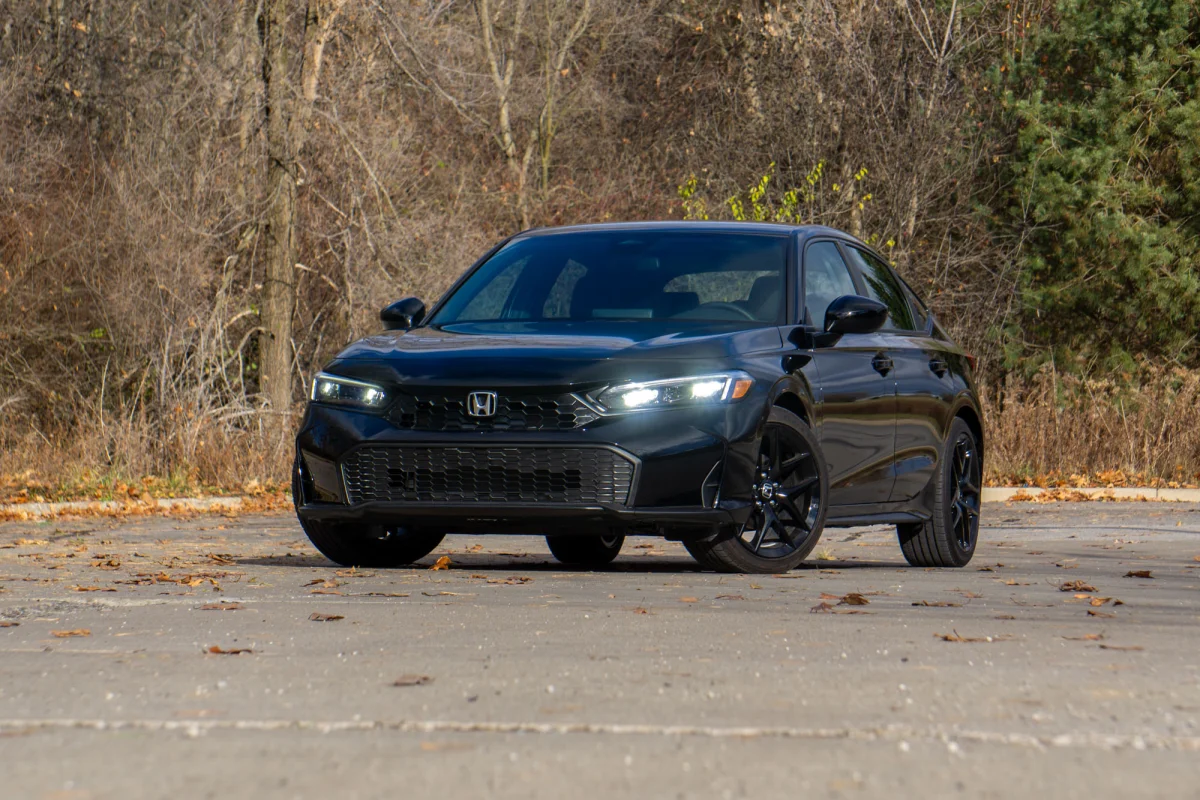
2. Honda Civic
The Honda Civic is known for offering a more responsive braking experience compared to many standard compact cars, and this responsiveness contributes to its brake durability. The brake system is tuned to provide a firm and progressive pedal feel, which helps drivers control braking force more precisely. This reduces unnecessary pressure spikes on the rotors, which can otherwise lead to uneven heating and surface irregularities over time.
A major strength of the Civic lies in its suspension and steering geometry, which work together to maintain stability during braking. When a vehicle remains stable under deceleration, the brake pads maintain more consistent contact with the rotor surface.
This reduces the chances of uneven wear patterns forming, especially during repeated braking in stop and go traffic. As a result, rotor lifespan tends to remain strong in well maintained used examples.
Heat management is another area where the Civic performs reliably. While it is not a performance sports car in most trims, its braking system is designed to handle both urban commuting and occasional spirited driving. This means the rotors are less likely to experience extreme temperature fluctuations during normal use. Such fluctuations are often responsible for rotor distortion or vibration complaints in lesser balanced systems.
Maintenance history plays a crucial role in how well the Civic’s brakes perform in used condition. Vehicles that have received timely brake pad replacements and proper rotor servicing tend to show very little vibration or uneven wear.
On the other hand, neglected maintenance or low quality aftermarket parts can reduce its naturally strong braking characteristics. For buyers, inspecting service records is especially important to ensure long term brake reliability.
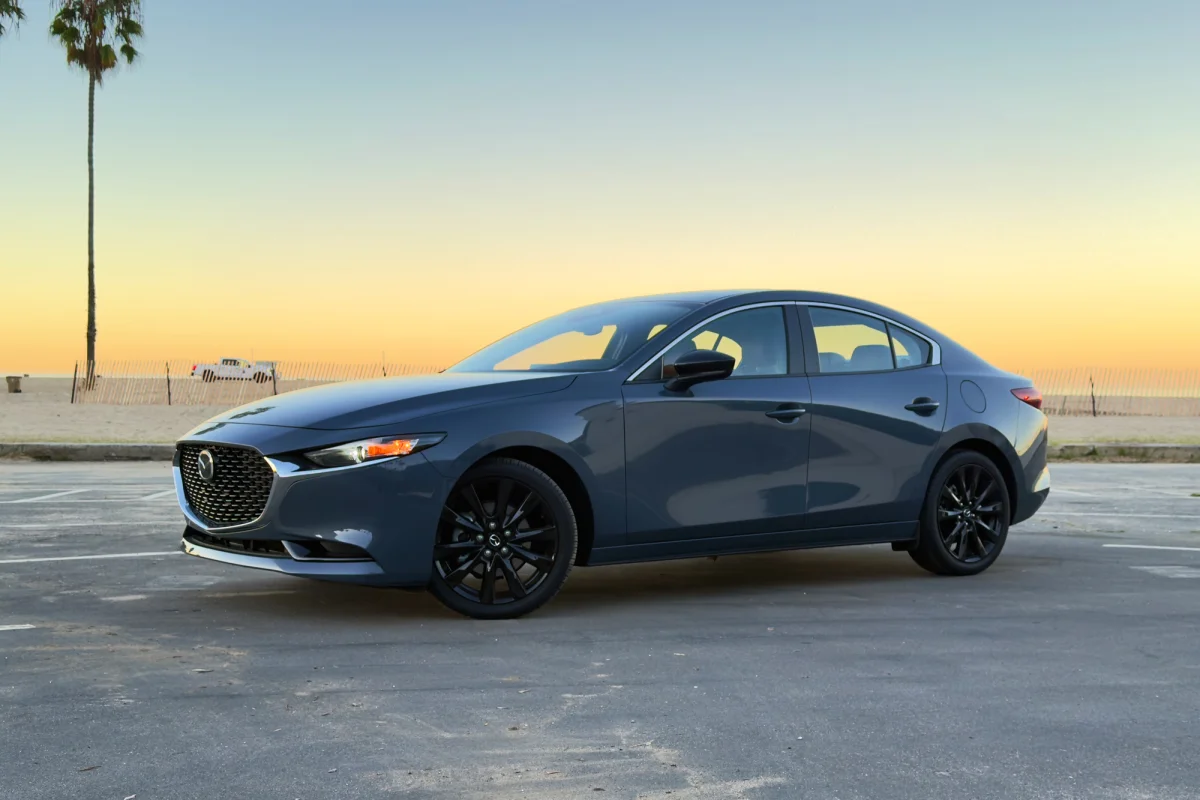
3. Mazda3
The Mazda3 stands out in the compact segment due to its more performance oriented engineering, and this extends directly to its braking system.
The car is designed to deliver confident stopping power that matches its sporty handling characteristics. Because of this, the brake components are often more robust than those found in standard economy focused compact cars. This gives the Mazda3 an advantage in handling repeated braking situations without rapid rotor degradation.
One of the key strengths of the Mazda3 braking system is its ability to manage heat under demanding driving conditions. Whether driving through congested urban roads or slightly hilly terrain, the system is designed to dissipate heat efficiently.
This reduces the risk of hot spots forming on the rotor surface, which is a major cause of brake pulsation and uneven wear. Even in used models with higher mileage, this heat management capability often remains effective when maintenance is consistent.
The chassis dynamics of the Mazda3 also contribute significantly to brake rotor longevity. The car’s rigid body structure and well tuned suspension help keep the vehicle stable under braking. Stability ensures that braking force is distributed evenly across all four wheels, reducing excessive load on the front rotors. This balanced force distribution helps prevent premature wear and maintains a consistent braking feel over time.
However, maintenance quality has a strong influence on long term brake performance. The Mazda3 responds best to high quality brake pads and properly installed rotors. Inferior aftermarket components can reduce the system’s natural advantage and lead to earlier wear or vibration issues. For used buyers, ensuring that brake components have been replaced with reliable parts is essential to maintaining the model’s strong braking reputation.
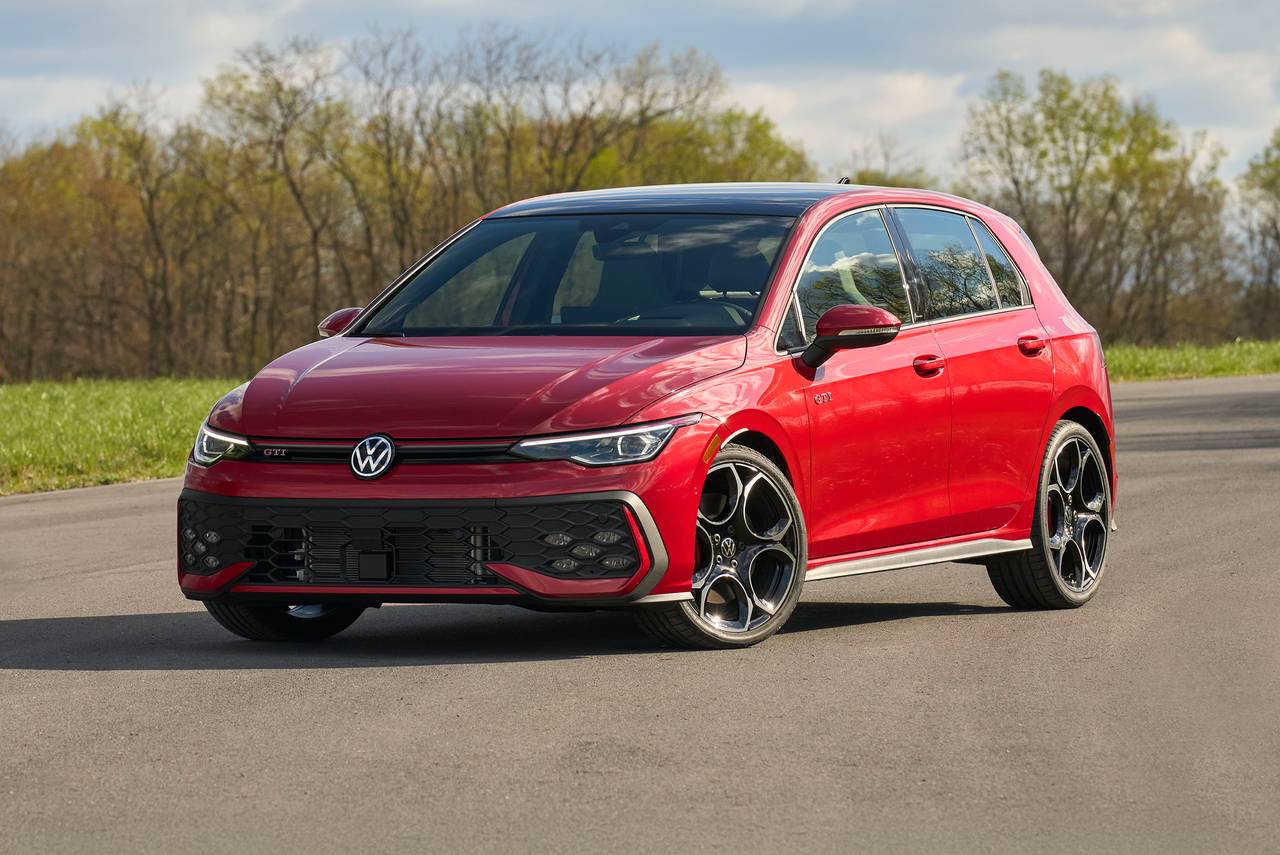
4. Volkswagen Golf
The Volkswagen Golf is widely respected for its solid European engineering, and its braking system reflects a focus on controlled and stable deceleration. In many used models, the brakes are designed to perform consistently across a wide range of speeds, making them suitable for both city driving and highway travel. This consistency reduces sudden thermal changes in the rotors, which is a key factor in preventing warping sensations.
A strength of the Golf’s braking system is its ability to maintain performance under sustained braking conditions. This is particularly useful during highway driving or when descending longer stretches of road. The system manages heat buildup efficiently, allowing the rotors to cool gradually instead of experiencing rapid temperature changes. This controlled thermal behavior helps extend rotor lifespan.
The structural rigidity of the Golf also supports brake durability. A stiff chassis reduces flex during braking, ensuring that the brake components remain properly aligned under load. When alignment remains stable, the rotor surface experiences more even contact with the brake pads. This reduces the likelihood of uneven wear patterns that often lead to vibration during braking.
In used examples, maintenance quality is a key factor in determining long term brake performance. When serviced with proper brake fluid changes, quality pads, and correctly torqued wheels, the Golf’s braking system performs reliably for high mileage use. However, neglect or inconsistent servicing can reduce its natural advantage, making inspection of brake history an important step for buyers.
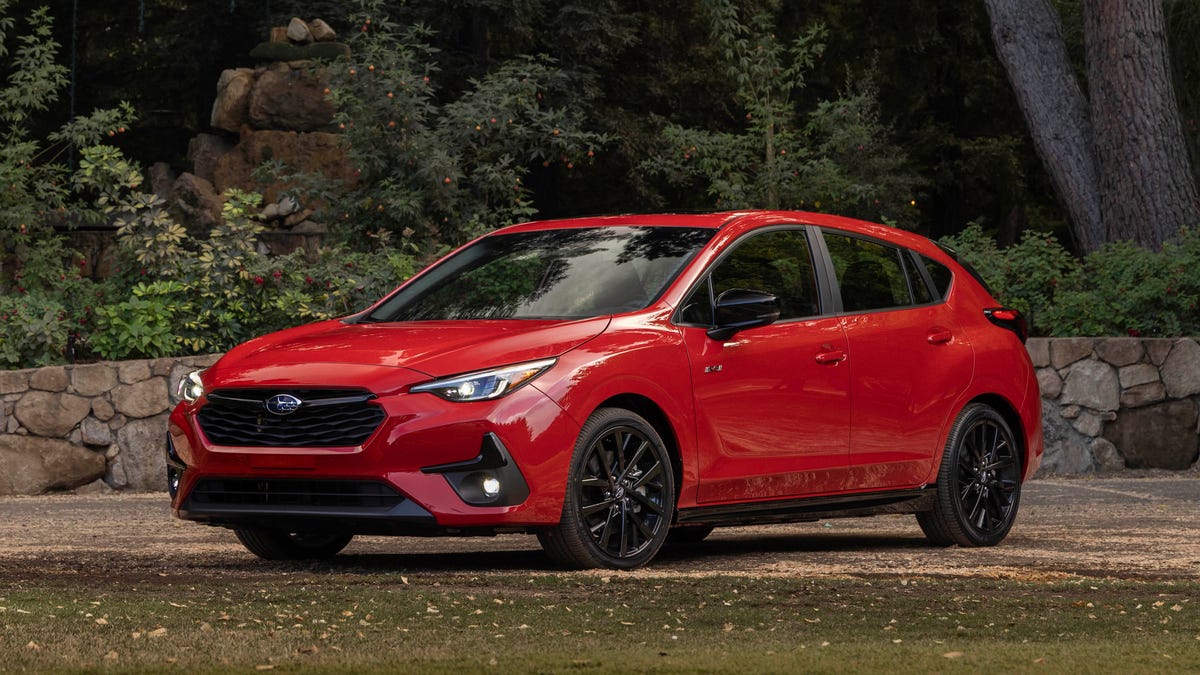
5. Subaru Impreza
The Subaru Impreza offers a unique advantage in braking stability due to its all wheel drive system. Unlike front wheel drive compact cars, the Impreza distributes power and braking forces more evenly across all four wheels. This balance reduces excessive strain on the front rotors, which are typically the most stressed components during braking in compact vehicles. As a result, rotor wear can be more evenly distributed when the system is properly maintained.
Another benefit of the Impreza’s design is its strong traction control under varying road conditions. In wet, uneven, or slippery environments, the braking system works in coordination with the AWD system to maintain stability.
This reduces sudden load shifts that can contribute to uneven rotor wear or brake vibration. The consistent traction helps the braking system operate under smoother conditions.
The suspension setup of the Impreza also contributes to braking consistency. By maintaining steady tire contact with the road surface, the braking force is applied more evenly across the rotor surface.
This reduces localized heat buildup, which is often responsible for rotor distortion in compact cars used in heavy traffic environments. Even in higher mileage used vehicles, this stability remains an advantage when the car is well maintained.
Maintenance practices remain important for preserving these benefits. Regular brake inspections, timely pad replacements, and proper wheel installation ensure that the Impreza’s braking system continues to perform effectively. When neglected, even a well engineered system can develop uneven wear patterns. However, with proper care, the Impreza remains a strong option for buyers who want stability focused braking performance in a used compact vehicle.
5 Used Compacts That Reportedly Develop Brake Rotor Issues More Often
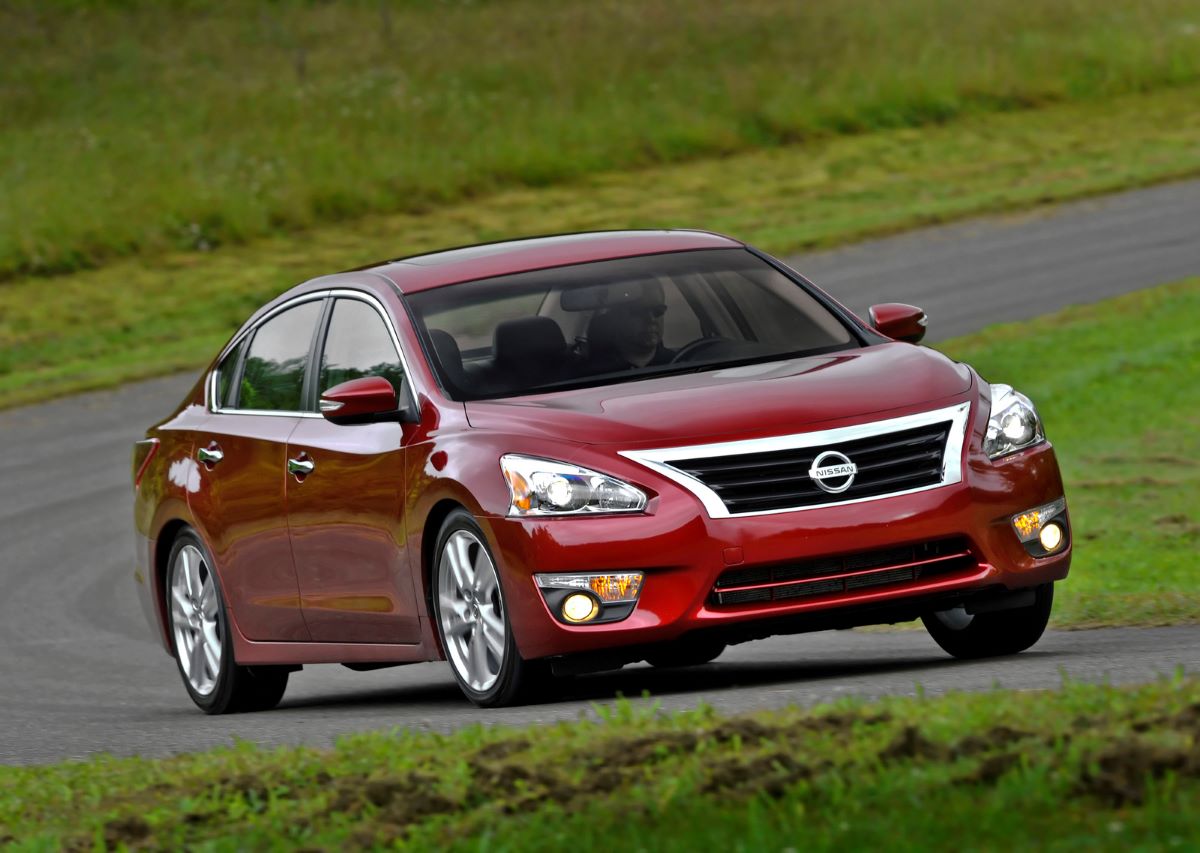
1. Nissan Altima
Some older compact focused trims and entry level versions of the Nissan Altima have been associated by certain owners with brake vibration and rotor uneven wear over time.
It is important to note that these reports are not universal, and many vehicles perform normally when properly maintained, but the pattern appears often enough in user feedback and workshop observations to be discussed in used car evaluations. In many cases, the issue is first noticed as a steering wheel shake or brake pedal pulsation during moderate braking from highway speeds.
One contributing factor mentioned by mechanics is heat buildup in the braking system during repeated stop and go driving. In dense traffic conditions, especially in warmer climates or urban environments, the rotors may not get enough cooling time between braking cycles.
This repeated thermal stress can sometimes lead to uneven pad material transfer onto the rotor surface, which then creates the sensation of rotor warping even when the rotor is not physically deformed. This condition is often mistaken for permanent rotor damage.
Another factor that influences brake performance in used Altima models is maintenance quality over the vehicle’s lifetime. Brake systems are highly sensitive to proper pad and rotor pairing, and when low quality replacement parts are installed, wear patterns can become inconsistent.
Incorrect wheel lug torque during tire changes can also contribute to uneven rotor contact, which may later be felt as vibration. These issues often accumulate gradually rather than appearing suddenly.
Driving style also plays a meaningful role in how frequently brake rotor issues appear. Vehicles that experience frequent hard braking or extended downhill braking without adequate cooling periods are more likely to develop surface irregularities on the rotors. However, well maintained examples driven in moderate conditions can still deliver acceptable braking performance for many years without significant issues.
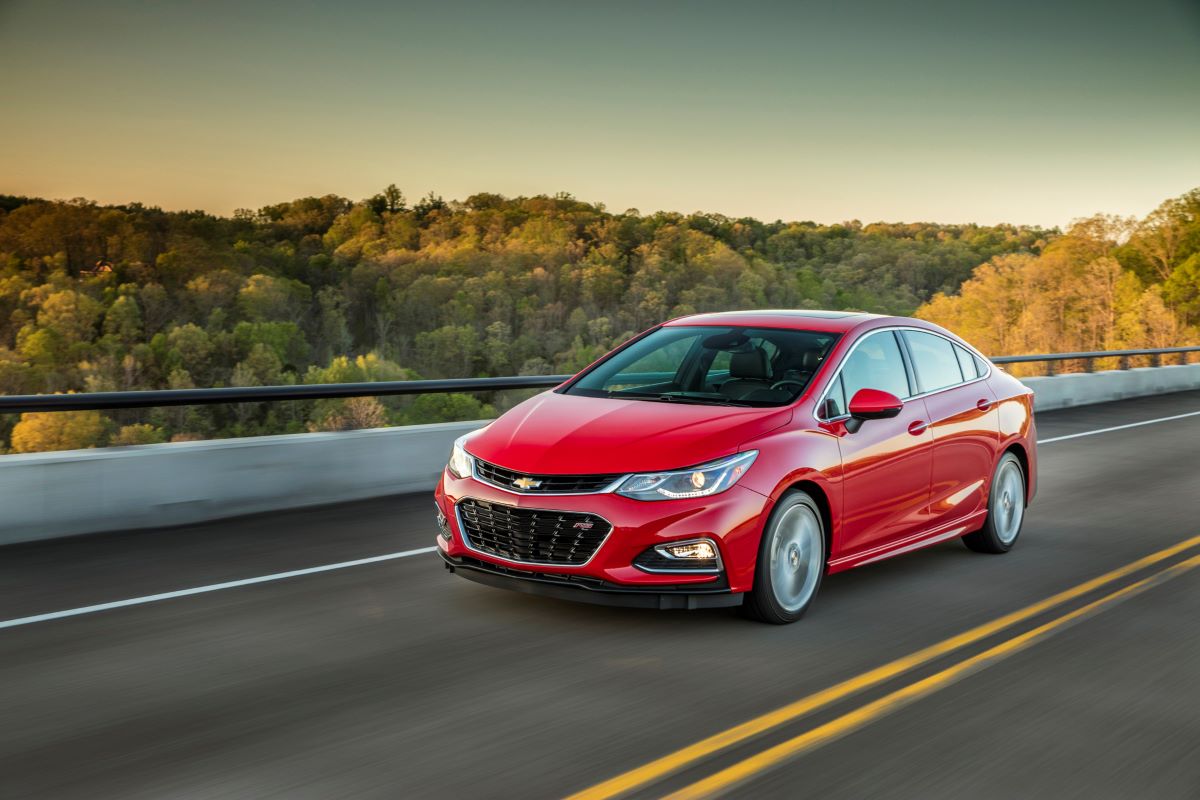
2. Chevrolet Cruze
The Chevrolet Cruze is a widely used compact sedan in many markets, but some owners of higher mileage used units have reported brake rotor wear concerns, particularly in urban driving environments. One of the most commonly described symptoms is brake pulsation felt through the brake pedal, especially when slowing down from medium or high speeds. This sensation is often linked to uneven rotor surfaces or pad material deposits.
A key contributing factor in some Cruze models is the sensitivity of the braking system to repeated heat cycles. In stop and go traffic, the rotors are exposed to frequent heating and cooling, which can sometimes lead to uneven expansion and contraction.
Over time, this can contribute to surface inconsistencies that affect braking smoothness. While the system is generally adequate for everyday use, prolonged stress conditions may accelerate wear compared to more robustly engineered systems.
Another aspect that influences brake rotor condition in used Cruze vehicles is the variability in replacement parts used during servicing. Many Cruze owners rely on aftermarket components, and the quality of these parts can vary significantly.
Low grade brake pads can leave uneven deposits on the rotor surface, which may lead to vibration or pulsation during braking. In some cases, this is incorrectly diagnosed as rotor warping when the root cause is pad material inconsistency.
Maintenance practices also play a critical role in brake longevity. Delayed pad replacements, irregular brake fluid servicing, or improper wheel installation can all contribute to uneven rotor wear patterns.
When properly maintained with quality components and correct installation procedures, the Cruze can still provide safe and stable braking performance. However, inspection of brake history is especially important when evaluating used examples.

3. Ford Focus (older models)
Older versions of the Ford Focus have been discussed among owners and repair technicians for occasional brake rotor vibration concerns. These issues are not present in every vehicle, but they appear frequently enough in used car evaluations to warrant attention.
A common complaint is a shaking sensation in the steering wheel during braking, which is often linked to uneven rotor surface conditions rather than complete rotor failure.
One technical factor that can contribute to these symptoms is uneven brake pad wear. In some Focus models, the braking system can become sensitive when pads wear unevenly across the rotor surface. This uneven contact can create localized hot spots on the rotor, leading to variations in friction material transfer. Over time, this can produce a pulsation effect during braking, especially at moderate speeds.
Another frequently mentioned factor is wheel installation accuracy. If lug nuts are not tightened evenly to manufacturer specifications, it can cause slight distortion in rotor seating. Even small inconsistencies in torque can lead to uneven rotor contact during braking. This issue is often overlooked during routine tire changes but can have a noticeable effect on brake smoothness over time.
Driving environment also plays a role in how quickly these symptoms appear. Frequent city driving with repeated short braking cycles can increase heat buildup in the braking system. Without sufficient cooling time, rotors may develop surface irregularities more quickly. However, when the vehicle is properly maintained and serviced with quality parts, many of these issues can be minimized or avoided.
4. Dodge Dart
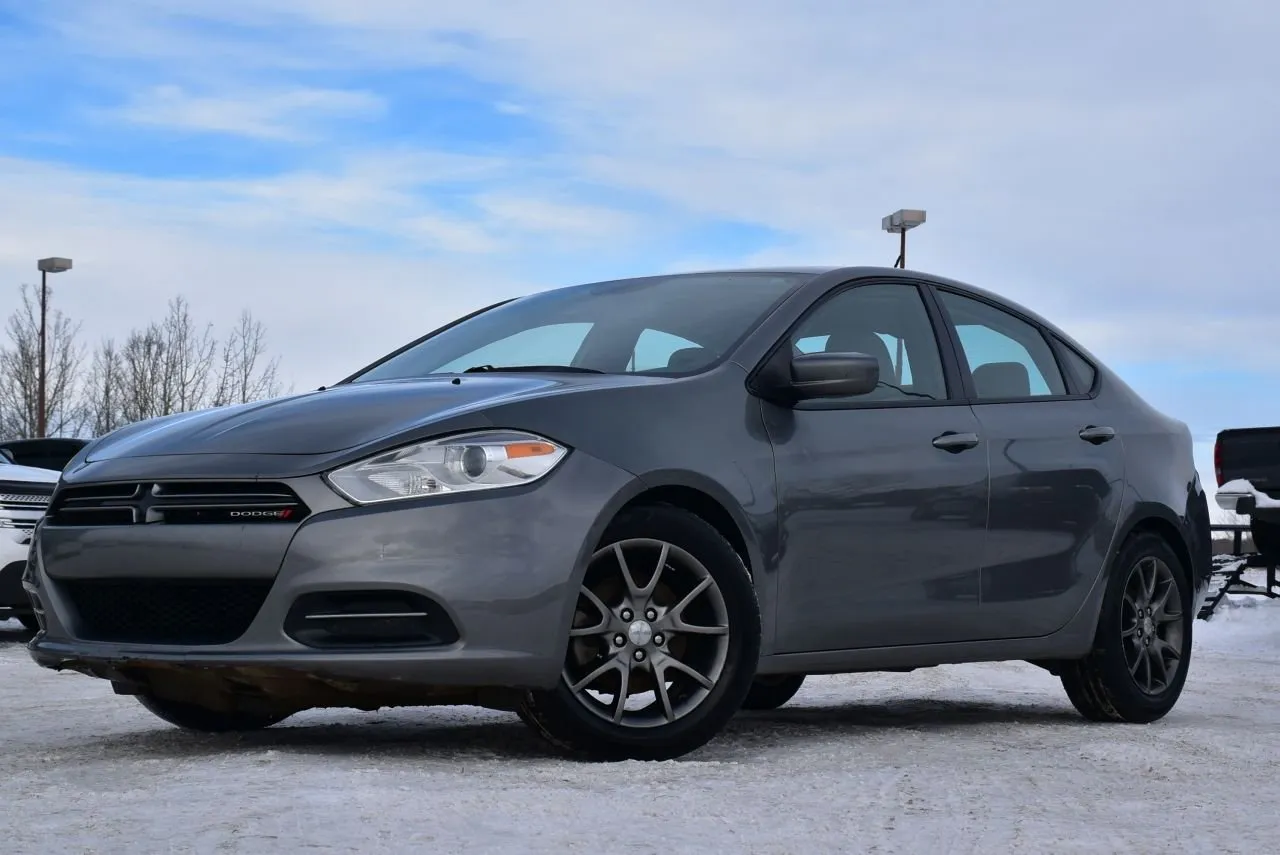
The Dodge Dart, while offering comfortable driving characteristics and competitive styling in its segment, has been mentioned in some owner discussions regarding brake rotor wear in used condition.
One of the more common observations is brake pulsation developing earlier than expected in higher mileage vehicles. This is typically felt during moderate braking and can become more noticeable over time if the underlying cause is not addressed.
A contributing factor in some Dart models is the system’s sensitivity to heat accumulation in urban driving conditions. When vehicles are used primarily in heavy traffic, frequent braking generates repeated heat cycles in the rotors. If cooling periods are limited, this can lead to uneven rotor surface conditions or pad material transfer. These changes in surface texture can create the sensation of vibration during braking.
Maintenance history is another important element when evaluating brake performance in used Dodge Dart vehicles. Inconsistent brake pad replacement schedules or the use of lower quality aftermarket parts can significantly impact rotor lifespan. Pads that wear unevenly or do not match rotor specifications properly can leave deposits that affect braking smoothness. Over time, this can lead to recurring brake pulsation issues.
Additionally, some reported concerns are linked to installation practices rather than inherent design problems. Improper wheel torque or irregular servicing procedures can introduce inconsistencies in rotor alignment. While not every Dart experiences these issues, buyers are often advised to inspect braking performance carefully during test drives and review maintenance records before purchase.
5. Hyundai Elantra
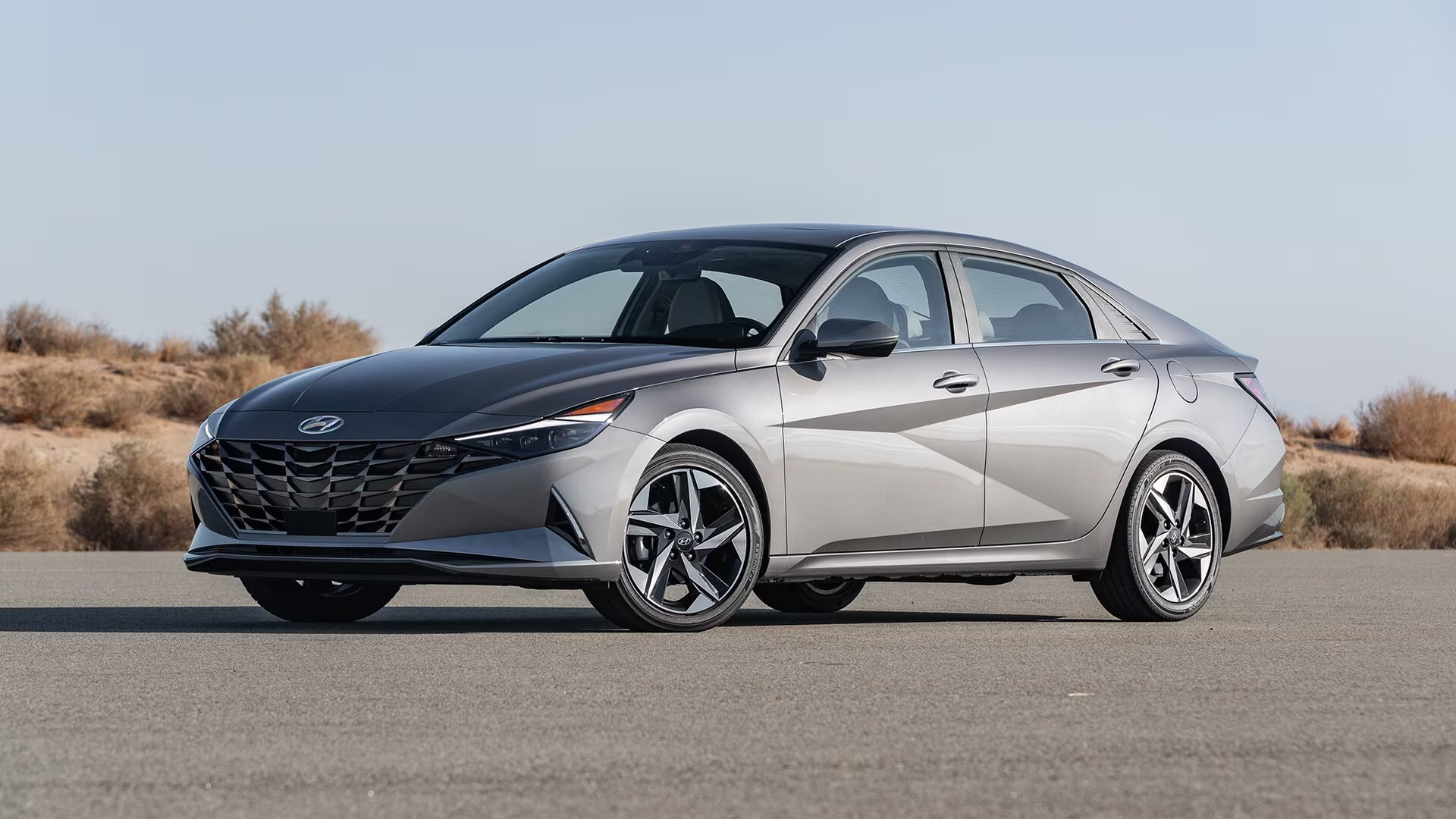
Older generations of the Hyundai Elantra have occasionally been mentioned in discussions about brake rotor wear and vibration concerns, particularly in higher mileage used examples. These reports vary significantly depending on driving habits, road conditions, and maintenance quality.
A commonly reported symptom is brake pulsation during gradual slowing, which is often attributed to uneven rotor surfaces or pad deposits rather than structural rotor damage.
One major contributing factor is frequent urban driving combined with delayed brake maintenance. In stop and go traffic, brake components are under constant stress, and if brake pads are not replaced at the correct intervals, they can wear unevenly against the rotor surface. This uneven contact can create heat spots that gradually alter the rotor surface texture, leading to vibration during braking.
Another important factor is the variability of aftermarket brake parts used during servicing. In some used Elantra vehicles, non OEM or low quality brake pads and rotors may have been installed during previous maintenance cycles. These parts may not always meet the same tolerance levels as factory components, which can affect braking consistency. In some cases, this leads to uneven friction material distribution across the rotor.
It is also worth noting that not all reported brake issues are due to component quality alone. Improper wheel installation practices, such as uneven lug nut tightening, can also contribute to rotor distortion symptoms. This can mimic the feeling of warped rotors even when the rotor itself is within acceptable specifications.
With proper maintenance and quality servicing, many Elantra models continue to perform reliably, but careful inspection is recommended when considering a used purchase.
