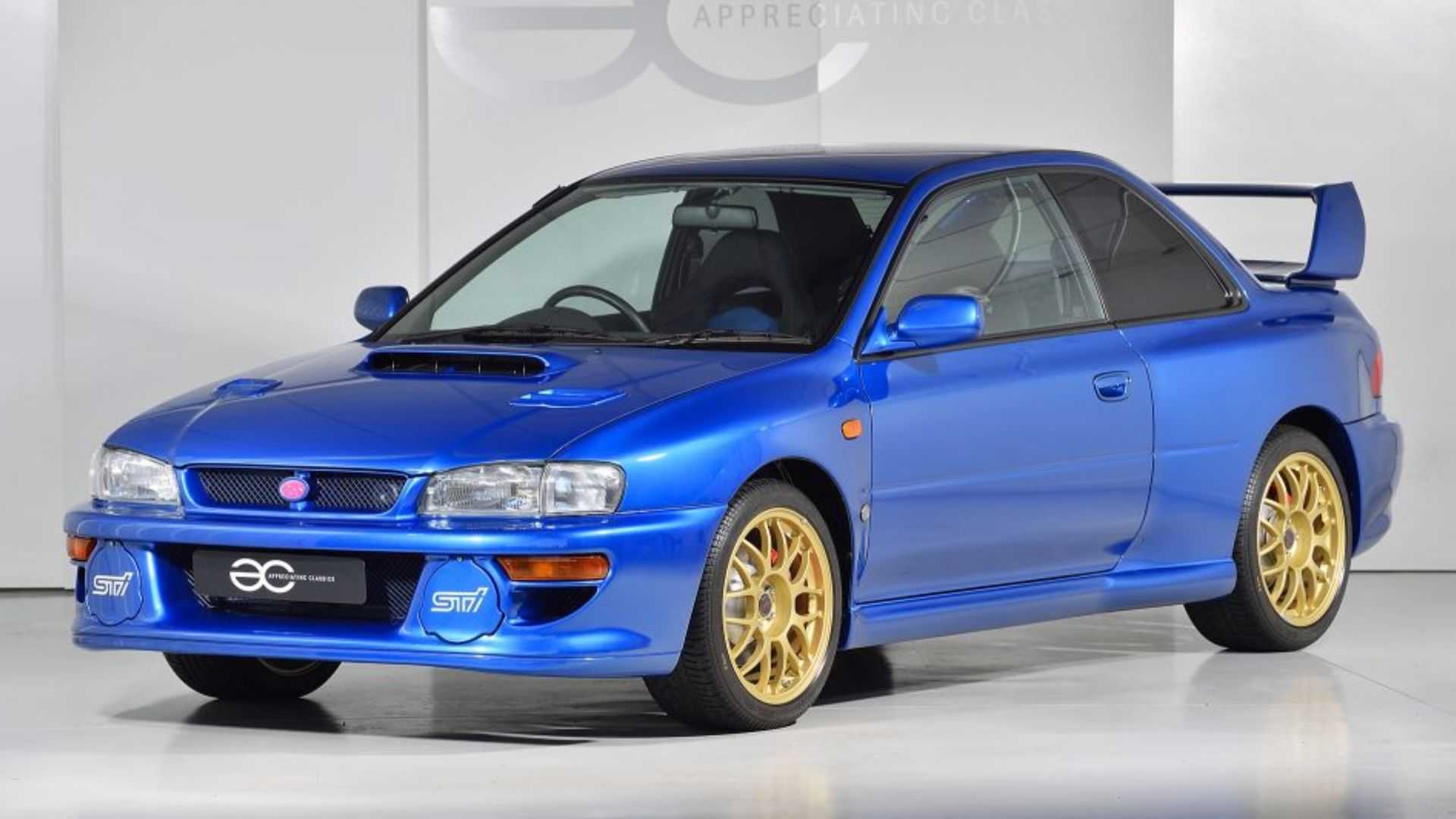
High-speed tollways create a very different kind of driving reality, especially in a city like Dallas where long stretches of uninterrupted road encourage sustained speeds. In this environment, the focus shifts from maneuverability to stability, from quick bursts of acceleration to consistent and effortless cruising.
A car that feels perfectly adequate in city traffic can quickly feel underwhelming or even strained when exposed to long, fast-moving highways.
At the same time, not every vehicle is designed with this purpose in mind. Many compact cars are built around efficiency, affordability, and ease of use in urban settings.
These priorities result in smaller engines, lighter construction, and simplified mechanical setups that work well in stop-and-go traffic. However, when these same cars are pushed into high-speed environments, their limitations begin to show.
This contrast creates two distinct categories of driving experiences. On one side are vehicles that thrive on tollways, offering strong and smooth power delivery, excellent high-speed stability, and a refined ride that minimizes fatigue. These cars are not just capable of going fast, they are comfortable staying there for long periods.
On the other side are underpowered compacts that may struggle to maintain pace with traffic. They often require more effort from the driver, feel less planted at speed, and lack the reserve power needed for confident overtaking. This does not make them poor vehicles, but it highlights how their design priorities differ from what high-speed driving demands.
Understanding this difference is important because the wrong car can transform an otherwise simple highway drive into a tiring and less confident experience. The right one, however, makes distance feel shorter and speed feel natural.
Also Read: 5 Domestic Daily Drivers In Detroit vs. 5 Imports That Lose Resale Fast
5 High-Speed Tollway Cruisers In Dallas Intro
Driving on Dallas tollways is about maintaining flow rather than reacting to constant interruptions. Traffic tends to move quickly, and the road often stretches ahead with minimal disruption. In this kind of setting, a car needs to deliver more than just basic transportation. It must provide stability, confidence, and the ability to sustain speed without effort.
A true tollway cruiser is defined by how it behaves once it reaches cruising speed. The engine should feel relaxed rather than strained, delivering power smoothly without constant downshifting. The transmission should work seamlessly in the background, allowing the driver to focus on the road instead of the mechanics.
Ride quality becomes especially important during long drives. A well-tuned suspension absorbs minor imperfections without unsettling the vehicle, while maintaining enough control to keep the car stable at higher speeds. This balance ensures that the car feels secure without becoming harsh.
Another critical factor is noise control. At highway speeds, wind and road noise can quickly become intrusive if not properly managed. A good cruiser minimizes these distractions, creating a calm environment that reduces fatigue over time.
This section focuses on vehicles that excel in these areas. They are not chosen solely for their performance figures, but for how they make long-distance, high-speed driving feel effortless and composed.
1. BMW 5 Series
There is a certain point during a highway drive when a car either settles in or starts to feel strained. The BMW 5 Series belongs firmly in the first category. As speed builds, it does not become tense or demanding. Instead, it feels like it has finally reached the environment it was designed for.
The way it delivers power plays a major role in this impression. Acceleration is immediate but controlled, allowing the car to merge into fast-moving traffic without hesitation. There is no need to push the engine aggressively, which makes the entire experience feel smoother and more refined.
Beyond power, the real strength of the 5 Series lies in its composure. At higher speeds, the chassis feels stable and well-balanced, resisting unnecessary movement. Even when the road surface changes slightly, the car maintains its line with minimal correction required from the driver.
I am including the 5 Series because it represents a thoughtful approach to highway driving. It does not rely on excessive power or overly soft suspension. Instead, it combines precision with comfort, creating a driving experience that feels both engaging and relaxing.
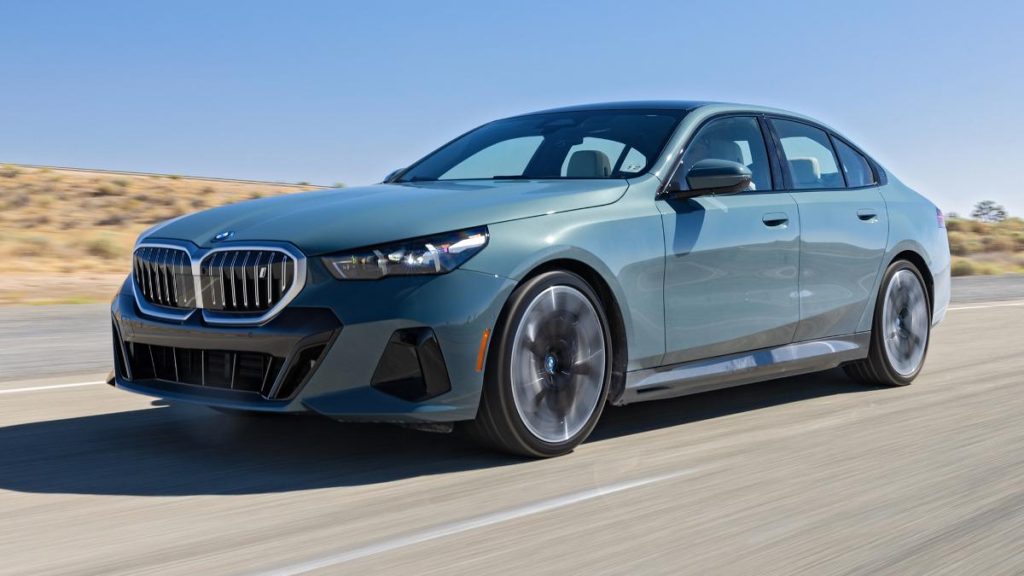
Inside the cabin, the sense of control continues. Noise levels remain low, and the overall environment feels insulated without being disconnected. This balance allows the driver to stay aware of the road while still enjoying a quiet and composed atmosphere.
2. Lexus ES
The Lexus ES approaches high-speed cruising with a completely different philosophy. It does not try to impress with sharp handling or aggressive acceleration. Instead, it focuses on creating a smooth and predictable experience that reduces effort over long distances.
Once it reaches a steady pace, the ES begins to show its strengths. The suspension absorbs minor road imperfections in a way that feels natural, preventing them from disturbing the cabin. This creates a consistent ride quality that remains comfortable even after extended periods of driving.
Power delivery is another area where the ES stands out, though not in an obvious way. The engine provides steady and linear performance, avoiding sudden surges or delays. This predictability makes it easier to maintain speed without constant adjustments.
I chose the ES because it highlights the importance of refinement in highway driving. Not every driver is looking for excitement. For many, the goal is simply to travel comfortably and arrive without fatigue.
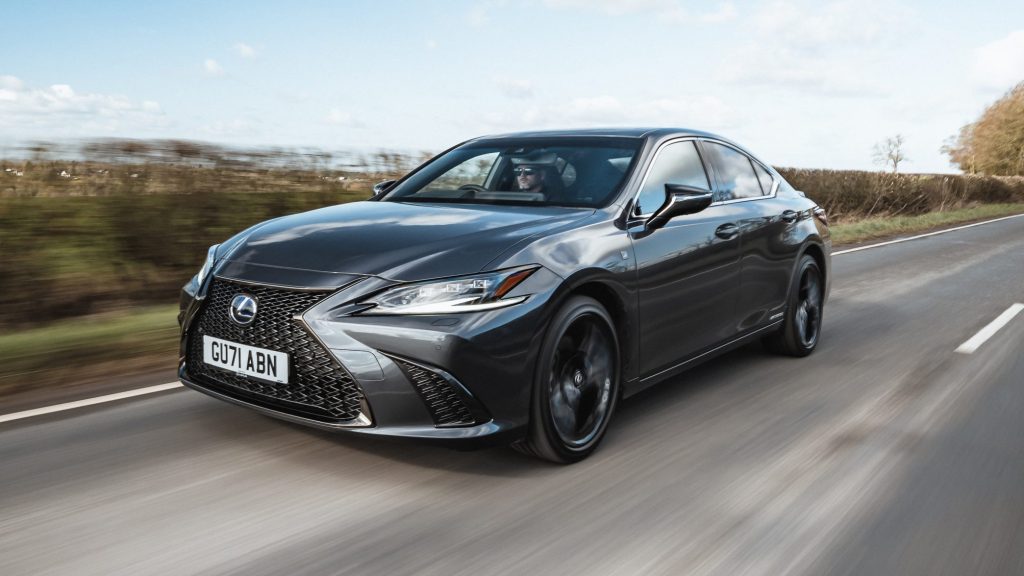
The cabin reinforces this purpose. It remains quiet and composed, with minimal intrusion from outside noise. This allows for a more relaxed driving experience, especially on long stretches of tollway where consistency matters more than intensity.
3. Mercedes-Benz E-Class
Some cars reveal their strengths gradually, and the Mercedes-Benz E-Class is one of them. At lower speeds, it feels refined and comfortable, but as the road opens up and the pace increases, it begins to demonstrate a deeper level of composure that defines it as a true tollway cruiser.
The powertrain plays a subtle but important role in this experience. Instead of delivering aggressive bursts of acceleration, it builds speed in a smooth and controlled manner. This makes merging into fast-moving traffic feel natural rather than rushed. The engine rarely feels strained, even when maintaining higher speeds for extended periods.
Where the E-Class truly excels is in how it manages the road beneath it. The suspension is tuned to absorb imperfections without allowing them to disturb the overall balance of the car. Small undulations and surface changes are handled with a level of calmness that keeps the cabin stable and the driver relaxed.
I am including the E-Class because it represents a quiet form of excellence. It does not rely on dramatic performance figures or overly sporty characteristics. Instead, it focuses on delivering a consistent and composed driving experience that becomes more valuable the longer the journey lasts.
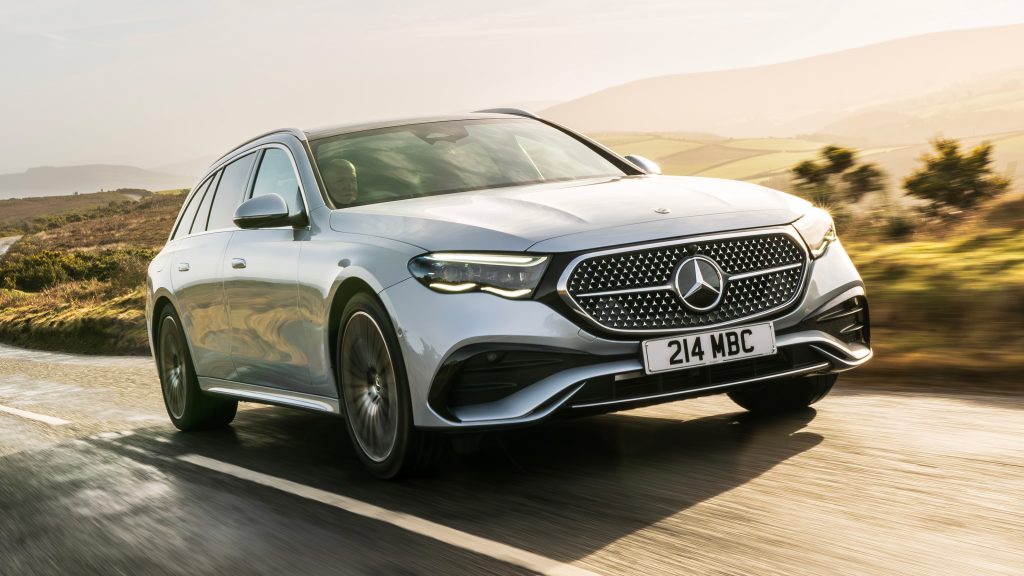
Another aspect that stands out is the sense of isolation. Wind and road noise are kept under control, creating an environment that feels almost insulated from the outside world. This contributes to reduced fatigue, which is essential for long-distance highway driving.
The steering, while not overly sharp, is precise enough to inspire confidence. It requires minimal correction at speed, allowing the driver to maintain direction effortlessly. This combination of stability, comfort, and control makes the E-Class a natural fit for high-speed tollway travel.
4. Audi A6
The Audi A6 approaches highway cruising with a focus on precision and balance. It does not lean entirely toward comfort or performance, but instead finds a middle ground that works particularly well on long, fast roads.
From the moment it settles into a steady pace, the A6 feels composed. The chassis remains stable, and the car responds predictably to inputs. This sense of control is especially noticeable when navigating gentle curves at higher speeds, where the car maintains its line without feeling unsettled.
The engine delivers power in a refined and consistent manner. Acceleration is smooth, allowing the car to build speed without sudden changes in momentum. This makes it easier to integrate into fast-moving traffic and maintain a steady flow.
I chose the A6 because it highlights how balance can be just as effective as specialization. It does not excel in only one area, but performs well across multiple aspects of highway driving. This makes it a versatile choice for drivers who want both comfort and control.
Inside, the cabin reflects this same philosophy. It is quiet without feeling overly isolated, and the materials create a sense of quality that enhances the overall experience. Long drives feel less tiring because the environment remains consistent and composed.
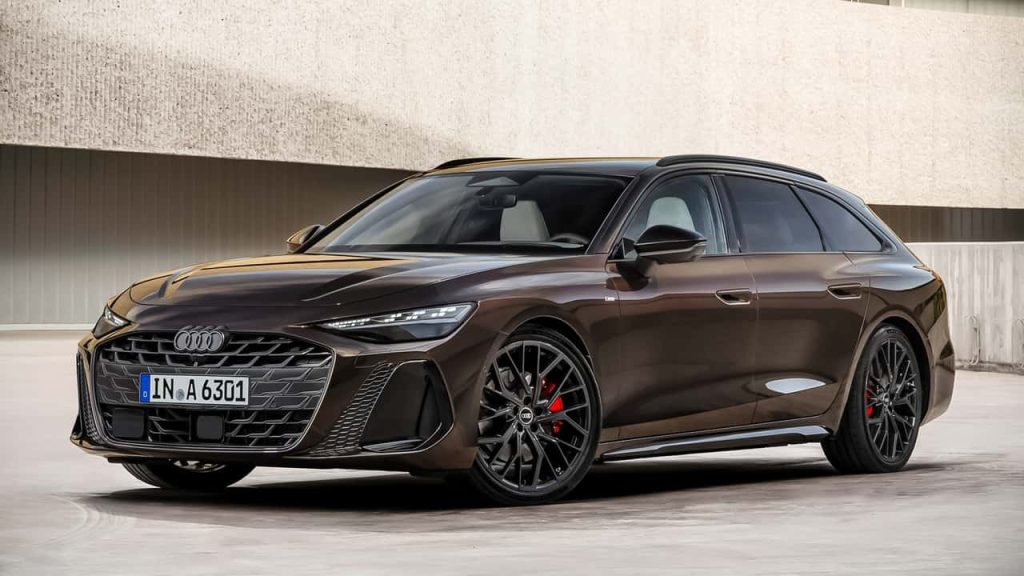
One of the most noticeable traits is how the car handles continuous motion. It does not feel like it is working hard to maintain speed, which gives the impression of efficiency and ease. This quality makes the A6 particularly well-suited for extended tollway journeys.
5. Dodge Charger
The Dodge Charger approaches high-speed cruising with a personality that feels more muscular and direct compared to the refined balance of European sedans. It does not hide its strength behind subtlety. Instead, it delivers a sense of effortless power that becomes especially noticeable on long, open tollways.
The first thing that defines the Charger in this environment is its engine performance. There is a strong reserve of power available at almost any speed, which means the car rarely feels like it is working hard.
Whether maintaining a steady pace or accelerating to overtake slower traffic, the response is immediate and confident. This reduces the need for planning ahead, making the driving experience feel more relaxed.
However, what makes the Charger suitable for tollway cruising is not just its power, but how it maintains stability at speed. The longer wheelbase contributes to a planted feel, helping the car track straight with minimal steering correction.
This sense of direction becomes particularly valuable during extended drives, where constant adjustments can lead to fatigue.
I am including the Charger because it represents a different interpretation of a highway cruiser. While some vehicles focus on refinement and isolation, the Charger offers a more direct and powerful experience that still manages to remain comfortable over long distances.
The ride quality leans slightly firmer than traditional comfort-oriented sedans, but it does not cross into harshness. Instead, it provides enough feedback to keep the driver engaged while still absorbing most road imperfections effectively.
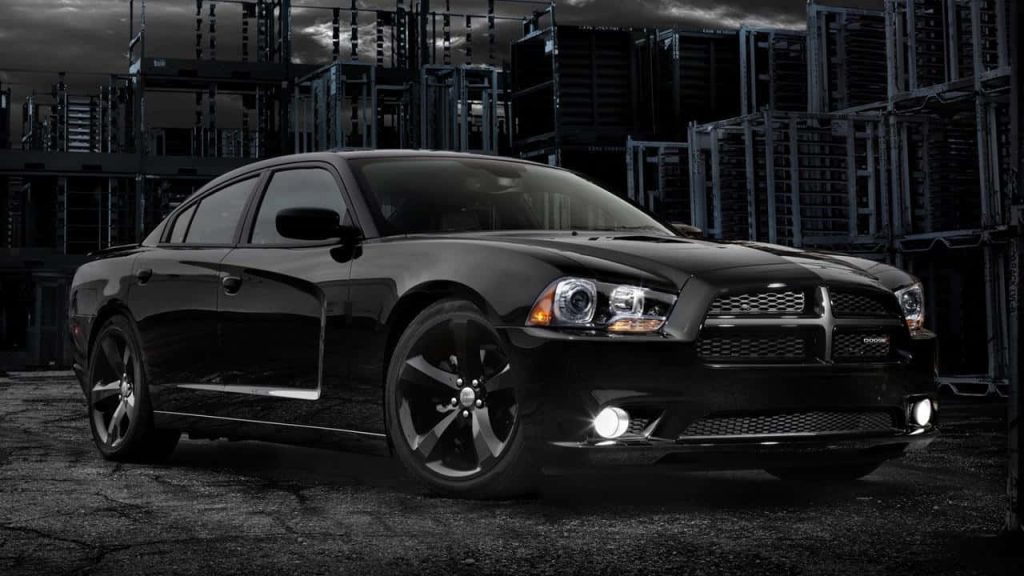
Inside the cabin, the atmosphere is less about luxury and more about space and presence. The wide layout and supportive seating contribute to a relaxed driving posture, which is important for long journeys.
With its strong performance and stability, the Charger proves that highway cruising need not be quiet to be effective.
5 Underpowered Compacts
Not every car is built with high-speed highways in mind, and underpowered compacts are a clear example of this reality. These vehicles are designed to meet a different set of priorities, focusing on efficiency, affordability, and ease of use in urban environments.
While they excel in those areas, their limitations become more apparent when exposed to long stretches of fast-moving traffic.
The primary challenge lies in their power delivery. Smaller engines are optimized for fuel economy rather than sustained high-speed performance. As a result, maintaining speed on a tollway can require more effort, with the engine working harder and the driver needing to apply more throttle than in a more powerful vehicle.
Stability is another factor that comes into play. Compact cars are often lighter and have shorter wheelbases, which can make them feel less planted at higher speeds. This does not necessarily make them unsafe, but it can reduce the sense of confidence that drivers experience on open highways.
Noise levels also tend to increase in these conditions. With less insulation and smaller engines operating at higher effort levels, the cabin can become noticeably louder during extended drives. This contributes to driver fatigue, especially on longer trips.
This section focuses on compact cars that highlight these characteristics. The goal is not to criticize them, but to show how their design priorities affect their behavior in a high-speed environment.
Understanding these differences helps drivers choose a vehicle that aligns with their needs, particularly if highway driving is a regular part of their routine.
1. Nissan Versa
The Nissan Versa represents one of the clearest examples of a car designed with efficiency and simplicity in mind. In city driving, these qualities make it practical and easy to live with. On a high-speed tollway, however, those same traits begin to reveal certain limitations.
The engine is built to prioritize fuel economy, which means it delivers modest power. When attempting to accelerate onto a fast-moving highway, the process can feel gradual rather than immediate. This is not necessarily a flaw, but it requires the driver to plan merges more carefully.
Once at speed, the Versa can maintain momentum, but it often feels like it is working harder to do so. The engine may operate at higher revs, which increases noise and reduces the sense of effortlessness that larger vehicles provide.
I am including the Versa because it clearly demonstrates how design priorities shape performance. It excels in environments where efficiency matters most, but it does not offer the same level of confidence in high-speed situations.
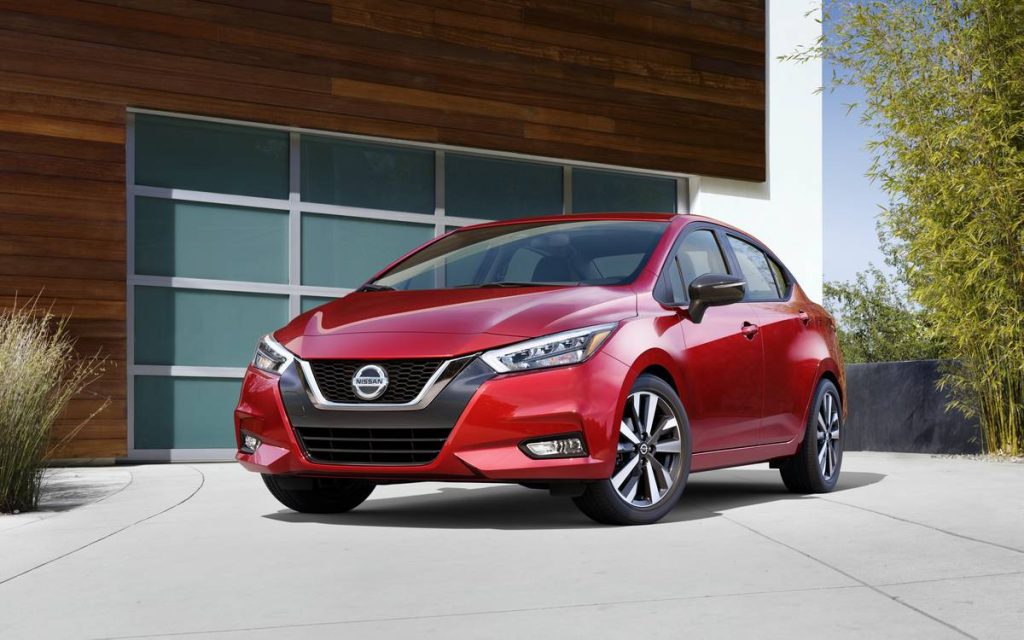
Another noticeable aspect is stability. At moderate speeds, the car feels composed, but as speed increases, it may feel lighter and more sensitive to external factors such as wind or road changes. This requires more attention from the driver.
Inside the cabin, the focus on affordability becomes apparent. While functional, it does not provide the same level of insulation as larger vehicles. This makes long highway drives feel more demanding over time.
2. Mitsubishi Mirage
The Mitsubishi Mirage takes the concept of efficiency even further, making it one of the most economical vehicles available. While this makes it appealing for city use, it also highlights the challenges of using such a car in high-speed environments.
Acceleration is one of the first areas where this becomes evident. The engine provides just enough power for everyday driving, but when faced with the need to quickly reach highway speeds, it can feel noticeably limited. The process requires patience, and the driver must be mindful of surrounding traffic.
At cruising speed, the Mirage is capable of maintaining pace, but it does so with a sense of strain. The engine tends to work harder, which results in increased noise and a less relaxed driving experience.
I chose the Mirage because it represents the extreme end of the compact segment. It is built to be lightweight and efficient, but those same characteristics reduce its ability to handle sustained high-speed driving comfortably.
The shorter wheelbase also affects stability. At higher speeds, the car can feel less planted, especially when encountering uneven road surfaces or crosswinds. This does not make it unsafe, but it does require more active control from the driver.
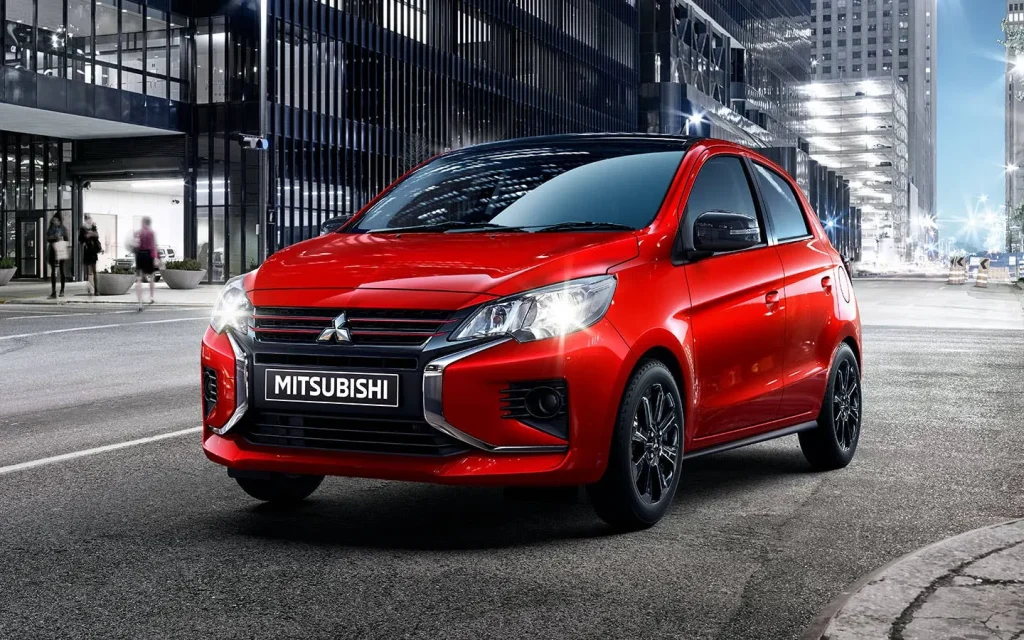
Inside, the simplicity continues. The cabin is functional, but it lacks the refinement needed to isolate passengers from the outside environment. Over long distances, this can lead to increased fatigue.
3. Hyundai Accent
The Hyundai Accent occupies an interesting middle ground in the compact segment. It is more refined than the most basic economy cars, yet it still prioritizes efficiency and affordability over outright performance. This balance works well in urban settings, but on high-speed tollways, certain compromises begin to surface.
One of the first things a driver notices is how the car builds speed. Acceleration is steady rather than strong, which means merging into fast-moving traffic requires a bit more anticipation. It is not sluggish in a traditional sense, but it does not provide the immediate response that makes highway driving feel effortless.
Once the Accent reaches cruising speed, it settles into a predictable rhythm. However, maintaining that speed can require consistent input, especially when the road inclines or when additional acceleration is needed. The engine does its job, but it rarely feels relaxed in the way larger or more powerful vehicles do.
I am including the Accent because it highlights how incremental improvements in refinement do not always translate into better high-speed performance. It is comfortable and well-mannered, but it still operates within the limits of a compact powertrain.
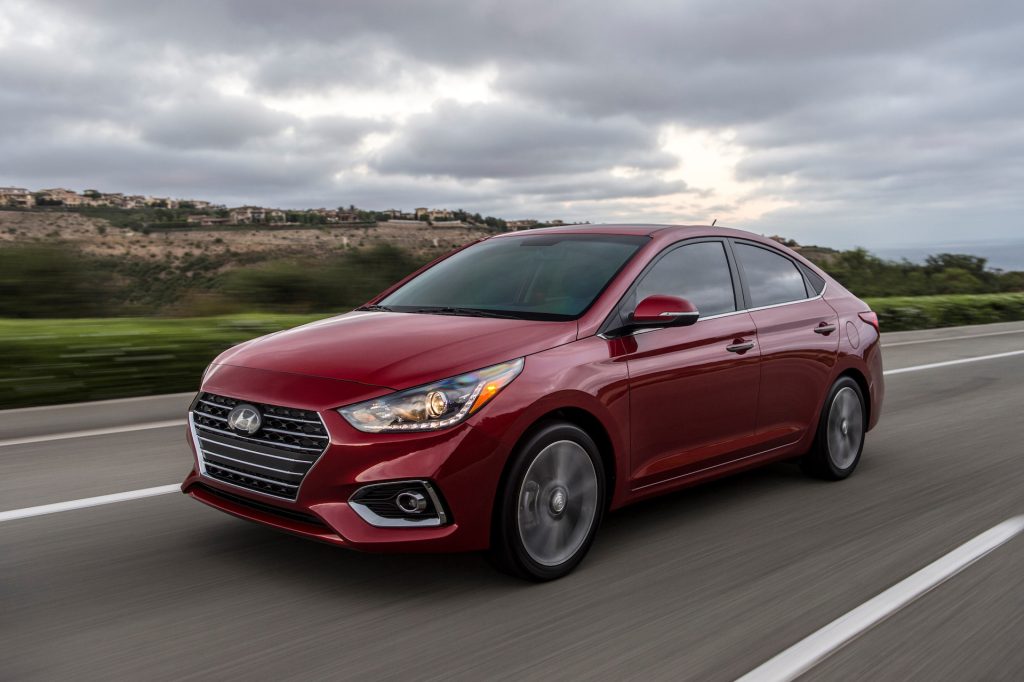
Another factor to consider is how the car behaves over longer distances. The suspension is tuned for comfort at lower speeds, but at higher velocities, it can feel slightly less composed over uneven surfaces. This adds to the sense that the car is working within its limits rather than effortlessly exceeding them.
Inside the cabin, the experience is clean and functional. Noise levels are manageable at moderate speeds, but they increase as the pace rises. Over time, this can contribute to driver fatigue, especially during extended highway drives.
4. Kia Rio
The Kia Rio presents itself as a well-rounded compact, offering a combination of practicality, efficiency, and modern features. It performs admirably in everyday driving conditions, but when placed in a high-speed tollway environment, its limitations become more noticeable.
The engine delivers adequate performance for city use, but it does not provide the kind of reserve power that inspires confidence at higher speeds. Acceleration is smooth but gradual, which means overtaking slower vehicles requires careful timing and planning.
At cruising speed, the Rio maintains its pace without major issues, but it lacks the sense of ease that defines a true highway cruiser. The engine often feels like it is operating near its upper comfort range, which can make the drive feel slightly more demanding.
I chose the Rio because it represents a common experience among modern compact cars. It is not underperforming in a dramatic way, but it does not fully meet the expectations of sustained high-speed driving either.
The car’s lightweight construction also plays a role in how it feels on the road. At higher speeds, it may feel less planted compared to larger vehicles, especially when encountering wind or surface changes. This requires more attention from the driver to maintain a steady course.
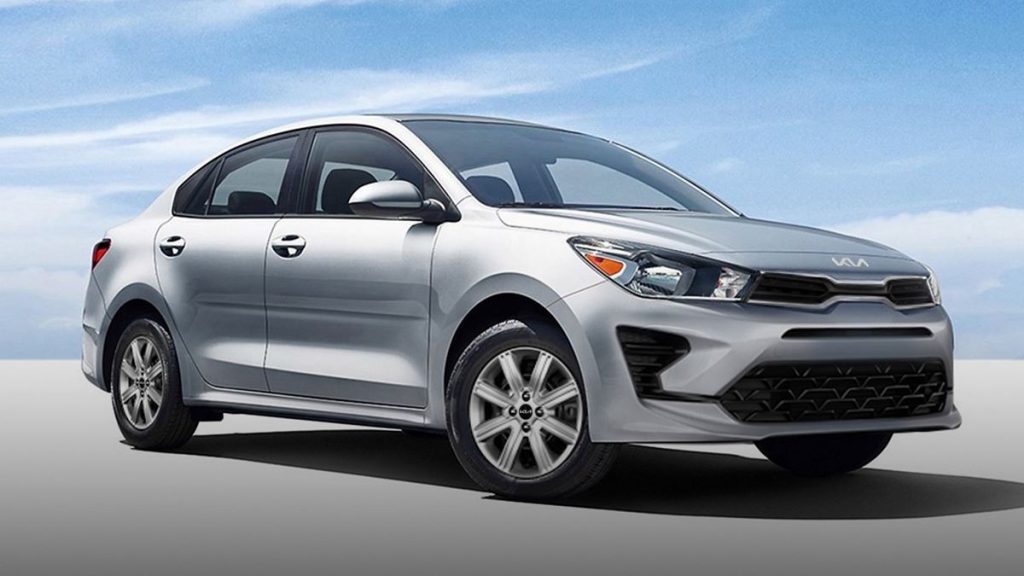
Inside, the cabin is thoughtfully designed and easy to use, but it does not completely isolate passengers from external noise. As speed increases, wind and road sounds become more noticeable, which can reduce overall comfort during long journeys.
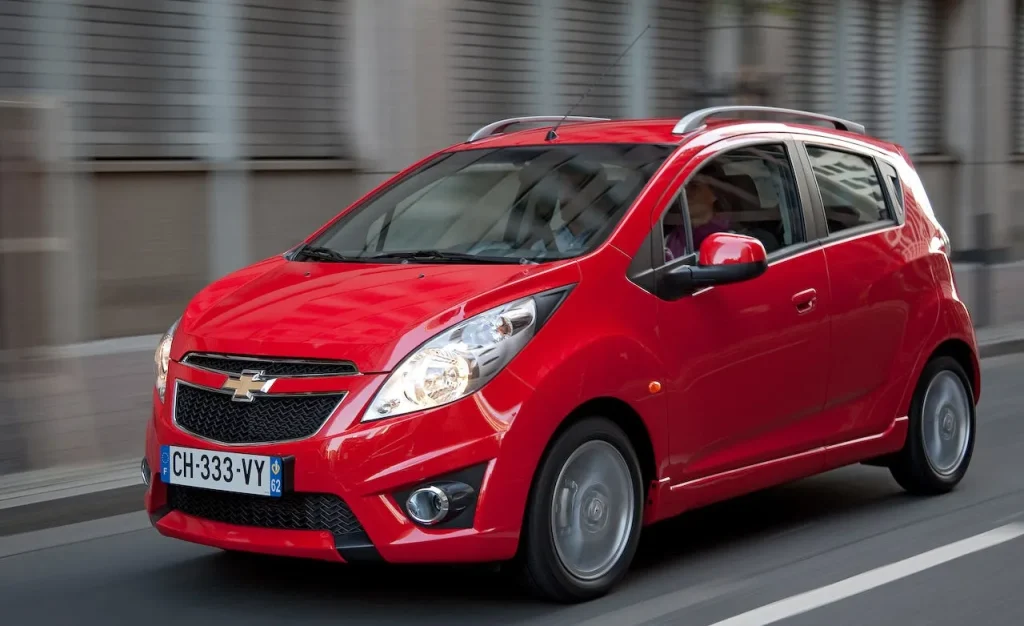
5. Chevrolet Spark
The Chevrolet Spark represents one of the smallest and most city-focused vehicles in this comparison. It is designed for tight urban spaces, easy maneuverability, and maximum efficiency. While it excels in those areas, high-speed tollway driving exposes the limits of its design in a very clear way.
The engine is compact and efficient, but it offers limited power. Accelerating to highway speeds can feel like a gradual process rather than a confident surge. This makes merging into fast-moving traffic more challenging, as the driver must carefully judge timing and distance.
Once the Spark reaches cruising speed, it can maintain momentum, but there is little sense of reserve power. Any need for additional acceleration requires noticeable effort, which can make overtaking slower vehicles less convenient.
I am including the Spark because it demonstrates how a car designed for one environment can feel out of place in another. It is highly effective in the city, but it does not translate as well to high-speed conditions.
The short wheelbase and lightweight build also affect stability. At higher speeds, the car can feel more sensitive to road imperfections and external forces, which requires constant attention from the driver.
Inside the cabin, the focus on simplicity is evident. While functional, it offers limited insulation from noise and vibration. Over extended highway drives, this can lead to a more tiring experience compared to larger, more powerful vehicles.
High-speed tollway driving and compact city commuting represent two very different automotive realities, and this comparison highlights how vehicles are shaped by those demands. In a city like Dallas, where long tollways encourage sustained speeds, the ideal car is one that delivers stability, smooth power, and a relaxed driving experience.
Vehicles such as the BMW 5 Series, Lexus ES, Mercedes-Benz E-Class, Audi A6, and Dodge Charger excel in this role by offering strong performance, composed handling, and cabins designed to reduce fatigue over long distances.
These tollway cruisers are not just about speed, but about how effortlessly they maintain it. Their engines feel relaxed even at higher velocities, their suspensions keep the ride stable, and their interiors remain quiet and comfortable.
This combination allows drivers to cover long distances with minimal effort, making them well-suited for environments where highway driving is a daily routine.
In contrast, underpowered compacts like the Nissan Versa, Mitsubishi Mirage, Hyundai Accent, Kia Rio, and Chevrolet Spark are built with a different purpose in mind. They prioritize efficiency, affordability, and ease of use in urban settings.
While they perform well in city traffic, their limitations become more noticeable on high-speed roads.
These cars often require more effort to accelerate and maintain speed, and they may feel less stable at higher velocities due to lighter construction and smaller engines. Increased engine noise and reduced cabin insulation can also make long highway drives more tiring.
The key takeaway is that no vehicle is universally perfect. Each is designed with specific priorities, and those priorities directly affect how it performs in different environments. Choosing the right car depends on understanding where and how it will be used, ensuring that it matches the demands of everyday driving.
Also Read: 5 Commuters for the 405 In Los Angeles vs. 5 Cars That Will Overheat in Traffic