
Los Angeles is a city built around the car, and nowhere is that more evident than on the 405 freeway. Known for its relentless congestion, unpredictable flow, and long commute times, the 405 is less about driving fast and more about enduring extended periods of stop and go traffic.
In this environment, a car’s true character is revealed not through speed or acceleration, but through comfort, efficiency, and reliability under constant strain.
Commuting on the 405 demands patience, but it also demands the right vehicle. Sitting in traffic for hours each week can turn even a short drive into a draining experience if the car is not designed for it.
Smooth transmissions, comfortable seating, efficient cooling systems, and quiet cabins become more important than horsepower or aggressive styling. Some cars are built with these conditions in mind, making them ideal companions for daily commuting in Los Angeles.
At the same time, there are vehicles that struggle in this environment. Heat buildup becomes a serious issue when airflow is limited and engines are forced to idle for long periods.
Cars that rely on high performance or tight cooling tolerances may begin to show signs of stress. Overheating is not just inconvenient, it can lead to long-term damage and costly repairs.
This contrast creates two very different categories of vehicles. On one side are commuters that handle traffic with ease, providing comfort and reliability even during the longest drives. On the other side are cars that may perform well under ideal conditions but falter when faced with constant congestion and heat.
This article explores both perspectives. First, we will examine cars that excel as daily commuters on the 405, offering a smooth and stress-free experience. Then we will look at cars that are more likely to overheat in traffic, highlighting why they struggle and what makes them less suitable for this demanding environment.
Also Read: 10 Reasons Why Hybrids Are Holding Their Value Better Than EVs in 2026
5 Commuters for the 405 In Los Angeles
The 405 freeway is not a place where performance shines. It is a place where patience, comfort, and efficiency define the driving experience. Vehicles that succeed here are those that make long periods of slow movement feel manageable rather than exhausting.
This category focuses on cars that are well-suited for daily commuting in heavy traffic. These vehicles are designed to reduce stress, offering smooth acceleration, responsive braking, and interiors that remain comfortable even after hours on the road.
They also manage heat effectively, ensuring that the engine and cabin remain stable despite constant idling.
Each car in this list represents a different approach to solving the same problem. Some emphasize fuel efficiency, others focus on ride quality, and a few combine multiple strengths into a balanced package. What they all share is the ability to turn a difficult commute into something far more tolerable.
1. Toyota Prius
The Toyota Prius is almost synonymous with urban commuting, and its strengths become especially clear on a congested freeway like the 405. Instead of relying on traditional performance metrics, it focuses on efficiency and smooth operation, which are exactly the qualities needed in stop and go traffic.
One of the Prius’s biggest advantages is its hybrid system. At low speeds, it can operate on electric power alone, reducing engine strain and minimizing heat buildup.
This is particularly useful in traffic, where constant idling can push conventional engines toward higher temperatures. By sharing the workload between electric and gasoline power, the Prius maintains a more stable operating condition.
The driving experience is intentionally calm. Acceleration is gradual, and braking is smooth, which helps reduce fatigue during long commutes. Drivers are not constantly adjusting to sudden changes in power delivery, making the overall experience more predictable and less stressful.
Inside, the cabin is designed with practicality in mind. The seats are supportive, and the layout is straightforward, allowing drivers to focus on the road rather than complex controls. Noise levels are also kept relatively low, which adds to the sense of comfort during extended drives.
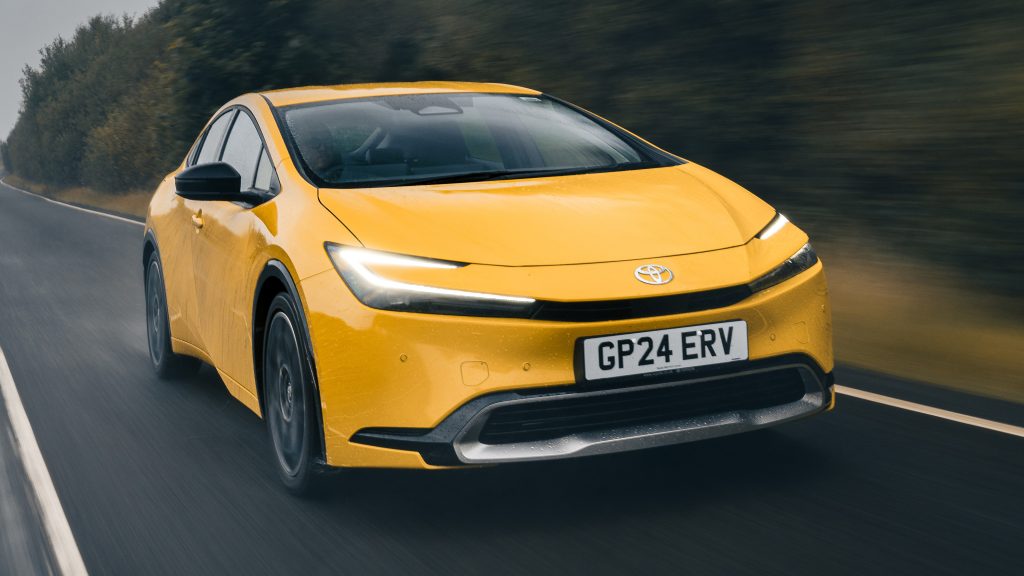
I am including the Prius because it represents a purpose-built solution for heavy traffic. It does not try to be exciting or aggressive. Instead, it delivers exactly what commuters need, efficiency, reliability, and ease of use. On the 405, those qualities make a significant difference in everyday driving.
2. Honda Accord
The Honda Accord takes a more traditional approach, offering a well-rounded driving experience that balances comfort, performance, and reliability. It may not be specifically designed for traffic in the same way as a hybrid, but its overall refinement makes it an excellent choice for daily commuting.
One of the Accord’s strengths is its smooth power delivery. The engine responds predictably, allowing drivers to adjust speed without sudden movements. This is particularly important in stop and go traffic, where constant adjustments are required.
Ride quality is another area where the Accord excels. It absorbs imperfections in the road, maintaining a stable and comfortable feel even during long periods behind the wheel. This helps reduce fatigue, making it easier to handle extended commutes.
The cabin is spacious and well-designed, providing enough room for drivers and passengers to remain comfortable. Controls are intuitive, and the overall layout supports a relaxed driving experience. Even after hours in traffic, the interior does not feel cramped or overwhelming.
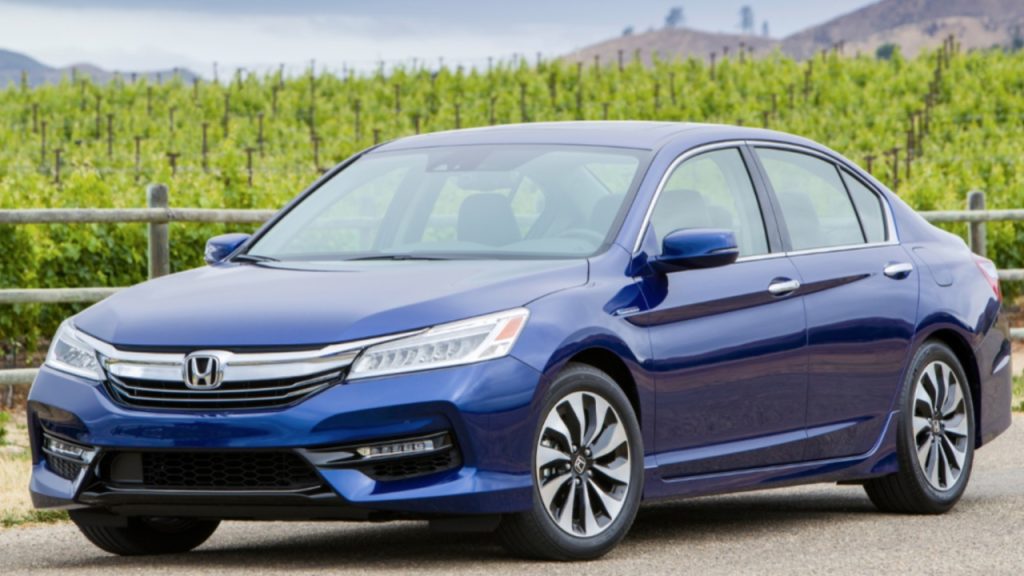
I chose the Accord because it demonstrates how a balanced design can handle a wide range of conditions. It may not specialize in one particular area, but it performs consistently well across the board. For commuters on the 405, that consistency translates into a reliable and comfortable daily experience.
3. Lexus ES
The Lexus ES approaches commuting from a comfort-first perspective, and that mindset becomes incredibly valuable on a freeway like the 405. This is not a car that encourages aggressive driving or quick maneuvers. Instead, it creates an environment where the driver can remain relaxed, even when traffic refuses to move.
What sets the ES apart is how it isolates occupants from the outside world. The cabin is exceptionally quiet, filtering out road noise, engine vibration, and the constant hum of surrounding vehicles. In a situation where you may spend hours surrounded by congestion, this level of refinement helps reduce mental fatigue in a way that is immediately noticeable.
The ride quality plays an equally important role. The suspension is tuned to absorb imperfections rather than communicate them. Small bumps, uneven pavement, and slow rolling traffic are handled with a softness that makes the experience feel smoother than it actually is. This matters when you are creeping forward for miles at a time.
Another advantage lies in its cooling system stability. The ES is not a high-strung performance vehicle, so its engine operates within a comfortable range even when idling for long periods. This reduces the likelihood of heat-related stress, which can be a concern in dense traffic under warm conditions.
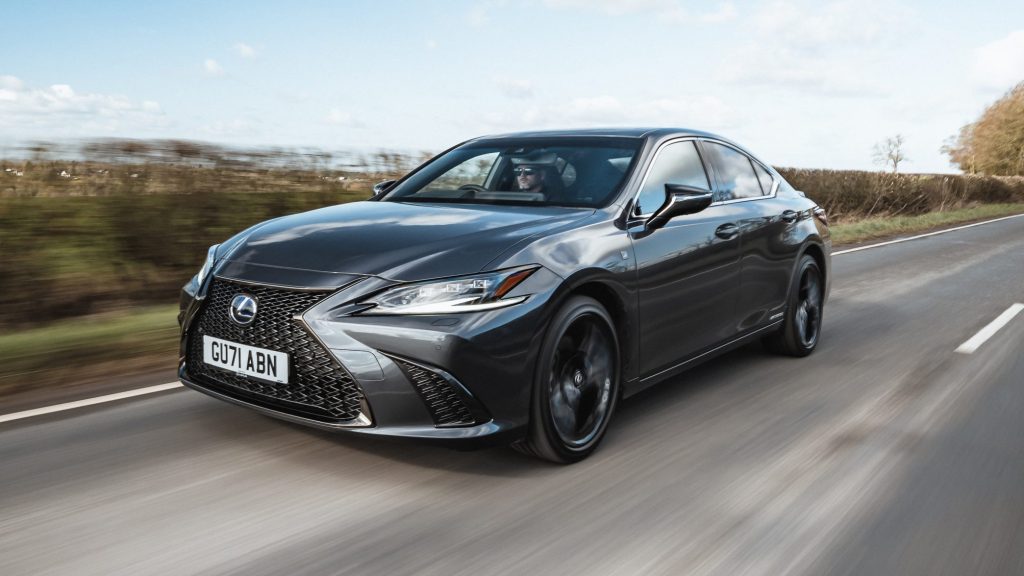
Inside, the seats are designed for long-distance comfort rather than short bursts of driving. They provide consistent support, which helps prevent fatigue during extended commutes. The overall layout is clean and easy to interact with, allowing drivers to remain focused without distraction.
I included the Lexus ES because it transforms the commuting experience into something far more manageable. It does not try to fight traffic. It accepts it and makes it easier to endure. On the 405, where patience is constantly tested, that approach becomes incredibly valuable.
4. Hyundai Sonata
The Hyundai Sonata offers a modern and practical solution for daily commuting, combining efficiency, technology, and comfort in a way that feels well-suited for Los Angeles traffic. It does not rely on a single standout feature. Instead, it brings together multiple strengths that work together during long hours on the road.
One of the first things drivers notice is how smooth the Sonata feels at low speeds. The transmission is tuned to handle gradual acceleration without hesitation, which is essential in stop and go conditions. This smoothness reduces the constant back and forth motion that can make traffic feel more tiring than it needs to be.
The cabin environment is another highlight. Hyundai has focused on creating a space that feels open and easy to use. Controls are logically placed, and the overall design avoids unnecessary complexity. This simplicity helps drivers stay relaxed, even when dealing with unpredictable traffic patterns.
Heat management is handled effectively as well. The Sonata’s engine is designed for efficiency, which means it does not generate excessive heat when idling. Combined with a well-functioning cooling system, this ensures that the car remains stable even during extended periods of slow movement.
Seating comfort is balanced rather than overly soft or firm. This middle ground works well for commuting, providing enough support without becoming tiring over time. The ride quality complements this by smoothing out road imperfections, creating a consistent driving experience.
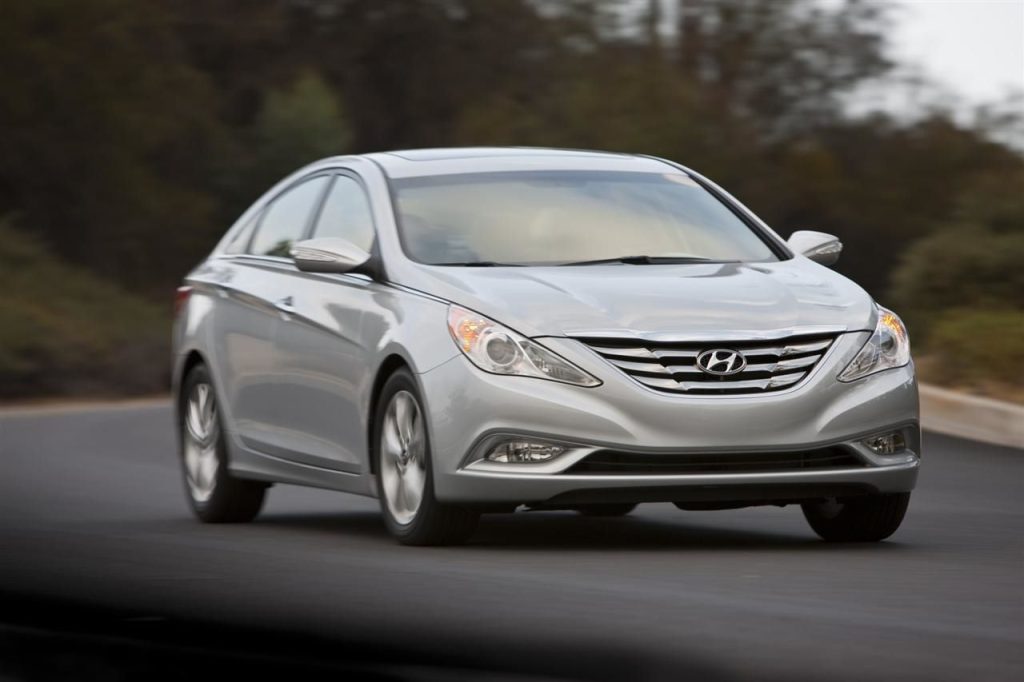
I chose the Sonata because it represents a thoughtful and modern approach to commuting. It does not try to stand out through performance or luxury alone. Instead, it focuses on making everyday driving easier and more comfortable. For the 405, where consistency matters more than excitement, that makes it a strong contender.
5. Tesla Model 3
The Tesla Model 3 offers a completely different commuting experience, one that is shaped by its electric nature rather than traditional engine behavior.
On a freeway like the 405, where traffic can slow to a crawl for extended periods, this difference becomes immediately noticeable. Instead of relying on an idling engine, the Model 3 operates quietly and efficiently, removing many of the stresses associated with stop and go driving.
One of its strongest advantages is how it handles low-speed movement. Electric motors deliver instant response without the need for gear changes, which creates a smooth and uninterrupted flow in traffic.
There is no hesitation or shifting lag, just consistent motion that makes creeping forward feel effortless. This alone can reduce the fatigue that often builds up during long commutes.
Another key factor is thermal management. Unlike high-performance gasoline engines that can struggle with prolonged idling, the Model 3 maintains stable operating conditions through advanced cooling systems designed specifically for electric components. This helps prevent overheating even when the car is barely moving for long stretches.
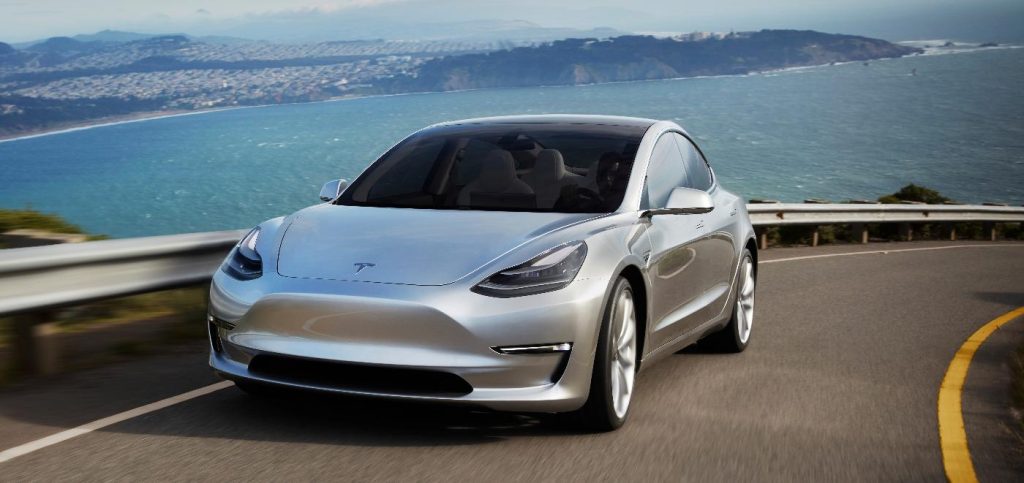
The cabin environment also contributes to its effectiveness as a commuter. The absence of engine noise creates a calm atmosphere, allowing drivers to remain relaxed despite the surrounding congestion. The minimalist interior design reduces visual clutter, making it easier to focus on the road.
Technology plays a role as well. Features that assist with maintaining speed and distance in traffic can take some of the burden off the driver, turning a frustrating commute into a more manageable routine. While these systems do not eliminate the need for attention, they help reduce constant input.
I included the Model 3 because it represents a shift in how commuting can feel. It does not just adapt to traffic, it changes the experience entirely. On the 405, where time spent behind the wheel can add up quickly, that difference becomes significant.
5 Cars That Will Overheat in Traffic
Not every car is built to handle prolonged periods of slow movement, and the 405 freeway exposes those weaknesses clearly. While some vehicles remain stable under constant idling, others begin to show signs of stress as heat builds up.
Overheating is not always immediate, but it becomes more likely when airflow is limited and engines are forced to operate without the cooling benefits of steady speed.
This section focuses on cars that are more prone to struggling in these conditions. The reasons vary depending on the design. Some rely on high-performance engines that generate more heat than they can easily dissipate in traffic.
Others have tightly packed engine bays that limit airflow, making it harder for cooling systems to function effectively at low speeds.
Another factor is how these vehicles are typically used. Many of them are designed for open roads, where airflow and speed help regulate temperature. When placed in a congested environment, they are operating outside their ideal conditions. This mismatch can lead to rising temperatures and, in some cases, long-term wear on critical components.
The goal of this section is to highlight how design priorities impact real-world usability. A car that excels on a highway or track may not be suited for daily commuting in heavy traffic. Understanding these differences helps drivers avoid situations where their vehicle becomes a source of stress rather than convenience.
In a city like Los Angeles, where traffic is a constant reality, choosing a car that can handle heat as well as congestion is essential. The following vehicles illustrate what can happen when that balance is not achieved.
1. Dodge Challenger Hellcat
The Dodge Challenger Hellcat is built around raw power, and that focus brings with it a set of challenges that become obvious in heavy traffic. Its supercharged engine produces immense performance, but it also generates a significant amount of heat.
In situations where airflow is limited, such as the 405 during peak hours, managing that heat becomes increasingly difficult.
One of the primary concerns is how the engine behaves at low speeds. The cooling system is designed to handle high-performance driving, where air moves rapidly through the front of the car. In stop and go traffic, that airflow is reduced, which limits the system’s ability to dissipate heat effectively. As a result, temperatures can begin to climb.
The tightly packed engine bay adds to the issue. With so many components working together to produce high output, there is less space for heat to escape. This can create a buildup that becomes more noticeable during extended periods of idling.
Another factor is the car’s overall design philosophy. It is meant for bursts of acceleration and open-road driving, not prolonged congestion. When forced into a slow-moving environment, it operates outside its intended conditions, which increases the likelihood of overheating.
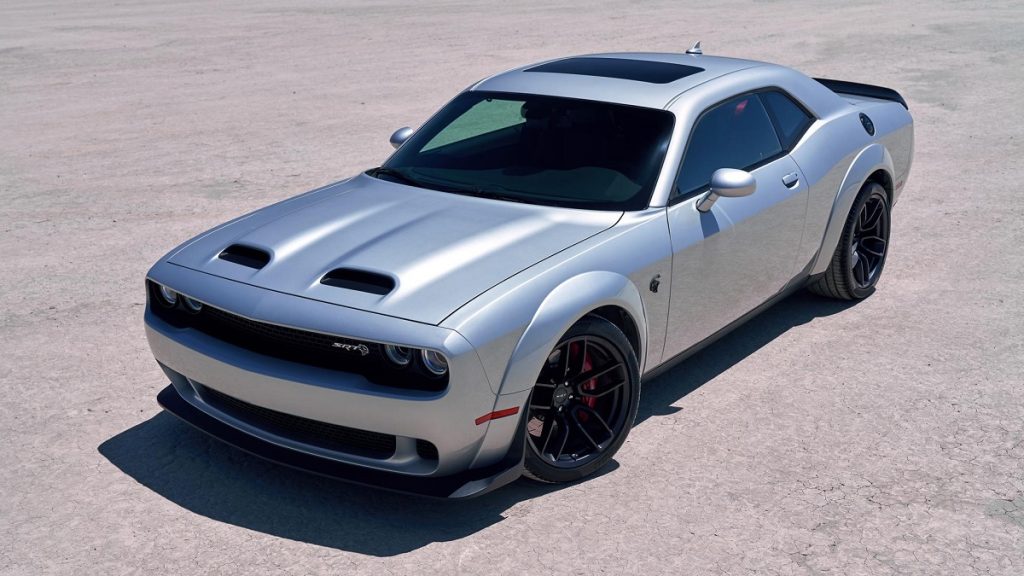
I included the Hellcat because it clearly demonstrates how performance-focused engineering can struggle in everyday scenarios.
It is an impressive machine in the right setting, but heavy traffic exposes its limitations. For drivers who spend a significant amount of time on the 405, this mismatch can lead to frustration and potential maintenance concerns.
2. Chevrolet Camaro ZL1
The Chevrolet Camaro ZL1 takes a similar approach, emphasizing performance and track capability above all else. While this makes it incredibly capable under the right conditions, it also means that it is less suited to the slow, congested environment of Los Angeles traffic.
The engine in the ZL1 is designed to deliver high output, which naturally produces a large amount of heat. Like the Hellcat, it relies on airflow to keep temperatures under control. When that airflow is reduced in stop and go traffic, the cooling system has to work much harder to maintain stability.
The car’s low and aggressive design further complicates the situation. Airflow pathways are optimized for speed, not for crawling through traffic. This means that at low speeds, the cooling efficiency is not as strong as it would be on an open road.
Heat buildup can also affect surrounding components. Over time, repeated exposure to high temperatures in traffic can place additional strain on parts that are not designed for constant heat cycling. This can lead to increased wear and potential reliability concerns.
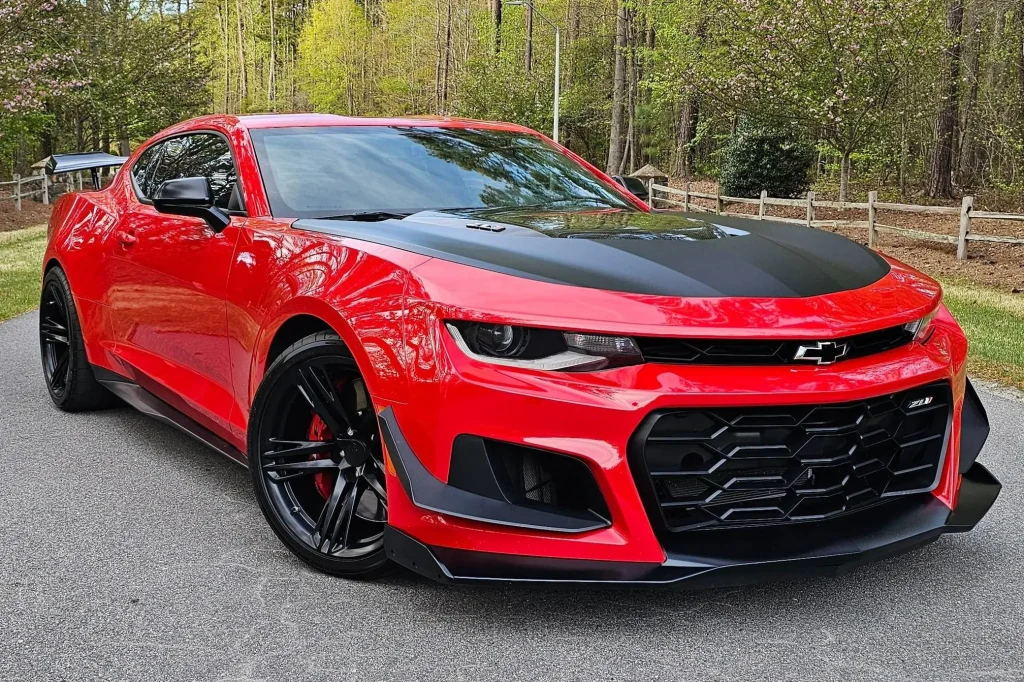
I chose the Camaro ZL1 because it highlights the trade-offs that come with high-performance design. It excels in environments where it can fully utilize its capabilities, but it struggles when those conditions are not present.
On the 405, where movement is often slow and inconsistent, those limitations become difficult to ignore.
3. BMW M4
The BMW M4 is engineered for precision and speed, yet that same engineering focus can work against it in heavy traffic conditions like those found on the 405. This is a car that thrives when it is moving freely, where airflow and consistent speeds allow its systems to operate as intended. When those conditions disappear, the limitations begin to surface.
At the heart of the issue is the engine’s performance-oriented design. It generates a high level of heat even under moderate use, and in stop and go traffic, that heat has fewer opportunities to dissipate.
Cooling systems in cars like the M4 are optimized for dynamic driving, not prolonged idling. As a result, temperatures can rise gradually during extended commutes.
The compact and tightly engineered engine bay adds another layer of complexity. While this layout contributes to performance and weight distribution, it also restricts how easily heat can escape. In traffic, where airflow is minimal, this trapped heat can build up more quickly than in less performance-focused vehicles.
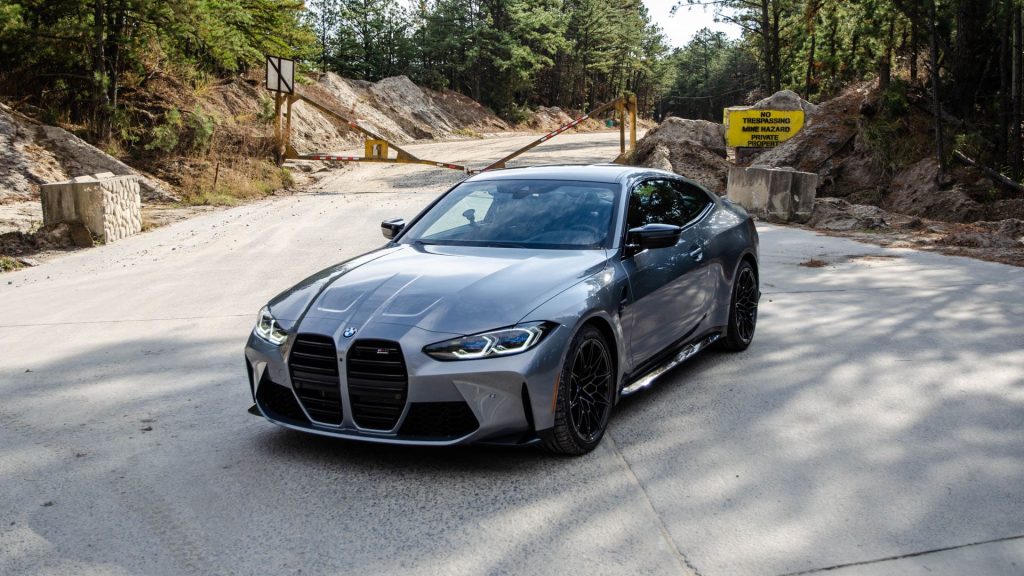
Another factor is how the car responds to repeated short bursts of movement followed by idling. This constant cycle places additional strain on cooling components, which are designed to operate more efficiently under steady conditions. Over time, this pattern can contribute to increased wear.
I included the BMW M4 because it represents a refined performance machine that is not designed for constant congestion. It delivers an engaging and responsive driving experience in the right environment, but the 405 is not that environment.
In heavy traffic, its strengths become less relevant, and its limitations become more apparent, making it a less practical choice for daily commuting in such conditions.
4. Nissan GT-R
The Nissan GT-R is often celebrated for its ability to deliver supercar-level performance, but that capability comes with a level of complexity that can become problematic in traffic-heavy environments. This is a car built to operate under demanding conditions, yet those conditions typically involve speed and airflow rather than prolonged idling.
One of the defining characteristics of the GT-R is its advanced engineering. The engine and drivetrain are designed to work at high levels of output, which naturally produces significant heat.
When the car is moving quickly, its cooling systems are highly effective. However, in slow-moving traffic, the lack of airflow reduces that effectiveness, allowing heat to accumulate.
The dual-clutch transmission also contributes to the challenge. In stop and go conditions, it is constantly engaging and disengaging, which generates additional heat. Combined with the already high temperatures from the engine, this can create a situation where multiple systems are under thermal stress at the same time.
Another aspect is the car’s overall tuning. The GT-R is calibrated for performance, not comfort in congestion. This means that even its cooling strategies are aligned with high-speed driving rather than extended periods of inactivity. Over time, this mismatch can lead to noticeable strain during daily commutes.
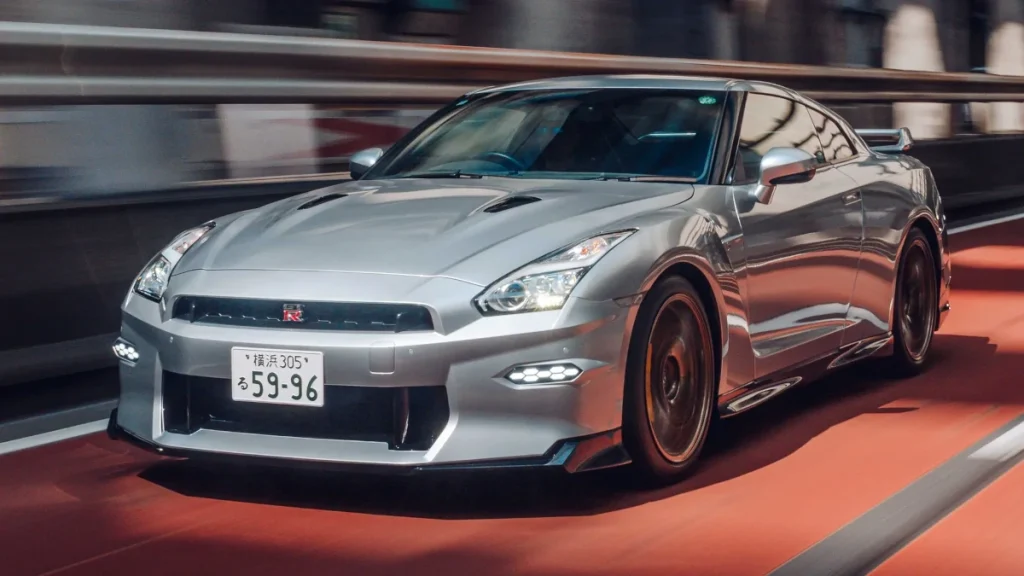
I chose the GT-R because it highlights how advanced performance engineering can struggle in environments that do not match its intended purpose.
It is a remarkable vehicle when used as designed, but the realities of the 405 freeway place it in a situation where its strengths cannot shine. Instead, the focus shifts to managing heat, which is not where it performs best.
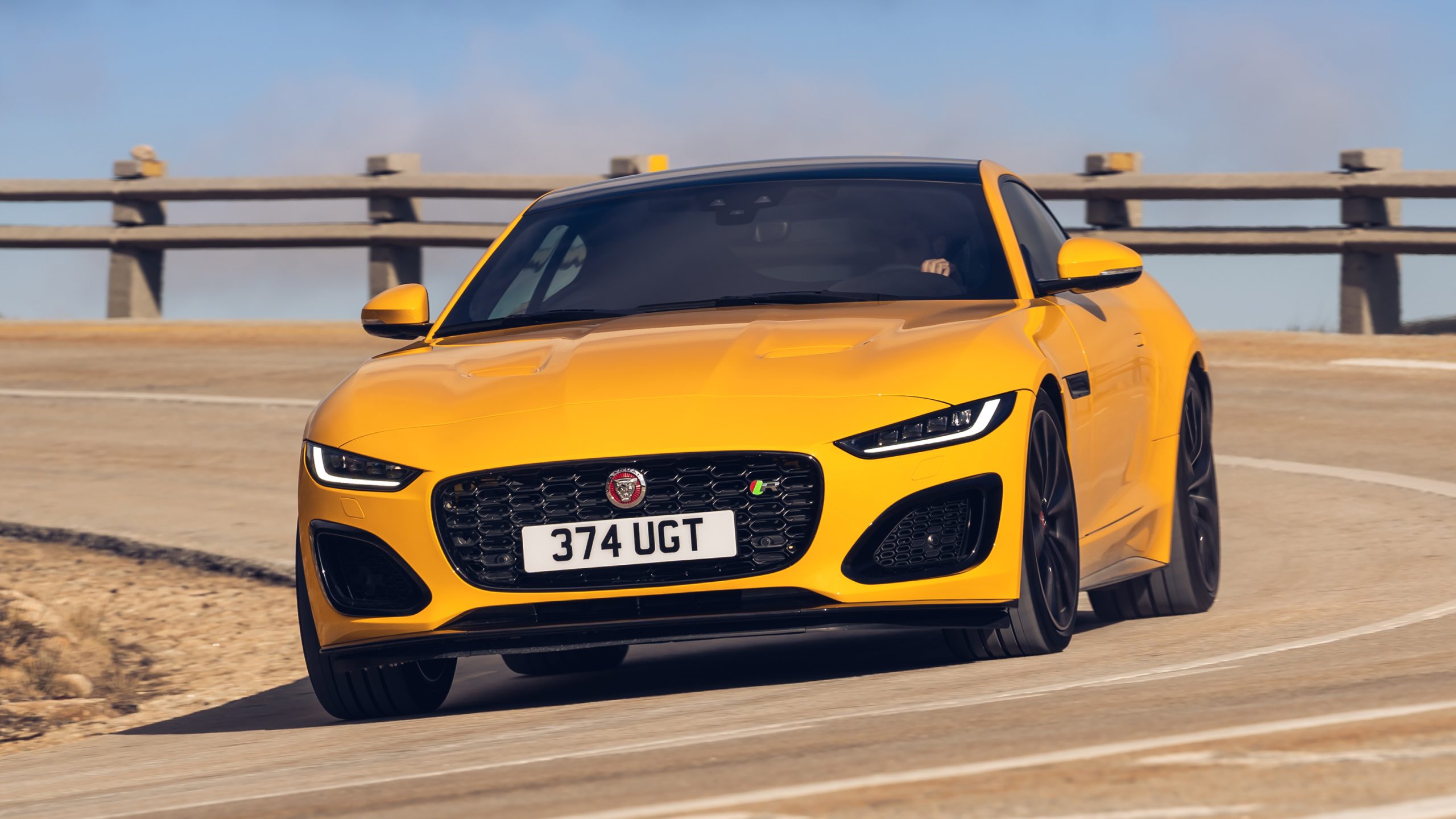
5. Jaguar F-Type
The Jaguar F-Type brings a sense of style and performance that is difficult to ignore, yet its design priorities make it less suited to the demands of heavy traffic. This is a car that emphasizes driving enjoyment and emotional appeal, but those qualities do not necessarily translate well to long periods of slow movement.
The engine setup is a key factor in its behavior. Designed to deliver strong performance, it generates a considerable amount of heat, especially when operating in conditions where airflow is limited. In stop and go traffic, the cooling system has to work harder to maintain stable temperatures, which can lead to gradual heat buildup.
The compact design of the car further amplifies this issue. With less space for heat to disperse, the engine bay can become a concentrated source of warmth. Over time, this can affect not only the engine but also nearby components that are exposed to higher temperatures than they would experience under normal driving conditions.
Another consideration is how the car is typically used. The F-Type is intended for enjoyable drives on open roads, where its performance and sound can be fully appreciated. When placed in a congested environment, those strengths become less relevant, and the focus shifts to simply managing the vehicle in traffic.
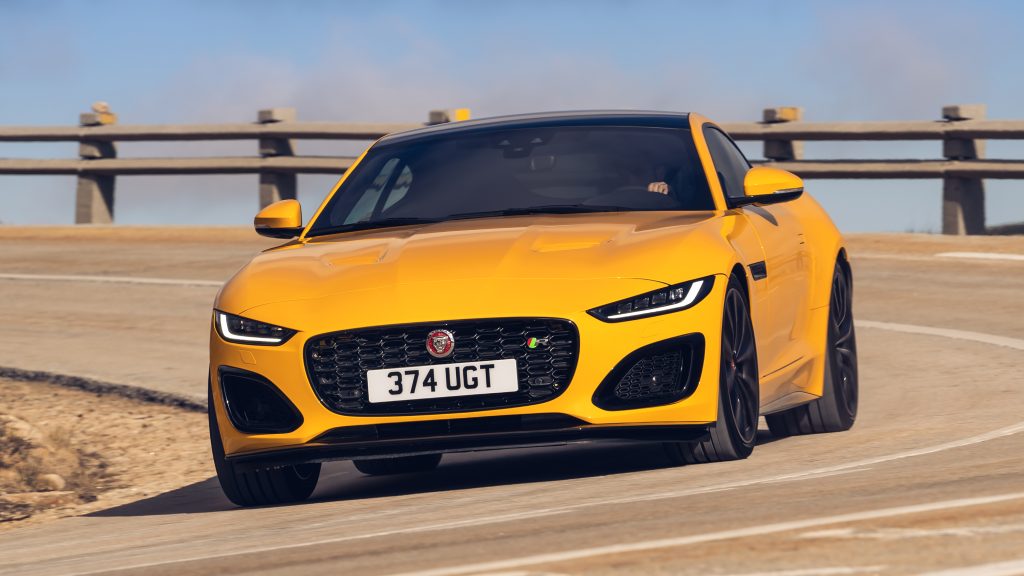
I included the F-Type because it represents the contrast between emotional design and practical usability. It offers a rewarding experience in the right setting, but the 405 freeway is not that setting. In heavy traffic, its performance-oriented nature leads to challenges that make it less suitable for daily commuting.
The 405 freeway represents one of the most demanding commuting environments, where patience, comfort, and reliability matter far more than speed or performance. Vehicles like the Toyota Prius, Honda Accord, Lexus ES, Hyundai Sonata, and Tesla Model 3 show how thoughtful engineering can transform a stressful commute into a manageable routine.
Their smooth power delivery, stable cooling systems, and comfortable interiors make them well-suited for long hours in traffic.
In contrast, cars such as the Dodge Challenger Hellcat, Chevrolet Camaro ZL1, BMW M4, Nissan GT-R, and Jaguar F-Type reveal the limitations of performance-focused design in such conditions.
Their engines generate significant heat, and their cooling systems rely heavily on airflow that is not present in stop and go traffic. Over time, this mismatch can lead to overheating concerns and increased wear.
The key takeaway is that the right car for Los Angeles is not necessarily the most powerful or exciting one. It is the one that can handle the realities of daily driving without adding stress. In a city defined by congestion, practicality and comfort become the true measures of a good vehicle choice.
Also Read: 10 Reasons to Buy a 2026 Model Instead of an Overpriced 2024 Used Car
