The car scene in Las Vegas is unlike anywhere else in the world. It is not just about transportation, it is about presence, impression, and the silent language of status.
Nowhere is this more obvious than at the entrances of luxury hotels, casinos, and restaurants where valet lines act like unofficial runways. In a city built on spectacle, the car you arrive in becomes part of your identity before you even step out.
Some vehicles naturally belong in this environment. They reflect light in a way that turns heads, carry proportions that signal wealth, and have a sense of occasion that fits perfectly with the neon glow of the Strip. These are the cars that valets notice instantly, the ones that get parked front and center, the ones that seem to elevate the entire arrival experience.
At the same time, there are cars that feel out of place in this setting. It is not always about price or brand, but about design language, aging aesthetics, or lack of presence.
In a city that constantly reinvents itself, vehicles that once looked impressive can suddenly appear outdated. What worked a decade ago may now fade into the background under the intense visual competition of Las Vegas.
This contrast is what makes the topic interesting. It is not simply about luxury versus economy, but about relevance. A car can still be expensive and yet fail to impress in this environment.
On the other hand, some vehicles manage to command attention effortlessly because they align perfectly with the current design trends and expectations of high-end nightlife culture.
In this article, we explore both sides of that spectrum. First, we look at five cars that feel perfectly suited for valet lines in Las Vegas, machines that enhance the arrival experience. Then, we shift to five cars that struggle to keep up visually on the Strip, highlighting how quickly automotive style can evolve.
Also Read: 5 AWDs for The I-70 Mountain Passes vs. 5 Engines That Die at Altitude
5 Looking Valet Cars In Las Vegas
The idea of a valet-worthy car in Las Vegas goes beyond luxury badges. It is about drama, proportions, lighting, and presence. These cars do not just arrive, they make an entrance. They reflect the city’s personality, bold, extravagant, and unapologetically attention-seeking.
Some cars achieve this through aggressive styling, while others rely on elegance and timeless design. What connects them is their ability to hold attention even in a place filled with distractions. In a valet line surrounded by supercars, exotic builds, and high-end SUVs, only a few vehicles manage to stand out consistently.
This section focuses on five such cars. Each one represents a different approach to visual appeal, from futuristic electric sedans to traditional ultra-luxury icons. The goal is not just to list impressive vehicles, but to explain why they work specifically in Las Vegas.
These cars are written about because they reflect a deeper understanding of automotive presence. They are not just expensive, they are contextually perfect.
Whether it is their lighting signatures under neon, their stance under hotel canopies, or the reaction they generate from onlookers, they embody what it means to belong on the Strip.
1. Rolls-Royce Spectre
The Rolls-Royce Spectre does not try to compete for attention in a loud way. Instead, it dominates quietly, which ironically makes it even more noticeable in Las Vegas. While other cars rely on aggressive lines or flashy colors, the Spectre uses proportion and presence to command respect.
Its long hood, clean surfaces, and illuminated grille create a visual experience that feels almost architectural. When it pulls into a valet area, it does not feel like just another luxury car. It feels like an event. The silence of its electric drivetrain only adds to the effect, making the arrival smoother and more composed than anything around it.
What makes the Spectre especially suited for Las Vegas is how it interacts with light. The city is full of reflections, neon, and movement, and the Spectre’s paint and detailing capture all of it in a subtle but powerful way. It does not scream for attention, but it becomes impossible to ignore.
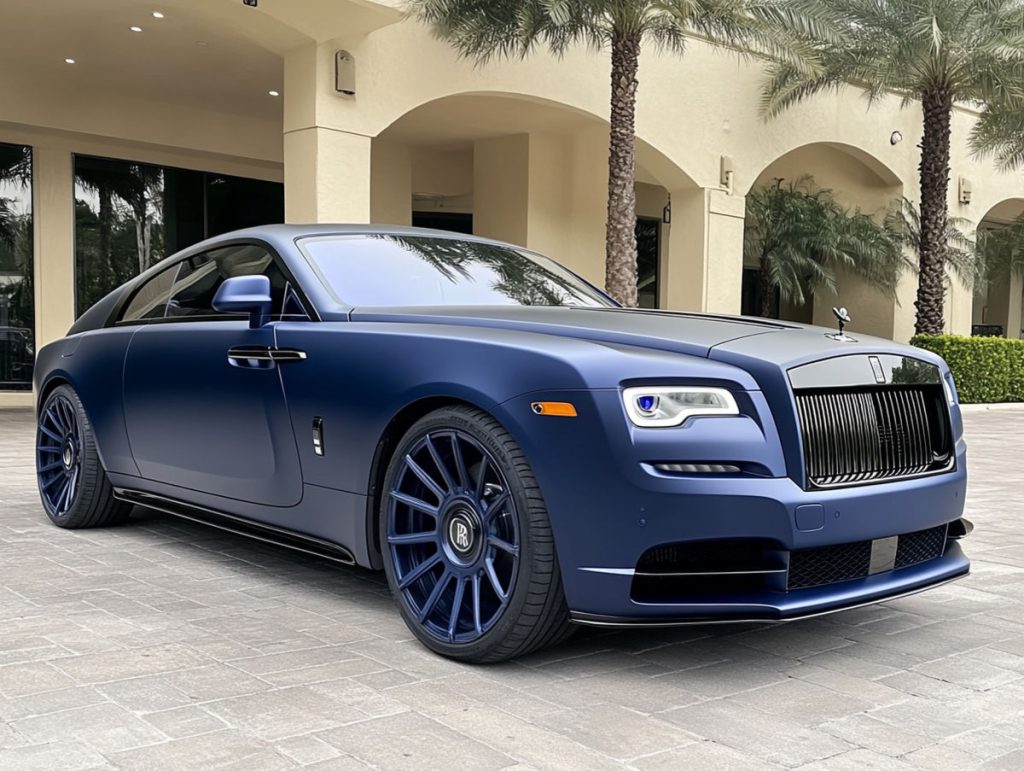
There is also an element of exclusivity that plays a role. Valets recognize it instantly, and it often gets prime placement because it represents the highest tier of automotive luxury. In a place where status matters, that recognition is part of the experience.
This car is included here because it redefines what presence means. It proves that in a city known for excess, restraint can sometimes stand out even more.
2. Lamborghini Revuelto
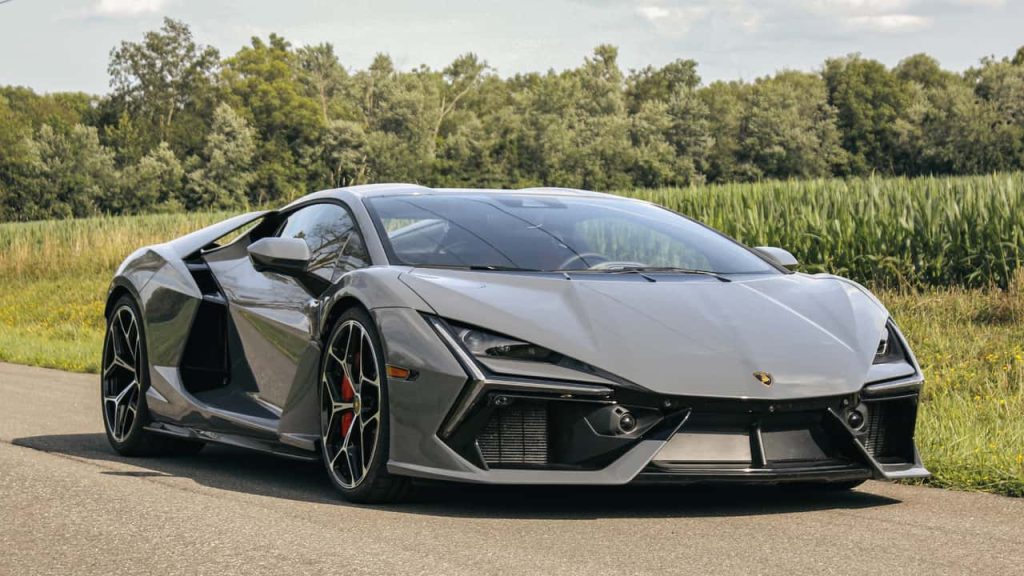
If the Spectre represents quiet dominance, the Lamborghini Revuelto sits at the opposite end of the spectrum. It is loud, aggressive, and impossible to overlook. In Las Vegas, that works perfectly.
The Revuelto’s design looks like it was created specifically for a city like this. Sharp angles, dramatic lighting, and a low, wide stance make it feel like a moving piece of art. When it pulls into a valet line, it instantly becomes the center of attention, drawing eyes from every direction.
Unlike some older supercars that rely purely on brand recognition, the Revuelto feels modern and relevant. Its hybrid powertrain also adds a layer of futuristic appeal, aligning with the evolving image of high-performance vehicles. It is not just fast, it represents the next step in supercar design.
The way it interacts with its surroundings is also important. Under the bright lights of the Strip, every edge and contour becomes more pronounced. The car almost transforms depending on the lighting, making it visually dynamic even when stationary.
This is why it earns a place on this list. It captures the energy of Las Vegas in a way few cars can. It is bold, unapologetic, and designed to be seen.
3. Bentley Continental GT Mulliner
The Bentley Continental GT Mulliner approaches the idea of valet presence from a completely different angle. It does not rely on shock value or extreme design, yet it consistently earns attention in environments filled with far more aggressive vehicles. That is precisely what makes it so effective in Las Vegas.
There is a quiet confidence in the way this car presents itself. The proportions are balanced, the detailing is intricate, and the overall design feels intentional rather than attention-seeking. When it arrives at a hotel entrance, it gives off a sense of refinement that contrasts beautifully with the chaos of the Strip.
What makes the Mulliner version particularly relevant here is its craftsmanship. The diamond-pattern grille, unique wheel designs, and subtle Mulliner badging add layers of visual interest that reveal themselves gradually.
Unlike cars that try to impress instantly, this one rewards a closer look. In a valet setting where people often linger, that works to its advantage.
Another factor is versatility. The Continental GT Mulliner fits in whether it is parked next to a supercar or an ultra-luxury sedan. It bridges the gap between performance and elegance, making it one of the few cars that can appeal to different types of audiences at once. That adaptability is valuable in a city where tastes vary widely.
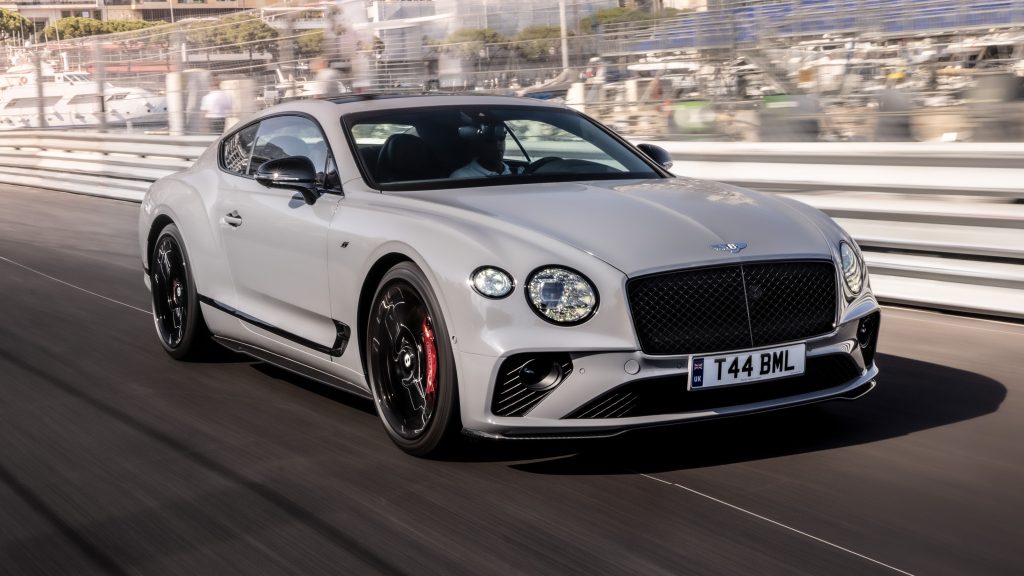
The lighting conditions of Las Vegas also enhance its appeal. Chrome accents and carefully sculpted surfaces reflect neon lights in a way that feels sophisticated rather than overwhelming. It does not glow, it glimmers, creating a softer but equally captivating visual presence.
This car is included because it represents a different kind of status. It does not need to shout to be noticed. In a place defined by excess, that level of restraint becomes its own form of luxury, making it a perfect fit for high-end valet lines.
4. Mercedes-Benz G-Class (Latest Generation)
The Mercedes-Benz G-Class takes a completely different route to standing out. It does not rely on sleekness or flowing lines. Instead, it embraces a boxy, almost military-inspired design that has somehow become one of the most recognizable luxury shapes in the world.
In Las Vegas, recognition matters. The G-Class delivers that instantly. When it pulls into a valet area, people know exactly what it is without needing to look twice. That familiarity, combined with its commanding stance, gives it a presence that few SUVs can match.
What makes the latest generation particularly suited for the Strip is how it blends tradition with modern updates.
The basic shape remains unchanged, preserving its iconic identity, but details like LED lighting, updated interiors, and refined finishes bring it into the present. This balance keeps it from feeling outdated while still maintaining its heritage.
Height also plays a role here. In a sea of low sports cars, the G-Class stands tall, literally. That elevated stance makes it more visible from a distance, allowing it to hold its own even when surrounded by more exotic machinery. It becomes a focal point simply because of its proportions.
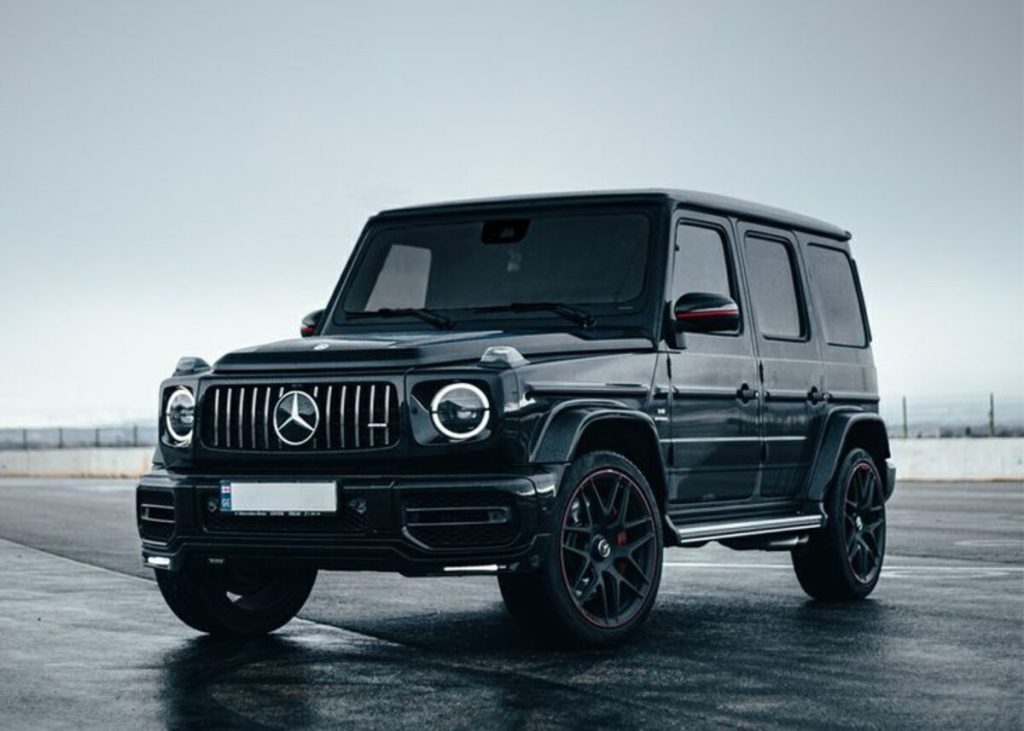
There is also a cultural element attached to it. The G-Class has become a symbol of success across different industries, from entertainment to business. In a city like Las Vegas, where image and perception are everything, that symbolism carries weight.
The reason this vehicle is part of this list is because it proves that presence is not always about being flashy. Sometimes, it is about being instantly recognizable and undeniably bold. The G-Class achieves that effortlessly, making it a staple in any high-end valet lineup.
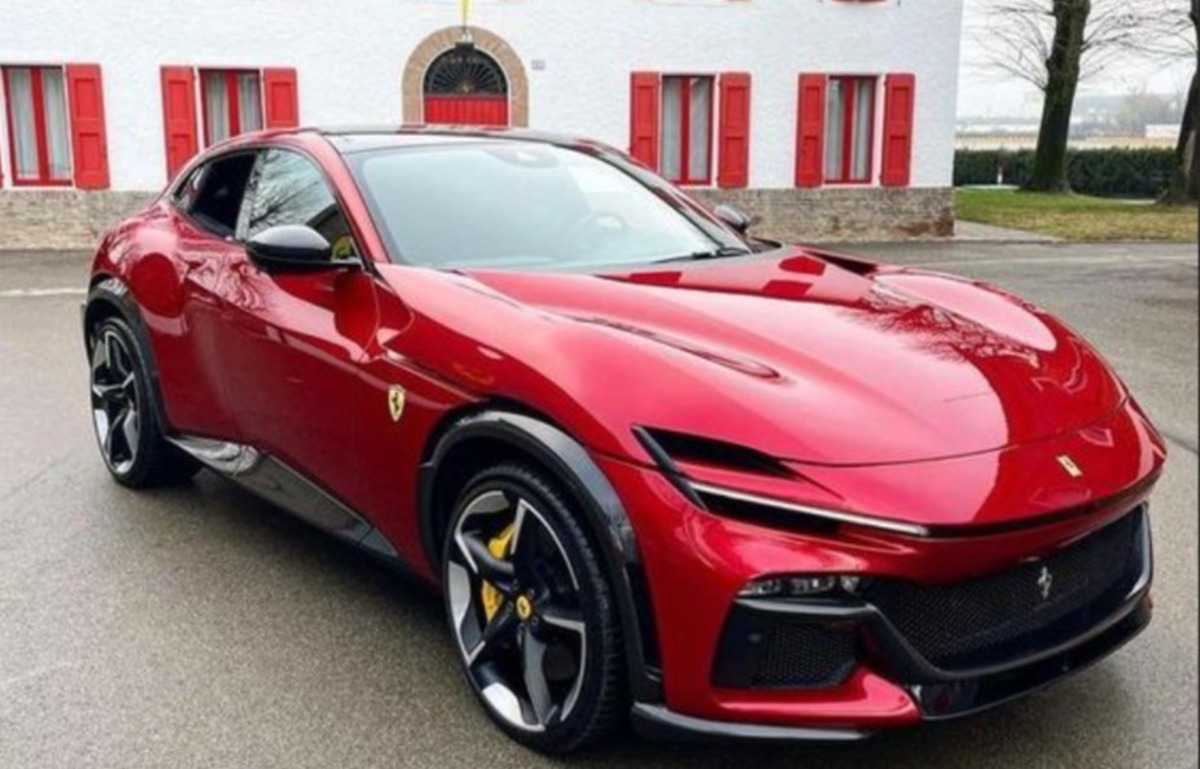
5. Ferrari Purosangue
The Ferrari Purosangue represents a shift in how performance and luxury are perceived, and that shift feels perfectly aligned with the atmosphere of Las Vegas. It is not a traditional supercar, nor is it a conventional SUV, and that ambiguity is exactly what gives it such a strong presence in valet settings.
At first glance, the proportions stand out immediately. The long hood, sculpted sides, and coupe-like roofline create a silhouette that feels athletic yet refined.
It avoids the bulky appearance of many high-end SUVs, instead presenting itself as something far more dynamic. When it rolls into a hotel entrance, it looks purposeful, almost like it belongs in motion even when parked.
What makes the Purosangue especially relevant on the Strip is its uniqueness. In a lineup filled with predictable luxury SUVs, this one breaks the pattern. The Ferrari badge alone draws attention, but it is the design that keeps people looking. There is a sense of curiosity around it, as if onlookers are trying to categorize what they are seeing.
The lighting in Las Vegas plays a significant role in amplifying its appeal. The sharp headlights, clean body lines, and subtle aerodynamic elements catch reflections in a way that highlights its complexity. It does not rely on excessive chrome or oversized grilles. Instead, it uses precision and proportion to create visual impact.
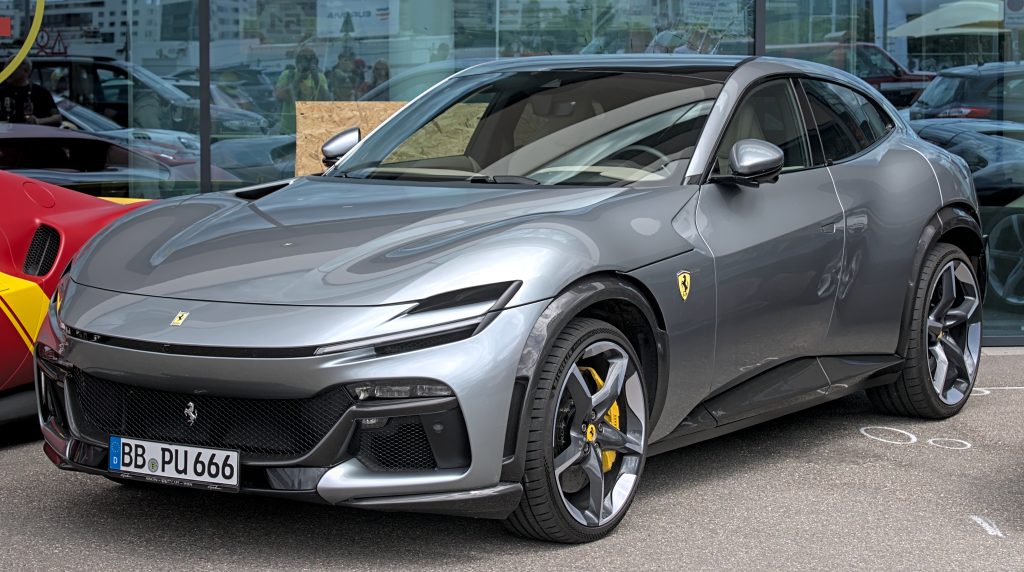
Another reason it fits so well in valet lines is the message it sends. It suggests that the owner values performance but also practicality, without compromising on exclusivity. That combination resonates in a city where people often want the best of everything.
This car is included because it challenges expectations. It shows that a vehicle does not have to fit into a traditional category to stand out. In Las Vegas, where originality is rewarded, that kind of design philosophy makes a lasting impression.
5 That Look Dated on the Strip
Not every car ages gracefully, especially in a place like Las Vegas where visual standards evolve quickly. The Strip is constantly updated with new lights, new architecture, and new experiences. Cars that once felt modern can suddenly appear out of sync with their surroundings.
This section is not about criticizing these vehicles as a whole. Many of them are still reliable, comfortable, and even luxurious in their own right.
The issue lies in how their design language holds up in a highly competitive visual environment. In a city where first impressions matter, styling becomes just as important as performance or brand value.
Some cars suffer because their design has remained unchanged for too long. Others were never particularly bold to begin with, making them fade into the background when placed next to more expressive vehicles. In a quieter setting, these cars might still look perfectly fine. On the Strip, however, they struggle to keep up.
There is also a cultural aspect to consider. Las Vegas attracts a global audience, many of whom are familiar with the latest automotive trends. This means that older design cues are recognized instantly, and not always in a positive way. A car that might still feel current in another city can appear outdated here.
The five cars in this section are chosen because they highlight this contrast clearly. Each one represents a different reason why a vehicle might look dated, whether it is conservative styling, aging proportions, or a lack of visual identity. Together, they show how quickly perceptions can change in a city built on constant reinvention.
1. Chrysler 300
The Chrysler 300 is a car that once carried a strong sense of presence. When it first appeared, its bold grille, squared-off proportions, and imposing stance gave it an almost luxury-like aura at a relatively accessible price point. For a time, it felt like a statement vehicle.
However, that statement has not evolved. In Las Vegas, where design trends move quickly, the Chrysler 300 now feels frozen in a previous era. The same elements that once made it stand out now make it look dated, especially when parked alongside newer sedans with sharper lines and more modern lighting signatures.
One of the biggest issues is the lack of refinement in its design language. The surfaces feel heavier, the details less intricate, and the overall shape more rigid compared to contemporary alternatives. Under the bright lights of the Strip, these shortcomings become more noticeable, as newer cars reflect light in more dynamic and engaging ways.
There is also the matter of perception. While the Chrysler 300 still offers comfort and a certain level of prestige, it no longer carries the same visual impact it once did. In a valet line filled with cutting-edge designs, it tends to blend into the background rather than command attention.
Another factor is familiarity. The car has been around for so long with minimal visual changes that it no longer feels special. In a city where novelty is valued, that sense of repetition works against it.
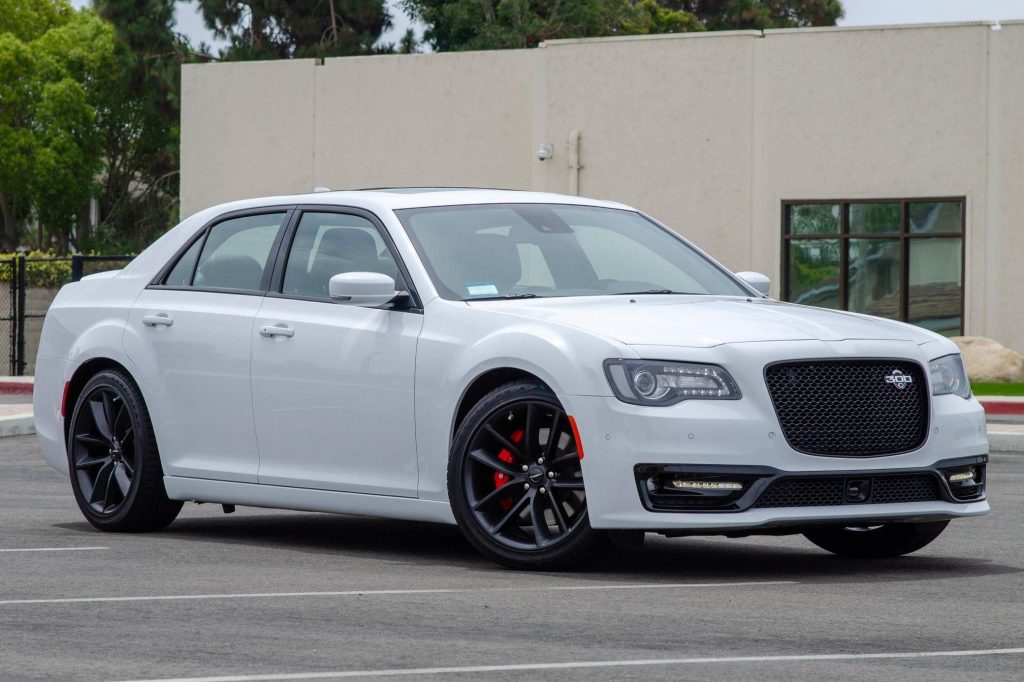
This is why the Chrysler 300 appears in this section. It serves as a clear example of how a strong initial design can lose its impact over time if it is not updated to match evolving expectations.
2. Nissan Maxima
The Nissan Maxima once carried the identity of a sport sedan that blended everyday usability with a hint of performance-inspired design. For years, it stood out as one of the more expressive options in a segment often dominated by conservative styling. However, in the context of modern Las Vegas, that identity no longer translates the same way.
At a glance, the Maxima still looks sharp compared to older sedans, but the issue becomes clear when it is placed under the intense visual competition of the Strip.
The design language, particularly the floating roof effect and the aggressive front fascia, belongs to an earlier phase of automotive styling that has since been refined by competitors. What once felt futuristic now feels slightly overworked.
Lighting plays a huge role in how cars are perceived in Las Vegas, and this is where the Maxima begins to fall behind. Newer vehicles use cleaner, more precise LED signatures that create a striking presence at night.
The Maxima’s lighting, while not outdated in isolation, lacks the crispness and sophistication that modern designs deliver. As a result, it does not capture attention in the same way.
Another contributing factor is its overall stance. The proportions are relatively conventional, and while that works well for practicality, it does not translate into visual drama. In a valet lineup filled with bold shapes, low stances, and distinctive silhouettes, the Maxima tends to fade rather than stand out.
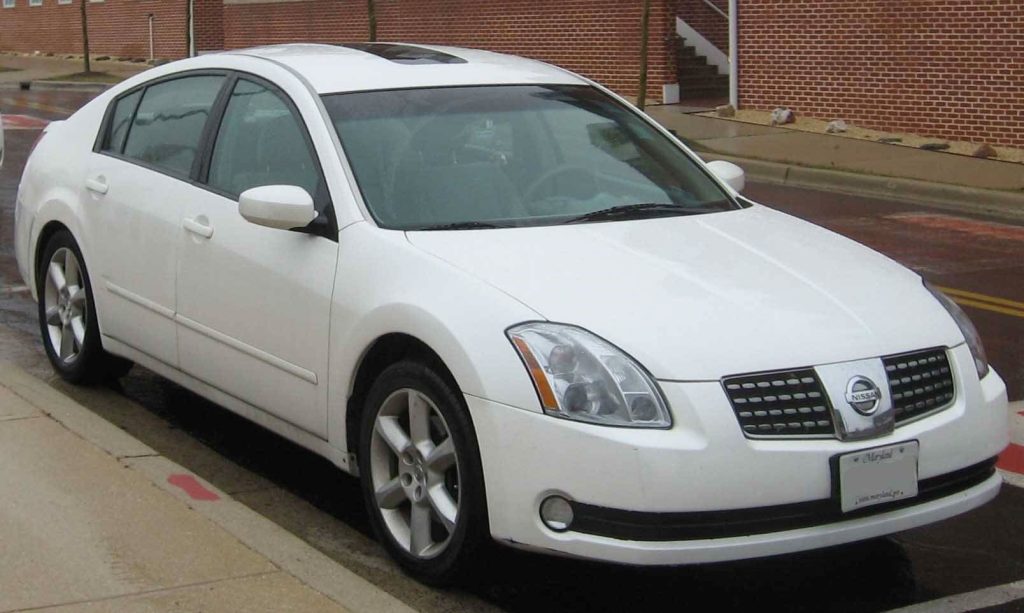
There is also a shift in perception. The Maxima used to be seen as an aspirational sedan within its class, but as newer and more premium-looking alternatives have emerged, it has lost some of that edge. In a city where image plays a critical role, that change becomes very noticeable.
This car is included here because it highlights how quickly design trends can evolve. The Maxima is not unattractive, but in a place like Las Vegas, being “good enough” visually is no longer enough to make an impression.
3. Dodge Charger (Pre-Redesign Models)
The Dodge Charger has long been associated with power, presence, and a distinctly American approach to performance sedans. Its wide body, muscular stance, and aggressive front end gave it a commanding look that worked well for many years. Yet, in the fast-moving visual landscape of Las Vegas, even that boldness has started to feel dated.
The core issue lies in how long the design has remained largely unchanged. While minor updates have been introduced over time, the overall shape and detailing still reflect an earlier design era. In isolation, the Charger can still look imposing, but next to newer vehicles, the lack of evolution becomes obvious.
One of the most noticeable aspects is the interior-exterior contrast in perception. While the exterior still carries some visual weight, it lacks the refinement and precision seen in modern performance sedans.
The lines feel heavier, and the detailing is less intricate. Under the bright and reflective lighting of the Strip, this results in a flatter visual effect compared to more contemporary designs.
The lighting signature is another area where it shows its age. Although recognizable, it does not have the same sharp, high-tech appearance that newer LED systems provide. In a city where nighttime presence is crucial, this becomes a significant disadvantage.
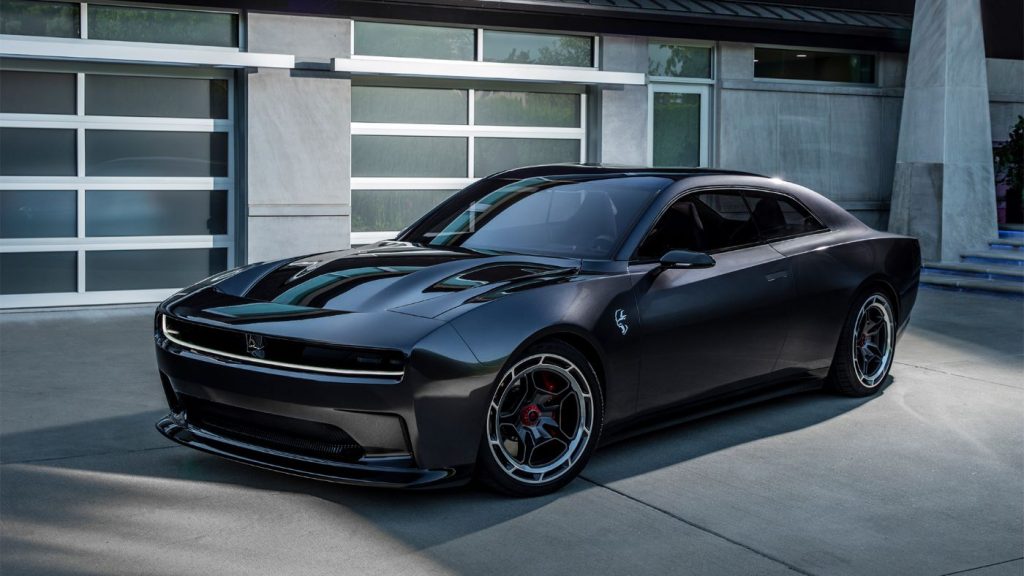
There is also a cultural shift to consider. The Charger was once a standout for its raw, unapologetic styling, but tastes have evolved toward more sophisticated and technologically influenced designs. What once felt aggressive now feels somewhat predictable.
This car earns its place in this section because it represents a different kind of aging. It is not that the Charger has lost its identity, but rather that the world around it has moved forward. In Las Vegas, where visual relevance is everything, that gap becomes impossible to ignore.
4. Infiniti QX80
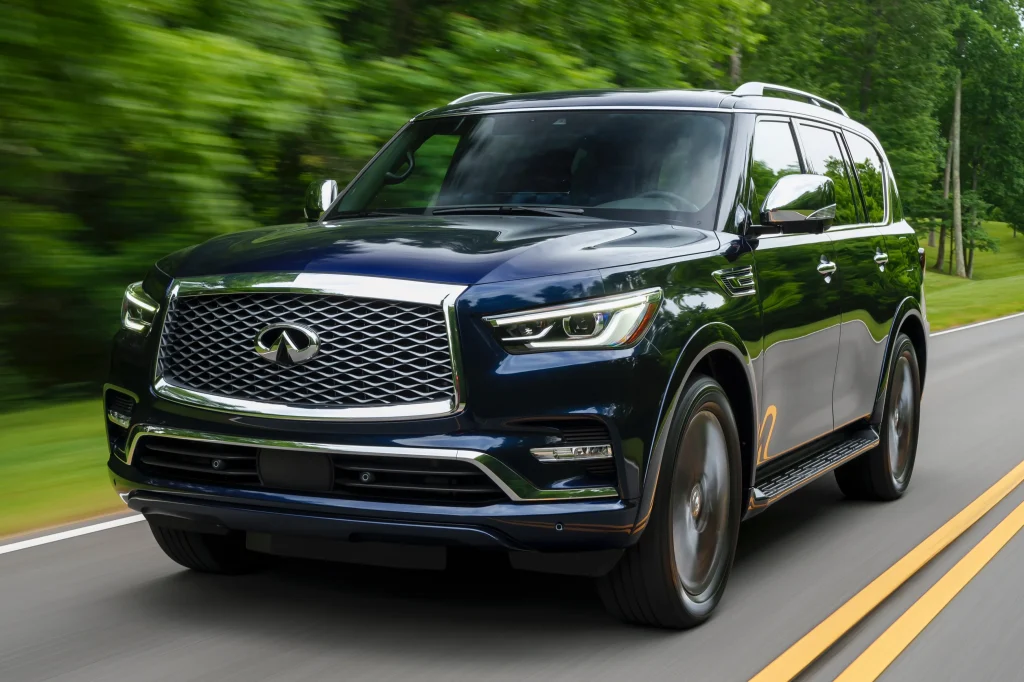
The Infiniti QX80 is a vehicle that tries to project size, luxury, and authority, but on the Strip, size alone is never enough. Las Vegas rewards vehicles that combine presence with freshness, and that is where the QX80 begins to struggle. It still looks expensive at a glance, yet the details reveal a design that no longer feels fully in step with current expectations.
Its shape is one of the main reasons. The QX80 has a tall, heavy, traditional SUV profile that can appear imposing in ordinary traffic, but in a valet lane filled with sleek luxury crossovers, sculpted electric SUVs, and modern ultra-premium trucks, that older silhouette starts to feel cumbersome. Instead of looking elegant, it can come across as bulky.
The front-end treatment adds to that impression. The grille is large and meant to communicate prestige, but the overall composition feels tied to an earlier luxury design trend where more chrome and more mass were seen as enough to create impact.
Today, high-end design tends to rely more on cleaner graphics, sharper lighting, and tighter surface control. The QX80 does not fully deliver that modern visual precision.
At night, the difference becomes even clearer. In Las Vegas, a car’s lighting signature often determines whether it looks current or forgettable.
Newer vehicles create a distinct identity through slim headlamps, layered LEDs, and animated welcome sequences. The QX80, by comparison, lacks that crisp theatrical quality. It is visible, but not memorable.
There is also the matter of emotional response. This is a vehicle that suggests comfort and space more than style and arrival. That can work in a family driveway or on a long highway journey, but the Strip is all about impression within a few seconds. Cars here need to communicate something immediately.
I am writing about the QX80 because it shows how luxury can age when it depends too much on old ideas of status. It is still substantial, still comfortable, and still capable of making a statement in many places. On the Strip, though, it feels like a reminder of what premium design used to be rather than what it is now.
5. Lexus GX (Older Generation)
The older-generation Lexus GX is one of those vehicles that earns respect for reasons that have almost nothing to do with visual glamour. It is durable, well-built, and widely appreciated for reliability and long-term ownership value.
But that is exactly what makes it such an interesting fit for this list, because what works brilliantly in one context can feel completely mismatched in another.
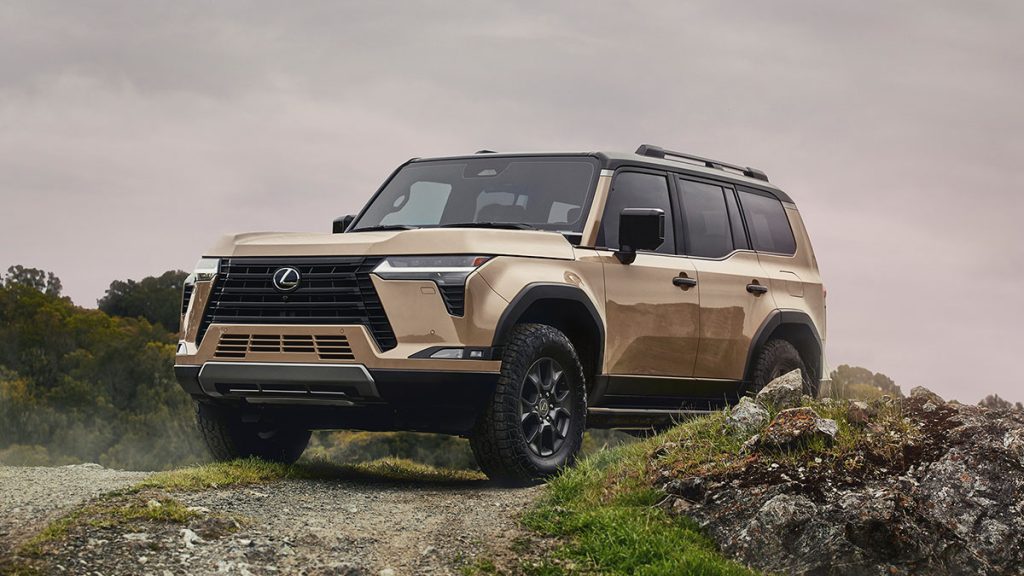
On the Strip, the older GX looks dated not because it is poorly designed, but because it was designed with a very different mission in mind. Its upright proportions, conservative surfacing, and traditional SUV cues place function ahead of fashion. In a city built around spectacle, that practical honesty does not translate into visual excitement.
Its age shows most clearly in the body shape. There is a blockiness to it that lacks the deliberate iconic character of something like a G-Class.
It is square without being dramatic, premium without being theatrical. In valet areas where people are subconsciously comparing silhouettes, that distinction matters. The GX does not offend the eye, but it rarely captures attention.
The front fascia also contributes to the problem. Depending on the model year, the styling can feel caught between eras, with an identity that is neither timelessly classic nor convincingly modern.
Under casino lights and hotel canopies, it does not create the layered reflections and sharp visual contrasts that newer luxury SUVs produce so well.
Another reason it looks out of place is emotional tone. The older GX suggests dependability, outdoor capability, and quiet affluence. Las Vegas valet culture tends to reward drama, novelty, and a stronger sense of arrival.
That makes the GX seem too restrained for the environment, almost as though it belongs at a mountain resort more than outside a high-profile resort on Las Vegas Boulevard.
I included it because not every dated-looking car is a bad car. In fact, this is a very good vehicle in the right setting. But this topic is about visual relevance on the Strip, and in that very specific world, the older Lexus GX feels like it comes from a different conversation entirely.
Also Read: 5 Compact Cars Perfect for Traffic In New York City vs. 5 That Are a Nightmare to Park