
New York City is one of the most demanding driving environments in the world. It is not defined by speed or open roads, but by tight spaces, constant congestion, and the ongoing challenge of finding somewhere to park.
In this kind of setting, the traditional idea of what makes a car “good” changes completely. Power, size, and presence matter far less than maneuverability, visibility, and ease of use.
Driving through NYC traffic requires constant attention. Streets are narrow, lanes are often crowded, and unexpected stops are part of the routine. A car that feels manageable in these conditions can reduce stress significantly.
Smooth steering, compact dimensions, and predictable braking all play a role in making daily driving less exhausting. At the same time, parking becomes an equally important consideration. Even the most enjoyable car to drive can become frustrating if it is difficult to fit into tight spaces.
This creates a clear divide between vehicles that are well-suited for city life and those that struggle. Some cars are designed with urban environments in mind, offering agility and practicality that make them easy to handle in crowded streets. Others may excel on highways or in open areas but become difficult to manage when space is limited.
The challenge of NYC driving is not just about movement, it is about precision. Every turn, every stop, and every parking attempt requires careful control. A car that supports this level of precision becomes an asset, while one that complicates it quickly becomes a burden.
This article explores both sides of this experience. First, we will look at cars that are perfectly suited for NYC traffic, making daily driving smoother and more manageable. Then we will examine cars that are a nightmare to park, highlighting the design choices that make them difficult to live with in such a dense urban environment.
Also Read: 10 Best Vintage Cars for Hosting a Classic Picnic Outing
5 Cars Perfect for NYC Traffic In New York City
Driving in New York City is less about performance and more about adaptability. The best cars for this environment are those that feel natural in tight spaces and remain easy to control at low speeds. These vehicles are not chosen for their power or size, but for how well they handle constant stops, quick turns, and limited parking options.
This category focuses on cars that simplify the driving experience in NYC. They offer responsive steering, compact dimensions, and interiors that support comfort during long periods of traffic. Each vehicle represents a different approach to urban driving, but they all share one key trait. They reduce the effort required to navigate the city.
The goal here is to highlight cars that make daily life easier. In a place where every inch matters, the right vehicle can turn a stressful commute into something far more manageable.
1. Mini Cooper Hardtop
The Mini Cooper Hardtop feels almost tailor-made for a city like New York. Its compact size immediately stands out as a major advantage. In streets where space is limited and traffic is constant, being able to move confidently without worrying about width or length makes a noticeable difference.
One of the first things drivers appreciate is how easy it is to position the car. The short wheelbase allows for quick turns, making it ideal for navigating tight corners and crowded intersections. This agility becomes especially valuable when traffic patterns change unexpectedly, which happens frequently in NYC.
Parking is where the Mini truly shines. Spaces that might seem too small for larger vehicles suddenly become viable options. Parallel parking feels less like a challenge and more like a routine task. This alone can save time and reduce frustration on a daily basis.
Inside, the car maintains a sense of openness despite its small footprint. The seating position provides good visibility, allowing drivers to stay aware of their surroundings. This is important in a city where pedestrians, cyclists, and other vehicles are constantly interacting.
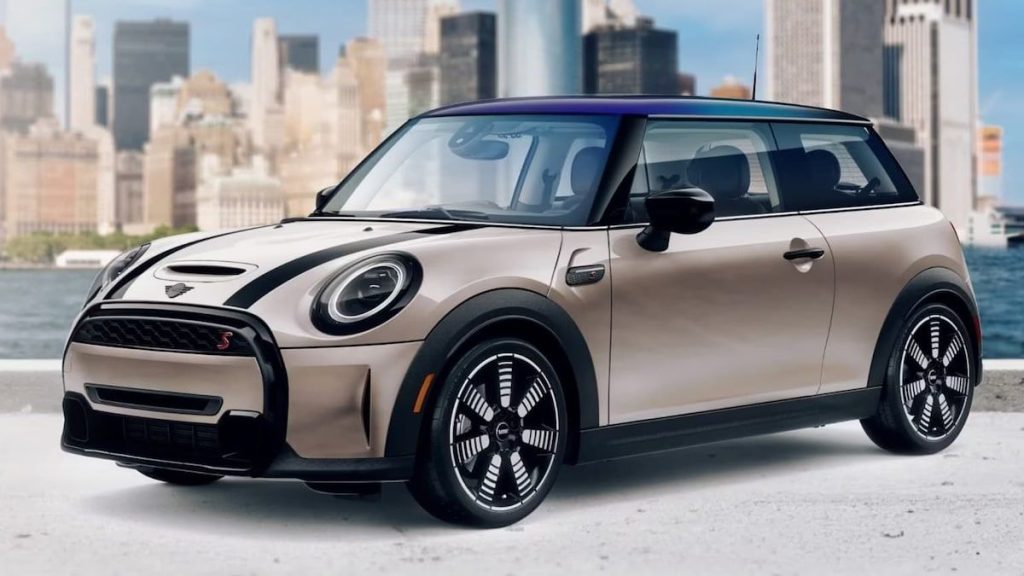
I included the Mini Cooper Hardtop because it represents the essence of urban driving. It is not about power or speed. It is about control, efficiency, and ease of use. In NYC, those qualities matter far more than anything else, and the Mini delivers them consistently.
2. Honda Fit
The Honda Fit approaches city driving with practicality at its core. It does not try to impress with bold styling or aggressive performance. Instead, it focuses on making everyday tasks simpler, which is exactly what NYC drivers need.
One of its strongest advantages is its clever use of space. Despite being compact on the outside, the interior feels surprisingly roomy. This balance allows drivers to enjoy the benefits of a small car without sacrificing comfort. It is particularly useful for those who need versatility without dealing with the challenges of a larger vehicle.
The Fit’s steering is light and responsive, making it easy to maneuver through traffic. Whether you are navigating narrow streets or adjusting your position in a crowded lane, the car responds quickly and predictably. This reduces the effort required to handle constant changes in traffic flow.
Parking is another area where the Fit excels. Its compact dimensions make it easy to fit into tight spaces, while the good visibility helps drivers judge distances accurately. This combination turns one of the most stressful aspects of city driving into a more manageable task.
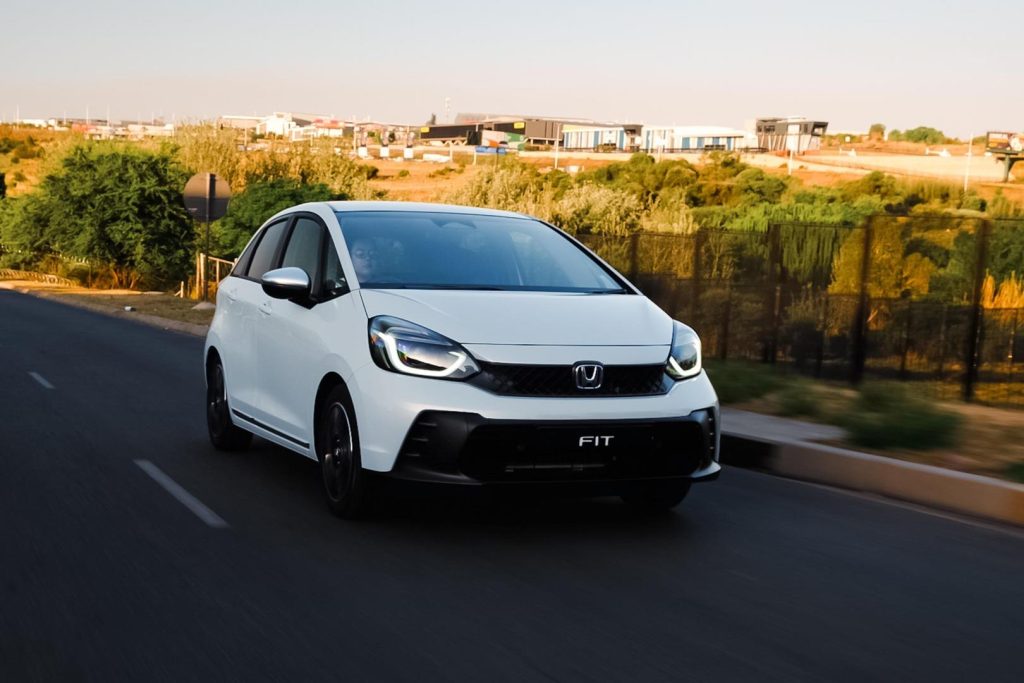
I chose the Honda Fit because it highlights how thoughtful design can make a significant difference in everyday use. It is not flashy, but it is highly effective. For NYC traffic, where practicality often outweighs excitement, the Fit proves to be an excellent companion.
3. Toyota Corolla
The Toyota Corolla takes a familiar name and adapts it quietly to the demands of a dense urban environment like New York City. It does not rely on being the smallest car on the road, yet it manages to feel controlled and approachable in situations where larger vehicles become stressful. That balance is what earns it a place in this list.
From the driver’s seat, the Corolla offers a sense of predictability that is valuable in traffic. Steering inputs are smooth and easy to manage, which helps when making constant micro-adjustments in crowded lanes. The car does not feel nervous or overly sensitive, allowing drivers to remain composed even when traffic becomes chaotic.
Its size sits in a useful middle ground. It is compact enough to navigate tight streets without feeling restricted, yet it provides enough interior space to remain comfortable during longer drives. This makes it a practical option for drivers who want versatility without dealing with the limitations of larger sedans.
Another important factor is visibility. The Corolla provides clear sightlines around the vehicle, which helps drivers stay aware of pedestrians, cyclists, and surrounding traffic. In a city where awareness is critical, this feature becomes more important than it might seem at first.
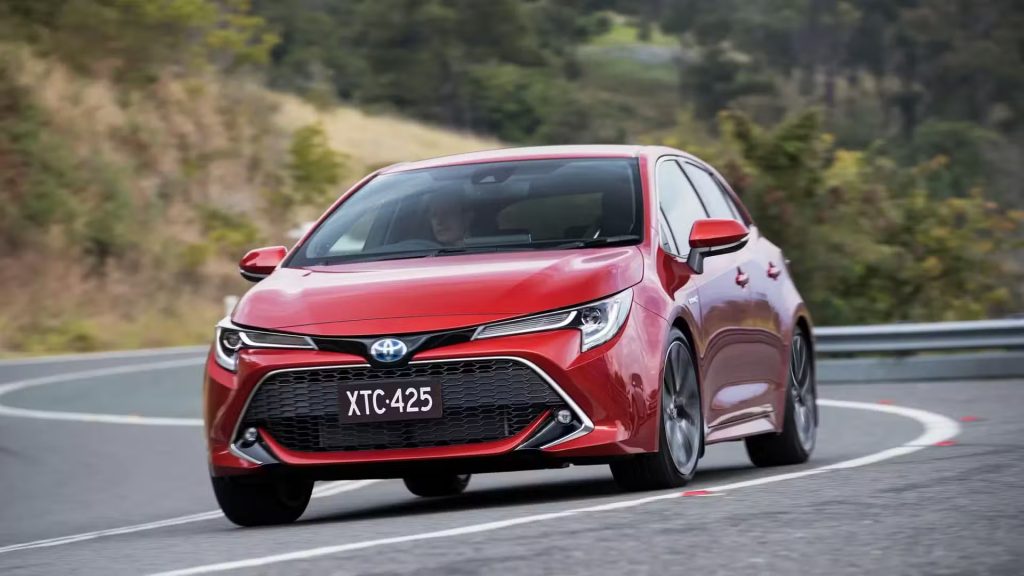
Parking, while not as effortless as with smaller hatchbacks, remains manageable. The car’s proportions allow it to fit into most standard spaces, and its predictable handling helps drivers position it accurately without excessive effort.
I included the Corolla because it represents reliability in a challenging environment. It does not try to stand out through bold features. Instead, it delivers a steady and dependable experience that makes daily driving in NYC feel less overwhelming. For many drivers, that consistency is exactly what they need.
4. Kia Soul
The Kia Soul approaches city driving with a unique perspective, combining compact dimensions with a shape that maximizes usability. Its boxy design might look unconventional, but in a place like New York City, it turns out to be a practical advantage rather than a drawback.
One of the first things drivers notice is how easy it is to judge the car’s dimensions. The upright shape provides a clear sense of where the edges are, which helps when navigating tight spaces or aligning the car during parking. This reduces the guesswork that often comes with more rounded or elongated designs.
The seating position is slightly higher than that of a typical compact car, offering a better view of the road. This improved visibility helps drivers anticipate traffic movements and react more confidently. In a city where conditions can change quickly, this added awareness is extremely useful.
Despite its compact footprint, the interior feels open and accommodating. The design prioritizes practicality, making it comfortable for both short trips and longer drives through traffic. This balance ensures that the car remains useful in a variety of situations without becoming difficult to manage.
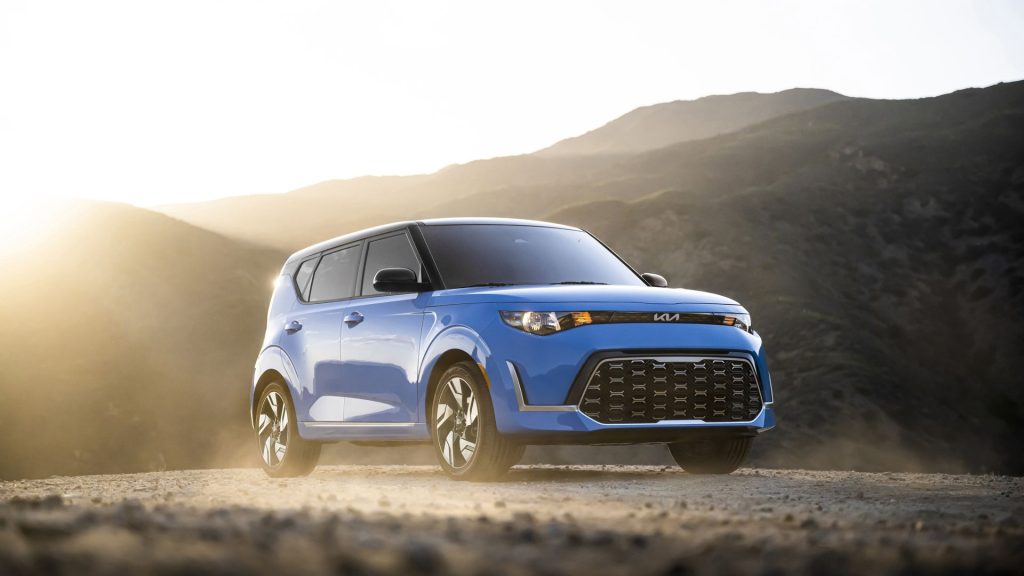
Parking is another area where the Soul performs well. Its short length and upright stance make it easier to fit into spaces that might challenge larger vehicles. The clear visibility also helps drivers position the car accurately, reducing the need for repeated adjustments.
I chose the Kia Soul because it demonstrates how unconventional design can solve real-world problems. It may not follow traditional styling trends, but it offers a level of usability that fits perfectly with the demands of NYC traffic. For drivers who value practicality and ease of use, it stands out as a smart choice.
5. Chevrolet Bolt EV
The Chevrolet Bolt EV represents a modern approach to city commuting, and its characteristics align naturally with the demands of New York City traffic.
Unlike traditional gasoline-powered cars, it operates with a quiet and smooth electric drivetrain that changes how daily driving feels, especially in stop and go conditions.
One of the most noticeable advantages of the Bolt EV is its immediate response at low speeds. Electric power delivery eliminates the hesitation often found in conventional transmissions, allowing the car to move forward smoothly and predictably.
This becomes especially useful in NYC traffic, where constant adjustments are required and sudden gaps need to be filled without delay.
Its compact dimensions also play a significant role. The Bolt is small enough to navigate narrow streets and crowded intersections without feeling constrained.
At the same time, it offers a surprisingly spacious interior, which makes it practical for everyday use. This combination of size and usability is particularly valuable in a city where space is always limited.
Another benefit comes from its one-pedal driving capability. This feature allows drivers to slow down using regenerative braking, reducing the need to constantly switch between pedals. In heavy traffic, this can make driving feel less tiring and more intuitive over time.
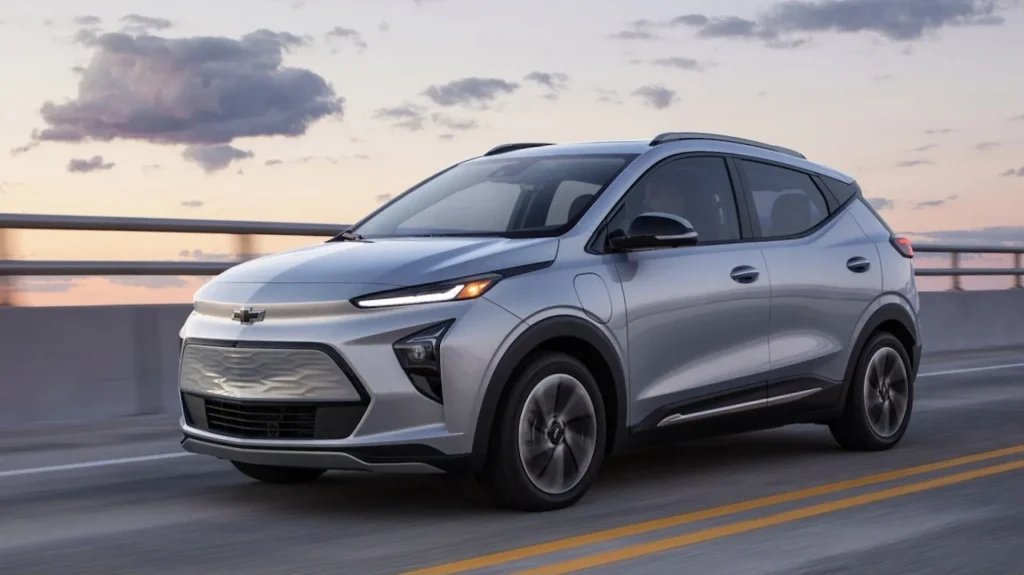
Parking is relatively straightforward as well. The car’s size makes it easier to fit into tight spaces, and its clear visibility helps drivers position it accurately. This reduces the stress often associated with finding and using limited parking spots in the city.
I included the Bolt EV because it reflects how electric vehicles can adapt to urban environments. It simplifies many aspects of driving that are typically frustrating in NYC. For those looking for a modern and efficient solution to city traffic, it offers a compelling and practical choice.
5 That Are a Nightmare to Park
While some cars are perfectly suited for New York City, others quickly become a source of frustration the moment parking is involved. In a place where space is limited and competition for spots is constant, the ability to park easily is just as important as the ability to drive comfortably.
Vehicles that are too large, poorly designed for visibility, or difficult to maneuver can turn a simple task into a daily challenge.
This category focuses on cars that struggle in these conditions. The reasons vary, but they often come down to size, proportions, and design priorities.
Long wheelbases, wide bodies, and limited visibility all contribute to making parking more difficult. In a city like NYC, where precision is required, these factors can quickly become overwhelming.
Another issue is how these vehicles handle tight spaces. Streets are often narrow, and parking spots are rarely generous. Cars that require extra room to turn or adjust their position may not fit comfortably, leading to repeated attempts and increased stress. Over time, this can make everyday driving feel more complicated than it needs to be.
The goal of this section is to highlight how certain design choices can work against drivers in urban environments. A car that performs well in open spaces may not be practical in a dense city. Understanding these limitations helps drivers make better decisions and avoid unnecessary frustration.
In NYC, where parking is already a challenge, choosing the wrong vehicle can make it even harder. The following cars illustrate what happens when size and design do not align with the realities of city life.
1. Ford F-150
The Ford F-150 is one of the most capable and versatile vehicles on the road, but in New York City, its strengths can quickly turn into obstacles. Built for utility and space, it brings dimensions that are difficult to manage in an environment defined by tight streets and limited parking.
The most immediate challenge is its size. The F-150 is both long and wide, which makes it difficult to fit into standard parking spaces. Even when a spot appears large enough, aligning the truck properly often requires multiple adjustments. This can be frustrating in busy areas where time and space are limited.
Turning radius is another factor that works against it. Maneuvering a large pickup in narrow streets requires more room than is usually available. This makes simple tasks like parallel parking significantly more complicated, especially when other vehicles are parked closely on both sides.
Visibility also becomes an issue. While the elevated driving position provides a good view of the road, it can make it harder to judge distances when parking. The size of the vehicle creates blind spots that require extra attention, adding to the overall difficulty.
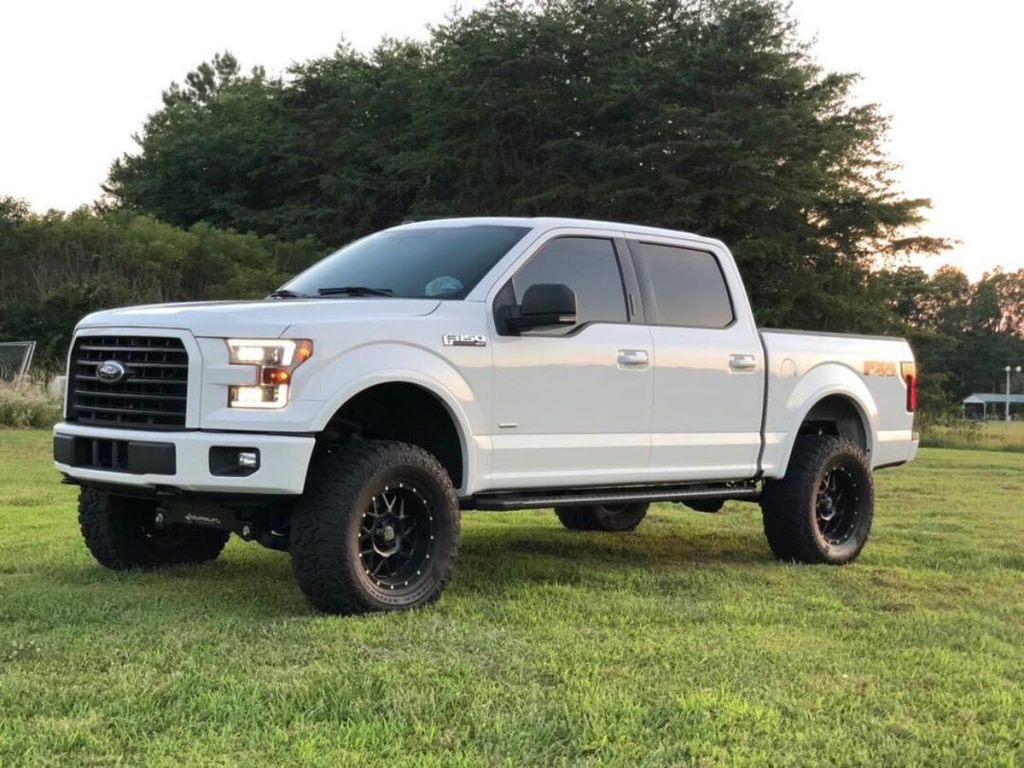
I included the F-150 because it clearly demonstrates how a vehicle designed for open spaces can struggle in a dense urban setting. It excels in environments where size is an advantage, but NYC is not one of those places. For drivers dealing with limited parking, its dimensions become a constant challenge.
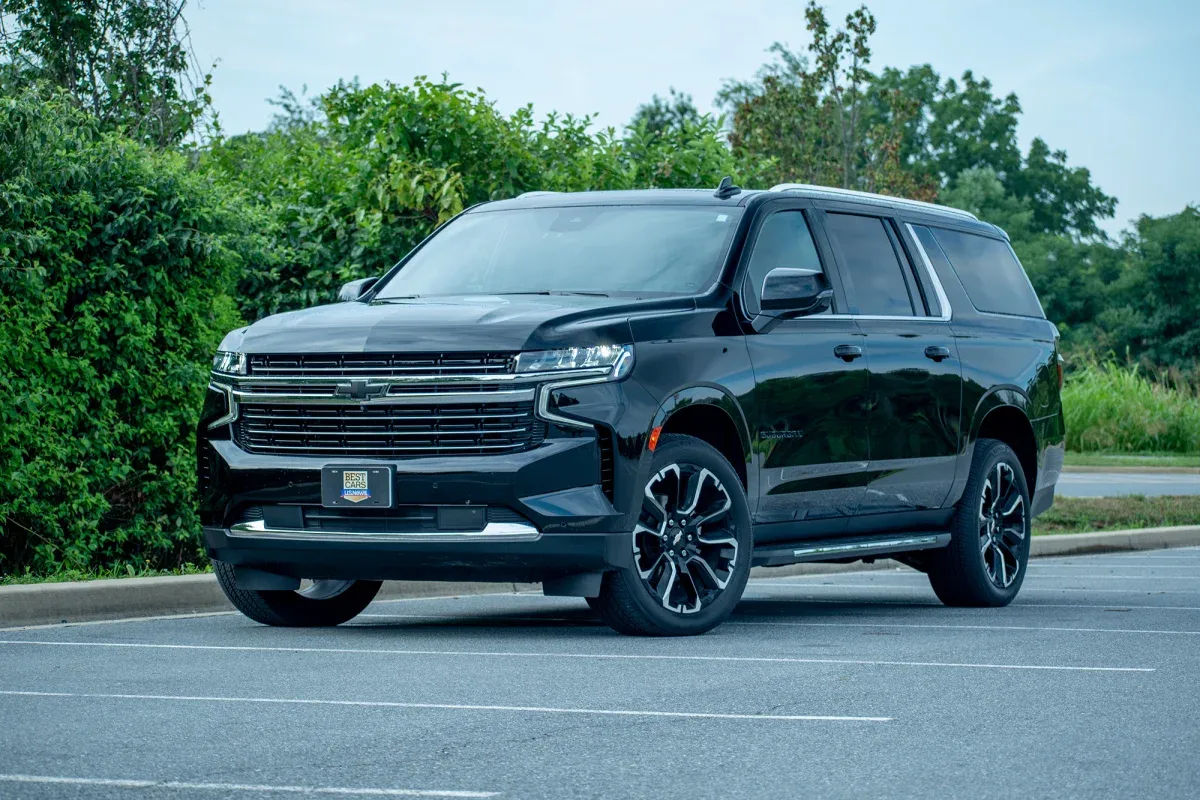
2. Chevrolet Suburban
The Chevrolet Suburban takes the concept of size even further, offering space and capacity that are unmatched in many situations. However, in a city like New York, that same size becomes a major drawback, especially when it comes to parking.
One of the biggest challenges with the Suburban is its length. Finding a parking spot that can accommodate it is difficult enough, but positioning the vehicle within that space is an even greater challenge. The long body requires careful alignment, and even small miscalculations can lead to repeated attempts.
Width adds another layer of difficulty. In narrow streets, there is very little margin for error. The Suburban occupies a significant amount of space, making it harder to maneuver without encroaching on surrounding vehicles or obstacles.
The vehicle’s height and bulk also affect visibility. While the driving position offers a commanding view of the road, it does not necessarily translate into better awareness when parking. Judging distances at close range can be challenging, particularly in tight urban environments.
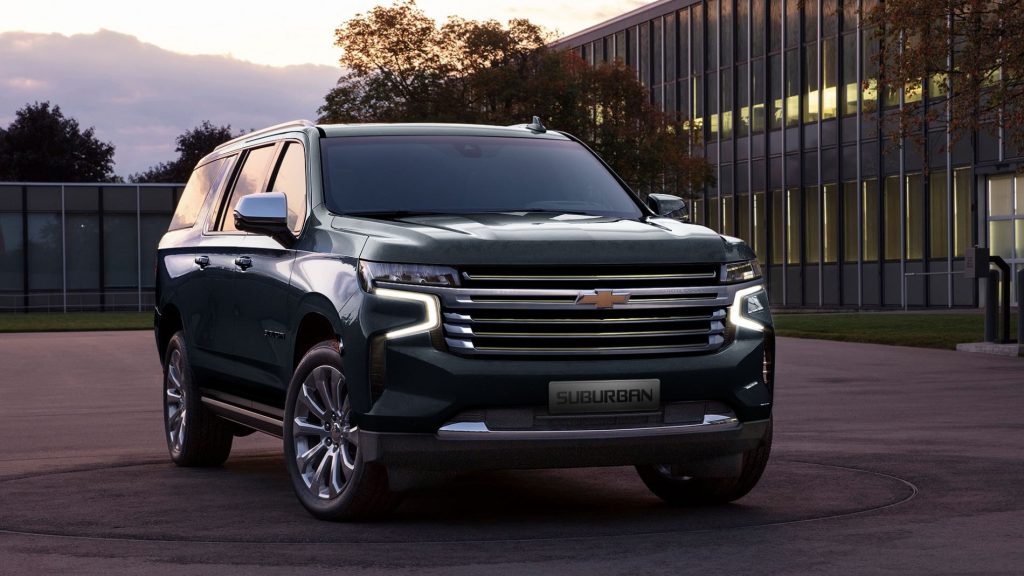
I chose the Suburban because it represents the extreme end of the spectrum when it comes to size. It is incredibly capable in the right setting, but NYC is not designed for vehicles of this scale. For drivers who need to park regularly in the city, its dimensions make it one of the most difficult options to live with.
3. RAM 1500
The RAM 1500 is a full size pickup that delivers comfort and capability in wide open environments, yet those same qualities become obstacles in a dense city like New York. Its presence on the road feels substantial, and that scale is exactly what makes parking such a demanding task.
From the moment you attempt to fit it into a typical street spot, the limitations become obvious. The length alone requires a space that is often larger than what is available.
Even when a suitable spot appears, aligning the truck properly is rarely straightforward. The process often involves multiple adjustments, each one requiring patience and precision in a setting where neither is easy to maintain.
The width of the RAM 1500 adds another layer of complexity. Narrow streets leave very little room for error, and the truck occupies a large portion of that space. Drivers must constantly be aware of surrounding vehicles, curbs, and pedestrians, all while trying to position a vehicle that was not designed for such confined conditions.
Another factor is how the truck handles low-speed maneuvering. The turning circle is wide, which means it needs more room to pivot into a parking space. In NYC, where space is already limited, this requirement can make even simple parking situations feel complicated.
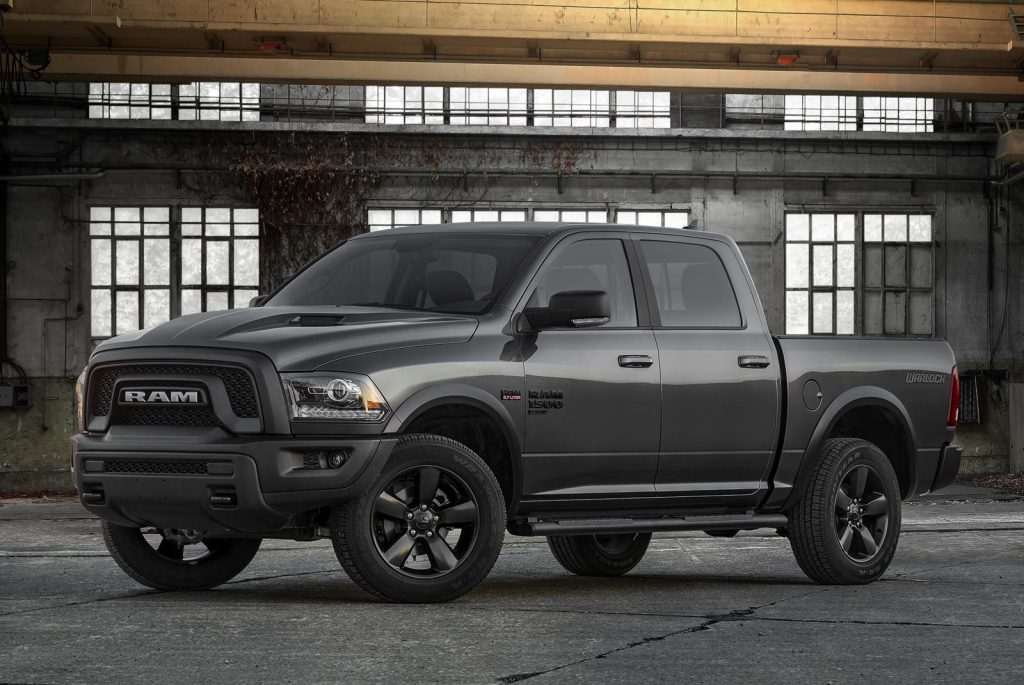
I included the RAM 1500 because it represents how comfort and size can clash with urban practicality. It is a capable and well-designed truck for many purposes, but city parking exposes its limitations quickly. For drivers who face tight spaces daily, it becomes a constant challenge rather than a convenience.
4. Tesla Model X
The Tesla Model X approaches design from a futuristic angle, but some of its most distinctive features create challenges in a city where space is limited. While it offers advanced technology and impressive performance, parking it in New York City can quickly become a complicated process.
One of the defining features of the Model X is its size. It is not as long as some full size SUVs, but it is still wide and tall enough to make tight spaces difficult to manage. This becomes especially noticeable when trying to fit into narrow street parking spots. The margins are often so small that even minor misjudgments require starting over.
The Falcon Wing doors add a unique complication. While they are innovative and visually striking, they require additional space to open properly. In crowded parking areas, this can limit where the vehicle can be used comfortably. Drivers must consider not just how to fit into a space, but also how to access the vehicle afterward.
Visibility is another area where the Model X presents challenges. The design prioritizes a sleek look, which can make it harder to judge distances in tight environments. Combined with its size, this can lead to a more cautious and time-consuming parking process.
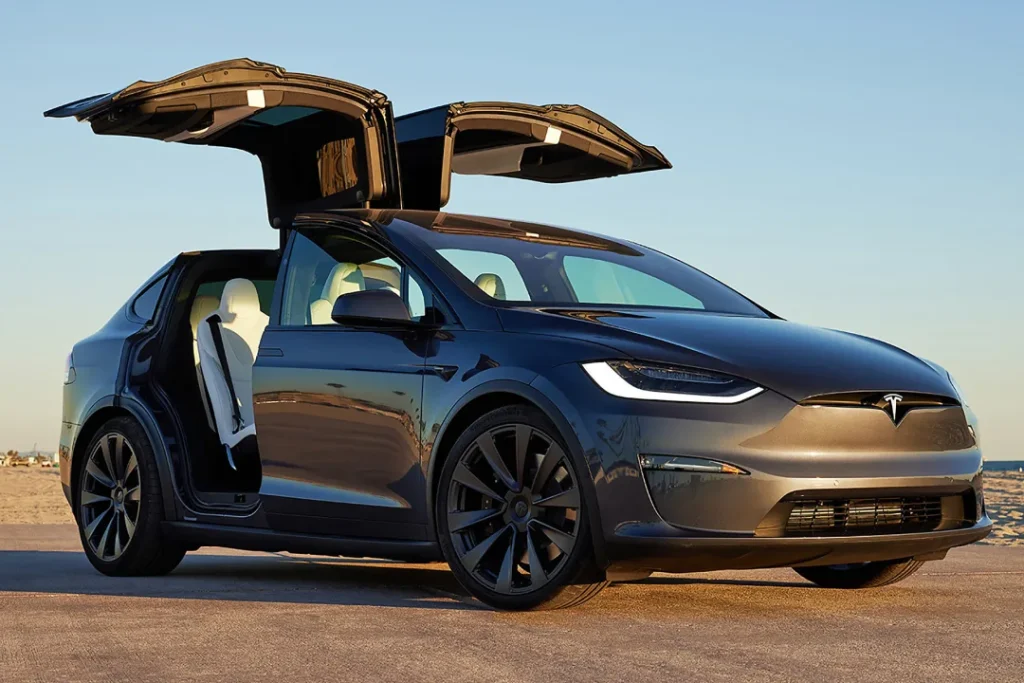
I chose the Model X because it highlights how innovation does not always align with practicality. It offers features that stand out in many situations, but NYC parking is not one of them. In a city where simplicity often works best, its complexity can become a disadvantage.
5. Mercedes-Benz S-Class
The Mercedes-Benz S-Class represents luxury at its highest level, but that level of refinement often comes with dimensions that are better suited to open roads than crowded city streets. In New York City, where space is limited and precision is required, the S-Class can feel out of place when it comes to parking.
The first challenge is its length. As a full size luxury sedan, it occupies more space than most standard parking spots comfortably allow. Finding a suitable spot is already difficult, but positioning the car within that space requires careful and deliberate movements. Even experienced drivers may need multiple attempts to align it correctly.
The width of the vehicle adds to the difficulty. In tight urban streets, there is very little room to maneuver, and the S-Class demands more space than is often available. This can make parallel parking particularly challenging, especially when other vehicles are parked closely together.
Another aspect to consider is how the car feels at low speeds. While it is smooth and composed, it does not offer the same level of agility as smaller vehicles. This makes quick adjustments more difficult, which can slow down the entire parking process.
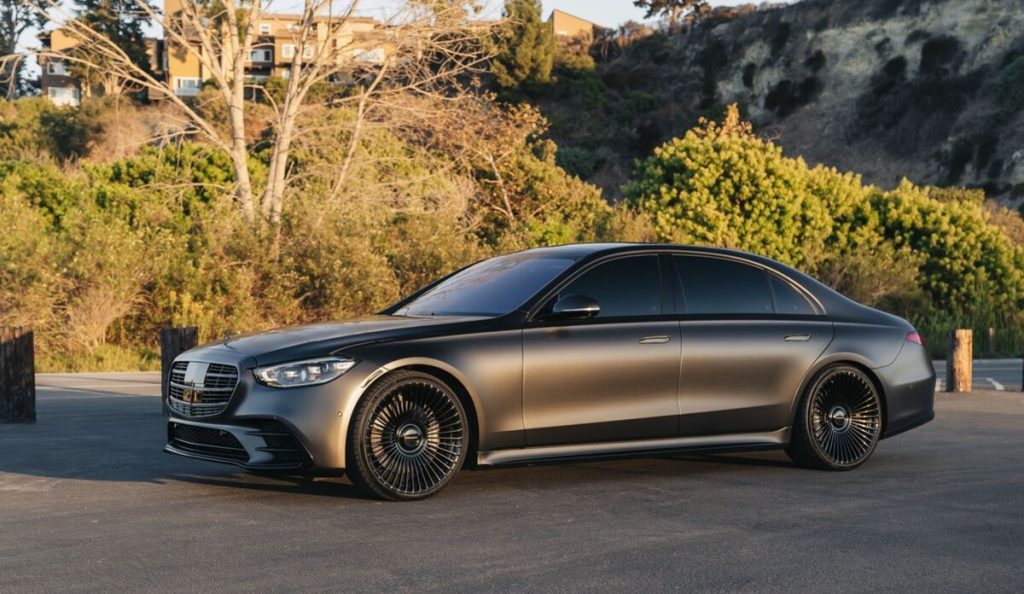
I included the S-Class because it demonstrates how luxury and size can conflict with urban practicality. It excels in comfort and refinement, but those qualities do not necessarily translate into ease of use in a dense city. For drivers in NYC, its dimensions can turn parking into a time-consuming and often frustrating task.
New York City demands a different kind of vehicle, one that prioritizes control, compactness, and ease of use over size and power.
Cars like the Mini Cooper Hardtop, Honda Fit, Toyota Corolla, Kia Soul, and Chevrolet Bolt EV show how thoughtful design can make navigating traffic and finding parking far more manageable.
Their smaller dimensions, responsive handling, and practical layouts allow drivers to move through the city with confidence and less stress.
On the other hand, vehicles such as the Ford F-150, Chevrolet Suburban, RAM 1500, Tesla Model X, and Mercedes-Benz S-Class highlight the challenges of bringing larger or more complex designs into a dense urban environment.
Their size, turning limitations, and visibility constraints make parking significantly more difficult, turning a routine task into a repeated challenge.
The key takeaway is that the best car for NYC is not the most powerful or luxurious, but the one that fits the environment. In a city where space is limited and precision matters, choosing the right vehicle can make everyday driving far more manageable.
Also Read: 10 Cars With Intuitive Physical Controls That Reduce Modern Driver Distraction
