Urban mobility today is defined by contrast. On one side, there is a growing push toward sustainability, efficiency, and minimizing environmental impact.
On the other, there remains a strong demand for capability, durability, and machines that can handle physically demanding tasks even within city limits. These two directions may seem opposed, but they often coexist in modern urban environments.
Portland is a perfect example of a city that leans heavily toward eco-conscious living. It has cultivated a culture where fuel efficiency, low emissions, and responsible ownership are not just preferences but expectations.
Used cars that align with these values have become especially relevant, offering affordability while still supporting a greener lifestyle.
At the same time, urban areas across the country continue to rely on heavy duty trucks. Construction, logistics, and skilled trades do not disappear simply because a city becomes more environmentally aware. In fact, the complexity of urban infrastructure often increases the need for vehicles that can tow, haul, and endure demanding conditions on a daily basis.
This creates an interesting dual narrative. One group of drivers prioritizes efficiency, quiet operation, and reduced environmental footprint. Another group requires strength, resilience, and the ability to perform under pressure. Both are valid, and both reflect real-world needs.
What makes this comparison compelling is not just the vehicles themselves, but what they represent. Eco-friendly used cars often symbolize forward thinking and adaptability, while heavy duty trucks represent reliability and function.
Each category speaks to a different kind of responsibility, whether it is toward the environment or toward the work that keeps cities running.
In this article, we explore both sides in depth. First, we look at five eco-friendly used cars that make sense in a city like Portland. Then, we shift focus to five heavy duty trucks that prove their worth in urban living. Together, they highlight how diverse and purpose-driven modern vehicle choices have become.
Also Read: 5 AWDs for The I-70 Mountain Passes vs. 5 Engines That Die at Altitude
5 Eco-Friendly Used Cars In Portland
Portland has built a reputation around sustainability, and that mindset extends directly into the types of vehicles people choose to drive. Used cars that deliver strong fuel efficiency, low emissions, and long-term reliability are especially valued here. They allow owners to reduce their environmental impact without stepping into the higher costs of brand-new models.
This section focuses on vehicles that make practical and ethical sense in that environment. These are not just efficient cars on paper, but ones that have proven themselves over time. Their availability in the used market, combined with dependable engineering, makes them realistic options for everyday drivers.
Another important factor is how these cars fit into urban life. Portland’s streets, traffic patterns, and parking situations reward vehicles that are easy to maneuver and inexpensive to run. Large, inefficient cars tend to feel out of place, while compact and hybrid models thrive.
The five cars chosen here reflect different approaches to eco-friendly driving. Some rely on hybrid systems, others on fully electric powertrains, and a few simply achieve impressive efficiency through smart engineering. Each one offers a distinct way to balance cost, usability, and environmental responsibility.
These vehicles are included not just because they are efficient, but because they represent thoughtful ownership. They show how drivers can make choices that align with both their personal needs and the broader values of a city like Portland.
1. Toyota Prius (Used Models)
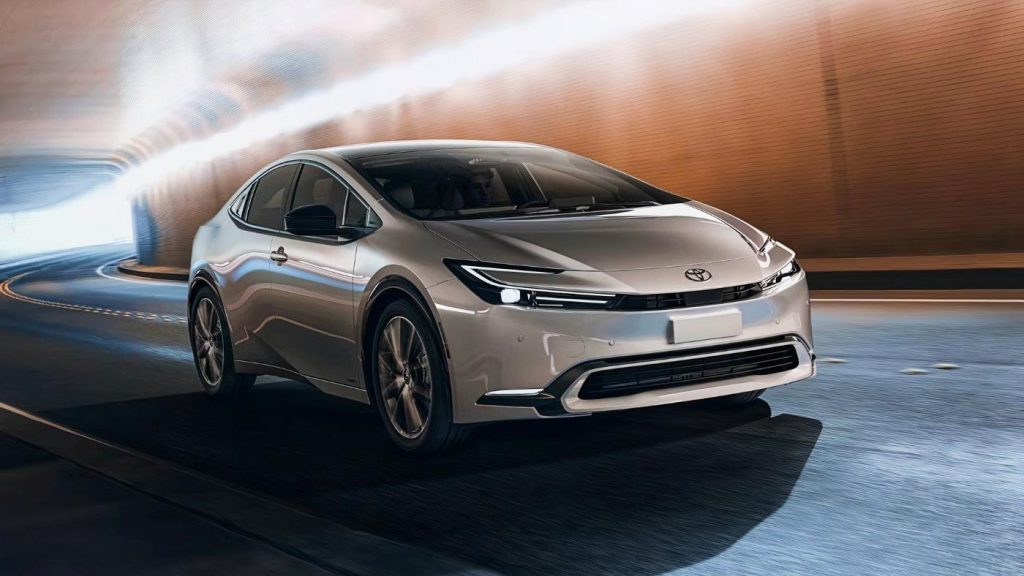
The Toyota Prius has become almost synonymous with hybrid driving, and in Portland, it feels like a natural fit rather than a statement. Its reputation has been built over years of consistent performance, making it one of the safest choices in the used eco-friendly car market.
What stands out immediately is its efficiency. Even older models deliver fuel economy figures that many newer cars still struggle to match. For a city where daily driving often includes short trips, stop-and-go traffic, and frequent idling, that efficiency translates into real-world savings.
Beyond numbers, the Prius offers a kind of predictability that is valuable in used cars. Buyers know what they are getting. The hybrid system has been refined over multiple generations, and maintenance costs tend to remain manageable compared to more complex or less proven alternatives.
From a design perspective, it may not be the most exciting car, but that simplicity works in its favor. It does not try to impress through aggressive styling. Instead, it communicates purpose. In Portland, that understated approach aligns well with the local culture, where practicality often takes priority over flashiness.
Another reason it earns its place here is accessibility. The used market is filled with Prius models across different price ranges, making it easier for a wide range of buyers to enter the hybrid space without stretching their budget.
This car is included because it represents a foundation. It is not about innovation anymore, but about consistency. For drivers who want an eco-friendly vehicle that has already proven itself over time, the Prius remains one of the most logical choices.
2. Nissan Leaf (Earlier Generations)
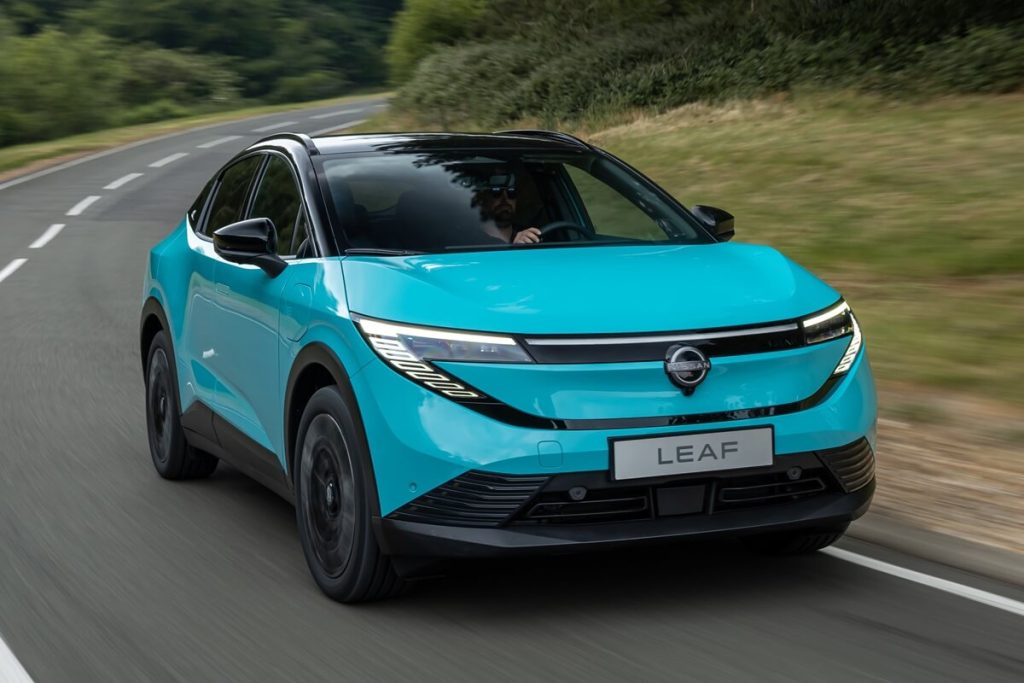
The Nissan Leaf approaches eco-friendly driving from a completely different perspective. Instead of blending gasoline and electric power, it removes fuel entirely. For many drivers in Portland, that shift is not just appealing but practical, especially given the city’s support for electric vehicles.
One of the strongest advantages of early Leaf models in the used market is affordability. Electric cars were once expensive, but depreciation has made these models far more accessible. This allows buyers to experience fully electric driving without the premium price tag of newer EVs.
Driving a Leaf in an urban environment feels distinctly different from traditional cars. It is quiet, smooth, and responsive at low speeds, which suits city traffic perfectly. There is no engine noise, no gear changes, just a continuous flow of power that makes everyday commuting feel effortless.
Of course, range is something that needs to be considered. Earlier models do not offer the long distances that newer electric vehicles provide. However, for city-focused driving, that limitation is often manageable. Many Portland drivers have routines that fall well within the Leaf’s capabilities.
Charging infrastructure also plays a role in its practicality. Portland has invested in EV support, making it easier for owners to keep their vehicles powered. Home charging further simplifies ownership, turning daily refueling into a routine that happens overnight.
I am writing about the Leaf because it represents a different step in eco-conscious driving. It is not about reducing fuel use, it is about eliminating it entirely. For the right buyer, especially one focused on city living, that shift can make a meaningful difference.
3. Honda Insight (Second Generation Used Models)
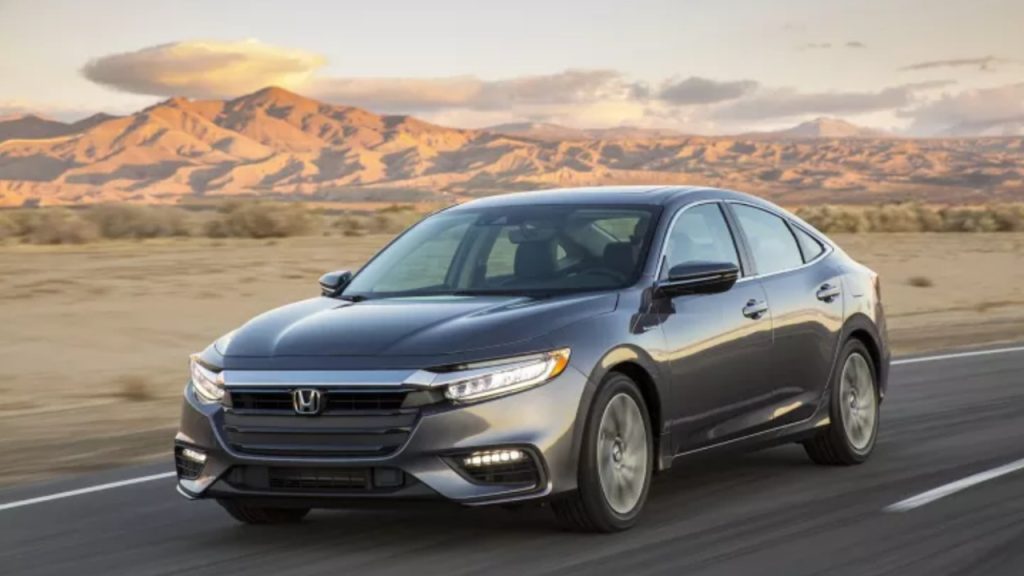
The Honda Insight takes a more subtle approach to eco-friendly driving, and that subtlety is exactly why it works so well in a city like Portland. Unlike some hybrids that emphasize their identity through bold or unconventional styling, the Insight blends in. It looks like a normal sedan, and for many buyers, that familiarity is a major advantage.
This design choice matters more than it might seem. Some drivers want efficiency without drawing attention to it. The Insight delivers that by offering hybrid technology in a package that feels approachable and traditional. It removes the learning curve that can sometimes come with more distinctive eco-focused vehicles.
From a mechanical standpoint, the Insight is built on Honda’s reputation for reliability. The hybrid system is straightforward, and the overall ownership experience tends to be predictable. In the used market, this kind of dependability becomes even more important because buyers are often looking to avoid unexpected costs.
On the road, the car feels balanced rather than specialized. It does not chase extreme fuel economy at the expense of drivability. Instead, it offers a comfortable ride, smooth acceleration, and handling that feels natural in everyday situations. For Portland’s mix of urban streets and surrounding highways, that versatility is valuable.
Fuel efficiency remains a strong point, especially in city conditions where the hybrid system can operate effectively. Short trips, traffic lights, and slower speeds all play to its strengths, allowing drivers to maximize its efficiency without changing their habits significantly.
This car is included because it represents a quiet kind of progress. It does not redefine what an eco-friendly car looks like, but it makes that technology more accessible to people who prefer a conventional driving experience. In a city that values thoughtful choices, that balance feels especially appropriate.
4. Chevrolet Volt (Used Models)
The Chevrolet Volt occupies a unique space in the world of eco-friendly vehicles, and that uniqueness makes it particularly interesting for urban environments like Portland. It is not purely electric, and it is not a traditional hybrid either. Instead, it offers a blend of both in a way that solves a common concern.
The defining feature of the Volt is its ability to operate as an electric car for shorter distances while still having a gasoline engine available for longer trips.
This dual nature changes the ownership experience significantly. Drivers can complete most daily commutes without using fuel at all, yet they do not have to worry about running out of battery on longer journeys.
In Portland, where many trips are relatively short, this setup works extremely well. A driver might spend the entire week using only electric power and then rely on the gasoline engine for occasional extended travel. That flexibility removes one of the biggest barriers to adopting electric driving.
The design of the Volt reflects its purpose. It is modern without being overly experimental, and it carries a slightly futuristic feel without becoming impractical. Inside, the cabin offers a technology-focused layout that reinforces its identity as a forward-thinking vehicle.
Ownership costs can also be appealing in the used market. Because the car can operate electrically for a significant portion of its use, fuel expenses can be reduced noticeably. At the same time, the presence of a gasoline engine provides a safety net that pure electric vehicles do not offer.
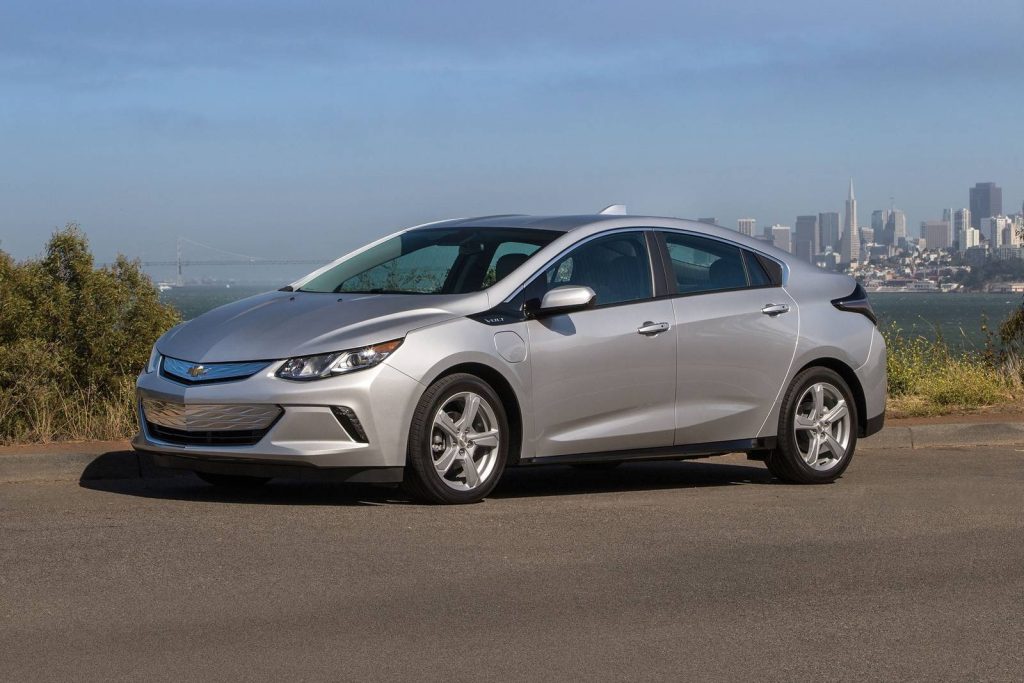
I am including the Volt because it bridges a gap. It allows drivers to move toward electric driving without committing fully, making it an ideal transitional option. In a city like Portland, where sustainability is important but practicality still matters, that balance is especially valuable.
5. Ford Fusion Hybrid (Used Models)
The Ford Fusion Hybrid brings a different personality to the eco-friendly conversation. Where some vehicles lean heavily into their environmental identity, this one approaches efficiency through familiarity and comfort.
It looks and feels like a conventional midsize sedan, which makes it appealing to drivers who want to reduce fuel consumption without changing their expectations of what a car should be.
Its exterior design plays a quiet but important role. The Fusion Hybrid carries a clean and slightly upscale appearance, avoiding the overly futuristic styling that can sometimes limit broader appeal. In Portland, where individuality is valued but practicality still leads decisions, this balanced look fits naturally into the urban landscape.
Inside, the experience continues in the same vein. The cabin is spacious, intuitive, and designed for everyday usability. There is no sense of compromise in terms of comfort, which is something many buyers appreciate when moving toward more efficient vehicles. It feels like a regular sedan that simply happens to consume less fuel.
On the road, the hybrid system operates seamlessly. The transition between electric and gasoline power is smooth, often going unnoticed during normal driving. This makes it particularly well suited for city traffic, where constant stopping and starting allow the system to maximize its efficiency.
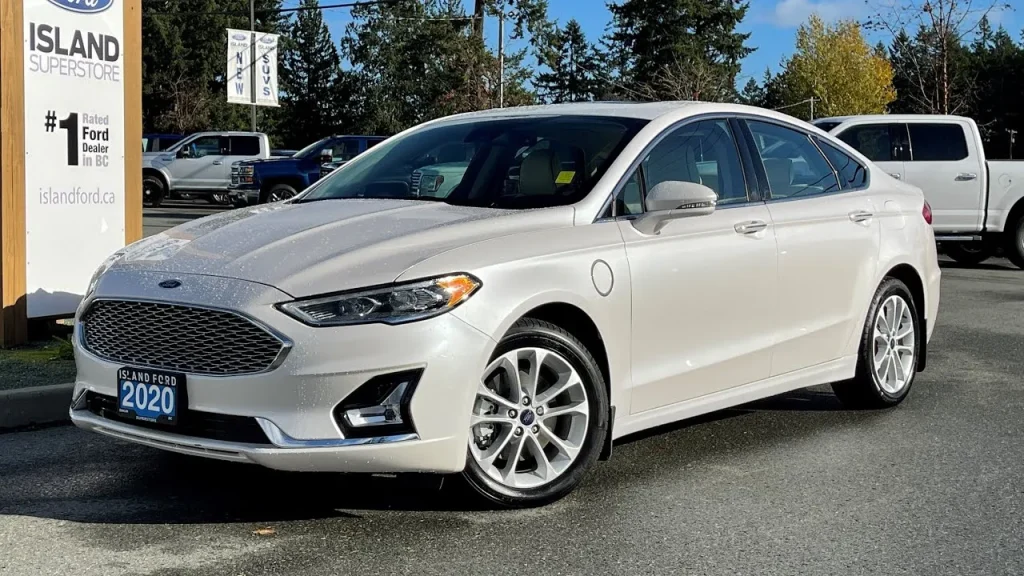
Another factor that strengthens its position in the used market is accessibility. The Fusion Hybrid is often available at competitive prices, offering a combination of size, comfort, and efficiency that can be difficult to match.
For buyers who need more interior space than a compact car but still want eco-friendly performance, it becomes a strong option.
I am writing about this car because it demonstrates that sustainability does not always require a dramatic shift. Sometimes, it can be integrated into familiar forms in a way that feels natural. The Fusion Hybrid shows how eco-conscious driving can be both practical and comfortable without demanding significant lifestyle changes.
5 Heavy Duty Trucks for Urban Living
At first glance, heavy duty trucks and urban environments may seem like an unusual pairing. Cities are often associated with compact cars, tight parking, and efficiency. However, the reality is more complex.
Urban areas depend on industries that require strength, durability, and capability, all of which heavy duty trucks provide.
This section explores vehicles that bring that capability into a city setting. These trucks are not just about towing large loads or handling rugged terrain. They are tools for construction workers, delivery services, contractors, and anyone whose work demands a vehicle that can perform under pressure.
The challenge lies in how these trucks adapt to urban life. Narrow streets, crowded parking areas, and constant traffic create a different set of demands compared to open highways or rural environments.
The trucks included here are chosen because they manage to balance their heavy duty nature with a level of usability that makes city driving possible.
Another important aspect is presence. In a city, a heavy duty truck carries a certain authority. It signals purpose and capability, often standing out among smaller vehicles. That presence can be both an advantage and a responsibility, requiring drivers to navigate carefully while still benefiting from the truck’s strengths.
The five trucks in this section represent different approaches to this balance. Some emphasize comfort and technology to make daily use easier, while others focus on raw capability and durability. Each one highlights a different reason why heavy duty trucks continue to play a role in urban living.
1. Ford F-250 Super Duty
The Ford F-250 Super Duty enters the urban environment with a sense of purpose that is impossible to ignore. This is not a vehicle that tries to adapt itself visually to the city. Instead, it brings its full heavy duty identity into an environment that often feels too small for it, and that contrast becomes part of its character.
Its size is the first thing people notice. In tight city streets, the F-250 can feel imposing, almost oversized for the surroundings. Yet, for drivers who need its capabilities, that size is not a drawback but a necessity. It allows for serious towing, hauling, and work-related tasks that smaller vehicles simply cannot handle.
Driving it in an urban setting requires a different mindset. It demands awareness, patience, and a level of confidence that comes from understanding its dimensions.
However, modern versions of the F-250 include features that make this easier. Cameras, sensors, and improved steering systems help reduce the stress that might otherwise come with maneuvering such a large truck in crowded areas.
The interior plays a significant role in making it more livable in the city. It offers a level of comfort that goes beyond traditional work trucks, with spacious seating and advanced technology that turns long drives or heavy traffic into a more manageable experience. This blend of toughness and comfort is what allows it to function in an urban context.
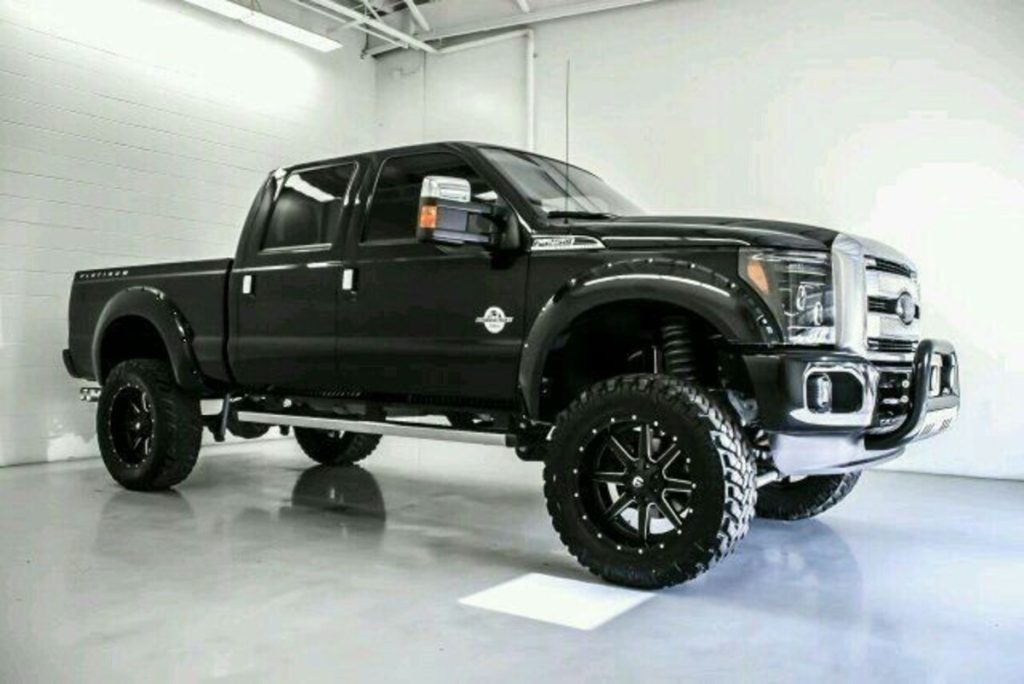
I am including the F-250 because it represents the core idea of heavy duty capability. It does not compromise its purpose to fit into the city. Instead, it adapts just enough to remain usable while still delivering the strength that defines it.
2. Ram 2500
The Ram 2500 takes a slightly different approach to urban heavy duty driving. While it shares similar capabilities with other trucks in its class, it places a stronger emphasis on refinement and ride quality. This shift makes it feel more approachable in a city environment where comfort can matter just as much as strength.
From the outside, it still carries the bold and commanding presence expected of a heavy duty truck. The large grille, wide stance, and substantial proportions ensure that it stands out in traffic. However, there is a smoother, more polished quality to its design that softens its visual impact slightly compared to more utilitarian alternatives.
Inside, the Ram 2500 distinguishes itself even further. The cabin is designed with a level of attention that makes daily driving less tiring. Materials, layout, and technology all contribute to an experience that feels closer to a luxury vehicle than a traditional work truck. In stop-and-go city traffic, this makes a noticeable difference.
The ride quality is another key factor. Heavy duty trucks are often associated with stiffness, but the Ram 2500 manages to deliver a more composed and comfortable ride. This becomes especially important on uneven urban roads, where constant bumps and imperfections can quickly become frustrating.
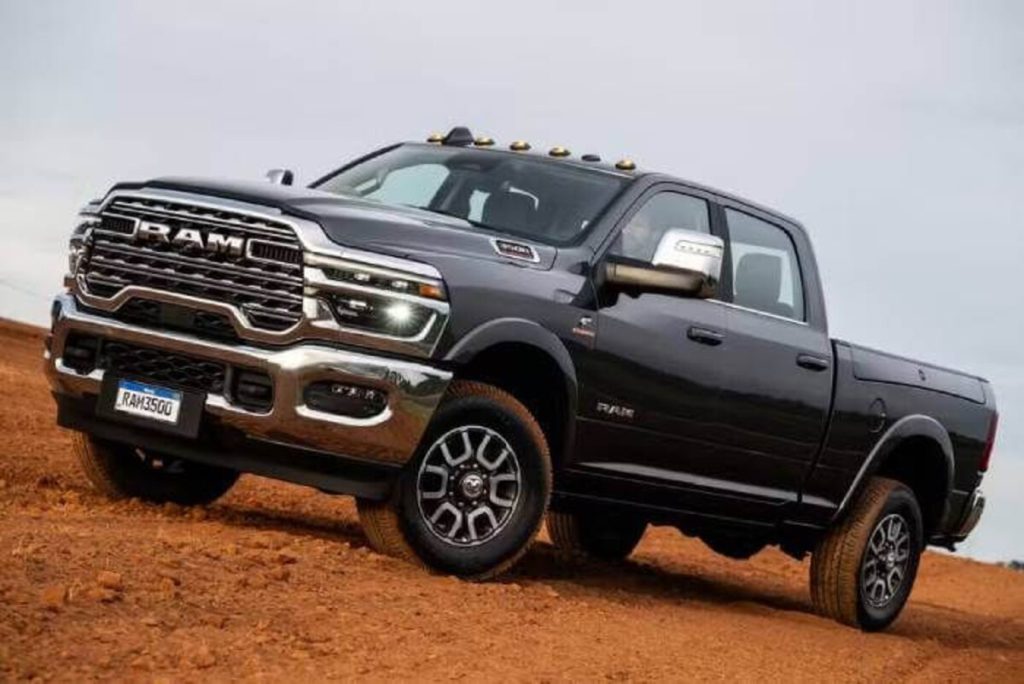
I am writing about this truck because it shows how heavy duty vehicles can evolve. It maintains the strength required for demanding tasks while also addressing the realities of urban driving. That combination makes it a strong contender for those who need capability but do not want to sacrifice comfort.
3. Chevrolet Silverado 2500HD
There is a certain honesty in the way the Chevrolet Silverado 2500HD presents itself. It does not try to soften its purpose or disguise its capability behind overly refined styling. Instead, it leans into its role as a work-focused machine, and that clarity becomes its defining strength, even in an urban setting.
In a city environment, that straightforward nature can actually be an advantage. For drivers who rely on their truck daily, there is no confusion about what the Silverado is built to do.
It handles heavy loads, supports demanding tasks, and maintains consistency under pressure. That reliability becomes more important than visual finesse when the truck is part of a working routine.
Its exterior design reflects that mindset. The lines are bold but not overly complex, and the overall shape prioritizes function. In crowded streets, it may not blend in, but it communicates purpose immediately. People recognize it as a tool rather than a statement, and that perception fits well for contractors and professionals operating within the city.
Step inside, and the experience shifts slightly. While earlier heavy duty trucks focused almost entirely on durability, the Silverado 2500HD introduces enough comfort and technology to make urban driving manageable.
The controls are intuitive, the seating is supportive, and the layout avoids unnecessary complication. This simplicity works well when navigating traffic or managing multiple stops throughout the day.
Another point worth noting is its adaptability. The Silverado can transition from job sites to city streets without feeling out of place in either. It may not offer the same level of interior refinement as some competitors, but it compensates with a sense of dependability that is difficult to overlook.
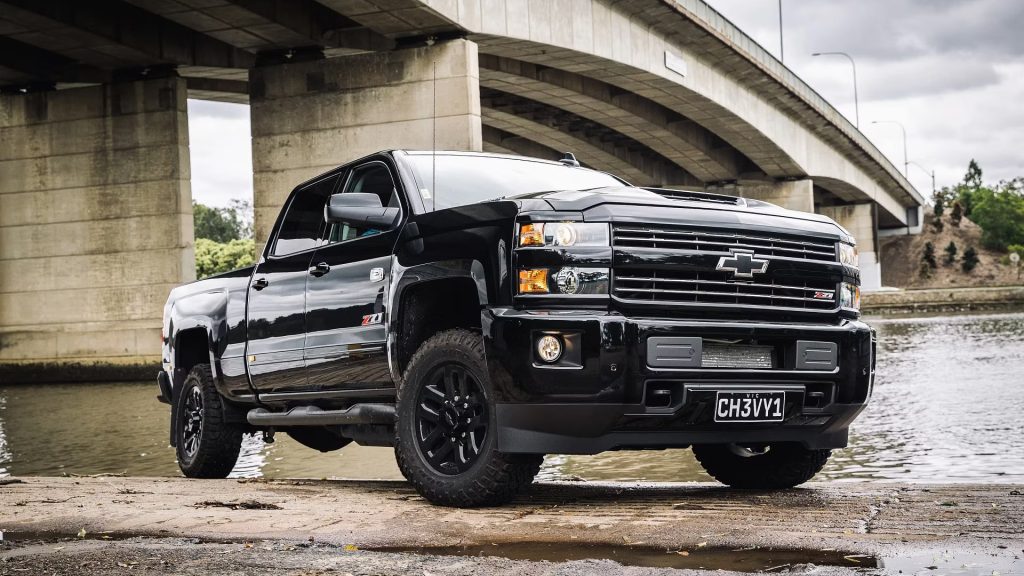
I am including this truck because it represents a practical perspective. Not every urban driver needs luxury in a heavy duty vehicle. Some need consistency, strength, and a design that prioritizes work above all else. The Silverado 2500HD delivers exactly that, making it a relevant choice despite the challenges of city life.
4. GMC Sierra 2500HD
The GMC Sierra 2500HD takes a more polished route while still maintaining the core characteristics of a heavy duty truck. It shares much of its underlying capability with its counterparts, but the way it presents that capability is noticeably different. In an urban environment, that distinction becomes meaningful.
From the outside, the Sierra carries a more refined visual identity. The design feels deliberate, with a stronger emphasis on detail and finish. It still has the size and presence expected of a heavy duty truck, yet it manages to project a more composed image. In a city setting, this balance allows it to stand out without appearing overly aggressive.
The interior is where the Sierra begins to separate itself more clearly. It introduces a level of sophistication that changes how the truck is experienced on a daily basis.
Materials feel more considered, the layout is more cohesive, and the overall atmosphere leans toward comfort. For drivers who spend long hours in traffic or move between job sites, this refinement adds real value.
Technology also plays a role in making the Sierra more urban-friendly. Features designed to assist with parking, maneuvering, and visibility help reduce the stress that typically comes with driving a large vehicle in tight spaces. These additions do not change the truck’s size, but they make it easier to manage.
There is also a subtle shift in identity. The Sierra feels like a truck that acknowledges both work and lifestyle. It can handle demanding tasks, but it also fits into environments where appearance and comfort matter. This dual nature makes it particularly suitable for professionals who operate within the city but still require heavy duty capability.
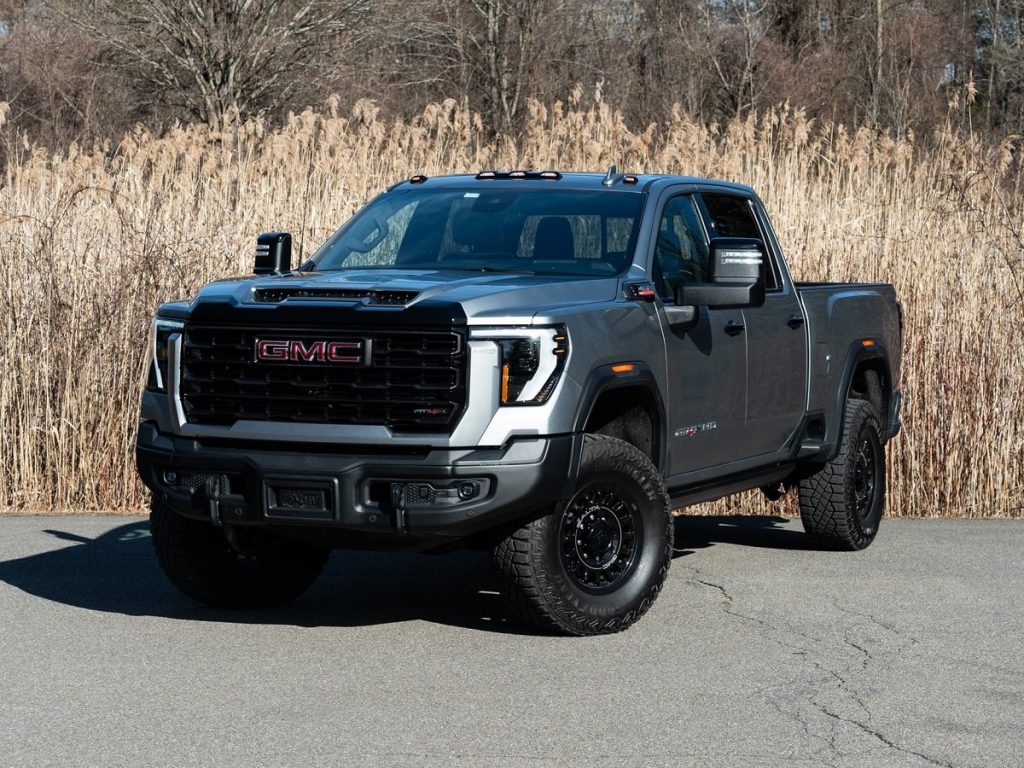
I am writing about the Sierra 2500HD because it highlights how presentation can influence usability. By combining strength with refinement, it becomes more adaptable to urban living without losing the qualities that define a heavy duty truck.
5. Toyota Tundra Heavy Duty Build (Aftermarket Upgraded)
Not every heavy duty urban truck begins life as one. The Toyota Tundra, in its standard form, sits slightly outside the traditional heavy duty category. However, when modified with aftermarket upgrades, it transforms into something that can compete in capability while maintaining a different kind of urban appeal.
This is where things become interesting. Instead of relying purely on factory-built heaviness, an upgraded Tundra reflects personal intent.
Suspension enhancements, reinforced components, towing upgrades, and utility-focused additions reshape the truck into a machine that is tailored for both work and city life. That level of customization creates a unique identity.
In an urban environment, this individuality stands out. While many heavy duty trucks follow a predictable formula, a modified Tundra breaks that pattern. It might feature off-road styling cues, specialized wheels, or functional add-ons that give it a distinct presence in traffic. It feels less like a standard tool and more like an extension of its owner’s needs.
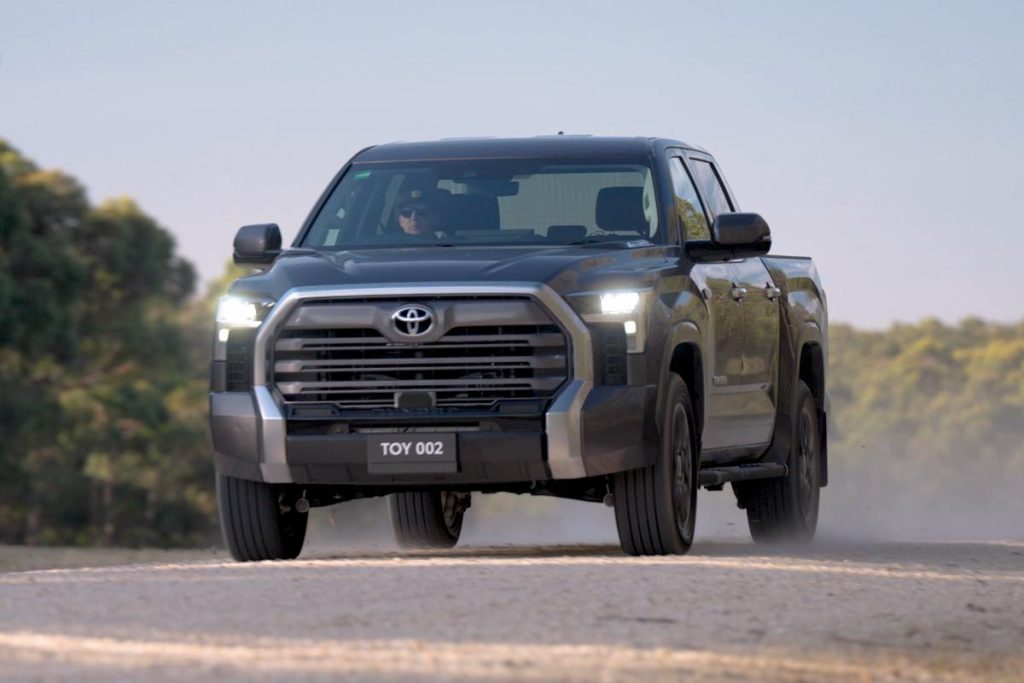
At the same time, it retains a certain level of approachability. Compared to traditional heavy duty trucks, the Tundra platform can feel slightly easier to manage in tighter spaces. With the right modifications, it achieves a balance between strength and usability that works well in cities where maneuverability still matters.
The driving experience also reflects this balance. It does not feel as rigid or overly industrial as some purpose-built heavy duty models. Instead, it offers a blend of comfort and capability that makes daily urban use more practical, especially for those who do not need maximum towing capacity every single day.
I am including this vehicle because it represents a different path into heavy duty capability. It shows that urban drivers are not limited to factory definitions. With the right approach, a truck can be adapted to meet both professional demands and city constraints, creating something that feels both capable and personal.
Also Read: 5 Cars with the Toughest AC Systems In Phoenix vs. 5 with Failing Touchscreens