
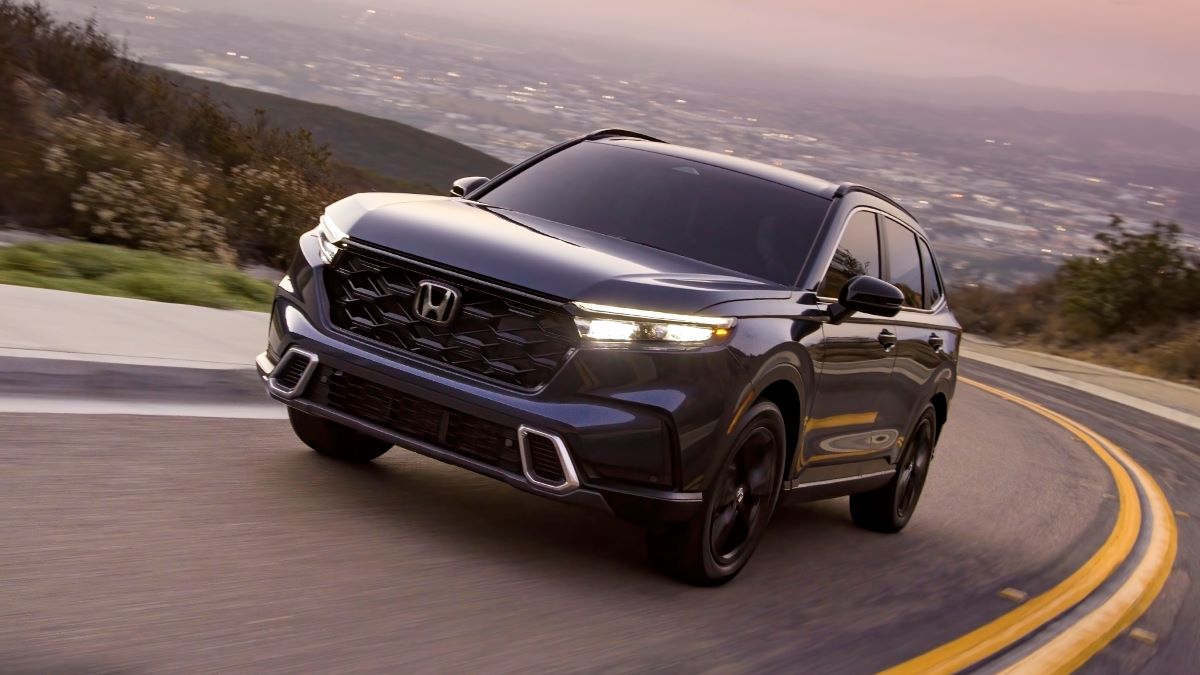
Phoenix is a city where heat is not just a seasonal inconvenience, it is a defining element of daily life. Temperatures regularly climb into extremes that test both human endurance and mechanical reliability. In such an environment, a car is more than transportation.
It becomes a shelter, a controlled space where comfort depends heavily on how well critical systems perform under pressure. Among those systems, air conditioning stands above the rest.
A strong AC system in Phoenix is not a luxury feature, it is a necessity. It must cool quickly after a car has been sitting under direct sunlight, maintain consistent airflow during long drives, and continue functioning without strain even when the outside temperature pushes beyond normal limits.
Vehicles that excel here are engineered with robust compressors, efficient airflow management, and insulation that helps retain cool air once it is generated.
At the same time, modern vehicles have become increasingly dependent on touchscreen interfaces. These systems control everything from navigation to climate settings, making them central to the driving experience.
However, in extreme heat, touchscreens can become a point of failure. Overheating, lag, unresponsive inputs, and long-term degradation can turn what should be a convenience into a source of frustration.
This contrast highlights two very different aspects of vehicle design. On one side are cars that prioritize durability and comfort in harsh climates, particularly through strong AC performance. On the other are vehicles where technological complexity introduces vulnerabilities, especially when exposed to intense heat over time.
This article explores both ends of that spectrum. First, we focus on cars with air conditioning systems that can handle Phoenix’s extreme conditions with confidence. Then, we examine vehicles known for touchscreen issues, explaining how and why these problems can become more noticeable in demanding environments.
Also Read: 10 Used 4x4s That Are Still Rugged and Affordable in 2026
5 Cars with the Toughest AC Systems In Phoenix
Driving in Phoenix requires a vehicle that can respond immediately to extreme heat. When a car has been parked under the sun, interior temperatures can rise dramatically, making the first few minutes of driving uncomfortable if the AC system is not up to the task. A strong system must cool the cabin quickly and maintain that cooling without constant adjustment.
What separates a tough AC system from an average one is not just how cold it gets, but how efficiently it operates under stress. High ambient temperatures place additional strain on compressors and airflow systems. Vehicles that perform well in Phoenix are those that manage this strain without losing effectiveness or reliability over time.
Another important factor is consistency. It is not enough for an AC system to perform well occasionally. It must deliver the same level of cooling day after day, regardless of how intense the heat becomes. This reliability reduces driver fatigue and ensures that comfort is maintained even during long commutes or extended periods on the road.
The following vehicles have been selected based on how well their air conditioning systems handle extreme heat. Each one represents a different approach to cooling performance, offering a range of solutions that cater to various driving needs while maintaining a focus on durability and effectiveness.
1. Toyota Land Cruiser
The Toyota Land Cruiser approaches climate control with the same philosophy it applies to durability and reliability. It is built to operate in some of the harshest environments in the world, and that includes regions where extreme heat is a daily reality.
As a result, its air conditioning system is designed not just to function, but to perform consistently under pressure.
One of the defining traits of the Land Cruiser’s AC system is its ability to cool a large cabin quickly. Despite the vehicle’s size, airflow is distributed effectively across all seating areas, ensuring that passengers do not experience uneven cooling.
This becomes particularly important in Phoenix, where every second spent waiting for relief from the heat feels longer than it actually is.
The system also benefits from strong insulation and thoughtful interior design. Once the cabin reaches a comfortable temperature, it is able to retain that cool air with minimal effort. This reduces the workload on the AC system over time, contributing to its long-term reliability.
Another factor is how the system handles continuous use. In extreme heat, AC systems often run at high capacity for extended periods. The Land Cruiser manages this without noticeable drops in performance, maintaining steady cooling even during long drives.
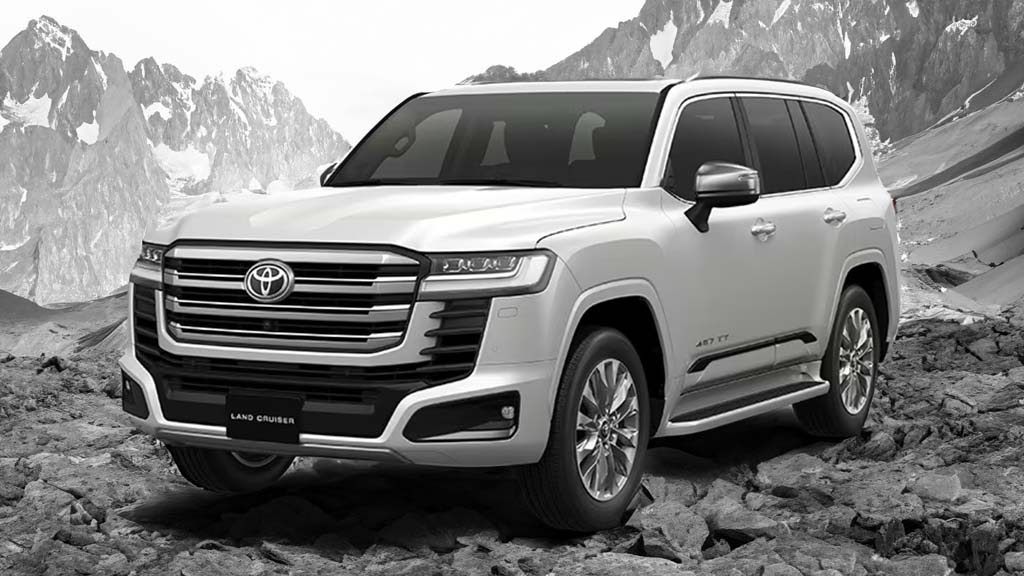
The reason for including this vehicle is its proven ability to handle demanding conditions without compromise. It does not treat air conditioning as a secondary feature, but as an essential component of overall comfort and usability in extreme climates.
2. Lexus RX
The Lexus RX takes a more refined approach to handling extreme heat, focusing on delivering a cooling experience that feels both effective and effortless. While it shares underlying engineering principles with other reliable systems, it elevates the experience through attention to detail and consistency.
What sets the RX apart is how quickly it transitions from a hot cabin to a comfortable one. The system responds immediately when activated, pushing cool air through the interior in a way that feels controlled rather than overwhelming. This measured approach helps avoid the discomfort of uneven temperature changes.
The airflow design also deserves attention. Instead of concentrating cooling in specific areas, the RX distributes air evenly, creating a balanced environment throughout the cabin. This is particularly useful in Phoenix, where intense sunlight can create temperature variations within the vehicle.
Another strength lies in the system’s quiet operation. Even when working at high capacity, the AC does not produce excessive noise, which contributes to a more relaxed driving experience. This subtle refinement becomes more noticeable during longer trips, where constant noise can add to fatigue.
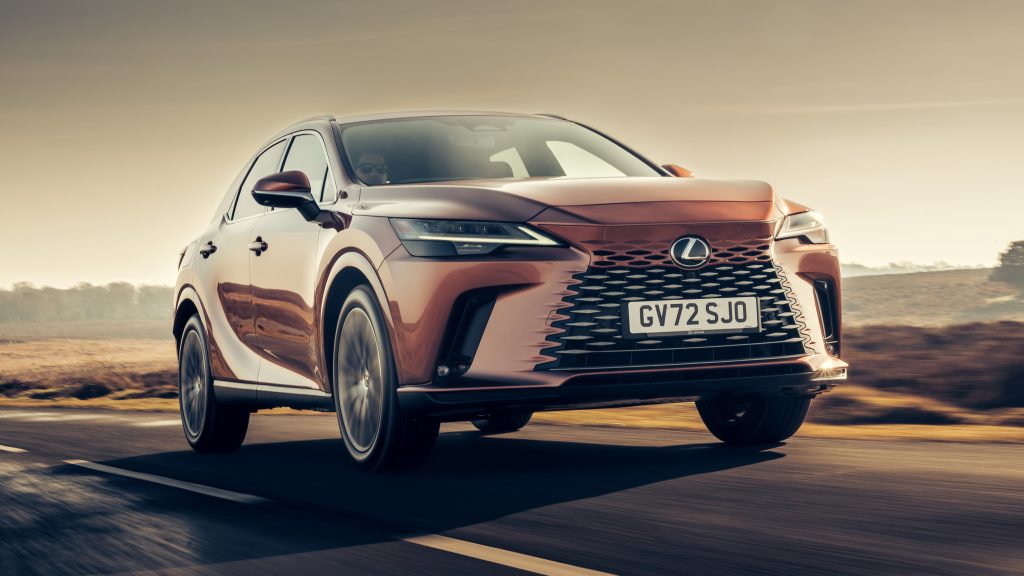
This vehicle earns its place on the list because it combines durability with comfort in a way that feels seamless. It does not just cool the cabin effectively, it does so in a manner that enhances the overall driving experience, making it well-suited for the challenges of extreme heat.
3. Honda CR-V
The Honda CR-V takes a practical and intelligently engineered approach to climate control, focusing less on brute force and more on efficiency that holds up under real-world stress. In a place like Phoenix, where stepping into a parked car can feel like entering an oven, that efficiency becomes immediately noticeable.
The CR-V does not waste time ramping up. It begins cooling with purpose, delivering a steady stream of conditioned air that quickly lowers cabin temperature without erratic fluctuations.
What makes the CR-V particularly effective is how well it manages airflow direction. Instead of simply blasting cold air forward, it uses a more thoughtful distribution pattern that circulates air throughout the cabin.
This creates a uniform cooling effect, which is especially valuable when different parts of the interior heat up unevenly under direct sunlight. Passengers in the rear are not left waiting for relief, and the driver does not need to constantly adjust settings to maintain comfort.
Another layer of strength comes from how the system behaves during extended use. Phoenix heat often demands continuous air conditioning at high output, and weaker systems tend to lose efficiency over time.
The CR-V avoids this drop-off. It maintains consistent cooling even during long commutes or highway drives where the sun remains relentless and temperatures stay elevated.
There is also an element of usability that deserves attention. Controls are straightforward, responses are immediate, and the system does not require constant fine-tuning. This simplicity reduces distraction, allowing the driver to focus on the road rather than managing the climate system.
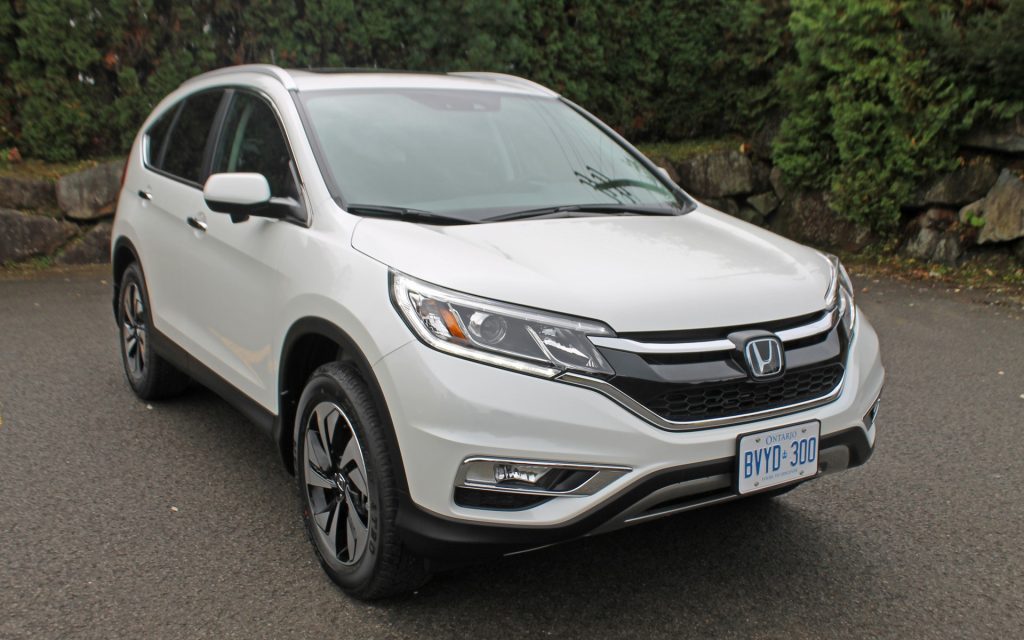
The CR-V earns its place here because it delivers dependable cooling without complexity. It does not rely on excess power or gimmicks, but instead provides a balanced, reliable performance that holds up day after day in extreme heat.
4. Ford F-150
The Ford F-150 approaches air conditioning from the perspective of strength and capacity, much like the rest of its design philosophy. Built as a full-size truck capable of handling demanding environments, its climate system reflects that same rugged mindset.
In Phoenix conditions, where interior temperatures can rise to uncomfortable extremes within minutes, the F-150 responds with authority.
One of its standout qualities is sheer airflow volume. The system is capable of pushing a significant amount of cooled air into the cabin quickly, which is essential when trying to bring down temperatures after prolonged sun exposure.
Unlike smaller vehicles that may struggle to keep up, the F-150’s system feels like it has reserves of power, maintaining strong output even as conditions remain intense.
The cabin size presents an additional challenge, yet the system is designed to handle it effectively. Multiple vents and well-planned airflow channels ensure that cooling is not limited to the front seats. This becomes particularly important in crew cab configurations, where rear passengers require the same level of comfort as those in the front.
Another aspect worth highlighting is durability. Trucks like the F-150 are often used in environments where heat, dust, and long operating hours are common. The AC system is built to withstand these conditions without frequent performance degradation. It continues to function reliably even when subjected to daily stress.
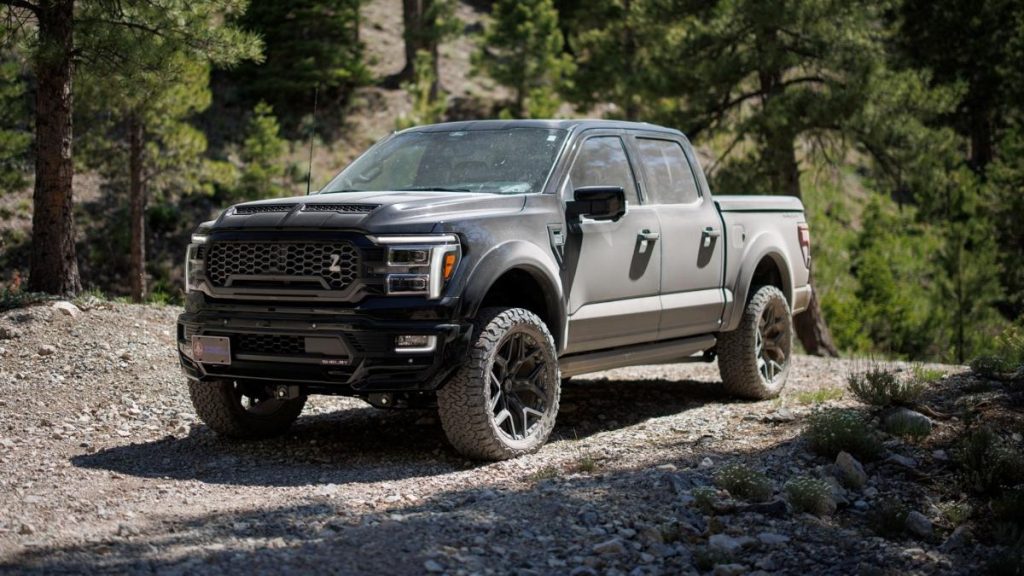
The reason this vehicle stands out is its ability to combine power with resilience. It does not just cool effectively in ideal conditions, it maintains that effectiveness when pushed to its limits. For a climate like Phoenix, that kind of consistency is exactly what defines a tough air conditioning system.
5. Chevrolet Tahoe
The Chevrolet Tahoe approaches air conditioning from the standpoint of scale and endurance, recognizing that a large SUV operating in extreme heat needs more than just a basic cooling setup.
In Phoenix, where sunlight penetrates every surface and interior materials absorb heat throughout the day, the Tahoe’s system is built to counteract that intensity with sustained performance rather than short bursts of cooling.
What becomes apparent almost immediately is how effectively the Tahoe handles heat soak. After sitting in the sun, many vehicles struggle to bring temperatures down evenly, often cooling the front while leaving the rear lagging behind.
The Tahoe avoids this imbalance by delivering strong airflow across multiple zones, ensuring that every part of the cabin begins to cool at a similar rate. This reduces discomfort for passengers and shortens the time it takes to reach a stable temperature.
The system also benefits from its ability to maintain output without fluctuation. In prolonged driving conditions, especially during peak summer hours, some air conditioning systems begin to feel less effective as components heat up.
The Tahoe maintains a steady level of cooling, which helps create a predictable and comfortable environment regardless of how long the drive lasts.
Another important factor is how the vehicle manages retained cool air. Its cabin design, combined with effective sealing, allows it to hold lower temperatures without requiring constant maximum output. This not only improves comfort but also reduces strain on the system over time.
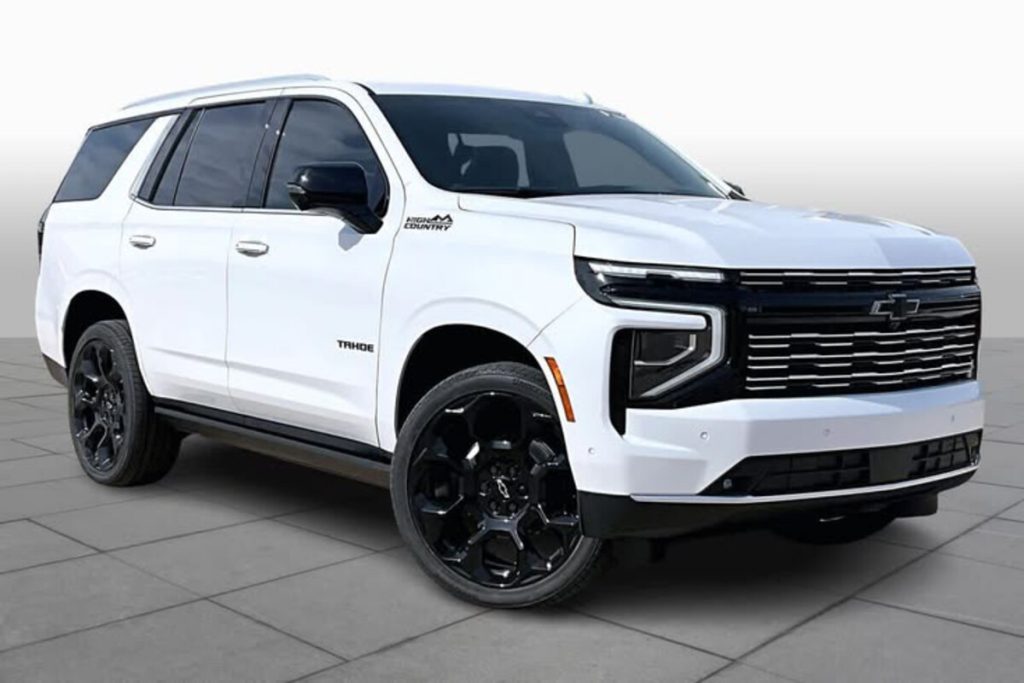
The Tahoe earns its place in this list because it understands the demands of extreme heat at a structural level. It is not simply reacting to high temperatures, it is built to operate within them, delivering consistent cooling that matches the scale of both the vehicle and the environment.
5 with Failing Touchscreens
Modern vehicles have increasingly shifted toward touchscreen-based controls, integrating essential functions into digital interfaces that replace traditional buttons and switches. While this evolution brings convenience and a cleaner interior design, it also introduces a new point of vulnerability, especially in climates like Phoenix where heat can reach punishing levels.
Touchscreens rely on sensitive components that are not always designed for prolonged exposure to extreme temperatures. When a vehicle is parked under direct sunlight, the interior can become significantly hotter than the outside air.
This heat can affect responsiveness, causing delays, inaccurate inputs, or complete system freezes. Over time, repeated exposure may lead to more permanent issues such as screen discoloration or hardware degradation.
Another challenge lies in the centralization of controls. In many modern cars, climate settings, navigation, and even basic functions are routed through the touchscreen.
When the system begins to lag or malfunction, it affects more than just convenience. It can disrupt the entire driving experience, forcing the driver to deal with unresponsive controls in situations where quick adjustments are necessary.
There is also a usability concern. Unlike physical buttons, touchscreens require visual attention. When they fail to respond properly, drivers may spend more time looking at the screen, which increases distraction. In demanding driving environments, this becomes a safety issue rather than just an annoyance.
The following vehicles are included not as a criticism of their overall design, but as examples where touchscreen systems have shown weaknesses. In extreme heat conditions like those found in Phoenix, these weaknesses can become more noticeable, affecting both reliability and ease of use.
1. Tesla Model S
The Tesla Model S represents one of the most ambitious uses of touchscreen technology in modern vehicles, placing nearly all core functions into a large central display.
While this approach creates a sleek and futuristic interior, it also means that the touchscreen is not just an accessory but the primary interface for controlling the vehicle. In extreme heat, this level of dependence can become problematic.
One of the key issues observed with the Model S is how the screen behaves after prolonged exposure to high temperatures. When the car is parked in direct sunlight, the interior heat can affect the responsiveness of the display.
Drivers may notice lag when interacting with menus or delays in executing commands. In a system where nearly every function depends on the screen, even minor slowdowns can feel significant.
There is also the question of long-term durability. Continuous exposure to heat can accelerate wear on electronic components, potentially leading to issues such as reduced brightness, ghost touches, or unresponsive areas on the screen.
These problems may not appear immediately but can develop over time, especially in climates like Phoenix.
Another factor is the lack of physical backups for many controls. Adjusting climate settings, navigating menus, or even accessing basic functions requires interaction with the touchscreen. When the system is not operating smoothly, it forces the driver to spend more time engaging with it, which can become frustrating and distracting.
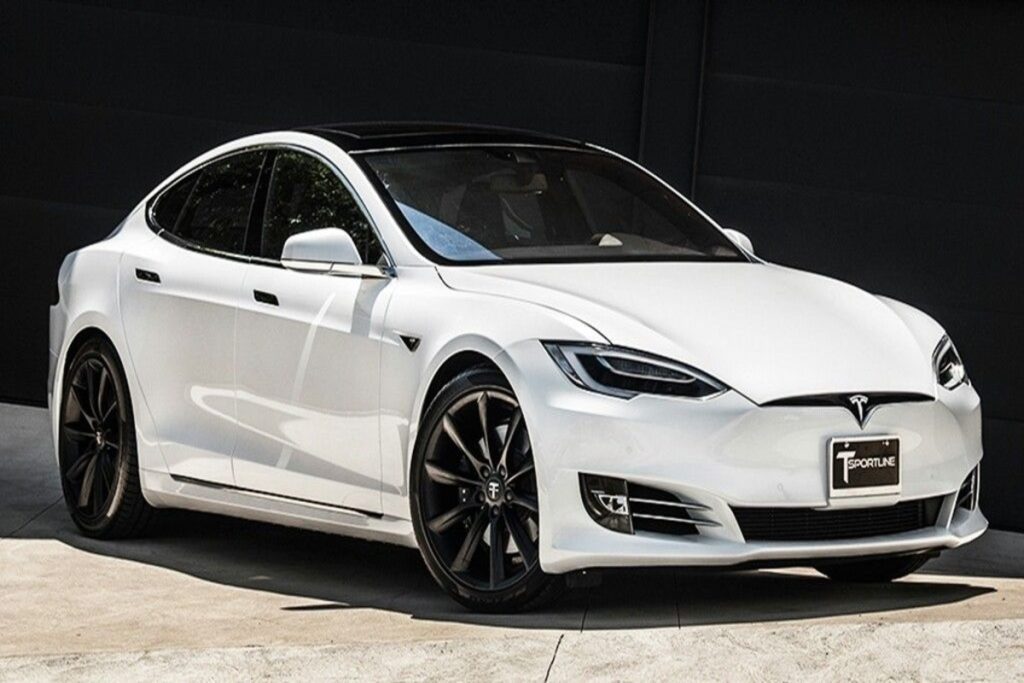
The reason the Model S appears on this list is because of how central the touchscreen is to the entire driving experience. When it works perfectly, it feels advanced and intuitive. However, in extreme heat conditions, any weakness in that system becomes far more noticeable, affecting both convenience and usability.
2. Land Rover Range Rover Velar
The Land Rover Range Rover Velar takes a different approach to touchscreen integration by using multiple displays to control various aspects of the vehicle. While this layered system creates a visually striking interior, it also introduces additional complexity, which can become a point of concern when exposed to high temperatures.
One of the challenges with the Velar’s setup is how the screens respond under thermal stress. In hot conditions, the dual-screen system may experience slower response times or occasional glitches.
Because different functions are spread across separate displays, any delay can interrupt the flow of interaction, making simple tasks feel more complicated than they should be.
The design also relies heavily on touch-sensitive controls rather than physical buttons. While this contributes to a modern aesthetic, it reduces tactile feedback, which becomes an issue when the system is not responding accurately. Drivers may need to repeat inputs or apply more attention to confirm that commands have been registered.
Another concern is how heat affects screen clarity. Prolonged exposure can lead to reduced visibility or slight discoloration, which impacts usability, particularly in bright sunlight. In a place like Phoenix, where glare and heat are constant factors, this can make the interface harder to use effectively.
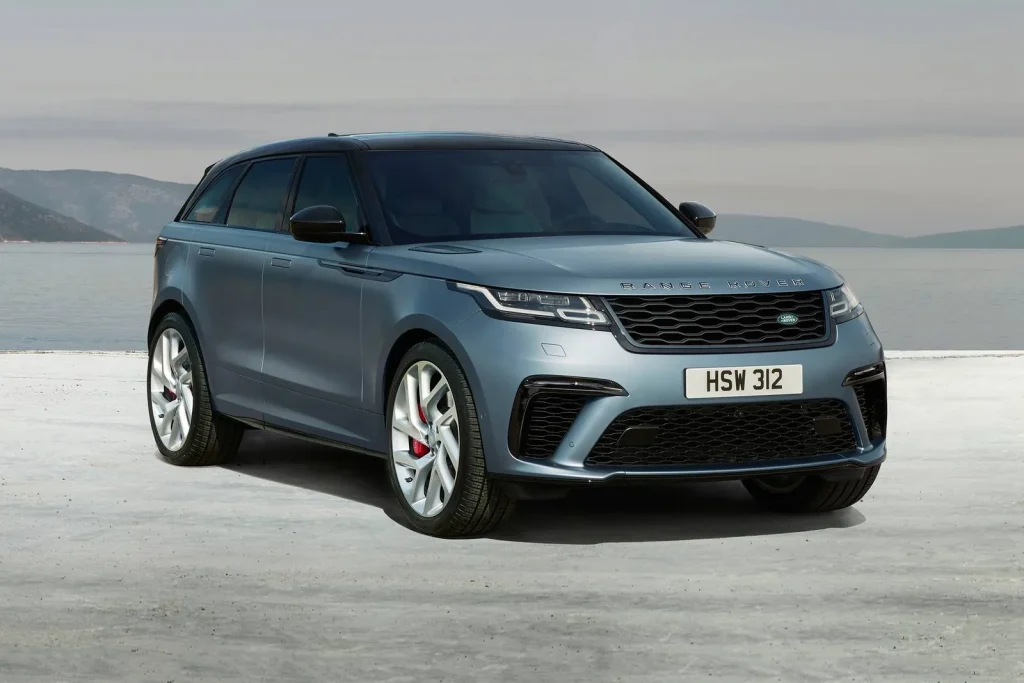
The inclusion of the Velar highlights how complexity can amplify vulnerability. The more a vehicle depends on interconnected digital systems, the more noticeable any weakness becomes under stress. In extreme climates, this can turn an otherwise sophisticated feature into a recurring source of inconvenience.
3. Cadillac XT4
The Cadillac XT4 represents a modern approach to luxury compact SUVs, integrating touchscreen functionality in a way that aims to balance style and usability.
On the surface, it appears less extreme than fully screen-dependent interiors, yet its reliance on digital controls still introduces vulnerabilities that become more visible in high-heat environments like Phoenix.
One of the recurring concerns with the XT4 is how its infotainment system behaves after prolonged exposure to sunlight. When the cabin heats up significantly, the screen can take longer to respond during startup.
This delay may seem minor at first, but when basic functions such as navigation or climate adjustments are tied to that system, the lag becomes more noticeable in daily use.
The interface itself is designed to be intuitive, but responsiveness plays a critical role in maintaining that impression. In hotter conditions, users have reported occasional input delays or missed touches, which disrupt the otherwise smooth interaction.
Unlike physical controls that provide immediate feedback, the touchscreen depends entirely on electronic precision, which can falter under thermal stress.
Another aspect worth noting is how brightness and clarity are affected. Strong sunlight combined with internal heat can reduce screen readability, forcing the driver to spend more time focusing on the display. This added attention can become distracting, particularly in urban traffic where quick decisions are required.
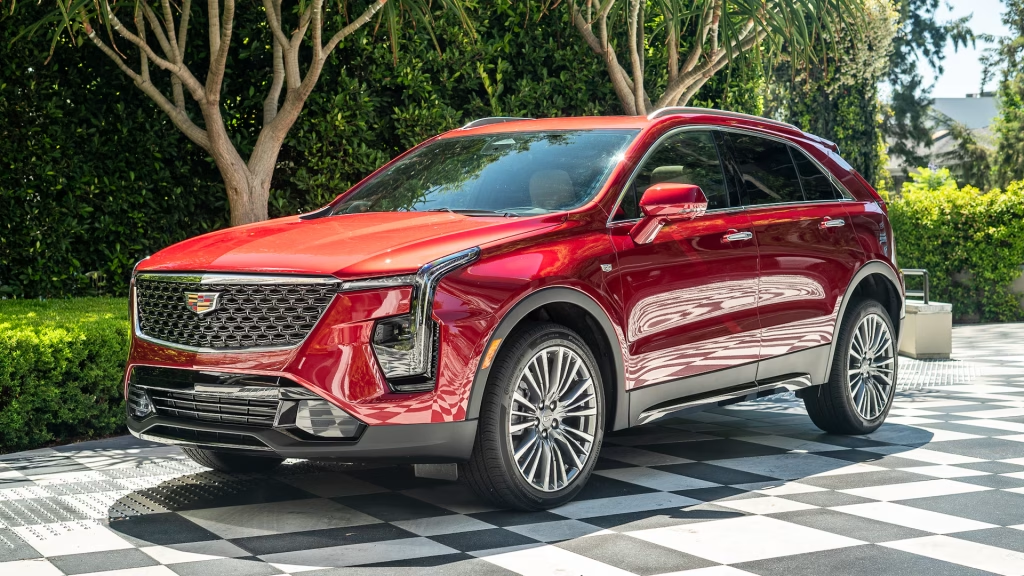
The XT4 appears on this list because it illustrates a subtle but important issue. Even systems that are not overly complex can struggle when exposed to consistent high temperatures. In Phoenix, where heat is a daily factor rather than an occasional challenge, these small inconsistencies can accumulate into a more noticeable inconvenience over time.
4. Volvo XC90
The Volvo XC90 takes a minimalist approach to interior design, centering most of its functionality around a vertically oriented touchscreen. This clean layout reduces physical clutter, but it also increases reliance on the screen for essential controls. In extreme heat, that dependence can become a point of concern.
What stands out with the XC90 is how much responsibility is placed on a single interface. Climate control, media, navigation, and various vehicle settings are all accessed through the touchscreen.
When the system operates smoothly, this creates a streamlined experience. However, in hot conditions, even slight delays can affect multiple aspects of the driving experience at once.
Heat-related lag is one of the more noticeable issues. After the vehicle has been parked under direct sunlight, the system may take longer to initialize or respond to inputs. This can be frustrating when immediate adjustments are needed, especially for climate settings in a city like Phoenix where rapid cooling is essential.
The lack of physical alternatives further amplifies the issue. Without dedicated buttons for key functions, drivers must rely entirely on the touchscreen, even when it is not performing optimally. This increases interaction time and can draw attention away from the road.
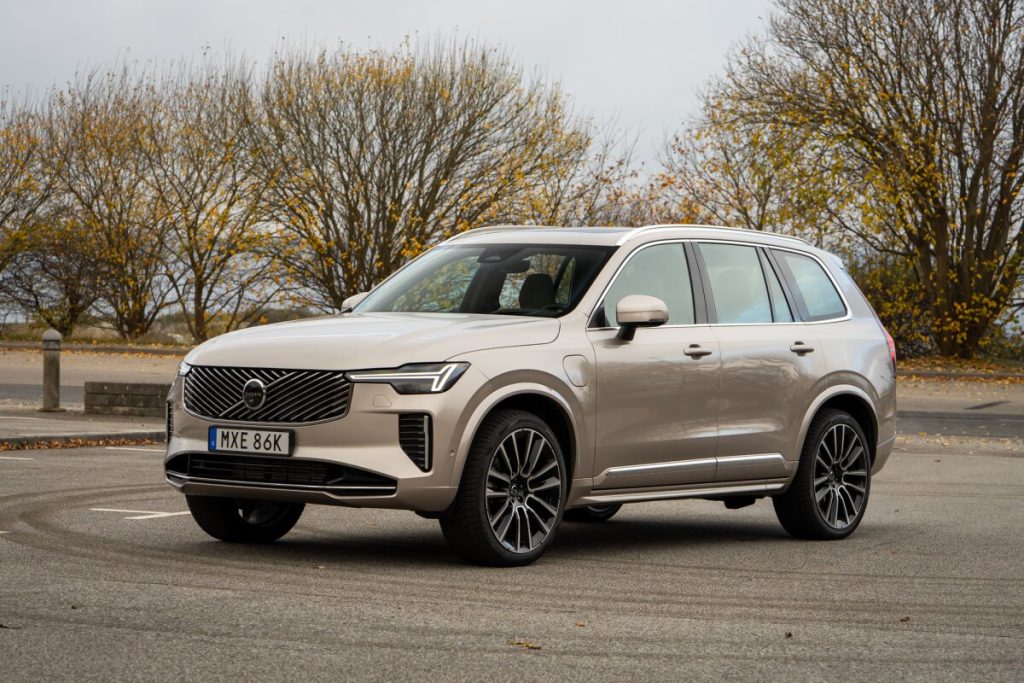
The XC90 is included here because it highlights the trade-off between design simplicity and functional resilience.
While the interface is elegant and modern, its heavy reliance on a single touchscreen makes it more susceptible to performance issues in extreme heat, where reliability becomes more important than aesthetics.
5. Jeep Grand Cherokee (Uconnect 5)
The Jeep Grand Cherokee equipped with the Uconnect 5 system represents a blend of traditional controls and modern touchscreen integration. While it retains some physical buttons, a significant portion of its functionality is still routed through the central display.
In high-temperature environments, this hybrid approach does not fully eliminate the challenges associated with touchscreen reliance.
One of the key observations with this system is how it behaves during prolonged exposure to heat. The screen may exhibit slower response times or occasional stuttering when navigating menus. This becomes particularly noticeable when switching between functions, where delays can interrupt the flow of interaction.
The system’s graphical richness also plays a role. While visually appealing, more complex interfaces require greater processing power, which can be affected by thermal conditions. In extreme heat, this can lead to reduced smoothness, making the system feel less responsive than intended.
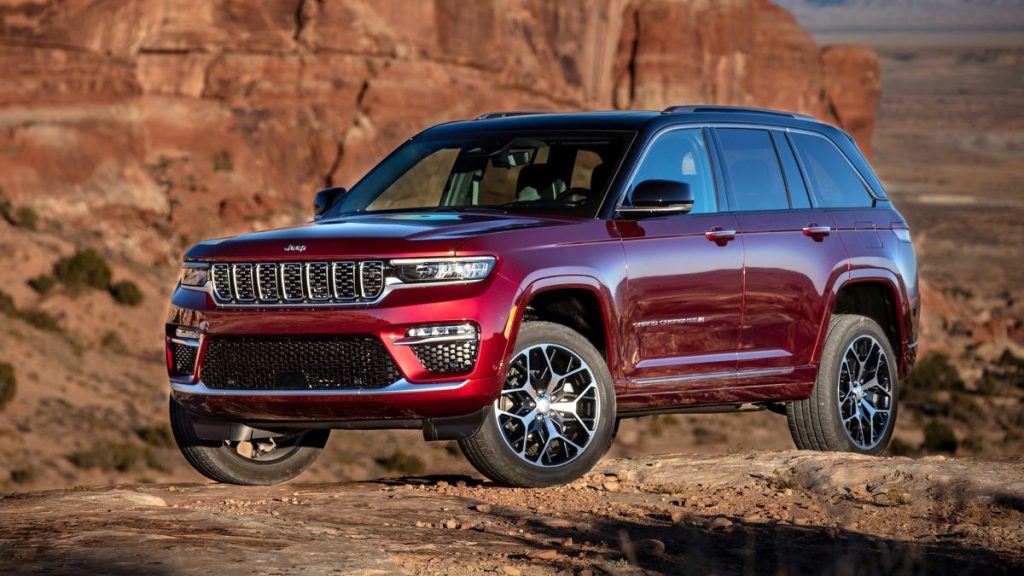
Another consideration is how frequently the touchscreen is used. Even with some physical controls present, many features still require digital input. When responsiveness is not consistent, it creates a fragmented experience where some actions feel immediate while others lag behind.
The Grand Cherokee completes this list because it demonstrates that partial reliance on touchscreens does not fully mitigate the issue.
In environments like Phoenix, where heat places constant stress on electronic systems, even well-designed interfaces can struggle to maintain consistent performance, turning a convenience feature into a recurring point of frustration.
Extreme heat in Phoenix reveals which vehicles are built for real-world durability and which struggle under pressure.
Cars like the Toyota Land Cruiser, Lexus RX, and Chevrolet Tahoe stand out for their powerful, consistent AC systems that maintain comfort even in punishing temperatures. Their cooling performance is not just strong but reliable over time.
In contrast, vehicles such as the Tesla Model S, Volvo XC90, and Jeep Grand Cherokee highlight the risks of heavy touchscreen dependence.
Heat can cause lag, reduced responsiveness, and long-term issues, affecting usability. The key takeaway is simple: in extreme climates, mechanical reliability matters more than digital convenience.
Also Read: 10 Used Cars for Students Traveling Long Distances Across State Lines
