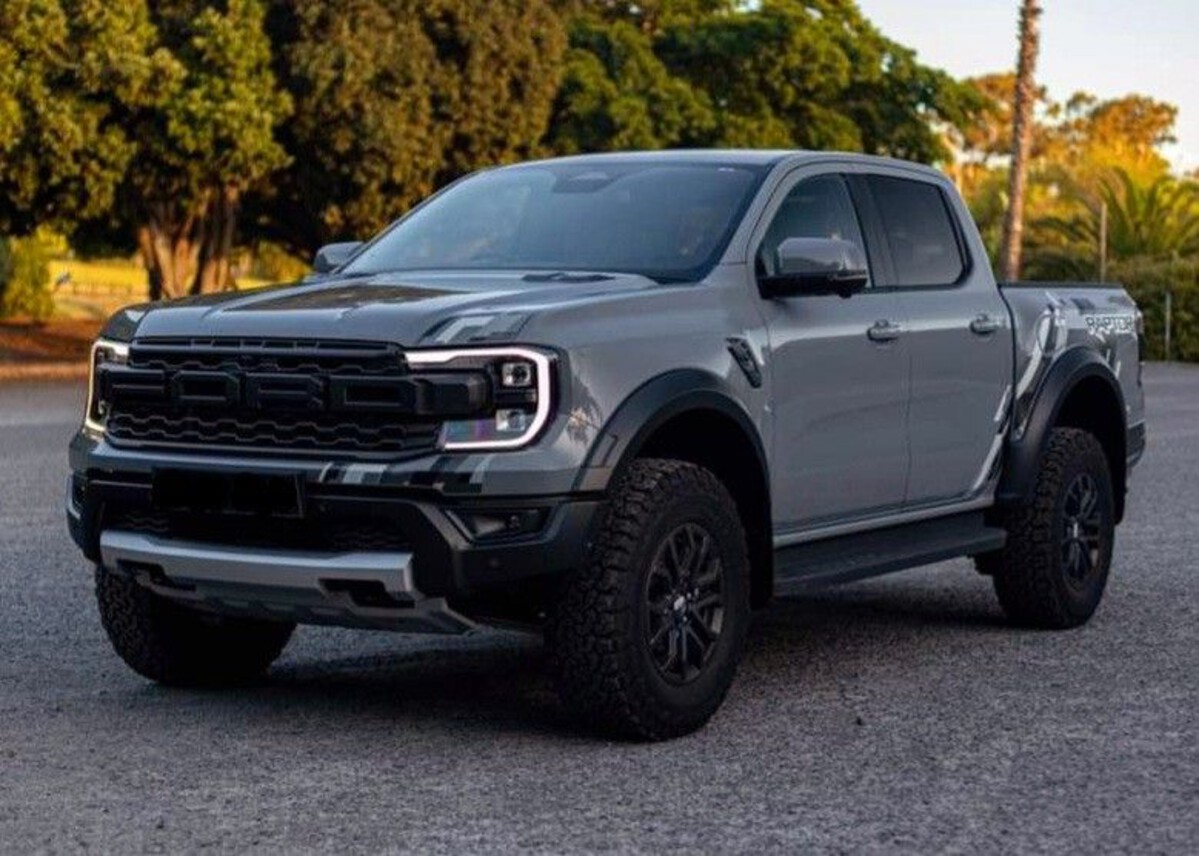
Driving conditions in a city are shaped not just by traffic, but by geography, climate, and infrastructure. New Orleans is a perfect example of how these factors influence what kind of vehicle truly works in daily life.
With its low elevation, frequent rainfall, occasional flooding, and uneven road surfaces, the city presents challenges that go beyond typical urban driving. Choosing the right vehicle here is less about style and more about adaptability.
Ground clearance becomes a critical factor in such an environment. Roads can quickly accumulate standing water, and poorly maintained surfaces often feature dips, cracks, and raised sections that test a vehicle’s ability to navigate without scraping or damage.
Crossovers with higher ride height are naturally better equipped to handle these conditions. They offer a sense of security when driving through flooded streets or over uneven terrain, making them practical choices for residents who prioritize reliability.
On the other side of the spectrum are low-profile sports cars. These vehicles are designed for performance, precision, and close contact with the road.
While they excel in controlled environments and smooth highways, they often struggle in cities like New Orleans where road conditions are unpredictable. Their low ground clearance makes them vulnerable to water, debris, and uneven surfaces, turning everyday driving into a cautious exercise.
This contrast highlights a broader truth about vehicle design. What works beautifully in one setting can become a limitation in another. A sports car that feels exhilarating on open roads may feel out of place in a city with frequent flooding, while a crossover built for versatility may lack the excitement some drivers seek.
This article explores both ends of that spectrum. It begins with five crossovers that handle New Orleans conditions with confidence, followed by five sports cars that, despite their appeal, face clear challenges in the same environment.
Also Read: 5 Compact Cars Perfect for Traffic In New York City vs. 5 That Are a Nightmare to Park
5 Ground-Clearance Crossovers In New Orleans
New Orleans demands vehicles that can adapt quickly to changing conditions. A sunny morning can turn into a rain-soaked afternoon, and streets that seem manageable one moment can become difficult to navigate the next. In this context, ground clearance is not just a specification but a necessity.
Crossovers offer a unique balance that fits this environment well. They are not as large as traditional SUVs, which makes them easier to maneuver in city traffic, yet they provide enough height to handle waterlogged streets and uneven pavement.
This combination makes them particularly appealing to drivers who need versatility without sacrificing comfort.
Another advantage lies in their driving position. Sitting slightly higher than in a sedan gives drivers better visibility, which becomes important when navigating flooded areas or avoiding obstacles hidden beneath standing water. This added awareness can make a significant difference in maintaining control and avoiding damage.
These vehicles also tend to offer practical interiors, making them suitable for both daily commuting and unexpected situations. Whether it is carrying supplies during heavy weather or simply dealing with rough roads, they provide a level of preparedness that lower vehicles cannot match.
The following five crossovers are included because they represent different approaches to handling these challenges. Each one brings its own strengths, but all share a common ability to deal with the realities of New Orleans driving.
They are not chosen for luxury or performance alone, but for how well they respond to an environment where conditions are rarely predictable.
1. Subaru Crosstrek
The Subaru Crosstrek fits naturally into a city like New Orleans because it seems to anticipate the kind of challenges drivers face there. It is not just about having higher ground clearance, but about how that clearance is integrated into a vehicle designed for unpredictable conditions. This makes it feel more like a tool than a compromise.
Driving through waterlogged streets can be intimidating, especially when it is unclear how deep the water might be.
The Crosstrek provides a sense of reassurance in these moments. Its elevated stance allows drivers to proceed with more confidence, reducing the hesitation that often comes with lower vehicles. This psychological comfort is just as important as the physical capability.
Another aspect that stands out is its stability on uneven surfaces. Roads in New Orleans are not always smooth, and sudden dips or raised patches can catch drivers off guard. The Crosstrek handles these inconsistencies with a composed ride, allowing drivers to maintain control without constant adjustments.
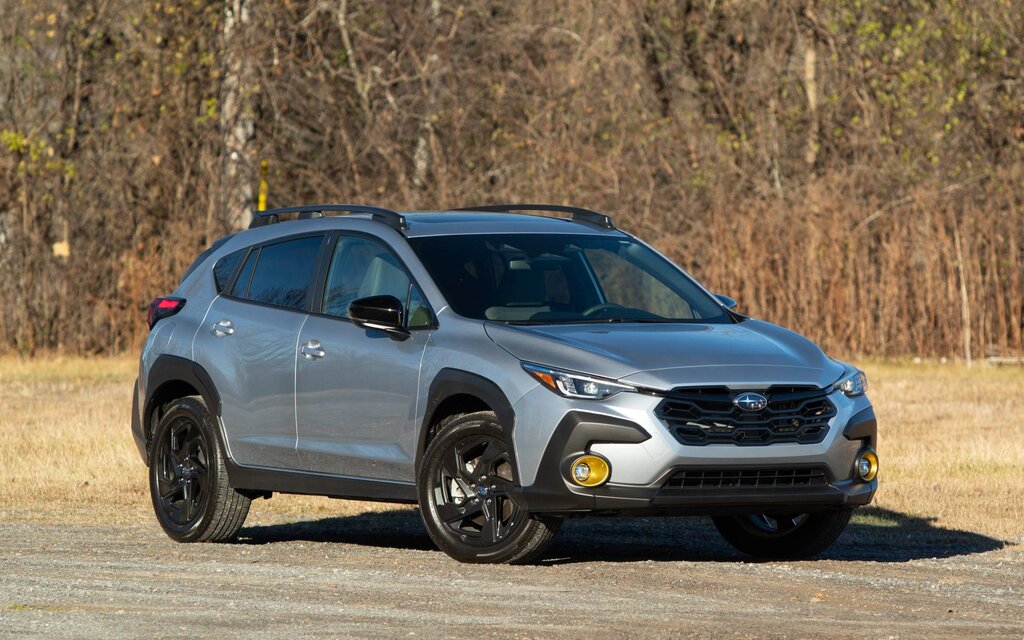
Its size also plays a role in its effectiveness. It is compact enough to navigate city streets without difficulty, yet it does not feel fragile or limited. This balance makes it suitable for both tight urban areas and more open roads when needed.
This vehicle is included because it represents a well-rounded response to a challenging environment. It does not excel in just one area but offers a combination of clearance, control, and confidence that aligns perfectly with the demands of New Orleans driving.
2. Toyota RAV4
The Toyota RAV4 approaches the same challenges from a different perspective. While it may not feel as rugged in character as some alternatives, it delivers a level of consistency that is highly valuable in a city where conditions can change rapidly. It focuses on reliability and predictability, which are essential for daily driving.
One of the key strengths of the RAV4 is how it handles routine obstacles. Puddles, uneven pavement, and minor flooding become manageable rather than concerning. The ground clearance provides enough buffer to avoid most common issues, allowing drivers to focus on navigating traffic rather than worrying about the road surface.
Comfort is another factor that enhances its appeal. The suspension is tuned to absorb imperfections without making the ride feel disconnected. This creates a smoother experience, even when the road conditions are less than ideal. For drivers who spend a lot of time in the city, this can make a noticeable difference.
The interior also supports practicality. There is enough space to accommodate daily needs without feeling excessive, and the layout is intuitive. This makes the vehicle easy to live with, which is an important consideration for urban drivers.
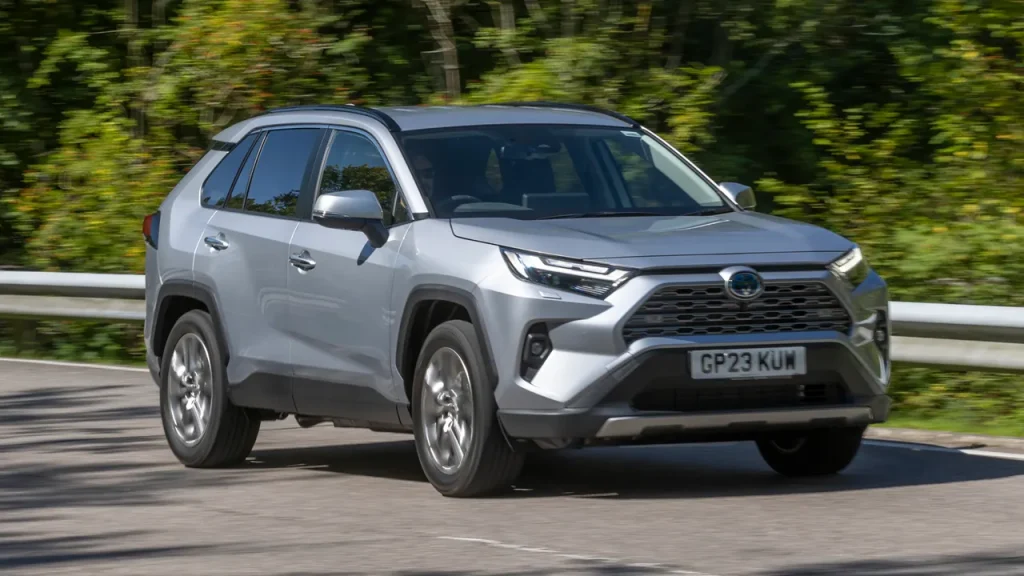
The RAV4 is included because it demonstrates how a crossover can handle difficult conditions without drawing attention to itself. It does not rely on a rugged image but instead delivers steady performance in situations where reliability matters most.
3. Honda CR-V
The Honda CR-V enters this discussion not by emphasizing toughness, but by demonstrating how thoughtful design can handle difficult environments without feeling excessive.
In New Orleans, where road conditions can shift quickly, this approach becomes surprisingly effective. It does not try to overpower the environment, but rather works with it in a controlled and balanced way.
What makes the CR-V particularly suitable is how it distributes its capabilities. The ground clearance is sufficient to deal with standing water and uneven roads, yet the vehicle still feels grounded and easy to manage. This creates a sense of confidence that builds gradually, rather than relying on bold first impressions.
Its driving behavior stands out in subtle ways. Instead of reacting harshly to road imperfections, the CR-V absorbs them with a calm and predictable response. This is important in a city where sudden dips or rough patches can appear without warning. Drivers are less likely to feel unsettled, which contributes to a more relaxed experience overall.
Space inside the vehicle also plays a role in its practicality. It offers enough room to handle daily needs without becoming difficult to maneuver in tighter streets. This balance between interior comfort and exterior manageability is one of its strongest attributes.
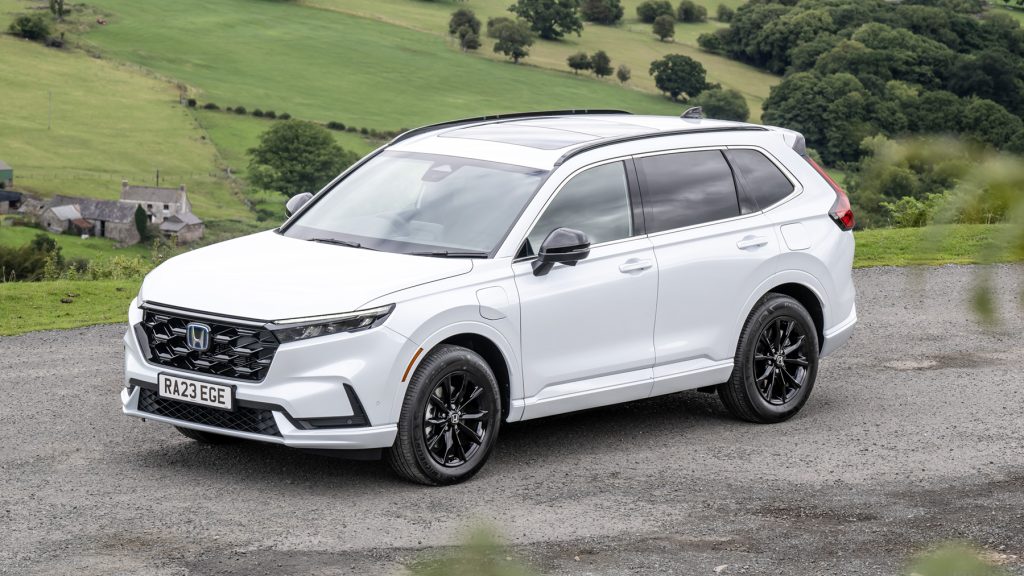
The reason for including the CR-V is its ability to deliver reliability in a quiet, understated manner. It does not draw attention to its strengths, but consistently performs in situations where adaptability is required. In a city like New Orleans, that kind of dependability becomes a defining advantage.
4. Mazda CX-50
The Mazda CX-50 takes a more design-focused approach to the same challenges, blending capability with a sense of refinement that is not always associated with vehicles built for difficult conditions. In New Orleans, this creates an interesting dynamic where practicality and style coexist without conflict.
One of the first things drivers notice is how planted the vehicle feels, even with its increased ground clearance. It does not give the impression of being top-heavy or disconnected from the road. Instead, it maintains a level of composure that makes navigating uneven surfaces feel controlled rather than uncertain.
Its response to changing road conditions is also worth noting. When encountering flooded patches or rough pavement, the CX-50 handles transitions smoothly, avoiding the abrupt reactions that can make driving stressful. This contributes to a more fluid experience, especially in areas where conditions vary from one block to the next.
Inside, the vehicle leans toward a more premium feel, which adds a layer of comfort to daily driving. However, this does not come at the expense of practicality. Controls remain accessible, and the layout supports ease of use, even when attention needs to stay on challenging road conditions.
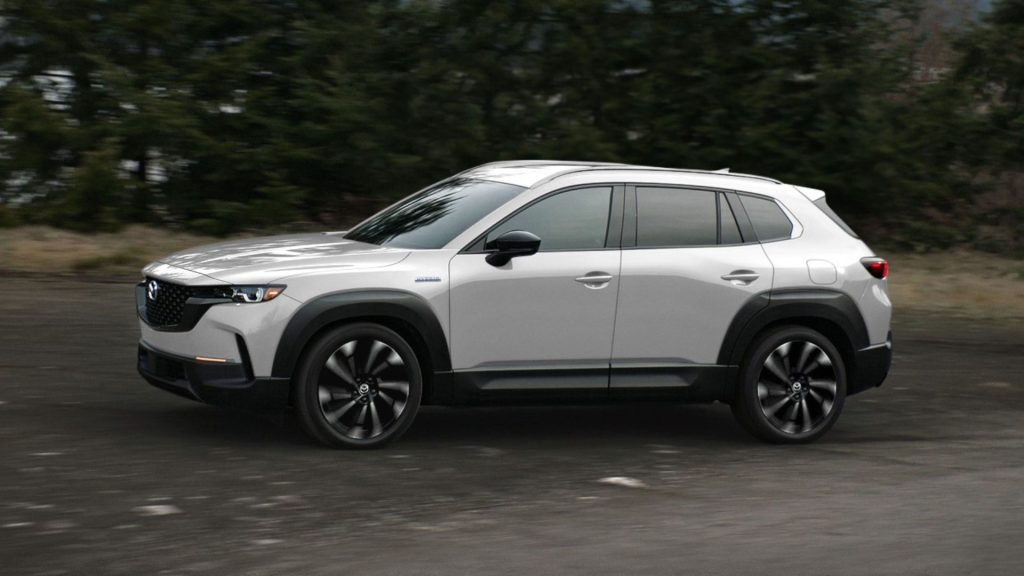
The CX-50 is included because it shows that capability does not have to come at the cost of refinement. It offers a different perspective on what a city-ready crossover can be, proving that drivers can have both function and a sense of design in a demanding environment.
5. Ford Bronco Sport
The Ford Bronco Sport approaches New Orleans driving conditions with a mindset that feels almost anticipatory. Rather than simply reacting to rough roads or flooded streets, it is designed with the expectation that such challenges will occur regularly. This proactive character is what makes it stand out among crossovers in this context.
Its ground clearance is not just a number on a specification sheet. It translates into real-world confidence when dealing with water accumulation or uneven surfaces.
Drivers do not have to second-guess whether a particular street is passable. The vehicle encourages forward movement instead of hesitation, which can be a significant advantage in unpredictable conditions.
What sets the Bronco Sport apart is how it communicates with the driver. There is a sense of control that feels deliberate, almost as if the vehicle is guiding the driver through difficult terrain rather than simply responding to it. This creates a partnership between driver and machine that becomes especially valuable in challenging environments.
The structure of the vehicle also contributes to its effectiveness. It feels solid and capable without becoming overwhelming in size. This is important in a city where maneuverability still matters. It manages to provide the benefits of higher clearance while remaining practical for everyday use.
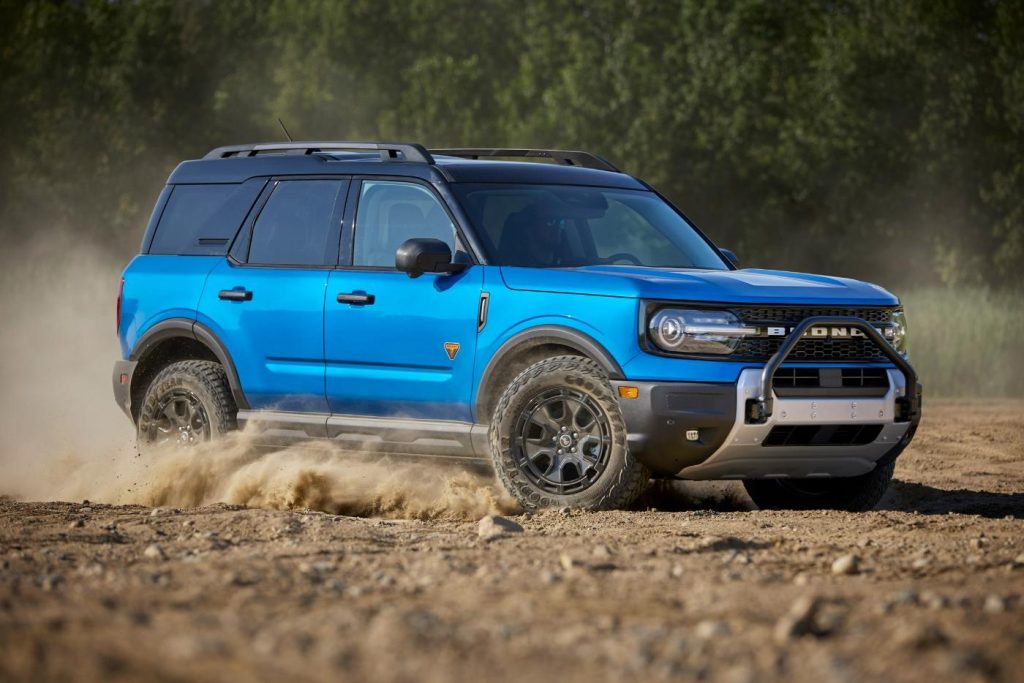
Another point worth mentioning is how it handles transitions between different types of surfaces. Moving from smooth pavement to rough patches or shallow water does not feel abrupt. Instead, the vehicle maintains a steady composure, allowing the driver to stay focused rather than constantly adjusting.
The Bronco Sport is included because it embodies a readiness that aligns perfectly with New Orleans conditions. It is not just capable of handling challenges, but seems prepared for them in a way that enhances driver confidence and overall usability.
5 Low-Profile Sports Cars
Low-profile sports cars are built with a completely different philosophy. They prioritize speed, handling precision, and a close connection to the road. In ideal conditions, this design delivers an engaging and exhilarating driving experience. However, in a city like New Orleans, these same qualities can quickly become limitations.
Ground clearance is the most immediate issue. These vehicles sit very close to the road, which makes them vulnerable to water, debris, and uneven surfaces. What might be a minor obstacle for a crossover can become a serious concern for a sports car. Drivers often have to slow down significantly or avoid certain routes altogether.
Another challenge is how these cars handle unpredictable conditions. Their suspension systems are typically tuned for performance rather than comfort, which means rough roads can feel more pronounced. This can turn everyday driving into a less enjoyable experience, especially in areas where road quality is inconsistent.
Visibility and approach angles also play a role. Navigating flooded streets or steep inclines requires careful judgment, as the risk of scraping or damage is higher. This adds a layer of caution that contrasts sharply with the carefree driving experience these cars are designed to provide.
The following five sports cars highlight this contrast. Each one excels in performance and design, but when placed in New Orleans conditions, their low stance becomes a disadvantage. They serve as examples of how specialization in one area can limit adaptability in another.
1. Chevrolet Corvette
The Chevrolet Corvette represents performance in its purest form, with a design that prioritizes speed, aerodynamics, and driver engagement. However, in a city like New Orleans, these very characteristics create a set of challenges that cannot be ignored.
The low ground clearance immediately changes how the car interacts with the road. Even minor puddles or uneven patches require careful attention, as the margin for error is significantly reduced. Drivers must constantly assess the road ahead, turning what should be a simple drive into a more calculated process.
Its wide stance further complicates matters in tighter streets. While this contributes to stability at high speeds, it can feel excessive in confined urban spaces. Maneuvering through narrow lanes or avoiding obstacles becomes more demanding, requiring precision and patience.
The suspension, tuned for performance, amplifies the impact of rough roads. Instead of absorbing imperfections, it transmits them directly to the driver. This can make driving through poorly maintained areas feel less comfortable and more taxing over time.
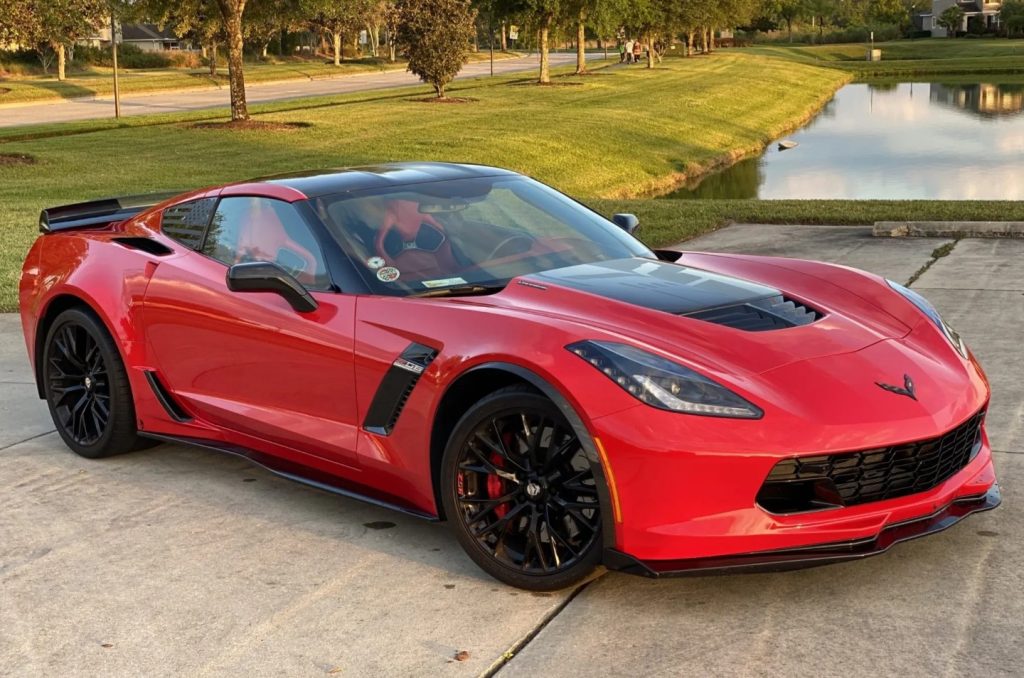
Despite these challenges, the Corvette is not out of place in every aspect of city driving. It still offers a sense of excitement and engagement that few vehicles can match. However, that experience is best suited to smoother roads and open spaces.
This car is included because it highlights the trade-offs of performance-focused design. It excels in the right conditions but struggles to adapt when the environment does not align with its strengths.
2. Porsche 911
The Porsche 911 takes a more refined approach to performance, blending speed with precision engineering. It is a car that feels carefully balanced, offering both power and control. Yet, in New Orleans, its low-profile design introduces challenges that mirror those of more aggressive sports cars.
One of the defining traits of the 911 is its connection to the road. While this enhances handling on smooth surfaces, it becomes a drawback when the road is uneven or flooded. The car’s low stance limits its ability to navigate these conditions without risk, forcing drivers to be constantly aware of potential hazards.
Its handling characteristics, while exceptional in ideal settings, require adjustment in the city. Quick responses and tight control can feel less beneficial when dealing with unpredictable surfaces. Instead of enjoying the precision, drivers may find themselves focusing more on avoiding damage.
The design of the car also influences how it fits into urban spaces. Its shape and proportions are optimized for performance, not practicality. This can make everyday tasks like navigating tight streets or parking more complicated than expected.
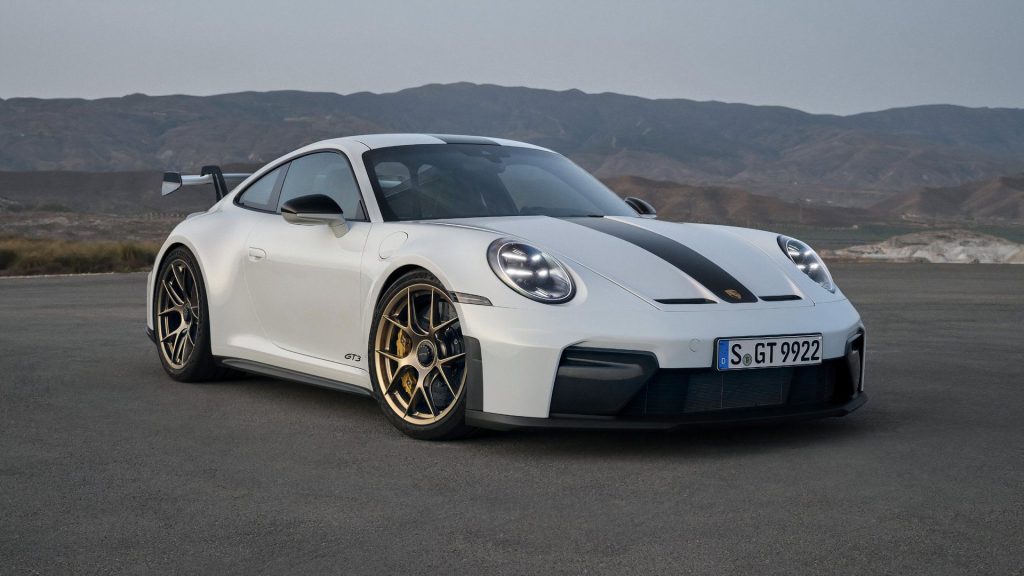
Inside, the focus remains on the driving experience, with controls and features oriented toward performance. While this creates an engaging environment, it does not necessarily address the practical challenges of city driving.
The 911 is included because it demonstrates how even a highly refined sports car can struggle in an environment that does not support its design priorities. It remains an icon of performance, but in New Orleans, its low profile becomes a clear limitation.
3. Ferrari F8 Tributo
Some cars demand admiration before they even start moving, and the Ferrari F8 Tributo is one of them. Its design is sculpted for airflow, speed, and visual drama, sitting extremely close to the ground to maximize performance.
In a controlled environment, this engineering delivers precision and excitement. In New Orleans, however, that same low stance introduces a constant layer of concern.
Driving this car through city streets requires a heightened level of awareness. Roads that appear manageable at first glance can hide imperfections that become problematic for such a low-profile vehicle.
Even shallow water can raise questions about clearance, forcing the driver to slow down or reroute entirely. This hesitation interrupts the natural rhythm of driving.
Another challenge comes from how the car reacts to uneven pavement. Instead of smoothing out the surface, it mirrors every detail of it. Each bump, dip, or rough patch is felt directly, turning ordinary streets into unpredictable terrain. This can make even short drives feel more demanding than expected.
The width and sharp angles of the F8 Tributo also influence how it moves through tighter areas. Navigating narrow lanes or crowded streets requires careful positioning, as there is little room for error. The car’s design, while stunning, does not lend itself easily to confined urban environments.
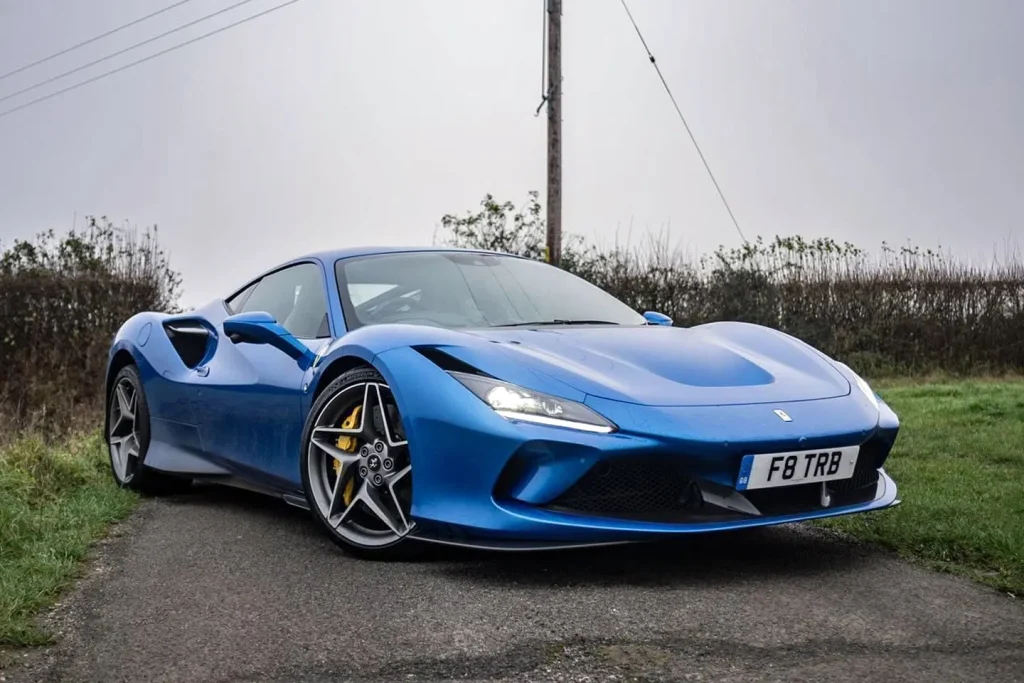
Despite these challenges, the F8 Tributo remains a symbol of engineering excellence. It offers an unmatched driving experience when conditions are right. It is included here to illustrate how a vehicle built for performance can feel constrained in a city where road conditions and space do not align with its purpose.
4. Lamborghini Huracán
The Lamborghini Huracán approaches performance with a more aggressive personality, combining sharp styling with a driving experience that feels intense and immediate. Its low profile is a key part of that identity, keeping the car close to the road for maximum control. In New Orleans, though, this advantage becomes a clear limitation.
From the moment it enters a typical city street, the Huracán demands attention. The low clearance means that even slight changes in road height can become obstacles. Drivers must approach inclines, dips, and flooded areas with extreme caution, often reducing speed to a crawl to avoid contact with the ground.
Its suspension setup further emphasizes this issue. Designed for responsiveness rather than comfort, it transmits road conditions directly into the cabin. This creates a constant awareness of the surface beneath, which can become tiring in an environment where roads are rarely smooth or predictable.
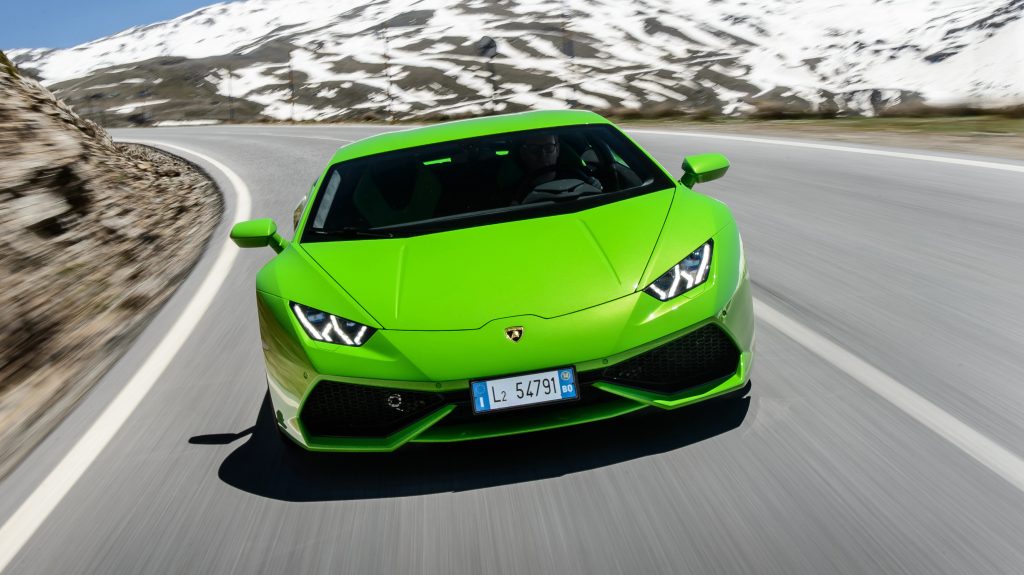
The car’s presence also affects how it interacts with traffic. Its width and low stance make it feel larger than it actually is in tight spaces. Navigating through narrow streets or alongside parked cars requires precise control, as there is little margin for adjustment.
Inside, the focus remains on performance and driver engagement. While this creates an exciting atmosphere, it does not address the practical challenges of city driving. The experience feels tailored for open roads rather than confined urban spaces.
The Huracán is included because it highlights the extremes of low-profile design. It delivers intensity and performance at the highest level, but in a city like New Orleans, those qualities are overshadowed by the limitations imposed by its height and structure.
5. McLaren 720S
The McLaren 720S represents a different philosophy within the world of sports cars, one that blends extreme performance with advanced engineering and lightweight construction.
It is designed to feel almost effortless at high speeds, with aerodynamics and precision shaping every aspect of its behavior. Yet, when placed in the unpredictable conditions of New Orleans, its low-profile nature becomes a constant factor that limits its usability.
Unlike some sports cars that rely on raw aggression, the 720S feels calculated and refined. However, this refinement does not extend to handling rough or flooded streets.
Its minimal ground clearance leaves little room for error, forcing drivers to approach even minor obstacles with caution. What would be a routine drive in another vehicle becomes a series of careful decisions.
The structure of the car also contributes to its challenges. Its lightweight design, while beneficial for performance, makes it feel more sensitive to road imperfections.
Instead of absorbing irregularities, it reacts to them quickly, requiring the driver to stay fully engaged at all times. This can turn a simple commute into a mentally demanding experience.
Visibility plays an interesting role as well. The low seating position creates a unique perspective, but it can make it harder to assess road conditions ahead, especially when dealing with standing water or uneven surfaces. This adds another layer of complexity to navigating city streets.
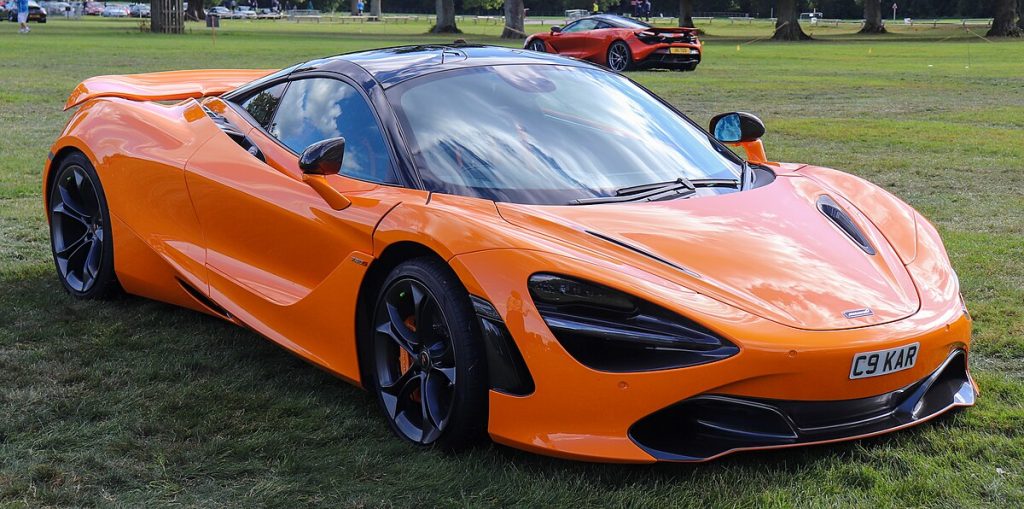
At the same time, the 720S remains an impressive piece of engineering. It delivers a level of performance and innovation that few vehicles can match. It is included here to underline a key idea that runs through this entire comparison.
A car can be exceptional in its intended environment, yet struggle significantly when placed in conditions that do not support its design.
In New Orleans, where adaptability and resilience are essential, the 720S serves as a clear example of how specialization can become a limitation.
New Orleans driving conditions clearly favor vehicles with higher ground clearance. Crossovers like the Subaru Crosstrek, Toyota RAV4, Honda CR-V, Mazda CX-50, and Ford Bronco Sport handle uneven roads, flooding, and daily unpredictability with confidence and ease. They provide stability, visibility, and flexibility that align well with the city’s demands.
In contrast, low-profile sports cars such as the Chevrolet Corvette, Porsche 911, Ferrari F8 Tributo, Lamborghini Huracán, and McLaren 720S struggle due to limited clearance and performance-focused design.
While thrilling in ideal conditions, they require constant caution in this environment. This comparison highlights how the right vehicle depends heavily on where it is driven.
Also Read: 5 Vehicles for Flash Flood Season In Houston vs. 5 Low-Slung Sedans to Avoid