
San Diego offers a driving experience shaped by ocean air, scenic coastlines, and a relaxed pace that encourages enjoyment rather than urgency. The environment here is unique because it combines beauty with subtle challenges.
Salt air, humidity, and constant exposure to coastal elements can influence how vehicles age and perform over time. This creates a clear distinction between cars that thrive in this setting and those that struggle to maintain their condition.
For many drivers, coastal cruising is part of the lifestyle. Whether it is a drive along the shoreline or a relaxed evening commute with the windows down, the right vehicle enhances the experience.
Comfort, design, and resistance to environmental wear all play a role in determining which cars feel at home in San Diego. Some vehicles seem perfectly suited to this rhythm, offering a balance of style and durability.
At the same time, not all cars respond well to coastal conditions. Salt in the air can accelerate corrosion, especially in vehicles that are not designed with long-term exposure in mind. Materials, finishes, and structural components can begin to degrade more quickly, turning what should be a reliable vehicle into a source of maintenance concerns.
This contrast highlights an important consideration for drivers in coastal cities. Choosing a car is not just about performance or appearance, but also about how well it can handle the environment it operates in daily. A car that performs beautifully inland may face challenges when exposed to ocean conditions over time.
This article explores both sides of that equation. It begins with five vehicles that complement San Diego’s coastal lifestyle, followed by five cars that are more vulnerable to the effects of salt air. Together, they illustrate how environment and engineering intersect in shaping long-term vehicle satisfaction.
Also Read: 5 Domestic Daily Drivers In Detroit vs. 5 Imports That Lose Resale Fast
5 Coastal Cruisers In San Diego
Driving along San Diego’s coastline is less about reaching a destination and more about enjoying the journey itself. The sound of the ocean, the open sky, and the steady rhythm of traffic create an atmosphere where the driving experience becomes part of the day’s highlight. In such a setting, the right vehicle can elevate that experience significantly.
Coastal cruisers are not defined by a single feature. Instead, they combine comfort, style, and resilience in a way that aligns with the environment. These cars are designed to handle extended exposure to sun and salt air while still delivering a smooth and enjoyable ride. They feel at ease in a setting where both aesthetics and durability matter.
Another important factor is how these vehicles encourage relaxed driving. Responsive yet smooth handling, comfortable seating, and open-air options in some cases all contribute to a sense of ease. This is not about aggressive performance, but about creating a connection between the driver and the surroundings.
Practicality also plays a role. Coastal life often involves spontaneous stops, carrying light gear, or simply adapting to changing plans. Vehicles that support this flexibility without compromising comfort stand out in this environment.
The following five cars are included because they capture different aspects of what makes a great coastal cruiser. Each one brings its own personality, but all share a common ability to enhance the experience of driving in San Diego’s unique coastal setting.
1. Mazda MX-5 Miata
The Mazda MX-5 Miata feels almost inseparable from the idea of coastal driving. It is a car that invites the driver to engage with the environment, turning a simple drive into an experience shaped by wind, sound, and movement. In San Diego, where the climate encourages open-air driving, this connection becomes even more meaningful.
What makes the Miata particularly suited to this setting is its simplicity. It does not overwhelm the driver with complexity. Instead, it focuses on delivering a direct and enjoyable experience. With the top down, the boundary between the car and the surroundings fades, allowing the coastal atmosphere to become part of the journey.
Its lightweight design contributes to a sense of agility that feels natural on winding coastal roads. Rather than relying on power, it uses balance and responsiveness to create an engaging drive. This makes it ideal for relaxed cruising, where the goal is enjoyment rather than speed.
Another advantage is how well it handles regular exposure to the elements. While no car is completely immune to salt air, the Miata’s straightforward design and manageable size make it easier to maintain and protect over time. This helps preserve its appeal in a coastal environment.
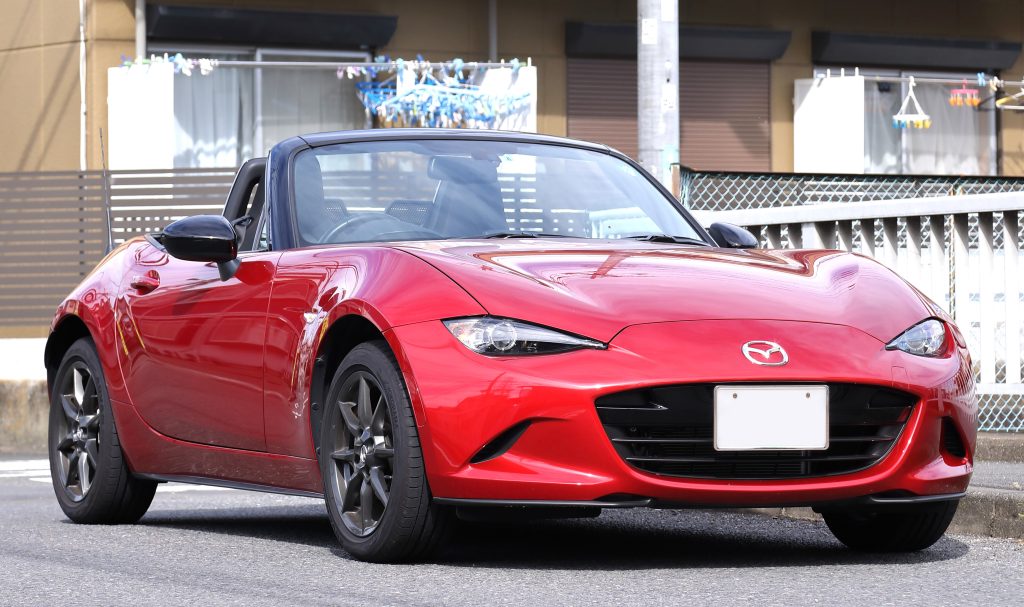
The Miata is included because it captures the essence of what a coastal cruiser should be. It is not about excess or complexity, but about creating a pure and enjoyable connection between the driver and the road.
2. Jeep Wrangler
The Jeep Wrangler brings a completely different perspective to coastal driving, one that emphasizes freedom and adaptability. Unlike more refined cruisers, it embraces a rugged character that fits naturally into the varied landscapes of San Diego, from sandy beaches to coastal roads.
One of its defining features is its open-air capability. Removing the roof and doors transforms the driving experience, allowing the ocean breeze to become a constant presence. This creates a sense of immersion that few vehicles can match, making every drive feel more connected to the surroundings.
The Wrangler also stands out for its durability. Coastal environments can be demanding, but this vehicle is built to handle exposure to elements without losing its integrity. Its design reflects a readiness to face conditions that might challenge more delicate vehicles.
Driving the Wrangler is less about refinement and more about experience. It encourages a slower, more deliberate pace, where the journey itself becomes the focus. This aligns well with the relaxed lifestyle often associated with coastal areas.
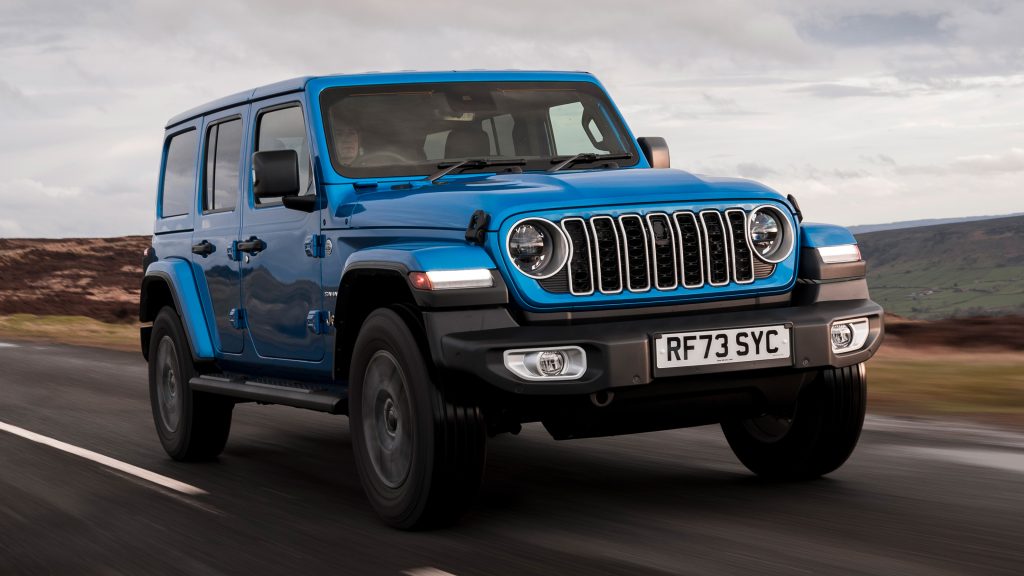
Its versatility adds another layer of appeal. Whether it is carrying beach gear or navigating different types of terrain, the Wrangler adapts easily to changing needs. This makes it a practical choice for those who want a vehicle that supports both leisure and utility.
The Wrangler is included because it represents a different kind of coastal cruiser. It may not offer the same smoothness as other vehicles, but it delivers a sense of freedom and resilience that fits perfectly with San Diego’s coastal lifestyle.
3. Ford Mustang Convertible
The Ford Mustang Convertible brings a sense of tradition to coastal driving, combining familiar styling with an experience that feels naturally suited to open-air environments. In San Diego, where the weather consistently supports top-down driving, this car fits into the lifestyle without needing adjustment or compromise.
There is something distinct about the way the Mustang Convertible approaches a coastal drive. It does not rely on subtlety. Instead, it leans into presence, offering a driving experience that feels both relaxed and expressive. With the roof down, the connection to the ocean air becomes immediate, turning even routine drives into something more engaging.
Its performance plays a supporting role rather than dominating the experience. While it has the capability to deliver strong acceleration, it also settles comfortably into a steady cruising rhythm. This dual nature allows drivers to shift between moments of energy and periods of calm without feeling out of place.
The interior contributes to its appeal by providing a balance between comfort and accessibility. It supports longer drives along the coastline without becoming tiring, which is important in a setting where the journey itself is often the main focus.
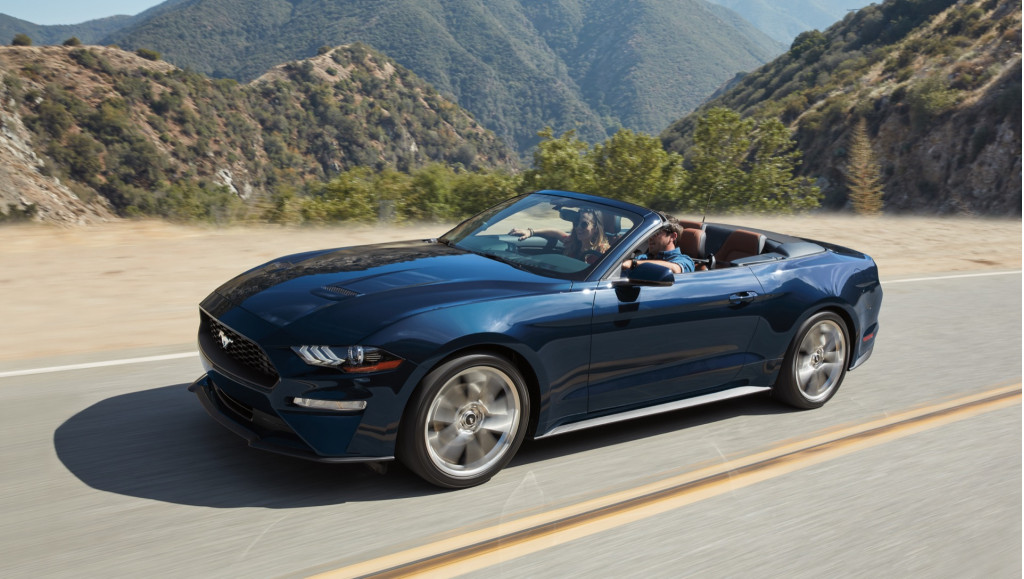
Another consideration is how it handles the coastal environment over time. The Mustang Convertible is built to withstand regular use, and with proper care, it maintains its appeal despite exposure to sun and salt air. This durability adds to its practicality as a long-term coastal companion.
It is included here because it represents a blend of style and experience that aligns well with San Diego’s atmosphere. It does not try to reinvent coastal driving, but instead enhances it in a way that feels both familiar and enjoyable.
4. Toyota Land Cruiser
The Toyota Land Cruiser approaches coastal driving from a position of strength and reliability. It is not designed specifically for leisurely cruising, yet it adapts to the environment in a way that makes it surprisingly effective along San Diego’s coastline.
What sets the Land Cruiser apart is its ability to handle conditions that might challenge other vehicles. Coastal environments can introduce elements like sand, moisture, and uneven surfaces, and this vehicle manages them with ease. It offers a sense of security that allows drivers to focus on the experience rather than potential obstacles.
Its driving style is composed and steady. Instead of emphasizing agility or speed, it prioritizes control and stability. This creates a relaxed atmosphere inside the vehicle, where passengers can enjoy the surroundings without distraction. It feels less like a performance machine and more like a dependable companion for long drives.
The interior reflects a focus on durability and comfort. It supports extended use without showing signs of strain, which is important in a lifestyle that often involves frequent outings and varied conditions. This consistency adds to its appeal as a long-term choice.
Another important factor is how it handles exposure to coastal elements. The Land Cruiser is built with resilience in mind, making it less vulnerable to the effects of salt air compared to more delicate vehicles. This durability ensures that it maintains its condition over time.
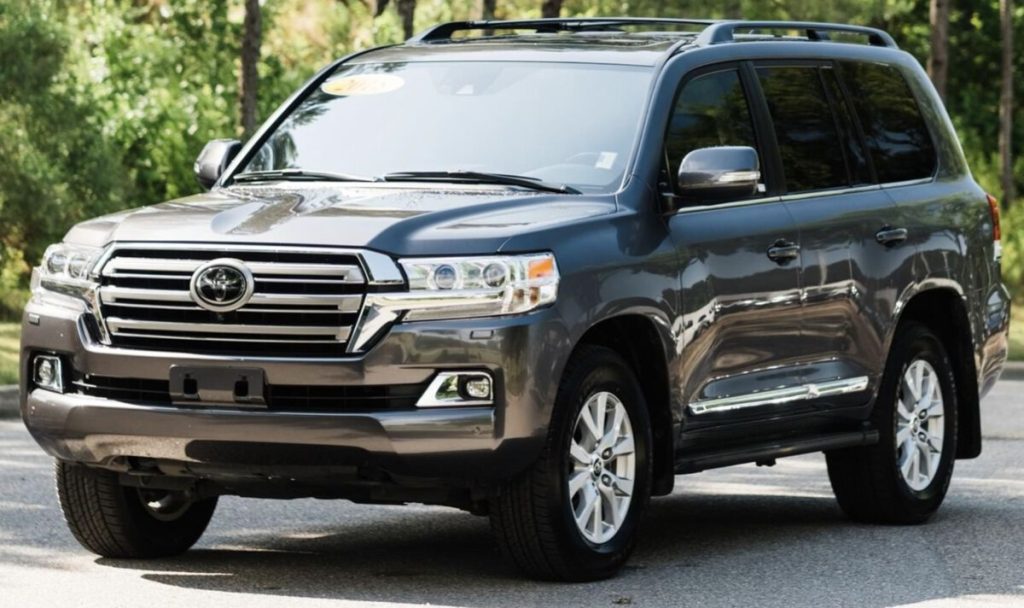
The reason for including the Land Cruiser is its ability to combine reliability with adaptability. It may not be the most obvious coastal cruiser, but it proves that strength and comfort can coexist in a setting that values both.
5. Mercedes-Benz E-Class Cabriolet
The Mercedes-Benz E-Class Cabriolet brings a refined and composed approach to coastal driving, offering an experience that feels carefully tailored rather than spontaneous. In San Diego, where the environment encourages open-air travel, this car aligns with the setting by delivering comfort, quiet confidence, and long-term usability.
Unlike more playful convertibles, this vehicle creates a sense of calm. With the roof lowered, the transition between interior and exterior feels controlled rather than dramatic.
Wind noise is managed effectively, and the cabin remains a place of comfort even when the ocean breeze is present. This makes it ideal for longer drives along the coastline, where consistency matters more than intensity.
Its driving character reflects this same philosophy. The E-Class Cabriolet does not push the driver toward aggressive behavior. Instead, it supports a smooth and measured pace that complements the relaxed rhythm of coastal roads.
Steering feels precise without being demanding, and the overall experience remains composed even when traffic conditions change.
Inside, the vehicle emphasizes quality and attention to detail. Materials are chosen to withstand exposure to sunlight and air while maintaining their appearance over time. This is particularly important in a coastal environment, where constant exposure can accelerate wear in less durable interiors.
Another strength is how it handles the long-term effects of salt air. While no car is completely immune, the engineering and build quality here help reduce the rate of deterioration. With proper care, it retains its elegance and functionality despite regular coastal use.
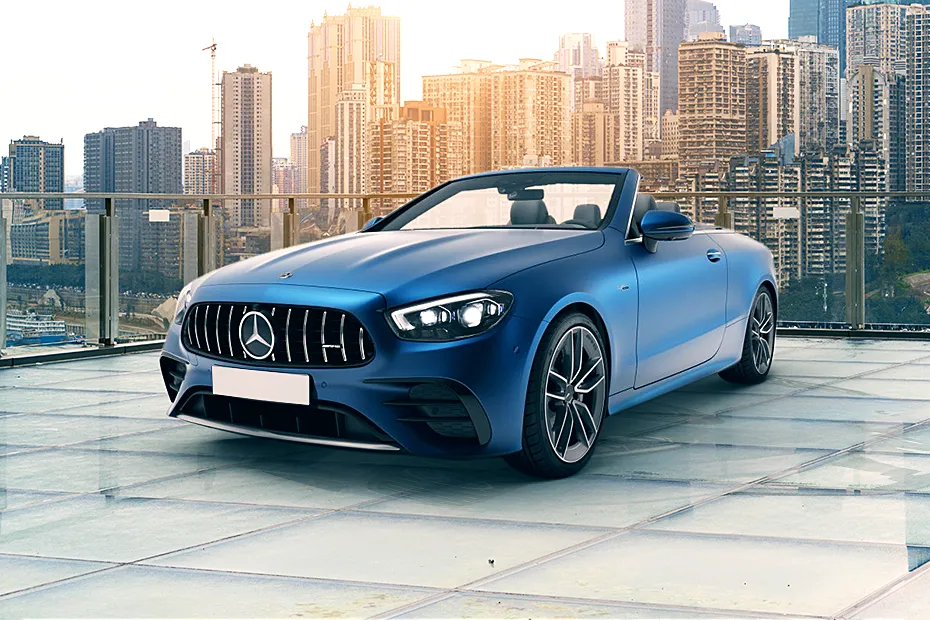
The E-Class Cabriolet is included because it represents a more refined interpretation of coastal cruising. It does not rely on excitement alone, but instead offers a balanced experience that combines comfort, durability, and a quiet appreciation for the surroundings.
5 Cars That Salt Air Destroys
Coastal environments introduce a unique kind of wear that is often underestimated. Salt carried through the air settles on surfaces, gradually affecting metal components, paint finishes, and even structural elements. Over time, this exposure can accelerate corrosion, especially in vehicles that are not designed to handle such conditions.
Some cars are particularly vulnerable to this process. It is not always about quality, but about how materials and construction respond to prolonged exposure. Vehicles with intricate components, delicate finishes, or lower levels of protective treatment often show signs of deterioration more quickly in coastal areas like San Diego.
Another factor is how these cars are typically used. Performance-oriented vehicles or those with specialized designs may not prioritize resistance to environmental wear. This creates a gap between their intended purpose and the realities of coastal living. What performs well in controlled conditions may struggle when exposed to salt air on a daily basis.
Maintenance becomes a critical concern in these situations. Owners may find themselves needing to invest more time and effort into preserving their vehicles, from frequent cleaning to protective treatments. Even then, the effects of salt exposure can gradually take hold.
The following five cars are included because they highlight these vulnerabilities. Each one has its own strengths, but in a coastal environment, they face challenges that can impact their longevity. They serve as examples of how environmental factors can influence the suitability of a vehicle.
1. Nissan GT-R
The Nissan GT-R is a machine built for precision and performance, designed to deliver exceptional speed and control in environments where conditions are predictable. However, when exposed to the constant presence of salt air in a place like San Diego, its highly engineered components face a different kind of challenge.
This car relies on a complex combination of materials and systems that work together to achieve its performance goals. While this complexity is a strength on the track or highway, it introduces vulnerabilities in a coastal setting. Salt particles can settle into small crevices, gradually affecting components that are not easily visible or accessible.
The exterior, with its sharp lines and performance-focused design, can also show signs of wear over time. Paint finishes may begin to lose their clarity, and exposed metal parts can develop early signs of corrosion if not carefully maintained. This requires a level of attention that goes beyond typical ownership.
Another consideration is how the vehicle handles regular exposure to moisture. Performance cars like the GT-R are not primarily designed for environments where humidity and salt are constant factors. This mismatch can lead to increased maintenance demands, particularly for owners who use the car frequently in coastal areas.
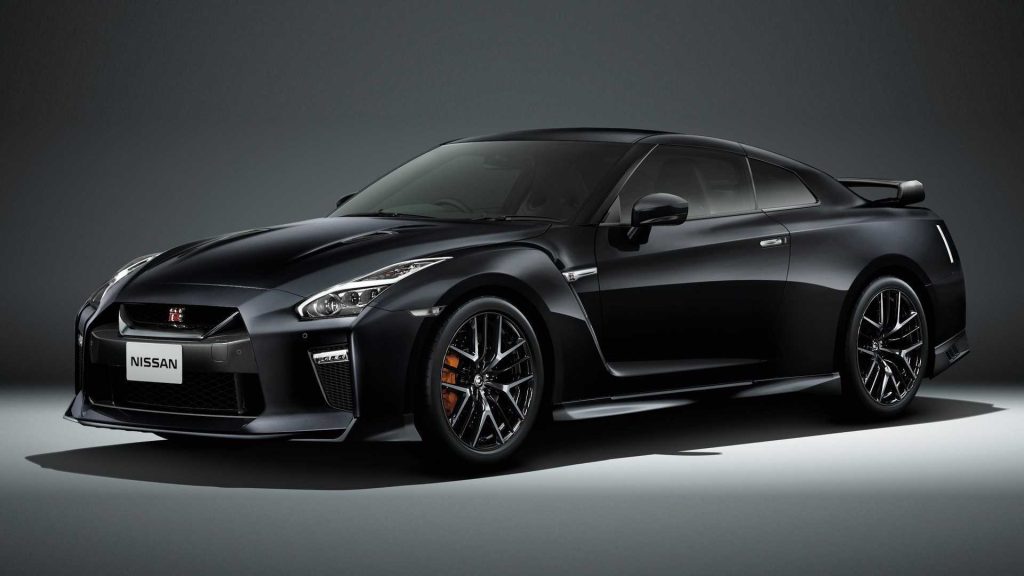
Driving the GT-R in such conditions also requires caution. Its low stance and performance-oriented setup make it less adaptable to the subtle challenges introduced by coastal roads, adding another layer of complexity to ownership.
It is included here because it represents how a high-performance vehicle can face unexpected difficulties when placed in an environment that does not align with its design priorities.
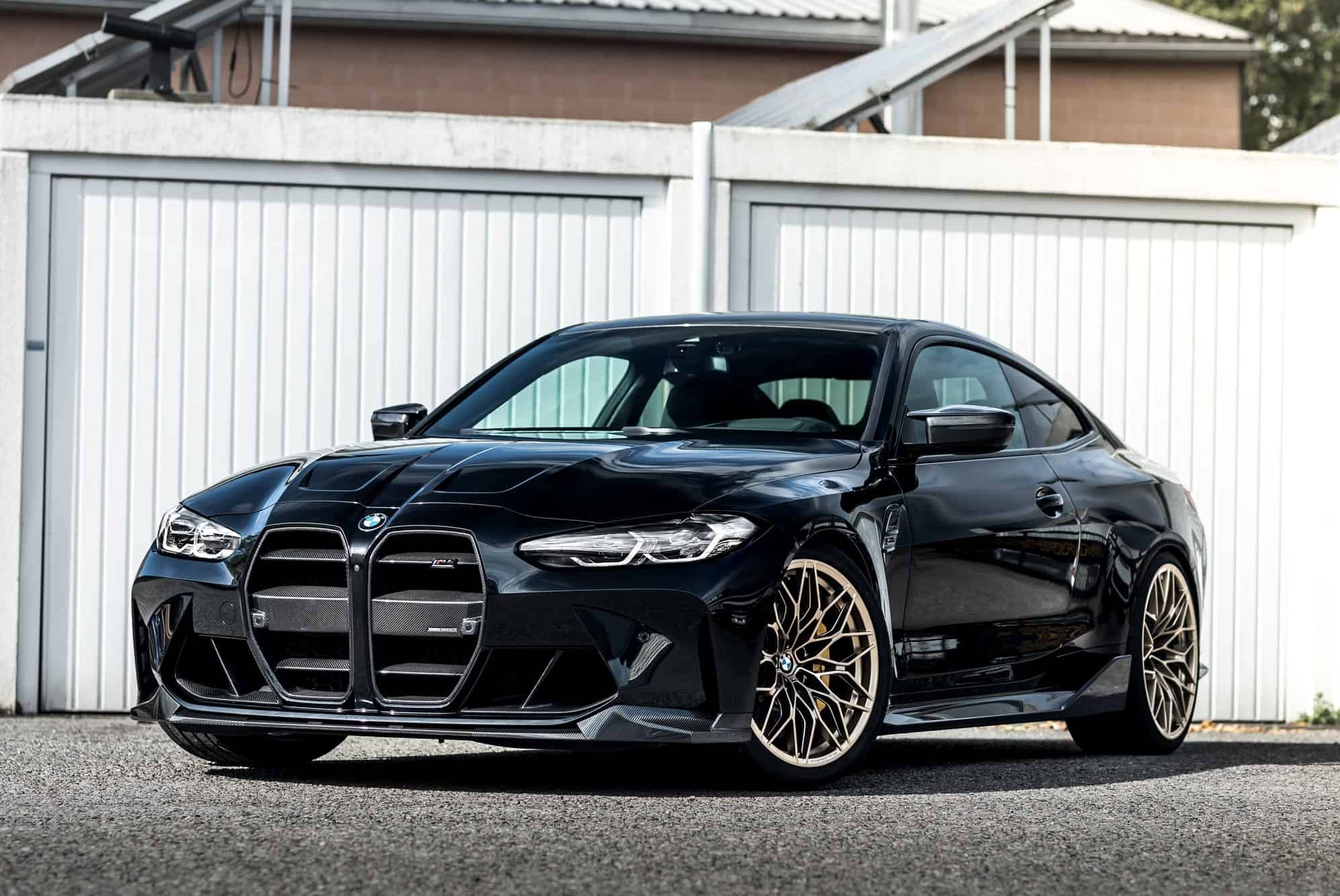
2. BMW M4
The BMW M4 brings together performance and refinement, offering a driving experience that feels both powerful and controlled. Yet, in a coastal environment like San Diego, its design introduces certain sensitivities that make it more vulnerable to the effects of salt air over time.
One of the defining aspects of the M4 is its use of advanced materials and finishes. While these contribute to performance and aesthetics, they can also require more careful maintenance when exposed to salt-laden air. Small imperfections or unprotected areas can become entry points for corrosion, gradually affecting the vehicle’s condition.
The exterior design, with its detailed surfaces and performance-focused elements, can trap salt particles in areas that are not immediately visible. This creates a situation where deterioration may begin subtly, only becoming noticeable after extended exposure.
Inside, the vehicle emphasizes a premium environment, but even these materials are not entirely immune to the effects of humidity and salt. Over time, constant exposure can influence how surfaces age, particularly if the car is regularly driven near the coast.
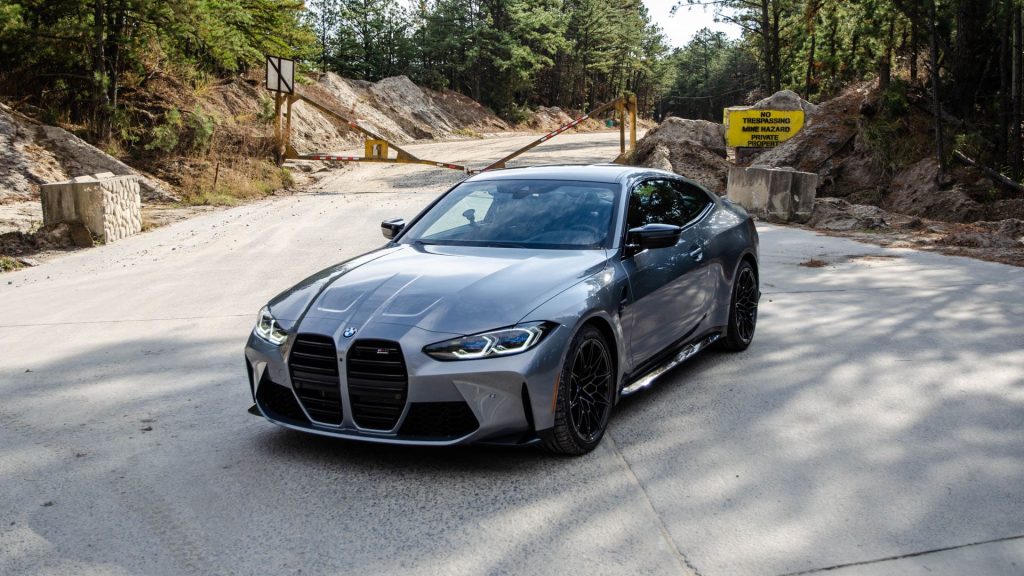
Another factor is the balance between performance and practicality. The M4 is designed to deliver an engaging driving experience, but that focus does not always align with the demands of a coastal environment. Owners may find themselves investing additional effort into maintaining the vehicle’s condition.
The M4 is included because it highlights how a performance-oriented car with refined features can still face challenges in a setting where environmental factors play a significant role.
3. Audi R8
The Audi R8 stands as a showcase of precision engineering and striking design, built to deliver performance in controlled and predictable conditions. In a coastal environment like San Diego, however, its low stance and finely detailed construction introduce challenges that are not immediately obvious but become more apparent over time.
One of the defining characteristics of the R8 is its extensive use of exposed elements and tightly integrated components. While these contribute to its performance and visual appeal, they also create areas where salt particles can accumulate.
Over time, this buildup can begin to affect finishes and smaller components that are not easily accessible for regular cleaning.
Its low ground clearance further complicates matters. Coastal roads often carry moisture, sand, and salt residue, all of which can come into closer contact with the underside of the vehicle. This increases the likelihood of gradual wear in areas that are not typically exposed in non-coastal environments.
Another aspect to consider is how the car responds to long-term exposure. The R8 is designed for performance driving, not for continuous interaction with corrosive elements. This mismatch can lead to increased maintenance requirements, particularly for owners who use the vehicle frequently along the coastline.
The interior, while crafted with high-quality materials, is not entirely immune to environmental effects. Subtle exposure to humidity and salt air can influence how surfaces age, especially if the car is regularly driven with windows down or parked near the ocean.
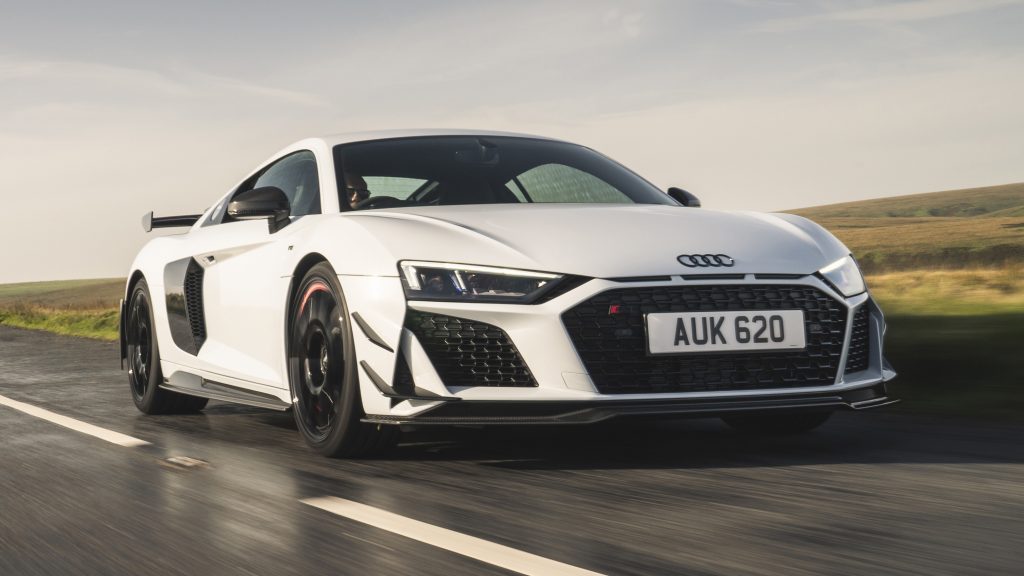
The R8 is included because it demonstrates how a high-performance vehicle with exceptional engineering can still face limitations when exposed to conditions outside its intended design. It excels in its domain, but coastal environments introduce variables that challenge its longevity.
4. Jaguar F-Type
The Jaguar F-Type brings a sense of elegance and performance that feels tailored for dramatic driving experiences. Its design emphasizes both visual impact and driving engagement, making it a compelling choice in many environments.
In a coastal setting like San Diego, however, this focus introduces certain vulnerabilities that become more noticeable over time.
The exterior of the F-Type is shaped with smooth curves and detailed finishes, which can be more susceptible to the effects of salt air. Over time, constant exposure can begin to dull surfaces or create subtle imperfections that require ongoing attention to maintain the car’s appearance.
Its structure also plays a role in how it interacts with the environment. Performance-oriented components are often exposed to conditions that include moisture and salt residue, particularly when driving near the coast. This can lead to gradual wear that may not be immediately visible but becomes significant over extended periods.
Driving the F-Type in such conditions requires a level of care that goes beyond typical use. Owners may need to clean and protect the vehicle more frequently to prevent long-term damage. This adds to the overall maintenance effort, making ownership more demanding in a coastal environment.
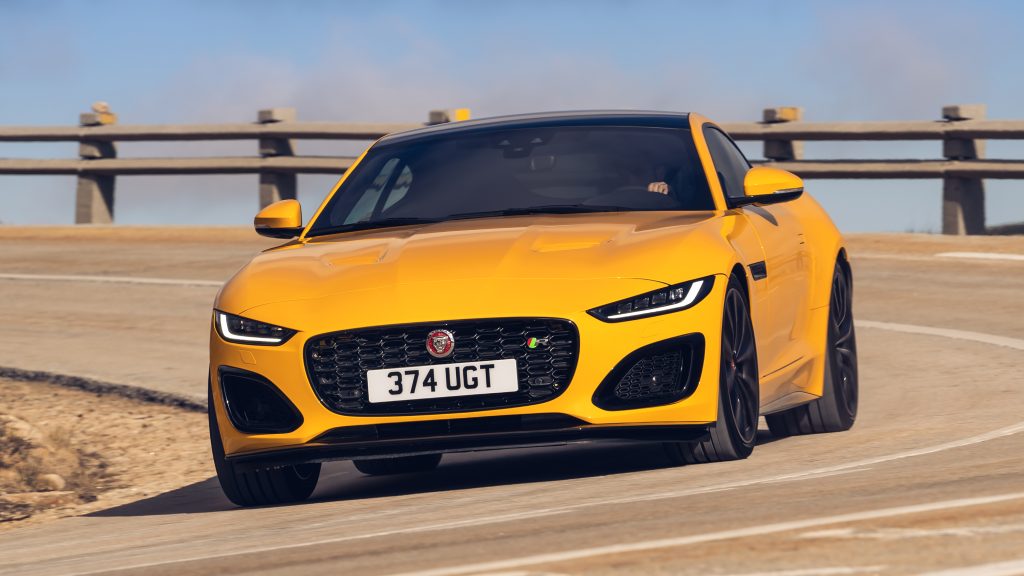
Inside, the focus on luxury and detail creates an inviting space, but these materials also require protection from humidity and salt exposure. Over time, constant contact with coastal air can influence how the interior ages, especially if preventative measures are not taken.
The F-Type is included because it highlights how a vehicle designed for performance and elegance can face challenges when exposed to environmental factors that it was not primarily built to handle.
5. Alfa Romeo 4C
The Alfa Romeo 4C represents a purist approach to sports car design, focusing on lightweight construction and a direct connection between driver and machine. While this philosophy delivers a unique and engaging experience, it also introduces limitations when the car is exposed to the persistent effects of salt air in a coastal city like San Diego.
This vehicle strips away many layers of insulation and complexity to achieve its lightweight nature. While this enhances performance, it reduces the level of protection between the car’s components and the external environment. Salt air can interact more directly with exposed surfaces, accelerating wear over time.
Its compact and low-profile design further increases its vulnerability. Being closer to the ground means greater exposure to moisture, sand, and salt residue present on coastal roads. This constant interaction can gradually affect the underside and other critical areas of the vehicle.
Another factor is how the car is typically used. The 4C is designed for focused driving experiences rather than everyday practicality. In a coastal setting, this creates a mismatch between its intended purpose and the conditions it faces, leading to increased maintenance demands.
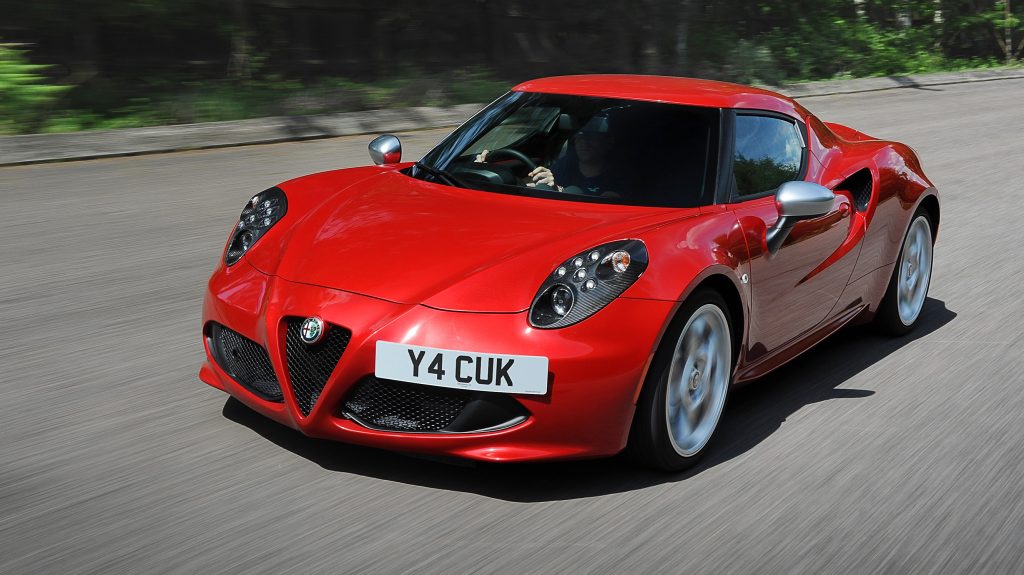
The interior reflects the same minimalist approach, which, while appealing from a performance standpoint, offers less resistance to environmental factors. Materials may show signs of wear more quickly when exposed to humidity and salt over time.
The Alfa Romeo 4C is included because it represents the extreme end of performance-focused design. It delivers a unique driving experience, but in a coastal environment, its lack of protective elements makes it particularly susceptible to the long-term effects of salt air.
San Diego’s coastal environment rewards vehicles that combine comfort, durability, and resistance to salt exposure. Cars like the Mazda MX-5 Miata, Jeep Wrangler, Ford Mustang Convertible, Toyota Land Cruiser, and Mercedes-Benz E-Class Cabriolet enhance the coastal driving experience while maintaining resilience over time.
In contrast, performance-focused vehicles such as the Nissan GT-R, BMW M4, Audi R8, Jaguar F-Type, and Alfa Romeo 4C face greater challenges.
Their complex designs, low profiles, and sensitive materials make them more vulnerable to corrosion and wear. This comparison highlights how environmental conditions play a crucial role in determining long-term vehicle suitability.
Also Read: 5 Hybrid Commuters for the Atlanta Perimeter vs. 5 V8s to Avoid in Traffic
