
Atlanta’s Perimeter, better known as the loop formed by Interstate 285, is one of those places where a car’s true character gets exposed quickly.
This is not a forgiving environment. Traffic builds suddenly, stretches endlessly, and demands constant adjustments from drivers who are navigating everything from tight merges to unpredictable slowdowns.
In this kind of setting, the difference between a well-suited commuter vehicle and a poorly matched one becomes more than just a matter of preference. It becomes a daily quality-of-life issue.
Hybrid vehicles have carved out a strong position in this kind of environment for good reason. They thrive in stop-and-go traffic, capitalize on regenerative braking, and often deliver a smoother, quieter experience when crawling through congestion.
For someone commuting around Atlanta’s Perimeter, that translates into fewer fuel stops, lower stress, and a car that feels like it is working with you instead of against you. These are not just efficiency tools, they are practical companions built for urban endurance.
On the other end of the spectrum are V8-powered vehicles that, while impressive in open conditions, tend to struggle in heavy traffic. Their strengths lie in power and performance, but those strengths often become drawbacks in a setting where acceleration is limited and idling is constant.
Fuel consumption spikes, heat builds, and the driving experience can feel unnecessarily heavy for the task at hand. What feels exhilarating on an open highway can feel exhausting on a congested loop.
This article explores both sides of that contrast. First, we will look at hybrid commuters that are particularly well-suited for navigating Atlanta’s Perimeter, focusing on how they adapt to real-world traffic conditions.
Then, we will shift to V8-powered vehicles that may not be the best choice for this kind of environment, explaining why their characteristics can become liabilities in daily commuting scenarios.
Also Read: 10 Common Driving Errors That Cause Most Highway Accidents in the US
5 Hybrid Commuters for the Atlanta Perimeter
Atlanta’s Perimeter is not just about distance, it is about time spent in unpredictable conditions. A good commuter car here must balance efficiency, comfort, and responsiveness in a way that reduces fatigue over long stretches of slow-moving traffic. Hybrids excel because they are designed with this exact scenario in mind.
What makes a hybrid particularly valuable in this setting is not just fuel economy, but how it delivers that efficiency. The ability to switch between electric and gasoline power allows these vehicles to handle constant speed changes without wasting energy.
Smooth acceleration, quiet operation, and reduced engine strain all contribute to a more relaxed driving experience, which matters more than raw performance in a commute like this.
Another key factor is consistency. A reliable hybrid commuter does not just perform well on paper, it maintains that performance across different traffic patterns, weather conditions, and driving habits. Whether you are dealing with morning congestion or late evening slowdowns, the right hybrid adapts without demanding extra effort from the driver.
The following vehicles have been chosen not just for their specifications, but for how they behave in real-world conditions similar to Atlanta’s Perimeter. Each one offers a different take on what makes a hybrid commuter effective, ensuring that the list reflects a variety of driving preferences and priorities rather than a single formula.
1. Toyota Prius
The Toyota Prius represents a kind of quiet confidence that becomes increasingly valuable in heavy traffic. It does not try to impress with aggressive styling or performance figures, yet it consistently delivers where it matters most. In a place like Atlanta’s Perimeter, where patience is tested daily, that consistency becomes its strongest asset.
What stands out about the Prius is how naturally it handles stop-and-go conditions. The transition between electric and gasoline power is almost unnoticeable, which means the driver is not constantly reminded of the system working in the background.
Instead, the experience feels seamless, allowing you to focus on navigating traffic rather than managing the car.
Fuel efficiency is, of course, a major advantage, but it is the predictability of that efficiency that makes a difference. Even in dense traffic, where many vehicles see a sharp drop in mileage, the Prius maintains impressive numbers. This reduces the mental burden of constantly monitoring fuel levels, especially during long commutes.
There is also a psychological element at play. Driving a Prius in heavy traffic tends to feel calmer compared to more powerful vehicles. The car encourages a smoother driving style, which aligns perfectly with the rhythm of congested roads. Instead of fighting traffic, you adapt to it, and the car supports that approach.
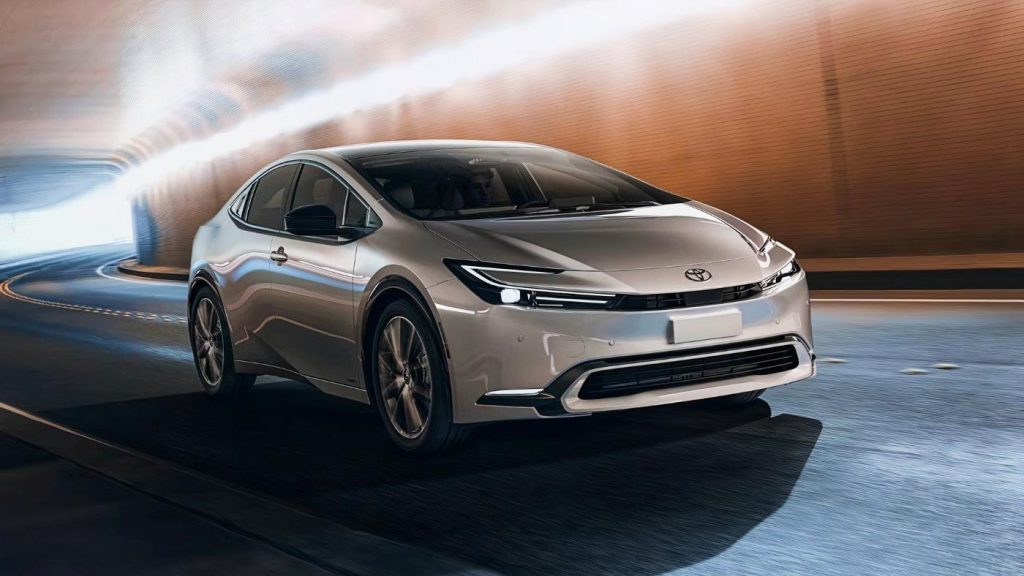
This is why the Prius earns its place on this list. It is not about excitement or prestige, it is about creating a driving experience that minimizes stress while maximizing efficiency. For a daily loop like Atlanta’s Perimeter, that balance is hard to beat.
2. Honda Accord Hybrid
The Honda Accord Hybrid approaches commuting from a slightly different angle. While it still prioritizes efficiency, it does so without sacrificing the feel of a traditional midsize sedan. This makes it an appealing option for drivers who want the benefits of a hybrid without giving up a more familiar driving experience.
One of the defining traits of the Accord Hybrid is its balance. It does not lean too heavily into economy at the expense of comfort or performance. Instead, it delivers a well-rounded package that feels capable in a variety of situations. On the Perimeter, where traffic conditions can change rapidly, that versatility becomes a major advantage.
Acceleration is smooth and responsive, which helps when merging or adjusting to shifting traffic patterns. Unlike some hybrids that feel underpowered in certain situations, the Accord Hybrid maintains a sense of readiness that adds confidence behind the wheel. This is particularly useful in a city like Atlanta, where assertive driving is often necessary.
Interior comfort also plays a significant role. Long commutes can become physically tiring, and the Accord Hybrid addresses this with supportive seating and a well-designed cabin. The quiet operation of the hybrid system further enhances this comfort, reducing noise fatigue over extended drives.
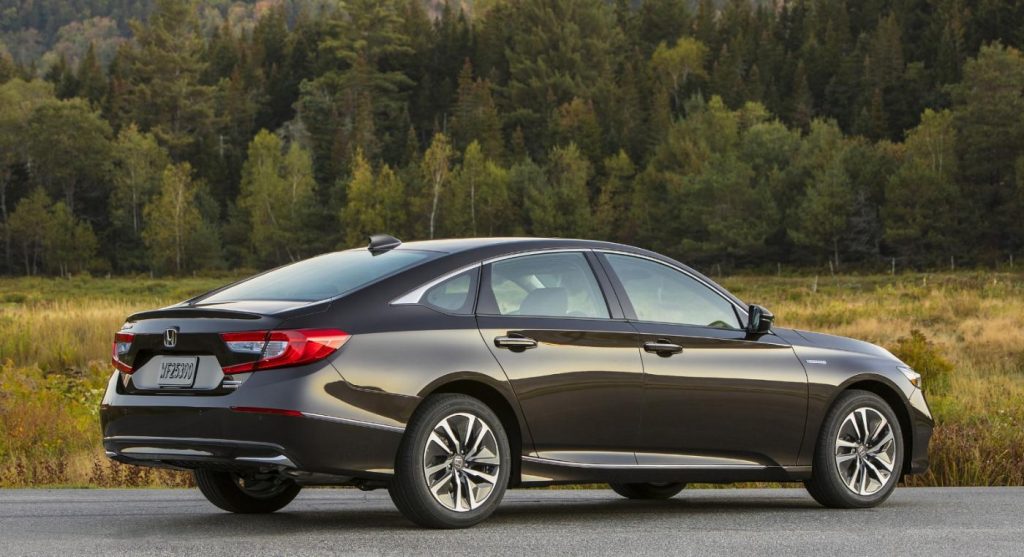
What makes the Accord Hybrid stand out is its ability to feel normal in the best possible way. It does not require the driver to adapt to a new driving style, yet it still delivers the efficiency benefits of a hybrid. For those navigating the Perimeter daily, this combination of familiarity and efficiency makes it a compelling choice.
3. Hyundai Ioniq Hybrid
The Hyundai Ioniq Hybrid feels like it was engineered with urban repetition in mind. It does not rely on a single standout trait to justify itself. Instead, it builds its case through a collection of small advantages that become increasingly noticeable the longer you spend behind the wheel in traffic-heavy environments like Atlanta’s Perimeter.
One of its strongest qualities is how efficiently it uses momentum. In slow-moving traffic, where speeds fluctuate constantly, the Ioniq Hybrid manages to carry forward motion with minimal energy loss.
This translates into fewer abrupt inputs from the driver, which in turn reduces fatigue over time. You are not constantly correcting or compensating for the car’s behavior, and that subtle ease adds up across a long commute.
Unlike some hybrids that prioritize isolation above all else, the Ioniq maintains a light, connected steering feel. This becomes particularly useful when navigating tight gaps or adjusting position in dense traffic. It gives the driver a sense of control without demanding excessive attention, striking a balance that suits the unpredictable rhythm of the Perimeter.
Another aspect worth noting is its straightforward nature. The Ioniq Hybrid does not overwhelm with complexity, either in its controls or its driving dynamics.
Everything feels intuitive, which shortens the adjustment period for new drivers and makes daily use feel effortless. This is especially valuable when your focus needs to remain on the road rather than on learning the car’s behavior.
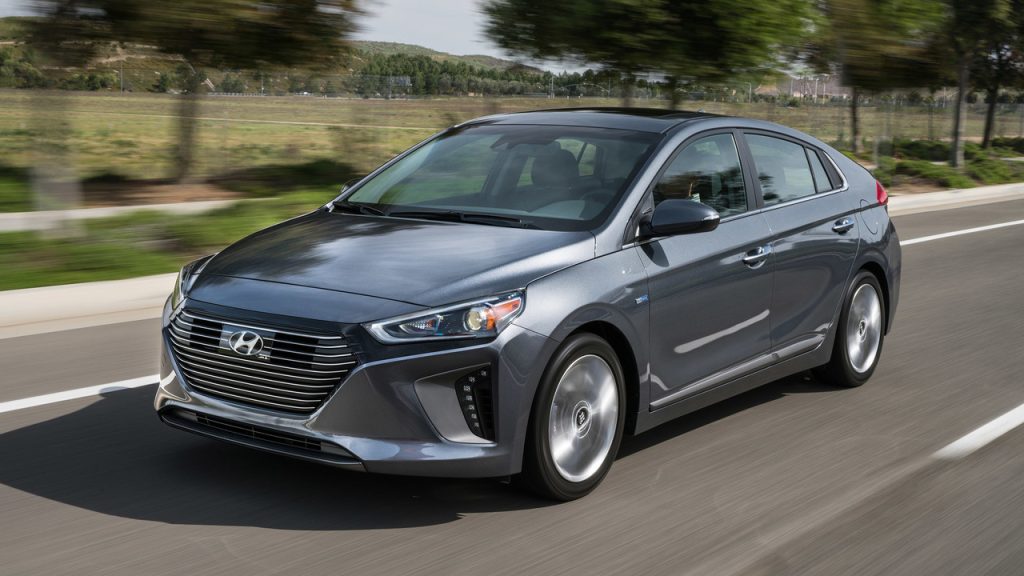
The reason this car earns a place here is not because it dominates in any single category, but because it quietly excels in the exact conditions that define Atlanta commuting. It supports a smoother, more efficient driving pattern without drawing attention to itself, and that understated competence is precisely what makes it effective.
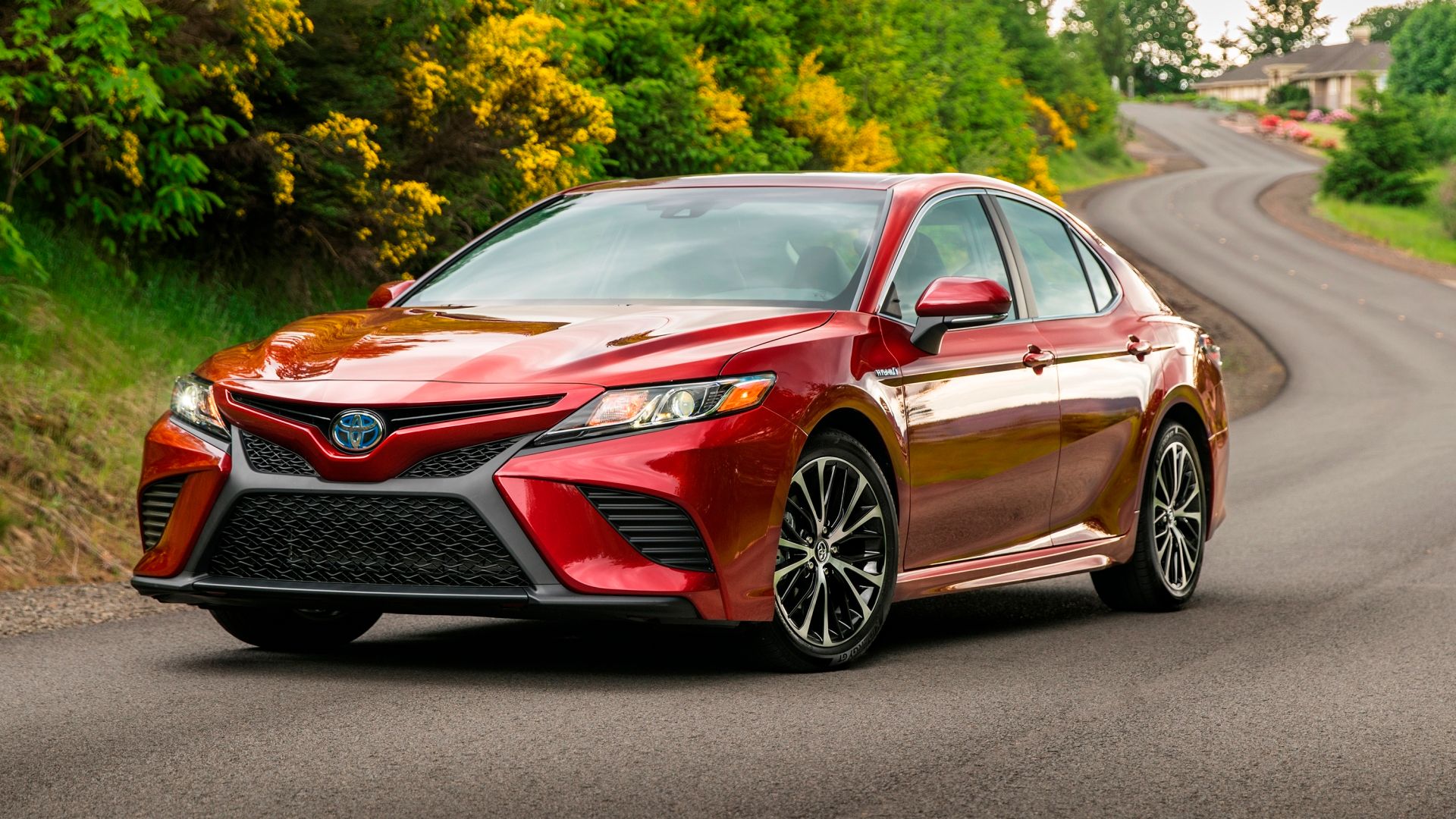
4. Toyota Camry Hybrid
The Toyota Camry Hybrid takes a more traditional approach to hybrid commuting, but refines it to a level that feels particularly well-suited for long, demanding drives. It carries the familiarity of a conventional sedan while layering in hybrid efficiency in a way that feels fully integrated rather than added on.
What makes the Camry Hybrid stand out in a setting like the Perimeter is its composure. Traffic congestion often creates a stop-start rhythm that can unsettle less refined vehicles, but the Camry maintains a steady, predictable demeanor.
Whether you are inching forward or accelerating into a brief opening, the car responds with a smoothness that reduces the sense of chaos around you.
There is also a noticeable sense of space and stability. In heavy traffic, where vehicles are constantly surrounding you, that stability contributes to a more confident driving experience. The Camry Hybrid does not feel small or overwhelmed, which can make a difference during longer commutes when mental fatigue begins to set in.
Its hybrid system is tuned in a way that prioritizes consistency over dramatic efficiency spikes. This means you are less likely to see large fluctuations in performance depending on driving conditions. Instead, the car delivers a steady level of efficiency that you can rely on day after day, regardless of how unpredictable traffic becomes.
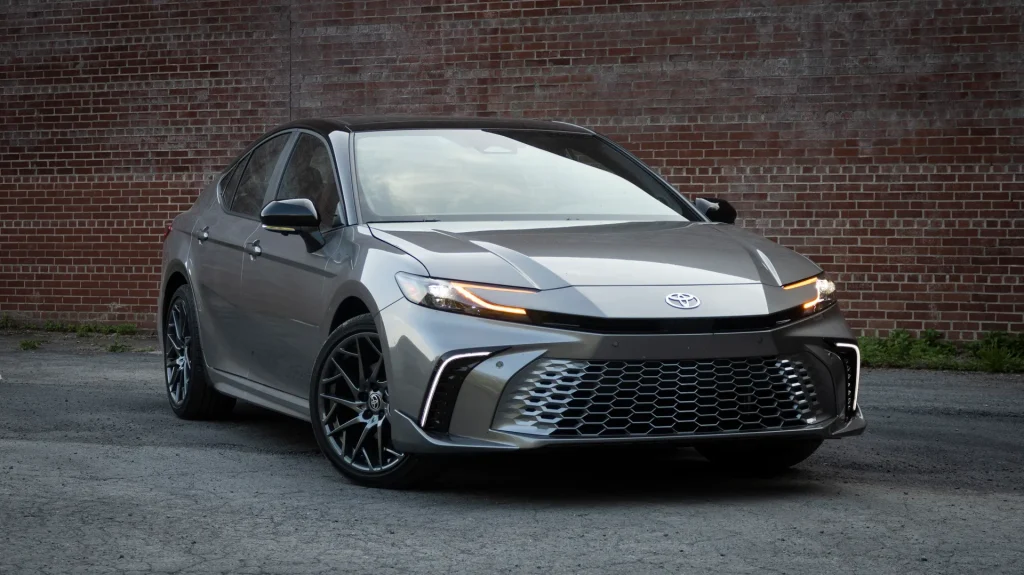
This is why the Camry Hybrid deserves its position on this list. It offers a composed, dependable experience that aligns perfectly with the demands of Atlanta’s Perimeter. Rather than trying to reinvent the commuter car, it refines the formula to a point where it feels almost effortless to live with.
5. Kia Niro Hybrid
The Kia Niro Hybrid brings a slightly different personality to the commuter equation, leaning into practicality with a design that feels purpose-built for urban life. It does not follow the traditional sedan formula, and that difference becomes an advantage when dealing with the variety of situations that Atlanta’s Perimeter throws at drivers on a daily basis.
Its compact crossover shape provides a higher seating position, which subtly changes how you experience traffic. Instead of feeling buried among larger vehicles, you gain a clearer view of the road ahead.
This added visibility can reduce stress, especially in dense, slow-moving conditions where anticipation matters more than speed. It is not a dramatic shift, but it makes the drive feel more controlled and less reactive.
The Niro Hybrid also stands out in how it manages space. Commuting is not always just about getting from point A to point B. It often involves carrying work items, groceries, or other daily essentials. The flexible interior layout makes it easier to adapt to these needs without compromising comfort, which adds to its everyday usability.
From a driving perspective, the Niro focuses on smoothness rather than sharpness. Its acceleration is predictable, its braking is progressive, and its hybrid system operates in a way that feels natural rather than mechanical. This creates a rhythm that aligns well with stop-and-go traffic, allowing the driver to settle into a consistent flow rather than constantly adjusting.
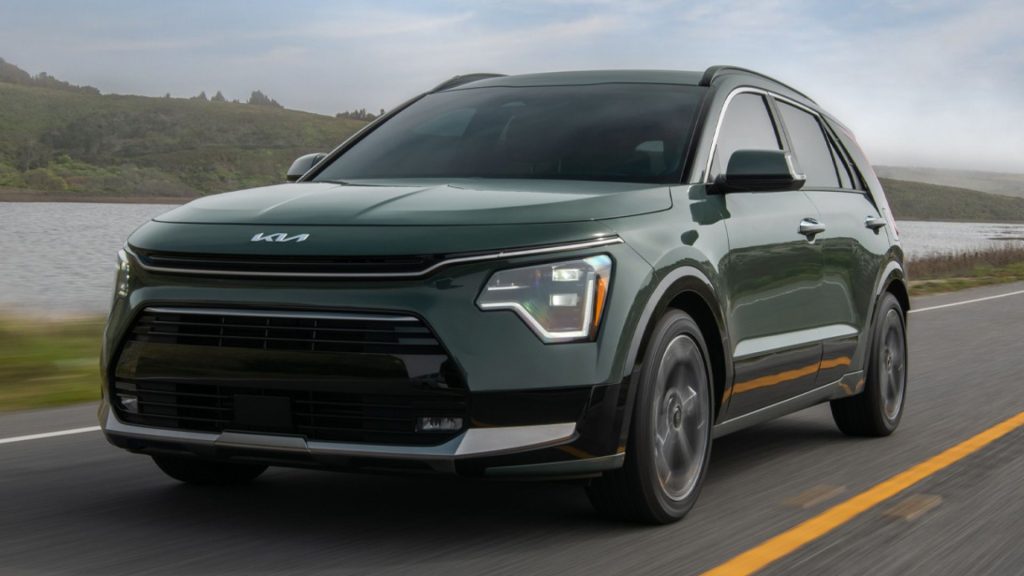
The reason this vehicle completes the hybrid list is because it addresses aspects of commuting that go beyond fuel efficiency.
It considers visibility, practicality, and ease of use in a way that feels tailored to real-world conditions. For a place like Atlanta’s Perimeter, where no two commutes are exactly the same, that adaptability becomes a valuable trait.
5 V8s to Avoid in Traffic
There is a certain appeal to V8 engines that is hard to ignore. The sound, the power delivery, and the sense of capability they bring can make any drive feel more engaging. However, those qualities are best appreciated in conditions that allow them to be fully utilized. In heavy, stop-and-go traffic, they often become more of a burden than a benefit.
The issue is not that V8 engines are inherently flawed, but that they are mismatched for this specific environment. Their larger displacement means higher fuel consumption at idle and during frequent acceleration.
Heat buildup can become noticeable, and the overall driving experience can feel excessive for the task at hand. Instead of enhancing the commute, the engine’s characteristics can make it feel more demanding.
Another factor is how these vehicles tend to be tuned. Many V8-powered cars are designed with performance in mind, which can lead to more aggressive throttle responses and heavier drivetrains.
In a congested setting, this can translate into less precise control and a less relaxed driving experience. What feels responsive on an open road can feel abrupt in tight traffic.
This section focuses on vehicles where the V8 configuration does not align well with the realities of daily commuting around Atlanta’s Perimeter. The goal is not to criticize these cars outright, but to highlight why they may not be the most practical choice for this specific use case.
1. Dodge Charger R/T
The Dodge Charger R/T embodies classic American muscle in a way that feels unapologetically bold. Its V8 engine delivers a deep, commanding presence that makes every press of the accelerator feel significant. However, in the context of Atlanta’s Perimeter, that sense of power quickly becomes difficult to justify.
One of the primary challenges with the Charger R/T in heavy traffic is its constant demand for fuel. The V8 engine does not scale down its appetite simply because the car is moving slowly.
In stop-and-go conditions, where efficiency matters most, this becomes a noticeable drawback. You may find yourself making fuel stops more often than expected, which adds inconvenience to an already time-consuming commute.
There is also the matter of how the car behaves at low speeds. The throttle response, while satisfying in open conditions, can feel overly sensitive when precise control is required. Navigating tight gaps or maintaining a steady crawl through traffic requires more attention than it should, which can increase driver fatigue over time.
The physical presence of the Charger also plays a role. Its size and weight contribute to a feeling of bulk that is not always ideal in congested environments. Maneuvering through dense traffic or fitting into tighter spaces can feel more demanding compared to smaller, more agile vehicles.
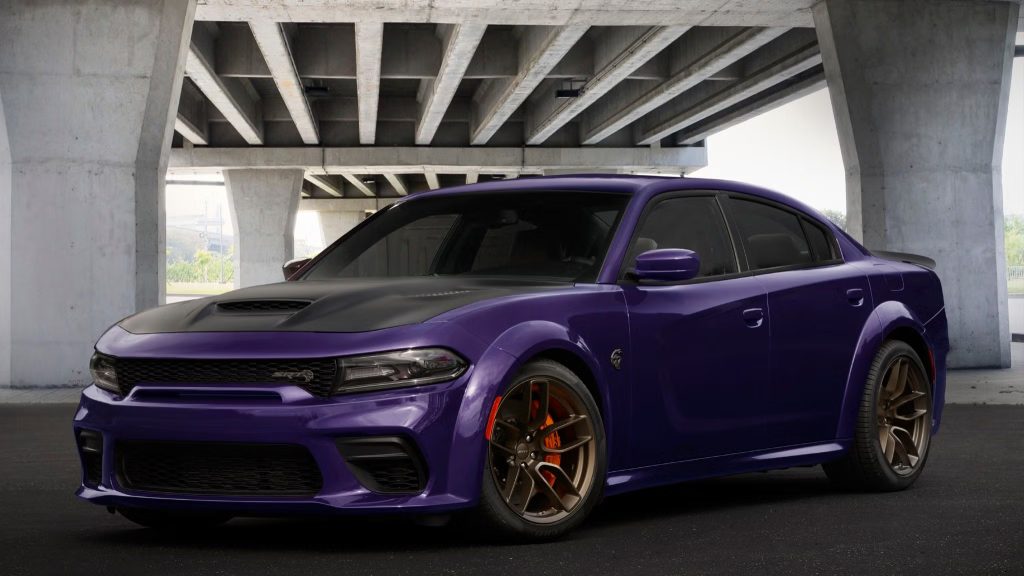
This is why the Charger R/T appears on this list. It is not a question of capability, but of suitability. In an environment where efficiency, smoothness, and ease of use take priority, its strengths are simply not aligned with the demands of the commute.
2. Ford Mustang GT
The Ford Mustang GT approaches the V8 experience from a different angle, blending performance with a more modern sense of refinement. It is a car that invites spirited driving, offering sharp responses and a strong connection between driver and machine. Yet, in the slow-moving reality of the Perimeter, those qualities can feel out of place.
The issue here is not just fuel consumption, although that remains a factor. It is the mismatch between the car’s intended purpose and the environment in which it is being used. The Mustang GT is designed to be driven with intent, to take advantage of open stretches of road where its performance can shine. In heavy traffic, that intent has nowhere to go.
This creates a kind of frustration that builds over time. The car feels capable of much more than it is allowed to do, and that disconnect can make the driving experience feel less satisfying. Instead of enjoying the performance, you become aware of its limitations in this specific context.
Visibility and practicality also come into play. The Mustang’s design prioritizes style and aerodynamics, which can limit outward visibility in certain situations. In dense traffic, where awareness of surrounding vehicles is crucial, this can add an extra layer of effort for the driver.
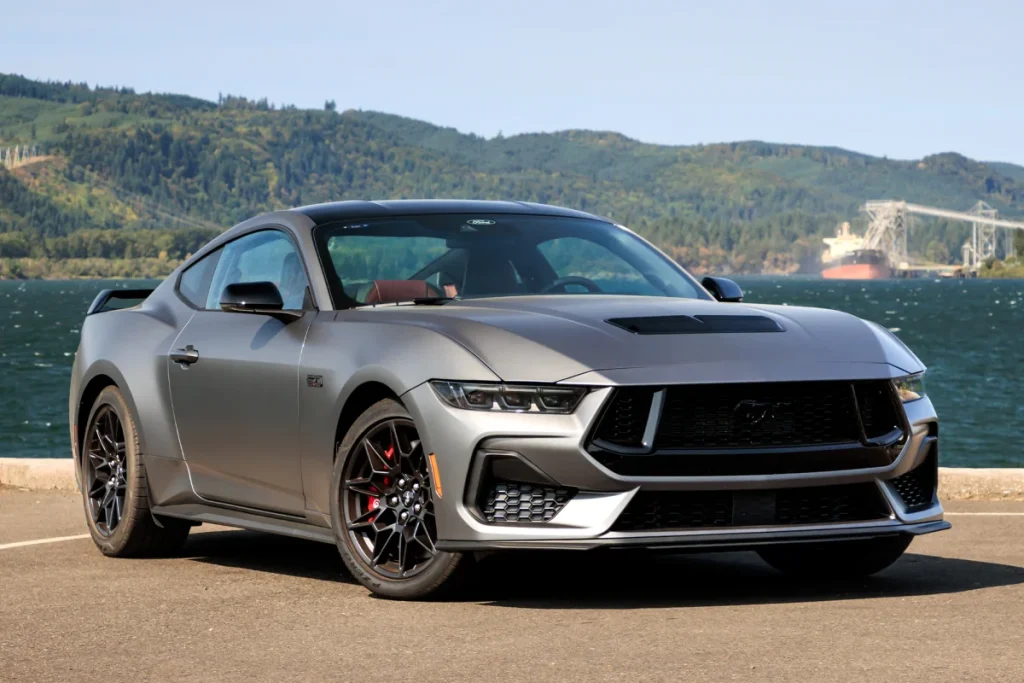
The reason for including the Mustang GT here is rooted in this imbalance. It is a car that excels when given space and freedom, but those conditions are rarely present on Atlanta’s Perimeter. As a result, its strengths are underutilized, while its drawbacks become more apparent during everyday commuting.
3. Chevrolet Camaro SS
The Chevrolet Camaro SS enters the conversation with a reputation built on raw performance and unmistakable road presence.
Its V8 engine delivers strong acceleration and a deep exhaust note that appeals to enthusiasts, but those same qualities begin to lose their charm when placed in the confined, repetitive environment of Atlanta’s Perimeter traffic.
What makes the Camaro SS particularly challenging in this setting is its limited visibility. The low roofline and narrow windows create a driving position that can feel restrictive, especially when surrounded by larger vehicles.
In stop-and-go traffic, where constant awareness of your surroundings is essential, this design forces the driver to work harder just to maintain a clear sense of positioning.
Another factor is how the car responds to low-speed inputs. The Camaro SS is tuned for performance, and that tuning does not always translate well to slow, controlled movement.
Small throttle adjustments can feel exaggerated, and the car’s overall behavior may seem less cooperative when inching forward in heavy congestion. Over time, this lack of finesse can become tiring.
Heat and fuel consumption also play a role. A V8 engine operating in prolonged traffic conditions tends to generate more heat while delivering poor efficiency. This combination can make the driving experience feel heavier and less comfortable, particularly during long commutes where consistency matters more than bursts of power.
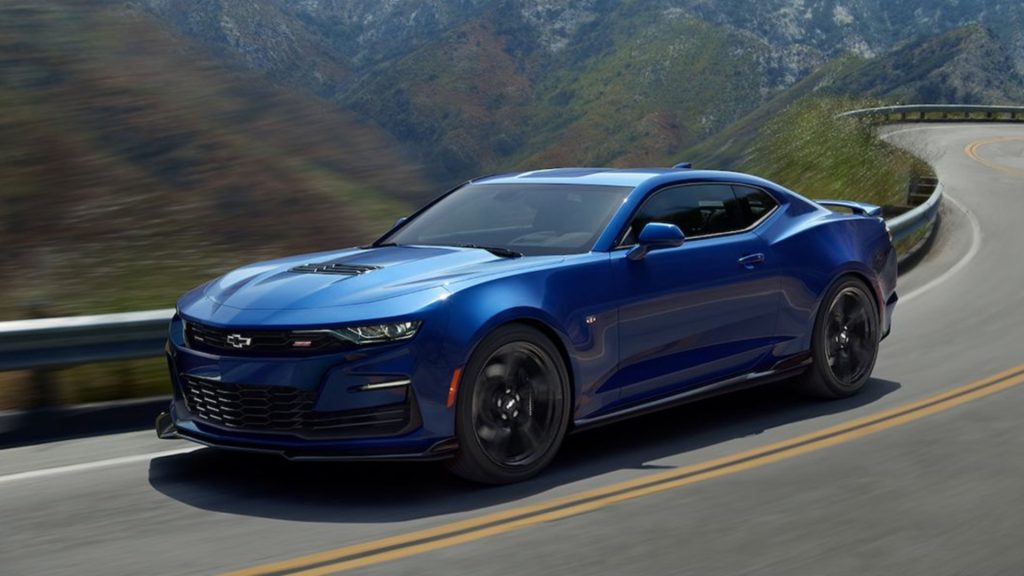
The reason this car appears here is not because it lacks capability, but because its strengths are tied to conditions that Atlanta’s Perimeter rarely offers.
In an environment that rewards patience and efficiency, the Camaro SS feels like it is constantly waiting for an opportunity that never arrives, making it a less practical choice for daily use.
4. Toyota Tundra V8
The Toyota Tundra V8 approaches the driving experience from a completely different perspective, prioritizing durability and strength over agility. As a full-size pickup, it is built to handle demanding tasks, but those capabilities can become excessive when the primary goal is navigating dense commuter traffic around the Perimeter.
One of the most noticeable drawbacks in this context is its sheer size. The Tundra occupies a significant amount of space on the road, which can make lane changes and tight maneuvers feel more complicated than necessary. In heavy traffic, where space is limited and constantly shifting, this added bulk requires extra attention from the driver.
Fuel consumption is another major consideration. The V8 engine, while reliable and powerful, is not designed with efficiency in mind.
In stop-and-go conditions, where engines spend a considerable amount of time idling or accelerating from low speeds, the fuel usage becomes especially pronounced. This can turn an already long commute into a more costly routine.
There is also the matter of ride dynamics. The Tundra is engineered to handle loads and rough conditions, which means its suspension and overall feel are not optimized for smooth urban driving. In traffic, this can translate into a less refined experience, with more noticeable movement and less precision in how the vehicle responds.
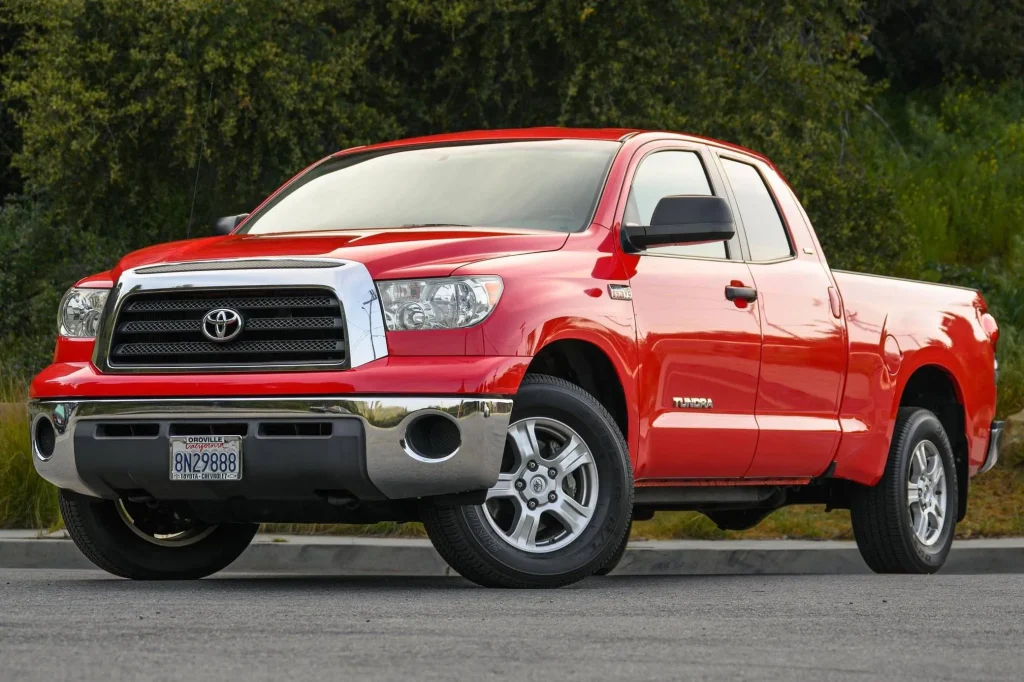
This is why the Tundra V8 is included in this section. It excels in scenarios that demand strength and endurance, but those are not the qualities most needed on Atlanta’s Perimeter. For daily commuting, its advantages are largely underutilized, while its limitations become more apparent.
5. Jeep Grand Cherokee SRT
The Jeep Grand Cherokee SRT represents a fusion of performance and utility, combining SUV practicality with a powerful V8 engine. On paper, it seems like a vehicle that can do everything, but in the specific context of heavy commuter traffic, that versatility becomes less meaningful.
What stands out immediately is how the vehicle manages its power. The V8 engine delivers strong acceleration, but in a setting where speeds are constantly restricted, that power feels unnecessary. Instead of enhancing the drive, it creates a sense of imbalance, where the vehicle is capable of far more than the environment allows.
The weight of the Grand Cherokee SRT also influences its behavior in traffic. Heavier vehicles require more effort to accelerate and decelerate smoothly, which can make stop-and-go conditions feel less fluid. This added effort becomes more noticeable over time, contributing to a more tiring driving experience.
Fuel efficiency, once again, is a key issue. The combination of a large engine and a heavy body means that fuel consumption remains high, particularly in urban conditions. For a daily commute around the Perimeter, this can lead to frequent refueling and increased overall costs.
Another aspect to consider is how the vehicle’s performance-oriented tuning interacts with everyday driving. While it provides a sense of excitement in open conditions, it can feel overly aggressive in traffic, where subtlety and smoothness are more valuable.
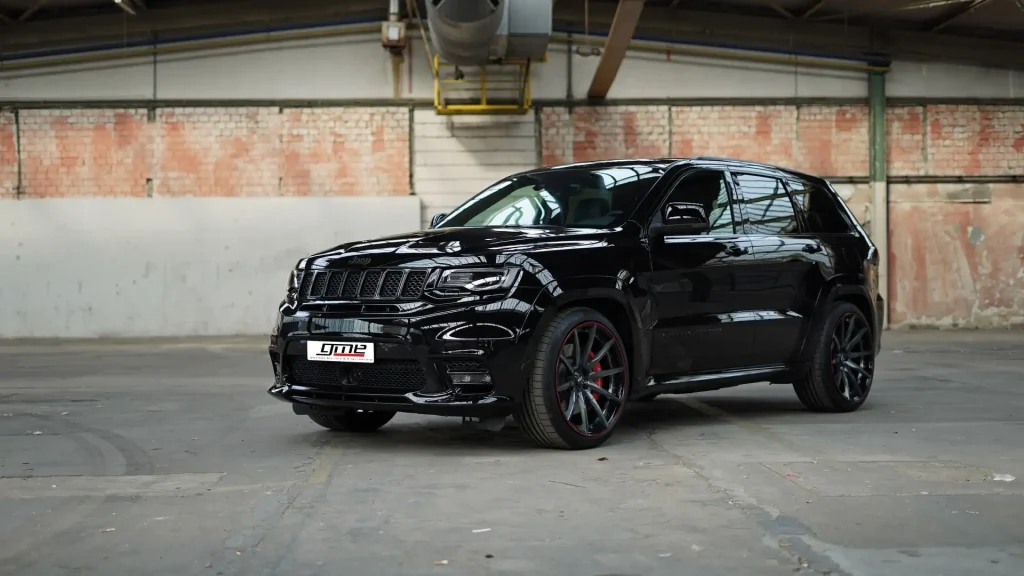
The inclusion of the Grand Cherokee SRT highlights a broader point about choosing the right vehicle for the right environment. While it offers impressive capabilities, those capabilities are not aligned with the demands of congested commuting.
In Atlanta’s Perimeter, practicality often outweighs performance, and this is a clear example of that trade-off.
Also Read: 9 Modern Classic Cars From the 2010s That Are Likely to Increase in Value
