
American cars have always been about more than just getting from point A to point B. They represent freedom, power, and the open road stretching endlessly ahead. But one element that drastically affects the driving experience often goes unnoticed visibility. How well you can see out of your car determines everything from daily confidence to life-or-death split-second decisions.
Visibility in American cars has evolved dramatically over the decades. Early muscle cars and open-top roadsters gave drivers a near-360-degree view of the world. Modern vehicles, however, have traded that openness for sleek rooflines, thick pillars, and aerodynamic designs that sometimes compromise what drivers can actually see.
The difference between a panoramic view and a blind-spot nightmare is not just about comfort. It directly affects safety, parking ease, highway lane changes, and driving confidence. Some American cars make you feel like you’re sitting inside a fishbowl in the best possible way. Others feel like you’re peering through narrow slits in a concrete bunker.
This article breaks down six American cars celebrated for their outstanding outward visibility and six that are notoriously difficult to see out of. Whether you’re shopping for your next vehicle or simply curious, understanding visibility can change how you think about car design entirely.
6 Best Panoramic Views In American Cars
These exceptionally well-designed vehicles feature expansive glass areas and thin roof pillars perfectly suited for confident driving through excellent outward visibility, providing commanding sightlines through generous window proportions and minimal structural obstructions that resist the claustrophobic blind spots typically plaguing modern safety-regulated designs with thick pillars and high beltlines.
Their thoughtful engineering includes large rear windows and strategically positioned mirrors that resist the visibility compromises found in fortress-like alternatives while delivering clear views during lane changes without dangerous blind zones, easy parking maneuvers through excellent rear three-quarter visibility, and driver confidence from actually seeing surrounding traffic rather than relying entirely on electronic aids compensating for poor glass design.
1. Chevrolet Corvette C3 (1968–1982)
The Chevrolet Corvette C3 is one of the most visually iconic American sports cars ever built. Its sweeping fastback design and massive rear window made it genuinely special from a visibility standpoint. When you sat inside this car, the glass wrapped around you like a greenhouse, offering a sense of openness that modern sports cars rarely replicate.
The C3’s T-top roof configuration became one of its most celebrated features. Removing the roof panels transformed the cabin into something almost convertible-like, flooding the interior with light and sky. Drivers felt connected to their surroundings in a way that was unique for a sports car of that era.
The rear window on the C3 was particularly impressive. It curved dramatically across the width of the car, giving drivers a wide, sweeping view of what was behind them. Parking, reversing, and highway driving all felt more natural because of this generous glass area.
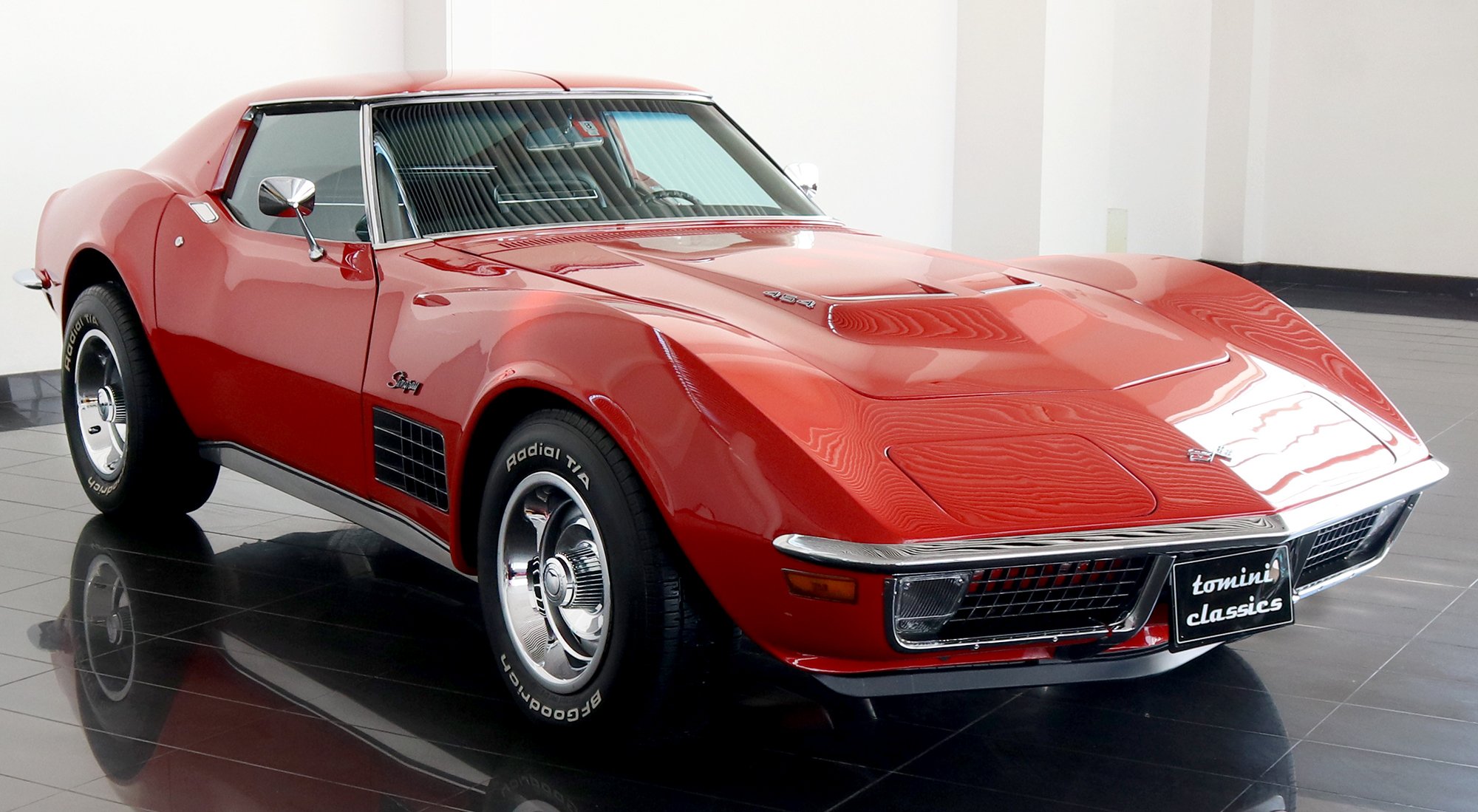
The fastback profile meant the roofline tapered gracefully rather than dropping sharply. This design choice kept the rear visibility usable and broad. Many drivers who owned C3 Corvettes recall feeling genuinely surprised by how well they could see out of the car.
The side windows were also generously sized for a sports car. The low seating position combined with large glass areas gave the driver a wide field of peripheral vision. You felt planted low to the road yet oddly spacious in terms of what your eyes could take in.
The C3 also benefited from thin A-pillars by modern standards. Today’s cars carry thick pillars stuffed with airbags and structural reinforcements. The C3 had pillars that were slender and unobtrusive, keeping forward visibility clean and unblocked.
Driving the C3 on an open highway felt like sitting inside a moving panorama. The combination of low ride height, generous glass, and open design made every drive feel cinematic. It’s no surprise that car enthusiasts still rave about the C3’s visibility as one of its underrated strengths.
The interior packaging also helped. The dashboard sat relatively low, allowing the driver’s eyes to clear the top of the dash easily. Nothing felt like it was blocking your view forward or to the sides. Everything was right there, visible and wide open.
The C3 Corvette proved that a performance car could also be a comfortable, visibility-friendly machine. It offered the thrill of a sports car without the claustrophobic feel that plagues many modern performance vehicles. That balance is what makes the C3 truly special in the context of panoramic visibility.
2. Ford Bronco (2021–Present)
The reborn Ford Bronco brought back something the modern SUV world had been slowly losing honest, upright, wide-open visibility. When Ford relaunched the Bronco in 2021, they made a deliberate choice to prioritize a tall, boxy design. That decision paid enormous dividends when it came to how well drivers could see the world around them.
The Bronco sits high and proud. Its upright windshield gives the driver a commanding, expansive view of the road and terrain ahead. Unlike many modern SUVs that feature steeply raked windshields for aerodynamics, the Bronco’s nearly vertical glass feels refreshingly honest and wide.
The removable doors are one of the Bronco’s most celebrated features. Pull those doors off, and the driving experience transforms completely. Suddenly, you have nearly unobstructed peripheral vision in every direction, making trail navigation and tight obstacle clearance almost effortless.
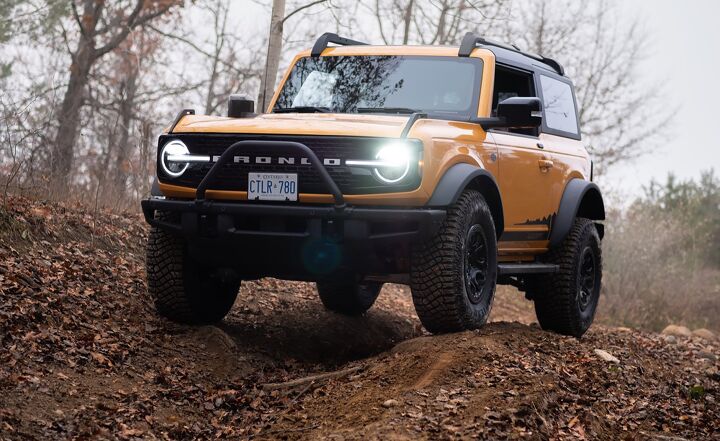
Even with the doors on, the Bronco’s large door glass provides excellent side visibility. The windows are tall and wide, following the boxy proportions of the body. Shoulder checks feel natural and confident. You always know where the corners of the car are.
The Bronco’s rear visibility is also commendable. The upright rear window is generously sized and sits at a near-vertical angle. Looking back while reversing gives you a clear, undistorted picture of what’s directly behind you. The spare tire mounted on the tailgate slightly narrows the view but remains manageable.
The A-pillars are reasonably thin given modern safety requirements. Ford engineers worked hard to keep the forward pillars from becoming vision-blocking obstacles. The result is a forward field of view that feels open, wide, and free of annoying blind corners.
The Bronco’s high seating position adds to the visibility experience. You sit up and over the hood, giving you a feeling of total situational awareness. Whether going through the rocky trails or urban parking lots, you always feel like you can see everything you need to see.
Removable roof panels further enhance the panoramic feel. With the top off and the doors removed, the Bronco becomes one of the most visibility-friendly vehicles on the American market. Few modern vehicles offer this level of customizable openness in their standard lineup.
The Ford Bronco proves that modern engineering and classic boxy design can coexist beautifully. It restored a visibility standard that had been largely abandoned in the pursuit of aerodynamics and style. For drivers who value seeing clearly above all else, the Bronco is a revelation.
3. Jeep Wrangler
No conversation about visibility in American vehicles is complete without the Jeep Wrangler. The Wrangler has maintained its boxy, upright design philosophy for decades. That stubborn refusal to follow aerodynamic trends has made it one of the most visibility-friendly vehicles ever sold in America.
The Wrangler’s flat windshield sits nearly vertical, providing a wide, unobstructed view forward. The glass is large and honest. You can see the entire road ahead without craning your neck or squinting through an awkwardly angled panel.
Like the Bronco, the Wrangler features removable doors. Take them off on a warm summer day, and you’re rewarded with panoramic side visibility that no conventional SUV can match. The open-air experience transforms driving into something joyful and fully connected.
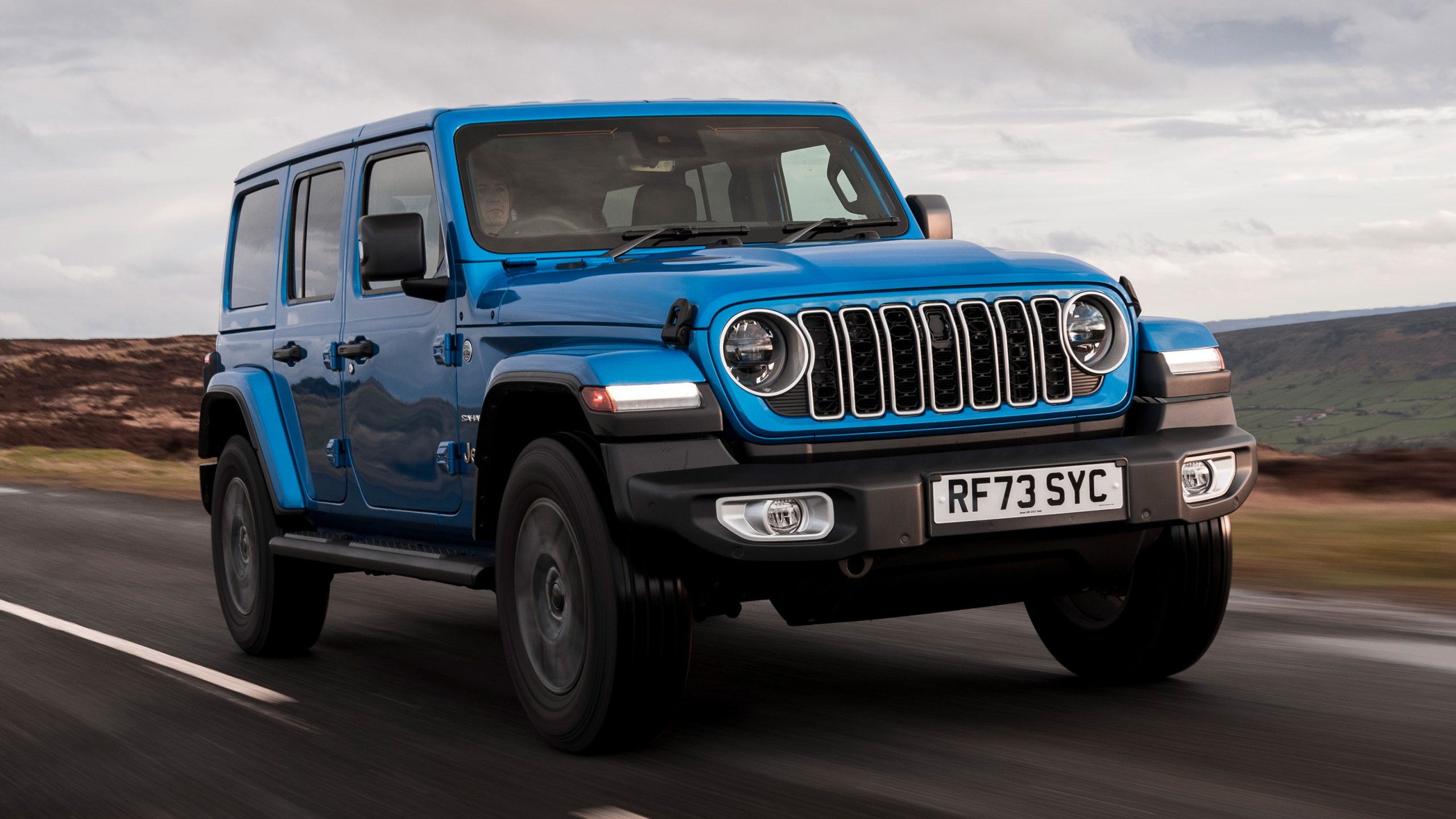
The Wrangler’s squared-off rear end houses a nearly vertical rear window. Backing up in this vehicle feels intuitive and stress-free. You can see exactly where your bumper is at all times, which makes off-road reversing and tight urban parking far less intimidating.
The removable roof adds another dimension to the visibility experience. Pop-top, soft-top, or hardtop all configurations allow the Wrangler to shed its roof and open up completely. Driving with the top down in a Wrangler gives you a 360-degree awareness of the sky, terrain, and surroundings that is almost unmatched.
Short overhangs at both ends of the Wrangler also contribute to its great visibility. You can see where the front bumper ends from the driver’s seat. This makes rock crawling, parking, and going through the tight spaces dramatically easier than in vehicles with long, sweeping hoods.
The Wrangler’s fender flares are designed to be visible from the driver’s seat. You can actually see the front fenders from inside the cabin. This gives drivers a natural reference point for placing the vehicle precisely on trails or between parked cars.
The A-pillars are upright and relatively thin. They don’t sweep aggressively like a modern sedan’s pillars, so the forward view remains clean. The intersection of windshield and pillar creates minimal visual obstruction, keeping the driver’s forward sight line clear.
The Jeep Wrangler is not built for speed or luxury. It is built for capability, honesty, and connection to the environment. Its visibility is a direct result of those priorities, and it remains one of the most celebrated aspects of the Wrangler ownership experience.
4. Ford F-150 (Modern Generation)
The Ford F-150 is America’s best-selling vehicle, and part of its enduring popularity comes from how well drivers can see from behind the wheel. The F-150 sits high on its suspension, placing the driver well above most of the surrounding traffic. That raised perch translates directly into confident, wide-open visibility.
The F-150’s large front windshield provides a sweeping view of the road ahead. The glass is tall and wide, giving the driver a panoramic forward perspective. Whether cruising on the interstate or going through a construction site, you always feel like you can see everything.
The truck’s cab sits above the bed, giving rear visibility that benefits from height. Looking in the rearview mirror, you can see over most cars and obstacles behind you. Towing situations are helped enormously by this raised perspective.
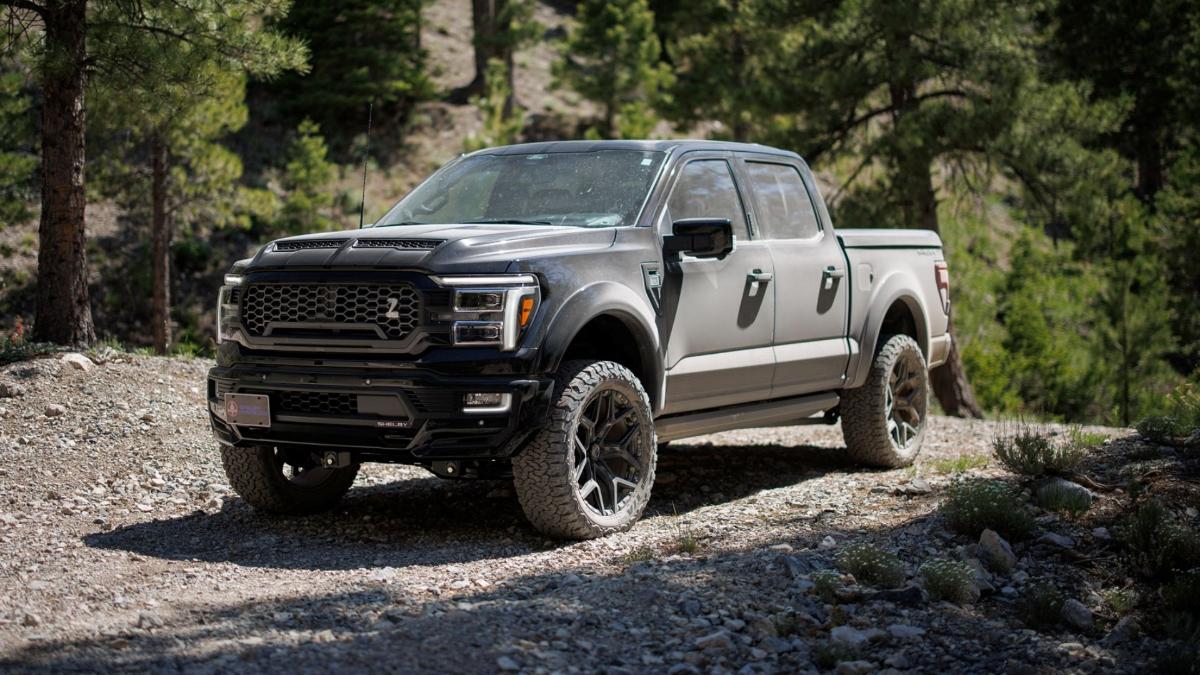
The F-150’s large side mirrors are another visibility asset. Ford has progressively increased the size and functionality of the F-150’s mirrors over the years. Modern versions feature integrated turn signals, heating, and wide-angle convex sections that cover an impressive swath of the surrounding area.
The large side windows and low beltline on some trim levels enhance lateral visibility. You can check your surroundings easily without pressing your face against the glass. Regular cab versions in particular offer excellent all-around visibility thanks to their simpler, less cluttered window layout.
The F-150’s hood is long but relatively flat, which helps with forward visibility. You can gauge the truck’s nose position reasonably well from the driver’s seat. The prominent hood creases also serve as natural reference lines for gauging the truck’s width.
Over the years, Ford has added cameras, sensors, and trailer-assist systems that further enhance the F-150’s visibility package. The available 360-degree camera system stitches together a bird’s-eye view of the truck. This technology fills in any remaining gaps that the natural sight lines can’t cover.
The F-150 is a masterclass in practical, everyday visibility for a full-size American truck. Its size could easily make it intimidating to drive, but Ford’s thoughtful engineering makes it feel manageable and confidence-inspiring. That accessibility is a huge reason why it consistently dominates American sales charts.
Also Read: 9 Durable Inline-Six Engines Mechanics Refuse to Bet Against
5. Chevrolet Suburban
The Chevrolet Suburban is one of the largest passenger vehicles available on the American market. Despite its enormous size, the Suburban is surprisingly easy to see out of. The combination of tall side windows, a commanding seating position, and large mirrors makes this full-size SUV far more manageable than its dimensions might suggest.
The Suburban’s upright body design keeps the windows large and vertical. Glass area is generous throughout the cabin, from the windshield all the way to the rear quarter windows. Passengers in every row enjoy a connected, open feeling thanks to all that glass.
The driver sits high and commanding over the road. This raised position gives the Suburban driver a sight line that clears most surrounding traffic. Intersections, merging lanes, and busy parking lots all feel less stressful because of this naturally dominant view.
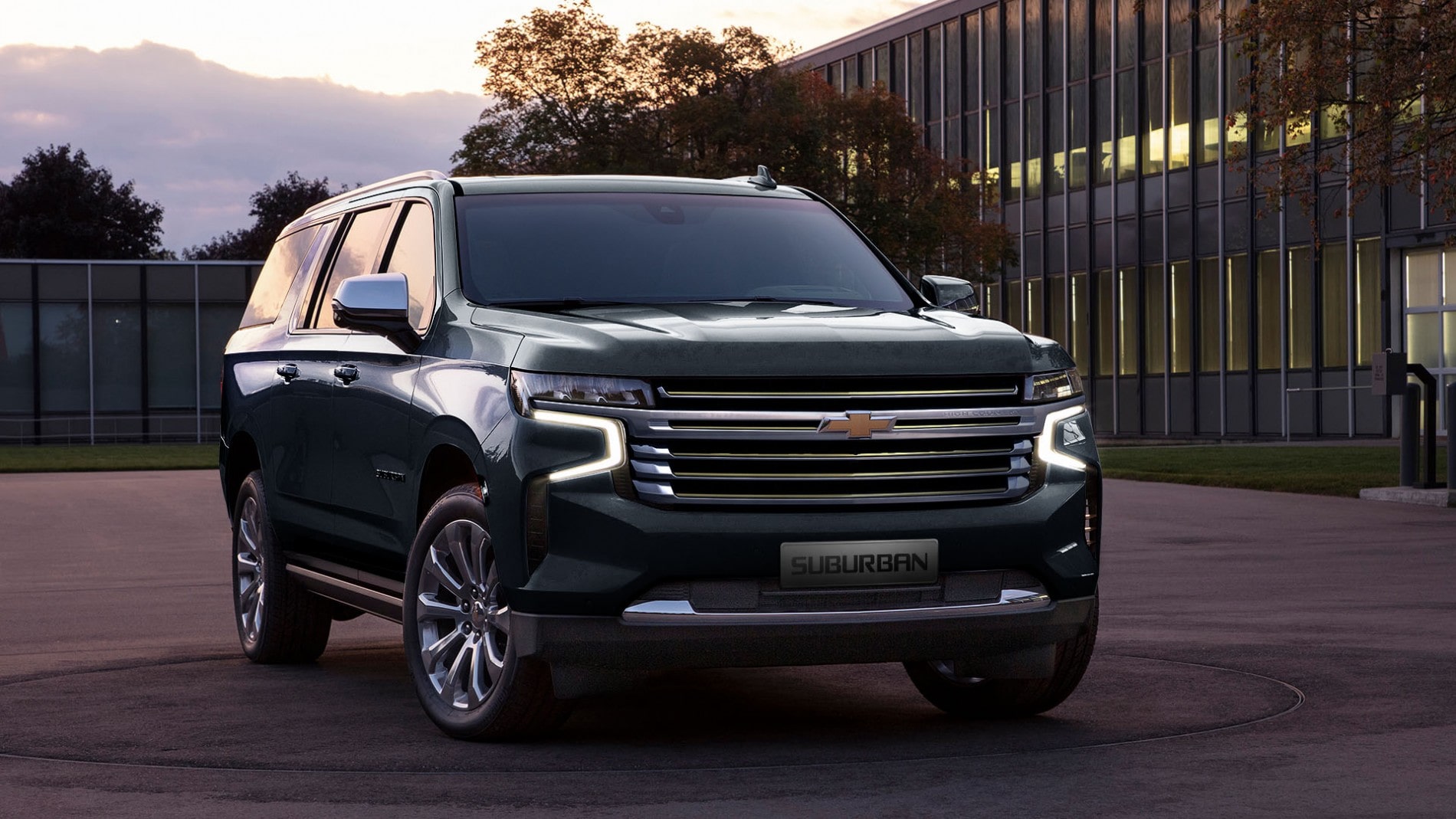
The rear quarter windows on the Suburban are a genuine asset. Many large SUVs have tiny, almost useless rear quarter glass. The Suburban’s are large enough to actually see through during lane changes and reversing maneuvers. They earn their place in the design.
The Suburban’s large rear window is another strong point. It’s wide, tall, and unobstructed by body architecture. Reversing this massive vehicle feels surprisingly manageable thanks to the clear, direct view it provides. The standard rearview camera further enhances this capability.
Large exterior mirrors complete the visibility package. The Suburban’s mirrors are proportionally sized for the vehicle. They cover a wide swath of the rear and side zones, ensuring the driver can monitor surrounding traffic effectively on highways and in tight urban environments.
The Suburban also benefits from having relatively modest A-pillar thickness for its size class. The forward pillars don’t intrude dramatically on the field of vision. This keeps the forward view clean and open, which is important when driving such a large vehicle through narrow streets.
The Suburban’s sheer height advantage over other vehicles on the road adds an intangible confidence to every drive. You can see over the top of most cars, giving you advance warning of traffic conditions ahead. That predictive visibility is one of the Suburban’s most underappreciated qualities.
The Chevrolet Suburban proves that big doesn’t have to mean blind. Its visibility package is thoughtfully engineered to match its massive proportions. It remains one of the most driver-friendly large vehicles ever built in America.
6. Tesla Model S (Early Generation, 2012–2016)
The early Tesla Model S brought a genuinely revolutionary approach to cabin visibility in the American luxury sedan market. Tesla fitted this car with a panoramic glass roof that extended from just above the windshield all the way to the rear of the cabin. The effect was transformative the interior felt like a rolling sunroom.
The panoramic roof was not just a sunroof; it was a full-length glass panel spanning most of the roofline. Passengers in both front and rear seats benefited from the open, airy feeling it created. Natural light flooded the interior, making the cabin feel significantly larger than its physical dimensions.
The windshield on the early Model S extended further up into the roofline than a conventional sedan. This tall glass gave the driver an expansive upward view, allowing them to see traffic signals and overhead signage without bending forward. It was a small detail that made a big difference in daily driving.
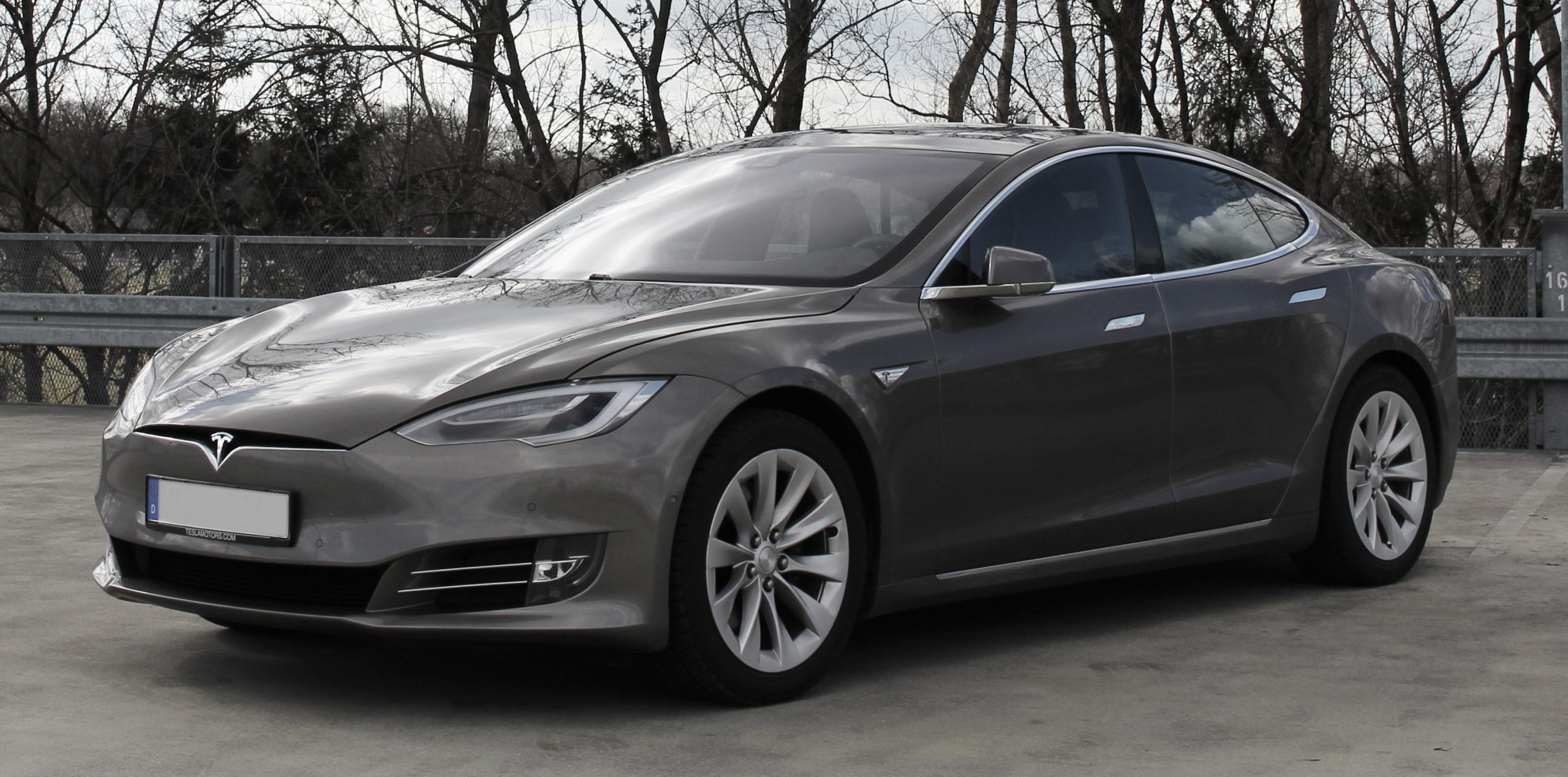
The Model S sat relatively low to the ground as a sedan, but Tesla compensated for this with the extensive glass. The combination of a low seating position and expansive glass area created a driving experience where you felt both planted and panoramically aware. It was a balance few cars achieve.
Side visibility was excellent in the early Model S. The side glass was tall relative to the beltline, giving the driver and passengers clear, wide views to both sides. Shoulder checks were natural and confident. The car’s proportions worked in favor of good lateral sight lines.
The rear glass on the early Model S sloped but remained usably large. The gentle fastback roofline meant the rear window tapered progressively. While not as open as a tall SUV’s rear glass, it provided a clear and practical rearview that was more than adequate for a performance sedan.
Tesla also positioned the door mirrors thoughtfully. They were large, well-placed, and provided good coverage of the rear quarters. Combined with the available camera system, blind spots were well-managed for a vehicle of this size and profile.
The interior design kept the dashboard low and clean. There were no visual obstructions between the driver and the large windshield. The famously minimal interior of the Model S meant that your eyes were always free to focus on the road and surroundings rather than being cluttered by dashboard architecture.
The early Tesla Model S redefined what a luxury American sedan could feel like from a visibility standpoint. Its glass roof was not a gimmick it was a genuine design philosophy. It showed that modern cars could embrace transparency without sacrificing performance or safety.
6 Blind-Spot Nightmares in American Cars
These dangerously compromised vehicles suffer from massive roof pillars and tiny windows that create terrifying visibility limitations, transforming routine driving into white-knuckle experiences as thick A-pillars hide entire vehicles at intersections, fortress-like designs eliminate rear visibility, and styling priorities create dangerous blind zones that electronic systems inadequately compensate for during critical maneuvers.
Their problematic design includes phone-booth-sized rear glass and bunker-thick pillars that cannot provide the visibility required for safe operation, leading to complete inability seeing traffic during lane changes without extreme head-checking gymnastics, parking maneuvers requiring total faith in backup cameras when rear glass shows essentially nothing, and intersection turns where pedestrians and crossing traffic completely disappear behind structural pillars wider than human heads.
1. Dodge Challenger
The Dodge Challenger is one of America’s most beloved muscle cars. Its retro styling, massive power, and bold proportions make it a genuinely thrilling car to own. But climb inside and point it toward a crowded parking lot, and the visibility situation becomes quickly apparent this car is practically designed to hide the world from you.
The Challenger’s thick C-pillars are the primary offender. These massive rear pillars are a direct consequence of the car’s wide, sweeping roofline. They create enormous blind spots at the rear quarters that swallow entire cars, cyclists, and pedestrians without a trace.
The rear window is small relative to the car’s size. The Challenger’s muscular haunches rise up dramatically, consuming glass area. What’s left is a narrow horizontal slit that offers a frustratingly limited view of the world behind you.
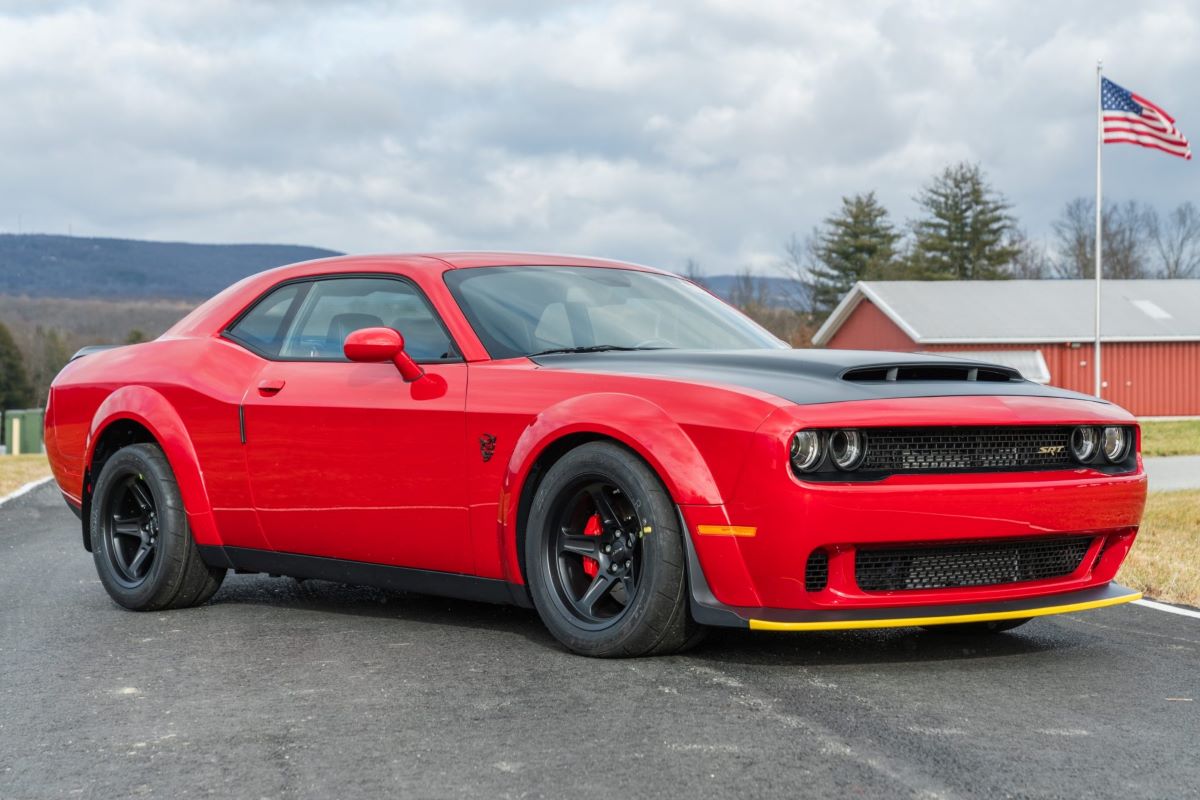
The front A-pillars are also substantial. They are thick enough to hide a motorcycle at an intersection. Left-hand turns become genuinely stressful because of how much the forward pillar blocks the view of crossing traffic and pedestrians.
The low roofline makes things worse. The ceiling slopes down aggressively toward the trunk. This compresses the rear glass and further restricts what the driver can see when looking back. Reversing without a camera feels like guessing.
The Challenger’s long hood doesn’t help matters either. It stretches out in front of the driver like a runway, making it difficult to judge exactly where the front bumper is in tight situations. Parking in narrow spaces requires patience, sensors, and blind faith.
High beltlines compound every problem. The windows are small relative to the thick body panels surrounding them. The entire cabin feels like it’s sitting inside a steel fortress. Visibility is sacrificed entirely at the altar of muscular, retro styling.
Modern Challengers come with a rearview camera, and that camera earns its keep every single day. Without it, reversing in this car would be genuinely dangerous. The camera is not a luxury on the Challenger it is a survival tool.
The Dodge Challenger is a magnificent automobile in almost every respect. But its visibility shortcomings are impossible to ignore. Owning one means accepting a daily trade-off between breathtaking style and genuinely challenging outward vision.
2. Ford Mustang (S550, 2015–2023)
The sixth-generation Ford Mustang, internally known as the S550, is a beautifully designed sports car. Its fastback roofline, sculpted flanks, and aggressive stance make it one of the most attractive American cars of the modern era. Unfortunately, those very design qualities that make it look so good also make it notoriously difficult to see out of.
The rear quarters are the biggest problem. The S550 Mustang has thick, sweeping C-pillars that create significant blind spots. Changing lanes on the highway requires an almost exaggerated head check just to confirm the lane is actually clear.
The rear glass is wrapped in a steeply raked angle. This fastback design means the glass is more horizontal than vertical. Rain, glare, and low-angle light all combine to further reduce its usefulness as a visibility aid in real-world conditions.
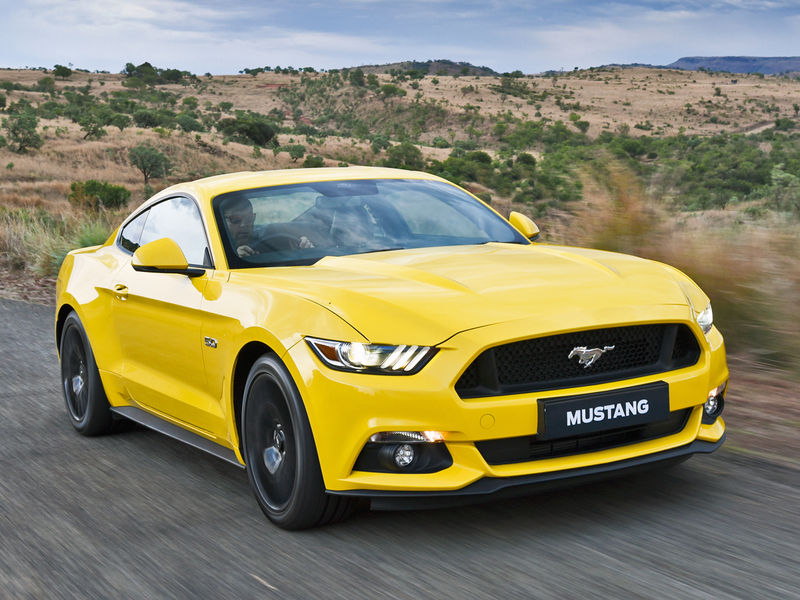
The front A-pillars are wide and angled sharply. At intersections, they can hide pedestrians and cyclists lurking in the swept area beside the pillar. Left turns in particular require drivers to physically lean forward and peer around the pillar. It’s an awkward workaround for a fundamental design flaw.
The high rear haunches of the Mustang create a visibility horizon that rises up behind the driver. Looking over your shoulder, you’re met with a wall of bodywork. The world outside the rear quarters disappears completely from natural sight lines.
The dashboard on the S550 is relatively high and prominent. It cuts into the forward field of vision more than a completely clean, low dash would. While not extreme, it adds to the cumulative sense that the car is built more for style than for outward awareness.
The small rear side windows offer minimal help. These tiny triangular glass sections are largely decorative. They allow a sliver of light but very little useful visibility. They do almost nothing to address the significant blind zones behind the driver.
The rearview camera is again the only real solution. Like the Challenger, the S550 Mustang’s camera system does enormous work compensating for the poor natural visibility. Many Mustang owners report rarely reversing without looking at the screen.
The S550 Mustang is an iconic, thrilling car that millions of Americans love. But its visibility limitations are a real-world trade-off that every prospective buyer should understand clearly before signing on the dotted line.
3. Cadillac CT6
The Cadillac CT6 was General Motors’ attempt to compete at the very top of the American luxury sedan market. It was a beautifully engineered car with a sophisticated chassis, refined powertrain options, and a genuinely impressive technology suite. But the CT6 also suffered from visibility challenges that were surprising given its premium positioning.
The sloping roofline of the CT6 created a tapered, sleek silhouette that looked wonderful in photographs. In practice, it produced a rear window that shrank as the glass swept downward. Looking back through that window gave an impression of peering through a letterbox.
The rear pillars on the CT6 were thick and dramatically angled. This is a common consequence of aggressive fastback styling in luxury sedans. But for the CT6, the result was rear quarter blind spots that required constant vigilance and frequent mirror checking.
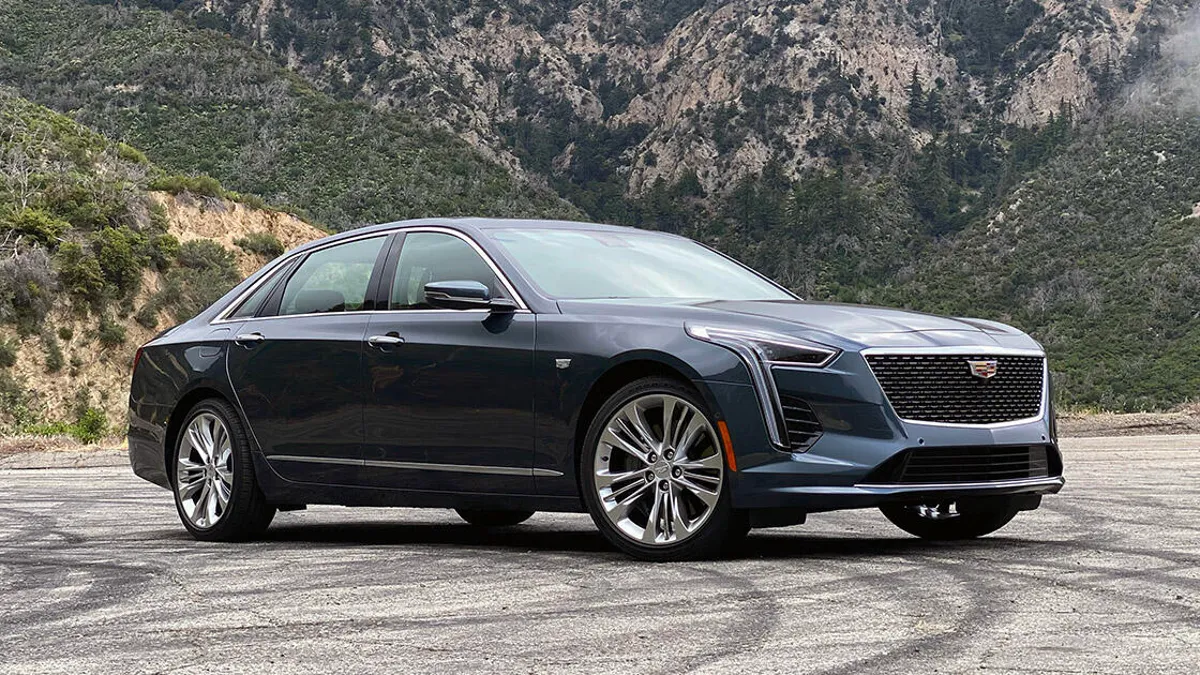
The car’s wide body made the blind spot problem worse. A wider car naturally creates larger blind zones, and the CT6 was a big vehicle. Combining that width with a steeply raked roofline and thick pillars produced genuinely challenging sight lines.
Lane changes required careful, deliberate checking. Many CT6 drivers reported feeling unsure whether a lane was truly clear before merging. The blind spot monitoring system helped, but it couldn’t fully replace the confidence that clear natural visibility provides.
The front A-pillars were also more substantial than ideal. They were designed to house advanced safety systems and structural reinforcements. But the trade-off was a forward field of vision with noticeable pillar intrusion at intersections and left turns.
The CT6’s dashboard was elegantly designed but sat at a moderate height. It didn’t dramatically restrict the forward view, but it contributed to a slightly enclosed feeling. The combination of restricted sightlines in multiple directions added up to a challenging visibility experience.
The rear camera system on the CT6 was excellent and technologically advanced. Cadillac equipped it with a camera-based rearview mirror that provided a far wider rear view than the conventional mirror ever could. But this technological fix highlighted just how inadequate the natural visibility was.
The CT6 was ultimately discontinued, and its visibility challenges were not the primary reason. But they served as a reminder that even large, premium American sedans are not immune to the trade-offs between styling ambition and practical outward vision.
4. Chevrolet Camaro (Sixth Generation)
The sixth-generation Chevrolet Camaro is a stunning piece of American automotive design. Its muscular proportions, low stance, and dramatic roofline make it one of the most visually impactful sports cars on American roads. It is also, without much competition, one of the worst cars in America for outward visibility.
The Camaro’s A-pillars are extraordinarily thick. They are among the widest forward pillars on any production car sold in America. At intersections, they can comfortably conceal an entire vehicle approaching from the left or right. Drivers must physically move their heads significantly to see around them.
The hood is massive and rises sharply toward the windshield. The driver looks out over a world of metal that dominates the forward view. Judging the front corners of the car from the driver’s seat is extremely difficult without extensive practice.
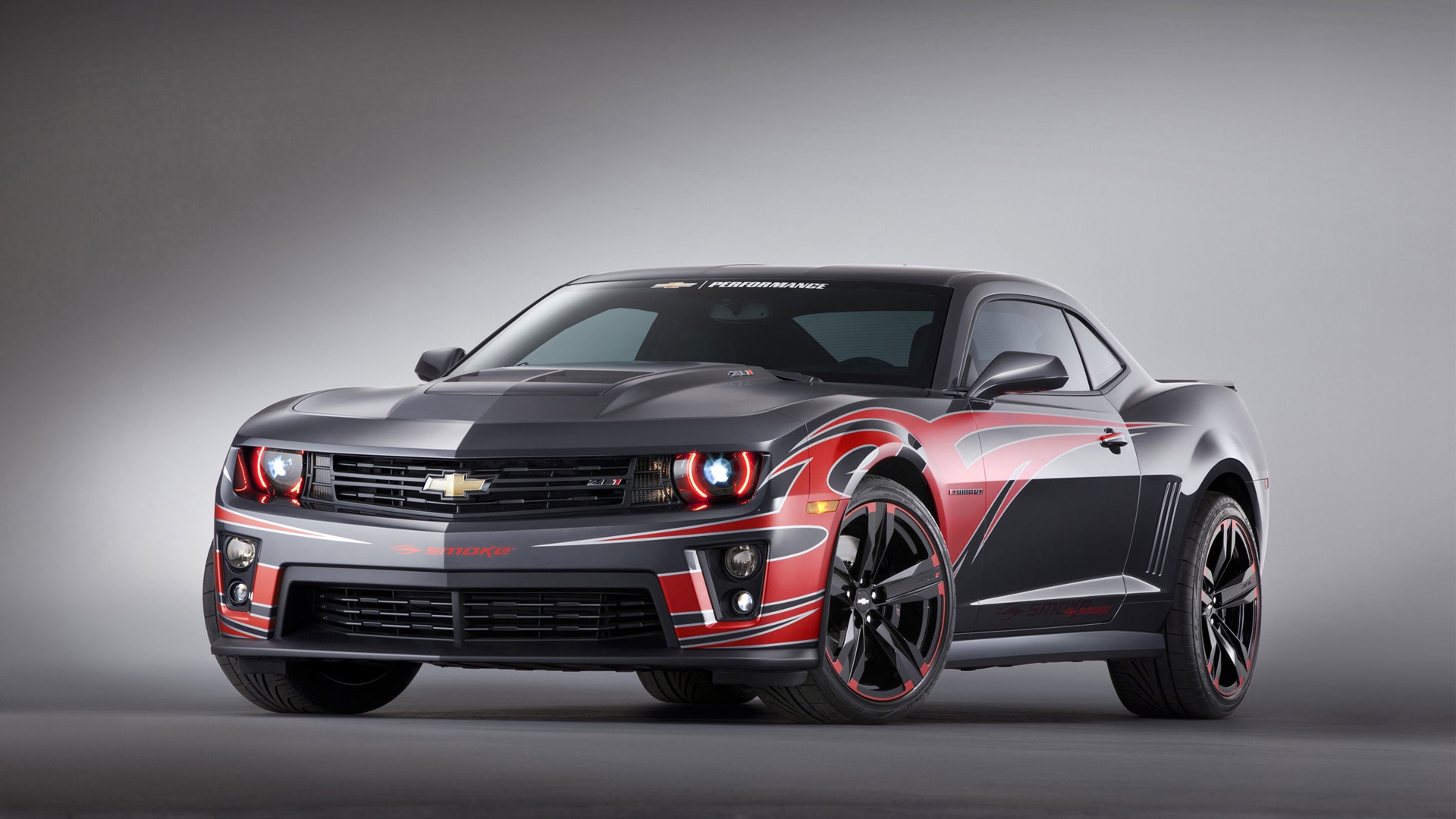
The rear pillars are even worse than the front ones. The Camaro’s C-pillars are some of the thickest and most vision-obstructing in the automotive world. The rear blind spots are enormous genuinely dangerous in heavy traffic or when cyclists appear in adjacent lanes.
The rear window is tiny. It is a narrow horizontal strip nestled between the steeply rising rear haunches and the dramatically sloping roofline. It provides almost no useful rearward visibility. Even tall drivers cannot see much through it without contorting themselves.
The side glass is small and sits high above a tall beltline. You feel like you’re driving through a slit in a bunker. The world outside the car is visible only in narrow strips. Peripheral awareness suffers dramatically as a result.
Parking the Camaro is a genuine skill. Most owners quickly learn to rely entirely on the rearview camera and parking sensors. Without those aids, placing this car in a standard parking spot requires significant concentration and spatial guesswork.
The rearview mirror is nearly useless. What the mirror reflects is primarily the thick C-pillars and the narrow rear window they frame. The view behind the car as seen through that mirror is so restricted that many Camaro owners simply ignore it in favor of the digital camera display.
The sixth-generation Camaro is an extraordinary performance machine. On a track or an open highway, it is magnificent. But in everyday driving conditions that require awareness of surrounding traffic, it demands constant extra effort and technology assistance just to remain safe.
5. Lincoln Continental (2017–2020)
The revived Lincoln Continental was a bold statement about American luxury. It brought back a storied nameplate with a modern interpretation of classic American elegance. The Continental was beautifully styled, richly appointed, and smooth to drive. It was also a car where the pursuit of visual elegance came directly at the cost of the driver’s own vision.
The Continental’s coach-door configuration on certain models created unique visibility challenges. The rear-hinged back doors were a theatrical luxury statement, but the structural requirements of that design resulted in a wider B-pillar in the middle of the car. This pillar created a substantial blind zone on both sides.
The roofline swept down gracefully from front to rear in classic fastback fashion. While beautiful to behold from the outside, this design relentlessly compressed the rear glass. Looking back through the Continental’s rear window felt like peering through a narrow horizontal slot.
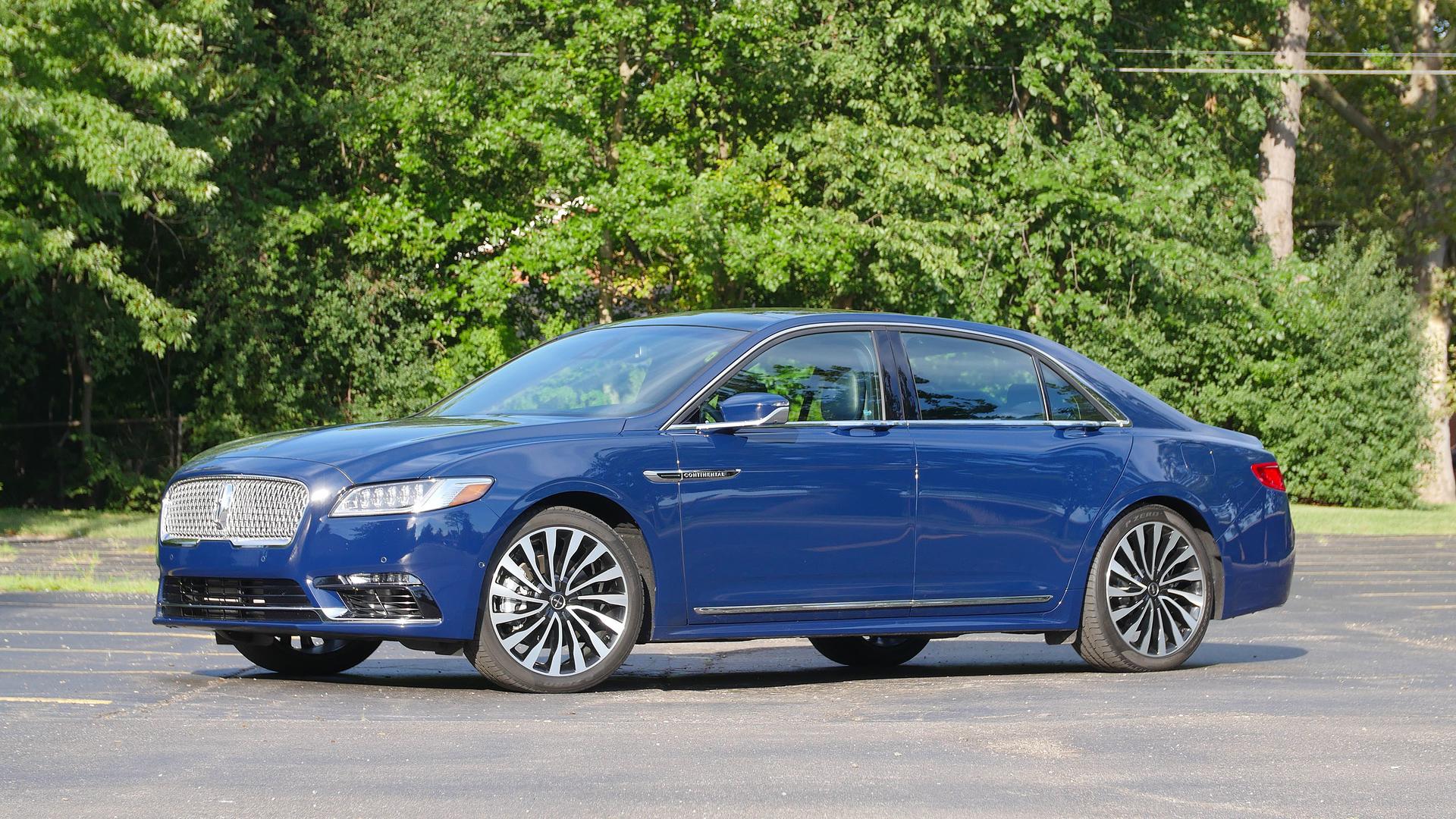
The thick C-pillars necessary to support the sloping roofline created rear quarter blind spots that were difficult to manage. The car was wide and low, which compounded the problem. Any vehicle lingering in those blind zones was genuinely invisible without mirror confirmation.
Lane change anxiety was a real phenomenon reported by Continental owners. The combination of thick pillars, steeply angled glass, and wide body created zones where a full-size vehicle could hide completely. Blind-spot monitoring became an essential, heavily-relied-upon system in this car.
The front view was also compromised to a degree. The Continental’s dramatically sculpted hood featured rising fender lines that partially intruded on the driver’s peripheral view of the road edges. It was a small issue but one that added to the cumulative visibility challenges.
The Lincoln’s frameless windows meant the glass sat flush with the body and roofline without a visible frame. While this contributed to the car’s elegant appearance, it subtly reinforced the sense of the glass being surrounded and contained by heavy bodywork.
The available camera technology helped substantially. Lincoln equipped the Continental with a comprehensive suite of cameras and sensors. But even with all that technology active, experienced drivers consistently noted the gap between what the cameras showed and what natural, unaided visibility should ideally provide.
The Lincoln Continental was a noble attempt to revive American luxury at its most expressive. But its visibility compromises were a significant real-world trade-off that the elegance of its design could not fully excuse.
6. Dodge Charger (Modern Generation)
The modern Dodge Charger is one of America’s most unique vehicles a full-size, four-door muscle car. It combines genuine everyday practicality with Dodge’s trademark aggression and performance. But beneath that practical exterior lies a visibility profile that mirrors its two-door Challenger sibling in many frustrating ways.
The Charger’s roofline is dramatically low for a four-door sedan. Dodge deliberately styled it to look like a coupe, and that design ambition produced a car with a compressed greenhouse. Windows are noticeably small relative to the thick body panels that surround them.
The rear C-pillars are enormous. They sweep down dramatically from the roofline to meet the body, creating thick pillars that generate massive blind zones. Vehicles lurking in those zones during highway lane changes are entirely invisible until they’re nearly alongside you.
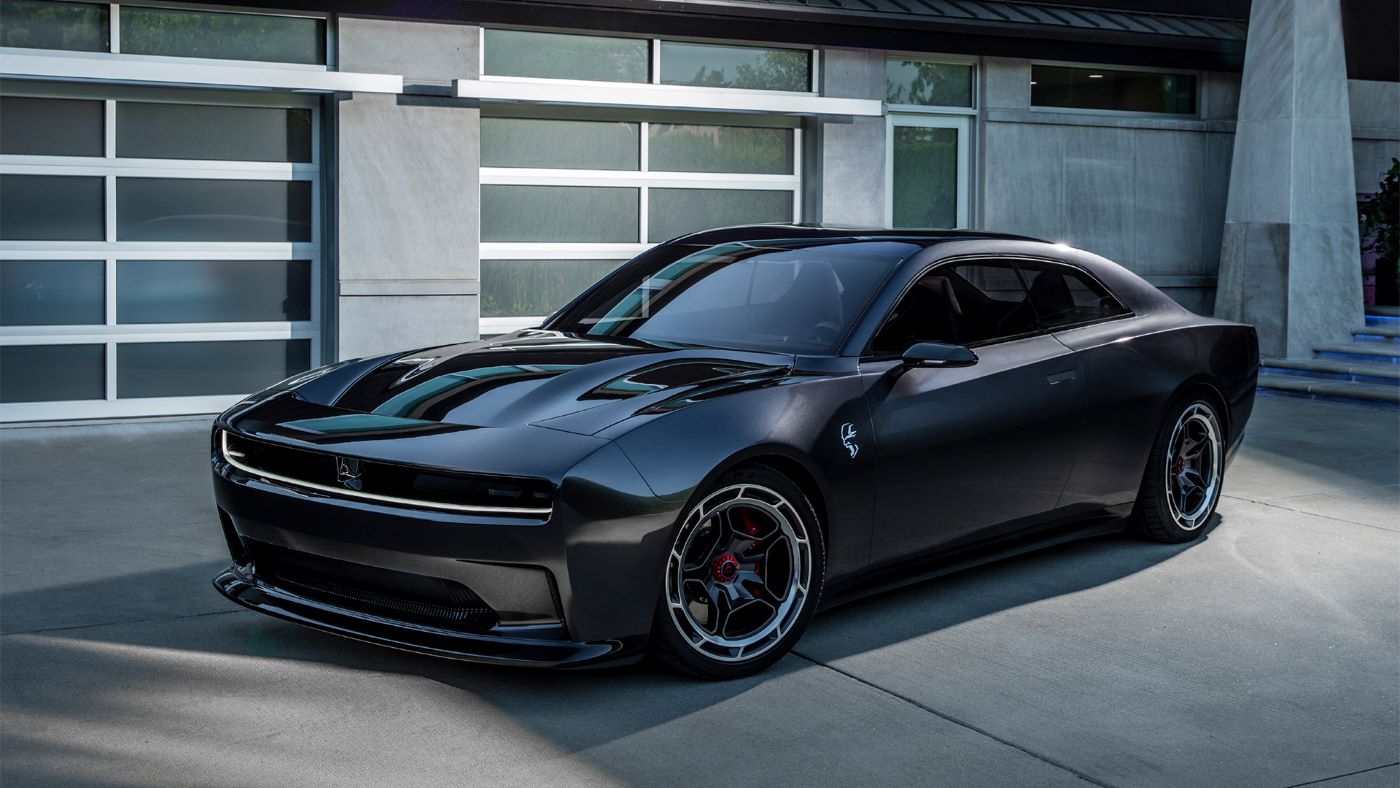
The rear window is tinted, raked, and surrounded by imposing bodywork. Even on cars with lighter tint, the angle of the glass and the height of the surrounding panels make it difficult to get a clear, confident read on what’s happening behind the car. The view is narrow and limited.
Like the Challenger, the Charger has a high beltline that minimizes the glass-to-metal ratio. The windows sit in a sea of sheet metal. This gives the car an imposing, muscular appearance from outside but makes the driver feel isolated from the surrounding environment.
The Charger is a magnificent car in many ways powerful, practical, and undeniably dramatic to look at. But its visibility shortcomings are a real and significant limitation that every buyer should honestly evaluate before purchase. Great technology can compensate, but it can never fully replace the confidence of clear, natural, unobstructed vision.
Also Read: 9 Engines That Taxi Fleets Trust Past 600,000 Miles
