
The taxi industry runs on reliability. A vehicle that breaks down mid-shift costs money, wastes time, and frustrates passengers who depend on punctual service.
Fleet managers don’t choose engines based on horsepower or acceleration figures. They choose engines based on one simple metric how long they keep running without expensive failures.
Reaching 600,000 miles is not a marketing claim. It is a battlefield achievement earned through real-world punishment across potholes, traffic jams, airport runs, and endless idling.
The engines on this list have proven themselves in the most demanding operating conditions on earth. They power taxis in New York, London, Dubai, Tokyo, and dozens of other cities where cabs run twenty-four hours a day, seven days a week.
What separates these engines from ordinary powerplants is their engineering philosophy. They are built with conservative tolerances, robust materials, and simple designs that technicians can maintain affordably at high mileage.
Oil changes, timing chain replacements, and coolant flushes are the only rituals these engines demand in return for decades of service.
This guide breaks down nine legendary engines that taxi fleets across the world have trusted to go the distance. Each one tells a story of engineering excellence that no brochure could fully capture.
1. Toyota 1UZ-FE
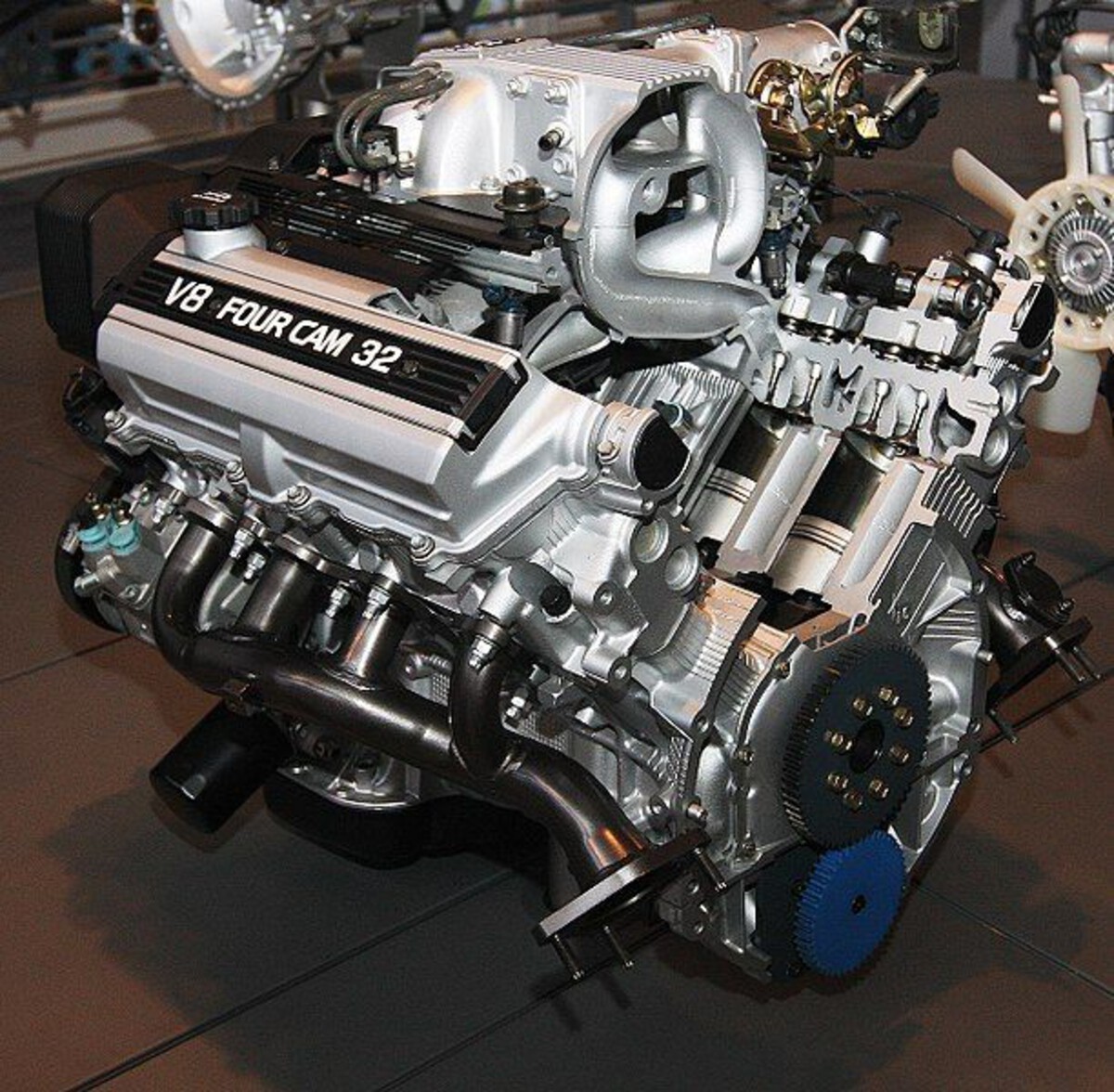
The Toyota 1UZ-FE is a 4.0-litre naturally aspirated V8 engine. It first appeared in 1989 and quickly earned a reputation for extraordinary longevity.
Toyota engineered this engine with extremely tight manufacturing tolerances. Every component was machined to precision levels that most automakers simply don’t bother achieving.
The block is made from cast iron. Cast iron holds up to heat cycling far better than aluminium in high-mileage applications. The cylinder head design is conservative and proven. There are no exotic materials or complicated variable valve timing systems in early versions to cause expensive failures.
Fleet operators in Japan and the Middle East ran Crown Comfort taxis powered by this engine well past 700,000 kilometres. Some units reportedly crossed the one-million kilometre mark with only basic maintenance.
The oiling system is generously designed. Oil reaches every critical component quickly at startup, reducing the dry-start wear that destroys most engines prematurely.
Taxi fleets in Dubai famously relied on Toyota Crown taxis using variants of this engine family. The desert heat pushed engines hard. The 1UZ-FE barely noticed.
Cooling system integrity is exceptional on this engine. The thermostat, water pump, and radiator work together in a well-balanced system that resists overheating under sustained load.
Mechanics love working on this engine. The layout is logical, access to components is straightforward, and parts are widely available at reasonable prices worldwide.
Carbon buildup is minimal because the combustion chambers are shaped to promote complete burning. Less carbon means fewer decoke operations over the engine’s service life.
The timing belt on earlier versions requires periodic replacement. However, it is an interference engine, so fleet managers who follow service schedules never experience timing failures.
Fuel economy is not this engine’s strongest point. However, taxi fleets accept the trade-off because the total cost of ownership over 600,000 miles favours reliability above all else.
Transmission compatibility is excellent. The 1UZ-FE pairs well with Toyota’s A340 automatic transmission, which is itself a legendary unit in terms of durability.
Oil consumption remains low even at extreme mileage when the engine is properly maintained. Piston ring design contributes significantly to this characteristic.
Fleet operators report that valve stem seals begin to weep slightly past 400,000 miles. This is considered acceptable and inexpensive to address compared to major engine work.
The 1UZ-FE does not produce drama. It simply runs. Day after day, shift after shift, it delivers smooth, quiet, consistent power that drivers and passengers appreciate equally.
Its legacy in the taxi world is unmatched among V8 engines. No other eight-cylinder powerplant has achieved the same level of fleet trust over such a sustained period.
2. Toyota 2JZ-GE
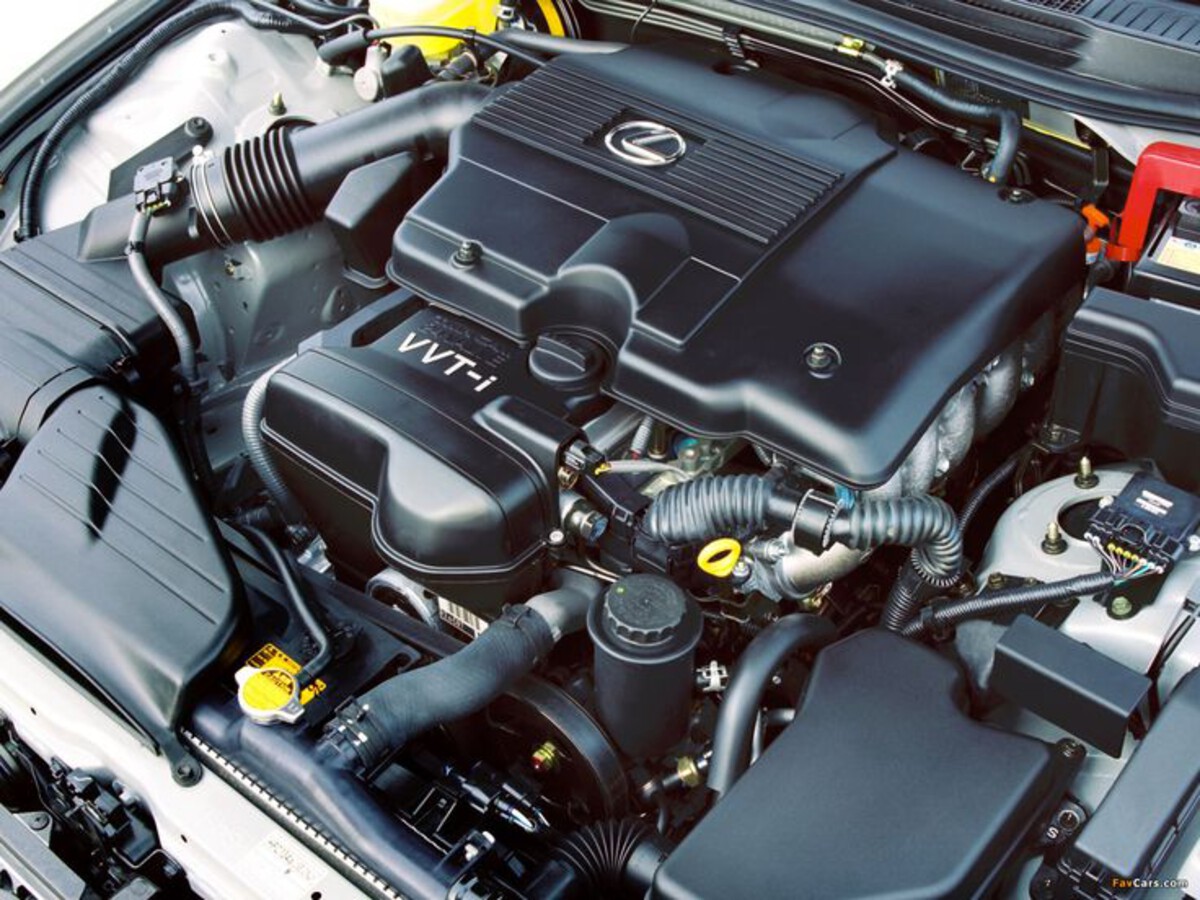
The Toyota 2JZ-GE is a 3.0-litre inline-six engine. It is the naturally aspirated sibling of the famous turbocharged 2JZ-GTE used in sports cars.
Toyota built this engine to last in executive saloons and large taxis. The engineering brief prioritised smooth power delivery and maximum service life.
The cast iron block is famously overbuilt. Toyota engineered it with wall thickness far beyond what the engine’s power output actually required. This overbuilding philosophy created enormous safety margins. Thermal expansion, high-mileage wear, and occasional maintenance lapses don’t easily compromise structural integrity.
Taxi fleets in Japan extensively used the Toyota Crown powered by the 2JZ-GE. These vehicles accumulated staggering mileage in daily city service across Tokyo and Osaka.
The inline-six configuration naturally balances primary and secondary forces. This means the engine runs without vibration, reducing fatigue on mounts, brackets, and ancillary components.
Head gasket failures are extremely rare on this engine. The cylinder head bolt pattern and gasket design distribute clamping force evenly across the entire combustion surface. The fuel injection system is reliable and simple. Injectors rarely fail and when they do, replacements are affordable and easy to source globally.
Coolant passages are generously sized. Coolant flows efficiently through the block and head, preventing the localised hot spots that cause warping and gasket failures in lesser engines.
Valve clearances remain stable for extended periods. Fleet mechanics report that shim adjustments are rarely needed before 200,000 miles of operation.
The timing belt system requires scheduled replacement. Responsible fleet managers treat this as routine maintenance rather than a burden, and the engine rewards their diligence.
Oil pressure remains healthy well past 500,000 miles in properly maintained examples. This speaks to the quality of bearing surfaces and the precision of manufacturing.
The 2JZ-GE produces modest power by modern standards. However, taxi fleet operators don’t need power they need torque, smoothness, and reliability, all of which this engine delivers.
Mechanics trained on Toyota products can work on this engine confidently. The layout is conventional, and the repair manual is one of the most comprehensive ever written for a production engine.
Emissions compliance was straightforward to achieve with this engine. Its clean combustion characteristics helped fleets meet regulations without expensive modifications.
The 2JZ-GE earned its reputation quietly. While its turbocharged sibling attracted headlines, this naturally aspirated workhorse was quietly accumulating millions of taxi miles worldwide.
3. Mercedes-Benz OM617
The Mercedes-Benz OM617 is a 3.0-litre inline-five diesel engine. It was produced from 1974 to 1991 and became the definitive taxi engine in many parts of the world.
Mercedes-Benz designed this engine for the W123 saloon and estate. That vehicle became the most successful taxi platform in history, largely because of this engine.
The prechamber diesel injection system is indirect and gentle. Combustion pressure rises gradually, reducing stress on pistons, rings, and bearings with every firing cycle.
This engine famously ran on almost any fuel in emergency situations. Vegetable oil, heating oil, and various diesel blends kept OM617-powered taxis running in parts of the world where quality fuel was scarce.
German engineering standards of the 1970s were extraordinarily thorough. Every tolerance, every surface finish, and every material selection was made with service longevity as the primary objective.
Taxi operators in Africa, the Middle East, and South America ran these engines well past one million kilometres. The numbers sound extraordinary until you understand how this engine was built.
The bottom end is virtually indestructible under normal operating conditions. Crankshaft journals are hardened and ground to tolerances that even modern CNC machining would be proud to achieve.
Cylinder liners can be replaced without replacing the entire block. This feature alone extends the practical service life of the engine far beyond what most engines can achieve.
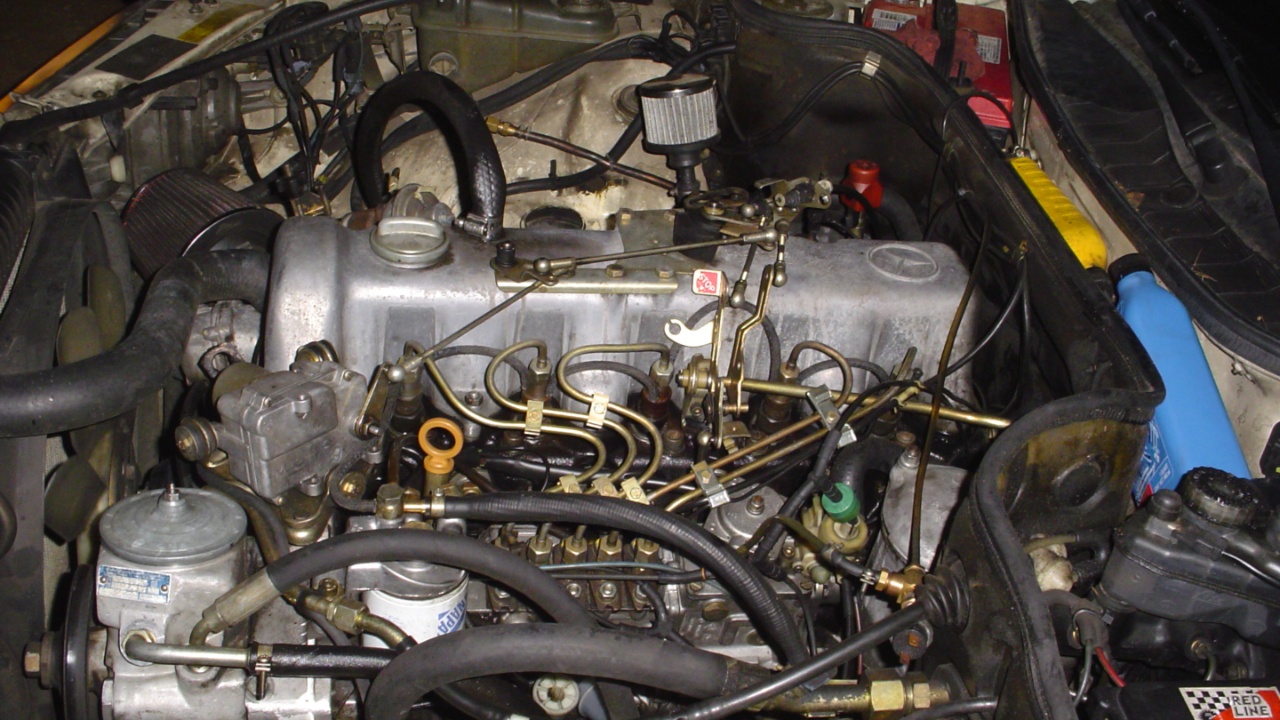
The injection pump is a Bosch unit of legendary reliability. With periodic calibration and fresh seals, these pumps run for hundreds of thousands of miles without major failure.
Glow plugs require occasional replacement. This is the most common maintenance item on the OM617, and it costs almost nothing compared to the value the engine provides.
Turbo versions of this engine exist, but naturally aspirated examples often achieve greater longevity. The absence of turbocharger heat and pressure reduces stress on the entire combustion system.
Oil filter and oil change intervals must be respected religiously. The OM617 rewards disciplined maintenance with extraordinary service life and punishes neglect more harshly than gasoline engines.
The engine’s weight is substantial. However, taxi operators gladly accept the extra mass because it contributes directly to the structural integrity that allows extreme mileage operation.
Noise levels are higher than modern diesel engines. Drivers of the era accepted this characteristic because the engine’s reliability record justified every decibel.
Rebuilding an OM617 is a straightforward exercise for any competent diesel mechanic. Parts availability remains excellent decades after production ended, which speaks to the engine’s enduring popularity. The OM617 didn’t just meet taxi fleet expectations. It created the standard against which all future taxi engines have been measured.
4. Honda K24
The Honda K24 is a 2.4-litre inline-four engine. Honda introduced it in 2001 and it quickly became one of the most trusted four-cylinder engines in fleet applications.
Honda’s engineering team prioritised low internal friction when designing the K24. Low friction means less heat, less wear, and dramatically extended service life.
The i-VTEC system is elegantly engineered for reliability. Unlike more aggressive variable valve timing implementations, Honda’s system uses conservative cam profiles that reduce valve train stress.
Roller rocker arms replace sliding contact followers found in older designs. This single change reduces valve train friction by a significant margin over the engine’s lifetime.
Fleet operators in Asia and North America have documented K24 engines running past 400,000 miles with only routine maintenance. Some modified taxi applications have exceeded 600,000 miles.
The aluminium block is reinforced with iron cylinder liners. This combination provides the weight savings of aluminium with the wear resistance of iron where it matters most.
Oil consumption is remarkably low throughout the engine’s service life. Honda’s piston ring design and cylinder honing process contribute directly to this impressive characteristic.
Timing chain replacement is a consideration past 200,000 miles. However, the chain-driven system eliminates the risk of catastrophic belt failure that plagues competing engines.
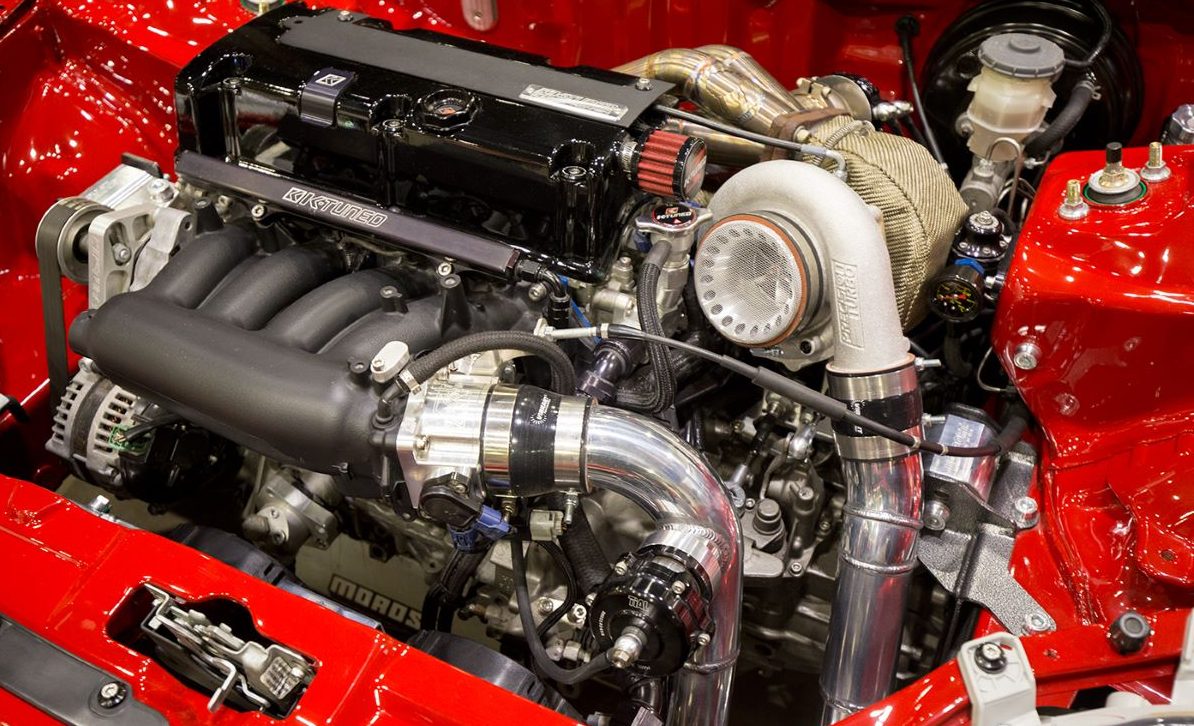
Coolant temperature management is excellent. The thermostat and cooling system are designed to maintain optimal operating temperature even in stop-and-go taxi operation.
Carbon deposits on intake valves can accumulate in direct injection versions. Port injection variants used in older taxi applications don’t suffer from this issue at all.
The K24 responds extremely well to regular oil changes. Fleets that change oil every 5,000 miles report dramatically fewer issues at high mileage than those following extended intervals.
Mechanics appreciate the straightforward layout. Major service items are accessible without removing large sections of ancillary components, reducing labour costs on fleet vehicles.
Replacement parts are produced by dozens of reputable aftermarket suppliers. This competition keeps prices low and availability high, which fleet managers consider essential.
The K24 produces adequate power for taxi applications without working near its limits. An engine operating well below peak output always lasts longer than one running at capacity.
Honda’s factory quality control is exceptional. Variance between individual engines from the same production run is minimal, meaning fleet operators get consistent performance across an entire vehicle pool.
The K24 represents the modern evolution of taxi engine thinking. Reliability, efficiency, and maintainability are balanced in an engine that fits perfectly into the demands of commercial transport.
Also Read: 6 Best Stock 4x4s In the USA vs 6 Overhyped Appearance Packages
5. Nissan TD27
The Nissan TD27 is a 2.7-litre inline-four diesel engine. It powered the Nissan Urvan van and various commercial vehicles across Asia, Africa, and the Middle East.
This engine became the backbone of taxi and minibus fleets in dozens of developing nations. Its ability to withstand abuse, poor fuel quality, and minimal maintenance made it irreplaceable.
The naturally aspirated design is simple in the extreme. There is no turbocharger, no intercooler, and no complex emissions equipment to fail at high mileage.
Simplicity translates directly into repairability. A roadside mechanic with basic tools and a parts catalogue can diagnose and fix most TD27 problems without specialist equipment.
Fleet operators in the Philippines, Nigeria, and Pakistan documented TD27 engines completing over 500,000 miles of hard service. Many examples ran without major overhaul well past this point.
The cast iron construction resists warping under extreme heat. In countries where air conditioning loads and high ambient temperatures stress cooling systems, this thermal stability is invaluable.
Injection timing can be manually adjusted as the engine wears. This allows mechanics to optimise combustion characteristics and restore performance at high mileage intervals.
Valve clearances require periodic manual adjustment. This extra maintenance step is considered a fair trade for the mechanical simplicity that defines this engine’s character.
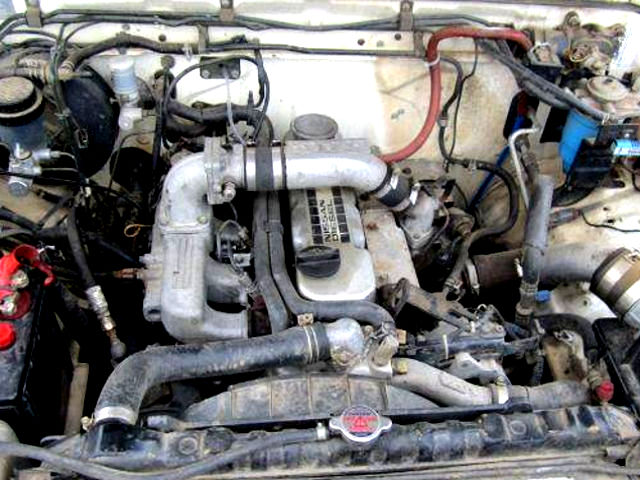
The TD27 does not produce impressive power figures by any measure. However, taxi operators running fully loaded vans on rough roads value torque delivery over outright performance.
Fuel consumption is reasonable for a naturally aspirated diesel of this capacity. Operators in regions with expensive fuel appreciated the economy relative to petrol alternatives.
The engine’s reputation for running on degraded fuel quality is legendary among mechanics in West Africa. Stories of TD27 engines running on poor-quality diesel blends without complaint are commonplace.
Cylinder head replacement is the most common major repair on high-mileage TD27 units. New heads are inexpensive and the swap can be completed in a single working day.
Main bearing clearances remain within specification for extended periods when oil changes are performed regularly. This durability at the bottom end is the foundation of the engine’s longevity.
The TD27 will never appear in an enthusiast magazine. It is unglamorous, slow, noisy, and smoky at high mileage. But in the markets where it operates, it is considered simply irreplaceable.
Its legacy is written not in racing results or performance statistics. It is written in the millions of passengers transported across difficult terrain by this humble but heroic diesel engine.
6. Ford 2.2 Duratorq TDCi
The Ford 2.2 Duratorq TDCi is a common-rail diesel engine developed in partnership with PSA Peugeot Citroën. It powered the Ford Transit and Transit Custom across Europe for over a decade.
Taxi and private hire operators across the United Kingdom chose this engine extensively. Its combination of fuel economy, torque, and durability made it ideal for high-mileage fleet use.
The common-rail injection system delivers fuel at very high pressure. This promotes complete combustion, which reduces soot accumulation and extends the interval between DPF regeneration cycles.
Fleet operators report regularly achieving 400,000 to 500,000 miles without internal engine work. Proper DPF management and regular servicing are the critical factors that determine longevity.
The engine block is made from compacted graphite iron. This material is stronger and more rigid than conventional cast iron, reducing flex and maintaining bore geometry at high mileage.
Turbocharger reliability is generally good when oil change intervals are respected. The variable geometry vanes require occasional cleaning to maintain boost response and prevent sticking.
EGR valve fouling is the most common maintenance headache on this engine. Regular cleaning of the EGR system at service intervals prevents the power loss and rough running that contamination causes.
Injector longevity is impressive when high-quality fuel and fuel filters are used. Fleets that switch to premium diesel fuel report noticeably extended injector service life.
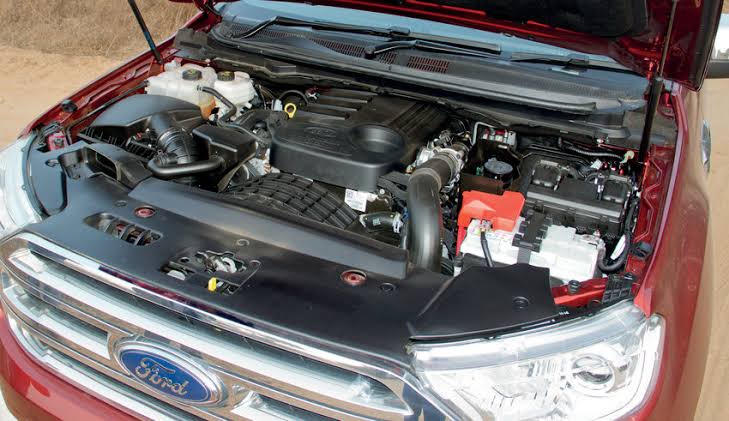
The dual-mass flywheel requires attention at high mileage. Replacement is the most significant scheduled expenditure beyond normal servicing on Transit-based taxi operations.
Glow plug replacement is straightforward and inexpensive. Fleets operating in cold climates change glow plugs preventatively to avoid cold-start difficulties during winter months.
Ford’s parts supply network is comprehensive across Europe. Next-day delivery of any component is achievable in most locations, minimising vehicle downtime for fleet operators.
The 2.2 Duratorq produces strong low-end torque that suits fully loaded passenger vans perfectly. Drivers appreciate the effortless pulling power at low engine speeds in urban traffic.
Oil filter access is straightforward on Transit installations. This encourages proper service intervals because the process is quick, clean, and requires minimal mechanical expertise.
Training mechanics to work on this engine is cost-effective. The system architecture is conventional, and Ford’s diagnostic software is widely available and affordable.
The 2.2 Duratorq represents European diesel engineering at its pragmatic best. It prioritised real-world reliability over headline power figures, and fleet operators responded with decades of loyalty.
7. Toyota 1KD-FTV
The Toyota 1KD-FTV is a 3.0-litre four-cylinder diesel engine. It is best known for powering the Toyota Landcruiser Prado and HiAce van across global markets.
Fleet operators in Australia, South Africa, and the Middle East adopted HiAce minibuses powered by this engine as primary taxi vehicles. The combination proved exceptionally capable.
Toyota engineered the 1KD-FTV to handle demanding off-road and commercial applications simultaneously. The engine’s robust design philosophy transferred directly into outstanding taxi fleet performance.
Common-rail injection operates at high pressure for efficient combustion. The system is more complex than older mechanical injection but delivers superior fuel economy and reduced emissions.
The 1KD-FTV achieved wide notoriety for a specific fault cracking of the cylinder head in early production examples. Toyota addressed this issue through revised head gasket and cooling system specifications.
Updated versions with the corrected engineering are highly regarded by fleet operators. Properly maintained examples regularly reach 500,000 kilometres without major mechanical intervention.
The timing chain system eliminates belt replacement concerns. Chains last the life of the engine when oil is changed on schedule and the correct specification lubricant is used.
Injector seal failure can cause oil contamination of the fuel system at high mileage. Proactive seal replacement at 200,000-kilometre intervals prevents this expensive failure mode.
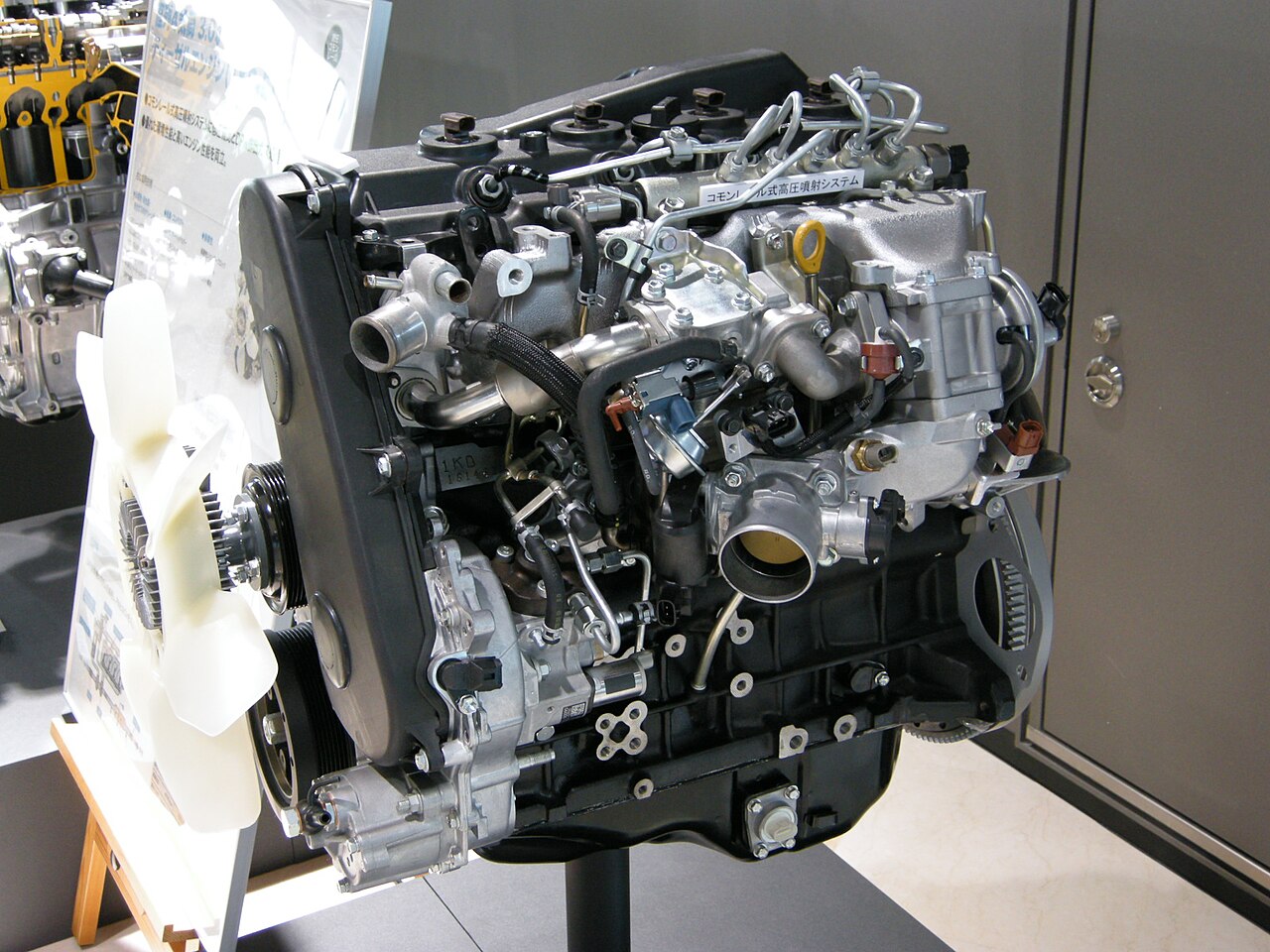
Turbocharger reliability is generally excellent. The conservative boost pressure settings chosen by Toyota prioritise longevity over performance in commercial vehicle applications.
The engine management system is sophisticated but well-supported by Toyota’s dealer network. Diagnostic tools are widely available, and fault codes are well-documented.
Oil capacity is generous for an engine of this size. Large oil volume reduces thermal stress on the lubricant and extends the interval before degradation becomes significant.
Fleet operators appreciate the HiAce platform’s ability to carry large passenger loads. The 1KD-FTV provides adequate power for fully loaded operations without working at stressful output levels.
Coolant system maintenance is critical with this engine. Regular coolant changes and careful monitoring of coolant condition prevents the head issues that affected early production examples.
The engine produces excellent torque at low revs. This characteristic suits taxi driving perfectly because most urban operation occurs at engine speeds well below peak power.
The 1KD-FTV’s story includes both challenge and redemption. Its engineering evolution demonstrates how manufacturer commitment to addressing problems can transform a flawed design into a trusted fleet workhorse.
8. Cummins ISB 6.7
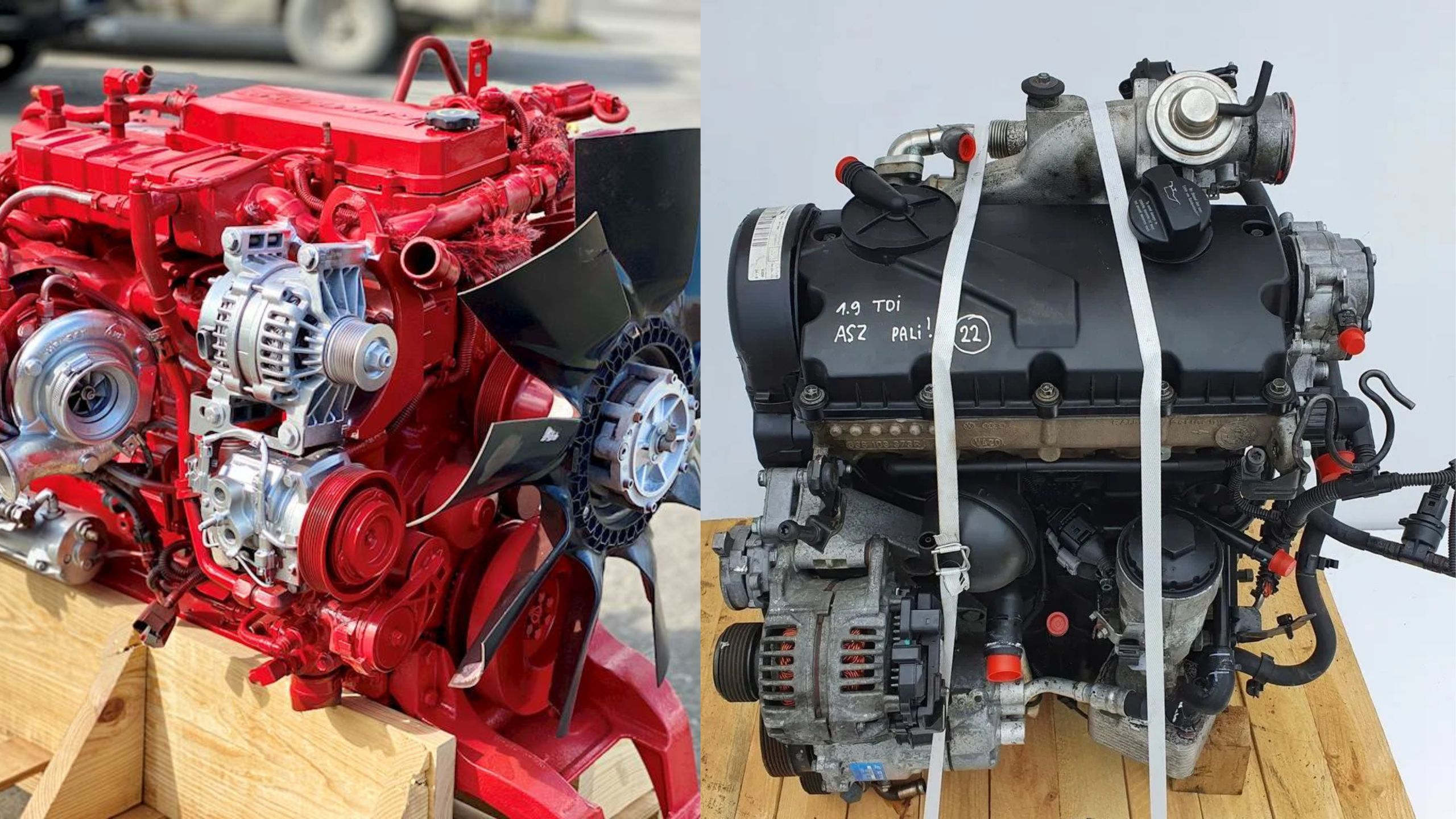
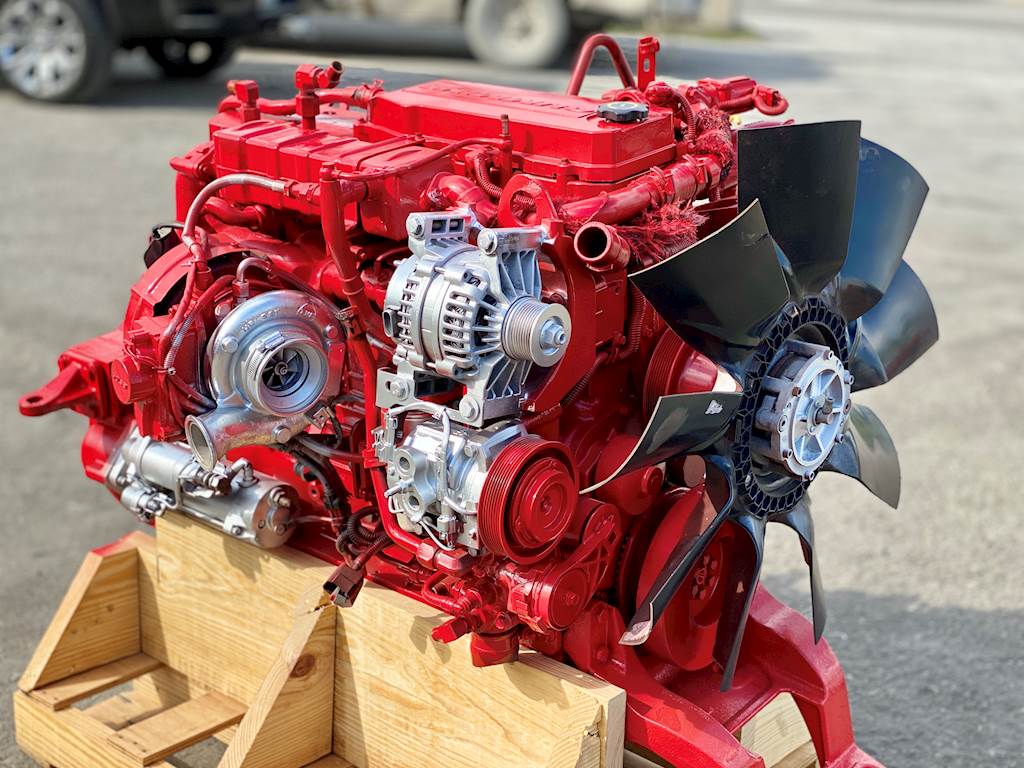
The Cummins ISB 6.7 is a 6.7-litre six-cylinder diesel engine. It is primarily known as a commercial truck and bus engine, but its application in larger taxi and shuttle vehicles deserves recognition.
Airport shuttle operators, hotel transport fleets, and large taxi companies running full-size vans have relied on this engine extensively. Its durability credentials come from a commercial vehicle background.
Cummins built the ISB 6.7 to meet the demands of vehicles covering hundreds of thousands of miles annually. The engineering standards applied are significantly higher than those used in passenger car engines.
The forged steel crankshaft is dimensioned for commercial service. Bearing journals are wide and hardened to resist wear under the continuous high-load operation that commercial vehicles experience.
Cylinder liners are replaceable without block replacement. This design feature extends engine service life indefinitely, provided the block and crankshaft remain within specification.
Injector longevity is outstanding when fuel quality and filtration standards are maintained. Cummins provides specific guidance on fuel cleanliness requirements, and fleets that follow this guidance rarely experience injector failures.
The turbocharger system uses a variable geometry design for flexible power delivery. Proper oil maintenance keeps the VGT mechanism operating smoothly throughout the engine’s extended service life.
EGR cooler reliability has improved significantly in later production versions. Early examples suffered from cooler failures, but Cummins addressed the design in subsequent production runs.
Oil drain intervals for commercial operation are typically set at 15,000 miles. However, many fleet operators using oil analysis programs extend intervals with confidence in high-quality synthetic lubricants.
The aftertreatment system requires periodic maintenance. DPF cleaning at appropriate intervals prevents backpressure issues that reduce fuel economy and stress the turbocharger.
Parts availability through the Cummins dealer network is exceptional worldwide. This global support infrastructure is a significant advantage for fleets operating in multiple geographic locations.
Engine brake capability is standard equipment on many ISB 6.7 installations. This feature reduces service brake wear dramatically, providing significant operational cost savings for high-mileage operators.
Fuel economy is competitive for an engine of this displacement. Fleets transitioning from gasoline power report significant fuel cost reductions that partially offset the higher initial purchase price.
The ISB 6.7 requires skilled mechanics for major work. However, the engine’s reliability means that major work is genuinely rare when service schedules are respected.
The Cummins ISB 6.7 brings heavy-duty engineering to taxi applications that demand it. For operators running large vehicles in demanding service, it represents the ultimate expression of engineered longevity.
9. Volkswagen 1.9 TDI (ALH)
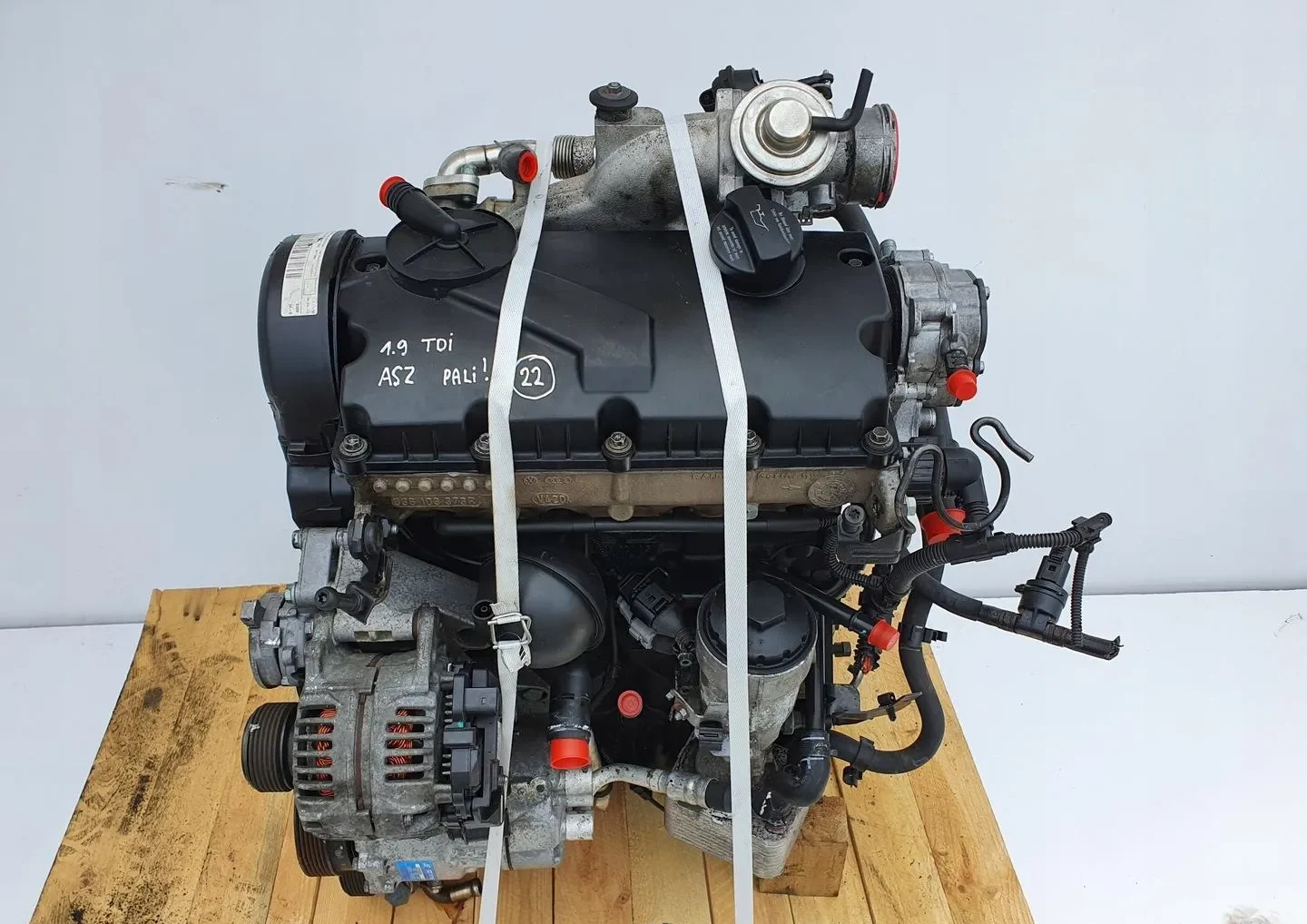
The Volkswagen 1.9 TDI in ALH specification is a 1.9-litre four-cylinder diesel engine. It powered the Volkswagen Golf, Jetta, and Passat from 1996 to 2006.
Taxi operators in Germany, Spain, and Eastern Europe adopted Passat TDI models as their preferred vehicles during the late 1990s and 2000s. This engine was the primary reason for that choice.
The pump-injector system used in this engine is mechanically robust. Each cylinder has its own integrated pump unit, eliminating the high-pressure fuel lines that fail in conventional common-rail systems.
Injection pressure is among the highest of any diesel engine from this era. High pressure promotes complete combustion, which reduces soot output and extends the time between particulate filter cleaning.
Fuel economy is extraordinary for the power output produced. Taxi operators running Passat TDIs reported real-world consumption figures that reduced operating costs dramatically compared to petrol alternatives.
The engine’s simplicity is remarkable for a sophisticated diesel unit. There is no common rail, no high-pressure accumulator, and no complex pressure regulation system to fail at high mileage.
Timing belt replacement is the most critical maintenance item. The ALH is an interference engine, meaning a belt failure causes immediate catastrophic damage. Disciplined fleet managers treat this as non-negotiable.
Turbocharger reliability is excellent when oil quality is maintained. The relatively modest boost pressure reduces heat and stress on the turbine wheel, contributing to long service intervals.
Glow plug replacement is inexpensive and straightforward. Fleets operating in cold climates schedule preventative replacement before winter to eliminate cold-start reliability concerns.
The injection pump is a robust Bosch VP37 unit. Rebuilding this pump at high mileage is a cost-effective alternative to replacement, and specialist rebuilders exist throughout Europe.
EGR valve fouling accumulates gradually over extended mileage. Regular cleaning prevents the rough idle and power loss that occur when the valve becomes heavily contaminated with carbon deposits.
Fleet operators in Spain documented examples reaching 500,000 kilometres without internal engine work. These vehicles maintained proper service schedules and used quality lubricants throughout their operational lives.
The ALH variant specifically avoids the reliability issues that affected later 1.9 TDI variants with more aggressive calibration. Fleet managers seeking longevity specifically requested this engine specification when purchasing vehicles.
Volkswagen’s build quality during this period was exceptional. The tolerance stack-up between components was tight, and the precision of manufacture contributed directly to the engine’s longevity credentials.
The 1.9 TDI ALH represents a perfect convergence of simplicity, efficiency, and durability. It proved that a small-displacement diesel, properly engineered and maintained, can match the mileage achievements of much larger engines.
Its legacy lives on in the countless taxi fleet managers across Europe who will tell you, without hesitation, that it was the best engine they ever ran. That kind of reputation cannot be manufactured. It can only be earned.
Also Read: 6 Fast-Looking Cars That Are Actually Slow (And 6 Slow-Looking Cars That Are Fast)
