
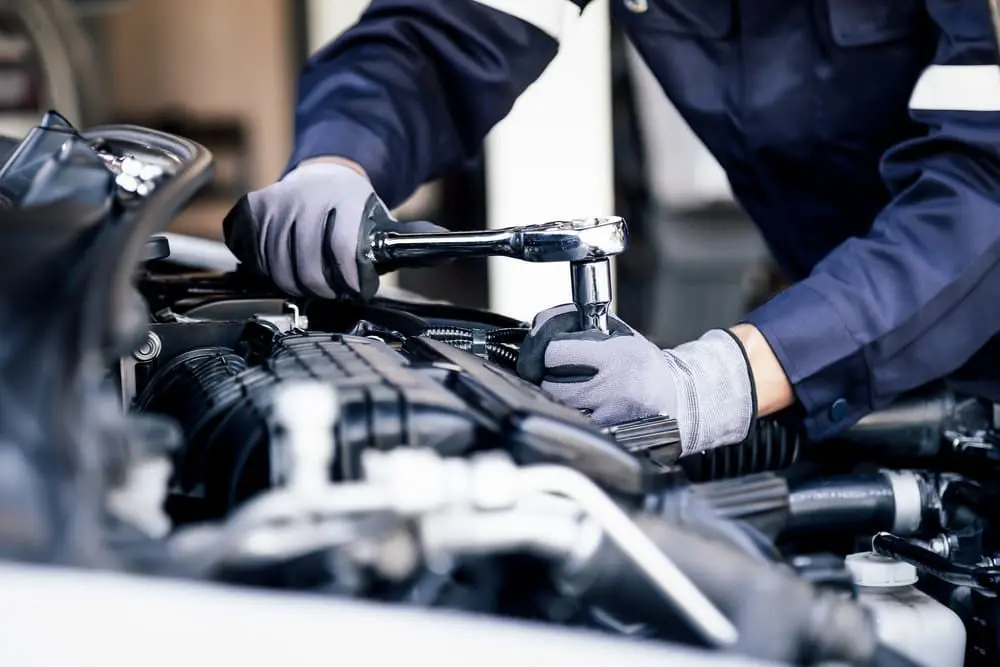
Car ownership often comes with steady expenses that add up quickly, but many of these costs can be reduced with simple do-it-yourself maintenance habits. The guide “12 Ways to Lower Your Annual Maintenance Costs by 500 Dollars Using DIY” shows how small, practical tasks can prevent expensive repairs, improve vehicle performance, and extend the life of key components.
From oil changes and brake pad replacement to checking tire pressure and fixing minor windshield damage, each task focuses on avoiding unnecessary labor fees and catching problems early before they become costly. These DIY actions do not require advanced mechanical skills, only basic tools and consistency.
Over time, they help drivers save hundreds of dollars annually while also improving safety and reliability on the road. By taking a proactive approach instead of waiting for shop visits or breakdowns, car owners gain more control over both maintenance quality and expenses.
This collection of twelve strategies demonstrates how routine attention and simple hands-on care can lead to meaningful financial savings and a more dependable driving experience year after year.
1. Performing Your Own Oil Changes
Performing your own oil changes is one of the most practical ways to lower routine car maintenance expenses while maintaining control over the quality of materials used. Many repair shops promote low-cost oil changes as an entry service, but these visits often lead to additional repair recommendations. Doing the task yourself removes labor fees and allows you to choose high-quality synthetic oil and reliable filters that help protect engine performance.
Most modern vehicles require oil changes every 5,000 to 10,000 miles. Professional services usually cost between $35 and $125, depending on oil type, with labor making up a large portion of the price. In comparison, a DIY oil change typically costs around $30 to $45 for oil and a filter purchased from retailers or online stores.
This results in savings of about $25 to $75 per service. For drivers who change oil several times a year, this can add up to roughly $150 or more in annual savings for one vehicle, and much more for households with multiple vehicles.
In addition to saving money, doing your own oil changes helps avoid unnecessary upselling that often happens during shop visits. It also gives you the opportunity to inspect your vehicle while working on it, allowing you to spot leaks, worn components, or early signs of damage before they become serious problems. This can help prevent expensive repairs in the future.
Extra savings can be achieved by buying oil and filters during sales or in bulk. Used oil can also be disposed of for free at many auto parts stores, which eliminates disposal costs.
While DIY oil changes require basic tools such as a jack, jack stands, and wrenches, these are one-time purchases that quickly pay for themselves. This approach provides consistent cost savings, better control over maintenance quality, and improved familiarity with your vehicle.
2. Replacing Your Own Brake Pads
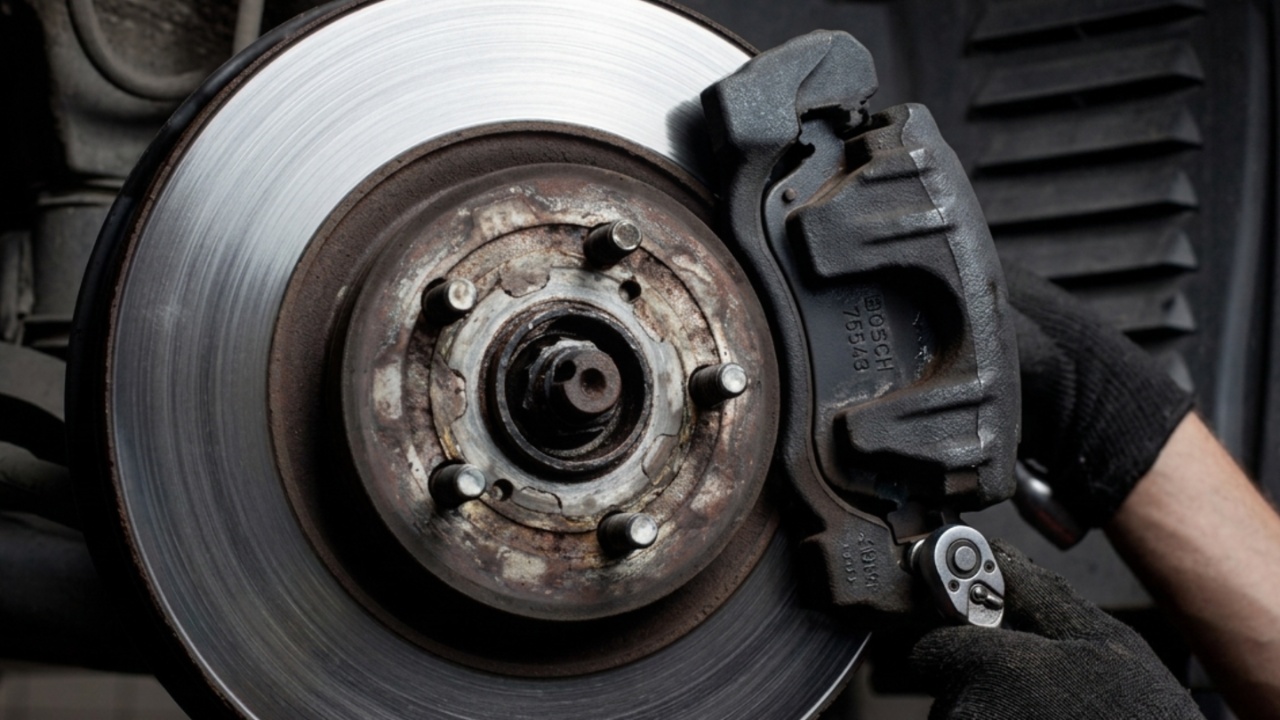
Replacing your own brake pads is one of the most effective DIY car maintenance tasks for reducing annual vehicle expenses. Many drivers avoid brake work due to perceived complexity, yet brake pad replacement is relatively straightforward and requires only basic tools such as a jack, jack stands, and a wrench set.
While professional shops often charge high labor fees, doing the job yourself allows you to pay only for parts and avoid unnecessary service markups.
Brake pad sets typically cost between $20 and $40, while professional brake service can range from $250 to over $600 per axle, depending on the vehicle. Luxury cars can cost even more, sometimes exceeding $1,000 per axle when additional parts are included.
Since labor accounts for a large portion of the total bill, often more than 60 percent, replacing pads yourself can result in savings of about $300 to $500 per axle. This makes it one of the fastest ways to reduce maintenance costs significantly.
The process itself is generally considered entry-level to intermediate DIY work and can often be completed in about an hour once you are familiar with the steps. The initial investment in tools such as a torque wrench or brake caliper piston tool is quickly recovered after just one or two repairs, and these tools can be reused for future maintenance.
Another benefit of doing your own brake work is control over parts selection. You can choose affordable aftermarket pads or higher-quality components depending on your budget and driving needs. It also reduces the risk of unnecessary upselling, since shops may recommend rotor replacement even when it is not strictly required.
Regular DIY brake inspections also encourage earlier detection of wear, helping prevent damage to rotors or calipers, which can significantly increase repair costs. However, brake systems are safety-critical, so careful attention and reliable instructions are essential when performing this task.
3. Replacing Engine and Cabin Air Filters
Swapping your engine and cabin air filters is one of the simplest DIY car maintenance tasks, yet it delivers meaningful savings because it eliminates high labor charges for a very quick job.
Mechanics and dealerships often charge $50 to $100 or more per filter, even though the actual replacement usually takes less than five to ten minutes and requires no specialized tools. In contrast, buying filters yourself typically costs around $15 to $30 each, making the DIY approach far more affordable.
The engine air filter plays an important role in maintaining fuel efficiency and engine performance by ensuring proper airflow. A clean filter helps the engine run more smoothly, while a clogged one can reduce efficiency and strain the engine.
The cabin air filter improves air quality inside the vehicle and supports the air conditioning system by preventing dust and debris buildup. Replacing both filters regularly helps avoid unnecessary wear on the engine and HVAC components.
Financially, the difference between shop pricing and DIY replacement is significant. Professional service for both filters can exceed $100 to $150 or more, while doing it yourself usually costs about $20 to $40 in total parts. This results in savings of roughly $100 per service, especially when both filters are replaced annually or twice a year, depending on driving conditions.
Beyond direct savings, clean filters can also improve fuel economy by up to 10 percent in some cases, since a clean engine air filter allows better airflow and combustion efficiency. Over time, this can translate into additional fuel savings. Regular replacement also helps prevent issues such as reduced engine performance or strain on the air conditioning system, which could lead to costly repairs if ignored.
Another advantage is avoiding unnecessary upselling at service centers, where filters are often presented as urgently needing replacement even when they are still usable. Since the task is simple and quick, it offers one of the highest returns in DIY maintenance with minimal effort.
4. Rotating Your Own Tires
Rotating your own tires is a highly effective DIY maintenance task that helps lower long-term vehicle costs by promoting even tire wear and reducing the need for frequent replacements.
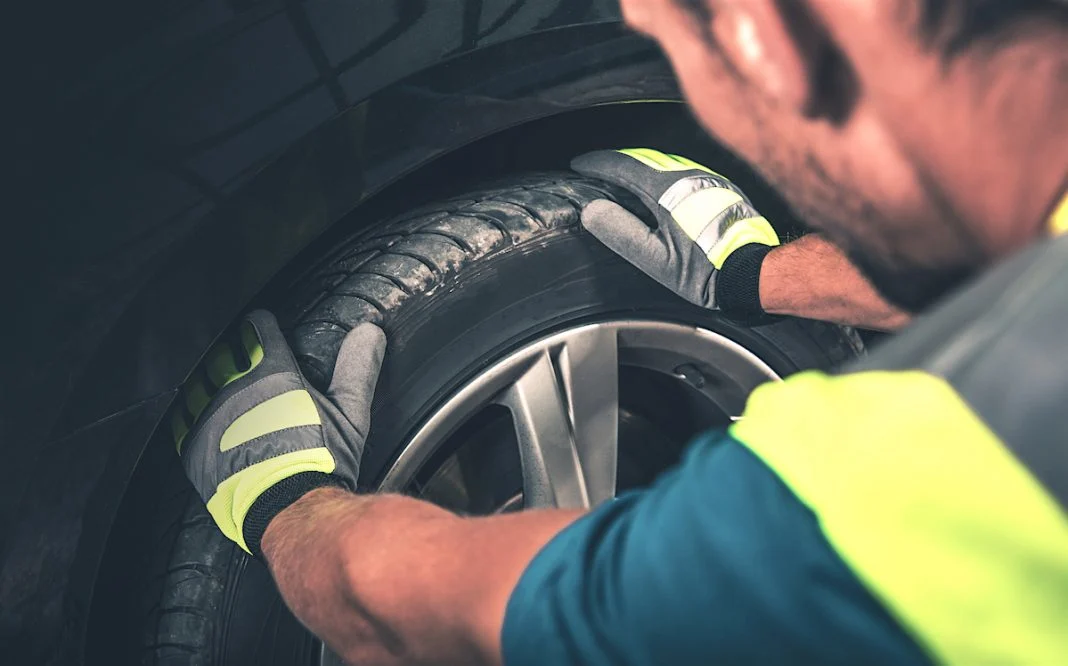
Tires naturally wear unevenly because front tires handle most of the steering and braking нагруз in many vehicles. Without regular rotation, this uneven wear shortens tire lifespan and can lead to early replacement. Rotating tires every 5,000 to 8,000 miles helps distribute wear evenly and can significantly extend tire life.
Professional tire rotation services typically cost between $30 and $50 per visit, even though the task itself is simple and requires only basic tools such as a jack, jack stands, and a torque wrench.
By performing the work at home, drivers can save around $100 to $150 per year in service fees, depending on driving habits. The larger financial benefit comes from delaying tire replacement, since a full set of tires often costs between $600 and $1,000. Preventing premature wear can lead to savings of $500 or more over the life of the tires.
Even tire wear also protects other parts of the vehicle. When tires wear unevenly, they can cause vibration and unstable road contact, which increases stress on suspension components, steering parts, and wheel alignment. These issues can lead to costly repairs if left unaddressed. Regular rotation helps maintain balanced performance and reduces this risk.
Fuel efficiency can also improve with properly rotated tires. Uneven tread wear increases rolling resistance, forcing the engine to work harder and use more fuel. Keeping tires evenly worn helps maintain smoother driving and more efficient fuel use over time.
Another important benefit is warranty protection. Many tire manufacturers require proof of regular rotation to honor mileage warranties. Skipping this maintenance can void coverage, resulting in full out-of-pocket replacement costs if tires wear out early.
With basic tools and routine scheduling, tire rotation is a cost-saving maintenance habit that improves safety, extends tire lifespan, and reduces vehicle expenses.
5. Replacing Spark Plugs Yourself
Replacing spark plugs yourself is a highly valuable DIY maintenance task that reduces repair costs while improving engine efficiency and reliability. Spark plugs play a key role in engine combustion, and when they wear out, they can cause misfires, rough idling, loss of power, and reduced fuel economy. Many repair shops charge between $200 and $400 or more for a spark plug service, with most of the cost coming from labor and diagnostic work rather than parts.
Spark plugs themselves are inexpensive, typically costing less than $10 to $15 each. A full set for most vehicles ranges from about $40 to $100. With a basic spark plug socket and wrench, which are low-cost and reusable tools, the replacement can usually be done at home in a driveway. This allows drivers to avoid labor fees and save more than $200 per service in many cases.
In addition to direct savings, replacing spark plugs helps maintain fuel efficiency. Worn plugs can reduce gas mileage significantly, sometimes by up to 30 percent in difficult situations. New spark plugs restore proper combustion, which improves engine performance and reduces fuel consumption over time.
Another important benefit is preventing expensive engine damage. Faulty spark plugs can lead to misfires that place stress on the catalytic converter, a repair that can cost over $1,000. They can also contribute to carbon buildup, oil fouling, and long-term engine strain if not replaced on schedule. Regular maintenance helps avoid these issues and supports smoother engine operation.
For many vehicles, spark plug replacement is considered a straightforward maintenance task that requires only basic tools such as a socket wrench, spark plug socket, and gap gauge. Performing this service yourself not only reduces immediate costs but also helps extend engine life by keeping the ignition system in proper condition.
Lower parts expenses, avoided labor charges, and improved fuel efficiency combine to make spark plug replacement one of the most effective ways to reduce vehicle maintenance spending while maintaining strong performance.
6. Cleaning and Maintaining Your Car Battery
Cleaning and maintaining your car battery is one of the easiest DIY maintenance tasks, yet it helps prevent unexpected failures and reduces the need for expensive emergency repairs. Over time, battery terminals can develop corrosion, often seen as a blue or white powder buildup.
This corrosion can interfere with electrical connections, leading to slow starts or a complete failure to start the vehicle. In many cases, this is mistaken for a dead battery and results in unnecessary replacements or towing services that can cost hundreds of dollars.
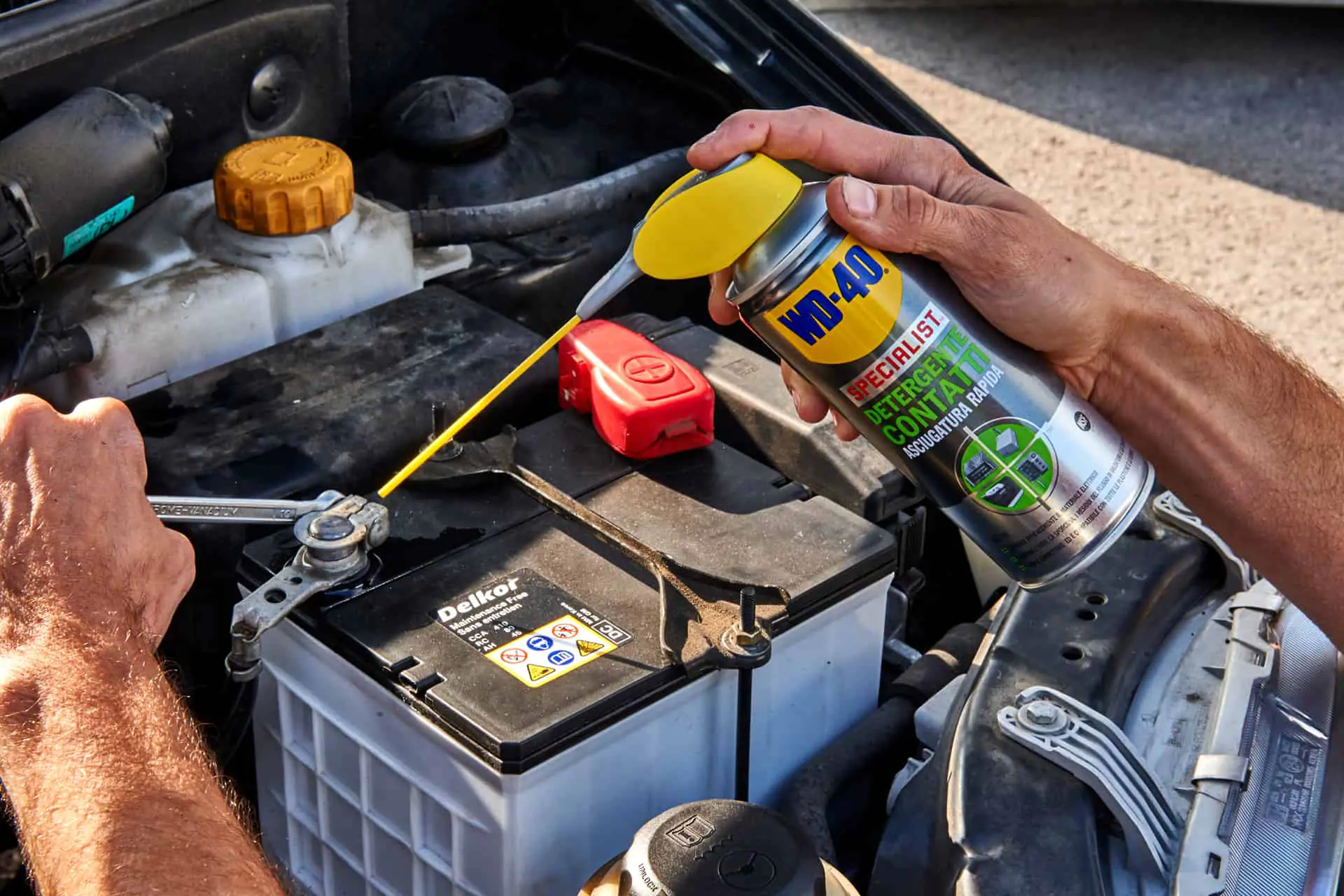
A simple cleaning routine using a wire brush, baking soda, and water can remove this buildup in just a few minutes. The total cost of materials is usually around $5, making it a very low-cost preventive step. Performing this maintenance twice a year helps keep the battery terminals clean and ensures strong electrical contact, which supports reliable vehicle starting.
Regular battery maintenance can also extend the lifespan of a car battery, which typically lasts around 3 to 5 years. With proper care, including cleaning and inspection, batteries can often last 4 to 6 years or more. This delays the need for replacements that commonly cost between $100 and $300, depending on the battery type.
Keeping the battery clean also reduces strain on other vehicle components. A weak or poorly connected battery forces the alternator to work harder, which can lead to additional wear and potential repair costs. Preventing corrosion helps maintain stable electrical performance and reduces the risk of breakdowns caused by poor connections rather than actual battery failure.
The process itself is simple and requires only basic tools such as a wire brush, a rag, and a baking soda solution. It usually takes about 10 to 15 minutes to complete. By preventing at least one emergency service call and extending battery life, this small maintenance habit can contribute to meaningful yearly savings while improving vehicle reliability.
Also read: 10 Cars With Intuitive Physical Controls That Reduce Modern Driver Distraction
7. Replacing Your Own Wiper Blades
Replacing your own wiper blades is one of the simplest car maintenance tasks, yet it provides clear savings and improves driving safety. Worn wipers that streak or squeak reduce visibility during rain and storms, making driving more dangerous.
Despite the simplicity of the job, repair shops and dealerships often charge labor fees for a task that takes only a few minutes. By doing it yourself, you avoid these charges and only pay for the blades.
A typical set of quality wiper blades costs between $20 and $40 at retailers such as Walmart or Target. In contrast, professional replacement can cost $50 to $100 or more once labor and markup are included.
Since installation takes only a few minutes and usually requires no tools, the DIY approach is significantly more cost-efficient. Replacing wipers twice a year can result in annual savings of about $30 to $100, depending on the service pricing in your area.
Beyond direct savings, worn wiper blades can lead to expensive problems if ignored. When the rubber deteriorates completely, the metal frame of the blade can scrape the windshield, potentially causing scratches or cracks.
Repairing or replacing a damaged windshield can cost $200 or more, making timely wiper replacement an important preventive measure. Good visibility also reduces the risk of accidents during bad weather, helping avoid costly repairs or insurance claims.
Another advantage is the availability of low-cost options. Some wiper models allow replacement of only the rubber refill instead of the entire blade, reducing costs to just a few dollars. Most modern wipers also use simple clip-on designs, making installation quick and tool-free.
With minimal time, low cost, and high safety value, replacing wiper blades is an easy entry point into DIY car maintenance. When combined with other simple tasks, it contributes to steady yearly savings while keeping the vehicle in a safe driving condition.
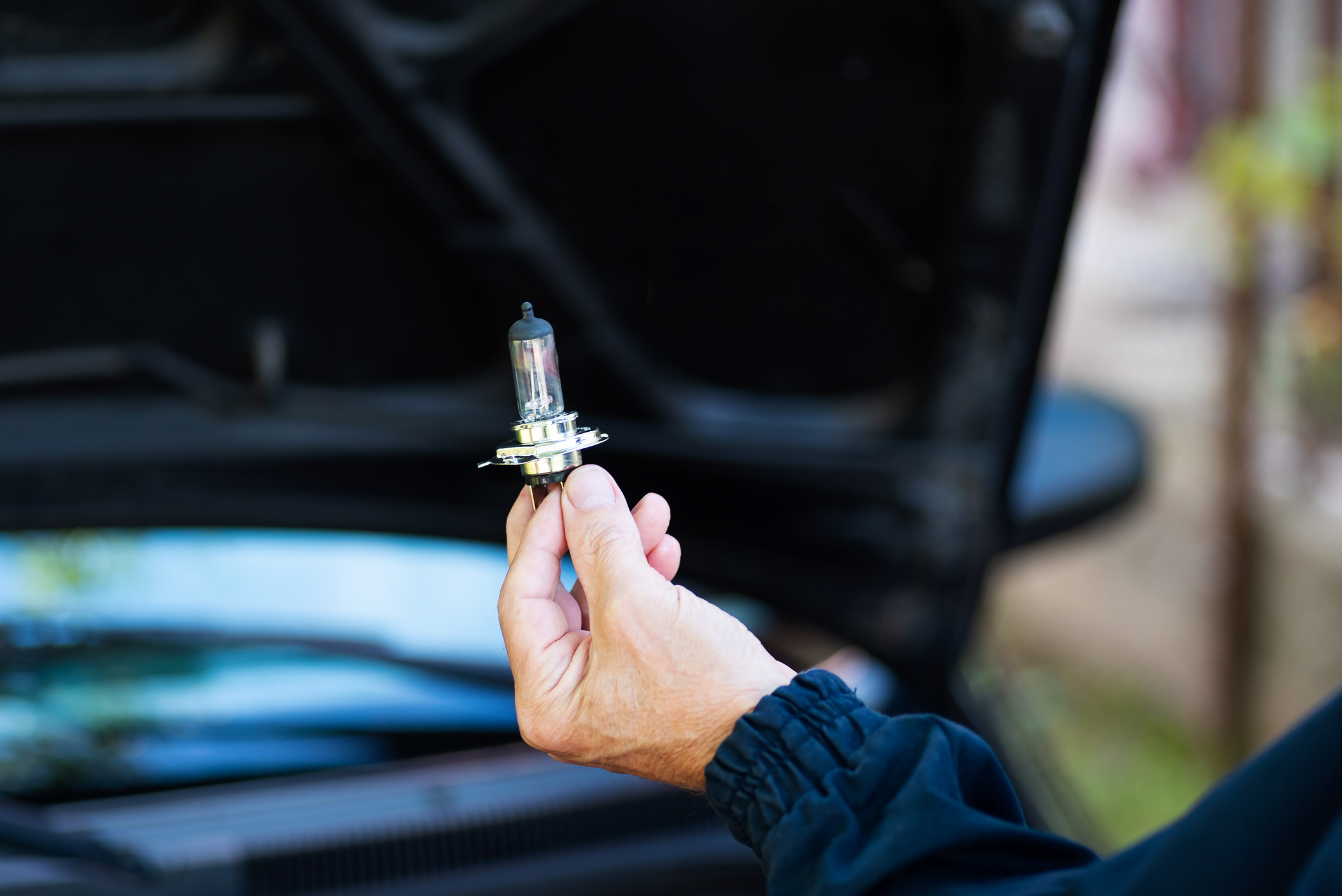
8. Changing Headlight and Taillight Bulbs
Changing headlight and taillight bulbs is one of the easiest DIY car maintenance tasks, yet it provides meaningful savings and helps avoid safety and legal issues. A burned-out bulb can lead to traffic tickets, which may be far more expensive than the repair itself and can even contribute to higher insurance costs. Despite this, many drivers still rely on repair shops for a task that usually takes only a few minutes.
Most replacement bulbs cost between $10 and $25, depending on the vehicle and bulb type. In comparison, professional services can range from $50 to over $100 once labor fees are included.
Mechanics often charge high hourly rates, sometimes between $110 and $175, and even simple repairs are subject to minimum service charges. By replacing bulbs yourself, you avoid these labor costs and can save around 50 to 70 percent on what a shop would charge.
The process itself is typically straightforward. Many vehicles allow access to the bulb housing with basic tools such as a screwdriver or simple hand movements, making replacement quick and accessible. Because of this, a DIY replacement can often be completed in just a few minutes at home.
Beyond cost savings, functioning lights are critical for safety. Driving with a faulty headlight or taillight increases the risk of accidents due to reduced visibility, especially at night or in poor weather conditions. It can also lead to fines that may cost hundreds of dollars, making prevention far more economical than correction. Regular monthly checks help identify dim or burned-out bulbs early, avoiding both penalties and hazards.
Replacing bulbs in pairs is also recommended to maintain consistent brightness and avoid repeated repairs. Some drivers also choose to upgrade or restore headlights using inexpensive kits instead of replacing entire assemblies, further reducing costs.
With low part prices, quick installation, and strong safety benefits, replacing bulbs yourself is a high-value maintenance habit that helps reduce yearly vehicle expenses while improving road safety.
9. Monitoring and Adjusting Tire Pressure
Monitoring and adjusting tire pressure is one of the simplest yet most effective DIY car maintenance tasks because it improves fuel efficiency, extends tire life, and enhances driving safety.
Incorrect tire pressure is a common issue that often goes unnoticed, but it can lead to higher fuel consumption and faster tire wear. A basic tire pressure gauge costs under $15, making this an inexpensive habit that requires no mechanical experience.
Properly inflated tires reduce rolling resistance, allowing the engine to operate more efficiently. This can improve fuel economy by a small but meaningful percentage, which adds up to savings of about $200 to $500 per year, depending on driving habits and fuel prices. Even a small drop in pressure across all four tires can reduce mileage and increase fuel costs over time.
Tire pressure also plays a major role in tire lifespan. Under-inflated tires wear unevenly, especially along the edges, which causes them to degrade faster and require earlier replacement. Maintaining the correct pressure based on the manufacturer’s recommendation helps ensure even tread wear and can delay the need for new tires, saving hundreds of dollars.
Safety is another important benefit. Proper tire inflation reduces the risk of blowouts caused by overheating and improves handling and braking performance. This lowers the chance of accidents that could lead to costly repairs or insurance claims. Incorrect pressure can also strain suspension and steering components, increasing long-term repair costs.
The process is simple and takes only a few minutes each month. Checking tire pressure when tires are cold provides the most accurate reading, and adjustments can be made at home or at a gas station air pump. It is also recommended to check before long trips or during temperature changes, as pressure can fluctuate with weather conditions.
With minimal cost and effort, maintaining correct tire pressure delivers strong financial savings, better vehicle performance, and improved road safety.
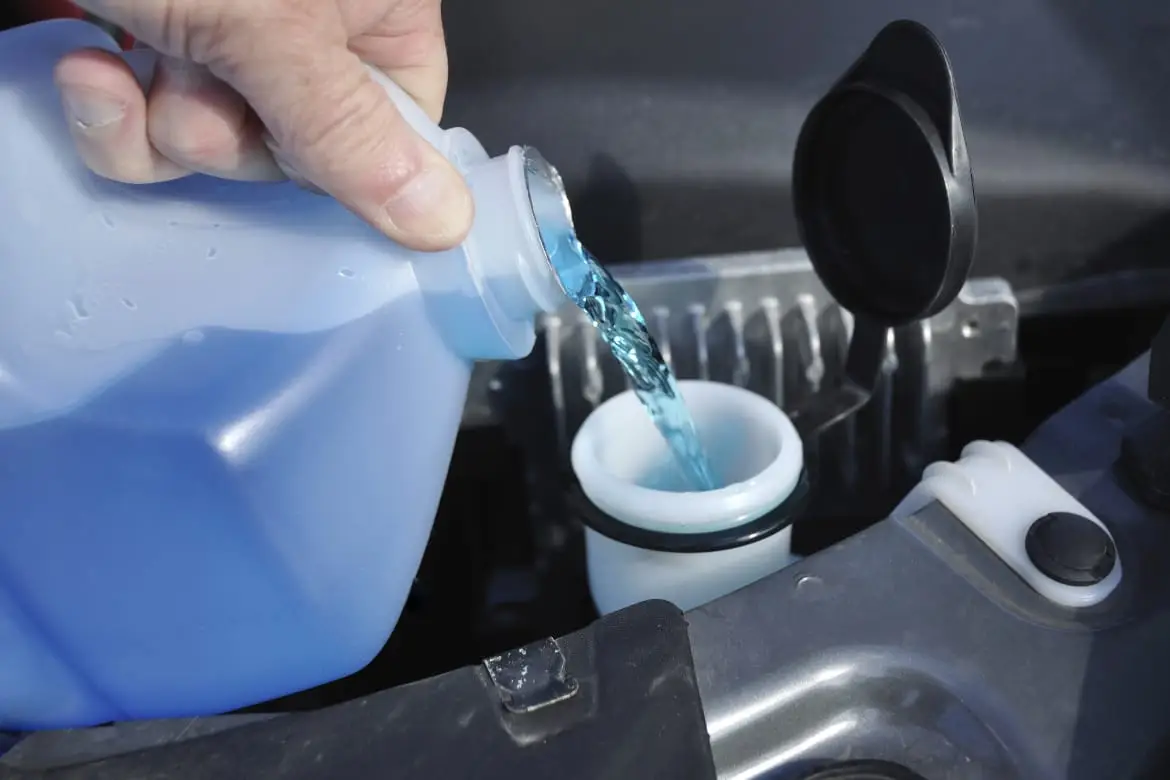
10. Topping Off Your Own Vehicle Fluids
Topping off your own vehicle fluids is a simple but highly effective DIY maintenance habit that helps prevent costly repairs while avoiding expensive shop labor fees.
Modern vehicles rely on several essential fluids beyond fuel, including engine oil, coolant, brake fluid, power steering fluid, and transmission fluid. When these fluids run low, they can cause serious mechanical problems, but regular checks and refills help keep systems running smoothly.
Many repair shops charge premium rates for routine “fluid services,” even though the actual task often takes only a few minutes. In contrast, doing it yourself usually costs less than $20 per fluid, depending on what is needed. By handling this maintenance at home, drivers can avoid labor charges that may exceed $100 per hour while maintaining full control over their vehicle’s condition.
The financial benefit comes mainly from prevention. Low engine oil can lead to severe engine damage, while insufficient coolant can cause overheating. Similarly, low brake fluid or transmission fluid can result in system failure. These issues can lead to repair bills ranging from hundreds to over $1,500. Regular topping off helps prevent these failures before they happen, saving significant money in the long term.
Another advantage is early detection of leaks. By checking fluid levels monthly, drivers can spot unusual drops and address small issues before they turn into major breakdowns. This proactive approach reduces the likelihood of sudden failures and emergency repairs.
The process itself is straightforward. Engine oil, coolant, and washer fluid are easy to inspect and refill, while brake and transmission fluids require basic awareness of reservoir levels as outlined in the owner’s manual. No advanced tools are needed for most checks.
With minimal cost and effort, maintaining proper fluid levels supports engine health, improves vehicle reliability, and helps avoid expensive repairs, making it one of the most valuable DIY maintenance habits.
11. Inspecting and Replacing Serpentine Belts
Inspecting and replacing your vehicle’s serpentine belt is a valuable DIY maintenance task that helps prevent costly breakdowns and reduces repair expenses. The serpentine belt powers critical components such as the alternator, air conditioning system, water pump, and power steering. If the belt fails, these systems stop working, which can leave you stranded and lead to serious engine damage.
A replacement serpentine belt typically costs between $20 and $50, while professional installation can range from $100 to $250 or more due to labor charges. By handling the replacement yourself, you eliminate these labor costs and complete the task at a fraction of the price. For many vehicles, the process takes about 15 to 30 minutes and requires only basic tools such as a wrench or a belt tensioner tool.
The main advantage of this DIY task is prevention. A worn or broken belt can cause a chain reaction of failures. Since the belt drives the water pump, a break can lead to rapid engine overheating, which may result in severe damage such as a blown head gasket or even total engine failure.
These repairs can cost thousands of dollars. The belt also powers the alternator, so failure can drain the battery quickly, and it affects power steering, making the vehicle difficult to control.
Regular inspection helps detect early warning signs such as cracks, fraying, missing ribs, or a glossy surface. Unusual noises like squealing or chirping when starting the engine or turning the wheel can also indicate wear. Identifying these signs early allows for timely replacement before a breakdown occurs.
Replacing the belt proactively, usually every 50,000 to 100,000 miles or when wear is visible, helps avoid emergency towing costs and unexpected repairs. With low parts cost and simple tools, this maintenance task offers strong financial benefits while improving vehicle reliability and safety.
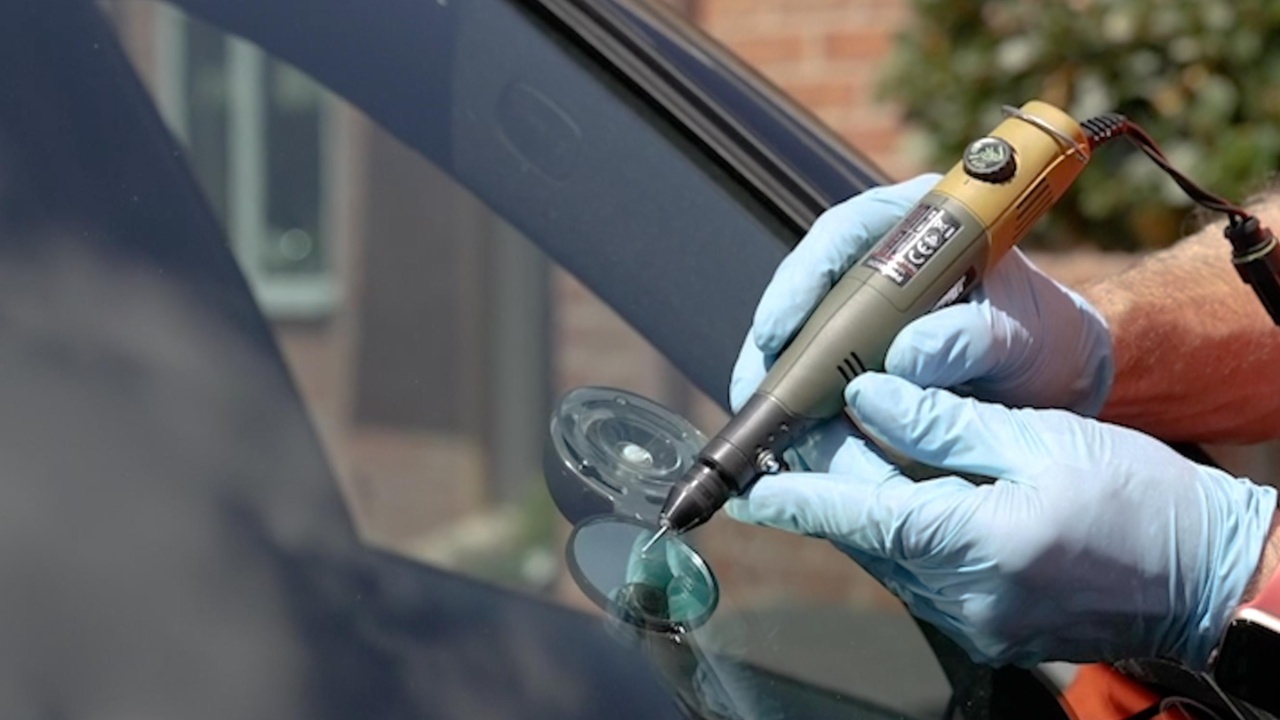
12. Fixing Minor Windshield Chips Early
Fixing minor windshield chips early is one of the most effective DIY car maintenance habits for avoiding unexpected and costly repairs. A small chip caused by road debris can quickly spread into a large crack due to temperature changes, vibration, and moisture exposure.
Once the damage spreads, it often requires a full windshield replacement that can cost between $300 and $800 or more, especially in vehicles with advanced driver-assistance systems.
In contrast, a DIY windshield repair kit typically costs under $15 to $20 and can be used to fix small chips in less than an hour. These kits use UV-cured resin to fill the damaged area, restoring structural strength and preventing the crack from expanding. Most kits include simple tools such as resin, adhesive discs, and applicators, making the process accessible even for beginners.
Acting quickly is essential because delays allow dirt and moisture to enter the chip, making repairs less effective and increasing the likelihood of spreading. A small, inexpensive repair done immediately can prevent the damage from becoming irreversible. Without intervention, a chip can expand into a long crack within days or weeks, significantly increasing repair costs.
The financial benefit comes from avoiding both repair escalation and insurance complications. While some insurance policies cover windshield repair, full replacement may require higher deductibles. Repairing chips early reduces the chance of needing a claim at all. It also helps avoid fines in some areas where cracked windshields are considered a safety violation.
DIY kits are most effective on small chips such as bullseyes, star-shaped cracks, and damage under one inch in size. Performing repairs immediately after noticing damage ensures the best results and maintains windshield integrity.
By handling minor damage early, drivers can repeatedly avoid major repair bills, turning a potential $400 to $900 expense into a minimal cost solution and preventing one of the most common unexpected vehicle expenses.
Lowering vehicle maintenance costs is achievable through consistent attention to simple DIY tasks rather than relying entirely on repair shops. The twelve strategies in this guide demonstrate how routine actions such as replacing filters, inspecting belts, rotating tires, and topping off fluids can prevent expensive breakdowns and reduce labor charges.
Many of these tasks take only minutes but help avoid repairs that could cost hundreds or even thousands of dollars. They also improve fuel efficiency, extend the life of essential parts, and enhance driving safety. By taking a proactive approach, drivers can avoid common issues that lead to emergency repairs and unexpected bills.
With minimal tools and regular upkeep, it is possible to save around 500 dollars or more each year while maintaining a dependable vehicle. Building these habits into a regular maintenance routine shifts car ownership from costly, reaction-based repairs to controlled, preventive care that supports both financial savings and long-term reliability.
Also read: 12 Cars That Keep Hands Warm With Nice Steering Wheels
