
Modern cars are becoming increasingly dependent on touchscreens, layered menus, and digital interfaces that often demand more attention than they should. While these systems may look futuristic, they can create unnecessary distractions, forcing drivers to take their eyes off the road for longer than is safe.
In contrast, vehicles with intuitive physical controls offer a more natural and immediate way to interact with essential functions like climate control, audio, and driving settings.
Physical buttons, knobs, and switches provide tactile feedback that allows drivers to make adjustments without needing to look down. This familiarity reduces cognitive load, helping drivers stay focused on the road ahead rather than navigating complex digital menus.
Muscle memory plays a huge role here, as repeated use of physical controls allows drivers to operate them instinctively over time.
Another advantage is consistency. Many cars with well-designed physical interfaces maintain logical layouts that remain unchanged across trims and model years.
This makes it easier for drivers to transition between vehicles or quickly adapt without relearning controls. In high-pressure driving situations, such predictability can make a significant difference.
Automakers that prioritize usability over minimalism understand that not every function belongs inside a touchscreen.
By retaining physical controls for critical operations, these vehicles strike a balance between modern technology and driver-centric design. This approach not only improves safety but also enhances the overall driving experience.
The following cars stand out for their commitment to intuitive physical controls. Each one demonstrates a thoughtful approach to ergonomics, ensuring that drivers can stay engaged with the road rather than distracted by unnecessary complexity.
Also Read: 10 Brands With the Most Affordable Replacement Parts in the US Market
1. Mazda MX-5 Miata
The Mazda MX-5 Miata represents a refreshing philosophy in an era dominated by digital overload. Instead of overwhelming the driver with excessive screen interactions, it keeps things simple and purposeful. The layout is centered around the driver, with physical knobs and buttons placed exactly where your hands naturally fall.
The climate control system is a perfect example of this approach. Three clearly labeled rotary dials handle temperature, fan speed, and airflow direction. There is no need to glance at a screen or tap through menus. You simply reach out, make the adjustment, and continue driving without interruption.
Mazda also avoids touchscreen dependency while the car is in motion. The infotainment system is primarily controlled through a rotary dial on the center console.
This reduces the temptation to reach forward and poke at a screen, which can destabilize hand positioning and distract attention. The dial itself has a satisfying mechanical feel, reinforcing precise inputs.
Steering wheel controls in the Miata are equally straightforward. Buttons are spaced well enough to avoid accidental presses, and each function is easy to identify by touch alone. Volume, track selection, and cruise control can all be managed without shifting focus away from the road.
What truly sets the Miata apart is how its physical controls complement its driving character. This is a car designed for engagement, and the absence of digital clutter enhances that connection. Every input feels deliberate, from shifting gears to adjusting cabin settings.

In a world where many sports cars are becoming increasingly digital, the Miata remains committed to analog simplicity. It proves that reducing distraction is not just about safety, but also about preserving the joy of driving.
2. Toyota Tacoma
The Toyota Tacoma takes a rugged and practical approach to interior design, and its use of physical controls reflects that mindset perfectly. Built for durability and usability, the Tacoma ensures that key functions remain accessible even in challenging environments.
Large, glove-friendly knobs dominate the center stack, particularly for climate and audio controls. These controls are intentionally oversized, making them easy to operate without precision. Whether driving on rough terrain or wearing gloves, adjustments can be made quickly and confidently.
The layout prioritizes clarity over aesthetics. Each control is clearly labeled, and there is a logical separation between different functions. Climate controls sit below the infotainment screen, while drive-related switches are grouped in easily reachable areas. This reduces confusion and eliminates the need to search for specific settings.
Another strength of the Tacoma is its dedicated buttons for off-road features. Functions like traction control, crawl control, and terrain modes are not buried in digital menus. Instead, they are accessible through physical switches that provide immediate feedback. This is crucial when driving off-road, where quick reactions are often required.
The infotainment system itself does include a touchscreen, but it does not replace essential controls. Volume and tuning knobs remain physical, allowing drivers to make quick adjustments without navigating through software interfaces.
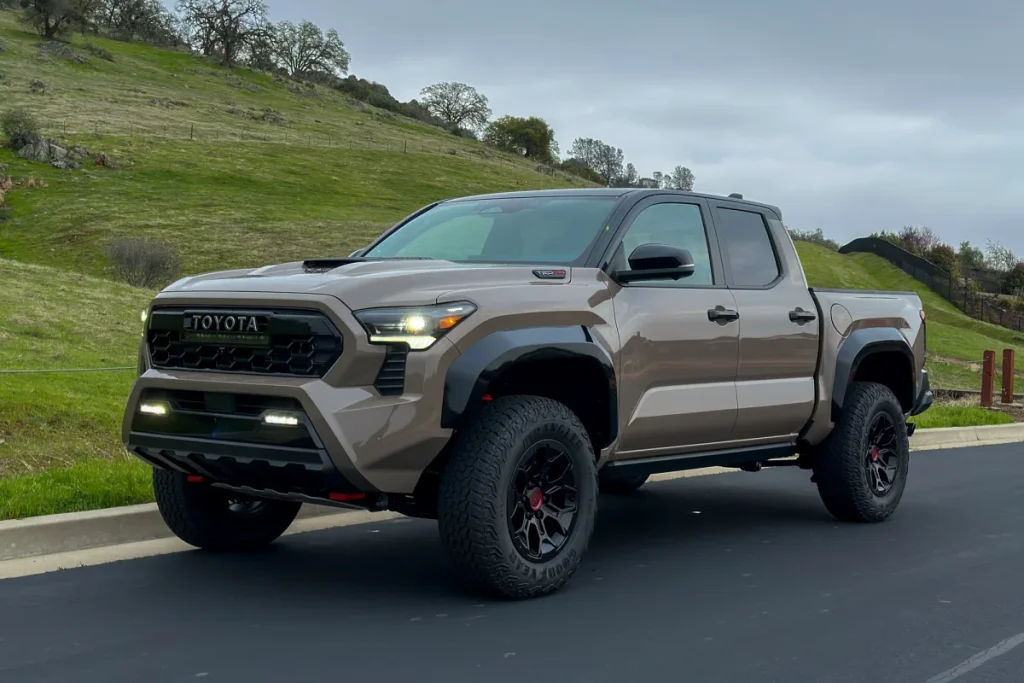
From a usability perspective, the Tacoma feels honest and straightforward. It does not attempt to impress with flashy technology but instead focuses on reliability and ease of use. Every control serves a clear purpose, and nothing feels unnecessarily complicated.
This approach makes the Tacoma especially appealing to drivers who value function over form. It delivers a driving experience where attention stays on the road, not on deciphering how to operate the vehicle.
3. Honda Civic
The Honda Civic has quietly remained one of the most user-friendly compact cars, and a big reason behind that is its commitment to keeping essential controls physical. While many competitors have shifted heavily toward touchscreen integration, the Civic maintains a balanced interface that feels intuitive from the first drive.
A standout feature is the honeycomb-style dashboard design, which cleverly integrates air vents while keeping the control layout clean and distraction-free. Just below this, three solid climate control knobs sit in a straight line, each with a distinct tactile feel.
You do not need to think twice before adjusting temperature or fan speed, as the controls respond instantly and predictably.
Unlike some modern interiors that require multiple steps to complete simple actions, the Civic minimizes decision-making.
Audio controls include a proper volume knob, something that has become surprisingly rare. This small detail makes a significant difference during real-world driving, where quick adjustments matter more than visual appeal.
Another thoughtful aspect is how the steering wheel controls are organized. Buttons are grouped logically, with clear separation between media, driver assistance, and phone functions. After a short period, most drivers can operate them purely by touch, reducing the need to glance down.
The Civic also demonstrates restraint in how it uses its touchscreen. While it offers modern connectivity features, it does not force drivers to rely on them for basic tasks. Physical shortcuts and buttons remain available, ensuring that frequently used functions are always within easy reach.
There is a sense of intentional simplicity in the Civic’s design. It does not try to reinvent how drivers interact with their cars. Instead, it refines what already works, creating an environment where everything feels familiar yet thoughtfully improved.
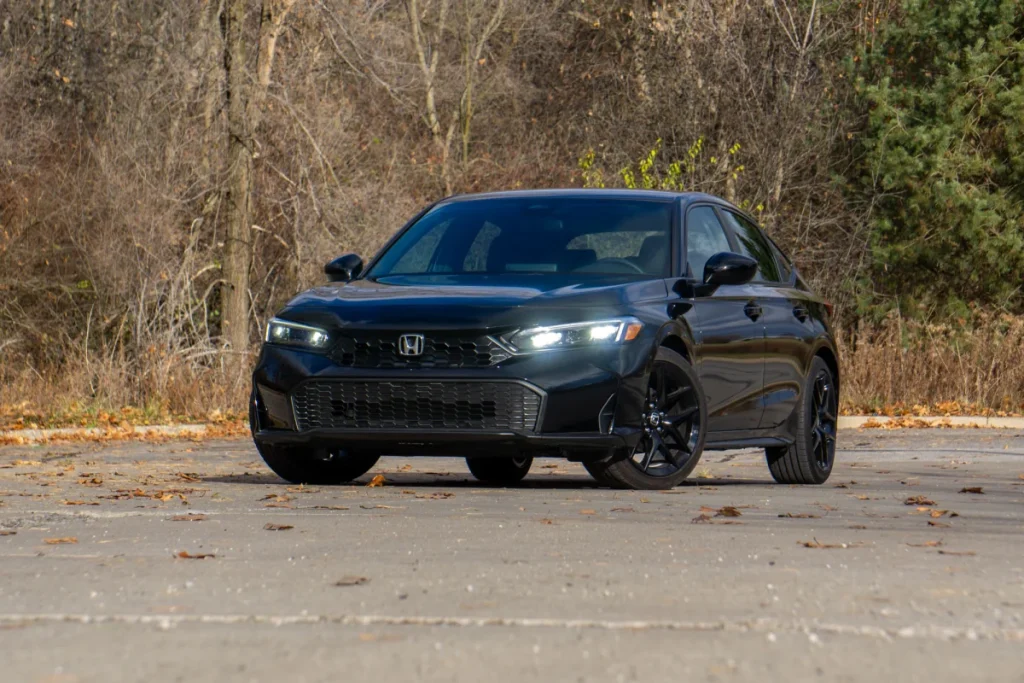
For daily commuting and long drives alike, the Civic’s approach translates into less distraction and more confidence behind the wheel. It is a reminder that good design does not need to be complicated to be effective.
4. Subaru Outback
The Subaru Outback blends modern technology with a strong emphasis on practicality, and its physical controls play a key role in maintaining usability. While newer versions feature larger screens, Subaru has ensured that critical functions remain accessible through dedicated buttons and switches.
The climate control system is particularly well executed. Even with a vertically oriented infotainment display present, temperature adjustments are handled through physical knobs. This allows drivers to make quick changes without navigating digital menus, which can be especially important during changing weather conditions.
Subaru’s all-wheel-drive heritage also influences the control layout. Functions related to terrain management and driving modes are accessible without diving into complex interfaces. Buttons for features like X-Mode are positioned within easy reach, enabling drivers to adapt to different road conditions without hesitation.
Another area where the Outback excels is in its use of steering wheel controls. The buttons are large, clearly separated, and designed for use even when wearing gloves. This is particularly useful in colder climates or during outdoor adventures, where precision touch inputs are not always practical.
The Outback does include advanced driver assistance features, but accessing them does not feel overwhelming. Physical toggles and straightforward menu shortcuts ensure that drivers can enable or adjust these systems without unnecessary distraction.
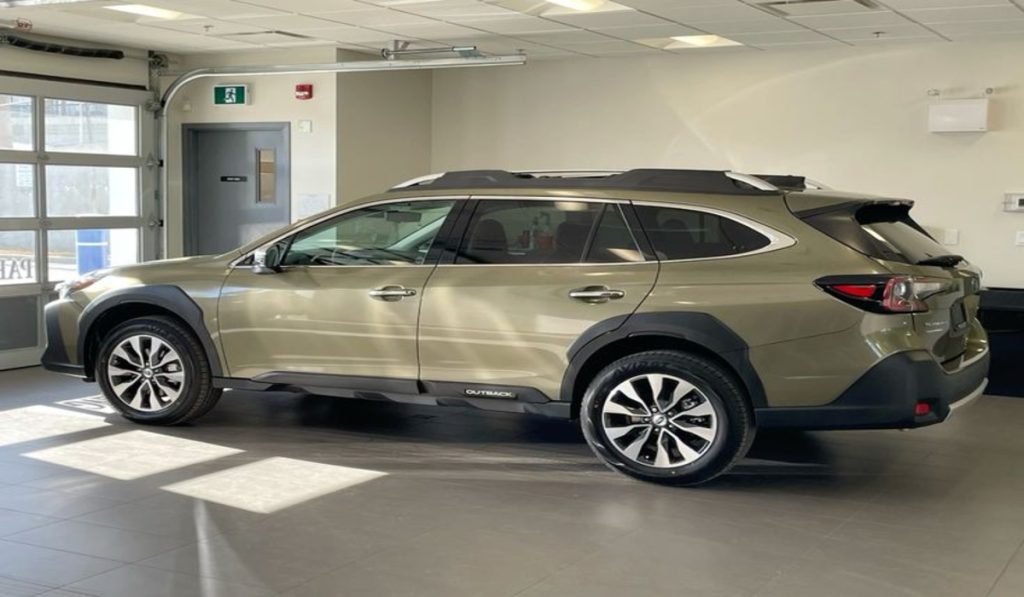
What makes the Outback stand out is how it balances tradition with innovation. It acknowledges the benefits of modern technology while refusing to sacrifice usability. The presence of physical controls acts as a stabilizing factor, preventing the driving experience from becoming overly dependent on screens.
This thoughtful design approach aligns perfectly with the Outback’s identity as a versatile and dependable vehicle. Whether navigating city streets or remote trails, the driver remains in control without being burdened by complicated interfaces.
5. Volkswagen Golf
The Volkswagen Golf has long been associated with clean design and intelligent ergonomics, and certain model years stand out for preserving physical controls where they matter most. In these versions, the Golf avoids unnecessary complexity and instead delivers a layout that feels immediately understandable.
Front and center, the climate control panel uses traditional rotary knobs paired with clearly defined buttons. Each control offers a firm, mechanical response, making it easy to adjust settings without diverting attention. The spacing between controls is deliberate, reducing the chance of accidental inputs during motion.
What makes the Golf particularly interesting is how it organizes information. Rather than overwhelming the driver with options, it prioritizes essential functions and keeps them accessible. Audio adjustments, for example, are supported by physical inputs that allow quick changes without navigating layered menus.
The driving position also plays a role in reducing distraction. Controls are angled slightly toward the driver, creating a cockpit-like feel. This subtle design choice improves reach and visibility, allowing drivers to operate systems with minimal effort.
In everyday use, the Golf’s interface becomes second nature. There is no learning curve filled with trial and error. Instead, everything feels where it should be, encouraging a smoother and more focused driving experience.
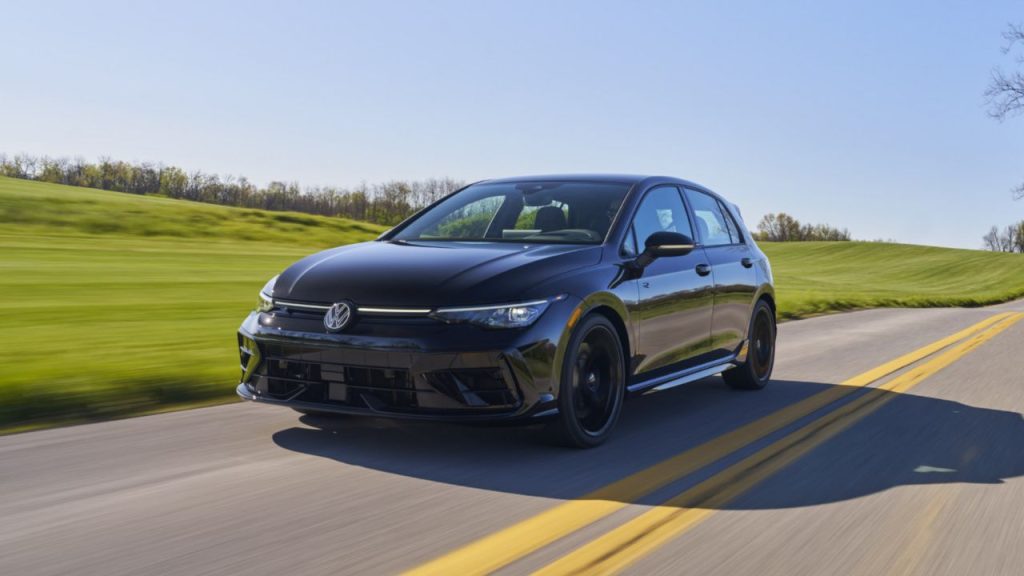
This approach reflects a broader philosophy of refinement. Rather than chasing trends, the Golf focuses on usability, proving that thoughtful design can be more impactful than flashy technology.
6. Jeep Wrangler
The Jeep Wrangler approaches interior design with a completely different mindset, one rooted in durability and real-world usability. Its physical controls are not just a convenience, they are a necessity given the environments this vehicle is built to handle.
Step inside, and you are met with a dashboard filled with robust buttons and switches. These are not delicate controls meant for gentle taps. They are designed to be used confidently, even in rough conditions. Whether bouncing over uneven terrain or driving through mud, the Wrangler ensures that every function remains accessible.
One of its defining traits is the presence of dedicated toggle-style switches for key features. Window controls, traction settings, and auxiliary functions are all handled through physical inputs that provide immediate feedback. This eliminates any guesswork and allows drivers to focus entirely on navigating challenging terrain.
The climate controls follow a similar philosophy. Large knobs with deep grooves make adjustments effortless, even when wearing gloves. The tactile feedback is strong enough that drivers can operate them without needing visual confirmation.
Another notable detail is the separation of functions. The Wrangler avoids clustering too many controls in one place. Instead, it spreads them out logically across the dashboard, making each one easier to identify and use under pressure.
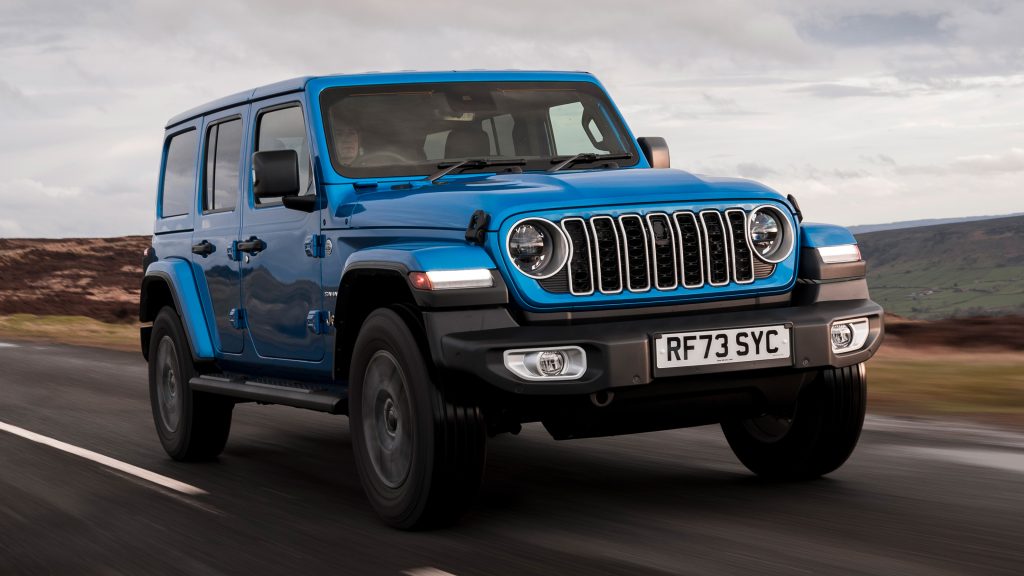
Even though modern versions include infotainment systems, they do not overshadow the physical interface. Essential controls remain independent, ensuring that the vehicle can be operated effectively regardless of screen responsiveness.
Driving a Wrangler feels different from most vehicles, and its control layout contributes to that experience. It reinforces a sense of direct interaction, where every adjustment is immediate and intentional.
For those who venture beyond paved roads, this level of usability is not just appreciated, it becomes essential. The Wrangler demonstrates how physical controls can enhance both safety and capability in demanding situations.
7. Toyota 4Runner
The Toyota 4Runner stands as one of the last truly old-school SUVs, and that philosophy is clearly reflected in how its controls are designed. Instead of chasing digital trends, it sticks to a straightforward, tactile interface that prioritizes usability in all conditions.
The center stack is dominated by large, clearly defined knobs and buttons. Climate controls are physical and separated from infotainment functions, making it easy to adjust cabin settings without hesitation. Each knob has a solid resistance that communicates precision, helping drivers make accurate changes even on uneven terrain.
Where the 4Runner truly separates itself is in its off-road functionality. Controls for four wheel drive modes, differential locking, and terrain selection are all handled through physical dials and switches. These are not hidden behind layers of software. They are always visible and ready to use, which becomes incredibly valuable when quick decisions are required.
Another subtle strength lies in how the controls are spaced. Nothing feels cramped or overly sensitive. There is a deliberate ruggedness to every button, reinforcing the idea that this vehicle is built for reliability rather than visual minimalism.
The steering wheel layout follows a similar logic. Buttons are simple, well-labeled, and easy to distinguish by touch. Drivers can manage audio, phone calls, and cruise settings without needing to glance down repeatedly.
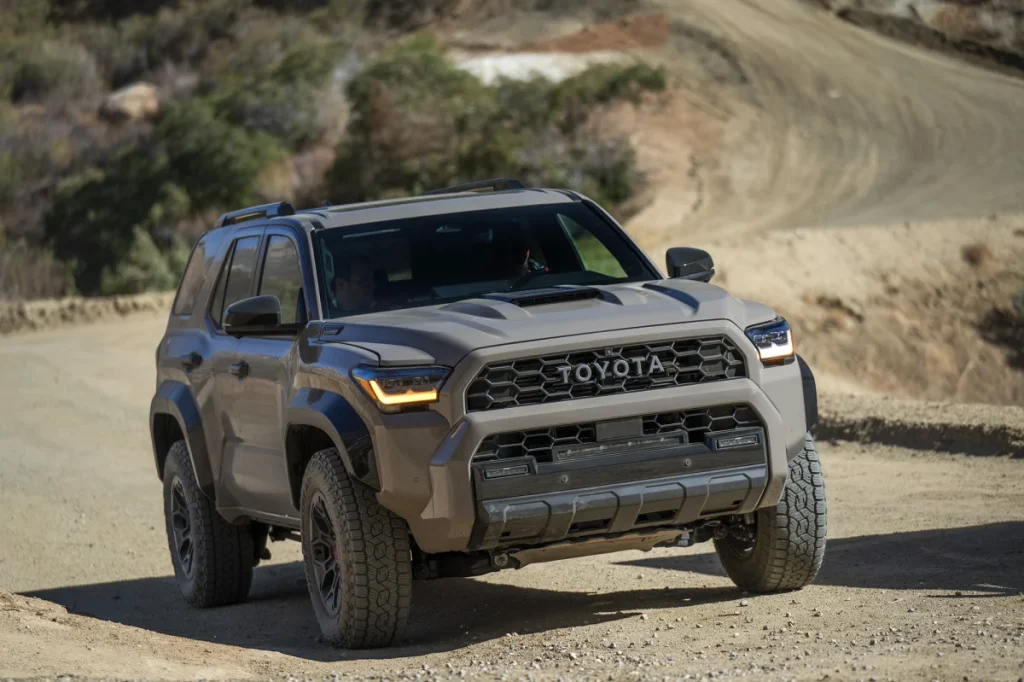
Even though the 4Runner includes modern infotainment features, they do not dominate the experience. The presence of physical volume and tuning knobs ensures that the most commonly used functions remain accessible at all times.
Driving the 4Runner feels refreshingly direct. There is no need to adapt to complicated systems or memorize digital pathways. Everything works in a way that feels immediately familiar, even for first-time drivers.
This consistency and clarity make the 4Runner particularly appealing for those who value dependability. It delivers an environment where attention stays on the road or trail, supported by controls that respond exactly as expected.
8. Hyundai Elantra
The Hyundai Elantra offers a different perspective on intuitive controls, blending modern styling with a surprisingly practical layout. While it embraces technology, it avoids the common mistake of burying essential functions within touch-heavy systems.
One of the first things you notice inside the Elantra is how clearly the dashboard is divided. The driver’s area feels purposefully structured, with controls arranged in a way that minimizes unnecessary movement. Climate controls are handled through physical buttons and knobs, positioned just below the infotainment screen for easy access.
Unlike some competitors that rely on touch-sensitive panels, the Elantra provides real, clickable inputs for key functions. This distinction becomes important during daily driving, where quick adjustments are often needed without breaking concentration.
The audio system also benefits from physical controls. A dedicated volume knob and shortcut buttons allow drivers to make immediate changes without interacting with the screen. This reduces the number of steps required to perform simple tasks, which in turn lowers distraction.
Hyundai has also paid attention to ergonomics. Controls are angled slightly toward the driver, creating a sense of separation from the passenger side. This layout helps drivers locate buttons faster, especially when relying on muscle memory.
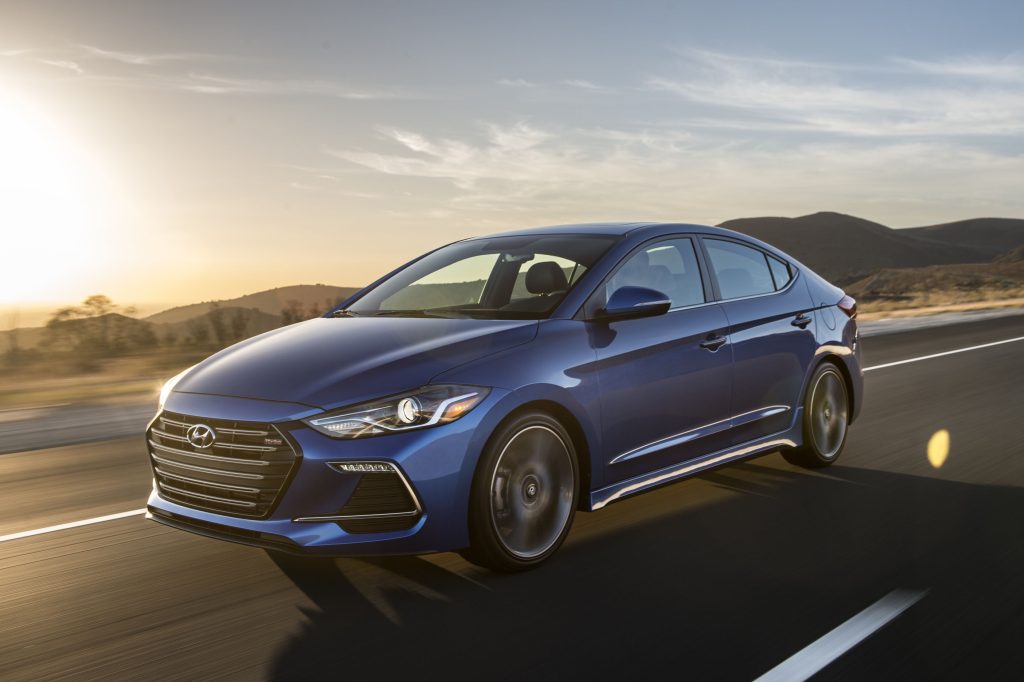
Steering wheel controls are another highlight. They are designed with a mix of toggles and buttons that feel distinct from one another. This makes it easier to identify functions by touch alone, a small detail that contributes significantly to safer driving.
The Elantra does include advanced digital features, but they are implemented in a way that complements rather than replaces physical inputs. Drivers can choose how they interact with the system, rather than being forced into a touchscreen-only experience.
This balance between innovation and practicality gives the Elantra a unique advantage. It feels modern without becoming overwhelming, offering a driving environment that remains intuitive even as technology evolves.
9. Porsche 911
The Porsche 911 takes a distinctly different path when it comes to driver interaction, blending high performance engineering with a control layout that prioritizes instinct over experimentation. While many modern performance cars lean heavily into touch interfaces, the 911 maintains a strong foundation of physical inputs that reinforce its driver focused identity.
From the moment you sit inside, the layout feels purposeful. The center console is structured with a series of tactile buttons and switches that are arranged in a clean, symmetrical pattern.
Each control is positioned with intent, allowing drivers to make adjustments without searching or second guessing. This sense of order becomes especially valuable when driving at higher speeds, where attention must remain fully committed to the road.
Climate controls are handled through a mix of physical buttons and dedicated toggles, avoiding the need to dig through menus. Adjustments can be made quickly, and the feedback from each press confirms the action instantly. There is no ambiguity, which is exactly what you want in a performance oriented environment.
The steering wheel design further enhances usability. Controls are minimal but highly effective, ensuring that essential functions like drive modes, audio, and communication are always within reach. The buttons are spaced in a way that prevents accidental inputs, even during aggressive driving.
One of the defining characteristics of the 911 is how it integrates technology without letting it dominate. The infotainment screen is present and capable, but it does not replace the physical interface. Instead, it works alongside it, allowing drivers to choose the most convenient method of interaction.
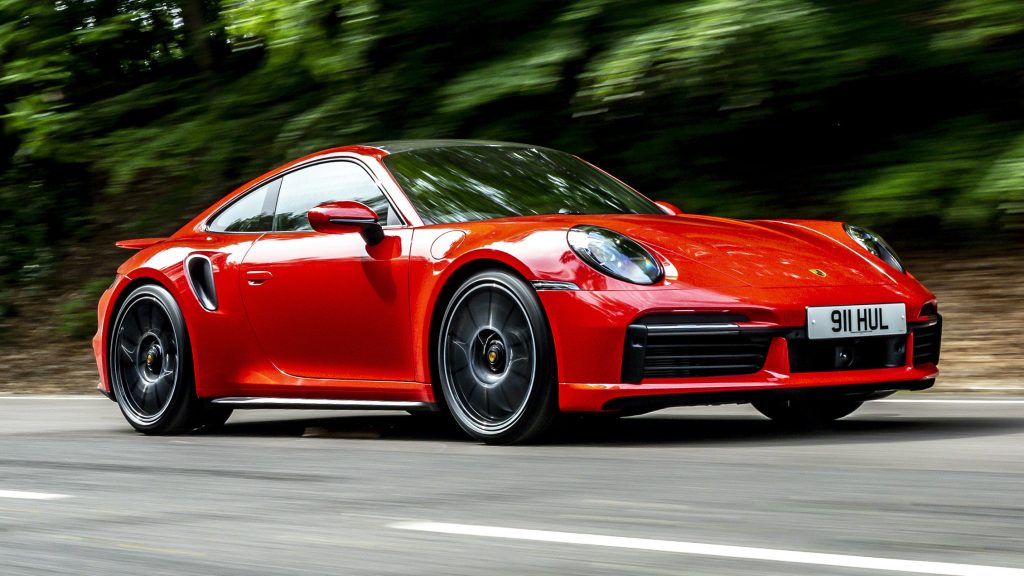
Another important detail is the tactile quality of every control. Buttons have a precise, mechanical feel that communicates durability and accuracy. This is not just about luxury, it directly contributes to reducing distraction by making every interaction predictable.
Driving the 911 is an immersive experience, and its control layout plays a significant role in that. Nothing feels like an afterthought. Every switch, dial, and button is part of a cohesive system designed to keep the driver engaged.
In an era where performance cars are becoming increasingly digital, the 911 demonstrates that maintaining physical controls is not a limitation. It is a deliberate choice that enhances both safety and driving satisfaction, ensuring that the connection between driver and machine remains intact.
10. Ford F-150
The Ford F-150 approaches control design from a perspective rooted in everyday usability and real world demands. As one of the most widely used trucks, it needs to accommodate a wide range of drivers, from job sites to long highway journeys. Its reliance on physical controls reflects that responsibility.
The dashboard layout is immediately approachable. Large knobs and clearly labeled buttons dominate the center stack, making it easy to identify and operate key functions. Climate controls are separated from infotainment, ensuring that adjustments can be made quickly without navigating digital menus.
One of the standout features of the F-150 is the size and feel of its controls. Volume and tuning knobs are substantial, offering a level of precision that smaller touch based inputs cannot match. This becomes particularly useful when driving on rough surfaces, where stability and quick reactions are essential.
The truck also includes a variety of dedicated buttons for work related features. Functions such as towing settings, drive modes, and traction adjustments are accessible through physical inputs rather than buried within software. This design choice reflects an understanding of how the vehicle is actually used in daily life.
Steering wheel controls are designed with clarity in mind. Buttons are grouped logically, allowing drivers to manage multiple systems without confusion. Whether adjusting cruise control or handling calls, the layout supports quick and confident interaction.
Another important aspect is how the F-150 balances technology with practicality. While it offers advanced infotainment systems, it does not force drivers to depend on them for basic operations. Physical shortcuts remain available, reducing the number of steps required to perform common tasks.
The cabin environment feels built around efficiency. There is a sense that every control has been placed with purpose, minimizing unnecessary movement and reducing cognitive load. This becomes especially important during long drives or demanding work conditions.
What makes the F-150 particularly effective is its adaptability. It caters to both traditional users who prefer physical controls and those who appreciate modern features. This dual approach ensures that the driving experience remains accessible and distraction free.
By focusing on tangible, easy to use controls, the F-150 delivers a level of confidence that is often missing in more digitally focused vehicles. It reinforces the idea that simplicity, when executed well, can be one of the most valuable features a vehicle offers.

Modern vehicles increasingly rely on touchscreens, but cars with intuitive physical controls continue to offer a safer and more driver focused experience. By using buttons, knobs, and switches, these vehicles reduce the need to look away from the road, allowing drivers to rely on touch and muscle memory instead of visual attention.
Models like the Mazda MX-5 Miata and Porsche 911 highlight how performance and simplicity can work together, while practical options such as the Toyota Tacoma and Ford F-150 show the real world benefits of tactile controls in demanding conditions.
Even everyday cars like the Honda Civic and Hyundai Elantra demonstrate that thoughtful design can make daily driving less distracting.
These vehicles prove that physical controls are not outdated, but essential. They enhance usability, improve reaction time, and create a more natural connection between driver and machine, making every journey more focused and controlled.
Also Read: 9 Modern Classic Cars From the 2010s That Are Likely to Increase in Value