
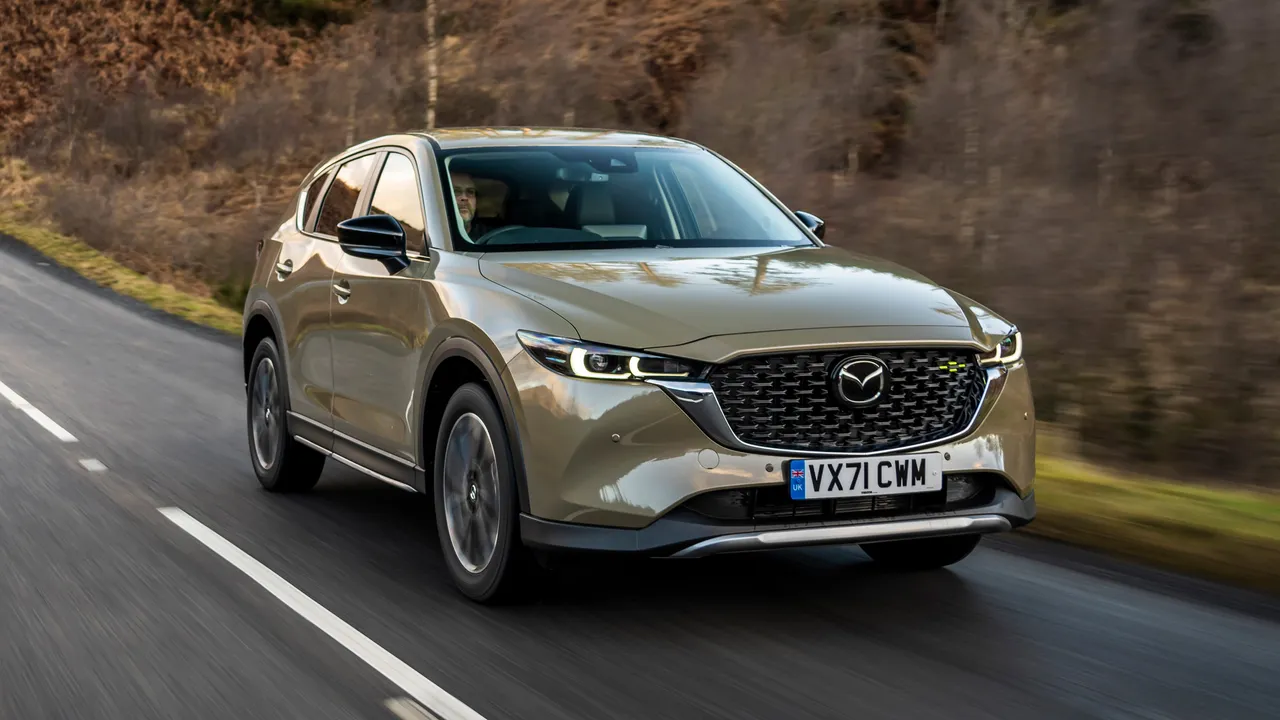
All-wheel drive vehicles are often marketed as capable companions for rough weather and light off-road travel, but their real-world performance in deep mud varies widely depending on drivetrain design, ground clearance, tire choice, and electronic traction control behavior.
While some AWD systems are engineered with proactive torque distribution and strong mechanical grip support, others rely heavily on computer-based slip detection, which can become a disadvantage when the surface is extremely soft or sticky.
Mud is one of the most demanding surfaces for any vehicle because it removes predictable traction. Unlike gravel or snow, mud can behave like a fluid in deep sections and like glue in shallow but sticky sections.
This means a vehicle must constantly adjust power delivery while maintaining forward momentum. If wheel spin is not controlled correctly or torque is not transferred fast enough to the wheels with grip, the vehicle can sink and lose all movement.
Many drivers assume AWD systems guarantee safe passage through mud, but this is not always accurate. AWD systems vary from basic reactive setups that only engage rear wheels after slip is detected, to advanced symmetrical systems that distribute torque continuously.
Even then, AWD alone is not enough if tires lack proper tread or if ground clearance is too low. Vehicles can still become stuck if the underbody drags or if all four wheels lose traction at once.
In deep mud conditions, vehicles with stronger mechanical AWD systems, better weight distribution, higher clearance, and aggressive all-terrain tires tend to perform better.
TeOn the other hand, crossover-style AWD vehicles with highway-focused tires and low clearance often struggle quickly. The difference between success and failure in mud is rarely about the badge on the vehicle and more about engineering priorities.
This article separates five AWD vehicles that generally handle deep mud with strong capability from five that are more likely to become stuck almost immediately under similar conditions. The comparison is based on drivetrain design philosophy, traction behavior, and off-road readiness rather than marketing claims.
5 AWD Cars That Excel in Deep Mud
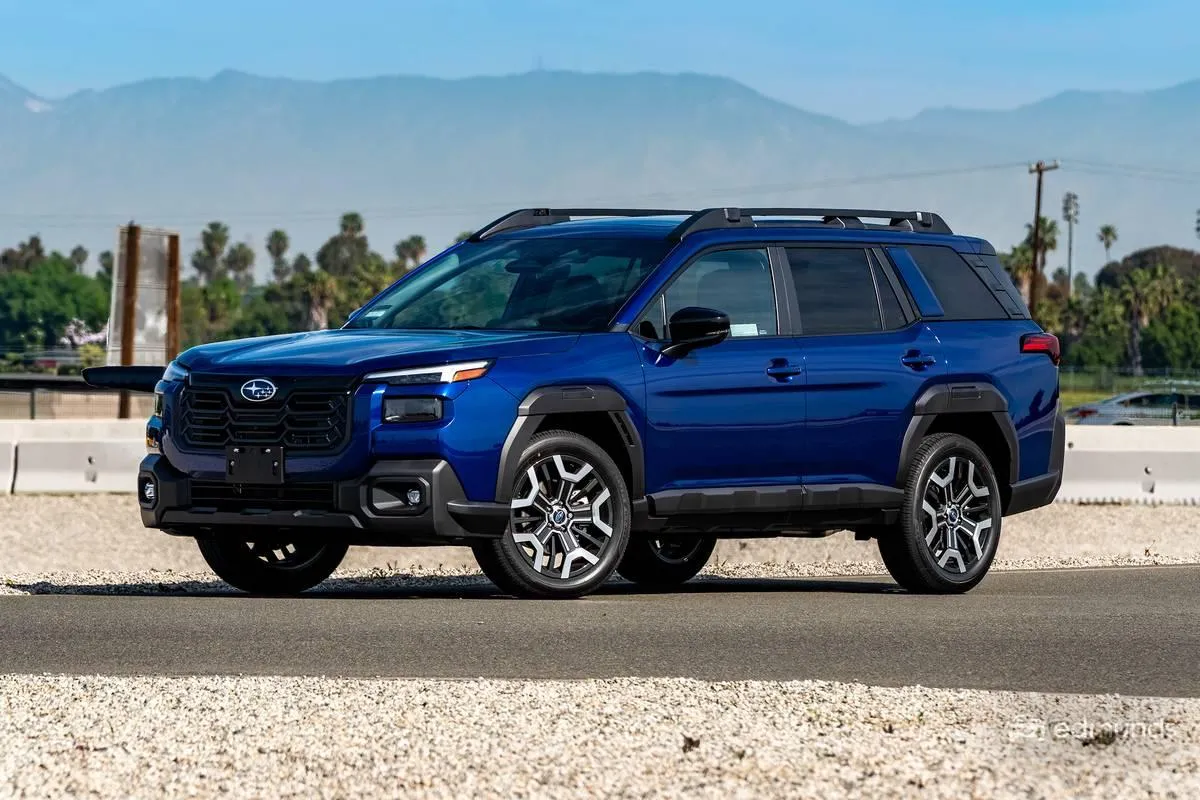
1. Subaru Outback Wilderness
The Subaru Outback Wilderness stands out because its AWD system is built around a continuous torque distribution philosophy rather than a reactive engagement system. This means power is not waiting for wheel slip to occur before being sent to all four wheels in a meaningful way.
Instead, the system constantly adjusts torque flow based on real-time traction feedback, which becomes extremely important in deep mud where conditions can change within seconds.
When one wheel begins to sink into softer ground, the system is able to redirect power quickly enough to prevent full loss of forward momentum, which is often the difference between passing through a muddy section and getting stuck.
Ground clearance plays a major role in its success as well. The Outback Wilderness offers significantly more clearance than standard wagons or crossovers, which helps prevent the underbody from dragging through thick mud layers.
In deep mud, dragging is often more damaging to progress than wheel spin itself, because it creates resistance that the engine must overcome while simultaneously fighting traction loss. The raised suspension geometry also improves approach and departure angles, allowing the vehicle to enter and exit muddy pits more cleanly without scraping or losing balance.
The X mode system further strengthens its capability by altering throttle sensitivity and brake distribution. In mud mode, throttle input becomes more controlled, which reduces sudden bursts of wheel spin that would otherwise dig the tires deeper into soft ground. At the same time, brake vectoring helps redirect torque to wheels with slightly better grip.
This combination creates a smoother and more controlled forward motion, which is critical when traction is inconsistent across all four wheels.
Tire selection is another important factor that makes this vehicle effective in deep mud conditions. The Wilderness trim comes equipped with more aggressive all-terrain tires compared to standard road-focused versions. These tires are designed to evacuate mud from the tread pattern rather than allowing it to pack in and turn the tire into a slick surface.
This self-cleaning ability ensures that traction is maintained for longer durations, especially when the vehicle is moving slowly through heavy mud sections.
Stability also contributes to its strong performance. The long wheelbase and balanced weight distribution help keep the vehicle steady when one side of the terrain is softer than the other.
This reduces the likelihood of uneven sinking, which is a common issue in crossovers with less balanced chassis design. As a result, the Outback Wilderness remains one of the most dependable AWD vehicles for real-world deep mud driving.
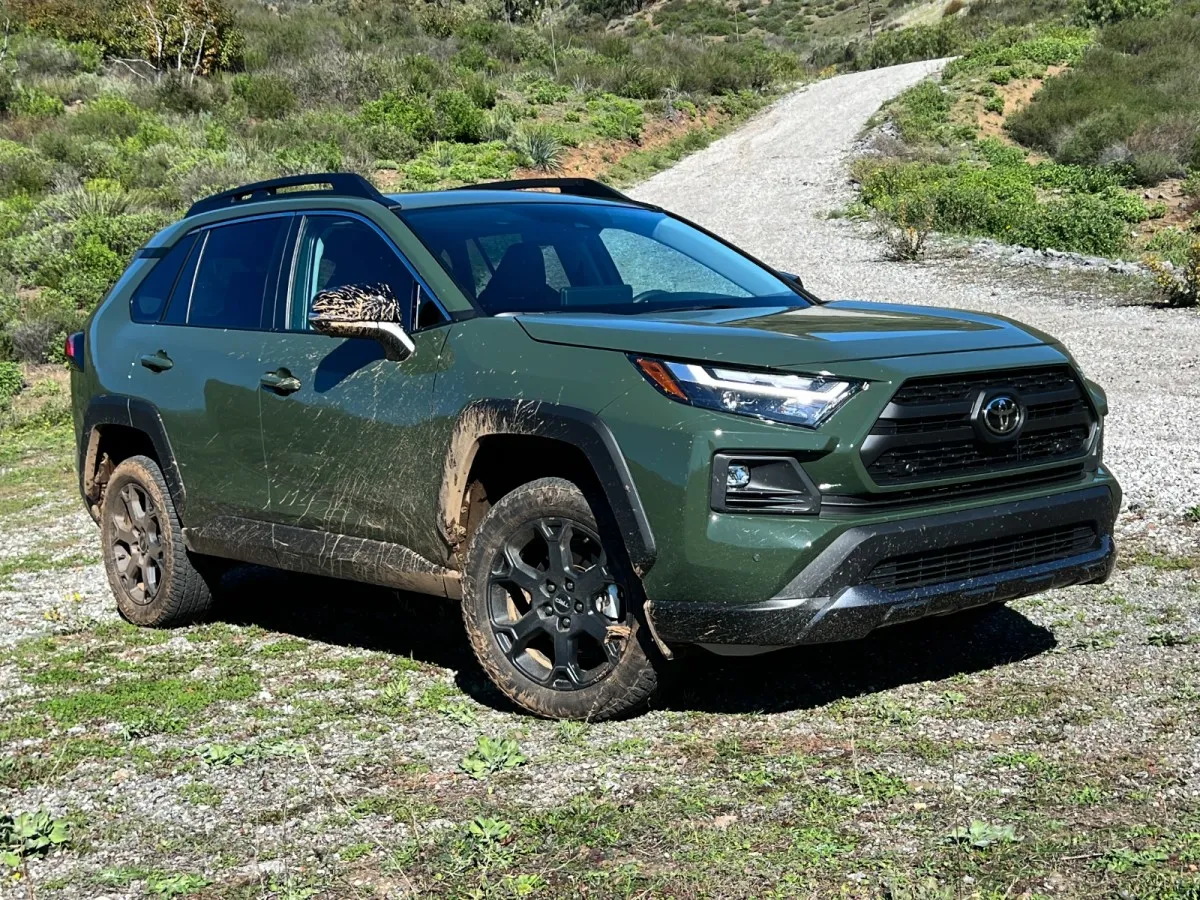
2. Toyota RAV4 TRD Off-Road AWD
The Toyota RAV4 TRD Off-Road uses a more advanced AWD system than standard compact SUVs, and its strength lies in its dynamic torque vectoring capability. This system is capable of distributing torque not just between the front and rear axles but also between the rear wheels individually.
In deep mud, this becomes especially useful because terrain consistency is rarely uniform. One rear wheel may be in a firmer patch while the other sinks into a softer pocket, and the ability to redirect torque precisely helps the vehicle maintain forward movement instead of wasting power through uncontrolled wheel spin.
Another key factor is its multi-terrain select system, which includes a dedicated mud mode. This mode adjusts throttle response, traction control sensitivity, and brake intervention thresholds to allow a controlled level of wheel slip.
While excessive slip is dangerous in mud, a small controlled amount is actually necessary to keep momentum and prevent the tires from becoming completely buried. The system finds a balance between grip and rotation, which helps the vehicle maintain steady progress through sticky and uneven surfaces.
Suspension tuning also plays a significant role in its performance. The TRD variant is calibrated to better absorb uneven terrain impacts, allowing wheels to maintain contact with the ground even when the surface is heavily rutted or softened by repeated vehicle tracks. Maintaining wheel contact is essential in mud because the moment a tire lifts too much, traction is lost completely and recovery becomes difficult.
Although the RAV4 TRD Off-Road is not a dedicated rock crawler or heavy-duty off-road SUV, its engineering allows it to handle moderately deep mud conditions with surprising consistency. The combination of torque vectoring, terrain modes, and improved suspension geometry ensures that it can keep moving in situations where less capable AWD crossovers would stop almost immediately.
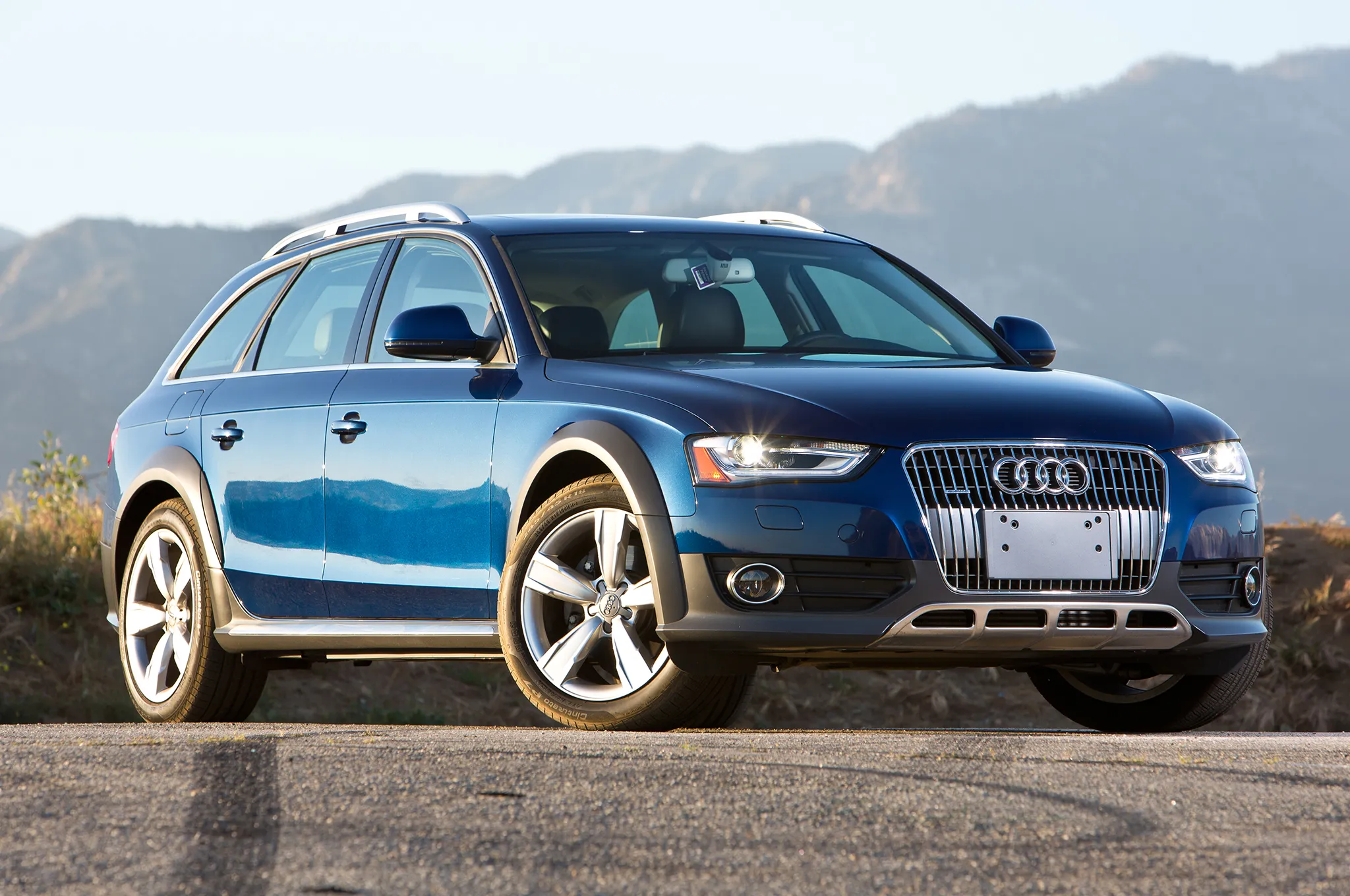
3. Audi A4 Allroad Quattro
The Audi A4 Allroad Quattro benefits from a full-time AWD system that uses a mechanical center differential rather than a purely electronic reactive system. This mechanical foundation gives it a significant advantage in maintaining consistent torque delivery across all four wheels, especially in unpredictable traction environments like deep mud.
Instead of waiting for slip to occur, the system continuously balances power distribution, which reduces sudden traction loss and helps the vehicle maintain smoother forward motion.
The Quattro system’s ability to handle variable grip conditions is particularly valuable in muddy terrain where one wheel may suddenly encounter a firmer patch while another sinks deeper.
Because torque distribution is more immediate and mechanical in nature, the system avoids the delay that often causes vehicles to lose momentum in soft ground. This consistency allows the driver to maintain a steady throttle input rather than constantly correcting for traction changes.
However, the vehicle’s lower ride height compared to SUVs introduces a natural limitation. While traction delivery is strong, deep mud that exceeds ground clearance can still cause underbody contact.
Once the underbody begins to drag, even a highly capable AWD system struggles to compensate because the resistance increases significantly. This makes it more suitable for moderate mud depth rather than extreme off-road bog conditions.
The suspension setup is tuned for both comfort and light off-road stability, which helps maintain tire contact on uneven surfaces. This is important because consistent contact ensures that torque delivery is actually useful. If wheels lose contact frequently, even the best AWD system cannot apply power effectively. The balance of ride comfort and stability allows it to remain composed on muddy rural roads and forest trails with mixed terrain conditions.
The A4 Allroad Quattro succeeds in mud primarily due to its drivetrain consistency rather than extreme off-road hardware. It is a system that prioritizes stable traction behavior over aggressive terrain conquest, which makes it reliable in moderate deep mud but limited in extreme conditions.
4. Subaru Forester Wilderness
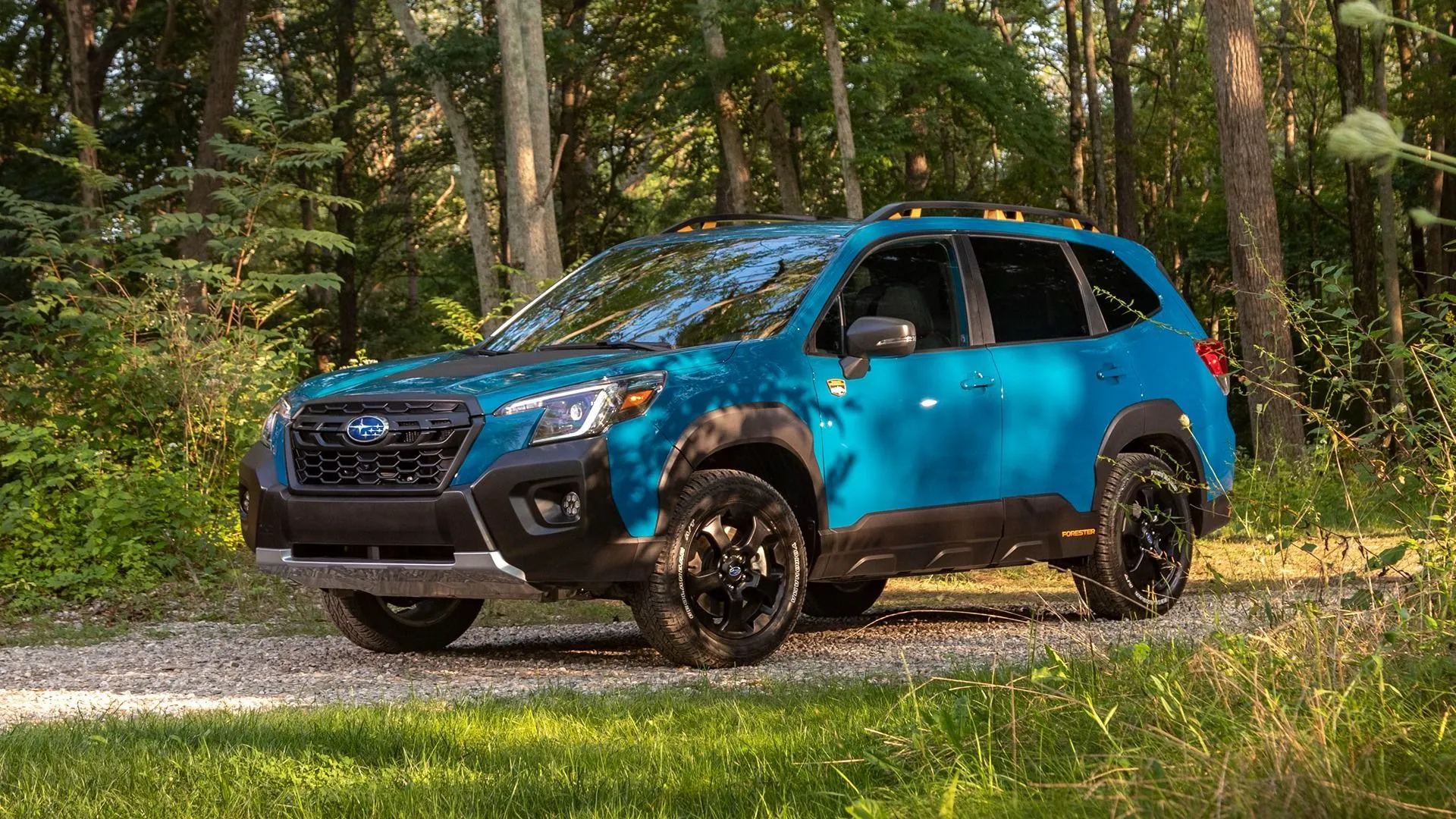
The Subaru Forester Wilderness is engineered with off-road practicality in mind, and its shorter wheelbase compared to larger AWD vehicles gives it a distinct advantage in deep mud environments. A shorter wheelbase reduces the amount of surface area that can become stuck at once, which improves maneuverability in tight, muddy trails. It also allows the vehicle to change direction more easily when resistance increases, helping the driver find alternative paths through soft terrain.
Like other Subaru AWD systems, it uses symmetrical full-time torque distribution, which ensures that all four wheels are constantly engaged. This is particularly effective in mud because traction can shift rapidly from one wheel to another. The system does not rely on delayed activation, which reduces the risk of sudden bogging when one axle loses grip unexpectedly.
The X mode system in the Forester Wilderness is calibrated for more aggressive terrain use compared to standard trims. In mud conditions, it adjusts engine response and braking behavior to maintain slow and controlled wheel rotation. This prevents the tires from spinning excessively and digging deeper into soft ground, which is one of the main causes of vehicles getting stuck in mud.
Ground clearance is another strong advantage. The increased ride height allows the Forester Wilderness to pass through deeper ruts and uneven muddy surfaces without scraping the underside. This becomes especially important in trails that have been previously driven on, where repeated tire tracks create deep grooves filled with soft mud.
Its relatively light weight compared to larger SUVs also helps it avoid sinking too quickly. Heavier vehicles tend to compress mud more aggressively, which increases resistance and makes recovery more difficult. The Forester’s balanced weight allows it to stay on top of softer surfaces for longer periods, improving its chances of maintaining forward motion.

5. Jeep Compass Trailhawk AWD
The Jeep Compass Trailhawk is designed with light to moderate off-road capability in mind, and its AWD system reflects that intention through its terrain management setup. The mud mode adjusts throttle sensitivity and transmission behavior to maintain controlled movement through slippery surfaces. This helps reduce sudden wheel spin, which is one of the main causes of traction failure in muddy terrain.
The system also manages brake distribution in a way that mimics limited slip behavior by applying braking force to spinning wheels and redirecting torque to wheels with better grip. While not as mechanically strong as a true locking differential system, this electronic approach provides enough correction to maintain movement in many real-world mud scenarios.
Its slightly increased ground clearance compared to standard crossover models allows it to navigate deeper ruts and uneven muddy patches without immediately bottoming out. This added clearance is important because once the underbody contacts the ground, the vehicle’s ability to move forward becomes severely restricted regardless of AWD capability.
The Compass Trailhawk also benefits from a more aggressive suspension tuning compared to city-focused SUVs. This allows better wheel articulation, meaning each wheel can move more independently over uneven surfaces. In mud, this helps maintain traction because at least some wheels remain in contact with firmer ground at any given time.
While it is not designed for extreme mud bogging, the Trailhawk performs consistently in real-world muddy trail conditions where many crossovers would struggle. Its strength lies in controlled torque management and terrain adaptability rather than raw mechanical off-road power.
5 AWD Cars That Get Stuck Instantly
1. Nissan Rogue
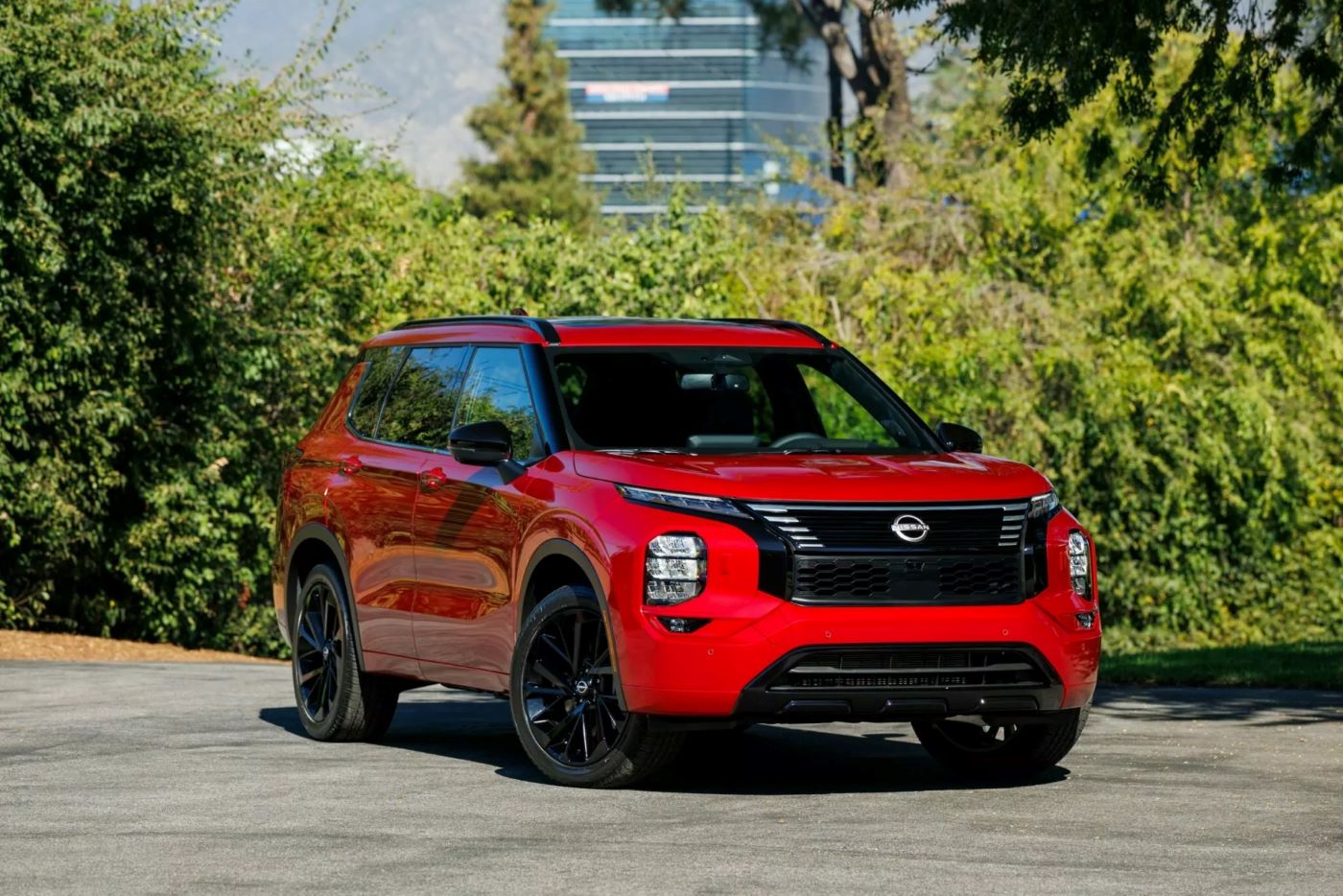
The Nissan Rogue AWD system is primarily designed for everyday road comfort and light weather stability rather than sustained off-road traction in harsh environments like deep mud. Its all-wheel drive system is reactive, meaning it remains mostly in front-wheel drive mode until wheel slip is detected.
In normal driving conditions such as rain-soaked highways or light gravel, this setup improves fuel efficiency and provides a stable driving feel. However, in deep mud, this same design becomes a disadvantage because the system reacts only after traction has already been lost, which is often too late to recover forward momentum.
When the vehicle enters soft mud, the front wheels typically begin to lose grip almost immediately due to surface resistance. Since torque transfer to the rear wheels is not continuous, there is a brief delay before the system attempts to compensate.
During this delay, the tires often spin excessively, digging deeper into the mud and increasing resistance. Once the tires start sinking, the engine must work harder while the drivetrain struggles to redistribute torque effectively, which often leads to the vehicle becoming immobilized within a short distance.
Another major limitation is the tire setup that comes from the factory. The Rogue is equipped with highway-focused all-season tires designed for low rolling resistance and quiet performance.
These tires lack the aggressive tread pattern required to evacuate mud. Instead of clearing mud from the contact surface, they tend to pack it into the tread grooves, turning the tire surface into a smooth layer that significantly reduces grip. This effect becomes worse as the vehicle continues to spin in place.
Ground clearance is also a key limiting factor. The Rogue sits at a moderate ride height that is sufficient for urban driving conditions but not for deep off-road terrain. In mud, clearance matters because even if the wheels maintain some traction, the underbody can begin to drag through thick sections. Once dragging occurs, forward motion becomes extremely difficult regardless of how much power the engine produces.
As a result of these combined factors, delayed AWD engagement, road tires, and limited clearance, the Nissan Rogue tends to lose mobility quickly in deep mud situations and often requires external recovery assistance.
2. Honda CR-V
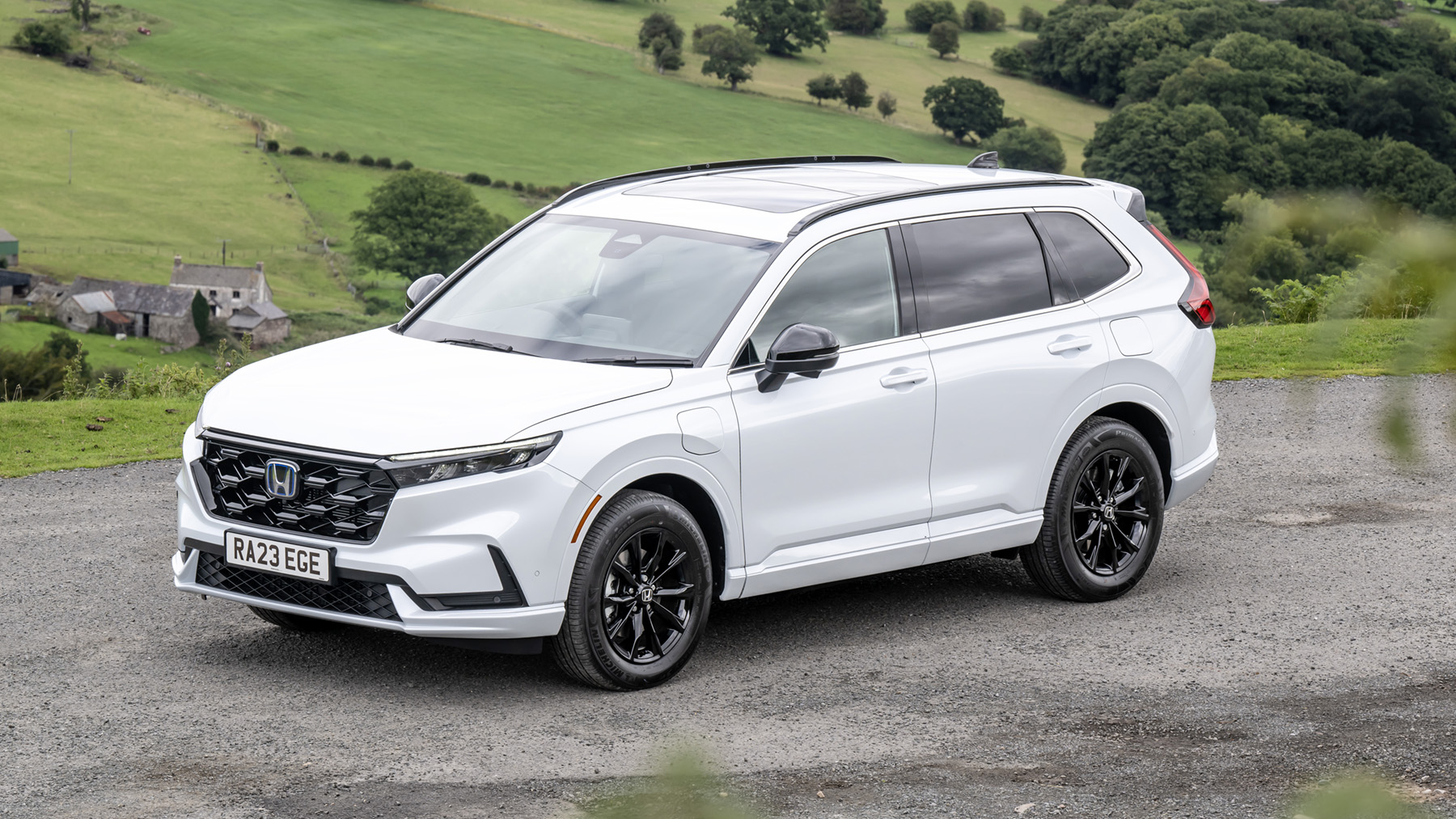
The Honda CR-V AWD system is engineered with a strong focus on efficiency, safety, and predictable handling on paved roads rather than sustained off-road performance. It uses a real-time AWD system that normally operates in front-wheel drive mode and engages the rear wheels only when slippage is detected.
While this system works well in rain, snow, and light dirt roads, it struggles significantly in deep mud because mud requires immediate and continuous torque distribution rather than delayed correction.
In deep mud conditions, the CR-V often experiences rapid loss of traction at the front wheels. Because the system waits for slip before activating rear wheel assistance, the vehicle may already be slowing down or sinking before additional torque is applied. This delay reduces momentum, and momentum is critical in mud because once a vehicle slows down too much, the resistance from the mud increases dramatically and becomes harder to overcome.
Another challenge is how the traction control system interacts with muddy surfaces. In many cases, traction control is tuned to prevent wheel spin aggressively to maintain safety and stability on roads.
However, in mud, a certain level of wheel spin is necessary to keep tires clearing mud from their tread. When traction control intervenes too strongly, it can reduce engine power at the exact moment when controlled spin is needed to maintain forward movement, which can cause the vehicle to bog down further.
The standard tires fitted on most CR-V trims are also not designed for mud evacuation. They prioritize low noise and fuel efficiency, which results in shallow tread patterns that quickly become clogged with mud. Once the tread fills, the tire behaves more like a slick surface, losing the ability to grip even moderately firm ground beneath the mud layer.
Ground clearance is adequate for city driving and light trail use but becomes a limitation in deeper muddy terrain. When combined with a relatively soft suspension setup designed for comfort, the vehicle may also experience reduced stability in uneven mud pits, making it harder to maintain consistent wheel contact.
The CR-V AWD system performs well in controlled environments but lacks the immediate torque response, tire capability, and clearance needed for deep mud conditions.
3. Toyota Corolla Cross
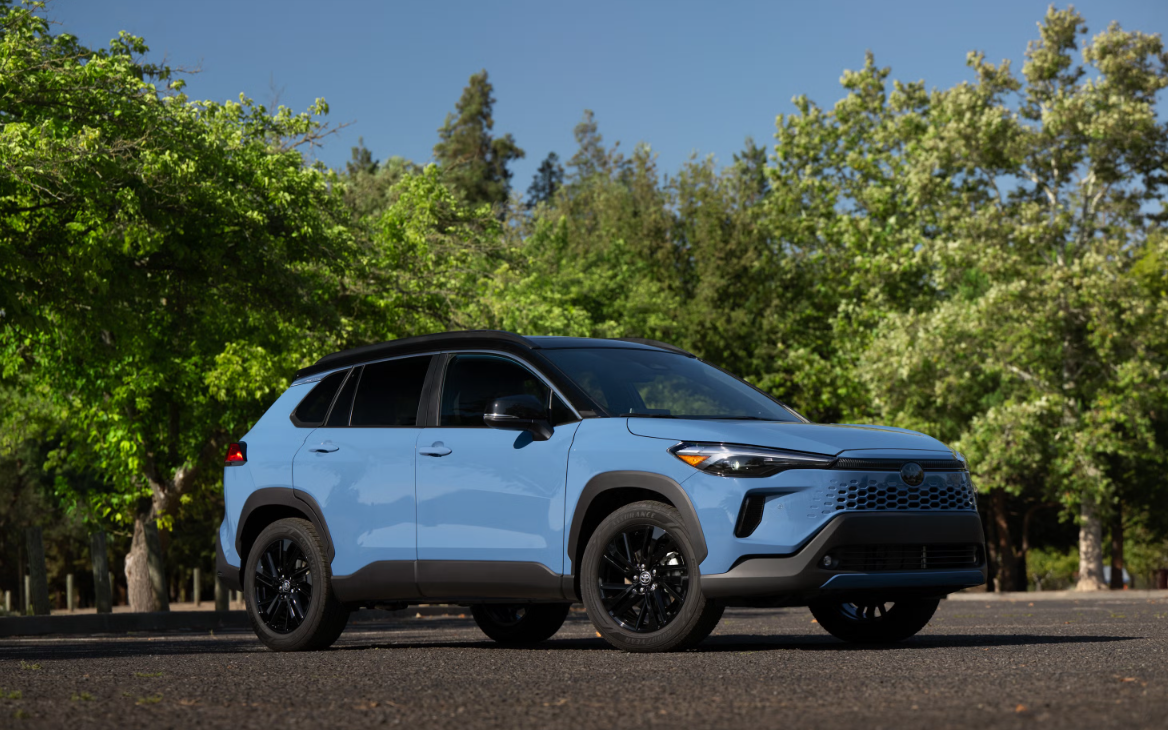
The Toyota Corolla Cross AWD is built primarily as a compact urban crossover designed for fuel efficiency, safety, and light all-weather capability rather than off-road or deep terrain performance.
Its AWD system is electronic and reactive, engaging the rear wheels only when the front wheels begin to slip. This design is effective for slippery pavement or wet roads but becomes a major limitation in deep mud where traction loss happens rapidly and continuously rather than gradually.
When the vehicle enters deep mud, the lightweight chassis initially allows it to move forward, but resistance builds very quickly. As soon as the front wheels begin to lose grip, the system attempts to transfer torque rearward, but the delay often results in wheel spin before meaningful traction redistribution occurs. This spin causes the tires to dig deeper into the mud, increasing resistance and reducing the chances of recovery.
The compact size of the Corolla Cross, while beneficial for city driving and parking, becomes a disadvantage in deep mud environments. A shorter and lighter vehicle can sometimes float better on soft surfaces, but without proper tire grip and clearance, it can also sink quickly once momentum is lost. The vehicle’s underbody is relatively low, which means even moderate mud depth can lead to dragging and obstruction.
The factory tire setup further limits its capability. The tires are designed for urban efficiency and wet-road safety rather than off-road evacuation. In muddy conditions, these tires tend to clog quickly, losing their ability to channel mud away from the contact surface. Once clogged, traction drops significantly, and the vehicle becomes increasingly difficult to move even on slight inclines.
Additionally, the AWD system does not provide mechanical locking or strong torque biasing. This means that if multiple wheels lose traction at the same time, the system has limited ability to recover forward motion. It is dependent on detecting slip and reacting, which is not fast enough in deep mud environments where conditions change instantly under each wheel.
As a result, the Corolla Cross AWD is suitable for urban and light rural use but tends to become immobilized quickly when exposed to deep mud conditions.
4. Mazda CX-5
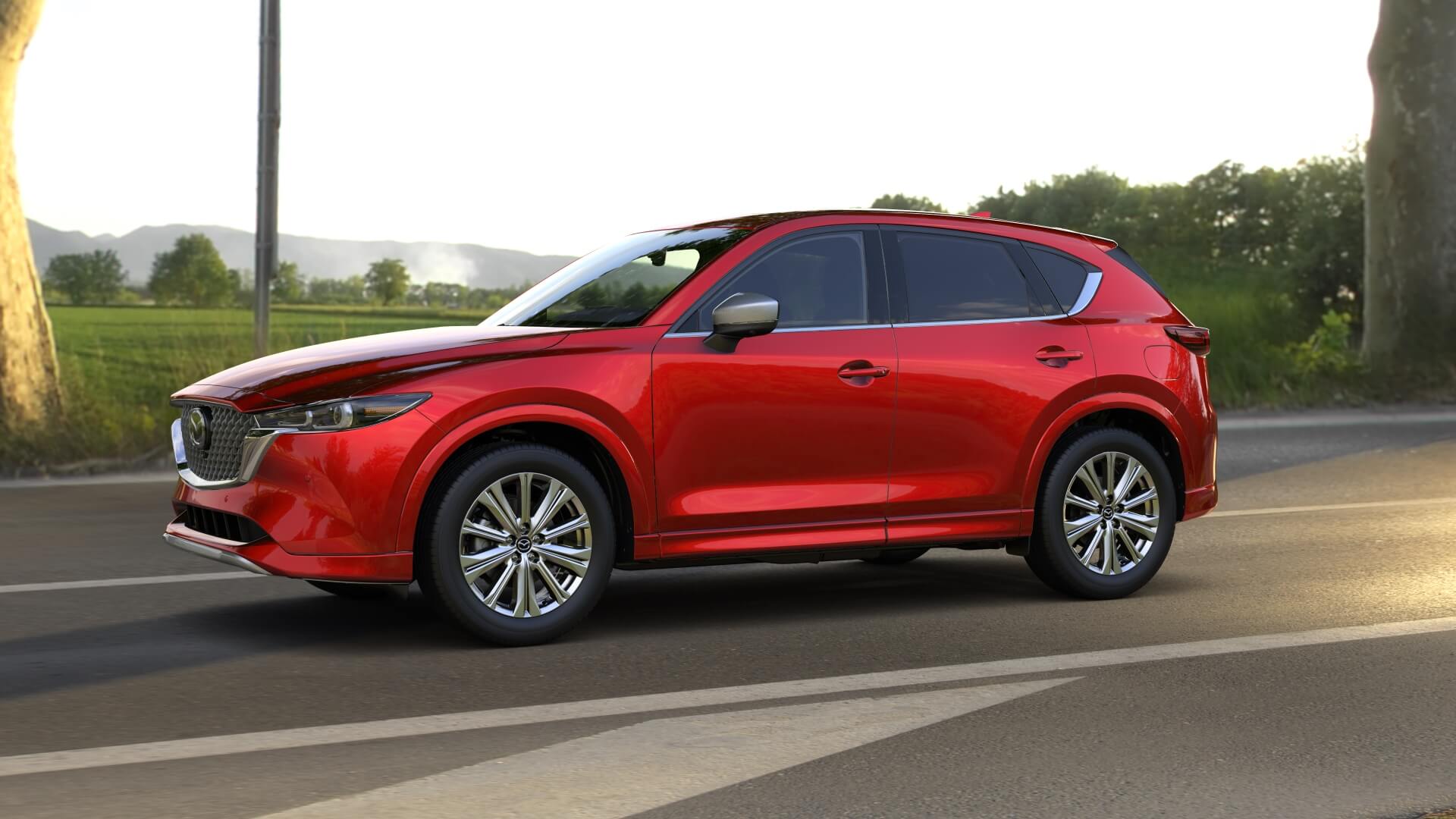
The Mazda CX-5 AWD system is tuned primarily for responsive handling and driving enjoyment on paved roads rather than sustained off-road traction. Its predictive AWD system uses sensors to anticipate traction loss and distribute torque accordingly, but it is calibrated conservatively to prioritize stability, fuel efficiency, and smooth driving dynamics.
In deep mud, this conservative tuning becomes a limitation because the system does not aggressively send torque to the rear wheels unless it is absolutely necessary.
When entering muddy terrain, the CX-5 may initially perform better than basic front-wheel drive vehicles, but as conditions worsen, its limitations become more apparent. The predictive system can struggle to interpret rapidly changing traction conditions in deep mud where wheel grip can fluctuate from moment to moment.
As a result, torque delivery may not always match real-time needs, leading to moments of wheel spin followed by sudden power adjustments that disrupt momentum.
The suspension system is another factor that influences its performance. The CX-5 uses a relatively firm suspension setup designed to improve handling precision on roads. While this improves cornering stability, it reduces wheel articulation in uneven terrain. In deep mud, limited articulation means that when one wheel drops into a deeper rut, the opposite wheel may lose optimal ground contact, reducing effective traction across the axle.
Ground clearance is average for the segment, which becomes a limiting factor in deeper mud sections. Once the vehicle begins to sink or encounter uneven mud pits, the underbody can approach the surface quickly, increasing drag and resistance. This makes it harder for the engine and drivetrain to maintain forward motion, even when some traction is still available at the wheels.
The standard tires also contribute to its difficulty in deep mud. While they perform well on pavement and light gravel, they lack the deep tread blocks needed to clear mud effectively. This leads to rapid clogging, reduced surface grip, and increased likelihood of the vehicle becoming stuck when conditions worsen.
5. Hyundai Tucson
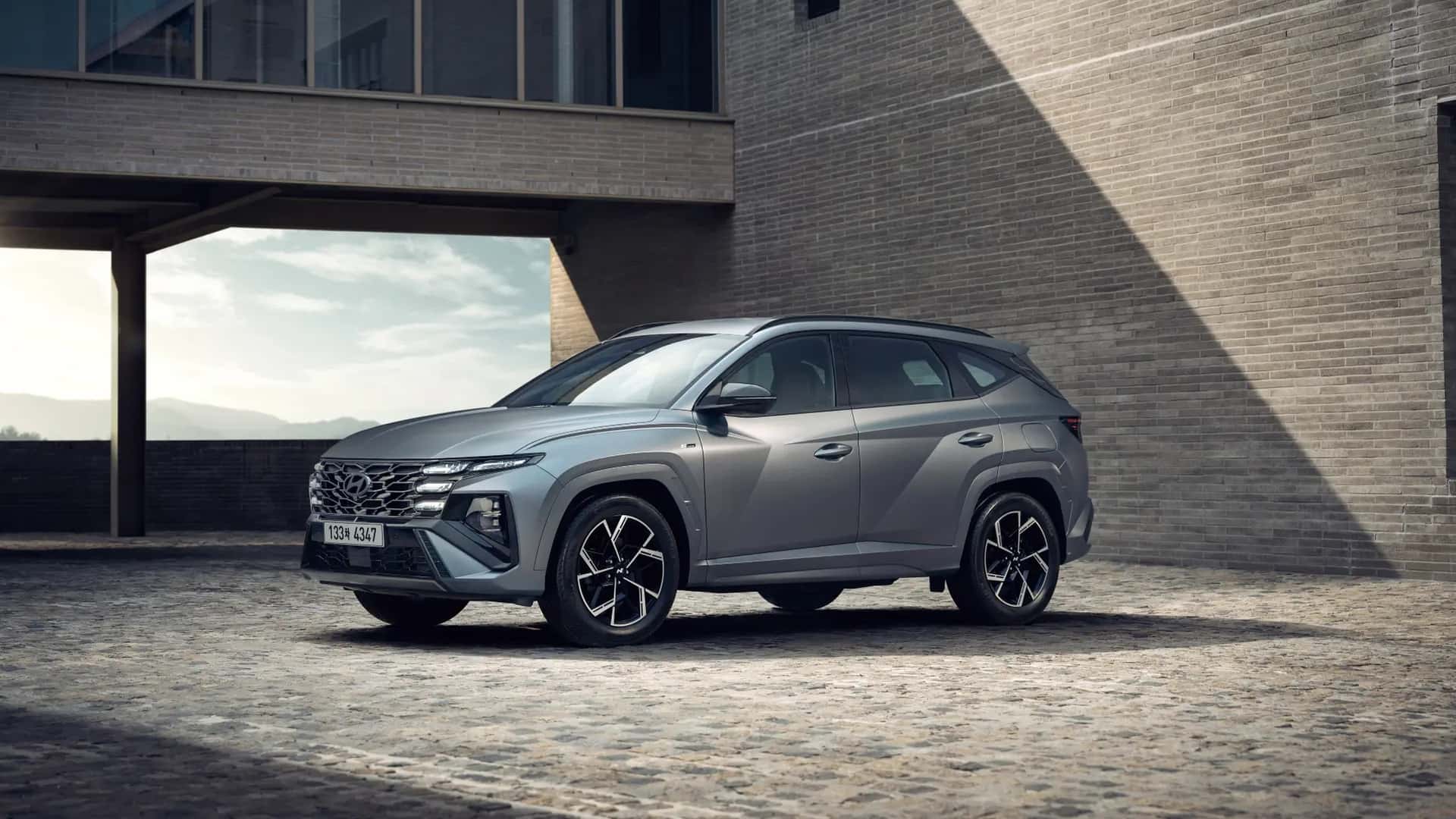
The Hyundai Tucson AWD system is designed with a focus on comfort, fuel efficiency, and safe all-weather driving rather than extreme off-road capability. It uses an electronically controlled AWD system that distributes torque primarily to the front wheels under normal conditions and engages the rear wheels when slip is detected.
While this approach works well for rain, snow, and mild dirt roads, it becomes less effective in deep mud where immediate and continuous torque distribution is required.
In deep mud conditions, the Tucson often experiences rapid traction loss at the front wheels. The system then attempts to engage the rear wheels, but the response is not always fast enough to prevent the vehicle from losing momentum.
Once momentum is reduced, mud resistance increases significantly, and the vehicle may begin to sink. At this point, even if torque is redistributed, the wheels may already be too deeply embedded to regain effective traction.
Another limitation is the traction control calibration, which is designed to prevent excessive wheel spin on paved surfaces. In mud, however, controlled wheel spin is often necessary to keep tires clearing debris and maintaining grip. When traction control intervenes too aggressively, it can reduce engine output and limit wheel rotation, which further reduces the vehicle’s ability to escape soft terrain.
The tire setup is also a major constraint. Standard Tucson tires prioritize comfort and efficiency rather than off-road performance. In deep mud, these tires tend to lose effectiveness quickly as mud fills the tread grooves, reducing friction between the tire and the ground. Without proper tread evacuation, grip drops sharply, making recovery increasingly difficult.
Ground clearance is moderate, which is sufficient for light trails but not for deeper muddy conditions. Once the underbody begins to make contact with the mud surface, resistance increases dramatically and can halt forward progress entirely.
Due to the combination of reactive AWD behavior, road-oriented tires, and limited clearance, the Hyundai Tucson AWD often becomes immobilized quickly when exposed to deep mud conditions.
