
Car ownership costs go far beyond the price you pay at the dealership. One of the most important long-term expenses is the cost of replacement parts. These include everything from brake pads and filters to suspension components, sensors, and body panels.
While many buyers focus on fuel economy and reliability, the cost of factory parts can significantly change how expensive a vehicle is to maintain over time.
Different car brands follow very different engineering and production philosophies. Some manufacturers design vehicles using widely shared platforms and mass-produced components. This approach helps keep parts available and relatively inexpensive.
These brands often rely on global supply chains and high production volumes, which lowers the cost per component and makes repairs easier for independent mechanics. In many cases, these vehicles also have strong aftermarket support, which further reduces ownership costs.
Other brands take a different path. Premium and luxury manufacturers often use specialized engineering, unique components, and advanced materials. While these choices improve performance, comfort, and exclusivity, they also increase production complexity.
As a result, replacement parts can be expensive and sometimes harder to source outside authorized service centers. Labor costs also tend to be higher because repairs may require specialized tools or training.
Regional factors also play a role. Japanese and Korean mainstream brands are widely known for cost-effective parts due to large-scale production and shared platforms across models.
In contrast, many European luxury brands use more bespoke engineering, which reduces interchangeability and increases part prices. Even within the same brand family, lower-volume models can sometimes cost more to maintain simply because fewer parts are produced.
Understanding these differences helps buyers make better long-term decisions. A car with a low purchase price may still become expensive if parts are rare or costly. On the other hand, a slightly more expensive vehicle with widely available components may save money over years of ownership.
This article breaks down five car brands known for affordable factory parts and five that are recognized for premium-priced components. The focus is on general ownership trends, parts availability, and long-term maintenance cost behavior across the automotive market.
5 Car Brands With Affordable Factory Parts
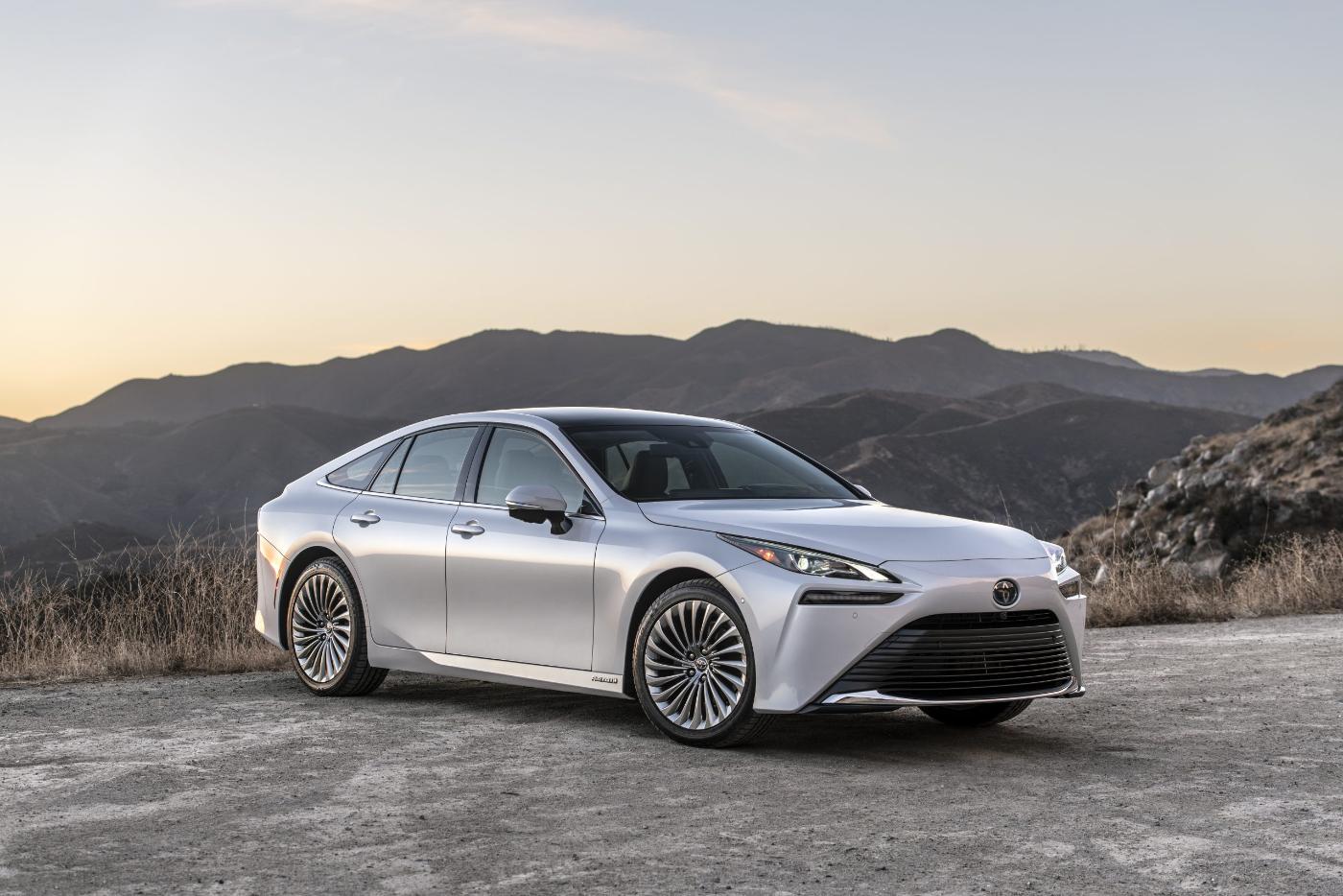
Toyota
Toyota is one of the strongest examples of a brand that consistently keeps factory parts affordable across global markets. A major reason for this is its extremely high production volume and long-term platform strategy. Many Toyota models share engines, transmissions, sensors, and suspension components across multiple generations and even across different vehicle categories.
This means a part designed for a Corolla may also be used in a Corolla Cross or even a related Lexus model with minor adjustments. When the same components are produced in massive quantities, manufacturing cost per unit drops significantly, and that savings is reflected in replacement part pricing.
Another important factor is global supply chain strength. Toyota operates manufacturing and assembly plants across Asia, North America, Europe, and other regions, which helps ensure that parts are widely distributed rather than being concentrated in one expensive market.
This reduces shipping and import costs for replacement components. Independent mechanics also benefit from Toyota’s design simplicity and widespread technical familiarity, which reduces labor time and repair complexity. Over time, this combination of easy availability, mechanical consistency, and strong aftermarket support makes Toyota one of the least expensive brands to maintain.
Toyota vehicles also tend to experience slower wear on major systems due to conservative tuning and durability-focused engineering. This reduces how often expensive components such as alternators, starters, and transmission parts need replacement.
Even when repairs are required, the abundance of OEM and third-party options keeps pricing competitive. For long-term ownership, Toyota stands out as a brand where parts affordability is supported by both engineering philosophy and global scale efficiency.
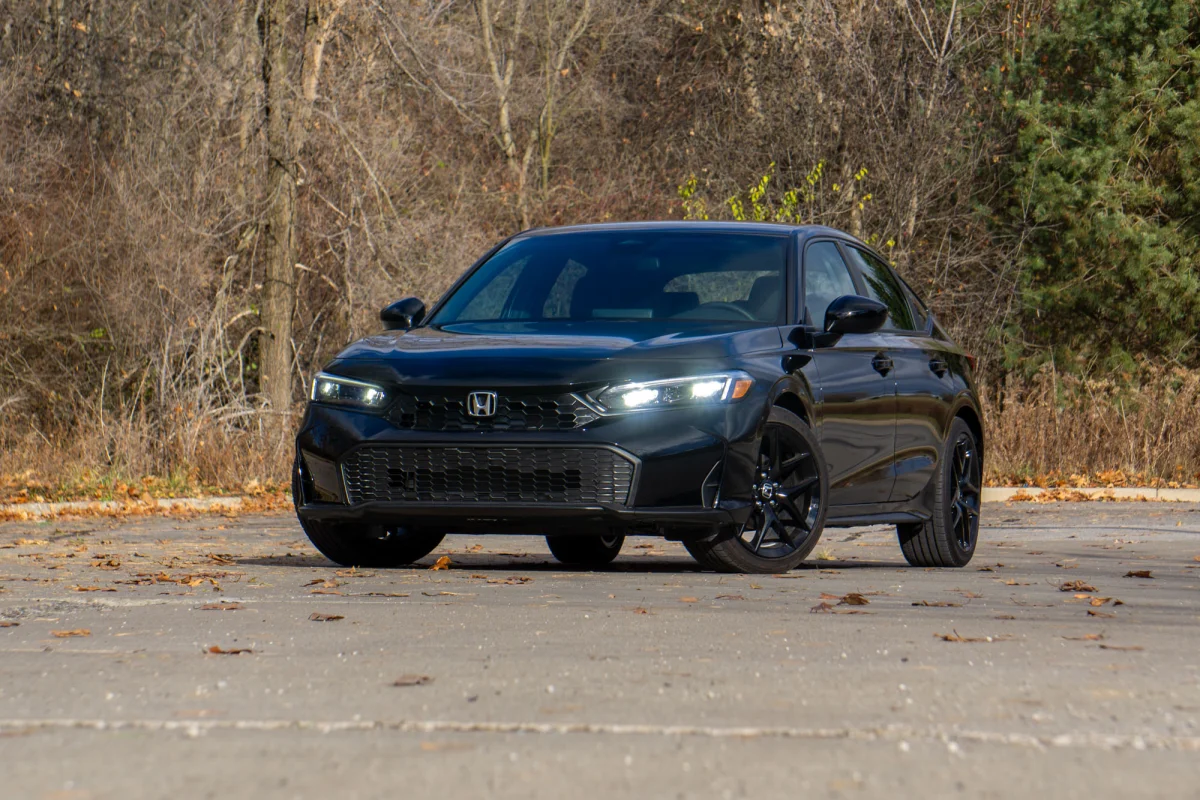
Honda
Honda has built a strong reputation for producing vehicles that are not only reliable but also cost-effective to maintain over long periods. One of the key reasons factory parts remain affordable is Honda’s consistent use of shared engineering across multiple models.
Engines like the 1.5L and 2.0L variants are used across different vehicles such as the Civic, Accord, CR-V, and HR-V. This cross-compatibility reduces production complexity and ensures that replacement parts are manufactured in large volumes, helping keep prices stable.
Honda also benefits from a strong global presence, especially in markets like Asia and North America, where its vehicles are extremely common. This widespread adoption creates a healthy supply ecosystem for both OEM and aftermarket parts.
Independent suppliers produce competitive alternatives for high-wear items such as brake pads, clutch assemblies, filters, and suspension components. Because of this, vehicle owners are rarely forced to rely solely on dealership pricing, which helps reduce total maintenance costs.
Another factor contributing to affordability is Honda’s engineering philosophy, which prioritizes mechanical efficiency and long-term usability. Many Honda engines are designed with relatively simple layouts compared to luxury competitors, making them easier and faster to repair.
Labor costs are often lower because mechanics are familiar with these systems, and fewer specialized tools are required. Over time, this reduces both the cost of parts and the cost of installation, making Honda a consistently economical choice for long-term ownership.
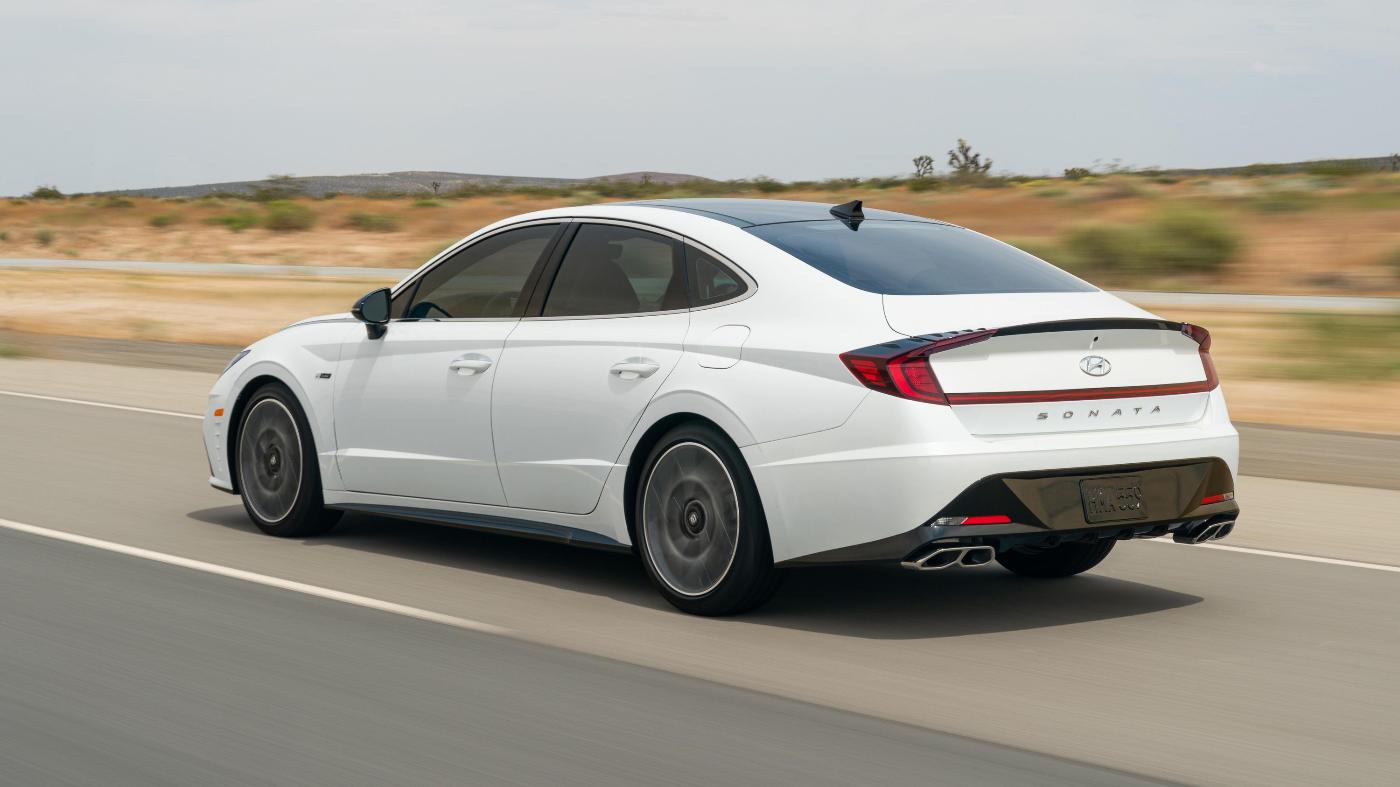
Hyundai
Hyundai has undergone a major transformation over the past two decades, evolving from a budget-focused brand into a global manufacturer known for value-driven engineering and competitive maintenance costs. One of the strongest contributors to affordable factory parts is Hyundai’s platform-sharing strategy.
Many vehicles across its lineup, including sedans, SUVs, and crossovers, are built on shared architectures. This allows engines, transmissions, and electronic systems to be standardized, which increases production efficiency and reduces per-unit costs for replacement components.
Hyundai’s global manufacturing footprint also plays a significant role in keeping parts accessible and affordable. With production facilities in South Korea, India, the United States, and other regions, the company is able to distribute components more efficiently and reduce dependency on costly imports.
This widespread availability ensures that common repair parts such as sensors, brake systems, filters, and lighting components remain competitively priced in most markets.
In addition, Hyundai has invested heavily in improving durability and long-term reliability, which reduces the frequency of part replacement compared to older generations of vehicles. While early models were often criticized for quality concerns, modern Hyundai vehicles show significantly improved engineering consistency.
Combined with growing aftermarket support and increased global sales volume, Hyundai now offers one of the more cost-effective ownership experiences among mainstream automakers.
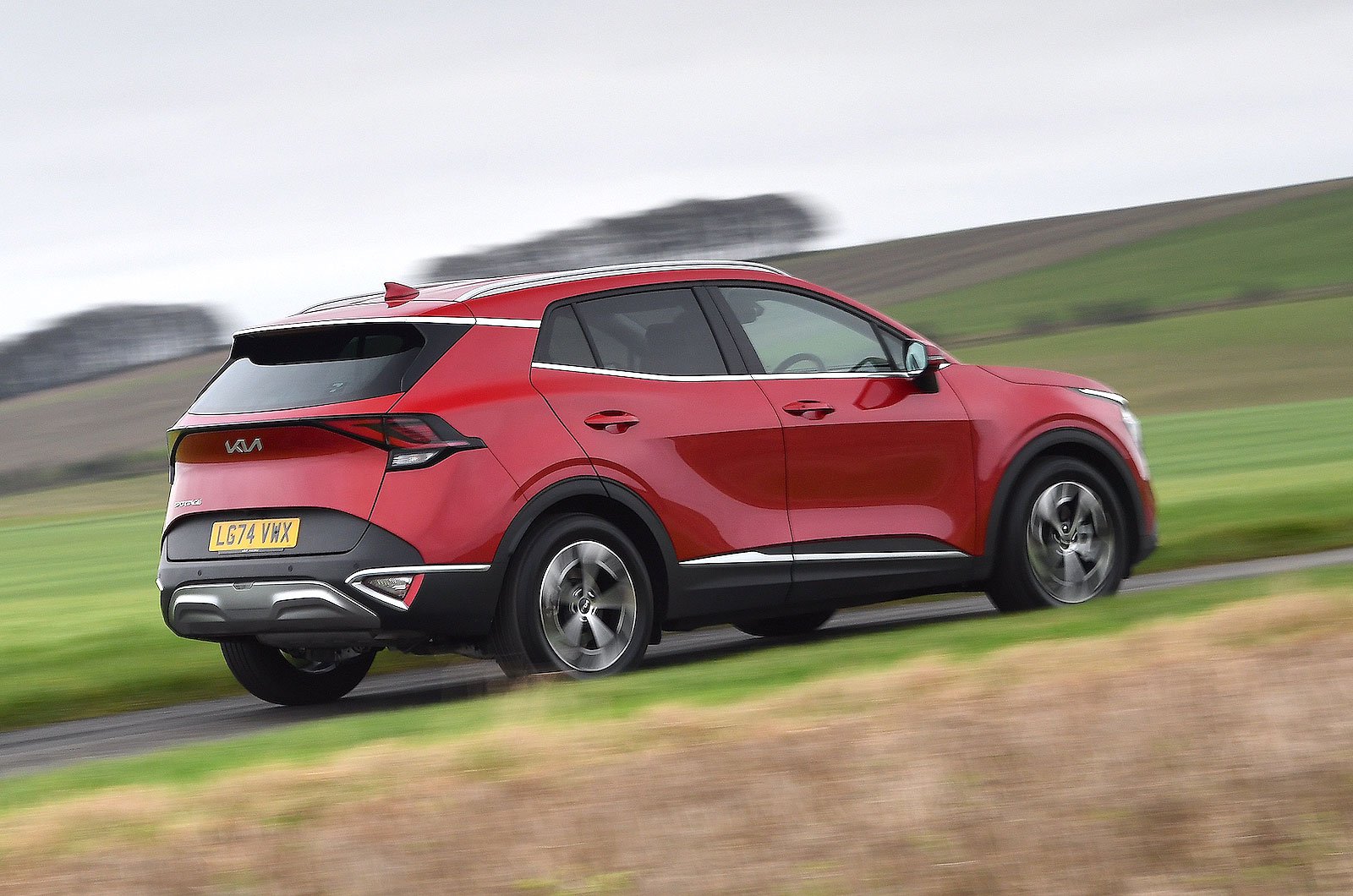
Kia
Kia’s affordability in factory parts is closely linked to its corporate relationship with Hyundai, as both brands share platforms, engines, and many core mechanical systems. This shared development strategy allows Kia to benefit from large-scale production efficiency without independently designing every component from scratch.
As a result, many parts are interchangeable or closely related between Kia and Hyundai vehicles, which helps maintain stable pricing across both brands.
Another key factor is Kia’s focus on mass-market vehicles with high global demand. Models such as the Sportage, Seltos, and Forte are sold in large numbers, which increases the production volume of replacement components.
When parts are produced at scale, manufacturing costs decrease, and suppliers can offer more competitive pricing. This also helps reduce wait times for repairs, since commonly needed parts are widely stocked in regional warehouses.
Kia has also improved its engineering approach in recent years, focusing on simplified maintenance procedures and more standardized component design. This reduces repair complexity, which in turn lowers labor costs.
Even relatively newer features such as infotainment systems and driver assistance sensors are designed with cost efficiency in mind compared to premium brands. As a result, Kia maintains a strong position as a budget-friendly option for long-term ownership, particularly when it comes to factory part replacement costs.
Mazda
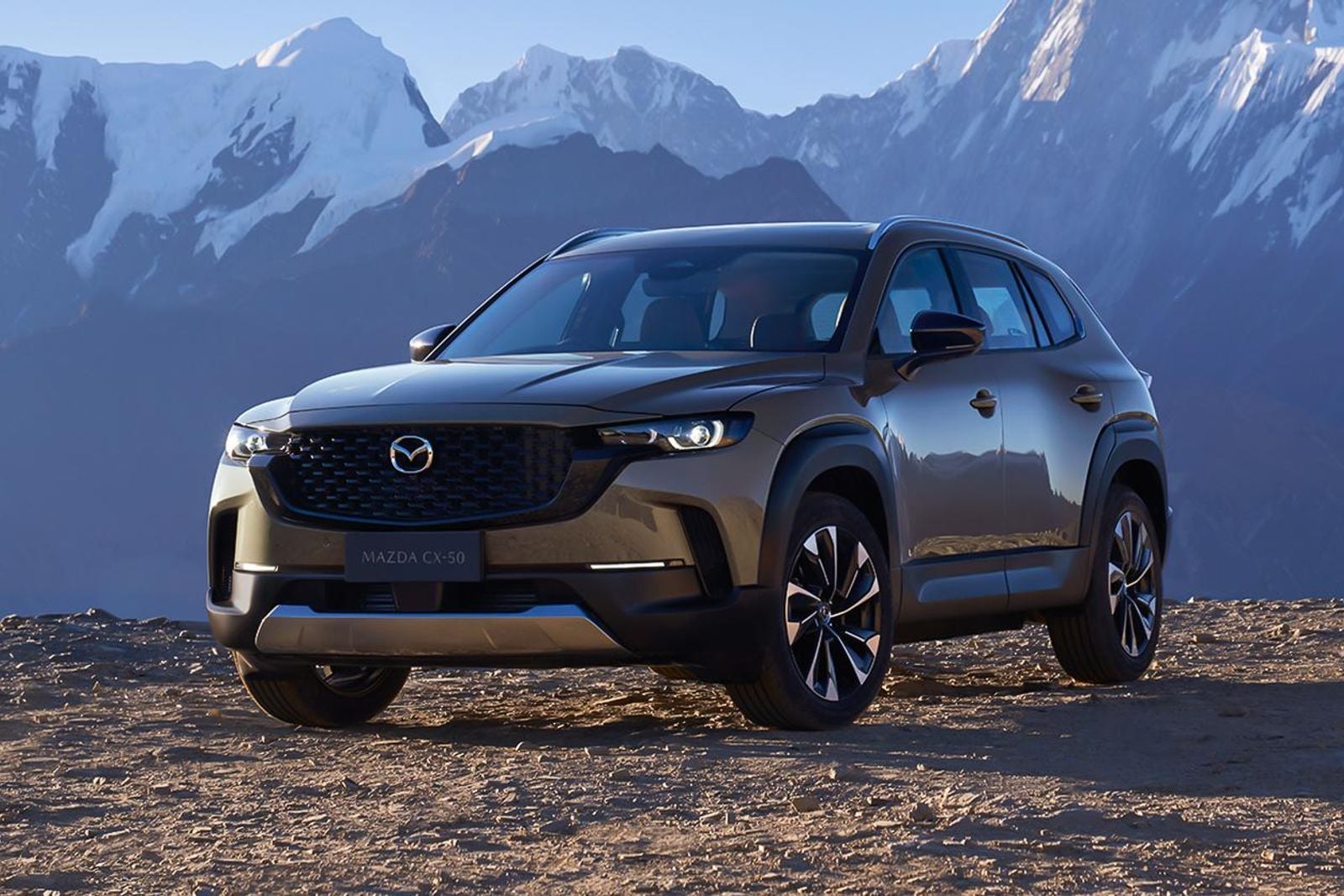
Mazda occupies a slightly different position compared to other mainstream brands, balancing driving performance with cost-efficient engineering. While it often feels more refined than typical economy vehicles, Mazda still maintains relatively affordable factory parts due to its strategic use of shared components across its lineup.
Models such as the Mazda3, CX-30, CX-5, and CX-50 often use similar engines, transmissions, and electronic systems, which helps streamline production and reduce part variation.
Another important factor is Mazda’s global distribution strategy. The brand has strong market presence in Asia, North America, and Europe, which ensures that replacement parts are widely available.
This reduces scarcity-driven price increases and allows independent repair shops to source components without excessive delays or costs. Common maintenance parts such as filters, brake systems, and suspension components are generally priced competitively compared to other Japanese manufacturers.
Mazda also benefits from engineering choices that emphasize long-term durability without unnecessary mechanical complexity. While it incorporates advanced technology such as Skyactiv engines, the design still avoids excessive specialization found in luxury brands.
This helps keep repair processes relatively straightforward. Combined with a strong reputation for reliability and moderate maintenance frequency, Mazda delivers a balanced ownership experience where factory parts remain reasonably affordable over the vehicle’s lifespan.
5 Car Brands That Charge a Premium for Factory Parts
BMW
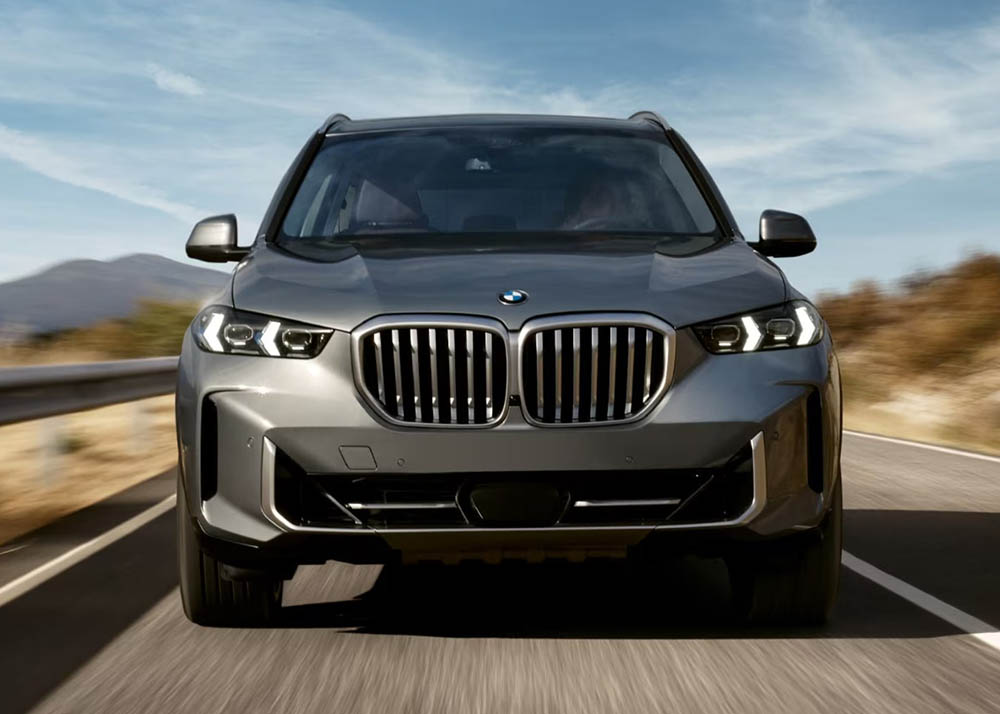
BMW is widely known for engineering vehicles that prioritize performance, driving precision, and advanced technology, but this level of sophistication directly contributes to higher factory parts costs. Many BMW components are designed specifically for individual models or tightly grouped model generations, which limits interchangeability.
Unlike mainstream brands that reuse engines and platforms across a wide range of vehicles, BMW often develops highly tuned variants of engines, transmissions, and electronic systems. This means replacement parts are produced in lower quantities, and lower production volume naturally increases per-unit cost.
Another major factor is the complexity of BMW’s systems. Modern BMW vehicles rely heavily on integrated electronics, turbocharged engines, adaptive suspension systems, and advanced driver assistance technologies.
Even relatively simple repairs can involve multiple sensors or control modules that must be recalibrated after installation. This increases both the price of parts and the labor cost required for proper installation. In many cases, specialized diagnostic equipment is necessary, which limits repair options outside authorized service centers.
BMW also maintains strict quality control standards for original equipment parts, which further drives up pricing. While aftermarket options exist, many owners prefer OEM parts to preserve performance and warranty compatibility, which keeps demand high for premium-priced factory components.
Over time, this combination of precision engineering, limited part sharing, and high technological integration makes BMW ownership significantly more expensive in terms of parts replacement and long-term maintenance.

Mercedes-Benz
Mercedes-Benz vehicles are designed with a strong emphasis on luxury, safety innovation, and advanced engineering systems, all of which contribute to elevated factory parts pricing.
One of the primary reasons for high costs is the extensive use of model-specific components, particularly in newer vehicles where customization and technological integration are extremely high. Features such as adaptive air suspension, complex infotainment systems, and multi-stage safety sensors require specialized parts that are not easily interchangeable across models.
The brand also invests heavily in proprietary technologies, meaning many components are developed in-house or through exclusive supplier agreements. While this ensures high performance and reliability, it reduces the availability of cheaper third-party alternatives.
In addition, Mercedes-Benz vehicles often include highly integrated electronic control units, where a single malfunctioning module may affect multiple systems. Replacing these components often requires recalibration or coding through dealership-level diagnostic tools, increasing total repair costs.
Another contributing factor is the premium material quality used in both mechanical and interior components. Items such as LED lighting systems, electronic dashboards, and comfort features are engineered for high-end performance rather than cost efficiency.
As a result, even routine repairs can involve expensive replacement parts. Combined with dealership-focused servicing requirements and limited aftermarket compatibility in newer models, Mercedes-Benz consistently ranks among the more expensive brands for factory parts over a vehicle’s lifespan.
Audi
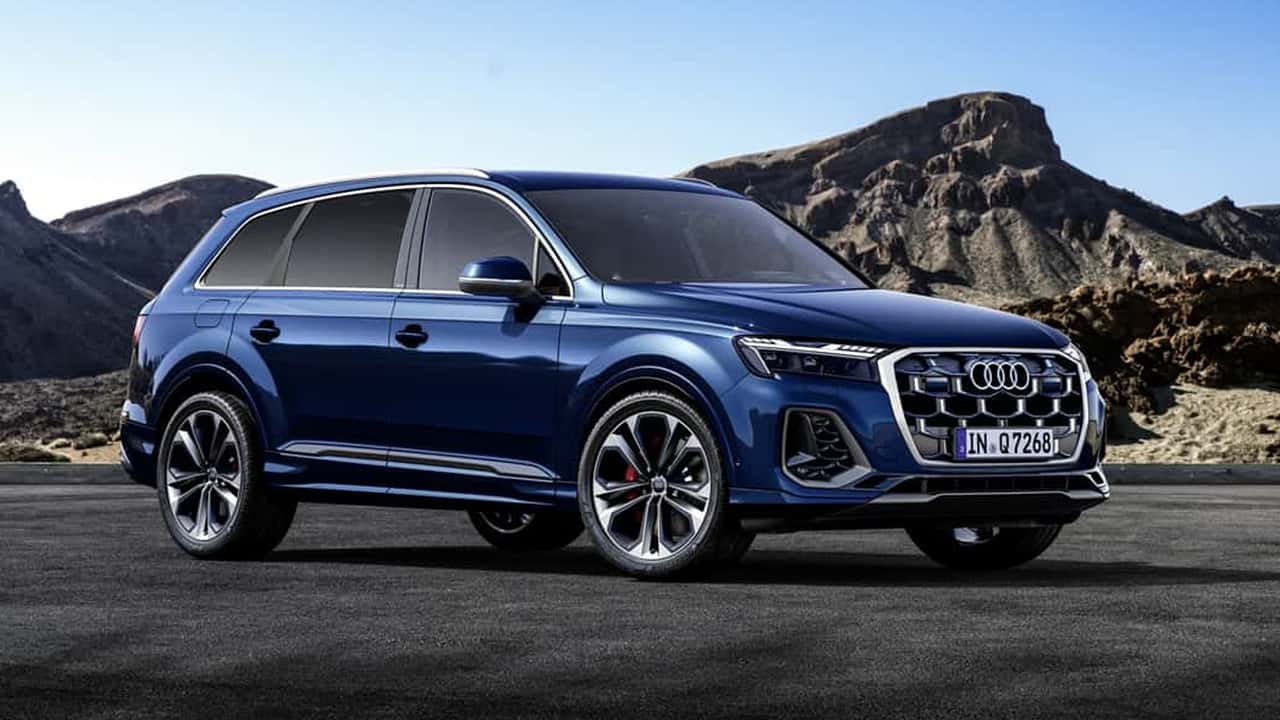
Audi’s reputation for combining performance with advanced technology comes with a noticeable increase in factory parts costs. Many Audi vehicles are built on shared Volkswagen Group platforms, which provides some level of cost efficiency, but Audi often adds more advanced systems and premium components that are not shared with lower-tier models.
This includes high-end infotainment systems, digital cockpit displays, adaptive lighting systems, and performance-tuned drivetrain components. These additions significantly increase the cost of replacement parts.
A major contributor to higher pricing is Audi’s focus on electronic integration. Modern Audi vehicles rely heavily on interconnected systems where sensors, cameras, and control modules communicate constantly to manage performance, safety, and comfort.
If one component fails, it may require replacing or recalibrating multiple linked systems. This increases both parts and labor costs, especially since specialized diagnostic tools are often required for proper repair.
Audi also produces certain components in lower volumes compared to mainstream Volkswagen models, particularly for higher-performance trims such as S and RS variants. Lower production volume reduces economies of scale, leading to higher per-unit costs.
In addition, the precision engineering required for Audi’s performance-focused engines and suspension systems means that replacement parts are manufactured to tight tolerances, further increasing pricing. Over time, these factors make Audi ownership more expensive when it comes to factory parts and long-term maintenance.
Land Rover
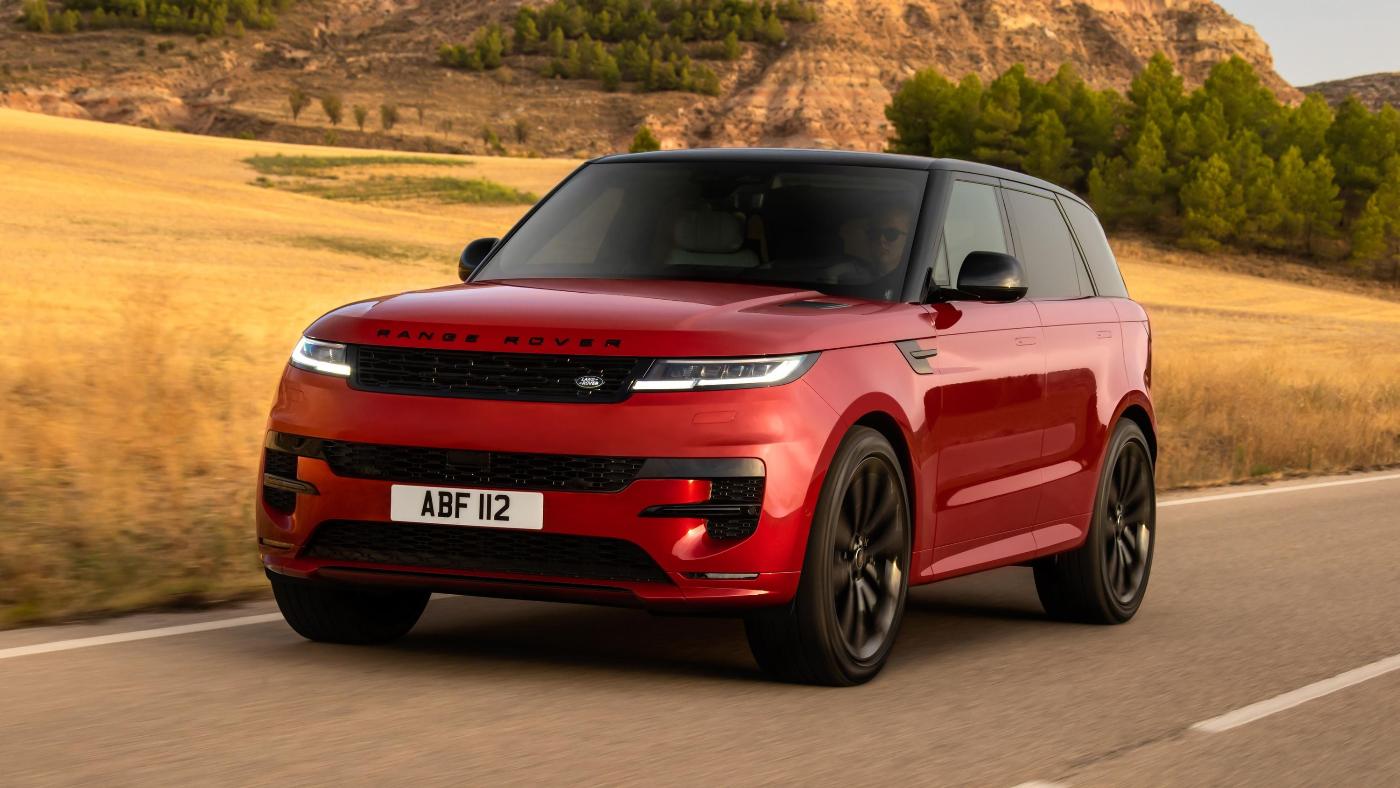
Land Rover is known for producing vehicles with strong off-road capability combined with luxury features, but this unique combination significantly increases factory parts costs. One of the key reasons is the specialized nature of its engineering.
Many components are designed specifically for rugged terrain performance, including advanced air suspension systems, all-terrain drivetrain configurations, and electronic terrain response systems. These systems require highly specialized parts that are not widely shared with other brands, which increases production cost.
Another major factor is reliability complexity. Land Rover vehicles often integrate multiple electronic and hydraulic systems to support off-road functionality and luxury comfort features.
When these systems fail, repairs can become expensive due to the need for specialized components and diagnostic procedures. Air suspension systems, in particular, are known for costly replacements, as they involve compressors, air struts, and control modules that are expensive to manufacture and replace.
Land Rover also produces vehicles in relatively lower volumes compared to mass-market brands, which limits economies of scale. Lower production volume means parts are not manufactured in the same quantities as mainstream vehicles, resulting in higher pricing for both OEM and replacement components.
In addition, dealership dependency for repairs is common due to system complexity, which further increases labor costs. Over time, this combination of specialized engineering, lower production scale, and high system integration leads to some of the highest factory part costs in the automotive industry.
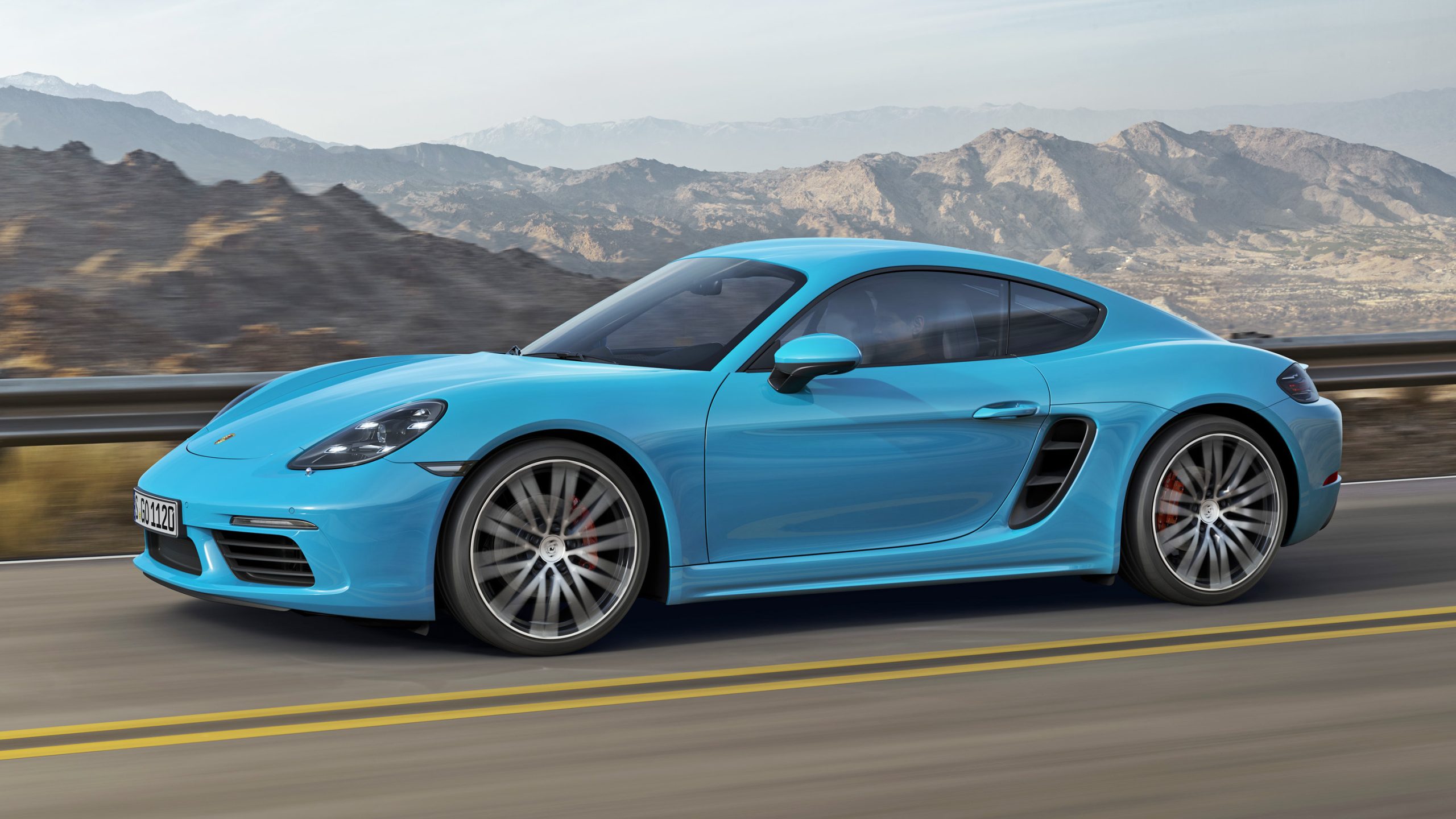
Porsche
Porsche is a performance-focused luxury brand where engineering precision plays a central role, and this directly influences the cost of factory parts. Every component in a Porsche vehicle is designed with high-performance standards in mind, from engines and transmissions to braking systems and suspension setups.
This level of precision requires specialized manufacturing processes and materials, which naturally increases production costs and limits mass-market affordability.
Another major factor is low production volume compared to mainstream manufacturers. Even though Porsche is part of the Volkswagen Group, its vehicles are produced in significantly smaller quantities.
This means that parts are not manufactured at the same scale as brands like Volkswagen or Toyota, leading to higher per-unit costs. High-performance variants such as the 911 or Taycan require even more specialized components, further increasing replacement expenses.
Porsche also places strong emphasis on maintaining performance integrity, which means OEM parts are often preferred or required to preserve driving dynamics and warranty compliance. Many components such as ceramic brakes, turbocharged engine parts, and advanced suspension systems are engineered for high stress and precision use, making them expensive to replace.
In addition, repair procedures often require specialized knowledge and equipment, increasing labor costs. Over time, Porsche ownership is associated with premium maintenance expenses, particularly when factory parts need replacement.
