
Car interiors have become one of the most important factors for buyers in modern automotive markets. While performance, fuel efficiency, and design still matter, the feel of the cabin plays a major role in long-term satisfaction. Interior plastics, dashboard materials, switchgear quality, and overall assembly precision determine how a car ages after years of daily use.
A well-built interior does not only look premium on day one but also continues to feel solid after thousands of kilometers on rough roads, temperature changes, and repeated usage of buttons, doors, and storage compartments.
In many markets, especially where road conditions vary from smooth highways to uneven rural stretches, the durability of interior materials becomes even more critical. Cheap plastics may look acceptable initially, but over time they can develop squeaks, vibrations, and rattling noises.
These sounds may come from door panels, dashboard joints, center consoles, or trim pieces that loosen due to repeated stress. On the other hand, higher-quality interiors use dense plastics, better fastening systems, and improved insulation techniques to reduce movement and noise generation.
Manufacturers have increasingly focused on cabin refinement because consumers now compare vehicles not only within the same price segment but also across segments. For example, a buyer looking at a mid-size sedan may compare interior feel with entry-level luxury cars.
This shift has pushed brands like Toyota, Honda, Mazda, BMW, Audi, and Lexus to invest heavily in soft-touch materials, reinforced panel fitting, and better NVH (noise, vibration, and harshness) control.
However, not all cars age the same way. Even within the same brand lineup, some models are engineered with cost efficiency as a priority, which can lead to the use of harder plastics and lighter assembly structures. Over time, these cost-saving decisions can show up as cabin noises, especially when the vehicle is driven on rough roads or exposed to extreme heat and cold cycles.
This article examines two important categories: cars known for high-quality interior plastics and long-term cabin durability, and cars that have been commonly associated with early interior rattles based on general ownership feedback and long-term usage patterns.
The goal is to help readers understand how material quality and assembly design influence long-term comfort, while also highlighting real-world trends seen across different automotive segments. Each model discussed reflects broader engineering approaches rather than isolated experiences, giving a practical perspective on interior quality in today’s automotive industry.
5 Cars That Rattle Early

1. Maruti Suzuki Swift
The older generations of the Maruti Suzuki Swift are frequently discussed when it comes to early interior noise development. The car was designed with a strong focus on affordability, lightweight construction, and fuel efficiency, which meant interior refinement was not the top priority.
As a result, harder plastics and simpler fastening systems were used across the cabin. These materials perform adequately in daily use, but they are more sensitive to long-term vibration exposure compared to denser, higher-grade plastics used in more premium vehicles.
Over time, one of the most common sources of noise in older Swift models is the dashboard area. The panel structure tends to allow slight movement between joints, especially after repeated driving on uneven roads or speed breakers.
Temperature changes can also affect the expansion and contraction of plastic components, which gradually loosens the tightness of fitment. This does not usually indicate structural failure, but it does lead to small squeaks that become noticeable in quiet driving conditions.
Door panels in older Swift models are another area where rattles may develop. The internal clips and locking points can lose firmness after years of repeated door usage. When the vehicle is driven on rough surfaces, vibrations travel through the door frame and cause minor shaking of the inner trim. In some cases, window switches and handle assemblies can also contribute to noise if internal padding wears down.
The rear parcel shelf and boot area are additional points where noise can appear. Because these areas often use lighter materials to reduce cost and weight, they can become loose over time. Even small gaps between plastic joints can amplify sound when the car is in motion. This becomes more noticeable at higher speeds or on uneven roads, where vibration frequency increases.
Despite these concerns, the Swift remains popular due to its practicality, low maintenance costs, and strong engine performance for its segment. Many owners accept the presence of minor cabin noises as part of the ownership experience, especially in older units that have covered high mileage. Proper maintenance and occasional tightening of interior fittings can reduce rattling, but the base material choice still defines its long-term cabin behavior.
2. Hyundai i10
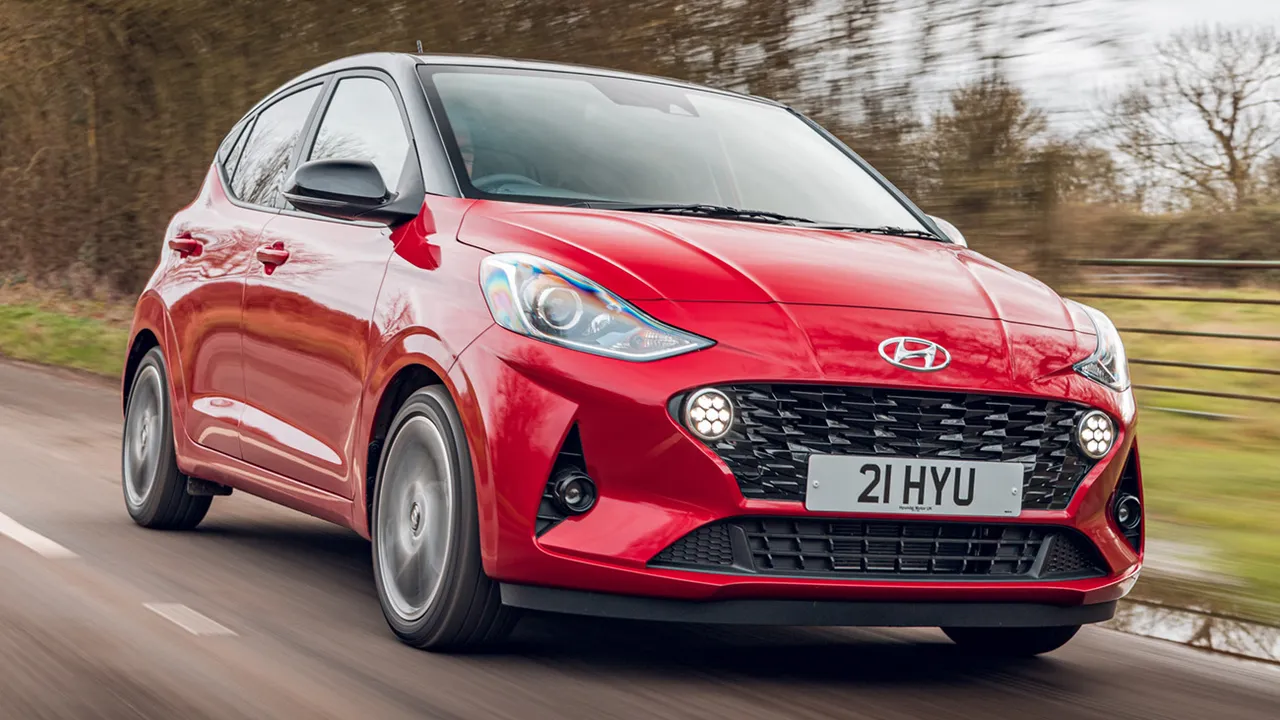
Older Hyundai i10 models are often recognized as reliable city cars, but their interior construction reflects a budget-oriented design approach. The plastics used inside the cabin are generally rigid and lightweight, which helps control production costs but can lead to reduced long-term damping ability. These materials tend to transmit vibrations more easily, especially when the vehicle is driven over rough urban roads or broken surfaces.
One of the most commonly reported areas for noise development is the dashboard assembly. Over time, small gaps can form between the central console and surrounding trim pieces. These gaps may not be visible, but they allow slight movement that results in faint squeaking sounds. In warmer climates, interior expansion can make this more noticeable, as plastic parts slightly shift against each other during temperature changes.
Door trims in the i10 are another area where early rattles may develop. The internal clips that hold the panel in place are adequate for normal use, but after repeated opening and closing cycles, they may lose some grip strength. This can lead to light vibrations when driving over uneven surfaces. Window mechanisms and internal wiring channels can also contribute to minor noise if not properly insulated.
The compact size of the i10 also plays a role in how vibrations are felt inside the cabin. Because the structure is small and lightweight, road feedback is transmitted more directly into interior components. This increases the likelihood of trim movement compared to larger and heavier vehicles that naturally absorb more vibration energy through mass.
Even though the i10 has been appreciated for its practicality and ease of use in city driving, its interior durability reflects its entry-level positioning. Later Hyundai models have significantly improved in material quality and assembly precision, but older versions still show the limitations of early cost-focused engineering decisions.
3. Renault Kwid
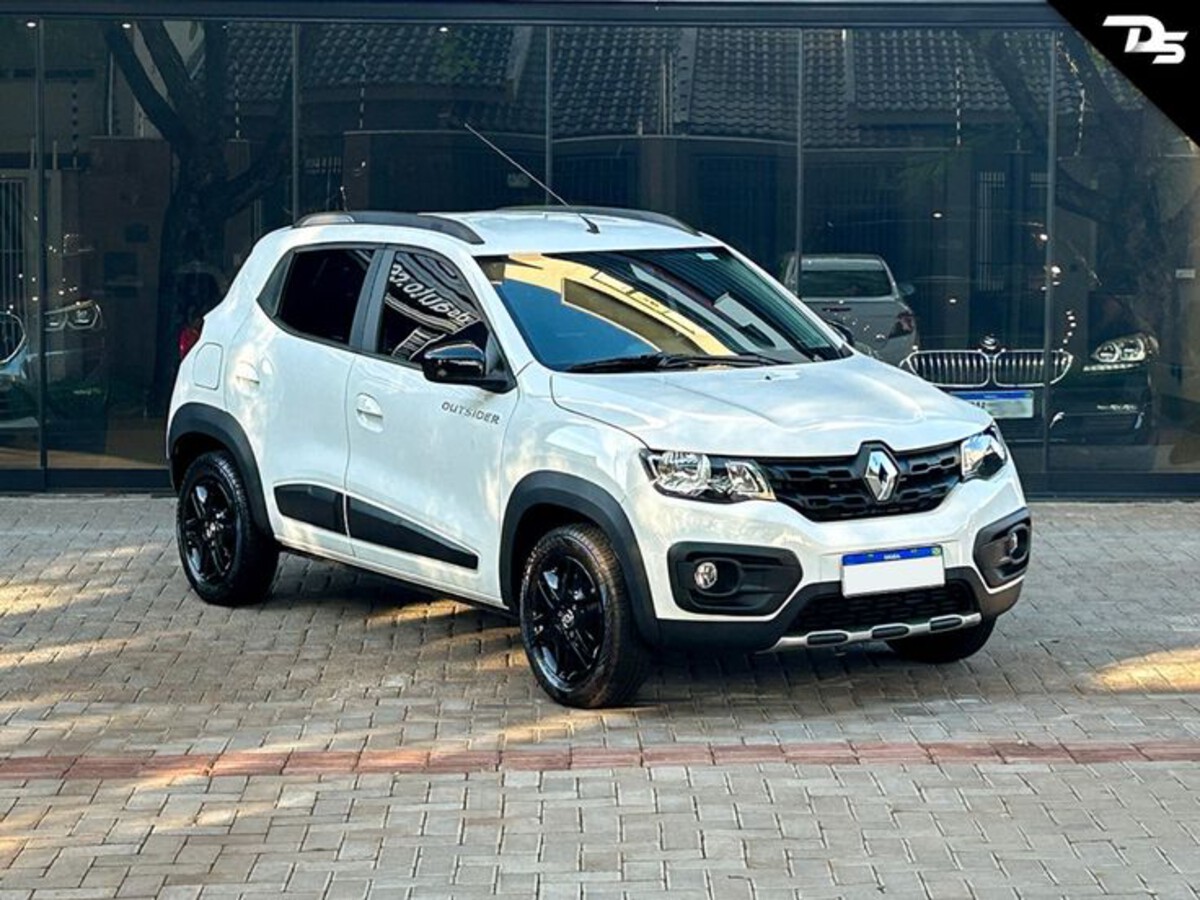
The Renault Kwid was developed as an entry-level hatchback with a strong emphasis on affordability and low running costs. To achieve this price positioning, the interior design relies heavily on hard plastics and minimal sound insulation materials. While the cabin design is modern in appearance, the underlying material quality is basic, which affects long-term refinement.
One of the first areas where rattling can appear in the Kwid is the dashboard. The large plastic surfaces are relatively thin, which makes them more flexible under vibration. When driving on uneven roads, these panels can flex slightly and produce faint creaking sounds. The center console area is particularly sensitive because it houses multiple components within a compact space.
Door panels in the Kwid also tend to develop noise over time. The internal structure uses simple fastening clips that are sufficient for standard use but can loosen gradually under repeated stress. As the vehicle ages, vibrations from road conditions can cause slight movement between the outer and inner door layers, leading to audible squeaks during motion.
Another contributing factor is the lightweight build of the vehicle. While this helps improve fuel efficiency and maneuverability, it also means less natural damping of vibrations. Road irregularities are transmitted more directly into the cabin structure, increasing the stress on interior components. Over time, this can accelerate the development of minor rattles.
The rear section of the cabin, including the parcel shelf and boot lining, can also become a source of noise. These areas are designed with simplicity in mind, and limited insulation means components can shift slightly during driving. Even small movements become noticeable in quieter environments, especially at higher speeds.
Despite these limitations, the Kwid serves its intended purpose well as an affordable urban vehicle. Its interior is functional and visually modern for its price category, but long-term refinement is not its primary design goal. Owners often prioritize cost savings and practicality over cabin silence, which aligns with the vehicle’s intended market segment.

4. Tata Tiago
Early production versions of the Tata Tiago received attention for offering strong value in the hatchback segment, but initial batches had some reported issues related to interior fit and finish consistency. The plastics used in the cabin are generally durable, but minor variations in assembly quality during early production sometimes led to small gaps between trim components.
One of the most commonly reported areas for noise was the dashboard assembly. In some early units, slight misalignment between the central console and upper dashboard created conditions where vibration could produce faint rattling sounds. These issues were not structural in nature but were linked to tightness of panel fitment during manufacturing.
Door trims in early Tiago models were another area where users occasionally reported noise. The internal clips and locking mechanisms were generally strong, but small inconsistencies in installation sometimes resulted in uneven pressure distribution. This could allow slight movement of the door panel when driving over broken or uneven road surfaces.
Another contributing factor was the suspension feedback transfer into the cabin. The Tiago is built on a rigid platform, which improves handling but also means that vibrations from rough roads can reach interior components more directly if insulation points are not perfectly aligned. In early models, this sometimes made minor noises more noticeable.
It is important to note that Tata Motors made improvements in later production runs. Fit and finish standards were refined, and better quality control reduced the occurrence of loose interior panels. As a result, newer versions of the Tiago show significantly improved cabin refinement compared to early batches, although older units may still reflect initial production limitations.
5. Datsun Go
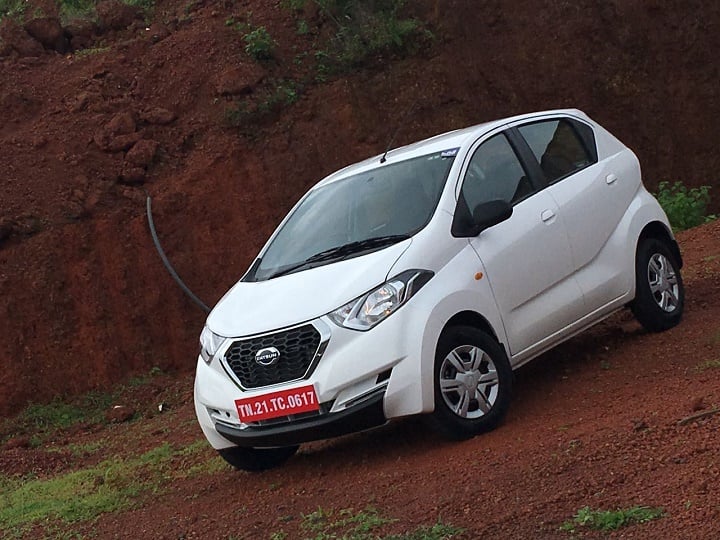
The Datsun Go is positioned as an entry-level vehicle with a strong focus on affordability and basic transportation needs. As a result, its interior design prioritizes cost efficiency over long-term acoustic refinement. The plastics used throughout the cabin are lightweight and rigid, which helps reduce manufacturing cost but can increase the likelihood of vibration-related noise over time.
One of the most common sources of rattling in the Datsun Go is the dashboard structure. The large, flat plastic surfaces can develop slight movement when exposed to continuous vibration from road conditions. Over time, small gaps between panels may form, especially in areas where multiple components meet. This can lead to light squeaking sounds during driving.
Door panels are another area where noise can develop. The internal construction is simple, with limited use of damping materials. As the vehicle ages, clips and mounting points may lose some of their initial tightness. This allows minor movement between the door trim and metal frame, which becomes more noticeable on rough roads.
The overall lightweight construction of the vehicle also contributes to cabin noise behavior. While it improves fuel efficiency and makes the car easy to handle in city conditions, it also reduces the natural absorption of road vibrations. This means that more movement is transferred directly into interior components, increasing the likelihood of rattles forming over time.
The rear section of the cabin, including boot trim and parcel shelf areas, can also contribute to noise. These components are designed for simplicity and cost control, which means fewer reinforcement points are used. As a result, long-term usage on uneven roads can lead to slight loosening and movement of these parts.
Despite these limitations, the Datsun Go remains a functional option for budget-conscious buyers who prioritize affordability over refinement. Its interior is basic but practical, and while it may develop noises earlier than more premium competitors, it still fulfills its core role as an entry-level urban vehicle.
5 Cars That Rattle Early

1. Maruti Suzuki Swift
The older generations of the Maruti Suzuki Swift gained popularity because of their performance, affordability, and low maintenance costs, but interior refinement was never its strongest area. The cabin was designed with a focus on cost efficiency and weight reduction, which led to the use of relatively hard plastics and simple fastening mechanisms.
These materials are durable enough for regular use, but they lack the density and damping properties that help prevent long-term vibration noise inside the cabin. Over time, this becomes noticeable as small squeaks and rattles begin to appear in different parts of the interior.
One of the earliest areas where noise develops is the dashboard assembly. The large plastic structure is made up of multiple interconnected panels, and although they fit reasonably well when new, minor gaps can form after extended usage. These gaps are often not visible but can still allow slight movement between components.
When the car is driven on uneven roads, this movement becomes audible as soft creaking sounds. Temperature variations further contribute to this issue, as plastic expands during heat and contracts during cooler conditions, gradually reducing the tightness of panel alignment.
Door panels in older Swift models are another major source of interior noise over time. The internal clips and mounting points are designed for simplicity and cost control, which means they do not have the same long-term locking strength found in higher-end vehicles.
With frequent use, especially in conditions where doors are opened and closed repeatedly, these clips can slowly lose their grip. Once that happens, even minor road vibrations are enough to cause the door trims to vibrate slightly against the metal frame, producing noticeable rattling sounds inside the cabin.
The rear section of the cabin also contributes to noise development, particularly in the parcel shelf and boot lining areas. These parts are often made using lightweight materials that are not heavily reinforced, which makes them more prone to movement over time.
When the vehicle travels at higher speeds or over broken roads, air pressure changes and vibration waves can cause these components to shift slightly. This leads to intermittent rattling sounds that can be difficult to trace but are commonly reported in older high-mileage units.
Despite these issues, the Swift continues to remain a practical and widely used vehicle due to its strong engine performance, easy maintenance, and overall affordability. Many owners accept the presence of minor interior noises as part of long-term ownership, especially in older models that have been driven extensively.
Regular tightening of interior fittings and occasional maintenance can reduce rattling, but the fundamental material and design choices define how the cabin behaves over time.
2. Hyundai i10
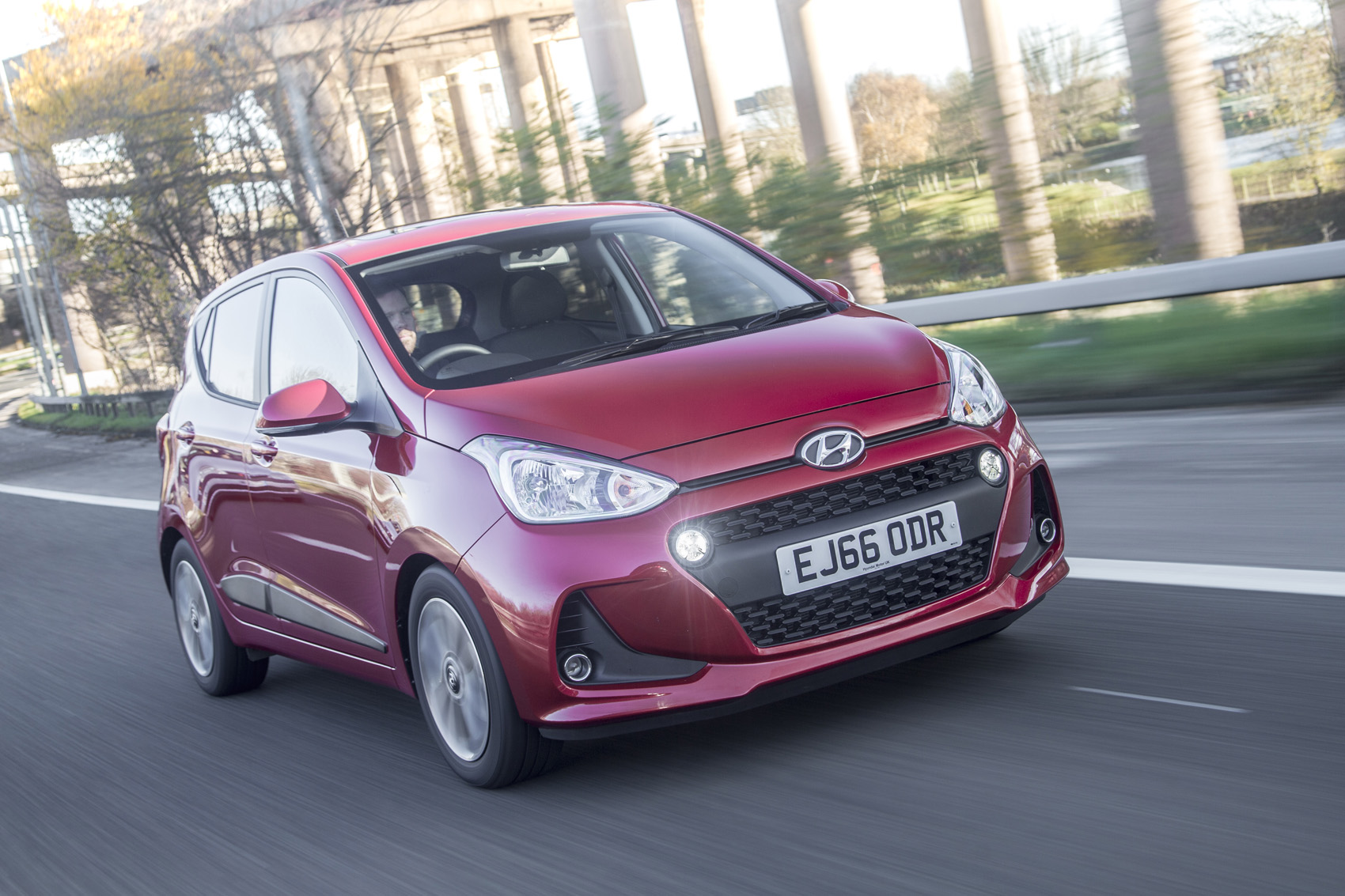
Older Hyundai i10 models were designed primarily as compact city cars, focusing on ease of driving, fuel efficiency, and affordability rather than premium interior refinement. The cabin materials reflect this approach, with the use of rigid and lightweight plastics that are cost-effective but not highly resistant to long-term vibration fatigue.
While the interior feels functional and tidy when new, prolonged use gradually exposes limitations in sound insulation and material density.
The dashboard area is one of the most common sources of rattling in the i10 over time. It is constructed from multiple plastic sections that are joined together, and although these joints are secure initially, small tolerances between panels can widen after extended usage.
Heat exposure plays a significant role in this process, especially in warmer climates where constant expansion and contraction of plastic materials can slightly loosen their fit. Once this happens, even minor road vibrations can produce faint but persistent squeaking noises from the dashboard region.
Door trims also tend to develop noise as the vehicle ages. The internal structure uses basic clip systems that are designed for cost efficiency rather than long-term vibration resistance. After repeated usage cycles, these clips may not hold the panels as tightly as they did originally.
This allows the door trim to shift slightly when the vehicle is driven over uneven surfaces or speed breakers. In addition, internal wiring for window controls and speakers can sometimes contribute to light tapping sounds if not fully secured within their channels.
Another factor contributing to cabin noise is the compact and lightweight design of the vehicle. Because the i10 has a smaller body structure, it does not absorb road vibrations as effectively as larger or heavier cars. Instead, vibrations tend to travel more directly into the cabin structure. This increases the stress placed on interior components, making it more likely for small gaps or loose fittings to generate noise over time.
Even though newer Hyundai models have made significant improvements in material quality and build consistency, older i10 units still reflect an earlier design philosophy focused heavily on affordability. Many owners appreciate the car for its reliability and city-friendly nature, but interior refinement remains one of its weaker aspects, especially as the vehicle accumulates mileage.
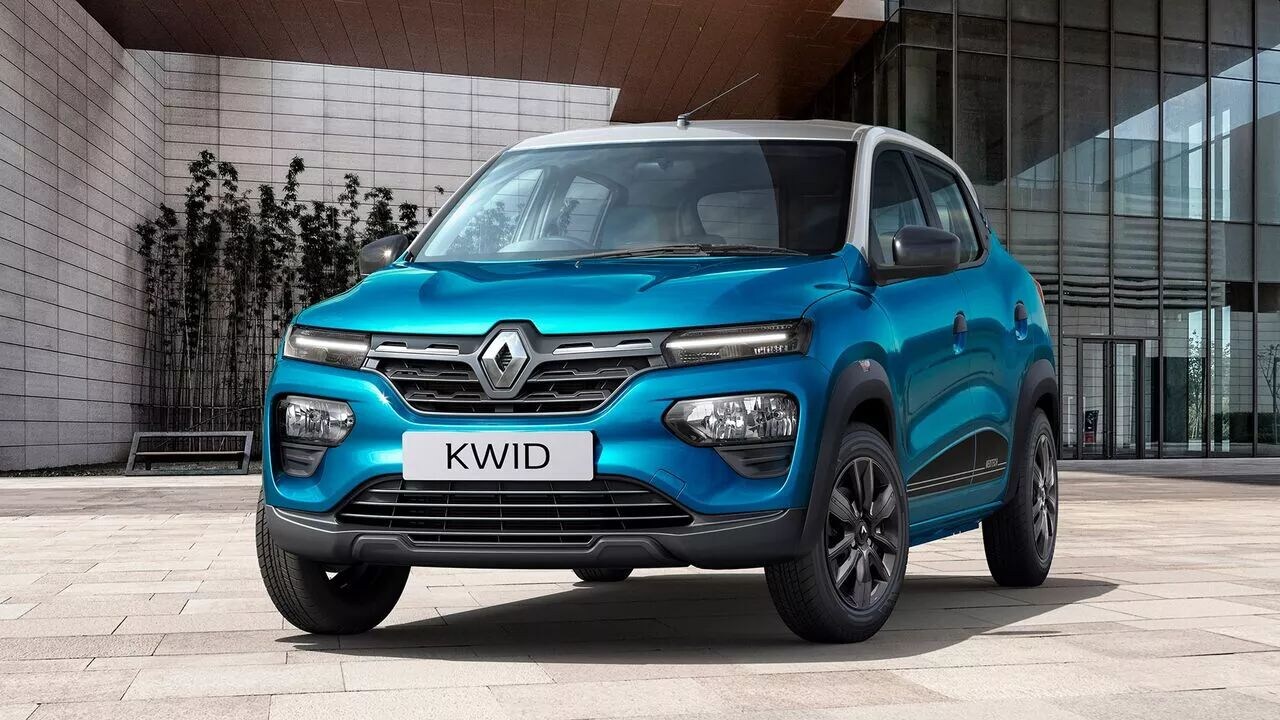
3. Renault Kwid
The Renault Kwid is positioned as a budget-friendly hatchback, and its interior design clearly reflects a strong emphasis on affordability and basic functionality.
The materials used throughout the cabin are primarily hard plastics that are lightweight and easy to manufacture, but they lack the density and reinforcement needed to maintain long-term acoustic stability. While the interior appears modern in design, the underlying structure is relatively simple, which can lead to increased noise development over time.
The dashboard is one of the most noticeable areas where rattling can occur. Its large surface area is made up of multiple molded plastic sections that are not heavily reinforced internally.
When the vehicle is driven on rough or uneven roads, these panels can flex slightly under vibration stress. Over time, repeated flexing may create small gaps between joints, which can result in soft creaking or clicking sounds. The issue becomes more noticeable in older units or those frequently driven on poor road surfaces.
Door panels in the Kwid also contribute to long-term noise behavior. The internal construction relies on basic fastening clips and minimal padding, which helps keep costs low but reduces vibration resistance. As the vehicle ages, these clips can gradually loosen, allowing slight movement between the door trim and the metal frame. This movement is often subtle but becomes audible when the car is in motion, particularly on uneven terrain.
Another important factor is the vehicle’s lightweight structure, which is a key part of its fuel efficiency advantage. However, this lightweight design also means that road vibrations are transmitted more directly into the cabin.
Unlike heavier vehicles that naturally absorb some of this energy, the Kwid passes more vibration into its interior components. This increases the likelihood of rattles forming in multiple areas, especially under sustained driving conditions.
The rear cabin area, including the parcel shelf and boot trim, is another zone where noise may develop. These components are designed with simplicity in mind and do not include extensive reinforcement or damping materials. As a result, slight movement can occur over time, particularly when the vehicle is exposed to continuous vibration. Even small shifts in these areas can create audible sounds that are noticeable during quiet driving.
Despite these limitations, the Kwid remains a practical choice for buyers seeking an affordable and efficient urban vehicle. Its interior is designed to meet basic transportation needs rather than long-term premium comfort, and while rattles may develop earlier compared to more expensive cars, it still fulfills its intended role in the entry-level segment.
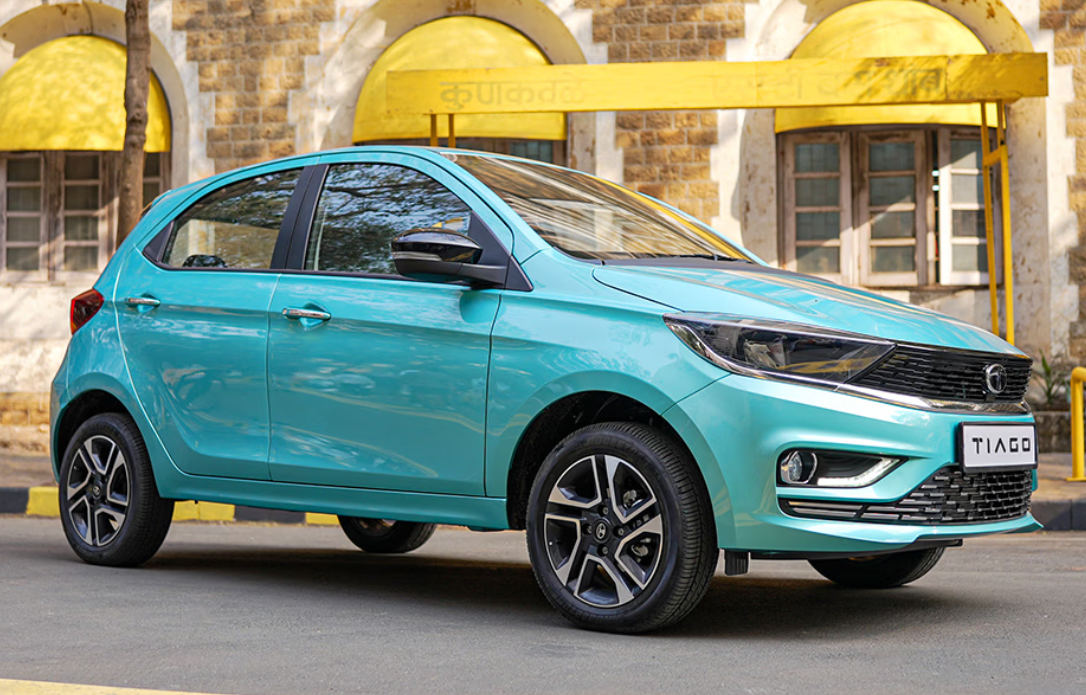
4. Tata Tiago
Early production models of the Tata Tiago were well-received for offering strong value and solid mechanical performance in the entry-level hatchback segment. However, initial batches showed some inconsistency in interior assembly quality, which contributed to reports of minor cabin noises developing over time. The plastics used in the interior are generally durable and robust, but the precision of fitment in early units was not always uniform across all production lines.
One of the most commonly reported areas for rattling was the dashboard assembly. In some early vehicles, slight misalignment between the central console and surrounding trim pieces created small gaps that could become sources of vibration noise.
These gaps were not large enough to affect functionality, but they allowed enough movement for the panels to produce faint rattling sounds when the car was driven on uneven roads. Temperature changes also played a role, as expansion and contraction of materials could slightly exaggerate these minor gaps.
Door trims in early Tiago models also contributed to interior noise in some cases. While the overall design of the door panels was solid, variations in clip tension and installation alignment occasionally resulted in uneven pressure distribution.
This meant that certain sections of the door trim were held more tightly than others, allowing minor movement during driving. Over time, this could produce soft squeaks, especially when the vehicle encountered rough surfaces or repeated vibration cycles.
Another contributing factor was the way road vibrations were transmitted into the cabin. The Tiago’s platform is relatively rigid, which improves safety and handling performance, but it also means that vibrations from uneven roads can reach interior components more directly if insulation points are not perfectly aligned. In early production models, this sometimes made small interior noises more noticeable compared to later refined versions.
Over time, Tata Motors addressed many of these issues through improved quality control and better assembly consistency. Later production batches of the Tiago show significantly improved cabin refinement, with reduced incidence of rattles and better long-term panel stability. However, early units still reflect the learning curve of initial production scaling in this segment.
5. Datsun Go
The Datsun Go was designed as an entry-level vehicle aimed at affordability and basic mobility needs, and its interior construction reflects this clear priority. The cabin uses lightweight and rigid plastic materials that are cost-effective but not optimized for long-term acoustic refinement. While the interior layout is simple and functional, it lacks the reinforcement and damping measures found in more premium vehicles.
The dashboard is one of the primary areas where rattling can develop over time. Its broad, flat plastic surfaces are relatively thin, which allows them to flex slightly under continuous vibration.
When the vehicle is driven over uneven roads, this flexing can produce faint creaking sounds, especially around joints where multiple panels meet. Over time, small gaps can form between these sections, increasing the likelihood of noise during motion.
Door panels are another common source of interior rattles in the Datsun Go. The internal structure uses basic clip mechanisms and minimal padding, which helps reduce manufacturing costs but also limits long-term stability. With extended use, these clips may lose some of their initial tightness, allowing the door trim to move slightly against the metal frame. This movement becomes more noticeable on rough roads, where vibration intensity is higher.
The lightweight nature of the vehicle also contributes significantly to cabin noise behavior. While this design choice improves fuel efficiency and makes the car easier to handle in city traffic, it reduces the car’s ability to absorb road vibrations. As a result, more vibration energy is transferred directly into interior components, increasing the likelihood of rattles forming in multiple areas of the cabin.
The rear section of the cabin, including boot trim and parcel shelf areas, is also prone to minor noise development. These components are designed with simplicity and cost efficiency in mind, meaning they do not include extensive reinforcement or sound-damping materials.
Over time, this can allow slight movement between panels, which becomes audible during driving, especially at higher speeds or on uneven surfaces.
Despite these limitations, the Datsun Go continues to serve as a practical and budget-conscious choice for entry-level buyers. Its interior is functional and easy to maintain, and while it may develop rattles earlier than more refined competitors, it still meets the basic needs of urban transportation effectively.
