Every day driving often comes down to practicality, especially when it involves routine grocery runs and bulk shopping. The comparison of “6 Hatchbacks for Grocery Runs In the USA vs. 6 Sedans with Tiny Openings” highlights how different body styles directly shape convenience in real-world use.
Hatchbacks are designed with wide liftgates, flat cargo floors, and foldable rear seats that maximize usable space, making them ideal for loading groceries, strollers, and large household items with minimal effort. Sedans, on the other hand, often prioritize sleek styling, cabin refinement, and structural rigidity, which can lead to smaller trunk openings and more restrictive loading access despite having usable interior volume.
From versatile models like the Honda Civic Hatchback and Toyota Prius to luxury-focused sedans such as the Mercedes-Benz E-Class and Lexus ES, each vehicle reflects a different balance between style, performance, and utility.
Some emphasize ease of loading and adaptability, while others favor driving comfort or sporty character at the expense of cargo flexibility. This comparison breaks down how these design decisions affect everyday grocery convenience across both categories.
6 Hatchbacks for Grocery Runs In the USA
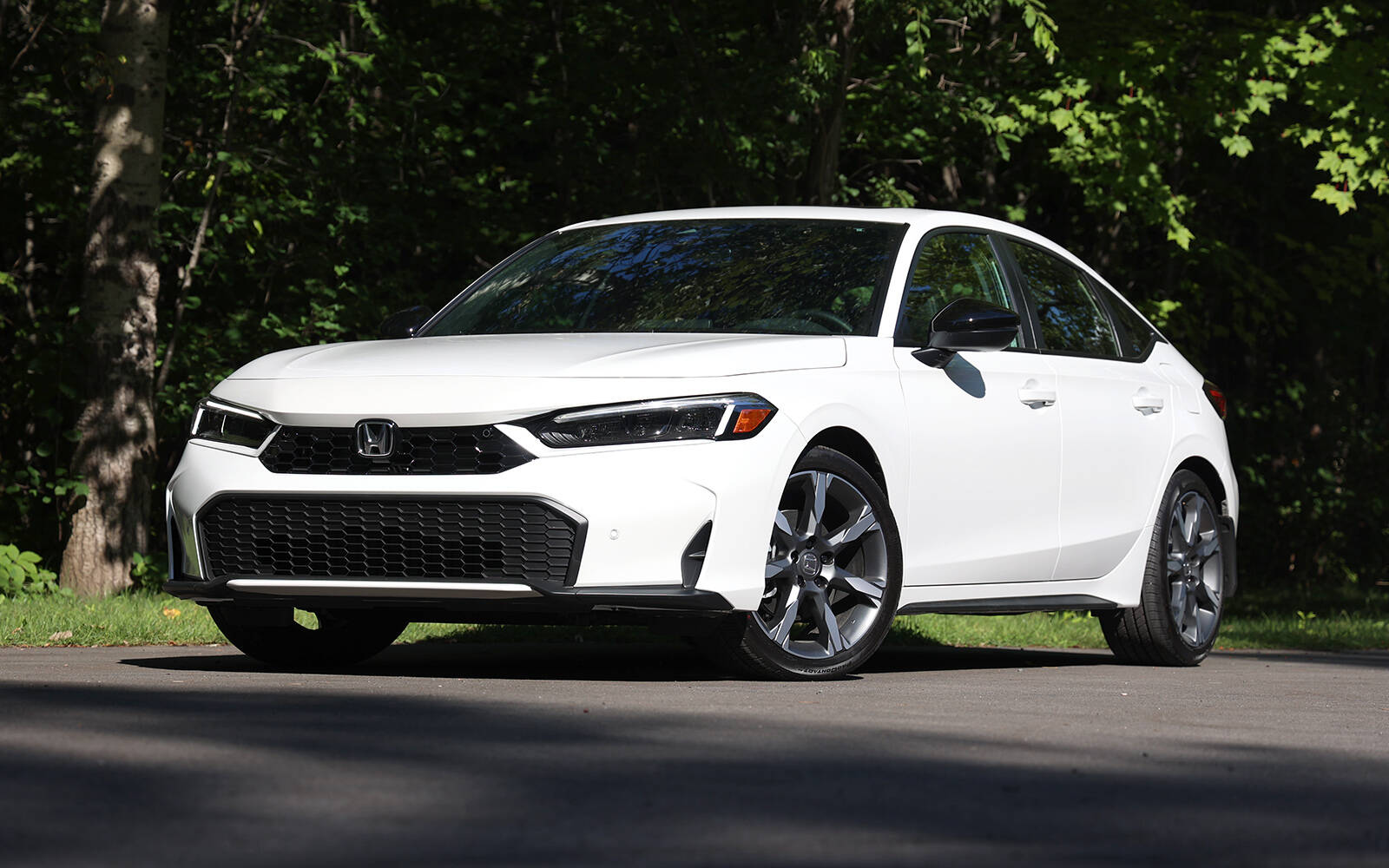
1. 2026 Honda Civic Hatchback
The 2026 Honda Civic Hatchback is widely regarded as one of the most practical compact cars for daily use, especially for errands like grocery shopping and bulk hauling. Its biggest strength is its cargo capacity, offering around 24.5 to 25 cubic feet of space behind the rear seats.
This expands to nearly 50 cubic feet when the rear seats are folded flat, allowing the vehicle to handle large grocery loads, strollers, luggage, or even small furniture items. The wide, square-shaped liftgate opening makes loading and unloading straightforward, reducing the need to awkwardly angle bulky items.
A low cargo floor also makes lifting heavy bags or crates easier and more comfortable, which is especially helpful during frequent shopping trips.
In terms of performance, the Civic Hatchback is powered by a 1.5-liter turbocharged engine that produces around 178 horsepower and is paired with a continuously variable transmission for smooth driving. It delivers a balanced mix of responsiveness and efficiency, making it suitable for both city driving and highway use.
A hybrid version is also available, offering up to about 200 horsepower while significantly improving fuel economy, making it an attractive option for drivers who frequently run errands or commute in heavy traffic. Non-hybrid models still offer competitive mileage, with efficient fuel consumption in both urban and highway conditions.
The interior is modern and thoughtfully designed, featuring a 9-inch infotainment system with Google built in, along with Apple CarPlay and Android Auto compatibility. A 10.2-inch digital instrument cluster provides clear driving information, while higher trims include a premium Bose 12-speaker audio system. The cabin is designed for convenience and usability, with intuitive controls and a driver-focused layout.
Comfort is generally strong due to a well-tuned suspension system, although some road noise can be noticeable at higher speeds. Safety is a major strength, with Honda Sensing technologies such as adaptive cruise control, lane-keeping assist, and collision mitigation systems providing added confidence in traffic.
The model is also known for strong reliability, making it a dependable choice for long-term ownership and everyday practicality.
2. 2026 Toyota Prius
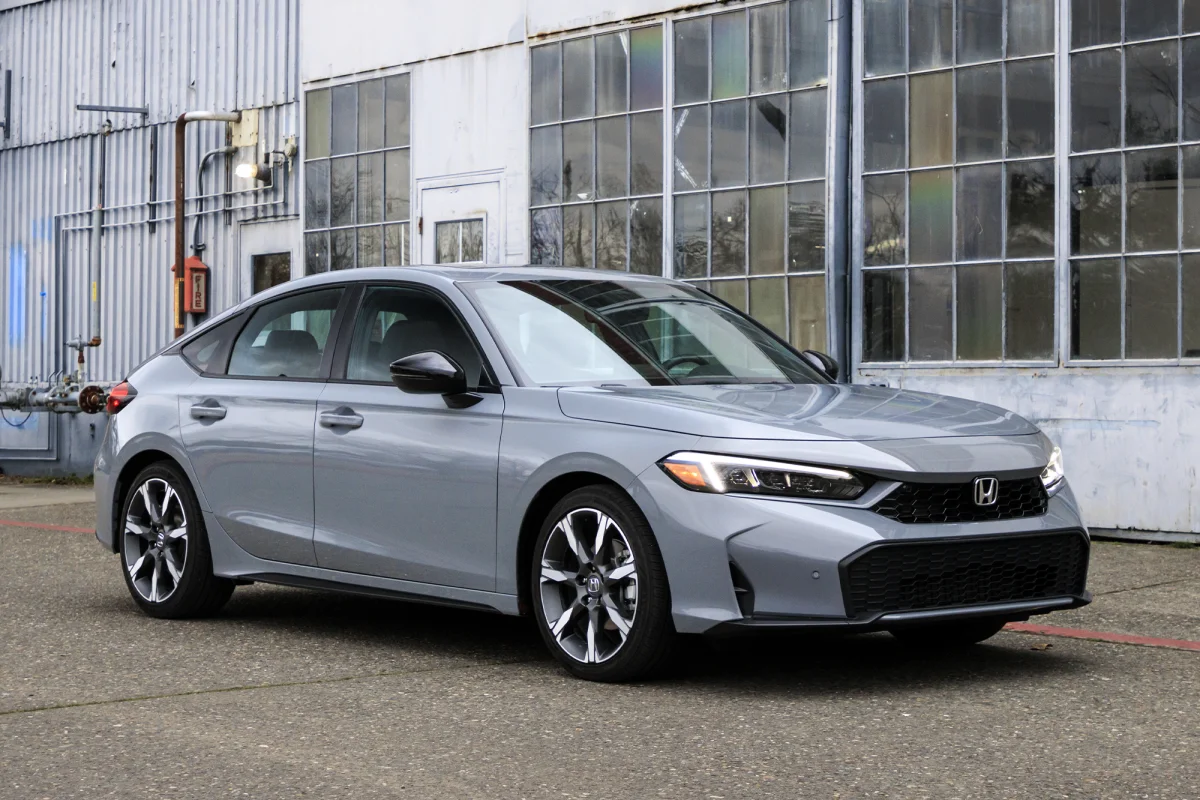
The 2026 Toyota Prius continues to evolve into a more stylish compact hatchback while maintaining the practicality and efficiency that made it a suburban and urban favorite. Its liftback design is one of its biggest strengths because it provides a wide and tall rear opening that makes loading groceries, boxes, and other bulky items much easier than a traditional sedan trunk.
The cargo area benefits from a flat floor created by the well-placed hybrid battery, which improves usability by allowing items to be stacked or arranged neatly without awkward space constraints. This design makes it especially convenient for grocery runs, where multiple bags can be placed side by side with minimal effort.
Fuel efficiency remains one of the Prius’s defining features. Standard front-wheel-drive models deliver up to 57 miles per gallon in city driving and around 56 miles per gallon on the highway. Even with all-wheel drive, which slightly reduces efficiency, the vehicle still achieves impressive mileage in the low to mid 50 MPG range.
This level of efficiency makes frequent errands significantly more affordable compared to conventional gasoline vehicles. The plug-in hybrid version adds even more versatility with about 39 miles of electric-only driving range, allowing short trips such as grocery runs to be completed without using fuel.
Power output ranges from 194 to 196 horsepower, depending on configuration, which provides adequate performance for city traffic and highway cruising.
Inside, the Prius features a modern but familiar cabin layout that focuses on usability. It comes standard with an 8-inch infotainment screen, while higher trims offer a larger 12.3-inch display. Wireless Apple CarPlay and Android Auto are included, along with voice control and over-the-air software updates.
The interior is designed for practicality, although rear-seat headroom is somewhat limited due to the sleek roofline. Cargo capacity remains strong for a hybrid hatchback, with up to 23.8 cubic feet of space behind the rear seats and significantly more when folded down. This allows it to handle multiple grocery bags or larger items with ease.
Safety is a major advantage, with Toyota Safety Sense providing features such as adaptive cruise control, lane-keeping assist, and blind-spot monitoring as standard equipment. Reliability is another key strength, supported by strong consumer satisfaction and long warranty coverage, including up to 10 years for hybrid components.
The Prius blends efficiency, practicality, and modern technology into a compact vehicle that is well-suited for everyday commuting and routine errands.
3. 2026 Kia K4 Hatchback
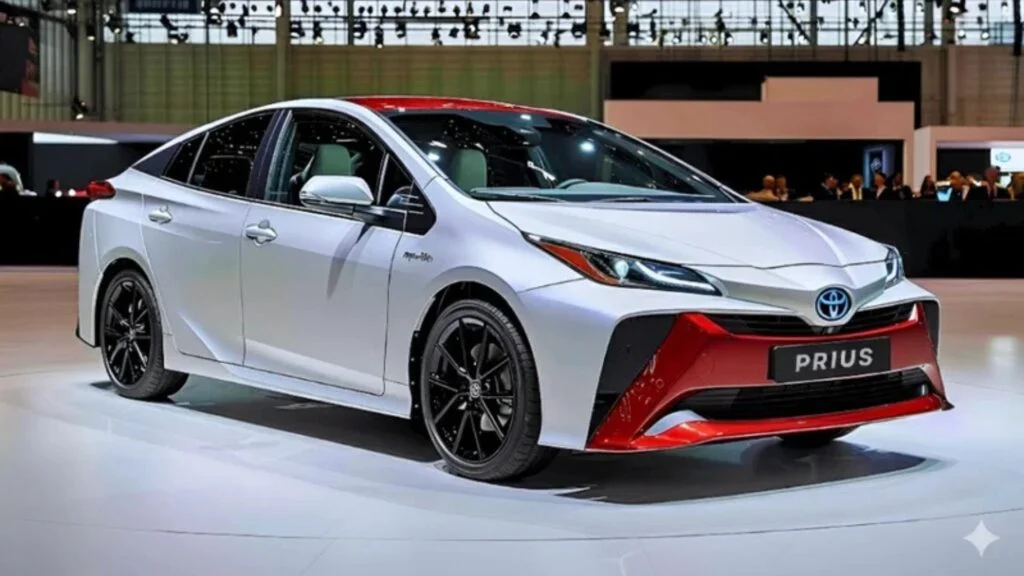
The 2026 Kia K4 Hatchback, which replaces the Forte lineup, is designed to combine sleek commuter styling with strong everyday practicality. Unlike the sedan version, the hatchback focuses heavily on utility, offering a more flexible cargo area that makes it especially suitable for grocery runs and daily errands.
Its boxier rear design improves usable space, allowing grocery bags and bulk items to be stacked more efficiently without interfering with rear glass clearance. Kia has also improved interior storage design, adding deep cargo-side pockets that help secure fragile items such as eggs, bottles, and other delicate groceries, reducing movement during transit.
One of the strongest advantages of the K4 Hatchback is its cargo capacity, which reaches up to 59.3 cubic feet when the rear seats are folded. This puts it among the most spacious vehicles in its class and allows it to handle large grocery hauls, shopping trips, or even small household items with ease.
Even with the seats up, it offers more usable space than the sedan, making it more versatile for everyday use. The low loading floor and wide hatch opening further improve convenience by making it easier to lift and place heavier items without strain.
Inside, the K4 Hatchback prioritizes comfort and technology. It features a modern cabin layout with dual 12.3-inch displays that serve as both the infotainment system and digital instrument cluster.
Wireless Apple CarPlay and Android Auto come standard, offering seamless smartphone integration. The interior also benefits from class-leading rear legroom and improved headroom, making it comfortable for passengers while still leaving space for cargo flexibility.
Performance options include a standard 2.0-liter engine producing 147 horsepower and an available 1.6-liter turbocharged engine producing around 190 horsepower. The turbo variant delivers more engaging acceleration paired with an 8-speed automatic transmission. Fuel economy remains competitive for the segment, with efficient consumption suited for city driving and errands.
Higher trims add features such as heated and ventilated seats, a 360-degree camera system, and sport-oriented suspension tuning for improved handling. While ride comfort is generally strong, some bumps may be noticeable on rough roads, and brake feel can be slightly soft.
Despite these minor drawbacks, the K4 Hatchback stands out as a value-driven, tech-rich compact that prioritizes practicality, space, and everyday usability.
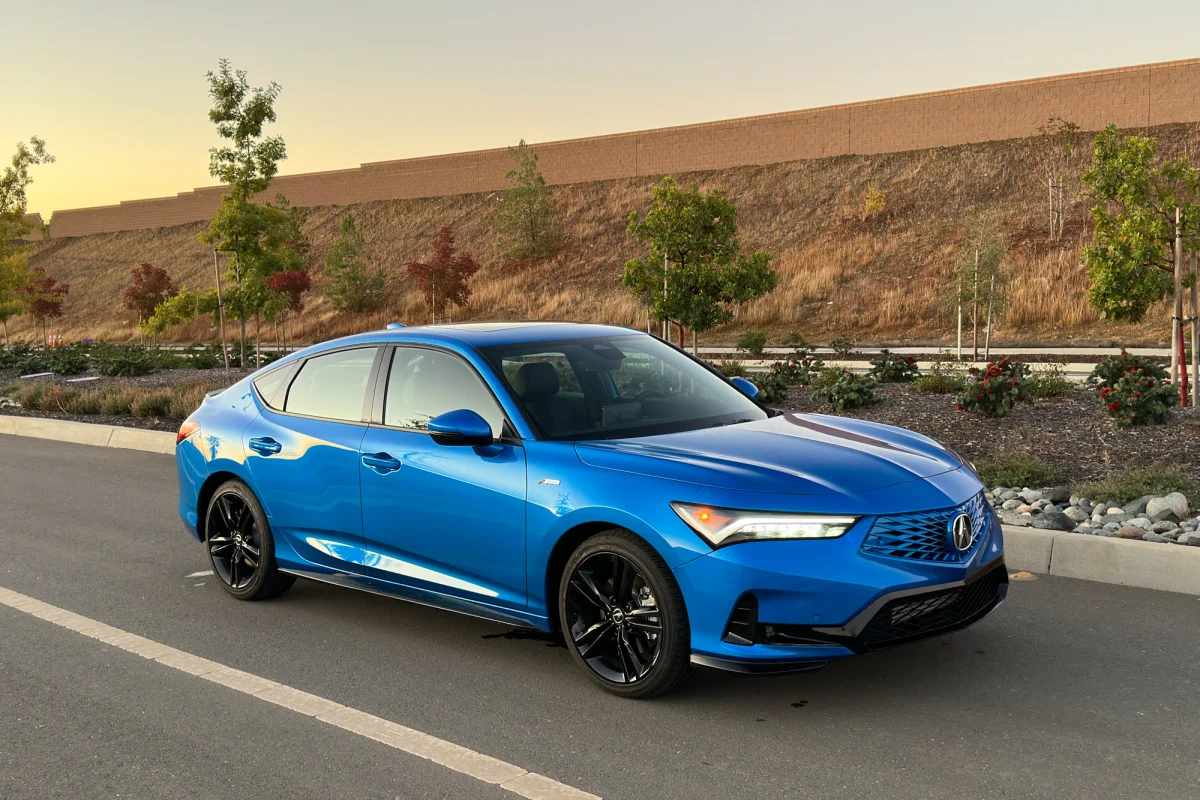
4. 2026 Acura Integra
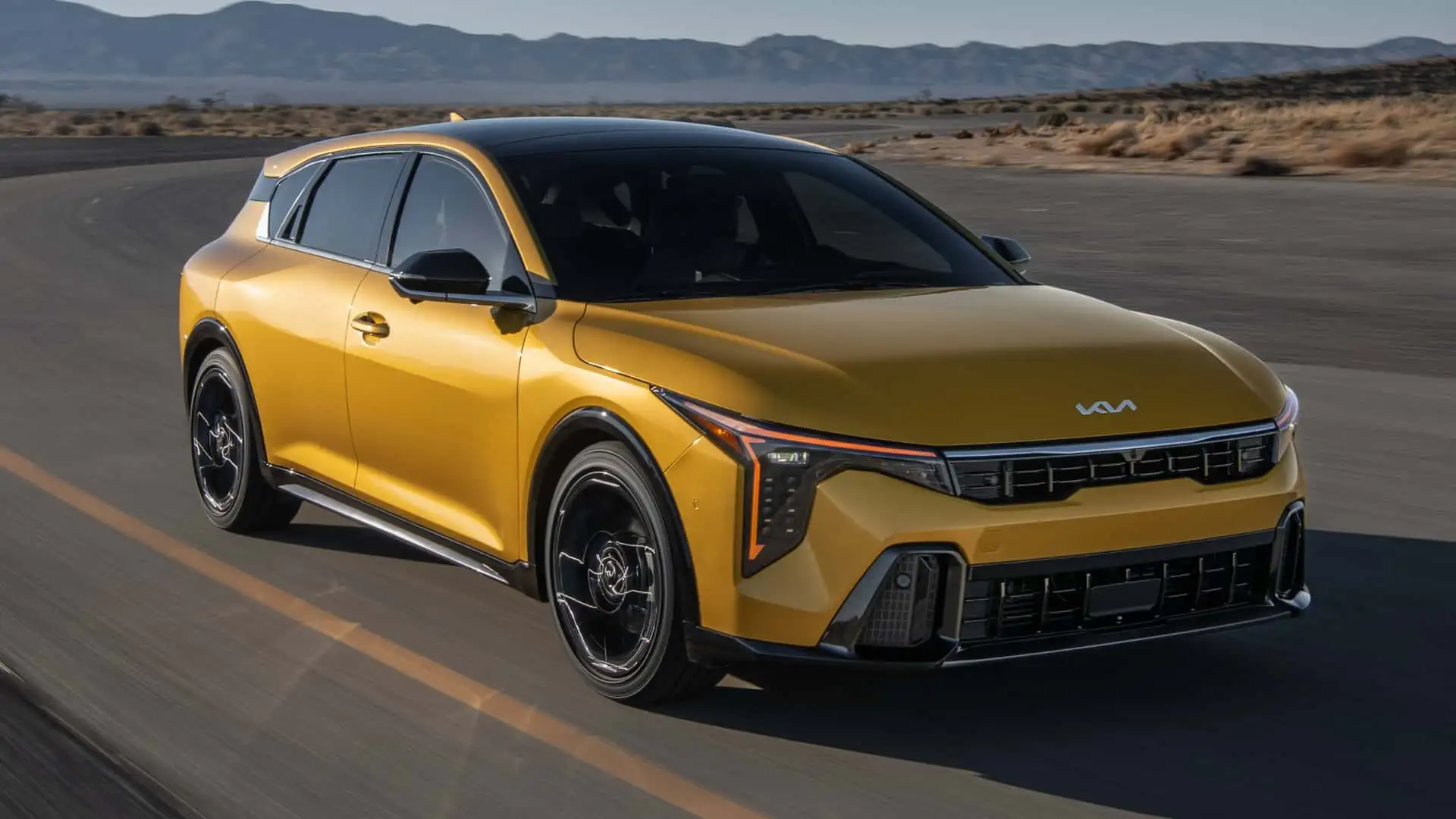
The 2026 Acura Integra blends luxury driving with surprising everyday practicality, making it one of the most versatile compact premium cars for tasks like grocery runs. Unlike traditional luxury sedans with small trunk openings, the Integra uses a liftback design with a full rear hatch that opens wide and deep.
This creates a cargo area that is significantly more usable, especially for bulky or long items that would not fit through narrow sedan openings. With about 24.3 cubic feet of cargo space behind the rear seats, it offers far more room than rivals like the Audi A3 and Mercedes-Benz CLA-Class. Folding the rear seats expands this capacity further, allowing the Integra to handle large grocery hauls, luggage, or even a bicycle with ease.
Powering the Integra is a 1.5-liter turbocharged engine producing around 200 horsepower. It delivers a balance of performance and efficiency, making the car feel responsive even when loaded with passengers or cargo.
Transmission options include a continuously variable transmission and an available six-speed manual paired with a limited-slip differential for a more engaging drive. Fuel economy is strong for a luxury sport compact, averaging around 32 MPG combined, with highway figures reaching the high 30s depending on configuration.
Inside, the Integra offers a premium and familiar Acura cabin design with supportive seating and modern tech. A 9-inch infotainment screen comes standard with wireless Apple CarPlay and Android Auto, along with a wireless charging pad.
Higher trims add a head-up display and an upgraded ELS Studio 16-speaker audio system. Rear-seat space is adequate for two passengers, though comfort features in the back are limited compared to front-row amenities.
Cargo practicality is a standout strength. The hatch design allows flexible loading, with the ability to fit multiple carry-on suitcases upright or larger items when the seats are folded. This makes it far more versatile than typical luxury sedans. Safety is also well covered, with standard features including adaptive cruise control, lane-keeping assist, and automated emergency braking with pedestrian detection.
The Integra delivers a mix of sporty handling, premium comfort, and real-world usability, making it a strong choice for drivers who want luxury without sacrificing everyday practicality.
5. 2026 Subaru Impreza
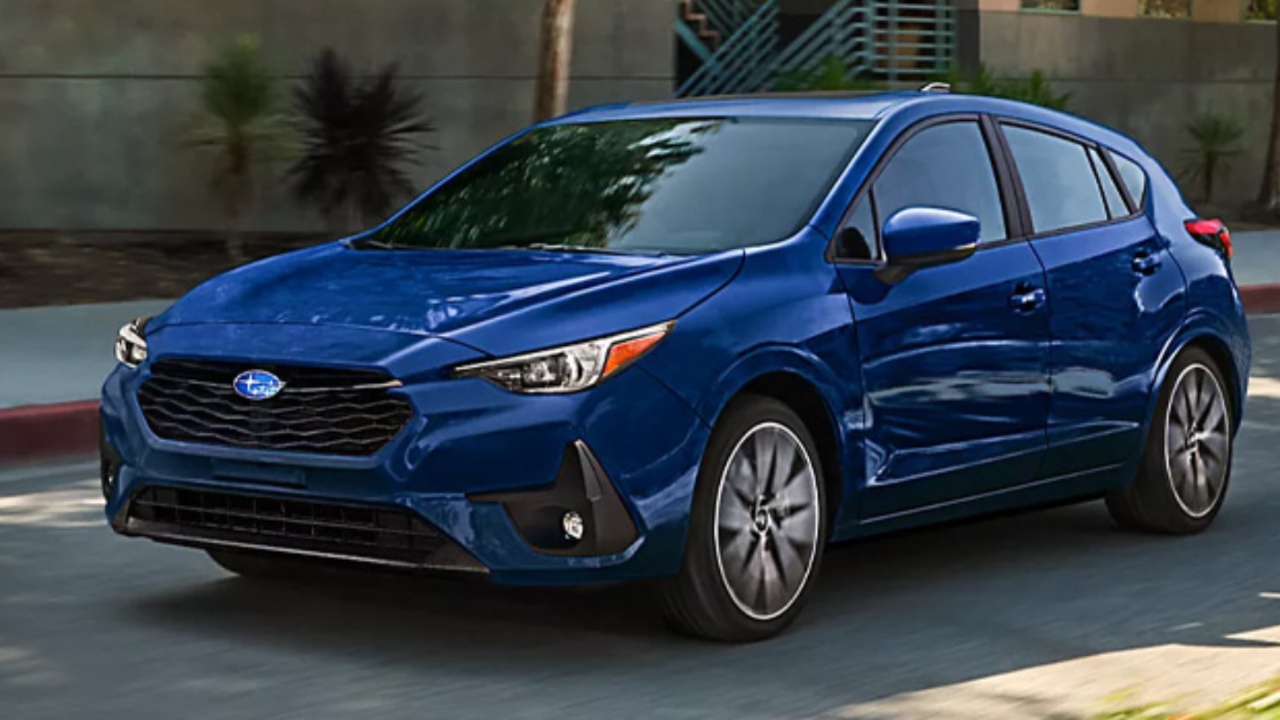
The 2026 Subaru Impreza is designed as a durable and highly practical hatchback that prioritizes utility, safety, and all-weather capability. Now offered exclusively as a hatchback, it emphasizes cargo flexibility and everyday usability, making it especially well-suited for grocery runs and routine errands.
With 20.4 cubic feet of cargo space behind the rear seats, it provides a tall, wide, and deep loading area that easily accommodates grocery bags, household supplies, and weekend shopping trips.
Folding the rear seats expands this space significantly, creating up to 56 cubic feet of capacity, which is enough to handle large loads or bulk purchases with ease. Standard features like cargo hooks and tie-down points help keep items stable, reducing movement during transit.
One of the Impreza’s defining strengths is its standard Symmetrical All-Wheel Drive system, which comes on every trim. This makes it particularly reliable in rain, snow, or uneven road conditions, giving drivers confidence when transporting groceries or supplies in unpredictable weather. Its fuel efficiency also supports frequent errands, with up to 33 MPG on the highway, helping keep running costs low over time.
Power comes from naturally aspirated flat-four engines, with outputs of 152 horsepower in the base version and 180 horsepower in the RS trim. A continuously variable transmission is standard across all models. While performance is not its focus, the RS version offers improved acceleration, reaching 60 mph in about 7.8 seconds. The driving experience is more comfort-oriented than sporty, with stable handling and a smooth ride that suits daily commuting and errands.
Inside, the Impreza features a simple and functional cabin design focused on practicality. An 11.6-inch touchscreen infotainment system supports wireless Apple CarPlay and Android Auto, along with physical controls for key functions. The interior includes comfortable seating, reasonable rear legroom, and split-folding rear seats that improve cargo versatility. Higher trims offer upgraded audio systems and additional safety features.
Safety is a major highlight, with Subaru’s EyeSight suite included as standard. Features such as adaptive cruise control, lane-keeping assist, and automatic emergency braking enhance driver confidence. Optional systems add blind-spot monitoring and rear cross-traffic alert for additional protection.
The Impreza delivers a balanced combination of space, reliability, and all-weather capability, making it a dependable and practical choice for everyday driving and grocery-focused utility.
6. 2026 Volkswagen Golf GTI
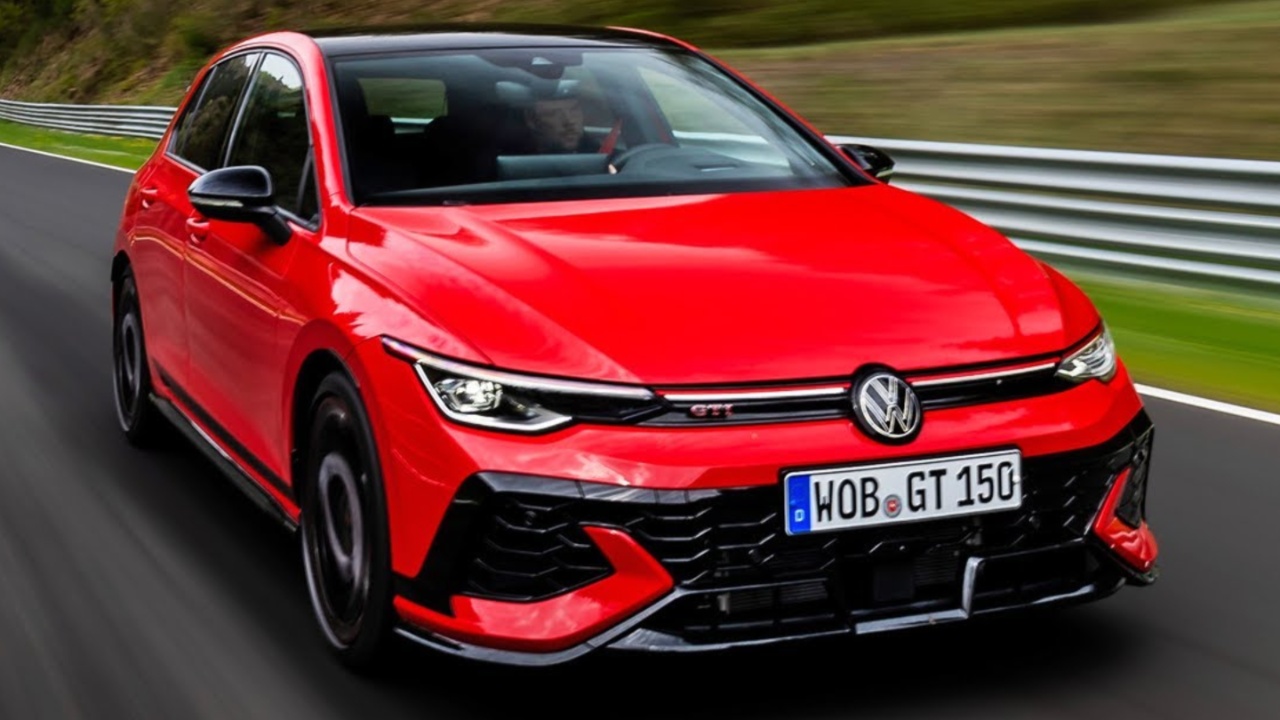
The 2026 Volkswagen Golf GTI continues its long-standing reputation as a practical yet performance-focused hatchback that easily adapts to everyday tasks like grocery runs. Despite its compact size, its boxy and upright design is one of its biggest advantages, allowing for efficient use of interior space.
Unlike sloping sedans that reduce cargo usability, the GTI’s hatchback layout enables tall stacking of grocery bags and bulky items. The adjustable cargo floor and removable rear parcel shelf add further flexibility, making it easier to load items such as plants, bulk groceries, or household supplies. With the rear seats folded, it becomes even more capable of handling large shopping trips or family errands.
Performance remains a defining characteristic of the GTI. It is powered by a 2.0-liter turbocharged engine producing 241 horsepower, paired exclusively with a 7-speed dual-clutch automatic transmission. This setup delivers quick acceleration, with the car reaching 60 mph in around 5.6 seconds in testing.
While the manual transmission is no longer available, the DSG automatic provides fast, responsive shifts that enhance both performance and daily drivability. Fuel efficiency is also respectable for a performance hatchback, rated at around 24 MPG in the city and 32 MPG on the highway, with real-world highway testing achieving even higher efficiency.
Inside, the GTI offers a modern and comfortable cabin with spacious seating for both front and rear passengers. Material quality has improved compared to earlier models, and the updated infotainment system is more intuitive and responsive than before.
A large 12.9-inch touchscreen runs Volkswagen’s latest software and supports wireless Apple CarPlay and Android Auto, along with a voice assistant and multiple USB-C ports. A wireless charging pad adds further convenience for daily use.
Cargo practicality is another strength, with the GTI offering a surprisingly generous storage area thanks to its upright hatchback shape. The fold-flat rear seats expand usability significantly, making it suitable for larger grocery hauls or bulky items.
Safety features are comprehensive, including adaptive cruise control, lane-keeping assist, and automatic emergency braking, with Volkswagen’s IQ.Drive system offering additional driver support.
The GTI combines engaging driving dynamics with strong practicality, making it a versatile option for those who want both everyday usability and a fun driving experience.
Also read: 5 Cars That Stand Out at Vegas Valet vs. 5 That Look Past Their Prime
6 Sedans with Tiny Openings
1. 2026 Mazda3 Sedan
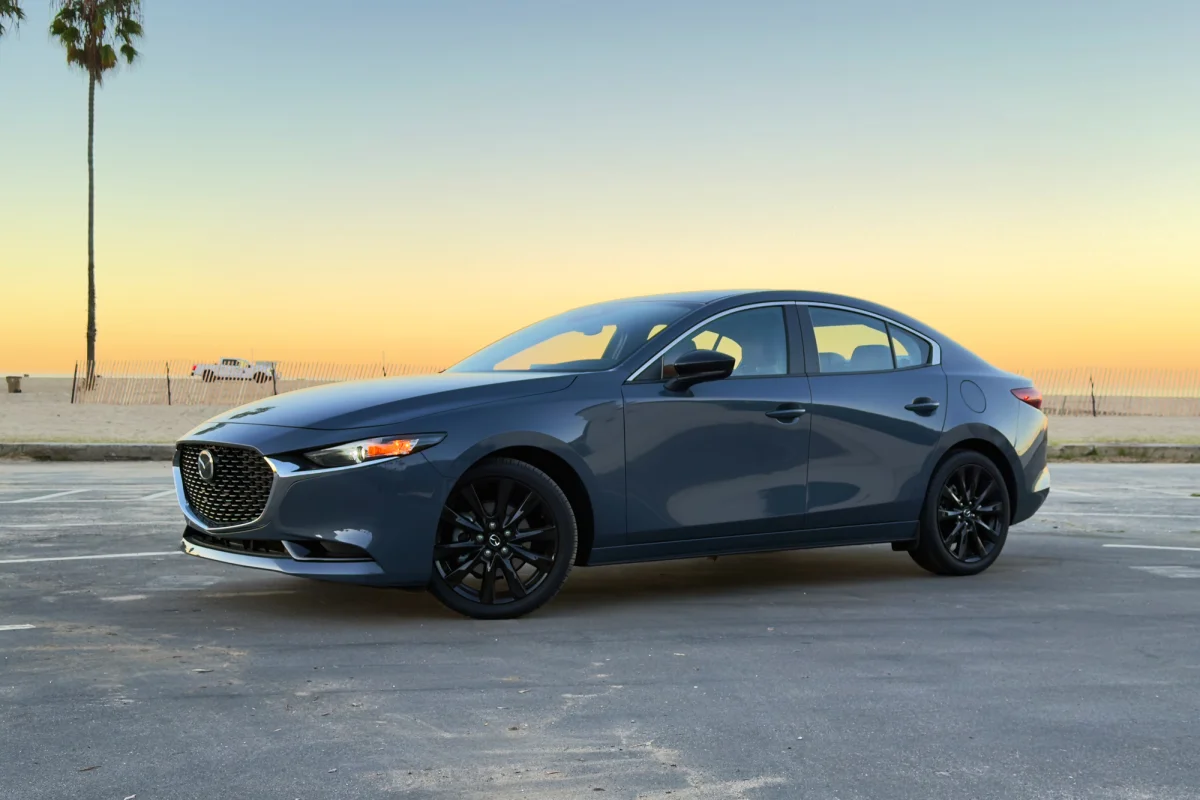
The 2026 Mazda3 Sedan is widely praised for its premium styling and upscale interior, but its design comes with clear limitations in everyday practicality, especially for cargo use. Mazda prioritizes aesthetics over utility, resulting in a sleek, coupe-like exterior that compromises trunk accessibility.
While visually attractive, the trunk opening is notably narrow and shallow, making it difficult to load bulkier items such as large grocery bags, coolers, or family supplies. The design of the rear bodywork also restricts the opening further, which can make arranging groceries feel cramped and inefficient.
With approximately 13.2 cubic feet of trunk space, the Mazda3 Sedan offers less cargo capacity than many rivals in the compact segment. The high liftover height adds another challenge, requiring more effort when lifting heavier items into the trunk.
Even when the space is sufficient in volume, the restricted opening often limits how usable that space actually is in real-world situations. As a result, organizing groceries or larger items can feel like a puzzle due to the confined shape and limited access.
Despite these drawbacks, the Mazda3 Sedan excels in other areas. Its interior is one of the most refined in its class, featuring high-quality materials and a premium feel that rivals more expensive vehicles. The driving experience is also engaging, with sharp handling and a smooth ride that appeals to those who value comfort and performance over cargo flexibility.
For buyers who prioritize practicality, the Mazda3 hatchback offers a more versatile alternative with a wider opening and significantly improved cargo usability. However, the sedan remains best suited for commuters or drivers who value style, refinement, and driving enjoyment over maximum storage capacity.
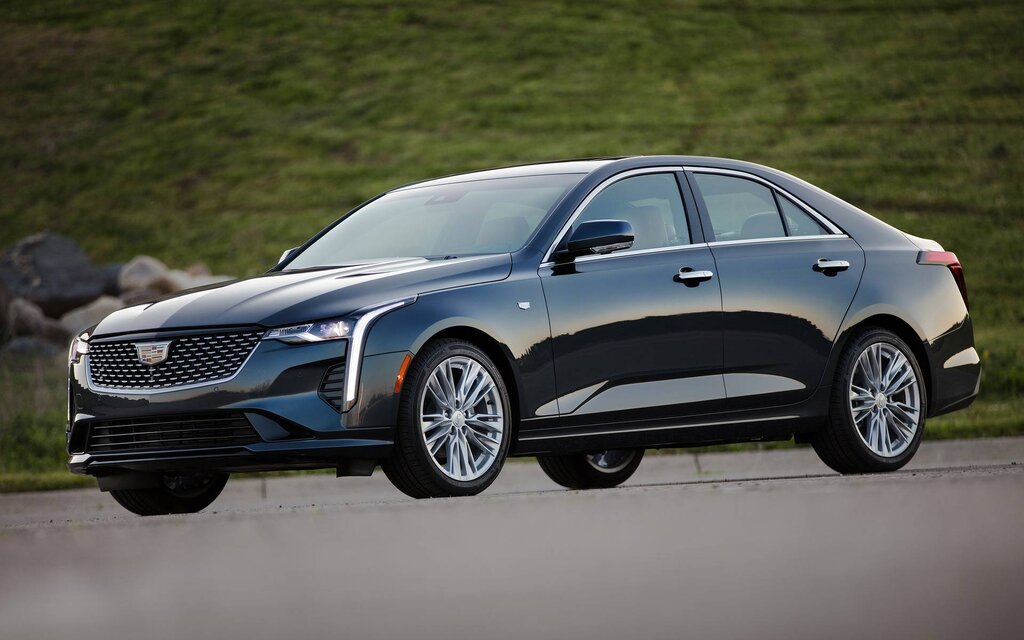
2. 2026 Cadillac CT4
The 2026 Cadillac CT4 is an entry-level luxury sport sedan built primarily for driving performance and agility rather than everyday practicality. Its design reflects this focus, with a compact structure and sporty proportions that prioritize handling and aerodynamics over cargo usability. While it offers a refined and driver-oriented experience, its storage capacity is one of the smallest in the luxury sedan segment.
The trunk provides about 10.7 cubic feet of space, but the more significant limitation is its narrow and restrictive opening. This makes it difficult to load larger grocery bags, boxes, or bulky items efficiently.
The shape of the cargo area is also compromised by intruding wheel wells, which create uneven surfaces that prevent easy stacking of items. Because of these constraints, drivers often need to place additional groceries on the rear seats when handling larger shopping trips.
The CT4’s exterior and structural design are closely tied to its performance goals. Its low stance, coupe-inspired roofline, and compact body improve aerodynamics and contribute to responsive handling. However, these same design choices reduce cargo accessibility and interior practicality. The smaller openings also help maintain chassis rigidity, which supports stability during high-performance driving.
Under the hood, the CT4 is engineered for strong performance, with turbocharged engine options that deliver quick acceleration and engaging dynamics.
Models such as the V-Series feature additional cooling-focused design elements, including multiple air intakes and mesh grille sections that help manage engine temperatures during spirited driving. These features support both performance and efficiency in demanding conditions.
Inside, the cabin emphasizes a premium feel with modern technology and a driver-focused layout. Comfort and style are prioritized over maximum storage or rear-seat versatility. The CT4 is best suited for drivers who value sporty handling, luxury refinement, and compact size, while accepting limited cargo space as part of its performance-first design philosophy.
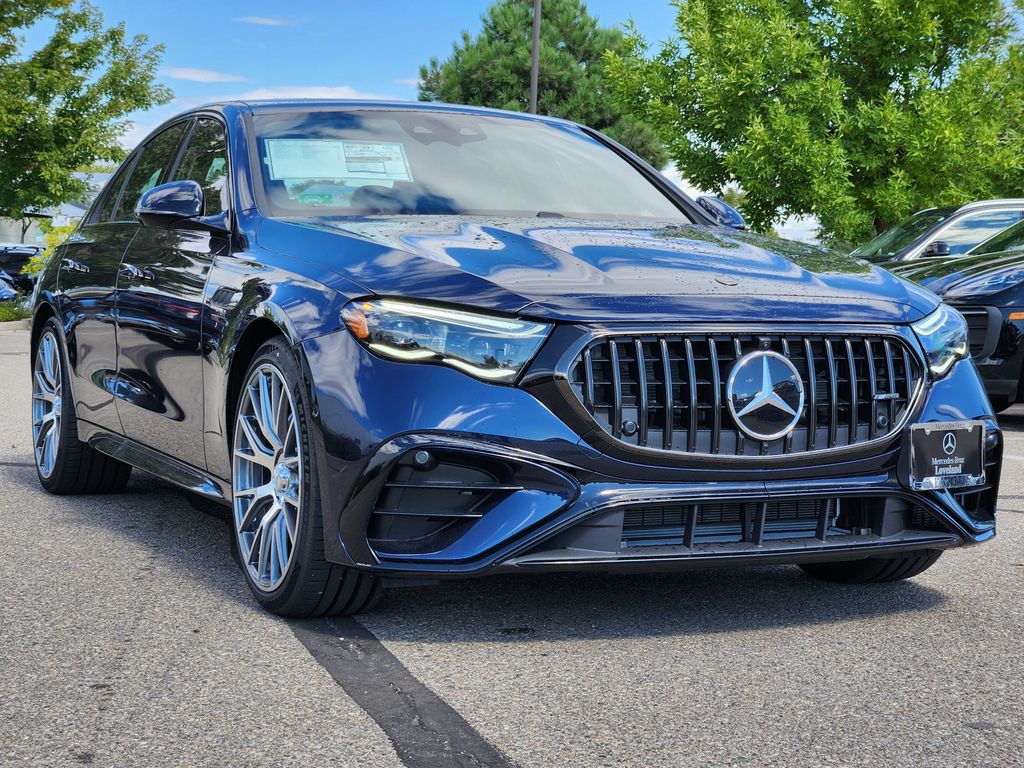
3. 2026 Mercedes-Benz E-Class
The 2026 Mercedes-Benz E-Class is a high-tech luxury sedan that excels in comfort, innovation, and urban drivability, but its traditional trunk design introduces some practical limitations for everyday cargo use, such as grocery runs. While the trunk offers a decent amount of floor space, its usability is affected by design choices that prioritize structure and refinement over maximum convenience.
One key drawback is the use of gooseneck-style trunk hinges. These hinges swing down into the cargo area when the trunk is closed, which can reduce usable space and risk damaging delicate items like bread, eggs, or soft grocery bags if the trunk is packed tightly.
In addition, the trunk opening is relatively short vertically, which makes it difficult to load taller items upright. As a result, objects often need to be placed on their side, increasing the chance of spills or shifting during transport.
Despite these limitations, the E-Class is engineered to excel in tight urban environments. It features optional rear-axle steering, which significantly reduces its turning radius and makes the large sedan feel much smaller and more maneuverable in confined city streets and parking areas.
This system improves agility and helps drivers navigate narrow spaces with ease. Optional air suspension further enhances ride comfort, especially in stop-and-go urban traffic.
The 2026 model also includes advanced parking assistance features such as Active Parking Assist with PARKTRONIC, which helps guide the vehicle into tight parking spaces with minimal effort from the driver. These technologies make the E-Class highly capable in crowded city conditions despite its size.
The E-Class prioritizes luxury comfort, advanced technology, and smooth urban usability, while its trunk design reflects a more traditional sedan approach that limits maximum cargo flexibility.
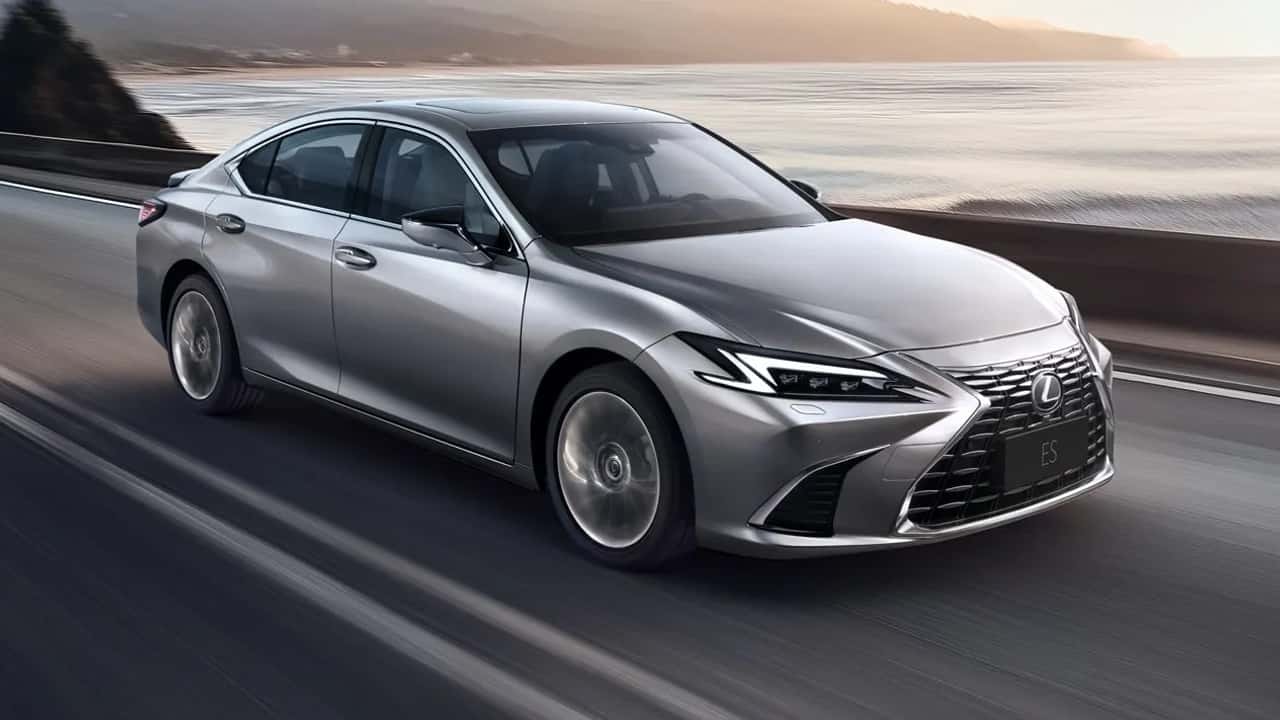
4. 2026 Lexus ES
The 2026 Lexus ES is designed primarily as a comfort-oriented luxury sedan, prioritizing a quiet, refined cabin experience over cargo versatility. While it delivers excellent ride quality and a premium interior, its traditional trunk layout limits practicality for larger or more awkward items, making it less suitable for tasks like big grocery runs or bulk shopping.
A key limitation is its fixed rear-seat design on most trims. The seats do not fold down because of additional structural bracing that helps reduce cabin noise and improve rigidity. As a result, the trunk functions as a fully sealed and isolated storage compartment with no expansion capability.
While the opening is wide enough for standard grocery bags or luggage, it cannot accommodate longer or oversized items such as brooms, flat-pack boxes, or storage bins that would otherwise fit in more flexible vehicles.
The trunk’s small opening is intentional and reflects Lexus’s design priorities. The 2026 ES focuses on structural strength, reduced noise, and a more refined driving experience. A traditional trunk design helps improve body rigidity, which reduces vibrations and enhances cabin quietness. This contributes to the model’s strong reputation for comfort and serenity.
Inside, the ES continues Lexus’s emphasis on a clean, sophisticated interior layout with premium materials and a calm, uncluttered design. It also offers updated hybrid and electrified powertrain options, along with improved technology features, highlighting efficiency and luxury rather than cargo adaptability.
The 2026 Lexus ES is best suited for drivers who value smooth comfort, quiet performance, and premium refinement, while accepting limited cargo flexibility as part of its traditional luxury sedan design.
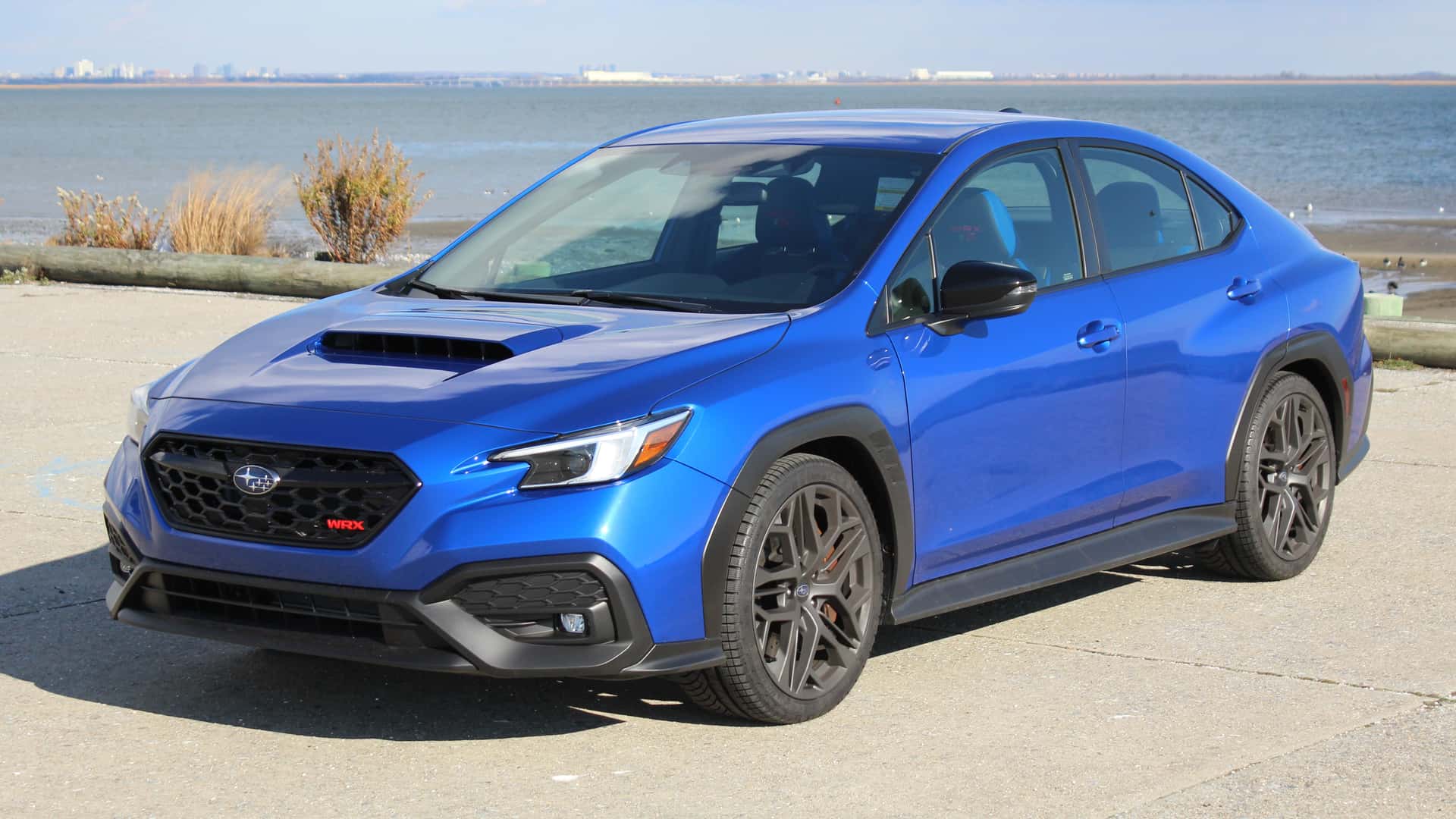
5. 2025 Subaru WRX
The 2025 Subaru WRX is a rally-inspired performance sedan built for speed, handling, and driving excitement rather than cargo convenience. While it delivers strong performance and all-wheel-drive capability, its practicality for tasks like grocery runs is limited by its traditional sedan design and small trunk opening.
The WRX offers about 12.5 cubic feet of trunk space, which is modest even within the compact sedan class. More importantly, the trunk opening itself is narrow and restrictive, making it difficult to load bulky or rigid items such as pet food bags, milk crates, or boxed groceries. Unlike hatchbacks that allow wide, flexible access, the WRX prioritizes structural rigidity over loading convenience, which reduces everyday usability for larger items.
This design choice is directly tied to the WRX’s performance focus. Built on the Impreza sedan platform, it uses a closed trunk structure that improves chassis stiffness. This rigidity enhances handling, stability, and responsiveness, all of which are important for a sport-oriented vehicle designed for spirited driving and occasional track use.
To partially offset its limited cargo access, the WRX includes a 60/40 split-folding rear seat, allowing longer items to be carried when needed. However, the small trunk opening still limits how easily those items can be loaded or arranged. The cabin itself remains practical for passengers, offering standard features such as rear USB ports and functional storage spaces.
The WRX is best suited for drivers who prioritize performance, traction, and driving engagement over cargo flexibility. Its design reflects a clear trade-off, favoring driving dynamics and structural strength at the expense of everyday loading convenience.
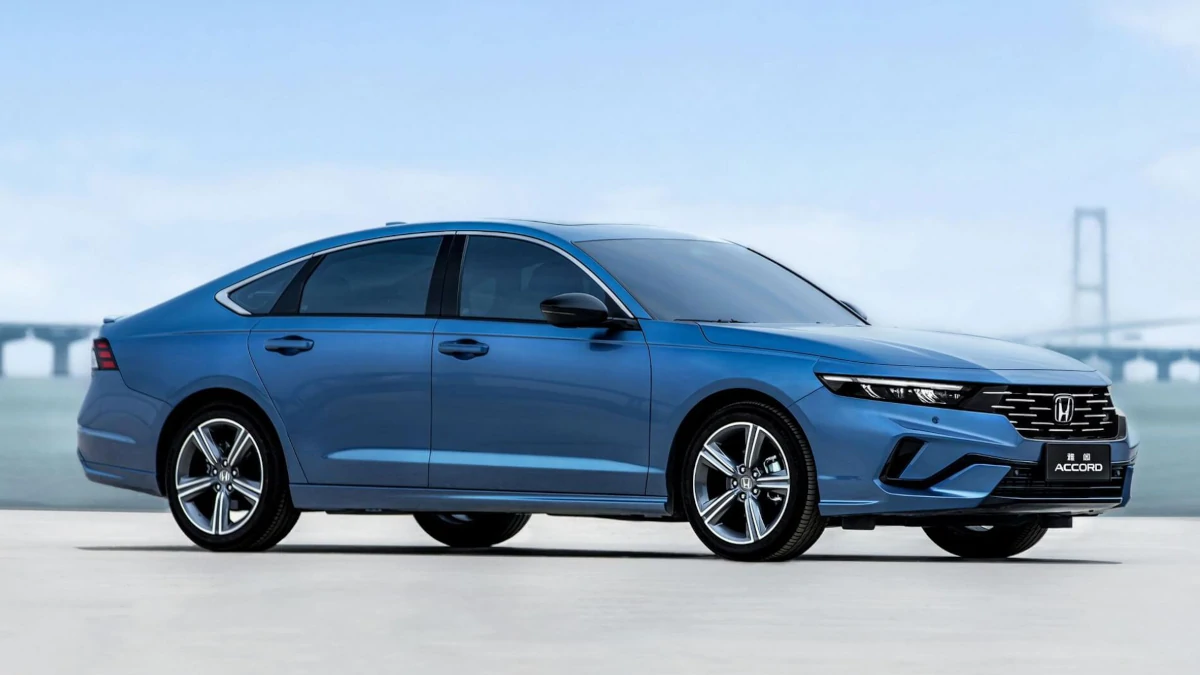
6. 2026 Honda Accord
The 2026 Honda Accord is a midsize sedan that combines comfort, efficiency, and strong practicality, especially when it comes to cargo space. It offers a generous 16.7 cubic feet of trunk capacity, which is among the largest in its class. However, like many traditional sedans, it can still feel limited by the shape of its trunk opening.
The “mail-slot” effect comes from the fact that while the interior volume is large, the physical opening is narrower due to the rear glass angle and bumper design. This can make loading bulky or box-shaped items such as microwaves or large water packs more challenging, even when there is enough space inside.
Despite this perception, the 2026 Accord is engineered to improve usability compared to many competitors. It features a relatively wide trunk opening and a low lift-over height, which helps reduce strain when loading heavier items.
This makes it easier to place groceries, luggage, or everyday cargo without excessive lifting or awkward positioning. The 60/40 split-folding rear seats further enhance versatility by allowing longer items to pass through into the cabin when needed.
Additional design choices also support practicality. The use of a tire inflator kit instead of a traditional spare tire frees up extra storage space under the trunk floor. At the same time, the sedan’s structure is designed to improve cabin quietness and ride comfort, which can slightly limit how large the trunk opening can be.
The Accord remains a well-balanced sedan that prioritizes real-world usability, offering strong cargo space, smart loading features, and a refined driving experience suited for everyday tasks and family use.
Also read: 10 Cars With Intuitive Physical Controls That Reduce Modern Driver Distraction