
The idea of a car as an investment has always carried a certain level of unpredictability. Some vehicles quietly appreciate over time, becoming sought after pieces of automotive history, while others fade into obscurity despite strong sales or initial popularity.
In the United States, this contrast is especially visible because of the diversity in car culture, where performance, nostalgia, design, and rarity all influence long term value in different ways.
What makes this topic particularly relevant today is the shift happening in the automotive industry. As electrification grows and regulations tighten, many traditional internal combustion vehicles are beginning to feel like the end of an era.
This transition is already shaping which cars enthusiasts choose to preserve and which ones are likely to be forgotten. Vehicles that capture a specific moment in engineering or design often gain attention later, especially when they represent something that will not be repeated.
At the same time, not every car has the ingredients needed to become collectible. High production numbers, lack of identity, and heavy depreciation can push certain models toward near zero value in the long run.
These are often vehicles that served a practical purpose when new but failed to create any lasting emotional or historical connection. Once their usefulness declines, there is little demand left to sustain their worth.
Another important factor is how ownership costs and reliability influence long term survival. Cars that are expensive to maintain or difficult to repair tend to disappear faster, reducing their presence in the market.
While rarity can sometimes increase value, it only works when there is still interest from buyers. Without that demand, even scarce vehicles can struggle to hold any meaningful price.
This article examines both sides of that equation. It begins with cars that show strong potential to become future classics in the United States, each chosen for a distinct reason that supports its long term appeal.
Then it moves to vehicles that are likely to lose nearly all of their value, highlighting the factors that contribute to their decline. By looking at these examples together, it becomes easier to understand what separates a lasting investment from a car that simply fades away.
Also Read: 5 Cars for Urban Delivery In the USA vs 5 Cars with Huge Blind Spots
4 Future Classic Investments In the USA
The concept of a future classic is shaped by more than just performance or brand recognition. It often comes down to timing, uniqueness, and the way a car connects with enthusiasts.
In the United States, where automotive culture is deeply tied to identity and innovation, certain vehicles stand out as potential long term investments because they represent something that will not easily be replicated.
These cars tend to share a few common traits. They may mark the end of a particular engine type, introduce a design that defines an era, or offer a driving experience that becomes rare over time. Limited production numbers and strong enthusiast communities also play a role, as they help sustain interest long after the cars are no longer in showrooms.
Another important aspect is how these vehicles age. Some cars grow more appealing as they become less common, especially when they maintain reliability and usability. This balance between desirability and practicality allows them to remain relevant rather than becoming purely nostalgic artifacts.
The purpose of this section is to highlight vehicles that have the qualities needed to stand out in the future. Each one is included for a different reason, showing how various factors can contribute to long term value. Understanding these differences can help identify what makes a car more than just transportation, turning it into something worth preserving.
1. Ford Mustang Shelby GT350
There are cars that impress in the moment, and then there are cars that leave a lasting impression long after production ends. The Ford Mustang Shelby GT350 belongs firmly in the second category, largely because of the way it delivers its performance.
At a time when turbocharging has become the norm, this car stands out with a naturally aspirated flat plane crank V8 engine that offers a character increasingly difficult to find.
What makes this model particularly interesting as a future investment is the uniqueness of its engineering. The engine is not just powerful, it behaves differently from traditional V8s, producing a sound and response that feels closer to high revving sports cars than typical muscle machines.
This distinction gives it a personality that is unlikely to be repeated as regulations and market trends continue to evolve.
The driving experience also plays a significant role in its potential value. It is a car built with a focus on precision rather than straight line speed alone. Handling, balance, and feedback are all part of what makes it memorable, creating a connection with drivers that extends beyond simple performance figures.
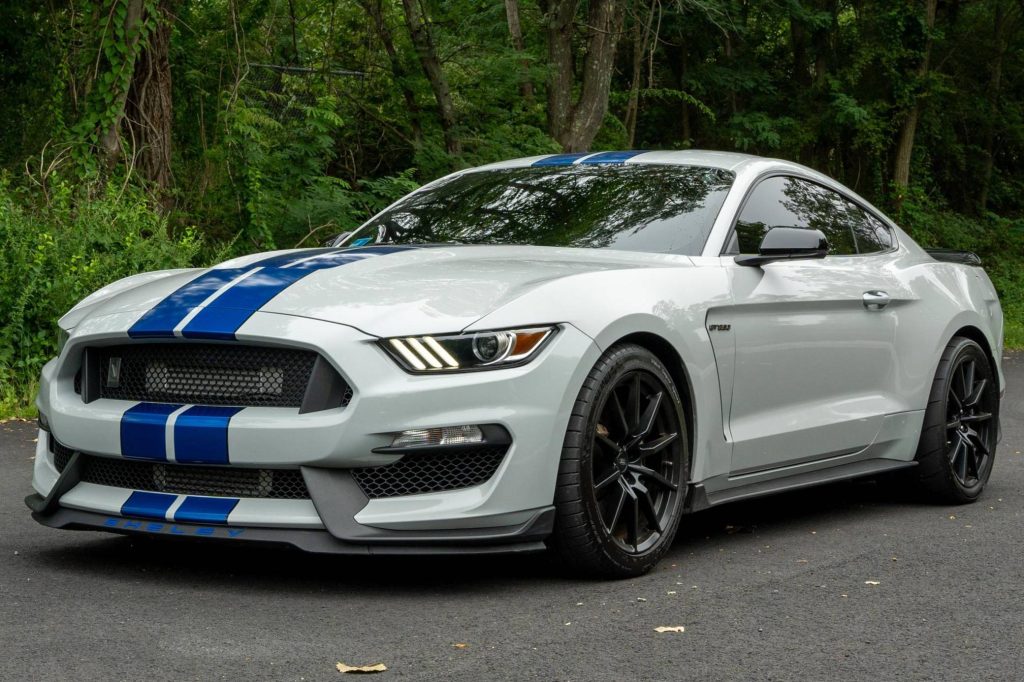
Another factor that supports its long term appeal is its position within the Mustang lineage. Special variants have historically gained attention as they age, especially when they represent a clear step away from the standard formula. The GT350 fits that description, offering something distinct within a well known nameplate.
It is included here because it captures a moment in automotive development that is already beginning to disappear. As the industry moves forward, cars like this become reminders of a different approach to performance, which is exactly what drives interest in future classics.
2. Chevrolet Corvette C7 Z06
Few vehicles represent a turning point as clearly as the Chevrolet Corvette C7 Z06. It arrived at a moment when the Corvette was evolving from a traditional American sports car into something that could compete on a global stage.
This shift gives the C7 Z06 a unique position, making it more than just another high performance model in a long running lineup.
The appeal of this car begins with its performance, but it does not end there. The supercharged V8 engine delivers immense power, yet the car remains usable in a way that encourages regular driving rather than occasional use. This balance between capability and accessibility has helped it build a strong following among enthusiasts.
What adds to its investment potential is its place as the last of a specific layout. The C7 generation represents the final front engine Corvette before the move to a mid engine design. That alone creates a sense of historical importance, as it marks the end of a configuration that defined the model for decades.
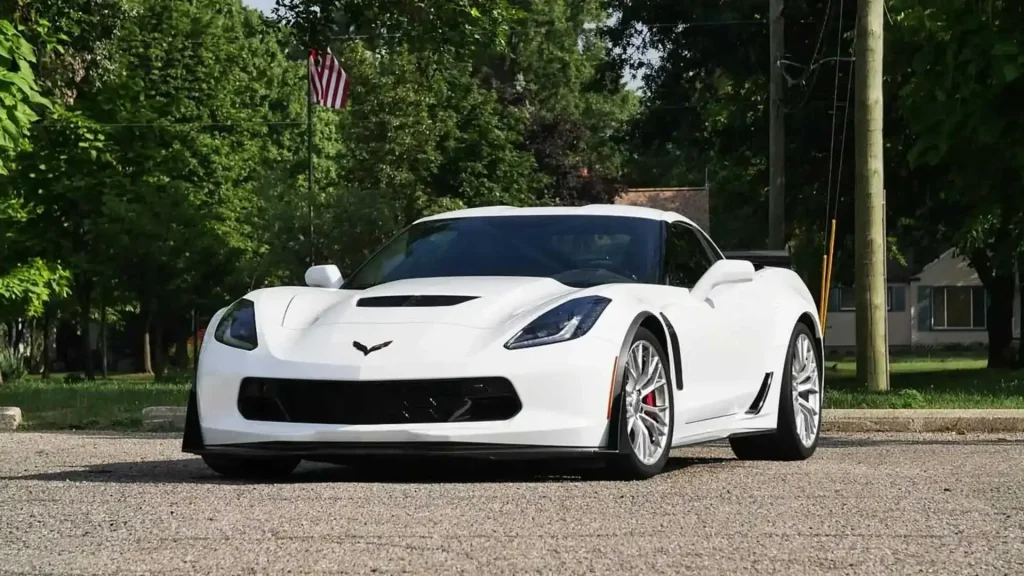
Design also contributes to its long term appeal. The C7 Z06 has an aggressive yet purposeful look that reflects its performance without appearing excessive. As newer models adopt different styling directions, this design may become more appreciated as a representation of its era.
It is included because it combines performance, historical significance, and strong identity in a way that supports lasting interest. These qualities make it a compelling candidate for those considering cars as future investments.
3. Porsche 718 Cayman GT4
Some cars earn future classic status not because they dominate headlines, but because they preserve something that quietly disappears from the market.
The Porsche 718 Cayman GT4 fits into that category, representing a form of driver focused engineering that is becoming increasingly rare. In a landscape moving toward automation and electrification, this car feels intentionally analog in the way it delivers its experience.
At the center of its appeal is the naturally aspirated flat six engine. Unlike many modern performance cars that rely on turbocharging, this engine builds power progressively, encouraging drivers to explore higher revs.
The result is not just speed, but a sense of involvement that rewards precision and patience. This characteristic alone sets it apart from many of its contemporaries and strengthens its long term desirability.
The chassis and handling further reinforce its identity. The GT4 is engineered to communicate with the driver in a direct and unfiltered way.
Steering feedback, balance through corners, and braking confidence all contribute to a driving experience that feels cohesive rather than isolated. These qualities tend to gain appreciation over time, especially as newer vehicles prioritize comfort and technology over engagement.
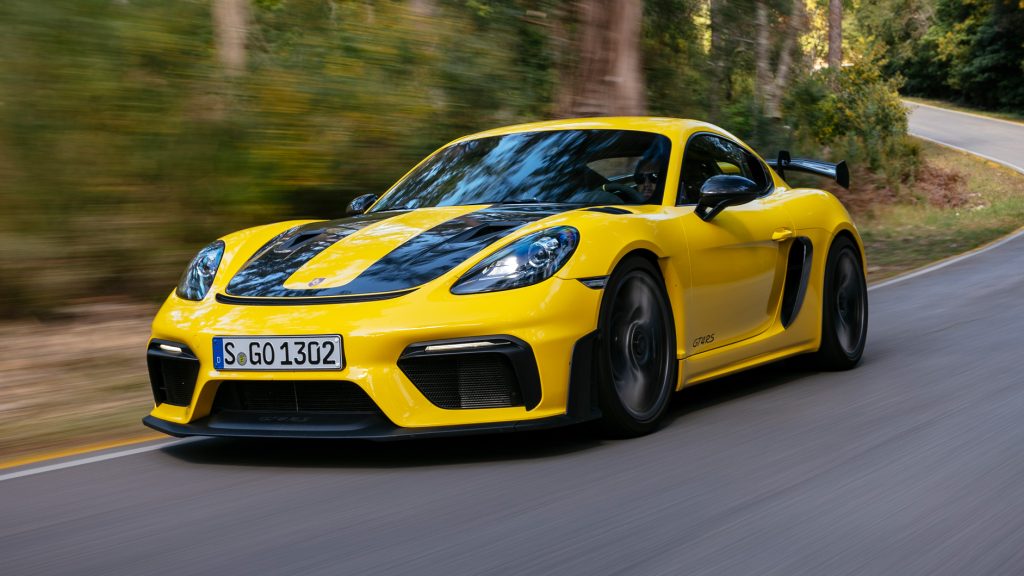
Another important element is its position within the Porsche lineup. The Cayman has often lived in the shadow of the 911, yet special variants like the GT4 have carved out their own reputation.
This underdog status can work in its favor, as enthusiasts recognize its capabilities and uniqueness, creating a dedicated following that supports long term value.
It is included here because it represents a philosophy that is gradually fading. Cars that focus purely on the act of driving, without excessive reliance on electronic intervention, are becoming less common. That rarity, combined with Porsche’s strong heritage, gives the 718 Cayman GT4 a solid foundation as a future classic.
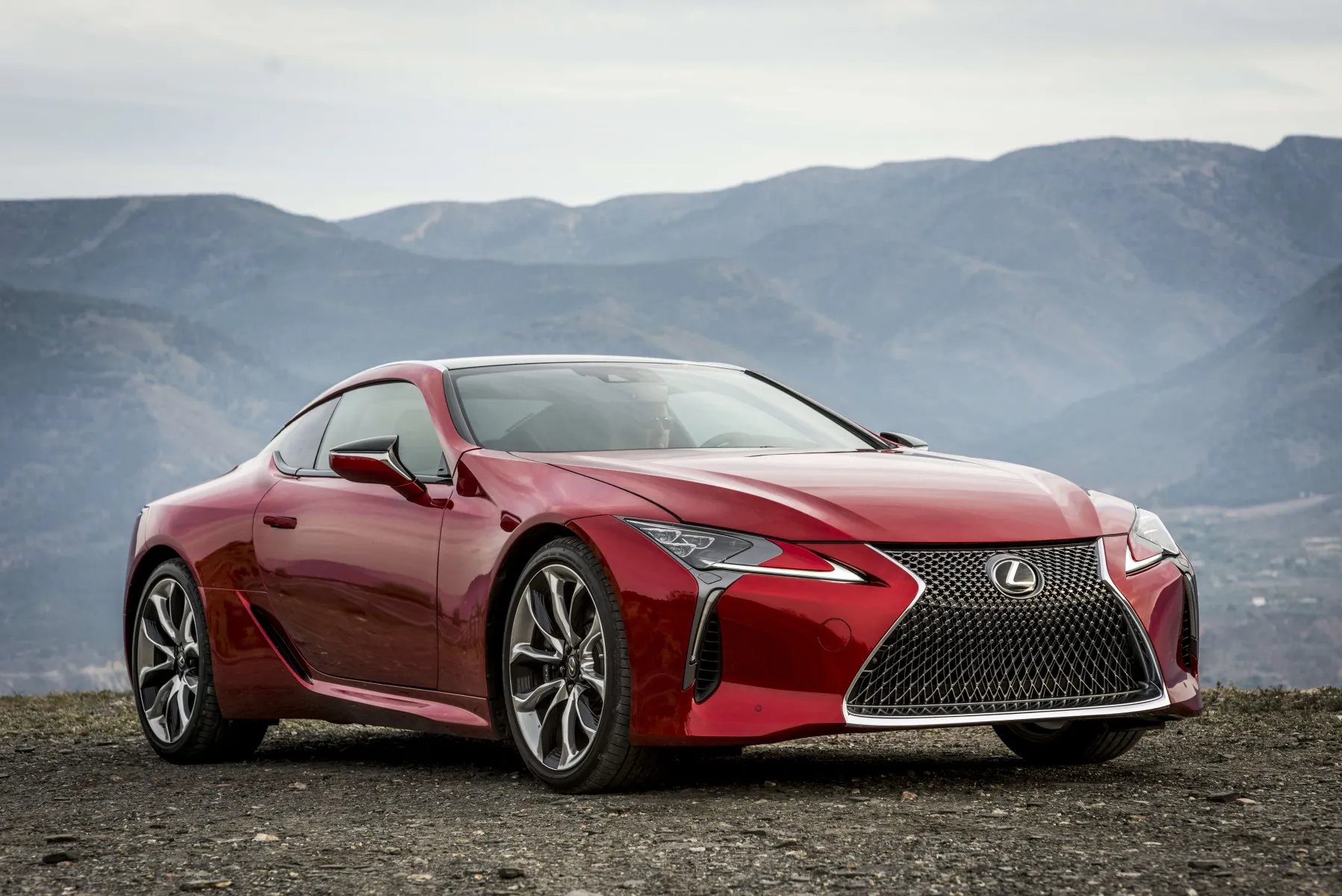
4. Lexus LC 500
The Lexus LC 500 takes a different path toward future classic status, relying less on raw performance metrics and more on presence, design, and emotional appeal. It is a car that feels distinct from the moment you see it, and that sense of individuality often plays a significant role in how vehicles are remembered over time.
One of the most compelling aspects of the LC 500 is its naturally aspirated V8 engine. In an era where downsizing and forced induction are becoming standard, this engine delivers a type of performance that feels increasingly rare.
The sound, response, and character of the powertrain create an experience that goes beyond simple acceleration, making it something enthusiasts are likely to value more as similar engines disappear.
Design is another key factor in its long term appeal. The LC 500 does not follow conventional styling trends, instead presenting a bold and sculpted appearance that stands apart from other luxury coupes. This willingness to be different can age well, especially when it reflects a clear vision rather than temporary fashion.
Inside, the car offers a level of craftsmanship that reinforces its identity. Materials, layout, and attention to detail contribute to an environment that feels carefully considered rather than mass produced. This sense of quality adds to its desirability, particularly for buyers who value more than just performance.
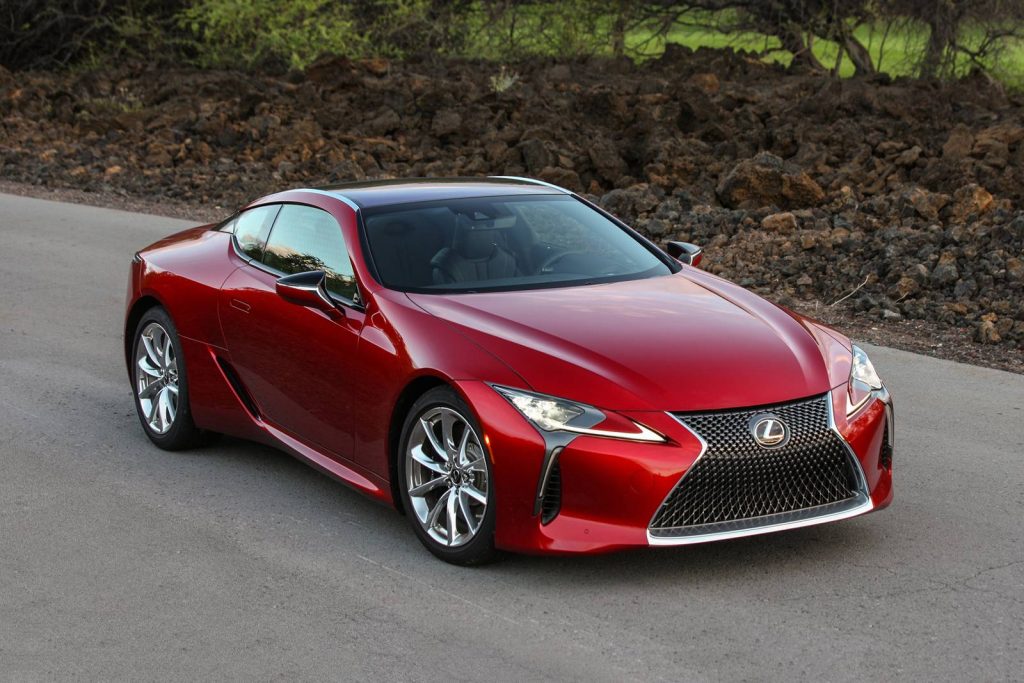
The reason it is included here is tied to how it balances multiple elements. It is not just fast, nor is it simply luxurious. It combines design, engineering, and character in a way that creates a lasting impression.
As the industry continues to change, cars that offer this kind of distinct personality often become the ones people look back on with appreciation.
4 Cars That Will Be Worth Zero
Not every vehicle is built to leave a lasting impression, and in many cases, that is by design. Some cars are created to meet immediate needs, focusing on affordability, practicality, or short term appeal rather than long term significance.
While these qualities make them useful when new, they often struggle to maintain value as time passes, especially in a market that increasingly favors uniqueness and efficiency.
A major factor behind this decline is the lack of identity. Vehicles that do not stand out in terms of performance, design, or innovation tend to blend into the background. Once newer models replace them, there is little reason for buyers to seek them out, which causes demand to drop sharply.
Depreciation also plays a crucial role. Cars that lose value quickly during their early years often continue on that path, eventually reaching a point where their worth is tied more to basic functionality than desirability. At that stage, any additional issues such as reliability concerns or high maintenance costs can push their value even lower.
Another aspect to consider is how these vehicles fit into changing trends. As preferences shift toward electrification and efficiency, older models that do not align with these priorities may lose relevance faster. This accelerates their decline, making it difficult for them to retain any meaningful resale value.
The purpose of this section is to highlight cars that are likely to follow this path, each for a different reason. By understanding what leads to this outcome, it becomes easier to recognize which vehicles may not hold their value over time.
1. Nissan Versa
The Nissan Versa is a clear example of a vehicle designed primarily for affordability, and while that makes it accessible to a wide range of buyers, it also limits its long term value. It fulfills its role as basic transportation effectively, but beyond that, it offers little that would sustain interest once newer options become available.
One of the main reasons for its expected depreciation is its positioning in the market. As an entry level sedan, it competes heavily on price, which means cost cutting is evident in materials, features, and performance. These compromises are acceptable when the car is new, but they become more noticeable as it ages.
Another factor is the lack of distinguishing characteristics. The Versa does not offer a unique driving experience, standout design, or advanced technology that could make it desirable in the future. Without these elements, it struggles to create a lasting connection with buyers.
Reliability and maintenance also influence its trajectory. While it may perform adequately during its early years, long term durability can vary, and any issues that arise tend to reduce its value quickly. Buyers in the used market often prioritize vehicles with stronger reputations, leaving models like the Versa with less demand.
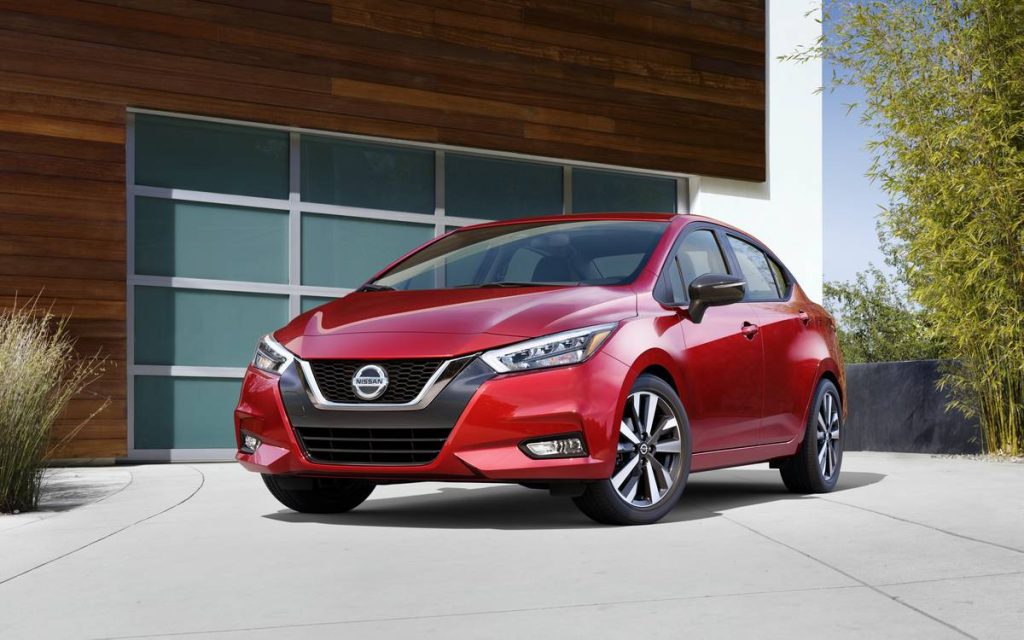
It is included here because it illustrates how practicality alone is not enough to sustain value. Without a defining feature or strong identity, a car can easily fade into obscurity once its initial purpose is fulfilled.
2. Mitsubishi Mirage
The Mitsubishi Mirage takes the concept of minimalism even further, focusing almost entirely on cost efficiency at the expense of refinement and long term appeal. While it serves as an economical choice for short term use, its limitations become more apparent over time, affecting both its desirability and resale value.
Performance is one of the first areas where the Mirage struggles. Its small engine prioritizes fuel savings but delivers limited power, which can make everyday driving feel less engaging. This lack of performance reduces its appeal, especially when compared to other used vehicles that offer a more balanced experience.
Interior quality also plays a role in its depreciation. Materials and build quality are designed to meet a low price point, and as the car ages, these aspects can show wear more quickly. This affects how the vehicle is perceived in the used market, where buyers often look for signs of durability.
Another important consideration is its market position. The Mirage competes in a segment where alternatives often provide better value in terms of features and reliability. As a result, it struggles to maintain demand once it is no longer new.
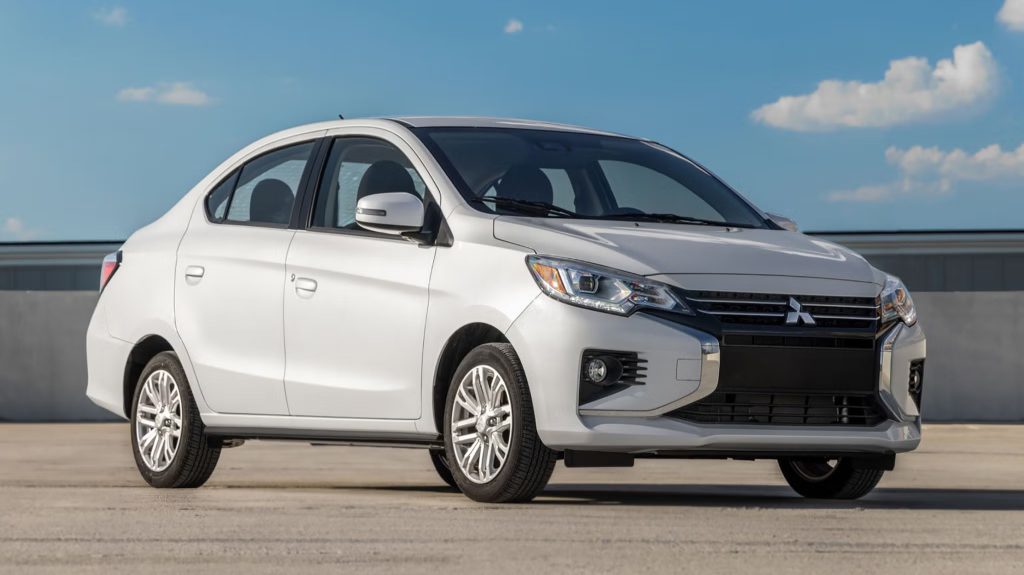
This vehicle is included because it highlights how extreme cost cutting can limit a car’s future prospects. While it meets immediate needs, it lacks the qualities required to remain relevant as time goes on.
3. Chrysler 200
The Chrysler 200 entered the market with the intention of redefining how midsize sedans from the brand were perceived, but its long term outlook tells a very different story. While it offered modern styling and a comfortable ride when new, it struggled to establish a strong identity in a highly competitive segment.
This lack of distinction is one of the main reasons it is often seen as a vehicle that will continue losing value until it reaches the lowest end of the resale spectrum.
A key issue lies in how the car positioned itself against rivals. Competitors in the same category focused heavily on reliability, refinement, and long term ownership appeal, while the Chrysler 200 delivered a more mixed experience.
It had moments of strength in design and comfort, yet these were not enough to outweigh concerns related to durability and consistency. Over time, these concerns shaped how the market viewed the car, reducing its desirability in the used space.
The powertrain also contributed to its declining reputation. Some versions offered decent performance, but they were paired with transmissions that did not always deliver smooth operation.
As the vehicle aged, these characteristics became more noticeable, especially for buyers comparing multiple options. When a car requires more attention or feels less predictable, it naturally becomes less attractive, pushing its value downward.
Interior quality presents another dimension to the problem. While the cabin looked modern at launch, the materials and build quality did not always hold up well over extended use.
Wear and tear can appear sooner than expected, affecting how the vehicle is perceived by potential buyers. In a market where condition plays a major role in resale value, this becomes a significant disadvantage.
There is also the factor of brand perception. Chrysler has produced notable vehicles in the past, but consistency has not always been its strongest attribute.
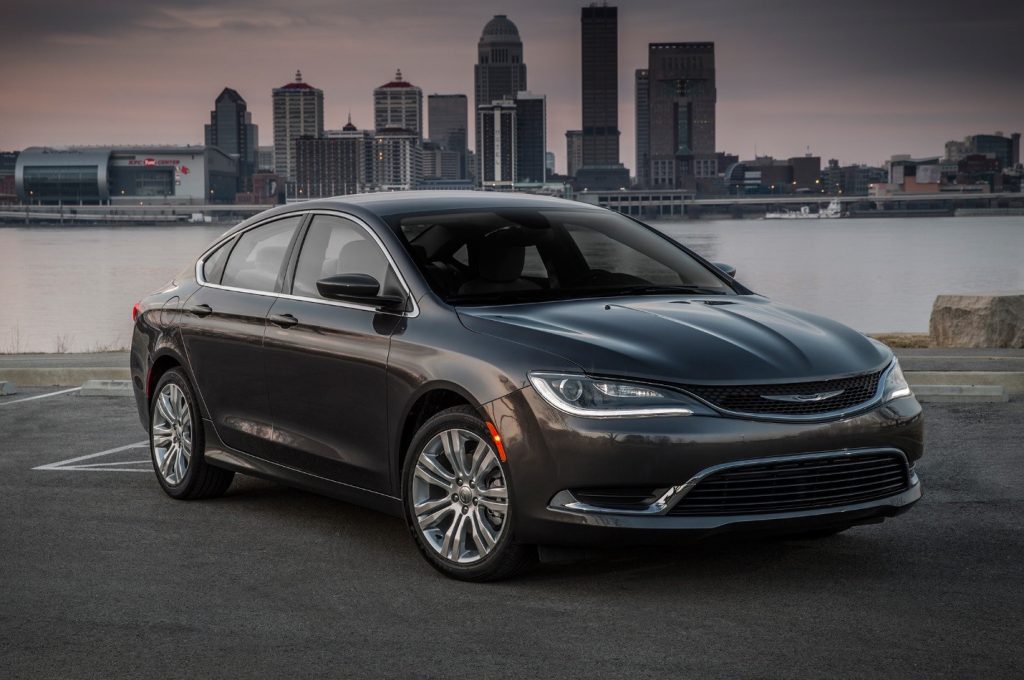
This influences how buyers approach models like the 200, especially when considering long term ownership. Without strong confidence in durability, demand tends to drop quickly once the car is no longer new.
It is included here because it represents how a vehicle can have initial appeal yet fail to build lasting value. Without a clear strength that continues to attract buyers, depreciation becomes inevitable, eventually leading to a point where the car holds very little financial worth.
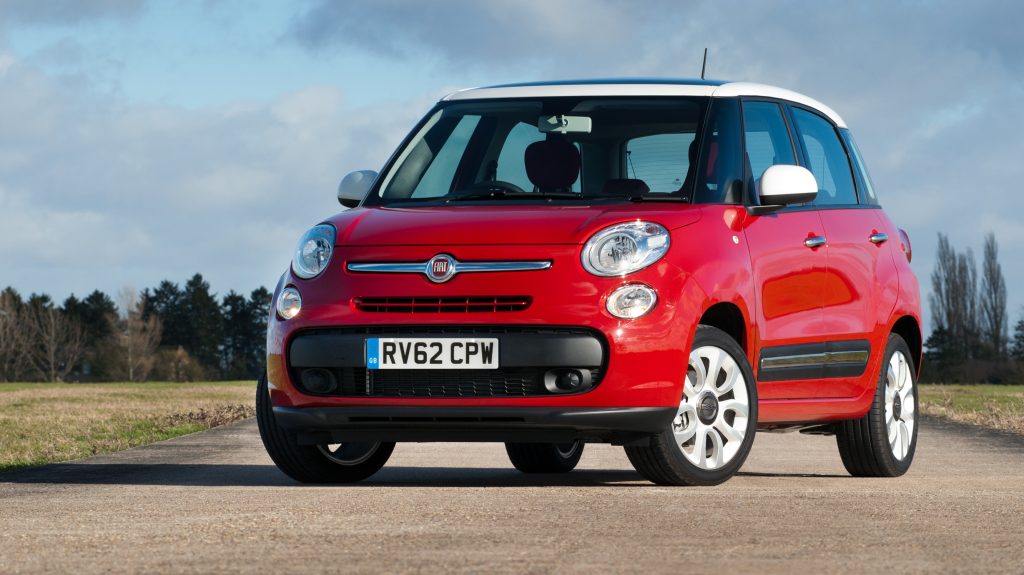
4. Fiat 500L
The Fiat 500L stands out visually, but that uniqueness does not necessarily translate into long term value. While its design aimed to offer something different in a market filled with conventional shapes, it struggled to connect with a broad audience.
Over time, this limited appeal has contributed to its rapid depreciation and uncertain future in the used car market.
One of the main challenges with the 500L is how it blends practicality with unconventional styling. The tall proportions and distinctive appearance make it recognizable, yet they also narrow its audience.
Many buyers prefer designs that feel more familiar, especially when considering a used vehicle. As a result, demand for the 500L tends to be lower compared to more traditional alternatives.
Performance and driving experience also play a role in its declining value. The engine and transmission combination focuses on efficiency rather than engagement, but it does not always deliver refinement.
This creates a situation where the car feels neither particularly exciting nor especially smooth, placing it at a disadvantage when compared to competitors that excel in at least one of those areas.
Interior space is one of its stronger points, offering good practicality for passengers and cargo. However, this advantage is not enough to offset concerns about reliability and long term ownership costs. Buyers in the used market often prioritize dependability, and any uncertainty in that area can significantly reduce interest.
Another factor influencing its trajectory is brand positioning. Fiat has a distinct identity, but its presence in certain markets has been inconsistent. This affects confidence among buyers, especially when considering maintenance and parts availability in the future. Without strong support and demand, resale values tend to decline rapidly.
This vehicle is included because it demonstrates how being different is not always enough to sustain value. Without a balance between uniqueness, reliability, and broad appeal, a car can struggle to maintain relevance. As time passes, models like the 500L often move toward the lower end of the market, where their worth becomes minimal.
The contrast between future classic investments and cars that lose nearly all their value comes down to a mix of identity, engineering, and long term relevance. Vehicles that are likely to appreciate in the United States tend to capture a specific moment in automotive history.
They often feature unique powertrains, distinctive design, or represent the end of an era, such as naturally aspirated performance engines or traditional layouts that are gradually disappearing. These qualities create emotional and historical value, which keeps enthusiasts interested even as the cars age.
Another important factor behind future classics is how they feel to drive and own. Cars that deliver a memorable experience build a following that supports demand over time. Limited production numbers and strong brand heritage further strengthen their position, ensuring they remain desirable rather than becoming outdated.
On the other side, cars that trend toward near zero value usually lack a defining characteristic. They are often built for short term practicality, focusing on affordability or basic transportation without offering anything memorable.
As newer models replace them, there is little reason for buyers to seek them out, which leads to a steady decline in demand.
Reliability concerns, uninspiring performance, and average design accelerate this process. When combined with high depreciation early in their lifecycle, these vehicles quickly reach a point where their value is tied only to basic function rather than desirability.
This comparison shows that long term value is not accidental. It is shaped by how a car stands out, how it connects with drivers, and whether it represents something worth preserving as the automotive world continues to evolve.
Also Read: 5 High-Tech EVs in the USA vs 5 Basic Models with Limited Range
