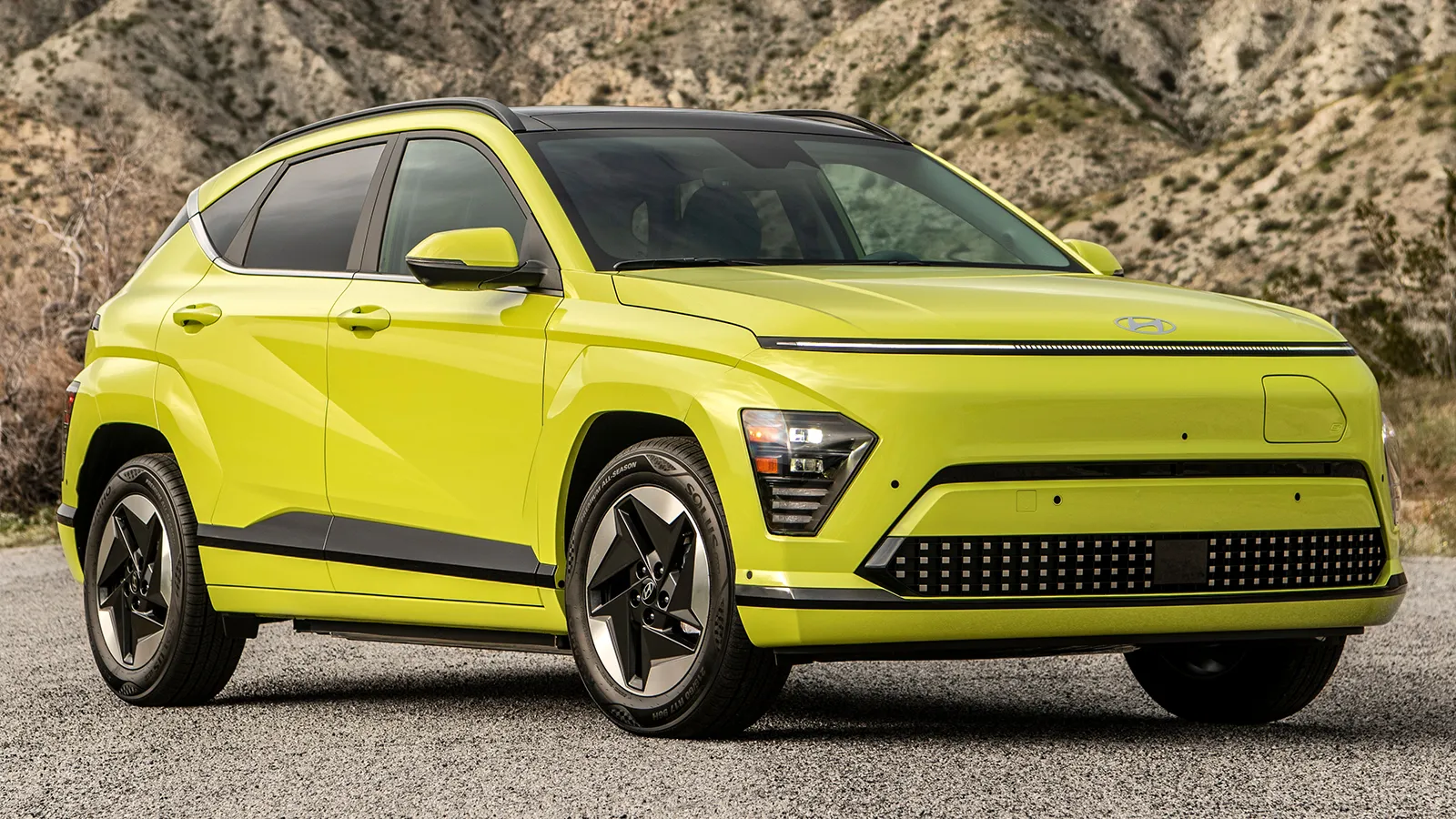
The electric vehicle market in the United States has evolved rapidly over the past decade, transforming from a niche segment into one of the most competitive and innovative industries in modern transportation. What once started as a handful of experimental electric cars has now become a full-scale automotive revolution, with nearly every major manufacturer investing heavily in electrification.
Today, EV buyers in the USA face an overwhelming number of choices, ranging from ultra high-tech vehicles packed with artificial intelligence, autonomous driving systems, and long-range battery packs to extremely basic electric models designed for short urban commutes with limited range and minimal features.
At the top end of the spectrum, high-tech EVs like Tesla, Lucid, Rivian, Ford Mustang Mach-E, and Chevrolet’s advanced electric SUVs are redefining what it means to drive a car. These vehicles often feature cutting-edge software ecosystems, over-the-air updates, advanced driver assistance systems, and ranges that exceed 300 to 500 miles in some cases.
Many of these models are built not just as transportation devices but as smart mobility platforms that continuously improve over time. For example, modern EVs in the USA increasingly support hands-free driving systems, ultra-fast charging networks, and advanced infotainment systems that rival high-end smartphones and computers.
According to industry data, most new EVs now fall into the 250 to 330 mile range category, making long-distance electric travel more practical than ever before.
On the other hand, there still exists a segment of basic or entry-level electric vehicles that prioritize affordability and simplicity over technology and range. These vehicles are often designed for city driving, short daily commutes, and budget-conscious consumers who are transitioning from gasoline cars to electric mobility for the first time.
While they may lack advanced features such as semi-autonomous driving or large infotainment systems, they serve an important role in expanding EV accessibility. Models like earlier versions of the Chevrolet Bolt or compact low-range EVs provide just enough range for daily errands but fall significantly short when compared to modern long-range EVs.
This article explores both ends of the spectrum in detail. First, we will examine five of the most advanced high-tech EVs currently available in the United States, focusing on their innovation, performance, and technological leadership.
Then, we will compare them with five basic or entry-level EV models that offer limited range and minimal features but remain important in the mass adoption of electric vehicles. By the end, you will clearly understand how dramatically the EV industry has diverged and why choosing the right electric vehicle depends heavily on driving needs, budget, and expectations.
5 High-Tech EVs in the USA
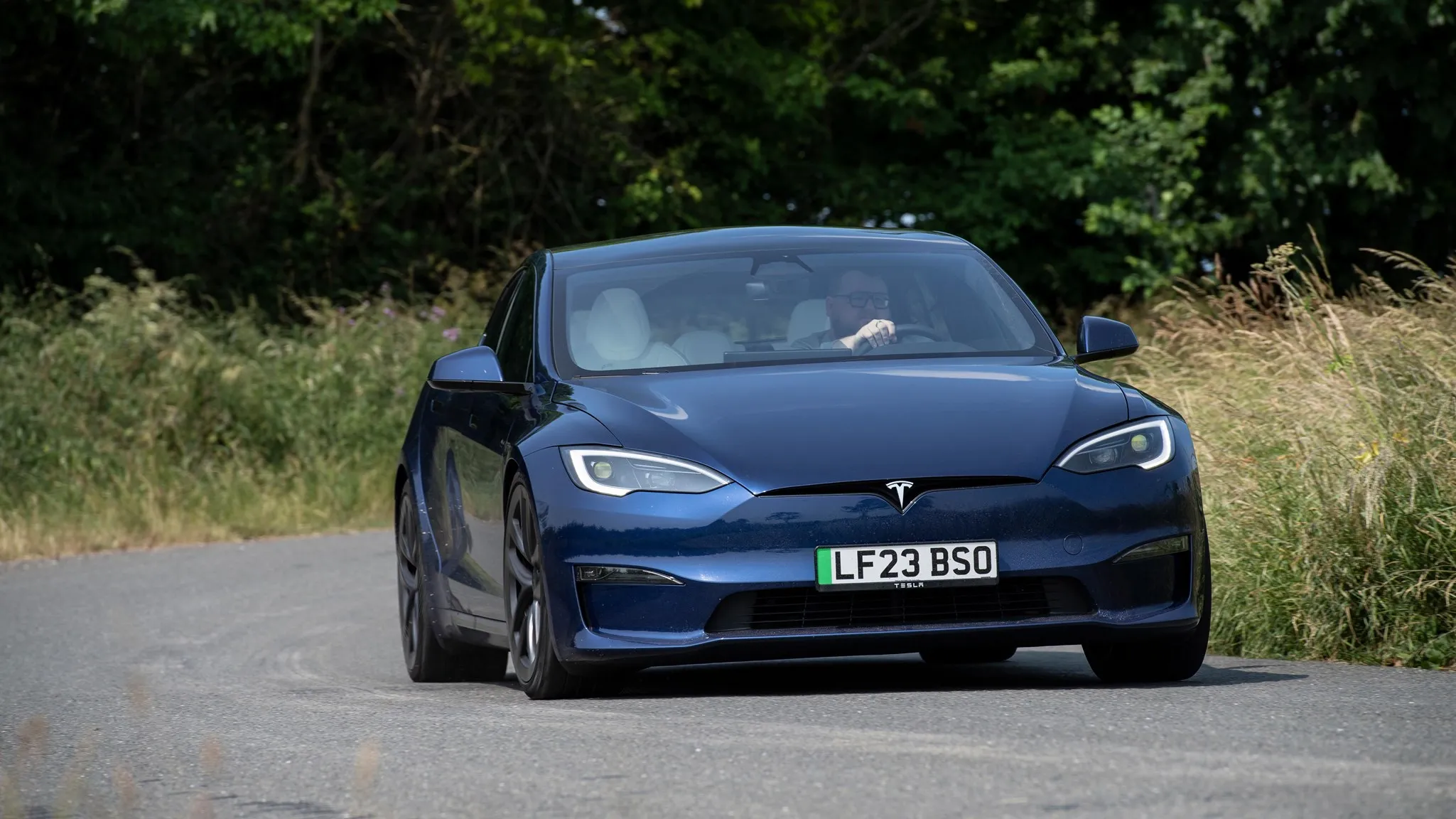
1. Tesla Model S Plaid
The Tesla Model S Plaid stands as one of the most technologically advanced electric vehicles ever built in the United States, representing Tesla’s continuous push toward redefining both performance and software-driven mobility.
Unlike traditional luxury sedans that focus primarily on comfort or styling, the Model S Plaid integrates extreme acceleration, artificial intelligence based driving systems, and a deeply connected software ecosystem that evolves over time.
One of its most defining characteristics is Tesla’s Full Self Driving capability, which, while still requiring driver supervision, continuously improves through over-the-air updates.
This means that the car you buy today is not static, but rather a constantly evolving machine that becomes more capable as Tesla refines its neural network based driving algorithms using real world driving data collected from millions of vehicles.
Beyond its software intelligence, the Model S Plaid is engineered for extraordinary performance. It is capable of accelerating from 0 to 60 mph in under two seconds in ideal conditions, making it one of the fastest production cars in the world regardless of fuel type.
Another major advantage of the Model S Plaid is its integration with Tesla’s Supercharger network, which remains one of the most extensive and reliable fast charging infrastructures in the United States. This network allows drivers to recharge quickly during long trips, significantly reducing downtime compared to traditional EV charging systems.
Inside the cabin, the vehicle reflects Tesla’s minimalist design philosophy, dominated by a large central touchscreen that controls nearly every function of the car. While some drivers may find the lack of physical buttons unusual, the system offers a highly responsive and intuitive digital interface that feels closer to using a high end tablet than a conventional car dashboard.
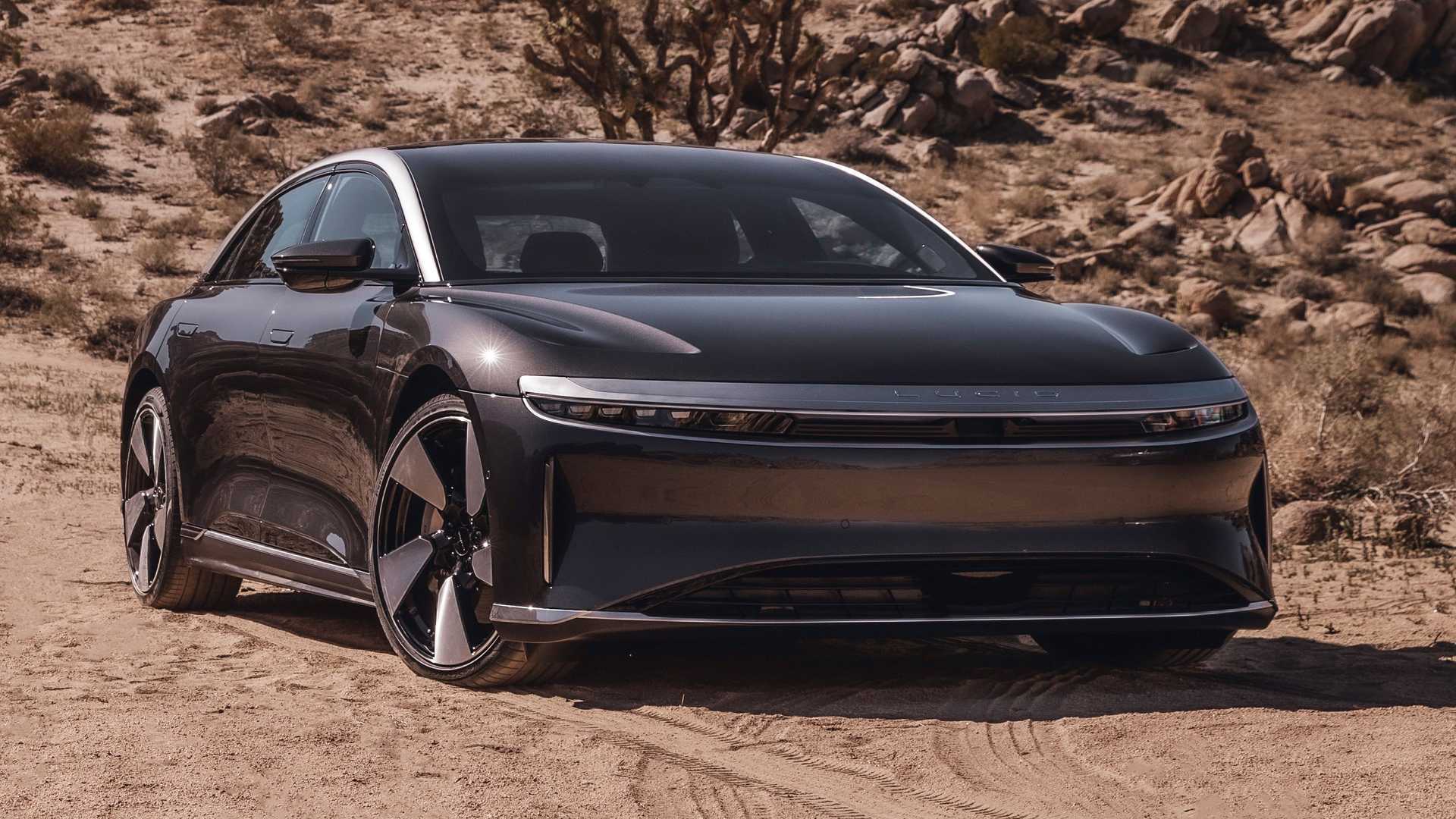
2. Lucid Air Grand Touring
The Lucid Air Grand Touring is widely regarded as one of the most refined and technologically sophisticated electric sedans available in the United States today. Developed by Lucid Motors, a company founded by former Tesla engineers, the Air was designed with a strong emphasis on efficiency, aerodynamics, and luxury integration.
Unlike many EVs that simply adapt existing platforms for electric powertrains, the Lucid Air was engineered from the ground up as a fully electric luxury vehicle, allowing it to maximize interior space while minimizing energy loss. This engineering approach has resulted in one of the most impressive range figures in the industry, with certain configurations exceeding 500 miles on a single charge under optimal conditions.
One of the most remarkable aspects of the Lucid Air is its proprietary electric motor technology, which is significantly smaller and more efficient than many competing systems. This allows Lucid to allocate more space to passenger comfort and battery capacity without increasing the size of the vehicle.
The result is a cabin that feels exceptionally spacious for a sedan, offering rear seat comfort that rivals full size luxury vehicles. The interior design further enhances this experience through the use of premium materials, soft ambient lighting, and a sweeping glass canopy that creates an open and futuristic feel.
From a technological perspective, the Lucid Air integrates a high resolution digital cockpit system that provides a seamless blend of driver information, entertainment, and vehicle controls. It also supports advanced driver assistance features that help with highway driving, lane centering, and adaptive cruise control.
Another major advantage is its ultra fast charging capability, which allows the vehicle to gain hundreds of miles of range in a relatively short charging session when connected to compatible high power chargers. This makes the Lucid Air not only a luxury vehicle but also a practical long distance EV for drivers who prioritize both comfort and efficiency.
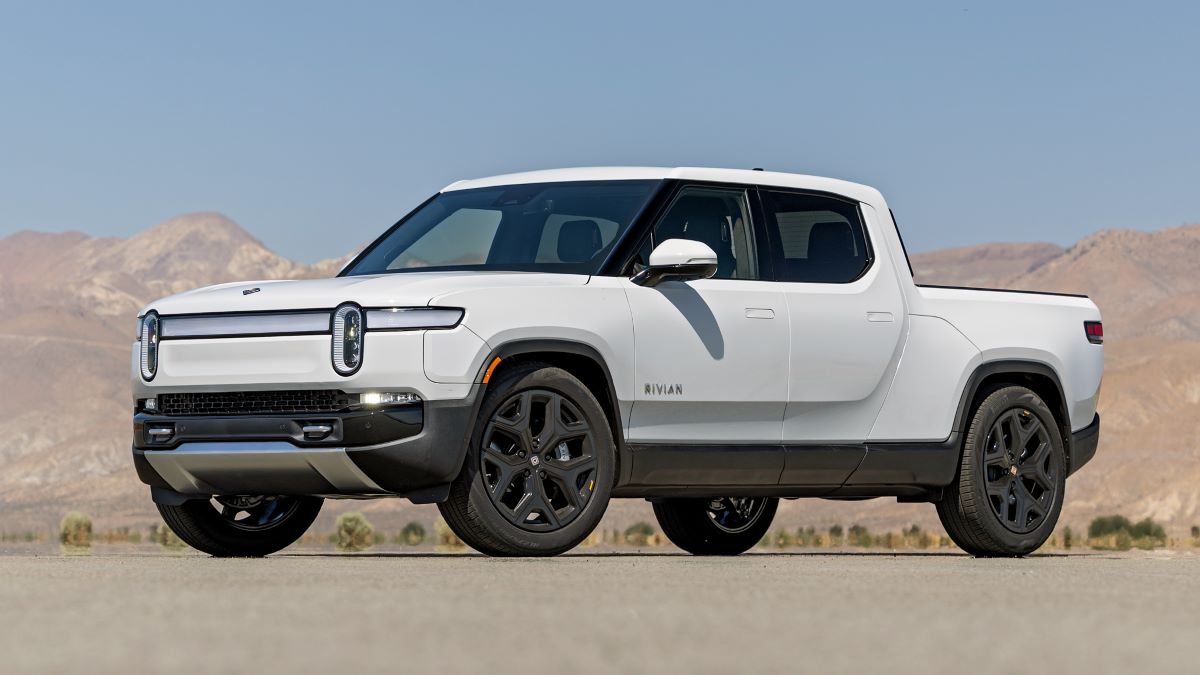
3. Rivian R1T
The Rivian R1T is one of the most innovative electric pickup trucks in the United States, designed specifically for adventure, utility, and off road capability while still incorporating advanced digital technology.
Unlike traditional pickup trucks that rely on combustion engines and mechanical simplicity, the R1T is built on a fully electric skateboard platform that distributes its battery and motor systems evenly across the chassis. This design gives it a low center of gravity, which improves stability both on highways and rough terrain, making it highly capable in a wide range of driving environments.
One of the most unique features of the R1T is its gear tunnel, a storage compartment that runs horizontally through the vehicle between the cabin and the truck bed. This innovative design allows users to store long items such as camping gear, tools, or outdoor equipment in a secure and easily accessible space.
Additionally, the vehicle is equipped with multiple power outlets, enabling it to function as a mobile power station capable of running appliances, tools, and even small outdoor setups such as campsites. This makes it especially popular among outdoor enthusiasts, contractors, and adventure travelers who require both mobility and utility.
Technologically, the Rivian R1T includes multiple driving modes that adjust suspension, torque distribution, and traction control depending on terrain conditions such as sand, snow, mud, or rock. It also features advanced driver assistance systems that support highway driving and parking automation.
Depending on configuration, the R1T can deliver over 300 miles of range, which is impressive considering its size and utility focused design. Combined with its rugged build quality and futuristic interior, the R1T represents a new category of electric vehicle that blends traditional truck functionality with modern digital intelligence.
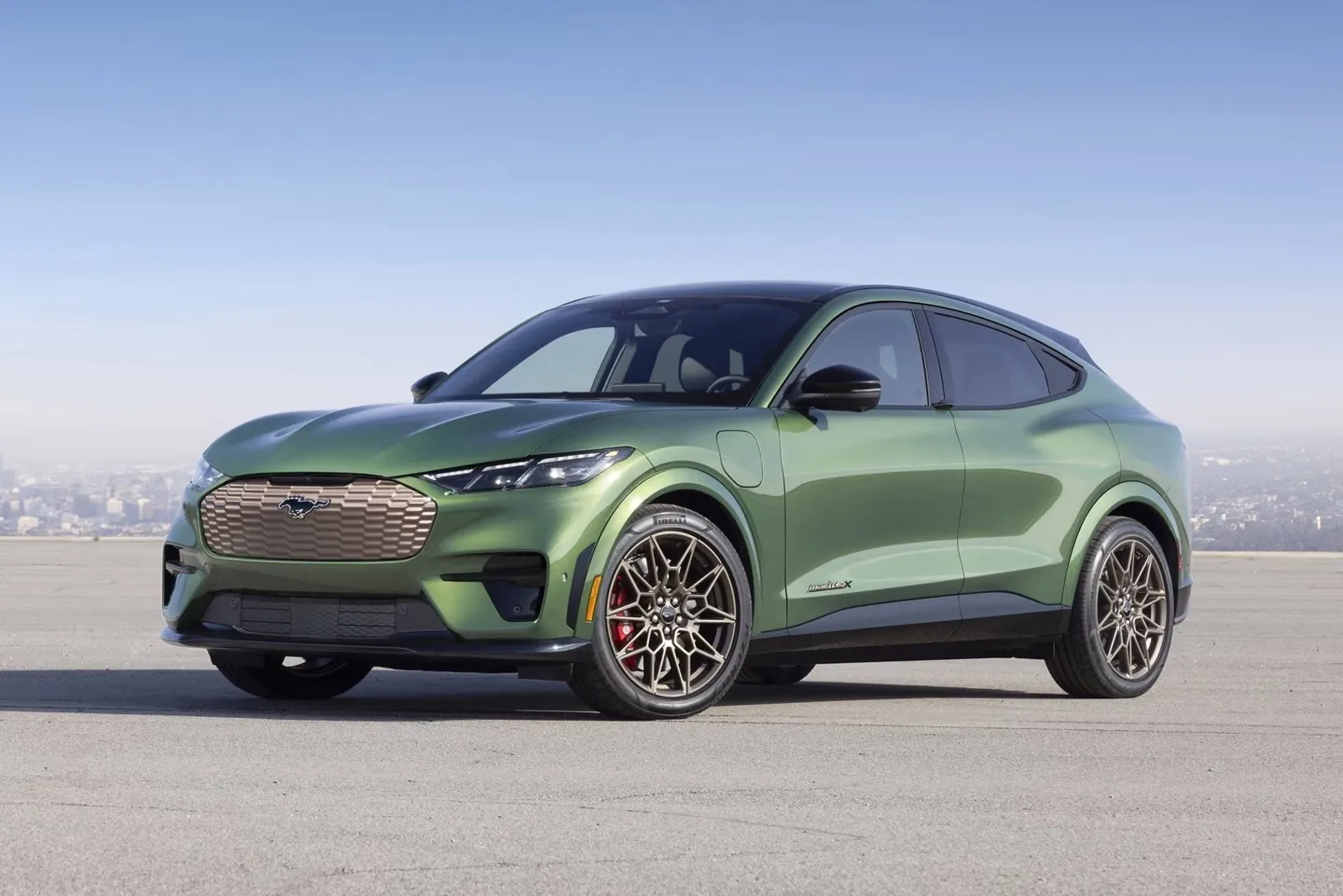
4. Ford Mustang Mach-E
The Ford Mustang Mach-E represents a bold transformation for Ford Motor Company, as it reimagines the iconic Mustang brand as a fully electric SUV rather than a traditional sports coupe.
This shift reflects Ford’s broader strategy of transitioning toward electrification while retaining emotional brand identity and performance heritage. The Mach-E combines sporty driving dynamics with advanced electric vehicle technology, making it one of the most well balanced EVs in the American market.
One of its standout features is Ford’s BlueCruise hands free driving system, which enables semi autonomous driving on pre mapped highways. This system uses a combination of cameras, radar, and driver monitoring technology to allow hands free operation under specific conditions, enhancing convenience during long highway journeys.
The vehicle also features a large vertically oriented touchscreen infotainment system that serves as the central hub for navigation, entertainment, and vehicle settings, along with over the air software updates that continuously improve functionality over time.
In terms of performance, the Mustang Mach-E offers multiple configurations, including rear wheel drive and all wheel drive variants, with range estimates reaching close to 300 miles depending on battery size and driving conditions.
Its acceleration and handling are tuned to reflect the sporty character of the Mustang nameplate, delivering a more engaging driving experience compared to many traditional electric SUVs. This combination of practicality, performance, and modern technology makes the Mach-E a key competitor in the growing mid to high end EV market in the United States.
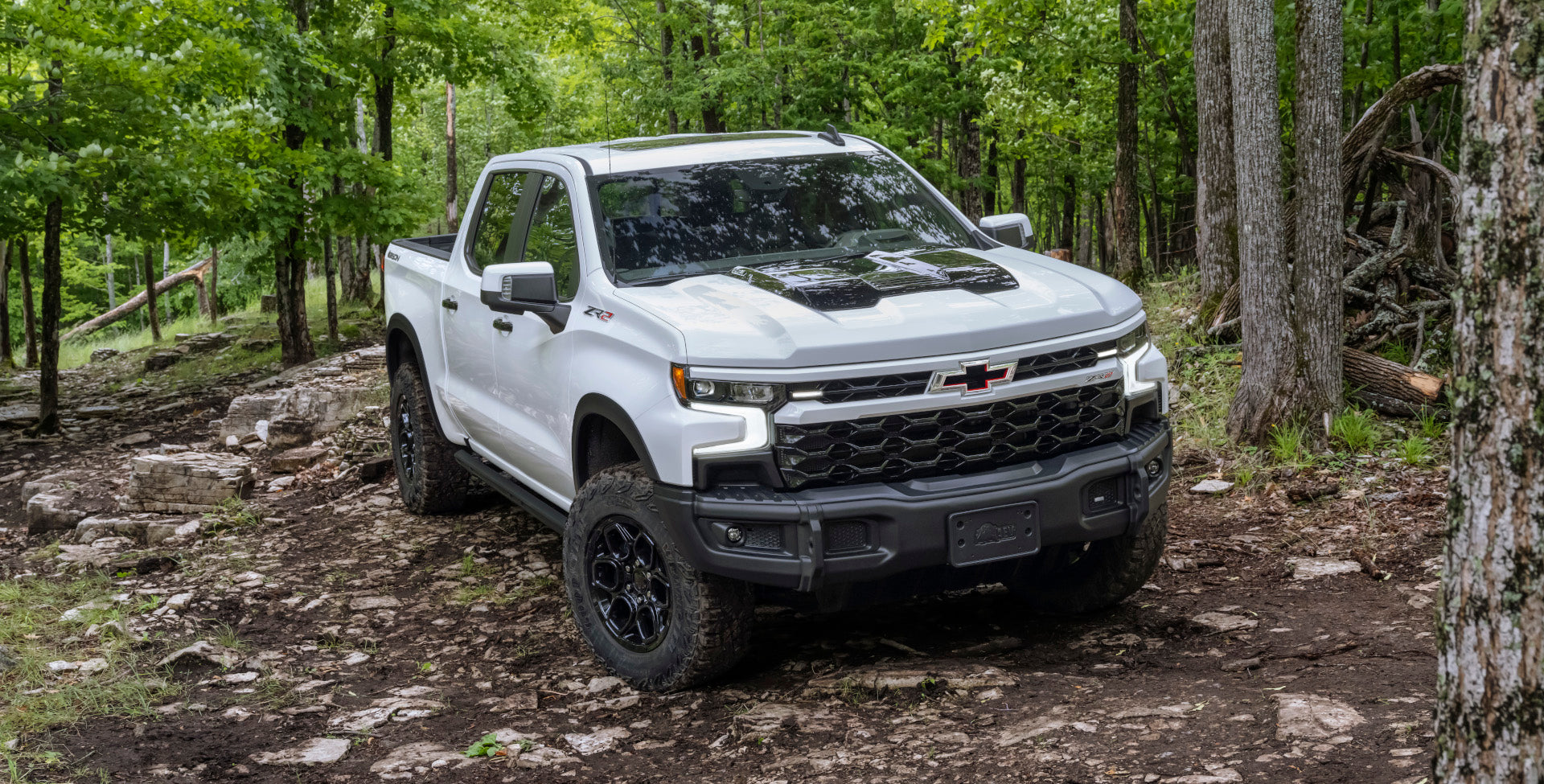
5. Chevrolet Silverado EV
The Chevrolet Silverado EV marks General Motors’ entry into the fully electric full size pickup truck segment and is built on the company’s advanced battery platform. This platform is designed to support multiple vehicle types and allows for flexible battery configurations, enabling extended range, high towing capacity, and fast charging capabilities.
The Silverado EV is positioned as both a work focused utility vehicle and a modern technological platform, reflecting the growing demand for electrified commercial and personal trucks in the United States.
One of its most impressive features is its estimated driving range, which can exceed 400 miles in higher capacity configurations. This makes it one of the longest range electric trucks currently available or in development.
The vehicle also supports vehicle to home power functionality, allowing it to supply electricity to a household during power outages or emergency situations. This capability transforms the Silverado EV from a simple transportation device into a mobile energy resource, which is particularly valuable in regions prone to extreme weather conditions.
Inside the cabin, the Silverado EV integrates a large digital dashboard system that provides access to navigation, vehicle controls, and connectivity features.
It also includes advanced driver assistance systems that help with highway driving, lane keeping, and parking. The exterior design is aerodynamically optimized compared to traditional pickup trucks, helping to improve efficiency without compromising utility.
5 Basic EV Models with Limited Range
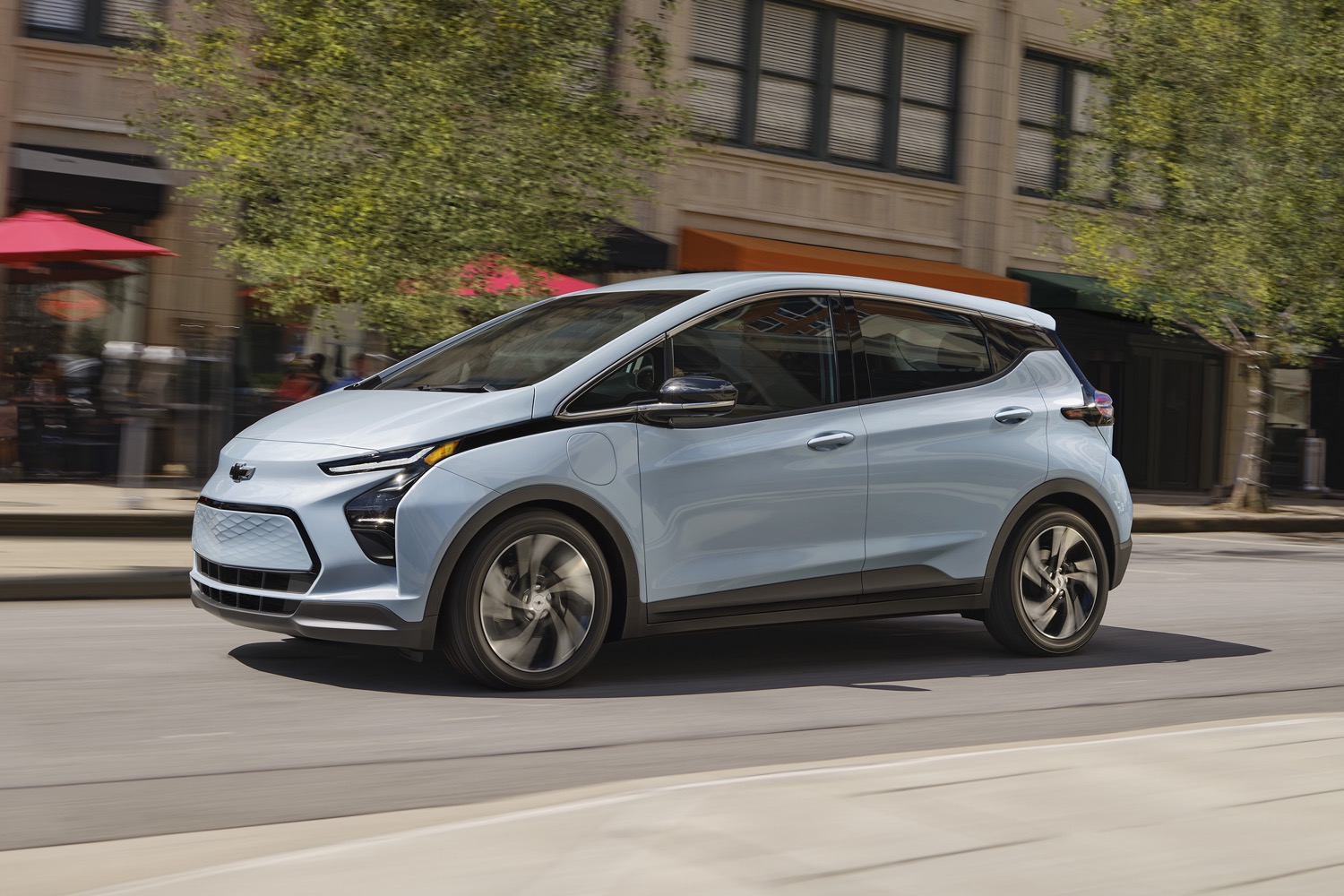
1. Chevrolet Bolt EV (Early Models)
The Chevrolet Bolt EV, especially its early production models, represents one of the first serious attempts by a major American automaker to bring an affordable long range electric vehicle to the mass market. Developed by General Motors, the Bolt was designed to bridge the gap between expensive premium EVs and traditional gasoline powered compact cars.
While later versions improved battery technology and range efficiency, the early Bolt models are still considered relatively basic when compared to modern electric vehicles. They typically offer a range of around 238 to 259 miles depending on battery configuration and driving conditions, which was competitive at the time of launch but is now considered modest in the current EV industry.
In terms of technology, early Chevrolet Bolt models lack many of the advanced features that are now standard in newer electric vehicles. For example, they do not include sophisticated autonomous driving systems or advanced driver assistance features found in modern EVs such as lane centering or hands free highway driving.
The infotainment system is functional but relatively simple, focusing on essential navigation and media controls rather than deep software integration or continuous over the air upgrades. This makes the Bolt more of a practical transportation tool rather than a connected smart mobility platform.
Despite its limitations, the Chevrolet Bolt played a crucial role in accelerating EV adoption in the United States. It was one of the first affordable EVs to offer a usable real world range for daily commuting, allowing many drivers to transition away from gasoline powered vehicles without significant lifestyle changes.
However, when compared to high tech EVs available today, its range limitations and lack of modern digital features clearly place it in the basic category of electric mobility.
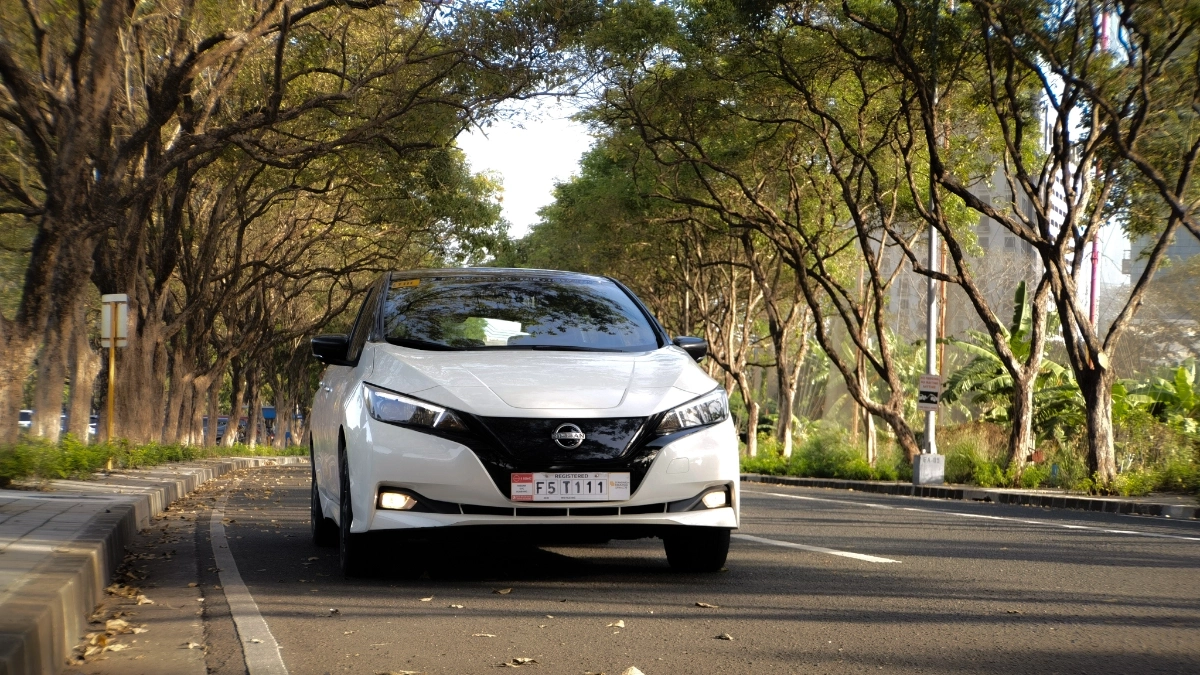
2. Nissan Leaf (Base Model)
The Nissan Leaf is one of the most recognizable and longest running electric vehicles in the world, and it holds a significant place in the history of EV development in the United States.
First introduced in the early 2010s, the Leaf helped establish electric vehicles as a viable mainstream option for everyday drivers. However, the base models of the Nissan Leaf are still considered relatively basic in terms of range, performance, and technological features when compared to modern EV standards.
The entry level versions of the Nissan Leaf typically offer limited driving range, making them most suitable for urban environments and short daily commutes. While newer variants have improved significantly, early base models often struggled to compete with emerging EV technologies that prioritized higher battery capacity and faster charging systems.
This limited range makes long distance travel impractical, requiring frequent charging stops that reduce convenience for highway driving.
From a technology standpoint, the Nissan Leaf focuses on simplicity and ease of use rather than advanced innovation. It includes basic infotainment features, standard climate controls, and essential safety systems, but it lacks the more advanced autonomous driving capabilities and AI based driving assistance found in newer electric vehicles.
Additionally, earlier models do not benefit from highly efficient thermal battery management systems, which can affect performance in extreme temperatures or during prolonged driving sessions.
Even though it is considered a basic EV today, the Nissan Leaf remains important in the global electric vehicle ecosystem because it helped introduce millions of drivers to electric mobility. Its affordability and straightforward design made it an accessible entry point, even if it does not match the technological sophistication or extended range of modern high tech EVs.
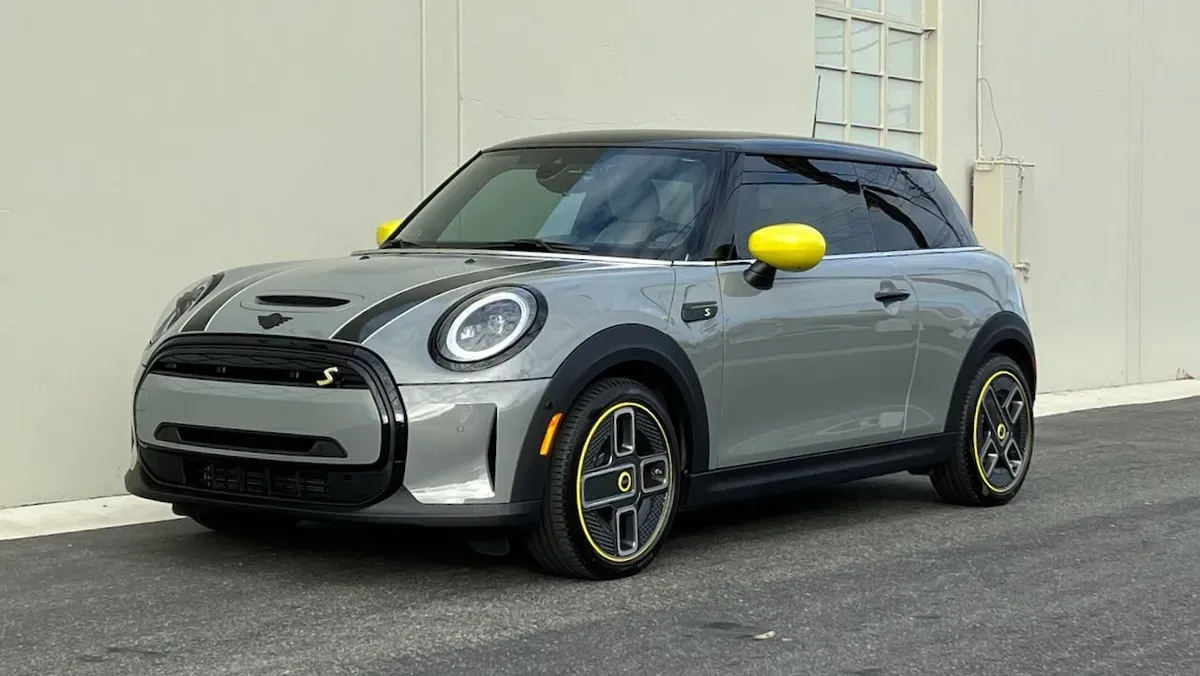
3. Mini Electric (Base Variant)
The Mini Electric, also known as the Mini Cooper SE in some markets, is a compact electric vehicle designed primarily for urban mobility and short distance driving. It reflects the iconic design language of the Mini brand while transitioning into the electric era. However, the base variant of the Mini Electric is widely considered a basic EV due to its limited driving range and minimal focus on advanced electric vehicle technology.
The range of the Mini Electric is significantly lower than most modern EVs, making it best suited for city driving, commuting, and short errands. This limitation means that drivers who frequently travel long distances or rely on highways may find it impractical due to the need for frequent recharging.
As a result, it is positioned more as a secondary vehicle or a lifestyle oriented city car rather than a primary long distance transportation solution.
In terms of features, the Mini Electric maintains a relatively simple technological setup. While it does include a digital infotainment system and some modern safety features, it does not offer advanced autonomous driving systems or highly sophisticated software ecosystems found in premium EVs.
The driving experience is more focused on compact handling, agility, and brand style rather than cutting edge electric performance or innovation.
Despite its limitations, the Mini Electric appeals to drivers who value design, compact size, and urban convenience. It is easy to park, fun to drive in city environments, and visually distinctive. However, its limited range and basic EV architecture clearly place it in the category of entry level electric vehicles rather than advanced high performance EVs.
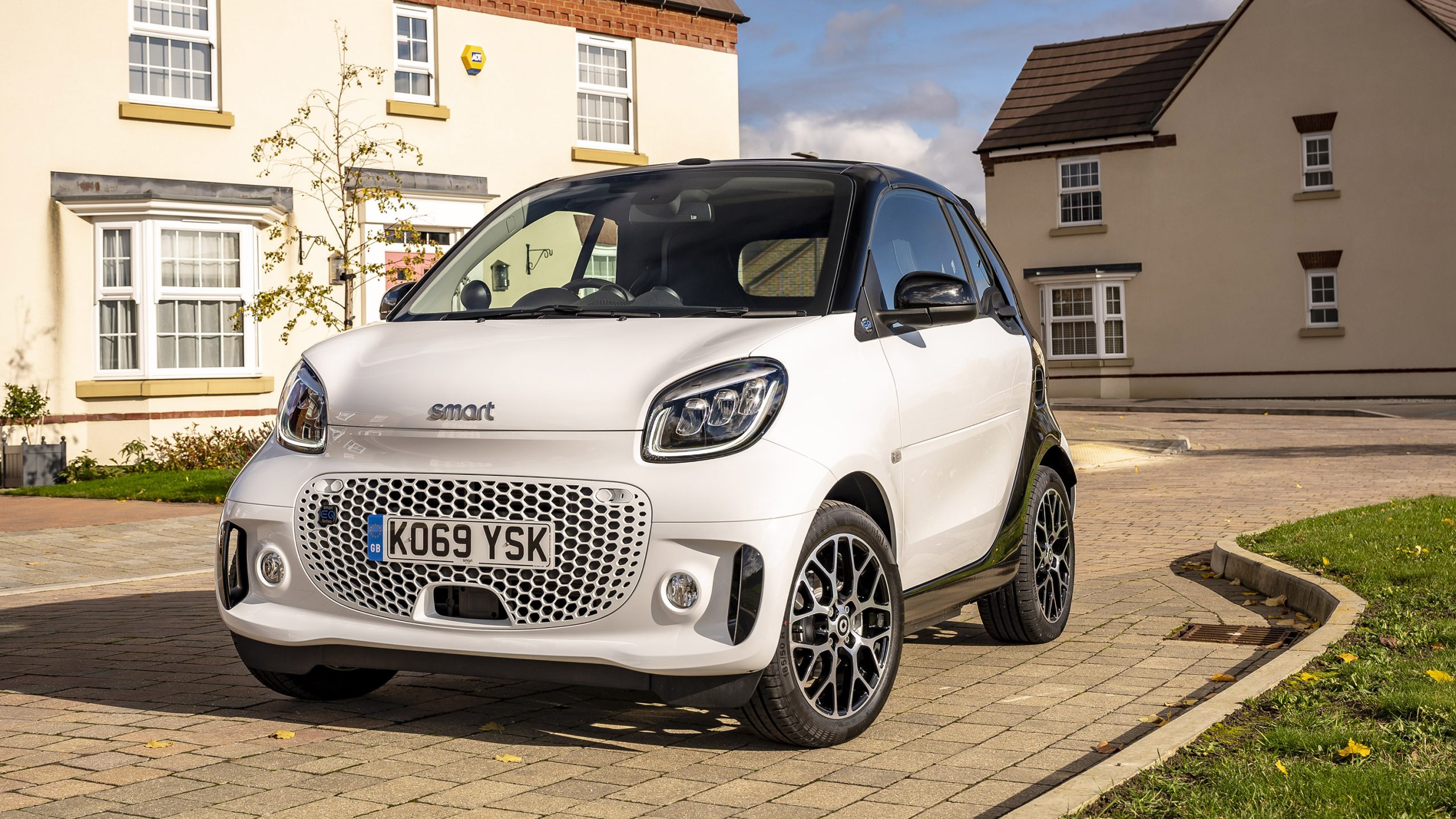
4. Smart EQ Fortwo
The Smart EQ Fortwo is one of the smallest fully electric vehicles available in the United States market, designed exclusively for dense urban environments where parking space is limited and short distance travel is the norm.
Manufactured by Smart, a brand originally developed as a joint venture between Daimler and Swatch, the Fortwo is built around the idea of maximum compactness and minimal energy consumption. However, this design philosophy also places it firmly in the category of basic EVs with limited range and minimal performance capability.
The driving range of the Smart EQ Fortwo is significantly lower than most modern electric vehicles, making it suitable only for short city commutes and local travel.
It is not designed for highway efficiency or long distance journeys, as its battery capacity and motor performance are optimized for low speed urban mobility. This makes it ideal for city dwellers who need a second vehicle for errands or short trips but not for drivers seeking a primary long range transportation solution.
Technologically, the Smart EQ Fortwo is relatively simple. It includes essential features such as basic infotainment, climate control, and standard safety systems, but it does not incorporate advanced autonomous driving technology or sophisticated driver assistance systems. Its design prioritizes simplicity and affordability rather than digital innovation or high performance engineering.
Despite its limitations, the Smart EQ Fortwo remains popular in certain urban markets due to its extremely compact size, ease of parking, and low operating costs. However, its limited range and minimal technological advancement make it one of the most basic electric vehicles still available today.
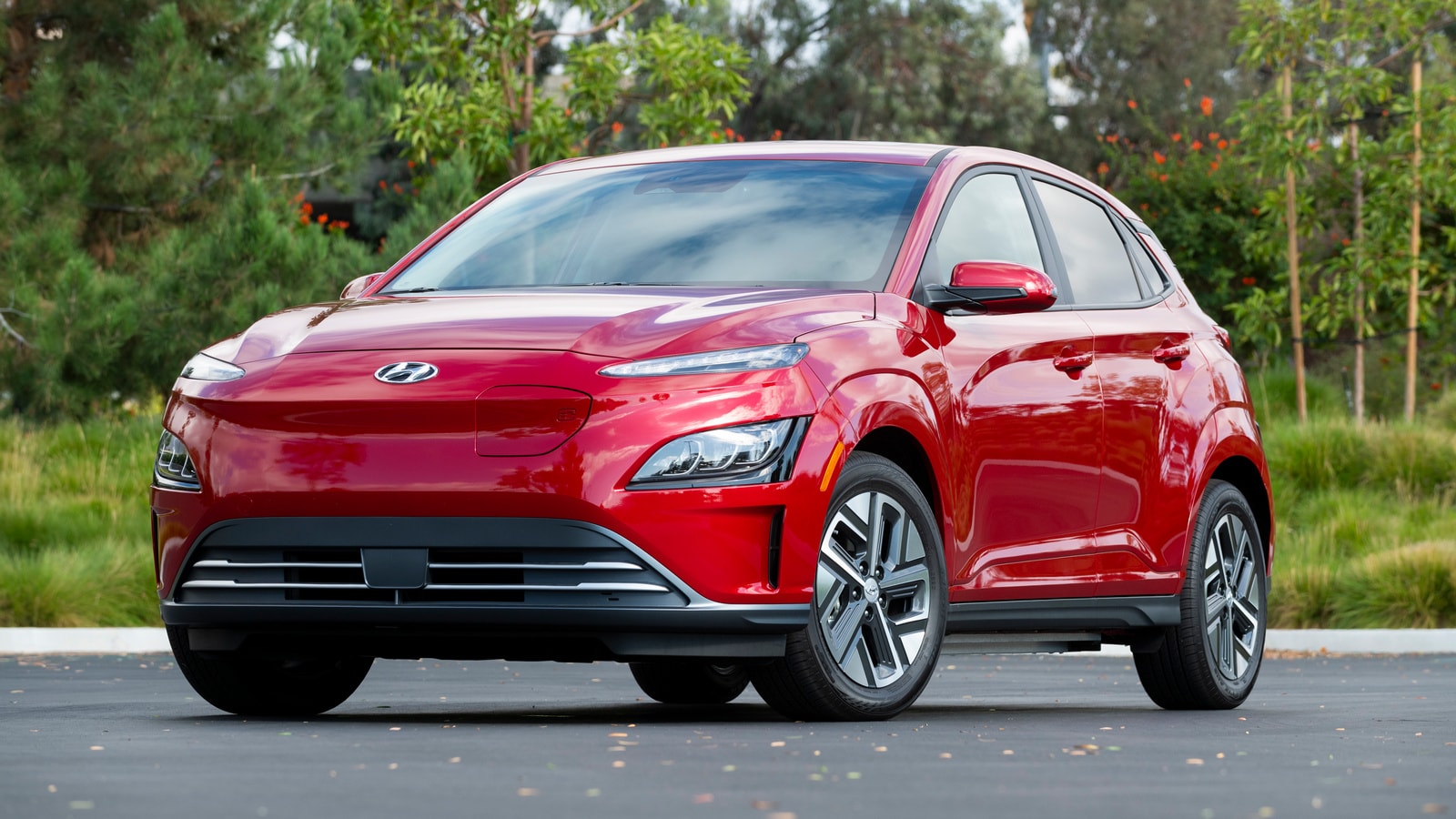
5. Hyundai Kona Electric (Base Trim)
The early base trims of the Hyundai Kona Electric represent an important step in Hyundai’s transition into the electric vehicle market, but they are still considered relatively basic compared to newer high tech EV offerings.
While later versions of the Kona Electric improved significantly in terms of range, performance, and software integration, the early base models were more focused on providing affordable electric mobility rather than advanced innovation.
The range of early Hyundai Kona Electric models was moderate but not exceptional, making them suitable for daily commuting and short to medium distance travel rather than long highway journeys.
While the range was competitive at the time of release, it has since been surpassed by newer EVs that offer more efficient battery systems and faster charging capabilities. This places early Kona models in a lower tier when compared to modern electric SUVs.
From a technology perspective, the base trims include standard infotainment systems and essential driver assistance features, but they lack the more advanced autonomous driving systems, high level connectivity features, and AI based enhancements found in newer electric vehicles.
The software experience is functional but not deeply integrated or continuously evolving through advanced over the air updates.
Despite these limitations, the Hyundai Kona Electric played an important role in expanding EV adoption by offering a reliable and relatively affordable electric SUV option. However, in the context of today’s rapidly advancing EV market, early base trims are clearly positioned as basic models with limited range and fewer technological innovations.